Please fill out the following form to submit a Request for Quote to any of the following companies listed on
Get Your Company Listed on this Power Page
Introduction
Explanations of permanent magnets and their uses with a list of manufacturers
You will learn:
What is a Permanent Magnet?
How Permanent Magnets are Made
Uses for Permanent Magnets
Types of Permanent Magnets
And much more ...
Chapter 1: What is a Permanent Magnet?
Permanent magnets are materials that generate a magnetic field based on the internal structure of the material that forms them. In most materials, magnetic domains point in random directions and cancel each other out, which prevents lasting magnetism. In permanent magnet materials, however, the electrons and magnetic moments align in a way that creates a stable, continuous magnetic field. This behavior is common in ferromagnetic materials, where the orbits of the electrons line up and produce magnetic properties. Iron, cobalt, and nickel are the best-known examples, and they are often used in magnetic assemblies, industrial magnets, sensors, motors, and other applications that require reliable magnetic attraction.
The measurement of magnetic flux density, or magnetic field strength, is a gauss (G), named after Carl Friedrich Gauss, a German mathematician, astronomer, and physicist. Gauss developed a system of magnetic units based on length, mass, and time. A gauss is a term used in the cgs, or centimeter gram second, system of units to describe magnetic flux density or magnetic induction. In many commercial and engineering applications, gauss measurements help compare magnet performance, evaluate holding force, and determine whether a magnet is suitable for use in a device, fixture, or assembly.
The use of gauss helps define the strength of a magnetic field. The gauss ratings for permanent magnets vary between 8,000 gauss and 15,000 gauss for neodymium permanent magnets, depending on size, grade, and geometry. The strength of permanent magnets is also identified by grade, such as N52, a neodymium permanent magnet with an energy product of 52 mega-gauss oersteds (MGOe). Higher grades typically offer stronger pull force, greater magnetic performance, and improved suitability for compact designs where space is limited. Choosing the right magnet grade often depends on operating temperature, load requirements, corrosion resistance, and the intended industrial application.
The magnetic field of permanent magnets has two important parameters: remanence and coercivity. A permanent magnet's ability to resist demagnetization is tied to its coercivity, including demagnetization from electric or magnetic circuits as well as thermal demagnetization. As coercivity increases, a permanent magnet retains more of its magnetic field, making it a stronger choice for long-term use in demanding environments. Remanence, also known as retentivity, refers to the remaining magnetic field after an external magnetic field is removed. Commercial permanent magnets require high remanence and coercivity at an affordable cost, which is a challenge for permanent magnet manufacturers. Buyers evaluating permanent magnet options often also compare magnetic strength, temperature stability, material composition, and cost to find the best solution for manufacturing, automation, and product design.
Chapter 2: Types of Permanent Magnets
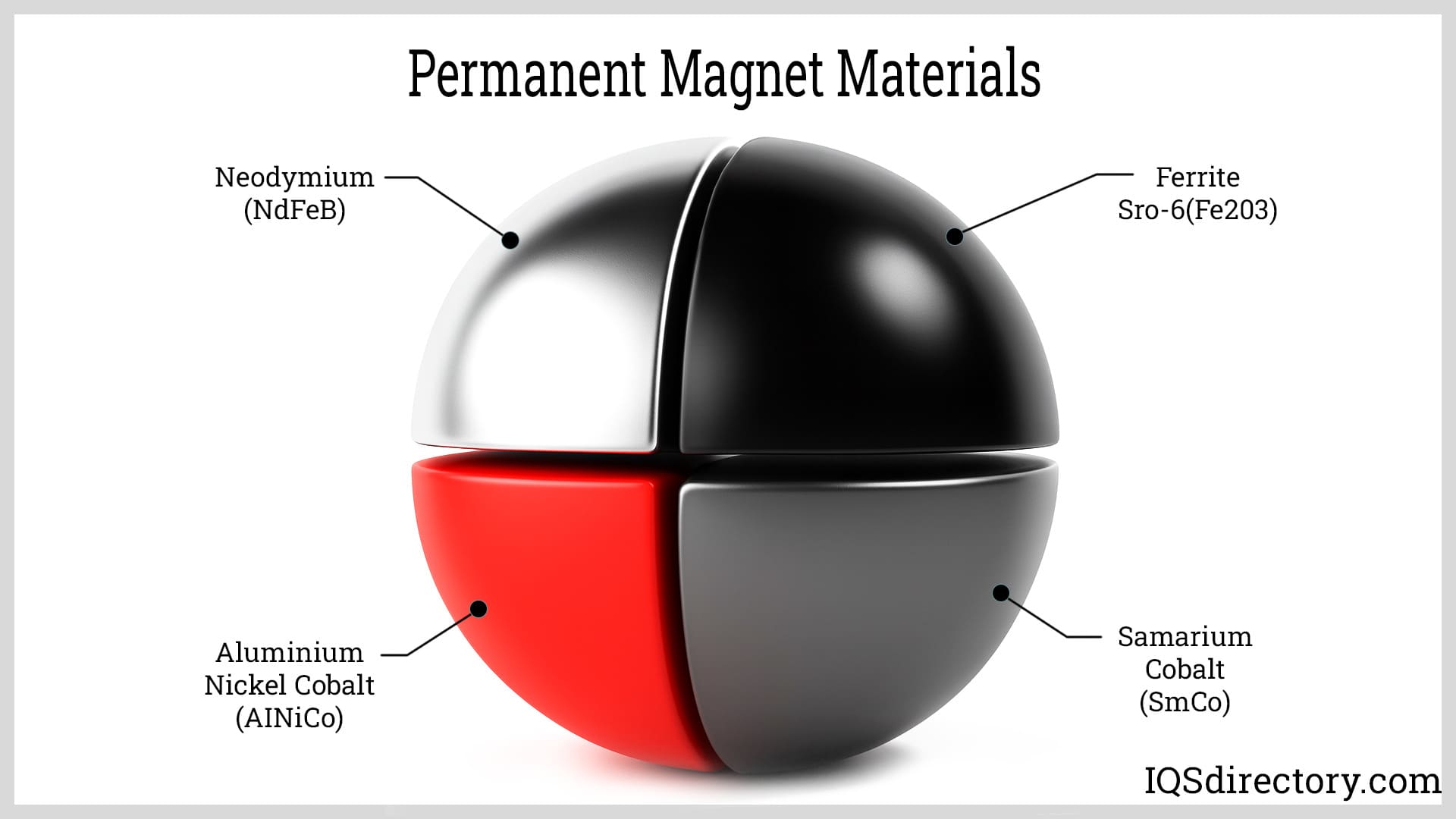
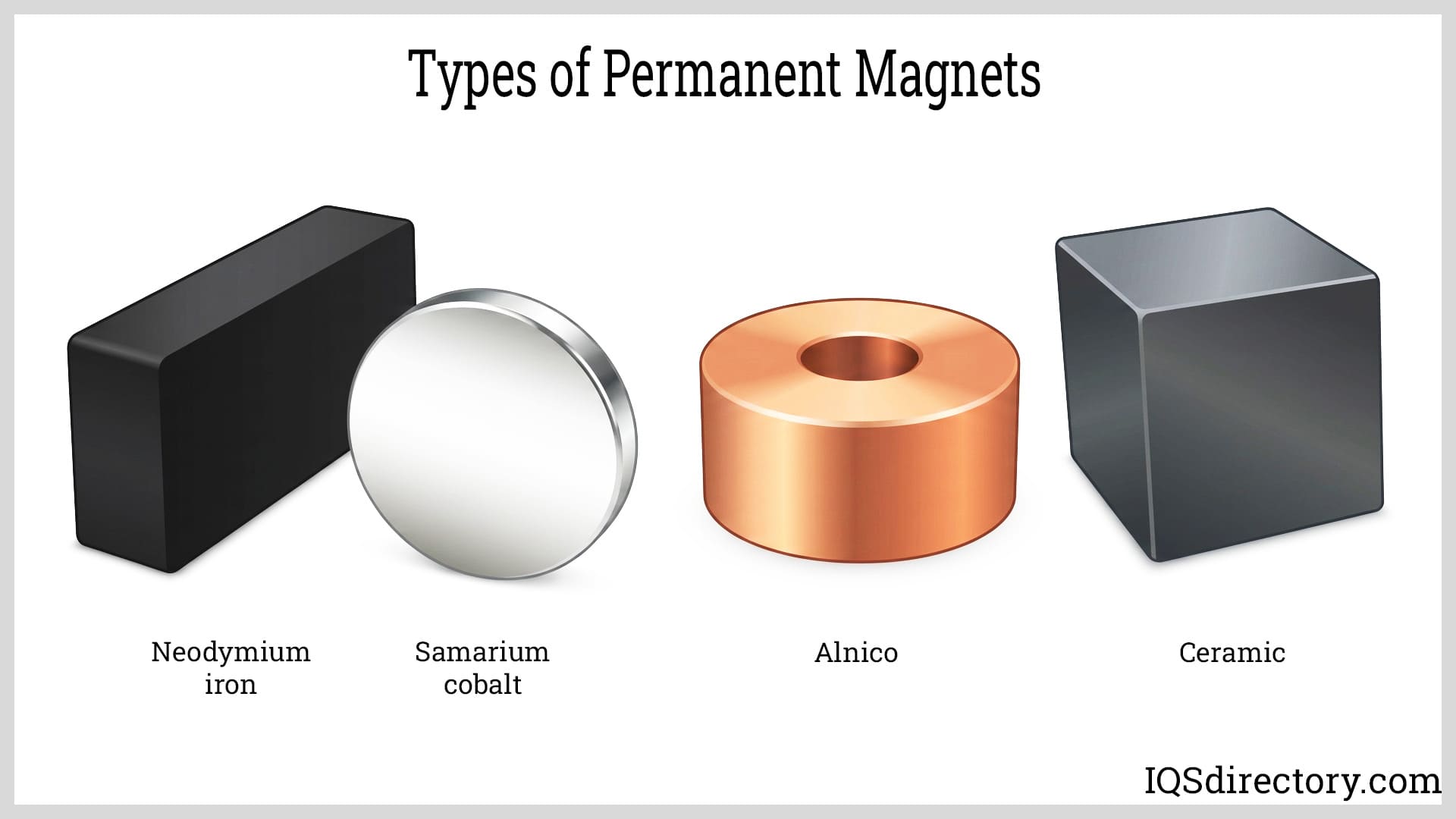
The differentiation between the types of permanent magnets is in regard to the materials from which they are made. The main types of materials are ceramic, alnico (AlNiCo), neodymium iron boron (NdFeB), and samarium cobalt (SmCo). Each of these is used to produce permanent magnets of varying magnetic strength due to their ability to be magnetized and remain magnetized. Within each type of permanent magnet are different grades that have magnetic fields of varying strengths. The high coercivity and remanence of permanent magnets distinguishes them from other types of magnets. They are capable of maintaining their magnetic field without the assistance of a power source.
In addition to the different materials, permanent magnets come in a wide variety of shapes and sizes in order to fit the multiple applications for which they are used. The shapes of permanent magnets are made from the classes of materials and affect their strength as well as the distribution of their magnetic field. Horseshoe and cylindrical magnets are used for applications that require high magnetic force. They have their poles pointed in the same direction. Bar magnets have weaker magnetic force due to their magnetic force being concentrated at their poles.
The variations in materials, shapes, and sizes are the reasons that there are such a wide range of permanent magnetics, which allows engineers and manufacturers to easily design their products. Literally, there is a magnet for any type of application regardless of the complexity and intricacy of an application.
Alnico (AlNiCo)
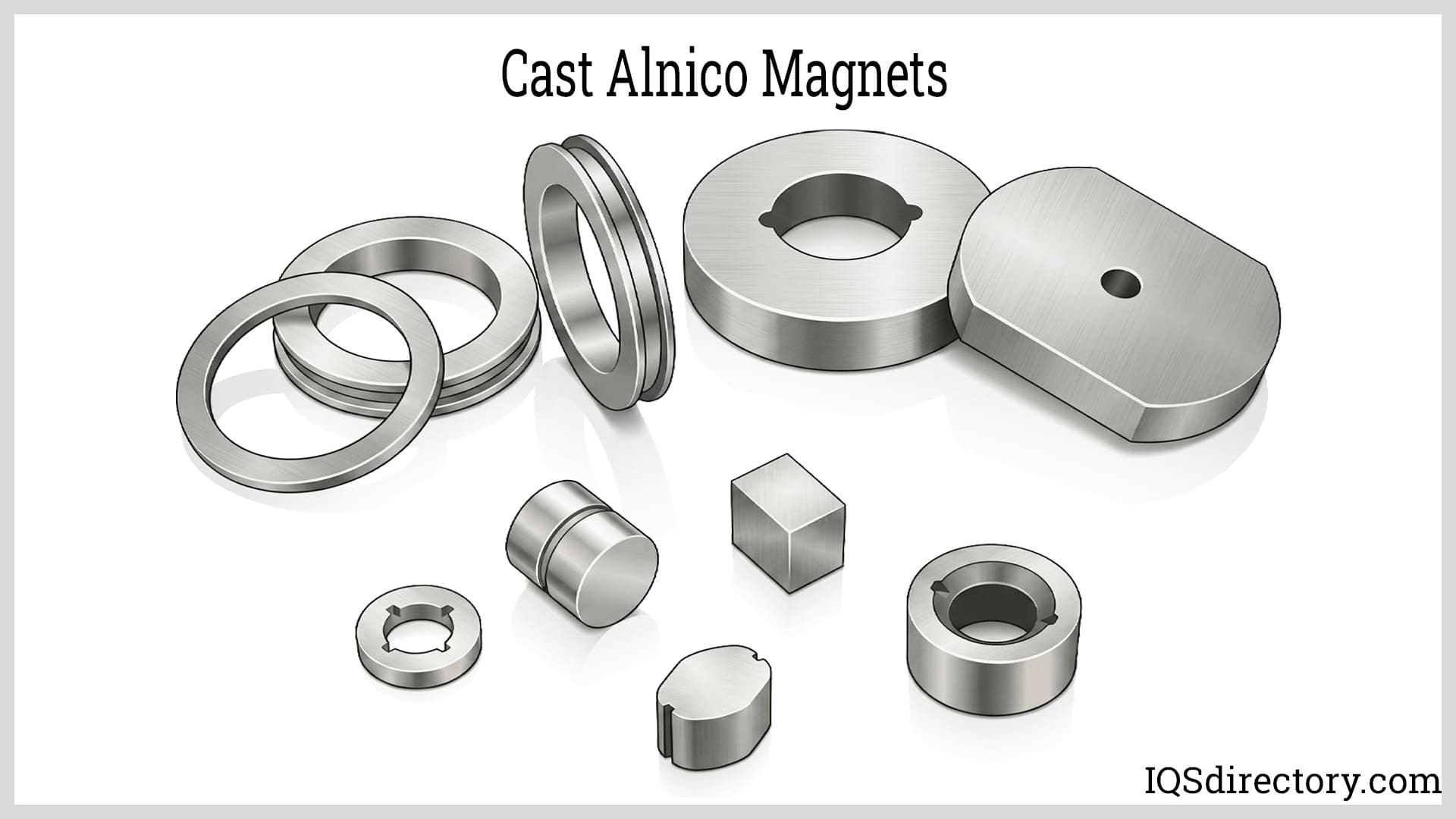
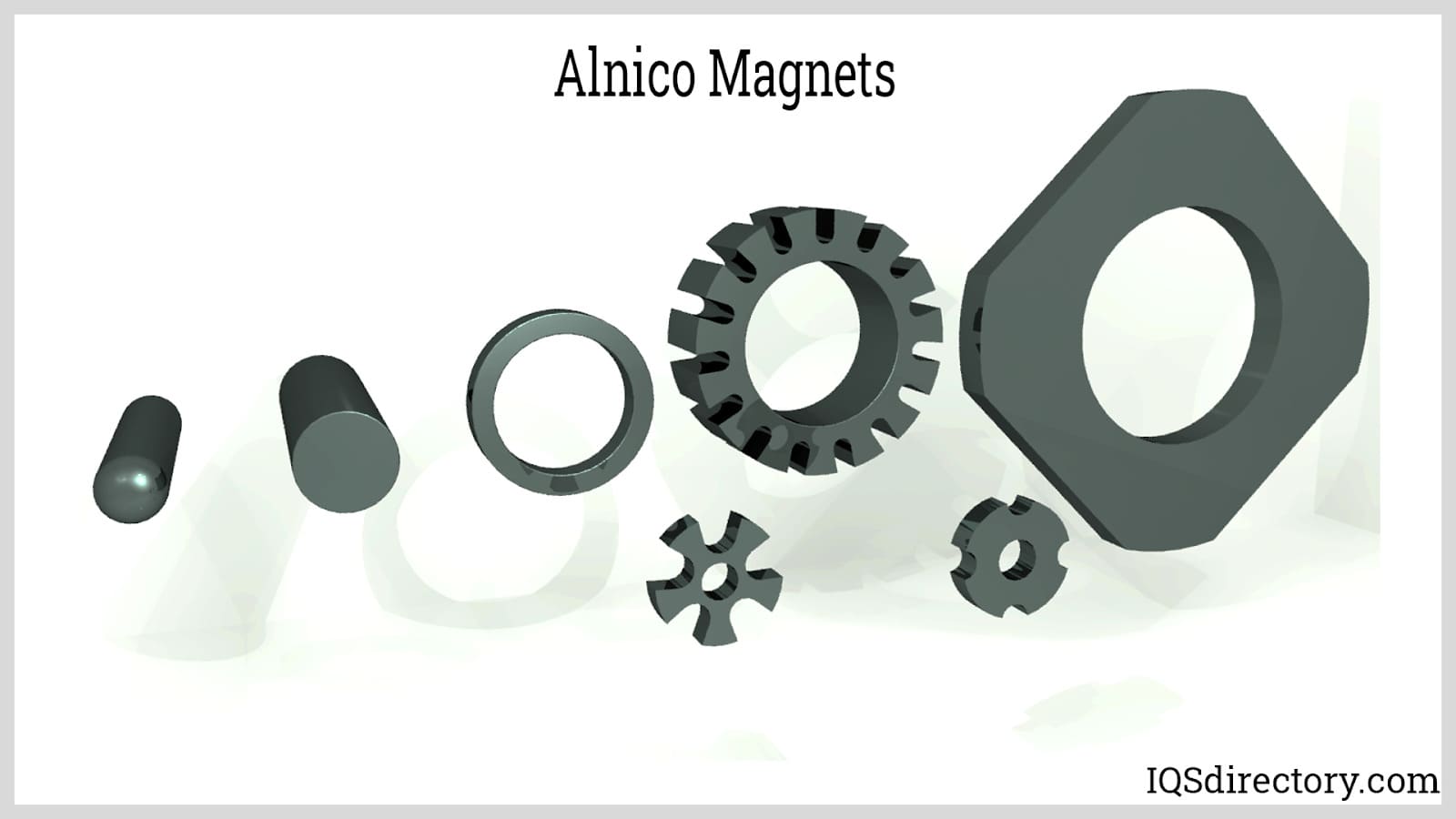
The composition of alnico magnets includes aluminum, nickel, and cobalt with small amounts of other materials to improve magnetic properties. They have good temperature stability with good resistance to demagnetization but are susceptible to demagnetization. Alnico permanent magnets are made most commonly by casting but are also produced by sintering. They have a strong Fe-Co rod microstructure with a weak magnetic Ni-Al matrix. The anisotropy, magnetic direction, of the rod shape gives alnico permanent magnets their coercivity.
In the casting process, the elements of alnico permanent magnets are melted and poured into a sand mold. A higher amount of aluminum is added due to aluminum being lost at temperatures over 680o C (1256o F). The time necessary for casting is very carefully monitored since it affects the Ni to Al ratio. Once the molten mixture is poured into the sand mold, it is allowed to cool quickly to avoid gamma second phase forming. To speed up the cooling process, exothermic sand may be used due to its cooling rate, which affects the surface finish of an alnico permanent magnet. The cooled finished magnets are subjected to a heat treatment to give them their final magnetic properties.
The sintering process for alnico permanent magnets involves the use of a mix of the materials in the form of a powder mixture that is put into a die that resembles the desired shape of the magnet. The die mixture is sintered at 1200°C (2192°F) in a hydrogen atmosphere, which causes the powder mixture particles to bond together. The process creates alnico permanent magnets that are stronger than cast alnico permanent magnets. Regardless of the misshaped versions of alnico permanent magnets in their green shape, the tolerances of the final magnets is achieved without the need for machining.
Neodymium Iron Boron
Neodymium iron baron (NdFeB) magnets are considered to be the strongest form of magnet in the world. Aside from having neodymium, iron, and boron, neodymium iron boron magnets also have traces of praseodymium and dysprosium. Praseodymium is added to give neodymium iron boron magnets greater magnetic strength and durability while dysprosium helps the magnets resist demagnetization at higher temperatures providing thermal stability.
The process for producing neodymium iron boron permanent magnets involves the use of sintering. Initially, the three elements are liquified and formed into ingots that are cooled and ground into fine particles. The particulate powder is sintered to form dense blocks, which are cut into the final shape of the magnets that are coated or plated before being magnetized.
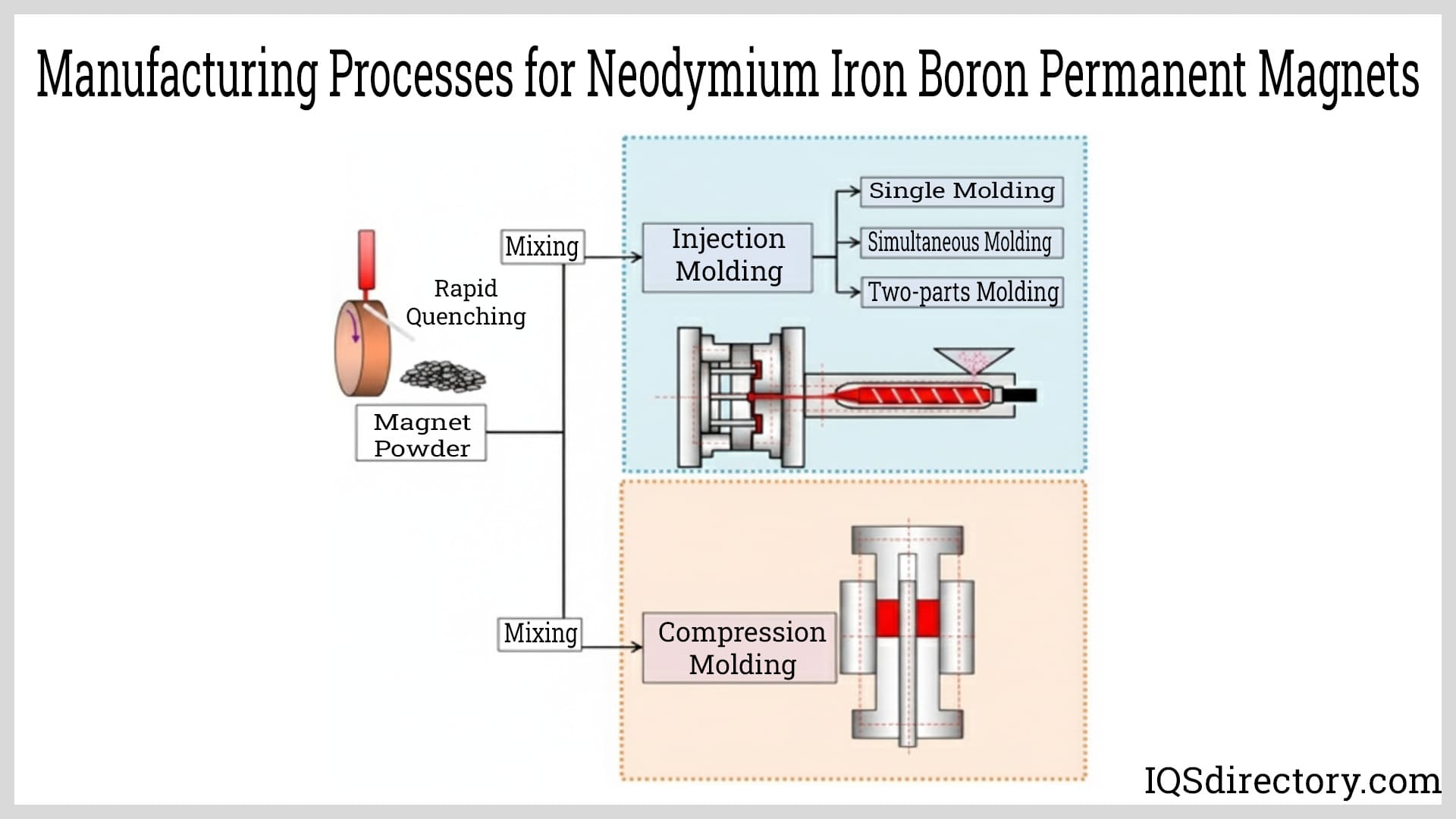
The second process used to produce neodymium iron boron permanent magnets is bonding, a process that involves the use of the magnetic powder and the inclusion of binders. The types of binders are thermo-elastomeric, thermoplastic, and epoxy-based materials. The binder is an essential part of the process since it is the part that holds the mixture together.
The shaping process can be injection molding or compression. The process for injection follows the normal injection process. With compression bonding the magnetic powder and binder mixture are pressed into a die under high pressure, which makes them stronger and denser. As with sintering, compression bonding eliminates the need for secondary processes.
Of the various types of magnets produced by the bonding process, neodymium iron boron permanent magnets are the most popular due to their balance of strength and flexibility. They are ideal for conditions that require a strong magnet but allow for design freedom.
Samarium Cobalt (SmCo)
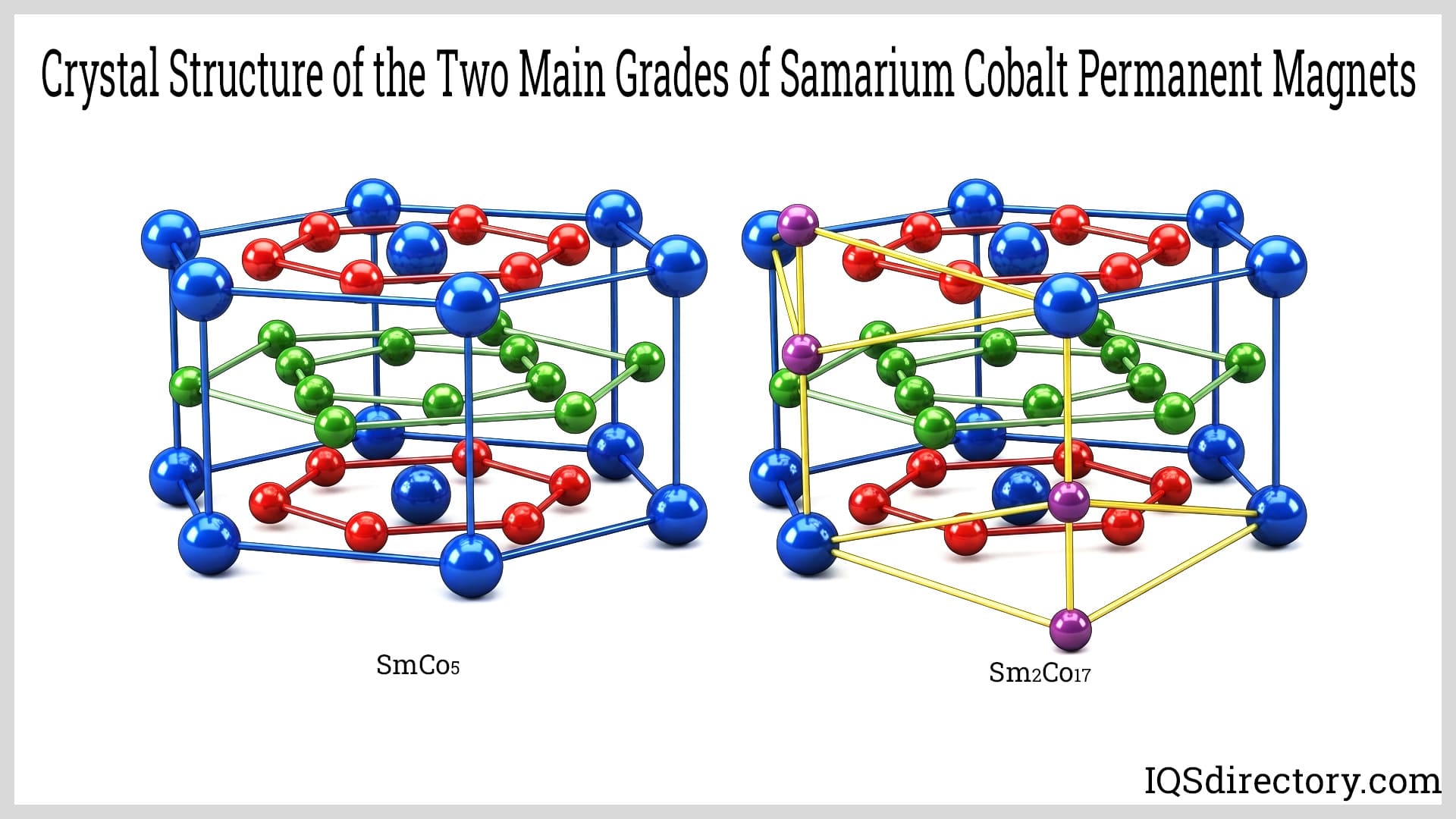
Samarium cobalt is part of the lanthanide group on the periodic table and is a close relative of neodymium. The two methods used to manufacture samarium cobalt permanent magnets are sintering and compression. The sintering process is referred to as the isostatic pressing method, which involves the use of a rubber die that carries the SmCo powder that is pressed to form samarium cobalt permanent magnets. The compression method follows the same steps that are used for bonding and includes a binder with the magnetic powder.
The magnetization of SmCo permanent magnets requires a very strong magnetic field. The final magnets can crack or chip easily, which requires that they be handled with care and not be subjected to common traditional crude tools when being shaped. During manufacturing, a protective coating is applied to the magnets to protect them from corrosion. The high coercivity of SmCo magnets makes them ideal for applications with high temperatures. It enhances the magnet's stability during temperature changes.
The high coercivity (Hci) of samarium cobalt permanent magnets makes them resistant to demagnetization. The rarity of SmCo magnets is due to scale and demand. They are a byproduct of Neodymium Iron Boron magnet production. Care is necessary when handling SmCo magnets due to their brittleness, which is the highest of all permanent magnets.
Ferrite or Ceramic
Ferrite or ceramic permanent magnets are made of iron oxide and barium or strontium carbonate. They are the least expensive of all of the permanent magnets. Ferrite is a ferromagnetic material that is attracted to magnetic fields, which allows it to be easily magnetized. It is not an electrically conductive material, which makes it applicable for use in transformers to suppress eddy currents. The two types of ferrites are hard and soft with hard having high coercivity while soft has low coercivity.
As with samarium cobalt permanent magnets, ferrite permanent magnets are manufactured using sintering or compression. The magnets are brittle like samarium cobalt and neodymium permanent magnets. The compound used to produce ferrite permanent magnets has a uniaxial anisotropic hexagonal structure.
The chemical conversion of iron oxide and one of the carbonates takes place at temperatures that are well over 1800°C (3272°F) and results in ferrite, which is milled to form a very fine powder. The magnetic field for ceramic permanent magnets is applied during the compacting process. As with samarium cobalt and neodymium iron boron permanent magnets, the final magnets are very brittle and require careful handling. They are tooled using diamond cutting wheels.
The attractiveness of ferrite permanent magnets is their low cost. They were developed in the 1960s as an alternative to metallic magnets. Aside from their low price, ferrite permanent magnets are valued for their resistance to corrosion and demagnetization. They have a strong remanent magnetization that lasts for a very long time.
The different grades of ceramic permanent magnets have different magnetic properties. Ceramic-1 is an isotropic grade while grades 5 and 8 are anisotropic grades. Of the isotropic and anisotropic grades, the anisotropic grades have a MGOe 3.5.
Flexible
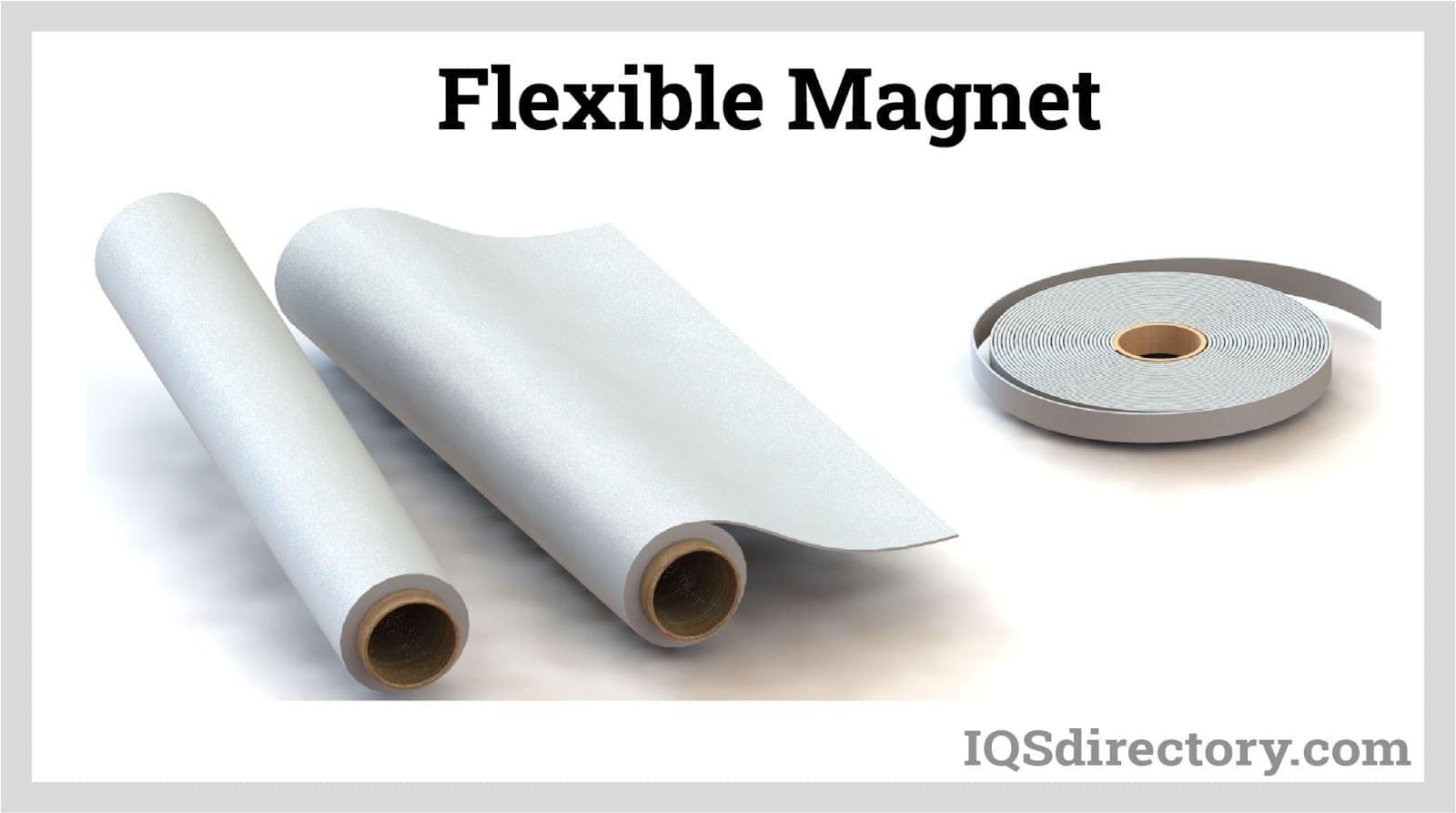
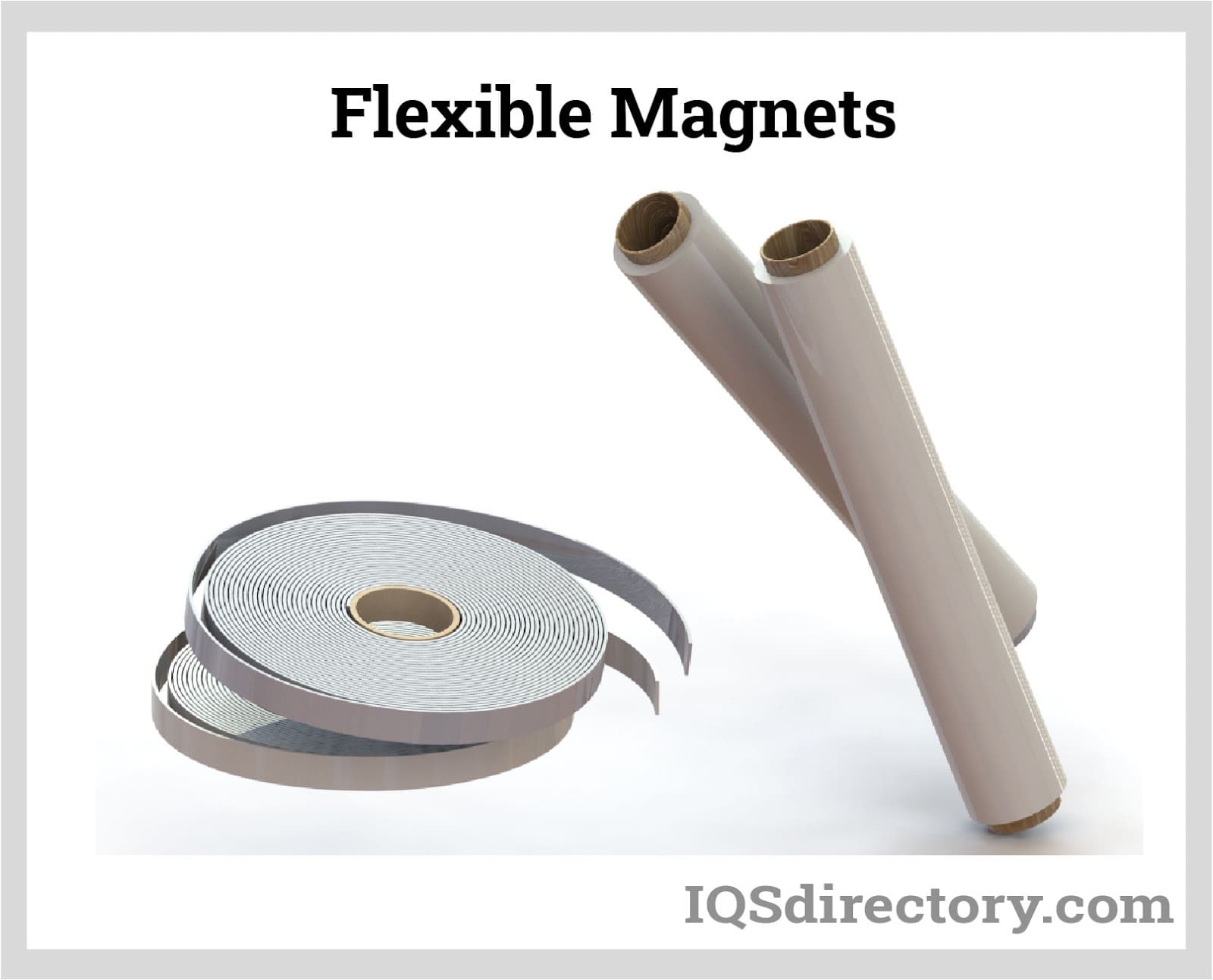
Normal permanent magnets are rigid, firm, and inflexible. They are known for maintaining their magnetic properties under most conditions but are unable to be reshaped to meet the requirements of an application. To overcome this characteristic, flexible permanent magnets were developed, which are made by blending magnetic powders with binders that are flexible. This manufacturing method makes it possible to mold and change the magnets to form different shapes, sizes, and configurations. Regardless of the many shapes and changes that are made to flexible permanent magnets, they do not lose the strength of their magnetic field.
The methods used to manufacture flexible magnets are extrusion and calendaring. The determination of which method is used is in regard to the width of the magnets. As is common to extrusion, the molten magnet mixture is forced through a die to make magnetic tape. With calendaring, the molten material is forced between rollers to create wide width flexible magnets. Both processes begin with the mixing of iron oxide and a carbonate to form the ferrite ferromagnetic material.
The formation of ferrite, as used for flexible permanent magnets, is the same as it is for rigid and hard ferrite magnets. The factor that adds flexibility to the magnets and differentiates them from other permanent magnets is the inclusion of synthetic rubber that is added with the carbonate and iron. The melted mixture is subject to either the extrusion process to form specific shapes or the calendaring process to form long sheets. The final product of the different processes produces flexible magnets that can be flexed, bent, or folded without breaking or being damaged.
Chapter 3: Shapes of Permanent Magnets
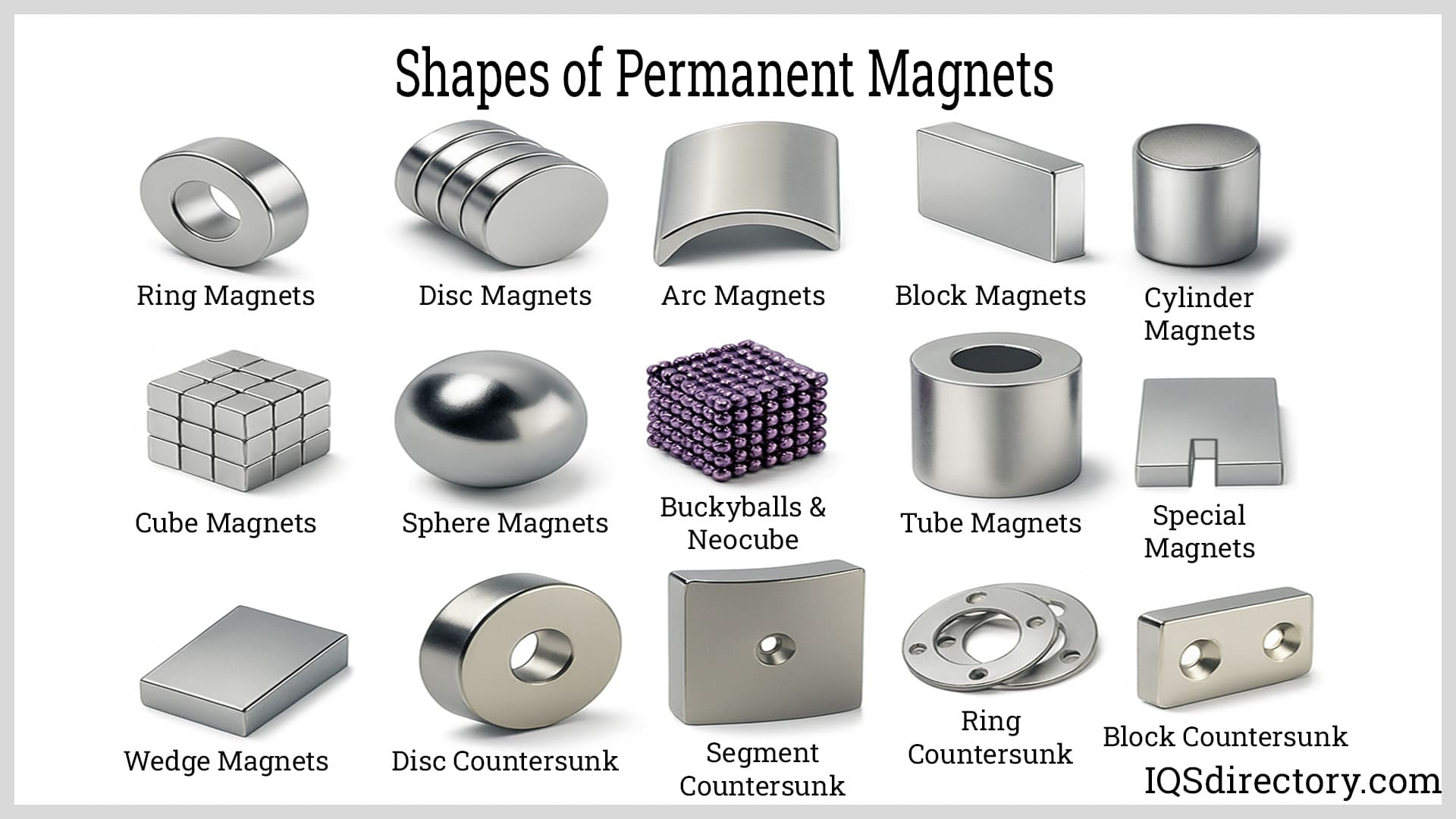
While the materials used to produce permanent magnets affect their magnetic force, their shape determines how they are used, their strength to pull, and how their magnetic field aligns outside of the magnet. Of the many shapes of permanent magnets, the most common are bar, disc, horseshoe, sphere, counter sunk, and cylinder.
Horseshoe
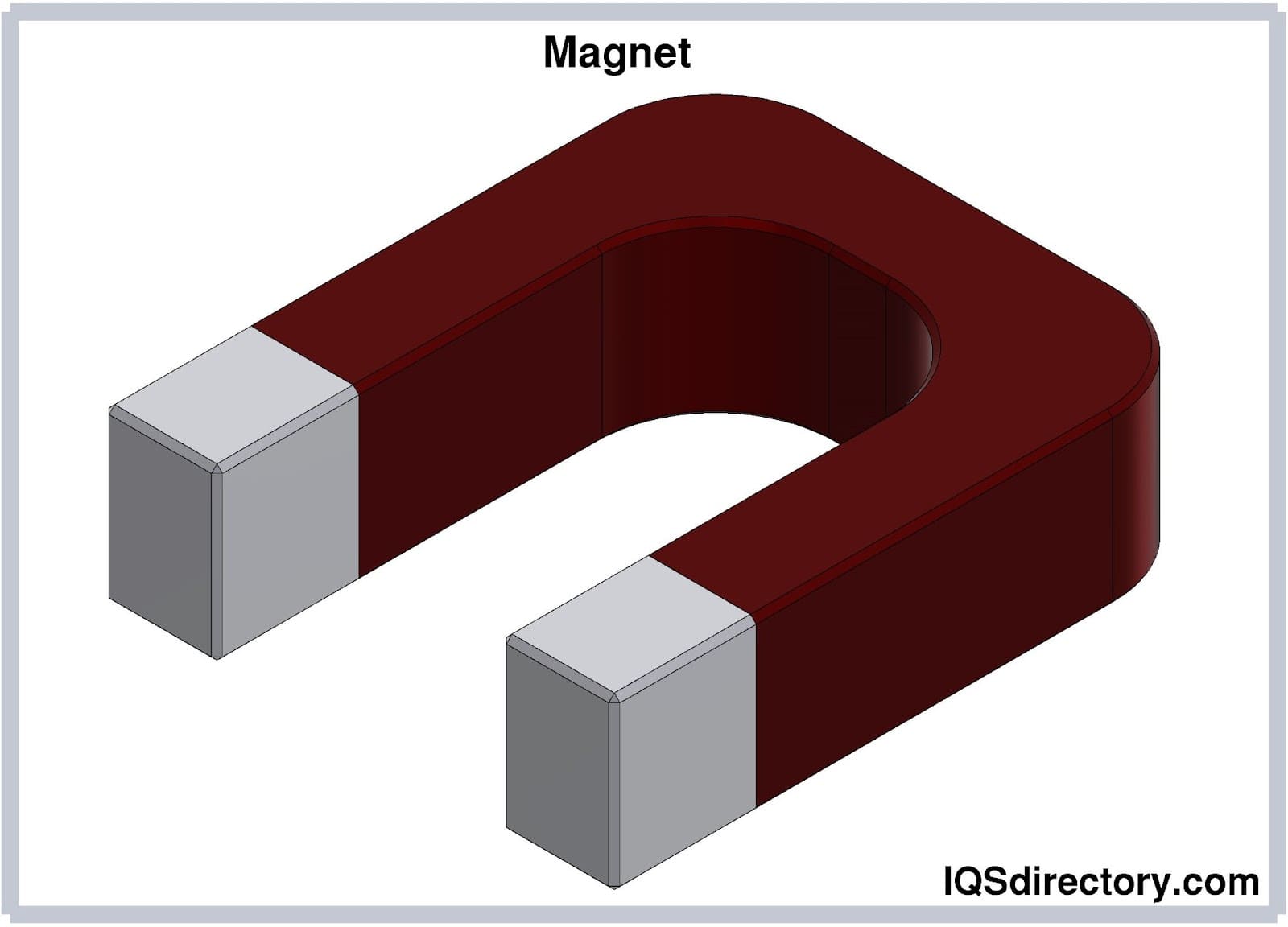
Horseshoe permanent magnets are the most recognizable type of magnet. They have the same shape as bar permanent magnets but are made in the shape of the letter “U”, a shape that makes them stronger due to both poles being pointed in the same direction. As the universal symbol of magnets, horseshoe permanent magnets are used to pick up ferrous materials and objects. They come in different sizes and strengths to conform to the requirements of an application.
The uses of horseshoe permanent magnets include high school science experiments and the collection of metal at construction sites and manufacturing operations. The purpose of the shape of horseshoe magnets is the creation of a compact, powerful magnet that is difficult to demagnetize.
Bar
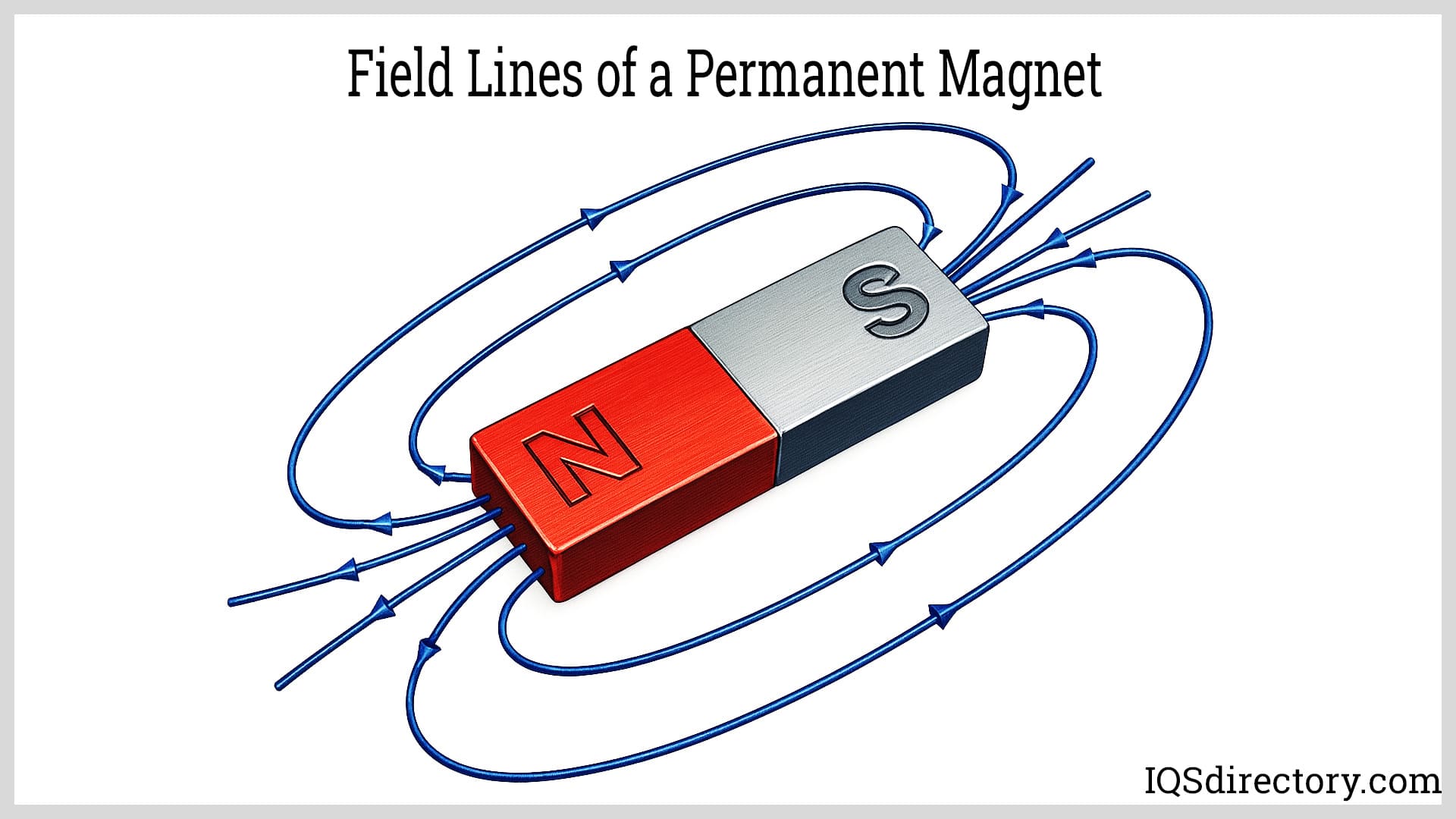
The power of bar permanent magnets is on either of the opposite poles. They are the weakest form of permanent magnet due to the limited area of the poles. The name of bar magnets comes from their shape. The magnetic line of induction for bar magnets is a closed curve that leaves the north pole of the magnet and returns at the south pole. Their magnetic field is very strong and remains for a long period of time.
Disc
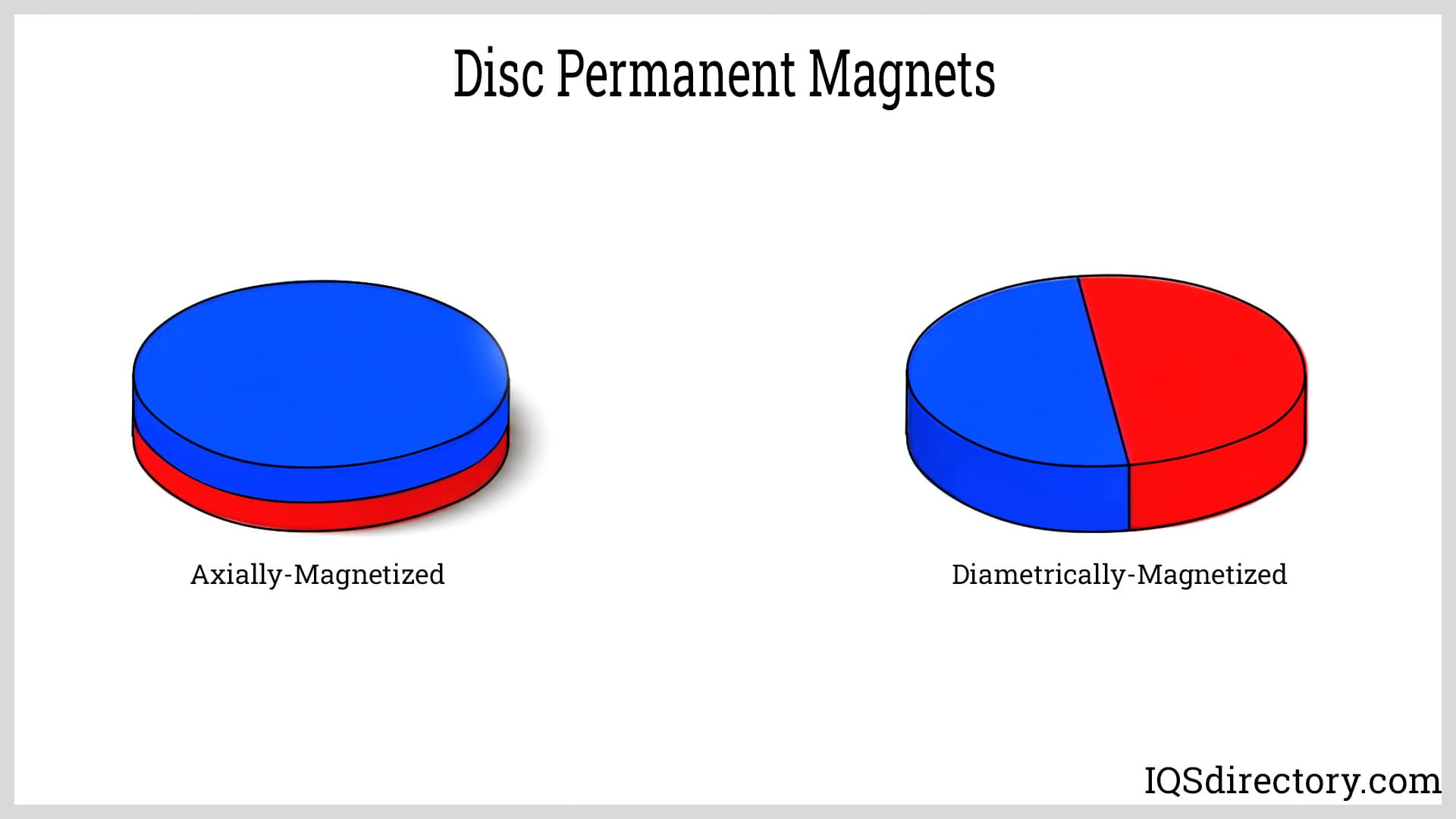
In order to increase the surface area of permanent magnets, their shapes are changed, which increases their pull strength. Disc magnets have a very large pole area that makes them stronger and more effective. As their name implies, disc magnets are round and flat with a high diameter to thickness ratio. The design of disc magnets makes them very effective in applications that involve rotation where a balanced magnetic field is beneficial.
The poles for disc permanent magnets can be axial or diametrical, which means the poles can be separated horizontally or vertically. Axial bar magnets have the poles placed on a flat surface one on top of the other. With vertical bar magnets, the poles are divided across the diameter of the magnet in a vertical line. Of the two types, axial magnets are the stronger due to their lateral strength. Axial and diametrical are the basic forms of disc magnets, which are rearranged, changed, and configured in multiple forms with a wide variety of pole orientations..
Ring
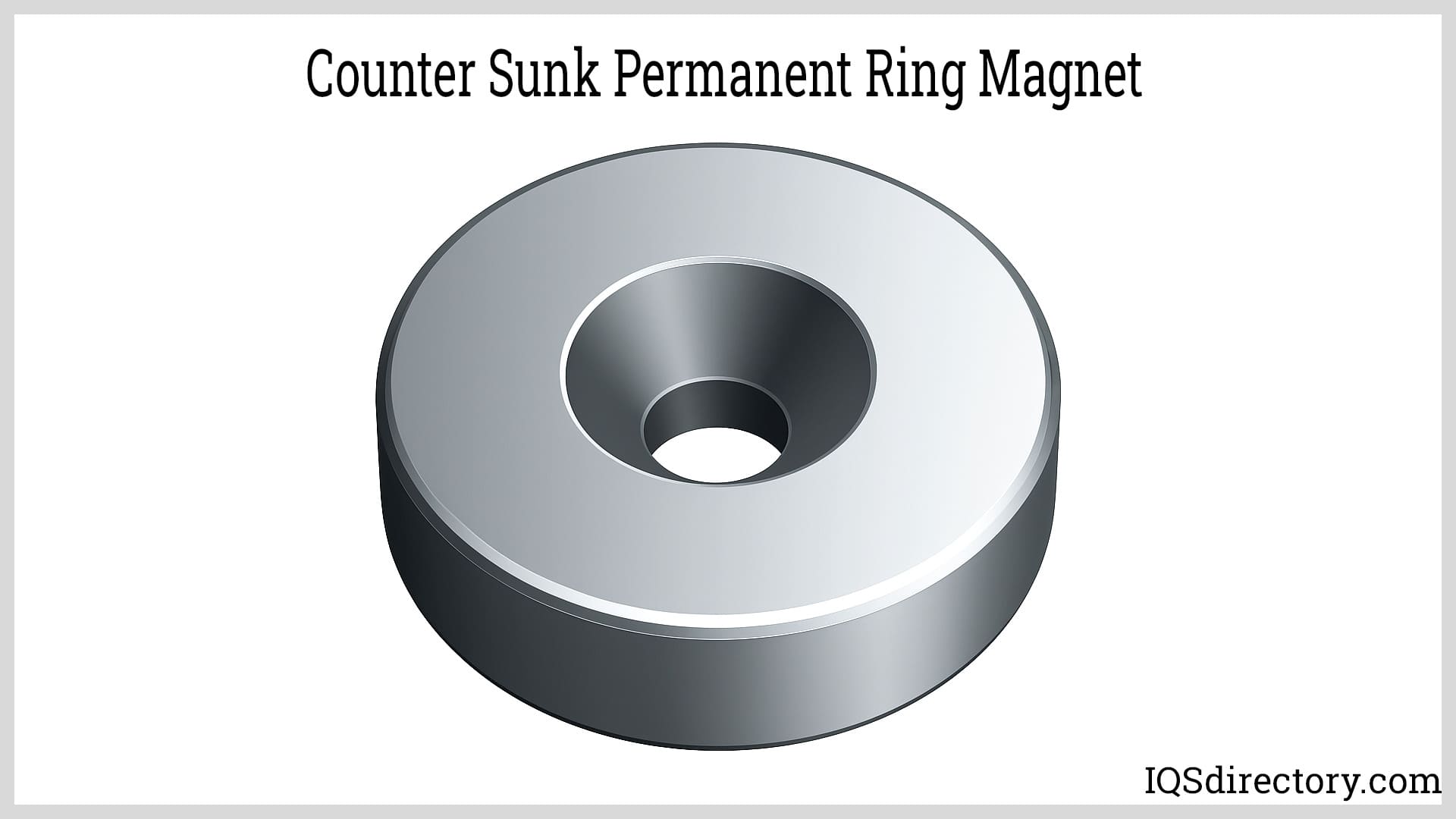
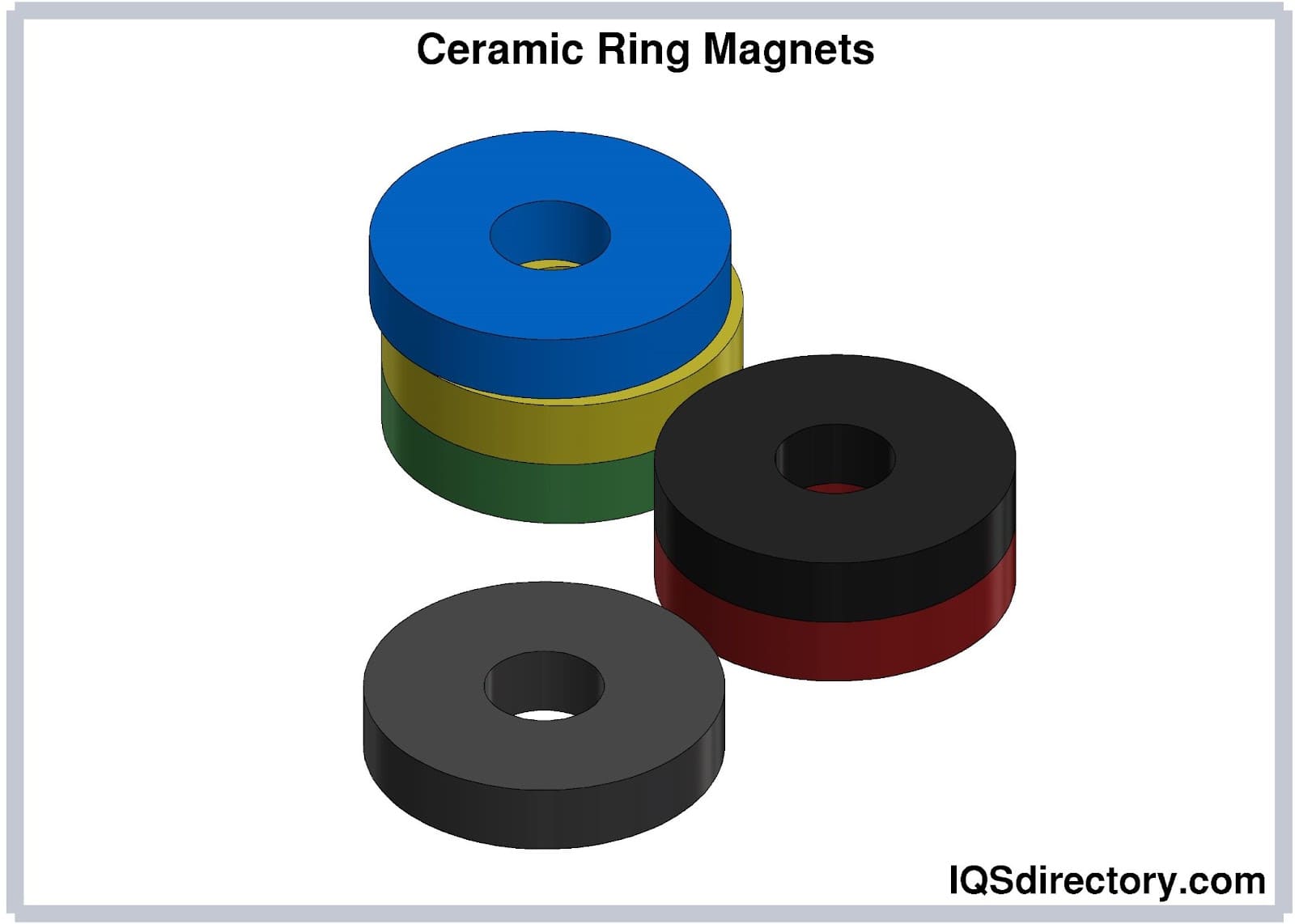
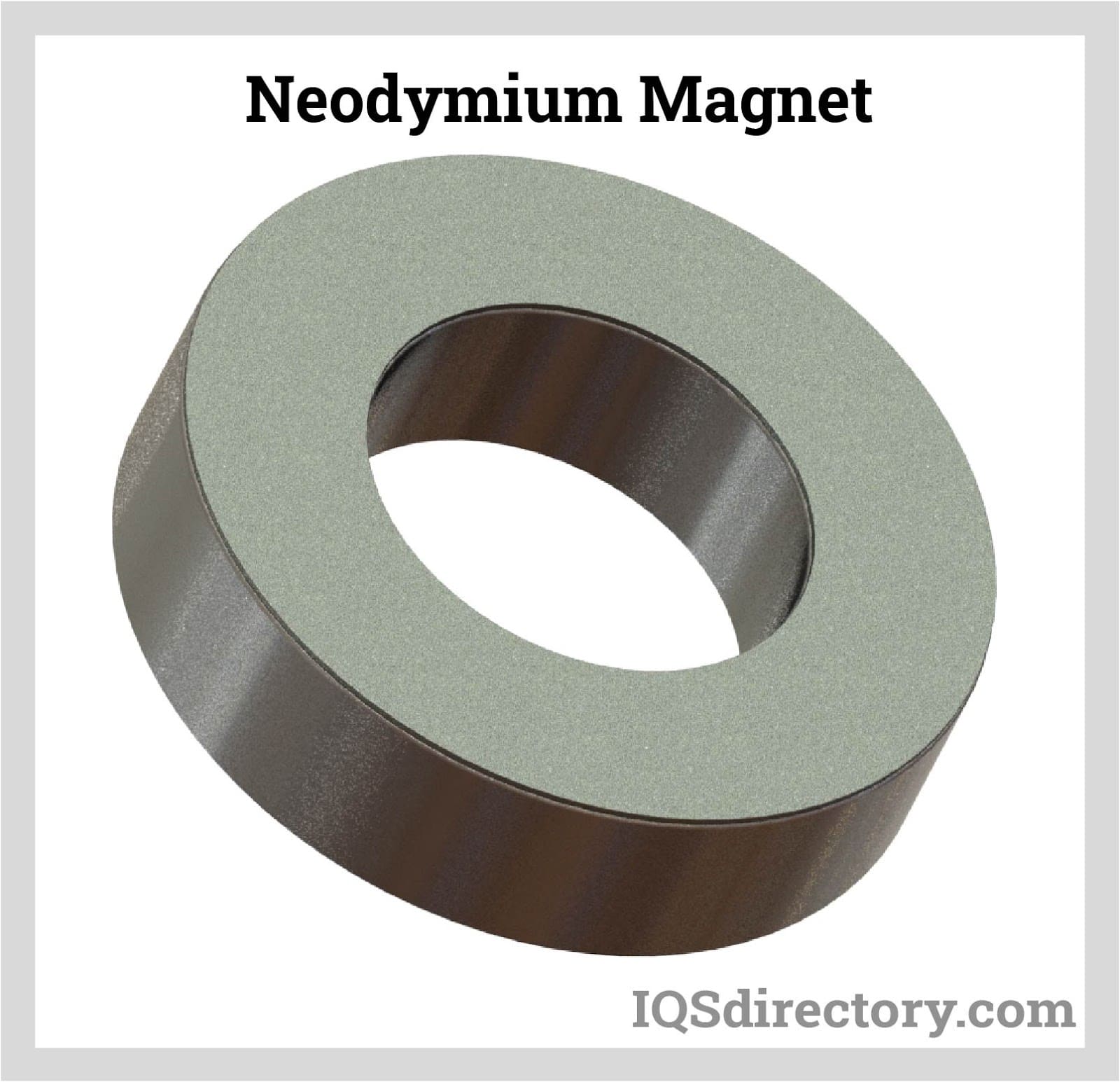
Ring magnets have the same shape as disc magnets but with a hole down their center to form a solid circular outer body and a hollow central interior. The hole changes the magnetic field to create a balanced magnetic field that wraps around the magnet. Most ring magnets are ceramic or ferrite permanent magnets. The poles for ring permanent magnets can be around the circumference, across the face of the magnet, or on the inner and outer edges.
One of the benefits of ring magnets is the uniformity of their magnet field, which wraps around the body of the magnet. This aspect of ring magnets is what makes them ideal for applications that involve rotation or oscillation. As with all shapes of magnets, ring magnets come in a wide range of sizes from small and thin ones to large thick ones. Two factors that determine the use of a ring magnet are their inner and outer diameters, which are the distance across the inner hole and the distance from one edge of the magnet to the opposite edge.
Like disc magnets, ring magnets can have axial or diametrical magnetic fields as well as an array of other forms that are combinations of axial and diametrical. In addition, the hole of ring magnets may be shaped to allow ring magnets to be counter sunk.
Cylinder
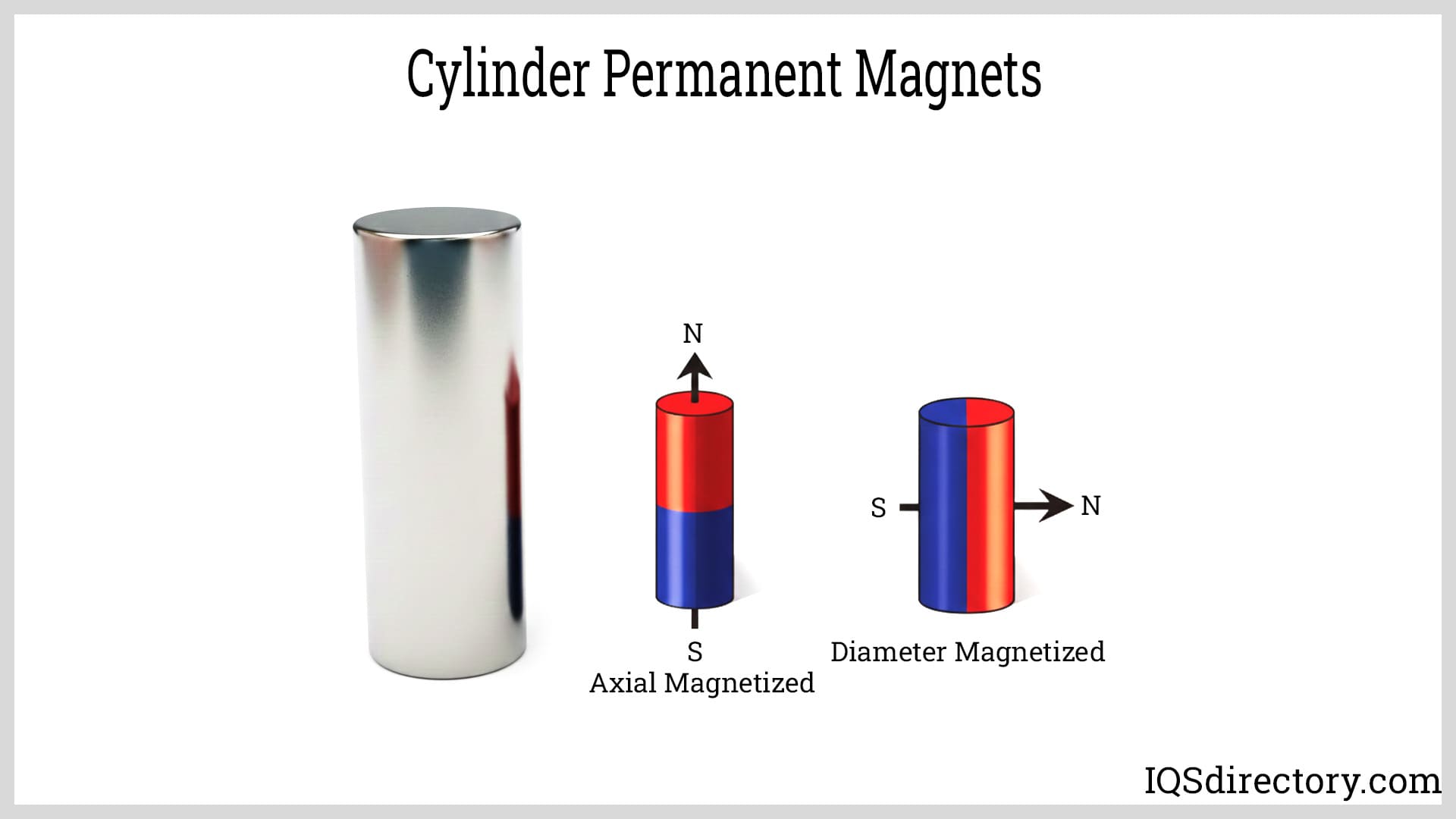
Cylinder magnets are permanent magnets that are shaped like a solid rod or cylinder. The majority of cylinder magnets are made from neodymium iron boron due to its high magnetic flux density. Typical cylinder magnets range from N35 to N50, where the N stands for neodymium and the number is the strength of the magnetic force. As with disc magnets, cylinder magnets can have a simple solid core or have a hole down their center. These variations are dependent on the application for which they are used.
Unlike disc and bar magnets, cylinder magnets provide wider magnetic reach and pull along their axis, which makes them ideal for applications requiring a strong magnetic field with a small footprint. The shaping and forming of cylinder permanent magnets are completed using sintering. As with ring magnets and disc magnets, cylinder magnets can have axial magnetization or diametric magnetization, with axial being the most common form where a cylinder magnet is magnetized along its full length.
Sphere
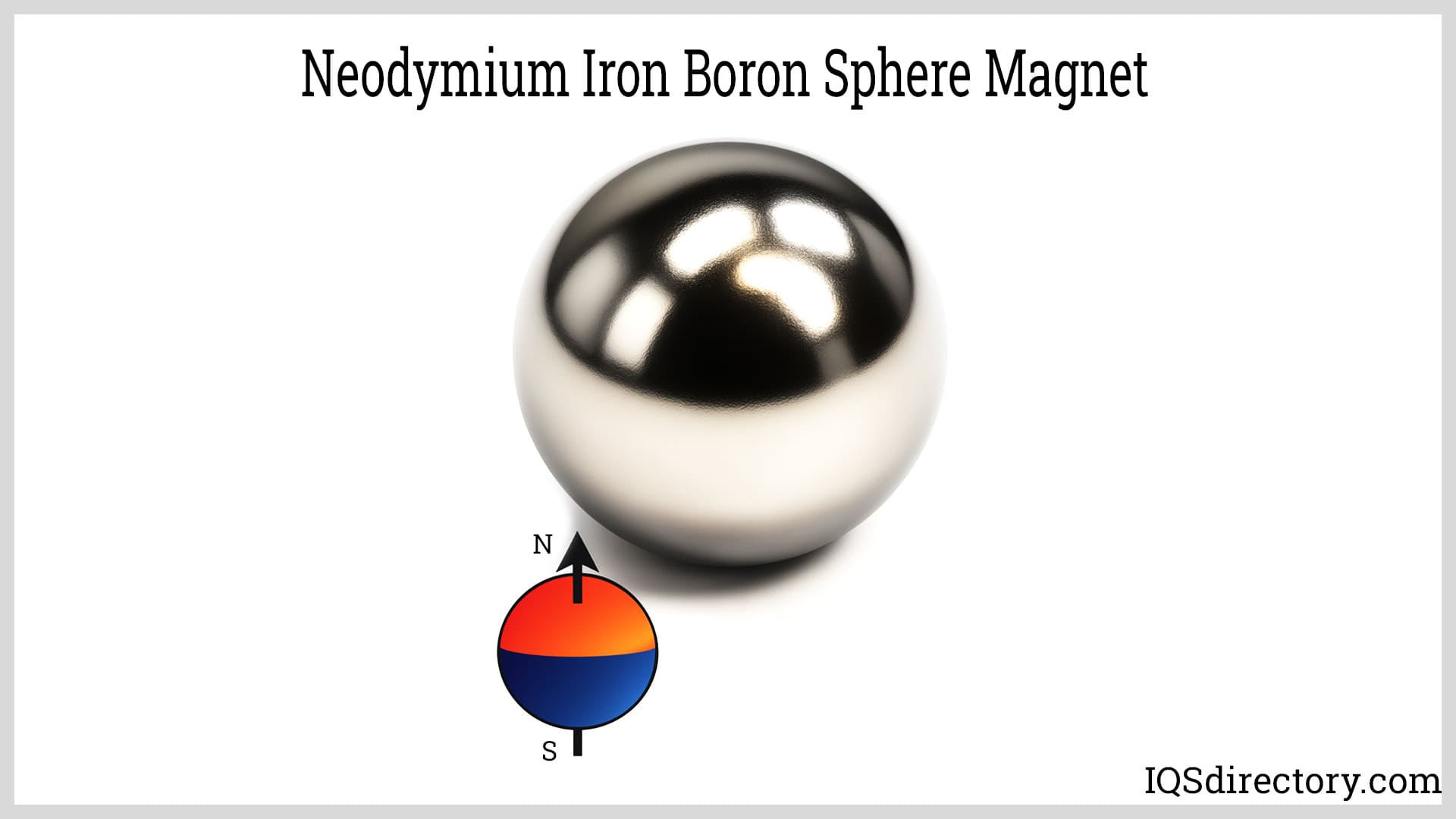
Sphere permanent magnets, also known as magnetic balls, are commonly made from neodymium iron boron magnetic material and are in the shape of very tiny balls that range in size from 1 mm (0.039 in) up to 25mm (0.984 in). The different sizes of the spheres determine the strength of the pull force of the magnets or magnetic force that is relative to their volume. As with disc and ring permanent magnets, the shape of spherical permanent magnets provides a concentration of their magnet fields at their poles with most spherical permanent magnets having axial magnetization.
Regardless of the size of sphere permanent magnets, they are capable of generating a significantly strong magnetic field while being very lightweight. This characteristic makes them ideal for applications where weight is a concern. The ball shape of spherical permanent magnets gives them exceptional endurance and strength, which provides them with the ability to endure harsh and extreme conditions.
Arc
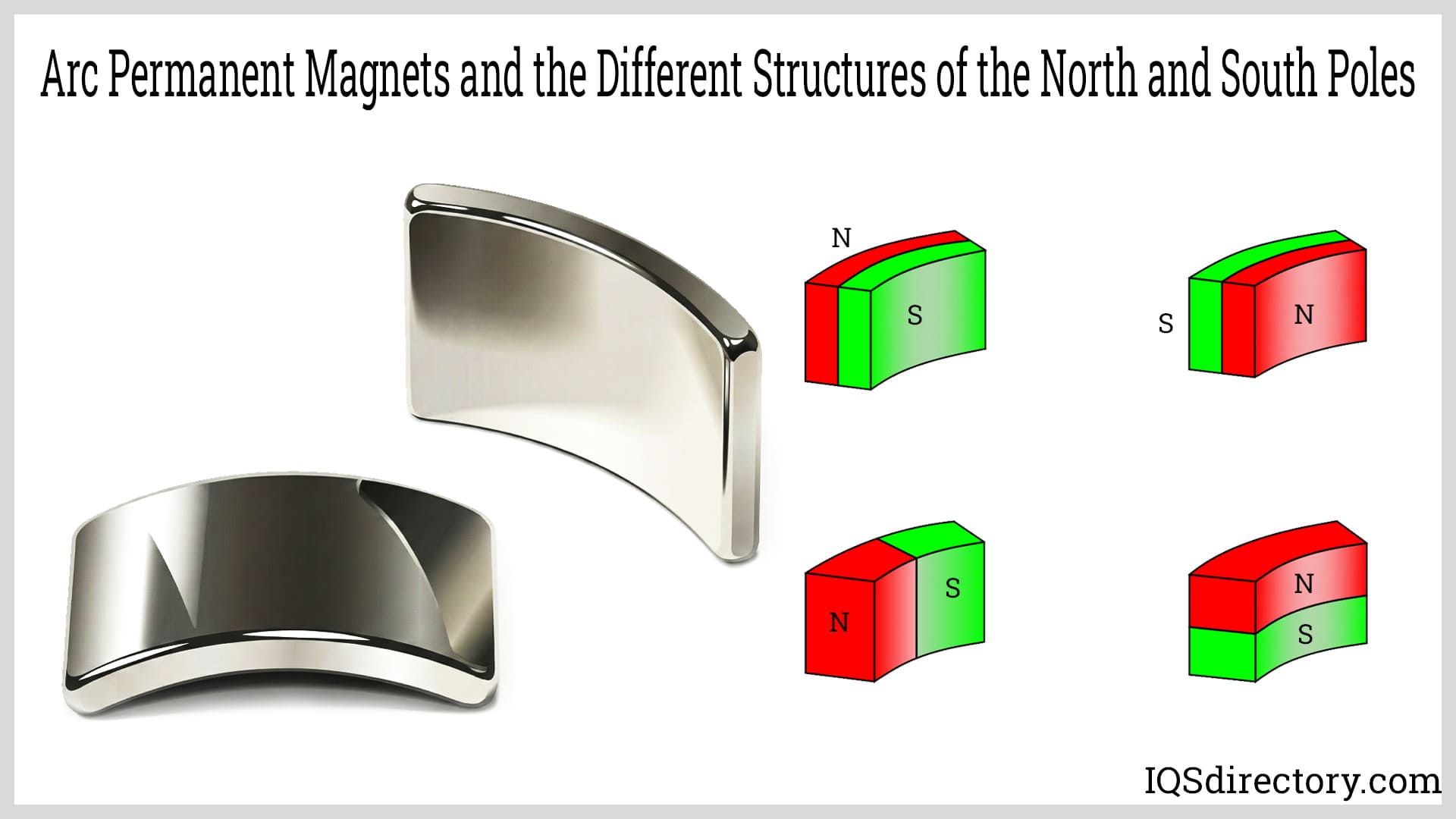
Arc magnets are curved permanent magnets that conform to the circular shape of components, such as electric motors and generators. They are made of neodymium iron boron, samarium cobalt, and ferrite. Of the three types, neodymium permanent arc magnets have the strongest magnetic field while samarium cobalt magnets are protected against heat and corrosion but cost more than neodymium magnets. Ferrite permanent arc magnets are the least expensive but lack the strength of neodymium and samarium magnets.
During the magnet selection process, it is important to choose an arc magnet that has a gauss that matches the requirements of an application. As with many forms of permanent magnets, arc magnets are available in a wide range of radii and lengths, which have to match the curvature of an electric component. The radii of arc magnets are like that of ring magnets in that arc magnets have an inner and outer radii.
The arrangement of the poles of arc magnets varies in the same way they do with disc and ring magnets. The poles can be layered several ways or be side by side in a manner that is similar to a horseshoe magnet. When the north pole is on the inner concave surface and the south pole is on the outer concave structure, the magnetic field is strongest across the center axis and weakest at the ends.
Magnets come in a wide variety of shapes with geometries that serve a specific function depending on how a magnet fits into a system and how the magnetic field is to be distributed. The choice of a shape is in regard to how a magnetic assembly improves and is tailored to fit the needs of an application. Having an understanding of magnet shapes helps engineers in identifying the use of a magnet and whether it has advantages for a particular design. The different geometries are applied across a wide range of processes, fields, and applications.
Although the six shapes described above are the most common geometries, they are not the only ones that are available from manufacturers. In some cases, specially designed magnets are necessary that have to be configured, shaped, and formed for a specific purpose. Permanent magnet manufacturers work with their clients to produce the perfect permanent magnet for an application. Irregular shapes are commonly found in medical devices, high precision sensors, and tools designed for unique and unusual applications.
Leading Manufacturers and Suppliers
Chapter 4: Permanent Magnet Assemblies
Magnet assemblies are assemblies where permanent magnets are bonded together or to a carrier material. In order for a permanent magnet assembly to function properly, each of the magnets is placed with extreme precision due to the high force associated with the volume of magnetized parts. These factors make the assembly process difficult and challenging. As may be assumed, the purpose of a permanent magnet assembly is to enhance magnetic force, increase structural integrity, and focus the magnetic field in a particular direction.
Although a single magnet may have sufficient magnetic power, when it is combined with other magnets, it becomes more powerful and offers greater versatility. Regardless of their function, magnetic assemblies provide a highly reliable magnetic force that can hold pieces in place, detect metals, ensure a tight seal for enclosures, or enhance the performance of existing magnets.
Types of Permanent Magnet Assemblies
As with every aspect of permanent magnets, magnet assemblies come in a wide range of sizes, shapes, and forms, with each type designed to perform a specific task. The determining factors for the use of permanent magnet assemblies are the environment and application.
Pot Magnet Assembly
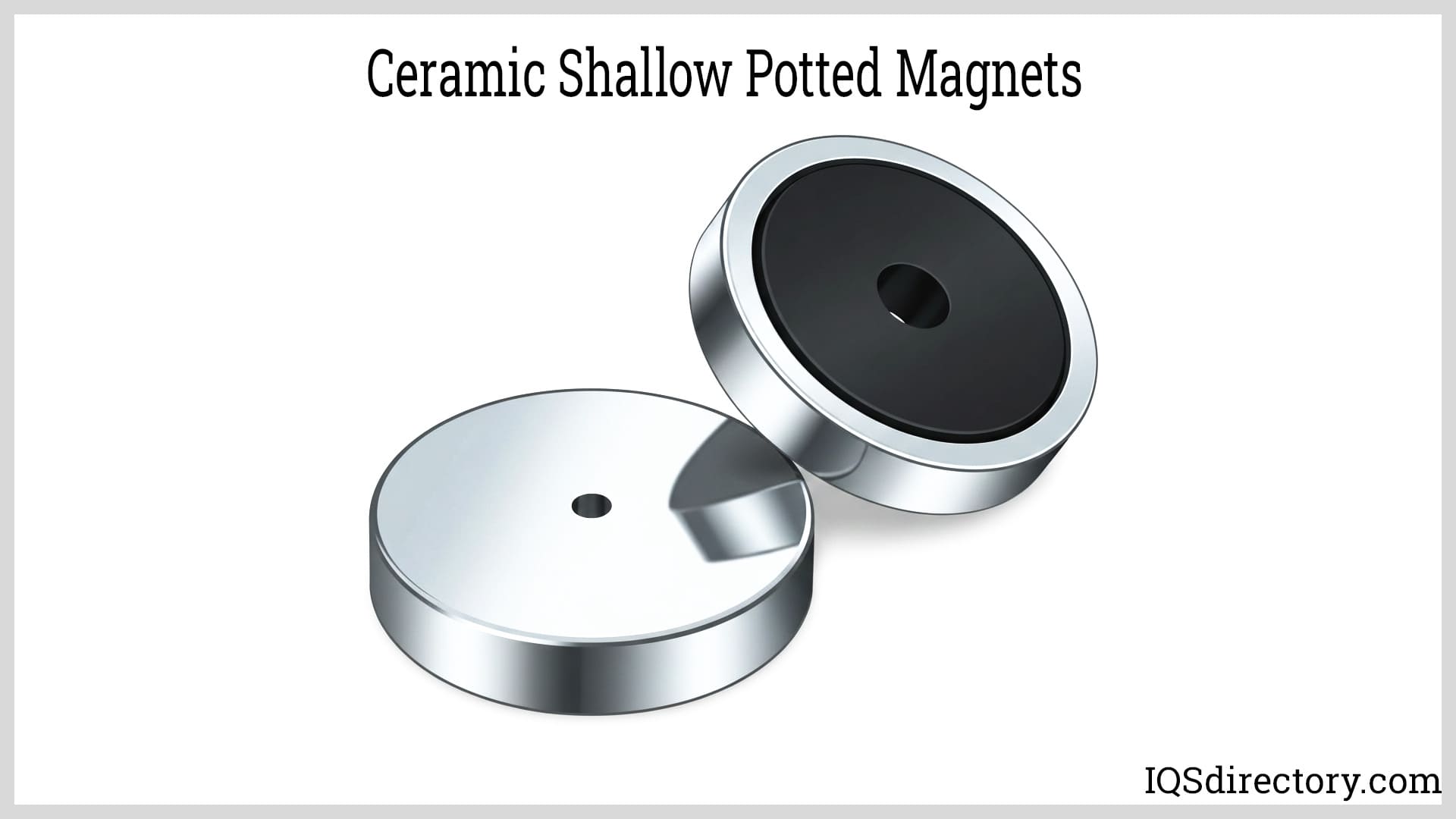
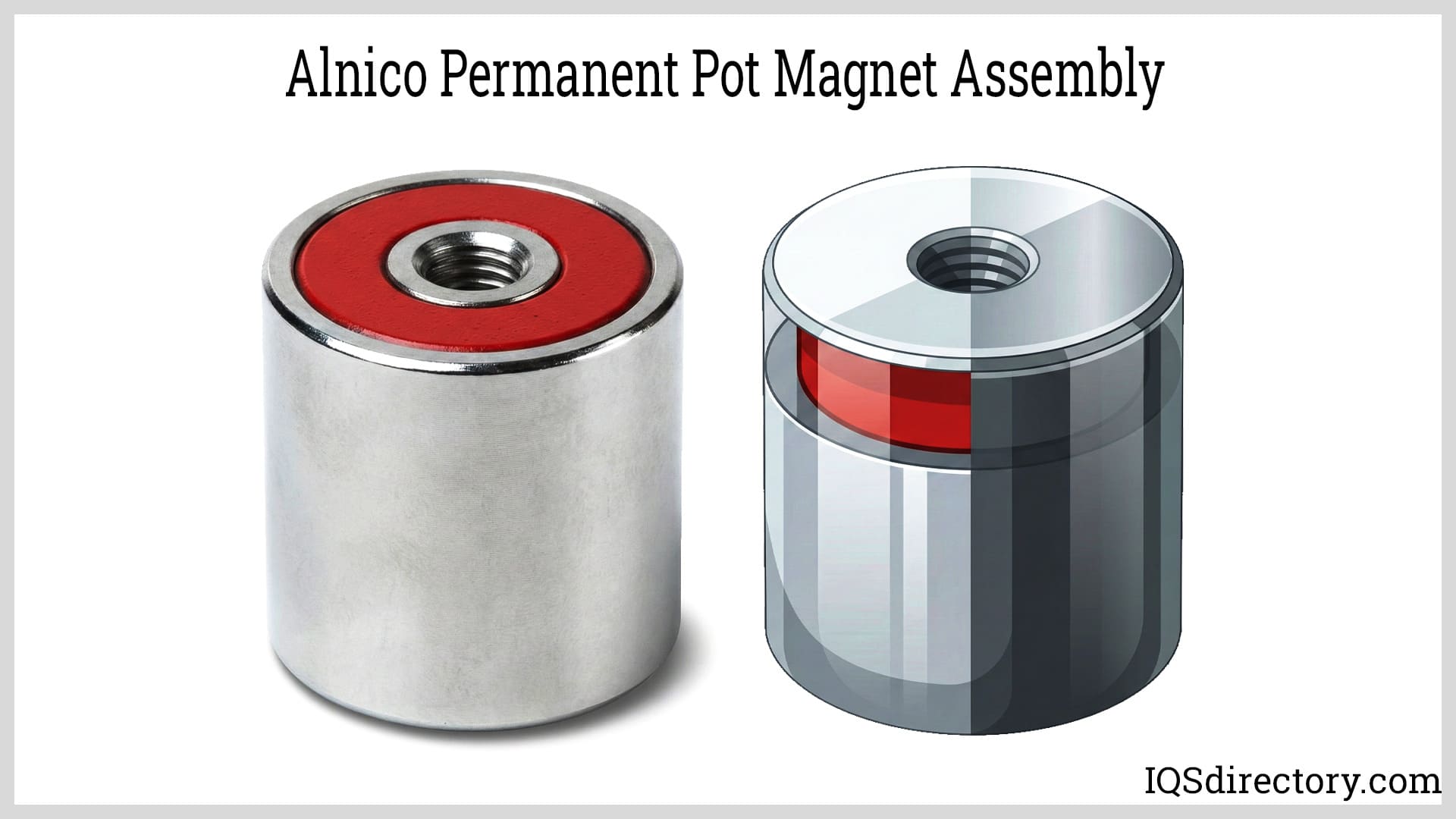
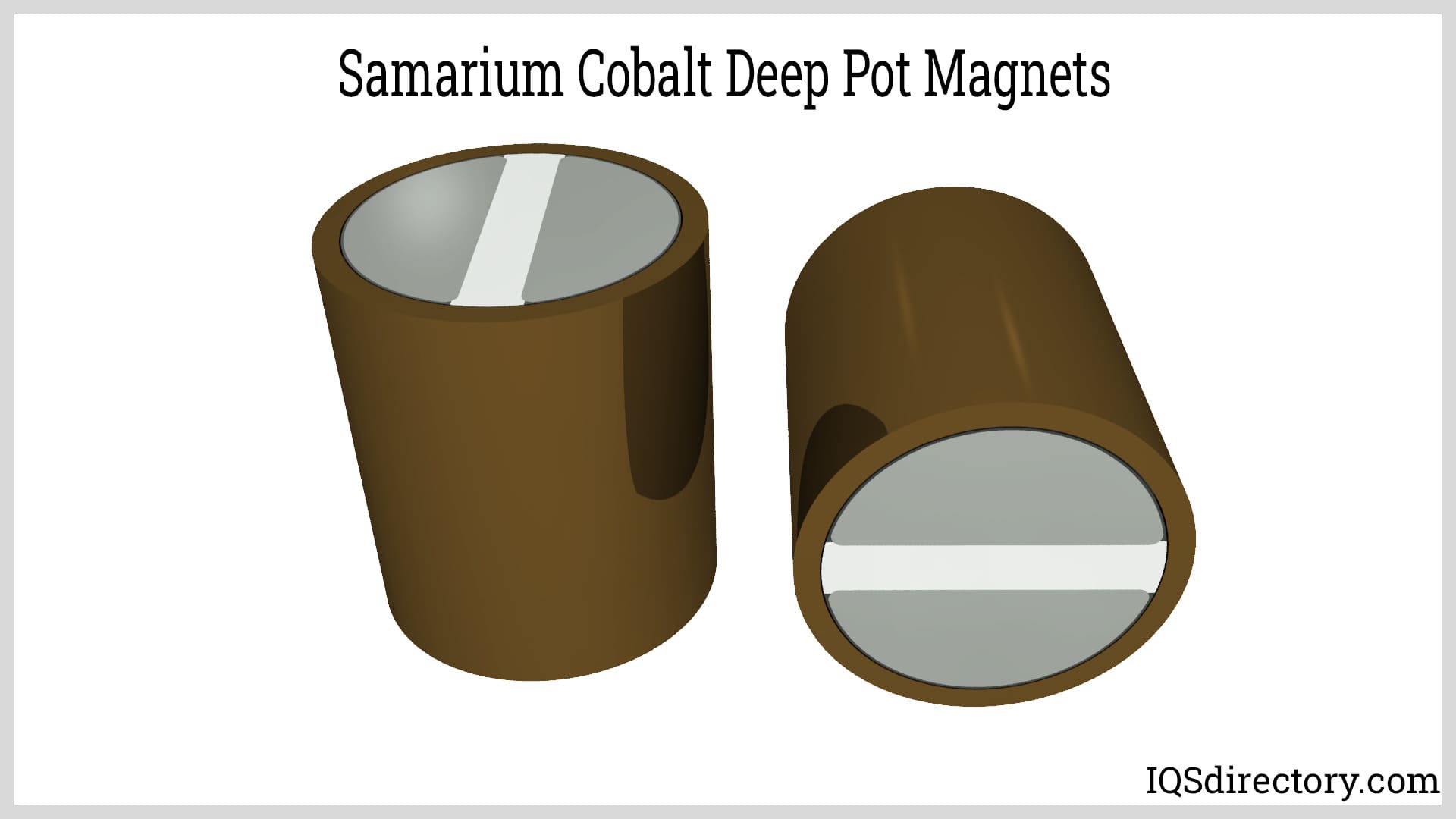
Pot magnet assemblies include a steel shell that helps direct and focus the magnetic field. The purpose of the design of pot magnet assemblies, aside from directing the magnetic field, protects the magnets from the environment. Pot magnet assemblies are used for holding, clamping, and mounting applications where concentrated force at a surface is required. Their compact form makes them easy to assemble and handle. Pot magnet assemblies are versatile and can be mounted in a variety of ways to fit any function.
Magnet Hooks
Magnet hooks are used for hanging or suspending objects. They are a combination of a magnet and a hook. They have a disc shaped base that contains the magnetic material, which can be any of the permanent magnets. The disc shaped base is securely attached to a hook. Different methods are used to connect the hook, including bolts and brackets, soldering, or some form of adhesive.
Channel Magnet Assembly
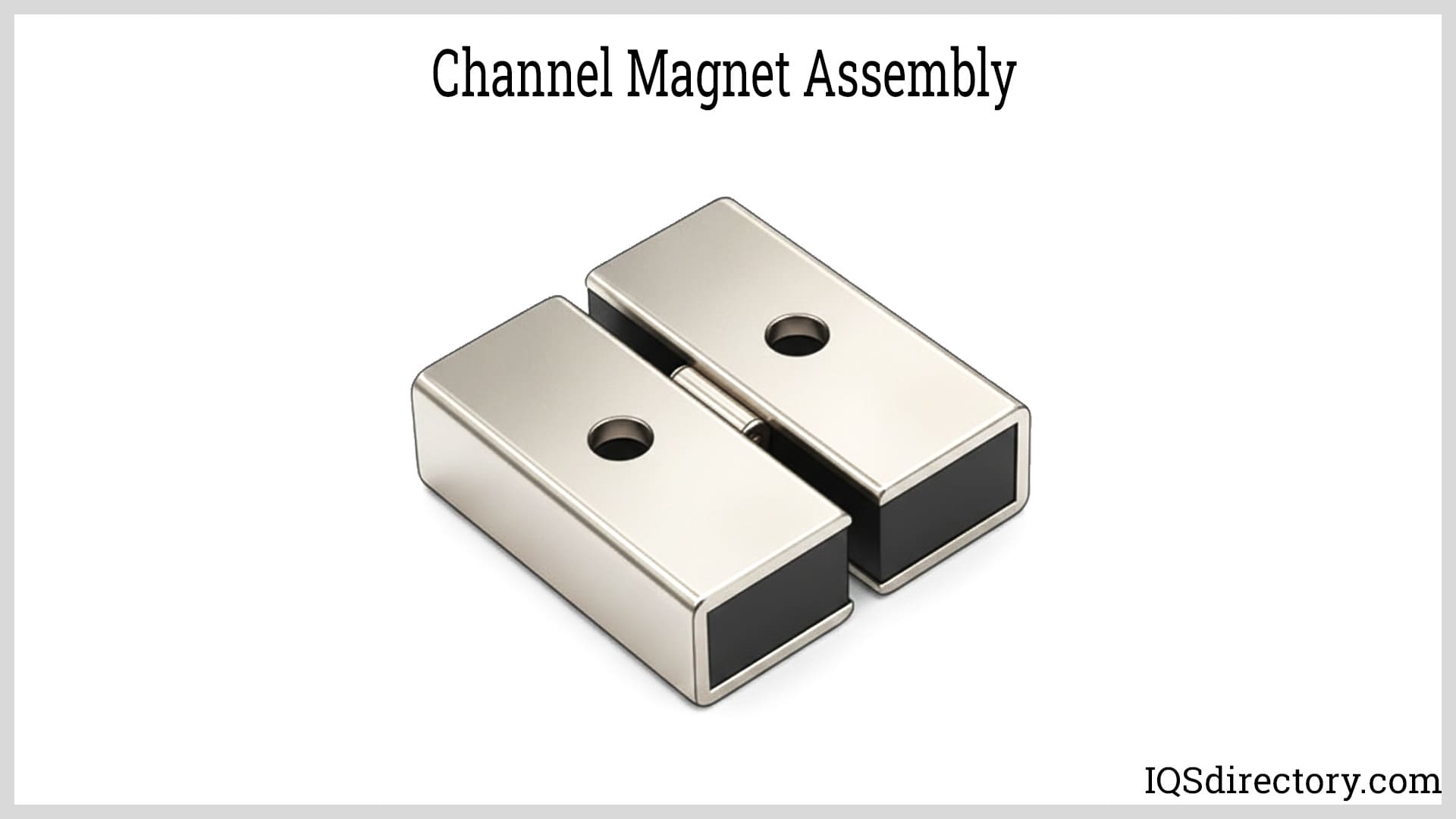
Channel magnet assemblies are a high strength, compact, and low-cost method for channeling magnetic force. They are made up of a steel channel that has magnets embedded in it. The design amplifies the force and strength of the magnets, which gives channel magnet assemblies significant pulling power. Magnetism for channel magnet assemblies is concentrated on one face of the assembly, a factor that significantly increases the power of the embedded magnet. Holes may be drilled in the assembly to position and place it.
Halbach Array
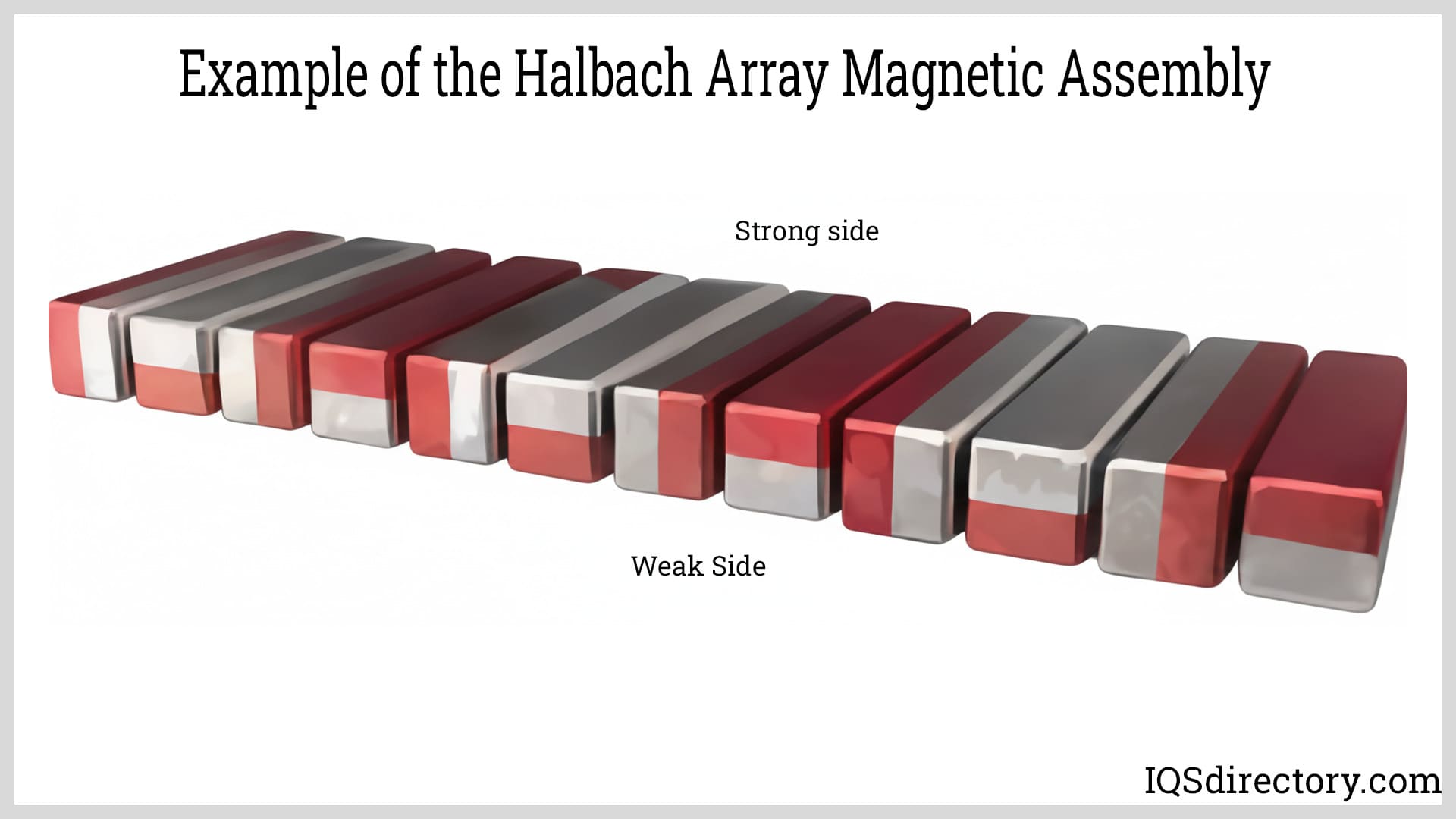
A Halbach array is an arrangement of a series of permanent magnets that has a rotating pattern of magnetism that cancels the magnetic field on one side while enhancing the field on the other side. All magnets normally have the same magnetic strength on both sides. In contrast, Halbach array magnets have a strong magnetic field on one side and a weak magnetic field on the other side. An advanced use of the Halbach array is in Maglev trains that use magnetic levitation to support the carriage of the train by focusing the magnetic force in one direction.
The unique arrangement of the Halbach array enables it to generate a strong magnetic field using less material. This factor increases efficiency due to the use of less material, compact design, and lighter weight.
Magnetic Filter Assemblies
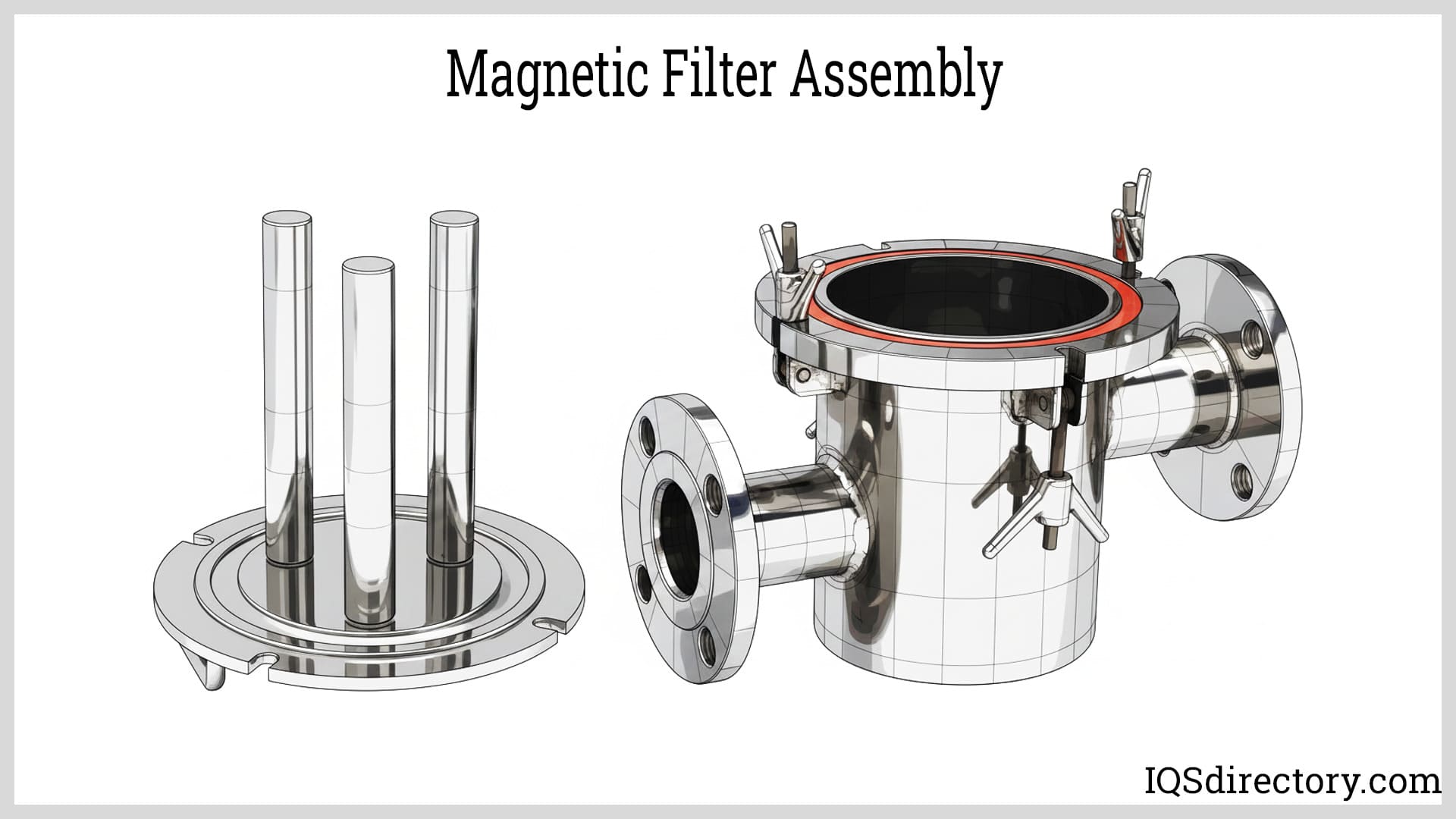
The function of magnetic filters is to remove ferrous particles and materials from fluid flow. They are used to separate and remove contaminants from liquids, such as coolant, cutting fluids, oils, and lubricants. Magnetic filtration systems are exceptionally effective at removing any size contaminants and are more effective than barrier filters that can allow very small particles to pass through.
The cleaning of the filters can be manual or automated, depending on the type of magnetic filter system. In addition to filtering out ferrous particles, magnetic filter assemblies assist in recycling and reclaiming ferrous materials for repurposing.
Rotor Magnet Assembly
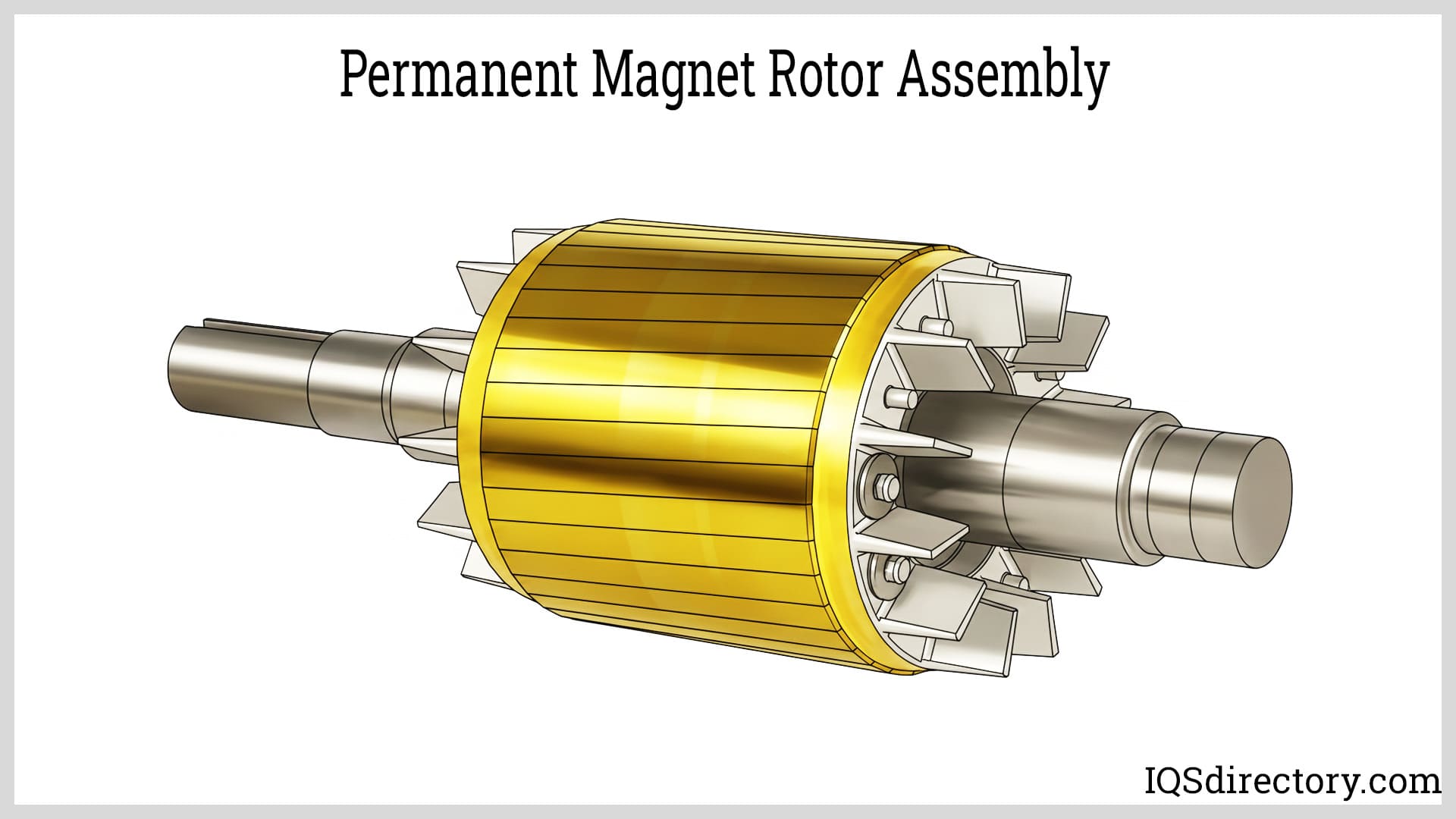
Rotor magnet assemblies are well known for being the rotating part of engines and generators. They are designed to create mechanical motion or electrical power using magnetic force. Rotor magnet assemblies consist of a rotating shaft, a steel core, and permanent magnets. The permanent magnetics used for rotor magnet assemblies include all of the different types of permanent magnets.
The shapes of rotor magnets can be rectangular, arc, or ring shaped and are mounted to the shaft or core, or embedded in the core in order to provide a stable magnetic field. The rotational motion of the rotor is caused by the interaction between the magnetic field and the stator. The types of rotor magnet assemblies include axial flux, frameless torque, high speed, IPM, PCB, and SPM.
The few permanent magnet assemblies described above are a small sampling of the many ways that permanent magnets are used in everyday products and industrial applications. Permanent magnets are a foundational part of a wide range of products due to their unique properties and the strength of their magnetic fields. Engineers and designers rely on permanent magnets for their performance and longevity.
Chapter 5: How to Choose the Right Permanent Magnet
The importance of permanent magnets in an assembly necessitates that great care be taken when selecting a permanent magnet. Regardless of the wide use of permanent magnets, they are seldom visible to users. This aspect of permanent magnets has made them an enigma to users. Although it is unlikely that a customer who purchases permanent magnet assemblies is aware of permanent magnets, industrial and manufacturing professionals need to be aware of the criteria used to select a permanent magnet.
Permanent magnet manufacturers work closely with their clients to help their clients understand the structure of an assembly and each of the important factors, which includes permanent magnets. A rudimentary understanding of the selection process can be informative and helpful for laymen in regard to the function of a permanent magnet assembly.
Magnet Material
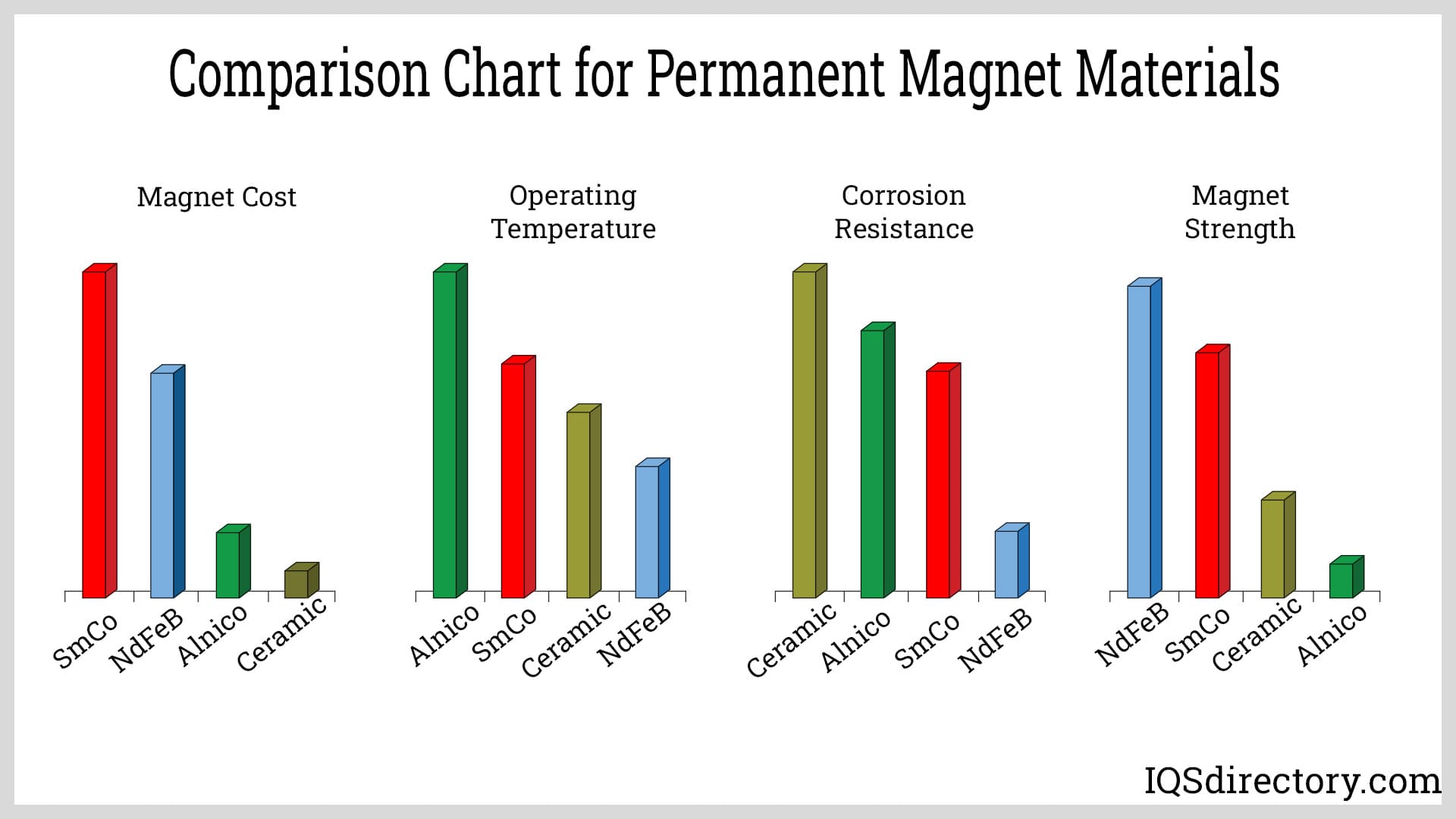
The different permanent magnet materials have distinctive physical and magnetic properties. Neodymium iron boron, samarium cobalt, ferrite, and alnico are the most common types. Each of the four has characteristics, properties, and shapes that can fit an application. One of the factors that significantly differentiates the types is their cost with ferrite being the least expensive while samarium cobalt being the most expensive.
Magnet Material
Name of Element
Element Symbol
Advantages
Disadvantages
Usage
Neodymium Iron Boron
NdFeB
Strongest magnet High mechanical strength
Rusts Requires surface treatment Usually nickel plated
Hard disk MRI Hybrid automobiles
Ferric Oxide with Barium Carbonate or Strontium Carbonate
Fe203 BaCO3 or SrC03
Low cost Suitable for use in high volume production. Anisotropic ferrite has good adsorptive power.
Chips easily Not suitable for prototypes
Speakers, Monitors
Samarium Cobalt
SmCo
Excellent coercivity Suitable for use in high temperature environments.
Brittle Chips easily
Motors
Aluminum Nickel Cobalt
AINiCO
Excellent mechanical strength Suitable for use in high temperature environments
Low demand Cast in metal molds Demagnetizes easily
Precision Machines
Chlorinated Polyethylene
CM
Made from a mixture of resin and ferrite magnet powder Used to make flexible magnets Easily machined and shaped
Low magnetic strength Limited temperature resistance Loss of magnetic field over time
Decals Labels
Size and Shape
The properties of magnets differ according to their size and shape. The chosen shape of a magnet needs to conform to the requirements of an application and can directly affect the performance of a magnet assembly. Common shapes are bars, rings, discs, horseshoes, cubes, spheres, and rectangles. Permanent magnets come in a variety of sizes from ones that are 1 mm up to ones that are 100 mm. The chosen size and shape impacts its usefulness for an application.
Strength
The strength of a magnet is measured by Gauss or Tesla (T), where higher numbers are indicative of greater magnetic strength. In addition, the pull force of a permanent magnet, which is measured by a meter and is the amount of force that is necessary to pull a magnet vertically away from a flat piece of steel, is another indication of a magnet’s strength. The application for which a magnet is chosen is the determining factor in regard to the amount of strength that is required from a magnet.
Magnetic strength is related to a magnet’s maximum energy product (BHmax). Magnets with a high BHmax are capable of storing more energy and are stronger. In addition, within each type of permanent magnet, there are grades that vary in accordance with their BHmax value. The BHmax, Hci, and residual induction (Br) are related to a magnet’s magnetic strength. NdFeB and SmCo have very high Hci values while alnico has a moderate value, and ferrite has a very low value.
Temperature
As with many applications, temperature plays an important role in the success of an application. The materials chosen must be capable of enduring different temperature levels without failing. Permanent magnets have different temperature ranges as well as different ranges within their different grades. The working temperatures vary from 80°C up to over 550°C (176°F to over 1022°F). This aspect of the selection process is critical as higher temperatures can demagnetize magnets. In general, SmCo, alnico, and ferrite magnets can be used at high temperatures while NdFeB magnets can only endure moderate to low temperatures.
Corrosion
As with temperature, corrosion causes a loss of magnetism. NdFeB magnets are very susceptible to the effects of corrosion due to their iron content. It is for this reason that NdFeB magnets are coated. SmCo magnets are resistant to corrosion, even when uncoated. Alnico and ferrite magnets, like SmCo magnets, are resistant to corrosion but have a lower level of magnetic performance.
Demagnetization
Coercivity (Hci) of a magnet is crucial in regard to a magnet’s performance. Hci is a measure of a magnet’s resistance to being demagnetized. NdFeB and SmCo magnets are highly resistant to demagnetization while alnico magnets have moderate resistance and ferrite magnets have a very low resistance.
Cost
As with all manufacturing operations, cost plays a critical role in choosing materials since it affects the profitability of a project. A factor that impacts the cost of permanent magnets is their size with small permanent magnets costing a few cents while large industrial grade permanent magnets costing close to a thousand dollars. Of the four basic permanent magnet materials, NdFeB and SmCo are the most expensive due to their resilience, high strength magnetic fields, and positive characteristics. Of the two, SmCo magnets are the most expensive due to the cost of their elements.
In regard to the selection process, while less expensive magnets may seem to be the right choice, the type of magnet assembly and its use play a more important roll. Critical applications that are necessary and important require the use of the highest quality materials. This aspect of making the choice of permanent magnet should take precedence over cost. Permanent magnet manufacturers work with their clients in selecting the right permanent magnet at the right cost for a project.
Space
The space where a magnet will be placed significantly influences the shape and size of the permanent magnet that will be used. Chosen magnets must fit within the physical restraints of an application, device, or environment without obstructing other components. Compact spaces require the use of smaller shapes, such as discs or spheres, while larger areas can use bar or horseshoe magnets. In essence, the chosen magnet’s shape should align with the surrounding components and seamlessly integrate into an assembly. Choosing a magnet that properly fits the space requirements ensures that an operation will perform effectively.
Conclusion
Permanent magnets are a unique type of material that generates a magnetic field without the help of electricity. By definition, they are any type of object that produces a magnetic field without the assistance of an inducing field. They occur naturally or are manufactured.
The four basic types of permanent magnets are neodymium iron boron, samarium cobalt, alnico, and ceramic or ferrite. Each of these materials has a unique set of properties and characteristics that distinguishes them and sets them apart.
The methods for manufacturing permanent magnets are sintering, casting, and calendaring with sintering being the most commonly used.
Of the various types of permanent magnets, neodymium iron boron and samarium cobalt magnets have the highest magnetic fields. They are also the most expensive of the different types due to the cost of their elements.
Permanent magnets are an extremely important part of modern manufacturing and are found in every aspect of technological and industrial products.
Leading Manufacturers and Suppliers
Related Posts
Alnico Magnets
An Alnico magnet is a permanent magnet made by combiming aluminum, nickel, iron, cobalt, and other elements. They come in isotropic, non-directional, or anisotropic, mono-directional, form.Once magnetized, they have…
Ceramic Magnets
A ceramic magnet, also known as a ferrite magnet, is a permanent magnet made by combining iron oxide and strontium carbonate. They are a man made magnet produced by heating the two elements to...
Flexible Magnets
Flexible magnets are composite materials with magnetic components arranged in an elastomer matrix. They are made from a combination of rubber polymer resin and ferrite powder by forming it through...
Magnets
Magnets are materials that exert a noticeable force on other materials without physically contacting them. This force is called a magnetic force. The magnetic force can either attract or repel. Most known materials...
Neodymium Magnets
A Neodymium (Nd-Fe-B) magnet is a common rare earth magnet composed of neodymium (Nd), iron (Fe), boron (B), and transition metals. They have superior performance in applications because of their strong...
Samarian Cobalt (SmCo) Magnets
SmCo magnets are strong rare earth permanent magnets that are used for a variety of industrial applications. They have two primary phases, which are SmCo₅ and Sm₂Co₁₇. The difference between the phases is in regard to their magnetic energy…
AC DC Power Supply
Power supplies are electrical circuits and devices that are designed to convert mains power or electricity from any electric source to specific values of voltage and current for the target device...
AC Power Supplies
An AC power supply is a type of power supply used to supply alternating current (AC) power to a load. The power input may be in an AC or DC form. The power supplied from wall outlets (mains supply) and...
Bowl Feeders
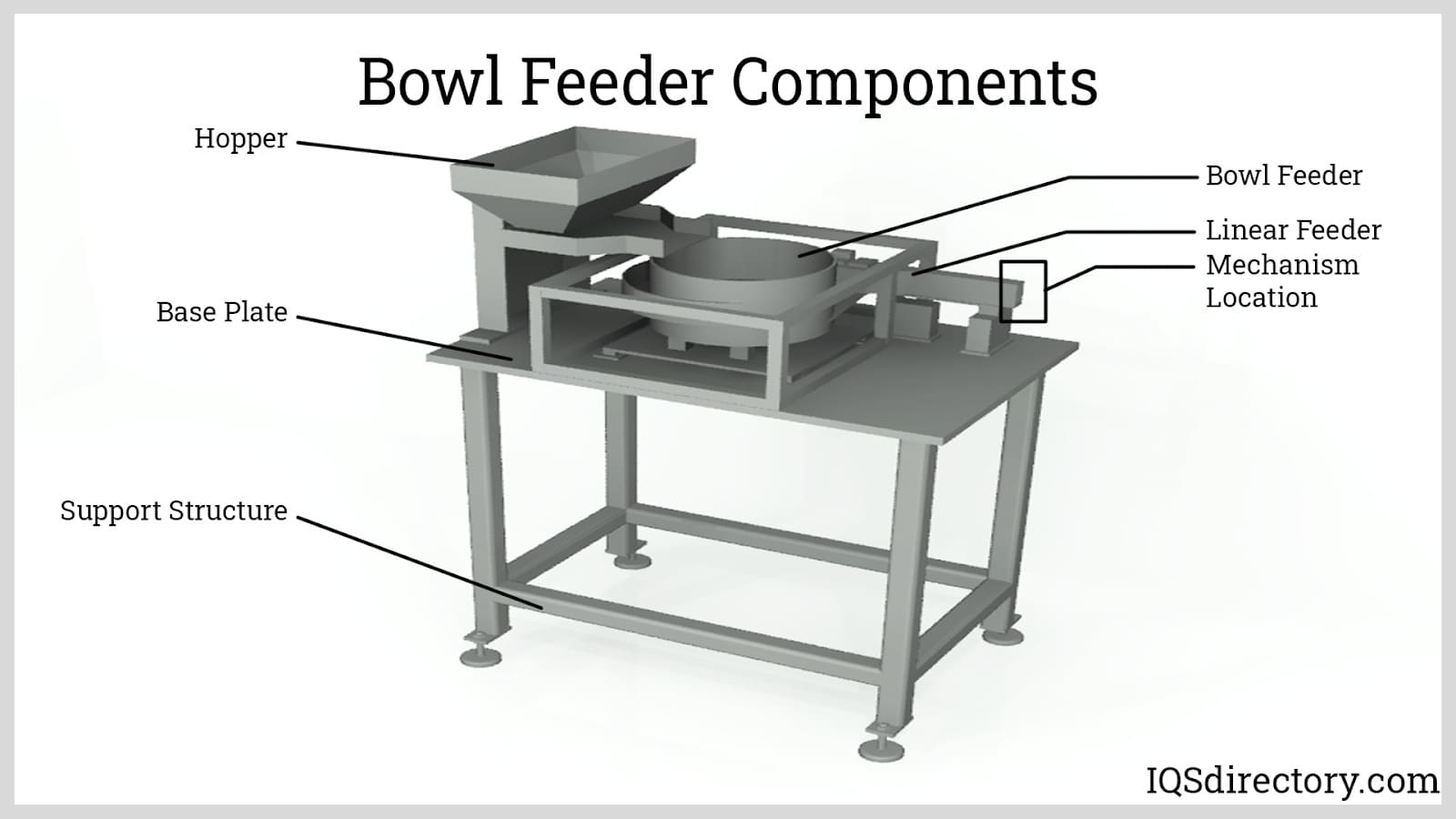
A bowl feeder is a mechanism for supplying small parts and components to a production line or for sorting bulk items for rapid use. A self contained bowl feeder system has a bowl that sets on a spring loaded base that moves vertically...
DC DC Power Supply
A DC DC power supply (also known as DC DC Converter) is a kind of DC power supply that uses DC voltage as input instead of AC/DC power supplies that rely on AC mains supply voltage as an input...
DC Power Supply
A DC power supply is a type of power supply that gives direct current (DC) voltage to power a device. Because DC power supply is commonly used on an engineer‘s or technician‘s bench for a ton of power tests...
Electric Transformers
Electric transformers are static electrical machines that transform electric power from one circuit to the other without changing the frequency. An electrical transformer can increase or decrease the voltage with...
EMI Filters
An electromagnetic interference or EMI Filter is an electrical device or circuit that filters specific unwanted frequencies in power lines or offending frequencies that are detrimental to a system. They receive AC or main power...
High Voltage Power Supply
By definition a power supply is a device that is designed to supply electric power to an electrical load. An electrical load refers to an electrical device that uses up electric power. Such a device can be anything from...
Isolation Transformers
An isolation transformer, just like typical transformers, is a non-moving device that transmits electrical energy from one circuit to another without requiring any physical contact. It works on the idea of magnetic...
Power Transformer
Power transformers are electrical instruments used in transmitting electrical power from one circuit to another without changing the frequency. They operate by the principle of electromagnetic induction. They are used in transmitting electrical power between...
Programmable Power Supplies
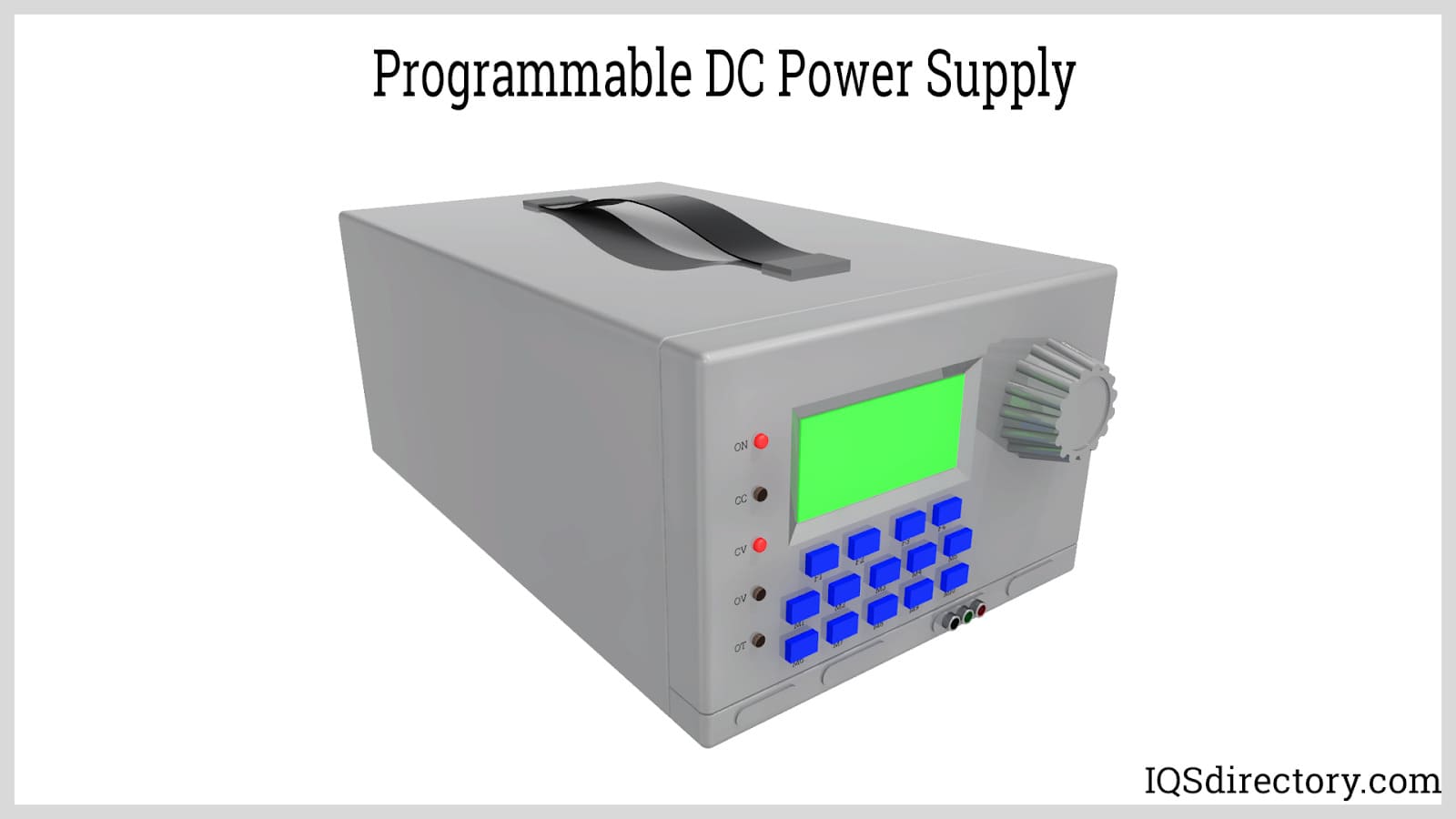
A programmable power supply is a method for controlling output voltage using an analog or digitally controlled signal using a keypad or rotary switch from the front panel of the power supply...
Three-Phase Transformers
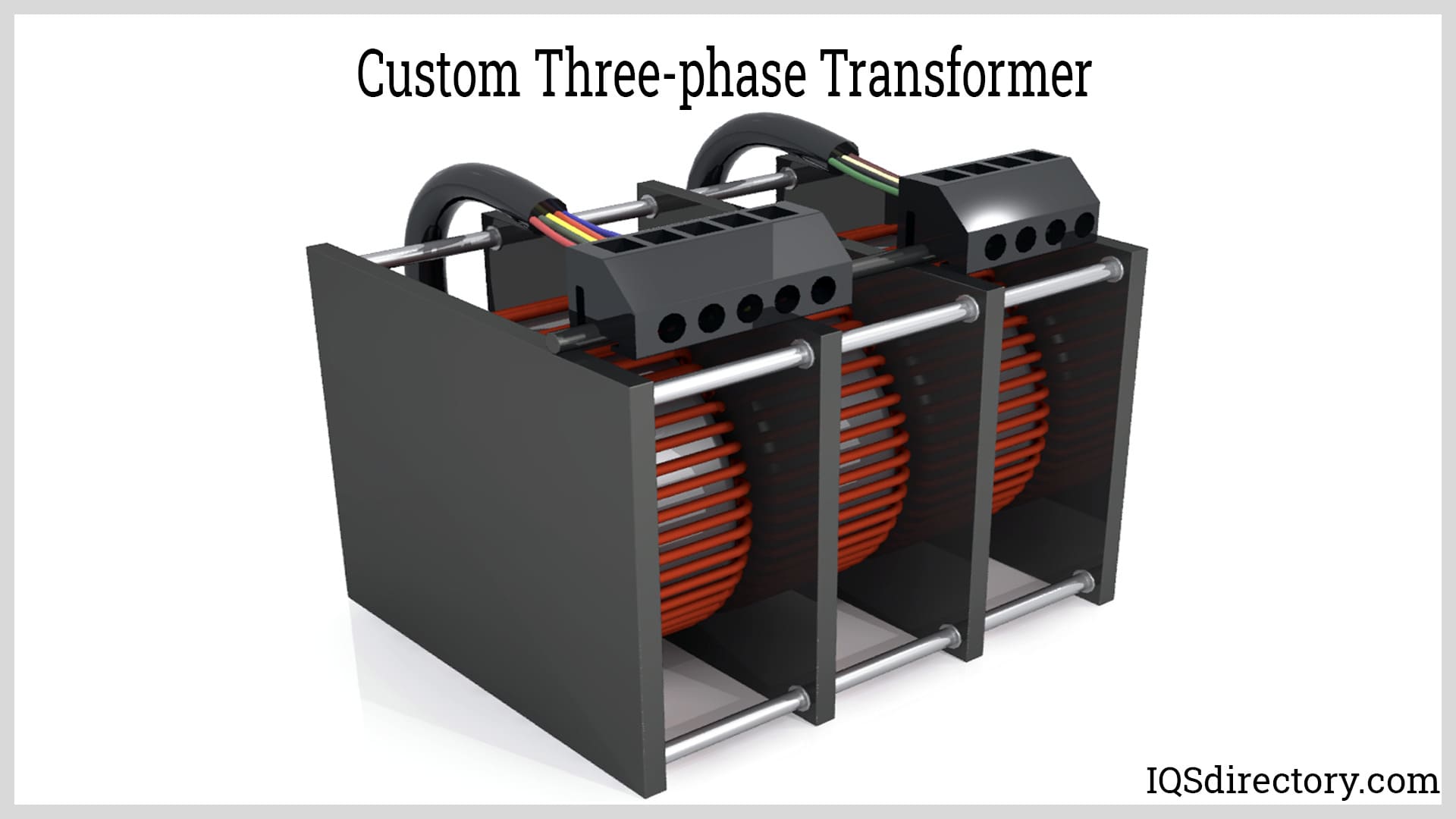
An electrical transformer is a passive machine that transfers electrical energy from one circuit to another using a magnetic flux to induce an electromotive force. Transformers are used to increase (step-up) or decrease (step-down) voltages without changing the frequency of the electric current...
Toroidal Transformers
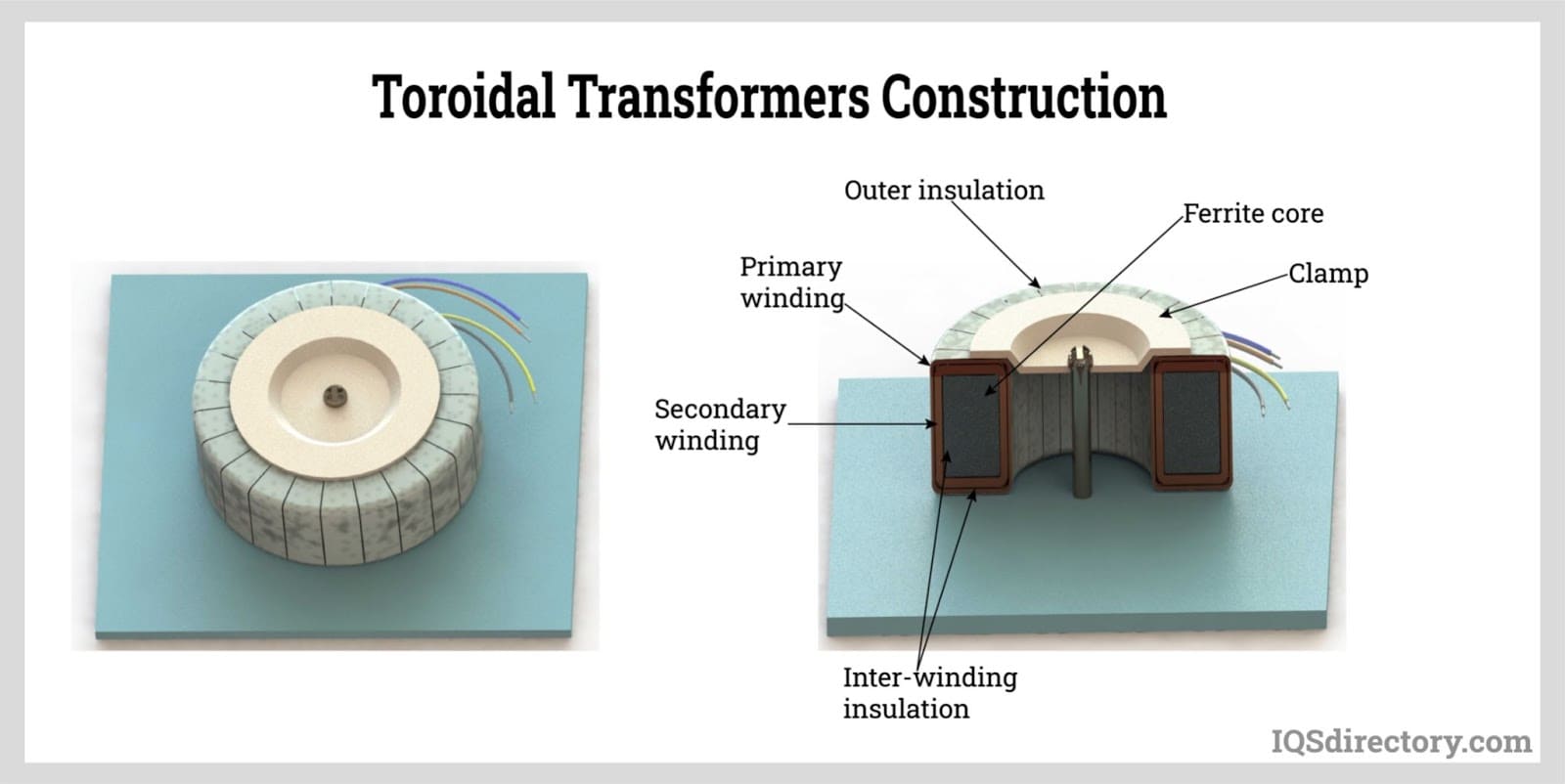
A toroidal transformer is a type of electrical transformer constructed with a torus or donut-shaped core. Its primary and secondary windings are wound across the entire surface of the torus core separated by an insulating material...
Vibratory Conveyors
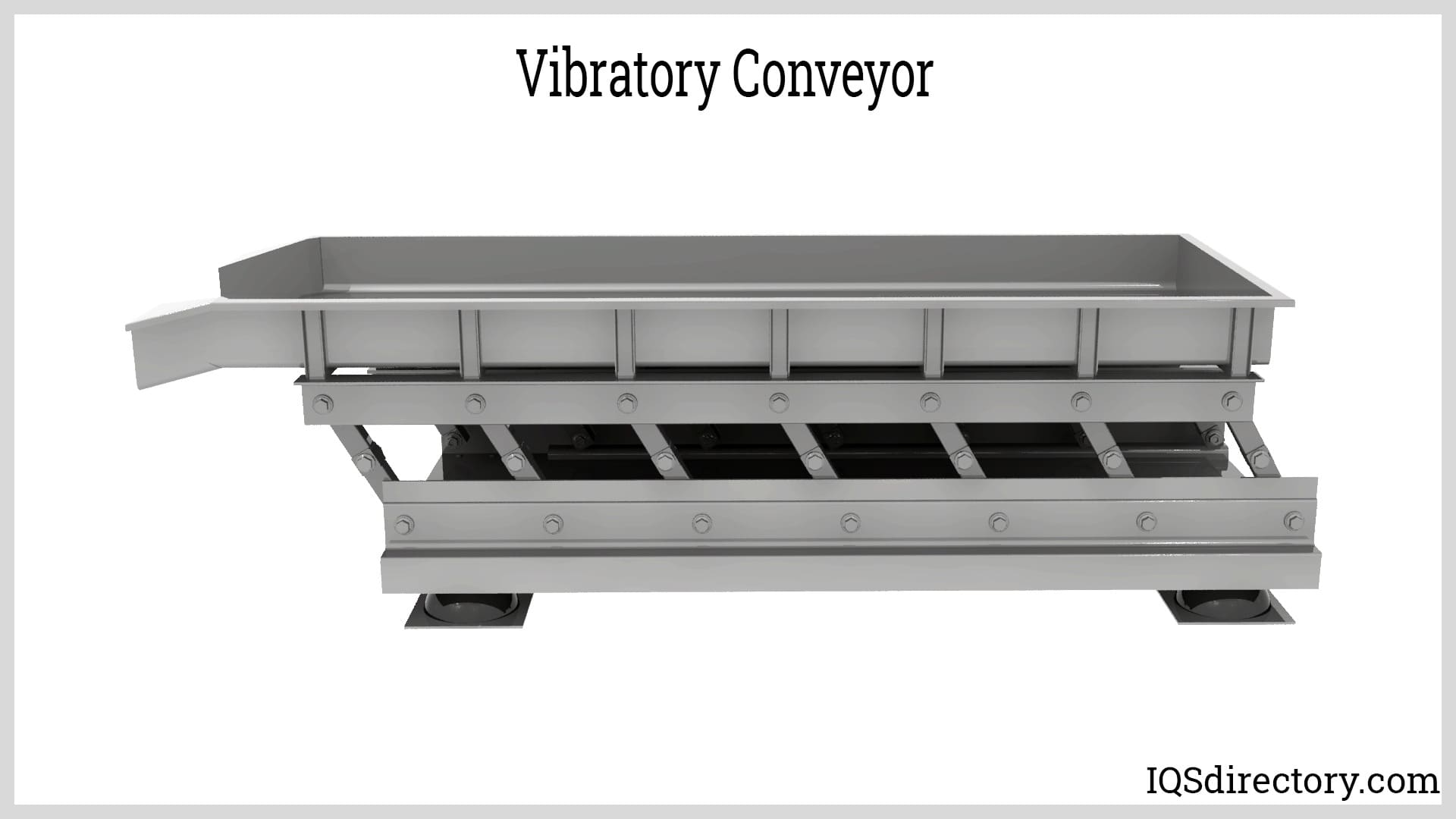
Vibratory conveyors are material-handling equipment used to transport fine to coarse-grained bulk materials. These vibratory conveyors are strong conveying equipment utilized for bulk commodities with fine to coarse graininess...
Vibratory Feeders
Vibratory feeders are short conveyors used to transport bulk materials utilizing a controlled vibratory force system and gravity. The vibrations impart a combination of horizontal and vertical acceleration through tossing, hopping, or sliding-type of action to the materials being handled...
Vibratory Screening
A vibratory screening is a process that separates bulk solid materials from solids and slurries using inertial vibration that causes various sizes of particles to pass through openings in a screen or...
Types of Electric Transformers
Electronically operated equipment depends on power transformers to convert electrical currents into voltage. Current transformers store and transport energy through power lines and grids...