Name Plates
Nameplates are durable identification plaques used to mark people, places, products, rooms, equipment, and branded items with concise text, symbols, serial data, or logos. Nameplate manufacturers work with a broad range of materials and finishing methods to produce custom nameplates for commercial, industrial, institutional, and consumer applications. Office nameplates, desk nameplates, and door nameplates remain popular in business settings, while equipment and industrial nameplates are widely used where clear identification, durability, and long service life matter.
Note: Nameplates are different from labels. In most cases, nameplates are made for permanent or long-term identification, while labels are usually chosen when easy removal or short-term use is preferred. Labels commonly rely on adhesive, but adhesive backing is only one mounting option for nameplates. Nameplates are also distinct from tags or dog tags, which fall into other product categories. When buyers compare labels vs. nameplates, they are usually weighing permanence, durability, appearance, and the installation environment.
Frequently Asked Questions About Name Plates
What are name plates used for?
Name plates are used to identify people, rooms, departments, products, machinery, and branded assets in offices, factories, schools, hospitals, and public facilities. They present concise information such as names, titles, serial numbers, operating details, branding, or safety instructions in a durable format that supports organization, wayfinding, and easy recognition.
How are name plates different from labels and tags?
Name plates are generally selected for long-term identification and stronger durability, while labels are often chosen for temporary, removable, or lower-duty uses. Tags serve a different purpose and are commonly attached instead of mounted to a flat surface. Buyers comparing these options usually look at lifespan, material, appearance, and mounting method.
What materials are commonly used to make name plates?
Name plates can be produced from metals such as aluminum, brass, stainless steel, and related alloys, as well as plastics like polycarbonate, Mylar®, vinyl, rigid PVC, and similar materials. The best choice depends on outdoor exposure, abrasion resistance, chemical resistance, appearance, budget, and the level of detail required in the finished name plate.
What processes are used to manufacture name plates?
Common manufacturing methods include engraving, etching, hot stamping, embossing, screen printing, sub-surface printing, photo anodizing, and lithography. Each process offers different benefits for color quality, precision, readability, weather resistance, and long-term performance, which is why buyers often compare process options before ordering custom nameplates.
How are name plates mounted or attached?
Name plates may be installed with screws, pins, rivets, or other mechanical fasteners, supplied with adhesive backing, or displayed in stands and holders. The right attachment method depends on the mounting surface, environmental exposure, appearance goals, and whether the name plate must stay in place for years without shifting or wear.
What are some common types of name plates?
Common styles include office, desk, door, industrial, equipment, engraved, plastic, metal, brass, aluminum, and custom name plates. Different versions are selected based on the setting, durability requirements, design preferences, and the type of information the plate needs to display clearly.
Are there standards for industrial name plates?
Yes. Industrial and equipment name plates often follow standards from organizations such as NEMA and IEC, especially when used on motors and machinery. These standards help define what data should appear so operators, technicians, and buyers can quickly identify ratings, specifications, and compatibility information.
What should I consider when choosing a name plate manufacturer?
Look for a manufacturer that offers the materials, print methods, customization, durability, and service support your project requires. It also helps to compare lead times, certifications, pricing, and finishing options, then ask which material and mounting method best match your environment, branding, and performance expectations.
Advantages of Name Plates
Name plates offer several practical and visual benefits. They improve workplace efficiency by helping visitors, employees, and service personnel locate offices, rooms, departments, equipment, or designated areas quickly. They add organization and consistency, reduce confusion, and support a more professional presentation in public-facing and internal environments alike. In industrial settings, durable nameplates can help communicate model information, operating details, asset identification, or branding where long-term readability matters. They also reinforce recognition by clearly displaying names, titles, roles, departments, or product identity in a format designed for repeated daily use.
Name Plate Production Processes
- Production Process
- Manufacturers create nameplates by inscribing text, numbers, logos, symbols, or instructions onto a selected substrate using a process that matches the application. Common nameplate marking techniques include hot stamping, screen printing, sub-surface printing, etching, embossing, mechanical or laser engraving, photo anodizing, and lithography. The right process is usually chosen based on detail, durability, color, production volume, and exposure to weather, abrasion, oils, chemicals, or heat.
- Hot Stamping
- In hot stamping, name plate manufacturers heat an engraved die and press it against a part with marking foil placed between the die and the substrate. The ink from the foil transfers only where the die contacts the surface. Because it is a dry process, finished parts can often be handled immediately after stamping, which makes hot stamping a practical choice for serial number plates, product identification plates, and high-volume work.
- Screen Printing
- This process uses a photographic stencil applied to a stretched polyester mesh through which enamel colors are pressed onto the nameplate surface. Screen printing is often selected when buyers want sharp graphics, readable text, and repeatable color application across multiple plates.
- Sub-Surface Printing
- This method places ink on the underside of clear plastic materials, protecting the printed information from abrasion, oil, moisture, and many chemicals. It is a strong option for durable serial numbers, graphic overlays, and high-contact applications where the printed face must remain clean and legible.
- Etching Nameplates
- Chemically etched nameplates are made by covering selected portions of a metal plate with an acid-resistant mask. The uncovered areas are exposed to a corrosive agent, producing engraved markings according to the stencil while preserving the masked sections. Etched metal nameplates are often chosen for detailed graphics, strong contrast, and a refined appearance.
- Embossing Process
- Embossing presses the nameplate material between a female die and a male counter die using heat and pressure to raise the design. This creates dimensional lettering or graphics that can improve visibility, tactile recognition, and the overall presentation of the finished plate.
- Mechanical and Laser Engraving
- Mechanical and laser engraving use either a rotary cutter, engraving plate, or focused laser beam to carve text, numbers, or imagery into the material. Laser engraving is widely used when buyers need fine detail, clean edges, and highly repeatable marking on custom nameplates, control panels, or equipment plates.
- Photo Anodizing
- This technique resembles photographic development, but the image is processed on a specially treated aluminum sheet. Photo anodized aluminum nameplates are often selected when long-term readability, fine detail, and resistance to wear are high priorities.
- Lithography
- A printing press transfers an image to a nameplate using an ink-rolling device, allowing for detailed and consistent printing. Lithography is useful when appearance, image quality, and repeat production are major factors in the buying decision.
Name Plate Design and Materials
Nameplates are designed for close viewing and quick recognition, so they are usually limited to one or two lines of text, straightforward symbols, or concise product information that remains easy to read. Office nameplates, for example, often show a person's name and job title, while equipment nameplates may present model data, serial numbers, ratings, or operating information. Whether a buyer needs custom nameplates for branding, facility identification, wayfinding, or machinery, readability is always a main design goal. Clean typography, contrast, finish, and layout all affect how well a name plate performs in actual use.
Manufacturers tailor plate designs to customer requirements, including wording, symbols, logos, dimensions, mounting style, finish, and material selection. The material, thickness, print method, and surface treatment all depend on where the nameplate will be used and how long it must last. Even in large production runs, nameplates are customized to some degree because each plate may carry different instructions, identification details, asset data, or branding elements. Buyers searching for custom metal nameplates, engraved plastic nameplates, or industrial equipment nameplates are often comparing durability, appearance, turnaround time, and cost at the same time.
- Nameplate Materials
- Nameplate manufacturers use a variety of materials, including wood, metal, brushed metal, and plastics. Common metals include gold, aluminum, stainless steel, stainless steel alloys, brass, and other alloys. Plastics used for nameplates can include polycarbonate, Mylar®, rigid PVC or plastic, MetalPhoto®, vinyl, foils, and more. Metal nameplates often cost more than plastic options, but they are frequently selected for a stronger look, longer service life, and better resistance in demanding settings. For example, brass nameplates used outdoors may require a weatherproof protective coating to reduce tarnishing and preserve appearance over time.
Features of Name Plates
Nameplates can be attached to surfaces in three main ways: 1) with holes at each end for pins, screws, rivets, or other fasteners, 2) with strong adhesive backing pressed onto the mounting surface, or 3) by using a stand or holder. This choice affects not only installation but also long-term reliability, visual presentation, removability, and how well the plate performs in indoor or outdoor conditions.
Adhesives used for nameplates vary in weather resistance, temperature performance, and bond strength and are generally stronger than those commonly used for labels. Adhesive-backed nameplates are often well suited for indoor applications, smooth surfaces, branded products, and clean finished appearances, though some are manufactured for outdoor durability as well, including vehicle nameplates and product branding plates. Nameplates not installed with fasteners or adhesives are typically supported by stands or holders. Many desk and office nameplates are displayed in metal, plastic, or wooden holders for easy visibility and changeout. The best attachment method depends on the nameplate’s exact application, surface type, maintenance demands, and exposure conditions.
Name Plate Images, Diagrams and Visual Concepts
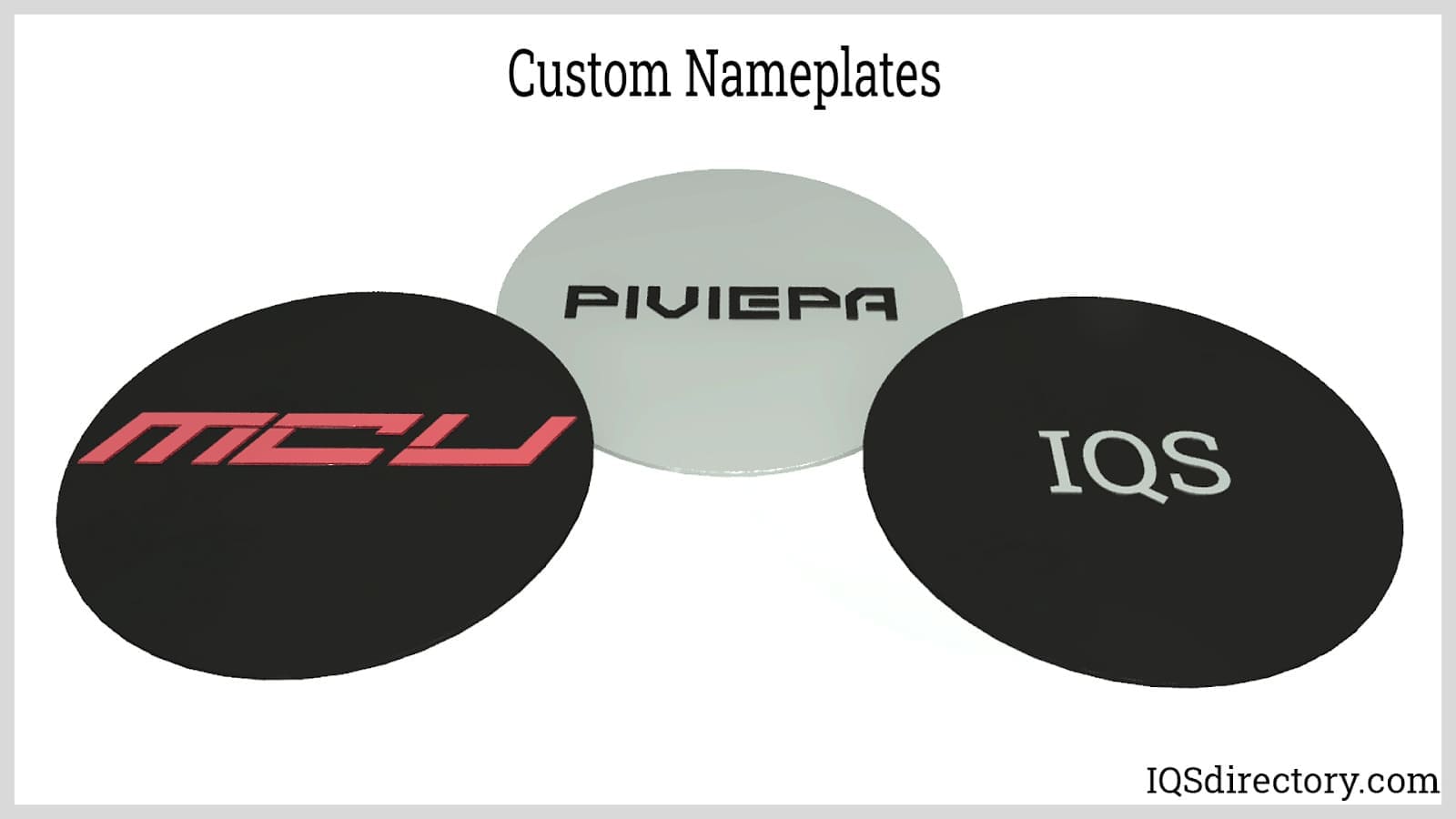 Name plates provide lasting identification for individuals, brands, products, machinery, and equipment in settings where clear, durable marking is needed.
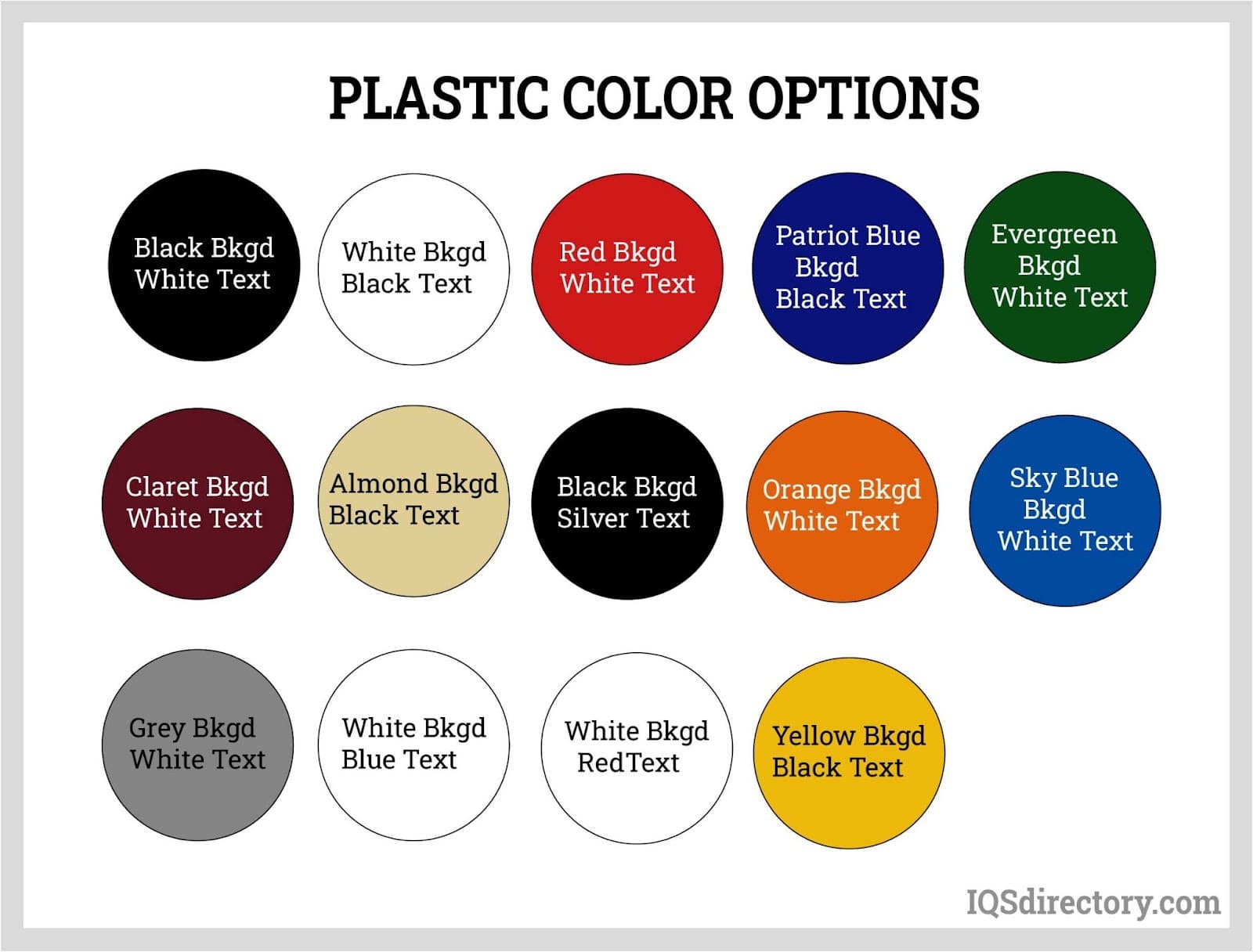 Plastic polymers used in name plate manufacturing can be customized in a wide range of shapes, colors, textures, and finishes to match branding, product design, or facility requirements.
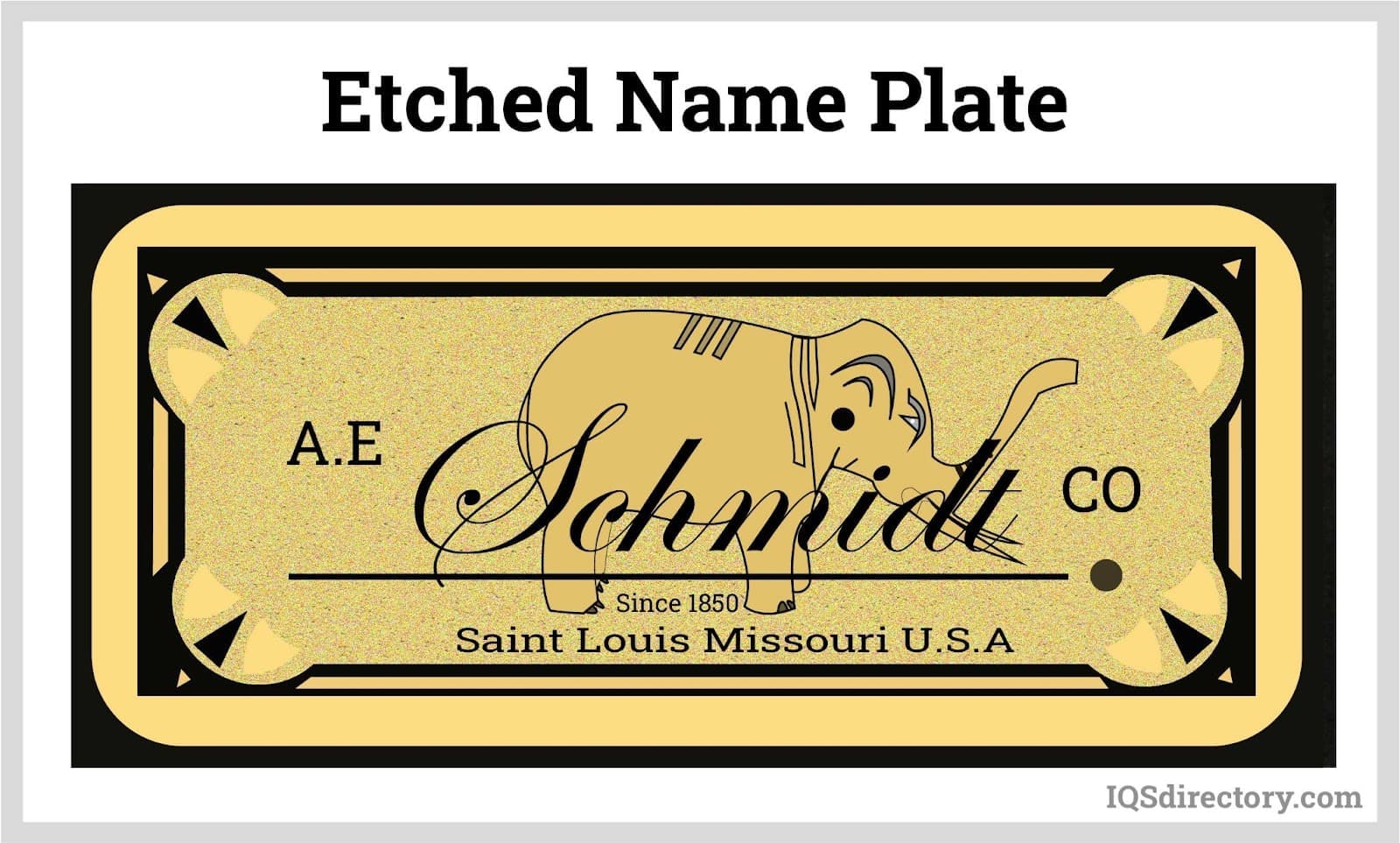 Etched name plates feature recessed designs created through acid etching, a process that removes material to produce durable text, logos, and intricate graphic detail.
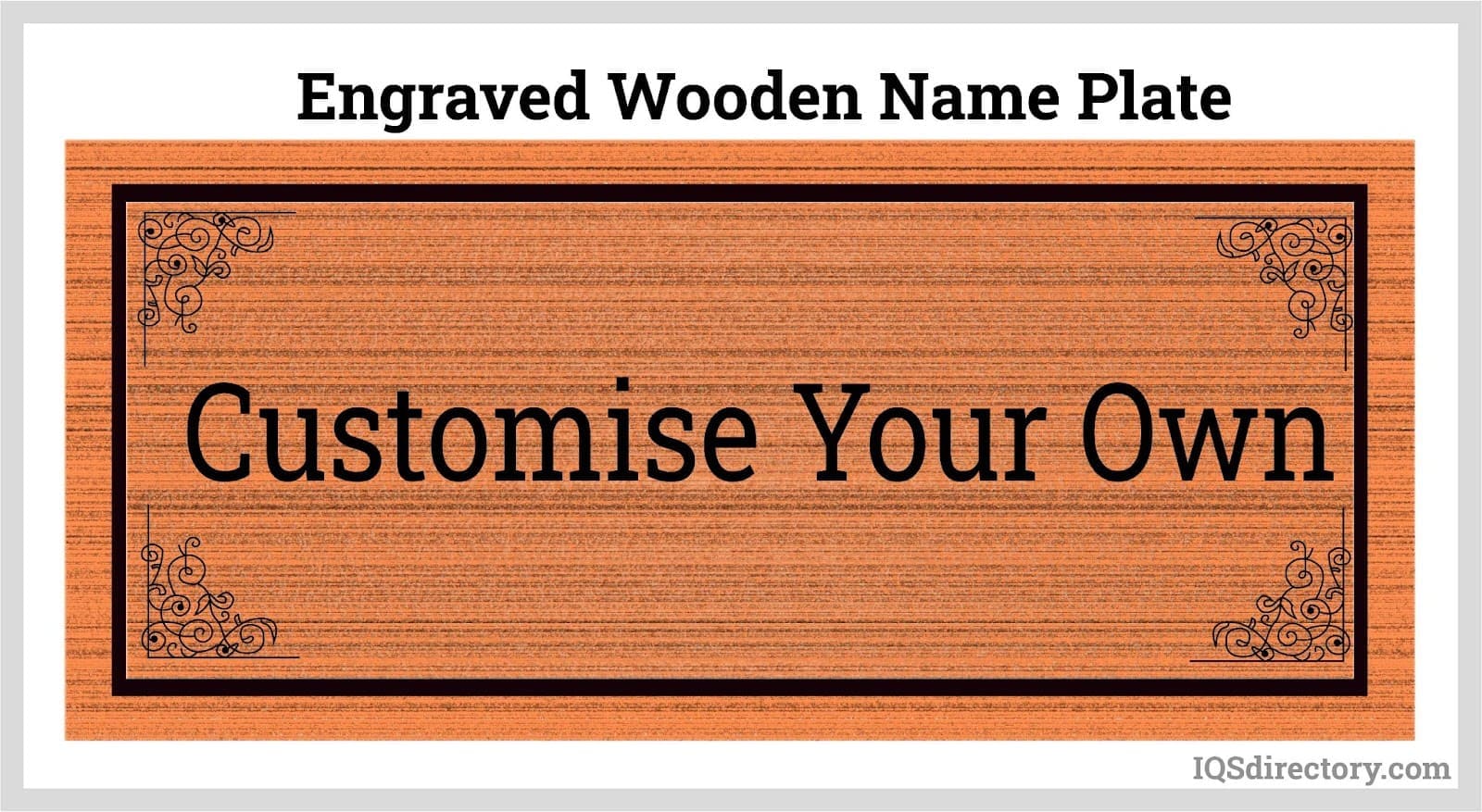 Engraving a wooden name plate is commonly performed with computer-controlled equipment that helps deliver consistent lettering, decorative shapes, and custom personalization.
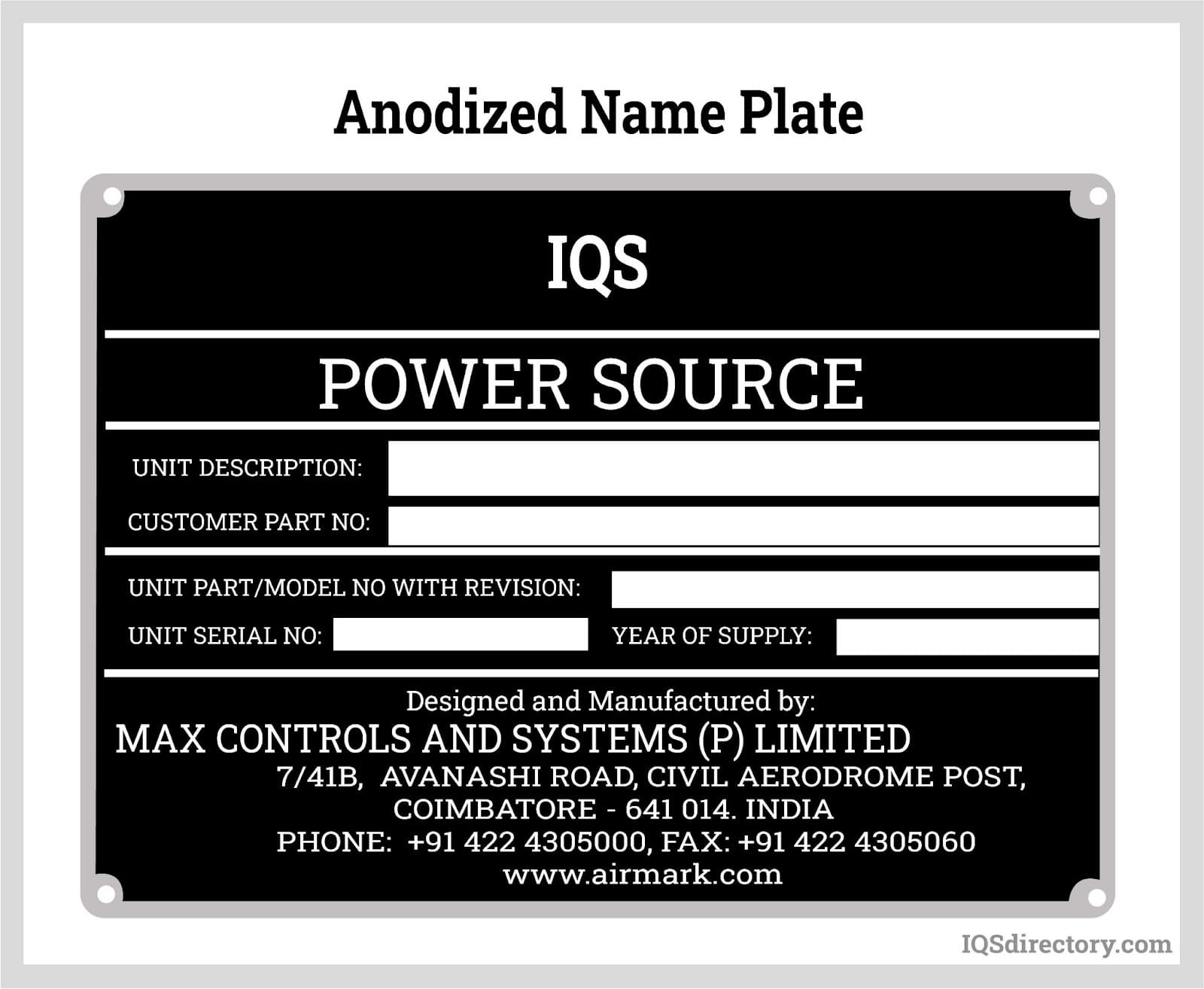 Anodizing uses sulfuric acid and electrical current to open aluminum pores so dyes and finishes can be introduced, improving both appearance and surface protection.
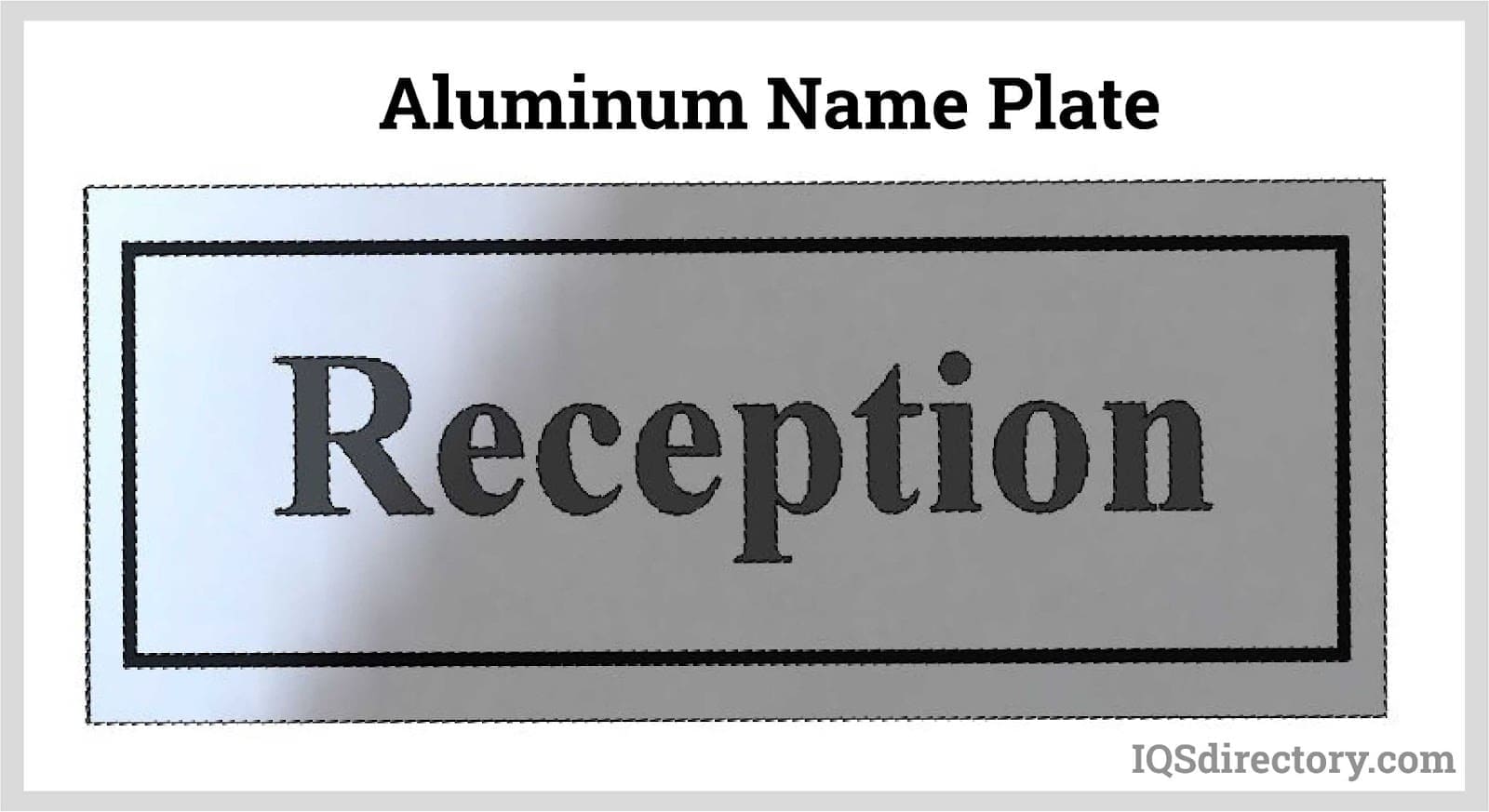 Aluminum is a resilient material for name plates because it performs well in demanding environments, and when alloyed it can offer even greater strength and durability.
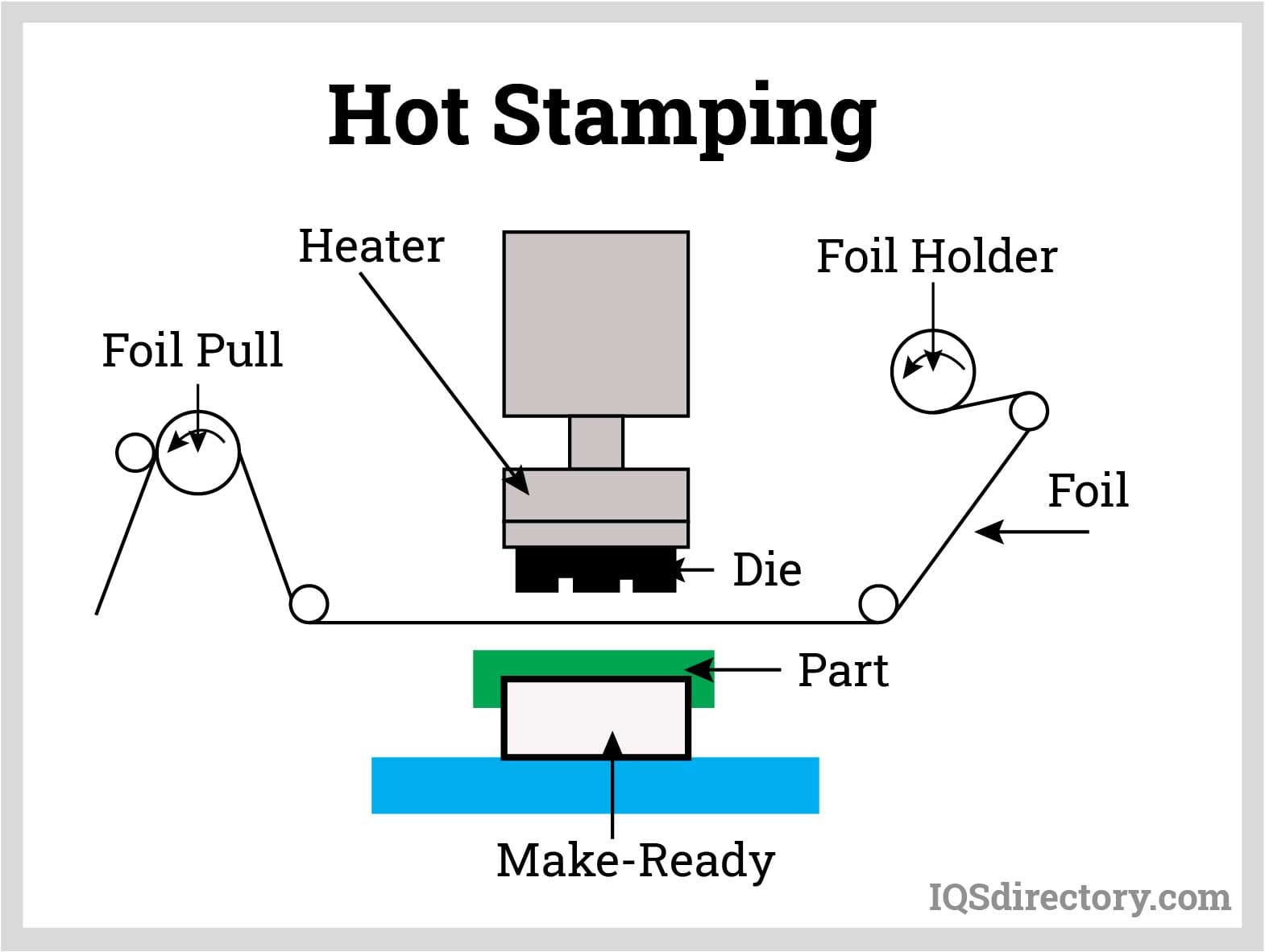 Hot stamping uses a die, press, and foil to transfer markings onto the name plate surface, making it a popular option for repeatable identification work.
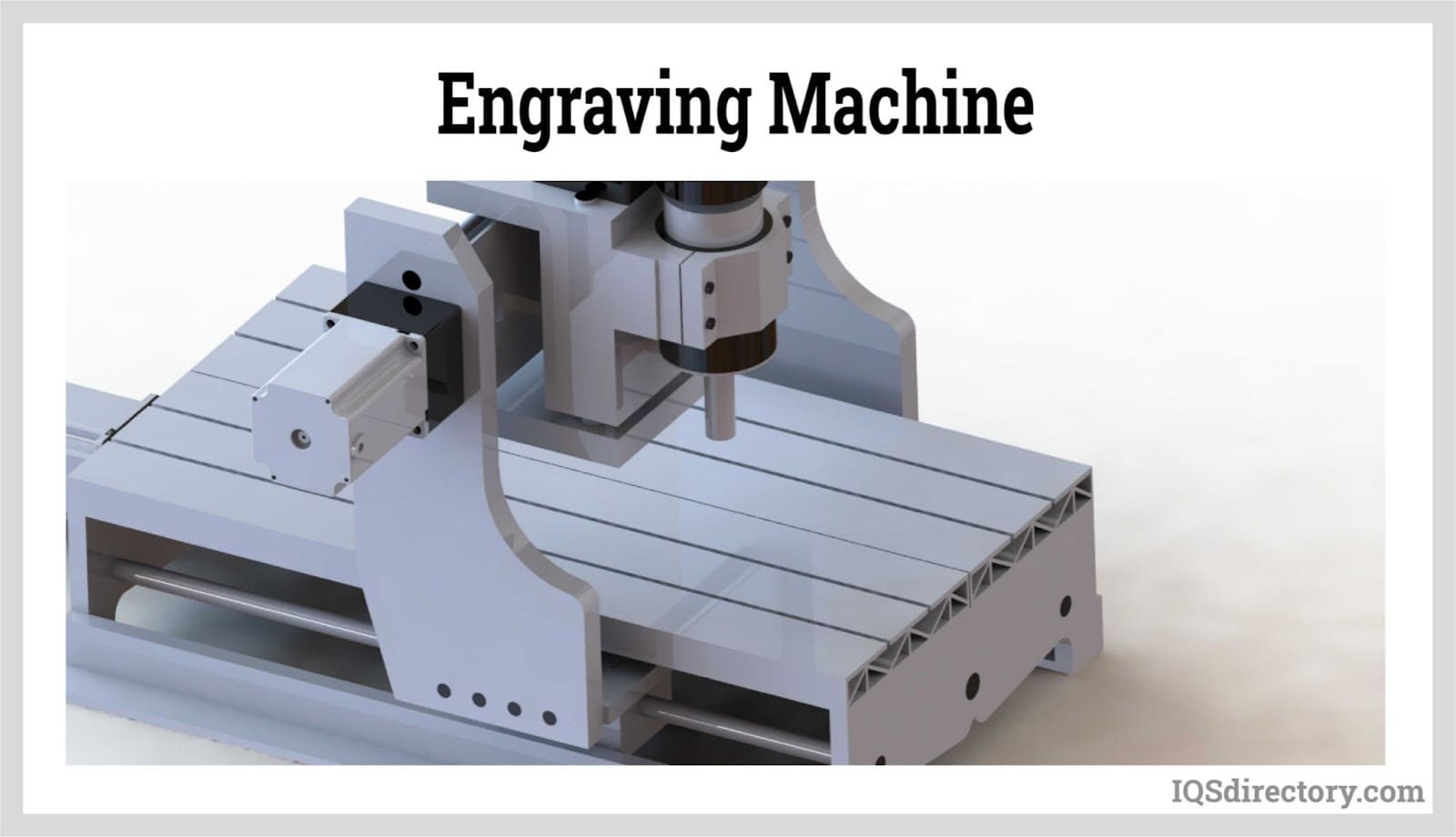 Metal engraving creates text and imagery by carving, cutting, or incising the surface, resulting in permanent, highly legible identification.
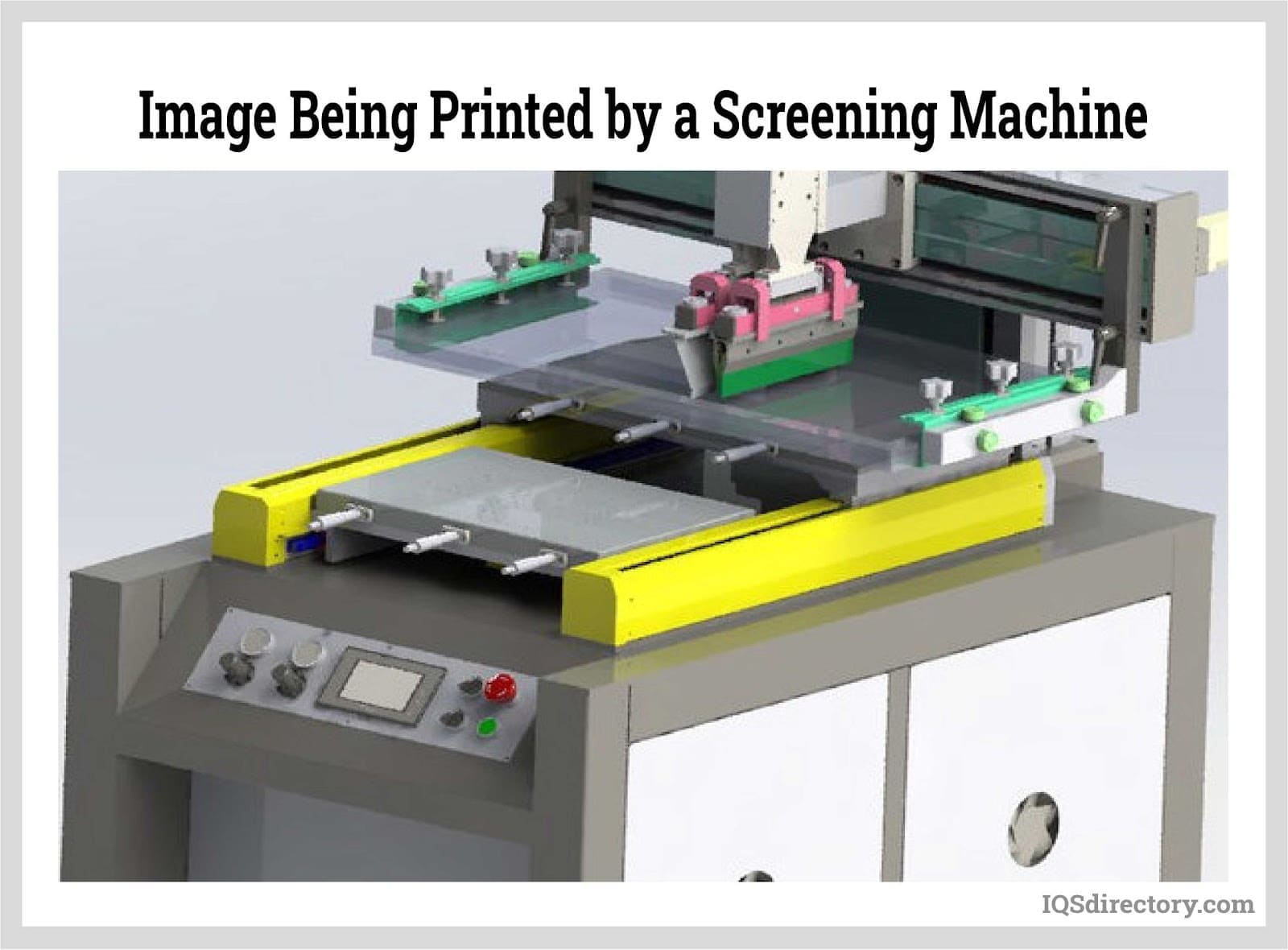 Screen printing is a cost-effective method for applying colors, graphics, and finishes to name plates with good consistency across production runs.
Types of Name Plates
- Industrial Nameplate
- Used throughout industrial settings to identify work areas, machinery, control panels, and equipment. When mounted directly to machines, they are often called equipment nameplates and may display serial numbers, ratings, operating details, and manufacturer information.
- Office Name Plate
- A nameplate designed for office environments to identify the user of a desk, room, or doorway. Office name plates include wall, desk, and door versions, each selected for visibility, style, and ease of reading in professional environments.
- Graphic Overlay Nameplate
- These nameplates resist chemicals and corrosion and may include transparent windows, embossing, textures, icons, and printed instructions. Graphic overlays are commonly used on switches, control panels, LEDs, membranes, and display windows where both protection and legibility matter.
- Brass Nameplate
- Brass nameplates are often chosen for their polished, decorative appearance and are popular for statues, buildings, plaques, memorials, and architectural identification where visual impact matters as much as function.
- Gold Nameplate
- Among the more premium-looking nameplates, gold nameplates are used for doors, plaques, commemorative displays, awards, and artwork in professional and institutional settings such as universities, offices, and museums.
- Aluminum Nameplate
- Aluminum nameplates are economical, lightweight, and widely used. They are often anodized for greater durability and can serve in office identification, product branding, safety communication, and equipment marking applications.
- Plastic Nameplate
- Plastic nameplates are often the most cost-effective option and can be produced in many colors, thicknesses, and finishes. They are frequently used when buyers want a lighter-weight plate with low maintenance needs.
- Wooden Nameplate
- Typically personalized, wooden nameplates are popular for decorative applications such as offices, gifts, children’s rooms, and custom room identification. They tend to be selected for appearance and personalization rather than heavy industrial use.
- Desk Name Plates
- Used to identify desk occupants in business, industrial, educational, government, and commercial environments where clear personal identification and a polished presentation are wanted.
- Custom Nameplates
- Made to a customer’s exact requirements for size, wording, graphics, color, finish, material, and mounting style. Custom nameplates are often the best choice when standard plates do not match the application or branding goals.
- Door Name Plates
- Nameplates mounted on doors within offices, healthcare facilities, factories, schools, or institutions to identify room contents, departments, occupancy, or the person assigned to the space.
- Engraved Nameplates
- Produced by mechanical engraving, laser engraving, carving, or photo-chemical etching to create permanent lettering, logos, numbering, or other detailed visual elements.
- Equipment Nameplates
- Attached to machinery and devices to identify the manufacturer or show data such as location, contact information, model numbers, electrical ratings, warnings, and serial numbers.
- Metal Nameplates
- Typically made from aluminum, stainless steel, brass, bronze, copper, zinc, titanium, or alloyed metals. Metal nameplates are often selected for durability, premium appearance, and long-term readability.
- Personnel Nameplates
- Tags, badges, or plates used to identify employees or organization members and, in some cases, serve as access, role, or clearance identifiers within a facility.
- Nameplates
- Design and produce nameplates. Nameplates are specially designed signs and symbols used to identify people, products, rooms, departments, equipment, and other items that benefit from clear, lasting identification.
Name Plate Applications
Nameplates are used when concise, highly visible information is needed and a larger sign would be unnecessary or impractical. Their compact format makes them well suited for areas where space is limited but clear identification still matters for users, customers, operators, visitors, or maintenance staff.
Nameplates commonly identify desk or office occupants, room functions, departments, directions, emergency exits, product branding, equipment ownership, operating instructions, asset data, and warning information. In many facilities, they also support wayfinding, organization, and traceability by helping people identify exactly what a room, device, product, or work area is used for.
Nameplates can display authorship and origin for art, serve as title plates on commemorative plaques or trophies, and identify award recipients. For brand and ownership identification, nameplates are applied to luggage, briefcases, trunks, and chests. They are also used on aircraft, military equipment, commercial products, and high-performance systems where permanent identification is required. Buyers often search for application-specific options such as outdoor metal nameplates, equipment data plates, engraved office nameplates, or custom product branding plates.
Nameplates are utilized in industries such as office supply, healthcare, sports, education, transportation, travel, museums, commemorative products, aerospace, consumer goods, food and beverage, manufacturing, and industrial equipment. Their flexibility makes them valuable anywhere readable identification, branding, compliance information, or durable marking is needed.
Standards and Specifications for Name Plates
While office nameplates usually do not follow strict formal standards, many industrial nameplates do. Some plates must meet print life expectations, environmental tolerances, legibility requirements, or industry rules tied to the equipment on which they are installed. The National Electric Manufacturers Association (NEMA) sets standards for motor nameplates, including electric motors, so operators and buyers can review the information they need at a glance.
According to NEMA, all motor nameplates should display:
- Manufacturer's Type
- Rated Voltage
- Full-Load Current
- Rated Frequency
- Number of Phases
- Rated Full Load RPM
- Rated Temperature Rise, or Insulation System Class
- Time Rating
- Horsepower
- Locked Rotor Code Letter
- Service Factor
- Efficiency
- Frame Size
- Design Letter
Outside the United States, the International Electrotechnical Commission (IEC) provides widely used motor nameplate standards.
Other nameplate standards exist for generators, centrifugal pumps, and photovoltaic (PV) modules, which are solar panels mounted on roofs. PV module nameplate standards are set by the Solar America Board for Codes and Standards (Solar ABCs).
Things to Consider When Purchasing a Name Plate
To get the best nameplate for your application, work with an experienced nameplate manufacturer that understands both design and performance. With many suppliers available, it helps to compare more than appearance alone. Buyers should look at material compatibility, indoor or outdoor use, print method, readability, finish, mounting method, quantity requirements, and expected service life. If you are asking questions such as which material lasts longer, should you choose adhesive or fasteners, or what process works best for serial number plates, those details should shape your buying decision from the start.
The suppliers we recommend are thoroughly vetted and have proven expertise. Visit their websites to compare services, pricing, capabilities, and certifications. Select several companies that appear to match your goals, then contact them for lead time estimates, production guidance, and recommendations based on your environment and design needs. After gathering information, compare pricing, responsiveness, and customer service. The right supplier will understand your application, recommend suitable materials and finishing methods, and help you move from concept to production with confidence. Once you’ve identified the company that best fits your project, you can move forward with ordering your custom nameplates.
Name Plate Alternatives
- Barcode
- Serial and model number plates often use barcodes or encoded numbering systems to uniquely identify each part, product, or piece of equipment. Manufacturers can generate these codes or apply systems provided by the customer for tracking and inventory control.
- Decals
- Decals are lightweight, non-metallic identifiers made from materials such as heavy-duty paper, polyester, vinyl, plastic, or rubber. They usually feature removable adhesive backing and offer broad customization in size, shape, and printed design.
- Dial Faces
- Panels, labels, or plates that mark calibrations, measurements, or reference points on dials, meters, and scales.
- Panel Fronts
- Thin plates designed to cover control or instrument panels, often including cutouts and printed identifiers for switches, displays, indicators, or buttons.
- Safety Labels
- Labels that provide instructions, warnings, and operational guidance for the safe use of equipment, machinery, or products.
- Tags
- Strips or pieces of paper, plastic, metal, or leather attached to items for identification. Tags are useful when limited surface area is available, such as on valves, wire rope, cables, or portable items.
- Unique Identification (UID) Labels
- Permanent, machine-readable labels that use dot matrix inscription and are attached to qualifying items for unique Department of Defense tracking and differentiation.
- Warning Labels
- Safety labels featuring vivid colors and prominent words such as "Warning!" or "Danger!" to alert users to hazards, operating limits, or other safety-related information.
Name Plate Accessories
Typical name plate accessories include name plate holders, interchangeable nameplate inserts, snap-on label holders, frames, pins, hangers, chains, hooks, and wall-mount adhesives. These accessories can improve installation flexibility, visibility, replacement convenience, and the overall presentation of the finished plate.
Name Plate Terms
- Anodizing (or Anodising)
- A technique used to coat the surface of a metal with an oxide layer. It may increase corrosion resistance, improve wear resistance, allow dyeing, or prepare the surface for additional coatings and finishing processes.
- Embossing
- The process of creating an image or design in ductile materials through the combined use of heat and pressure. This is achieved with a female die and a matching male counter die that compress the material into the desired form.
- Etching
- The process of using strong acid to cut into unprotected portions of a metal surface in order to create text, graphics, or a decorative design.
- Hot Stamping
- A process in which an engraved image is heated and then forced against a part with marking foil in between. Ink from the foil remains where the die contacts the part, and because it is a dry process the parts can typically be handled immediately afterward.
- Laser Engraving
- A process that can engrave very fine details quickly and precisely using a focused laser beam controlled by CNC-driven motion.
- Lithography
- An offset printing process in which a rubber cylinder, or "blanket," rolls over a metal printing plate, picks up the master image, and transfers it to another area of the press where the nameplate is located. It can achieve very fine detail in both direct and reverse print, though it does not weather as well outdoors or in harsh environments.
- Mechanical Engraving
- A high-speed rotary tool cuts into the surface of metal or plastic, after which enamel paint may be filled into the engraved area for contrast and readability.
- MetalPhoto®
- An anodized, photosensitive aluminum that offers sharp print quality and strong resistance to abrasion, corrosion, and high temperatures. It does not fade or chip easily and is used in many military applications because it meets demanding regulations.
- Mylar®
- A strong laminated polyester film suited for sub-surface printing that has good temperature, chemical, and abrasion resistance.
- Photo Anodizing
- Exposing an image onto specially coated aluminum that is developed much like photographic film and then sealed, trapping the image beneath an anodized layer. This method can produce highly durable nameplates in small quantities with a fast turnaround.
- Polycarbonate
- A group of thermoplastic polymers that can be easily worked, molded, and thermoformed. This material is highly resistant to chemicals, corrosion, and temperature while also offering durability and good light transmission.
- Screenprinting (also Silkscreening or Serigraphy)
- A printmaking technique that creates a sharp-edged image using a stencil and screen to transfer graphics or text to the substrate.
- Sub-Surface Printed
- Processed with the ink on the underside of transparent plastic materials, making the printed information more resistant to abrasion, oils, and chemicals.
- Vinyl
- A non-laminated polyester suited for surface printing. This material has good chemical and abrasion resistance for normal indoor use and is often selected for economical identification applications.