Aluminum Channels
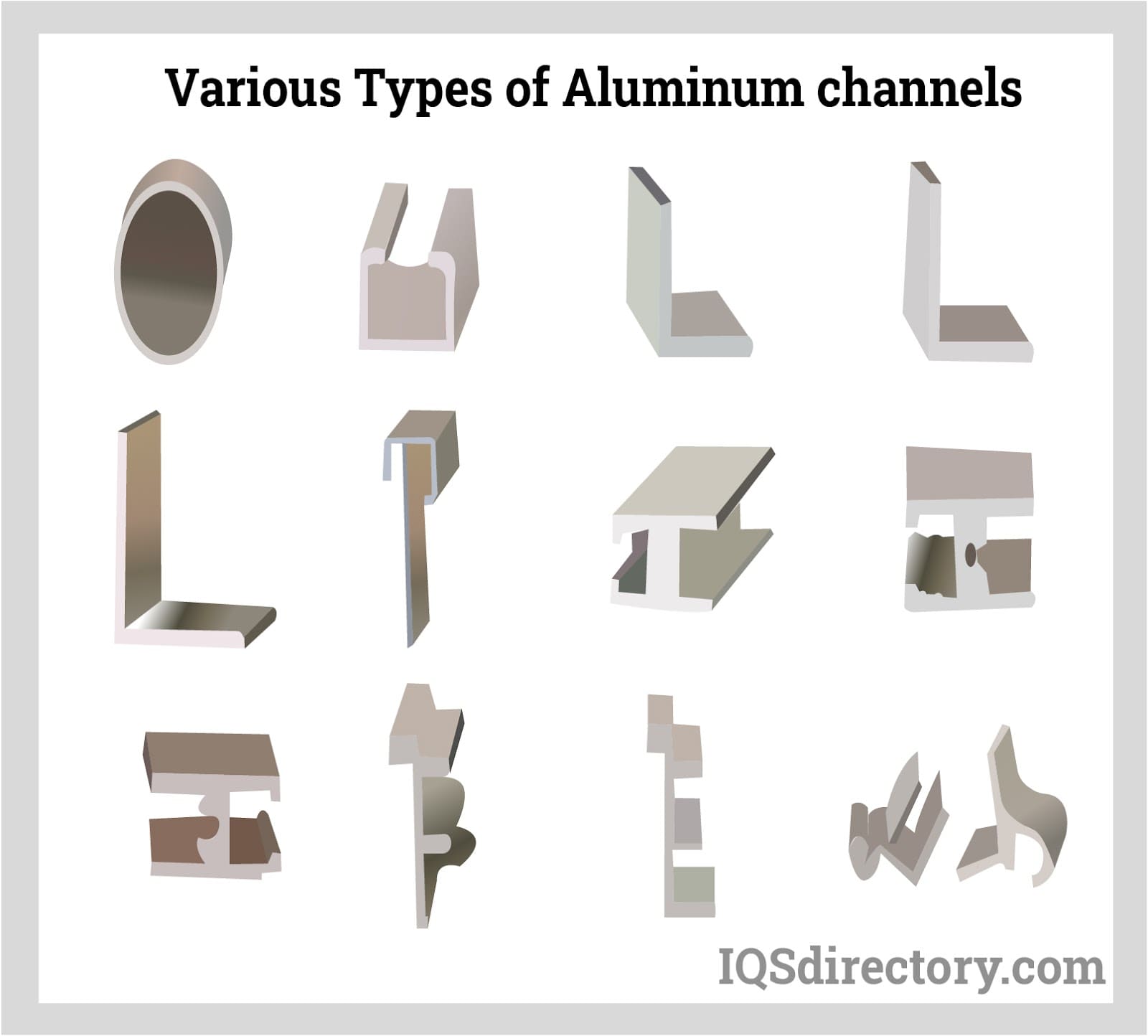
An aluminum channel is a structurally sound metal component made by the extrusion process...
Looking to find and compare aluminum trim and extrusion manufacturers? See our Aluminum Extrusions Directory to request free quotes. Connect directly with vetted extruders for custom architectural trim, LED lighting channels, edge molding, and anodized finishing profiles.
This comprehensive technical guide explores aluminum trim manufacturing, profile classifications, machinery, and industrial applications:
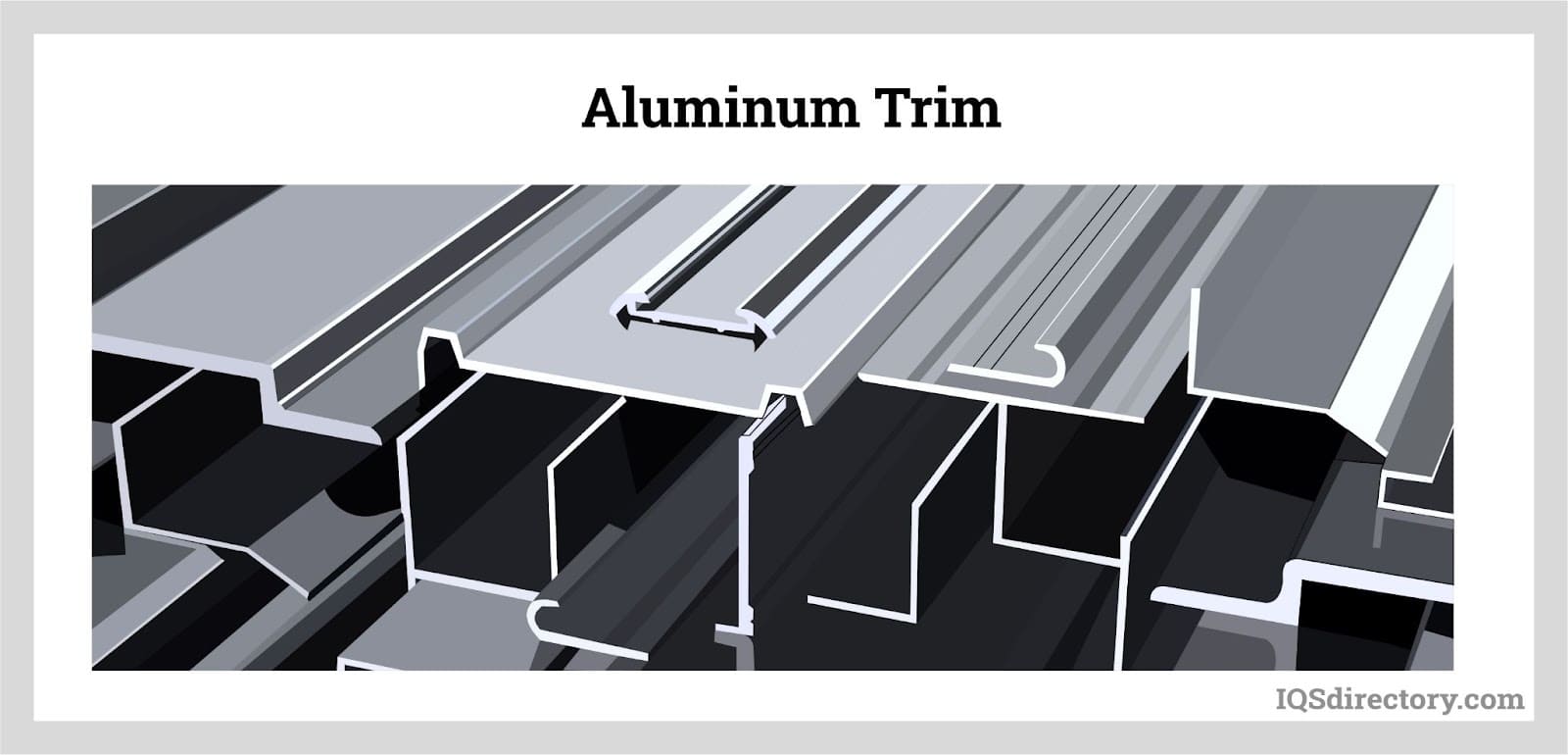
Aluminum trim is crafted from aluminum through the extrusion process. This method produces extended, refined, and flexible aluminum pieces that are ideal for architectural trim, decorative edging, LED lighting channels, interior and exterior lighting solutions, and engineering design tasks. Aluminum trim is favored for its notable properties, such as its innate resistance to rust and corrosion, lightweight strength, and excellent durability in demanding environments.
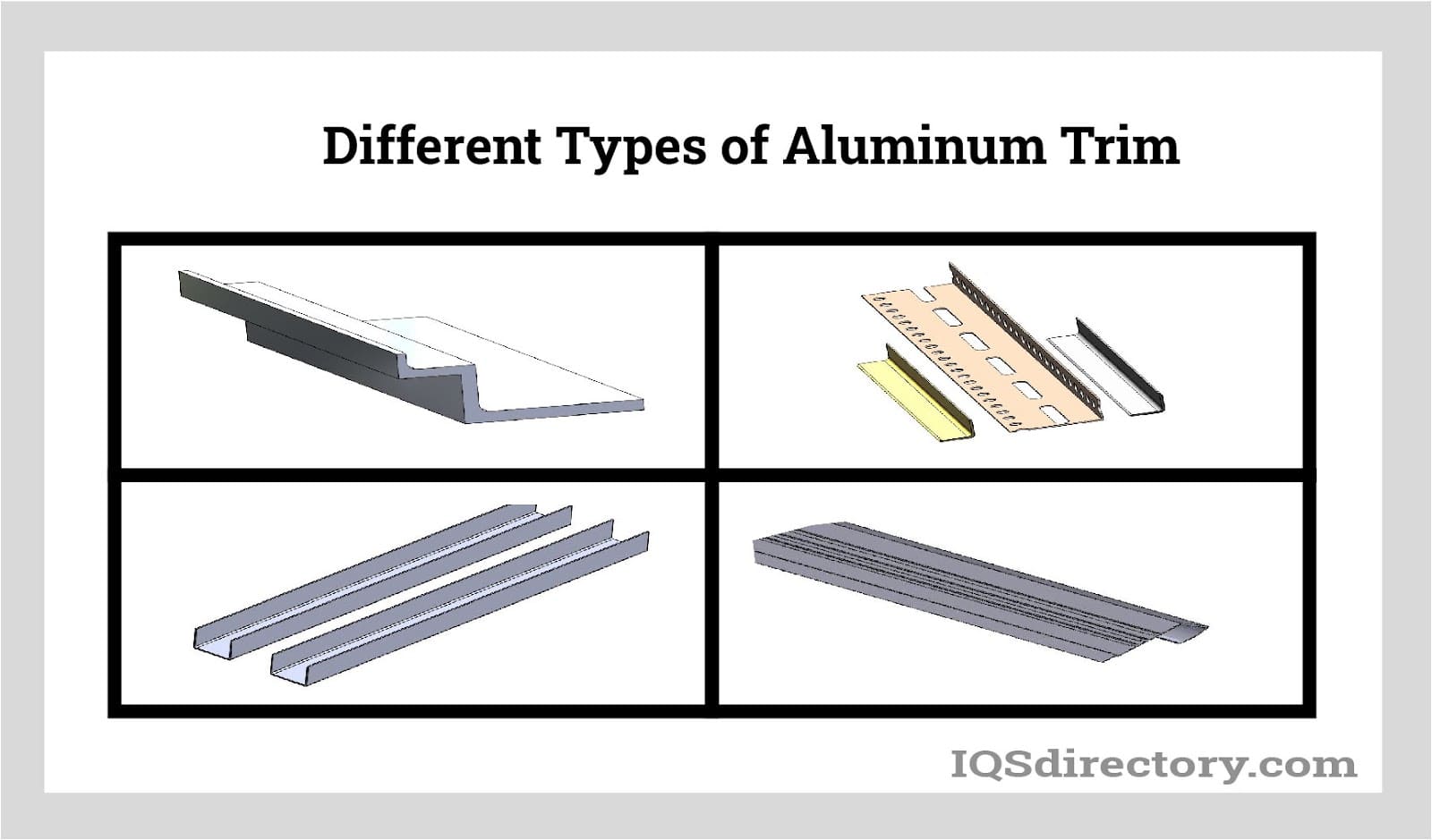
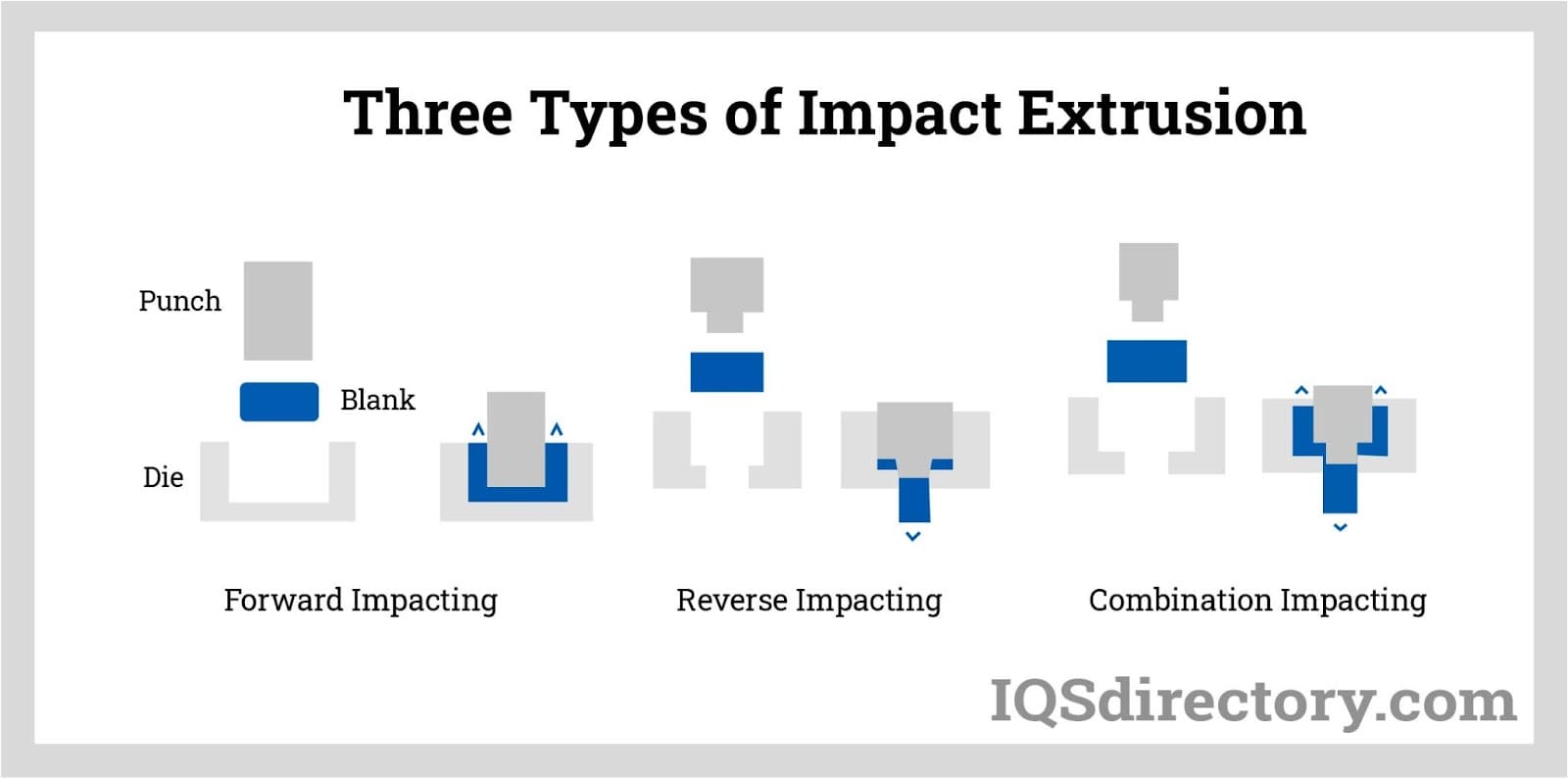
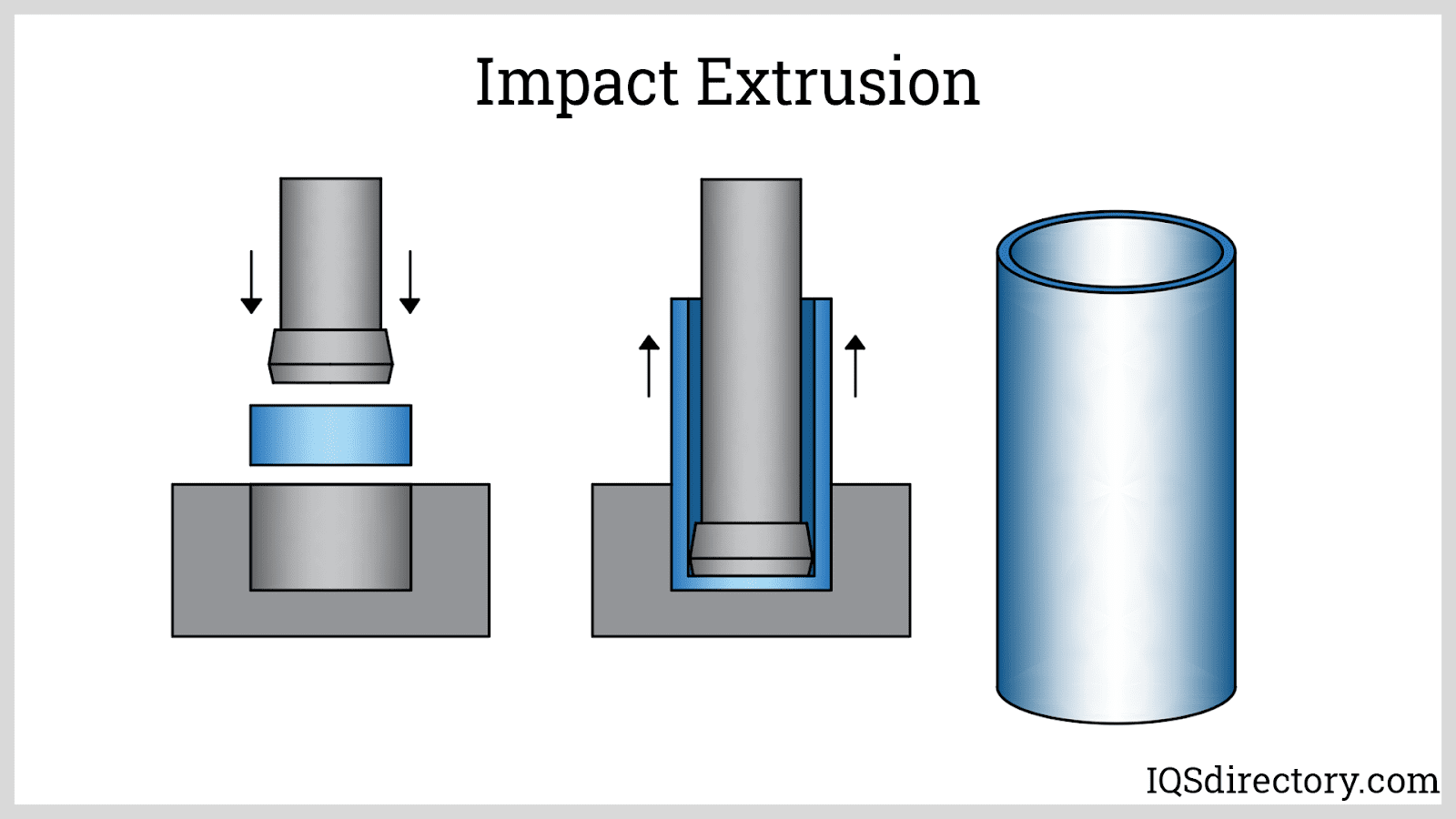
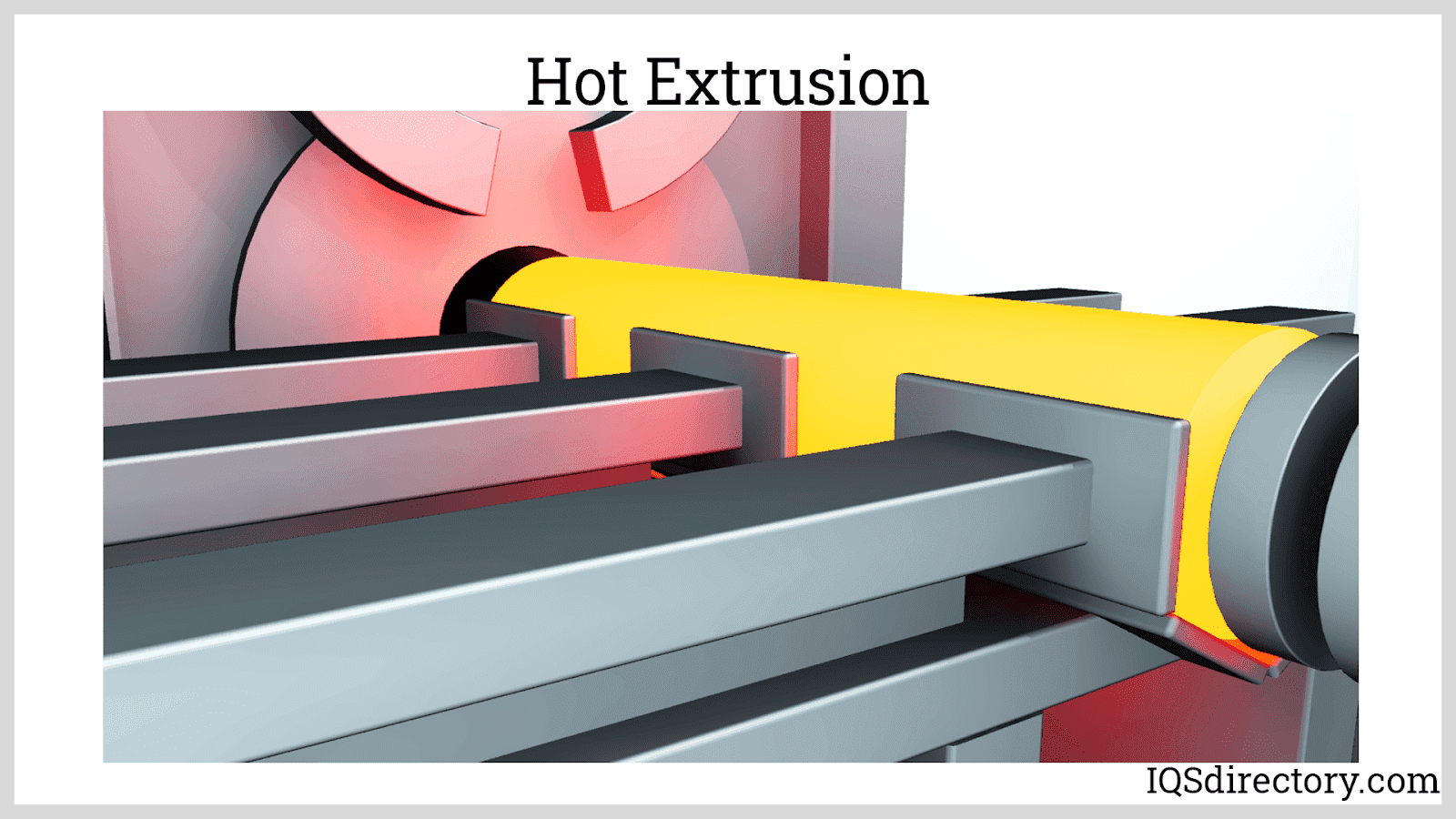
Aluminum trim is produced using two primary manufacturing methods: Hot Extrusion and Impact Extrusion.
| Process Parameter | Hot Extrusion Method | Impact Extrusion Method |
|---|---|---|
| Operating Temperature | Preheated billets (800°F / 426°C+) | Cold forming at ambient room temperature |
| Forming Mechanics | Hydraulic ram pushes softened billet continuously through die | High-velocity single stroke punch forces cold aluminum into die |
| Part Geometry Capabilities | Long, complex, hollow, or semi-hollow uniform cross-sections | Symmetrical, hollow, or seamless tubular shapes with thick bases |
| Energy & Cycle Efficiency | Requires furnace preheating; continuous puller runout | Eliminates billet preheating; high-speed vertical press strokes |
| Target Applications | Architectural moldings, J/U channels, window frames, LED tracks | Seamless cans, collapsible tubes, automotive housings, specialized caps |
Specialized equipment streamlines aluminum trim fabrication across commercial and residential building projects. Leading machinery includes the Mitten TrimFormer, Gentek TrimMaster, Rollex TrimFormer, Spectra TrimRollformer, and Quality Aluminum QAP TrimMaster.
Aluminum trim is produced through extrusion, resulting in lightweight, rust-resistant, and customizable profiles for architectural, automotive, and decorative uses. Its notable corrosion resistance, precise tolerances, and flexible design make it a top choice for both interior and exterior applications.
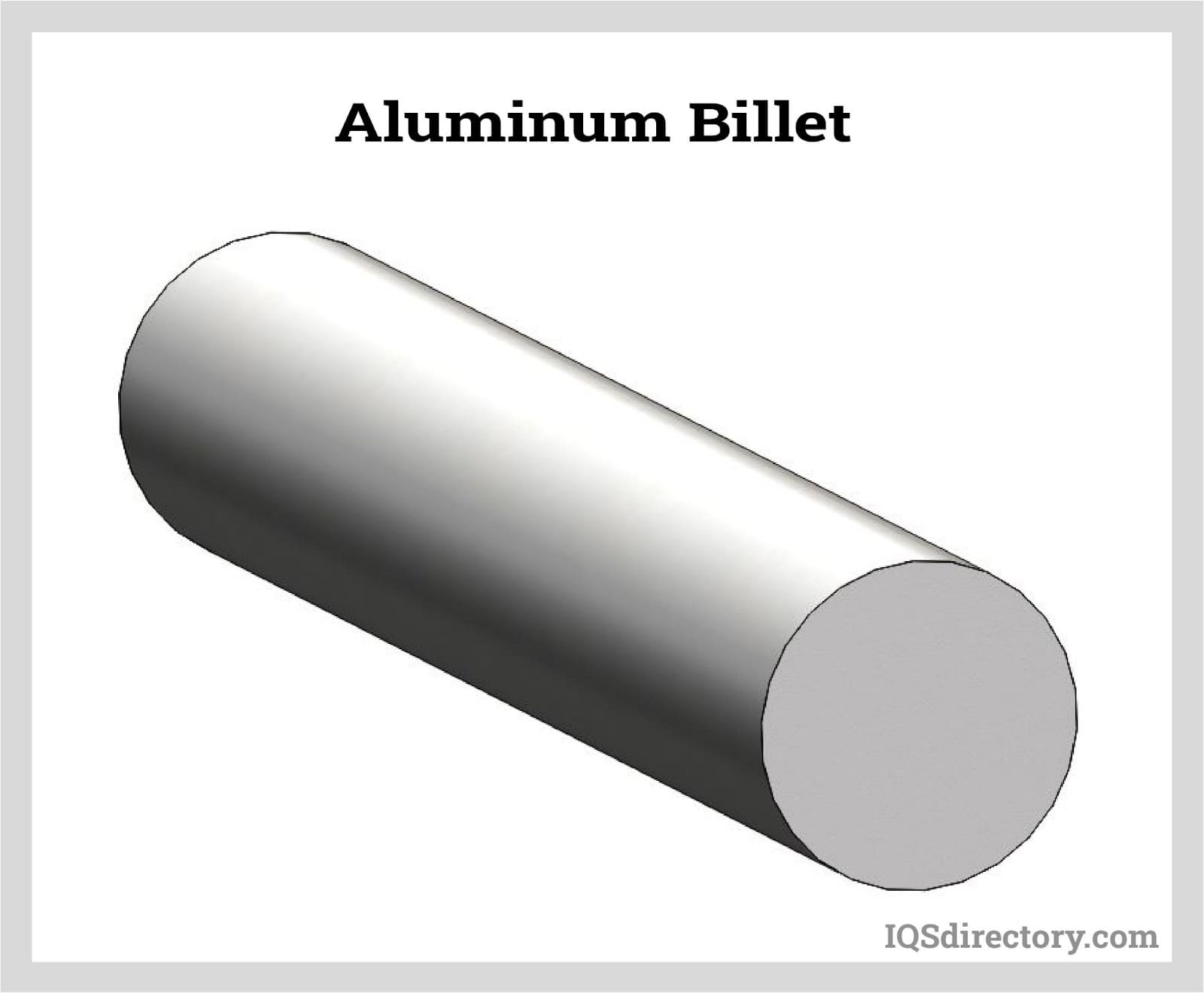
Aluminum trim is manufactured by hot or impact extrusion, pressing aluminum through a die to achieve the desired profile. The process involves heating billets, shaping via hydraulic ram or press, controlled cooling, stretching, precision cutting, and, if required, finishing like anodizing or powder coating.
Popular alloys for aluminum trim include 6061, 6063, 6005A, and sometimes 6463 or 6101. These alloys are prized for their blend of strength, machinability, surface finish, and corrosion resistance, making them suitable for both decorative and structural trim applications.
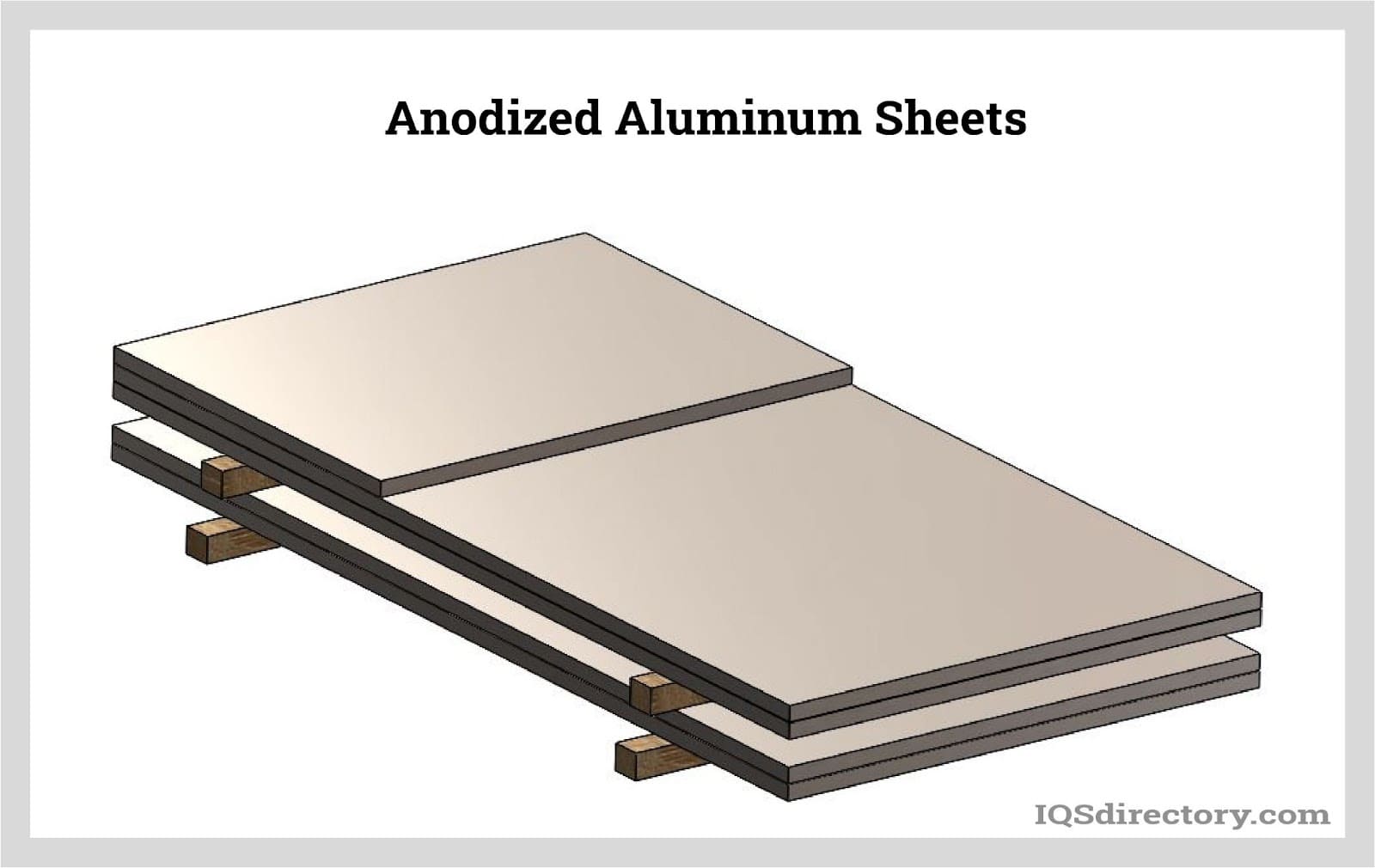
Aluminum trim can be finished with anodizing for weather resistance, powder coating for custom colors, brushing for a matte look, or polishing for shine. These finishes enhance durability, aesthetics, and protection against the elements, meeting both commercial and architectural requirements.
Top machines in the U.S. and Canada offer high-precision cutting, bending, automated controls, customizable tooling, robust build quality, and integration with material handling. Brands like Mitten, Gentek, Rollex, Spectra, and Quality Aluminum Products lead the industry with advanced, efficient solutions.
Customization is possible by choosing specific alloys, profile designs, and finishing options. Discuss minimum order quantities, CNC fabrication, and tooling with your supplier to ensure your trim meets performance, installation, and aesthetic needs.
Extruded aluminum trim is available in versatile geometric configurations designed for edge protection, panel mounting, and weather sealing.
| Trim Type | Cross-Sectional Shape | Key Structural & Functional Benefit | Primary Applications |
|---|---|---|---|
| J Trim | Asymmetrical J-hook profile | Seals siding perimeters; drains water away from seams | Window/door framing, siding edges, soffit receivers |
| U Trim / Channel | 3-sided channel enclosure | Protects raw panel borders from fraying/roughness | Glass framing, wire mesh edging, wood panel accents |
| Z Channel Trim | Z-shaped offset flanges | Overlapping flashing profile prevents water penetration | Metal roofing, ridge caps, headwall flashing receivers |
| H Channel Trim | Double-sided H configuration | Joins adjoining panels smoothly; high joint stability | Partition walls, commercial railings, decorative dividers |
| Angle L Trim | 90-degree right angle (equal/unequal legs) | Lightweight corner bracing & edge protection | Countertop edging, table frames, wall corner guards |
| T Edging | T-shaped center stem profile | Flush seam transition; prevents tile/floor chipping | Flooring transitions, elevator interiors, store fixtures |
| F Channel | Thin F-shaped mounting leg | Provides an anchor groove for soffit alignment | Exterior soffit installation, roof overhang trim |
| Hat Channel | Top hat profile with outer flanges | High strength-to-weight ratio for furring & leveling | Drywall furring, tile panel dividers, thermal barriers |
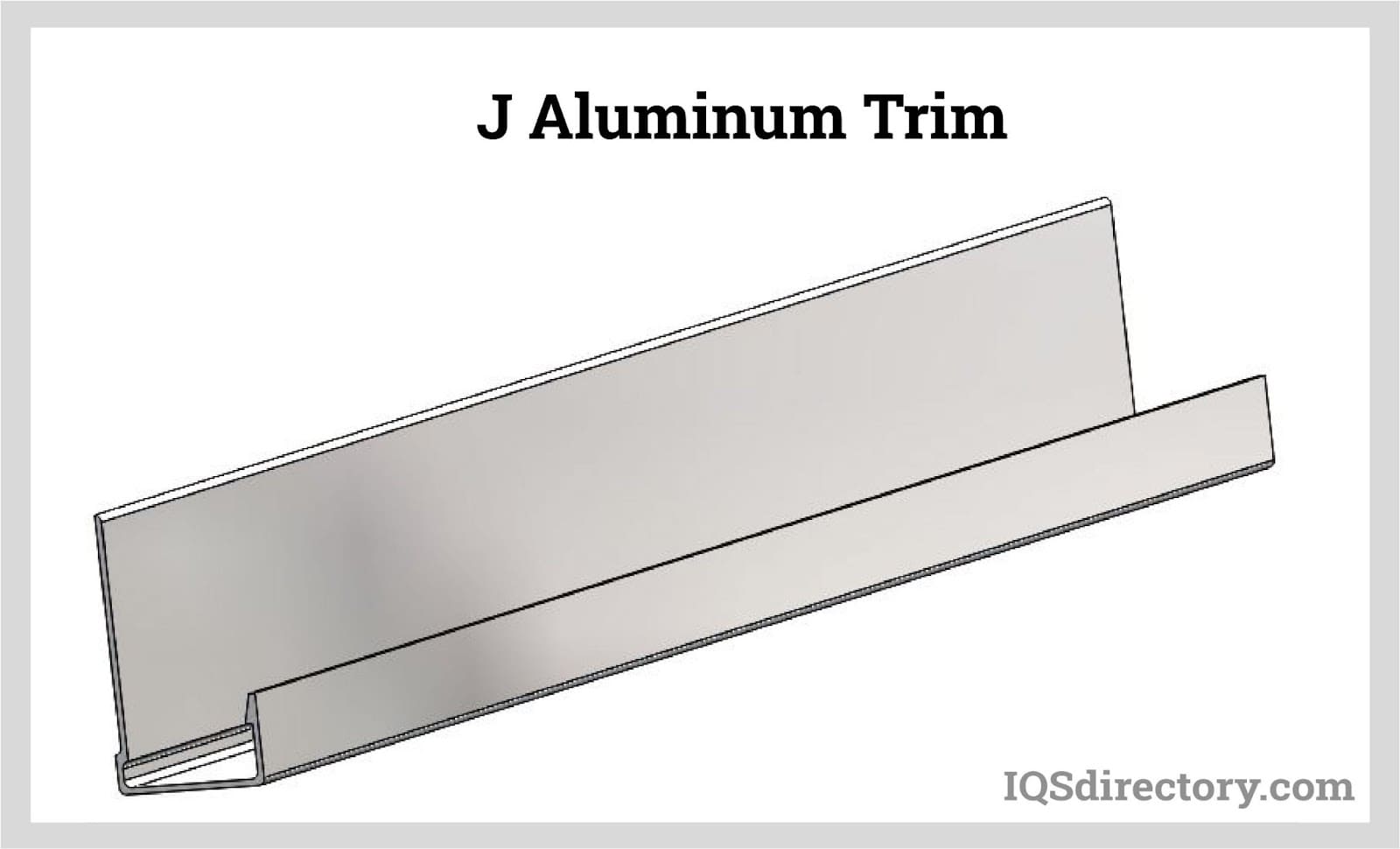
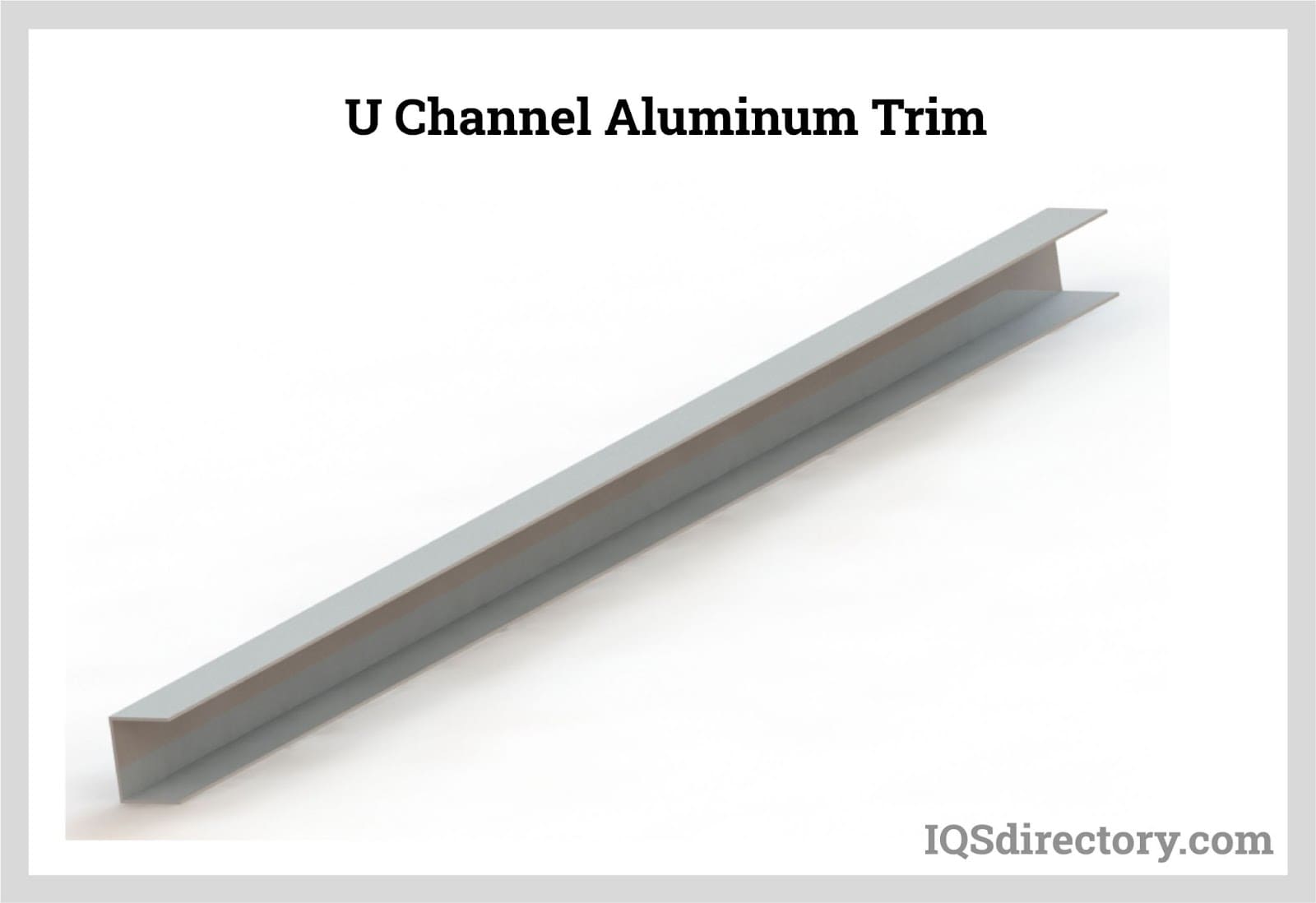
Aluminum trim is used for door kick plates, wall corner guards, countertop edging, portable display booths, stair nosing, and maintenance-free handrails. To maximize service life, surface treatments include mechanical polishing, acid pretreatment, bright dipping, anodizing, liquid painting, powder coating, and heat sublimation.
Aluminum trim combines lightweight handling, superior strength, and natural corrosion resistance. Selecting the proper extrusion process (hot vs. impact), profile geometry (J, U, Z, Angle), and surface finish (anodized or powder-coated) delivers exceptional durability and aesthetic value for architectural, industrial, and commercial builds.
An aluminum channel is a structurally sound metal component made by the extrusion process...
Extruded aluminum is formed by forcing a heated billet through a die opening...
Aluminum extrusion shapes billets into customized structural, solid, and hollow profiles...