Aluminum Channels
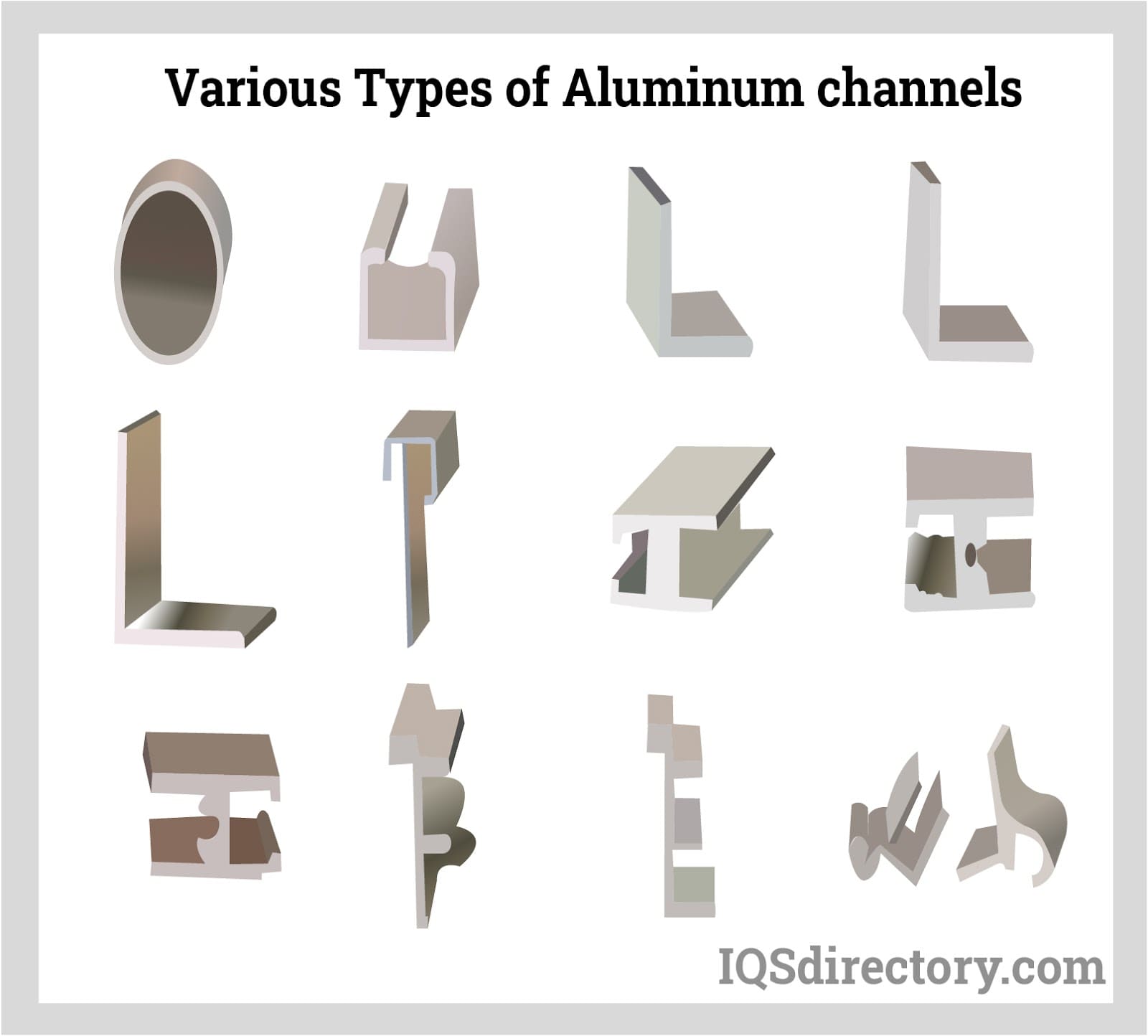
An aluminum channel is a structurally sound metal component made by the extrusion process...
Looking to find and compare extruded aluminum suppliers and custom extruders? See our Aluminum Extrusions Directory to request free quotes. Connect directly with vetted manufacturers for custom profiles, structural shapes, seamless tubing, and anodized finishing services.
This technical article provides an in-depth examination of the aluminum extrusion process, material properties, and engineering advantages:
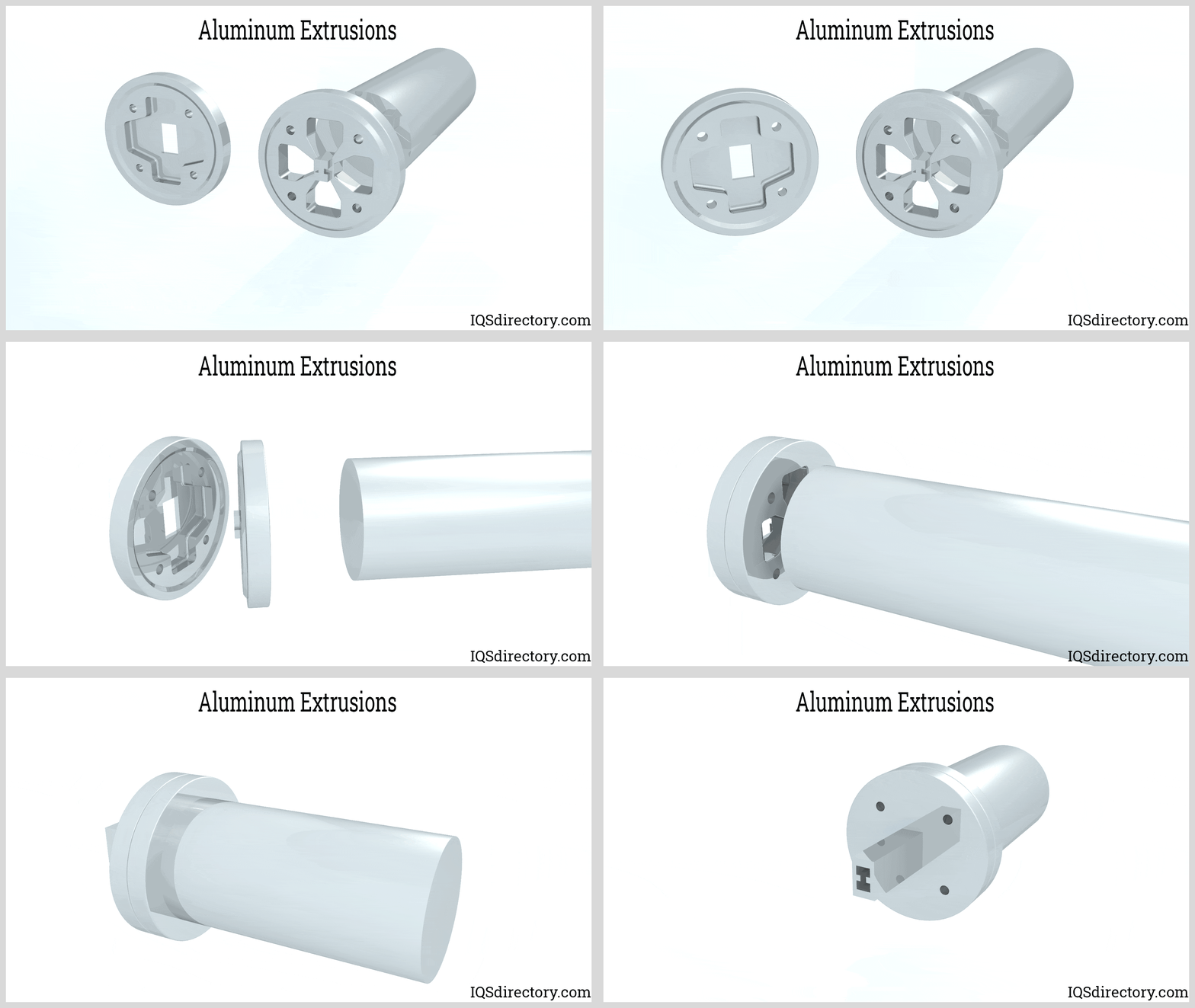
Extruded aluminum involves a manufacturing process where a heated or cold aluminum billet is forced through a shaped die to create a precise cross-sectional profile. This process produces components with a consistent profile, defined width, height, and thickness, making it ideal for custom aluminum profiles, structural shapes, and complex geometries.
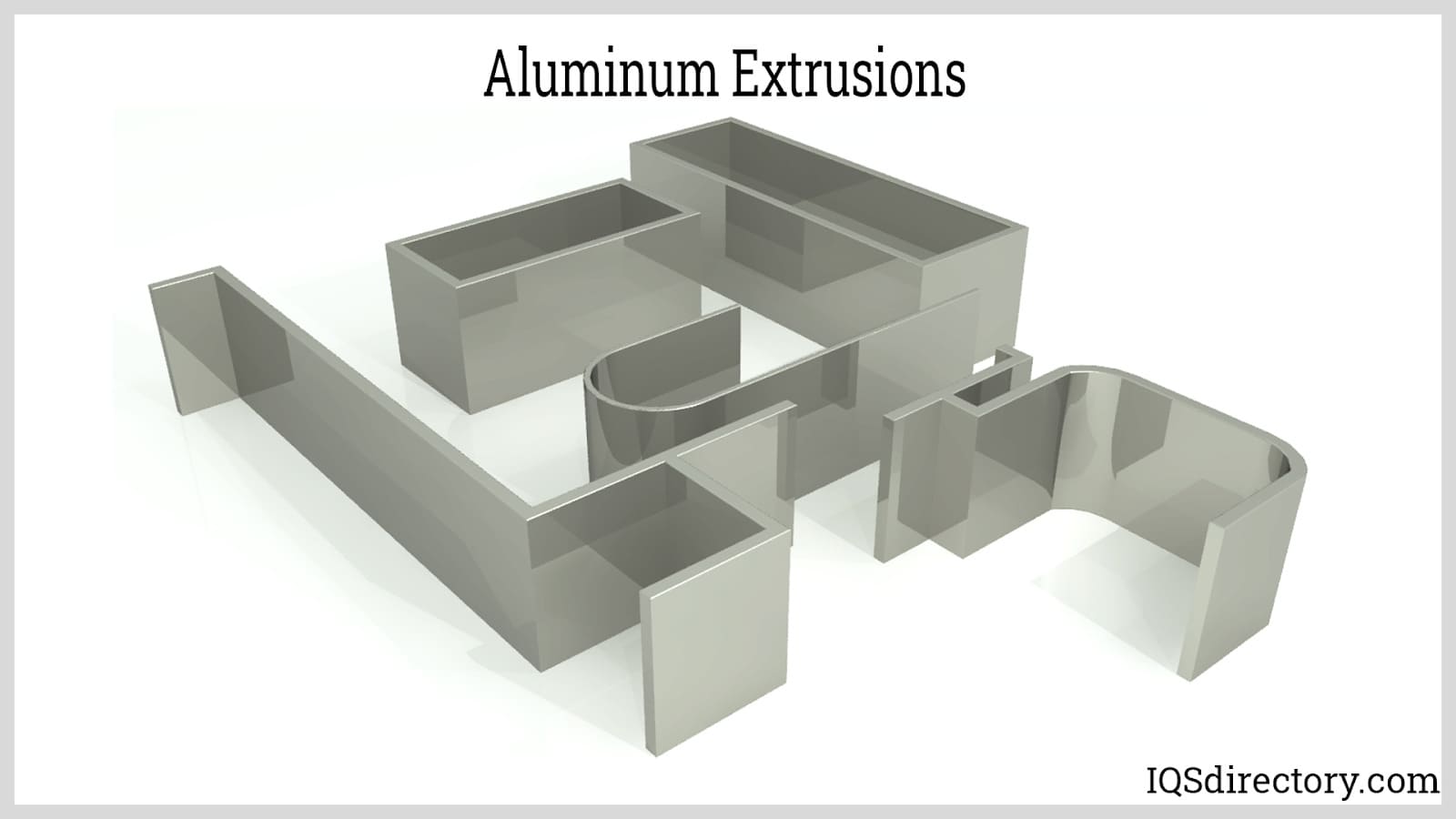
Modern aluminum profile extrusion is widely utilized across aerospace, automotive, rail transport, construction, and electronics, supporting a global market value exceeding $67 billion.
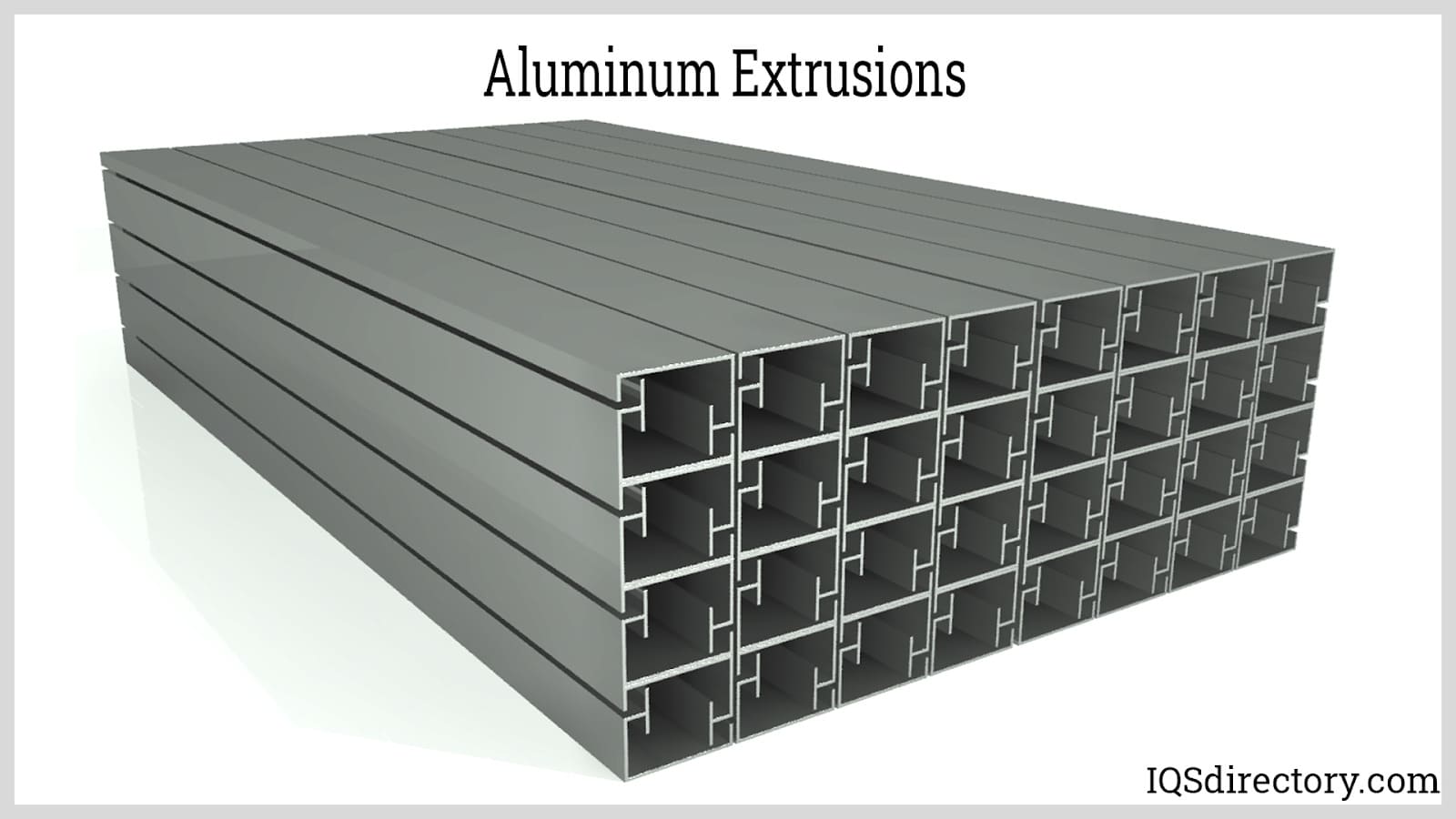
Aluminum is the premier choice for extrusion due to its light weight (one-third the density of steel), high strength-to-weight ratio, natural corrosion resistance, thermal conductivity, non-magnetic nature, and infinite recyclability.
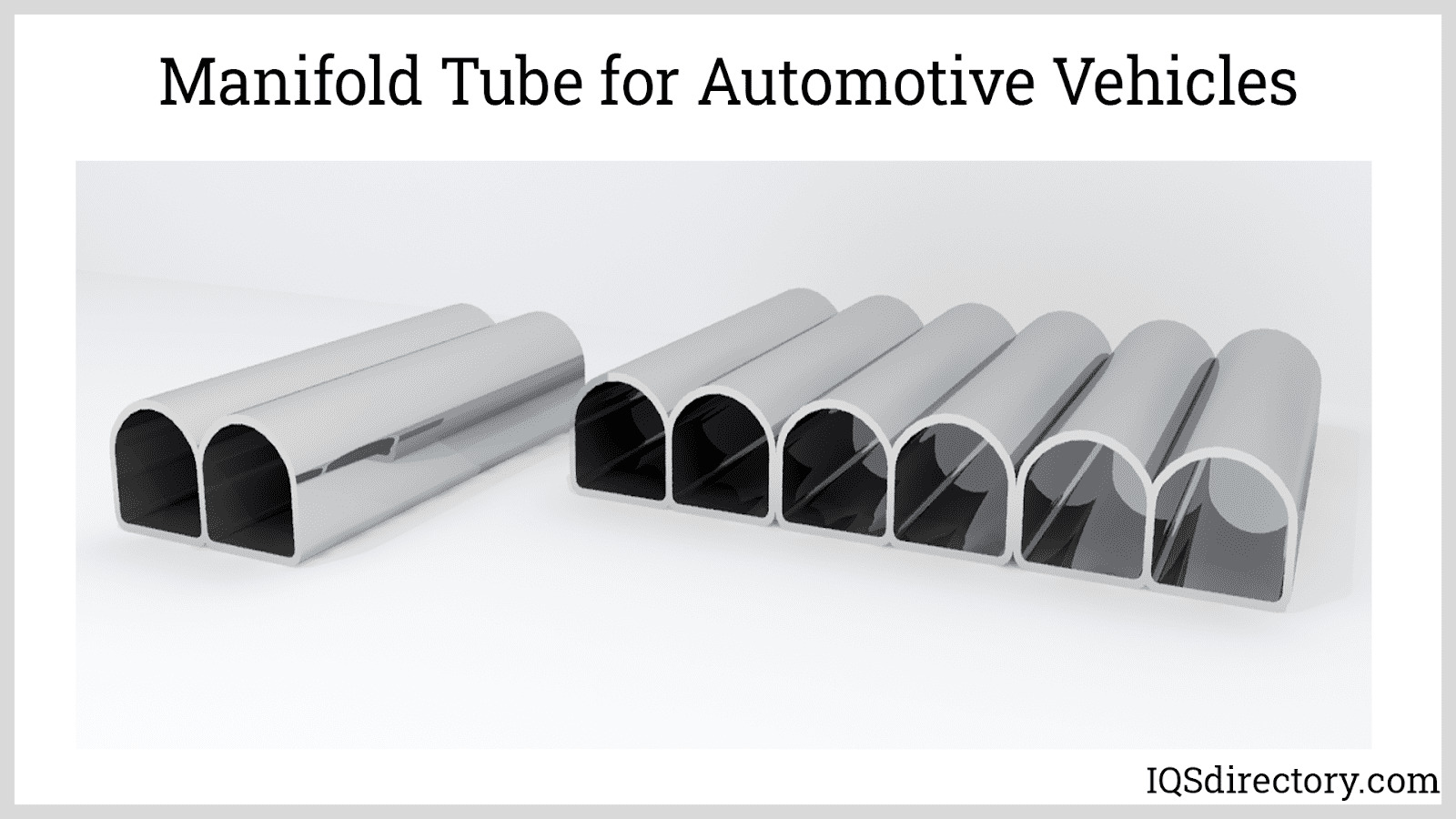
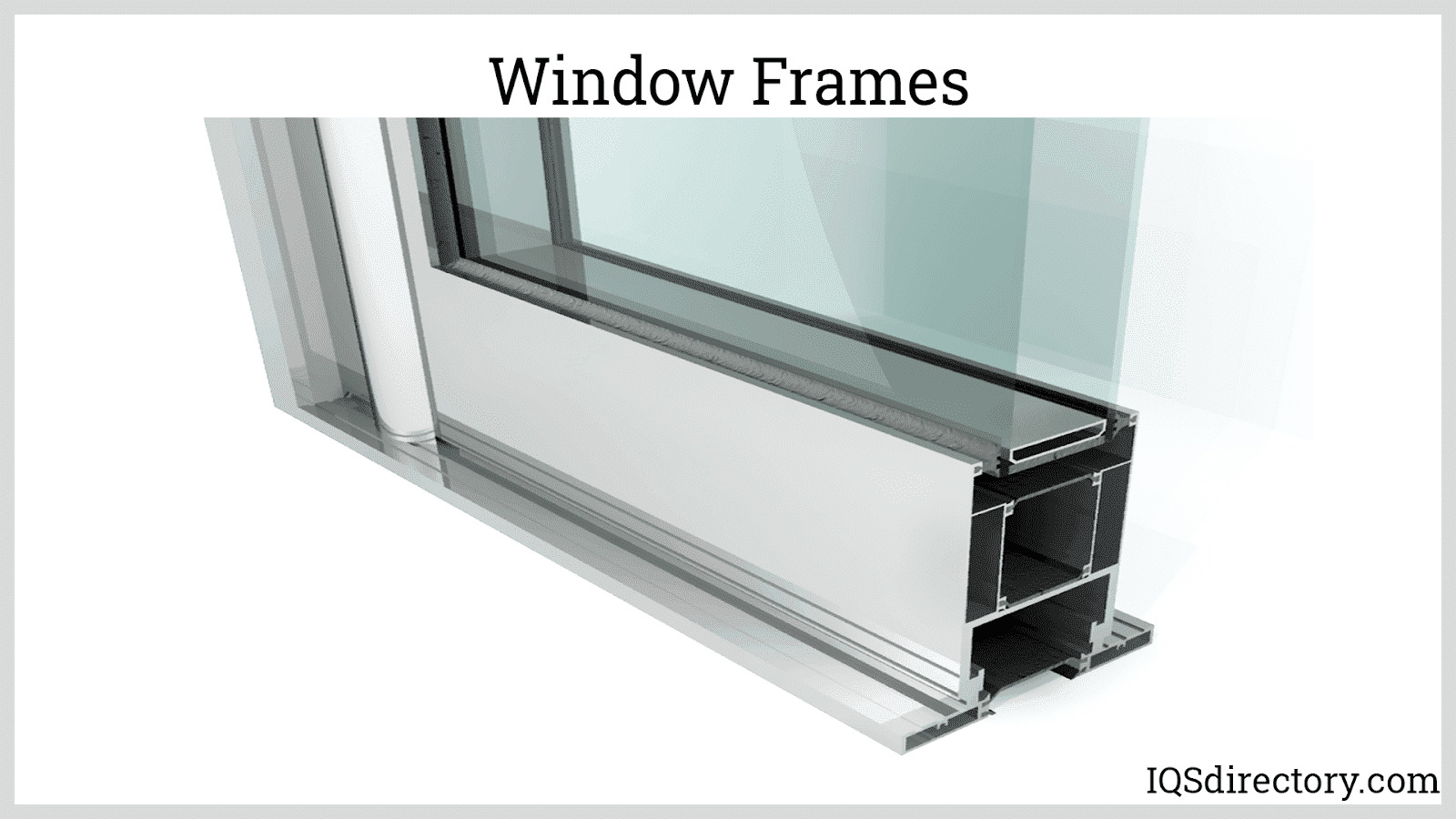
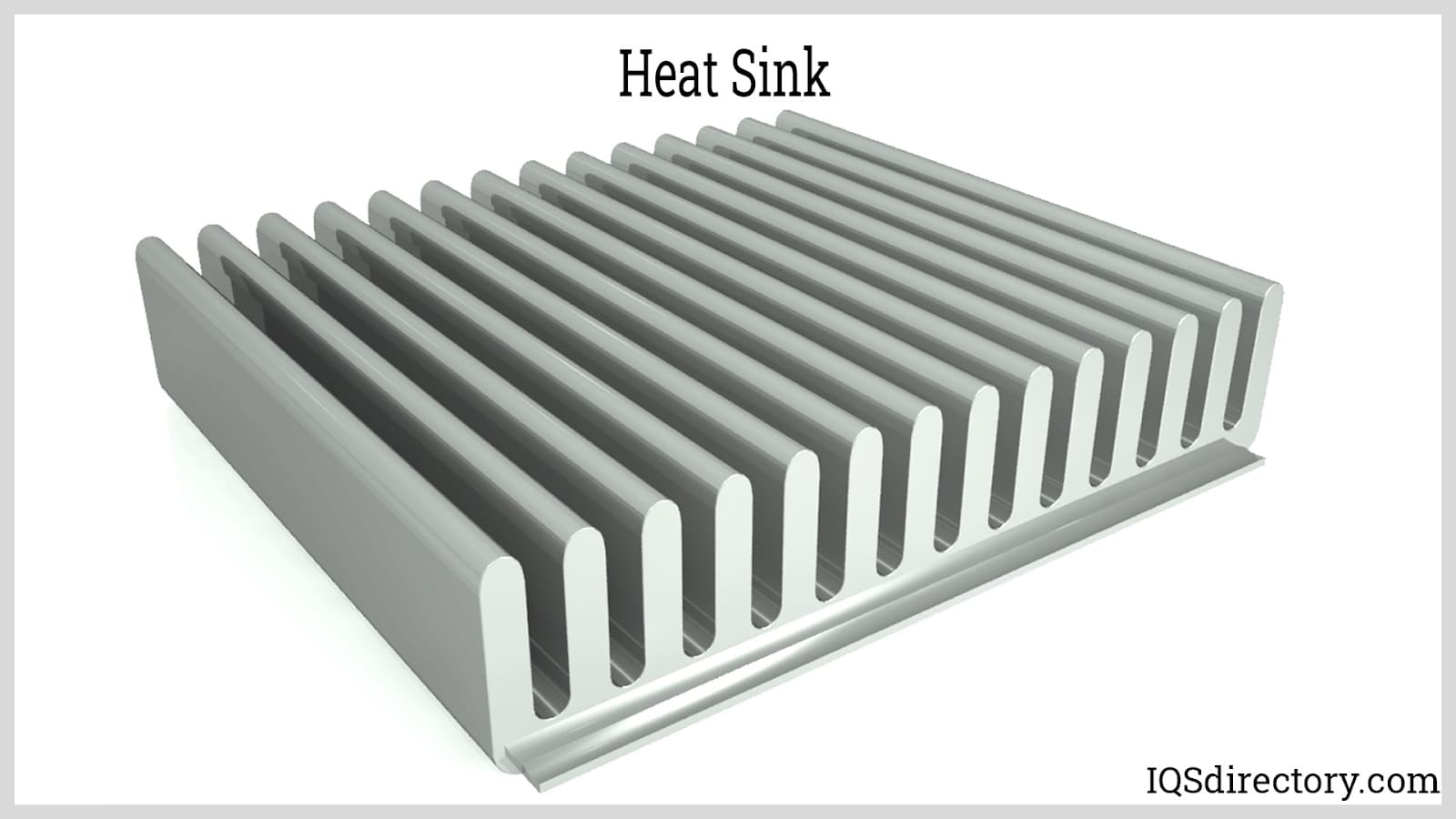
Extrusion enables the production of complex, constant-cross-section solid and seamless hollow profiles. Compressive forces within the die allow shaping of alloys with limited ductility without cracking, achieving high dimensional accuracy, excellent surface finish, and tight manufacturing tolerances.
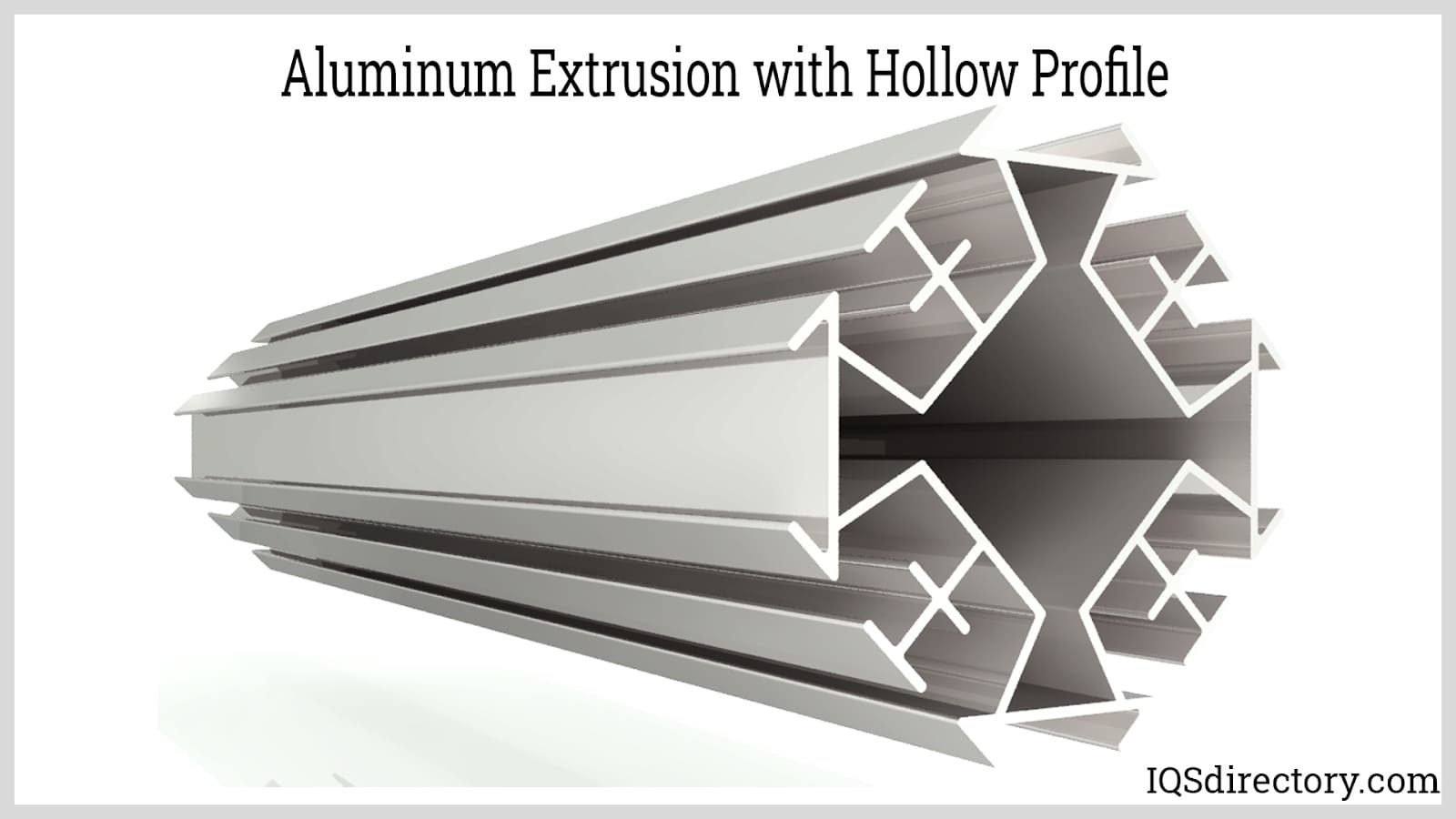
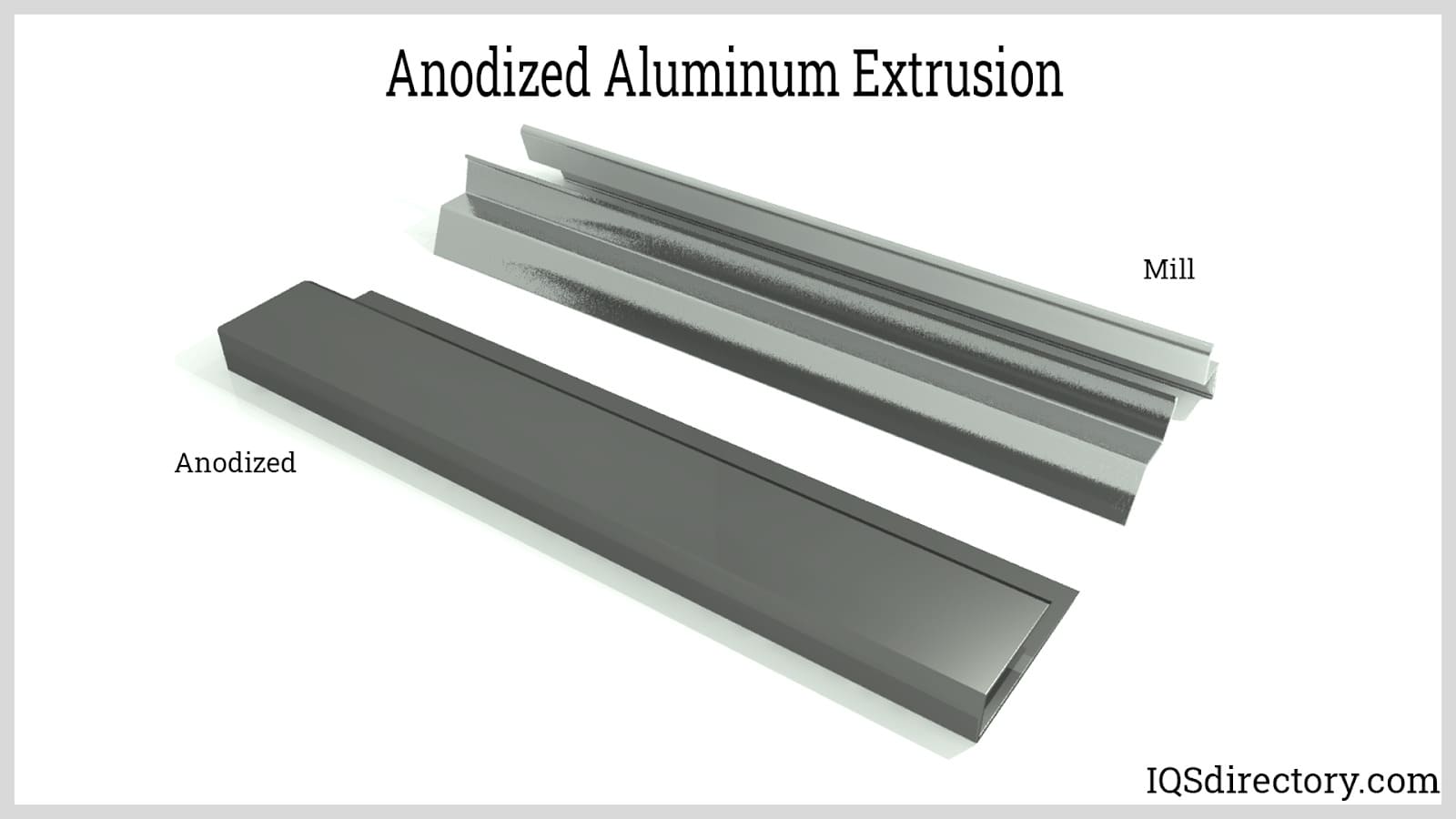
Extruded aluminum is formed by pushing heated or cold aluminum billets through a die, creating profiles with a fixed cross-section. This process allows for custom shapes with consistent dimensions and is key in construction, automotive, and many more industries.
The main aluminum extrusion methods are hot heading, where the billet is heated below melting point, and cold heading, performed at ambient temperature. Hot heading is faster, while cold heading provides increased durability.
Aluminum extrusions support intricate, complex cross-sections with minimal additional cost, tight tolerances, and high repeatability. The process is highly adaptable, making it ideal for rapid prototyping and scalable mass production.
Specialized die and mandrel systems enable seamless hollow aluminum profiles, such as tubes and channels, eliminating welds and increasing both strength and product longevity in applications like heat sinks and housings.
Aluminum extrusions can be treated by anodizing, powder coating, painting, and more. Anodizing provides a durable oxide layer in various colors, while other finishes offer aesthetic enhancements and increased resistance to corrosion or wear.
With a global market size over $67 billion, aluminum extrusion is vital for sectors like construction, automotive, and electronics. Its efficient, versatile production supports modern lightweight and high-performance product demands worldwide.
Key extrusion variables include press pressure (800–1200 MPa), temperature (375°C–500°C), extrusion ratio, ram speed, and die geometry.
| Extrusion Process | Metal Flow vs. Ram Motion | Container Friction Dynamics | Technical Advantages & Limits |
|---|---|---|---|
| Direct Extrusion | Flow direction is same as ram stroke | High friction between billet and chamber walls | Most widely used method; handles large solid and hollow profiles. |
| Indirect Extrusion | Flow direction is opposite to ram stroke | Zero relative friction between billet and chamber | Lower breakthrough pressure; limited to smaller profiles by hollow ram strength. |
| Hydrostatic Extrusion | Fluid pressure forces billet through die | Fluid film eliminates container wall friction entirely | Ideal for brittle or hard alloys; lower cycle throughput due to fluid sealing. |
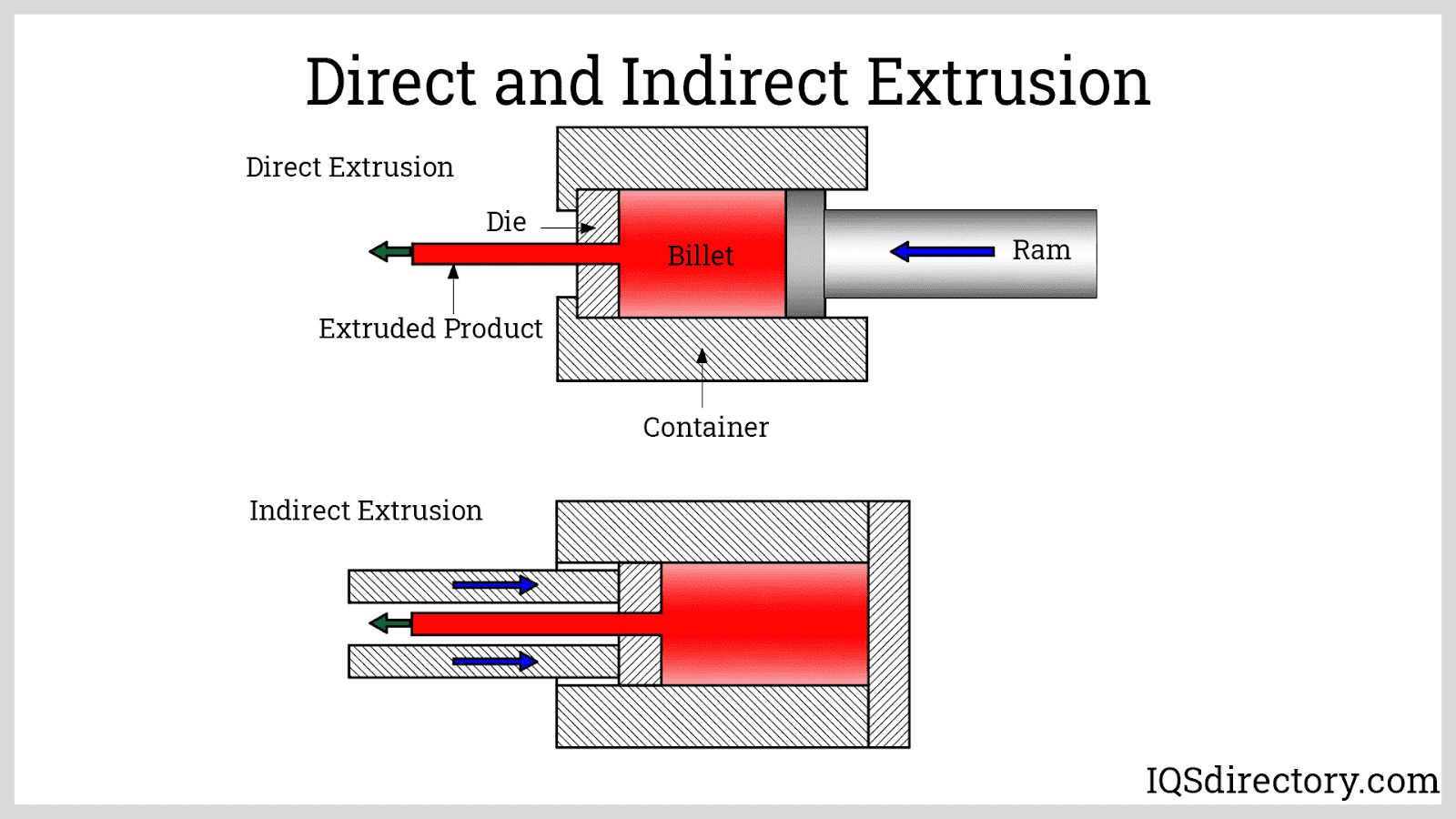
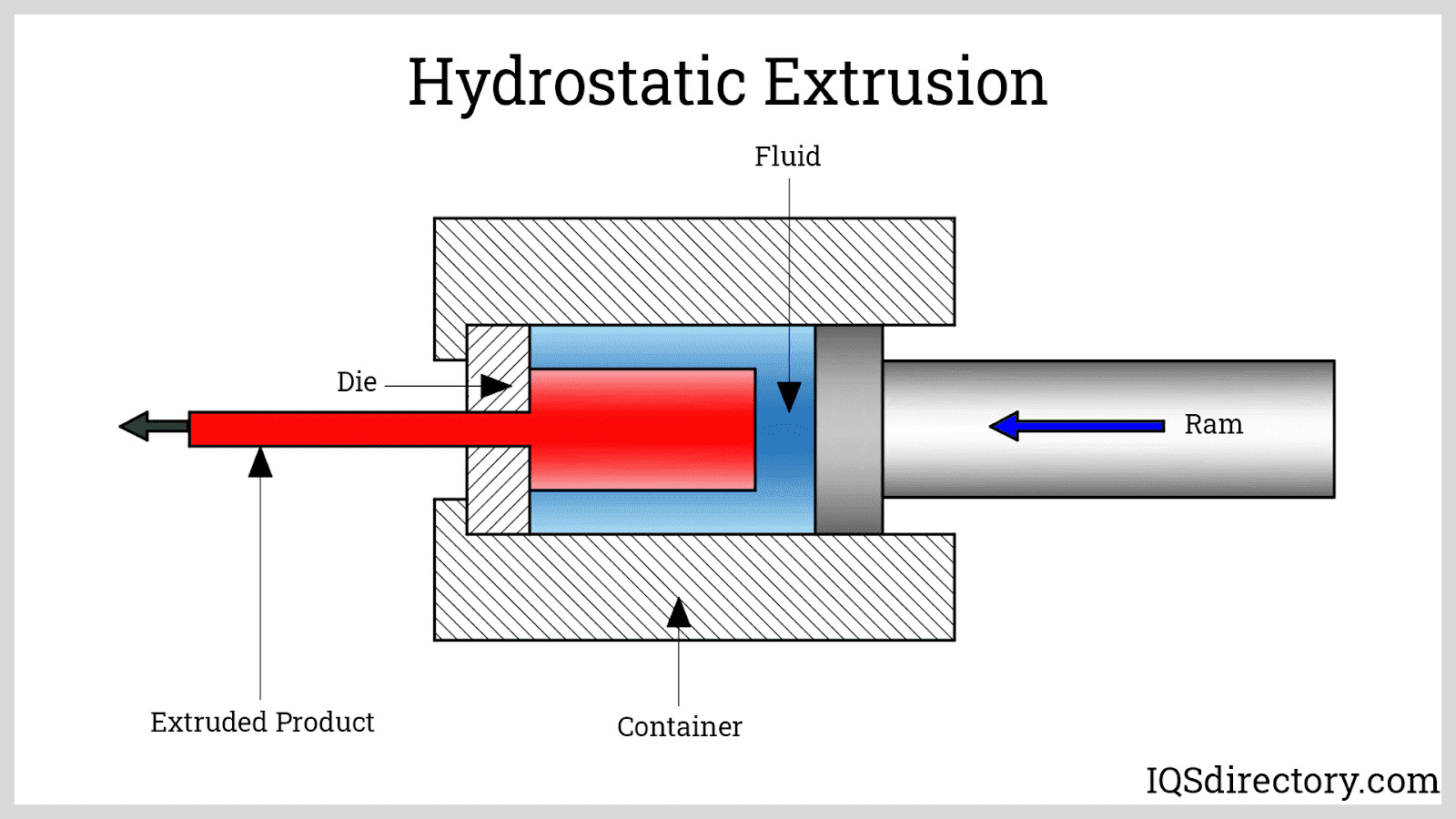
Leading extrusion machinery includes the SMS SmartExtruder, Presezzi Series 7 Press, UBE Extrusion Press, and SMS Elotherm Billet Induction Heaters.
| Alloy Series / Code | Primary Alloying Element | Heat Treatment Status | Temper Codes & Application Fit |
|---|---|---|---|
| 1xxx Series | Pure Aluminum (99%+ pure) | Non-Heat-Treatable | H (Strain Hardened); High corrosion resistance, electrical busbars. |
| 3xxx Series | Manganese | Non-Heat-Treatable | O (Annealed) / H; Heat exchangers, moderate strength tubing. |
| 6xxx Series (6061 / 6063) | Magnesium & Silicon | Heat-Treatable | T5 / T6 (Solution heat-treated & aged); Architectural & structural profiles. |
| 7xxx Series (7075) | Zinc & Copper | Heat-Treatable | T6 / T73; High-strength aerospace & defense structural components. |
Extruded aluminum combines high strength-to-weight ratio, tight dimensional tolerances, and excellent surface finishing capabilities. Matching the appropriate extrusion process (direct vs. indirect), alloy grade (6061/6063), and thermal temper (T5/T6) guarantees optimal mechanical performance across structural, automotive, and electronic applications.
An aluminum channel is a structurally sound metal component made by the extrusion process...
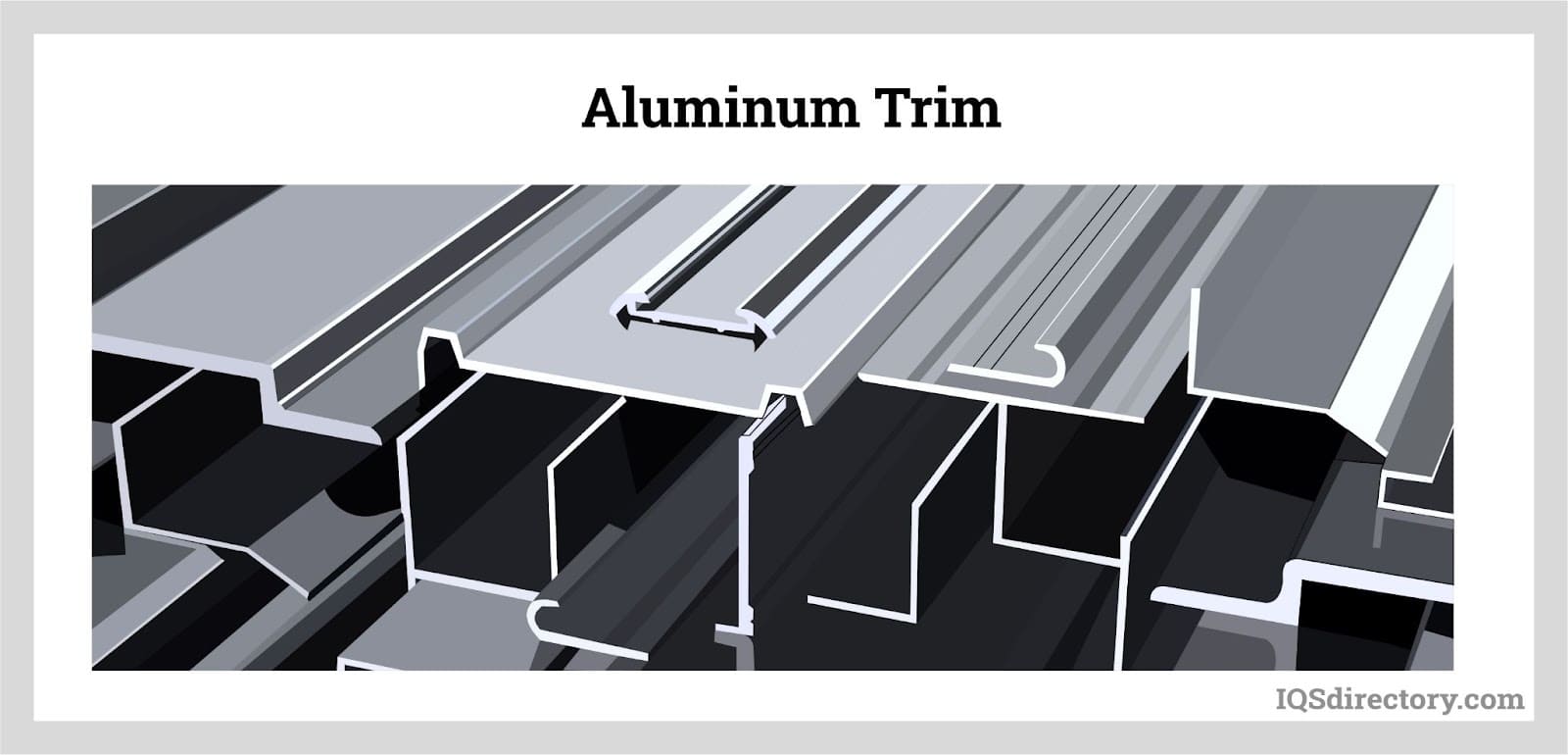
Aluminum trim is extruded into narrow, adaptive pieces for architectural decorative accents...
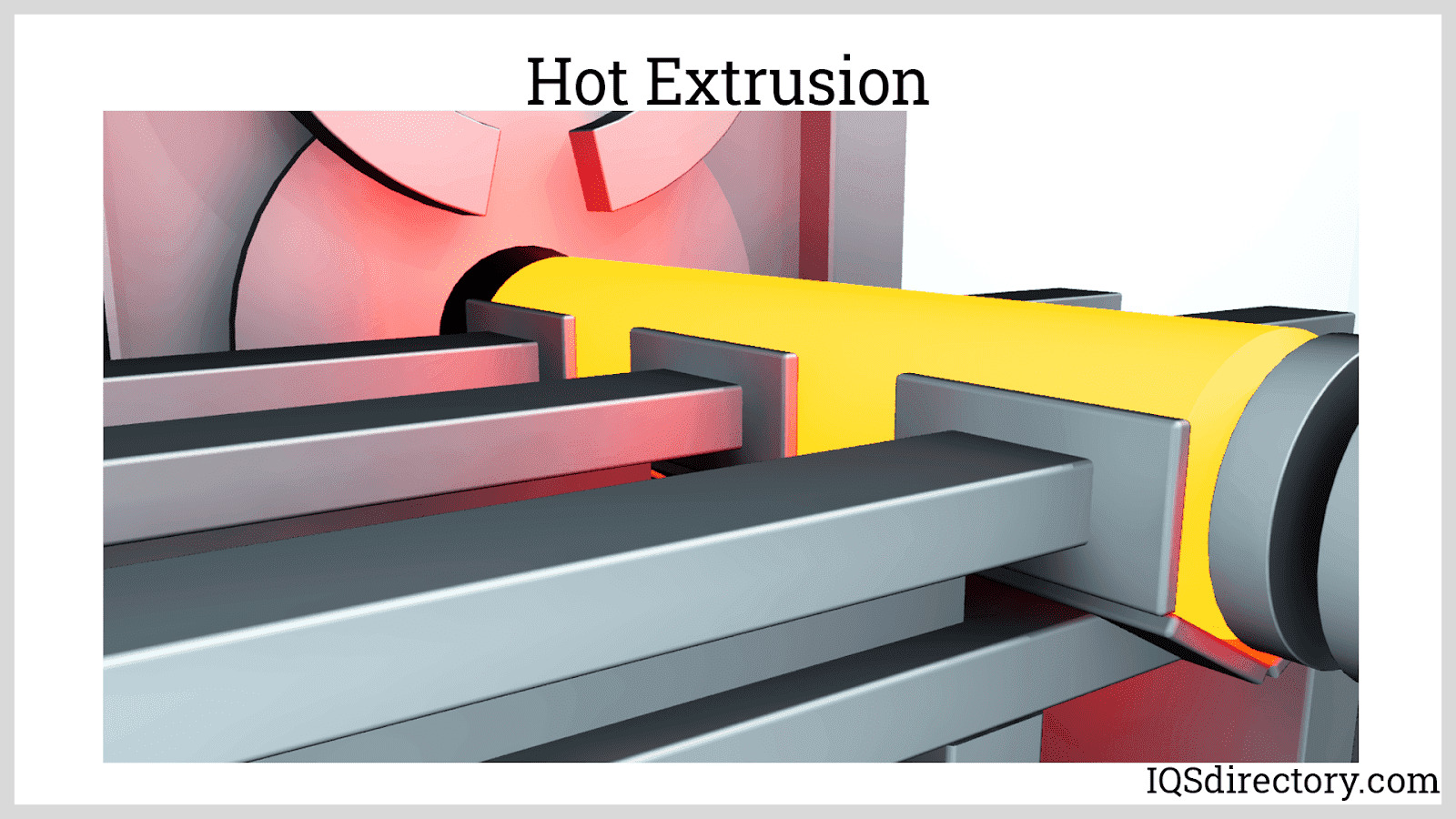
Aluminum extrusion shapes billets into customized structural, solid, and hollow profiles...