

Aluminum Casting
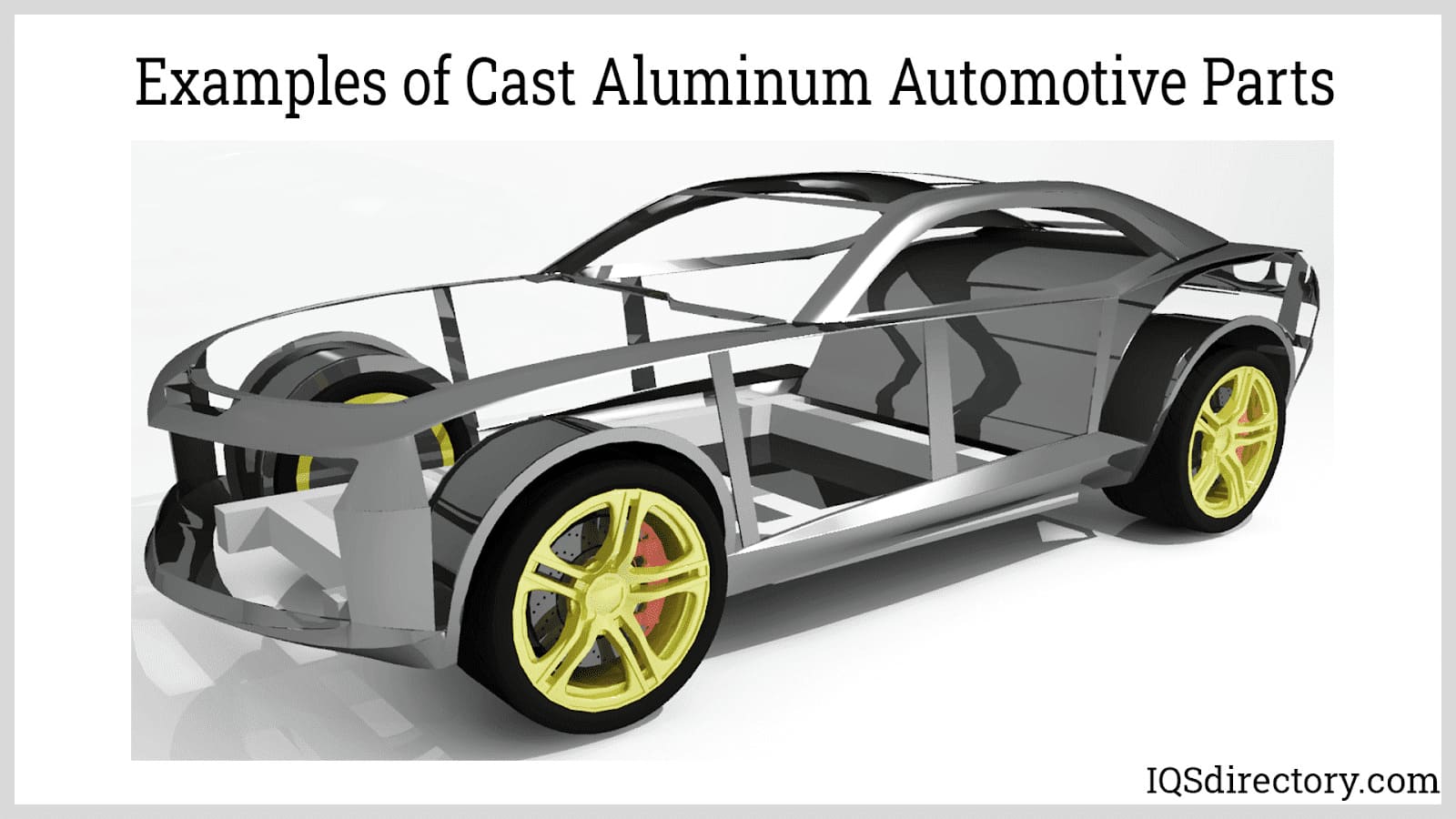
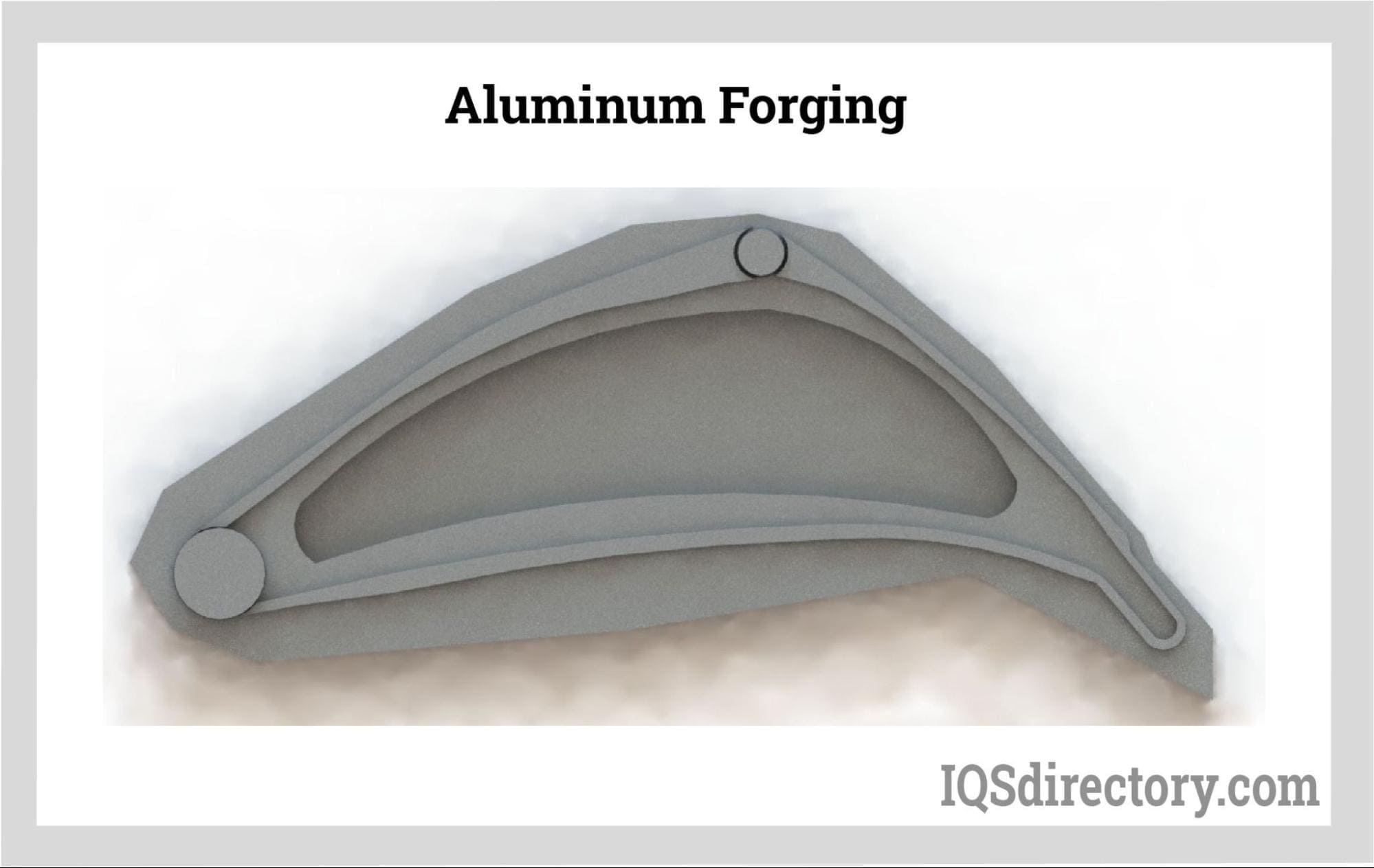
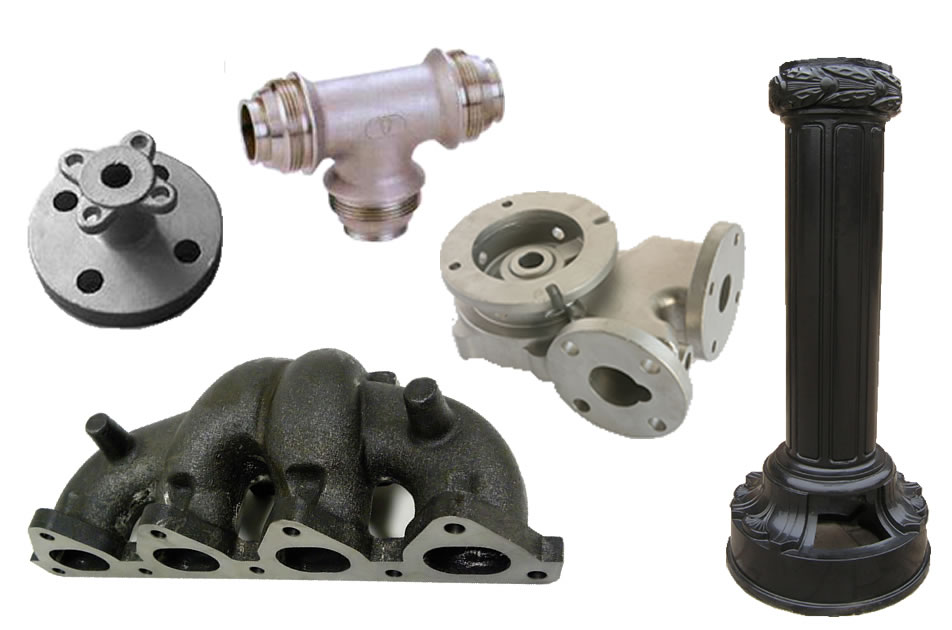
"Castings and forgings" are metal parts made in foundries and forges. Examples include automotive crankshafts, bearing caps, axle carriers, axle tubes, valve bodies, turbine housings, splines, suspension brackets, spring hangers, flanges, gear blanks, and more.
Foundries and forges are both places where metal parts are crafted, but they utilize distinct techniques. Foundries specialize in making castings, while forges are dedicated to producing forgings. Despite the similarities between cast and forged products, the terms "forge" and "foundry" are often mistakenly interchanged. Continue reading to uncover the differences in their processes.
To create castings with mid to high tolerances, manufacturers use closed molds, high pressure, high heat, and molten metal. In the casting process, metals are heated until they become molten and then poured into dies or molds, taking on the shape of the vessel. In contrast, forges utilize techniques such as hot and cold hammering and stamping of solid metal pieces. Essentially, castings are formed by shaping molten metal, whereas forgings are produced by applying mechanical and thermal energy to solid metal.
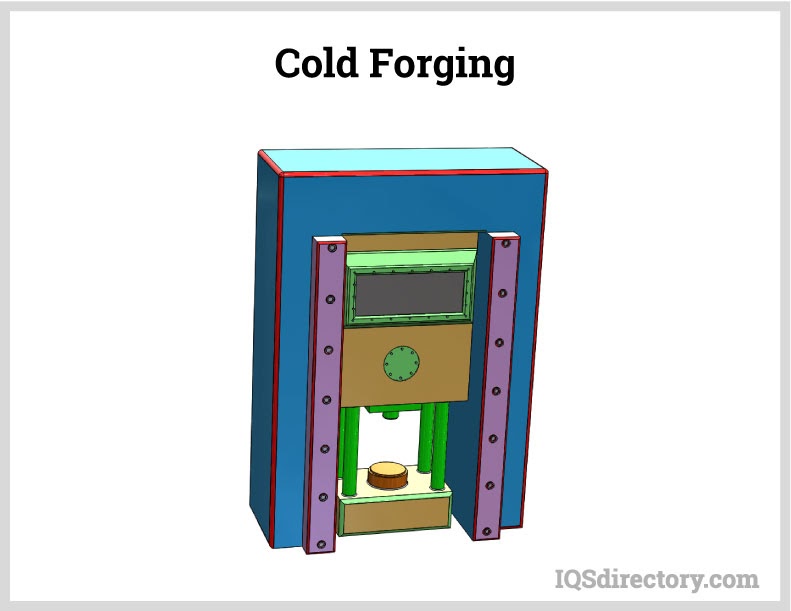
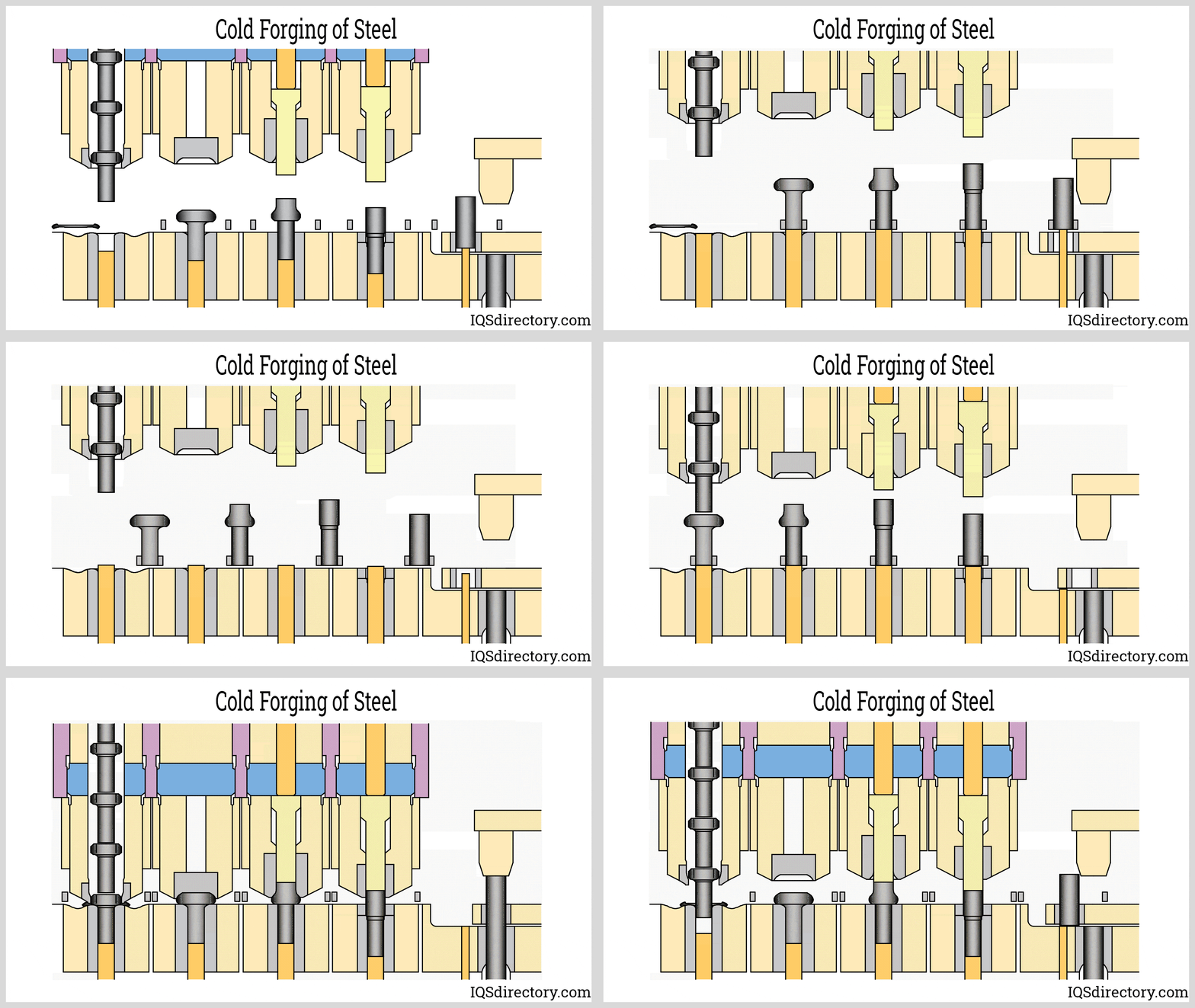
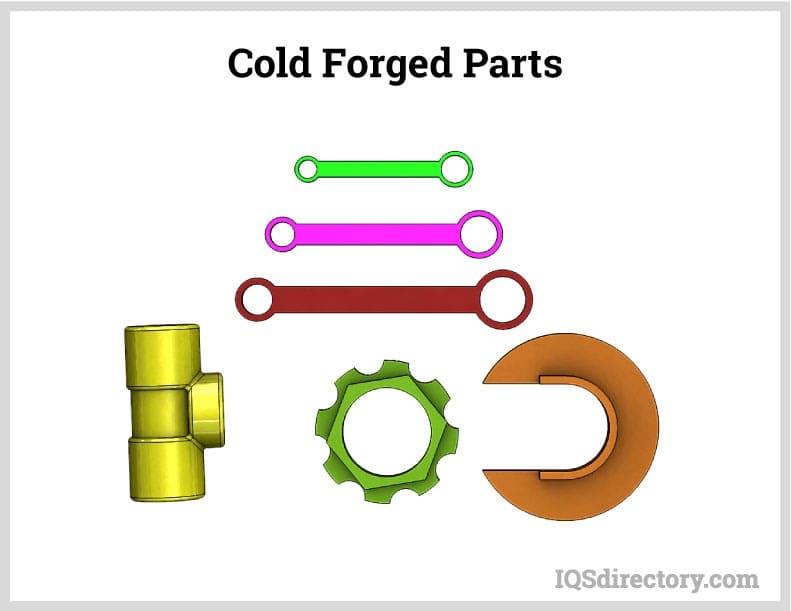
Casting processes are classified into various categories such as permanent mold casting, grey iron casting, sand casting, rapid casting, investment casting, and die casting. Similarly, forging processes can be subdivided into several types, including hot forging, warm forging, cold forging, drop forging, open-die forging, impression forging, and press forging.
A wide range of metals can be cast and forged. Common metals used in both casting and forging include steel, stainless steel, iron, aluminum, and titanium. Materials more commonly used exclusively in casting include magnesium, copper, tin, and zinc. Beyond traditional metal casting, the casting process can also work with materials such as plaster, plastic resin, concrete, and other chemical curing substances.
Castings and forgings each present distinct advantages and limitations. For instance, while forgings are typically constrained by size and weight, castings have virtually unlimited potential in both dimensions. Moreover, casting processes excel in crafting complex and intricate parts, facilitated by the molten state of metal which allows for easy alloy customization. This flexibility results in castings often being made from tailored alloys, a rarity in forging. Conversely, forging processes yield parts with exceptionally tight grain structures, enhancing wear resistance and mechanical strength comparable to high-cost alloys. Furthermore, forgings circumvent common casting issues like cavities, porosity, shrinkage, and cold pour challenges.
Determining whether castings or forgings are more cost-effective in the long run is challenging, given the distinct advantages and disadvantages of each process. For tailored advice, it is advisable to consult with an experienced casting and forging sales company or manufacturer.
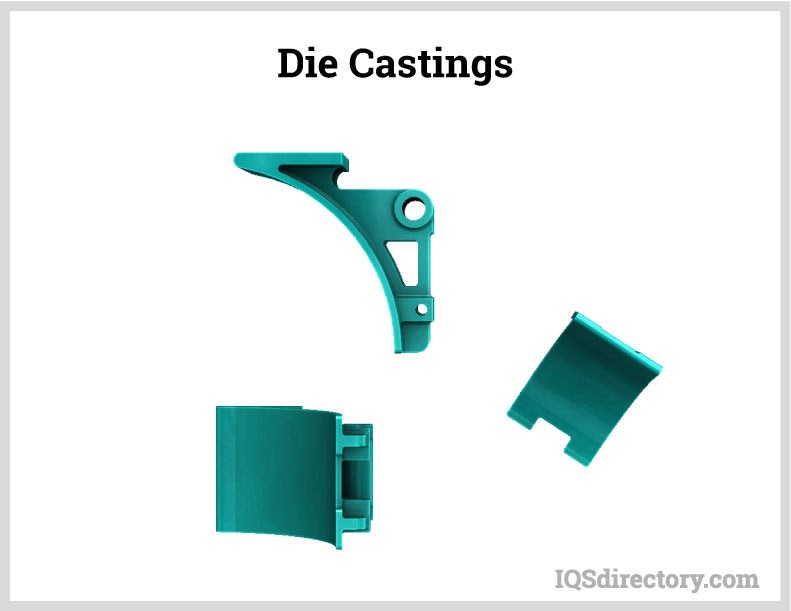
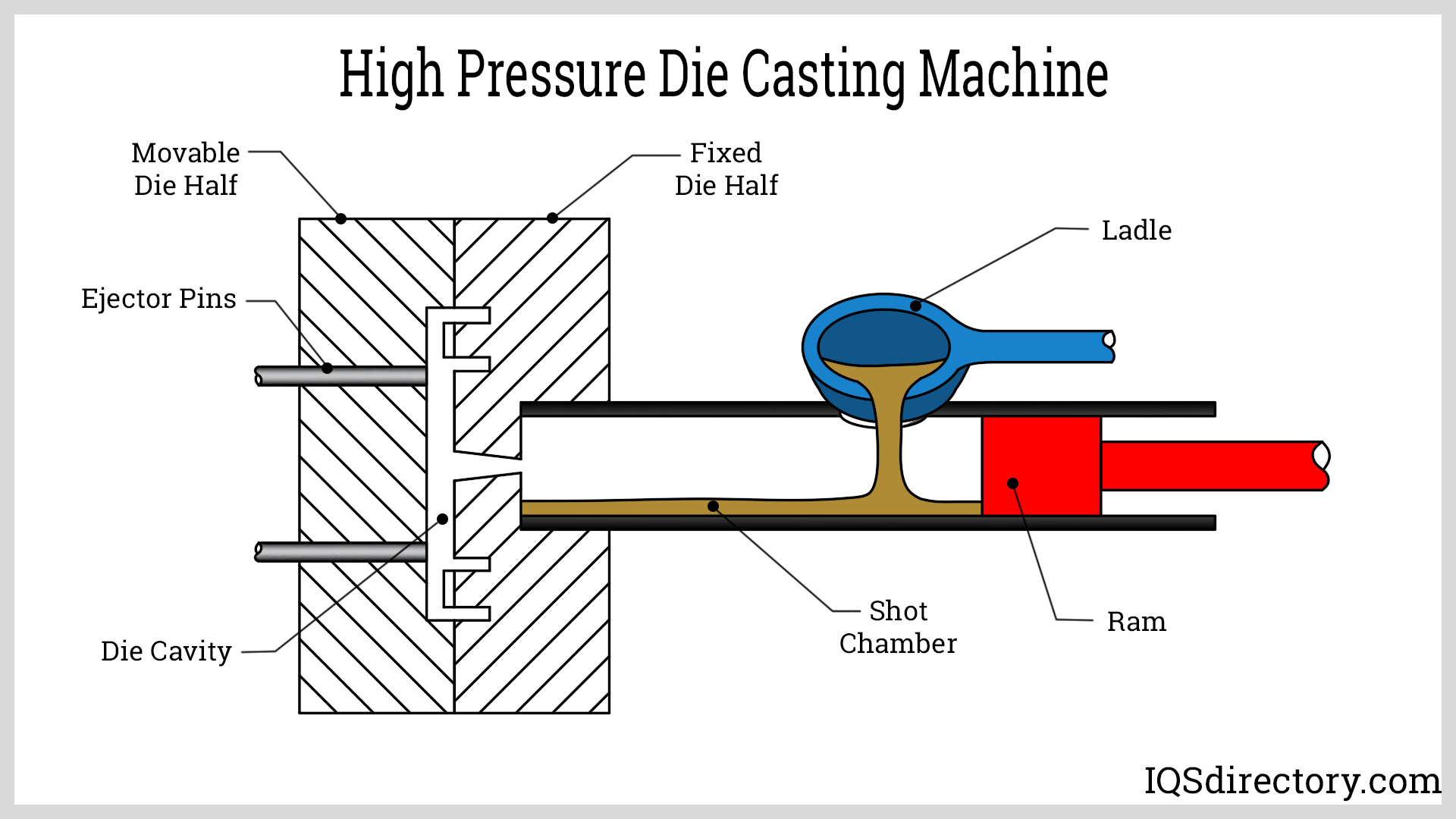
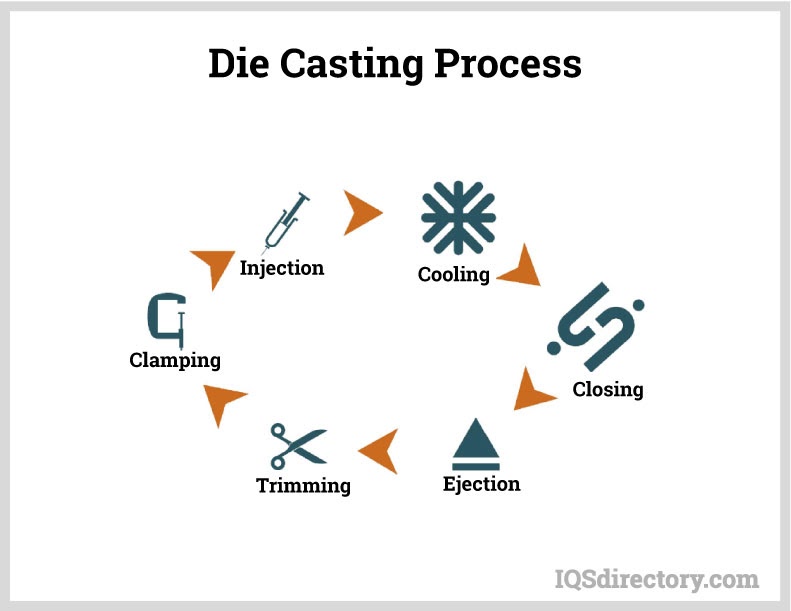
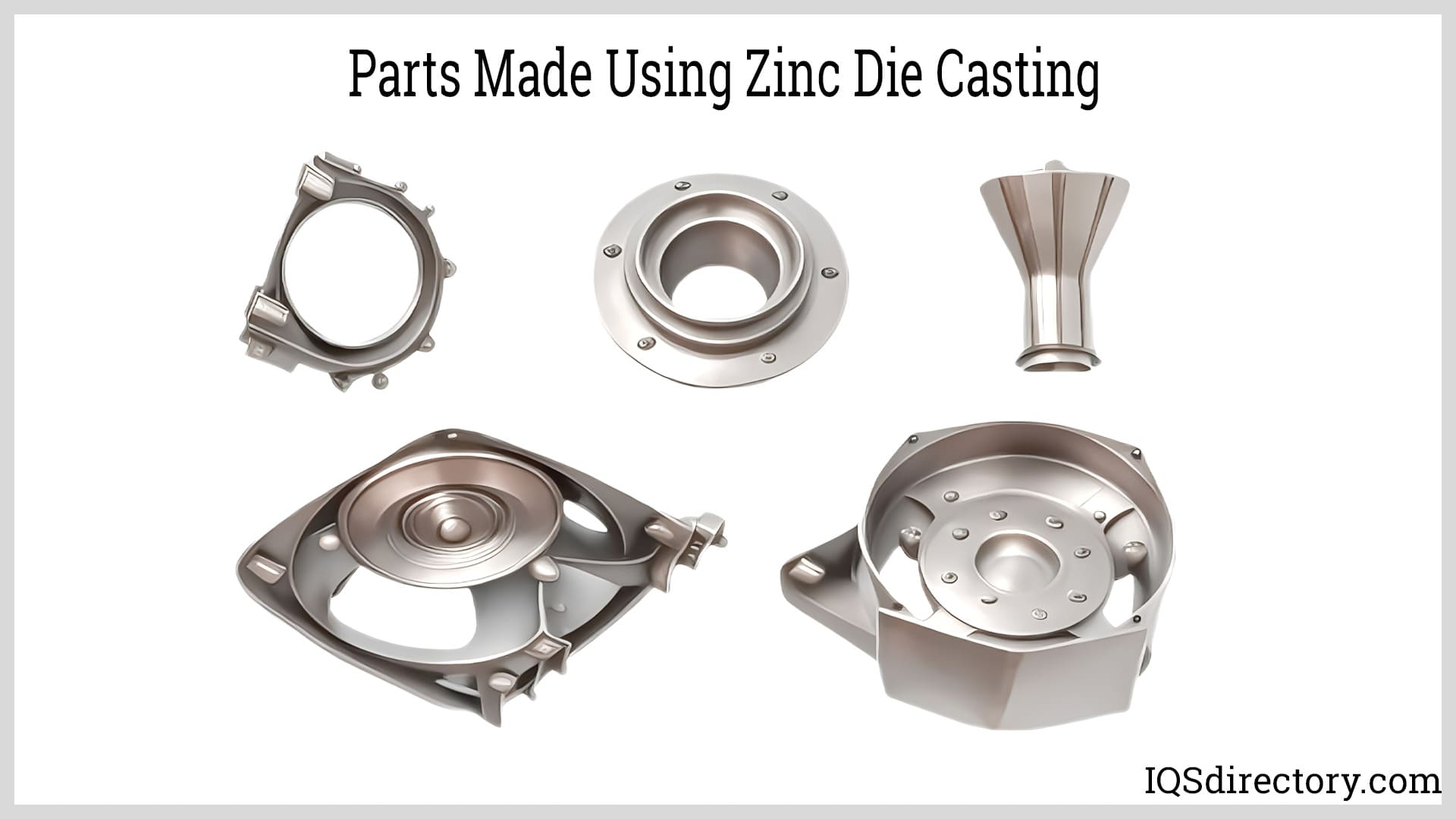
Die castings, solid metal parts and shapes, are created in foundries through a process that shares their name. The procedure is straightforward: manufacturers heat metal until it becomes molten, then inject this molten metal into hollow forming shapes known as dies, molds, or die molds. These dies are typically crafted from a durable metal like steel. Most commonly, closed dies are used. To create these, manufacturers cut an original die into two separate blocks, align their cavities, reassemble them, and then apply a lubricant to the joined pieces. This lubricant facilitates easier removal of the parts and helps maintain the proper temperature.
During die casting, manufacturers use high pressure to help shape the metal according to the die‘s form. Once the metal has taken on this shape satisfactorily, it is allowed to cool and harden. Sometimes, manufacturers follow the die casting process with additional steps aimed at enhancing the casting‘s quality.
Die casting typically involves non-ferrous metals such as aluminum, bronze, copper, lead, magnesium, tin, and zinc. Steel and steel alloys, while occasionally used, are more commonly reserved for forging processes.
Explore more about die castings.
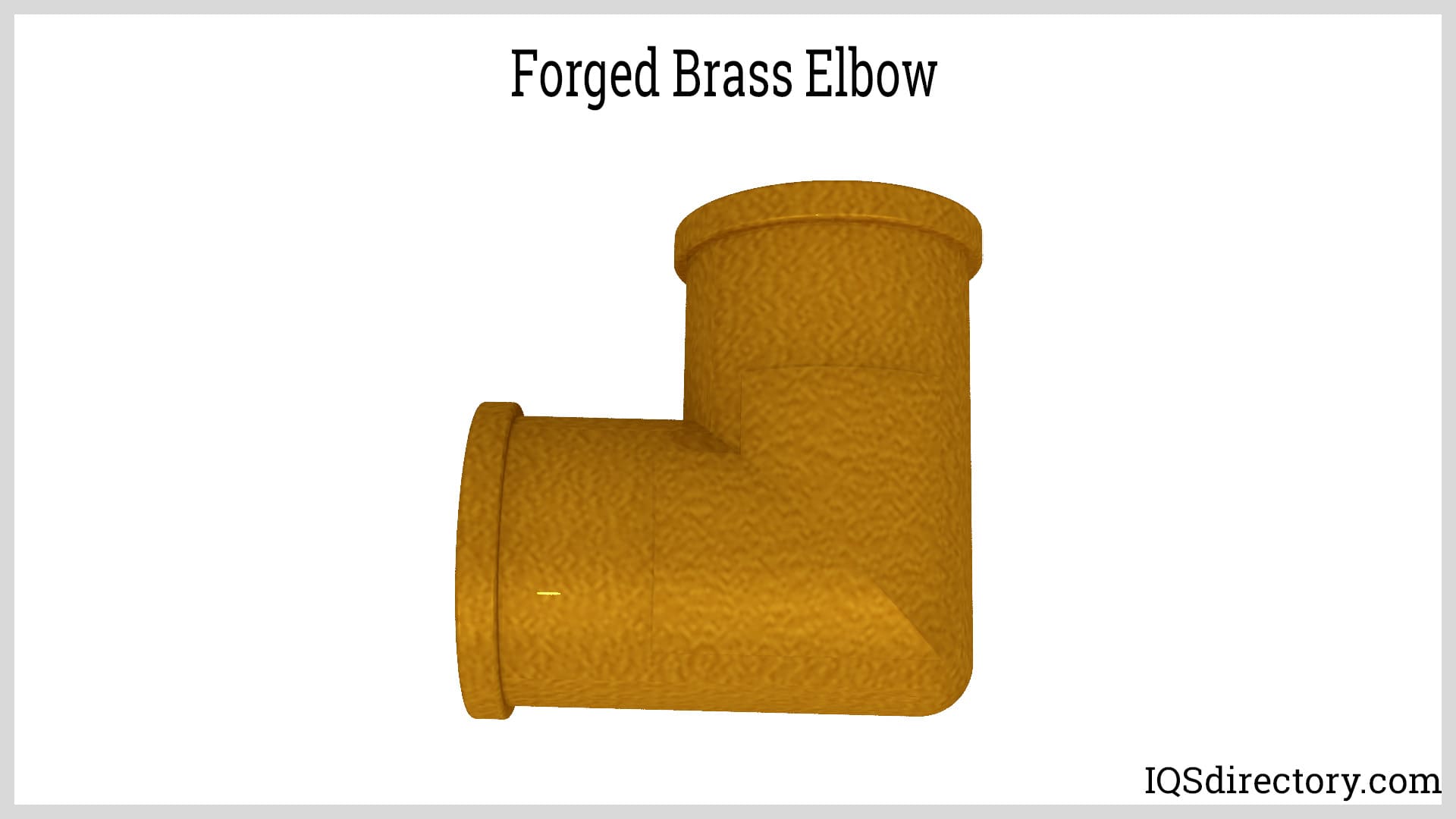
Forgings, also known as metal forgings, are metal parts created through the forging process. They play crucial roles in various vehicles and machinery, including tractors, automobiles, airplanes, engines, missiles, and material handling equipment. Forging is favored for its ability to offer design flexibility while consistently producing exceptionally strong parts with minimal defects. Moreover, forgings often eliminate the need for additional processing steps.
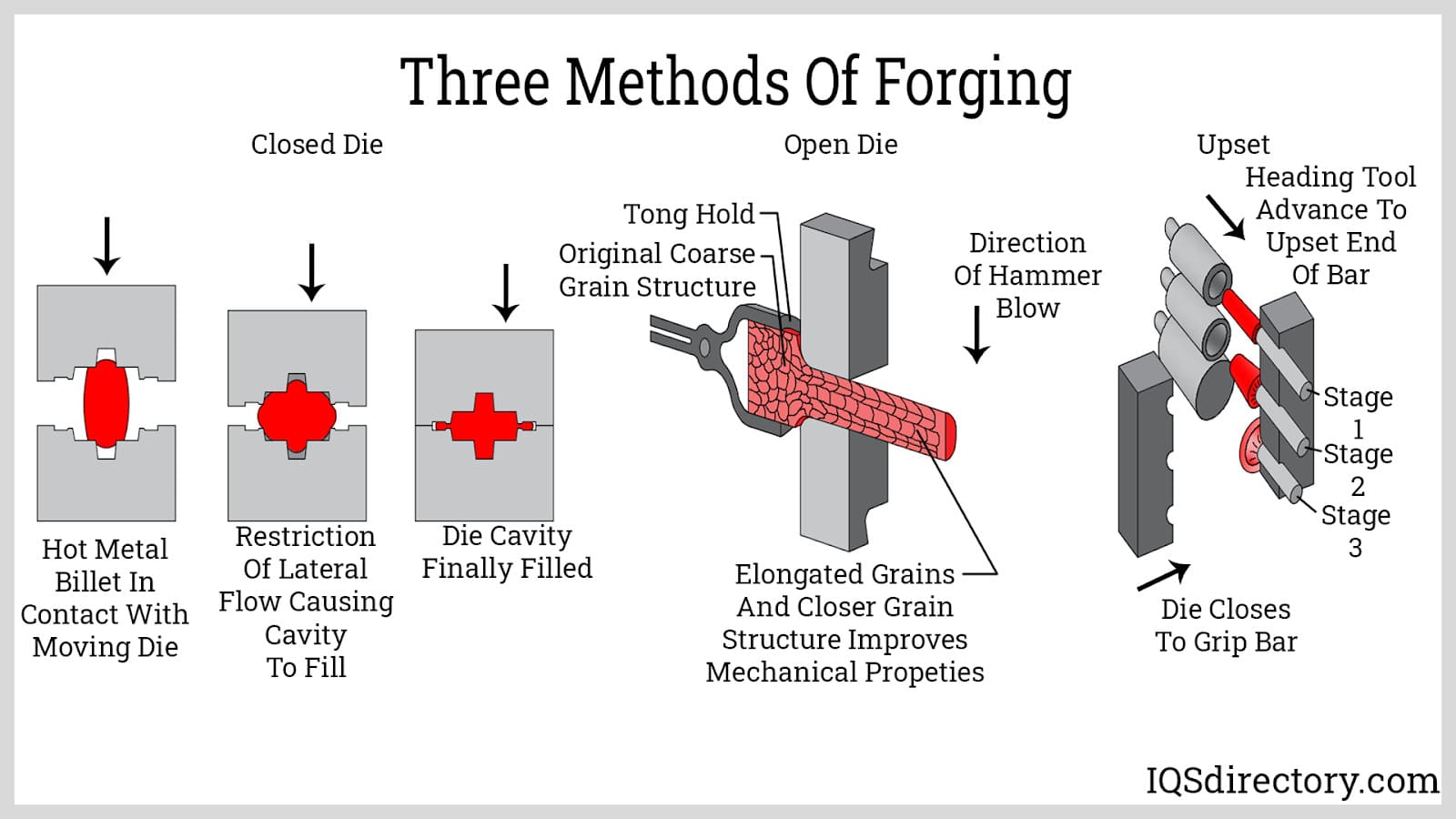
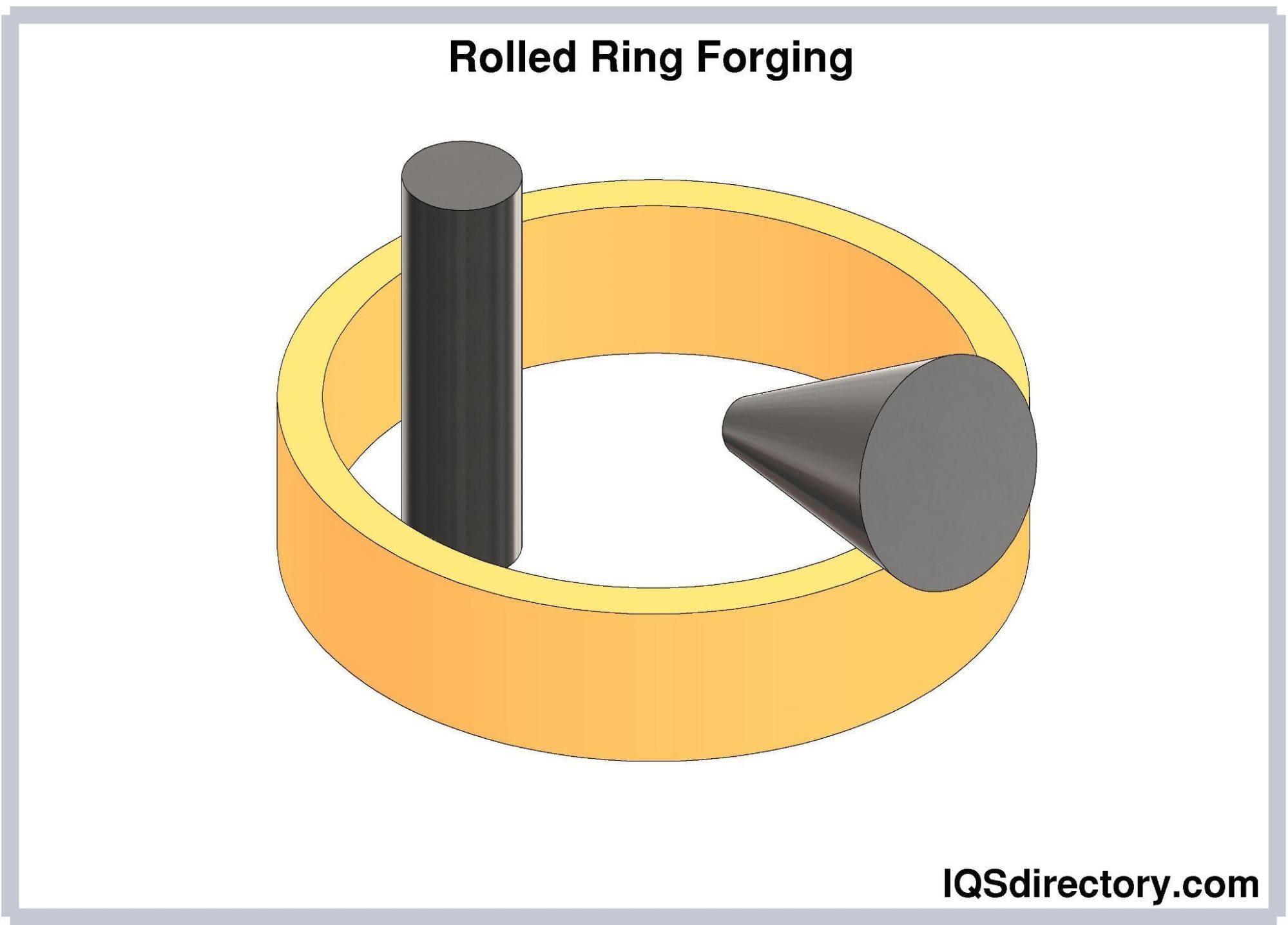
In forging, manufacturers apply compressive force to reshape metal through plastic deformation, altering its grain structure. This force is typically exerted using a hammer and anvil.
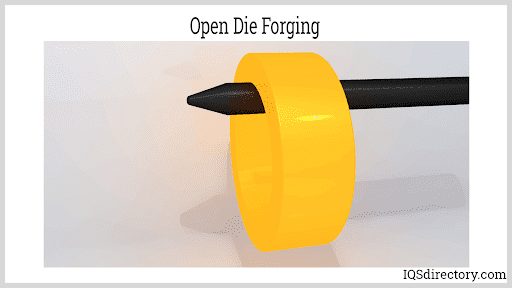
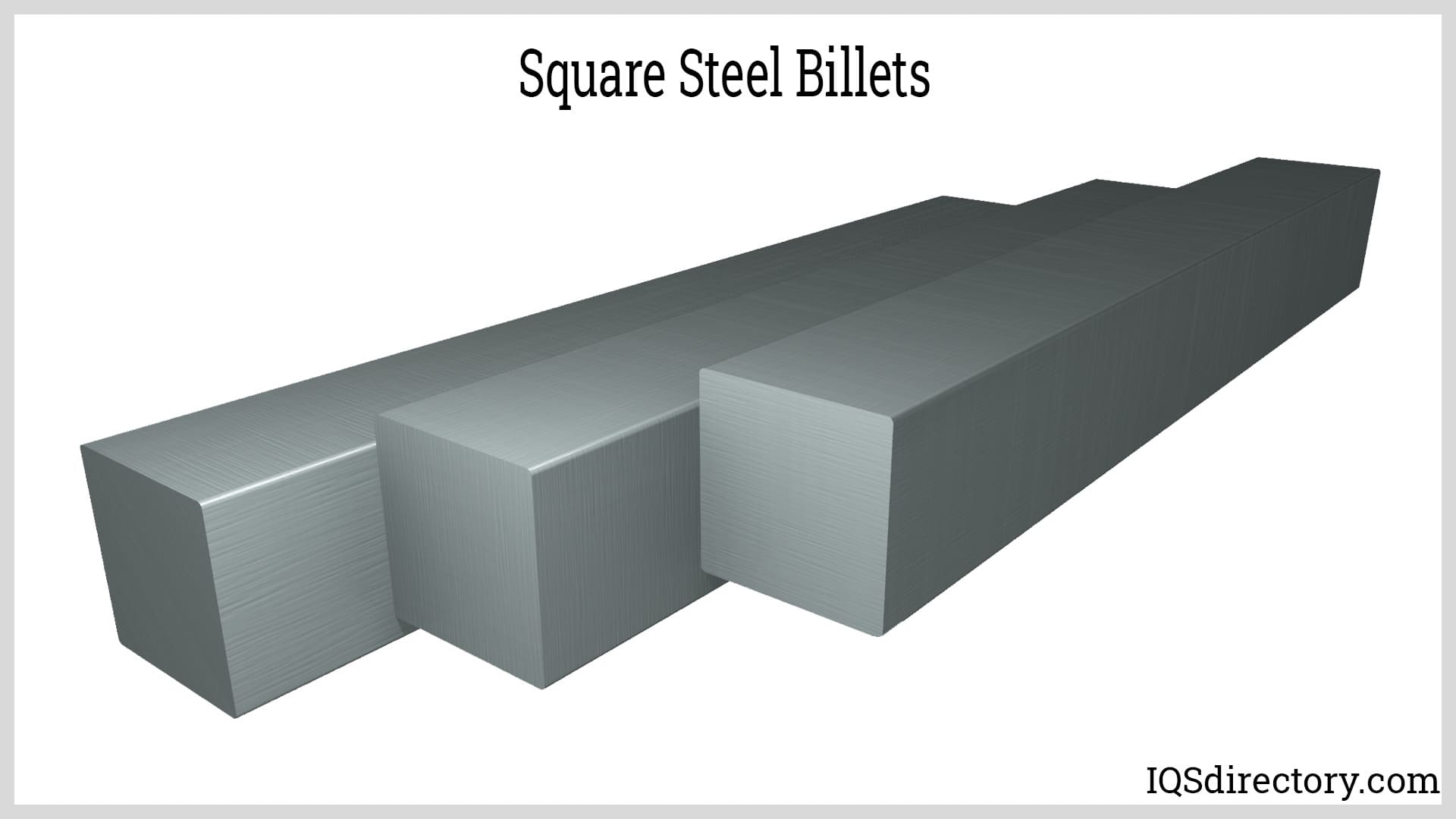
There are two primary forging methods: closed die forging (also known as impression die forging) and open die forging. Closed die forging is the more prevalent of the two. In closed die forging, manufacturers use a hammer and anvil to pound preformed metal blanks, known as ingots, into a die or set of dies. These dies replicate a three-dimensional mold of the part being forged. The hammer and anvil completely enclose the workpiece to ensure uniformity, forcing the metal to fill all areas of the die. During forging, manufacturers may preheat metal, but they do not melt or pour it.
Explore more about forgings.
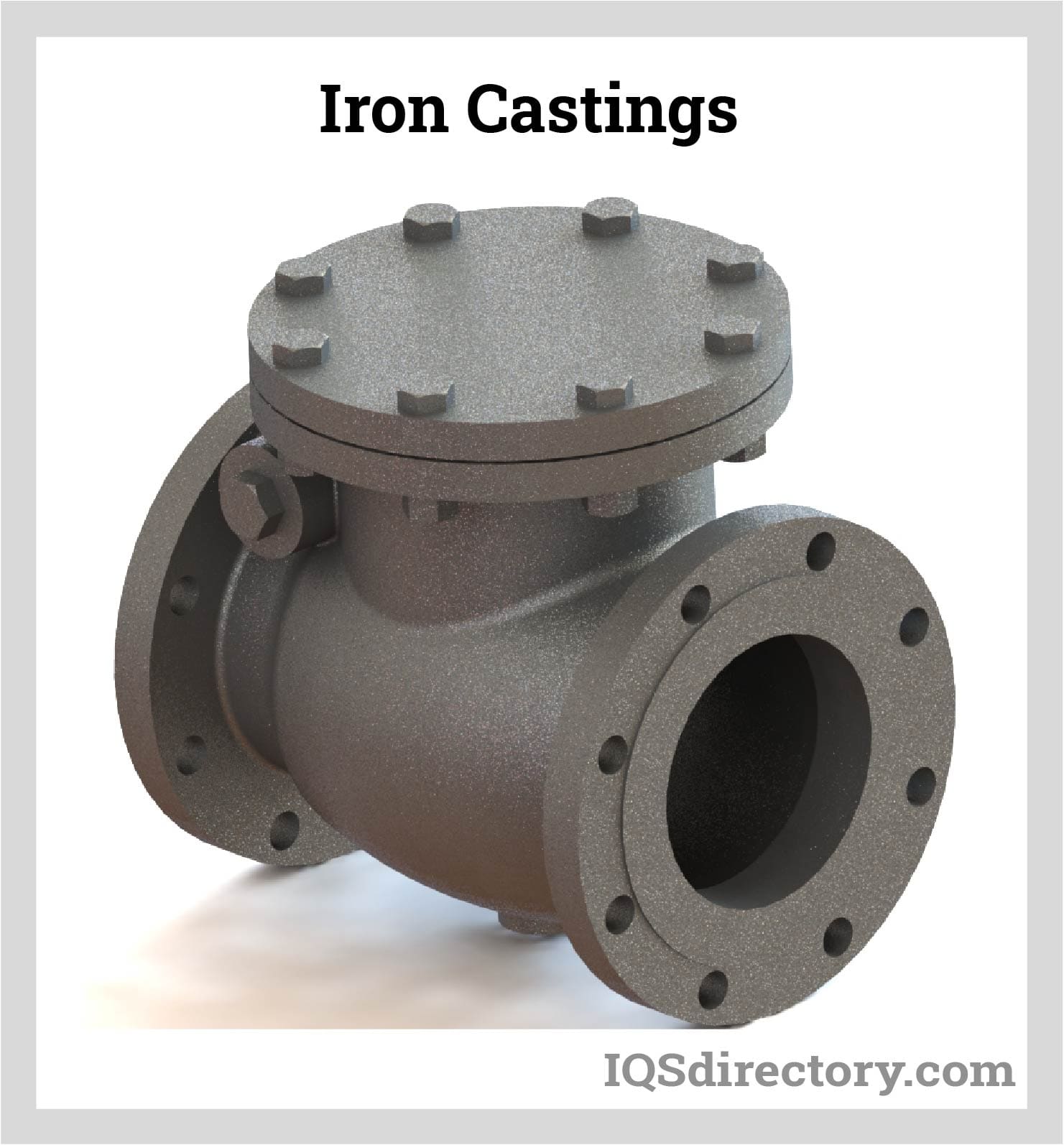
Grey iron castings are crafted in foundries using an iron alloy known as grey iron. To create grey iron, metalworkers begin with mining iron ores and iron oxides, which are then processed in specialized blast furnaces such as electric induction furnaces or cupolas. For an alloy to qualify as grey iron, it must consist of 95% iron by weight, 2.1 to 4% carbon by weight, and 1 to 3% silicon by weight. Additional elements like manganese and sulphur are sometimes added to modify its characteristics. Grey iron exhibits diverse properties including coloration, melting point, energy dissipation, thermal conductivity, wear resistance, and deformation resistance. Its distinctive graphite-gray hue, visible upon fracturing, lends grey iron its name. This gray coloration is largely attributed to silicon, which produces graphite under heat. The precise appearance and properties of grey iron are intricately linked to temperature and timing during its production process.
Manufacturers employ established casting procedures to produce grey iron castings, renowned for their robustness and longevity. These castings find applications across various industries such as ventilation, architecture, transportation, agriculture, irrigation, automotive manufacturing, machinery construction, construction, transportation, and electronics.
Explore further insights into the versatility of grey iron castings.
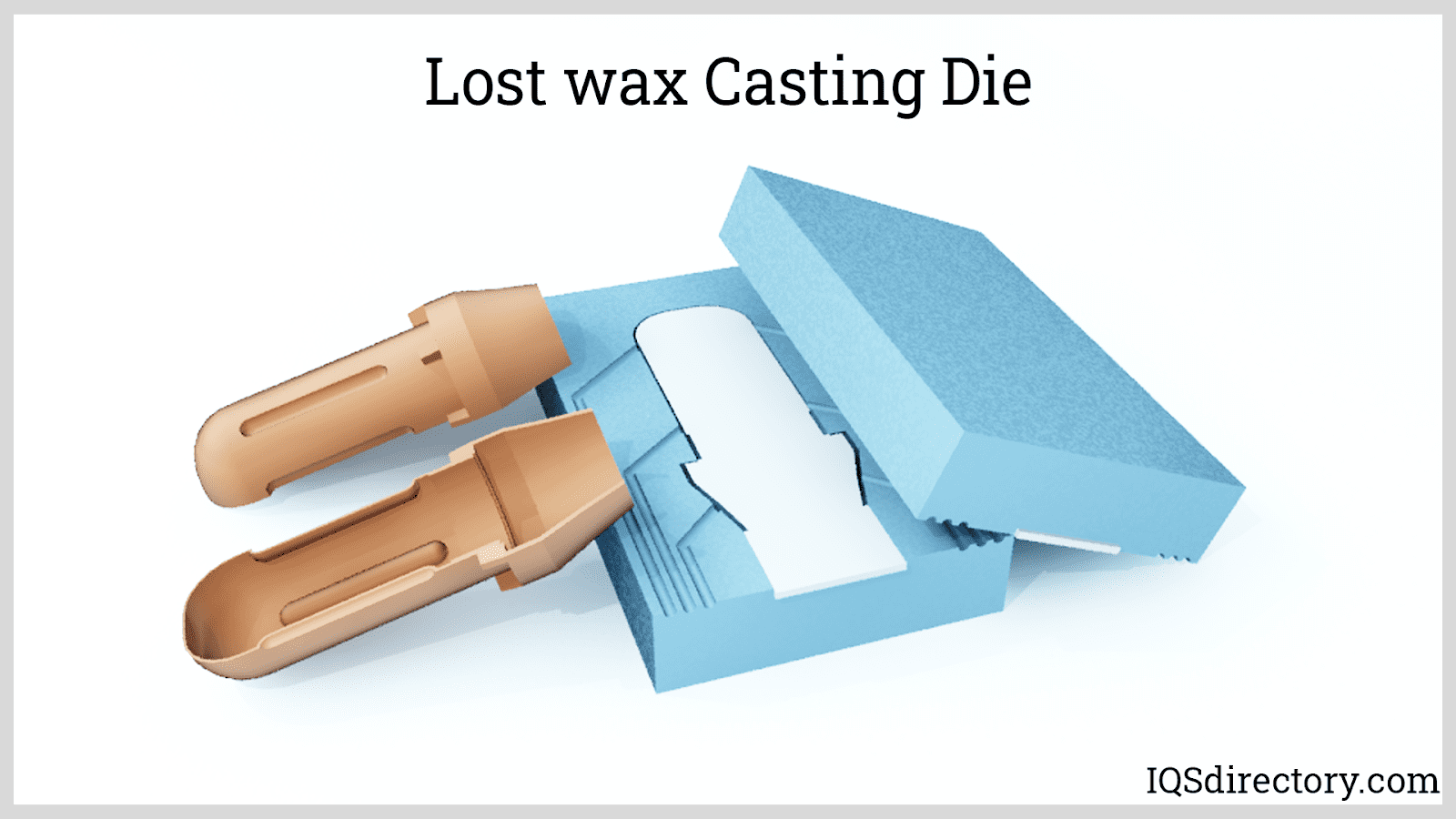
Investment casting is an advanced industrial manufacturing process designed to produce highly intricate and complex shapes and parts with exceptional detail. Rooted in lost-wax casting, one of the oldest metal-forming techniques known to humanity, it continues to excel in precision and versatility.
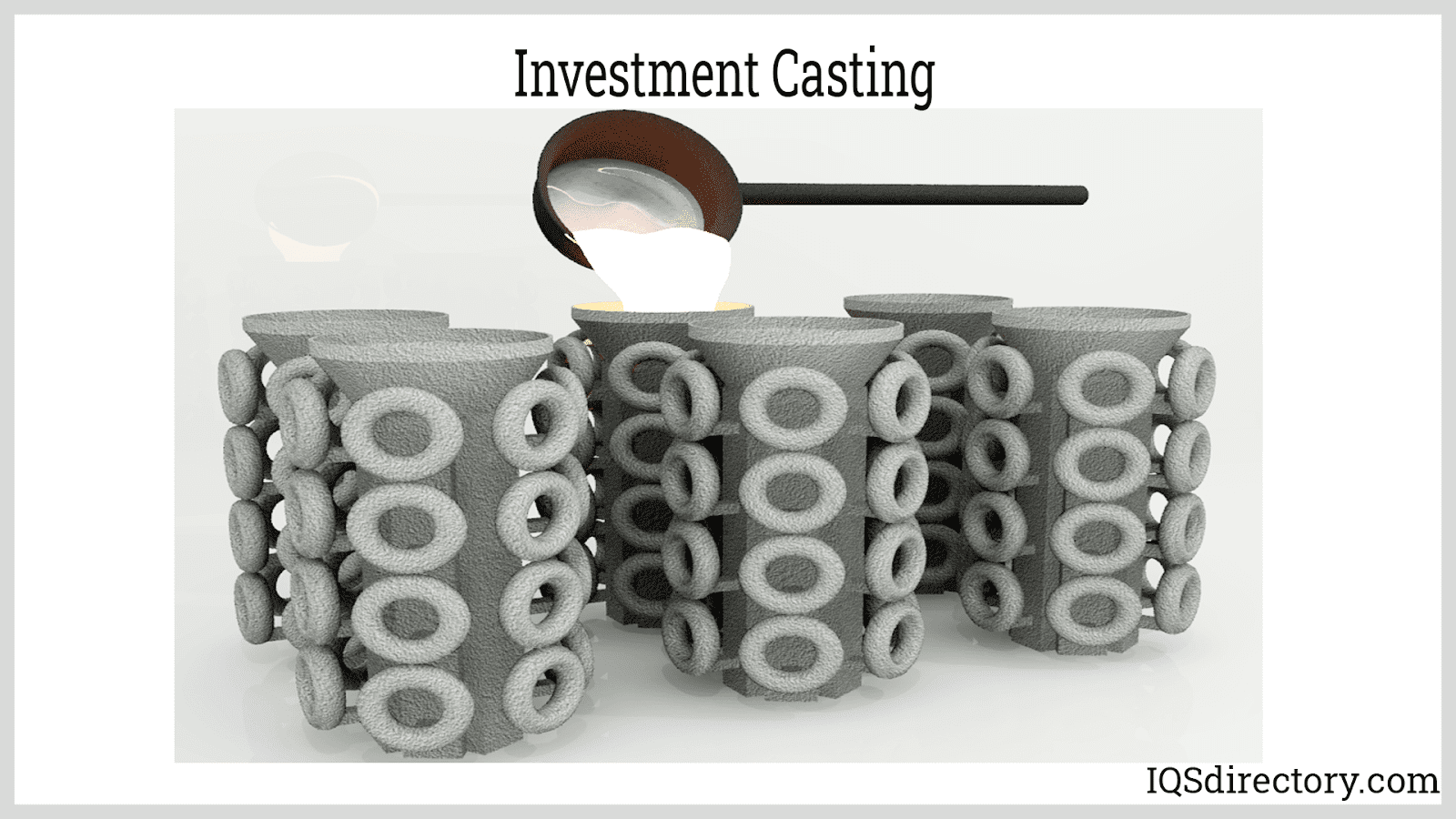
To initiate the process, manufacturers begin by creating a wax model of the desired part, which will eventually serve as a mold. Once the wax model is prepared, it is affixed to a sprue. Multiple wax models can be attached to the same sprue, forming what is known as a tree. Next, the tree is repeatedly dipped into a slurry compound and coated with a sand-like abrasive material, known as the investment. After building up a sufficient thickness of investment, the entire assembly is placed into an industrial oven and heated to temperatures exceeding 1000 degrees Fahrenheit. This high heat melts the wax away while preserving the integrity of the investment, which now forms a hollow mold. Molten metal is then poured into the mold, allowed to solidify and cool, after which the shell is removed and the cast metal parts are separated from the sprue.
Explore further details about investment castings to understand this intricate process better.
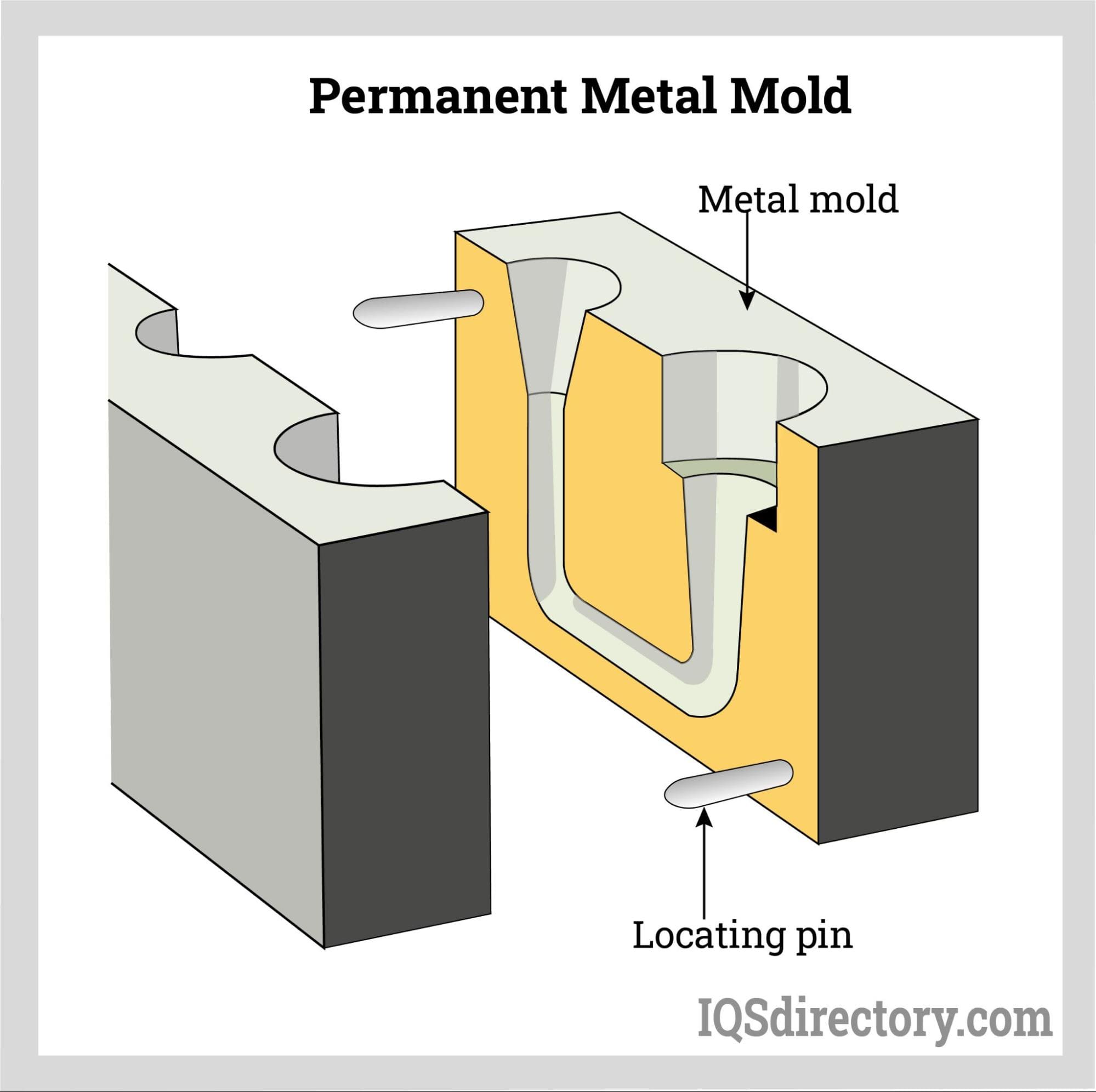
Permanent mold casting is a metal casting process that uses a reusable mold, typically made from materials such as steel, cast iron, or graphite. Unlike sand casting, where the mold is destroyed after each use, permanent molds are designed to be reused for multiple production cycles, making them ideal for high-volume manufacturing.
The process involves preheating the mold and then pouring molten metal, such as aluminum, magnesium, or copper alloys, into the cavity. Gravity or low-pressure is typically used to ensure that the molten metal fills the mold completely. Once the metal solidifies, the mold is opened, and the casting is removed. The mold is then cleaned and prepped for the next casting cycle.
Explore more about permanent mold castings.
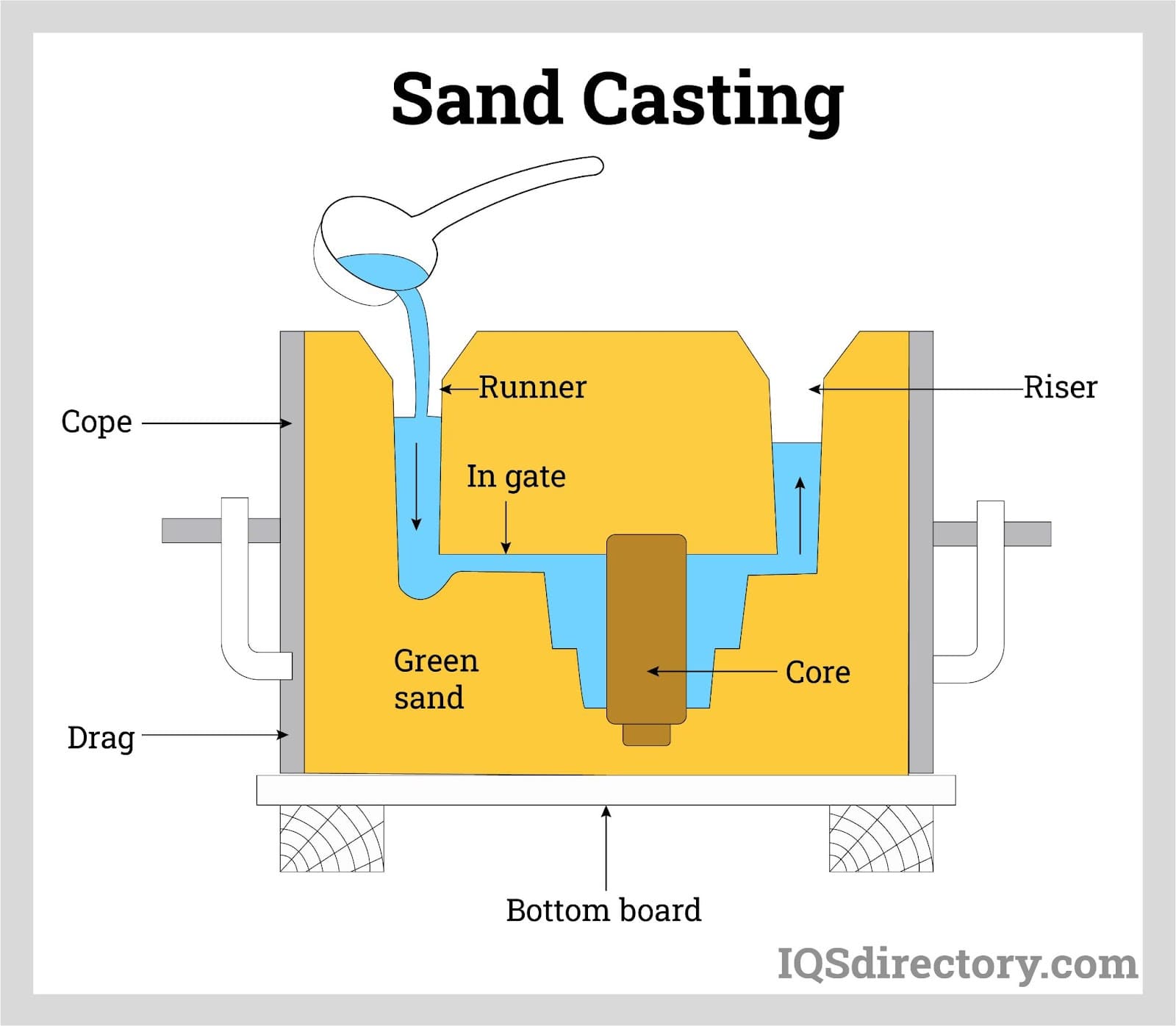
Sand casting, also known as sand metal casting, employs sand as the primary molding material to manufacture metal castings. The term also refers to the resulting products from this method. Metals commonly cast using this process include tin, cast iron, aluminum, steel, copper, and bronze. Sand casting accounts for over seventy percent of all metal castings produced, encompassing a wide range of products such as metal tools, automotive parts, and plumbing components. Specialized foundries and factories utilize this method, valued for its cost-effectiveness and minimal technological requirements.
Discover more about the applications and benefits of sand castings.