Please fill out the following form to submit a Request for Quote to any of the following companies listed on
Get Your Company Listed on this Power Page
Introduction
Here is everything you need to know about plastic tanks and their use.
You will learn:
What is a Plastic Tank?
How Plastic Tanks are Made
The Types of Plastics Used to Make Plastic Tanks
Industries that Rely on Plastic Tanks
And much more…
Chapter 1: What is a Plastic Tank?
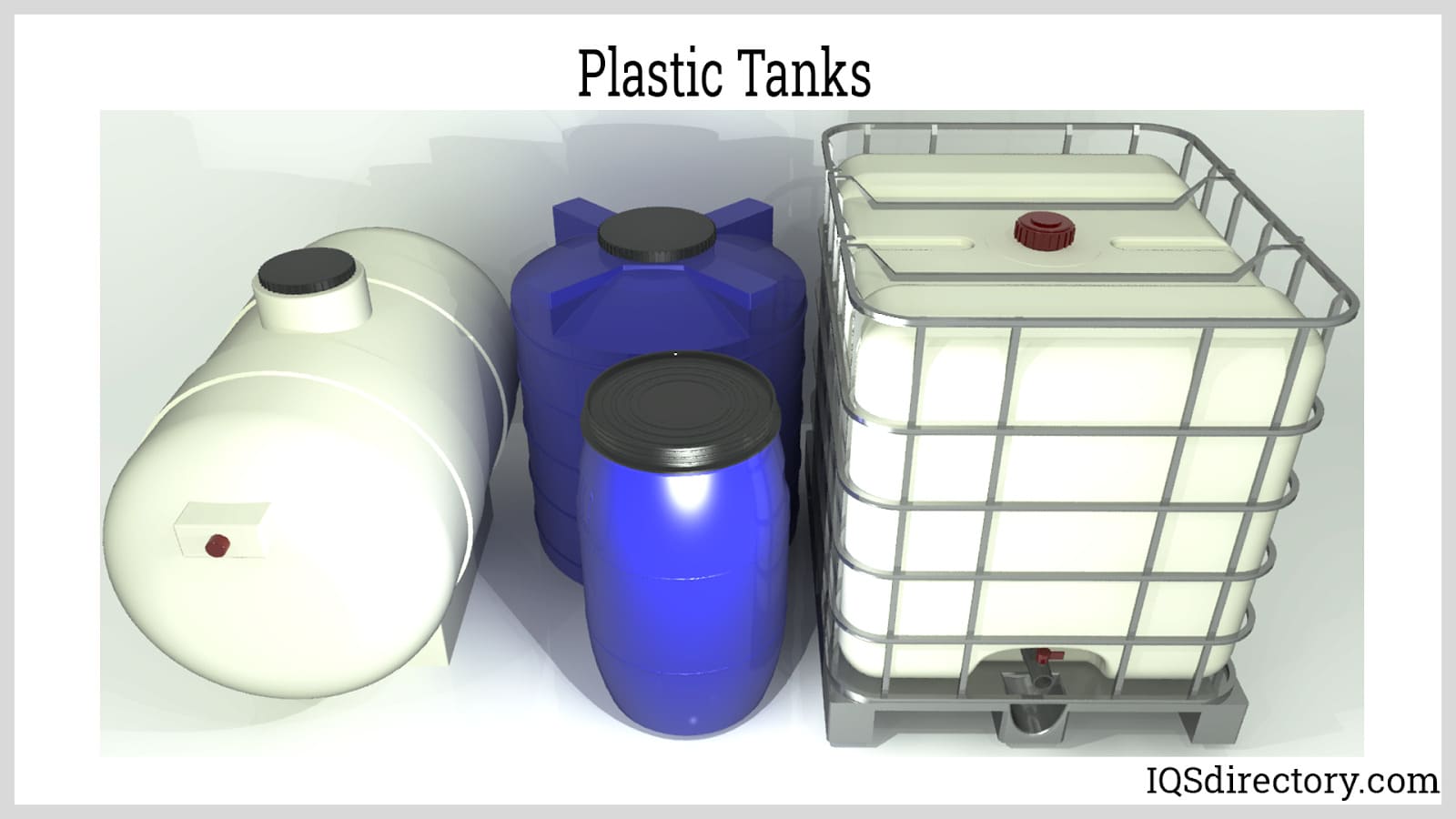
Plastic tanks provide a versatile storage solution for a wide range of applications, capable of accommodating large volumes of liquids, chemicals, water, and granular substances. Commonly used as storage tanks, chemical tanks, water storage tanks, and industrial containment systems, these vessels can be configured in both vertical and horizontal orientations and are suitable for aboveground or underground installation. They may be used as stationary structures or can be easily relocated if needed, making them a practical choice for commercial, agricultural, and manufacturing operations. Designed to endure prolonged usage, they resist wear, weathering, corrosion, and deterioration effectively, even in demanding environments. Industries such as manufacturing, agriculture, fuel handling, and wastewater treatment commonly depend on plastic tanks to facilitate the efficient storage, transfer, and handling of various materials.
Compared to tanks made of steel, stainless steel, fiberglass, or lined systems, plastic tanks are often more durable and economical over the long term. They offer a low-cost installation process and, when properly specified and installed, can last anywhere from 20 to 30 years. The lifespan of a plastic tank is influenced by several factors, including correct installation methodologies, chemical compatibility, UV resistance, temperature exposure, the types of contents stored, sufficient venting, and the appropriate selection of pipe fittings, tank accessories, and support structures. For buyers evaluating plastic storage tanks, it is also important to consider tank material, capacity, design type, and maintenance requirements to ensure safe, reliable performance.
Chapter 2: How Plastic Tanks are Made?
Plastic tank manufacturing relies on advanced, efficient processes that ensure strength, durability, and chemical resistance for various applications—including water storage, chemical containment, agricultural use, and industrial processing. A variety of manufacturing methods are employed to create high-quality plastic tanks, with rotational molding (roto-molding), blow molding, and injection molding being the primary production techniques. The materials most commonly used are high-density polyethylene (HDPE), linear low-density polyethylene (LLDPE), and polypropylene, all known for their exceptional resistance to UV radiation, corrosion, and impact. These robust polymers provide reliable performance in harsh environments, making them ideal for potable water tanks, fuel tanks, and chemical storage solutions. The following sections detail the major processes used to form and fabricate plastic storage tanks.
Rotational Molding
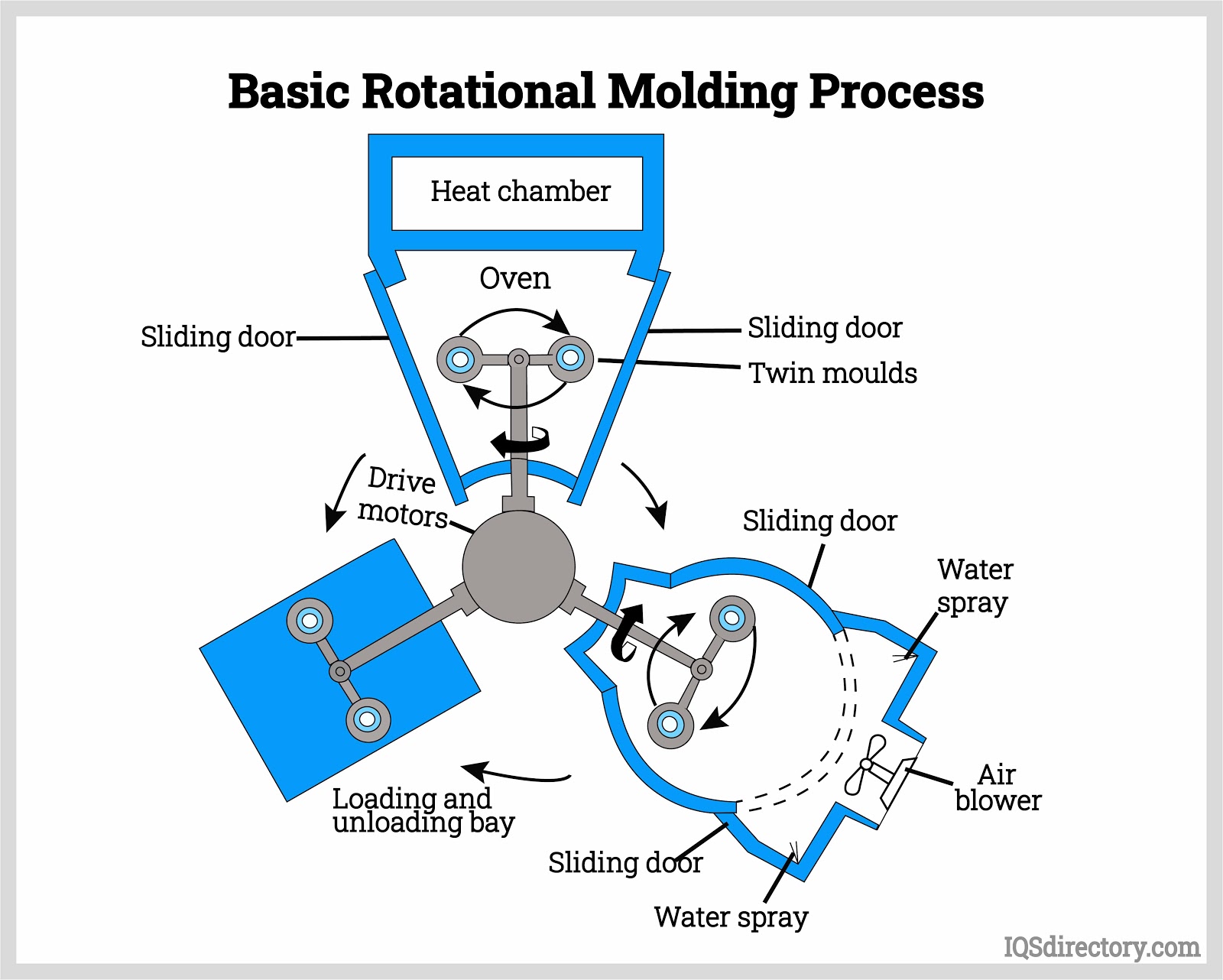
Rotational molding, also known as roto molding, is the most popular choice for large, seamless plastic tanks. This process uses low pressure and sustained high temperature, along with a mold that rotates on multiple axes to ensure even polymer distribution. A large, precision-engineered steel mold defines the final tank’s dimensions and features. Rotational molding is favored for producing chemical storage tanks, wastewater tanks, and agricultural water tanks due to its ability to create seamless, one-piece vessels that reduce the risk of leaks and contamination.
Loading
During rotational molding, powdered polymer resin—carefully selected based on desired chemical compatibility and physical performance—is measured and loaded into the mold. The amount is precisely calculated to achieve the necessary tank wall thickness for structural integrity and compliance with regulatory requirements. While tank color varies—commonly white, green, grey, or black—darker pigments can block sunlight, reducing algae growth in water storage tanks and increasing UV protection for outdoor installations. The color choice often hinges on the intended use, such as potable water, fuel, or hazardous liquid storage, ensuring adherence to safety and industry standards.
Tank Oven
Once loaded, the mold enters an industrial oven, where it is gradually heated while rotating. This phase melts the plastic resin, allowing it to adhere uniformly to the inner surface of the mold. Computerized controls manage the mold's rotational speed and angle to achieve optimal wall uniformity, structural strength, and product quality. The precise heating and mold movement create a seamless tank with strong, impact-resistant walls. Depending on the tank size—ranging from small industrial tanks to large capacity water storage tanks—this process can take one to three hours per tank.
Cooling
After heating, the mold is gradually cooled while still rotating. This careful cooling phase solidifies the melted polymer against the mold walls, minimizing the risk of deformation and ensuring the tank meets dimensional tolerances. Controlled cooling is essential for large plastic tanks to avoid warping or structural defects, preserving their capacity for safe long-term liquid or chemical storage. The cooling phase generally lasts up to an hour and directly impacts the tank’s longevity and performance.
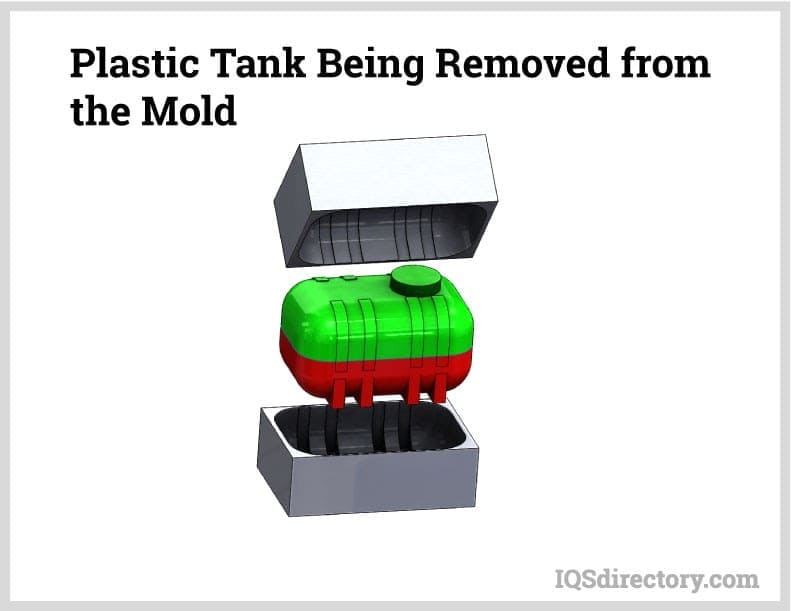
Molded Tank Removal
When solidified, the tank is carefully removed. Smaller tanks may be unmolded by hand, while bulk containers, industrial water tanks, and large capacity storage tanks require forklifts or cranes. Meticulous handling during removal protects the molded tank from cracking or punctures that could compromise its leak-proof nature. At this point, additional modifications—such as cutting holes for fittings, valves, manways, or inlet/outlet ports—are completed. These post-molding processes are tailored to customer specifications, supporting a variety of industrial, commercial, and residential applications.
Rotational molding is widely regarded as a cost-effective manufacturing process compared to injection molding, especially for creating large, seamless, and weather-resistant tanks. The process reduces weak points and seams, resulting in leak-proof, robust storage solutions suitable for critical uses such as potable water, agricultural liquids, industrial chemicals, and fuel containment. After molding, tanks often undergo quality assurance testing, including hydrostatic and pressure testing, to ensure compliance with rigorous industry standards.
Blow Molding
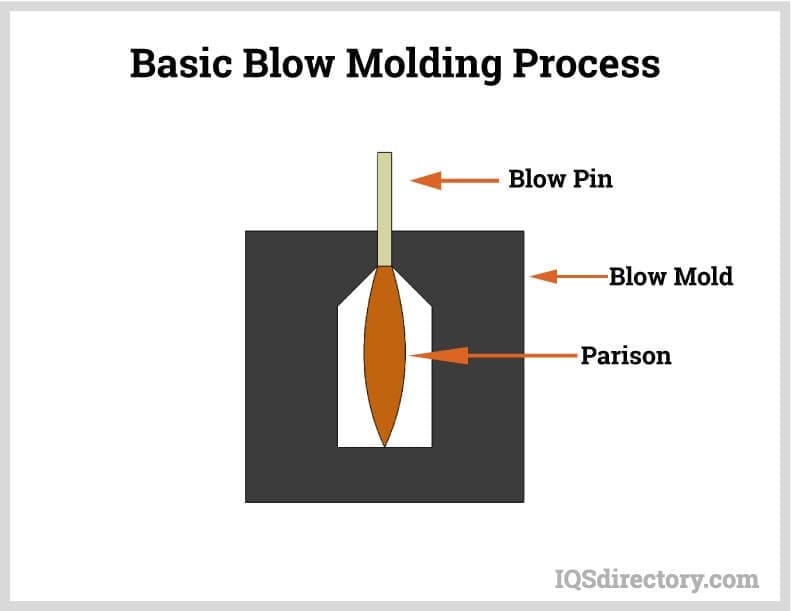
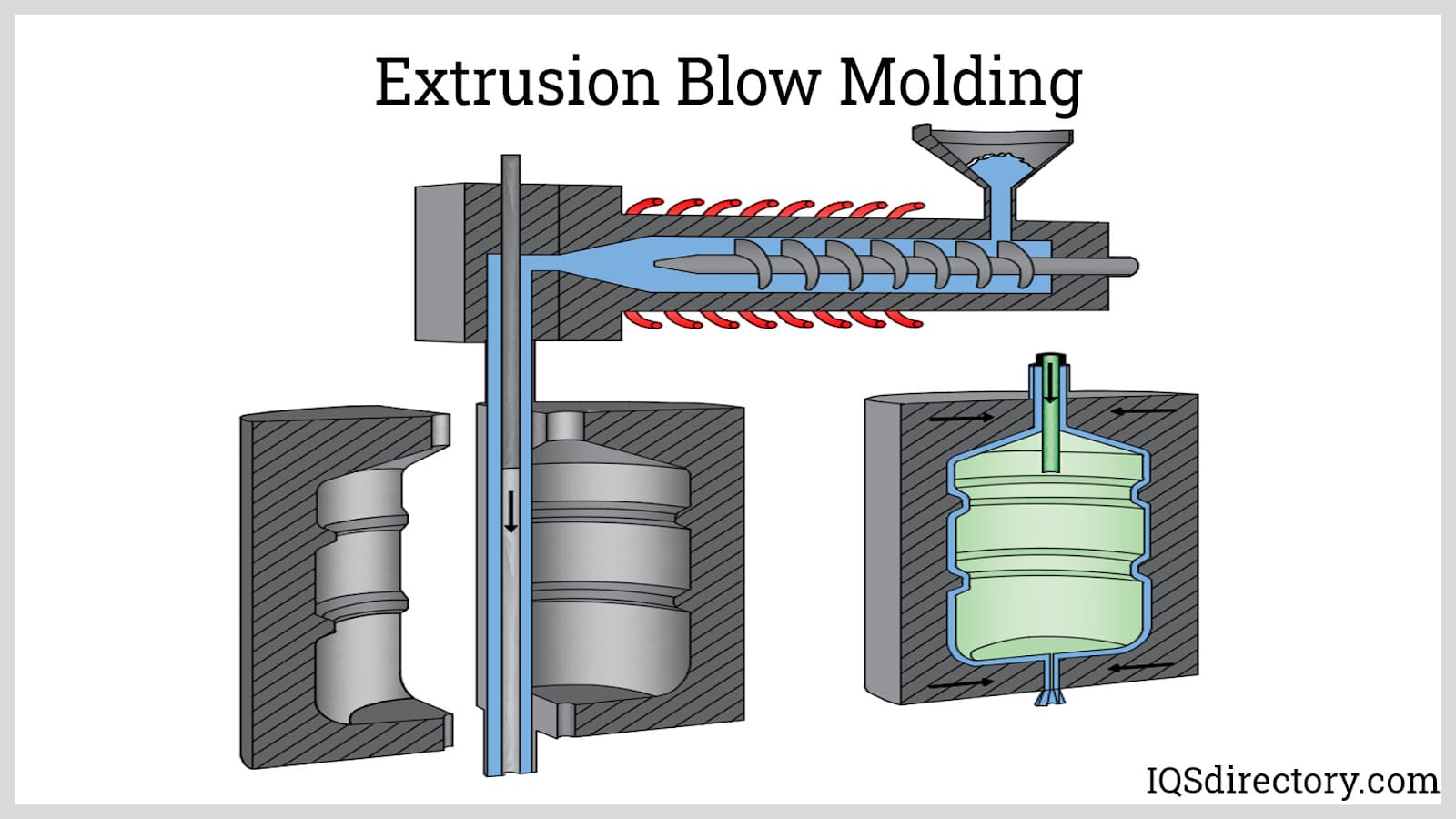
Blow molding is a high-volume production technique used for manufacturing smaller plastic tanks, bottles, and drums. This process produces hollow parts by inflating a molten thermoplastic tube, known as a parison, within a split mold cavity. Common plastic materials for blow molding include HDPE, polypropylene, and PVC. The process offers excellent material consistency and is frequently chosen for manufacturing portable water containers, automotive fuel tanks, and chemical transport tanks.
Melting
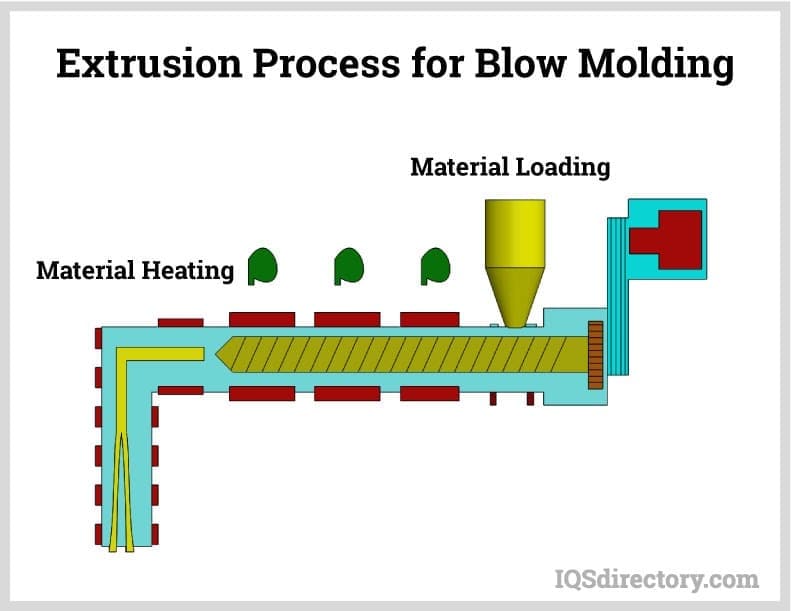
The blow molding cycle begins in the extrusion process, where raw plastic resin—selected for compatibility with the intended liquid or chemical—is loaded into a hopper. Inside the extruder, a corkscrew device, or auger, heats and conveys the resin toward the blow pin, precisely controlling material viscosity. The resulting molten plastic is shaped into a parison whose length and diameter determine the tank’s volume and dimensions, allowing for custom tank sizing.
Blowing
Once the parison is positioned within the mold, compressed air inflates it, causing the thermoplastic to conform to the mold cavity. This ensures consistent wall thickness and uniform product strength, essential for reliable water and chemical tanks. Blow molding is highly automated, supporting rapid production for high-demand markets such as industrial, agricultural, automotive, and consumer water storage tanks.
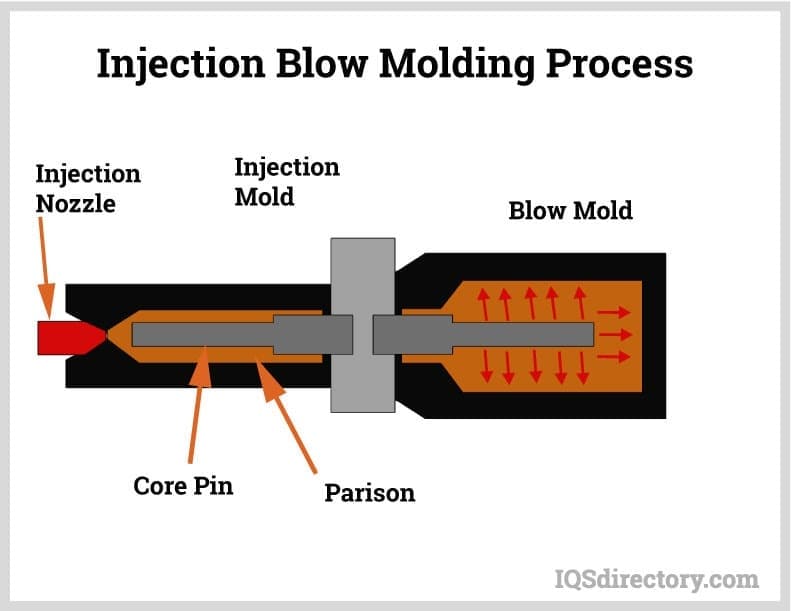
The injection blow molding method forms the parison using an injection mold for greater precision and even distribution of the plastic. The parison is then moved to the blow mold cavity, where air pressure completes the tank shape. This method is ideal for manufacturing small- to medium-sized tanks and containers requiring tight tolerances and smooth surfaces.
Although stretch blow molding is less common for larger storage tanks, it remains a valuable process for producing durable, pressure-resistant containers. In this variant, a preform is heated and stretched, then expanded with compressed air to fit the mold shape. The process yields high-clarity and impact-resistant products for specialized applications.
Plastic Welding
Plastic welding is a critical fabrication and repair technique for plastic tanks, especially when adding custom fittings, repairing cracks, or joining separate plastic components. This method uses controlled heat and pressure to fuse the surfaces of compatible thermoplastics, creating a strong, airtight, and watertight bond that restores or enhances the integrity of tanks. Proper plastic welding is vital for ensuring leak prevention and long-term structural performance, particularly when tanks are exposed to aggressive chemicals or extreme weather.
The plastic welding workflow encompasses three primary steps: surface preparation (to remove contaminants and oxidation), the application of targeted heat combined with pressure (using hot air, extrusion, or ultrasonic welding equipment), and finally, controlled cooling to solidify the bond. A tell-tale “V” groove is often cut along the weld seam to ensure secure fusion. It is crucial to match the welding rod material with the parent tank resin—HDPE with HDPE, polypropylene with polypropylene—to guarantee optimal compatibility and bond strength.
While other joining methods such as adhesives, mechanical fasteners, or solvent bonding are available, plastic welding delivers the highest mechanical strength and chemical resistance—important for tanks storing hazardous materials or potable water. Properly welded tanks can withstand thermal cycling, vibration, and pressure fluctuations, extending their service life and maintaining compliance with stringent industry standards.
Professional tank fabricators also use plastic welding to retrofit tanks with specialized fittings, overflow protection, or sensors, enhancing their utility for industrial, municipal, or agricultural use. If considering a custom tank design, ensure your supplier provides certified plastic welding services for lasting performance and peace of mind.
Leading Manufacturers and Suppliers
Chapter 3: What are the Different Types of Plastic Tanks?
The selection of plastic tanks available today is extensive, featuring a diverse array of designs, configurations, and materials that cater to various industrial, commercial, and residential applications. The ongoing development of advanced polymer technologies and manufacturing processes has expanded the possibilities for plastic tank uses, making them indispensable in numerous sectors. Whether for water storage, chemical containment, agriculture, or fuel transportation, plastic tanks provide customizable solutions based on the intended application. Some variants offer broad adaptability to many environments, while others are precisely engineered for highly specific tasks such as hazardous material storage or food-grade liquid containment.
Plastic tanks can be categorized by the materials used in their fabrication, primarily encompassing advanced polymers such as high-density polyethylene (HDPE), cross-linked polyethylene (XLPE), polypropylene, and polyvinyl chloride (PVC). Choosing the right polymer is essential, as it directly impacts the tank’s resistance to chemicals, UV light, corrosion, and extreme temperatures. This material-based classification is especially crucial for environments where chemical compatibility and long-term durability are required.
In addition, plastic tanks are classified by intended use. Applications range from potable water storage, rainwater harvesting, and waste management, to chemical processing, agricultural irrigation, food processing, and the bulk storage of oils, fertilizers, and acids. For specialized uses—such as in the pharmaceutical, cosmetic, or beverage industries—plastic tanks must meet strict regulatory requirements for hygienic storage, traceability, and quality assurance.
Location or placement is yet another key way to differentiate plastic tanks. The installation environment often determines the specific tank design, capacity, and reinforcement features needed for safe and efficient storage or transport.
Tank Placement and Configuration Types
Vertical Plastic Tanks
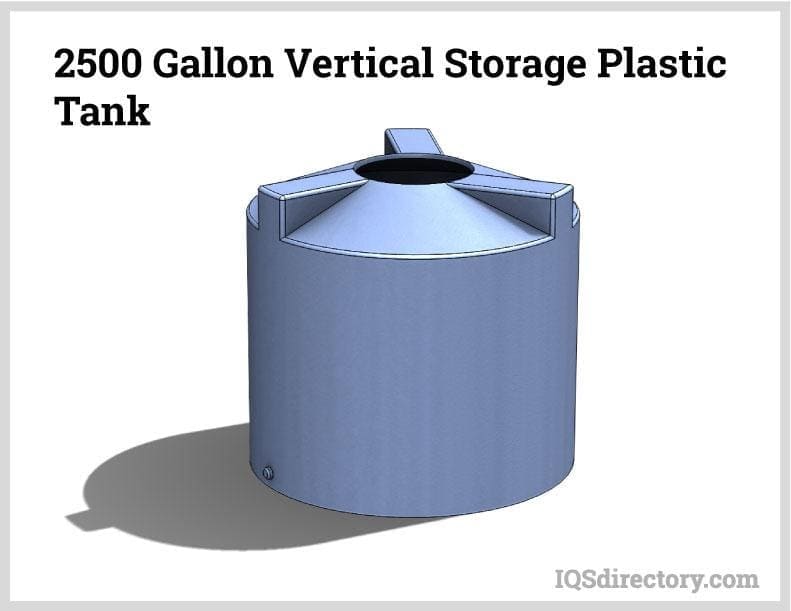
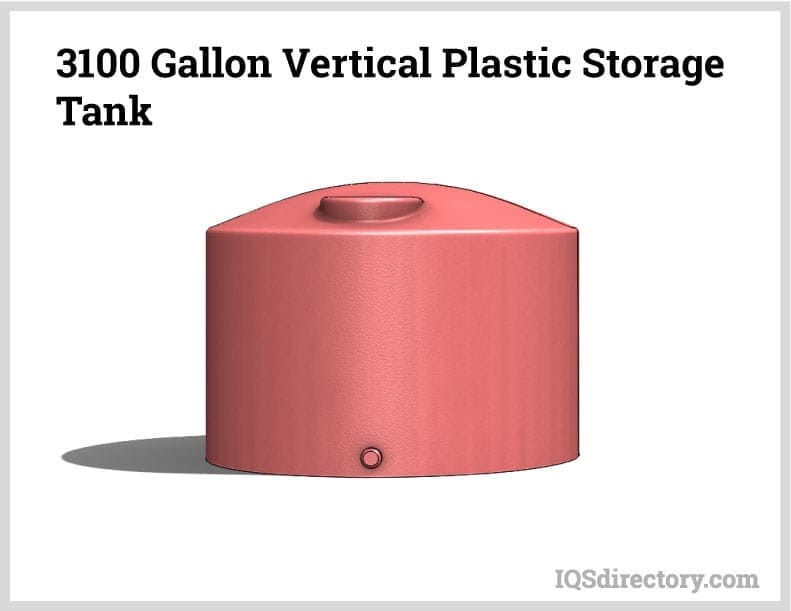
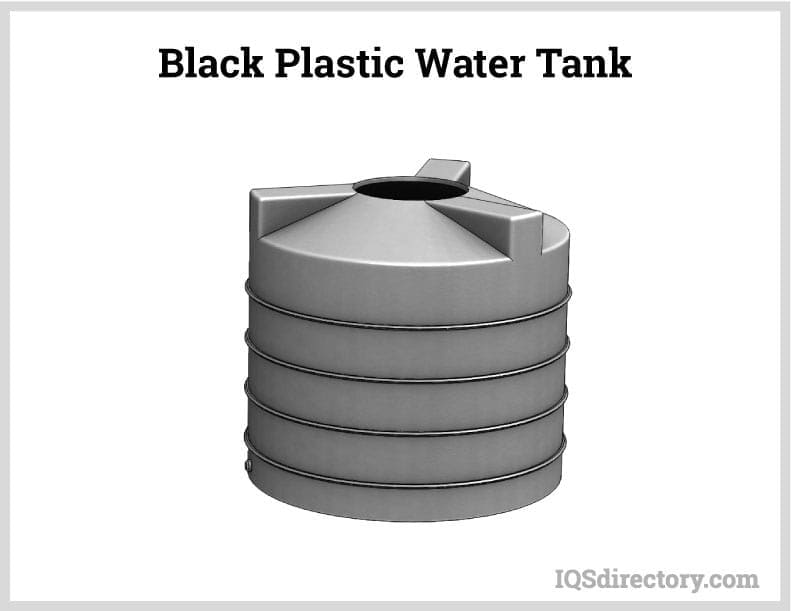
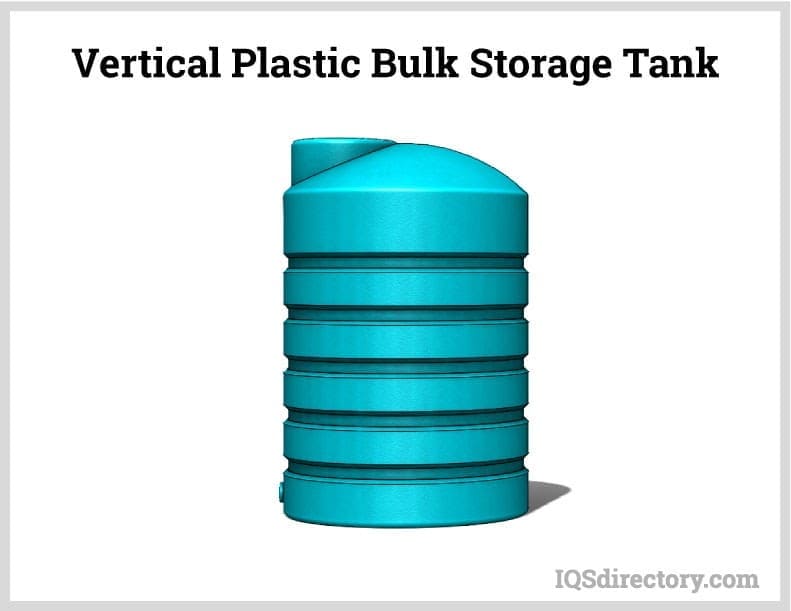
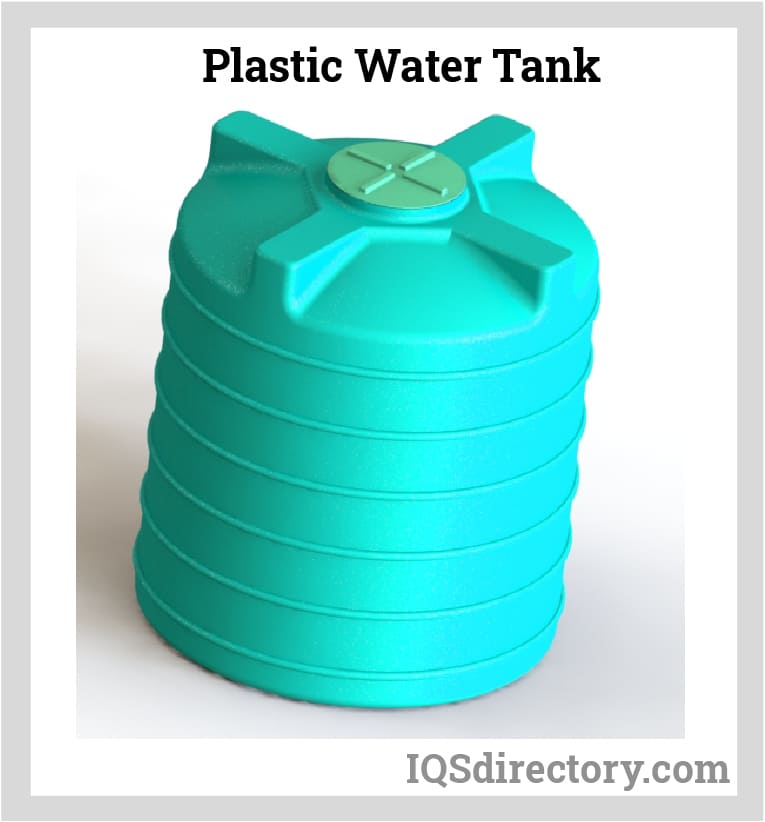
Vertical plastic tanks are the most common and versatile configuration, utilized for a wide variety of storage needs. Their upright cylindrical shape and reinforced thick walls enable the storage of liquids ranging from potable water and rainwater to harsh chemicals and industrial fluids. These above-ground storage tanks provide excellent accessibility for filling, cleaning, and inspection. Vertical tanks can also be adapted for underground installation within reinforced concrete or brick chambers for extra protection against external pressures and temperature fluctuations, making them ideal for municipal water storage, industrial processing, and fire suppression reserves.
Horizontal Plastic Tanks
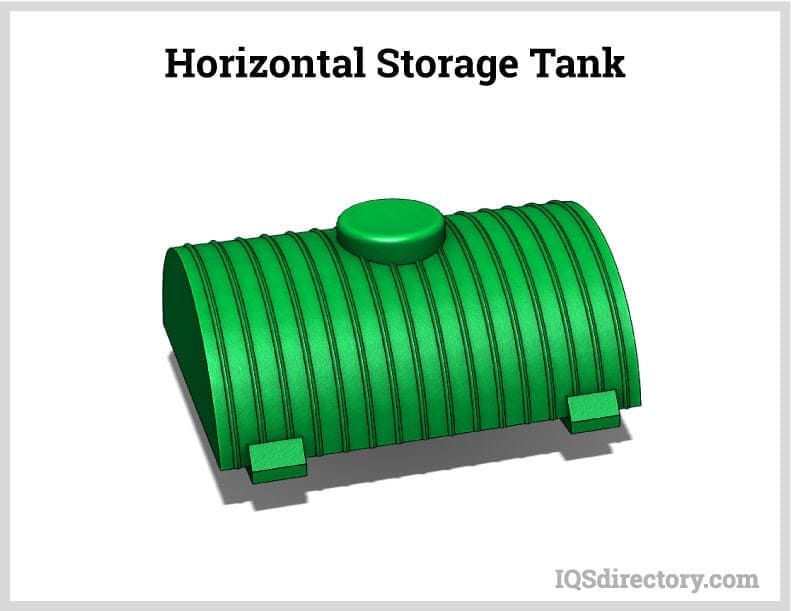
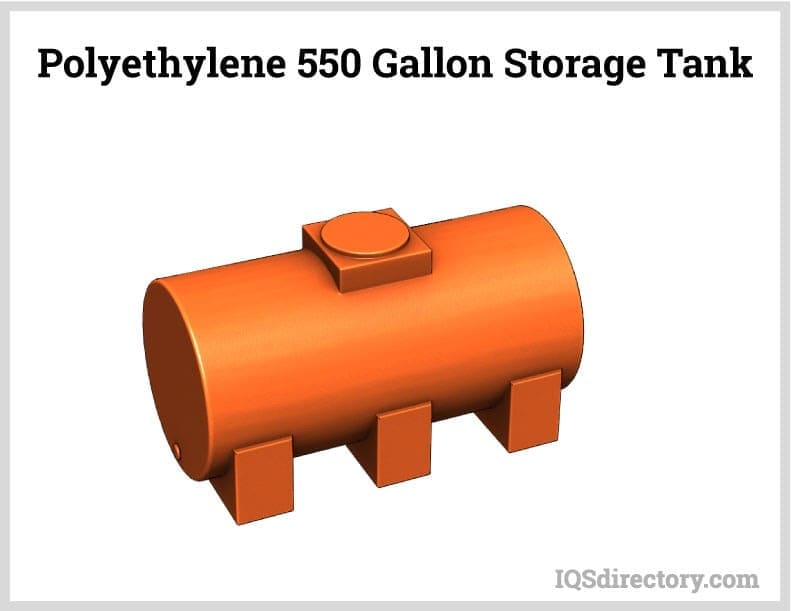
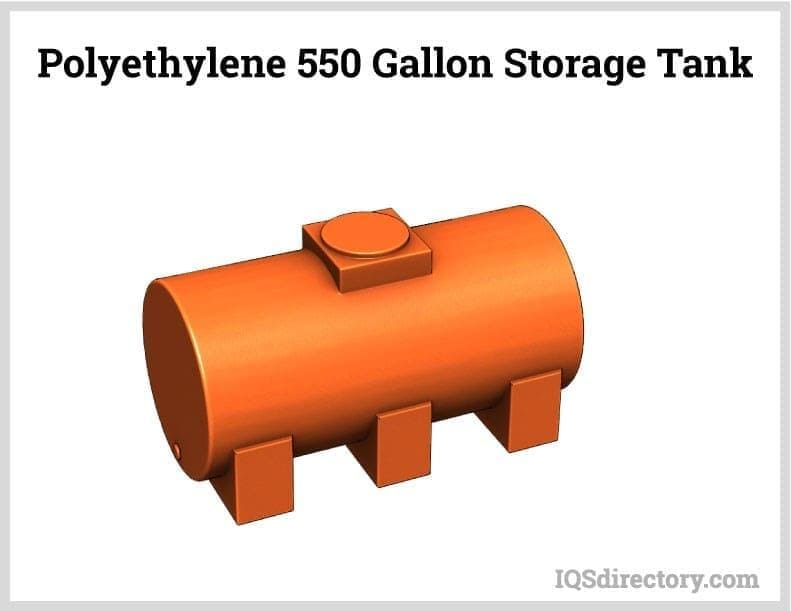
Horizontal plastic tanks are engineered for mobile fluid storage and safe transportation of liquids. Commonly integrated onto trucks, trailers, or skids, these tanks are essential in agriculture for fertilizer and pesticide distribution, and in the industrial sector for wastewater and fuel delivery. Their low-profile horizontal design stabilizes vehicle center of gravity, ensuring optimal driving safety during transit. The accessibility for side and top ports makes both loading and dispensing efficient, reducing turnaround times in operations.
Underground Plastic Tanks
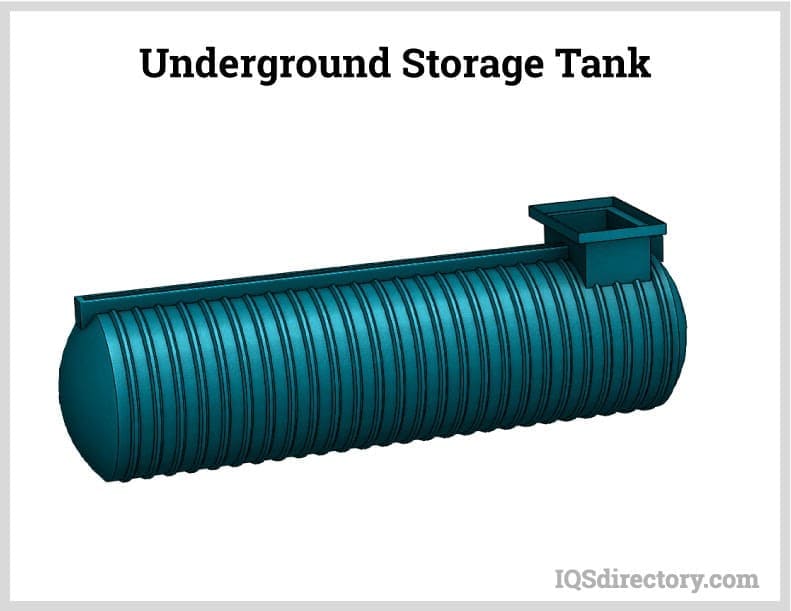
Underground plastic tanks are specifically constructed to endure earth loads, resist underground moisture, and provide long-term containment of water, wastewater, or chemicals. Their robust, ribbed or corrugated structures withstand the weight and pressure exerted by soil. Burying tanks below ground is common for residential rainwater harvesting, septic systems, and underground fuel storage to meet space constraints, conceal unsightly storage, and enhance safety from environmental hazards. Compliance with environmental regulations and proper tank installation—such as correct bedding and venting—are essential to maximize lifespan and prevent ground contamination.
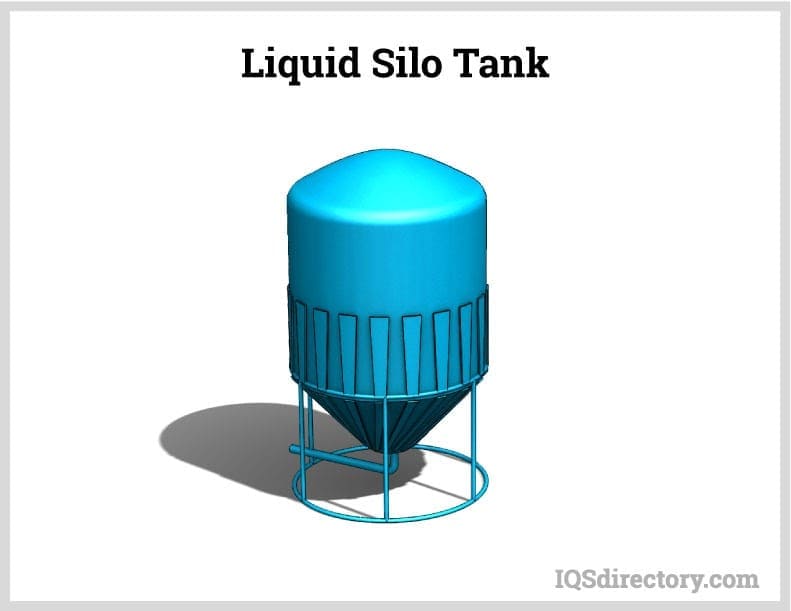
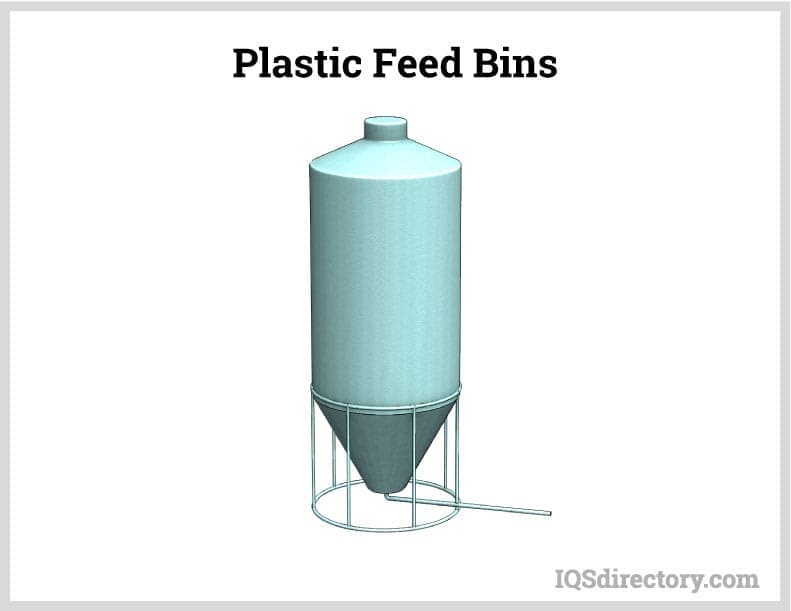
Silo or cone-bottom plastic tanks are designed for efficient material discharge through their conical base, allowing gravity-assisted flow-out of contents. These tanks, commonly mounted on steel or polymer stands, are ideal for facilities managing granular solids, fertilizer blending, or batch mixing of chemical solutions. The design supports rapid emptying, reduces residue, and allows for the quick changeover of materials, making silo tanks a preferred choice for food processing, agriculture, and manufacturing sectors where strict inventory turnover is required.
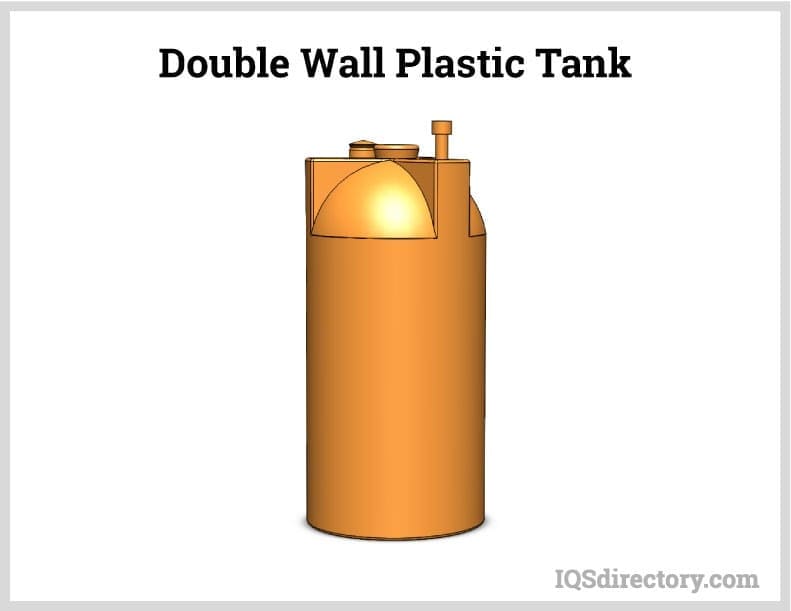
Double-wall plastic tanks, also referred to as secondary containment tanks, are engineered with an inner storage chamber and an external containment shell. This dual-layered approach mitigates risks of leaks and complies with strict environmental safety standards, particularly in the storage of hazardous substances and industrial chemicals. By trapping spills within the containment shell, double-wall tanks help prevent soil and groundwater contamination in case of accidental tank failure. Manufactured from durable HDPE or XLPE, these tanks provide exceptional chemical resistance and long service life, making them indispensable in chemical processing plants, wastewater treatment facilities, and oil refineries.
Cylindrical Plastic Tanks
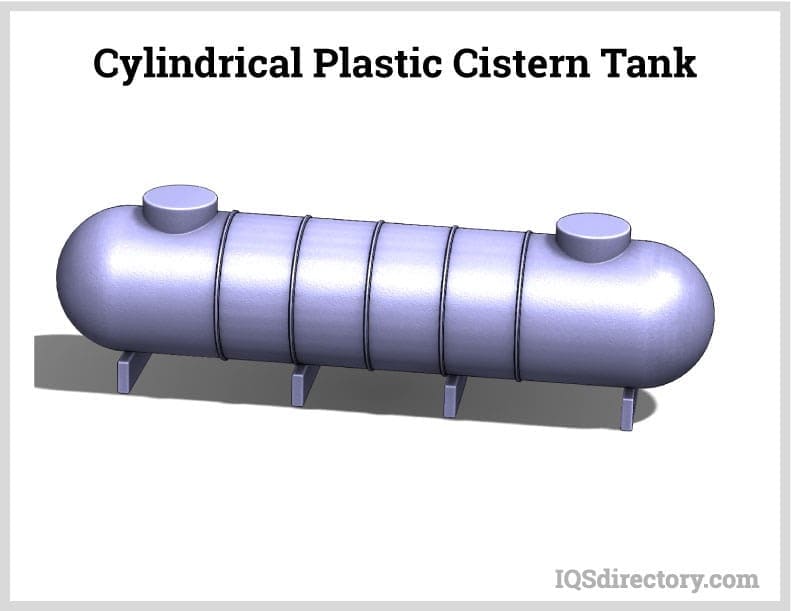
Cylindrical plastic storage tanks, manufactured from high-performance polyethylene or polypropylene, offer remarkable resistance to corrosion, rust, ultraviolet radiation, and a wide range of aggressive chemicals. These tanks serve pivotal roles in industries such as pharmaceuticals, chemical manufacturing, water treatment, and mixing operations. Available in both double-wall and single-wall designs, cylindrical tanks can be installed as vertical, free-standing vessels for bulk liquid storage or as horizontal units with integrated support legs. Their adaptability to both indoor and outdoor conditions, thermal insulation properties, and ease of maintenance make cylindrical tanks a reliable and economical solution for long-term chemical storage and process integration.
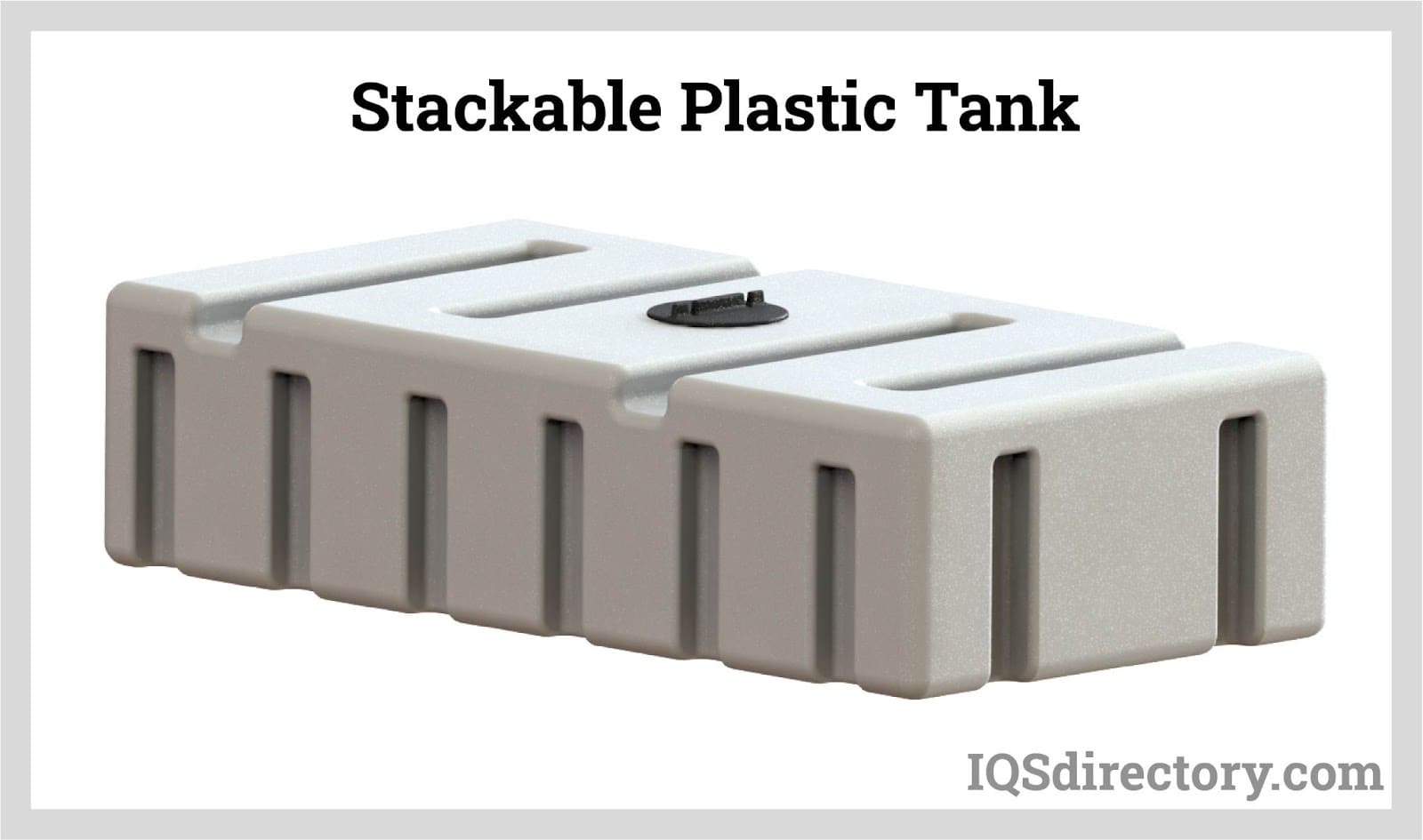
Stackable Plastic Tanks
Stackable plastic tanks provide an innovative, space-saving solution for managing and storing bulk fluids, helping organizations streamline their liquid inventory systems and improve safety. Their modular, lock-and-stack structural design maximizes storage density and vertical load capacity, making them optimal for warehousing, industrial plants, fleet maintenance, and agricultural operations. Stackable tanks, customizable for a range of capacities—from 30 gallons to several hundred gallons—are constructed from tough, chemical-resistant polymers and often feature graduated markings, secure lids, and built-in spigots for controlled dispensing. Their ability to be safely stacked—without the need for special racking—not only saves floor space but also reduces workplace clutter and risks associated with spills or improper storage. Designed for both indoor and outdoor installation, these tanks offer streamlined fluid management and operational efficiency.
When selecting a plastic tank for your unique requirements, consider important factors such as tank material compatibility (HDPE, XLPE, polypropylene, PVC), type of substance to be stored (water, acids, bases, food products, fuels), installation environment (above ground, underground, mobile), and necessary compliance with regulatory standards (NSF, FDA, EPA). Whether your application is for potable water storage, chemical containment, agricultural supply, or industrial process fluids, understanding the full spectrum of plastic tank types and their design advantages will ensure optimal performance, safety, and longevity for your storage solution.
Chapter 4: What types of plastics are used to make plastic tanks?
The design of a plastic tank is influenced by the type of material it will store. Plastic tanks have gained popularity due to their cost-effectiveness and versatility. They are widely used across various industries, including food processing, wastewater management, chemical manufacturing, and agriculture.
In addition to their positioning, plastic tanks are categorized based on the type of polymer used in their construction. Common polymers include polyethylene, polypropylene, and fiberglass.
Plastics Used to Product Plastic Tanks
Polyethylene Plastic Tanks
Polyethylene is a high-quality thermoplastic known for its resistance to weathering, abrasion, and chemicals. Its durability makes it an ideal material for producing plastic tanks. The natural color of polyethylene ranges from white to yellow, depending on the tank's wall thickness. For outdoor applications, polyethylene tanks are often treated with an ultraviolet light stabilizer to provide additional protection against UV degradation.
Polyethylene comes in two main forms: linear and cross-linked.
Linear Polyethylene: Linear Polyethylene comes in low, medium, and high density forms. The majority of polyethylene tanks are made from linear medium density polyethylene (LMDPE) or high density (LHDPE), which have superior mechanical properties, exceptional strength, and resistance to hazardous environmental conditions. Products produced from LMDPE and LHDPE have been approved for food and medical use according to FDA regulations.
Cross-Linked Polyethylene: Cross-linked polyethylene is a high density polyethylene that is produced by adding a catalyst to the thermoplastic resin to turn it into a thermoset. The added catalyst gives the cross-linked polyethylene its name since the addition of the catalyst links the molecules. The resulting plastic is resistant to impact, has increased tensile strength, and is fracture resistant.
Polypropylene is a thermoplastic made from propylene monomers. Its low density makes it lighter than many other plastic materials. To enhance its strength, polypropylene is often copolymerized with other polymers like polyethylene. Its key qualities—chemical resistance, elasticity, toughness, and fatigue resistance—make it well-suited for use in storage tanks.
Polypropylene's versatility is due to its adaptability to various fabrication processes. It comes in two main types: homopolymer and copolymer. The homopolymer is the most commonly used, while the block version of the copolymer is noted for its superior impact resistance and strength.
Due to its high chemical resistance, polypropylene is often used to store reactive and corrosive materials. It can withstand operating temperatures up to 212°F, making it suitable for autoclaving. A distinctive feature of polypropylene is its rough, irregular interior surface.
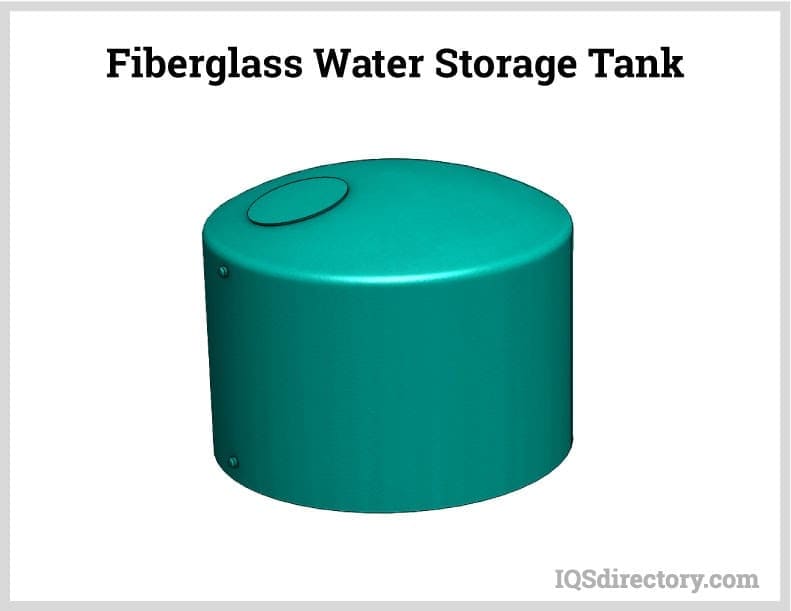
Fiberglass Plastic Tanks
Fiberglass storage tanks are suitable for both underground and above-ground applications due to their durability, corrosion resistance, and resistance to deterioration and weathering. Their impermeability and mono hull construction eliminate the need for additional waterproofing. Additionally, fiberglass is lighter than many other tank materials, making these tanks easier to relocate, install, and transport.
Chapter 5: How Plastic Storage Tanks are Used?
Plastic tanks made from polyethylene and polypropylene offer a cost-effective solution for storing a wide range of materials. Before the advent of plastic tanks, metal containers were the most common choice for storing liquids, grains, and granular materials. Advances in plastic technology have resulted in storage solutions that surpass traditional methods in durability and strength.
Initially, plastic storage tanks were used primarily for water storage for livestock, crops, and irrigation. As polymers became more versatile, plastic water tanks found applications in various other fields.
Water Storage Plastic Tanks
Plastic tanks have become a popular choice for water storage due to their ability to be easily connected to downspouts for rainwater harvesting or for commercial and industrial water collection. In rural areas, they are crucial for supplementing limited water supplies. The versatility of plastic tanks enables them to store various types of water, including saltwater, distilled water, wastewater, groundwater, rainwater, and melted snow.
Chemical Storage Plastic Tanks
Plastic storage tanks are available in various sizes, gauges, strengths, and specifications to ensure the safe storage of chemicals. Their versatility in placement and ability to withstand harsh weather conditions have made them a popular choice for industrial and manufacturing applications. Polyethylene plastic tanks, in particular, are increasingly replacing metal storage tanks due to their resistance to rust, corrosion, and deterioration. These tanks are suitable for storing a range of substances, including fertilizers, pesticides, pharmaceutical products, and various acids such as hydrochloric, sulfuric, sodium hypochlorite, and nitric acid. When storing acids, it's crucial to consider the type of plastic used for the tank. The selection of the appropriate tank depends on assessing the strength and resistive properties of the plastic material.
Fuel Storage Plastic Tanks
Plastic storage tanks are ideal for storing fuel and are commonly used at racetracks, factories, and repair garages. The polyethylene core of these tanks can accommodate a wide range of fuels, including diesel, gasoline, butane, and natural gas.
Grain Storage Plastic Tanks
Grain feed bins are designed for storing corn, soybeans, and other granular products. These bins are constructed from UV-treated polyethylene, typically 3/16 inch thick. Plastic storage tanks are preferred for grain storage due to their resistance to rust, corrosion, and weather, issues commonly associated with metal storage units. Additionally, the smooth interior surface of plastic tanks minimizes bridging and eliminates the need for rivets and clogging seams.
Plastic Septic Tank
Plastic septic tanks have become an option for waste collection because they last longer than traditional methods, are easy to install, and more economical. In most cases, plastic septic tanks are produced using rotational molding so that the final product is seamless in one piece construction. Unlike other septic tank products, plastic septic tanks do not require any form of special coating since the plastic material is capable of withstanding any type of conditions.
One of the key concerns for septic tanks is their reaction to chemicals in the soil and gases from sewage systems. Polyethylene, used in plastic septic tanks, is resistant to both soil chemicals and sewage system gases, addressing these concerns effectively.
Chapter 6: Which industries use plastic tanks?
Plastic tanks have become essential across various industries due to their durability and capacity to endure harsh and hazardous conditions. As the applications for plastics have advanced and expanded, numerous commercial, governmental, and manufacturing operations have recognized plastic tanks as valuable and cost-effective assets.
Industries that Use Plastic Tanks
Plastic tanks are utilized by a range of groups and organizations, including fire departments, sewage operations, pharmaceutical companies, electroplating manufacturers, and water treatment facilities, among others.
Fire Department Plastic Tanks
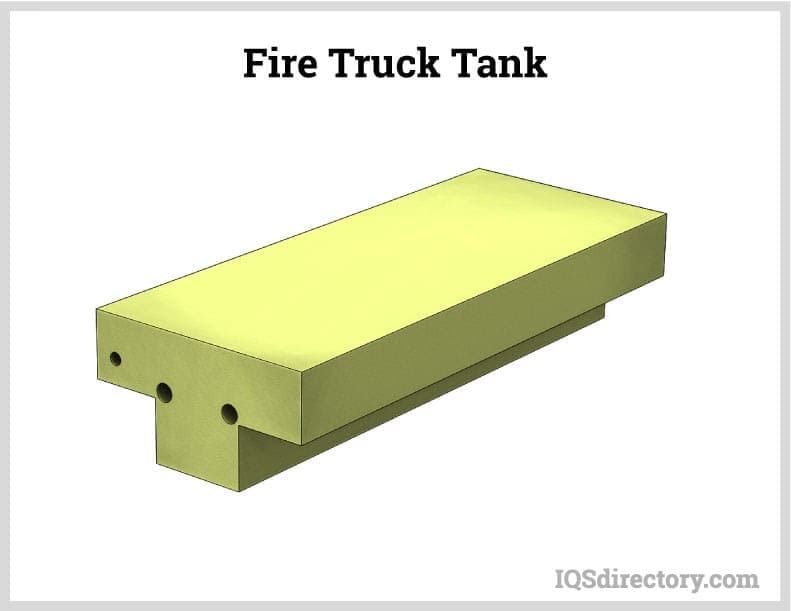
Plastic water tanks for fire pumping trucks are a lightweight alternative to other types of tanks and lessen the load on the truck‘s chassis. They come in a variety of sizes from ones that are 5 gallons up to and including ones that are 5000 gallons. They are lighter than steel tanks and are 90% stronger. In order for tanks to be used on fire trucks, they must be approved by the National Fire Protection Association and adhere to their regulations.
Electroplating Plastic Tanks
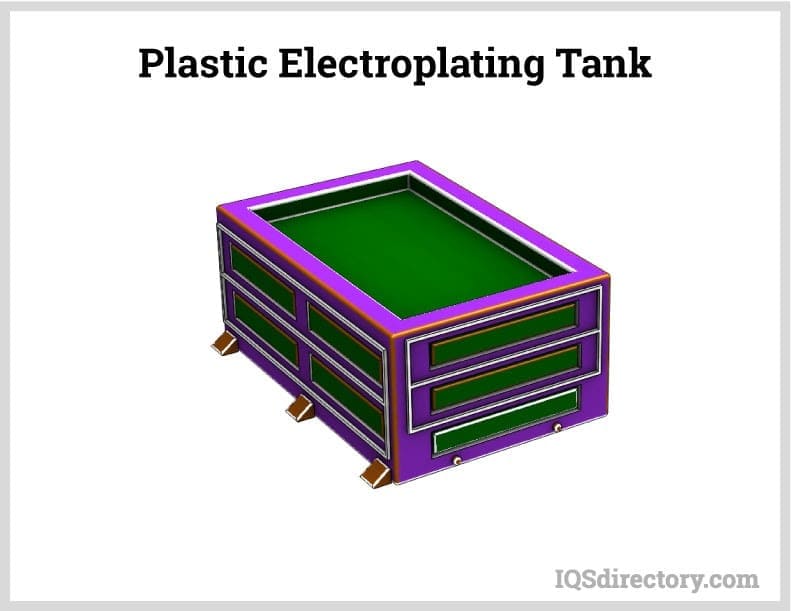
In electroplating, plastic tanks must exhibit excellent chemical resistance to handle strong acids, organic solvents, degreasing agents, and electrolytes involved in the process. These tanks are specifically engineered for their role in electroplating, incorporating features such as racks, bus bars, and other enhancements to meet the industry's rigorous demands.
Pharmaceutical Plastic Tanks
Plastic tanks used in the pharmaceutical industry must meet stringent standards set by the American Society for Testing and Materials (ASTM) and comply with regulatory requirements from governmental and other agencies. The primary concerns for pharmaceutical tanks are sterilization and cleanliness, which is why plastic tanks are widely used in this sector. They are employed for storing and transporting powders, chemicals, and granular materials, ensuring high standards of hygiene and safety.
Sewer Truck Plastic Tanks
Sewer truck plastic tanks are preferred over metal tanks due to their resistance to rust and corrosion, which extends their lifespan and reduces maintenance needs. Plastic tanks are easier to clean and sanitize and are resilient to the chemical effects of wastewater. Their lighter weight and large capacity help minimize truck trips and streamline refuse removal processes.
Degreasing Plastic Tanks
Degreasing plastic tanks are constructed from durable polypropylene, making them ideal for degreasing operations due to their non-sticky, corrosion-resistant surfaces. Their mobility allows for flexible use in various locations and easy storage when not in use. Unlike metal tanks, plastic degreasing tanks are made as a single, leak-proof unit.
Food Processing Plastic Tanks
Plastic tanks used in food processing must comply with the Food and Drug Administration (FDA) standards for equipment handling food products. Approval is based on the finished tank, not just the resin used in its production. Even if a resin meets FDA standards, it doesn't guarantee that the final tank will have the same qualifications.
The main challenge for plastic food tanks is ensuring proper drainage to prevent spoilage or rot from residual products. It is crucial that these tanks can be completely drained. Additionally, fittings or access points must be securely sealed to prevent leaks and waste.
Fish Farming Plastic Tanks
Fish farming plastic tanks must adhere to the same FDA standards as tanks used for other food products. These tanks typically feature an overflow system to maintain a consistent water level and include dividers for fish movement. They also come with drop-in baskets and chute systems to facilitate fish transfer.
An essential requirement for fish farming tanks is the inclusion of pumping and filtration systems to ensure the health and safety of the fish, in accordance with FDA regulations.
Agricultural Plastic Tanks
Plastic tanks are extensively used in agriculture due to their flexibility, durability, strength, and ability to withstand harsh weather conditions. They primarily serve for storing and transporting liquids like fuels, fertilizers, and pesticides. The widespread use of plastic tanks in agriculture is attributed to their safety, ease of handling, and long-lasting performance, meeting the demands of farming operations.
Chapter 7: How to Care for a Plastic Tank?
Like any tool, plastic tanks require proper care to maintain their performance. Although they are sturdy and long-lasting, plastic tanks can deteriorate if not regularly inspected and maintained. This is particularly important for tanks in harsh or hazardous environments. Tanks intended for storing volatile or explosive materials need extra attention to ensure safety and environmental protection.
Temperature
Elevated temperatures pose a significant risk to sensitive equipment, including plastic tanks. Prolonged exposure to high temperatures can drastically shorten the tank's lifespan. The impact of temperature on a tank depends on factors such as the contents, tank size and configuration, construction methods, wall thickness, and support structures.
Assessing the effects of heat on buried tanks is more challenging, but most are designed with adequate insulation to withstand their operational environment.
Ultraviolet Light
Thermoplastics not treated with UV protective coatings are susceptible to damage from UV rays. Exposure leads to discoloration and brittleness, which can result in cracking under high temperatures. Manufacturers account for weathering and harsh conditions during construction to ensure tanks meet application requirements.
Cracking
Polyethylene materials, depending on their type, can be prone to cracking, especially when exposed to certain detergents. Stress cracking is often caused by surface agents like fillers and tie-downs. Choosing the right plastic type and following safety procedures can minimize cracking risks.
Support
The placement of plastic tanks is crucial for their longevity. Tanks on uneven ground or high-traffic areas are more susceptible to stress and cracking. Proper support is essential, whether for transport or stationary use. Care should be taken during loading and unloading to ensure the tank remains balanced and centered.
Environment
Installing plastic tanks involves evaluating the impact of surrounding conditions. Tanks should be placed away from potential hazards like falling debris from trees or rocks. Severe weather conditions also require tanks to be designed to handle temperature fluctuations and precipitation without damage.
Tank Specifications
Plastic tanks vary in design and purpose. While some are versatile, others are purpose-built for specific functions. When purchasing and installing a tank, review the manufacturer’s specifications and limitations to ensure it meets the required temperature and environmental conditions, which can help extend its lifespan.
Cleaning
Regular cleaning is vital for maintaining the effectiveness of a plastic tank. Though often considered for food and chemical industries, cleaning is important for all tanks to ensure they remain in good working condition. Proper maintenance practices can significantly extend the tank's life.
Reverse Osmosis Filter Systems
Tanks used in reverse osmosis processes must withstand high pressures. Regular maintenance and inspections are crucial to detect cracks or weak points. Despite the durability of most plastics, checking for deterioration helps ensure the tank performs reliably.
Pipe Connections
To ensure the longevity of a plastic tank, it is crucial that its piping is connected correctly. When a plastic tank is filled with liquid, the plastic walls expand, which is often not visible to the naked eye. This expansion is more pronounced when storing warm liquids.
If a drain or fill pipe is attached to a plastic tank, it must accommodate the movement of the tank walls during expansion to prevent stress and cracking. The solution is to use an expansion fitting or joint that allows the tank fitting to move freely.
The most effective method for handling tank wall expansion and contraction is to connect the plastic tank fittings directly to a threaded plastic hose barb adapter and use a flexible plastic tube approximately 12 to 18 inches long with stainless steel band clamps. A lightweight plastic valve should be installed between the tank fitting and the tube but should not be secured until the expansion fitting is in place, otherwise, the expansion fitting’s purpose will be compromised. Alternative fittings, such as bellows-type expansion joints, can also be used.
Proper piping installation is essential for extending the lifespan and ensuring the durability of a plastic tank.
Indoor and Outdoor Installation
The lifespan of plastic tanks varies depending on their location. Indoor tanks are shielded from UV rays and, provided they are maintained at ambient temperatures and properly plumbed, can last over 30 years.
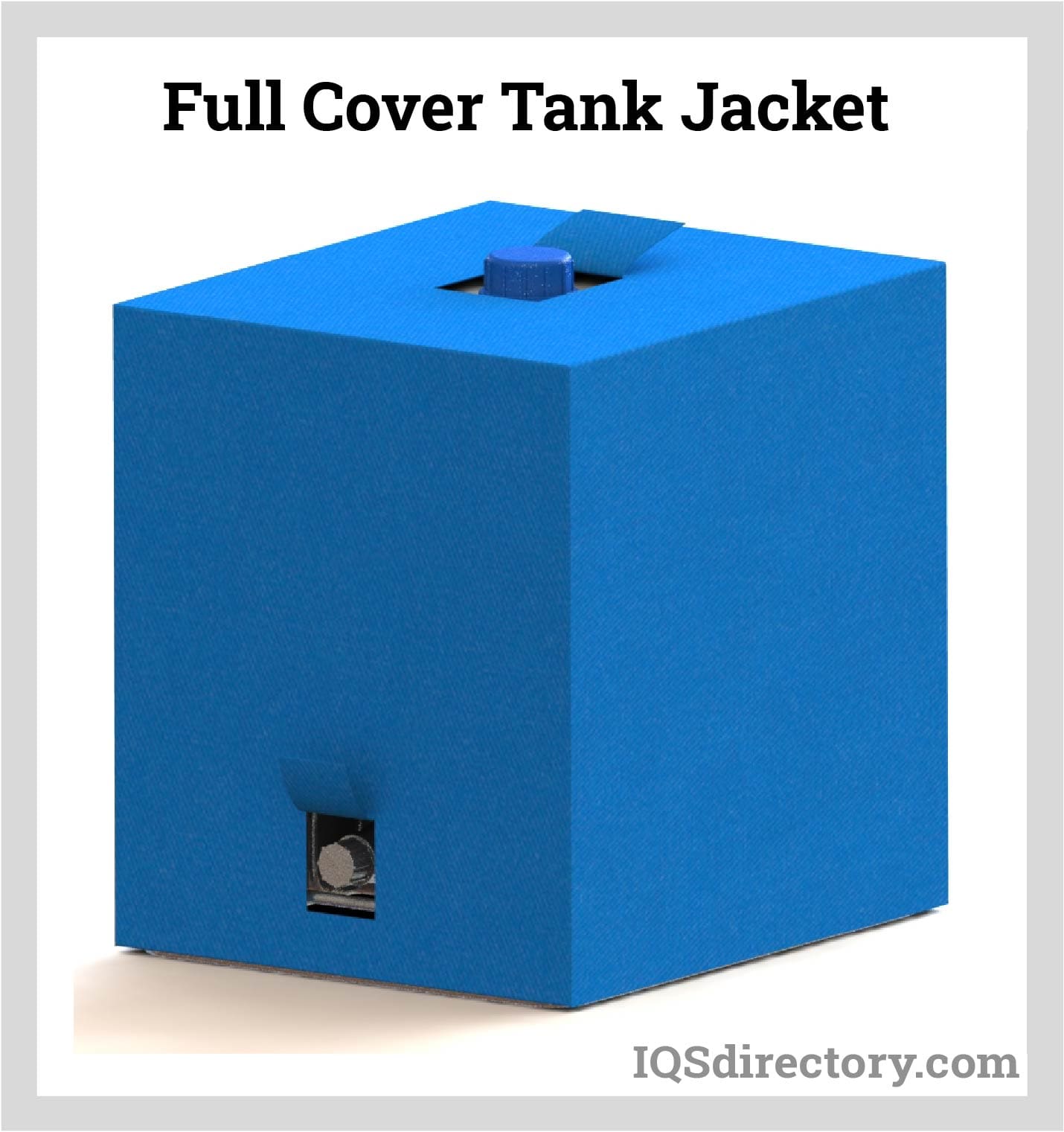
Outdoor tanks, exposed to UV rays and extreme climates, typically last about 20 years. To extend their lifespan, outdoor tanks can be covered with roofs or shelters, painted, or fitted with tank jackets. Jackets help protect against freezing and UV damage, thereby extending the tank’s life.
Chapter 8: What are the regulations for plastic tanks?
Plastic tanks, used for storing volatile materials, food products, acids, and chemicals, became subject to Environmental Protection Agency (EPA) regulations when they were first introduced in 1988. Initially focusing on metal tanks, these regulations have since been updated to include more specific requirements for plastic tanks.
Underground tanks, which are primarily used for storing fuel and collecting waste, pose significant environmental risks due to potential seepage. Recognizing the environmental hazards associated with these tanks, the EPA has implemented stricter regulations to address these concerns.
For tanks used in the production of food and pharmaceuticals, the Food and Drug Administration (FDA) establishes regulations. These guidelines cover the types of materials used and the design standards necessary to ensure safety and compliance in food processing and pharmaceutical applications.
Environmental Protection Agency (EPA)
Regulations for plastic storage tanks by the EPA are categorized into two classifications: Underground Storage Tanks (UST) and Above Ground Storage Tanks (AST). These regulations are governed by the Spill Prevention, Control, and Countermeasure (SPCC) regulations, specifically under 40 CFR Part 112.
The SPCC defines a bulk storage container as:
… any container used to store oil. These containers serve purposes including, but not limited to, storing oil before its use, during its use, or before further distribution in commerce.
Oil-filled electrical, operating, or manufacturing equipment is not classified as a bulk storage container. (from epa.gov/ust)
To aid in inspecting bulk containers, the SPCC provides a fact inspection sheet available on the EPA website. The regulations primarily focus on the storage of volatile materials such as fuels, gases, and chemicals.
Food and Drug Administration
The FDA focuses on materials and equipment that will come into contact with food or items intended for human consumption. For plastic tanks used in food storage or construction, the FDA maintains a list of approved resins. Manufacturers producing food-grade plastic tanks strictly adhere to these FDA guidelines, enhancing the credibility and appeal of their products.
Conclusion
A plastic tank is a large capacity liquid or granular storage unit that can be vertical, horizontal, below ground, or movable.
There are a wide variety of methods used to produce plastic tanks with polyethylene and polypropylene being the most common raw materials.
There is an endless number of plastic tanks and designs, which are increasing as engineers find more uses for them.
Plastic tanks have recently grown in popularity because of their low cost and flexibility.
The advancements in plastics have created storage methods that have greater durability and strength than traditional practices.
Leading Manufacturers and Suppliers
Related Posts
Plastic Water Tanks
A plastic water tank is a large capacity container designed to store water for household, agricultural, irrigation, and industrial manufacturing use. There are various types of water tanks produced to meet the needs of specific applications, with...
Poly Tanks
A poly tank is a plastic storage tank used to store, transport, and collect water, other liquids, and granular or powder materials. They are made of polyethylene or polypropylene and are a cost effective, lightweight, and easy to handle...
Blow Molding
Blow molding is a type of plastic forming process for creating hollow plastic products made from thermoplastic materials. The process involves heating and inflating a plastic tube known as a parison or preform. The parison is placed between two dies that contain the desired shape of the product...
Nylon Tubing
Nylon tubing, also known as polyamide tubing, is a type of tubing made from polyamide resin, which has a strongresistance to abrasion. It is used in high-pressure and high-temperature applications...
Plastic Bottles
Plastic bottles are bottles made of high or low-density plastic, such as polyethylene terephthalate (PET), polyethylene (PE), polypropylene (PP), polycarbonate (PC), or polyvinyl chloride (PVC). Each of the materials mentioned has...
Plastic Containers
Plastic containers are material storage products made of a variety of plastics. Plastics are an ideal material for creating containers. They are known for their excellent formability, degradation resistance, durability, lightweight, recyclability, and controllable mechanical properties...
Plastic Corrugated Boxes
A plastic corrugated box is a disposable container with three layers of material consisting of an inner layer, an outer layer, and a middle layer on its sides. Corrugated plastic is known by various names, including...
Plastic Crates
Plastic crates are containers used for moving or transporting goods from point A to point B. They are also used for storage and are made of exclusively or partially plastic material. The basic material is plastic...
Plastic Totes
A plastic tote is a box type portable storage container that is made of resilient and durable plastic that is capable of withstanding heavy duty use in industrial and residential settings. They come in...
Plastic Tubing
Plastic tubing is a form of tubing that is manufactured from a mixture of a polymer with a variety of chemicals to form a material that can be solid or flexible. Since its first use in the 1950‘s, plastic tubing has revolutionized industrial processes and has found a use in a wide variety of applications...
Poly Tubing
Poly tubing is a highly flexible, lightweight, and durable tubing that is produced from polyethylene, a polymer that is made from the polymerization of ethylene. It is a very versatile form of tubing that has break and crack resistant walls...
PVC Tubing
PVC is a tough chemically resistant synthetic polymer of vinyl chloride used especially for making pipes, films and electrical insulation. It is made by polymerizing vinyl chloride, and...
Rotational Molding
Rotational molding, commonly referred to as "rotomolding", is a plastic casting technique used to produce hollow, seamless, and double-walled parts. It uses a hollow mold tool wherein the thermoplastic powdered resin is heated while being rotated and cooled to solidify...