Sewing Contractors
Sewing contractors manufacture products and provide services for a multitude of industries and applications. This trade employs simple and complex machines that are capable of producing high quality custom embroidery and large-scale manufacturing. Companies contract production out to industrial sewers for a wide variety of products found in nearly every business or home. They manufacture a plethora of textiles including covers, fabric enclosures, uniforms, and carrying cases.
Quick links to Sewing Contractors Information
History of Industrialized Sewing
The skill of sewing is an ancient one that began with bone and sinew thousands of years before the advent of needle and thread. Sewing has undergone epic transformations since its prehistoric inception; undoubtedly, the biggest change that has occurred is its industrialization.
Like most forms of product construction, sewing was greatly changed by the industrial revolution. The first sewing machine was patented in 1790 by Thomas Saint, a cabinet maker from London. Over the next 50 years, other sewing machines would be introduced to the market, but none of them had managed to duplicate the speed or precision of a tailor. In 1841, a Frenchman named Barthélemy Thimonnier made a simple machine intended to sew military uniforms. Fellow tailors, apparently angry about the potential of Thimonnier's machines putting them out of work, broke into his parlor and tossed his sewing machines out of the window.
Another decade would pass before Isaac Singer would introduce a sewing machine that was capable of sewing as efficiently as a tailor or seamstress could by hand. While much of the clothing was still made in the home by women and girls, ready made clothing stitched by sewing machines became increasingly popular among the middle-class and upper-middle class people of that era. As a result, a garment that was hand sewn by a tailor or seamstress became seen more as a work of craftsmanship.
Greatly underestimated is the effect that sewing machines have had not just on the way a textile product is made, but also on fashion itself. As sewing machines gained popularity worldwide, so did western fashion. For many people of indigenous cultures worldwide, embracing western style clothing over their traditional dress was a sign of civilization or even of conversion to Christianity.
Today, a vast majority of textiles are machine sewn except for in cases where hand-sewn craftsmanship is the actual draw for consumers. However, the demand for garments and other fabric products calls for mass production; this ever-growing demand necessitates that designers contract the manufacture of their products out to sewing contractors who have the machines and manpower to produce truckloads of textile products, daily.
Benefits of Sewing Contractors
Purveyors of textiles in all industries, from clothing and bedding to camping gear and temporary structures, contract much of their production to contract manufacturers and sewers. Good fabrication companies can turn pieces into masterpieces. Entrusting the materialization of an idea to a contractor allows clients to apply greater attention to other areas of their company.
One of the main purposes that contract sewers serve is that they open the ability to design to anyone who has an idea. Not everyone who can conceptualize and design can bring their ideas to life. However, sewing contractors are specialists who can provide expertise when it comes to fabrics, stitching, and grading, which refers to scaling a design or pattern so that it can be made in multiple sizes and maintain dimensional integrity. They can customize everything from how a textile is cut and sewn to how it is packaged. Many of these companies not only cut and sew, but they also contract production for companies who need synthetic fabrics manufactured.
The Rise of Synthetic Fabrics
Just as technology provided the textile industry with modes for mass production, it also necessitated a need to expand the sources from which fabrics were derived. Natural fibers come from plants and animals, and with the boost in textile production catalyzed by sewing machines and the industrial revolution, scientists saw the opportunity to develop synthetic fabrics that could provide more functionality than natural fibers.
Synthetic fabrics are constructed from man-made fibers that are produced using the fibrous materials from crudes such as coal, limestone, and plant-based cellulose. The fibrous by-products are heated and combined, and then they are extruded by spinnerets into air or water, which cools the mix and creates a thread. Dracon, rayon, nylon, and polyester are among the most popular synthetic fabrics because of their versatility and durability.
Synthetic textiles can perform functions that many natural ones simply cannot. They can be made to be heat resistant, flame retardant, waterproof, elastic, and more durable than naturally occurring fibers. Synthetics can even be made to mimic high fashion materials like leather, silk, and cashmere.
Sewing Contractors Images, Diagrams and Visual Concepts
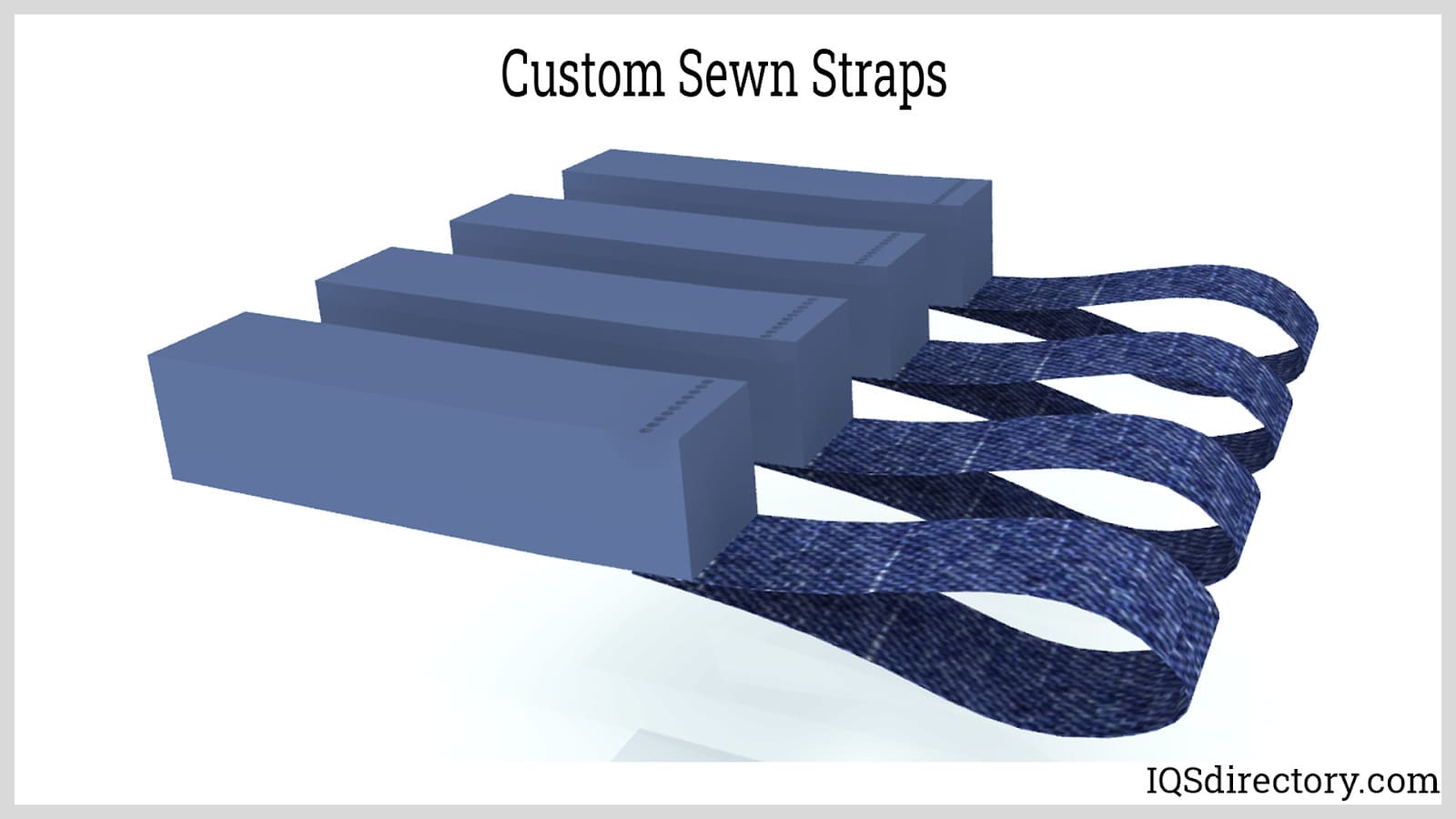 Contract sewing, a specialized industry which provides services to manufacturers for production of a wide range of products.
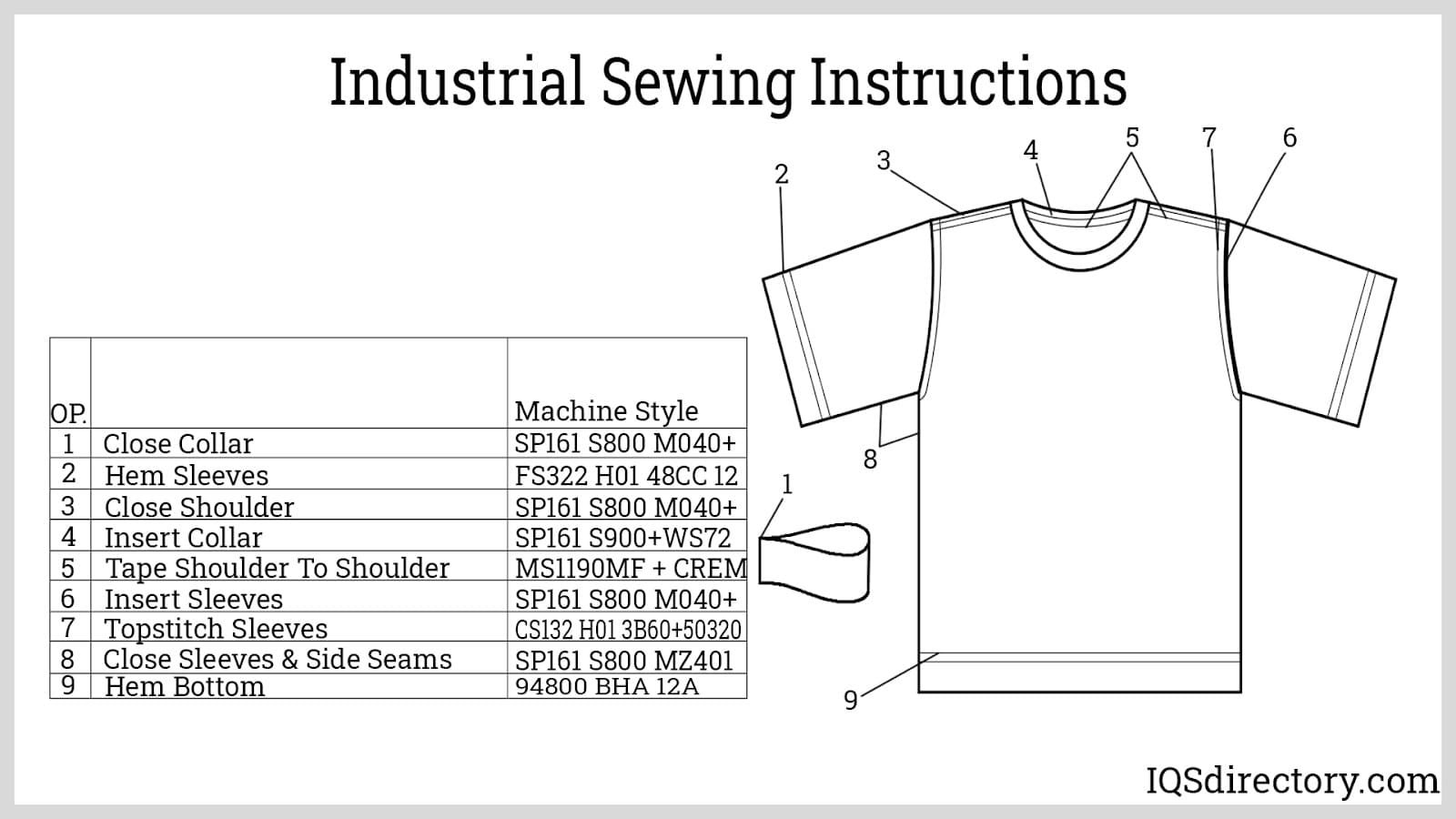 Designing and prototyping allows to catch errors before production.
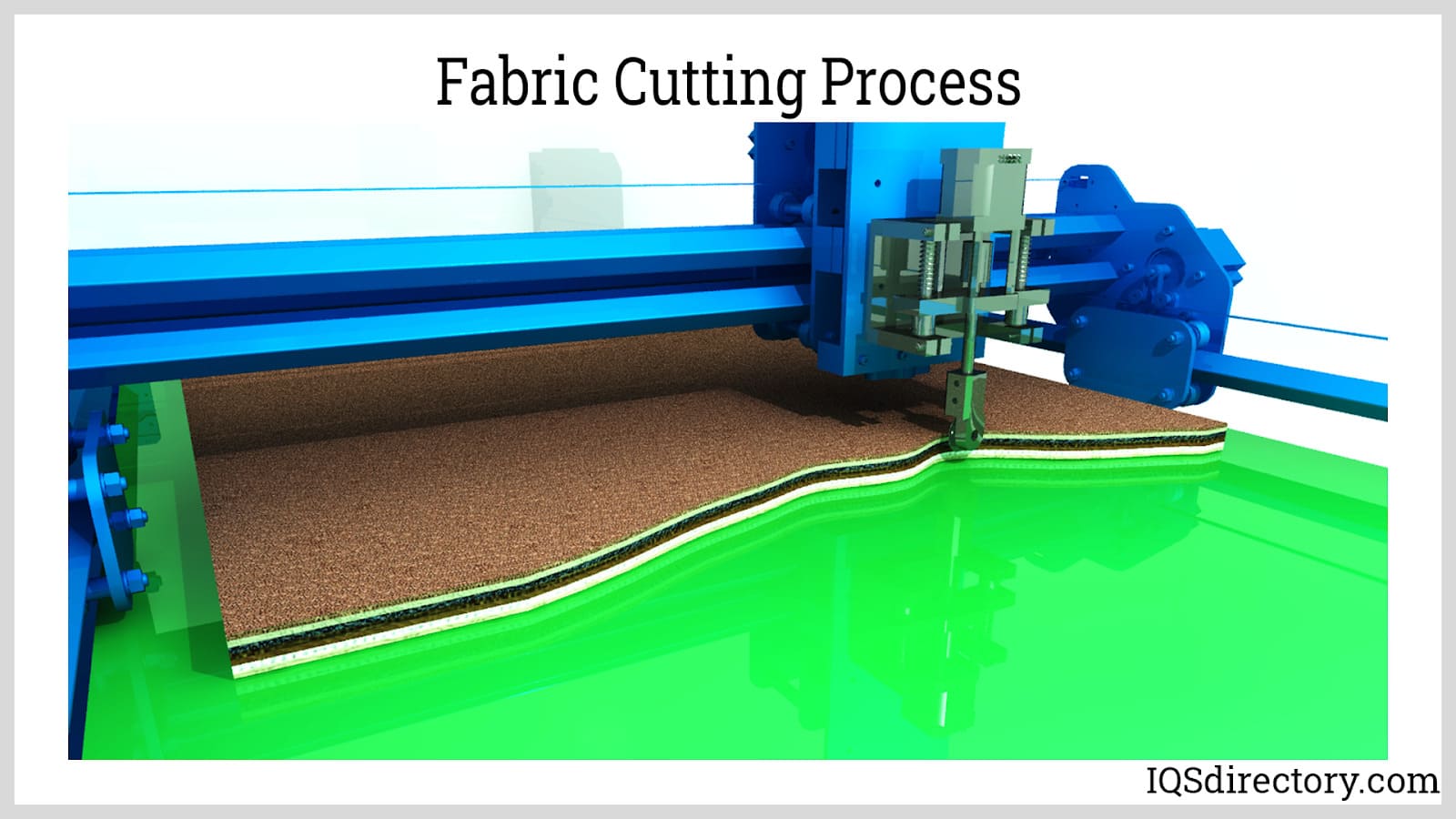 The cutting process involves having the pattern lain out on the material then using cutting tools to cut through the several layers of fabric.
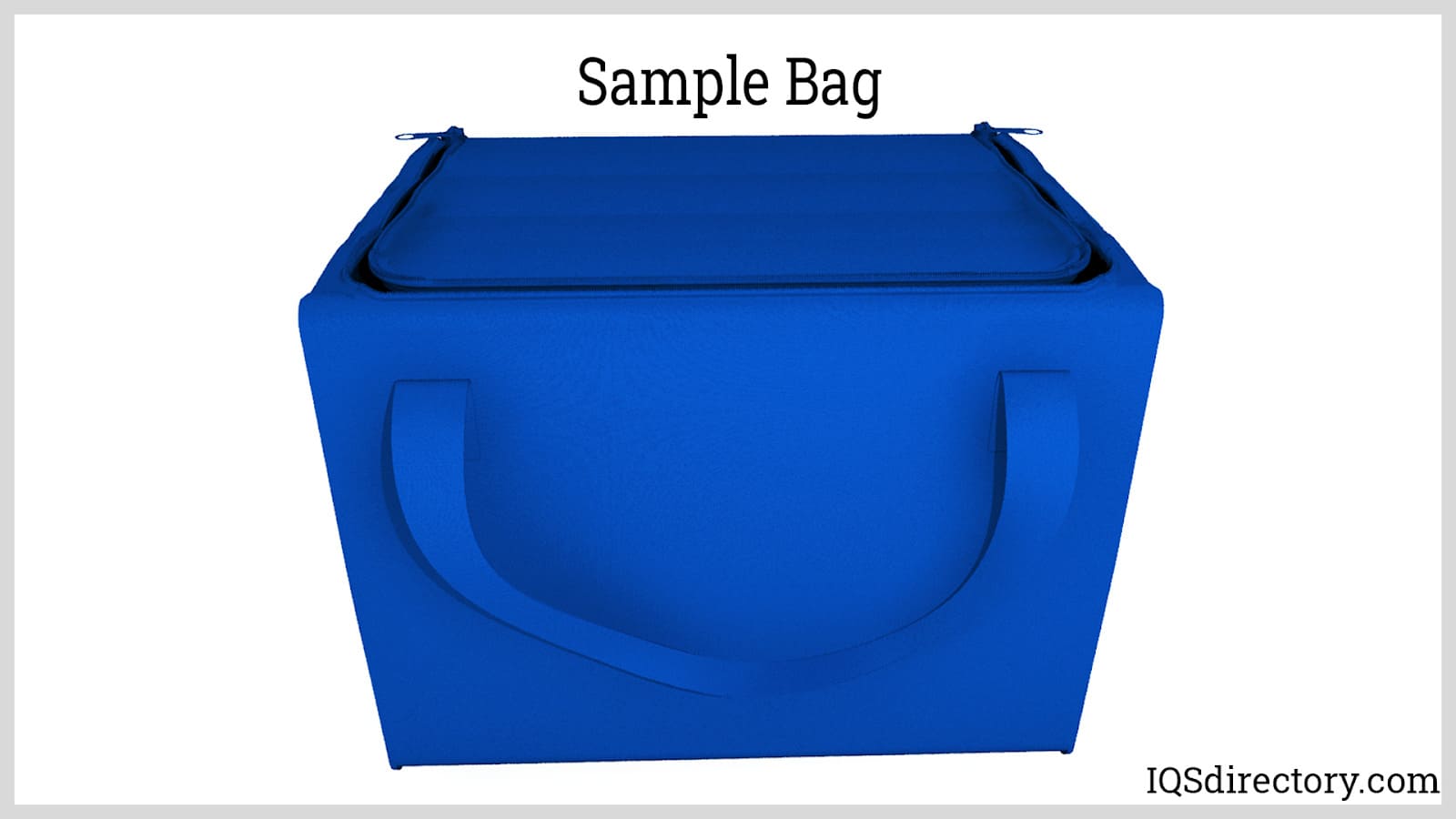 Contract sewing allows for the production of large quantities of sewn products in short amounts of time, regardless of the size.
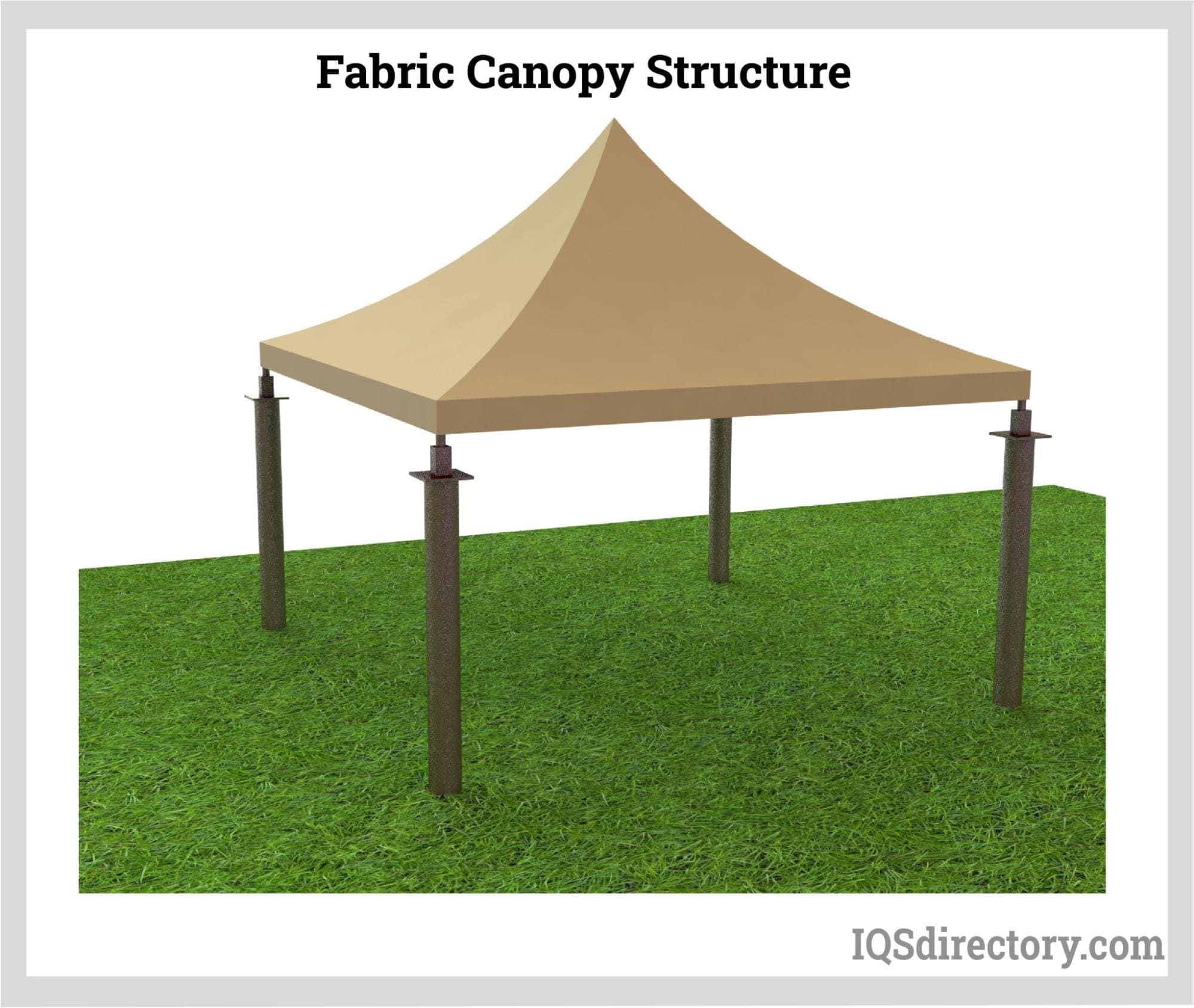 Fabric canopies are examples of products produced be contract sewing.
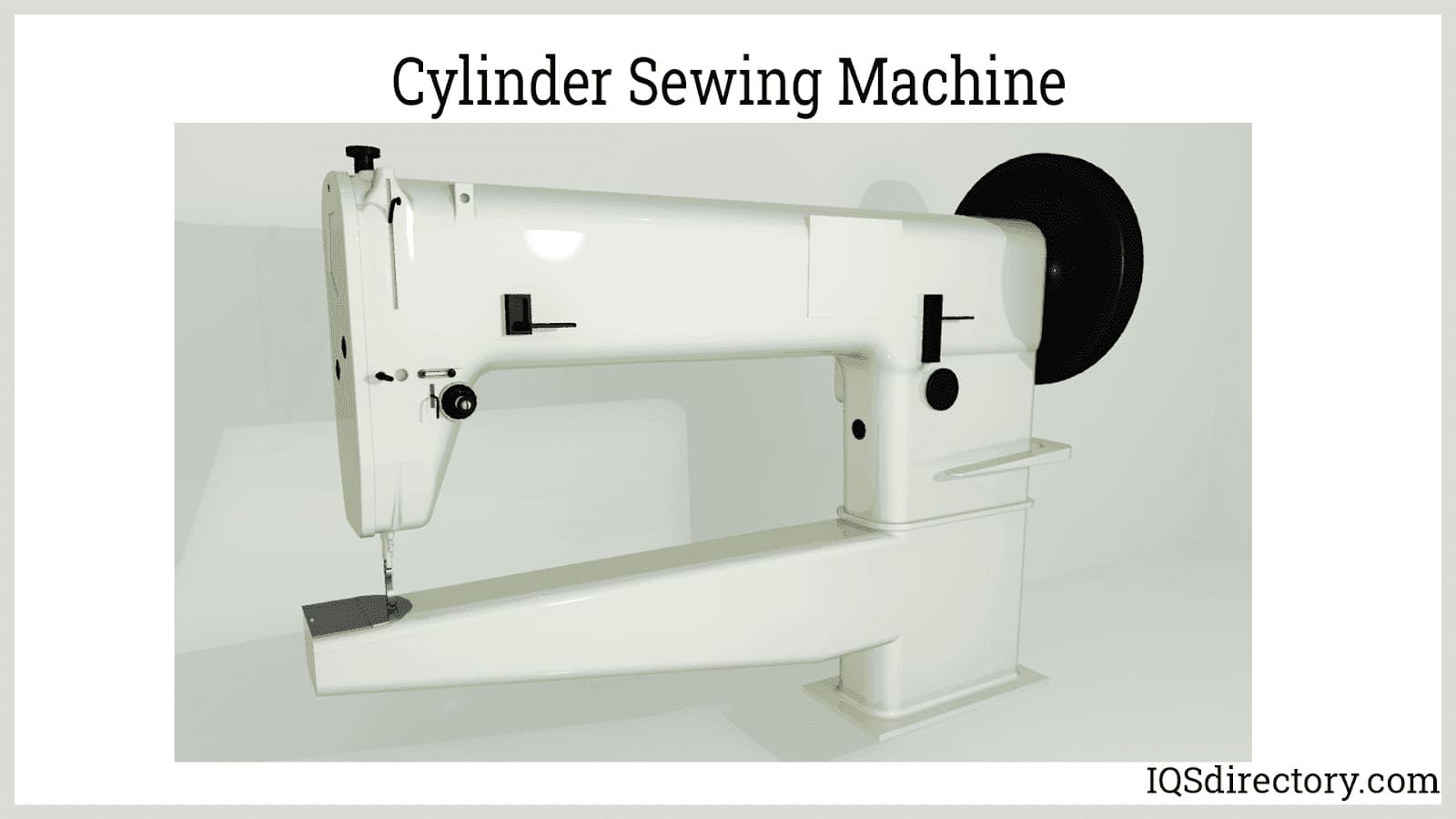 Cylinder sewing machines is use for making parts of materials sewn in a circular fashion.
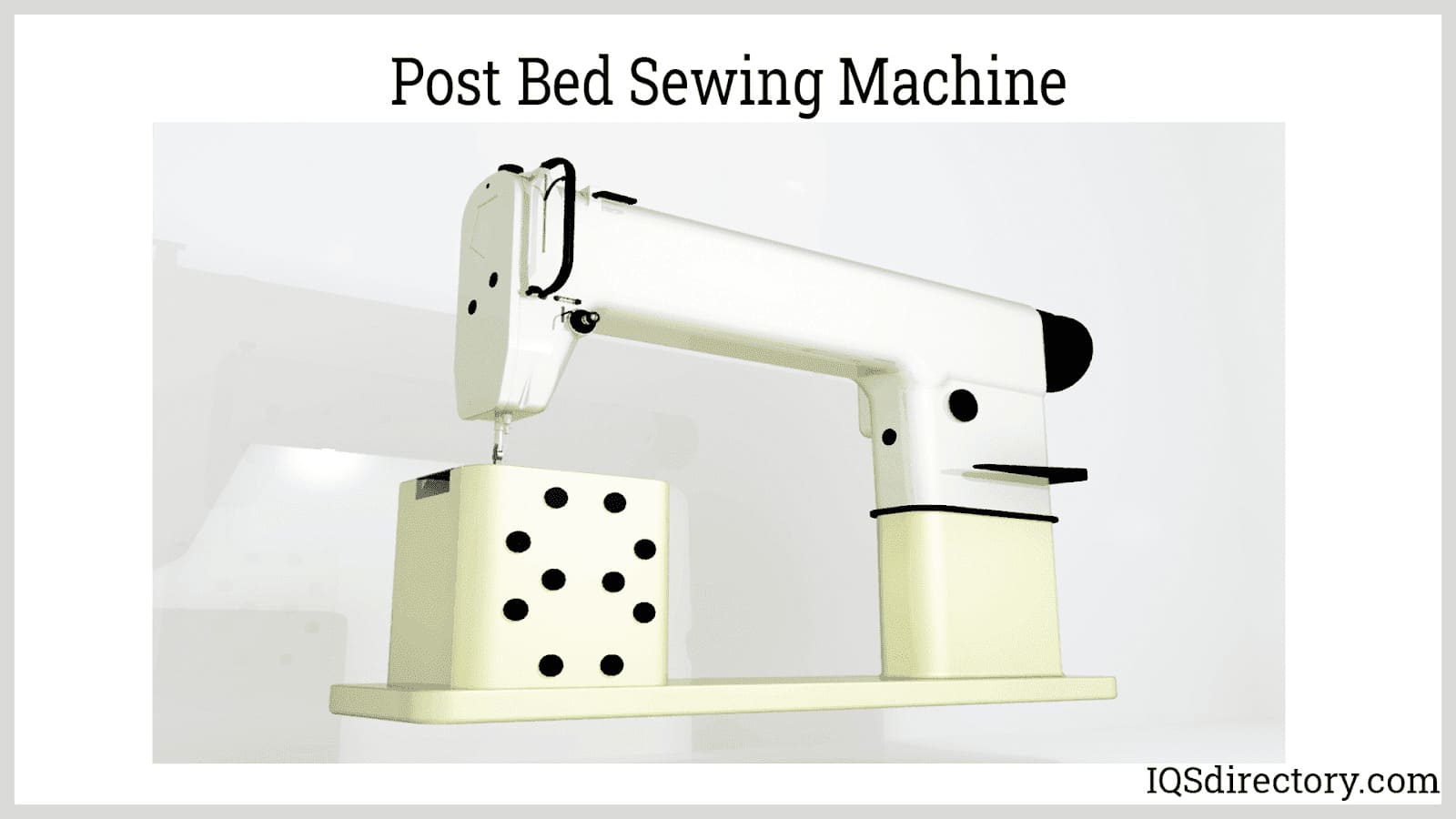 Post sewing machines use three dimensional sewing and allows for more space for creating specialty items.
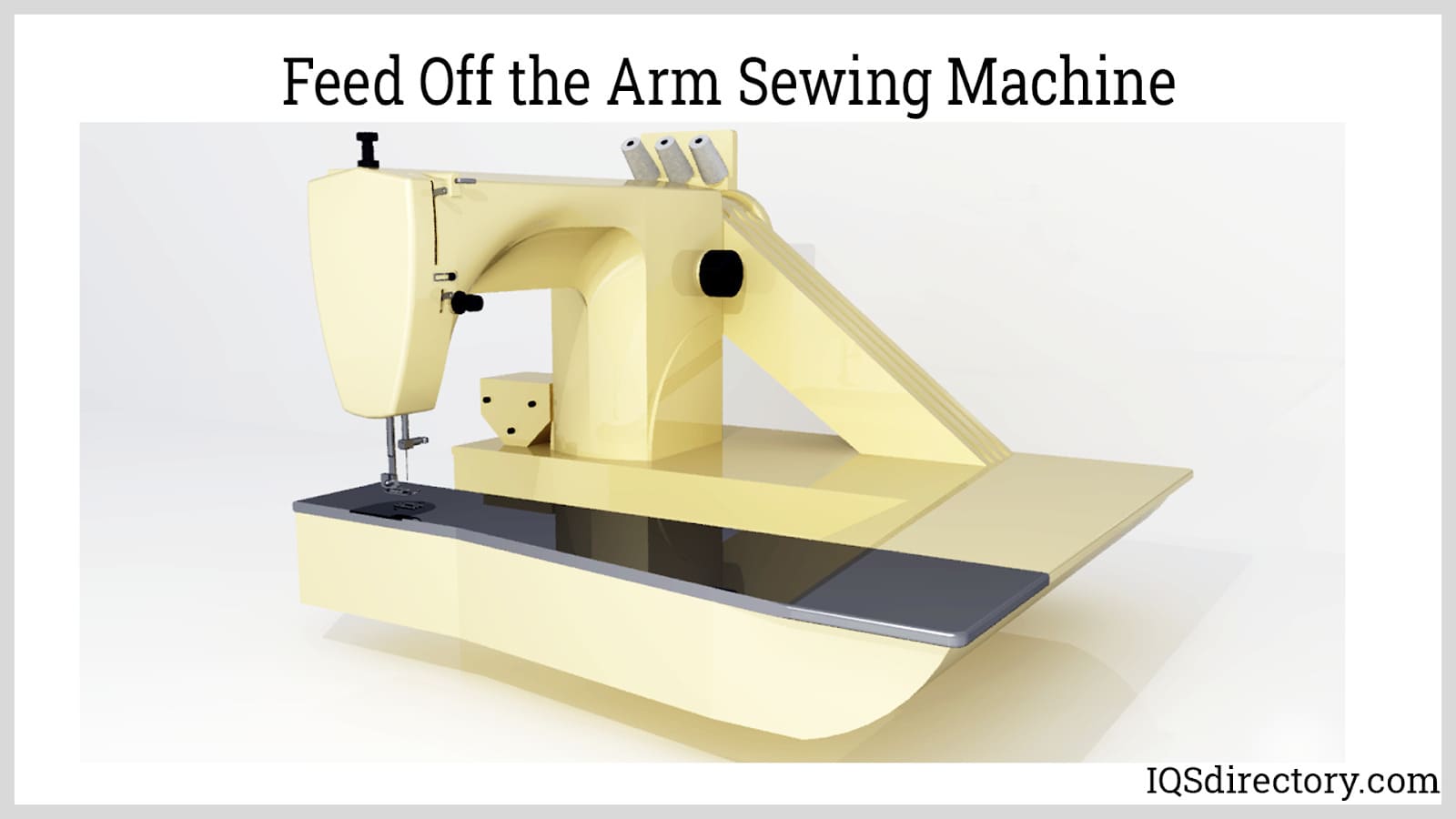 Feed off the arm machines are multi-functional that uses two or three needles allowing sewing to be completed by four threads.
Types of Sewing Contractors
- Canvas Bags
- Sturdy bags ideal for carrying items such as groceries, books, art supplies or leaflets.
- Commercial Sewing
- A variety of services involved in the mass production of uniform fabric merchandise that require the use of heavy duty sewing equipment.
- Contract Sewing
- The businesses that provide a wide range of custom sewing services.
- Custom Bags
- Containers made to customer specifications and are generally not mass produced.
- Carrying Cases
- Containers that are made to meet consumer needs and are not mass-produced by the company or organization.
- Custom Embroidery
- The creation of a unique or specific decorative embellishment fashioned by needle stitching thread through a foundation fabric either by hand or through the use of an embroidery machine.
- Custom Sewing
- Includes a variety of services involved with the production of sewn goods that require unique designs to fit particular consumer needs.
- Custom Tents
- Temporary shelters designed to meet a consumer’s unique specifications.
- Industrial Sewing
- The industry that stitches heavy duty materials.
- Instrument Cases
- Designed to cover various types of sensitive equipment.
- Medical Sewing
- Offer sewn products for use in healthcare settings.
- Nylon Bags
- Carriers made of nylon, a strong, elastic, synthetic material.
- Pouches
- Fabric containers used to hold or carry various items.
- Protective Covers
- Placed, laid or spread over an object with the sole purpose of protecting it from outer elements and collision.
- Soft Cases
- Pliable or flexible covers that act as padding and protection from contact damage and weathering.
- Soft Luggage
- Lighter than hard-case luggage. The higher the denier - a measurement of the fineness of the yarn - of the soft luggage, the more durable the fabric.
- Tarps
- Sewn from nylon, vinyl or canvas, among other fabrics. Tarps are used for machinery or waste/rubbish hauling, dumpster covers, sand and gravel dump trailers, rigging and equipment covers and in other uses.
Applications of Sewing Contractors
The primary job of a contract sewer is to take a design and materialize it. Many of the most trusted brands in the world rely on a contract manufacturer to make the actual product or the packaging/protection for it. Many contract sewers assist with product development while also providing quality control to ensure that your product meets customers’ standards. A good sewing contractor can alleviate much of the responsibility of making sure that their client's products are the best that they can be.
One of the most important benefits that sewing contractors offer their clients is the ability to meet consumer demand. As the demand for a commodity grows, so must the supply, and in-house production may be insufficient to meet the demand of a growing customer base. Consumers are fickle; if they can't get what they want from who they want, then they will find another source. Also, do-it-yourself sewing is time consuming and could interfere with customer relations.
Sewing contractors engage in small production such as sewing labels onto uniforms, producing cut fabric for hobbyists, and custom embroidery as well as large-scale manufacturing. Their services free up their clients to focus on the more intricate details of business, like growing its patronage, with the heavy lifting of the actual product fabrication being handled by a contract manufacturer.
Contract sewers offer products and services that cover a wide range of industries and applications. Their clients include but are not limited to hospitals, the military, the fashion industry, the automotive industry, restaurants, and food packagers. They make high visibility gear for hunters, canvas bags for mail carriers, hospital and hotel linens, car interiors, tarps, uniforms, soft luggage, and they cut and sew couture fashion for some of the top clothing lines in the world. There likely isn't a viable company that doesn't have something produced by a sewing contractor.
Sewing contractors offer different services, such as free prototypes, custom fitting, custom embroidery and producing and attaching clothing labels to commercially-sold products. A variety of fabric products are produced by sewing contractors, including custom bags such as canvas bags or pouches, soft luggage and protective covers such as tarps. Many sewing contractors manufacture items for the aircraft industry such as seating, carpet, blankets and ground service covers. Banks, retail stores, amusement parks and insurance businesses use security, transit and courier bags; restaurants use umbrellas, slip covers, window treatments and booth cushions; and contract sewing is also used by the military, hospitality, transportation, casino and healthcare industries. Equipment used in contract sewing ranges from single needles to computer programmable machines. Auxiliary equipment includes riveters, stud setters, zipper fabricators, grometters, strip cutters, snap setters and heat and bag sealers.
Custom bags are commonly manufactured by sewing contractors. They are made to fit certain sizes and use specific materials to fit particular consumer needs. They are often made of canvas, a soft yet durable material. Pouches, which are small to medium sized carrying containers, are also often custom made. They are made for products such as auto jacks, batteries, cables, cameras, flags, infusers and manuals. Pouches are produced with many different fabrics, including nylon, neoprene, hypalon, canvas, leather, felt, cotton and polyester. Soft luggage is made of durable fabric and is also produced by sewing contractors. They are often made of canvas, leather or plastic and are either carry-on size (up to 21 inches) or larger, which are checked in at the airport. Backpacks, briefcases and sports bags are also considered soft luggage. They are closed by buttons, clasps and zippers and provide an alternative to bulky hard luggage. Protective covers made of fabric are durable, waterproof and provide shelter from outdoor elements. They are often made of nylon or canvas that is coated with tar or paint. They may be fitted to cover specific objects or products, such as grills, machinery, outdoor furniture, cars and dumpsters. Tarps are larger, unfitted protective covers that are used to shelter swimming pools and cars during snow or rain and machinery during transport. They are also often used during camping as a ground or tent cover.
Textile Production Process
Every textile product goes through an evolutionary process that starts with a design and becomes a commodity. Meeting consumers' demand for textiles can be an arduous task, but it is one that contract sewers specialize in. The right company can not only meet your production demands, but it can also enhance your product.
The first stage of making a textile is the planning phase. During this stage, a pattern designer takes the original design and forms a pattern that is like a blueprint for the product to be made. The pattern designer will break the textile down into sections and create scaled dimensions so that different sizes of the same design can be manufactured. Also, the pattern maker will be looking for any improvements that can be made in product development.
Next, the product will be broken down into the materials that will be necessary to construct it. Once the pattern is drawn and the fabrics selected, a sample of the textile is made to ensure that the client is satisfied with the product before it goes into mass manufacture. This part of the process allows the client to recognize any alterations or further customization that they may like the product to undergo. Everything from the cut, stitching, and embroidery of a design can be tailored at this step.
Practices differ from company to company, but many sewing contractors will produce several mock ups for their client to critique and choose from. Once this is finished, it is time to cut and sew. The first batch of finished products can generally be expected within a couple of weeks.
Many types of fabrics are used by sewing contractors. Vinyl-coated nylon is a lightweight, durable material that is a popular choice for bags, presentation cases and protective covers, as it is tough and weather resistant. Neoprene and Hypalon are chemical and abrasion resistant and are used in industrial applications. Canvas, which is made of twill, soft flannel and felt, is a breathable material used for bags and curtains, as well as many industrial applications. A sewing contractor uses a variety of anti-static materials for products in the computer and electronics industries. Other materials include suede, leather, felt, webbing, plastic, cotton and polyester. These fabrics are often custom embroidered, which is a decorative embellishment made by stitching thread by a needle. They are graphic or descriptive text and images, and they are often used by companies and businesses that want to print their logo on their products and employee uniforms. Clothing labels are attached inside of all garments, bedding, textiles and clothing that are sold commercially. These tags contain information that lets the consumer know where the product was made, the materials it is made out of, washing instructions, and they often have a brand name, logo and garment size. These tags may be woven, embroidered or printed and made of satin, damask or taffeta.
Sewing Machinery
Contract sewing employs different types and calibers of sewing machines. These machines come in light and heavy duty. They may be of the single needle, double needle, or even multiple needle variety.
- Stitching in Sewing Machinery
- Single needle stitching is used for what is called the lock stitch, the double needle stitch is utilized for chain stitching, and multiple needle machines are more for complex stitching like what is generally found in quilts.
- Of those different types of stitching, lock stitching is the most durable. Even though double and multiple needle machines greatly increase productivity and are capable of sewing complex stitching patterns, the stitching does not hold up quite as well as lock stitching. For this reason, lock stitching is preferred for textiles that will be used for heavy duty purposes like protective fabrics and heavy duty bags like those used by the military.
- Some of the basic types of industrial machines are straight stitch, serger and blindstitch. Other machines, which are often computer operated, include lockstitch, chain stitch, overedge, walking foot, needle feed, double needle, zigzag, cylinder, bar tack, box tack, hook/loop fastener and more. Industrial machines differ from consumer sewing machines in many ways. They are significantly faster and able to sew much heavier fabrics and through more layers. The larger motors of these industrial machines are designed to run continuously throughout the whole day and many require little or no manpower or manual operation. Many of these machines are self-oiling. However, industrial sewing machines are complicated and usually require a mechanic to fix problems and perform regular maintenance to ensure they work properly.
- Computerized Sewing Machines
- Just like much of technology, sewing machines are computerized now as well. Contract sewers now have machines that can cut and sew patterns loaded into its database. Many of these machines come with visual displays that give the operator a more vivid look at the stitching process. Computerized sewing machines also offer increased design intricacy. While there are several general types of machines, they can also be customized for purpose. The types and sizes of machines can be tailored to match production needs.
Finding the Right Company to Contract
Before entering into a production contract with any company, it is important to shop around and find the right sewing contractor to suit your needs. Remember, just because a company is good does not mean that it is the right one for you.
Several factors must go into deciding who to contract your sewing needs to. If your company designs tactical gear such as rucksacks, military uniforms, and camping gear, then you do not want to go to them with designs for high-fashion clothing or luxury bedding. Conversely, you don't want a company that specializes in pre-cut fabrics for hobbyists to manufacture parachutes. There are plenty of great sewing contractors, but it is important to research a company to make sure that they have a track record for producing high quality textiles for your specific industry.
With the right company, entering into a contract can feel more like entering into a partnership rather than just a formal contract. They will readily lend their expert advice and make your product's development their central focus because they succeed when their clients succeed. More importantly, they allow their clients to concentrate on other ways to increase their bases.
The true magnitude of the impact that sewing contractors have had on the textile industry is immeasurable. They produce products that can be found in nearly every home or business because their ability to mass produce has made textile products affordable for the prince and the pauper.
Sewing Contractors Terms
- Air Porosity
- The ease with which air is able to pass through material. Air porosity determines factors such as the air resistance of parachute cloth, the efficiency of air filtration media and the wind resistance of sailcloth.
- Autoclave
- A device that performs finishing operations, such as pleating or heat setting, under pressure in a superheated steam atmosphere.
- Bicomponent Yarns
- Filament threads consisting of two basic fibers or two variations of the same basic fiber.
- Broad Goods
- Woven fabrics measuring more than 18” in width.
- Broadcloth
- A fabric that is woven in widths exceeding 29”.
- Calender
- A machine that consists of two or more heavy rollers, which are sometimes heated, used to impart various surface effects to fabrics. The fabric is passed through the calendar under heavy pressure.
- Cloth
- A generic term referring to all materials formed from textile fiber, wire or felts.
- Coated Fabric
- A fabric that has been coated with a substance in firmly adhering layers to provide specific properties, such as water impermeability. Coatings include lacquer, varnish, resin, plastic and rubber.
- Denier
- A thread numbering system, mostly used for continuous filament threads, such as yarn. The higher the denier, the sturdier the thread; the lower the denier, the finer the thread.
- Embroidery
- Decoration of fabric using needlework.
- Greige Goods
- Unfinished and un-dyed knitted or woven fabrics.
- Hem
- The bottom edge of fabric that is sewn to create a uniform edge and to hide any fraying.
- Nap
- The “fuzzy” side of the fabric that is typically directional in nature.
- Non-Woven Fabric
- A fabric, such as faux leather, suede and felt, that is not woven or knitted from thread or yarn.
- Sailcloth
- Heavy-duty woven canvas that is used as sails for boats.
- Seam Allowance
- The fabric, typically measuring from 1/4” to 5/8”, that is between the edge of the fabric and the line of stitching.
- Textile
- A fabric or cloth manufactured by knitting or weaving. Textiles are also the products, such as yarn or fiber, used for knitting or weaving into cloth.
- Upholstery
- Materials such as cushions, springs, covering fabric and stuffing that are used on furniture.
- Weaving
- Interlacing two or more yarns made of similar materials so they cross at right angles and produce woven fabric.