Contract Packaging
Contract packaging is the outsourced management of packaging, labeling, assembly, and shipping for another company’s products. Because nearly every product category—from food and beverages to cosmetics, nutraceuticals, medical items, and industrial components—needs reliable packaging, contract packagers provide specialized co-packing services that fit different materials, production volumes, branding goals, and distribution requirements. In practice, a contract packager serves as a third-party packaging partner that can oversee everything from package development and line setup to retail-ready preparation, warehousing support, and on-time delivery of finished goods.
Businesses use contract packaging for many reasons, but efficiency, flexibility, and cost control are usually at the top of the list. Many manufacturers do not have the labor, floor space, packaging machinery, or logistics infrastructure needed to package products in a scalable and economical way. By working with a contract packaging provider, they can access specialized equipment, trained operators, quality checks, and streamlined distribution support. That means products can be packed accurately, labeled correctly, and moved through the supply chain on schedule while the manufacturer stays focused on production, product development, and sales growth.
Contract Packaging FAQs
What is contract packaging?
Contract packaging, often called co-packing, is a service in which a third-party company handles packaging, labeling, assembly, and shipping for another business. A contract packager can manage everything from package design and retail-ready presentation to distribution support for food, cosmetics, medical products, and industrial goods.
Why do companies use contract packaging services?
Companies use contract packaging services to lower overhead, improve speed to market, and gain access to packaging equipment, trained labor, and fulfillment support without building those capabilities in-house. It also helps brands scale production, respond to seasonal demand, and keep packaging quality consistent.
How did the contract packaging industry develop?
The contract packaging industry took shape as modern manufacturing, canning, paperboard packaging, and wartime logistics advanced over time. It became more formally organized in the late twentieth century, including the 1992 founding of the Contract Packaging Association, which helped define the field for today’s co-packing and fulfillment market.
What are the main types of packaging in contract packaging?
The main packaging levels in contract packaging are primary, secondary, and tertiary packaging. Primary packaging touches the product, secondary packaging groups retail units, and tertiary packaging protects larger loads during warehousing, palletizing, and shipment.
Which materials are commonly used in contract packaging?
Common contract packaging materials include plastic, paper, paperboard, fiberboard, glass, and aluminum. Materials such as PET, HDPE, LDPE, corrugated fiberboard, glass jars, foil, and cans are chosen based on durability, barrier performance, shelf life, appearance, and shipping needs.
Which industries rely most on contract packaging?
Food and beverage brands, cosmetics companies, pharmaceutical manufacturers, medical device producers, and many industrial suppliers rely on contract packaging. These industries need packaging that supports product protection, labeling accuracy, compliance, shelf appeal, and dependable logistics.
What factors should companies consider when choosing a contract packager?
When choosing a contract packager, companies usually review equipment, packaging capabilities, quality systems, lead times, location, flexibility, and experience with similar products. It also helps to compare fulfillment services, labeling options, inventory handling, and the provider’s ability to meet production schedules.
The History of Contract Packaging
Packaging in some form has existed for centuries, but modern contract packaging did not become widely recognized until the late twentieth century. A major turning point came in 1992 with the founding of the Contract Packaging Association, the national trade organization that helped give the field clearer structure and visibility. Since 2008, the contract packaging market has expanded significantly, reinforcing its role as a standalone industry and as a service platform that supports food, consumer goods, healthcare products, and many other sectors.
Looking further back, the use of tinplate, or “tinning,” was common in eighteenth-century England and helped pave the way for canning, which was patented in 1810. By 1812, London had opened the first commercial canning facility, establishing an early model for large-scale packaging operations. Paper-based packaging became more popular in the late nineteenth century, broadening material choices across the market. Many later advances in packaging design, protective materials, and transport methods also came from wartime innovation—especially during World War II—when safely moving weapons, supplies, and food rations demanded dependable packaging performance in harsh conditions.
No single inventor or business can be named as the founder of contract packaging. Instead, the industry developed through a long sequence of manufacturing improvements, packaging inventions, and changing commercial demands. As supply chains grew more sophisticated, companies increasingly turned to outside specialists for co-packing, assembly, and fulfillment. The field’s growing legitimacy is also reflected in education, including the establishment of the first degree in Packaging Engineering in 1952, which signaled that packaging had become a distinct technical discipline rather than a simple finishing task.
Benefits of Contract Packages
Contract packaging services are a cost-effective option for companies that do not have the space, staffing, equipment, or systems needed to manage packaging, labeling, and transportation internally. Partnering with contract packaging manufacturers can reduce capital spending, improve production flow, and free internal teams to focus on manufacturing output, sourcing, and customer demand. Outsourcing packaging also gives businesses more room to scale, whether they need short production runs, seasonal packaging support, promotional kitting, or high-volume retail packaging. For many organizations, the result is better speed, lower operational strain, and a more efficient path from production to shipment.
A major benefit of contract packaging is customization. Services can be matched to a company’s exact needs, whether that means simple labeling and pack-out or more specialized work such as bar coding, contract sewing, thermoforming, private label packaging, or retail display preparation. This tailored approach lets businesses pay for the packaging services they actually need while keeping the packaging plan aligned with production goals, product handling needs, and channel requirements. When evaluating a provider, companies should decide whether a full-service, turn-key packaging partner is the right fit or whether a narrower set of outsourced packaging services will deliver better value.
How the Contract Packaging Process Works
Contract packaging is often organized into three levels: primary, secondary, and tertiary packaging. Primary packaging is the layer that comes into direct contact with the product, secondary packaging groups multiple primary units together, and tertiary packaging is used for storage, handling, palletizing, and transportation. A food product packed in a glass jar is a simple example: the jar is the primary package, the carton that holds multiple jars is the secondary package, and the stretch wrap or pallet that secures the cartons for shipment is tertiary packaging. Understanding these layers helps buyers compare packaging systems based on product protection, retail presentation, warehouse efficiency, and freight performance.
Material selection is one of the first decisions in the packaging process because the package has to match the product, the channel, and the performance goals. Durable plastics are widely used because they are light in weight, versatile, and well suited for many packaging formats. Materials such as high-density polyethylene (HDPE) and polyethylene terephthalate (PET) are commonly used for bottles and rigid containers, while LDPE is popular for flexible packaging and bag applications. Paper and paperboard are often chosen for labels, cartons, and folding boxes, and fiberboard is widely used for stronger secondary packaging and shipping protection. Glass remains a trusted option for jars and bottles where barrier performance and presentation matter. For metal packaging, Aluminum is widely valued for cans, foil, and barrier applications because it helps protect products from light, moisture, and leakage while supporting shelf life and transport durability. Each packaging material also requires compatible machinery for forming, filling, sealing, labeling, and case packing.
Contract packaging companies can take many different approaches depending on the client’s production model and distribution needs. In some cases, they handle portions of the supply chain by sourcing packaging materials, receiving bulk product, assembling retail units, and shipping completed orders to distributors or fulfillment centers. A manufacturer may have enough warehouse space for bulk inventory but not the ability to convert that inventory into shelf-ready packs, club-store multipacks, subscription kits, or promotional bundles. In those situations, a contract packager adds value by turning bulk goods into finished units that are easier to sell, ship, and manage. Many providers also offer fulfillment services such as inventory control, material handling, light assembly, pick-and-pack support, and transportation coordination.
Customization is another major advantage of contract packaging. In addition to practical package structures that improve cost, usability, and material efficiency, many contract packagers support graphic layout, label application, private labeling, and branded presentation that strengthen market appeal. This matters in competitive retail and e-commerce environments, where packaging influences first impressions, perceived quality, and buying decisions. A well-planned package does more than contain a product—it can support compliance, protect shelf life, improve handling, and help the brand stand out at the point of sale.
Contract Packaging Images, Diagrams and Visual Concepts
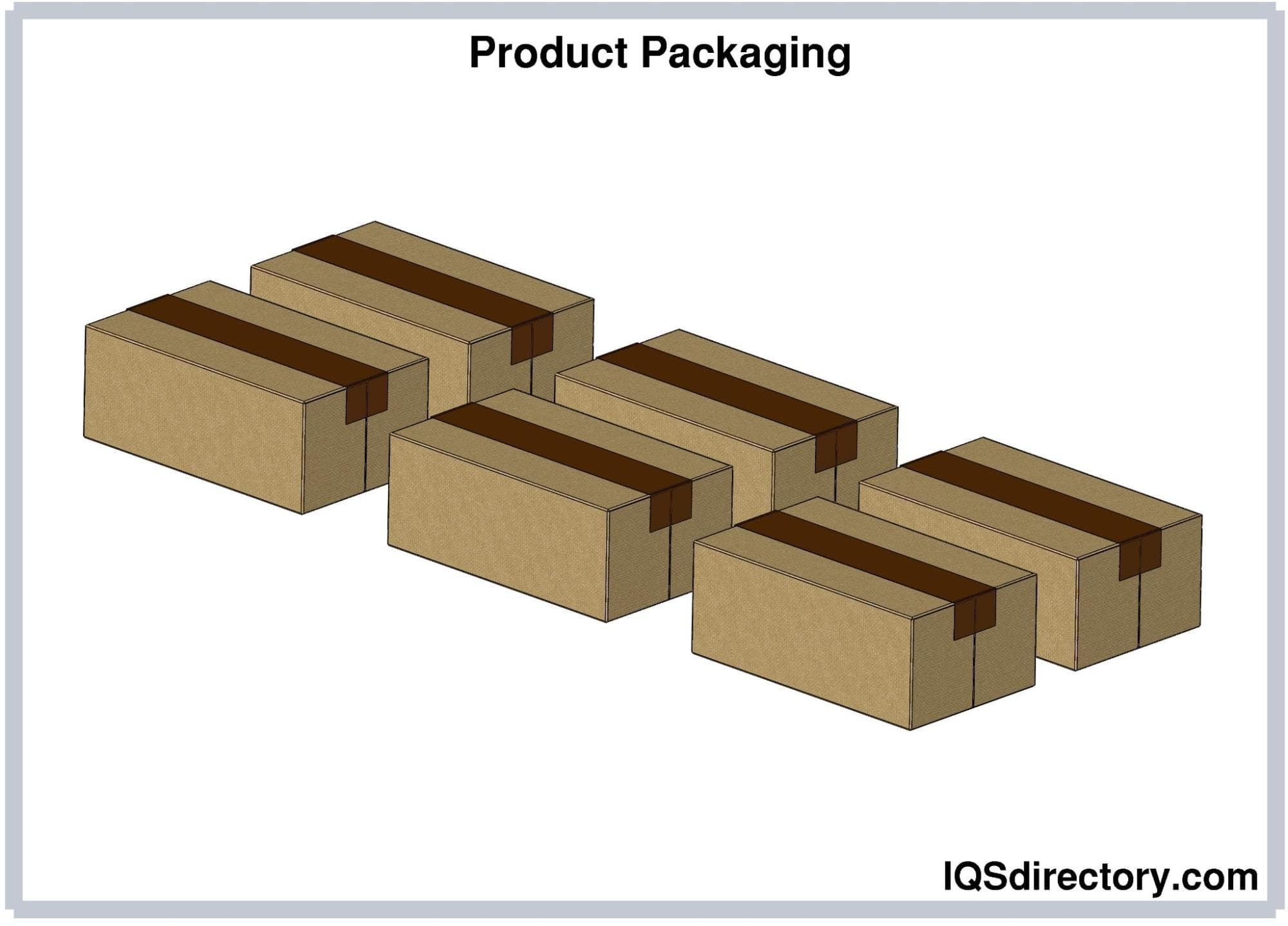 An example of what a contract packaging can produce.
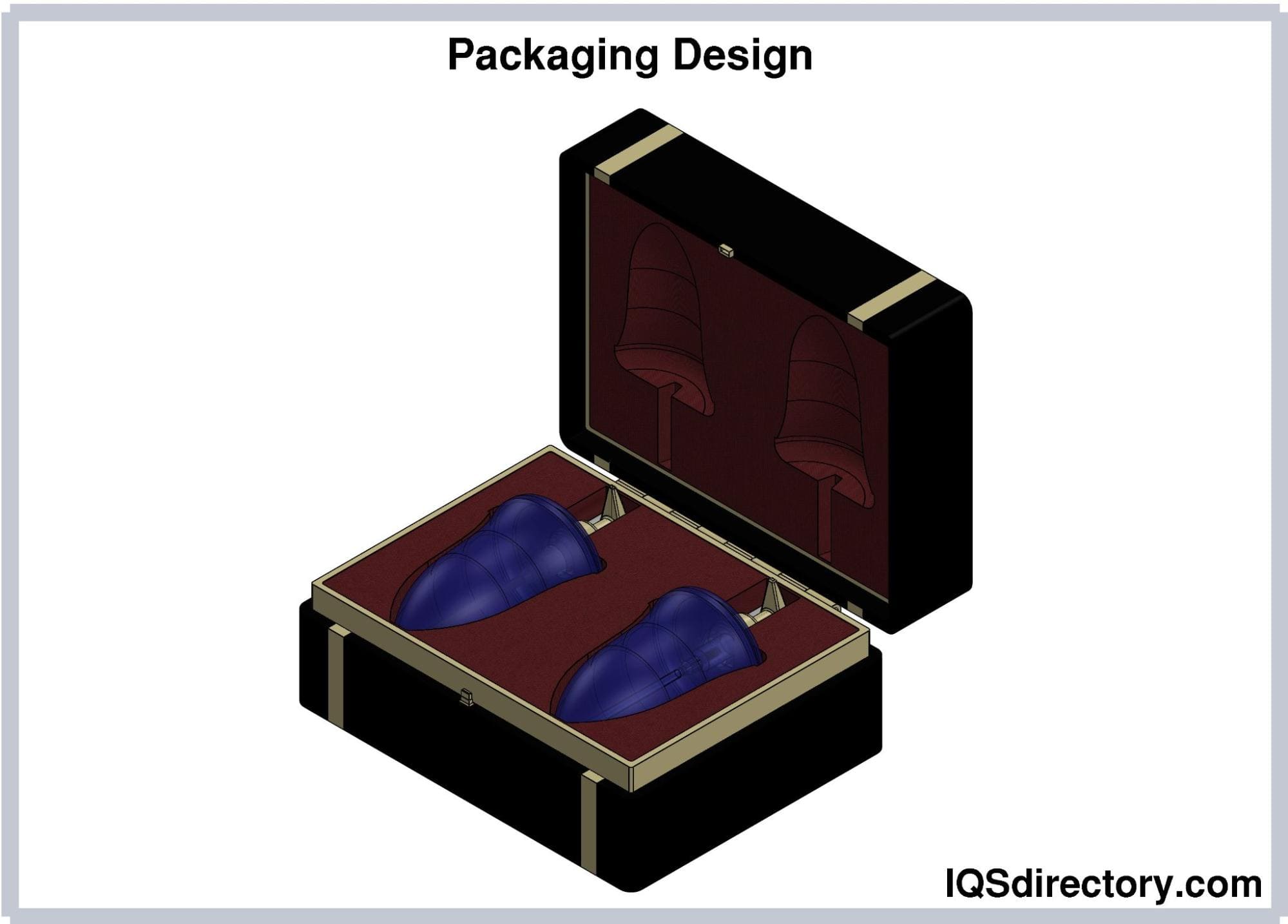 Packaging design considers brand graphics and packaging sizes in the contract packaging operations.
 Blister packaging has an easy view of the product as it is placed between the two materials.
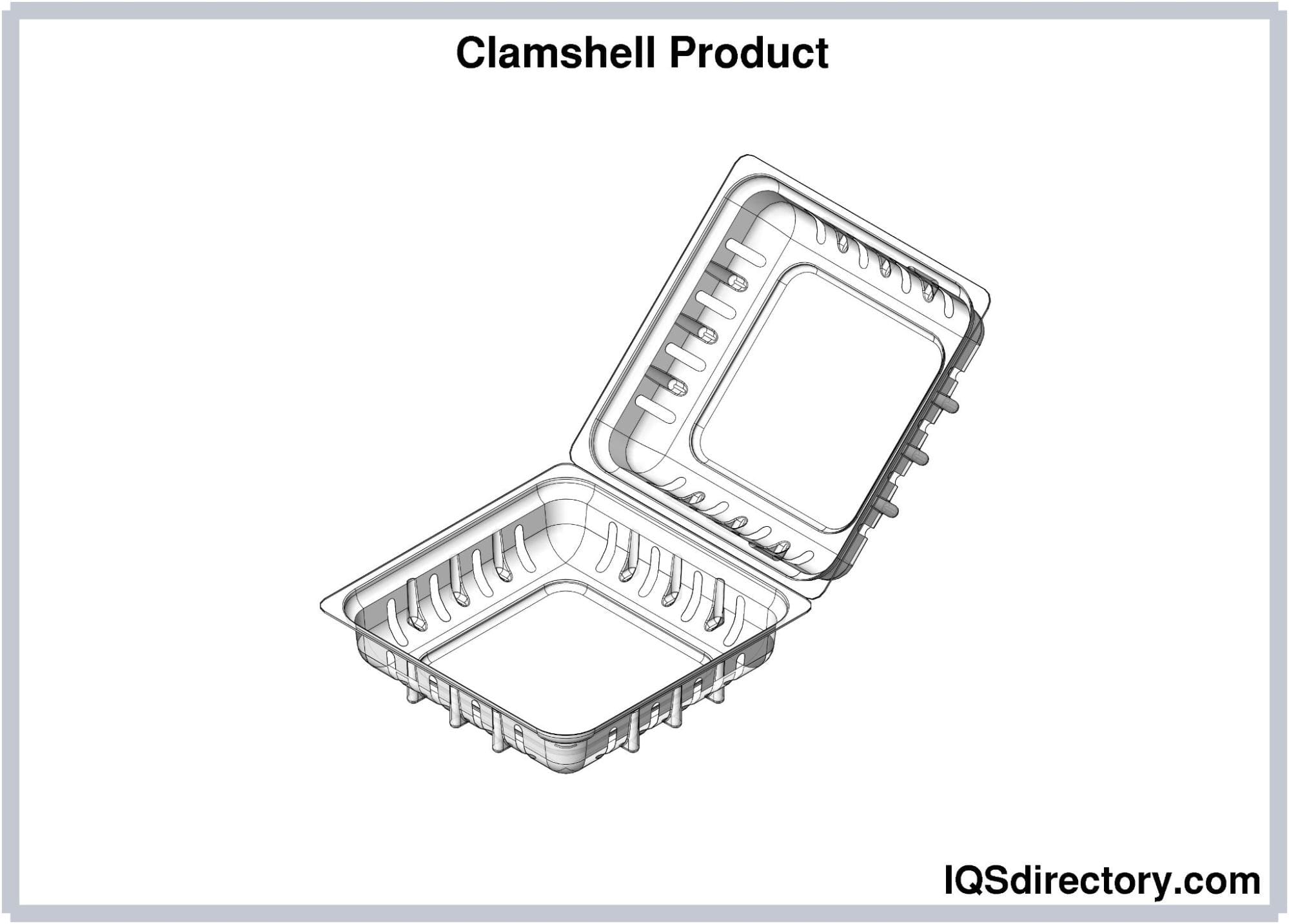 Clamshell packaging involves sealing a product within two preformed plastic sheets making it more tamper-proof.
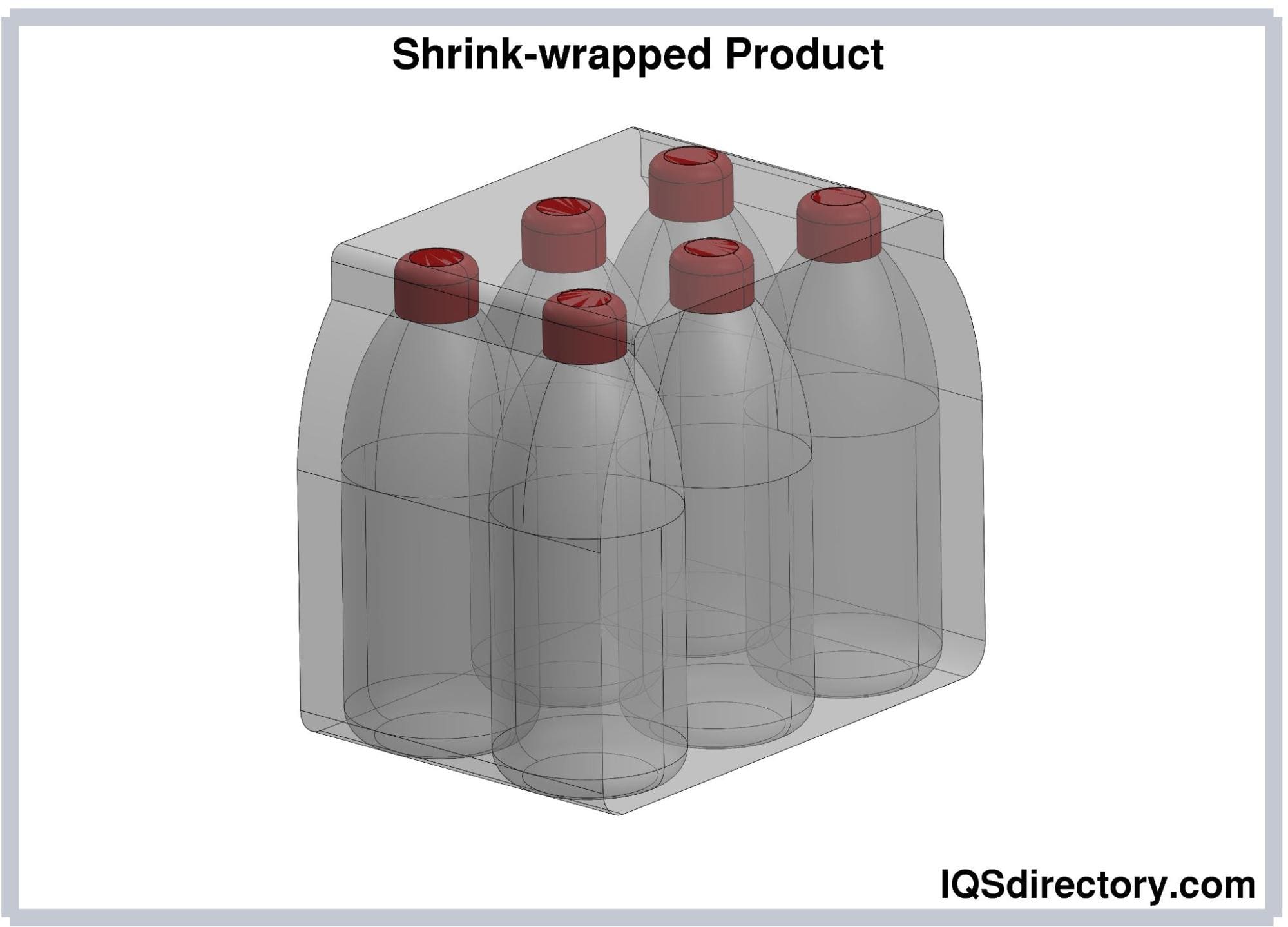 Shrink wrapping involves a plastic polymer film that is shrunk over a product as heat is applied to the shrink film, thus molding it around the product.
Contract Packaging Types
-
Bench Assembly
A manual packaging method where products are placed on a bench and packaged by hand.
Blister Packaging
Involves a rigid, thermoformed plastic bubble that holds a product against a backing card for display and protection.
Cartoning
The process of placing a product into a designated box, holder, or enclosure for the purposes of shipping and display.
Clam Shell Assembly and Packaging
The production and sealing of plastic clamshell packages through automated or semi-automated systems so products are enclosed securely for display, protection, and shipment.
Cosmetic Packaging
Packaging designed specifically for the storage, protection, and transport of beauty, skincare, and other cosmetic products.
Custom Packaging
A packaging solution uniquely designed to meet the specific requirements of a particular product or brand.
Die Cutting
A process used to create labels or packaging components by cutting them into custom shapes with a die.
Food Packaging
Materials used to enclose food items for shipping, storage, and retail display, designed to preserve freshness and meet safety standards.
Fulfillment Services
Comprehensive services that can include material handling, inventory control, assembly, packaging, order preparation, and transportation support.
Medical Packaging
Specialized packaging for medical devices, equipment, or pharmaceuticals to ensure sterile, secure transport and storage.
Packaging Design
The visual and structural aspects of a package, including form, graphics, and function, tailored to both aesthetic and practical needs.
Packaging
Any material used to encase and protect a product during transport and while on display in retail environments.
Pharmaceutical Packaging
The packaging of medicinal products in compliance with regulatory standards set by authorities like the FDA to ensure safety, integrity, and traceability.
Polybagging
A packaging method where products are placed into plastic bags (polybags) and sealed, typically using heat.
Product Packaging
The enclosure used to protect and present a product from the point of manufacture to its end use.
Radio Frequency
A sealing process that uses radio frequency energy to create strong, permanent seals in clamshell packaging.
Shrink Wrapping
A packaging method where a product is covered in shrink film, which is then heated to form a tight, tamper-resistant seal around the product.
Skin Packaging
A technique where a plastic film is heated and tightly drawn over a product positioned on a backing card, adhering to the card to create a protective, transparent outer layer.
Stretch Packaging
A hybrid packaging method combining elements of blister, skin, clamshell, and shrink wrapping, commonly used for small consumer goods like batteries and toys.
Machines Used in Contract Packaging
Along with packaging materials, contract packagers need access to equipment that can package products accurately, efficiently, and at the right production volume. Some tasks can still be completed manually, such as bench assembly for short runs or hand-packed kits, but many commercial packaging formats depend on specialized machines. Blister packaging for products such as pill packs and small consumer goods relies on forming equipment that creates consistent blister cavities, while Clam shell assembly and packaging typically uses automated heat-sealing equipment to close and secure the package. The right machinery helps improve seal quality, line speed, repeatability, and finished-package consistency.
Other packaging equipment commonly used by contract packagers includes label dispensers, form-fill-seal systems, vacuum packaging machines, coding equipment, and sealing stations designed for specific materials and package styles. Depending on the application, machinery may be purchased as standard equipment, customized for a specific line, or modified in-house to fit the client’s product dimensions and throughput goals. Because this equipment is specialized, expensive, and maintenance-heavy, many manufacturers find it more practical to outsource packaging to a co-packing partner instead of investing in a full in-house packaging line.
Products That Use Contract Packaging
There are many contract packaging options available, making these services widely applicable across a broad range of industries. Businesses in the food sector, for instance, frequently turn to contract packaging. A company may have the facilities to produce food products but lack the ability to securely package them or prepare them for retail in a way that attracts customers. Contract packagers provide solutions that ensure safe food packaging, accurate labelingContract packaging services are used across a wide range of industries because packaging needs vary by product, channel, and compliance standard. Food manufacturers are frequent users of co-packing because a company may be able to produce a food item but not have the systems needed for safe packaging, retail display preparation, lot coding, or distribution-ready case packing. Contract packagers help address those needs by supporting food-safe handling, accurate labeling, contamination control, and dependable transportation so products arrive ready for shelf placement or final shipment.
The cosmetics industry is another major user of contract packaging services. Like food products, cosmetics need packaging that protects the formula while also supporting visual appeal and brand recognition at retail. Container shape, labeling, graphics, finish, and color all influence presentation, but the package also has to reduce contamination risk and help preserve product quality. Powders, creams, and other delicate materials can require specialized containers, pouches, and filling methods, which is why many beauty and personal care brands rely on contract packagers for private label packaging, labeling, and retail-ready presentation.
Medical and pharmaceutical companies also depend heavily on contract packaging for the safe handling, storage, and transport of medications, devices, and related healthcare products. These products often require tamper-evident packaging, sterile barriers, precise labeling, traceability, and compliance with industry regulations. Industrial and business-to-business manufacturers can benefit as well, especially when they need consistent packaging for high-volume production, organized kit assembly, or shipment-ready unit loads that move efficiently through warehouses and distribution networks.
Because so many industries rely on contract packaging, the list of products handled by contract packagers is extensive. Cosmetics, skincare items, medicines, food products, beverages, personal care goods, household products, and industrial components can all move through a contract packaging program. The food and beverage, personal care, and pharmaceutical markets remain some of the most active users, but the flexibility of contract packaging makes it a practical solution for nearly any company that needs dependable packaging, labeling, assembly, and transportation support.
Things to Consider When Choosing a Contract Packager
There are many factors to review when selecting a contract packaging service, and each one can influence how smoothly a project moves from kickoff to shipment. One of the first things to examine is capability. A contract packager should have the right equipment, technical knowledge, staffing, and process controls to meet the product’s packaging requirements. Reviewing past projects, packaging samples, or case studies can help confirm whether the provider has experience with similar product types, packaging formats, and production volumes.
Location also matters because it can affect lead times, freight costs, and overall supply chain efficiency. A contract packaging provider that is close to raw material suppliers, manufacturing sites, distribution centers, or end markets can reduce transit time and help control shipping expenses. Flexibility is equally valuable. The ability to respond to revised forecasts, line changes, or schedule adjustments can make the partnership more resilient and help avoid delays when demand shifts.
In the end, the best contract packager is the one that aligns with a company’s product requirements, service expectations, and operational priorities. Careful evaluation of capabilities, communication, quality systems, location, and responsiveness can lead to a smoother launch, steadier production support, and a stronger long-term outsourcing relationship.
Contract Packaging Terms
-
Adhesive
A substance used to bond materials together by external attachment.
Back Card
A card, typically made of cardboard or paper, used to mount or secure a product in packaging formats like blister or skin packaging. Back cards can feature custom printing and may include special adhesives to hold products or packaging components in place.
Bale
A compressed bundle of materials bound together using cord, strapping, or metal ties. Bales may also be wrapped for added security.
Boxboard
A category of paperboard known for its folding and scoring properties, used in box-making. It is usually delivered to contract packaging companies as flat sheets ready for conversion.
Clam Shell
A plastic packaging format with two connected halves and a hinged closure that seals the product inside, similar to a clam.
Can
A small, primary packaging container, typically made of metal, used for storing products.
Closure
The mechanism or method used to seal a container and keep its contents secure.
Collating
The act of sorting or assembling various items, often as part of a packaging or fulfillment process.
Contract Assembly
A service involving the construction, assembly, or gathering of products by a third-party provider.
Corrugated
A type of paperboard consisting of fluted paper sandwiched between one or more flat liners, commonly used for shipping containers and packaging.
Die
A tool used to cut or shape materials into specific forms or patterns during the packaging process.
FDA (Food and Drug Administration)
A regulatory body that sets and enforces standards for food packaging, safety, and labeling in the United States.
Gloss
A shiny, reflective finish applied to surfaces like packaging, vinyl, or coatings for aesthetic or protective purposes.
Hand Assembly
The process of putting together products manually or with a combination of manual and automated labor.
Heat Sealing
A method of joining two packaging materials using heat, often employed in plastic or film packaging.
Jar
A wide-mouthed container made of glass, plastic, or ceramic, typically used for storing food, cosmetics, or pharmaceuticals.
Outsourcing
The practice of contracting out manufacturing, packaging, or assembly services to a third-party provider.
Pack Out
The final step before shipment, involving the completion of packaging and preparation of the product for delivery.
Pick & Pack
A logistics term for retrieving a product from inventory, packing it appropriately, and preparing it for shipment.
Relabeling
Replacing or applying a new label over an existing one on a product, often to reflect new branding, regulations, or information.
Reverse Logistics
The process of handling returned goods, including repackaging, refurbishing, or redistributing products to meet resale or reuse standards.
Screen Printing
A printing method where ink is pushed through a mesh screen using a squeegee or air pressure to apply designs directly onto packaging surfaces.
Secondary Operation
An additional process performed after the main production or packaging line, often requiring special treatment or customization.
Strapping
A flat or circular strip used to reinforce bundles or secure items inside a package or shipping container.
Stretch Wrap
A flexible film that stretches under tension and clings tightly to products, offering secure packaging and protection during transport.