Brushes
Brushes are versatile tools made from bristles, wire, nylon, polypropylene, Tampico, and other filaments for cleaning, painting, polishing, deburring, sealing, and surface finishing. In industrial and commercial settings, the right brush improves sanitation, surface preparation, coating application, and production efficiency. From janitorial brooms to conveyor, strip, tube, and rotary designs, today’s brush solutions support maintenance, manufacturing, food processing, electronics, automotive work, and precision cleaning.
Brushes FAQ
What are brushes used for in industrial and commercial applications?
Brushes are used for cleaning, polishing, coating application, deburring, rust removal, washdown tasks, and precision surface treatment in industrial and commercial settings. Manufacturers, automotive shops, food processors, healthcare facilities, maintenance teams, and janitorial operations rely on them to clean machinery, prep parts, apply finishes, and reach tight spaces.
What materials are brush bristles commonly made from?
Brush bristles may be made from natural fibers such as horsehair, Tampico, and hog bristle, synthetic materials like nylon, polyester, and polypropylene, or metal wire including steel, stainless steel, brass, and bronze. Material choice depends on stiffness, abrasion level, chemical resistance, conductivity, moisture exposure, and the finish required on the work surface.
How do metal wire brushes differ from synthetic brushes?
Metal wire brushes are built for aggressive cleaning, rust removal, weld preparation, scale removal, and deburring on metal surfaces. Synthetic brushes made from nylon or polypropylene are better for delicate parts, moisture-heavy environments, chemical resistance, and applications that call for flexibility, non-sparking performance, or reduced surface damage.
What are power brushes used for in manufacturing?
Power brushes are machine-driven tools used for deburring, rust removal, paint stripping, edge blending, weld cleaning, and surface preparation. In manufacturing, fabrication, and maintenance environments, they help improve throughput, part consistency, and finishing quality before coating, welding, assembly, or inspection.
What should be considered when choosing an industrial brush?
When selecting a brush, consider bristle material, filament diameter, stiffness, abrasive level, brush shape, operating speed, exposure to moisture or chemicals, and the surface being cleaned or finished. Manufacturers can customize industrial brushes to match your application, equipment, durability targets, and production requirements.
How can brushes be maintained for longer lifespan?
To extend brush life, clean the tool after use, avoid excessive pressure, store it dry when appropriate, and keep paint, debris, or chemical residue from hardening in the filaments. Proper maintenance helps preserve brush shape, flexibility, cutting action, and overall performance.
What are some specialized types of brushes used in specific industries?
Specialized brushes include anti-static and ESD brushes for electronics, tin acid brushes for soldering, produce cleaning brushes for food handling, and medical sampling brushes for laboratory and clinical use. These products are engineered for jobs that demand precision, sanitation, static control, or application-specific materials.
The History of Brushes
The word "brush" first appeared in the English language in 1377, while the term "bottle brush" was documented in 1713. Brushes have been integral to human life for so long that pinpointing their exact origins is challenging. However, evidence suggests they were used to apply pigment as early as the Paleolithic Period, which began around 2,500,000 years ago. This is supported by the discovery of ancient cave paintings, such as those in Spain’s Cave of Altamira and France’s Périgord region. The ancient Egyptians used brushes for decorating tombs, while the Chinese employed long-haired brushes for writing.
Toothbrushes have similarly ancient origins, dating back to between 3500 and 3000 B.C., when Babylonians and Egyptians crafted brushes by fraying the ends of sticks. The first natural-bristle toothbrush is attributed to the Chinese in the fifteenth century.
In 1777, William Kent established Kent Brushes, the first company dedicated to manufacturing hairbrushes. Later, in 1854, Hugh Rock submitted the first U.S. patent for a hairbrush design. In 1898, Lyda Newman, an inventive pioneer, patented the first hairbrush with synthetic bristles. Newman also introduced brushes with detachable handles and air chambers for improved ventilation.
Early brushes, including brooms, were made using locally available materials. For instance, ancient Egyptians fashioned brushes from split palm leaves. Over time, bristle materials, primarily sourced from hogs, pigs, and boars, became popular. Advances in technology and regional resources have since expanded the variety of materials used for brush filaments. Today, brushes can be made from natural bristles, synthetic fibers, natural fibers, wires, and more.
Modern brushes are ubiquitous across industries, performing tasks as diverse as applying watercolors, scrubbing dirt and oil from metal, and removing rust. Each brush is defined by its unique construction, composition, and intended use. With countless applications, shapes, and sizes, the development and innovation of brushes continue to evolve, ensuring they remain indispensable in both traditional and modern contexts.
Advantages of Brushes
Brushes offer a rare combination of control, versatility, and low-cost efficiency. They can apply coatings, remove debris, manage static, polish surfaces, seal gaps, and support washdown or finishing operations with a level of precision that many other tools cannot match. Because brushes are available in countless sizes, fill materials, densities, and mounting styles, buyers can match a product closely to the exact surface condition, production goal, and operating environment.
Brush Design
Brush design can be tailored to nearly any cleaning, sealing, finishing, or application task. Most brushes combine a core, block, stem, or handle with bristles or wire selected for a specific contact pattern, flexibility level, and wear rate. That design freedom allows manufacturers to build manual brushes, machine brushes, conveyor brushes, strip brushes, and custom assemblies for demanding production lines.
Metal wire brush bristles can be crafted from a wide range of materials, including steel, stainless steel, brass, bronze, copper, nickel silver, or titanium. The choice of metal depends on specific properties such as abrasiveness, conductivity, and resistance to corrosion. Other brushes, such as those used in cleanrooms, maintenance, strip, and cylinder applications, feature bristles made from natural or synthetic fibers like horsehair, straw, polypropylene, and nylon. Tube and bottle cleaning brushes, particularly twisted-in-wire types, often employ filaments of either nylon or metal. For power brushes, abrasive nylon embedded with mineral grit like silicon carbide is sometimes used as a substitute for wire, offering durability and cutting strength.
Handles are crafted from a variety of materials, including wood, aluminum, copper, nickel, plastic, and rubber. These materials are chosen based on their durability, ease of use, and compatibility with the brush’s intended application.
To improve performance, manufacturers modify filament shape, trim length, density, and fill pattern. Wheel, cup, and end brushes may use crimped wire for a more uniform cutting action, while knot-twisted wire increases aggression for rust removal and scale cleaning. Abrasive nylon filaments with embedded grit can provide a different finishing profile, giving buyers more options for deburring, edge radiusing, and controlled surface conditioning.
When designing a standard or custom brush, manufacturers take numerous factors into account to ensure optimal performance. Each bristle material is selected based on specific attributes such as abrasiveness, conductivity, and resistance to corrosion. Similarly, when choosing metal filaments, manufacturers evaluate their bending properties, as some metals are more pliable than others. The density, material type, and coarseness of the filaments all play major roles in determining a brush’s functionality and efficiency. As industrial demands evolve, so too will the materials used in brush production, adapting to meet new challenges and applications. If you require a specialized or less common filament type, such as an obscure fiber, it’s smart to consult with your manufacturer for tailored solutions.
The functionality of a brush is closely tied to its construction. Brooms, for instance, can be operated by pushing, pulling, or sweeping motions, depending on their design. Other brush types may be handheld for manual use or integrated into machinery for automated processes. Each construction method and application approach ensures the brush meets the specific needs of its intended use.
Applications of a Brush
Brushes support an enormous range of uses, from simple sweeping and bottle cleaning to deburring machined parts, preparing surfaces for coating, cleaning conveyor lines, and applying liquids, adhesives, or cosmetics. Their value comes from controlled contact with a surface, which makes them useful for both appearance-related work and process-driven production tasks.
Industries that depend on brushes include manufacturing, metal fabrication, electronics, food processing, healthcare, janitorial services, laboratory work, cosmetics, automotive production, and commercial maintenance. Buyers often search for answers like “Which industrial brush removes burrs without damaging the base material?” or “What brush material holds up best in wet, chemical, or high-speed conditions?” Those questions highlight how brush selection directly affects finish quality, sanitation, uptime, and labor efficiency.
Brushes Images, Diagrams and Visual Concepts
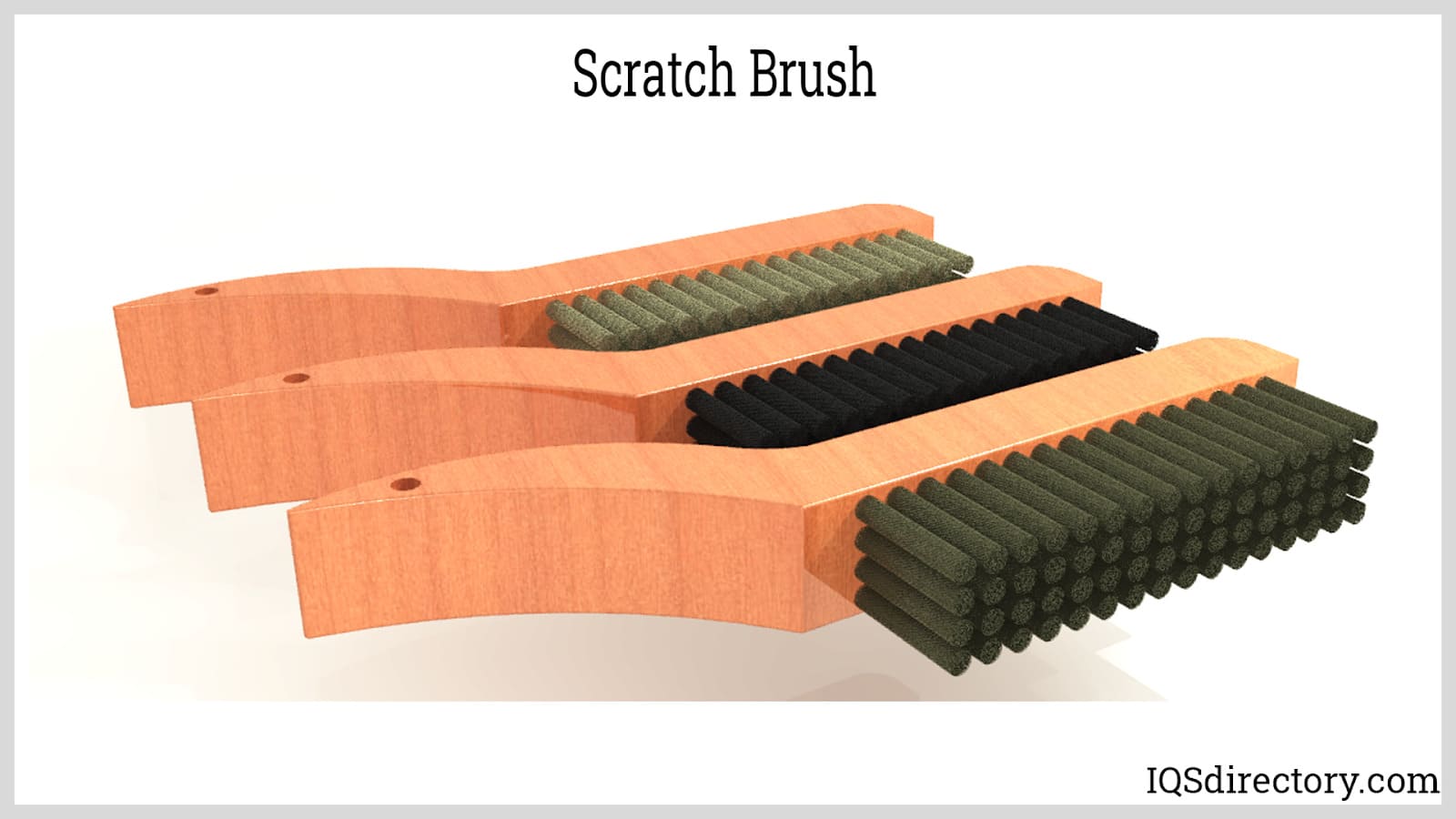
A general purpose brush for removing paint, rust, and dirt.
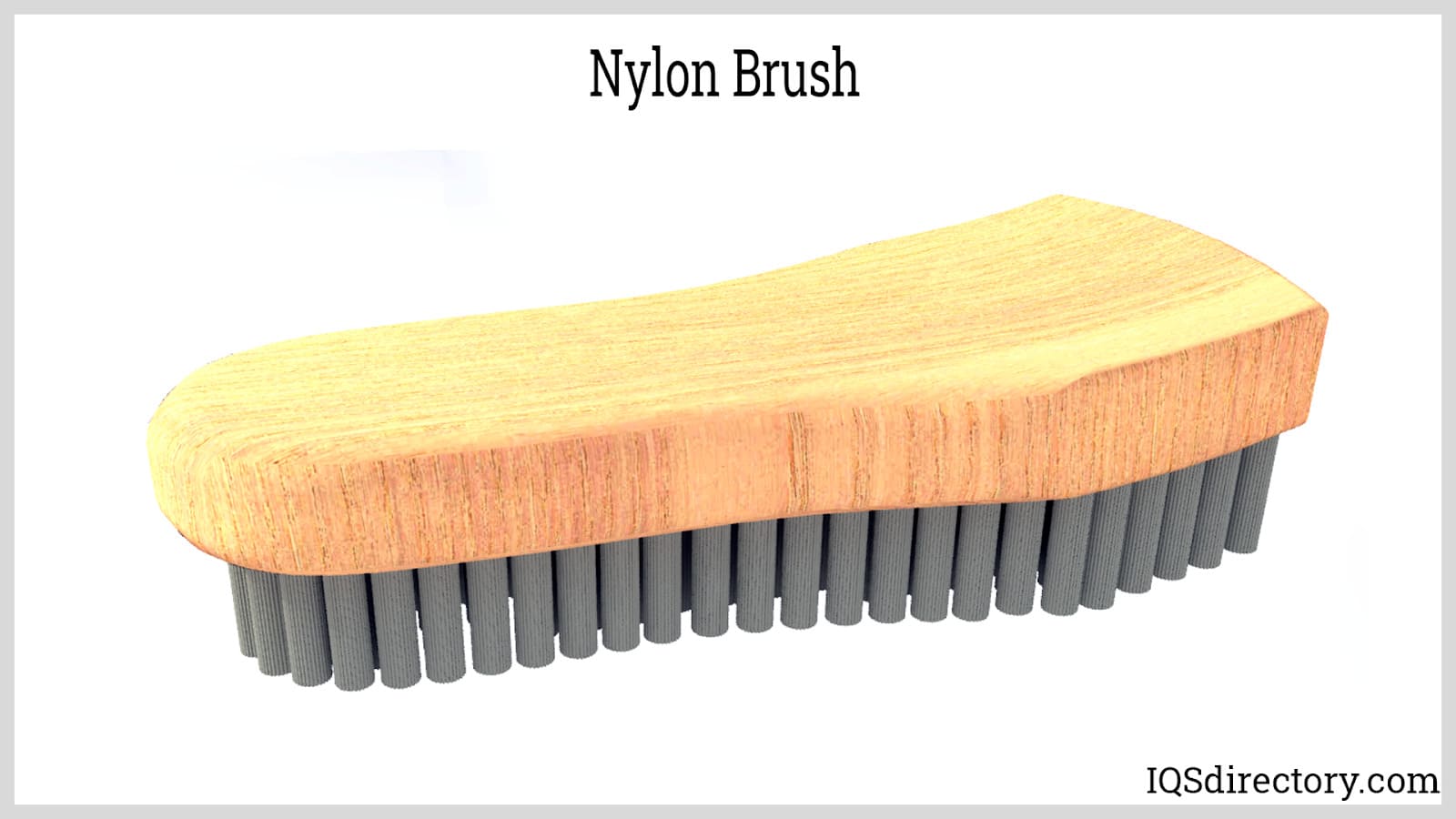
A brush with nylon polymer filaments that are exceptionally tough, strong, flexible, and elastic.
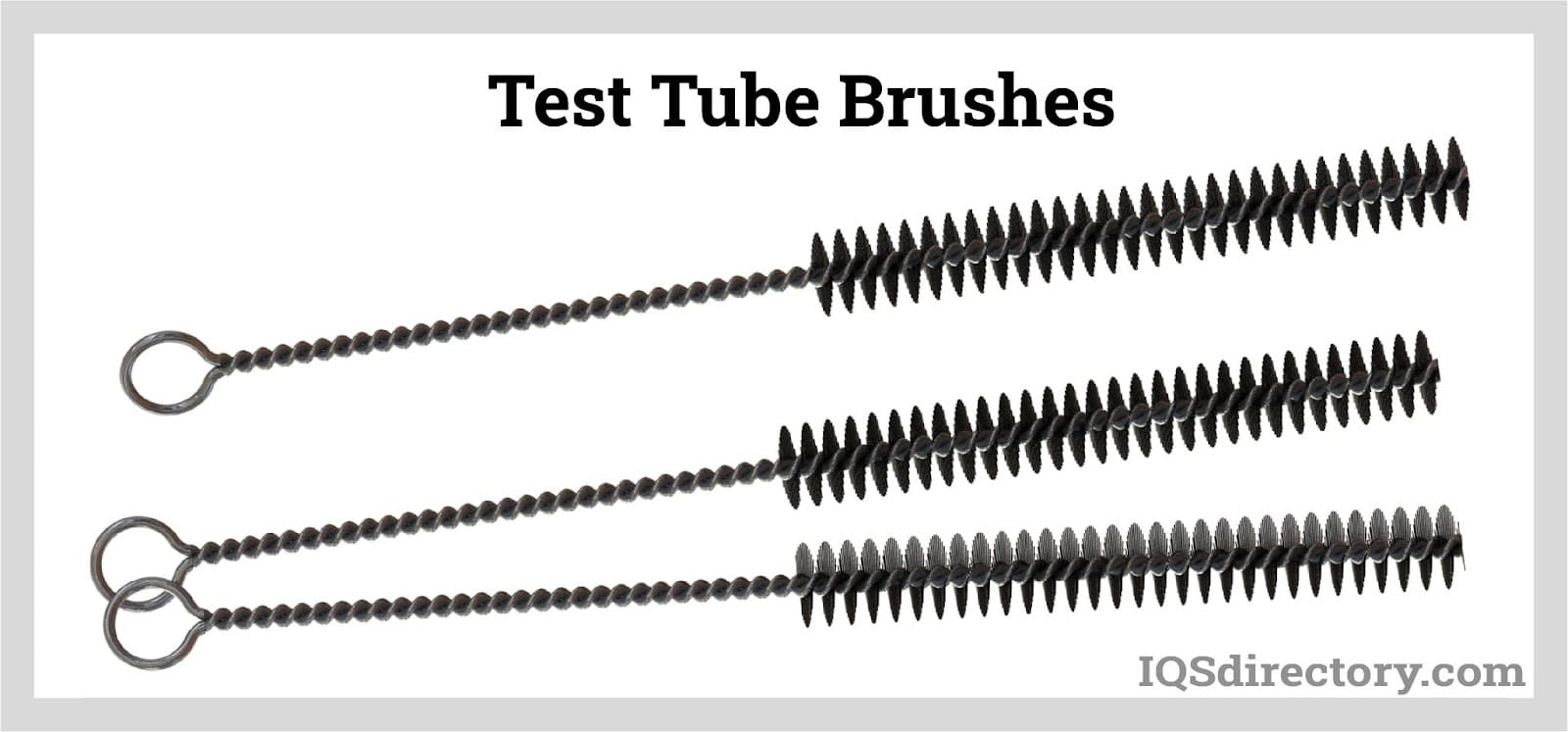
Small sized brush which allows to dislodge accumulated material inside test tube.
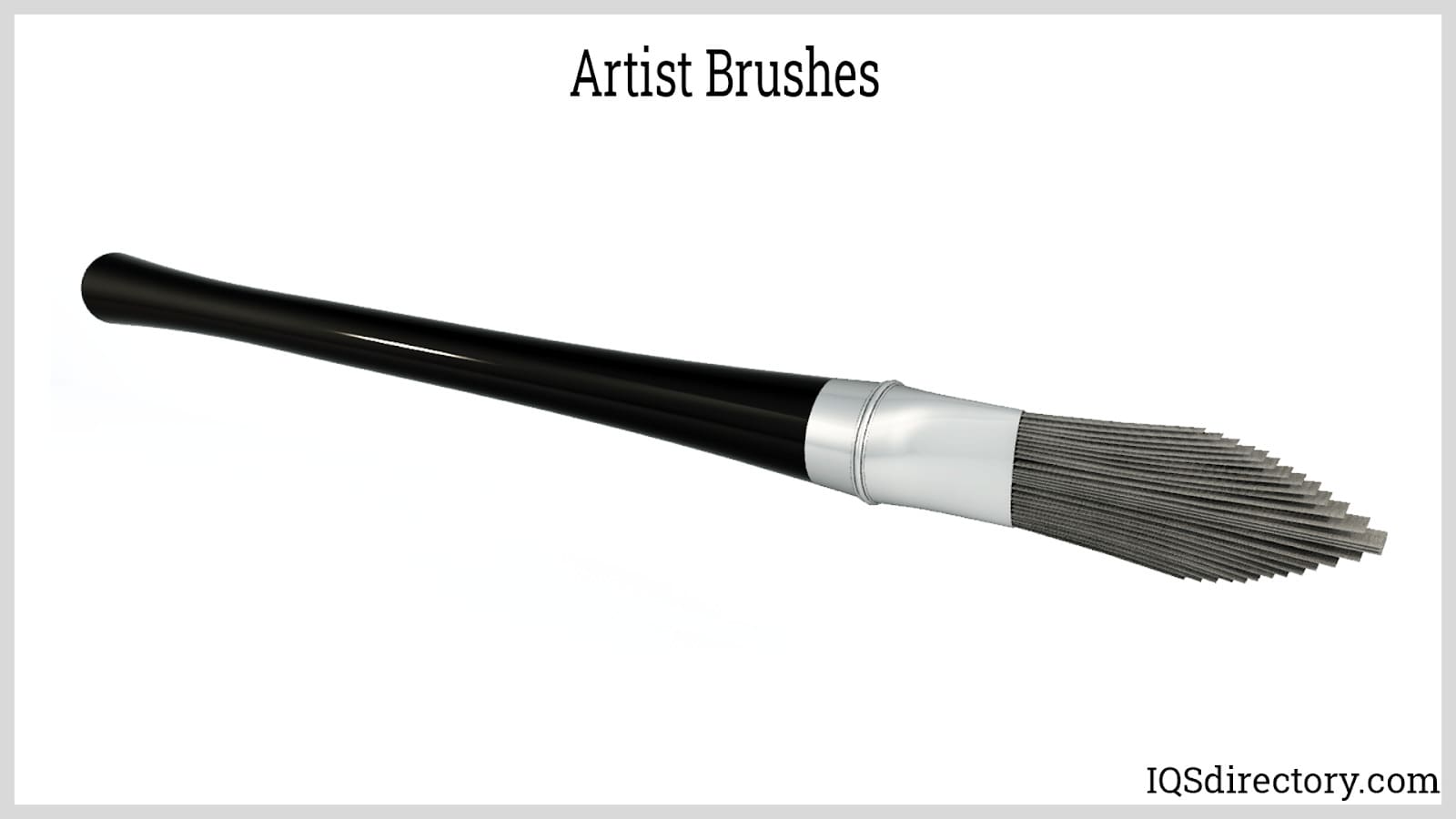
A high quality brush with the ability to form a sharp tip which allows for precision.
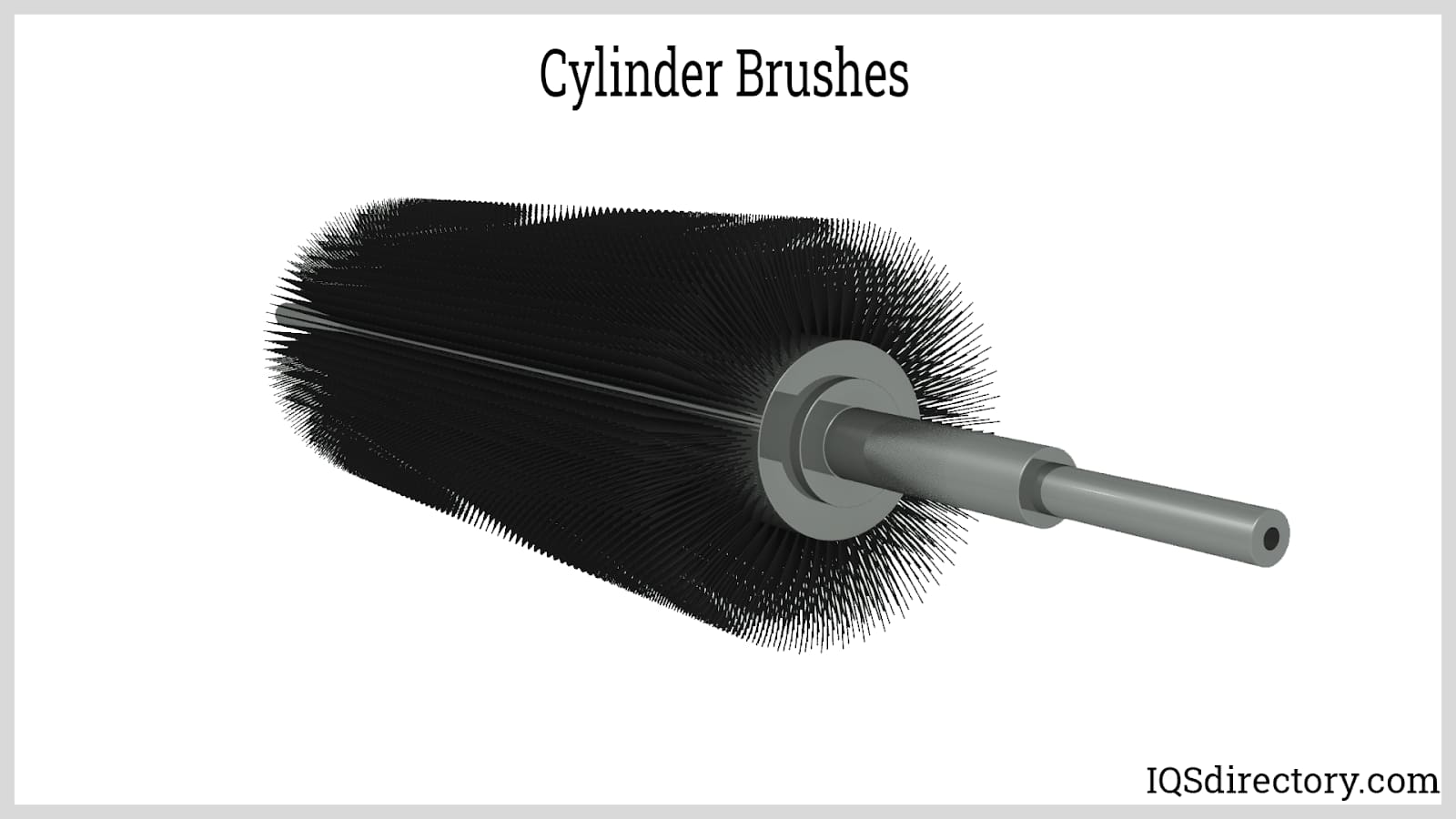
Cylinder brushes have bristles that are flexible around a metal mandrel.
Types of Brushes
Brushes are often grouped into applicator brushes, material removal brushes, combing brushes, and specialized brushes. This framework helps buyers compare products by function rather than appearance alone, which is helpful when narrowing down options by surface type, finish requirement, sanitation need, or equipment compatibility.
Applicator Brushes
Applicator brushes are designed to apply materials to surfaces, making them indispensable across various industries and applications. Common examples include paint brushes, artist brushes, wallpapering brushes, makeup brushes, mascara brushes, nail polish brushes, and pastry brushes.
Artist Brushes
These handheld brushes are crafted for artistic work, with diverse bristle types, shapes, and densities tailored to specific mediums and techniques. For instance, brushes designed for painting fine details on canvas often feature bristles as soft and delicate as a baby’s hair, allowing for precision and finesse in artistic expression.
Miniature Brushes
In industrial and commercial environments, miniature brushes are essential for intricate work on small parts and components. These brushes are used to clean, paint, or polish surfaces, often providing fine detail work. While some are handheld, others are equipped with attachments for use with drills or power tools, enhancing their functionality in high-precision tasks.
Polishing Brushes
Polishing brushes, available in a variety of sizes, are used to clean and shine objects ranging from jewelry and shoes to cars and stainless steel dishware. These brushes are less abrasive than wire brushes, as they are designed for post-cleaning use. Their primary purpose is to enhance the object's appearance, giving it a polished, brand-new finish.
Material Removal Brushes
Material removal brushes are used for cleaning, polishing, and surface treatment tasks in both domestic and industrial settings. Common types include brooms, bottle brushes, spiral brushes, chimney brushes, toothbrushes, car wash brushes, chip brushes, dishwashing brushes, vacuum cleaner brushes, abrasive brushes, power brushes, and wire brushes.
Anti-Static Brushes
Anti-static brushes are specialized tools used by manufacturers of electronics and other static-sensitive products to manage and neutralize electrostatic discharge, ensuring the safety and integrity of their products.
Brooms
Brooms are the most widely used brush variety worldwide, found in homes, offices, warehouses, and factories. They are essential tools for maintaining cleanliness and promoting safety. In offices and homes, brooms help keep spaces clean and healthy by removing dust and debris. In industrial environments, where safety and productivity are closely linked, brooms of various shapes and sizes are employed to maintain order on factory floors, in warehouses, and in common areas such as break rooms. Their versatility makes them an enduring staple in cleaning and maintenance operations.
Industrial operations, commercial enterprises, and individuals around the globe rely on brushes for a wide range of purposes. In particular, the manufacture and fabrication of plastic, wooden, and metal parts often generate significant amounts of debris. Push brooms and sweepers, used alongside ventilation systems and vacuums, play a key role in maintaining clean and safe work environments. While brooms are the simplest type of brush, they share the fundamental principle that defines all brushes: a collection of bristles mounted onto a surface.
Bottle Brush
Bottle brushes are designed for cleaning bottles, machinery, and other objects with narrow or intricate shapes that large brushes cannot easily reach.
Spiral Brush
Spiral brushes are compact tools used for cleaning bottles, pipes, and tubes. They can be attached to equipment to perform high-speed spin cleaning, making them versatile in both manual and automated applications.
Pipe Brush
Pipe brushes are essential for plumbing and equipment maintenance, specifically for cleaning pipes and other hard-to-reach areas. These brushes are attached to long, thin metal rods that allow them to be inserted deeply into pipes for thorough cleaning.
Power Brush
Also referred to as machine brushes, power brushes are power-driven, wheel-shaped tools designed for a variety of high-speed applications. Common uses include metal deburring, rust and paint removal, cleaning gears and threads, surface preparation for welding or painting, and finishing surfaces on various materials.
Vacuum Brush
Vacuum brushes are typically made with soft, natural materials like camel hair, goat hair, or sable hair, though synthetic options such as nylon are also available. They come in different sizes and shapes to suit various work surfaces, making them ideal for removing excess materials from delicate or uneven areas.
Wire Brush (Industrial Wire Brush)
Wire brushes are equipped with metal bristles and are indispensable in metal manufacturing and fabrication processes. They are used for tasks such as deburring, surface brushing, and parts cleaning. These brushes can be hand-held or machine-operated. Hand-held wire brushes, such as steel wire brushes, are often employed for heavy-duty scrubbing, while machine-operated wire brushes are used for more extensive surface treatment.
Brass wire brushes, made from softer brass wire, are specifically suited for applications requiring burnishing, polishing, static spark removal, non-sparking operations, and light deburring or material removal. Their gentle abrasiveness ensures effective cleaning and finishing without damaging delicate surfaces.
These varied brush types demonstrate the versatility and importance of brushes in industrial, commercial, and personal applications, providing solutions for tasks both intricate and robust.
Wheel Cleaning Brush
Wheel cleaning brushes are primarily designed for use with handheld power tools, though some heavy-duty industrial versions are built for larger equipment installations. These brushes may feature a central circular hole to attach to angle grinders or a stem for use with power drills. The rapid rotation generated by the power tool allows these brushes to clean and polish efficiently, making them ideal for working on a wide range of surfaces with speed and precision.
Wire Wheel Brush
Wire wheel brushes are circular brushes featuring a base or core into which wire bristles are securely affixed through drilled holes. Commonly employed in industrial settings, they excel in applications requiring continuous brushing action. When mounted on machinery that spins them at high speeds, these brushes become powerful tools for surface treatments such as rust removal, polishing, and finishing.
Twisted-in-Wire Brush
Twisted-in-wire brushes are compact tools formed by doubling a wire and inserting bristle material between the fold of the wire stem. These brushes, which can be operated by hand or powered by machinery, are smaller than wheel brushes and are specifically designed to reach tight or intricate spaces that require deburring or finishing.
Tube Brush
Tube brushes are designed specifically for cleaning tubes, such as test tubes, and are usually small in size. However, they can be manufactured in larger dimensions to meet specific application requirements, offering flexibility for a variety of tube-cleaning needs.
Rotary Brush
Rotary brushes are mounted on machines that spin them on a cylinder or a ring with the bristles pointing downward. They are widely used in applications such as automatic shoe polishers, street cleaning equipment, conveyor belts, and other industrial cleaning systems. Whenever heavy-duty cleaning equipment is required, rotary brushes are often integral components, providing durability and efficiency to handle demanding tasks.
Strip Brush
Strip brushes are arranged in a long, linear configuration and serve multiple purposes, such as acting as seals between doors and door frames or functioning as cleaning tools. The bristles, often made of nylon, are valued for their abrasion resistance and durability, making strip brushes highly effective in various environments. Additionally, stave brushes—a subtype of strip brushes—feature long, rectangular wooden or plastic blocks with one or more rows of bristle tufts, offering further versatility in cleaning and sealing applications.
These diverse brush types illustrate the adaptability of brush technology, catering to industries ranging from precision cleaning to heavy-duty industrial maintenance.
Detail Brush
Detail brushes, equipped with various bristle types, are essential for cleaning and maintenance in hard-to-reach areas. Nylon bristles effectively remove wax and dirt buildup from crevices, while brass bristles are ideal for eliminating corrosion in confined spaces. Stainless steel bristles are designed for tougher tasks, such as removing rust from metal or chrome surfaces, offering durability and precision for intricate cleaning jobs.
Cup Brush
Cup brushes are versatile tools used for a wide range of applications, including the removal of scale, rust, and paint, as well as deburring and polishing tasks. Their design makes them suitable for both light and heavy-duty manufacturing processes. Particularly effective at reaching dirt and debris lodged in cracks and crevices, cup brushes are a valuable addition to industrial cleaning and finishing operations.
Specialized Brushes
Specialized tasks require brushes designed with unique properties to meet specific demands. For instance, conductive brushes and ESD cleanroom nylon static-dissipative brushes are crafted for use in the fabrication of sensitive electronics. These brushes not only clean parts but also eliminate static, ensuring safety and performance during production.
Tin acid brushes, featuring extra-stiff black horsehair bristles and tin handles, are tailored for soldering applications involving mucilage and acid. Additionally, specialized cup, strip, and cylinder brushes with nylon bristles are manufactured specifically for cleaning fruits and vegetables, ensuring safe and efficient handling.
Other types of specialized brushes include electric brushes, which are integrated into motor systems, magnetic brushes for unique cleaning applications, and medical sampling brushes designed for precision in laboratory and clinical settings.
These brushes illustrate the ingenuity behind brush design, offering solutions that cater to both general and highly specialized needs across industries.
Standards and Specification of Brushes
Because brush applications vary so widely, specifications depend on industry, contact surface, sanitation demands, and operating conditions. Food processing brushes may need FDA-compliant materials, medical brushes may be subject to tighter regulatory expectations, and industrial brushes often need to align with OSHA practices and ISO-driven quality standards. Buyers should verify not only dimensions and fill material, but also compliance requirements tied to their process.
If you’re unsure about the standards relevant to your specific application, it’s always a good idea to consult your supplier. They can guide you toward the appropriate certifications and compliance requirements for your intended use.
Things to Consider When Purchasing a Brush
With so many brush designs on the market, purchasing starts with defining the job: what surface are you contacting, what material must be removed or applied, how much pressure is acceptable, and will the brush run by hand or on equipment? Once those questions are clear, compare manufacturers, request quotes, and review available custom brush options that match your production goals.
When speaking with suppliers, ask practical questions about brush life, replacement intervals, material compatibility, lead times, shaft or arbor options, and whether the product can be tuned for line speed, debris type, or finish quality. Responsive communication and application knowledge often separate a good vendor from one that simply sells a catalog item.
When you partner with the right manufacturer, you set the stage for success, no matter the complexity of your application. IQS is proud to collaborate with the most reputable and innovative names in the industrial brush industry, ensuring you receive top-quality products and exceptional service.
Proper Care for Brushes
Proper brush care improves service life, finish consistency, and workplace efficiency. Use only the pressure needed for the application, clean away paint, chips, dust, oils, or chemical residue after use, and store the brush in conditions suited to its fill material. This helps preserve filament shape, reduces premature wear, and keeps the brush performing as intended.
Brush Accessories
Brush accessories extend the value of a brush system by improving fit, reach, mounting, and replacement efficiency. Common accessories include holders, hose attachments, arbors, extension rods, mounting hardware, and adaptors for wire wheel and rotary brush setups. For buyers comparing brush systems, these components can be just as important as the brush itself because they affect installation, safety, and day-to-day usability.
Brush Terms
Abrasive Nylon
A durable material known for its long wear, available in various filament diameters and grit sizes. It is particularly effective for surface finishing applications, offering precision and consistency.
African Bass
A coarse, light brownish fiber commonly used in the manufacturing of street brooms due to its robustness and durability.
Arbor Hole
Refers to the diameter of the hole used for mounting a brush onto a tool or machine.
Bore
The internal diameter of a core or hub, typically associated with roller brushes.
Brass Wire
A rust-proof and spark-resistant material that provides a gentle brushing action, making it suitable for applications requiring a softer touch and enhanced safety.
Bristle
The component of a brush that performs the cleaning or cutting action. Bristles can be made from a range of materials, including natural fibers, synthetic fibers, and metals, depending on the application requirements.
Bronze Wire
A material that offers greater stiffness compared to brass while retaining its non-sparking properties, making it ideal for more demanding tasks.
Brush Part
The length of the bristle-covered area on a brush’s core. The brush part can be equal to or shorter than the overall length of the brush.
Conductive Nylon
A synthetic fiber designed for applications where static dissipation is necessary. It prevents marking while safely channeling the static charge created by brushing to the ground.
Core Diameter
The diameter of the cylindrical core of a brush, which serves as the foundation for the bristles or filaments.
Crimped
Filaments designed with a wave pattern, characterized and measured by their amplitude and frequency, to enhance flexibility and cleaning efficiency.
Cut End
The portion of a twisted-in-wire brush where the wires have been trimmed flush at the end of the brush part, creating a clean edge for precision use.
Cylinder
A drive shaft used to power cylindrical brushes in industrial or manufacturing settings. These brushes are integral to processes requiring conveyor cleaning or product treatment at specific points in the workflow.
End Tuft
A type of twisted-in-wire brush in which the filaments are gathered and twisted to form a tuft that runs parallel to the twisted wire for detailed cleaning or finishing tasks.
Face Width
The operational width of a brush face when in use. Brushes with stiff filaments reduce streaking and provide uniform coverage during application or cleaning.
Ferrule
A steel tube, either seamed or seamless, used to gather and secure bristles in paint brushes, ensuring durability and consistent performance.
Filament
The synthetic fibers that form the tuft of a brush, providing the functional component for cleaning, polishing, or application tasks.
Fill Material Size
The thickness of individual filaments or wires, measured in inches. Nylon typically ranges from .003 to .125 inches, while wire sizes range from .003 to .020 inches.
Flagged
Filaments with ends that have been splintered by knives to create a softer tip, resulting in a gentler brushing action suitable for delicate surfaces.
Goat Hair
A very fine and soft animal hair, ideal for short-trim brushes used in applications requiring extreme precision and care.
Hog Bristles
Animal hair with a soft to moderately stiff texture. The natural flagging of hog bristles allows them to conform to cracks and crevices, making them effective at removing fine dust and debris.
Horsehair
A durable and resilient natural fiber, prized for its effectiveness in sweeping polished surfaces without causing scratches or damage.
Level Fill Material
The straight filament or wire used in the construction of a brush, providing the foundation for its cleaning or application capabilities.
Nylon
A highly durable and long-lasting synthetic filament, nylon is widely regarded as the toughest option available. It is particularly well-suited for industrial and food service applications due to its strength and versatility.
Oil Tempered Wire
Also referred to as "flat wire," this stiff, resilient wire is commonly used in hand-scratch and power-driven brushes, providing excellent durability for demanding tasks.
Overall Diameter (OD)
The diameter of a cylindrical brush, measured from one filament end to the other, representing its full operational size.
Overall Length (OAL)
The total length of a brush, typically measured from end to end along the core.
Palmyra
A vegetable fiber derived from the leaf stalks of the Palmyra Palm native to India. Palmyra fibers have a medium to stiff texture and are often blended with Tampico to create Union Fibre for enhanced performance.
Palpro
A synthetic alternative to natural palmetto fibers, Palpro offers superior resistance to acids, alkalis, and organic solvents, making it a durable and long-lasting brush material.
Patent
A premium grade of polished Tampico fiber, slightly stiffer and more durable than standard Tampico, offering enhanced performance in demanding applications.
Pattern
The spacing of tufts in a brush, measured by row and column distance for block brushes or by tufts per circumference and their spacing for cylindrical brushes.
Phosphorous Bronze
A non-ferrous, non-corrosive material that is stronger and more temper-resistant than brass, making it ideal for applications requiring durability and reliability.
Pitch
The distance between wraps on a coil brush, determining the density and arrangement of the brush's bristles.
Poly Bass
A synthetic brush material with a large diameter that offers excellent abrasion resistance and durability against solvents and acids.
Poly Core Roller
A cylindrical brush constructed with a plastic core, often used for lightweight yet robust applications.
Polyester
A synthetic filament known for its resistance to heat and moisture. Polyester is also highly resistant to petroleum products, acetones, ketones, alcohols, and weak acids, making it suitable for a variety of industrial uses.
Polypropylene
A durable material with excellent wet stiffness. Polypropylene resists most petroleum solvents, oils, greases, acids, and chemicals, making it a versatile choice for brush construction.
Power Brushing
A process that employs power-driven, rotating industrial brushes to deburr, clean, or finish metal parts efficiently and effectively.
Stainless Steel Wire
Stainless steel wire is rust-proof and exceptionally strong, making it an ideal material for brushes used to prevent harmful ferrous deposits on the parts being brushed. Its durability ensures reliable performance in demanding environments.
Steel Low-Carbon Wire
Low-carbon steel wire is a soft, magnetic material commonly used for light material removal and surface finishing on softer materials. While effective in these applications, it is prone to rust if not properly maintained.
Tampico
Tampico is a natural vegetable fiber valued for its versatility. It can be used wet or dry for scrubbing, washing, and dusting. Additionally, it can be treated for specialized applications, such as those involving grease or abrasives, further enhancing its functionality.
Trim
The trim refers to the length of the brush filament extending from the core. This measurement plays a key role in determining the brush's performance characteristics.
Ultrasonic Welding
Ultrasonic welding is a process that uses high-frequency sound waves to securely weld the base of a brush to its fill material. This technique ensures a strong, reliable bond, contributing to the brush’s durability and effectiveness.
More Brush Information
Industrial Brush Information