Wire Displays
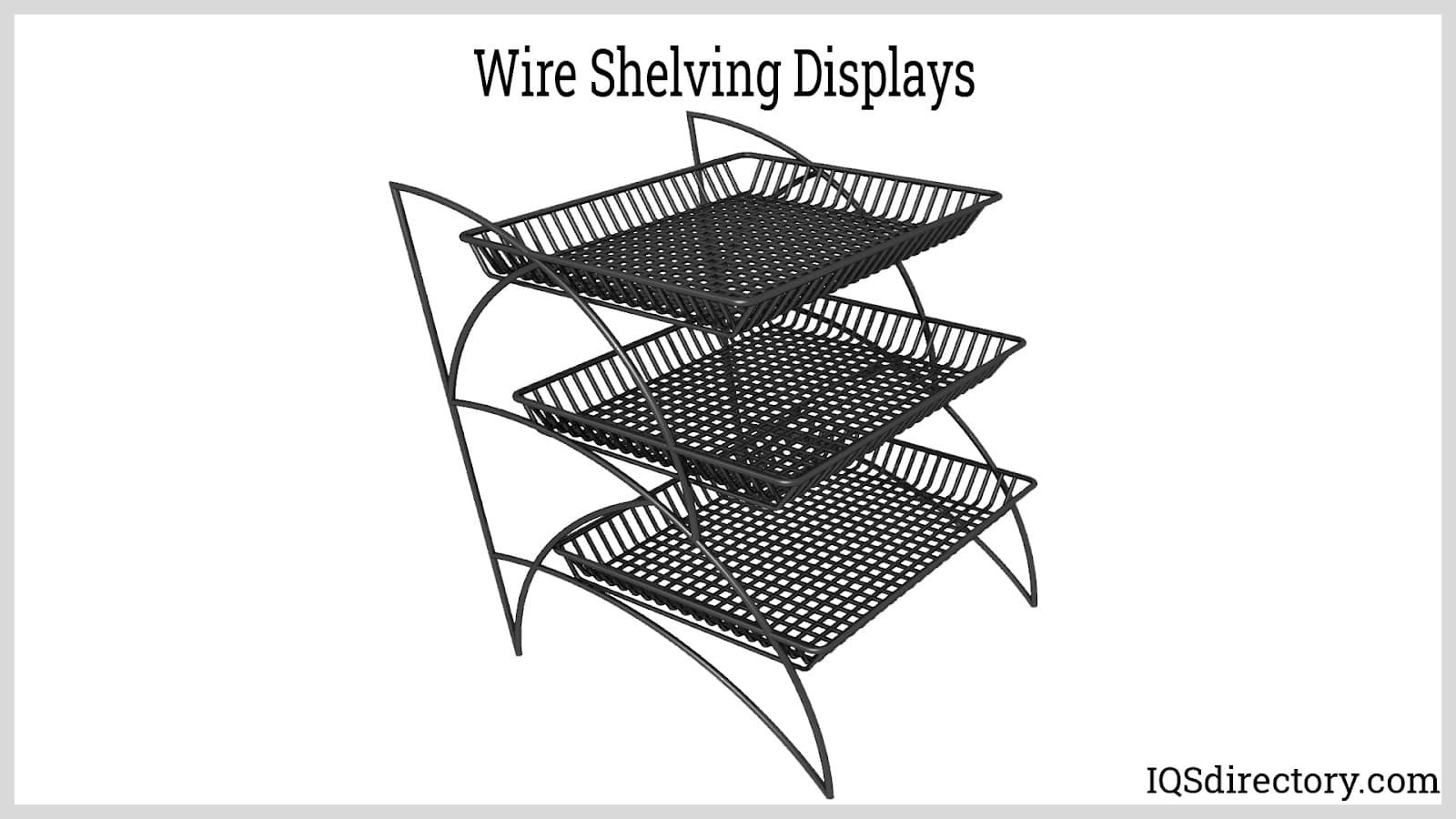
Wire shaping is a complex method that encompasses a wide range of dimensions, forms, and textures. The technique of creating a usable product by wire bending and shaping is known as custom wire forms...
This article will take an in-depth look at wire baskets.
The article will bring more detail on topics such as:
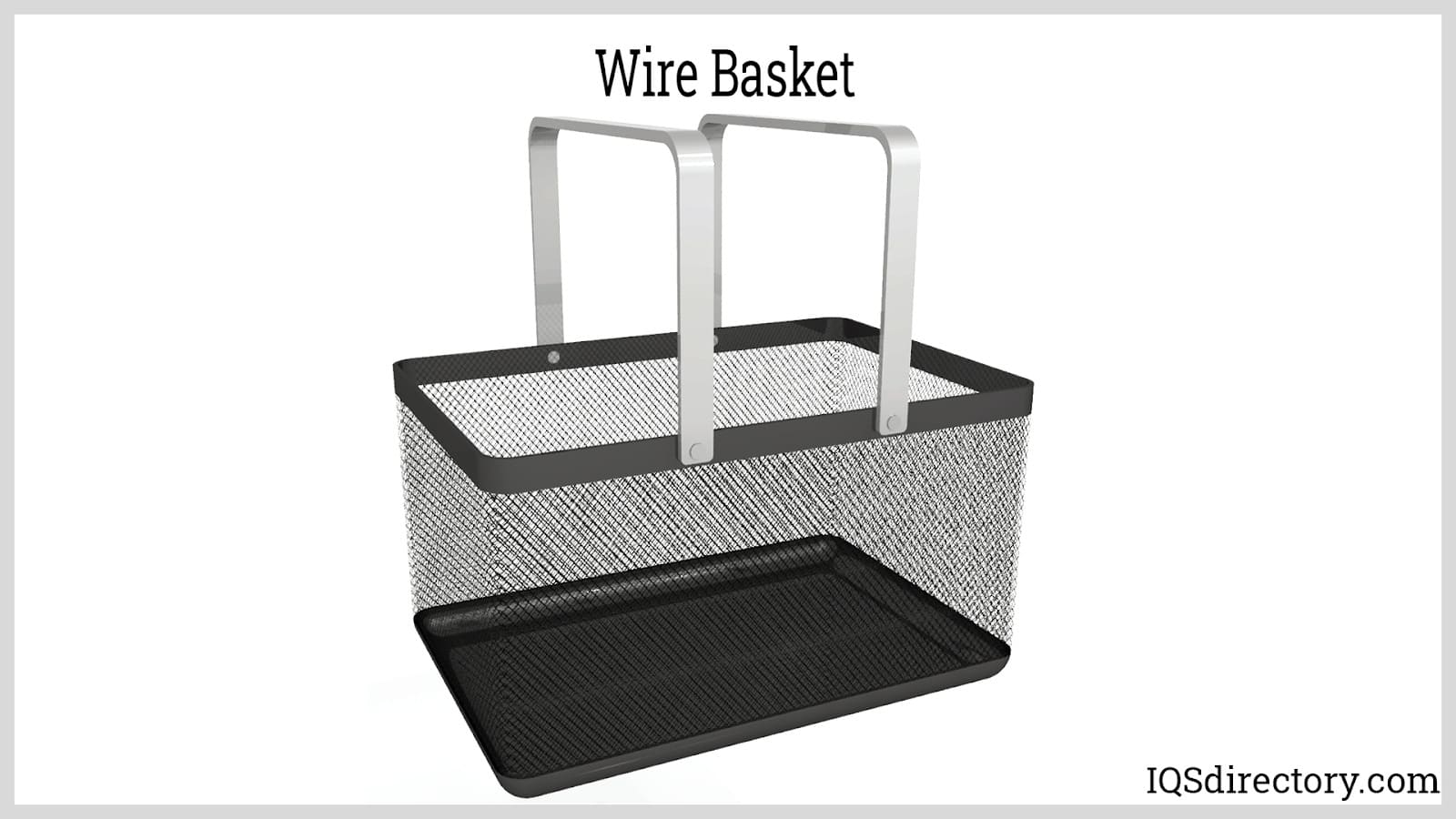
This chapter delves into wire baskets, highlighting the manufacturing processes, material selection, and performance characteristics that form the backbone of these versatile storage and parts-handling solutions. Whether used for industrial washing, retail display, or everyday home organization, the right wire basket design can improve efficiency, cleanliness, and product visibility.
Wire baskets are constructed by interlacing or fusing wires to shape the basket. These containers are notable for their open metalwork design, providing a unique structure that supports airflow, drainage, and easy inspection of contents.
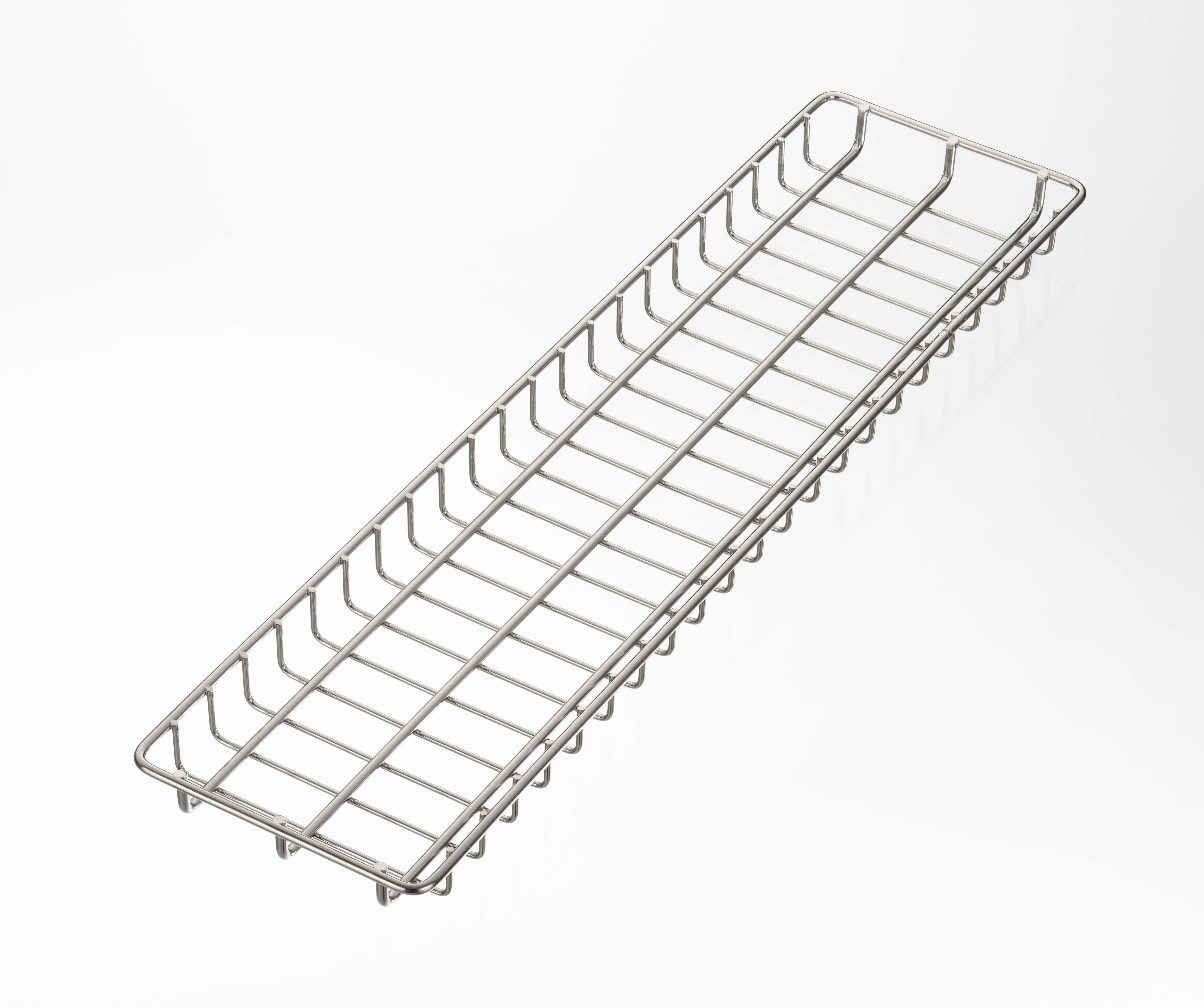
Wire baskets provide similar versatility to plastic baskets for organizing and decluttering spaces at home, but they also offer a more durable, reusable, and often more sanitary alternative for commercial and industrial use. They are frequently found in grocery stores as an eco-friendly replacement for plastic shopping baskets and in manufacturing environments as parts baskets, wash baskets, and storage baskets for moving components through cleaning, coating, or heat treatment processes. Perfect for a range of items, wire baskets serve as robust and effective storage options.
In garages, they can often be hung on walls for storage. Unlike plastic bins, wire baskets have a more natural and elegant appearance. Similar to a transparent plastic container, wire baskets allow for easy visibility of stored contents, which helps improve inventory organization and reduces time spent searching for tools, supplies, or small parts.
Wire baskets generally lack lids, unlike many plastic storage options, making them excellent for holding frequently used items, such as sports equipment stored in garages, laundry items, cleaning cloths, or components that need to remain accessible during handling and processing.
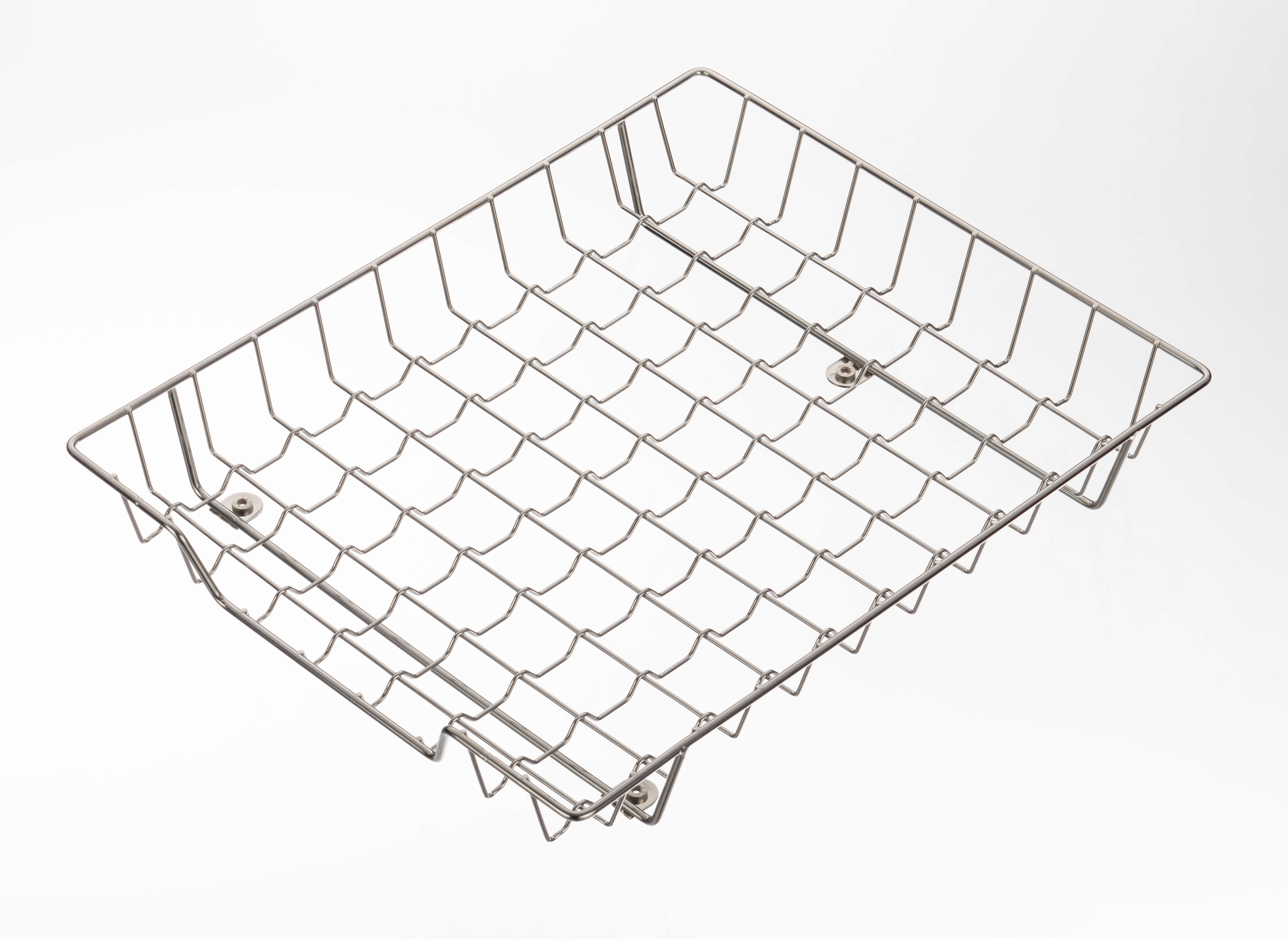
Encouraging air circulation, wire baskets are perfect for drying slightly damp cleaning cloths. They come in various shapes and styles beyond the typical rectangles, including round, square, or oval designs, reminiscent of wicker baskets. Custom wire basket fabrication can also include handles, dividers, stacking features, and formed edges to improve ergonomics and usability.
Some decorative baskets made from black metal are designed mainly as eye-catching home accents, while others are engineered for heavy-duty industrial storage, sterilization, and transport applications.
Compared to sheet metal baskets, wire baskets have lower tensile strength and weight capacity. However, they excel in managing open space, which improves airflow and drainage. This design accelerates drying and draining, reducing downtime between washing processes and supporting faster turnaround in production settings.
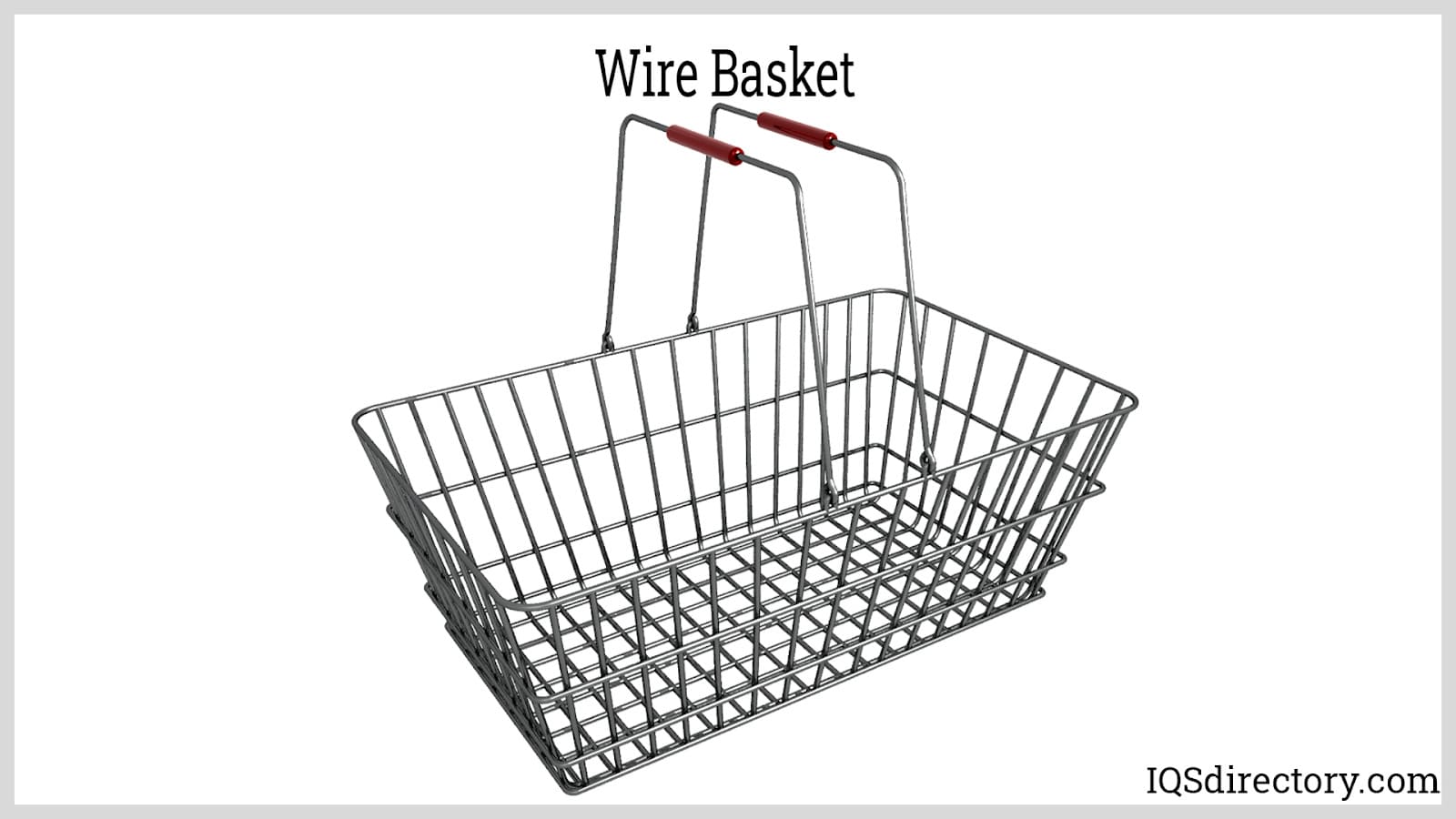
The generous open space of wire baskets facilitates efficient drainage, minimizing debris build-up. They often eliminate the need for additional wash processes. Open space is crucial in ultrasonic cleaning because it allows sound waves to penetrate effectively, providing thorough cleaning, unlike closed sheet metal baskets.
In heat treating applications, the airflow in wire baskets allows faster heating and cooling, improving efficiency and production speed. This also helps support consistent part exposure during thermal processing, parts washing, rinsing, and drying operations.
Wire baskets use fewer materials, reducing costs, although welding individual joints can increase expenses by enhancing strength and stability. For buyers comparing options, factors such as load capacity, wire gauge, finish, corrosion resistance, and custom fabrication requirements often determine the best basket for the application.
Several crucial aspects need attention before forming a wire basket.
If challenges arise during production, they could compromise the basket's functionality. Here's a rundown of important factors in designing custom wire baskets for industrial, commercial, and residential use.
The weight and size of items the basket holds are vital. Inadequately designed baskets may not support items effectively, compromising their utility. Basket dimensions, load rating, and interior clearances should align with the product geometry and the handling method used in manufacturing or storage.
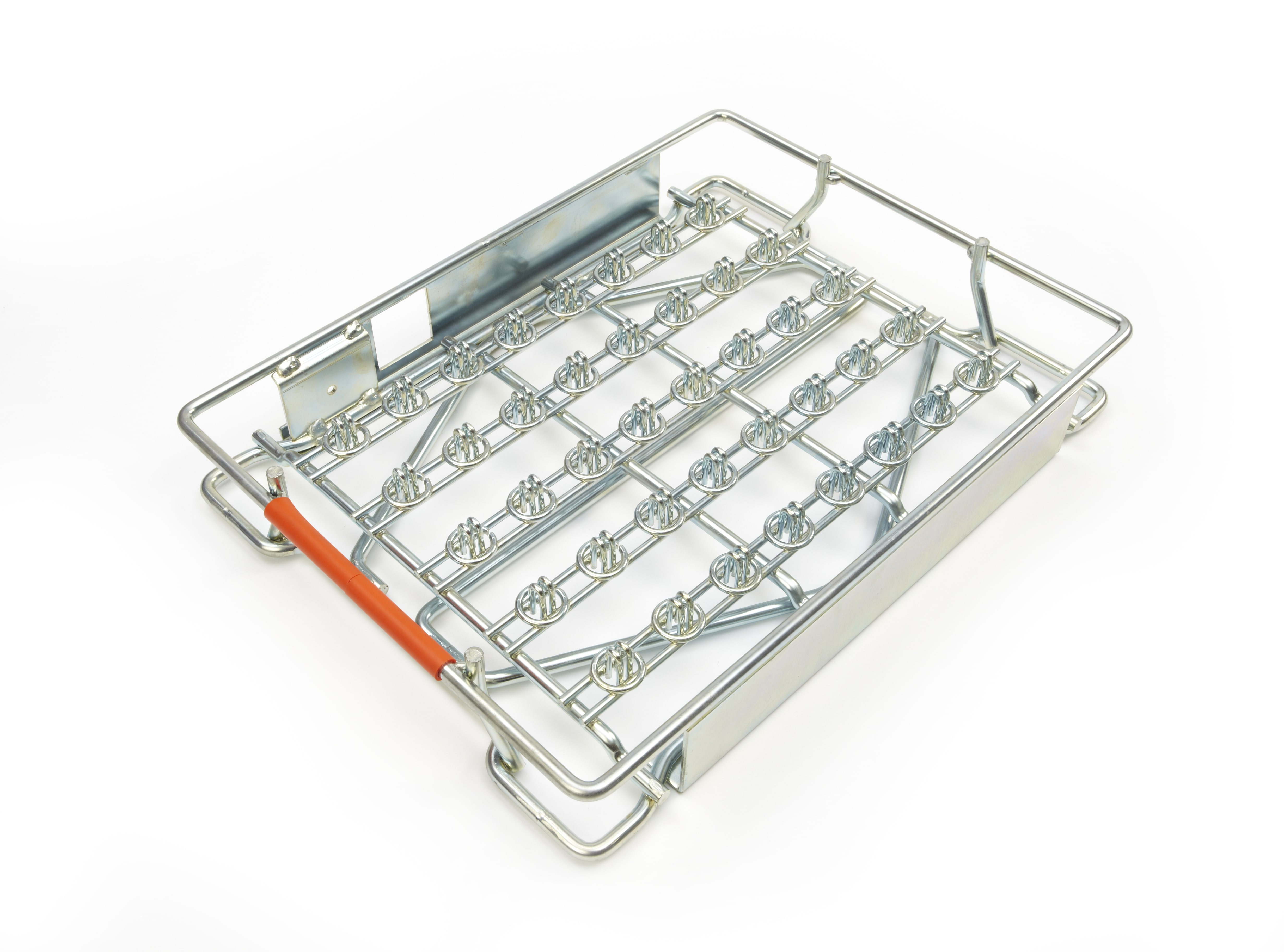
Custom designs must account for the surface condition needs of the items stored. Delicate items needing protection require different handling than those where small surface abrasions are permissible. For parts finishing, this may include smooth contact points, protective coatings, or formed features that reduce scratching and part damage during transport.
Parts finishing processes often involve harsh chemicals. Thus, basket materials must withstand lengthy chemical exposure to ensure durability. Resistance to degreasers, cleaning solutions, plating baths, and other industrial wash chemicals is especially important when selecting stainless steel, galvanized steel, or specialty alloy baskets.
Temperature exposure affects coatings and metal alloys differently. High temperatures may weaken steel alloys, while low temperatures can cause brittleness. Prolonged exposure challenges coatings, so knowing the specific temperatures and exposure durations is critical for maintaining performance. This is especially important in ovens, furnaces, sterilization cycles, and thermal processing environments where repeated use can accelerate wear.
Often overlooked, the storage site's environment, such as exposure to sea air or airborne chemicals, can deteriorate a basket. Understanding air quality is essential for optimizing basket properties. In humid, coastal, or corrosive settings, choosing the right finish and alloy can significantly extend service life and reduce maintenance costs.
These considerations are crucial in designing custom wire baskets for material handling, parts washing, drying, storage, and automated production workflows.
Wire basket creation involves several steps:
Begin by measuring the intended space. For instance, a basket might be 20 x 16 inches with a 5-inch height. Accurate measurements help ensure proper fit, stacking compatibility, and efficient use of available storage or processing space.
Trim the cloth to the desired dimensions, marking and removing excess corners using a marker and tin snips for clean edges. Precision cutting supports uniform basket geometry and helps reduce sharp edges that could interfere with handling.
Bend the sides using a straight edge, such as a piece of wood. Use pliers to secure the structure, wrapping the wires to keep the corners in place securely. Depending on the design, wire forming, welding, and finishing may be added to improve rigidity, consistency, and long-term durability.
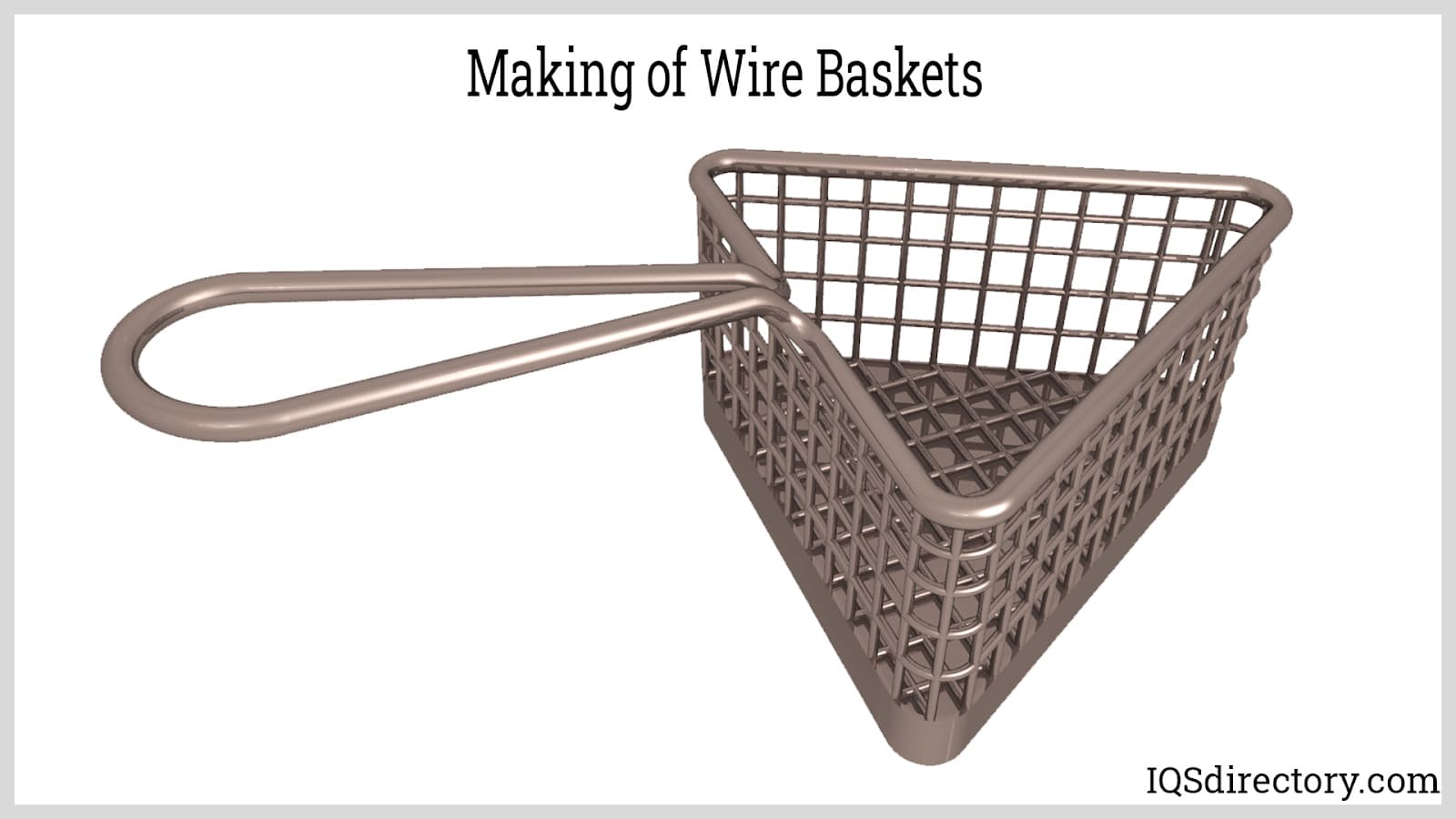
In many industries, robust washing baskets and custom parts containers are necessary. Material selection is pivotal as it dictates the basket's durability, load performance, and utility in demanding conditions.
Let's explore commonly used materials in crafting wire baskets, ensuring they meet long-lasting operational standards while protecting sensitive items and supporting corrosion-resistant performance.
Plain steel offers an economical option for crafting, with excellent tensile strength and ease of shaping, but it’s less suitable for all applications.
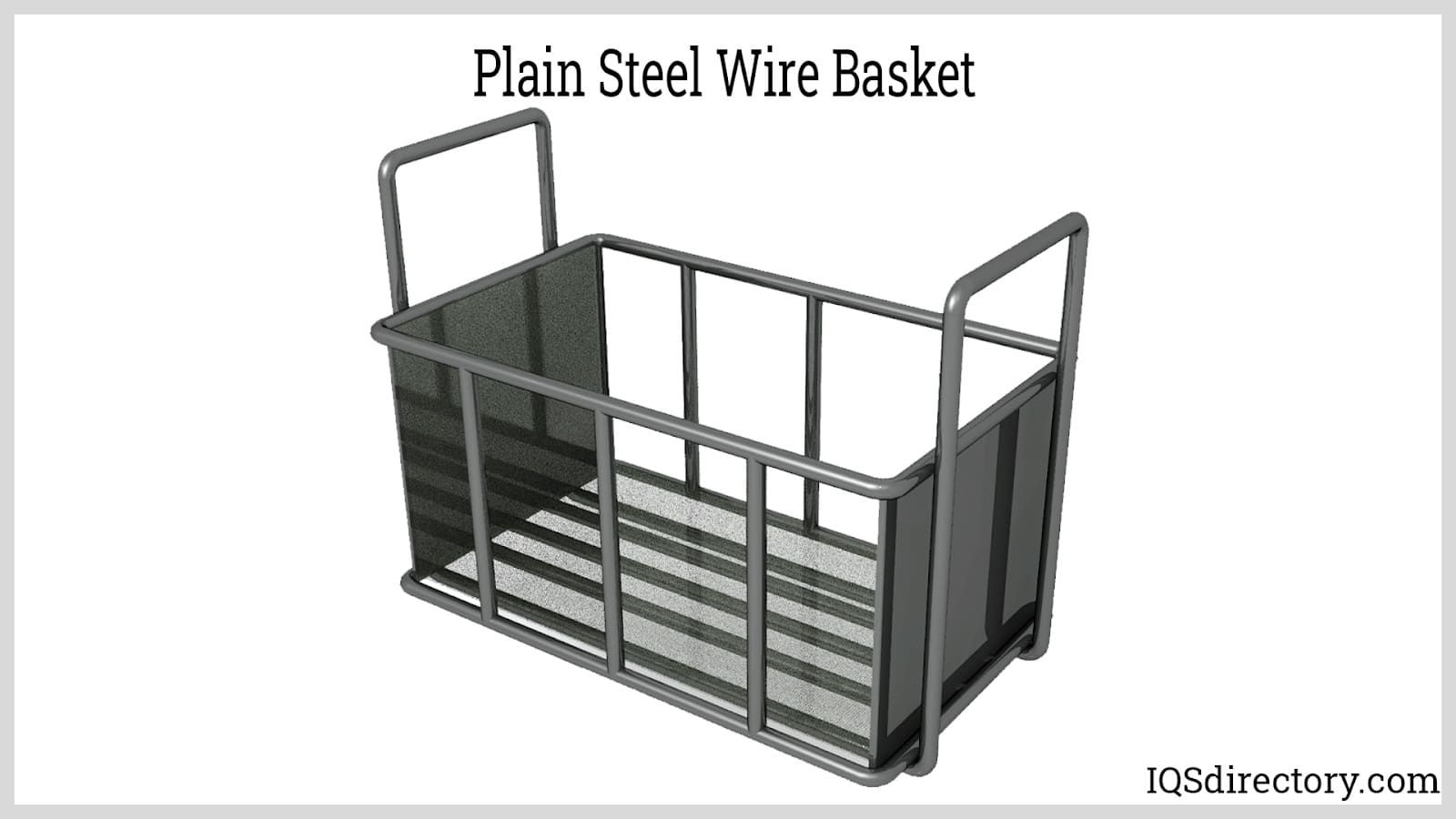
Plain steel's main drawback is rusting easily if not treated. Continuous outdoor exposure accelerates corrosion. Moisture and salty air also contribute to rusting, making this material best suited for dry indoor environments or applications where a protective finish is applied.
Galvanization, done by covering steel with zinc, enhances versatility and helps improve corrosion resistance in storage and processing environments.
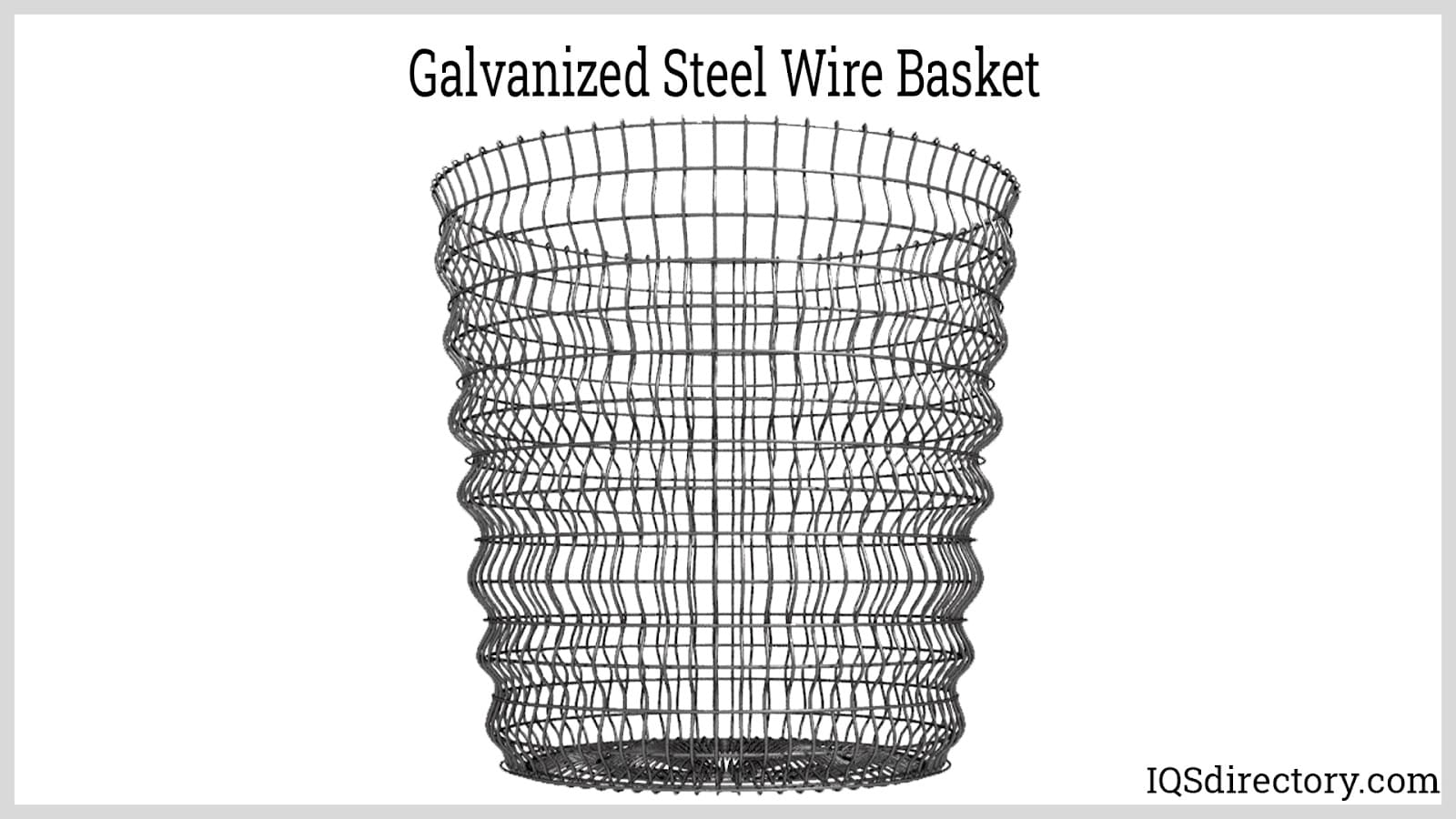
Common methods include:
This involves immersing the steel in molten zinc.
Similar to electroplating, a thin zinc layer is applied.
Galvanization forms a zinc layer that shields steel from environmental harm, enhancing resistance to moisture and corrosive substances. However, welding can pose risks by releasing toxic zinc fumes. Ideal when corrosion resistance is prioritized.
Stainless steel is available in numerous grades, with 304 and 316 being prominent for their reliability.
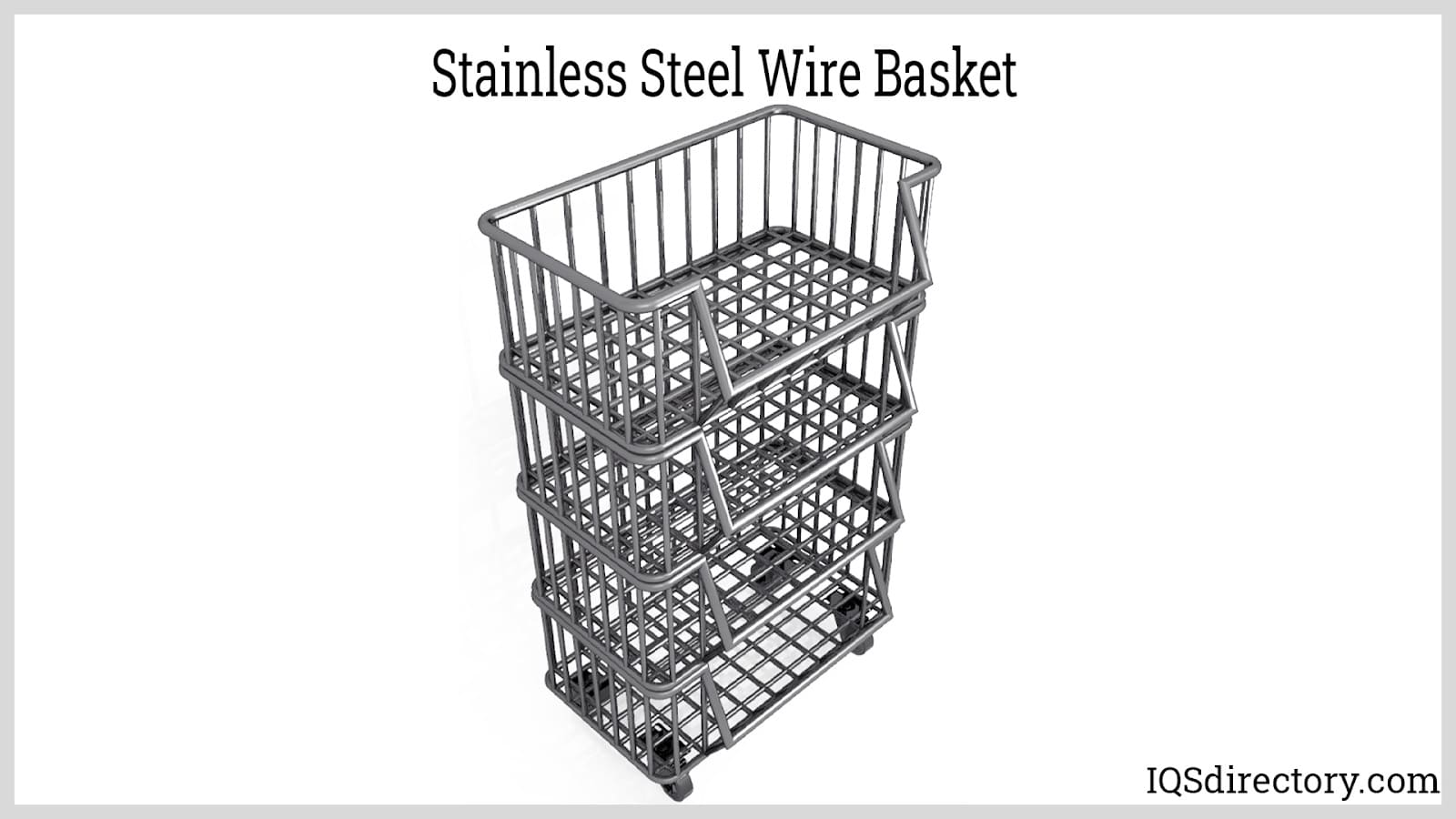
These alloys offer outstanding resistance to rust, far outmatching plain steel. Despite differences, they share critical advantages such as:
The application suitability depends on the grade, with grades 304 and 316 being optimal for various uses, particularly those involving contact with corrosive conditions, food-grade handling, cleanroom environments, and high-temperature processing.
Inconel features various grades, akin to stainless steel. Inconel refers to nickel-chromium austenitic alloys noted for their excellent resistance to temperature and chemicals.
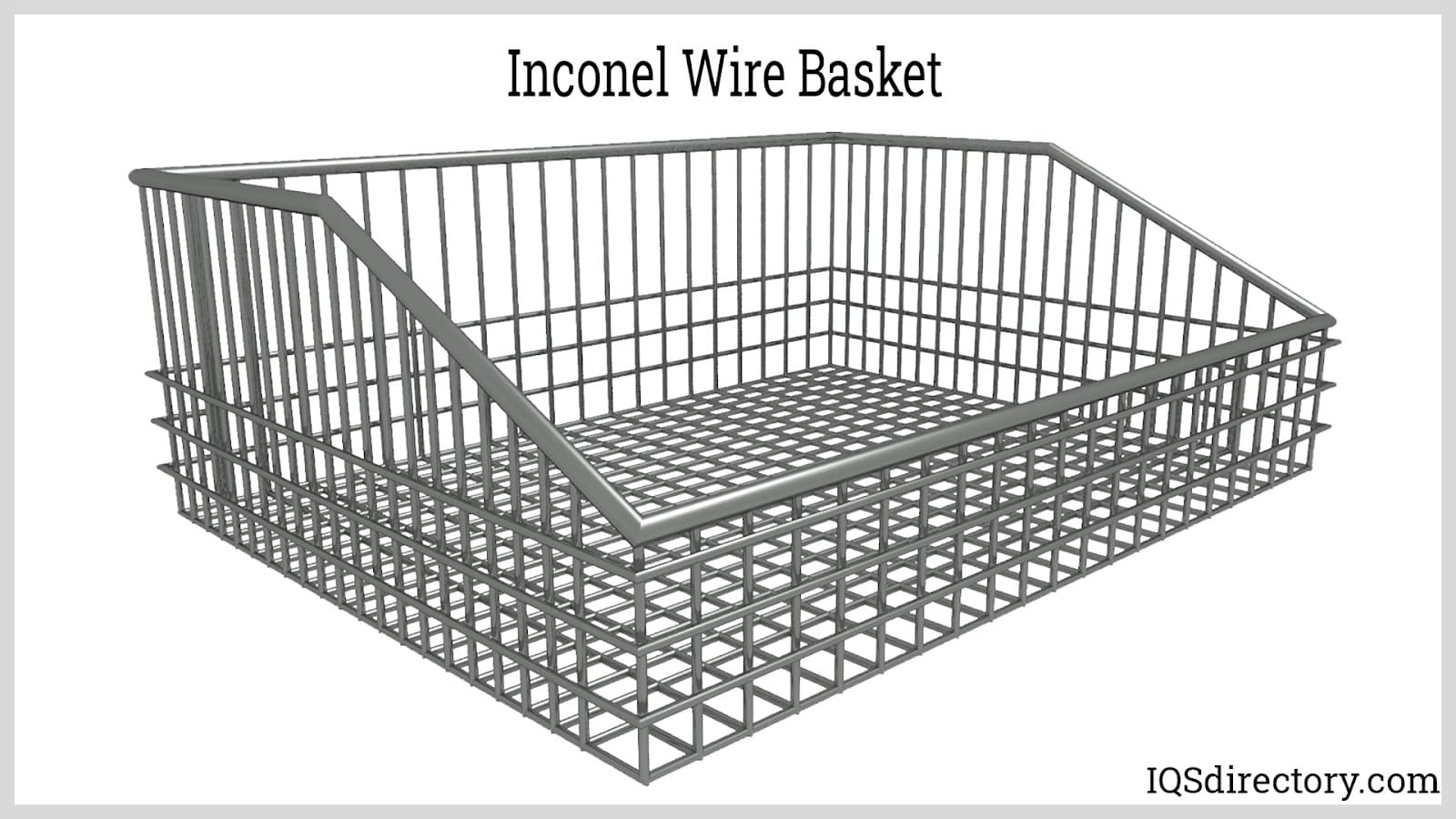
Tailored for high-pressure and high-temperature settings, Inconel withstands intense conditions, making it an ideal choice for demanding applications such as aerospace, chemical processing, and specialized thermal cycles. When evaluating custom wire basket manufacturers, buyers often compare material grade, fabrication quality, finish options, and the ability to meet exact size and performance requirements.
Wire baskets offer excellent visibility, airflow, and drainage. They are durable, easy to clean, corrosion-resistant when made from materials like stainless steel, and simplify organization in kitchens, garages, industrial, and retail settings.
Common materials for wire baskets include plain steel, galvanized steel, stainless steel (notably grades 304 and 316), and high-performance alloys like Inconel. Each provides a different balance of strength, corrosion resistance, and suitability for specific environments.
Kitchen and home wire baskets are designed for air circulation, easy content visibility, and quick access. Specialized types—like cutlery, under-sink, and cup and saucer baskets—include dividers and coatings that ensure both hygiene and longevity.
Key factors include the weight, shape, and surface sensitivity of contents, environmental conditions (e.g., exposure to chemicals or moisture), temperature requirements, and required strength. Material selection is vital for durability and specific handling needs.
Wire baskets are prevalent in food processing, kitchens, retail (shopping baskets), healthcare (sterilization trays), industrial material handling, transportation, and agriculture for storing, drying, and cleaning products or equipment.
Yes. Stainless steel and galvanized steel wire baskets are specifically recommended for humid or coastal areas, as they offer enhanced corrosion resistance against moisture and salty air compared to plain steel options.
Wire baskets are versatile organizational tools found across residential, commercial, and industrial spaces. Available in a range of sizes, materials, and constructions, wire baskets cater to diverse storage and utility needs—from kitchen organization to medical sterilization and retail shopping. Renowned for their strength, ventilation, and corrosion resistance, wire baskets are typically crafted from high-grade stainless steel, chrome-plated steel, or vinyl-coated metals to support heavy items securely without bending or collapsing. Below, we explore the most popular types of wire baskets and their specialized applications, helping users select the best wire basket for their specific requirements.
The plain wire basket is a staple in modular kitchens and commercial kitchens due to its simplicity, robust design, and functionality. Constructed from tightly woven stainless steel wires, these baskets form a sturdy rectangular structure ideal for general storage and efficient kitchen organization. Their open-grid design ensures ample airflow and visibility, making them perfect for storing vegetables, fruits, bulk foods, pans, or cookware. Easy to clean and highly durable, plain wire baskets offer a cost-effective solution for both residential and industrial storage needs.
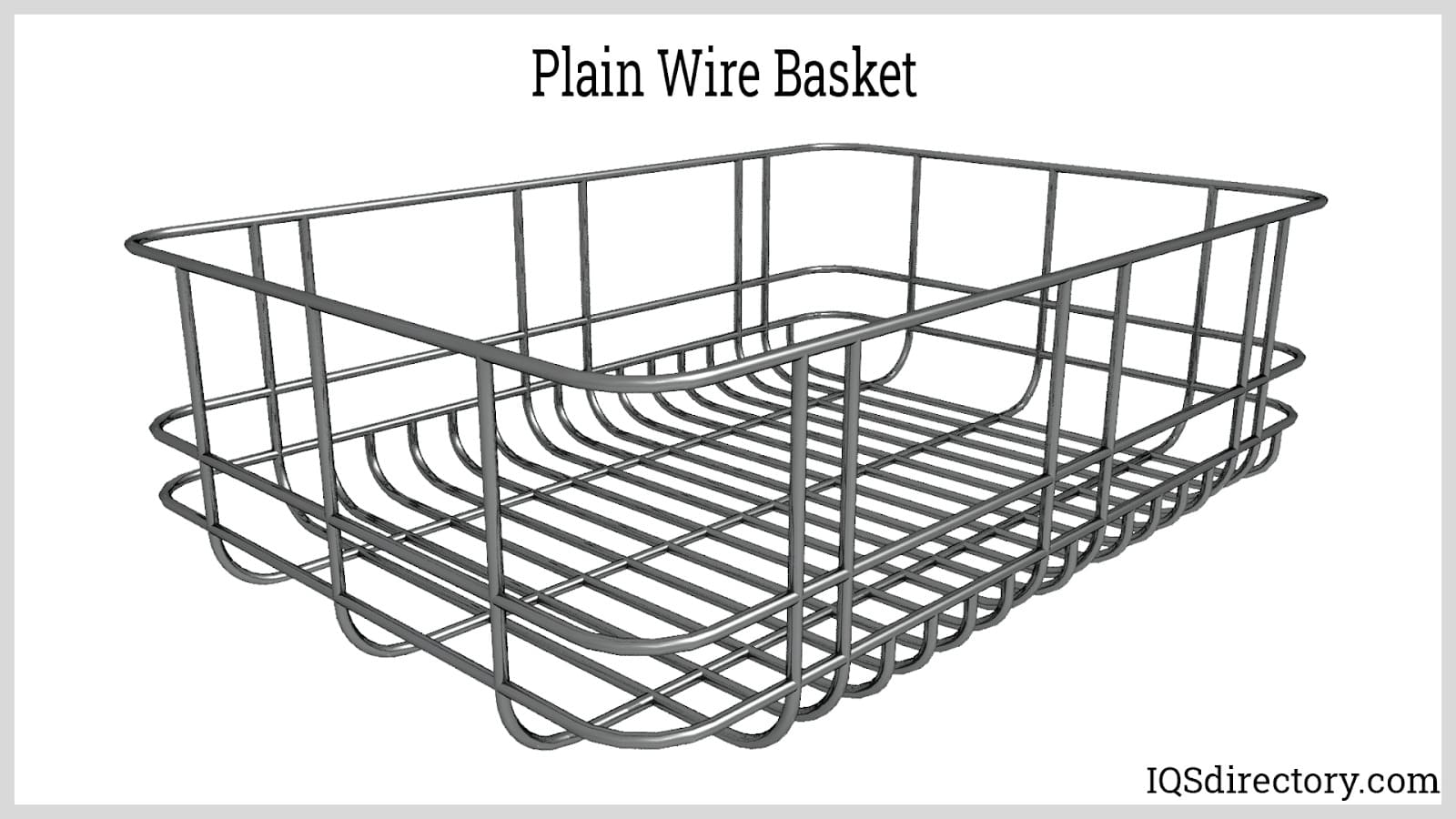
Available in a wide array of shapes and sizes, plain wire baskets can be custom-fitted for drawers, cabinets, or shelves. Their affordability stems from straightforward manufacturing processes and readily available materials. For heavy-duty storage, thicker gauge steel wire provides increased strength and load capacity, enabling safe organization of heavy cookware, ceramic utensils, or pantry staples.
Plate baskets, commonly referred to as thali baskets, are especially popular in countries like India, where thali-style meals involve multiple dish components. These specialized wire racks are engineered to securely hold plates, thalis, or serving trays in an upright and organized manner. This design not only streamlines meal service but also maximizes cabinet or countertop space by keeping platters neatly arranged and easy to access for everyday use.
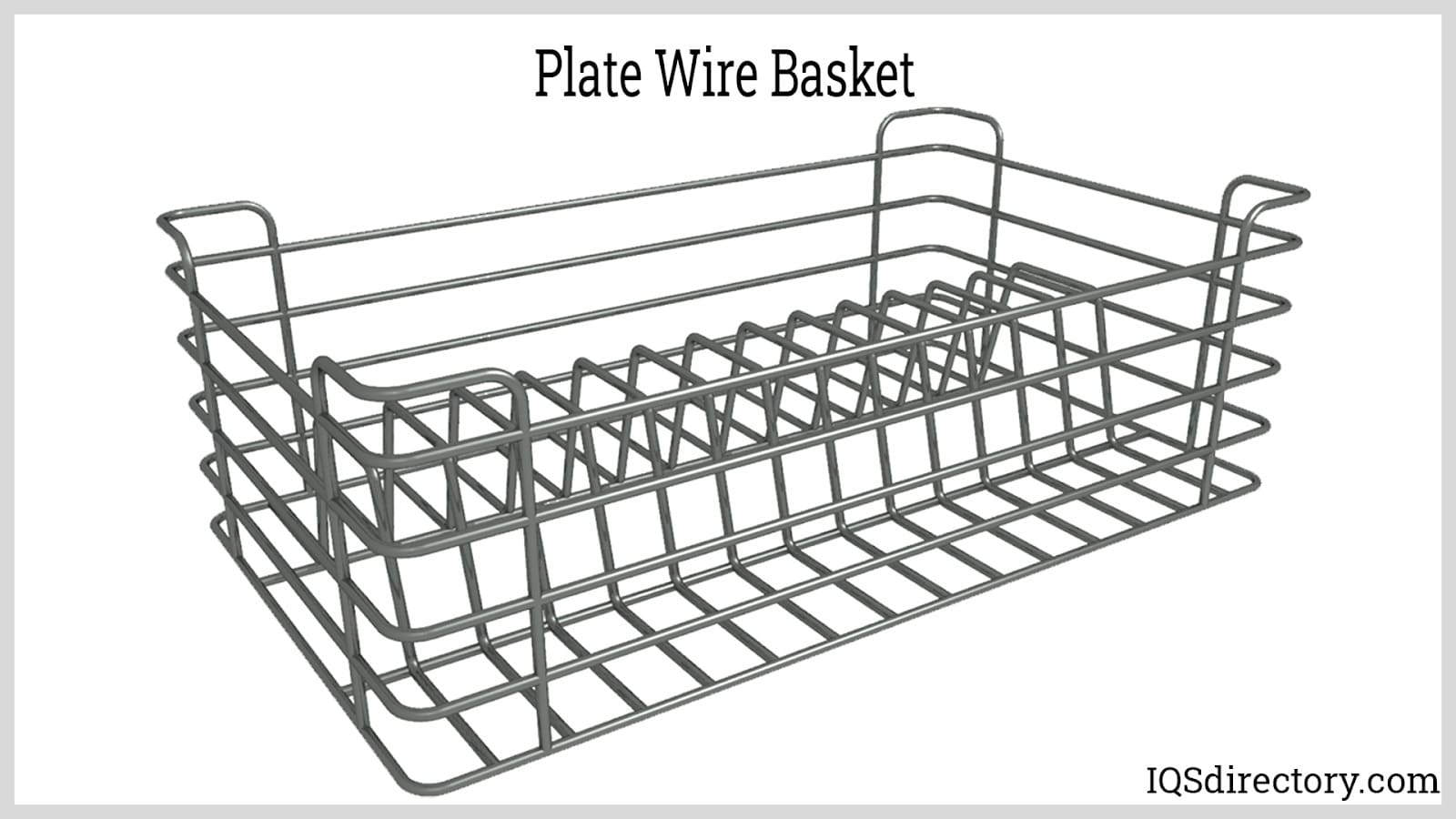
Plate baskets often feature elegant, artistic shaping for aesthetic appeal and efficient functionality. Crafted from high-quality stainless steel or chrome-plated wire, they resist rust and maintain a hygienic environment in the kitchen. Due to their specialized construction and decorative nature, plate baskets may be priced higher than standard storage baskets.
Cutlery baskets are precision-engineered wire baskets equipped with durable perforated bases, making them indispensable for organizing small utensils, cutlery, and flatware such as forks, knives, spoons, and serving tools. Integrated molded compartments or dividers make sorting and separating different types of kitchen tools easy, improving kitchen workflow and utensil hygiene.
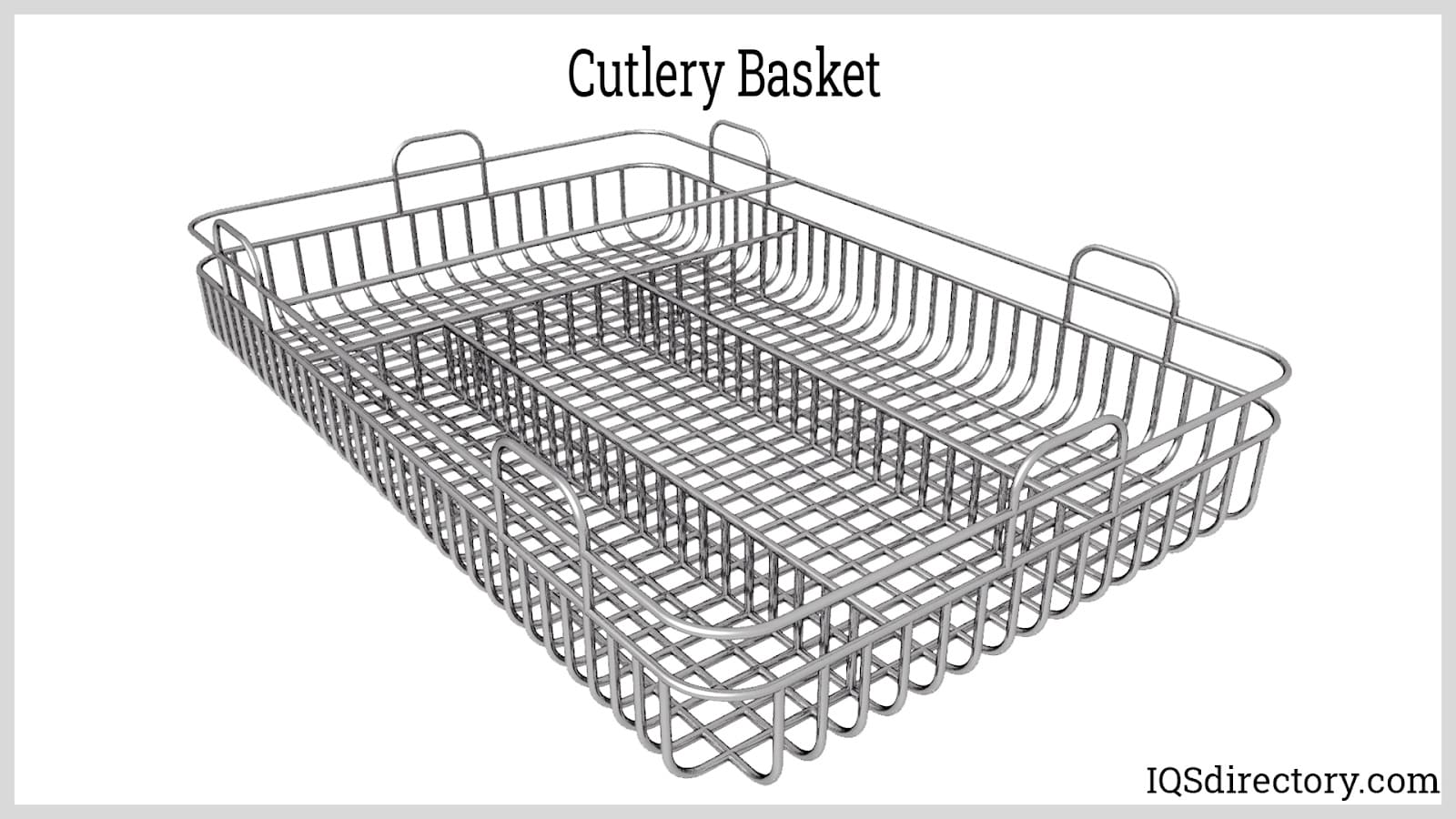
Cutlery baskets are often installed in modular kitchen drawers or used as standalone organizers. They are available in various sizes to accommodate everything from everyday cutlery to specialty utensils. Their ergonomic design ensures quick access, reduces clutter, and protects delicate items from damage. Given their highly functional design, cutlery baskets may be more expensive than standard storage alternatives—but the investment brings significant convenience for daily kitchen tasks.
Ideal for delicate drinkware organization, the cup and saucer basket features individually sized compartments to hold teacups, mugs, and matching saucers securely, reducing the risk of chipping and breakage. Popular in both home kitchens and cafés, these wire organizers are tailored to maximize cabinet space and optimize serving setups for tea or coffee service.
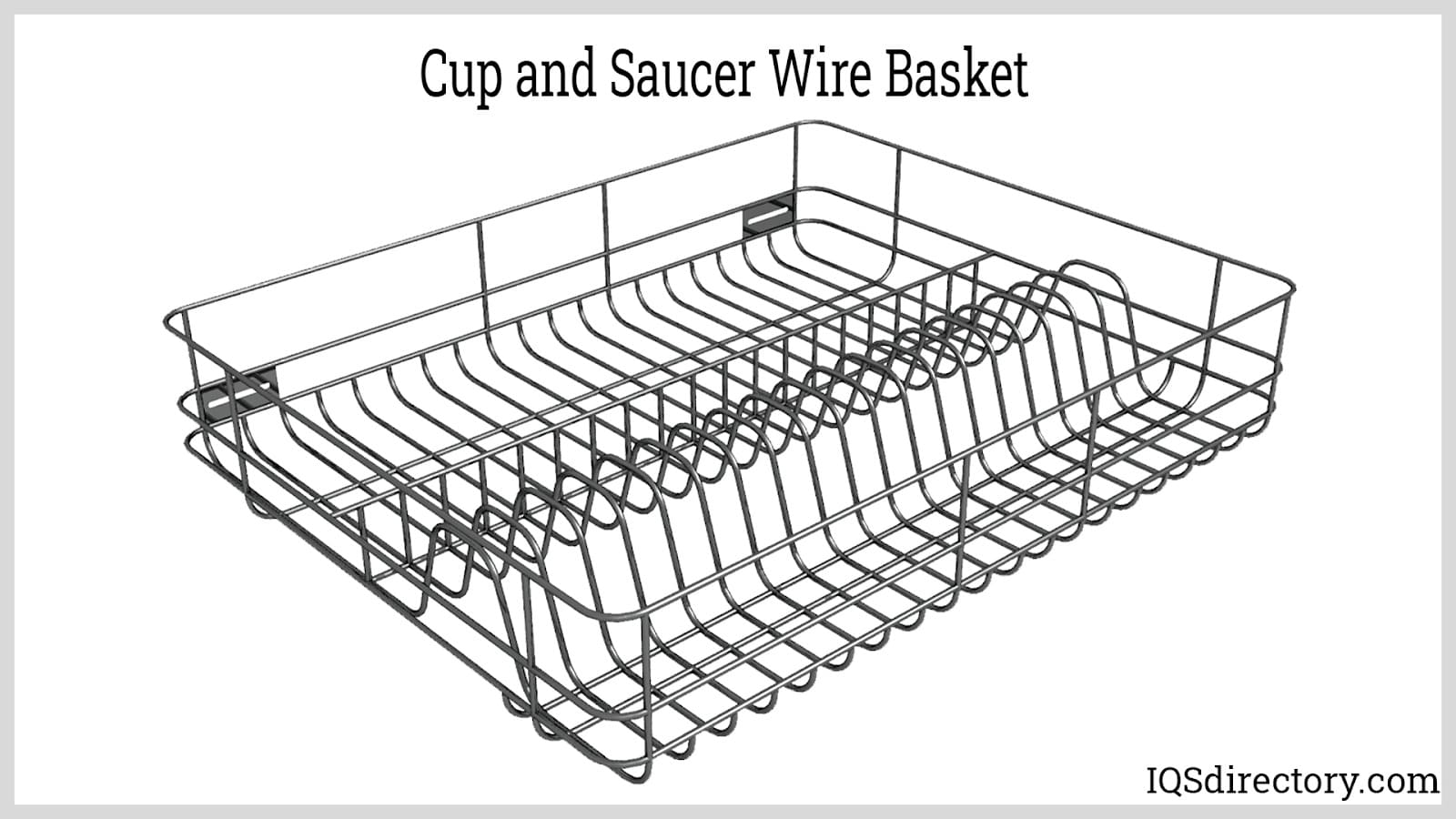
Showcasing a more refined and decorative design than plain wire baskets, the cup and saucer basket delivers both visual appeal and maximum utility. Due to their compartmentalized and aesthetic nature, these baskets are typically more expensive and are favored by those seeking a blend of function and elegance in kitchen storage solutions.
Under-sink baskets are custom-built wire organizers specifically designed to fit beneath the sink in kitchens, laundry rooms, or bathrooms. They provide a dedicated space for storing cleaning chemicals, scrub pads, sponges, and dish detergents, keeping these supplies organized and safely out of sight. Integrated wire dividers or multi-level storage tiers further enhance usability for larger families or commercial settings.
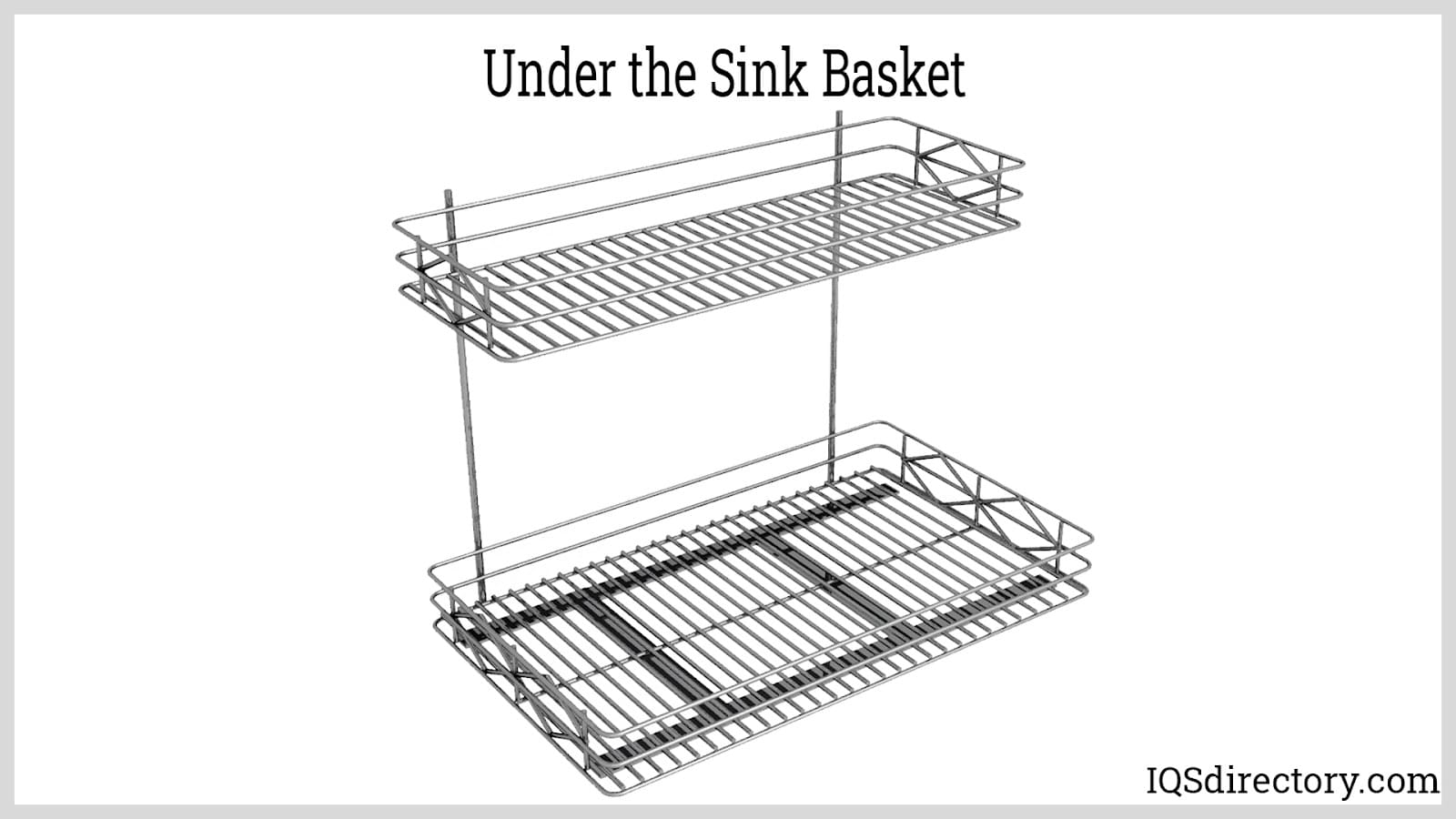
This type of wire storage basket is commonly finished with epoxy coatings or powder coatings that deliver excellent corrosion resistance, extending product life even in humid environments. While these protective features add to the basket's cost, they provide lasting value by ensuring robust storage for household cleaning supplies and minimizing rust over time—making under sink baskets a top choice for kitchen cabinet organizers.
The dish draining basket is an essential kitchen accessory for safe and hygienic air-drying of washed dishes and cookware. Constructed from lightweight stainless steel or coated metal wire, these baskets are designed to facilitate optimal drainage and airflow, keeping wooden countertops and surfaces dry. A detachable plastic tray at the base collects excess water, preventing messy spills and promoting quick drying.

Dish draining baskets are best used for plates, bowls, glasses, and utensils that require gentle drying. Their plastic compartments offer additional organization but are not intended for storing heavy cookware. Exceeding the recommended weight capacity may compromise their integrity. For commercial kitchens or high-volume households, look for reinforced dish racks or steel mesh trays for added durability.
Bin baskets serve as versatile waste management and storage solutions for kitchens, offices, or homes. Designed with a gauze-patterned metal mesh and fully enclosed bases, bin baskets efficiently contain food scraps, recyclables, or unwanted items. Their airy design reduces odor buildup while making emptying and cleaning simple and sanitary.
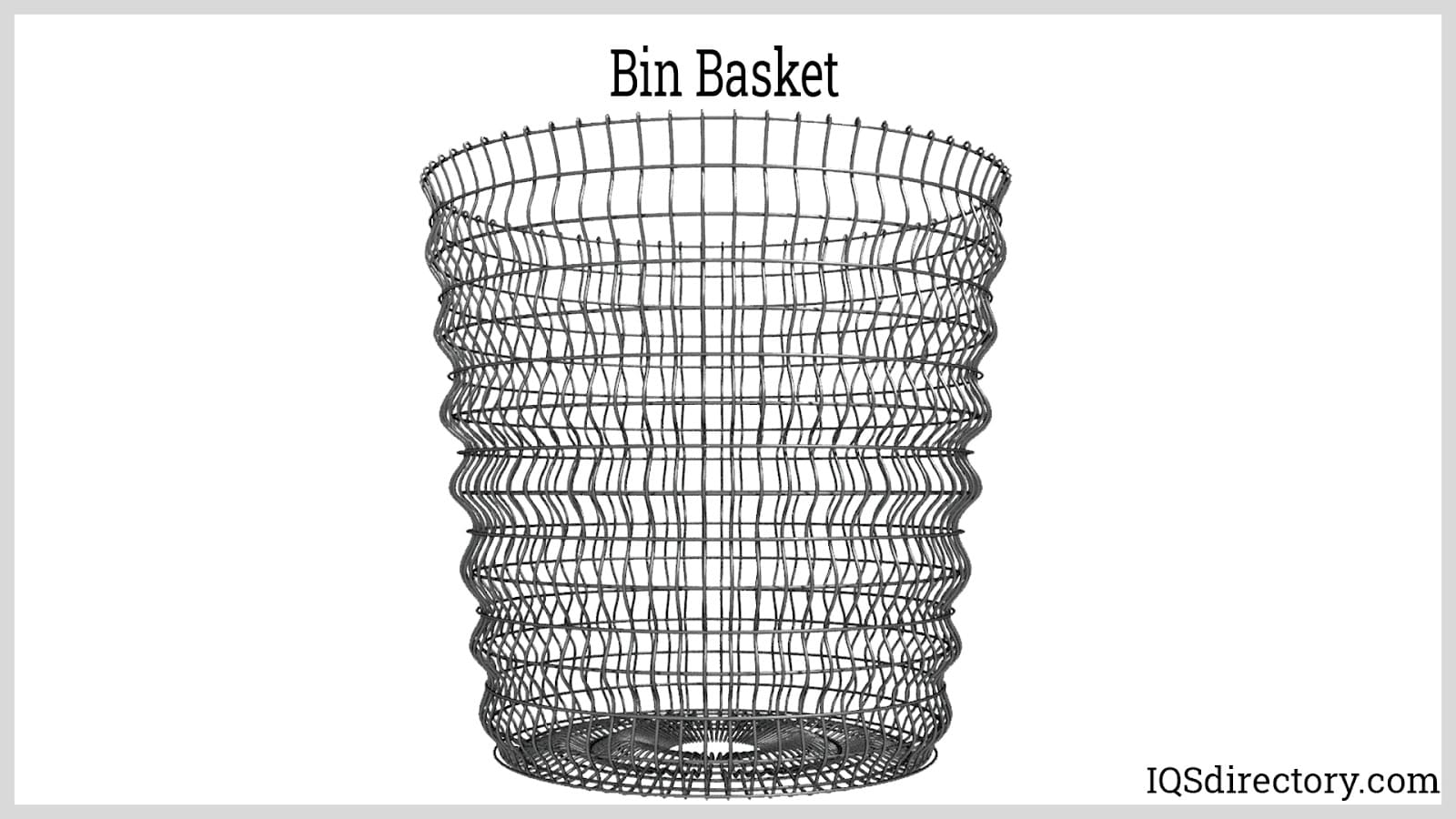
Often tucked beneath sinks or countertops, bin baskets support better kitchen hygiene and prevent clutter. Available in a range of sizes and finishes, these waste baskets are typically more expensive due to material quality and design enhancements such as foot pedals or fitted lids. Wire bin baskets are not limited to household use—they're also used in healthcare settings, workshops, garages, and more.
Wire baskets aren’t limited to the kitchen. Their applications span surgical trays, commercial shopping baskets, industrial storage, and food-grade processing containers, demonstrating the adaptability and value of wire baskets across multiple industries.
Surgical instrument trays are specialized medical-grade wire baskets engineered with ultra-fine mesh for the safe cleaning and sterilization of delicate medical tools. Their tightly woven structure prevents even the smallest instruments from slipping through, ensuring secure handling during autoclaving and disinfecting processes, which is essential to medical and dental sterilization procedures.
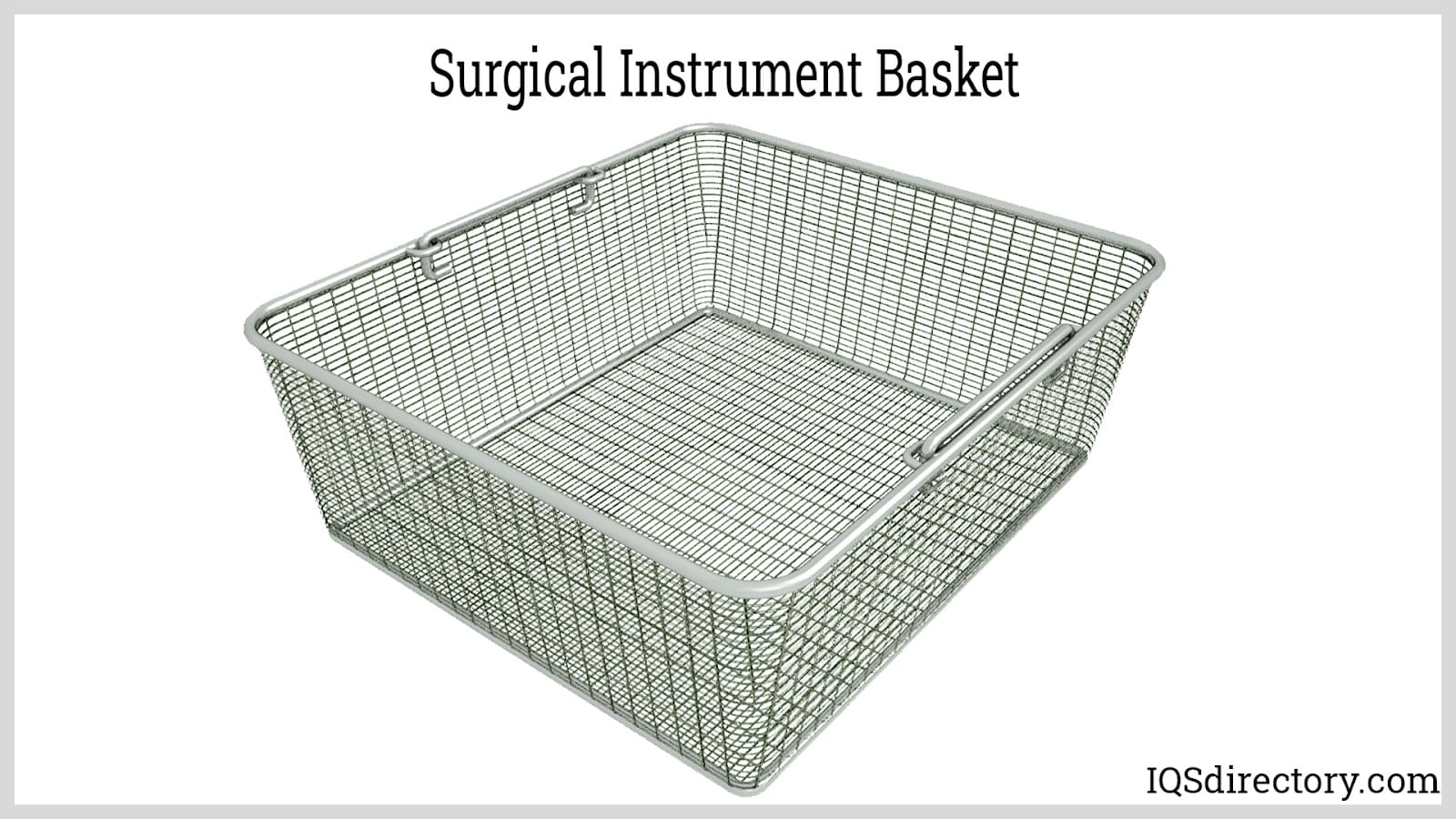
These baskets feature smooth, rounded edges to prevent injury and can withstand repeated exposure to high temperatures and chemical cleaning agents. Sterilization trays are vital in clinics, hospitals, and laboratories, offering dependable containment and ensuring compliance with industry hygiene standards.
Wire shopping baskets are a retail staple, commonly provided by supermarkets, convenience stores, and specialty shops. Constructed from durable steel mesh, these baskets are engineered for easy carrying of groceries and retail items, accommodating a range of products from fresh produce to frozen foods.
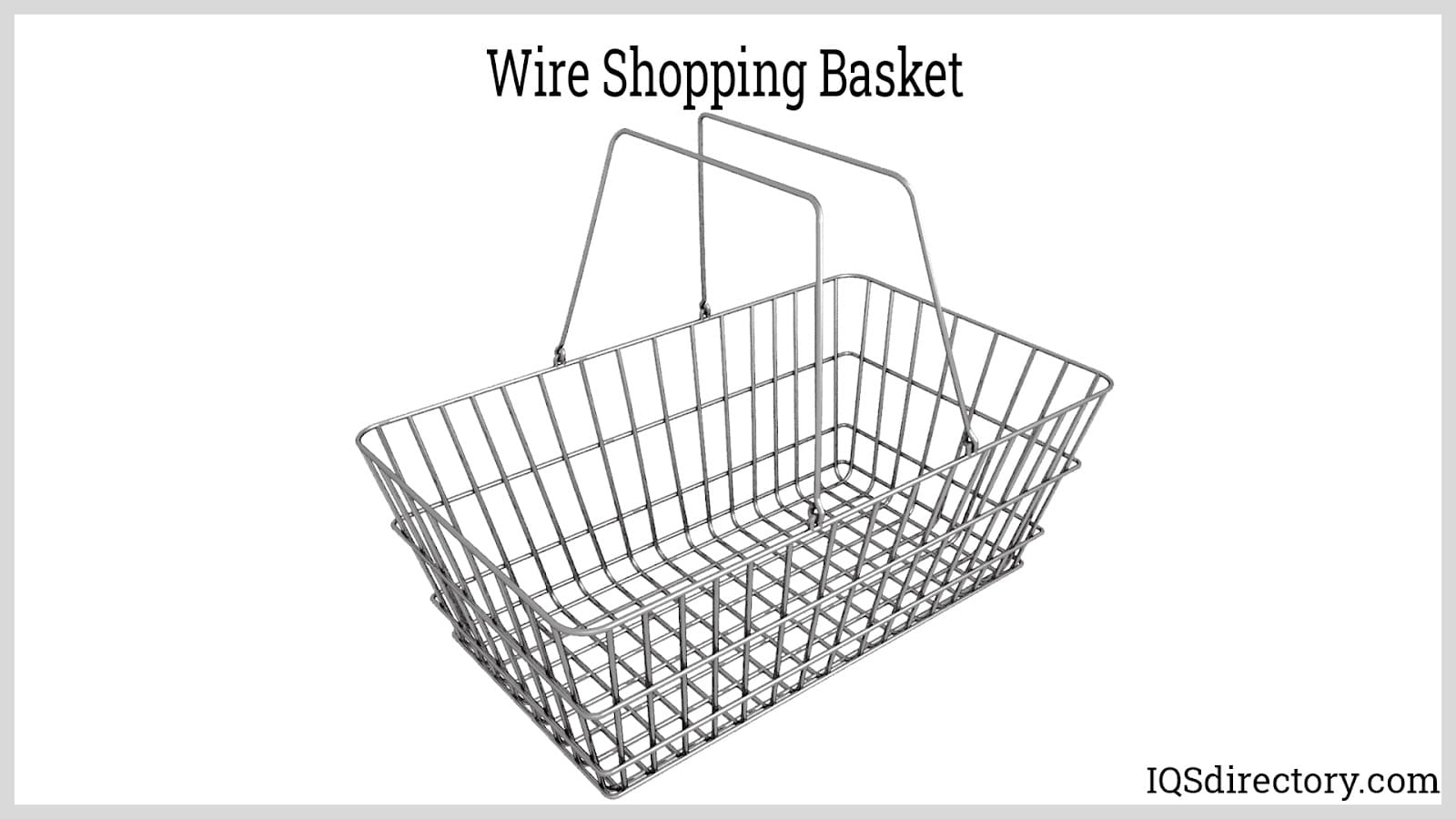
Wire shopping baskets are stackable and lightweight, yet strong enough to handle demanding shopping situations. Their ergonomic handles and reinforced edges promote safety and ease of use, making them an essential component in point-of-sale experiences for both customers and store owners.
Wire storage baskets, often made from rust-resistant stainless steel, chrome, or heavy-duty vinyl-coated wire, are engineered for optimized space-saving and organization in homes, garages, warehouses, or retail environments. Their high-strength dense mesh construction accommodates a wide variety of items, from pantry goods and home essentials to heavy garage tools or industrial equipment.
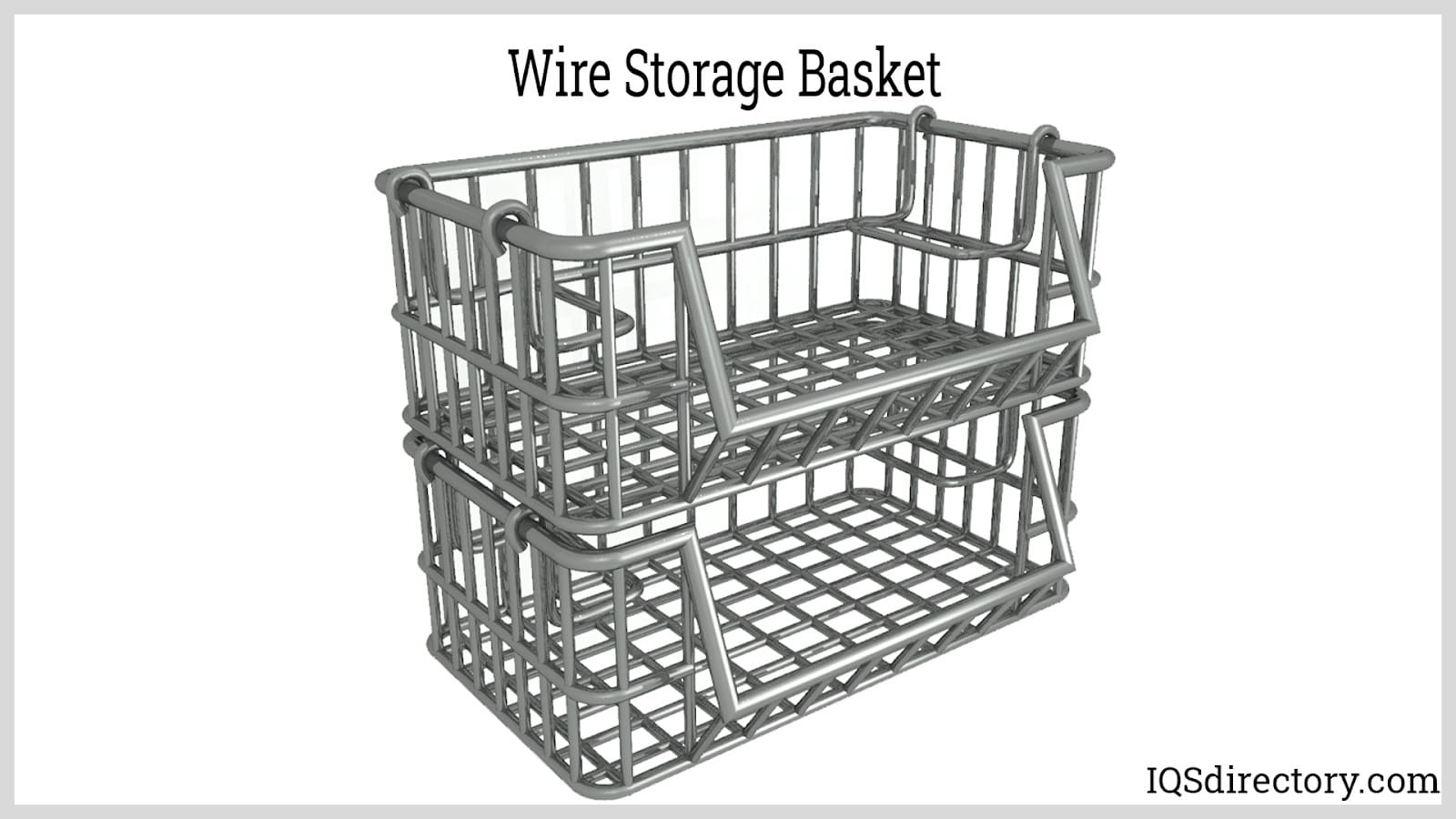
Designed with versatility in mind, wire storage baskets are available in stackable, wall-mounted, or pull-out formats for custom storage systems and efficient use of space. Many feature additional coatings or antimicrobial finishes for long-term durability and food safety, catering to both professional organizers and do-it-yourself homeowners seeking clutter-free living.
The wire baskets discussed above represent only some of the most common styles and their diverse applications. Numerous specialty wire baskets—such as wire fruit baskets, hanging storage baskets, stackable baskets, and freezer baskets—are available to address highly specific organizational requirements. Choosing the right wire basket depends on the intended environment, weight capacity, and material finish to meet long-term storage, hygiene, and design needs.
This chapter will explore the various applications and advantages of wire baskets.
Wire baskets are versatile tools used frequently in our daily lives. Their common applications include:
Wire baskets are commonly used in many households for organizing and storing items. In garages or sheds, they help keep small tools and equipment neatly contained and easily accessible. For example, they can hold car or machinery tools in one convenient location. In the kitchen, wire baskets are versatile, used for storing utensils, dishes, cups, or even food items. Additionally, some wire baskets are adapted to function as drying racks for washed kitchenware.
Wire baskets are frequently used to carry multiple items simultaneously. In shopping malls and supermarkets, customers use them to transport various products before checkout, thanks to their strength and ability to hold heavy loads securely. Additionally, wire baskets are sometimes custom-designed for bicycles, providing a practical solution for cyclists who need to transport items. These baskets can be easily strapped to bikes, offering a convenient and durable carriage option.
Wire baskets are essential in healthcare settings for the sanitary cleaning of surgical instruments. Their porous design facilitates effective washing, allowing detergents to flow through and thoroughly cleanse the instruments inside.
Certain equipment requires heating to very high temperatures. Wire baskets, which have high melting points, are used as containers for objects needing heat treatment. They are commonly utilized for degreasing car parts or cleaning instruments in heated environments.
In home environments, wire baskets are often used for various purposes. Some are specifically designed as frying baskets for restaurants or high-volume kitchens due to their high heat resistance and excellent storage capabilities. Additionally, wire baskets are useful for storing food items before they are prepared or served.
Wire baskets are employed to organize and transport various goods and products. In shipping operations, these baskets help manage and arrange items efficiently during transit.
Wire baskets are utilized in agriculture for storing a variety of farm produce. In certain cases, they also serve as sieving tools.
Wire baskets have become incredibly useful in our daily lives due to their many advantages. In the shipping industry, they simplify inventory management by making it easy to move and organize items. The wire mesh allows for clear visibility of products, so it's simple to identify and locate items without having to open sealed boxes or containers. This visibility saves time and eliminates the guesswork of searching through packed boxes.
Wire baskets are also popular in food processing and home use due to their ease of reuse and cleaning. They are particularly useful for washing food items like potatoes, as their design allows dirt and water to flow through, making the cleaning process efficient and effective.
Wire baskets are also a cost-effective choice because the materials used in their manufacture are relatively inexpensive compared to wooden racks, which can deteriorate over time. Wire baskets are durable and resistant to weight and corrosion, making them a long-lasting solution.
Despite their many benefits, wire baskets do have some drawbacks. They are not suitable for transporting confidential items or small goods. For instance, it would be unprofessional for a security company to use wire baskets for transporting money to a bank, and they are not practical for displaying small products in malls and supermarkets.
If not used properly, wire baskets can lead to loss of contents through the gaps in their weave. Cargo bay loaders must ensure that items placed in wire baskets are secure and won't fall through the openings during transport. Additionally, the exposed nature of wire baskets makes the contents vulnerable to damage from fire, water, or theft. Unlike sealed containers, wire baskets provide no protection against these risks, making it easier for items to be stolen or damaged.
Organizing wire baskets can be challenging, especially when they vary in shape and size. Their rigid structure means they cannot be compressed to save space. Additionally, their metal construction adds extra weight to the cargo, which can be a significant issue in the transportation industry. This additional weight can complicate logistics and lead to unexpected expenses.
In summation, wire baskets are containers made from woven wires that can also be used in place of plastic baskets and are used to store or organize materials in both household and commercial lines of work. Wire baskets make working easier as they organize the materials in such a way as to save time going through the various materials.
Wire shaping is a complex method that encompasses a wide range of dimensions, forms, and textures. The technique of creating a usable product by wire bending and shaping is known as custom wire forms...
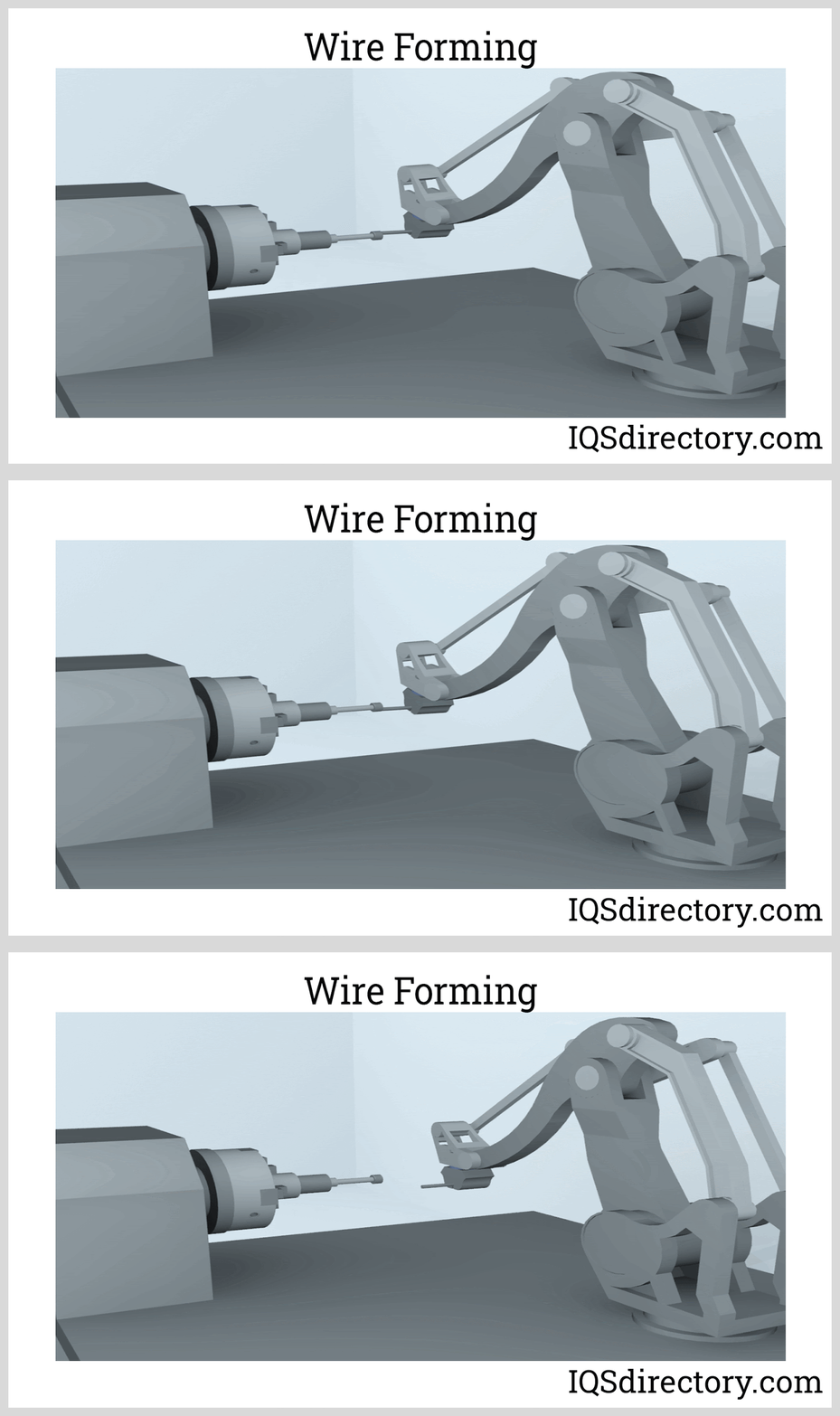
Wire forming is a method for applying force to change the contour of wire by bending, swaging, piercing, chamfering, shearing, or other techniques. The various techniques for wire forming can produce any type of shape, form, or configuration...
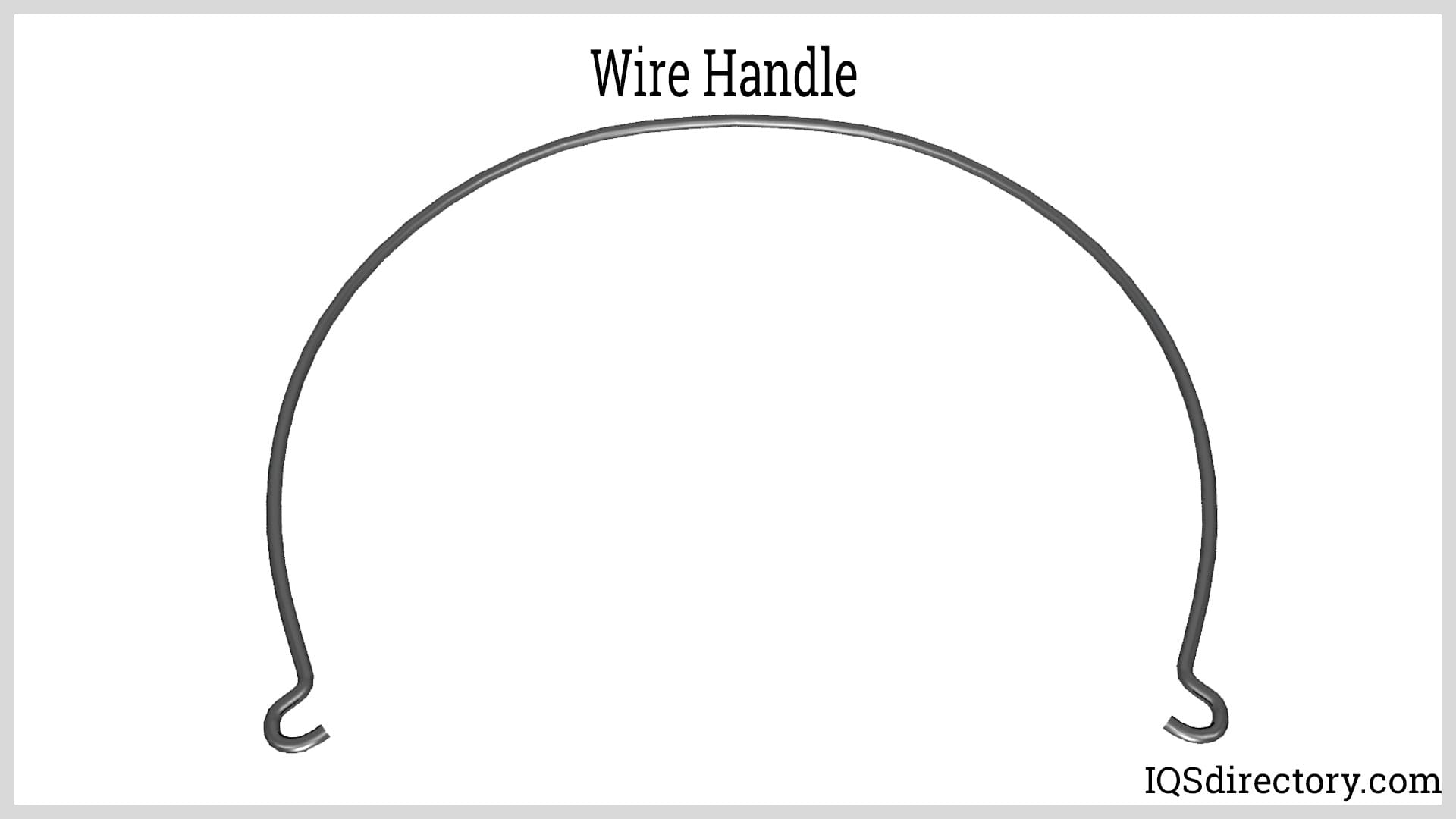
A wire handle is attached to a bucket, pail, or other type of container to make it easy to lift the container and transport it. They are made of durable and sturdy metals capable of lifting several pounds...
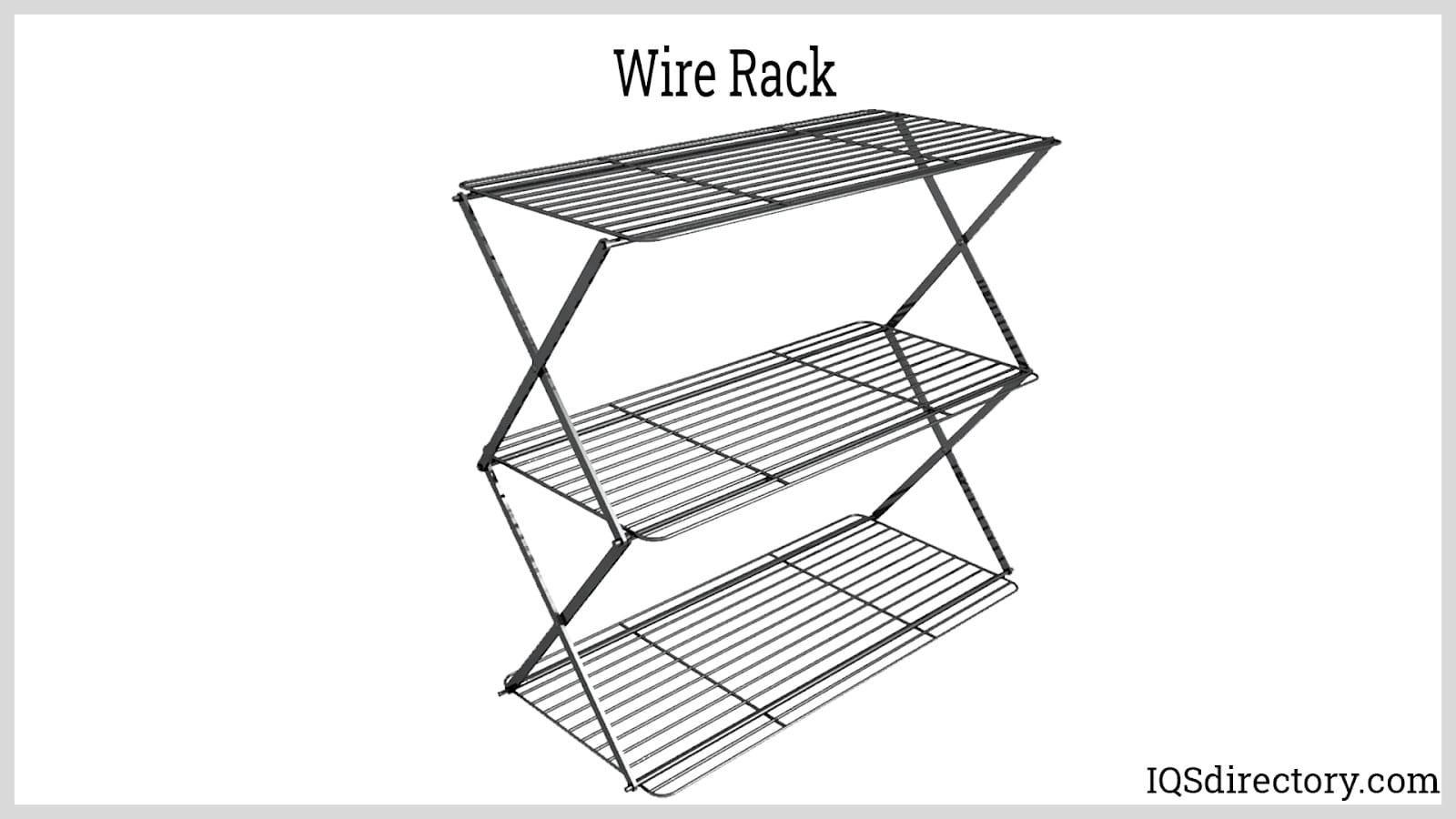
A wire rack is a level wire form utilized to stock and exhibit a number of products, usually retail. The bottom surface on which such goods are stored is made of several latticed or interlaced metal strands...
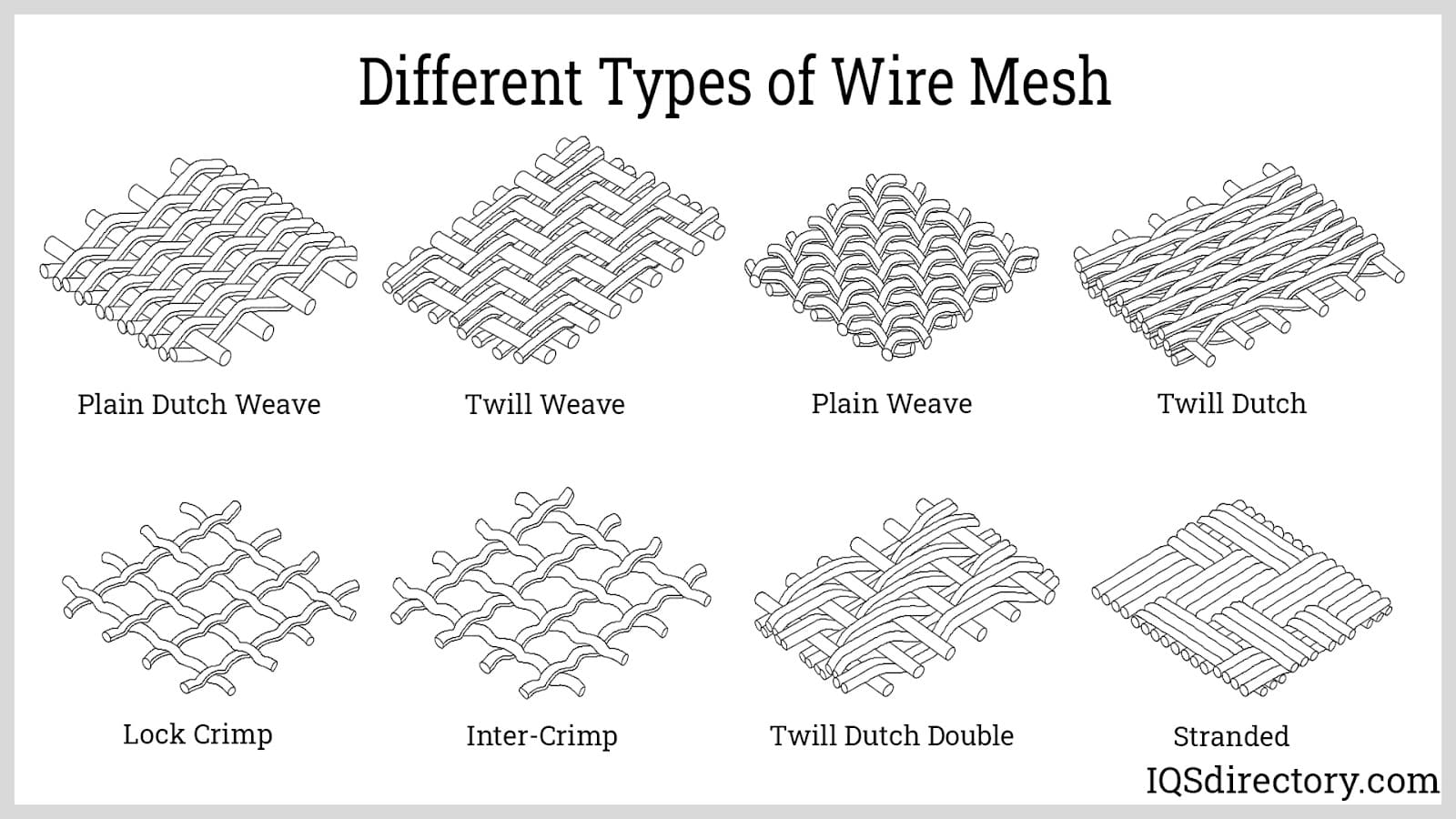
Wire mesh is fabricated by the intertwining, weaving, or welding of wires of various thicknesses to create proportionally equal parallel rows and intersecting columns. Also known as wire fabric, wire cloth, or...
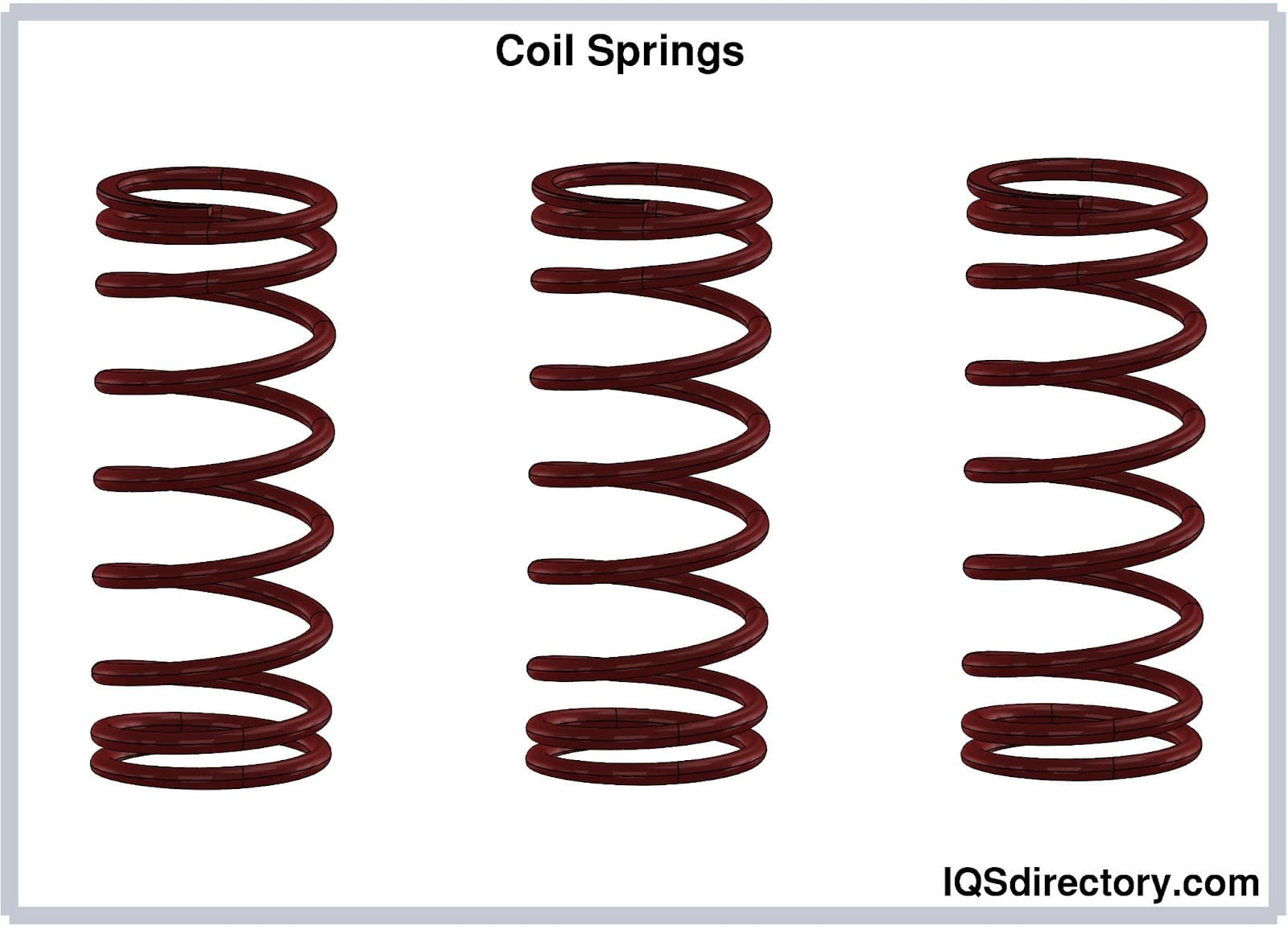
A coil spring is an elastic element made of metal or heavy plastic in the form of curls or ringlets of round wire or cord that is wrapped around a cylinder. The winding of a coil spring can be loose or tight in a helical shape depending on the application for which it is made...
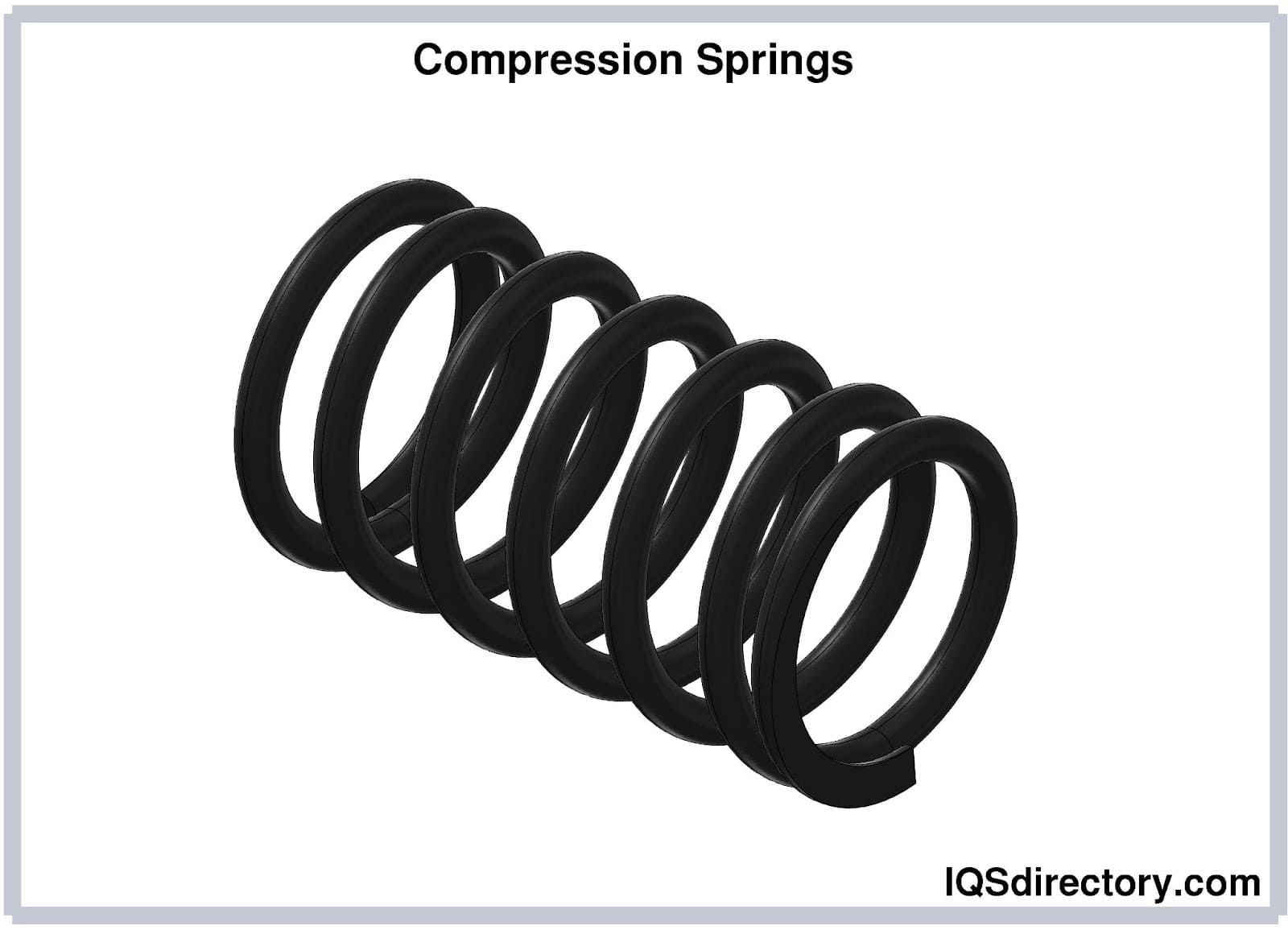
Coil springs called compression springs can store mechanical energy when they are compressed. These open-coiled, helical springs provide resistance to compressive loading. When these springs are...
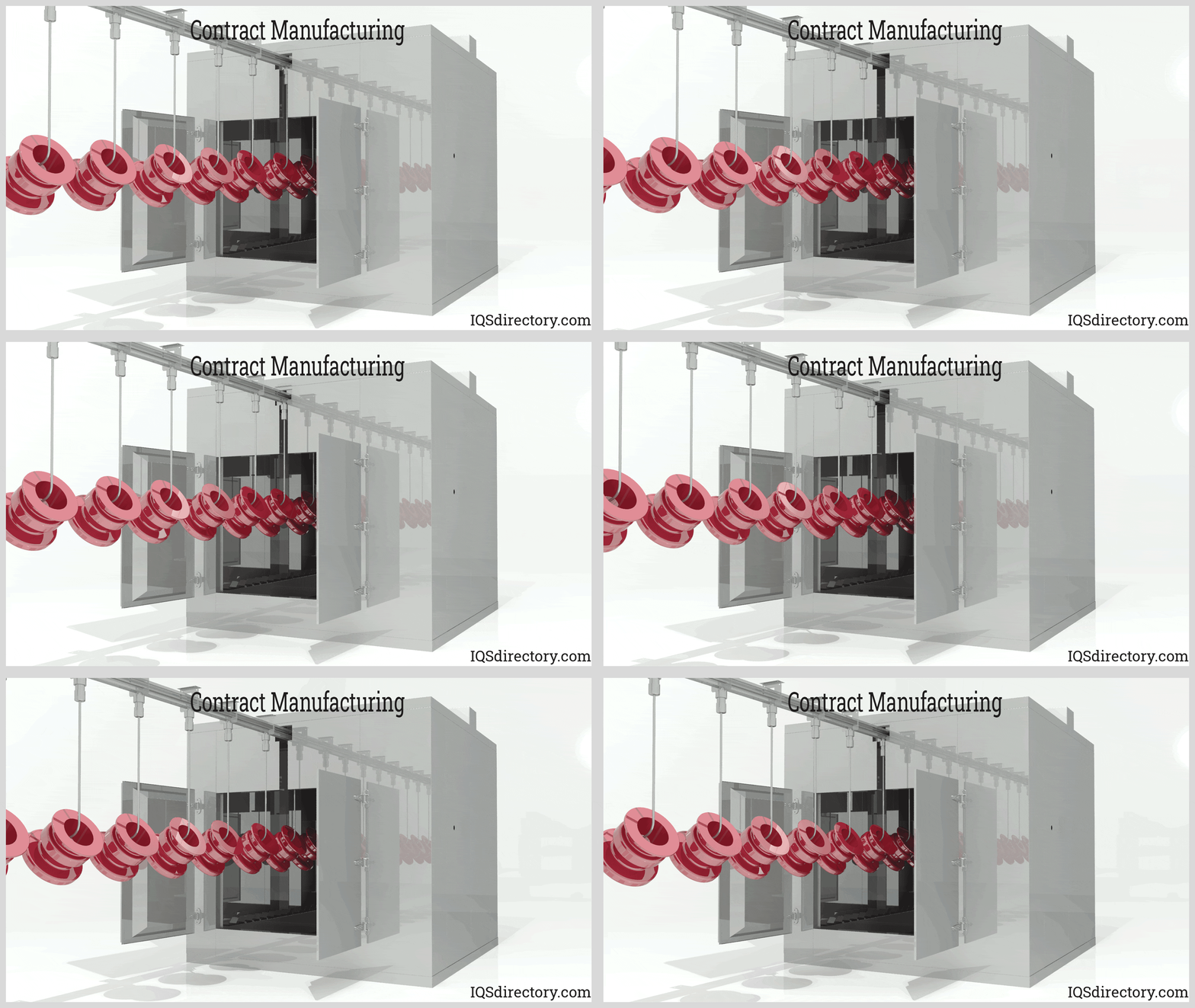
Contract manufacturing is a business model in which a company hires a contract manufacturer to produce its products or components of its products. It is a strategic action widely adopted by companies to save extensive resources and...
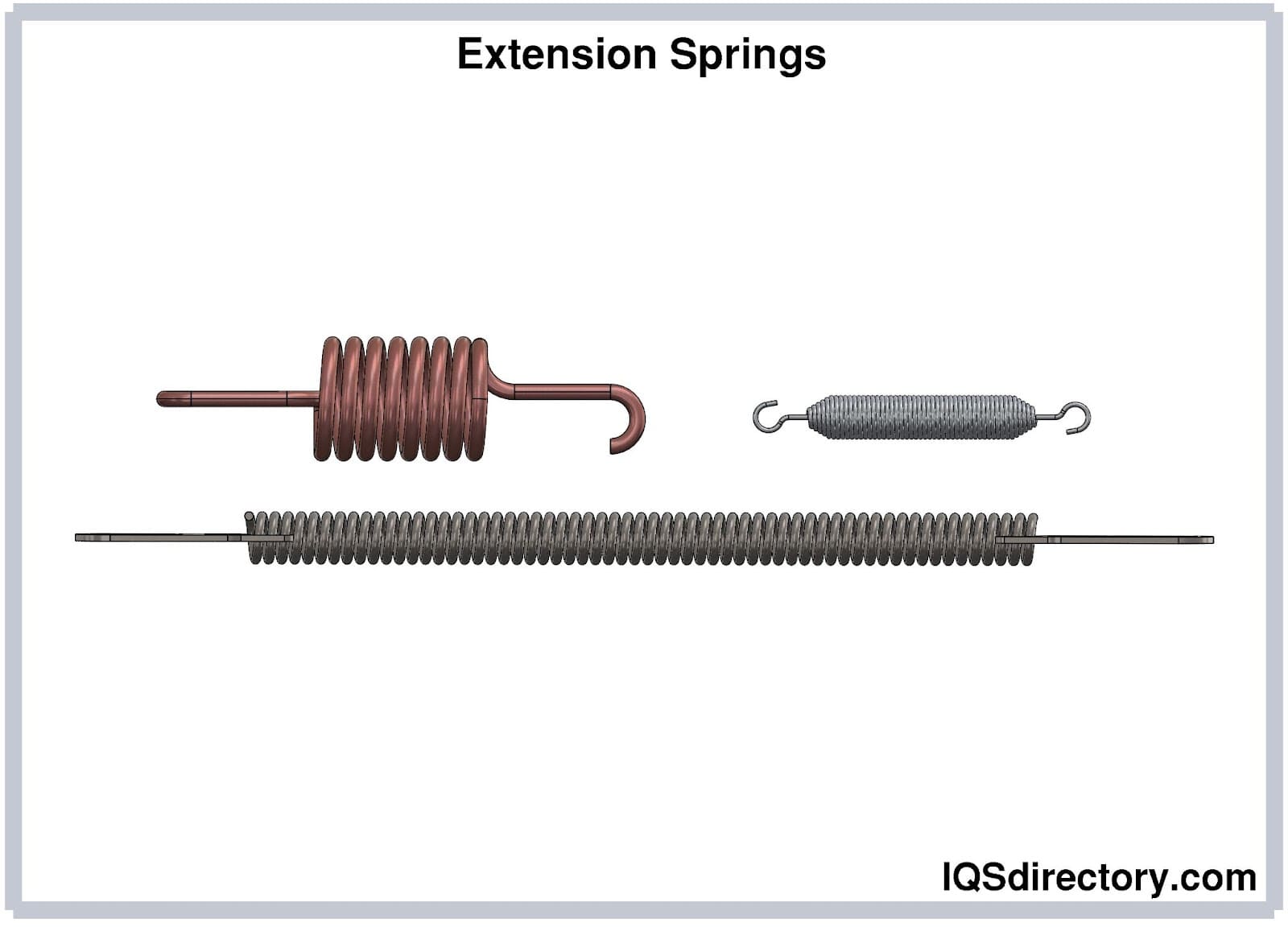
Extension springs are helical wound springs that are so closely coiled together to create initial tension in the coils. This initial tension creates resistance against the force applied to its ends for extension. The initial tension helps determine how closely and...
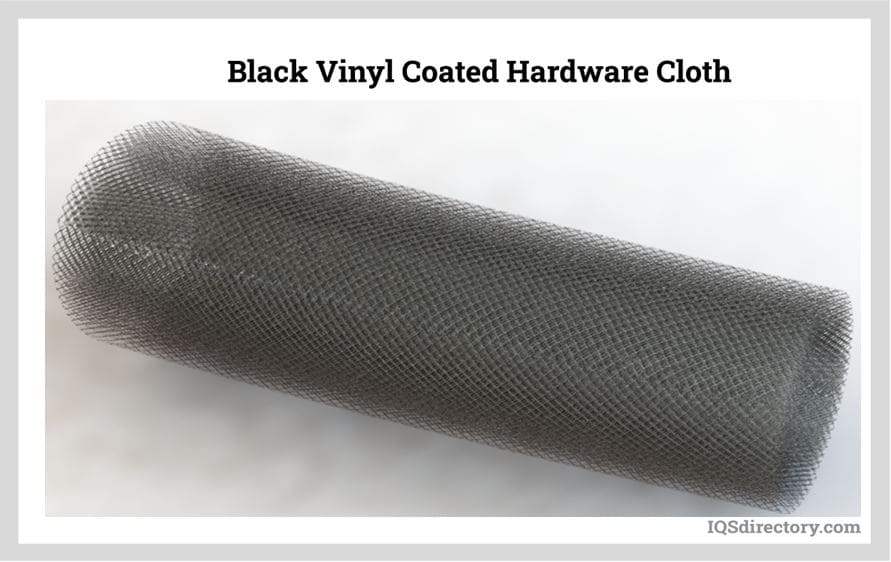
Hardware cloth is a woven mesh made by interlacing various sizes of wire to form a metal fabric that can be used for animal cages, fence material, strainers, and filtering screens. The differences between the various types of hardware cloth...
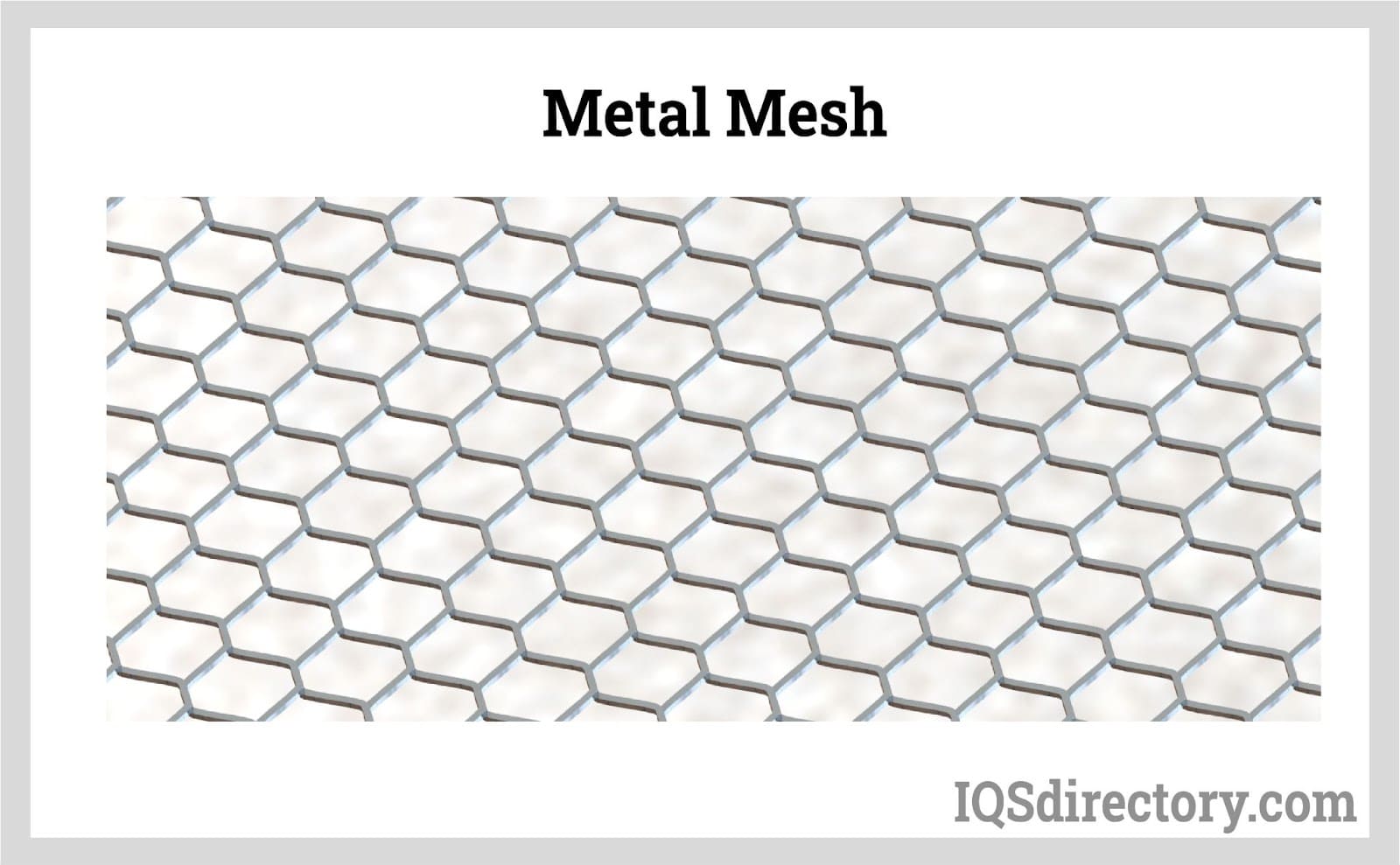
The phrase "wire mesh" describes two- or three-dimensional structures constructed of two or more metallic wires connected by various techniques. In a wide range of settings, wire mesh products are...
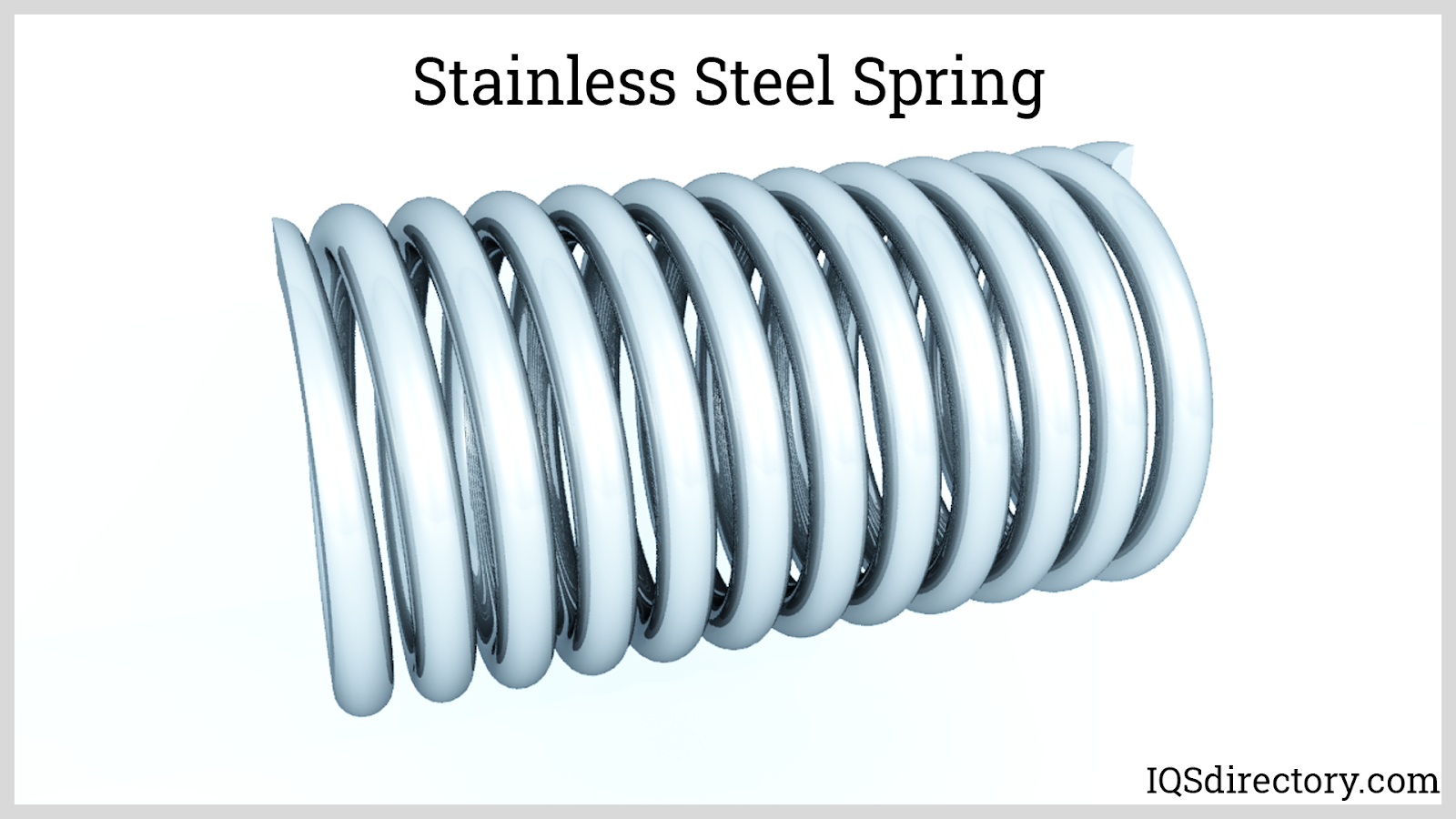
Springs are a flexible machine element that store mechanical energy when subjected to tensile, compressive, bending, or torsional forces. When the spring is deflected, it stores energy and at the same time exerts an opposing force...
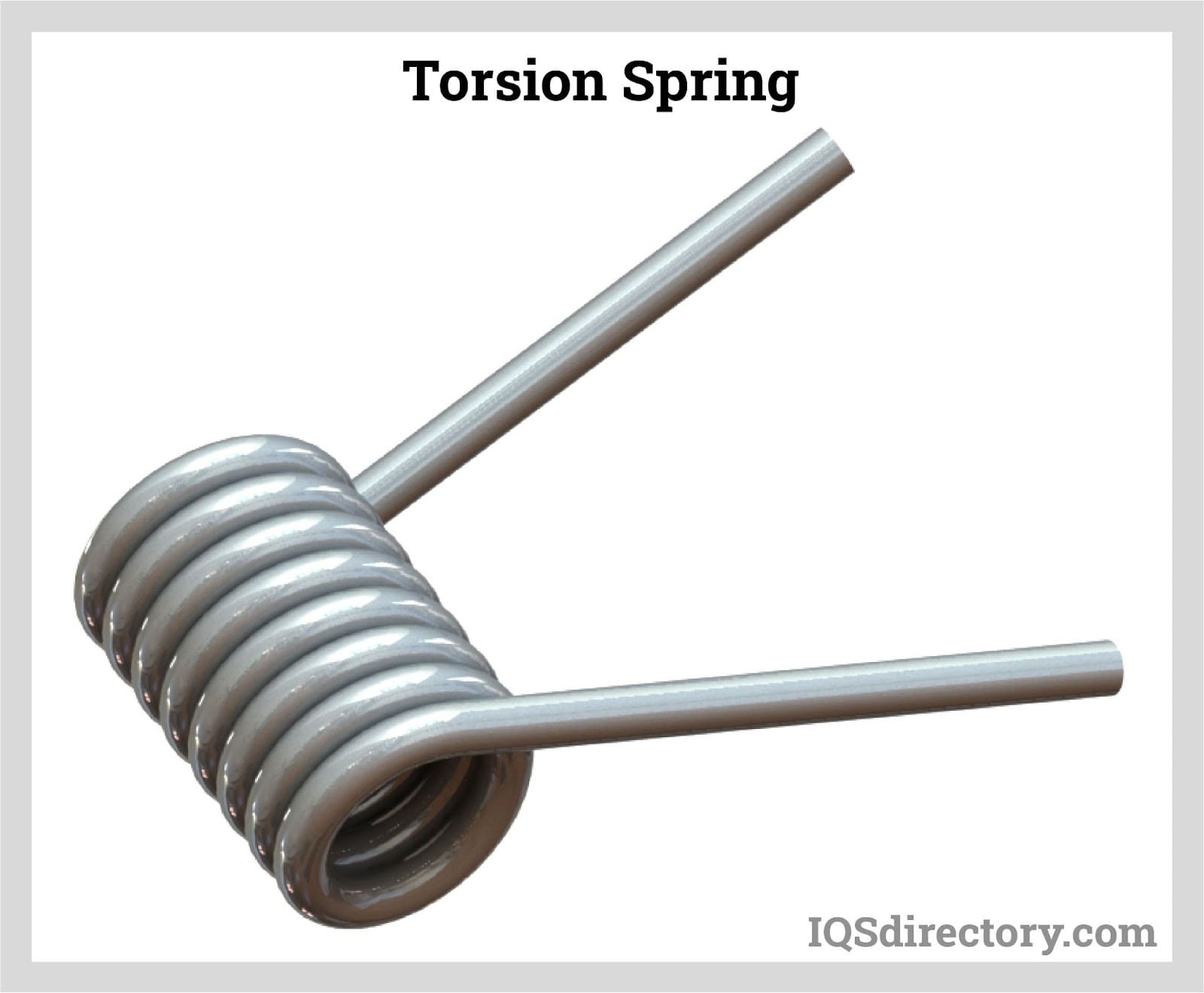
A torsion spring is a mechanical device that stores and releases rotational energy. Each end of the torsion spring is connected to a mechanical component. As the spring is rotated around its axis on one end, the winding of the spring is tightened and stores potential energy...
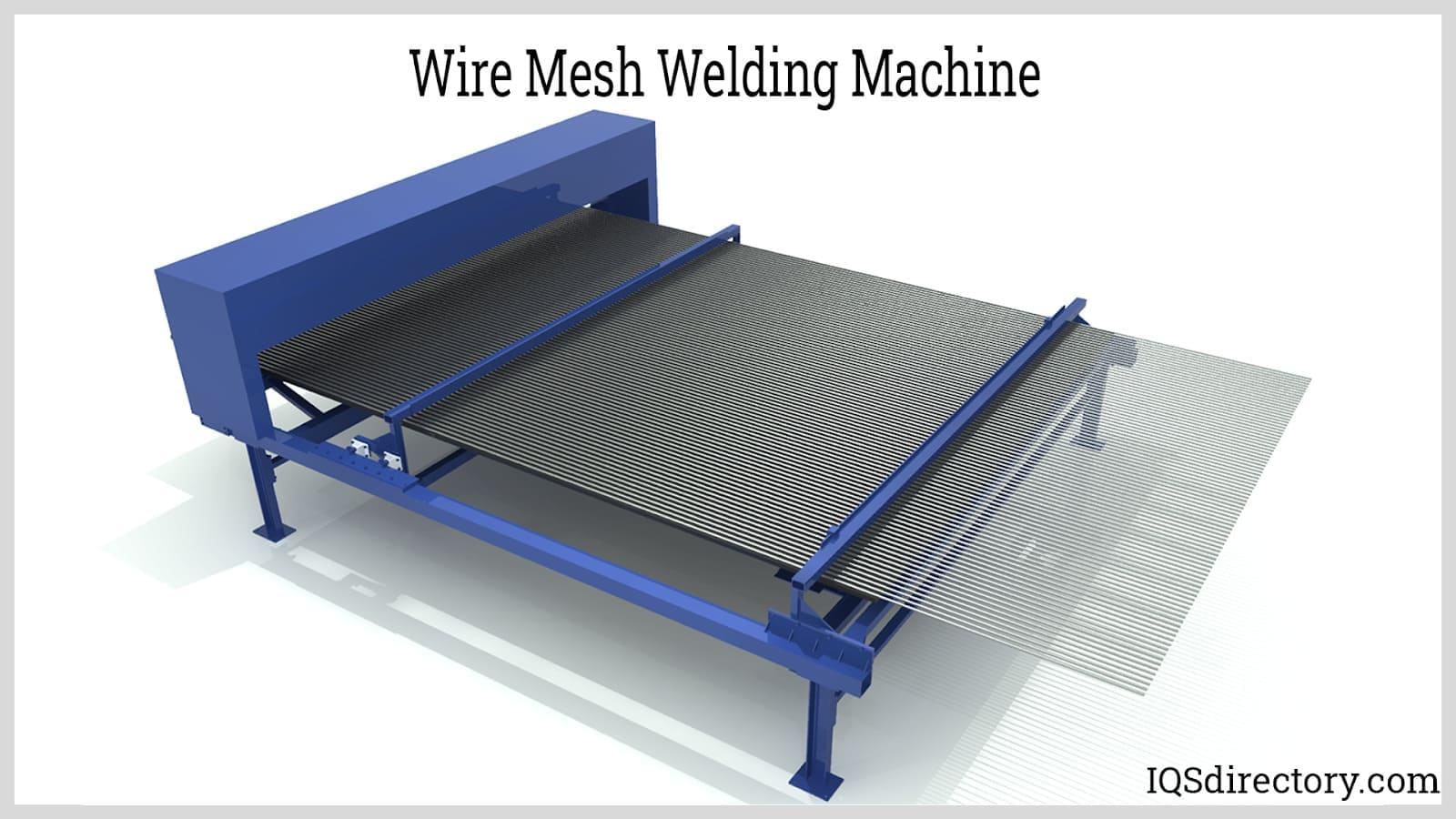
Welded wire mesh is a series of wires that are welded where the individual wires cross. The openings of the mesh varies depending on the type of wire used and the function of the mesh. Regardless of size and wire, welded wire mesh is permanent and...
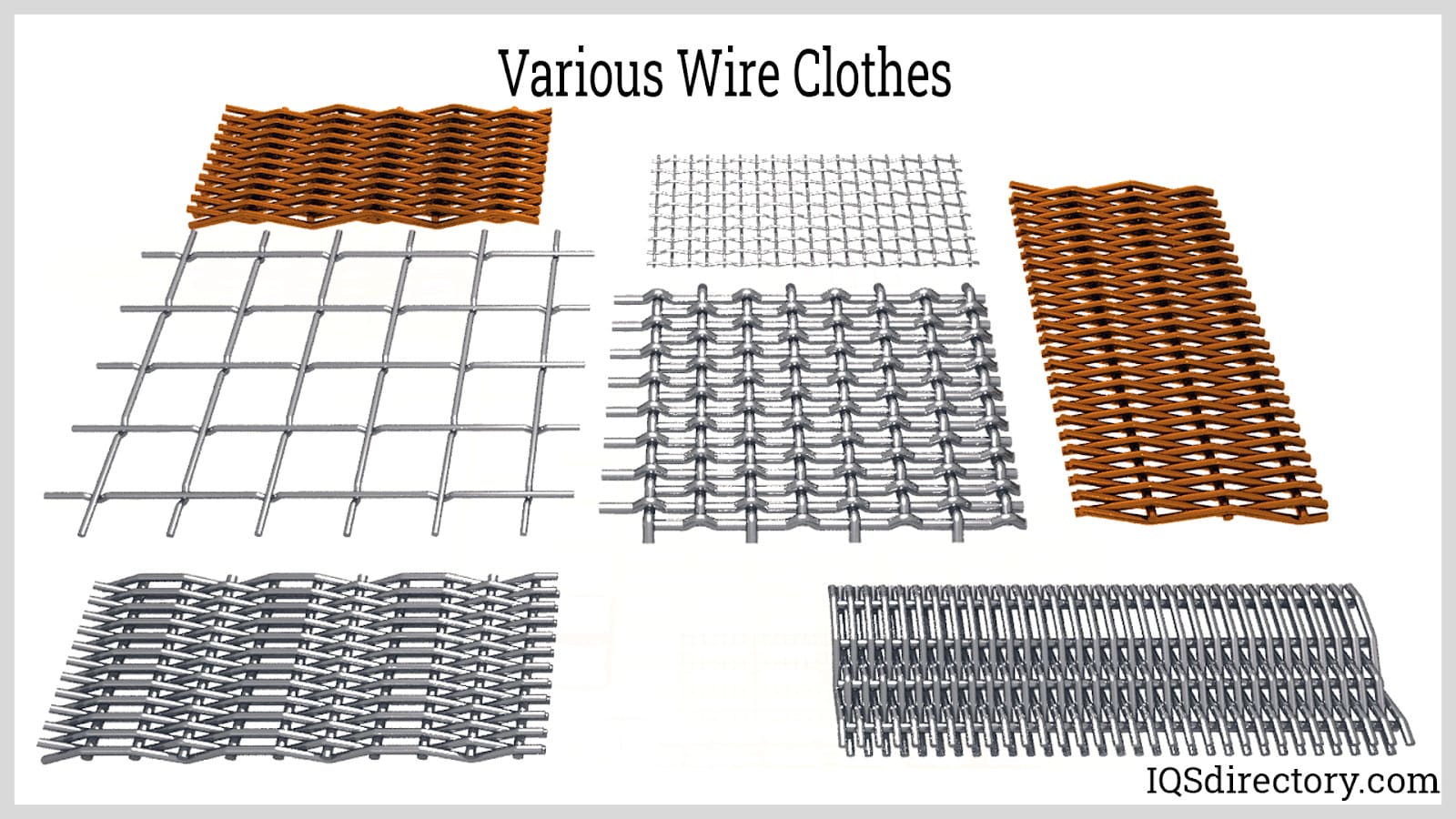
Wire cloth is a woven (or nonwoven) sheet or web material with a series of openings across the surface. Wire cloth is also known as: Metal Fabric or Metal Cloth; Wire Mesh, Metal Mesh, or Alloy Mesh...