Wire Baskets
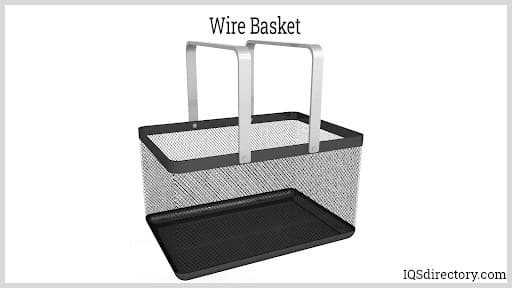
Wire baskets are made from a series of wires that are woven together or welded to form a shape of a basket. They can also be defined as containers that are made by use of an openwork pattern of metal...
The content of this article contains everything you will need to know about wire handles and bucket handles.
You will learn:
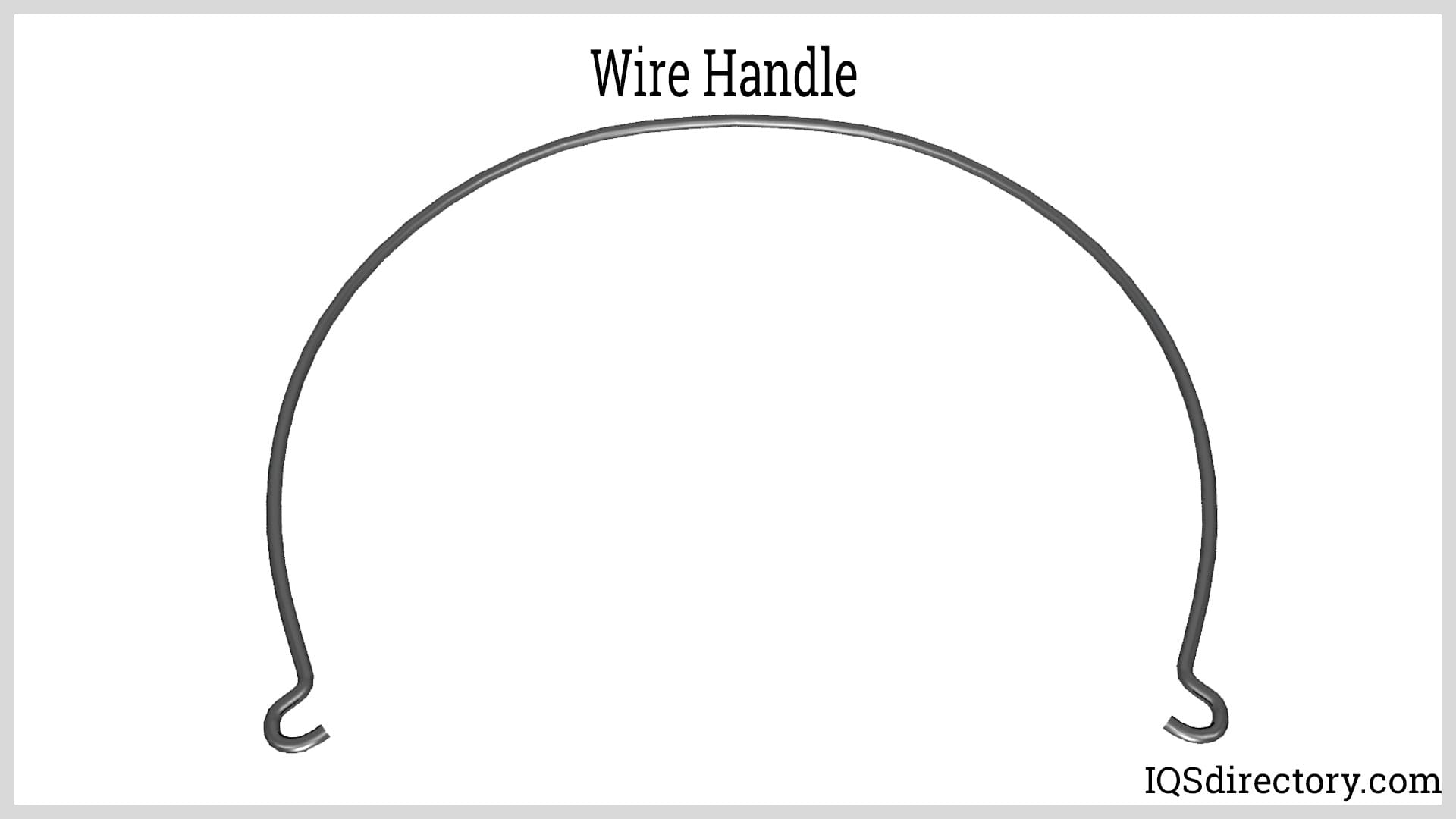
A wire handle made of metal is attached to buckets, pails, and similar types of containers to aid in lifting, carrying, and transporting. These wire handles are typically made from strong, durable metals such as steel, stainless steel, or galvanized wire, allowing them to bear considerable weight and withstand repeated use in demanding industrial environments. Engineered to support the container's load, wire handles improve handling safety, reduce strain, and increase the ease, simplicity, and effectiveness of moving and transporting a variety of containers.
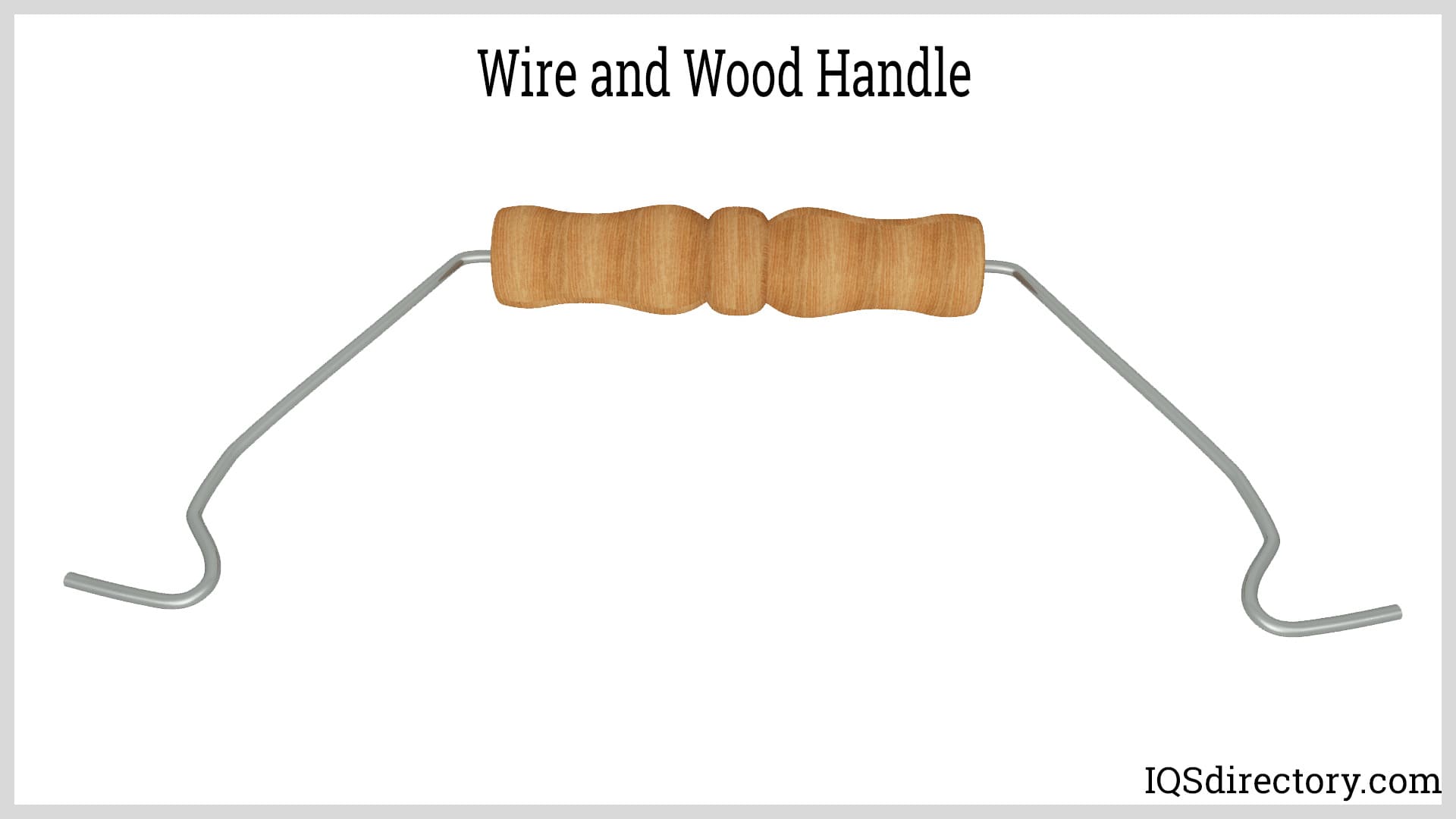
Wire handles are crafted from selected materials to ensure exceptional strength, longevity, corrosion resistance, and a long service life. They are commonly used in packaging, material handling, food processing, paint and coating operations, agriculture, and industrial manufacturing. Applications include lifting pots in ecologically sensitive areas, managing tools, moving wire mesh baskets filled with parts, and supporting pails and cans in the canning industry during painting, finishing, and coating procedures. Depending on the application, the construction of these handles can vary and may include wood, metal, plastic, rubber, or other specialized grip materials designed to improve comfort, durability, and performance. For buyers evaluating wire handle options, important factors often include load capacity, wire gauge, finish, ergonomics, customization, and compatibility with specific buckets, pails, or containers.
Manufacturing wire handles is a precision engineering process that utilizes advanced wire forming techniques to deliver high-quality, strong, and long-lasting handles for a variety of applications. Leveraging specialized wire forming machinery, including CNC (computer numeric control) equipment, manufacturers are able to achieve consistent quality, dimensional accuracy, and high production throughput. This process, rooted in centuries-old metalworking principles, is fundamental for producing reliable wire handles used in products such as buckets, pails, baskets, industrial containers, and retail packaging. The manufacturing journey starts by drawing the wire to the desired thickness before methodically bending and shaping it to create durable, ergonomic handle designs.
Wire handles are crafted from a wide range of metals and metal alloys tailored to their intended load-bearing requirements, corrosion resistance, conductivity, and appearance. Stainless steel, carbon steel, aluminum, copper, and nickel are among the most commonly used materials in wire handle fabrication. The selection of material directly affects the wire handle’s mechanical properties, resistance to environmental factors, and cost-effectiveness, making it vital to choose the optimal alloy for each application.
All these metals possess excellent formability and stress tolerance, attributes that are essential for withstanding the rigors of the wire forming, bending, and fabrication process. The selection of a specific metal depends on the handle type, the bucket, pail, or container to which it will be attached, the expected load requirements, safety regulations, and any specific aesthetic preferences or hygiene standards. For industries such as foodservice, healthcare, and electronics, choosing the right wire handle material is a crucial part of product quality assurance and regulatory compliance.
The wire handle manufacturing process encompasses various wire forming methods aimed at achieving the precise geometry, mechanical strength, and ergonomic comfort required in finished wire handles. The heart of these techniques is controlled bending, which shapes the wire at designated angles and curves to produce standardized or custom handle designs. For complex handle configurations, multiple forming operations may be conducted sequentially to realize unique specifications or to incorporate special features like reinforced loops and locking mechanisms. Seamless transitions between each phase ensure maximum product durability and consistency.
No matter the forming technique, the manufacturing process consistently applies force—either parallel, perpendicular, or at specific angles relative to the wire's length. This flexibility accommodates a wide range of design requirements, from simple arched handles to intricate, multi-bend forms for commercial and industrial uses.
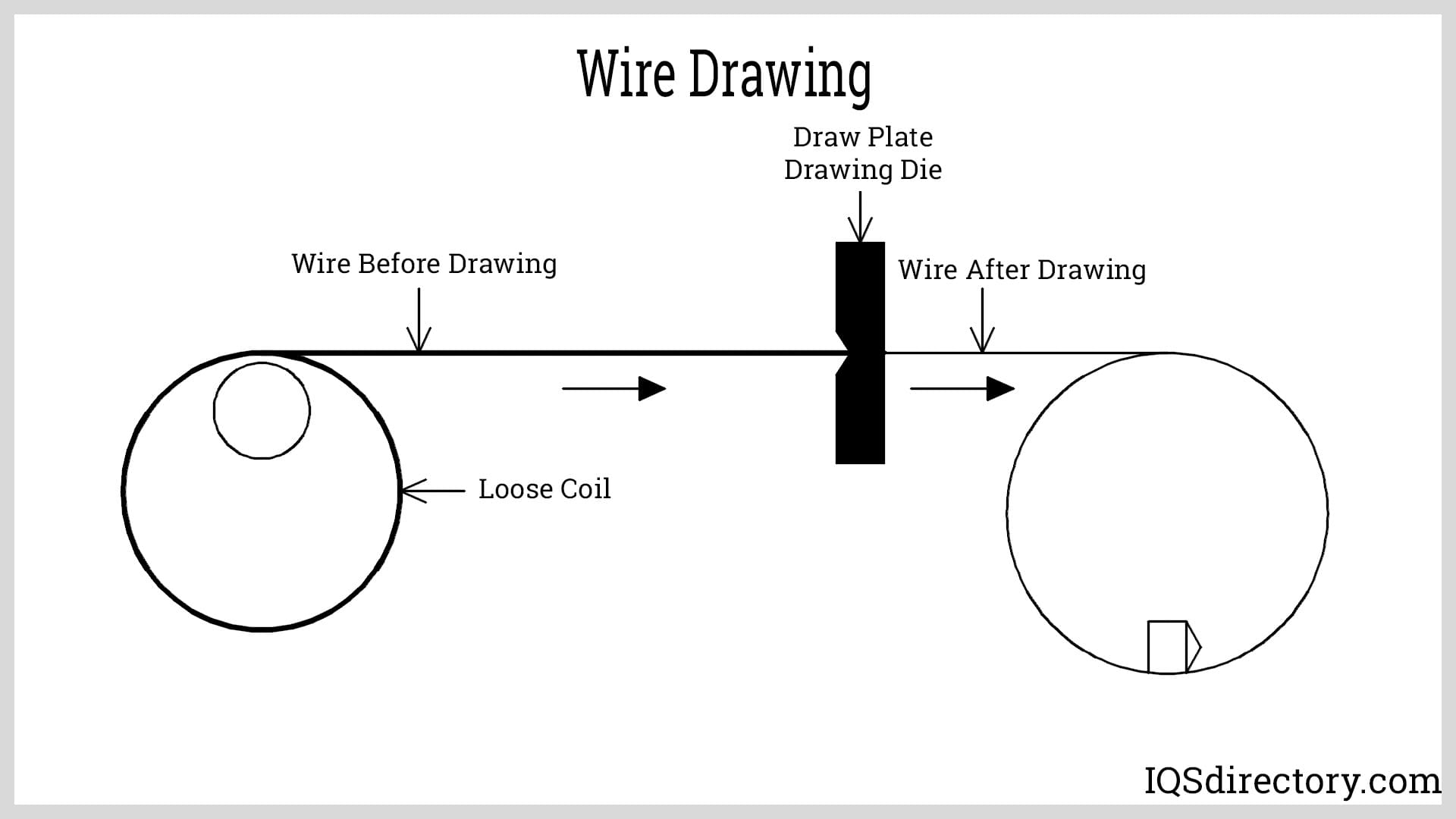
The wire drawing process is a core part of wire handle production. It starts by reducing the diameter of steel wire rod or metal wire through a sequence of drawing dies, which incrementally decrease its thickness while improving surface finish and tensile strength. By adjusting the wire to exact gauges, manufacturers can produce wire handles suitable for different load capacities, from light retail baskets to heavy-duty pail and bucket handles.
To begin drawing, the wire is tapered to fit the initial die, using tools such as a hammer or rolling mill. Subsequent processes, including annealing (for increased ductility) and pickling (to remove oxidation), are essential to prevent wire breakage and ensure smooth, uniform reduction. Lubrication using beeswax, paraffin, or specialized lubricants further reduces friction during diameter adjustment. These steps culminate in drawing the wire through calibrated dieplates at controlled speeds to achieve precise diametric tolerance—a critical quality metric for wire handle performance and reliability.
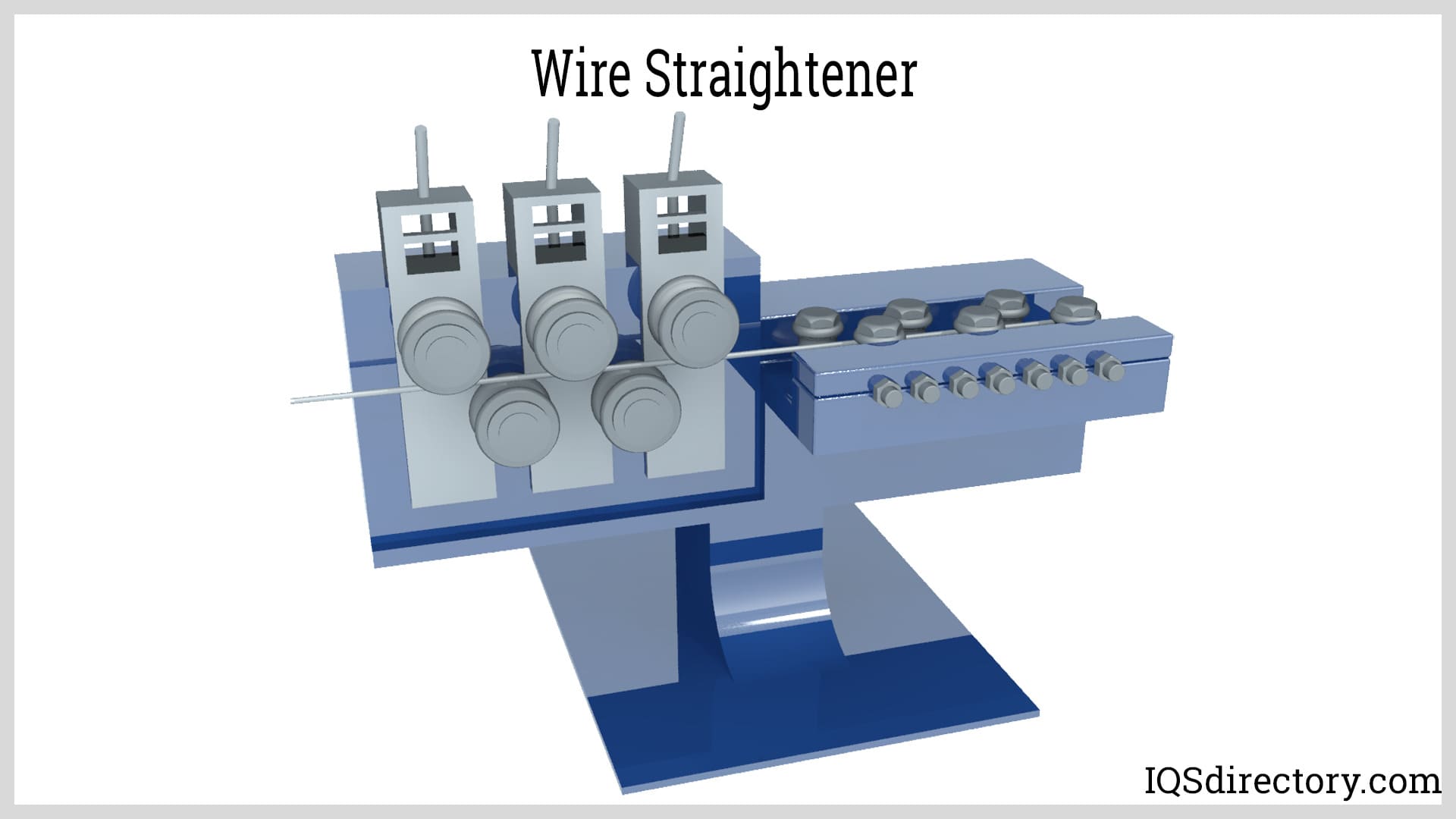
The wire straightening process is crucial to eliminate any warping or residual stresses introduced during storage or by the drawing operation. Utilizing a wire straightening machine equipped with adjustable rollers, the wire is flexed and aligned to its designated linearity, preventing kinks and ensuring flawless forming in later stages. Straight and true wire is paramount for fabricating handles that meet dimensional accuracy and durability standards, especially for automated assembly lines and mass production facilities.
Regular straightening also improves downstream processing efficiency, reduces waste, and contributes to a consistent aesthetic for the final product—particularly important for consumer-facing applications like retail packaging or branded promotional items.
During wire handle fabrication, force is strategically applied through a combination of bending, upsetting, swaging, extrusion, stamping, and cutting, using specialized tooling and dies. Manual shaping is still viable for custom or small-batch handle production, but precision dies and programmable forming machinery dominate modern manufacturing for batch consistency and scale. By manipulating force vectors and tooling geometry, manufacturers can replicate standard pail handle designs or develop unique wire handle shapes for proprietary products and applications.
Multiple metal forming operations are carried out in a tightly controlled manufacturing workflow:
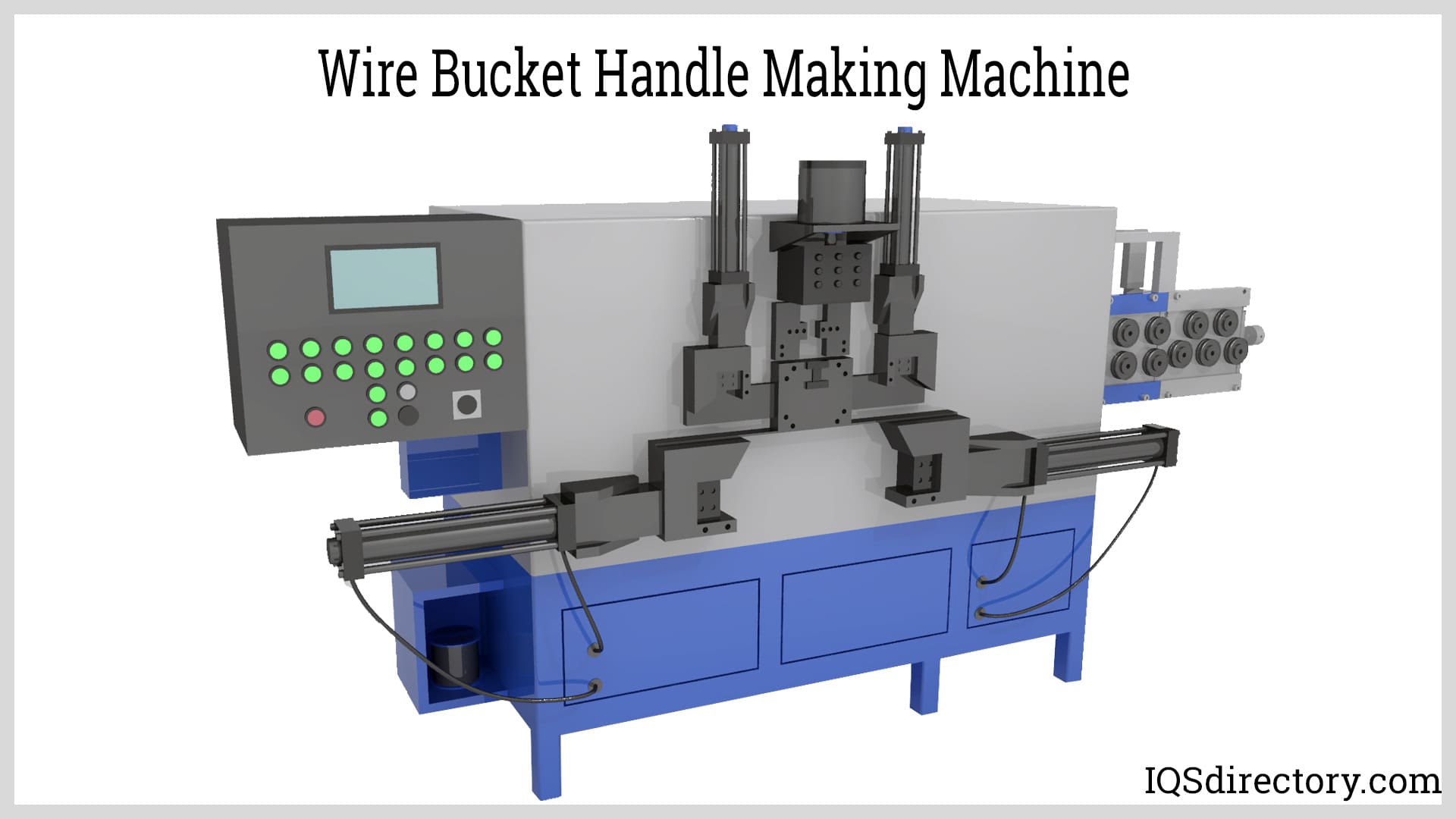
Four-slide wire handle forming represents an advanced automation solution for producing complex wire handle designs. Unlike single-direction presses, four-slide machines can shape, cut, and form wire simultaneously from four axes, vastly increasing production speed and design variability. This technology is especially valuable for large-scale manufacturers seeking cost-effective, high-volume output for wire handles used in paint cans, buckets, and heavy-duty storage containers.
The modularity of four-slide wire forming machines allows for swift product changeovers, facilitating both standard and custom wire handle projects. By integrating additional slides and tooling, the machines can incorporate tasks such as cutting, hole punching, grip application, and even end finishing, streamlining the wire handle production process for maximum efficiency and quality control.
Wear resistance and anti-corrosion performance are critical factors in wire handle longevity, particularly for products exposed to chemicals, moisture, or abrasive handling. To ensure maximum durability, wire handles may undergo finishing processes such as powder coating, electroplating (zinc, nickel, or chrome), or application of epoxy and vinyl coatings. These protective finishes not only extend handle service life but can also enhance appearance, improve user grip, and provide color coding for inventory or branding purposes. Industries like food processing, marine, or laboratory settings often mandate anti-microbial finishes or specialty coatings to meet regulatory or product safety standards.
The inclusion of handle grips is a key ergonomic and user-experience factor in wire handle design. Grips are typically installed during the forming process and may consist of slip-on, snap-on, or over-molded configurations to optimize comfort and reduce hand fatigue. Material options span from basic plastics and wood to reinforced rubber and thermoplastic elastomers for enhanced grip and slip resistance. Wire handle grips can be customized for branding (via color or logo printing), size, and material, aligning with the requirements of both industrial and consumer product manufacturers.
Modern manufacturing practices now allow for environmentally friendly and sustainable grip materials, such as recycled polymers or biodegradable plastics, catering to the growing market for green packaging solutions. Regardless of industry, the proper integration of a durable, comfortable grip is essential for user satisfaction and product differentiation.
In summary, the production of wire handles employs a comprehensive range of wire forming, bending, and finishing technologies to guarantee products that are cost-effective, robust, and tailored to their intended applications. Manufacturers continuously refine these techniques with automation and new materials to deliver handles that meet demanding safety, ergonomic, and regulatory requirements, whether for industrial, commercial, or consumer uses. If you require custom wire handles or need guidance on selecting the best material, design, or finishing process for your specific use case, consult with a specialized wire handle manufacturer to ensure optimal performance and longevity.
Wire handles are essential hardware components often affixed to buckets, pails, and containers to facilitate their transportation and handling. Strong, reliable wire handles must support a range of load capacities, depending on the material and volume inside the container. Selecting the appropriate wire type is crucial in both industrial and commercial settings—such as manufacturing, construction, food processing, and chemical industries—where wire handles must consistently demonstrate durability, high tensile strength, and corrosion resistance. Understanding the differences between wire materials ensures optimal performance for specific use cases, improving product reliability and user satisfaction.
Among the various types of wire materials utilized for making wire handles, galvanized steel wire stands out as a premier choice thanks to its outstanding rust resistance, durability, tensile strength, and long service life. The galvanization process, which involves applying a zinc coating to steel, shields the underlying metal from oxidation and prevents rust formation. This enhanced corrosion resistance is especially critical for wire handles exposed to moisture, harsh environments, or outdoor usage.
Galvanized steel wire handles are a popular solution for heavy-duty applications, such as paint buckets, cleaning pails, and construction containers, due to their robust mechanical properties. Hot-dip galvanization—a leading industry-standard technique—immerses cleaned steel wire into molten zinc, creating a tough, uniform protective layer. The rigorous multi-step process begins with the removal of grease and debris using a caustic solution, followed by acid pickling, rinsing, flux application, and immersion in molten zinc until thermal equilibrium is achieved. This method prolongs the wire's lifespan, even when subjected to abrasion or demanding handling procedures.
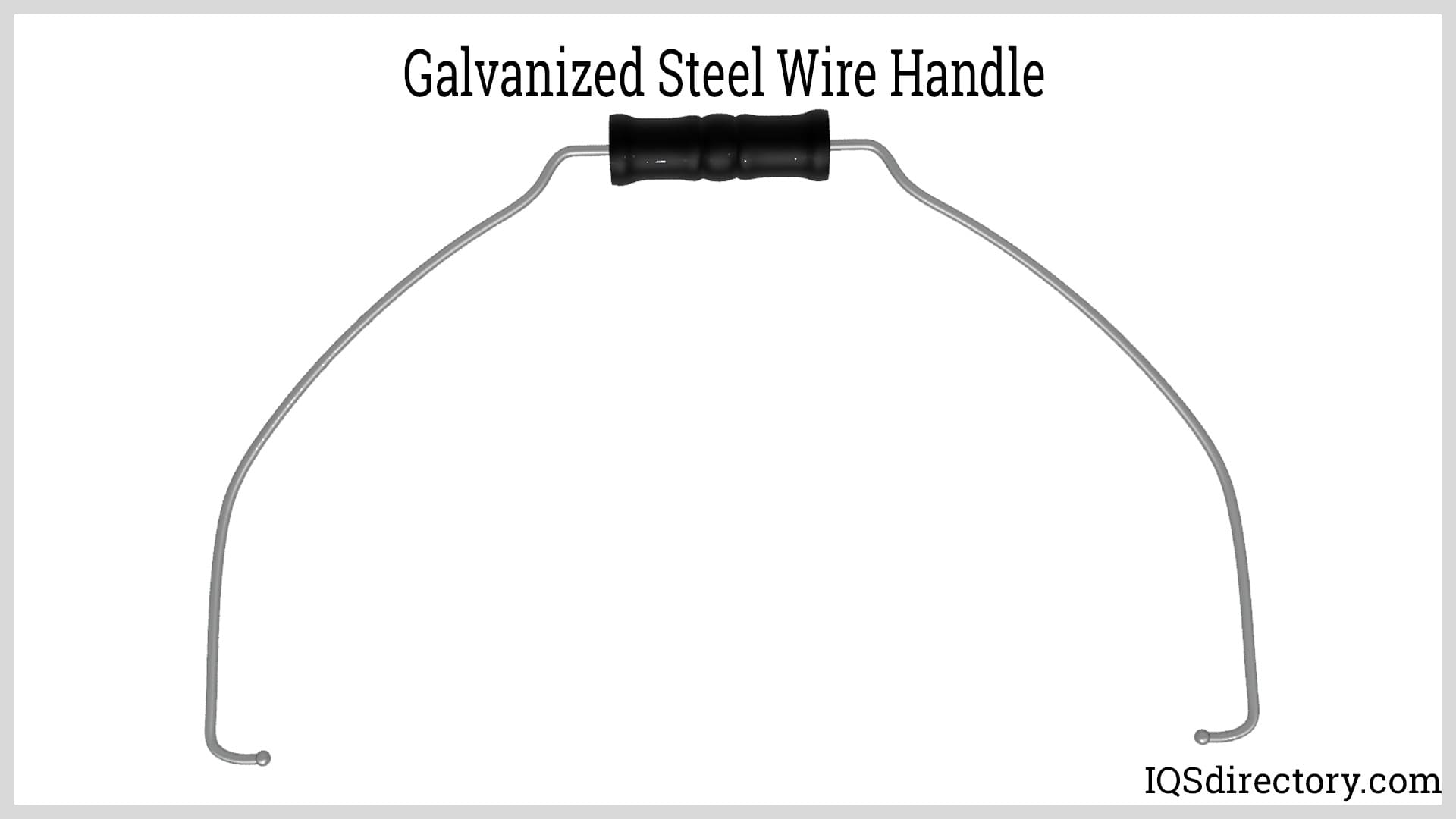
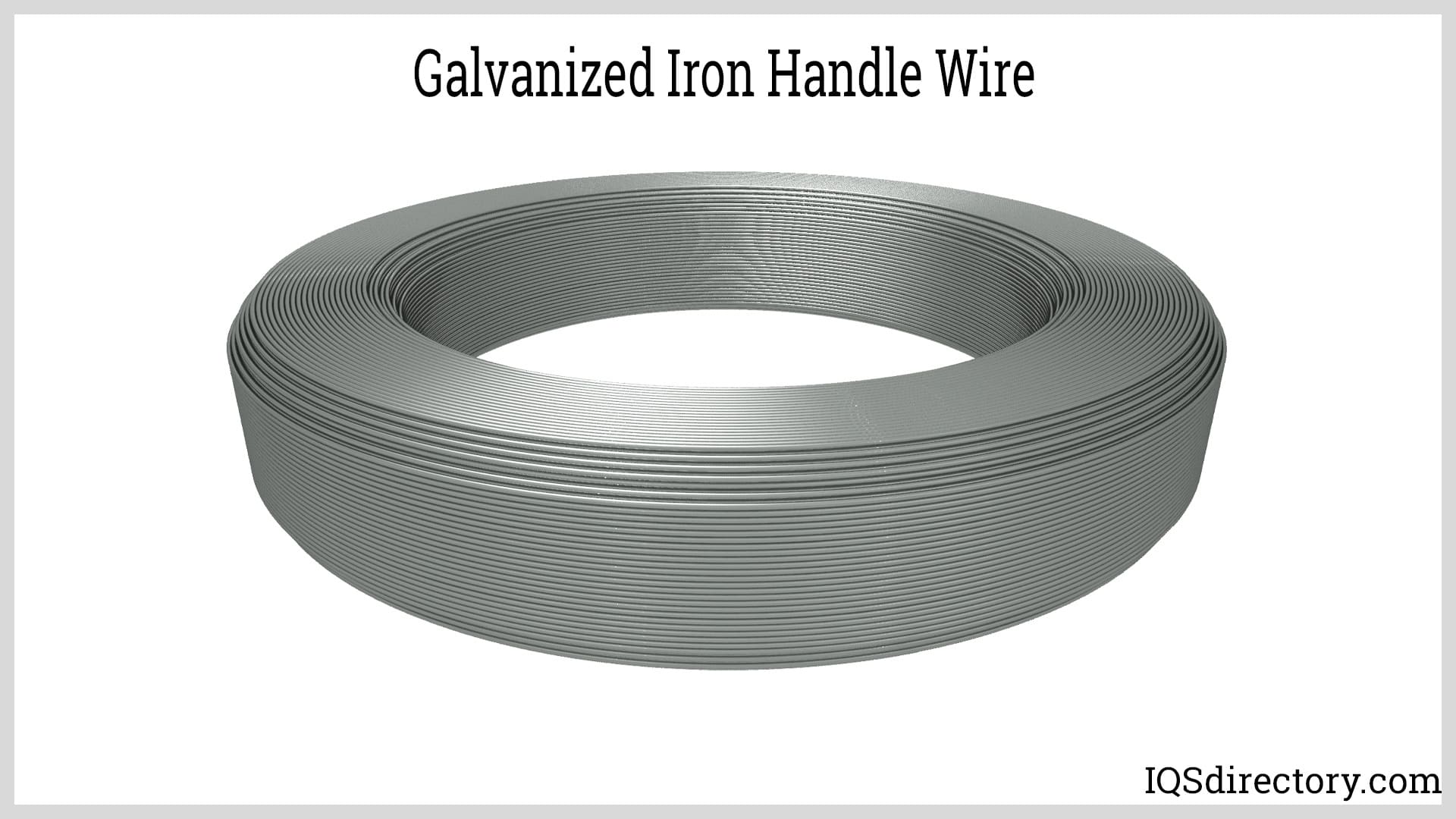
Galvanized iron wire offers a versatile and economic alternative for wire handle manufacturing. Similar to galvanized steel, iron wire benefits from a protective zinc coating that defends against rust and corrosion, while capitalizing on the inherent strength and malleability of iron. Popular in both light-duty and industrial-grade handles, galvanized iron wire is favored for its workability during fabrication—allowing manufacturers to cut, bend, and custom-shape the wire into ergonomic designs or specialty handle configurations.
Galvanized iron wire is frequently selected for its balance of cost-effectiveness, flexibility, and sufficient structural strength. Its ease of processing enables efficient mass production of wire handles for paint cans, utility pails, and packaging solutions. Once affixed to a bucket or container, galvanized iron wire handles maintain longevity and require minimal maintenance, delivering stable performance over repeated use cycles.
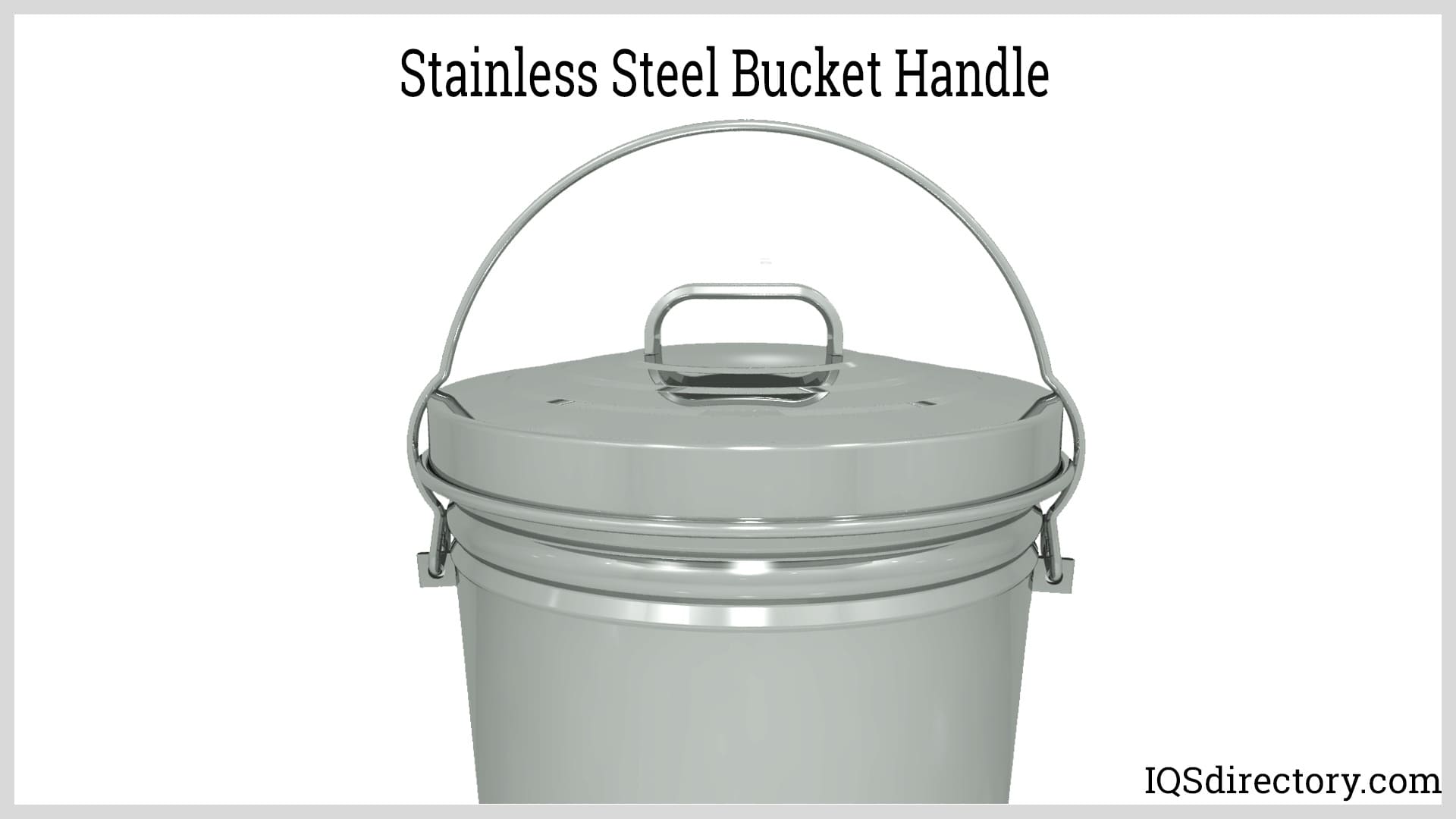
Stainless steel wire handles are commonly paired with stainless steel buckets, pails, and specialized containers where superior aesthetic appeal and top-tier corrosion resistance are required. Stainless steel is particularly valued in hygienic environments—such as food processing, pharmaceuticals, and laboratories—where product safety and compliance with sanitation standards are paramount. This alloy is available in numerous grades, each engineered for specific service conditions.
Stainless steel wire is expertly drawn, shaped, and finished, producing handles with a smooth, easy-to-clean surface that is not only visually attractive but also comfortable to use. Depending on customer requirements or industrial guidelines, stainless steel handles might be supplied with ergonomic grips, coatings, or custom bends for enhanced usability and safety. The presence of alloying elements like chromium and, in the case of 316L, molybdenum, further elevates the wire’s resistance to oxidation, chemicals, and marine environments.
Two primary grades lead the industry in stainless steel wire handle manufacturing: 304 stainless steel (often referred to as 18/8 due to its chromium-nickel composition) is known for its formability and versatility, while 316L stainless steel—with the addition of molybdenum—offers advanced protection in highly corrosive or saltwater environments. Choosing the correct grade ensures wire handles meet strict regulatory standards, withstand caustic agents, and minimize the risk of deterioration over time.
When choosing wire materials for bucket and pail handles, it is critical to evaluate several performance factors, including load-bearing capacity, corrosion resistance, environmental exposure (indoor vs. outdoor use), and ease of manufacturing. For heavy-duty or outdoor applications, galvanized steel or high-grade stainless steel (304 or 316L) are often the best choices, while galvanized iron presents a practical solution for indoor or lighter loads. Additional considerations include handle coating options for grip comfort, surface finishing to prevent injury, and available custom fabrication services for tailored dimensions or designs.
For buyers, facility managers, or OEM manufacturers seeking optimal solutions, consulting directly with experienced wire handle suppliers or bucket handle manufacturers can help identify the ideal combination of strength, flexibility, and cost efficiency. Specifying the use environment, anticipated weight requirements, and any compliance standards ensures you select a wire handle that maximizes performance and reduces lifecycle costs.
If you are searching for bulk wire handle solutions, custom pail handle design, or information about material certifications, be sure to request technical datasheets and detailed product specifications from your chosen supplier.
Wire handles are attached to buckets, pails, baskets, industrial containers, and similar items to make lifting and transporting them easier, safer, and more efficient across industries such as food processing, construction, and retail packaging.
Wire handles are often made from stainless steel, carbon steel alloys, aluminum, copper alloys, nickel alloys, galvanized steel, and galvanized iron, each selected for specific traits like strength, corrosion resistance, cost-effectiveness, and appearance.
Wire handles are produced using advanced wire forming processes—drawing, straightening, bending, upsetting, swaging, and finishing—that guarantee dimensional accuracy, strong load capacity, ergonomic comfort, and a long service life.
Galvanized steel provides excellent rust resistance and durability for heavy-duty or outdoor uses, while stainless steel offers superior corrosion resistance, hygiene, and visual appeal for food processing, pharmaceutical, or marine environments.
Wire handles can be finished with powder coating, electroplating (zinc, nickel, chrome), epoxy, or vinyl coverings to increase corrosion resistance, improve appearance, provide color coding, and enhance user grip and safety.
Evaluate required load capacity, corrosion exposure, environment, and manufacturing ease. Use galvanized or stainless steel for tough or outdoor conditions; galvanized iron for light-duty or indoor settings. Always confirm with technical specs for your use case.
Wire handles come in an extensive array of shapes, sizes, and designs, tailored to match the diverse range of buckets and pails. Despite their straightforward design, wire handles must be specifically crafted to accommodate the bucket's or pail's capacity, as they support the load's weight. Different handle shapes are designed to ensure they can handle heavy and bulky materials effectively.
The type of wire handle used depends on the bucket or pail it is intended for. Plastic buckets, which are generally less durable, typically feature lighter wire handles suitable for handling lighter loads. In contrast, metal buckets, designed for more demanding tasks, require wire handles made from various materials and diameters to support heavier loads and withstand tougher conditions.
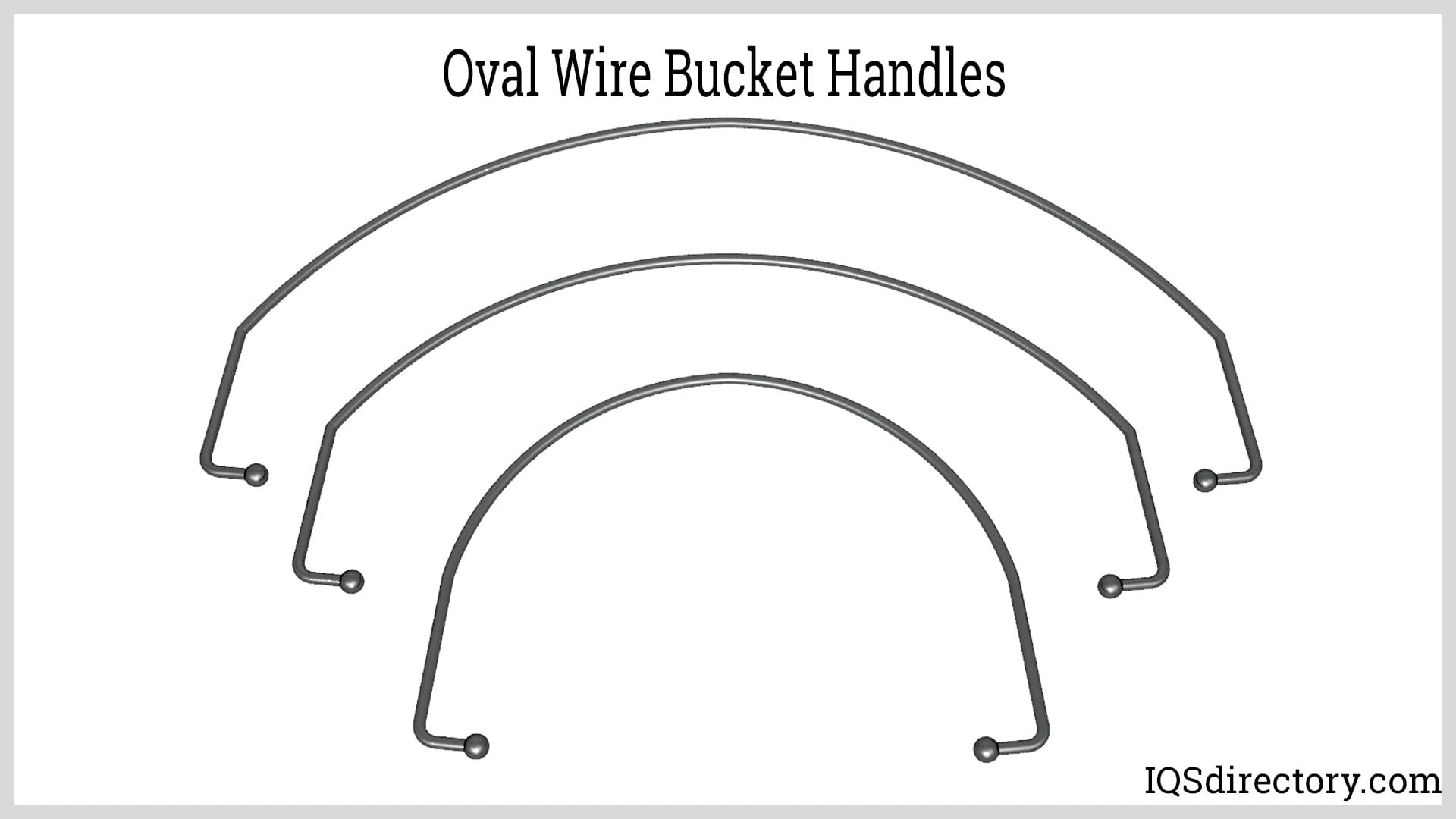
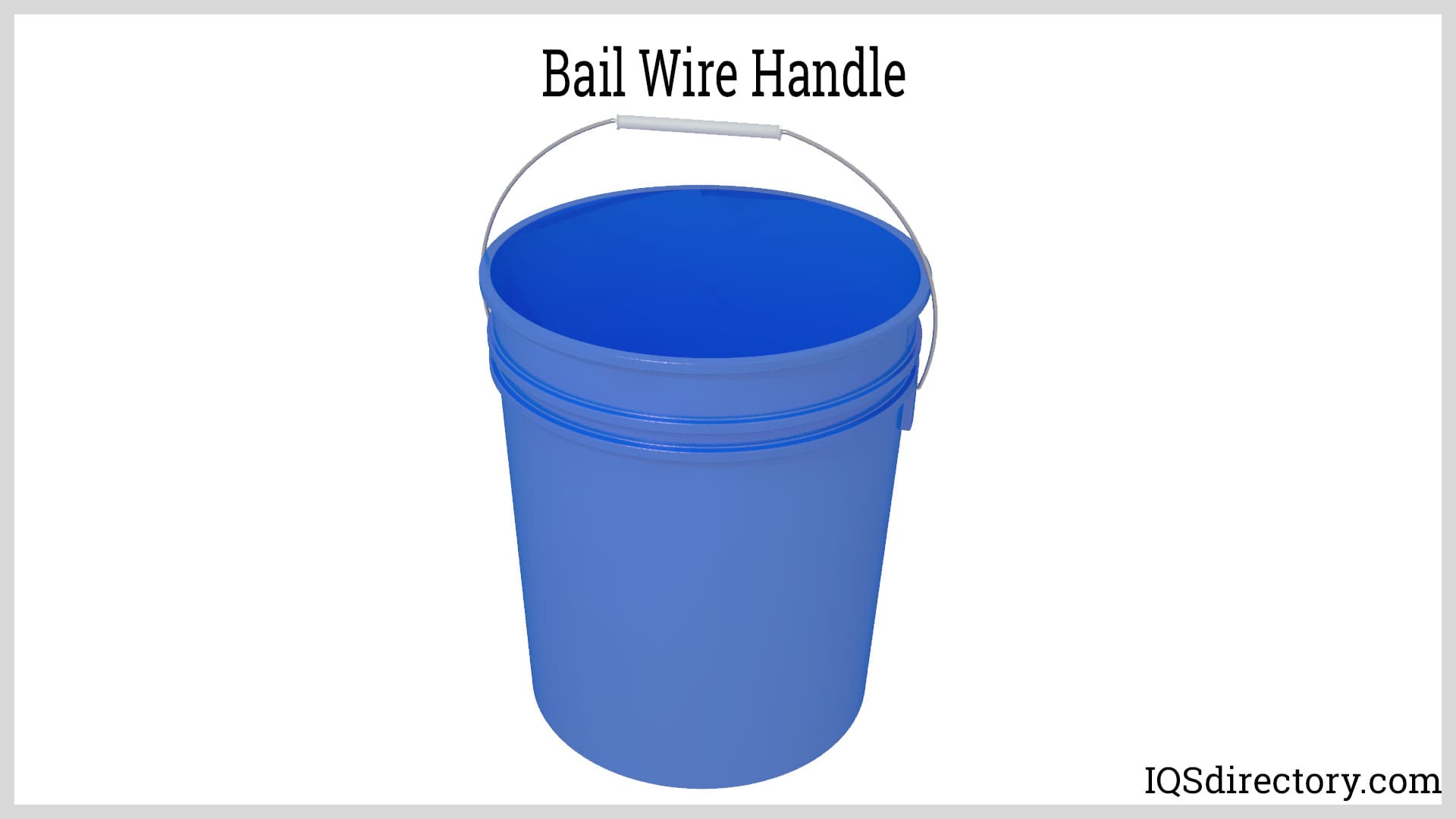
A bail wire handle is secured to a bucket through loops at the ends of the handle or an inward bent angle that is inserted into the bucket's material. These looped and bent designs allow the handle to pivot to either side, making it easier to pour out contents or add materials. Bail wire handles are commonly found on cookware and paint buckets because they can be moved out of the way during use.
As with the majority of wire handles, bail wire handles are made of exceptionally sturdy metals such as galvanized steel or galvanized iron due to the weight of the materials they carry. The varieties of bail wire handles include ones for decorative buckets or pails for carrying flowers or other decorations.
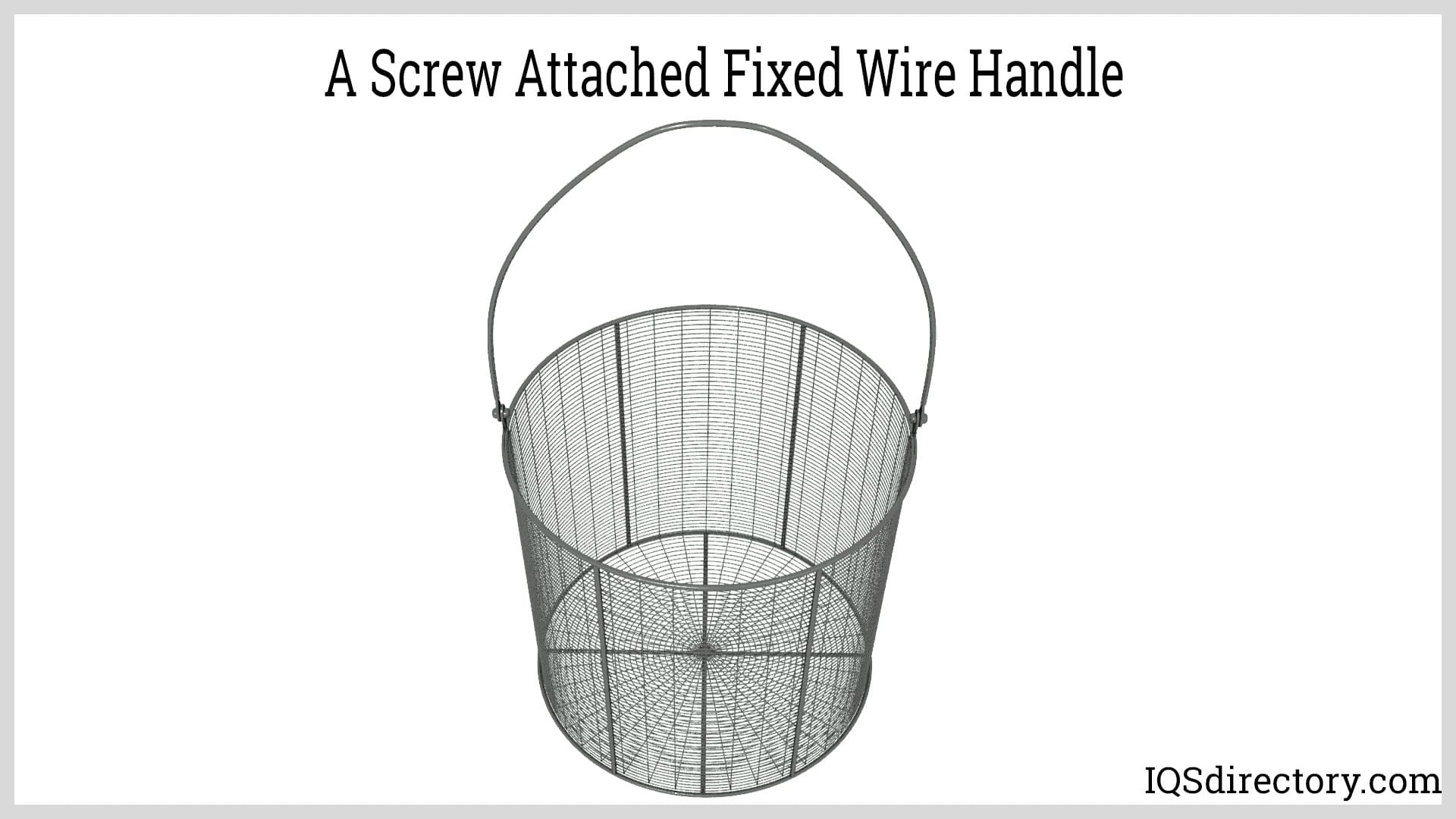
Fixed wire handles can either be permanently attached or adjustable, depending on their intended application. They are commonly used with a range of buckets and pails, but are particularly suited for metal containers that demand robust and durable handles.
Despite the name "fixed" wire handles, not all are permanently attached. Some may be secured with screws, loops, or hooks, which must be robust to handle the demands placed on them. The term "fixed wire handle" typically refers to handles that are either welded to the container or otherwise securely fastened. These welded handles are especially common in industrial settings for moving parts after various treatments.
One distinctive type of fixed wire handle features two wires held together by a central grip or handle, with each wire connected to the container through separate attachments. This style is often used for decorative purposes rather than functional applications.
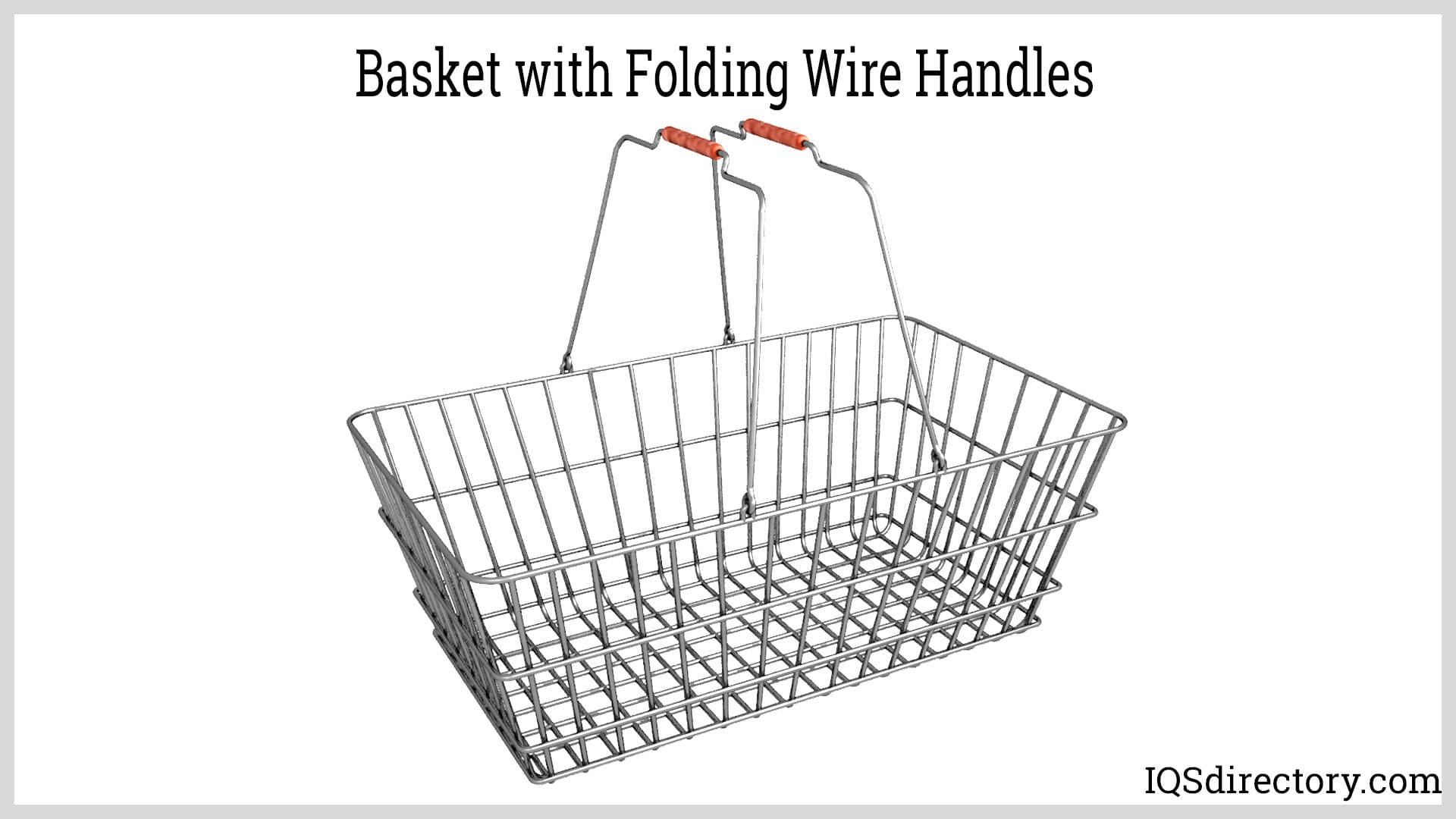
Folding wire handles come in various designs and are commonly used with grocery baskets. Similar to two-wire fixed handles, they consist of two wires attached on either side of the container. When not in use, these handles can be folded down, resting along the edges of the container.
Folding handles are frequently used in industrial environments where space is constrained and containers are employed for transporting parts. These handles allow for easy organization of containers, such as part baskets, when they are not in use. Additionally, containers with folding handles can be stacked neatly, facilitating quick and efficient access.
Given their frequent use, folding handles must be constructed from exceptionally durable materials to guarantee their effectiveness and longevity. This is particularly critical in industrial environments, where a failure in a wire handle can lead to significant damage and safety risks.
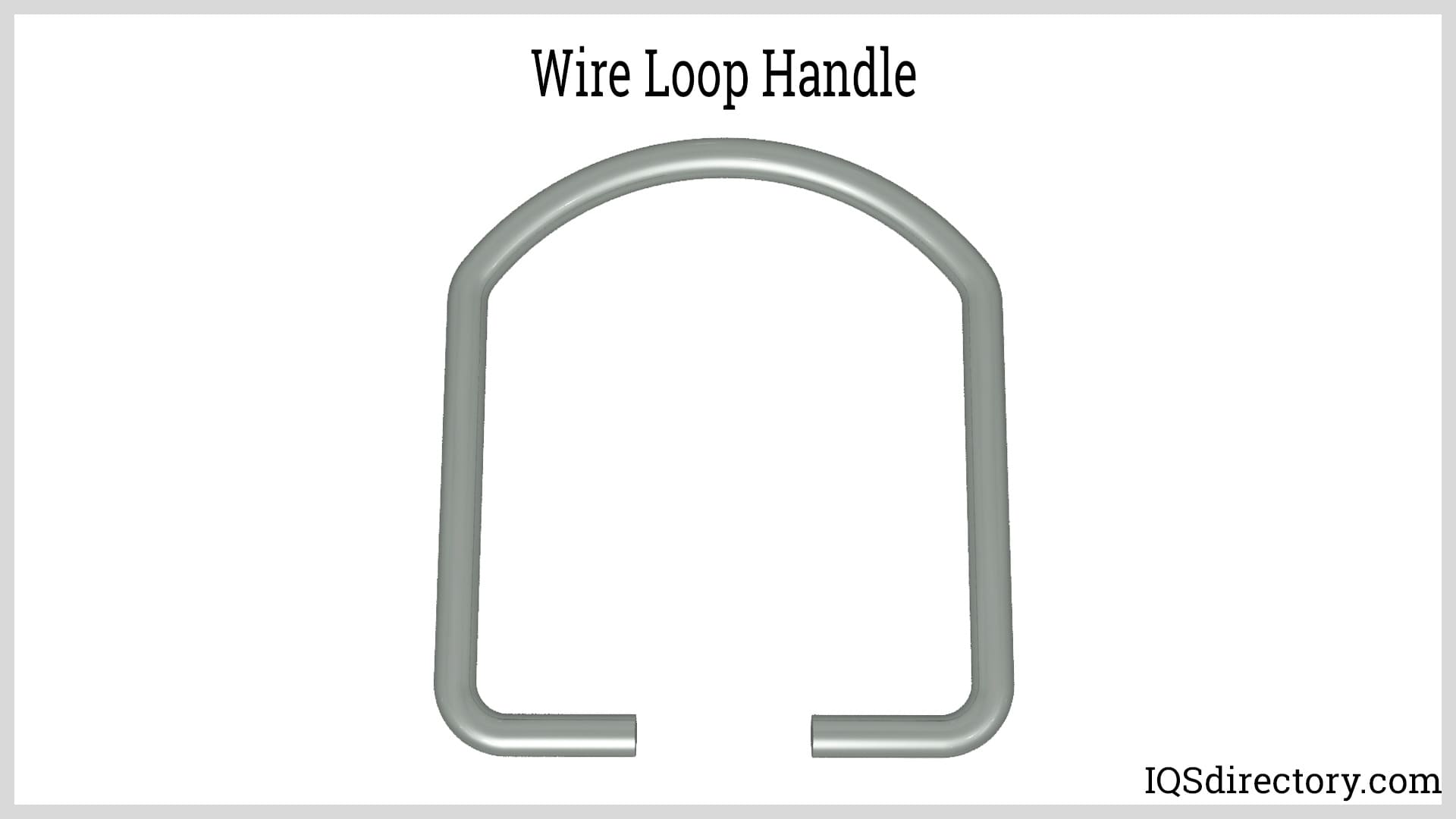
Wire loop handles are compact handles made from a single wire with both ends fixed to a tool. When used with buckets, pails, or containers, they typically consist of two looped wires permanently affixed to either side of the container. Methods for attaching wire loop handles range from welding to using crimped brackets.
Wire loop handles are valued for their strength and reliable attachment to containers. Often, in the case of plastic buckets, these handles are integrated into the bucket or pail during the molding process.
While the term "wire loop handle" might suggest that all handles are loop-shaped, this is not always the case. Wire loop handles can come in various shapes, including rectangular, square, round, and looped, depending on their application. When used with tools, they typically take the form of a loop. The design of wire loop handles varies widely based on their intended use and the weight they need to support.
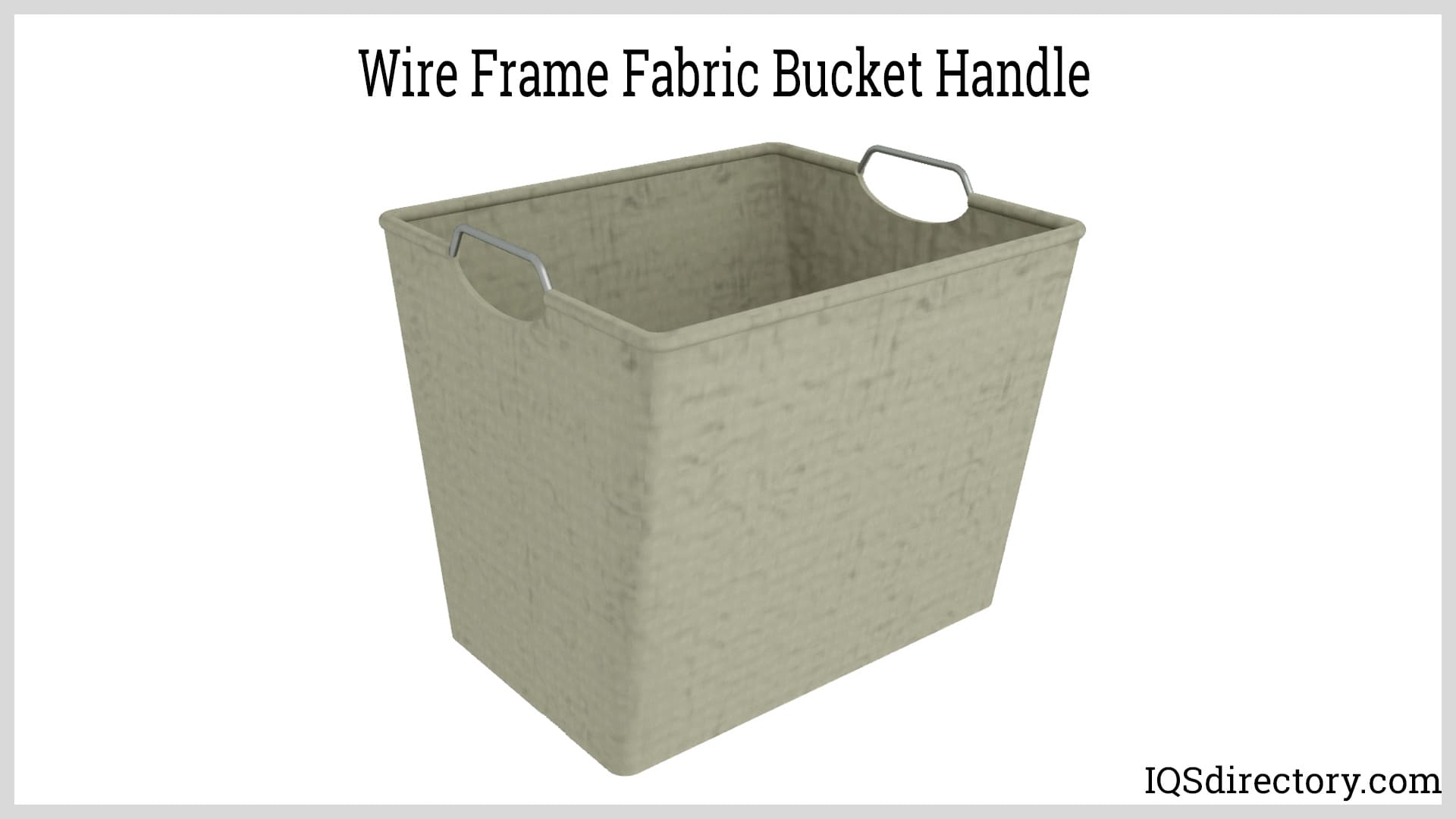
Wire frame bucket handles are distinctive in that they are constructed from various types of wire and are integrated into the container, bucket, or pail itself. They act as the structural framework for the container, with handles positioned on opposite sides. These handles come in different types, ranging from those designed for office wastebaskets to highly durable versions used for transporting parts and components.
Despite the variety in wire frame bucket handles, all are designed to be robust and durable. The primary difference lies in the type of wire used to construct the frame. In industrial applications, wire frame bucket handles typically provide the structure for baskets or solid containers.
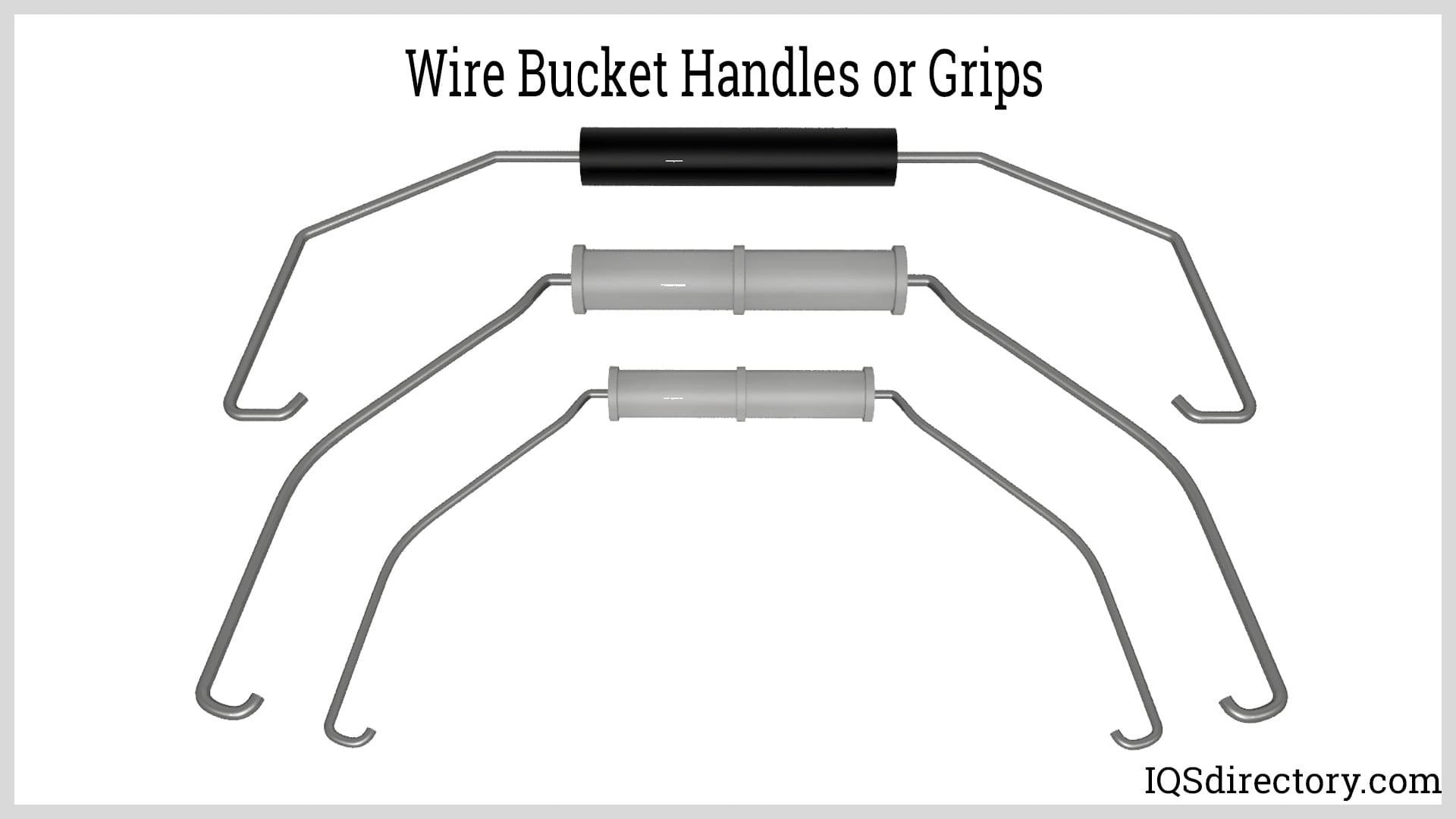
V wire bucket handles are a distinctive type of handle featuring a bend at the top in the shape of an inverted V. This design allows the bucket to be hung on a nail, clip, or hook. Depending on their application, V wire bucket handles may also include a grip that extends outward from the V shape, providing additional functionality.
V wire bucket handles feature a bail-type design, enabling the handle to swivel across the top of the bucket for convenient placement. These handles are made from exceptionally strong wire to support heavy loads. They are commonly used in applications such as livestock feeding and for transporting water or feed.
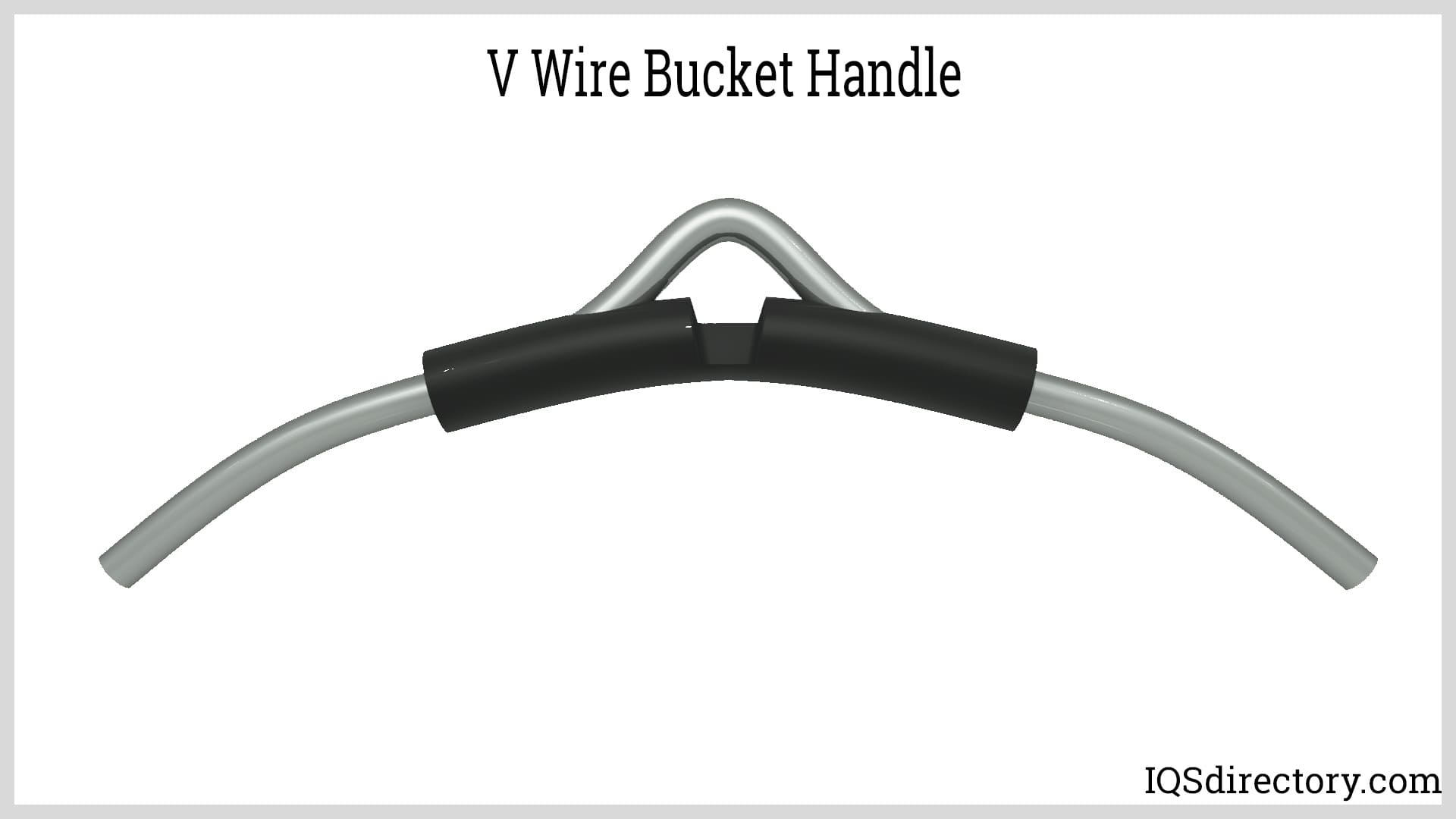
Grips for wire bucket handles generally share a similar design: a cylindrical shape with a central hole for attachment to the wire handle. The main differences among them lie in the material used and whether the grips feature ridges or a smooth surface.
Grips are designed to make lifting a bucket or pail easier, more comfortable, and secure. They can be firmly attached to the wire handle or designed to be adjustable. Grips are crafted from various materials, including plastics like silicone and polyethylene, as well as wood, all selected for their strength and durability. Some grips feature finger-molded designs with indentations or slots to enhance user grip.
Wire handle bucket grips are essential for handling hot materials, as they prevent heat from transferring up the wire handle. They also play a crucial role in lifting very heavy loads, offering a more secure grip on both the bucket or pail and its contents.
Given the variety of wire handles, grips are available in a range of sizes to accommodate different wire handle dimensions. They can fit wire gauges from 0.091 to 0.187 and are designed to securely handle loads up to five gallons (19 liters).
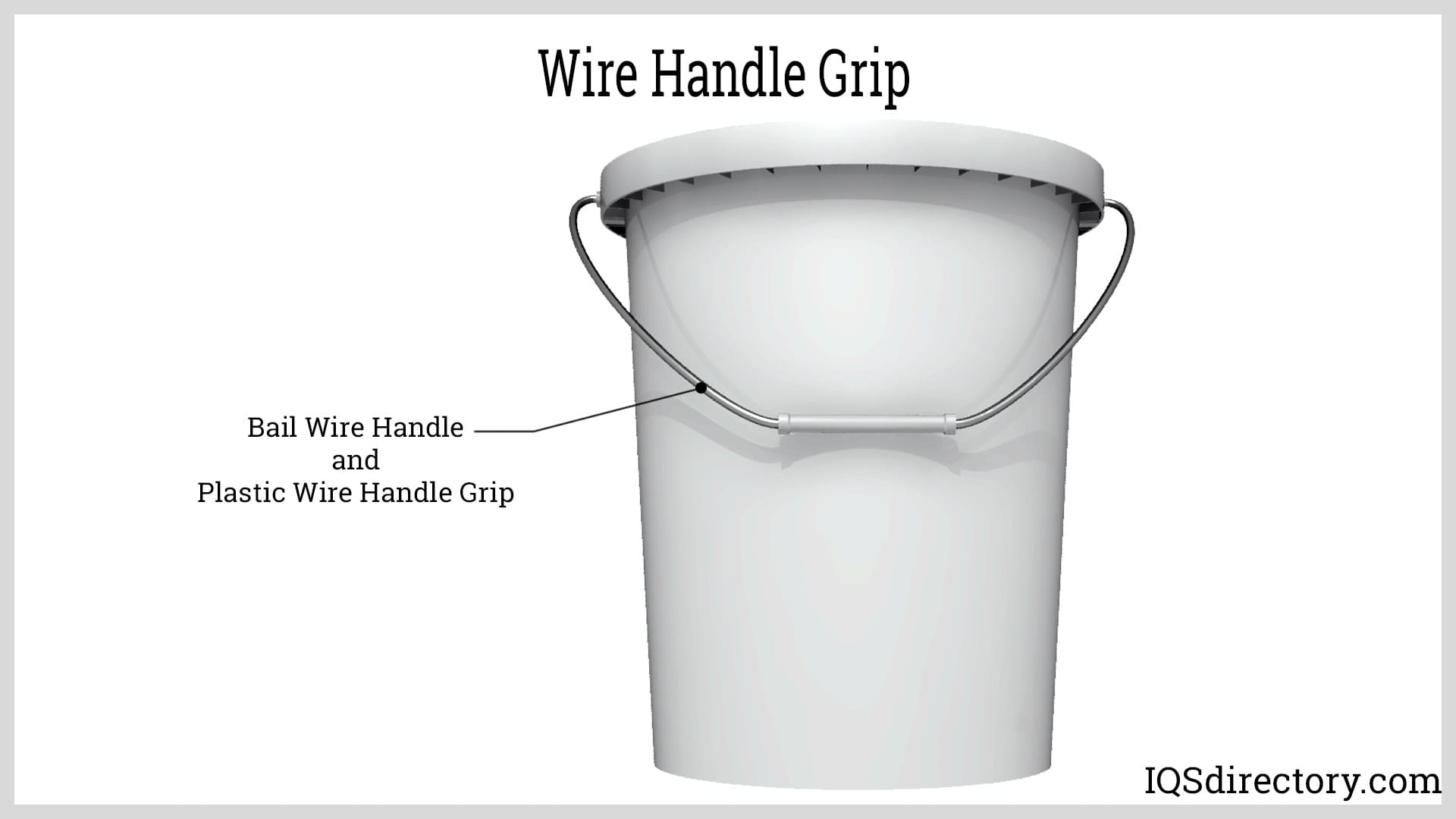
Choosing the right wire handle for a bucket or pail involves several key considerations. The wire's strength is crucial to ensure it can support the load and the bucket itself. Additional factors to consider include the type of grip, the handle's load capacity, and the method of attachment. While some handles are designed to be universal, selecting one tailored to the specific requirements of its intended use is important for optimal performance.
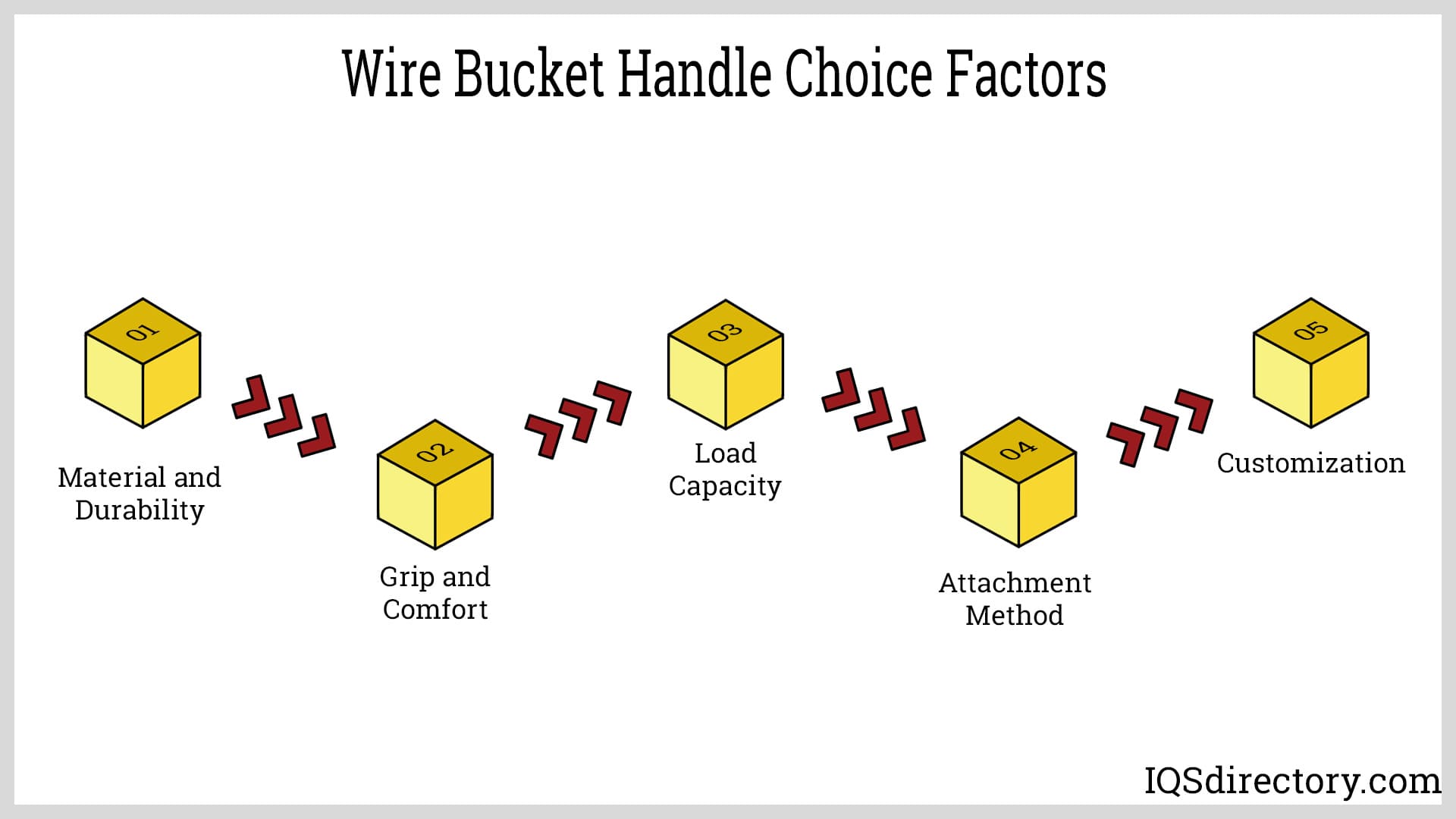
With numerous material options available for bucket and pail handles, it can be challenging to make a choice. Galvanized steel and galvanized iron are among the most widely used metals for wire handles because of their durability and strength. The key attribute for these metals is their resistance to rust and corrosion, ensuring the handles remain reliable under various conditions.
Wire handles typically feature a smooth surface for comfortable gripping. However, if the wire's diameter is too small, it can dig into the hand. To address this issue, plastic, rubber, or wooden grips are often added to provide protection. For metal buckets, handles are sometimes equipped with additional grips to safeguard against hot contents.
The load capacity of a bucket plays a vital role in determining the appropriate handle for it. Standard formulas for calculating container volume are used to establish a bucket's capacity. It's essential that the wire handle's strength aligns with the bucket's weight capacity, which can range from a few pounds or liters to several pounds or liters based on the bucket's size. This consideration is crucial to prevent handle failure when lifting loads that exceed their rated capacity, which can be particularly significant in some situations.
Wire handles can be attached to buckets in various ways, including being molded into the bucket, or affixed using rivets, screws, or welding. The molded method, commonly used with plastic buckets during manufacturing, offers a secure and permanent attachment. Screws and rivets allow for more flexibility, enabling changes to the handle type as needed. On the other hand, welded handles are permanently attached and remain in place for the entire lifespan of the bucket or container.
The selection of a bucket handle significantly impacts the bucket's lifespan. A well-chosen handle not only extends the bucket's durability but also ensures safe and effective use. A securely attached handle guarantees that the bucket can endure frequent use without the risk of failure or breakage.
Manufacturers emphasize that standard bucket handles may not suit every application. Often, a customized bucket handle is required to address specific needs and conditions. In these situations, engineers and designers collaborate with customers to create a wire bucket handle tailored to meet specialized requirements beyond typical use.
Certain applications may involve extreme or harsh environments where buckets need to withstand tough conditions. For instance, in scientific laboratories, specialized buckets might be necessary to handle unusual fluids and substances under test. Similarly, clean rooms often demand buckets that are both hygienically clean and highly durable to meet stringent cleanliness and durability standards.
It's noteworthy that the seemingly simple bucket handle can play a vital role in industrial operations and scientific research. Often taken for granted, wire bucket handles are crucial for their function. They ensure a secure grip on loads, facilitate easy transport, and are designed for durability to meet specific application conditions, highlighting their importance despite being frequently overlooked.
Wire baskets are made from a series of wires that are woven together or welded to form a shape of a basket. They can also be defined as containers that are made by use of an openwork pattern of metal...
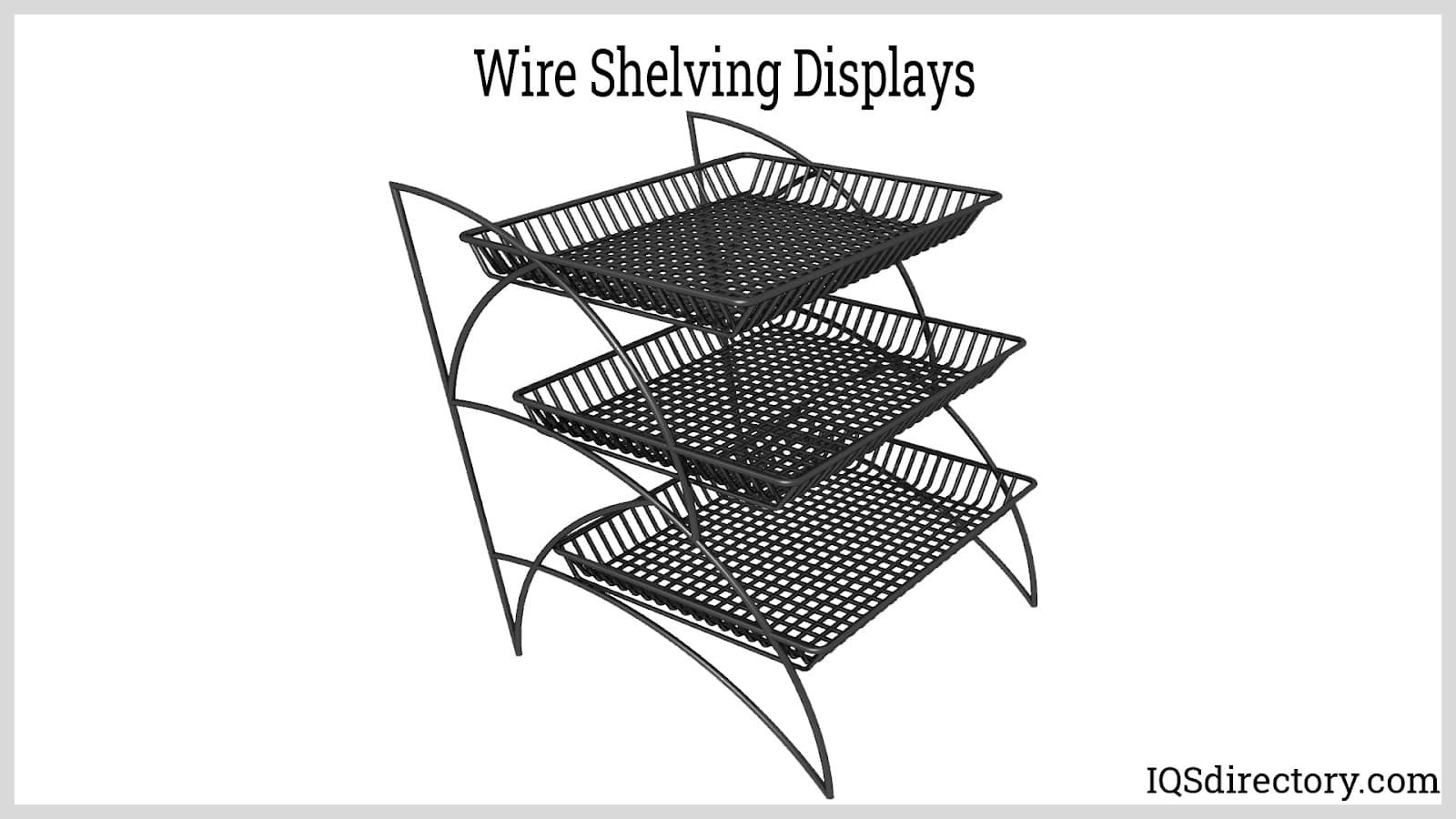
Wire shaping is a complex method that encompasses a wide range of dimensions, forms, and textures. The technique of creating a usable product by wire bending and shaping is known as custom wire forms...
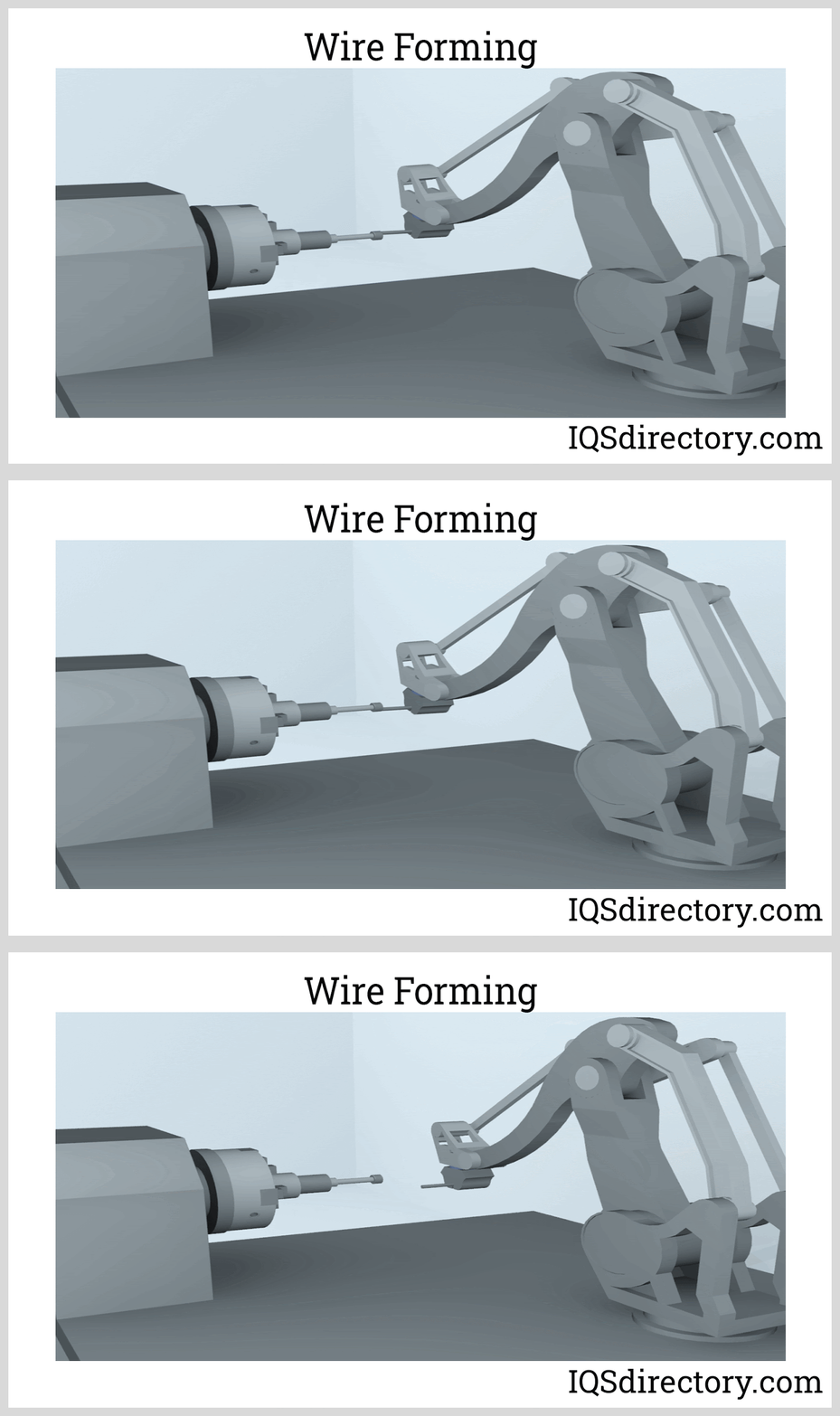
Wire forming is a method for applying force to change the contour of wire by bending, swaging, piercing, chamfering, shearing, or other techniques. The various techniques for wire forming can produce any type of shape, form, or configuration...
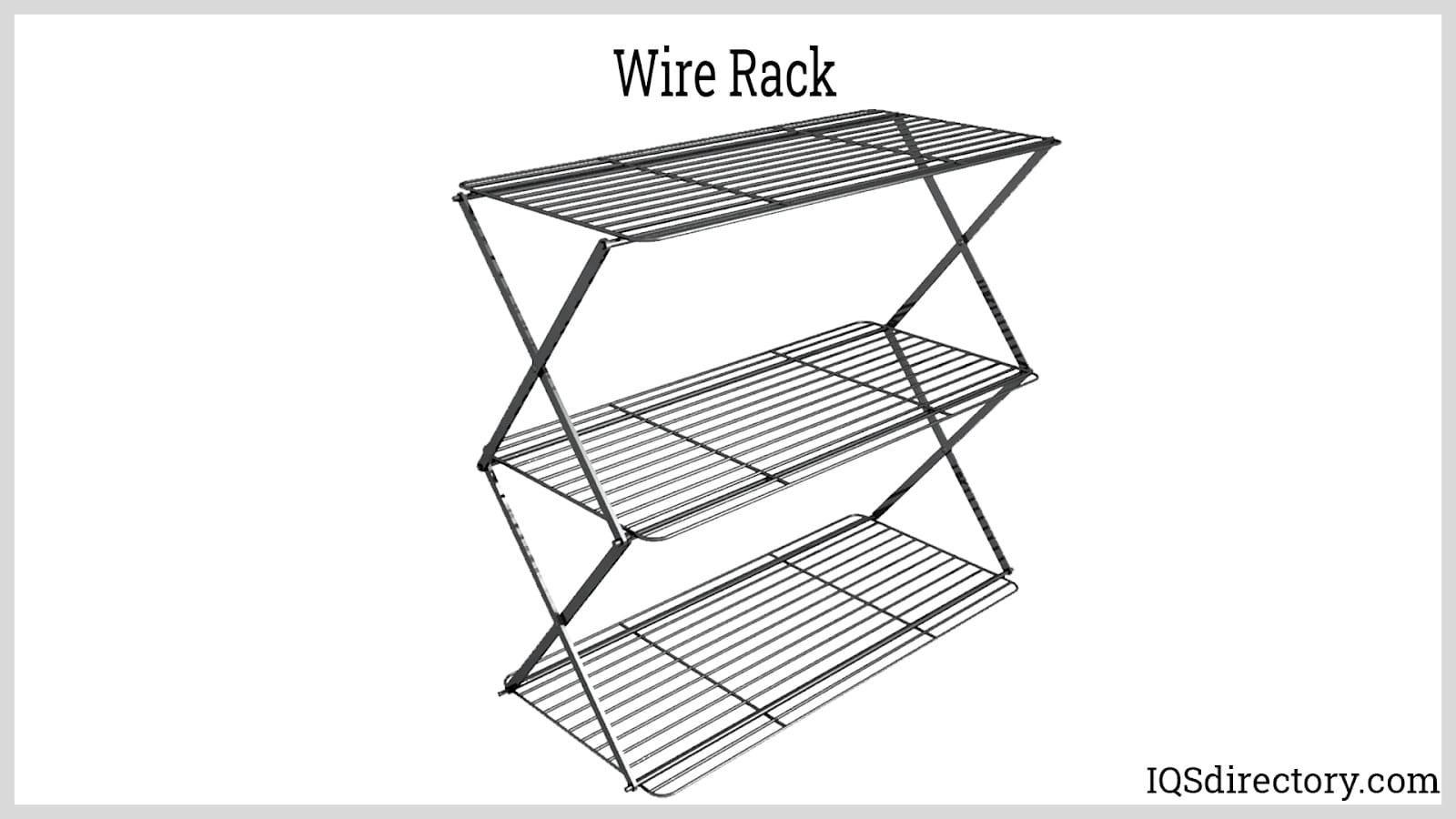
A wire rack is a level wire form utilized to stock and exhibit a number of products, usually retail. The bottom surface on which such goods are stored is made of several latticed or interlaced metal strands...
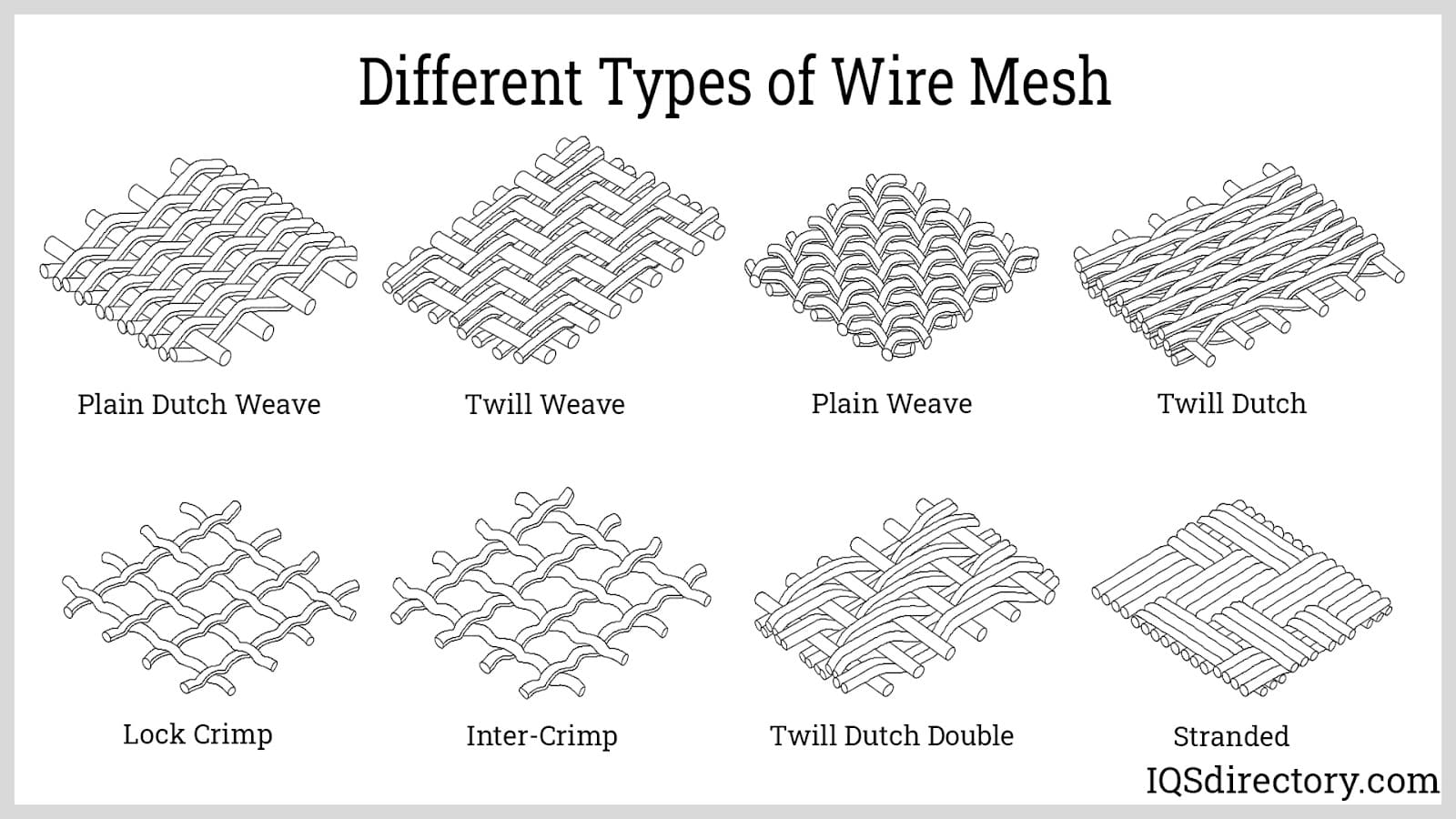
Wire mesh is fabricated by the intertwining, weaving, or welding of wires of various thicknesses to create proportionally equal parallel rows and intersecting columns. Also known as wire fabric, wire cloth, or...
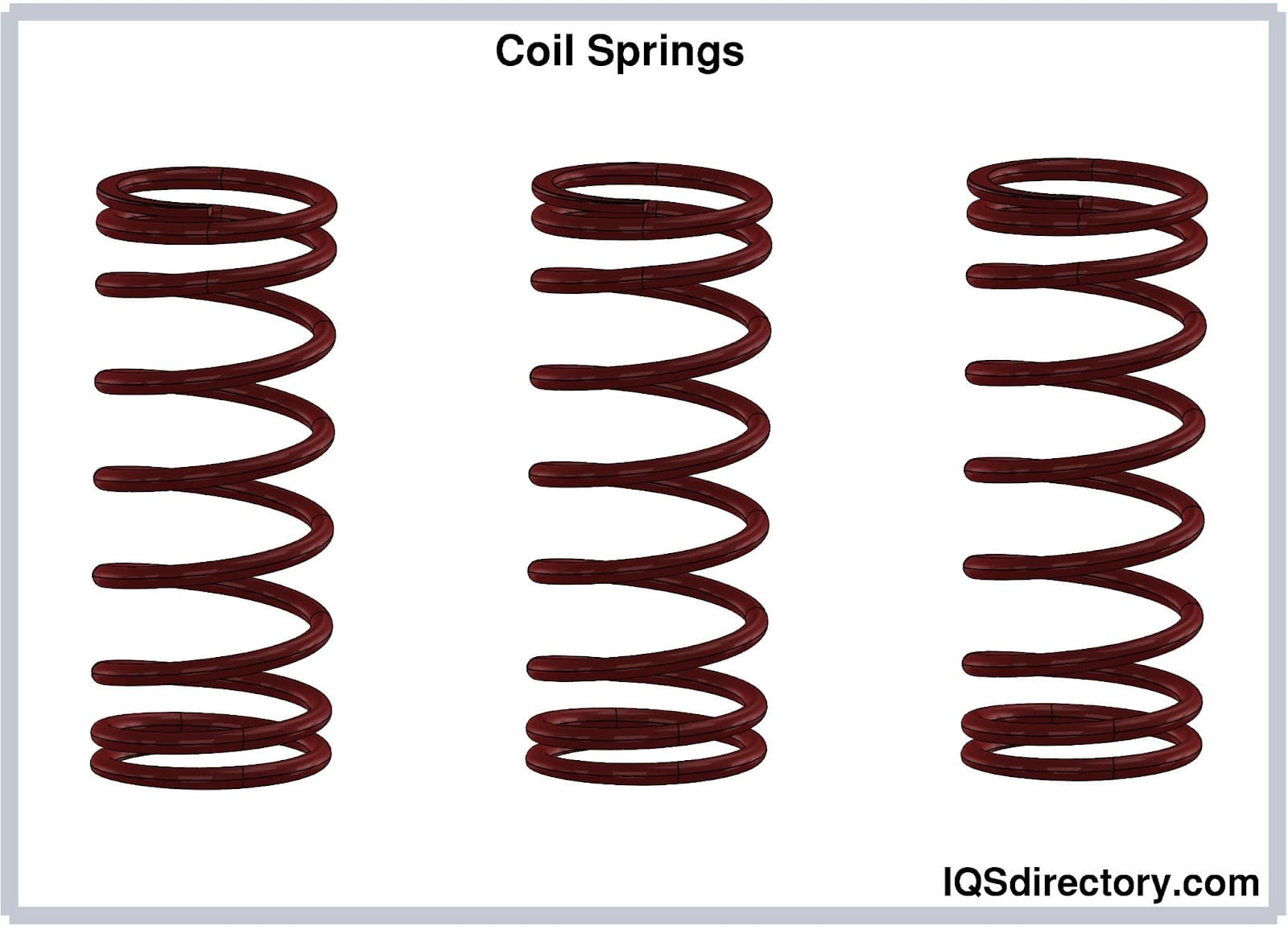
A coil spring is an elastic element made of metal or heavy plastic in the form of curls or ringlets of round wire or cord that is wrapped around a cylinder. The winding of a coil spring can be loose or tight in a helical shape depending on the application for which it is made...
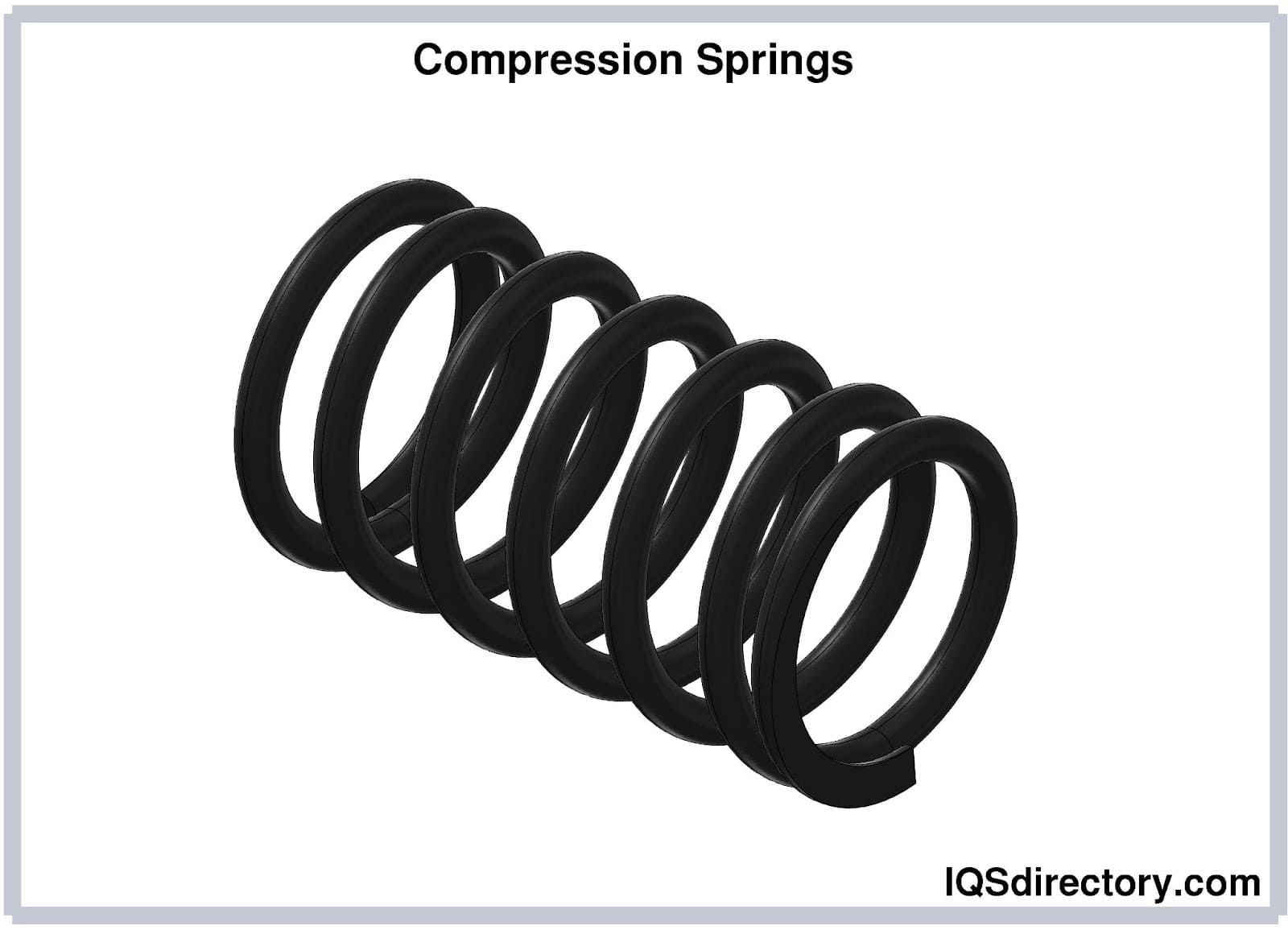
Coil springs called compression springs can store mechanical energy when they are compressed. These open-coiled, helical springs provide resistance to compressive loading. When these springs are...
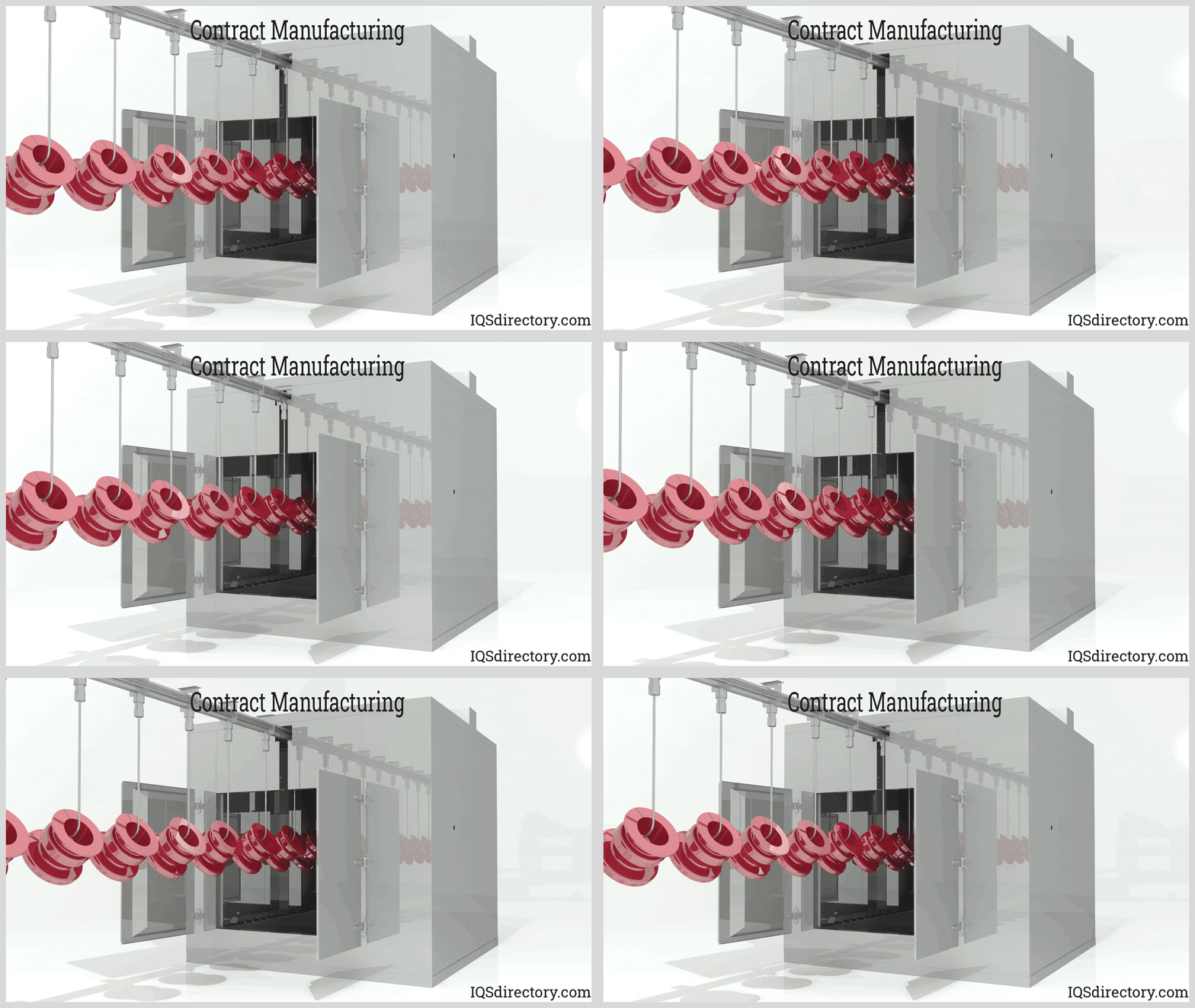
Contract manufacturing is a business model in which a company hires a contract manufacturer to produce its products or components of its products. It is a strategic action widely adopted by companies to save extensive resources and...
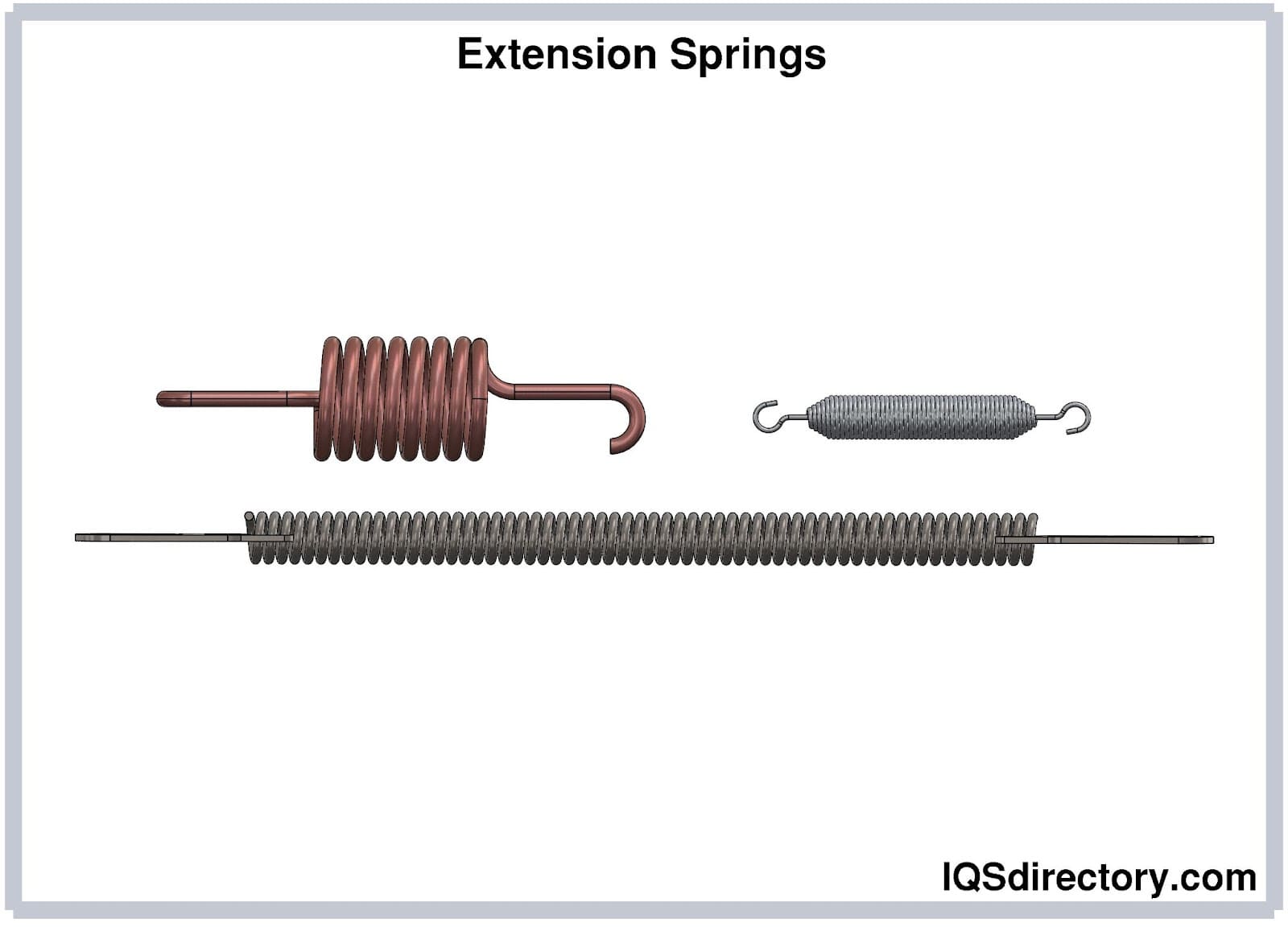
Extension springs are helical wound springs that are so closely coiled together to create initial tension in the coils. This initial tension creates resistance against the force applied to its ends for extension. The initial tension helps determine how closely and...
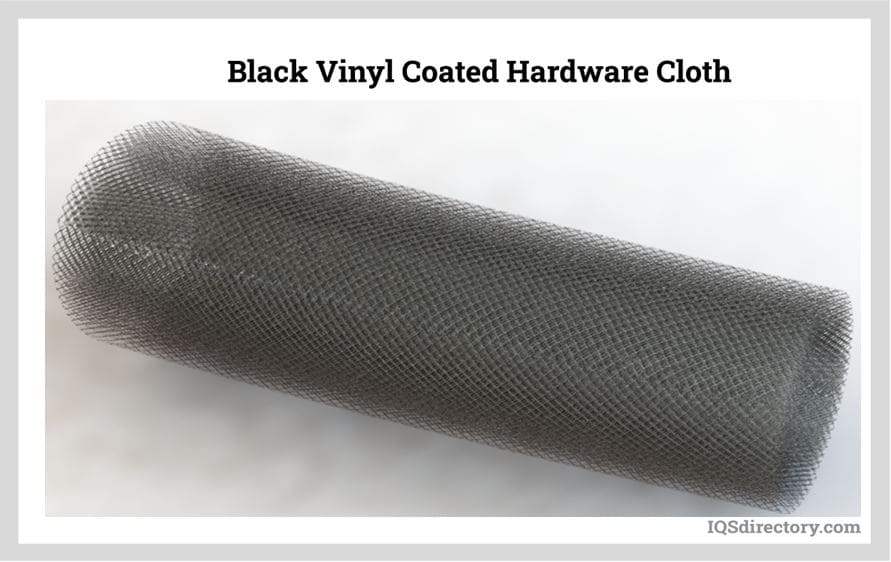
Hardware cloth is a woven mesh made by interlacing various sizes of wire to form a metal fabric that can be used for animal cages, fence material, strainers, and filtering screens. The differences between the various types of hardware cloth...
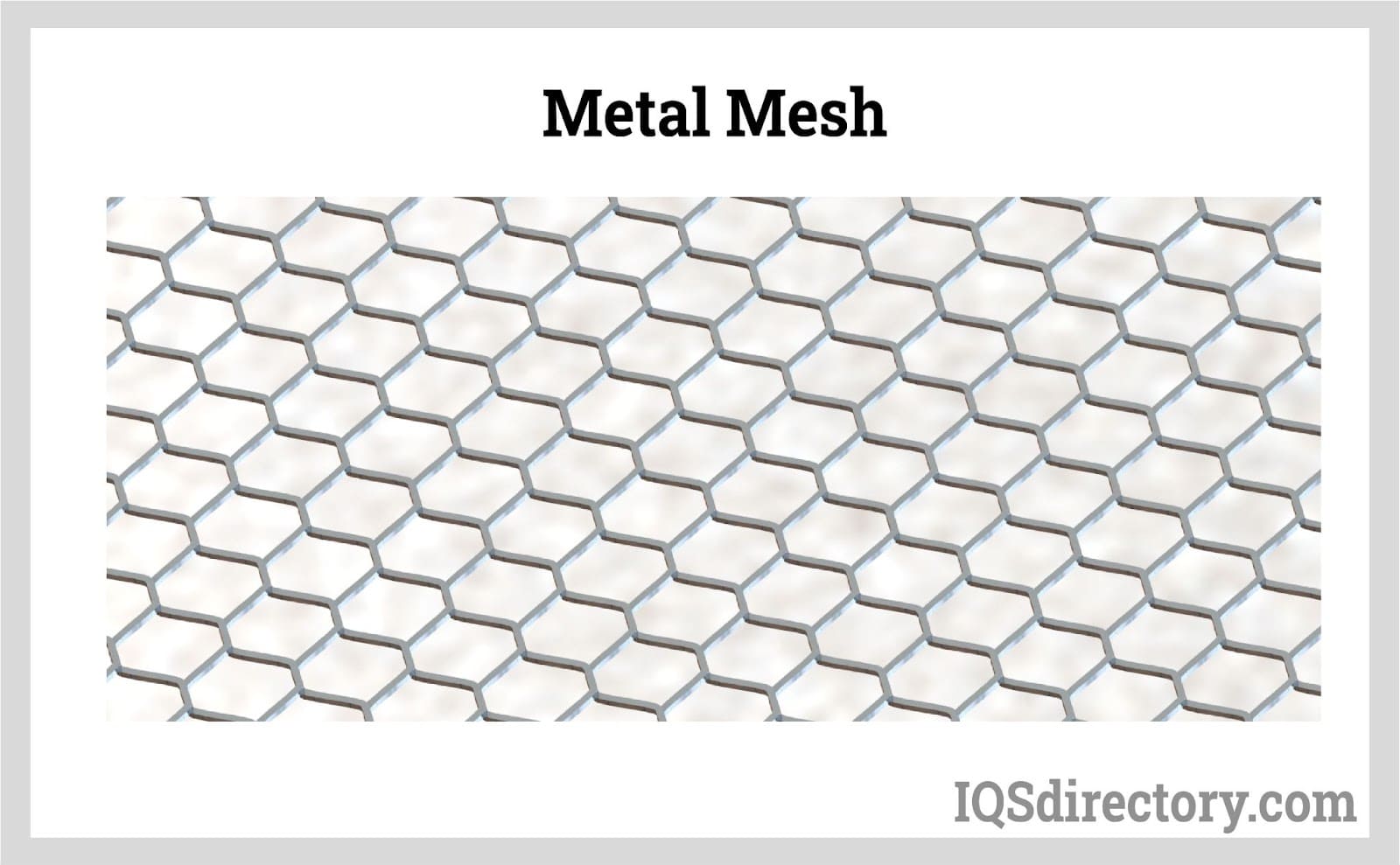
The phrase "wire mesh" describes two- or three-dimensional structures constructed of two or more metallic wires connected by various techniques. In a wide range of settings, wire mesh products are...
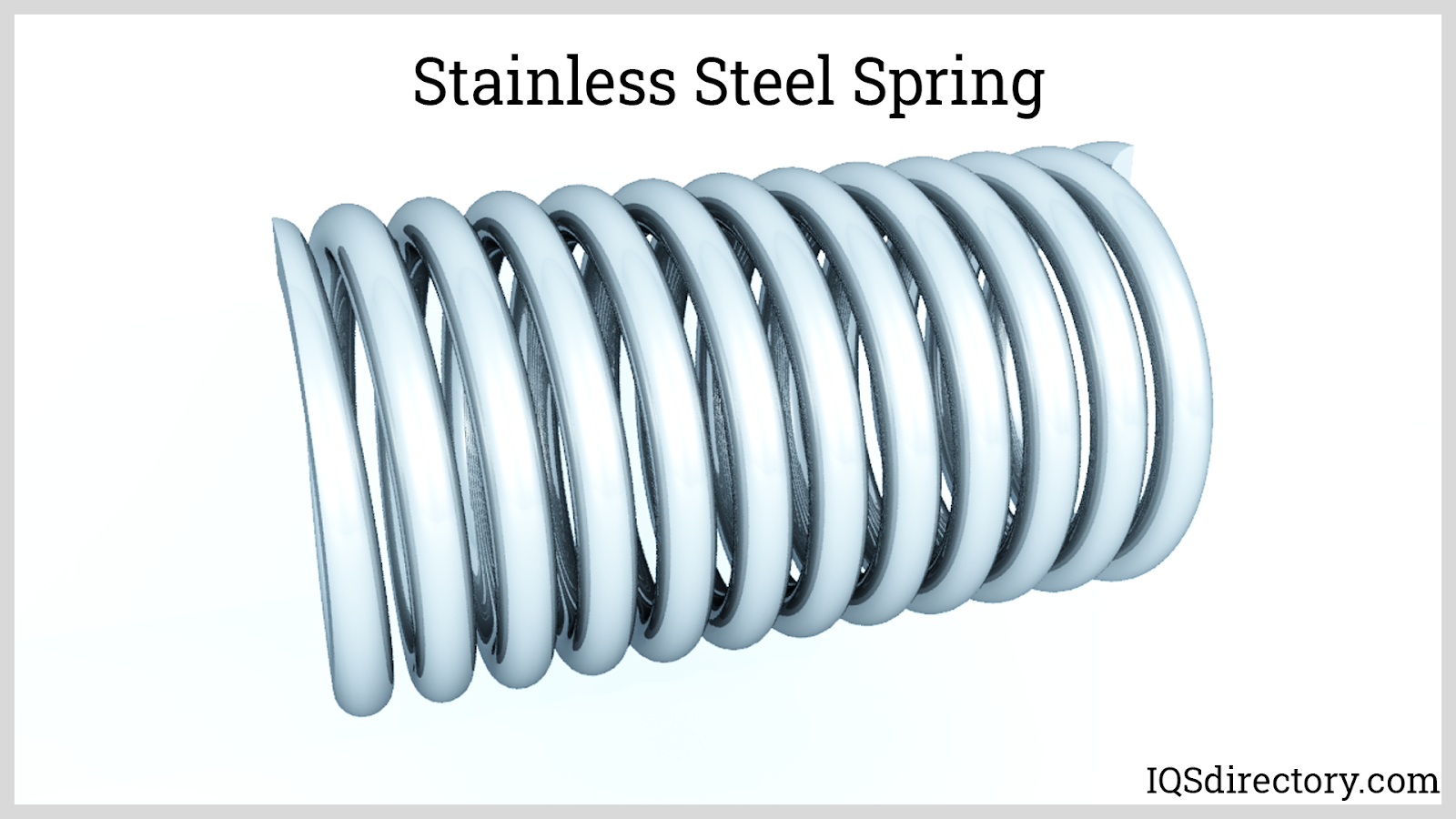
Springs are a flexible machine element that store mechanical energy when subjected to tensile, compressive, bending, or torsional forces. When the spring is deflected, it stores energy and at the same time exerts an opposing force...
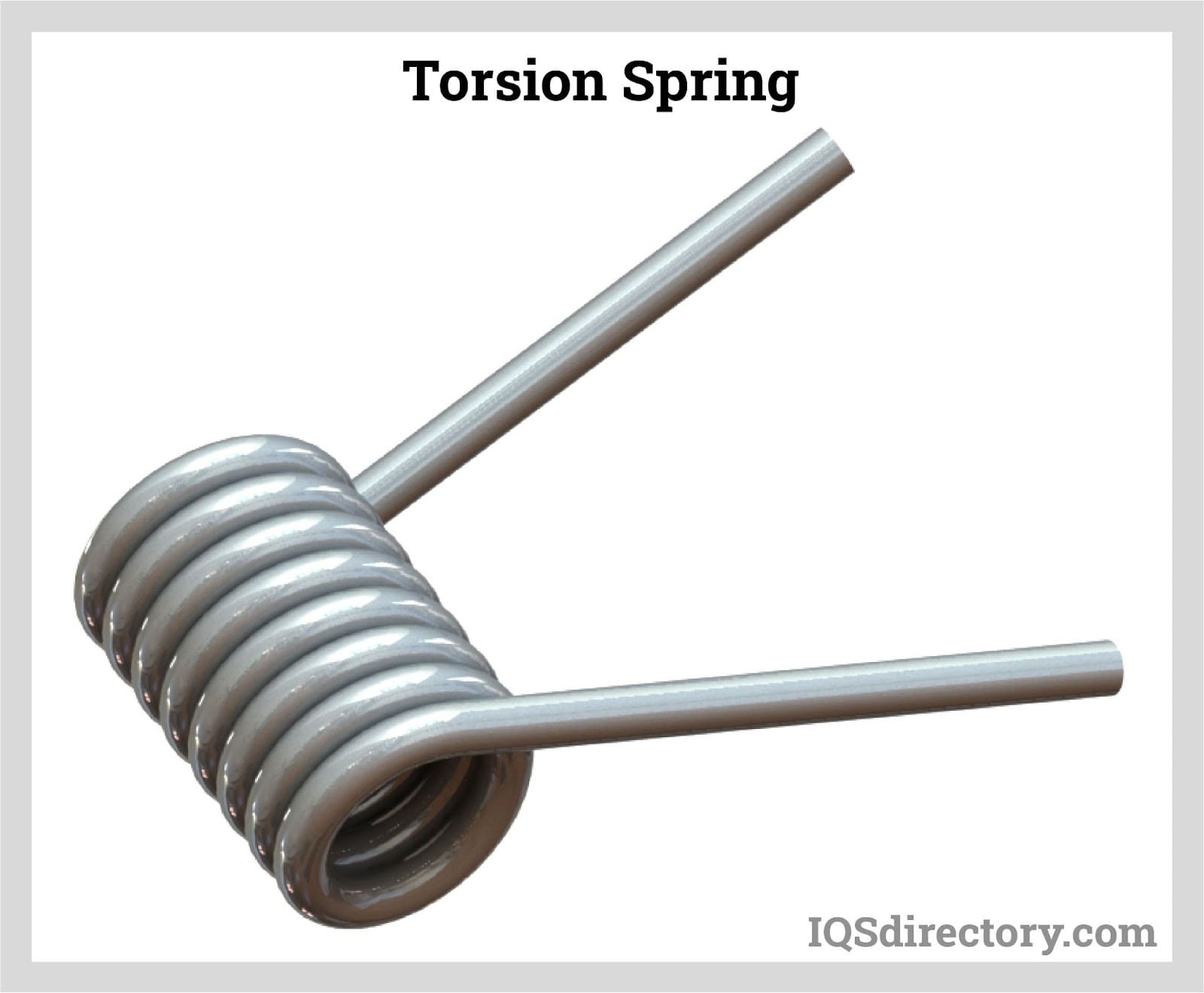
A torsion spring is a mechanical device that stores and releases rotational energy. Each end of the torsion spring is connected to a mechanical component. As the spring is rotated around its axis on one end, the winding of the spring is tightened and stores potential energy...
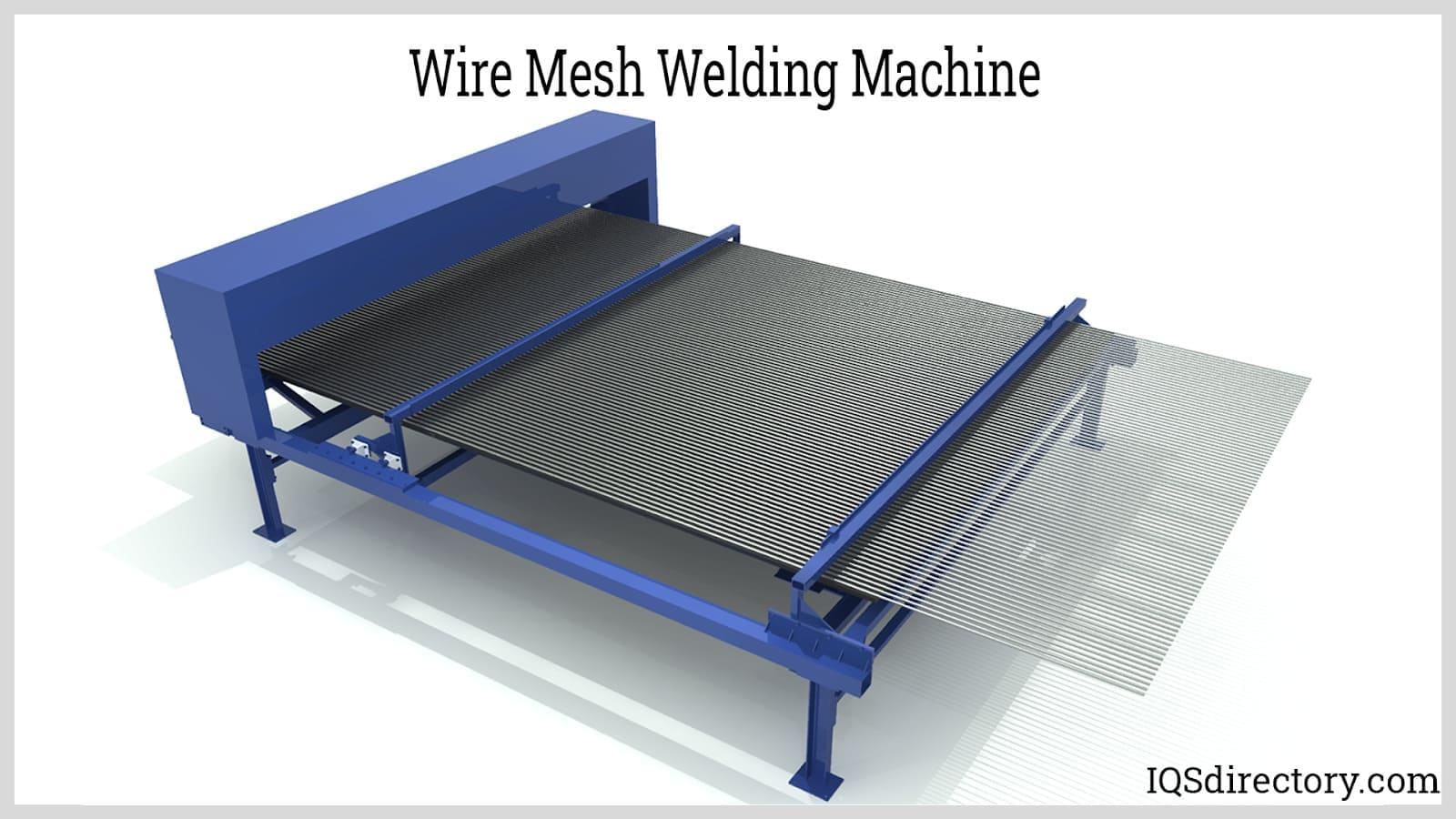
Welded wire mesh is a series of wires that are welded where the individual wires cross. The openings of the mesh varies depending on the type of wire used and the function of the mesh. Regardless of size and wire, welded wire mesh is permanent and...
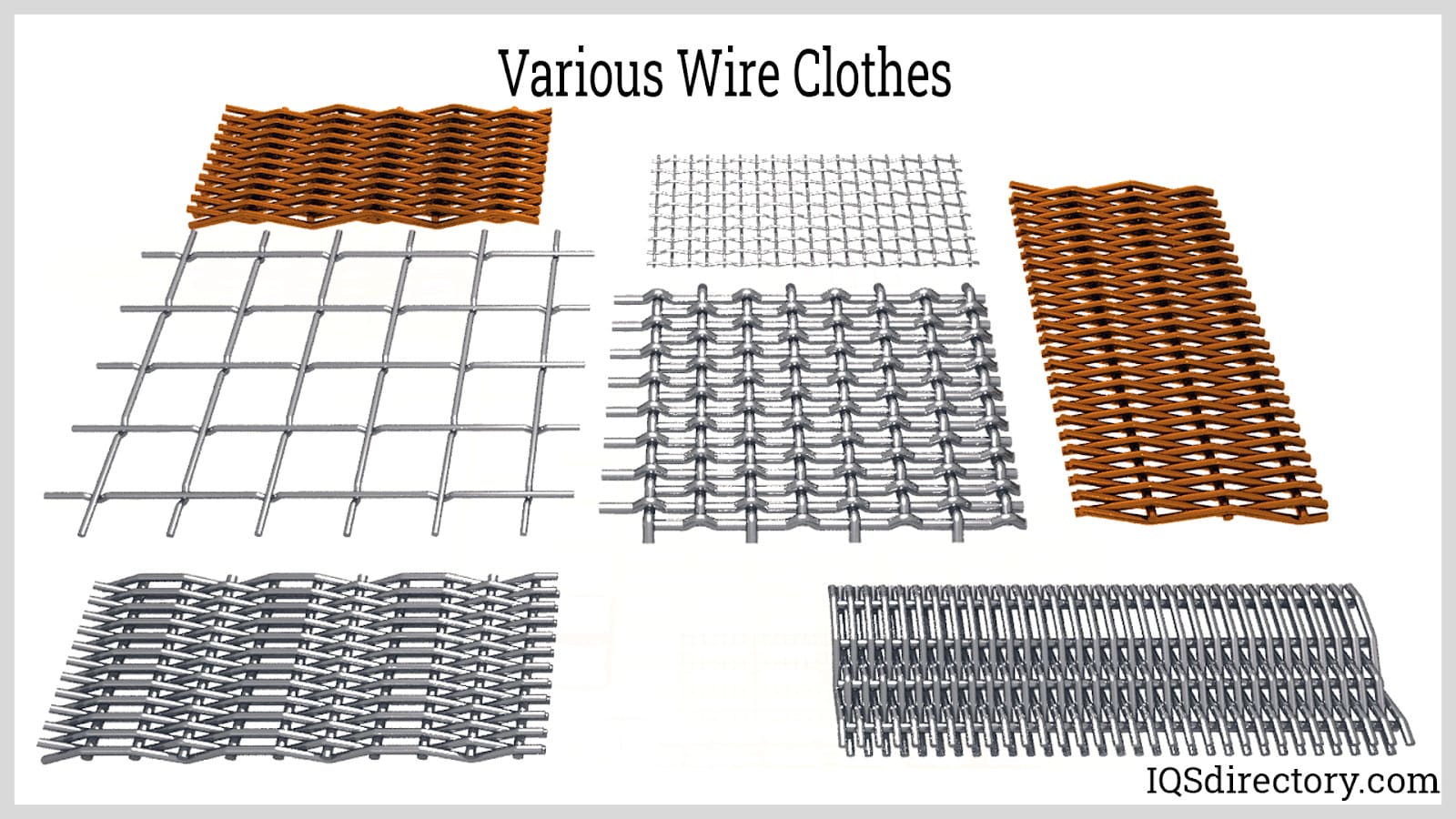
Wire cloth is a woven (or nonwoven) sheet or web material with a series of openings across the surface. Wire cloth is also known as: Metal Fabric or Metal Cloth; Wire Mesh, Metal Mesh, or Alloy Mesh...