Overhead Cranes
Overhead cranes, also known as industrial overhead cranes, bridge cranes, or lifting cranes, serve as vital materials handling equipment across numerous sectors. These powerful overhead lifting systems facilitate the safe and efficient movement of heavy loads in manufacturing facilities, construction sites, warehouses, steel mills, automotive plants, and many other industrial operations. Commonly referred to as hoist cranes, these systems utilize an overhead steel beam or pair of beams bridged between structural supports, with a trolley traveling along the beams to carry a hoist that lifts and repositions substantial loads. Overhead cranes can be powered by electric motors, hydraulic systems, or internal combustion engines, making them adaptable to diverse operational environments and load requirements.
In today's industrial landscape, selecting the right overhead crane system involves understanding various crane types, configurations, and applications that align with specific facility needs. Whether you are researching overhead bridge cranes for heavy-duty lifting, exploring gantry crane alternatives, or evaluating workstation cranes for lighter assembly tasks, this comprehensive guide covers key aspects to support your decision-making process. How do overhead cranes improve workflow efficiency? What factors determine the best overhead crane design for your operation? These common questions guide many buyers as they compare solutions for load handling, safety compliance, and long-term productivity.
Quick Links to Overhead Cranes Information
Construction of an Overhead Crane
Regardless of configuration, all overhead cranes share three fundamental elements of construction: the bridge, the trolley, and the hoist. The bridge functions as the primary load-bearing structure, often described as the overhanging arm that supports the entire lifting operation. In bridge cranes and gantry cranes, this bridge spans between two supports, while in jib cranes and cantilever cranes, the bridge extends from a single support point, with the load-bearing arm frequently called a boom. This design allows overhead cranes to maximize floor space utilization while providing extensive coverage across the work area.
The trolley serves as the electrically or mechanically driven mechanism that travels along the bridge, carrying the hoist and crane hook to precise positions. This component enables smooth horizontal movement, allowing operators to position loads accurately without repositioning the entire crane structure. The hoist, which performs the actual lifting and lowering actions, connects to various attachments such as hooks, grapples, forks, or augers through wire rope or nylon cables. These cables link to the main lifting mechanism, which may use electric motors for lighter applications or internal combustion and hydraulic power for handling heavier industrial loads.
Understanding overhead crane construction helps facility managers and engineers evaluate how different designs integrate with existing building structures and operational workflows. For instance, the bridge design directly impacts span capabilities, load distribution, and overall stability during material handling tasks. Many operations benefit from overhead cranes because they operate in the overhead space, leaving valuable floor area free for production equipment and personnel movement. This space-saving advantage makes overhead lifting systems particularly valuable in crowded manufacturing environments where maximizing usable square footage supports higher output levels.
When exploring overhead crane construction details, buyers often ask: What bridge span and height requirements fit my facility layout? How does the trolley travel speed affect cycle times in high-volume production? Considering these construction elements early in the selection process ensures the chosen overhead crane system delivers optimal performance for specific lifting applications, from precise assembly work to bulk material transport.
Components of Overhead Cranes
Overhead cranes function as versatile industrial lifting equipment with applications spanning multiple industries including metal fabrication, shipbuilding, paper production, and logistics centers. Each overhead crane features a bridge that travels on parallel runway beams, along with a hoist system to which loads attach securely. Because these systems operate in varied environments with differing load profiles and duty cycles, manufacturers offer multiple configurations to meet specific operational demands.
Before examining the various types and setups, it becomes helpful to review the primary components that make up a typical overhead crane system. Runway beams form the foundation, featuring an I-shaped cross-section with flanges designed to resist bending under load. These hot-rolled beams handle significant shear forces while providing stable tracks for crane movement. The end truck, a box girder assembly housing bridge idler wheels, connects the bridge structure to the runway beams and enables smooth travel across the facility width.
The bridge itself consists of one or more girders supported by the two end trucks, creating the traveling framework that spans the operational area. Bridge girders serve as the main horizontal beams where the trolley and hoist assembly operate. The trolley moves along these girders, positioning the hoist precisely over the load. The hoist performs the vertical lifting function and typically comes in either wire rope or chain hoist varieties, each suited to different capacity ranges and application requirements.
Additional important components include the hoist drum or sprocket mechanism, braking systems for controlled stopping, electrical controls or pendant stations for operator input, and limit switches that prevent over-travel. Many modern overhead crane installations also incorporate variable frequency drives for smoother acceleration and deceleration, load cells for accurate weight monitoring, and anti-sway technology to stabilize loads during transport. These features contribute to safer, more efficient material handling while reducing wear on the overall system.
Facility teams researching overhead crane components frequently consider questions such as: Which hoist type best matches my typical load weights and lift heights? How do runway beam specifications influence long-term structural integrity? Exploring these component details builds confidence when specifying custom overhead crane solutions tailored to unique production processes and safety standards.
Overhead Cranes Images, Diagrams and Visual Concepts
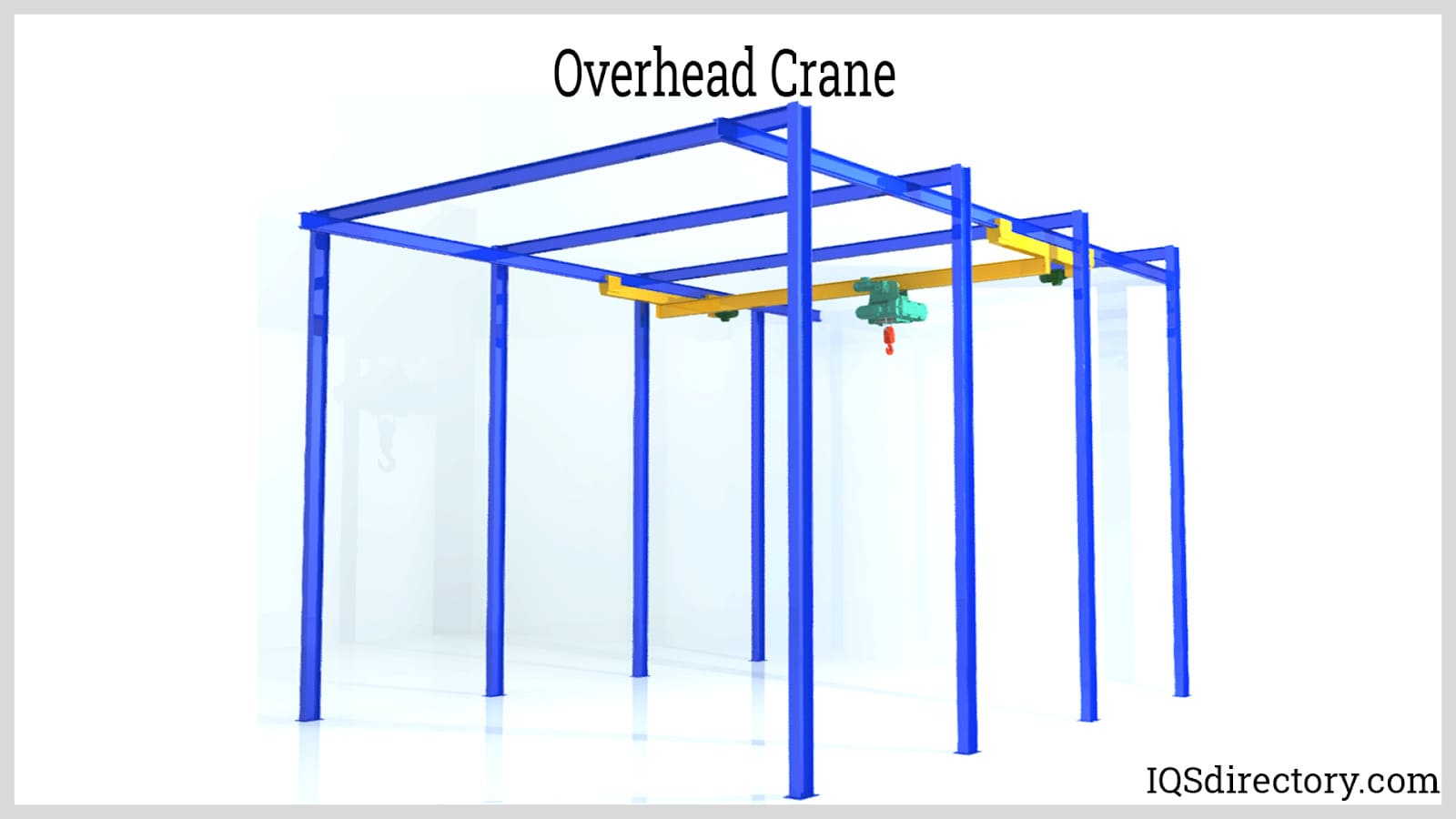
Overhead crane, a type of heavy duty machinery capable of moving extremely heavy loads or equipment from one location to another in a safely and precise using an overhead space.
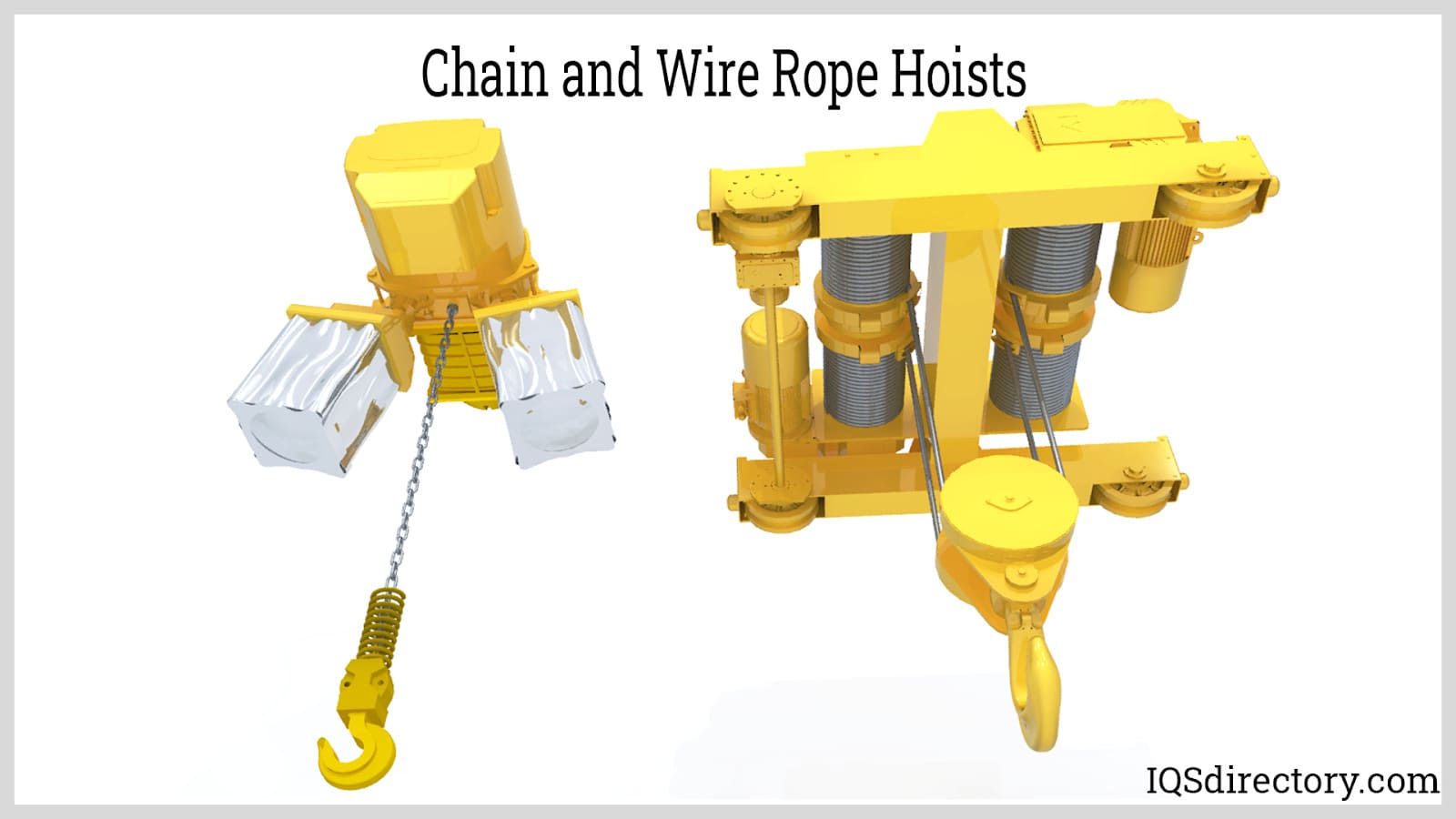
Hoists for overhead cranes are either chains holders whichc is designed for load less than ten tons or wires which is capable of lifting over ten tons.
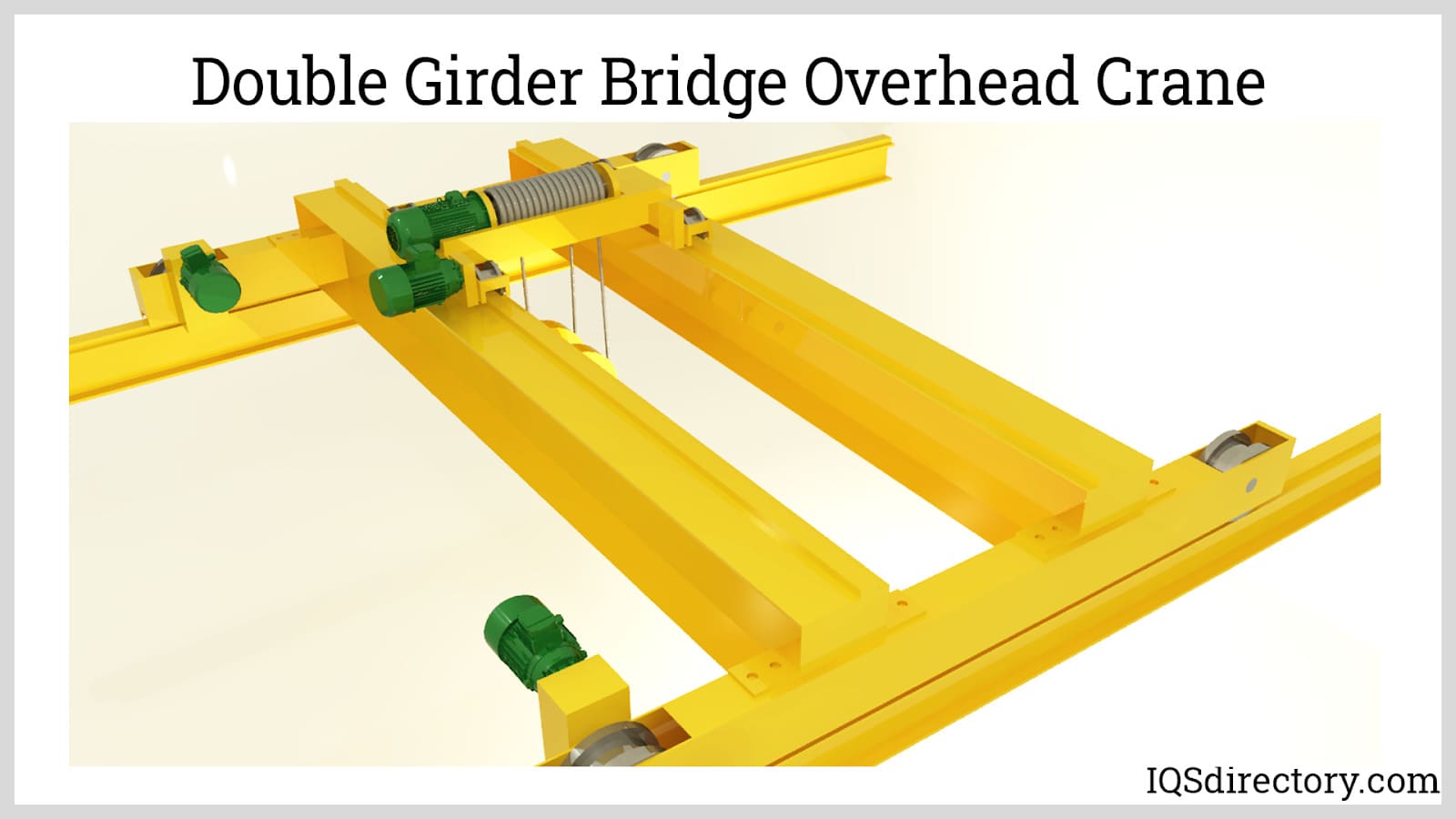
Double bridge crane is built with two runways connected by a bridge and end trucks on the runway.
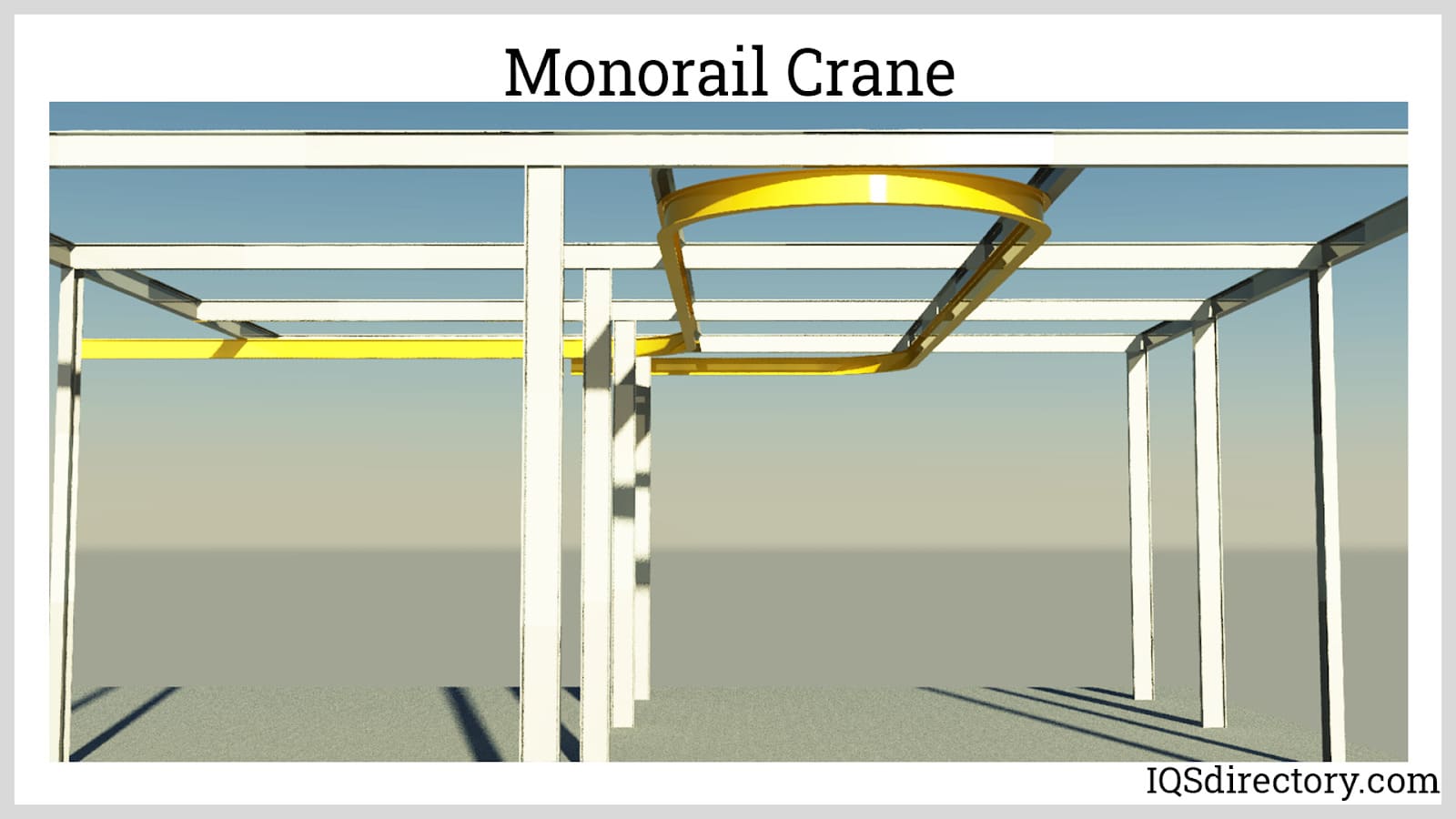
Monorail cranes have curves, branches, and switches to change its elevation and direction.
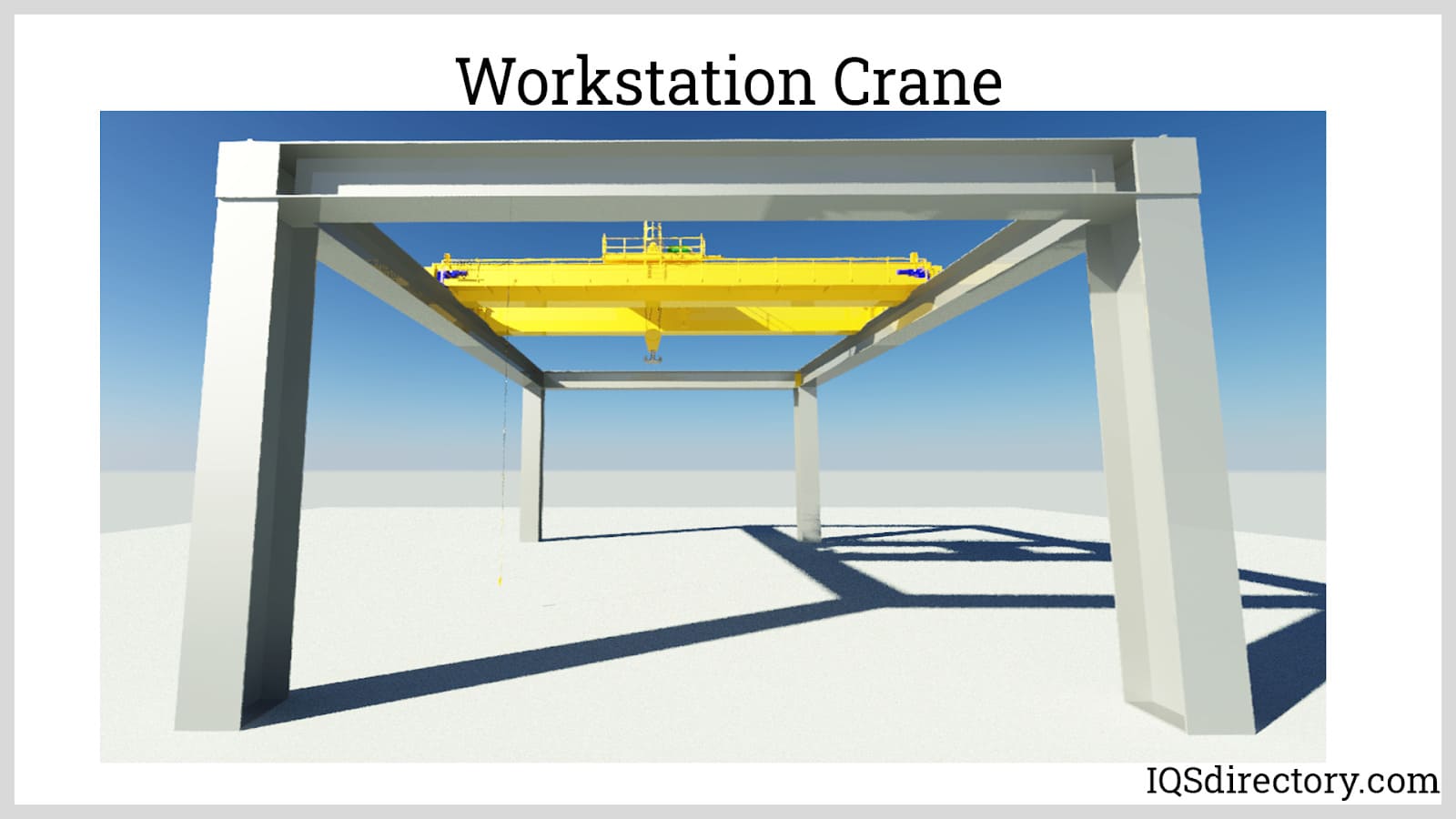
Workstation crane, a form of bridge crane designed for light to heavy production.
These visual representations help illustrate the practical design and operational characteristics of different overhead crane models. Viewing overhead crane images and diagrams allows potential buyers to better visualize how various configurations might integrate into their specific workspace while highlighting differences in hoist mechanisms, bridge structures, and runway setups. Many decision-makers find that examining these illustrations clarifies technical specifications and supports more informed comparisons between single girder versus double girder systems or top running versus under running designs.
Types of Overhead Cranes
Overhead crane systems come in several configurations, each offering distinct advantages depending on facility layout, load requirements, and operational intensity. Understanding the main types helps match the right overhead lifting solution to your material handling needs.
Top Running Cranes operate by traveling on the top surface of the runway beams. These overhead cranes typically provide high load capacities thanks to their robust construction. Top running overhead cranes often incorporate two bridge girders for added structural strength, delivering excellent headroom clearance and stability when moving heavy industrial loads across large spans.
Under Running Overhead Cranes, sometimes called under-hung cranes, feature end trucks that travel along the lower flanges of the runway beams. This design offers increased flexibility because the hoist can approach closer to the end trucks, maximizing usable hook coverage. Under running overhead cranes also tend to be more cost-effective for lighter to medium duty applications while still providing reliable performance in various manufacturing settings.
Both top running and under running overhead cranes are available in single girder or double girder formations. Top running models commonly use double girders when handling heavier loads to ensure adequate support and longevity. Single Girder Cranes suit lower load capacities and provide a more economical option for many facilities. In single girder designs, the hoist travels along the bottom flange of the girder, creating a straightforward and efficient lifting arrangement suitable for loads typically ranging from light assembly parts up to moderate industrial weights.
Double Girder Cranes excel at managing higher load capacities and usually command a higher investment due to their enhanced capabilities. The hoist mounts on top of the bridge in double girder configurations, which results in greater hook height compared to single girder models. This additional lift height proves valuable in applications requiring taller stacking or clearance over existing equipment. When evaluating single versus double girder overhead cranes, key decision factors include maximum load weight, required lift height, and available building clearance.
Other specialized varieties include monorail cranes that follow a single fixed path with the ability to incorporate curves, switches, and elevation changes for complex routing needs. Workstation cranes offer lighter-duty bridge crane solutions optimized for production lines, assembly stations, and maintenance areas where frequent but lower-capacity lifts occur. These systems often integrate seamlessly into modular workstation environments, supporting ergonomic material handling that reduces operator strain while improving workflow speed.
Selecting among these overhead crane types involves assessing multiple operational parameters. How frequently will the crane perform lifts at peak capacity? What span distance and hook height does the application require? Does the facility layout favor top running or under running installation? Addressing these questions during the evaluation phase helps ensure the chosen overhead crane configuration delivers reliable service while aligning with budget considerations and safety requirements.
Many industries benefit from combining different overhead crane types within the same facility. For example, a heavy fabrication area might use double girder top running cranes for large weldments, while adjacent assembly zones employ single girder under running or workstation cranes for finer component handling. This mixed approach optimizes both performance and cost across diverse material handling applications.
Things to Consider When Purchasing an Overhead Crane
Overhead cranes rank among the most widely adopted pieces of equipment in manufacturing and industrial facilities precisely because they occupy minimal floor space. Operating exclusively from overhead tracks, these systems use a hook or specialized attachment as the primary interface for loading and unloading without interfering with ground-level machinery or personnel traffic. This characteristic makes overhead cranes especially attractive when planning facility layouts that prioritize open production floors and unobstructed movement paths.
When preparing to invest in an overhead crane system, several important factors deserve careful attention to ensure the equipment matches both current and future operational demands. Taking time to evaluate these elements supports better long-term value and reduces the likelihood of costly modifications after installation.
Materials Being Handled represent a primary consideration. Different substances require specific handling approaches — whether moving finished goods, heavy steel coils, bulk liquids in specialized containers, or delicate components needing precise positioning. Informing the manufacturer about the exact nature of materials, including weight, dimensions, temperature, and any special requirements, allows them to recommend appropriate hoist types, attachments, and safety features. This detailed specification process helps identify overhead crane solutions that enhance productivity while protecting both the load and the surrounding environment.
Girder Structure choices depend largely on anticipated load ratings. A girder connects the parallel runway beams, and the decision between single girder and double girder designs hinges on the maximum weight the system will regularly lift. Single girder overhead cranes work well for capacities generally between 1 and 15 tons, offering a balance of performance and affordability. When load requirements exceed this range, double girder configurations provide the necessary strength and stability for safe, consistent operation under demanding conditions.
Service Frequency Rating, often called duty cycle or service class, measures how intensively the crane will operate. This rating considers the number of lifts per hour or per shift at various load percentages. In the United States, service classifications range from Class A (standby or infrequent use) through Class F (continuous severe service). Matching the service rating to actual usage patterns prevents premature wear and ensures the overhead crane delivers dependable performance throughout its expected service life. Buyers frequently ask: What service class best fits our daily production volume and load distribution?
Type of Crane Needed involves deciding between top running and under running designs, along with the appropriate girder configuration. Under running overhead cranes suit lighter load applications and can maximize hook approach dimensions, while top running models handle heavier capacities with independent or roof-supported runway structures. Understanding these differences helps align the crane type with both load demands and the physical constraints of the building.
Required Power Source options include manual, electric, or pneumatic operation. Manual overhead cranes serve small-scale or occasional lifting tasks but have clear limitations in speed and capacity. Electric power using three-phase systems powers the majority of industrial installations, providing reliable performance and precise control. In environments such as oil and gas facilities or areas with explosion risks, pneumatic drives may offer safer alternatives by eliminating electrical components. Evaluating power availability and operational environment guides this important selection.
Additional decision factors often include available building height and structural support capacity, desired travel speeds for both bridge and trolley, control system preferences (pendant, radio remote, or cabin), and integration with existing material flow systems. Many organizations also weigh long-term maintenance requirements, spare parts availability, and manufacturer support when comparing overhead crane quotes. Considering these elements together creates a clearer picture of which overhead crane solution will deliver the strongest return on investment while meeting safety and performance expectations.
By systematically reviewing materials, load capacity, duty cycle, installation type, and power needs, buyers can confidently select overhead crane systems that support efficient, safe material handling for years to come. Many facilities find value in consulting with experienced suppliers who can perform site surveys and provide customized recommendations based on real-world operating conditions.
Proper Care for Overhead Cranes
Given that overhead cranes regularly manage heavy and potentially hazardous loads, implementing a consistent maintenance and inspection program remains important for safe, reliable operation. Daily checks help identify issues before they affect performance or safety. Operators should examine operating mechanisms for any signs of maladjustment, inspect pneumatic and hydraulic components for leaks, check hooks for deformation or cracks, and look over hoist chains along with their end connections for wear, twisting, or distortion.
On a monthly schedule, thorough inspection of running ropes and end connections becomes necessary to detect wear, broken strands, or other developing problems that could compromise lifting integrity. Periodic comprehensive examinations cover a broader range of components, including checks for deformed, cracked, or corroded parts, loose bolts or rivets, worn sheaves and drums, damaged bearings, gears, rollers, and excessive wear in brake systems, chain drive sprockets, and chains. Electrical components such as motors, indicators, pushbuttons, and limit switches also require regular attention to maintain proper function.
Following established guidelines, such as those published by OSHA for overhead crane operation and maintenance, helps facilities maintain compliance while promoting a culture of safety. Many organizations develop customized preventive maintenance schedules that align with their specific service class and usage intensity. These programs often include lubrication schedules, wire rope condition monitoring, brake adjustment verification, and electrical system testing.
Proper care extends beyond inspections to include operator training, load testing at appropriate intervals, and timely replacement of wearing parts. Facilities that invest in ongoing overhead crane maintenance typically experience fewer unplanned downtime events, longer equipment life, and improved overall safety records. Common questions that arise in maintenance planning include: How frequently should we perform load testing on our overhead cranes? What indicators suggest that hoist components need immediate attention? Addressing these topics proactively supports sustained performance and helps protect both personnel and valuable inventory.
Many successful operations combine in-house daily and weekly checks with periodic professional service from qualified technicians. This layered approach ensures early detection of potential issues while maintaining detailed records that support regulatory compliance and informed budgeting for future upgrades or replacements.
More Overhead Crane Information