Electric Transformers
Electric transformers are inductively coupled electromagnetic devices that transfer electrical energy between circuits through magnetic fields. They support power distribution, equipment protection, and voltage control across commercial, industrial, and utility applications by converting electrical current into voltage levels matched to specific operating needs. Power transformers help electrical systems deliver reliable performance, while current transformers support metering, monitoring, protection, and efficient transmission through substations, feeders, and power grids.
Electric Transformers FAQ
What is the main purpose of an electric transformer?
Electric transformers regulate electrical voltage so equipment can operate safely, efficiently, and within design limits. They transfer power between circuits by stepping voltage up or down as needed, helping prevent overheating, premature wear, and avoidable damage in electronic and electrical systems.
How do electric transformers work?
Transformers operate through electromagnetic induction. Alternating current in the primary winding creates a magnetic field in the core, which induces voltage in the secondary winding. Based on the turns ratio, the transformer either raises or lowers voltage for transmission, distribution, control, or equipment use.
What is the difference between a step-up and step-down transformer?
A step-up transformer increases voltage by using more turns in the secondary winding, while a step-down transformer reduces voltage by using fewer turns in the secondary winding. Both support efficient power transfer across connected circuits and applications.
What are distribution transformers used for?
Distribution transformers lower higher transmission voltages to safer service levels for residential, commercial, and light industrial use. Often rated between 3 and 500 KVA, they support dependable local power delivery throughout utility distribution networks and regional grids.
Why are toroidal transformers more efficient?
Toroidal transformers, shaped like a ring, reduce electromagnetic interference, leakage flux, and energy loss. Their continuous winding design helps minimize audible noise and stray fields, making them well suited for sensitive electronics, control panels, audio equipment, and compact installations.
What type of cooling do dry-type transformers use?
Dry-type transformers rely on natural or forced air circulation instead of oil for cooling. This design lowers environmental risk and supports safe use in indoor industrial, institutional, and commercial environments where low maintenance and clean operation matter.
How does transformer insulation impact performance?
Proper insulation helps prevent short circuits, partial discharge, overheating, and premature transformer failure. When insulation breaks down, equipment damage and unplanned downtime can follow, so durable insulating materials are a major part of long service life and dependable system performance.
What should be considered when selecting a transformer manufacturer?
Selecting a transformer manufacturer involves balancing cost, build quality, lead time, and customization. Strong suppliers work with buyers to match voltage, KVA, phase, enclosure, insulation, duty cycle, and application demands instead of relying only on off-the-shelf designs.
History of Electric Transformers
In the 1830s, Michael Faraday and Joseph Henry independently identified the principle of electromagnetic induction through early work with electromagnets. Although they worked separately on different continents, their discoveries helped establish the scientific basis for transformer design, electric power transfer, and modern electrical engineering.
Faraday’s work led to what became known as Faraday’s Law, which would ultimately pave the way for the invention of the first transformer nearly 45 years later. Through a series of experiments, Faraday demonstrated how an electromagnetic field could induce an electrical current. In one key experiment, he wrapped two coils around opposite sides of an iron ring. One coil was connected to a galvanometer, while the other was attached to a battery. As he suspected, when the battery was connected, the coil with the galvanometer showed a current. However, the true breakthrough came when he disconnected the coil from the battery and observed that a current still flowed, proving that the battery continued to induce power in the second coil without direct physical connection. This discovery laid the foundation for the development of the transformer.
Decades later, Ottó Bláthy, Miksa Déri, and Károly Zipernowsky, working in the Austro-Hungarian Empire, built upon Faraday’s discoveries to create the first toroidal-shaped transformer. Their design was specifically developed for alternating current (AC) incandescent lighting systems, marking a major advancement in electrical engineering. While their initial invention in Budapest, Hungary, in the mid-1870s was revolutionary, it would take another decade before transformers became practical for widespread use.
By the 1880s, William Stanley and George Westinghouse introduced the first commercially viable transformers. In 1886, Stanley's transformer was successfully used to provide power to Great Barrington, Massachusetts, making history as the first commercial application of a transformer-based electrical system. This innovation laid the groundwork for the electrical infrastructure we rely on today. Modern transformers are embedded in all forms of electronic circuitry, found on utility poles supporting power lines, built into lamps, and even integrated into small devices like flashlights.
How Transformers Work
Transformers function based on the principle of electromagnetic induction, which requires an electromagnetic field to be present. To achieve this, a coil wrapped around a core is charged with an alternating current, generating a primary voltage. As energy flows through the coil, it creates an electromagnetic field—also known as a magnetomotive force—that travels through the core to a secondary coil, inducing a secondary voltage.
The input voltage comes from the power source, while the output voltage depends on the turns ratio between the primary and secondary windings. If both windings have the same number of turns, voltage remains roughly the same. Fewer turns on the secondary create step-down voltage conversion, while more turns on the secondary create step-up voltage conversion.
During operation, some energy is lost as heat through core losses, winding resistance, and magnetic effects. To manage temperature and improve efficiency, many transformers use air cooling, oil cooling, or other thermal management methods. Manufacturers also use winding arrangements such as concentric coils to improve performance, insulation spacing, and compact design, especially in three-phase transformer construction.
Once the transformer adjusts the voltage, electricity is transported through power lines and distributed across power grids. Step-up transformers elevate voltage levels for long-distance transmission, reducing energy loss, while step-down transformers decrease voltage to safe levels for consumer use. This process ensures that electrical devices receive the correct voltage. If the voltage is too low, the device may fail to operate efficiently and suffer long-term damage. If the voltage is too high, it can destroy the device, potentially leading to electrical fires or shock hazards if it exceeds the device’s peak voltage capacity.
Electric Transformer Types
3 Phase Transformers
Used to regulate voltage in three-phase electrical transmission systems, these transformers have three primary windings connected to each other and three secondary windings also interconnected. They efficiently distribute electrical power across industrial and commercial grids.
Auto Transformers
These transformers feature a single winding that serves as a common link between both circuits, eliminating isolation between them. Their design makes them one of the most cost-efficient transformer types, reducing material and manufacturing costs while still providing effective voltage conversion.
Current Transformers
Designed to measure electrical current, these transformers have a primary winding integrated into the circuit. By scaling down high current levels to a measurable range, they allow for accurate monitoring and control in power distribution systems.
Distribution Transformers
Typically rated between 3 and 500 KVA with voltage levels of 601 volts or higher, these transformers are used in electrical distribution networks to step down voltage for residential and commercial applications.
Dry Type Transformers
Instead of liquid-based cooling or insulation, these transformers rely on air circulation for temperature regulation. Their design reduces environmental risks and makes them ideal for indoor applications.
High Resistance Transformers
These transformers feature high leakage reactance, which limits output current to a specified value in the event of a fault. This safety feature helps prevent electrical overload and damage to connected equipment.
High Voltage Transformers
Built to handle electrical energy at high voltage levels, these transformers ensure efficient power transmission across long distances. Instrument transformers within this category provide precise measurement and monitoring of power voltage as it transfers proportionally between primary and secondary coils.
Inverters
Devices that convert electrical power between alternating current (AC) and direct current (DC). They play a major role in renewable energy systems, uninterruptible power supplies, and industrial applications.
Isolation Transformers
Designed to insulate the primary circuit from the secondary circuit, these transformers allow AC power transfer between devices without direct electrical connection. By preventing ground loops and enhancing safety, they help protect sensitive electronic equipment from voltage surges and interference.
Laminated Core Transformers
Among the most widely used transformer types, these units are commonly found in household appliances, where they step down voltages for safe operation. Their laminated core minimizes eddy current losses, improving efficiency.
Low Voltage Transformers
Engineered to reduce voltage to lower, safer levels, these transformers are commonly used in applications such as LED lighting, control circuits, and low-power electronics.
Polyphase Transformers
These transformers can either be a combination of multiple single-phase transformers or a single polyphase unit. Many polyphase transformers incorporate a zigzag winding configuration, particularly in grounded electrical systems, to enhance stability and power quality.
Power Transformers
Responsible for converting electrical voltage to lower levels, these transformers facilitate efficient power distribution across industrial and commercial networks, ensuring stable operation of electrical systems.
Pulse Transformers
Designed for waveform transmission, these wide-band transformers primarily transfer rectangular electrical pulses with rapid rise and fall times while maintaining a consistent amplitude. They are commonly used in digital circuits, telecommunications, and radar applications.
Step Down Transformers
Have the power to convert higher voltages to lower voltages by means of transferring electrical energy through two coil stages, the second coil stage having fewer coil windings.
Step Up Transformers
These transformers raise voltage by transferring electrical energy between two coil stages, with the secondary winding having more turns than the primary. They are widely used in transmission systems and applications where higher voltage supports efficient power delivery.
Toroidal Transformers
Originating from early designs by Hungarian engineers Ottó Bláthy, Miksa Déri, and Károly Zipernowsky, these donut-shaped transformers are highly space-efficient and excellent at reducing electromagnetic interference. Their winding process is slow and requires specialized equipment, making them more expensive to manufacture. Toroidal inductors also limit AC flow and suppress high-frequency noise, improving electrical performance.
Zig Zag Transformers
These special-purpose three-phase transformers provide grounding for ungrounded electrical systems while also filtering and controlling harmonic currents. Their unique configuration allows them to manage power distribution in complex electrical networks, ensuring stable operation and minimizing electrical noise.
Purpose of Transformers
Transformers serve as valuable regulators of electrical voltage, ensuring that the appropriate amount of power is supplied for a specific application. If the voltage is too high, it can severely damage electronic devices, potentially causing malfunctions, electrical fires, or even dangerous arcs of electricity. Conversely, if the voltage is too low, the device may not function properly, leading to inefficiencies or failures. To prevent these risks, transformers regulate voltage before electricity reaches the intended device, safeguarding both performance and safety.
Power transformers play a major role in electrically powered devices and systems. Their main job is to adjust voltage to the level required by the application, making electricity usable for motors, controls, electronics, lighting, and process equipment. Whether powering a computer, appliance, control cabinet, or utility feeder, transformers help transfer electricity safely and efficiently while reducing the risk of overloads or undervoltage conditions.
Beyond voltage conversion, electric transformers can isolate sections of a circuit, improve safety, support metering, reduce interference, and help stabilize sensitive electrical systems. Buyers comparing transformer manufacturers, transformer types, and voltage conversion options often start by identifying load requirements, application conditions, and installation needs.
Electric Transformer Images, Diagrams and Visual Concepts
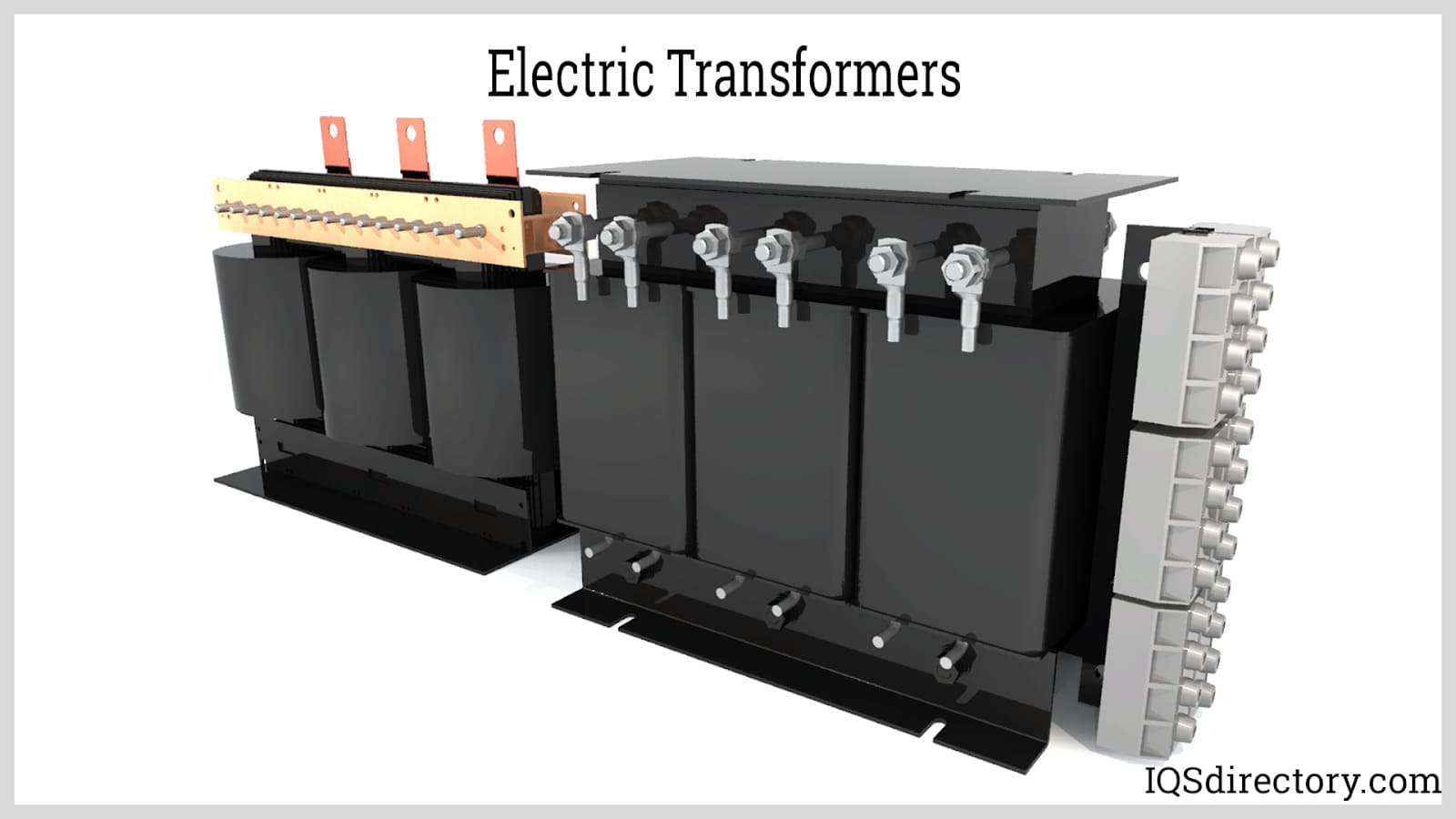
Electric transformers are static electrical machines that transform electric power from one circuit to the other without changing frequency.
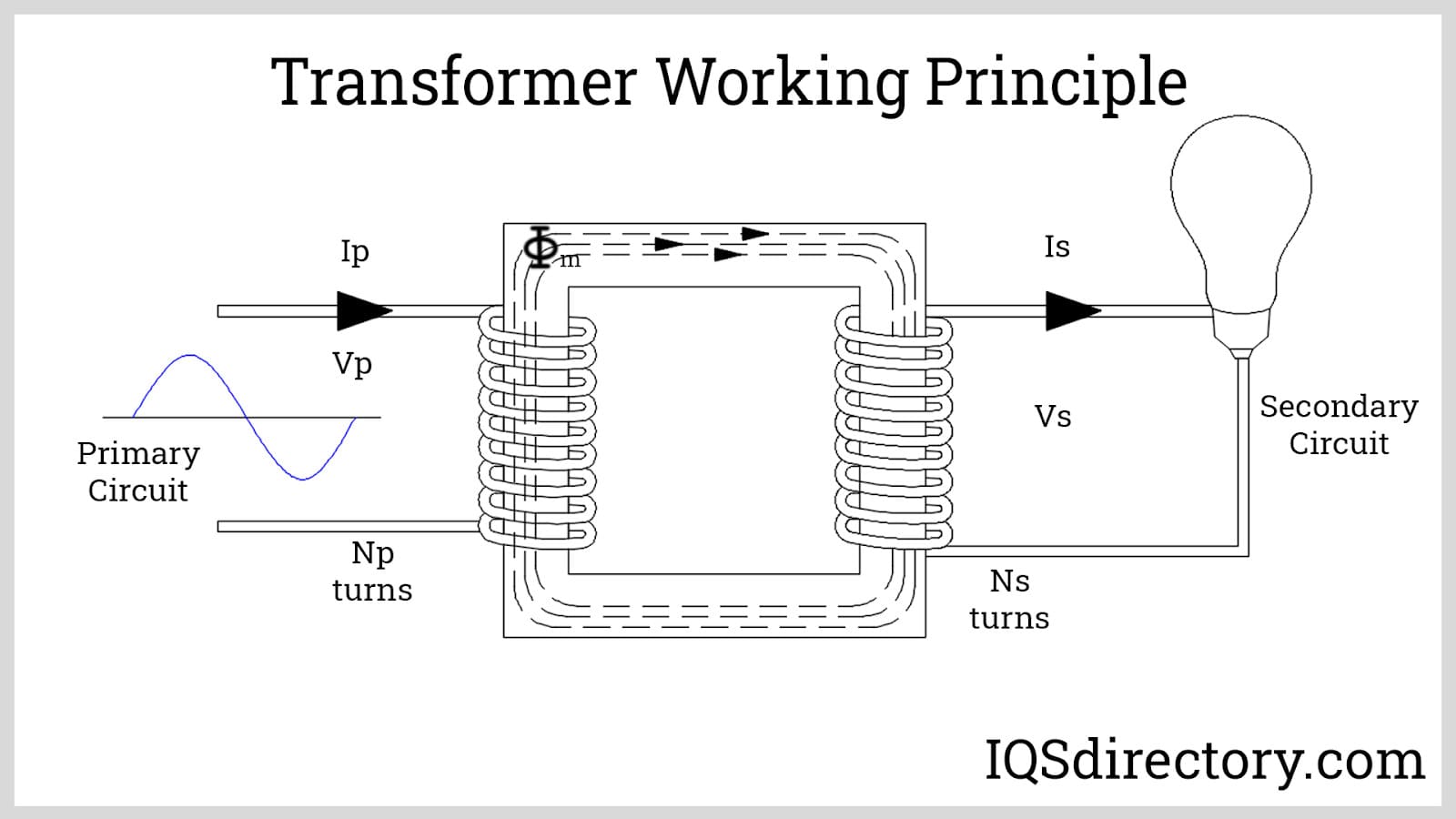
The electric transformers usage of the properties of the electricity to change the voltage of the electricity either making it high or to a lower degree.
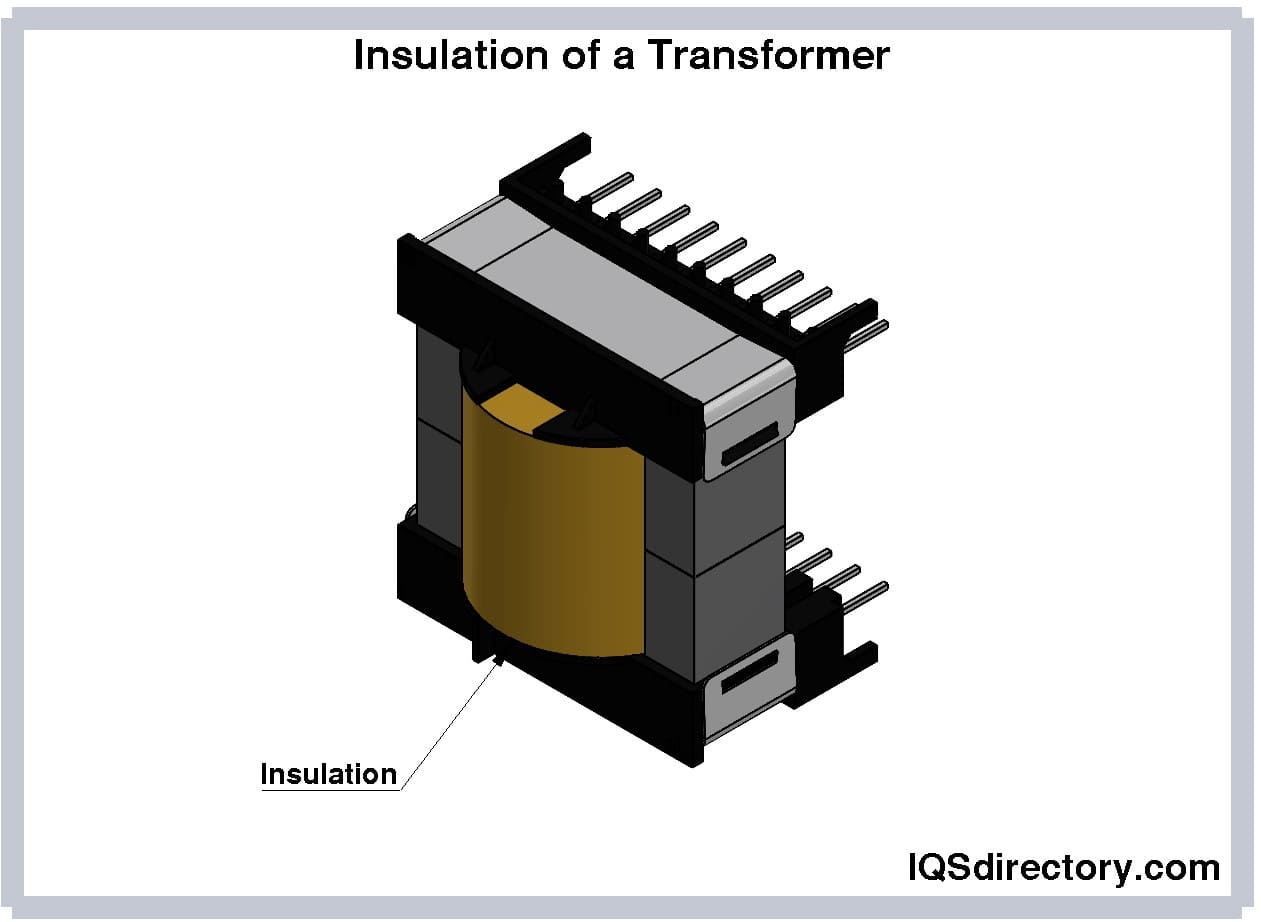
Insulation is the most important requirement for transformers and in case of failure, severe damages to the transformers can occur.
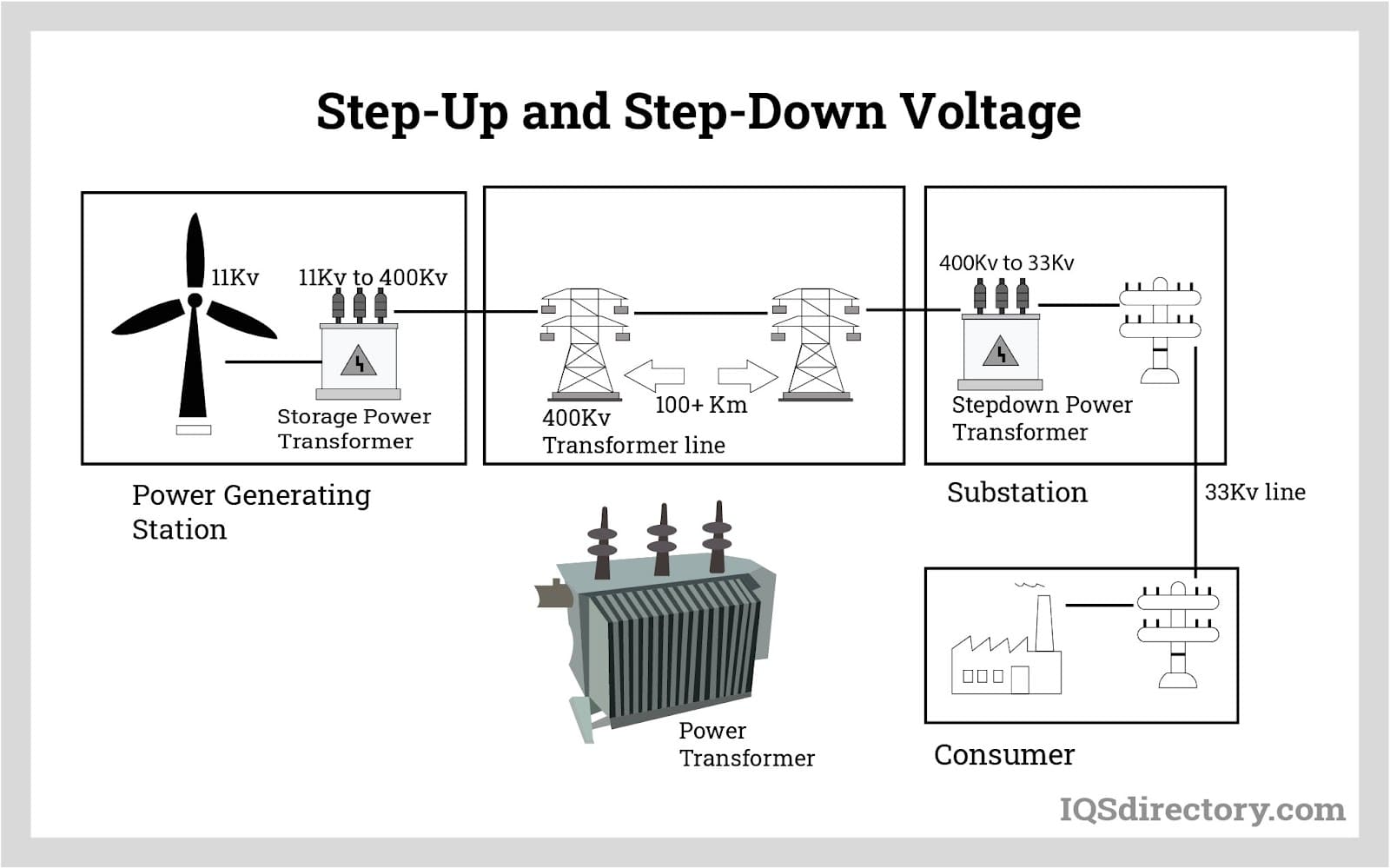
The transformer either step up or step down voltage levels ensuring a safe and efficient power system.
Things to Consider When Purchasing a Transformer
Transformers operate under Faraday’s Law, making them indispensable for storing and transporting electrical power. Since their commercial introduction in 1886—when they were first used to power Great Barrington, Maine—transformers have remained in continuous use in various forms. They provide the safest and most efficient means of transferring electricity between circuits, with many units capable of supplying power to entire towns and large sections of major cities.
Transformers can be tailored to specific voltage, frequency, duty cycle, insulation, enclosure, and environmental requirements. While many standard transformer types are available, custom transformer solutions are often needed for specialized applications, unusual loads, or tight installation spaces. Choosing the right transformer starts with choosing a manufacturer that understands the application.
There are many reputable manufacturers, but the right choice depends on your voltage requirements, phase configuration, efficiency goals, regulatory needs, and budget. Price matters, yet build quality, insulation system, cooling method, and long-term reliability matter just as much. The strongest supplier for your project will help identify a practical power solution instead of simply pushing the highest-priced option.
Understanding what you need from a transformer helps narrow the field, but experienced manufacturers can also guide buyers through KVA sizing, insulation class, impedance, primary and secondary voltage selection, and installation constraints. Comparing options can be challenging, especially when mechanical, thermal, and electrical variables all affect performance. To explore a range of transformer manufacturers who can meet your needs, return to the top of this page for a comprehensive list of trusted suppliers.
Electric Transformer Terms
Air Cooled
A transformer that dissipates heat using air, either through natural ventilation or forced-air cooling with fans.
Auto Transformer
A transformer that operates with a single winding per phase, reducing size and material costs while maintaining efficient voltage transformation.
Banked
Refers to multiple single-phase transformers connected together to supply power to a three-phase load, enhancing distribution flexibility.
Core
The central magnetic structure of a transformer, responsible for intensifying the magnetic field and directing energy transfer between windings.
Core Saturation
A condition where a transformer or inductor reaches its maximum magnetic capacity, preventing further increases in magnetic flux and potentially affecting performance.
Delta
A three-phase transformer connection in which windings form a closed loop, allowing balanced power distribution and efficient load management.
Duty Cycle
The proportion of time a transformer can continuously supply its full-rated power to a load. This measurement is important in determining the appropriate transformer size for an application.
Electrostatic Shielding
A shielding layer placed between windings—typically between the primary and secondary—to enhance isolation. Additional shielding may be used between secondary windings, with all shields typically grounded to the core.
Encapsulated
A dry-type transformer with an enclosed core and coil assembly, providing added protection against contaminants and environmental exposure.
Exciting Current
The amount of current a transformer draws when operating at nominal input voltage without a connected load.
Ferroresonance
A resonance condition caused by core saturation in an inductive component, which increases inductive reactance relative to capacitive reactance, potentially leading to voltage instability.
Filter
A system within a transformer composed of capacitors, inductors, and resistors, designed to selectively allow certain frequencies or direct current while blocking or attenuating undesired frequencies.
Flexible Connector
A conductive component that accommodates thermal expansion and contraction while also helping to reduce noise and mechanical stress.
Impedance
The total resistance to current flow in an AC circuit, combining resistance, inductive reactance, and capacitive reactance.
Inductance
The ability of a coil to store energy in its magnetic field and resist changes in current flow. It is influenced by the core material, the number of turns in the coil, and the coil’s cross-sectional area.
Inrush Current
A brief surge of current that occurs when a transformer is first energized, often due to residual flux in the core.
Isolation Transformer
A transformer with physically separated primary and secondary windings, allowing for magnetic coupling while minimizing electrostatic coupling and improving circuit isolation.
KVA
Kilovolt-Ampere rating, which defines the power-handling capacity of a transformer without exceeding its temperature limits.
Load
The amount of electrical power supplied or required at a specific point in a system. It also refers to the power demand (KVA or VA) placed on a transformer by connected devices, such as light bulbs or appliances.
Magnetic Shielding
A conductive material surrounding a transformer’s coils that reduces stray magnetic fields and prevents interference with nearby components.
Polarity
The directional relationship between current flow in two transformer leads. Transformers have either additive or subtractive polarity, which affects phase alignment in electrical systems.
Power Factor
The ratio of real power (watts) to apparent power (volt-amps), expressed as KW/KVA. Power factor accounts for the phase difference between voltage and current caused by inductive or capacitive loads. Harmonic power factor considers distortions from nonlinear loads.
Rated Power
The combined voltage and current output capability derived from all secondary windings of a transformer.
Reactance
The opposition to changes in alternating current, divided into capacitive reactance (related to capacitors) and inductive reactance (related to inductors and coils).
Resonance
An AC circuit condition in which inductive and capacitive reactances interact, creating maximum or minimum impedance.
Secondary Winding
The transformer winding that connects to the load or output side, providing the desired voltage level.
Sudden Pressure Relay
A pressure-sensitive switch designed to disconnect a transformer from the power supply in response to internal pressure surges.
Voltage
The measurement of electrical potential difference, indicating the force exerted on a unit charge due to surrounding electrical fields.
Voltage Regulation
The percentage change in output voltage from no-load to full-load conditions, reflecting the transformer's ability to maintain consistent voltage levels.
Voltage Taps
Additional connection points on a transformer winding that allow for adjustments in voltage output. Typically found on primary windings, these taps enable transformers to operate across different national grid voltages.
More Electric Transformers Information