Please fill out the following form to submit a Request for Quote to any of the following companies listed on
Get Your Company Listed on this Power Page
Introduction
Descriptions of polyurethane blocks and their uses with a list of manufacturers
You will learn:
What is a Polyurethane Block?
How Polyurethane Blocks are Made
Uses for Polyurethane Blocks
Types of Polyurethane Blocks
And much more ...
Chapter 1: What is a Polyurethane Block?
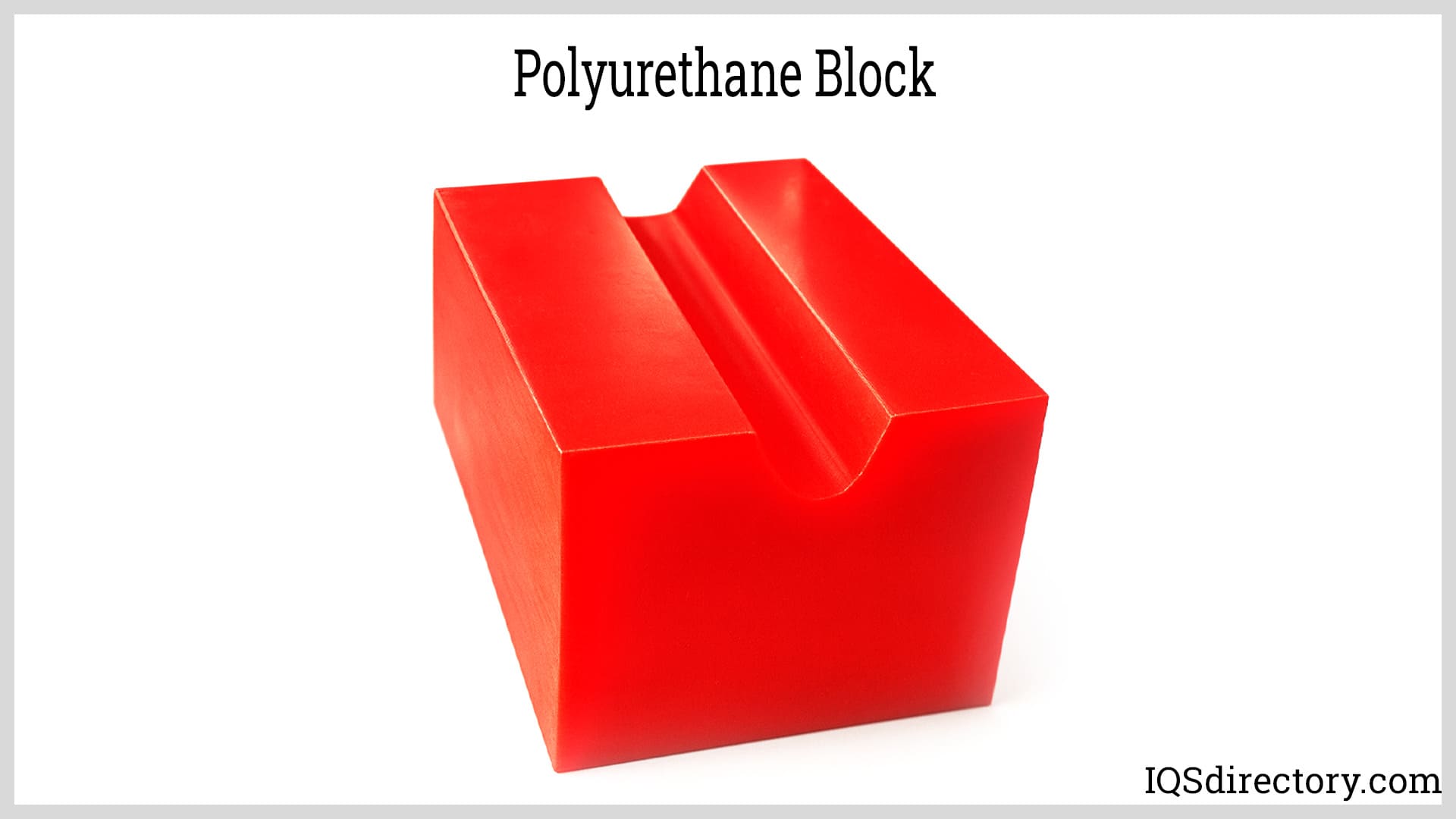
Polyurethane blocks are engineered polyurethane foam and solid polyurethane materials produced by blending polyol and isocyanate with catalysts, blowing agents, and surfactants. By adjusting the formulation and manufacturing process, manufacturers can produce custom polyurethane blocks in a wide range of densities, hardness levels, and cell structures to meet the requirements of different industrial applications. The widespread use of polyurethane blocks is due to their ability to provide a dependable barrier against air, moisture, vibration, impact, and wear that could damage a product or component. These protective properties make polyurethane blocks an essential material in construction projects, thermal insulation systems, and vibration-dampening applications.
In the packaging industry, polyurethane blocks are used as protective cushioning, shock absorbers, and shipping inserts for products during transit. Their closed-cell structure helps resist water absorption, chemical exposure, and other environmental factors, making them a reliable choice for moisture-resistant packaging and product protection. The resulting protective barrier helps improve energy efficiency, reduce material waste, and preserve the integrity of sensitive products, equipment, and components. For buyers comparing insulation foam, protective packaging materials, or industrial cushioning solutions, polyurethane blocks offer a versatile balance of durability, flexibility, and long service life.
The unique structure of polyurethane gives it the elasticity of rubber combined with the resilience, toughness, and durability of metals. The wide array of polyurethanes are available in different hardnesses, allowing designers and engineers to select the right durometer, load-bearing capacity, and abrasion-resistant material for demanding applications. This versatility makes polyurethane an effective replacement for rubber, plastics, and certain metal parts where performance, longevity, and reduced maintenance are important. Depending on the formulation, polyurethane blocks can also be specified for impact resistance, noise reduction, sealing, and structural support, giving manufacturers a broad spectrum of material options for custom and high-performance uses.
Chapter 2: How Polyurethane Blocks are Made
The process for producing polyurethane involves reacting a diisocyanate with a polyol and catalyst, both of which are products of crude oil. When these ingredients are placed together in the presence of a catalyst, they react and foam. To change the properties of the foam, other materials and chemicals are added, such as blow agents and surfactants. The result of the chemical mixing process is a variety of polyurethanes from ones that are soft and pliable to ones that are hard, firm, and rigid.
The process for manufacturing polyurethane blocks involves seven steps that begin with the mixing process and end with the cutting process. Each of the steps of the process are meticulously followed to ensure the quality of the final product.
Raw Materials Preparation
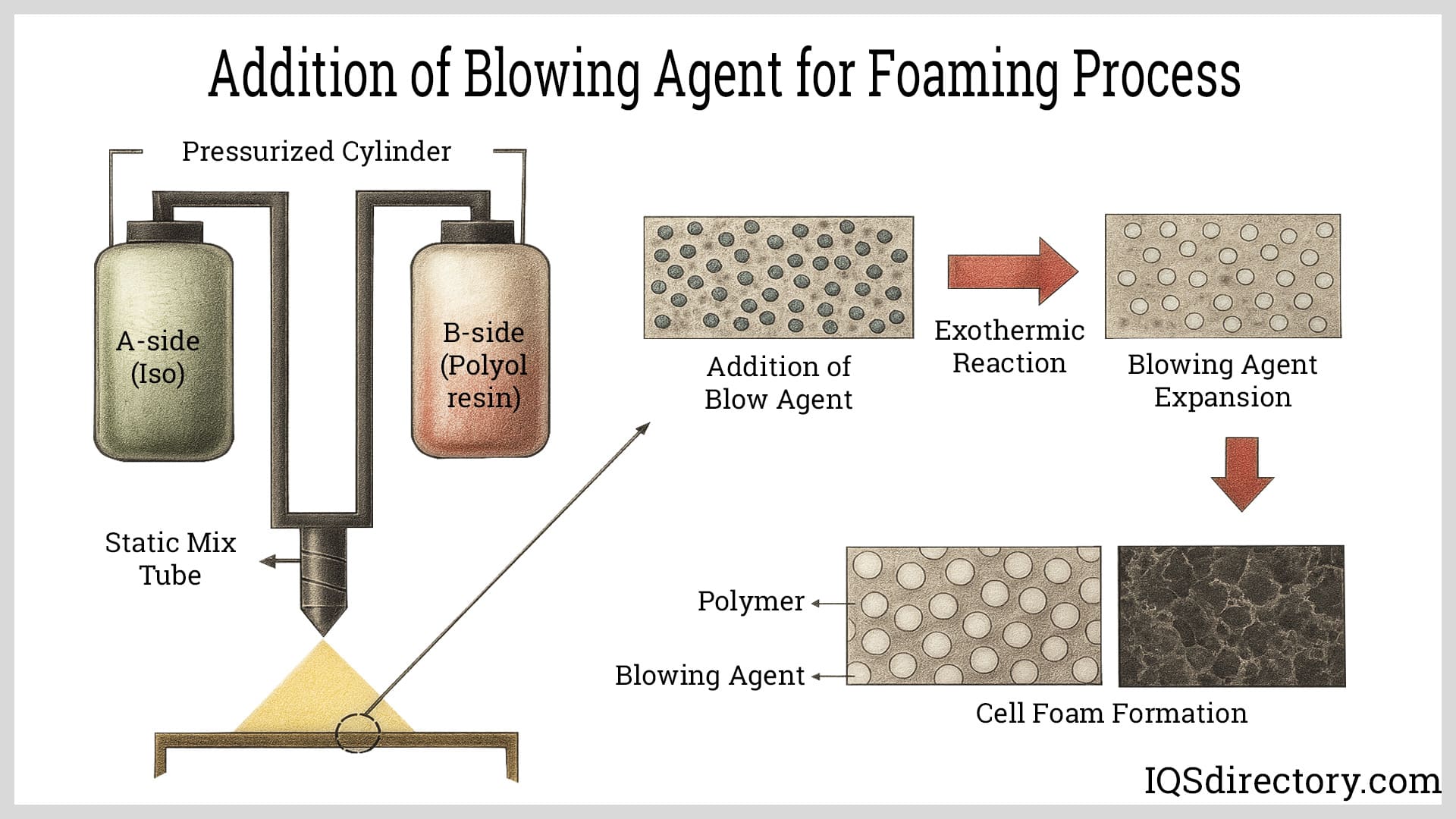
The main aspect of the manufacture of polyurethane is the reaction between the diisocyanate and polyol, a mixture that forms the main polymer chain to create the base structure of the material. The cellular part of polyurethane foam is formed by a blowing agent that can be a gas or chemical that produces a gas. It expands the mixture when it is in its liquid stage forming bubbles that take the form of foam with reduced density.
As the blowing agent is released, it changes into a liquid that saturates the mixture to form bubbles. Although the bubbles are vital to the formation of polyurethane, they have to be solidified to produce a solid viable material. Surfactants, catalysts, and curatives change the quality of the foam and stabilize the polymer structure by managing the reaction kinetics. The diisocyanate, polyol, blowing agent, surfactants, catalyst, and curatives form the initial structural material and give polyurethane its form.
In addition to the initial list of materials, other additives are used to customize polyurethane blocks to meet the requirements of an application. These additional materials enhance the properties of the foam such that it can be fire retardant, have UV stability, include colors, and improve the foam’s mechanical strength through the use of pigments, fillers, and various types of stabilizers.
Mixing
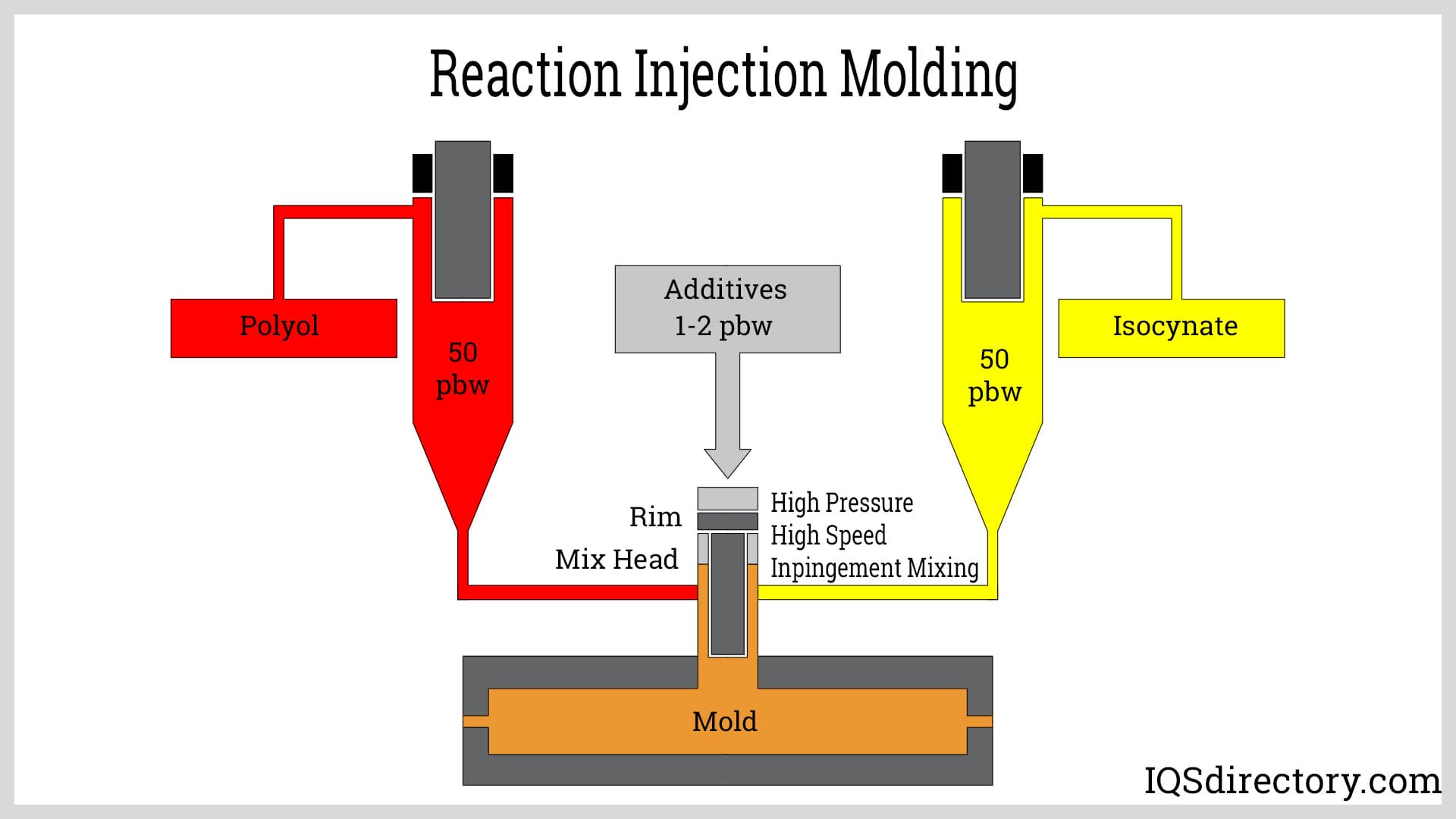
Each of the ingredients are carefully measured and metered before being placed in a high-speed mixer. As the polyol reacts with the diisocyanate, the solid rigid polyurethane foam is formed with a uniform cell structure. The reaction between diisocyanate and polyol is referred to as polymerization, a process where monomers link together to form larger molecules known as polymers. It is during the mixing process when additives are placed in the mixture.
The inclusion of additives is a significant aspect of the manufacture of polyurethane blocks since they determine the properties of the blocks and their use, which can vary from support for furniture to insulation for automobiles. The mixing of the materials to form polyurethane determines the type of polyurethane blocks that will be produced.
Reaction injection molding has the polymer mixture directly injected into the mold. Traditional injection molding involves the use of polymer resin, powder, or pellets that are formed from cooling the polymer mixture.
Molding
The molding of polyurethane blocks takes several forms. Polyurethane blocks come in a wide variety of shapes and sizes that vary from several feet wide and high to ones that are several inches. The different sizes of polyurethane blocks are due to their many uses. In their raw form, polyurethane blocks have the appearance of rectangular or square cubes. These crude shapes are shipped to manufacturers that cut, press, and saw the blocks to meet the specifications of a wide range of products.
The different processing methods used to form polyurethane blocks are injection molding and open molding or casting. These two methods produce small blocks that are inches or a few feet wide and high. The manufacture of larger polyurethane blocks of several feet wide and high involves a process that is similar to molding but on a larger scale. All three methods rely on the expansion of polyurethane as it cures and sets.
Injection Molding
The injection molding process can take different forms depending on the manufacturer. The reaction injection molding method involves the mixing process being connected to the mold. In this process, the diisocyanate and polyol are mixed with the other materials and injected directly into the mold. The block shape is allowed to cure and then ejected.
A variation of injection molding is reinforced reaction injection molding (RRIM), which is a process where the initial mixture has reinforcing fibers added to the liquid polymer. The types of fibers include glass or carbon that are added to the polyol before being reacted with the diisocyanate. Of the two fibers, carbon is the stronger and lighter while glass is cost effective.
Another form of reaction injection molding is structural reinforced reaction molding (SRIM), which involves the addition of a fabric or mat that is placed in the mold prior to the liquid polymer being injected. This aspect of reaction injection molding is ideal for producing very large polyurethane blocks. The addition of the fabric adds strength, stability, and exceptional structure.
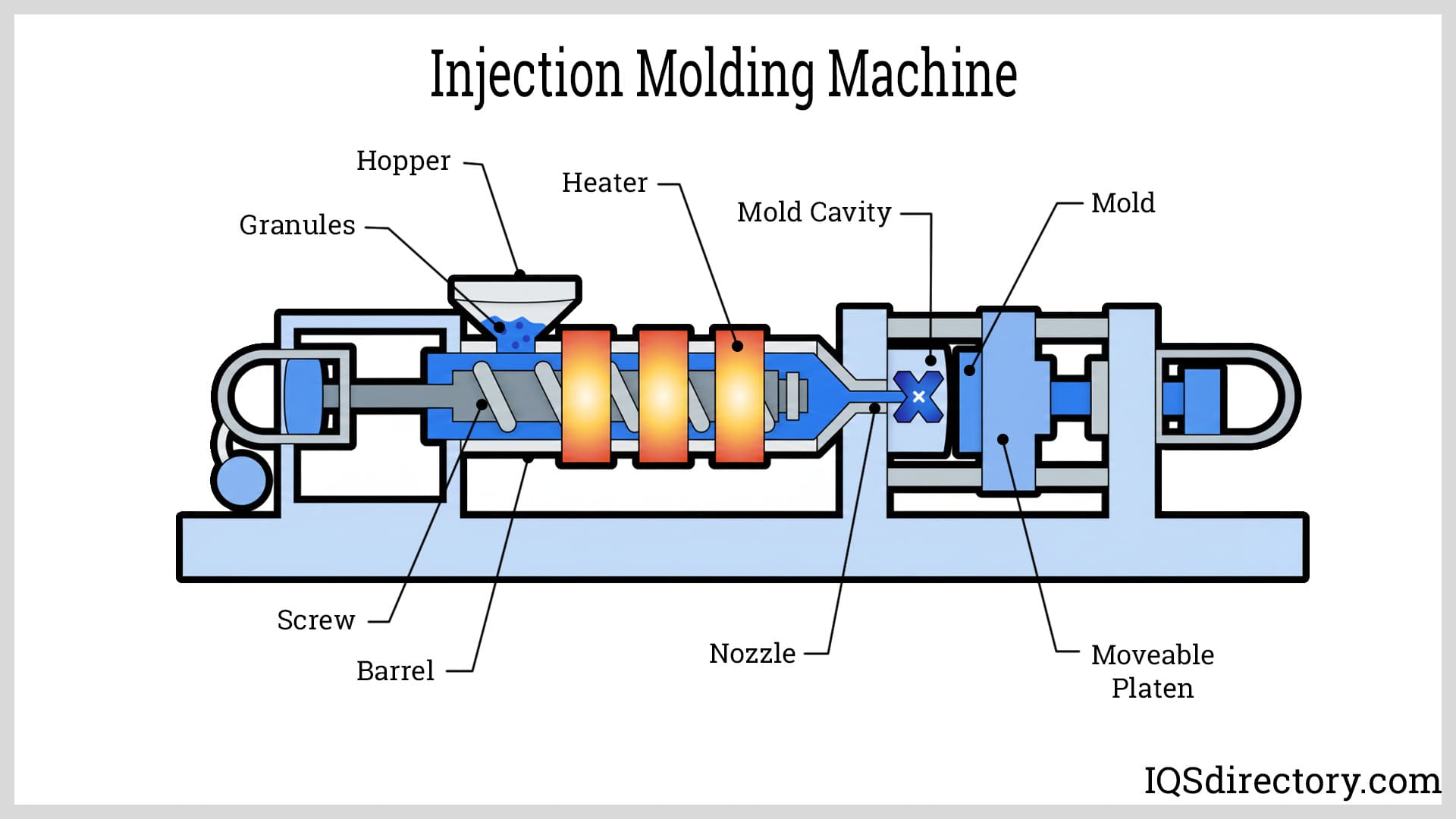
Using the traditional injection mold process, beads of polyurethane are loaded into a hopper. The beads are fed into the barrel where heaters melt the beads as they are forced by the screw, under pressure, toward the nozzle where they are injected into the mold. As with the reaction molding process, the mold is kept under pressure until the blocks take shape and cure.
Open Molding or Casting
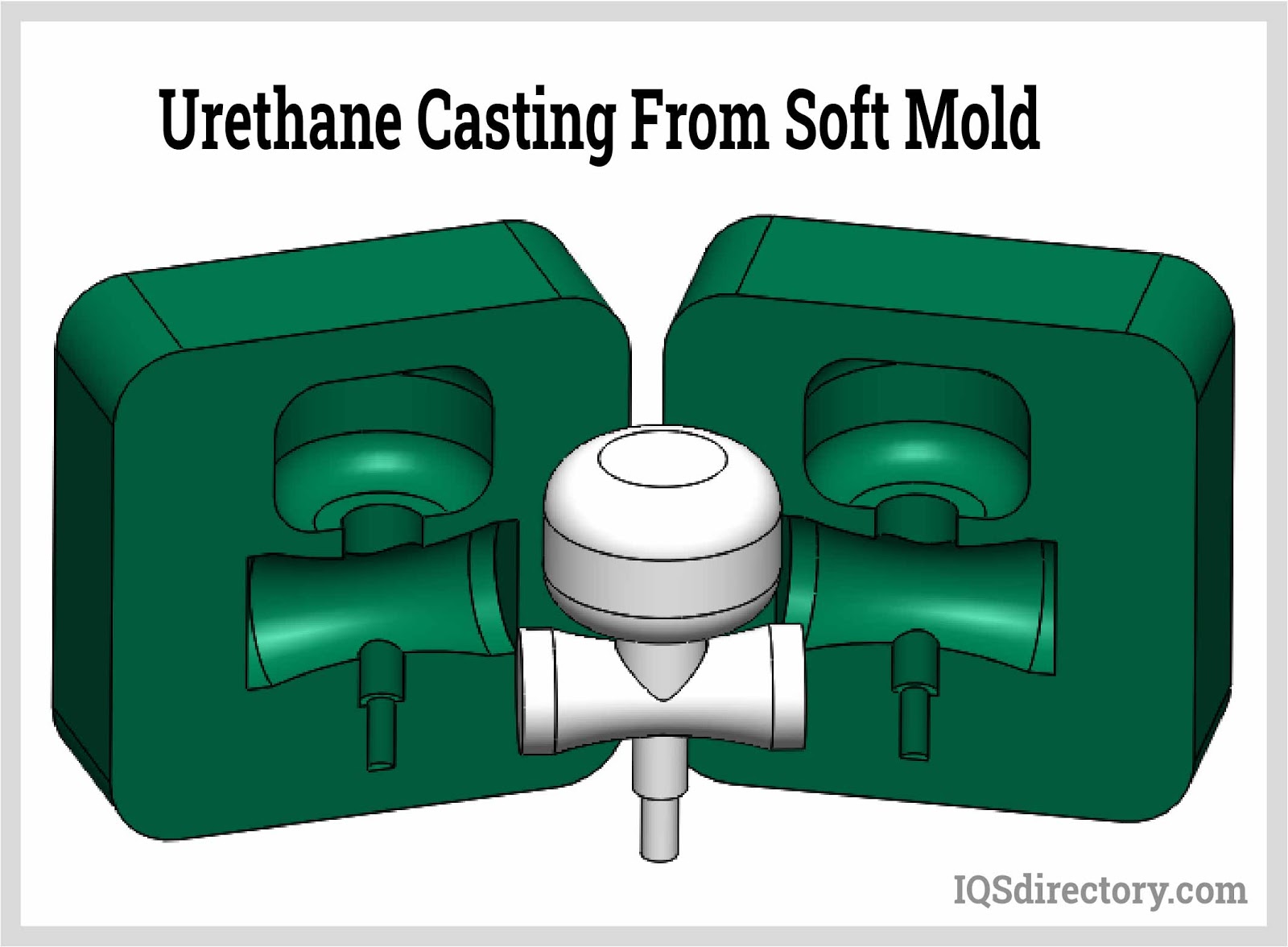
The manufacture of polyurethane blocks, using the casting method, involves the use of liquid polyurethane that is degassed before being injected into the mold, a process that removes any air bubbles from the liquid. The liquid is then poured into a mold that is made of aluminum or steel. Molds for the manufacture of polyurethane blocks are simple and open faced. They are either square, rectangular or round.
Once the mold is filled with the liquid polyurethane, it is heated to ensure an even distribution of the liquid. In addition, the heating process binds the molecules of the mixture to form strong, cross linking of the polymer structure. It is a necessary aspect of the molding or casting process since it ensures the stability and strength of the cast blocks. In the mold, the liquid polyurethane expands to take the square, rectangular, or round shape of the mold. The process ensures dimensional accuracy and provides consistent shapes that are ideal for manufacturing processes.
Slabstock Foam
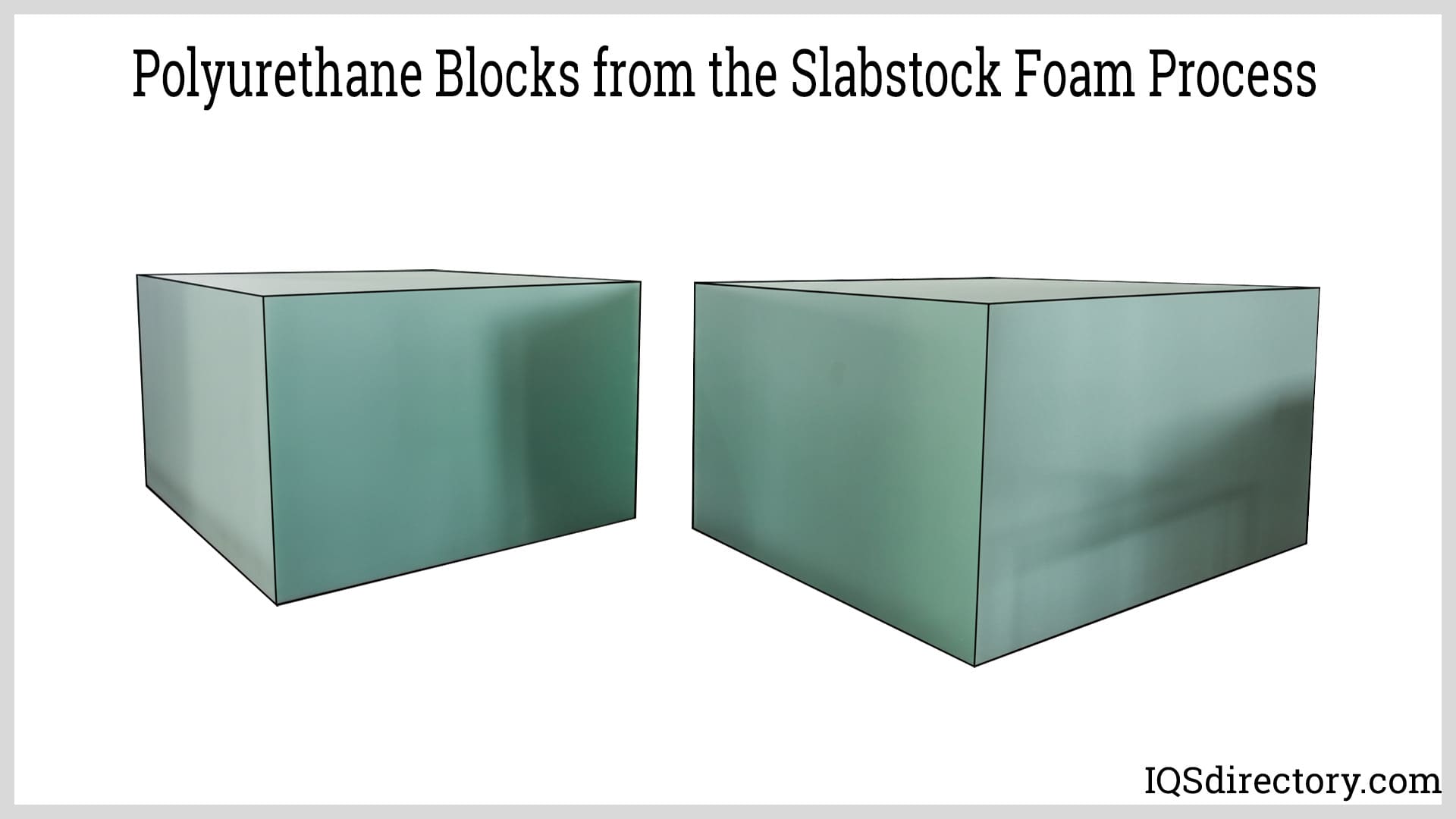
The slabstock method for producing polyurethane blocks involves the continuous pouring of polyurethane liquid onto a conveyor system lined with kraft paper. Once the liquid polyurethane is released onto the conveyer system, it immediately begins to foam and harden, which takes about 5 to 12 seconds. As the polyurethane expands, the conveyor system takes it through a heating and curing tunnel. The type of heating method varies and may include an infrared system. At the exit of the system, cutting tools slice the output into lengths to meet production requirements. The time from the polyurethane liquid being ejected onto the conveyer and its exit from the process ranges from one minute up to over two minutes.
The initial phase of slabstock foam is the same as it is for reaction injection molding. The mixer for the creation of liquid polyurethane is directly connected to the slabstock line. The mixed ingredients are released onto the kraft paper to begin the process.
The completed polyurethane blocks are allowed to further cure at room temperature in order to reach their desired strength. The surface skin is trimmed away, and the blocks are cut to a useful shape. The trimming process produces waste and material loss.
The slabstock foam process does not necessitate the use of mechanical compression. It is a one-step foaming process that produces natural open cell formations. The method cost effective, exceptionally productive, energy efficient, and quick.
One of the properties of slabstock foam production is the wide variety of blocks that can be produced by the process, which vary in size from 4 ft by 8 ft up to ones that are 8 ft by 6 ft (1.22 m by 2.44 m up to 2.44 m by 1.83 m). These particular sizes are some of the standard sizes. Custom orders can be as much as 16 feet (4.88 m) long. The flexibility of the process is one of the reasons for its success, along with quick turn around times and limited waste.
The methods for manufacturing polyurethane blocks described above are the standard methods used but are not all of the methods. The wide use of polyurethane blocks has challenged manufacturers to develop different and unique production methods to meet the growing need.
Chapter 3: Types of Polyurethane Blocks
The term polyurethane is a descriptor that encompasses different consistencies, types, and configurations of polyurethane. Although the manufacture of polyurethane, in all cases, includes the mixing of diisocyanates and polyol, the final molecular structure can vary in accordance with the ingredients used to form the final material. Regardless of the application, there is a type of polyurethane capable of meeting any requirements.
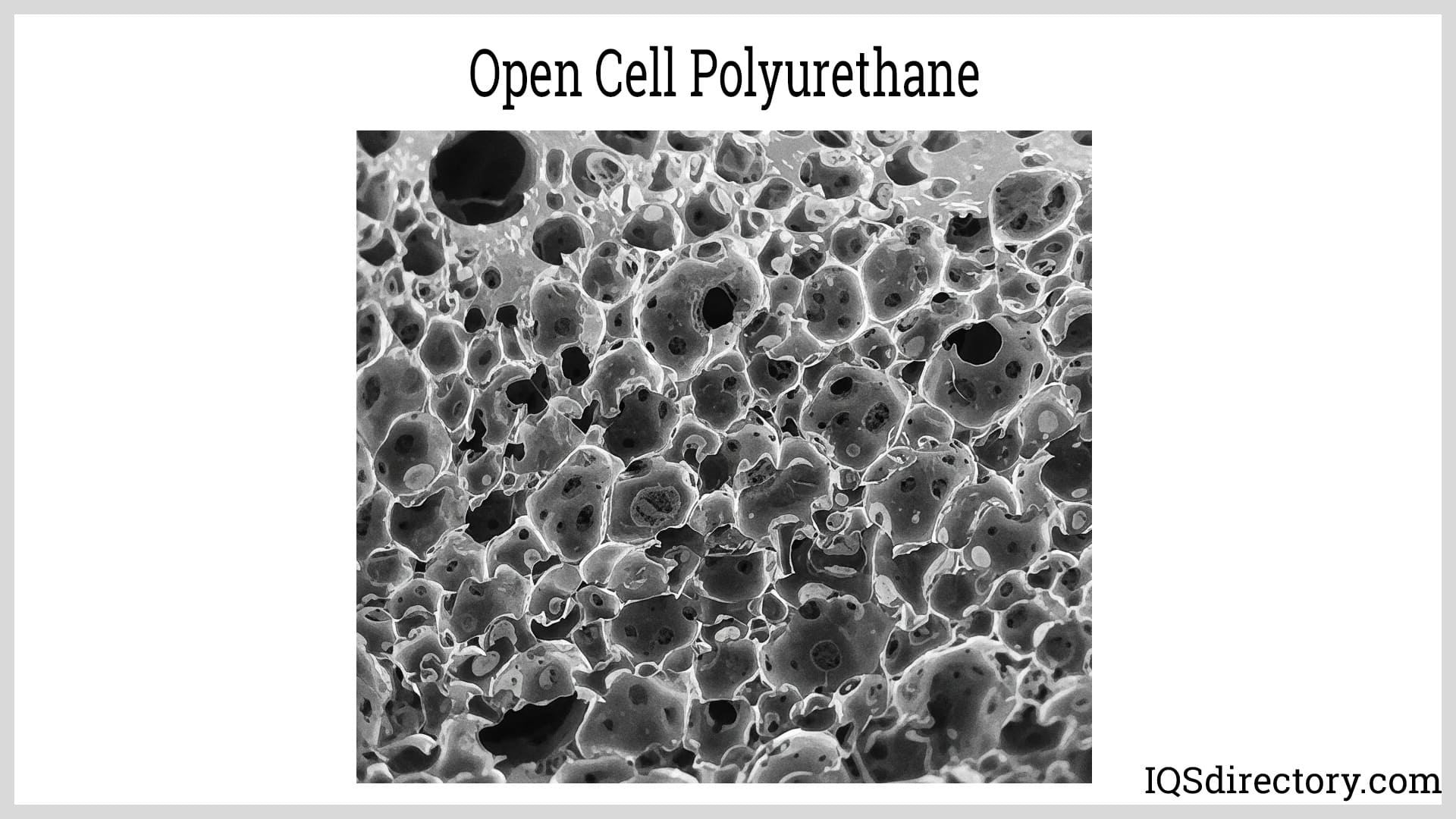
The two general types of polyurethane are open cell and closed cell, which differ in regard to the structure of their cells. With open cell polyurethane, there is space between the cells, a factor that makes open cell polyurethane blocks less dense. Air and moisture can pass through uninhibited. This aspect of open cell polyurethane blocks enables them to be used for filtration applications and in marine applications.
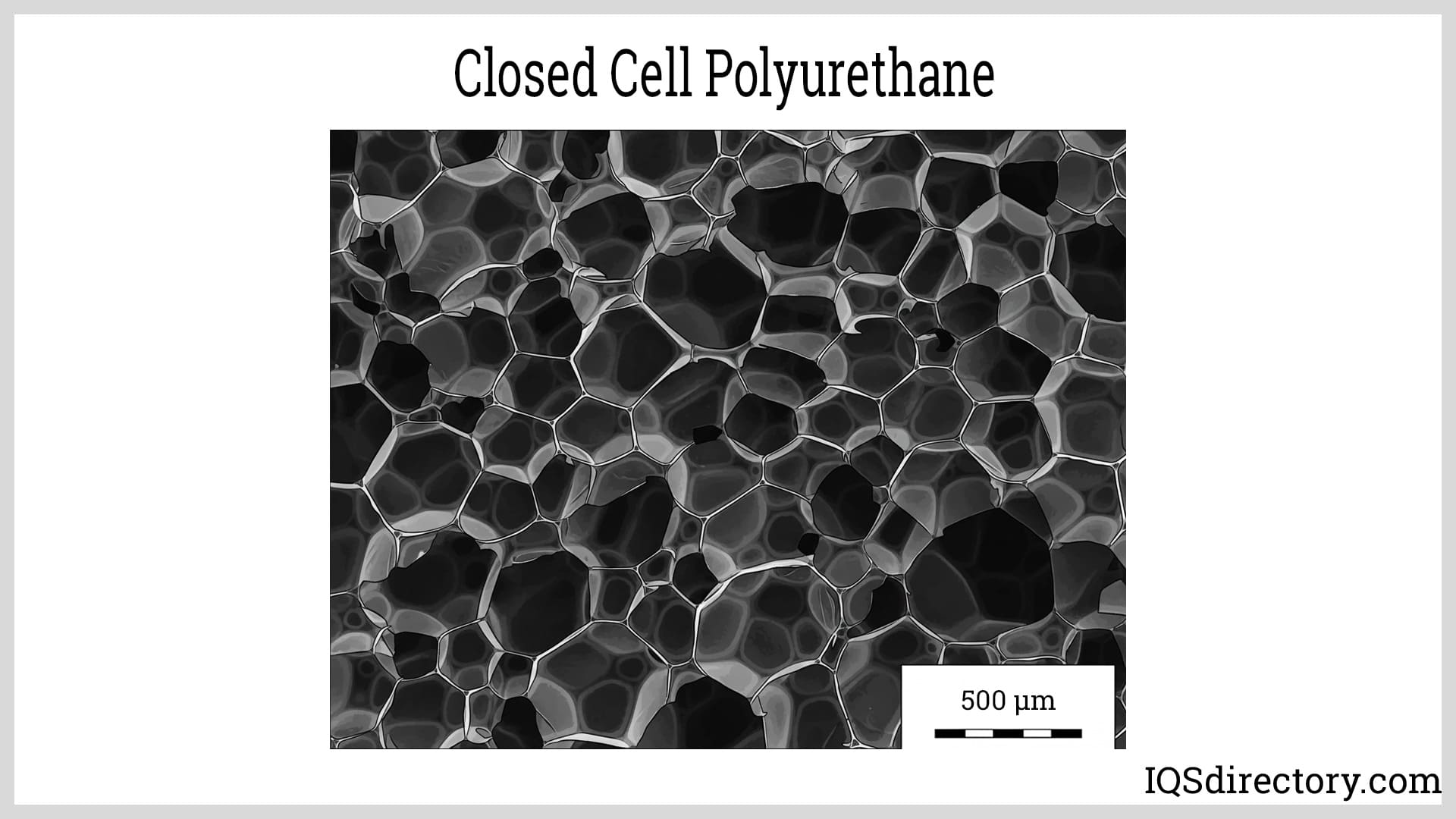
The structure of closed cell polyurethane is influenced by blow agents that fill the space between the cells that forms a barrier against the passage of air and water. The absence of space between the cells makes closed cell polyurethane denser and firm. Polyurethane blocks with a closed cell structure allows the blocks to be supportive and strong and able to withstand heavy weight.
Polyester and Polyether
The cellular structure of polyurethane is one of its defining factors. Another classification is in regard to the type of polyol that is used in the manufacturing, which can be polyester or polyether. The differentiation between the polyols is in regard to the properties they create.
Polyether polyurethane is capable of withstanding stressful conditions. It has hydrolytic stability, fungus resistance, and low temperature flexibility. Polyether polyurethane remains stable in water making it ideal for water applications. Although it is more expensive than polyester polyurethane, it is more durable and can last for more than five years. Normally, polyether is chosen for use in wet or moist conditions that require high flexibility.
Polyester polyurethane is used for applications that require oil and abrasion resistance. It has burst pressure resistance that is similar to ether-based tubing, which enables it to endure high pressure applications. Unlike polyether polyurethane, polyester polyurethane is not recommended for wet or moist environments. Its outstanding characteristics are its chemical resistance and exceptional tensile strength. These properties enable polyester polyurethane blocks to endure highly stressful conditions. A factor that has led to the wide use of polyester polyurethane blocks is its low cost compared to polyether polyurethane blocks.
Types of Polyurethane Blocks Materials
The types of blocks produced from polyurethane are determined by the composition and properties of the base material. The assemblage of characteristics of a particular polyurethane block is the deciding factor as regards its use. Polyurethane blocks are divided into categories by their structure, which further decides their use.
Polyurethane Foam
Of the different types of polyurethane blocks, polyurethane foam blocks are the most common and widely used. The many applications for which polyurethane blocks are used is due to their flexibility, elasticity, shock absorption, and exceptional insulation properties. The structure of polyurethane blocks is open cell, which gives the blocks a long list of advantages.
Viscoelasticity – When polyurethane foam blocks are compressed, they immediately return to their normal shape after the compression is removed. This allows the blocks to be compressed over and over again and maintain their original shape.
Customized – Polyurethane foam enables manufacturers to adjust the density, firmness, and other properties to match the requirements of an application. As with other forms of polyurethane, polyurethane foam has different classifications, each with their own special capabilities. This makes it possible for polyurethane blocks to be used in many ways.
Durability – One of the key factors that has led to the popularity of polyurethane is its durability, which enables it to endure multiple compressions for a long time without concerns of deterioration. Unfortunately, polyurethane foam blocks are susceptible to tearing that necessitates their use for shock absorption.
Sound Proofing – The open cell structure of polyurethane foam blocks gives them air pockets that can trap air and prevent it from moving. This aspect of the blocks makes them an ideal material for sound proofing.
Lightweight – As with all forms of polyurethane, polyurethane foam blocks are exceptionally lightweight with a high strength to weight ratio, which is another common characteristic of polyurethane.
Regulations – The ability to adjust and transform polyurethane blocks enables it to be engineered to meet fire and safety regulations, a factor that makes the blocks a good choice for harsh, hazardous, and stressful environments.
The unique properties of polyurethane foam blocks enable them to be cut, carved, sanded, and sculpted into any shape. The blocks can be CNC machined using a variety of tools including saws and planes.
Flexible Polyurethane (FPF)
Flexible polyurethane foam has an open cell structure with small sized cells that are interconnected and irregularly shaped. The open cell structure makes it possible to engineer flexible polyurethane foam blocks that are firm, have breathability, and even pressure distribution. The different types of polyurethane foam provide characteristics that are suitable for a variety of applications.
The three main types of flexible polyurethane foam blocks are conventional, high resilience, and viscoelastic or memory. The difference between the three types is in regard to their durability, longevity, and reaction to pressure with memory polyurethane foam being the most durable and long lasting.
Of the many forms of polyurethane blocks, flexible FPF polyurethane is the most elastic and malleable. It can be deformed and reshaped without damaging or compromising its structure. Each of the different types balance supreme comfort with durability and wear resistance.
Conventional – Conventional FPF is the most common form of flexible polyurethane blocks with cushioning properties and affordability. It is used as an inexpensive alternative.
High Resilience (HR) Foam – Compared to conventional FPF, HR polyurethane blocks have higher density and elasticity to provide greater support and long-lasting durability. These basic properties allow HR polyurethane blocks to retain their resilience and provide exceptional support.
Viscoelastic (Memory) Foam – A unique property of viscoelastic polyurethane foam is its slow response to pressure and heat. As pressure is applied, memory polyurethane foam slowly conforms to the shape of the applied pressure. Once the pressure is released, it, in turn, slowly returns to its original shape.
The high quality of viscoelastic polyurethane foam has its disadvantages. As would be expected, viscoelastic polyurethane blocks are more expensive than the other forms. The high durability of viscoelastic polyurethane foam makes it heavier than other types of foam, which also increases its tendency to retain heat.
Bio-Based Polyurethane
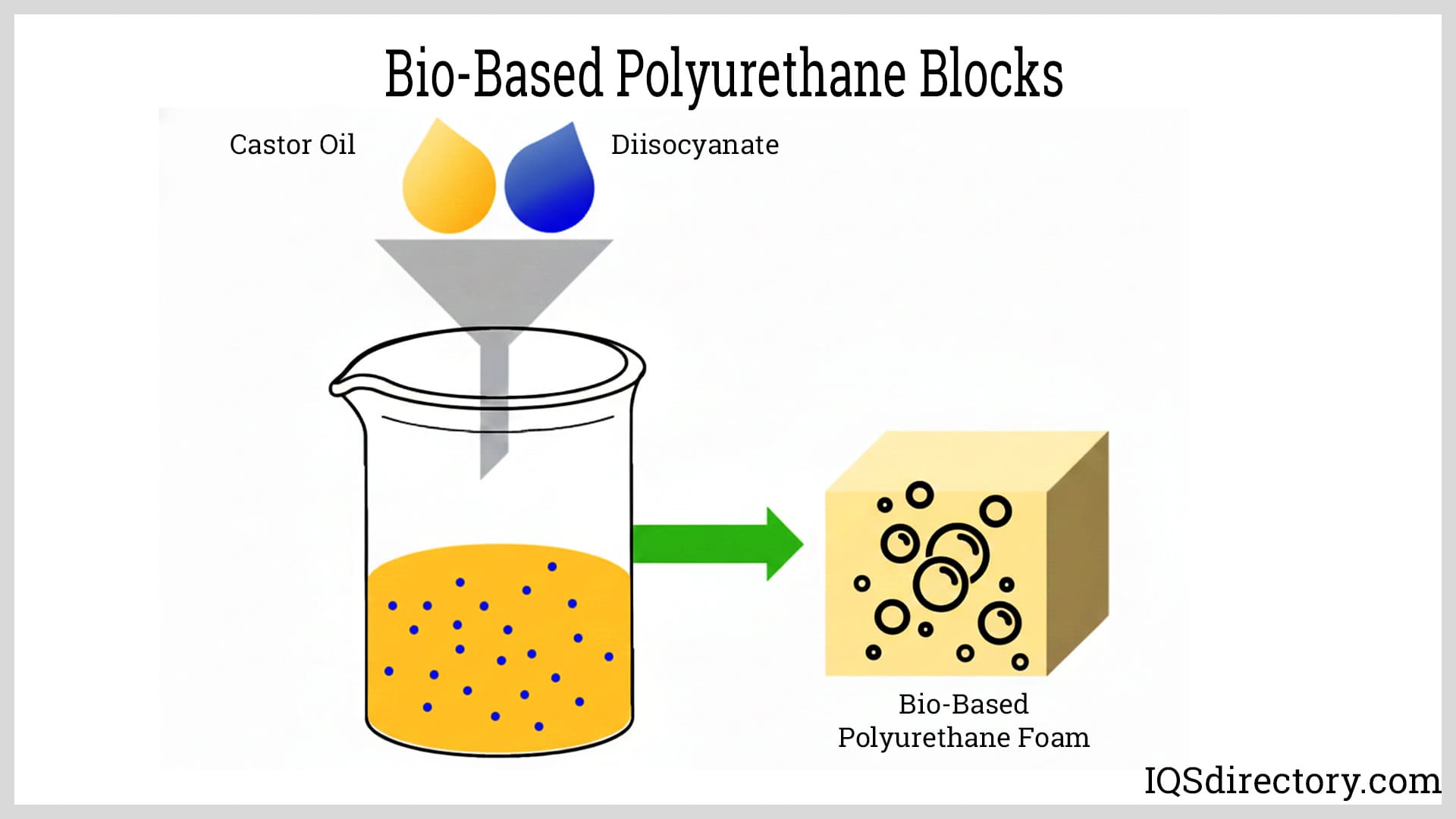
The normal materials used to produce polyurethane are petrochemical derivatives. With the growing emphasis on sustainability and environmental concerns, there has been an ongoing effort to replace the petrochemical base of polyurethane with a more environmentally compatible substitute. The efforts of researchers have led to the use of bio-based polyols that are derived from plant oils, such as castor oil and Lesquerella oil.
The structure of bio-based polyurethane is similar to petroleum based polyurethane but is more sustainable. Along with its biodegradability, bio-based polyurethane is chemical resistant and can be used to manufacture polyurethane blocks. The goal in the manufacture of bio-based polyurethane blocks is to reduce dependence on petrochemicals.
The sources for bio-based polyols, aside from castor oil and Lesquerella oil, are coffee grounds, agricultural residues, lignin, terpenes, and cashew nutshell liquid. These polyols make bio-based polyurethanes greener and environmentally friendly. Although bio-based polyurethanes are a step in the right direction, the diisocyanates are not environmentally friendly.
Rigid Polyurethane
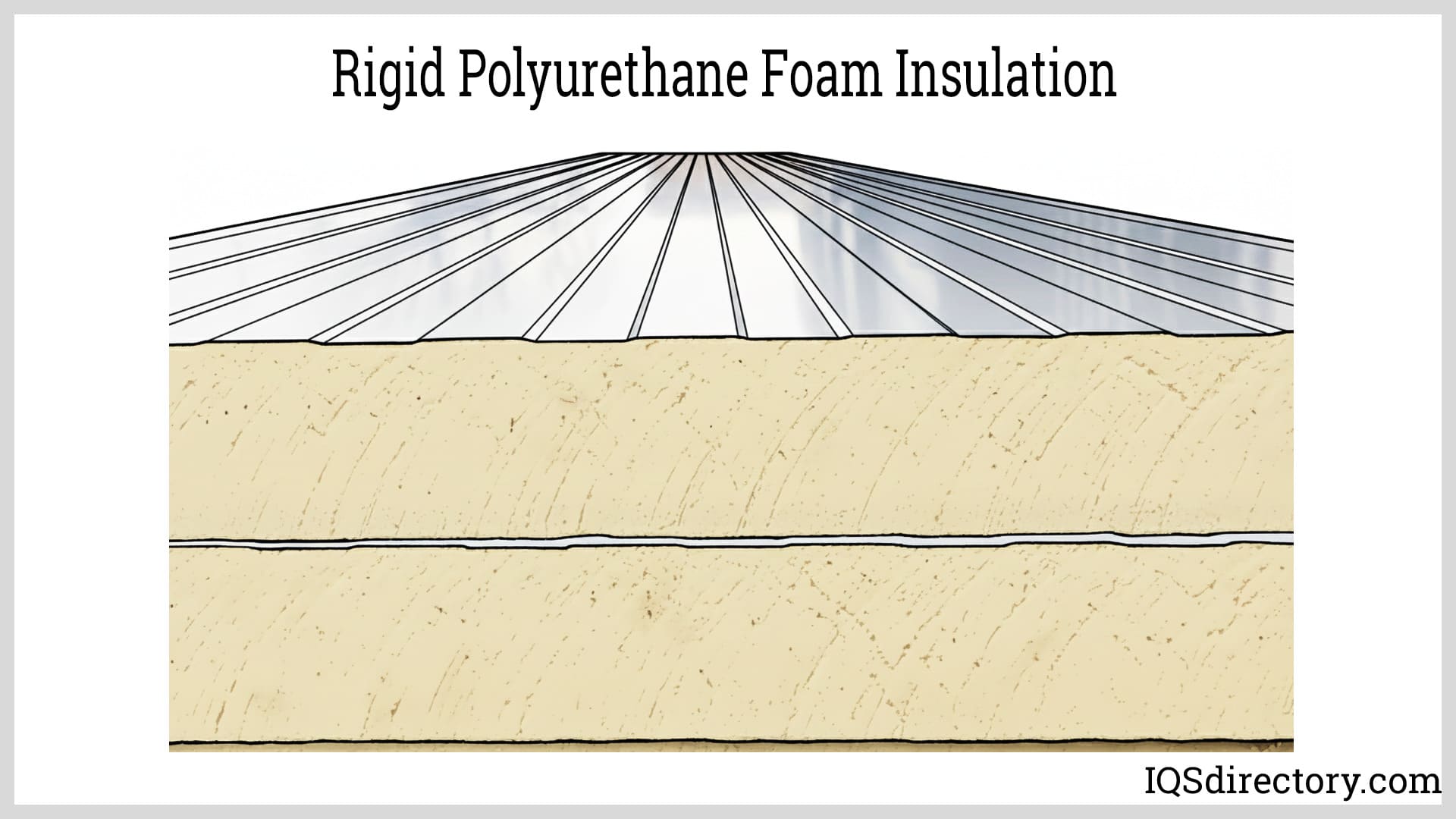
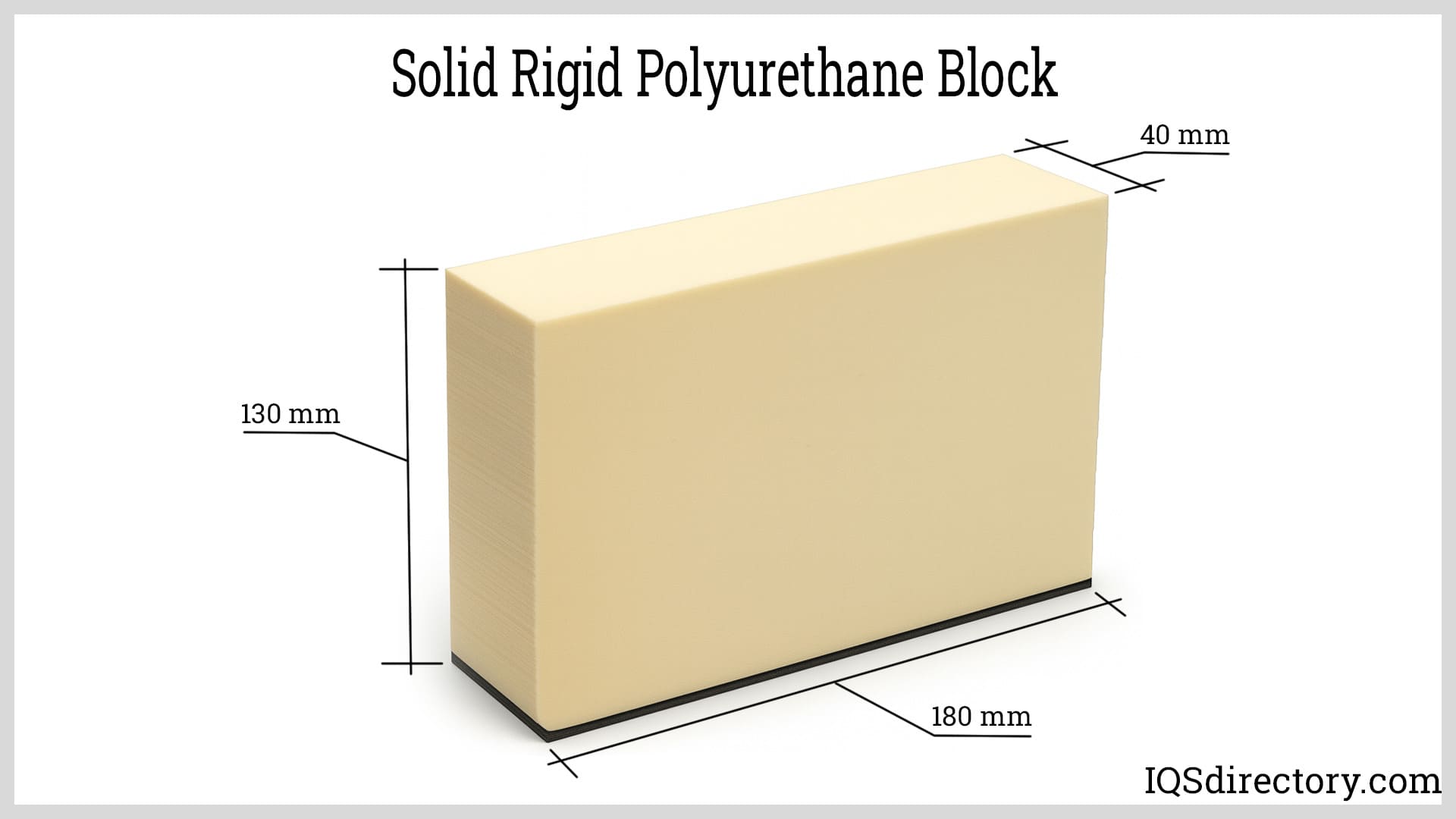
The keys to the structure of rigid polyurethane foam are the various catalysts that are added to the diisocyanate and polyol mixture. The catalysts serve several functions including the uniformity and homogeneity of the foam’s structure as well as controlling the reaction rate of the mixture. Included in the group of catalysts are fire retardants and surfactants that control the cell structure of the foam. To increase the density of rigid polyurethane blocks, pressure and temperature are applied during production.
The density of rigid polyurethane foam ranges between 30 kg/m3 and 40 kg/m3, which makes it possible for rigid polyurethane foam to provide high thermal insulation and low thermal conductivity. The pressure applied during production gives rigid polyurethane blocks high compressive strength and exceptional structural integrity. Aside from being used for insulation, rigid polyurethane blocks can be used to produce load bearing panels.
As with other forms of polyurethane blocks, rigid polyurethane blocks are impermeable by water and moisture due the foam’s high closed cell ratio. The convenient size of rigid polyurethane blocks allows them to be used in an array of industrial applications. They are normally cut, shaped, sized, and configured to fit several essential applications.
Thermoplastic Polyurethane (TPU)
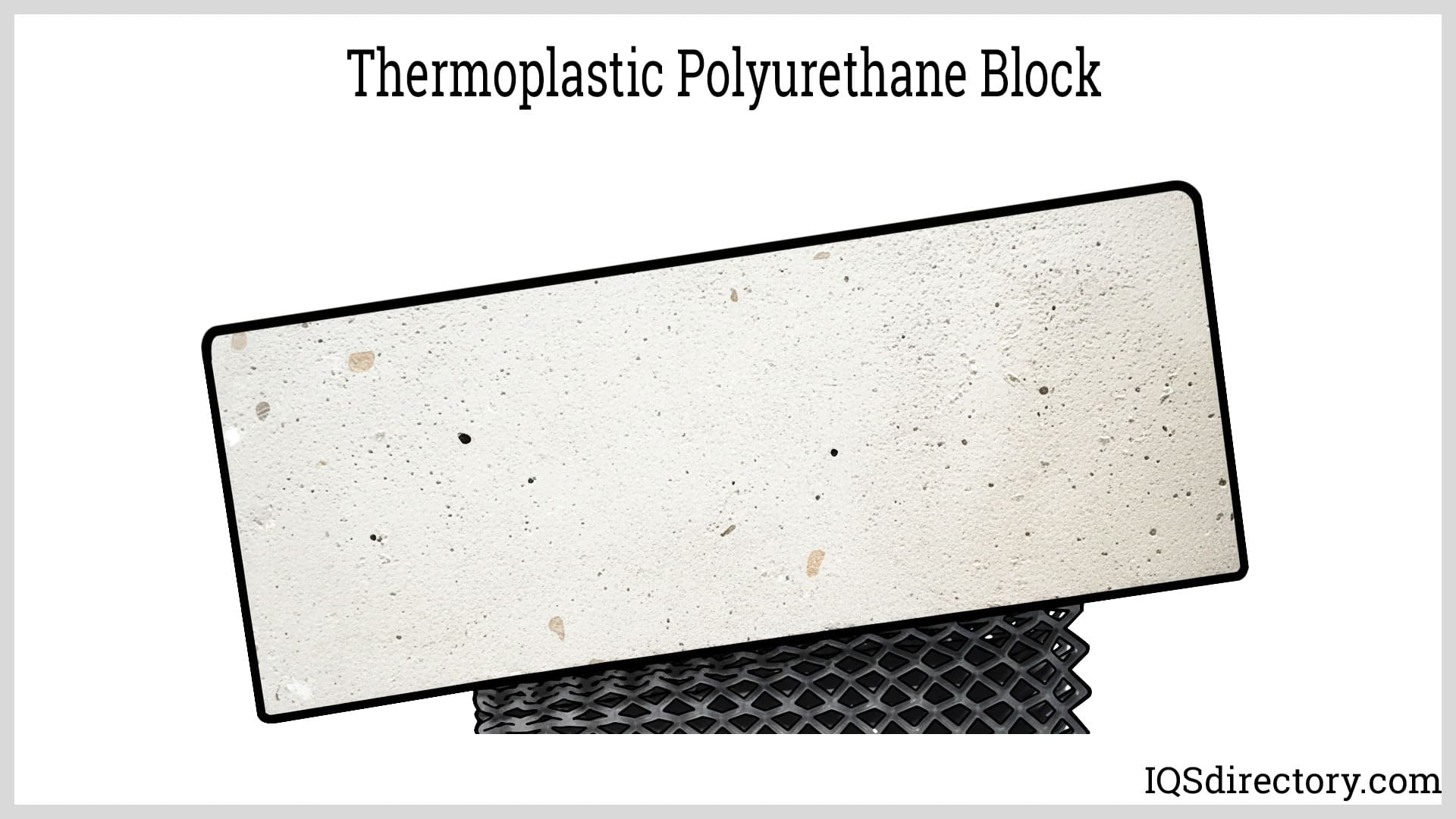
Thermoplastic polyurethane blocks have the properties of plastic and rubber. They are highly durable, flexible, and have excellent tensile strength. TPUs are differentiated by the type of polyol used to produce them, which are polyester, polyether, polycaprolactone, and polycarbonate. Each of the kinds of TPUs have properties that fit the requirements of a specific application. The ratios of the diols are varied to create the physical properties of TPUs. In most cases, to form polyurethane blocks, thermoplastic polyurethanes are compression molded. The addition of aliphatic or aromatic isocyanates gives the TPUs their toughness while polyether or polyester makes TPUs flexible.
The popularity of thermoplastic polyurethanes is due to the materials toughness and flexibility. Aside from being produced as a petrochemical polyurethane, TPU is also produced as a bio-based polyurethane. Produced using block copolymers enables TPUs to have soft and hard segments in its chemical makeup, which makes it possible to manipulate the hardness range of the material. As the hardness ratio increases, TPUs become more rigid.
A common use of thermoplastic polyurethane blocks is in 3D printing due to the material’s flexibility, durability, elasticity, and impact absorption. TPU is used due to its ability to produce parts with geometric complexities. As is common with 3D printing, TPU can easily be rapidly prototyped and customized.
Leading Manufacturers and Suppliers
Chapter 4: Uses for Polyurethane Blocks
The lightweight, insulation properties, and cushioning properties of polyurethane blocks make them ideal for industrial, construction, and packaging applications. The growing demand for sustainable and reliable materials has increased the demand for polyurethane blocks. The range of uses includes industrial, comfort, business, and practical applications. The solid and dense aspects of polyurethane blocks have made them an indispensable part of automotive production, construction, and logistics.
Insulation
In the construction industry, polyurethane blocks are an important part of insulation. They offer high thermal resistance, a factor that reduces energy costs. Placed in walls and panels, the blocks enhance energy efficiency by 20% to 30%. Polyurethane blocks are used for their adherence to building codes and sustainability goals, which makes them the preferred choice for insulation.
Automotive Components
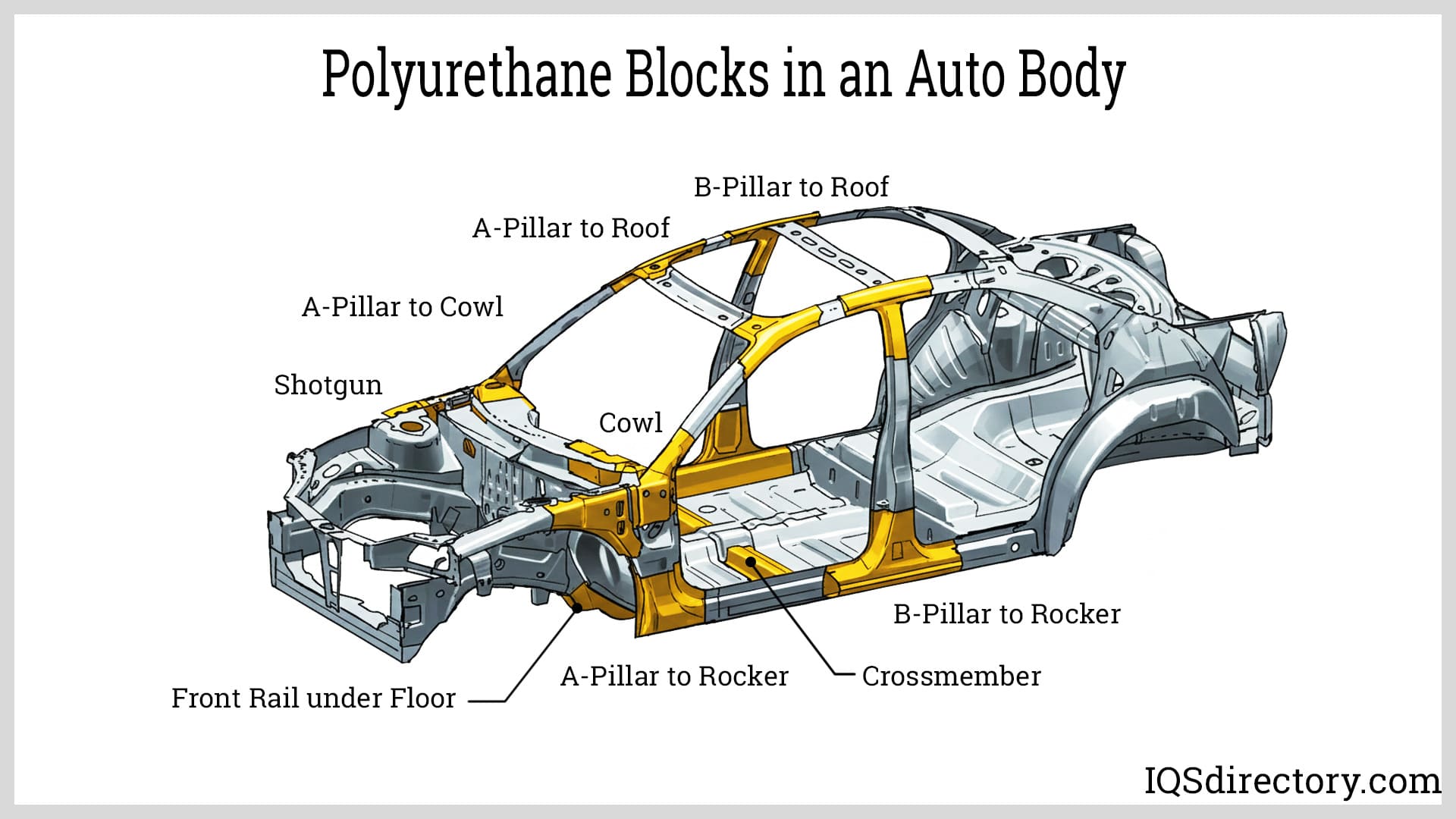
There is an endless list of components that polyurethane blocks are used to produce. They are the core materials for doors, dashboards, and interior panels. As lightweight and durable material, they are an ideal solution for the present day emphasis on fuel efficiency. The structure of polyurethane blocks provides soundproofing and protection from impact. The ability of polyurethane blocks to suppress sound has radically differentiated modern vehicles and has helped provide a comfortable and pleasant driving experience. The use of polyurethane blocks in automobile construction has reduced vehicle weight by up to 10%.
Packaging
The use of polyurethane blocks in packaging is due to its protective properties. During transport, sensitive instruments can be susceptible to vibrations and impact, which can damage sensitive parts. The impact resistance of polyurethane blocks provides a barrier against potential damage ensuring that shipped materials arrive safely. It is estimated that companies reduce potential damages by 15% to 25% by using polyurethane blocks as protection.
Bedding
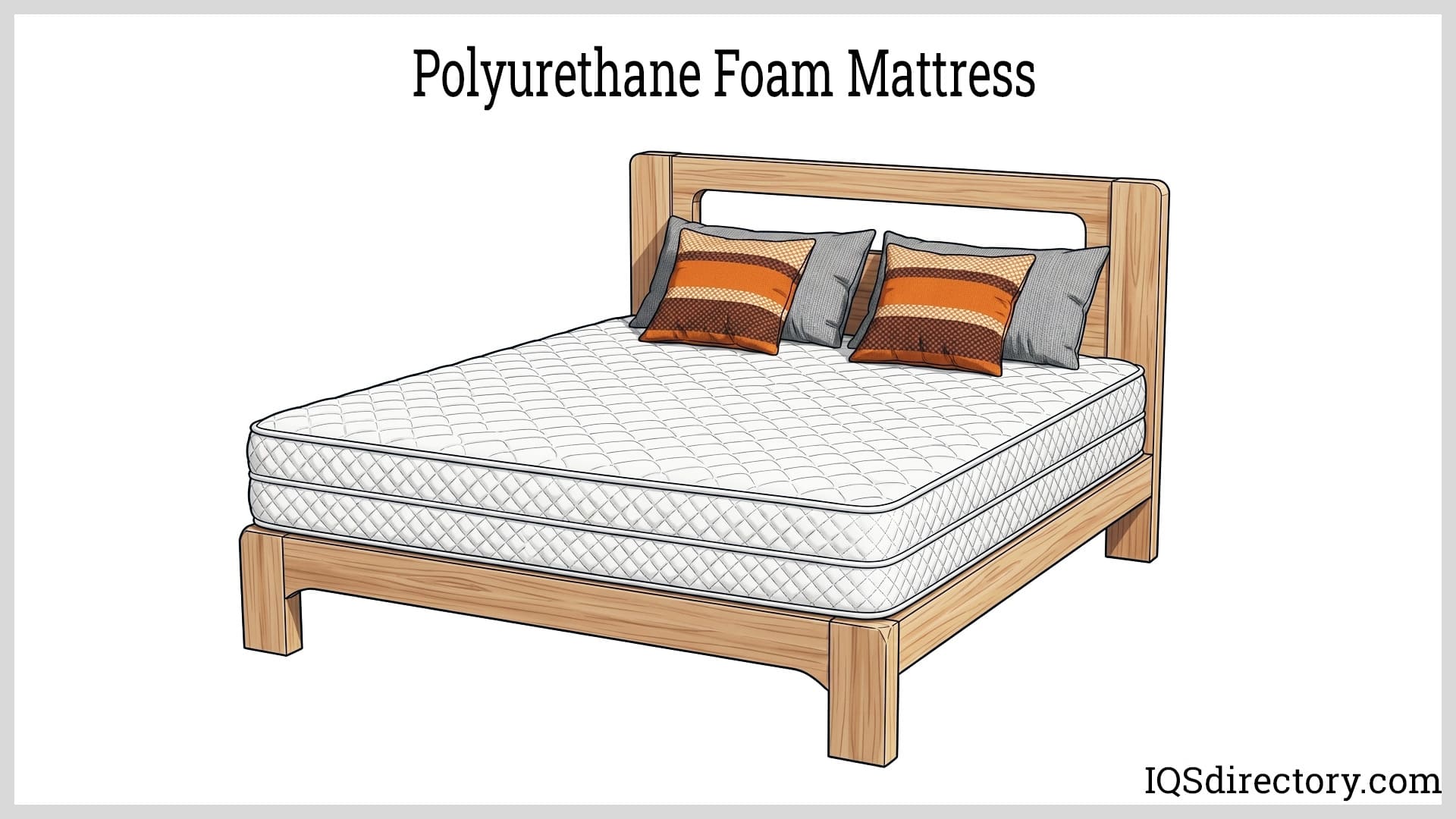
A very common use for polyurethane blocks is as bedding material. The diverse types of polyurethane blocks enable manufacturers to produce bedding that matches the preferential desires and needs of consumers. The ability of polyurethane blocks to provide strong support and comfort while being lightweight makes them the ideal material for furniture, beds, and upholstery. Memory foam mattresses have polyurethane block foam cores that provide pressure relief and resilience. As may be expected, polyurethane block furniture outlasts any other form of material.
The lightweight, compact properties of polyurethane blocks make them the ideal solution to a wide range of industrial and commercial products. The molded solid blocks can be transformed by machining and shaping into a long list of durable and resilient devices that are long lasting and sustainable. The use of polyurethane blocks is due to their ability to withstand severe conditions and still provide outstanding performance. It is this characteristic that has made polyurethane blocks so widely used and the first choice as a foundation for industrial and residential use.
Chapter 5: Benefits of Polyurethane Blocks
The popularity of polyurethane blocks is built on its many positive properties, which ensure that products that depend on or are built on polyurethane blocks will last and never fail. It is for this reason that manufacturers have turned to polyurethane and found it to be a profitable and reliable structural material.
During the mixing and manufacturing process, various techniques are used to shape a variety of polyurethane blocks. Additives, catalyses, and other elements are added to structure the final product to meet a specific requirement. In all of those changes and adjustments, polyurethane blocks are engineered to meet the needs of an application. Regardless of the many changes made to the base material, raw polyurethane blocks retain certain characteristics and properties that make them stand out.
Cost
As with all industrial materials, the first consideration is cost due to its effect on the final product. Polyurethane blocks may be a bit daunting at first due to their cost being higher than plastic blocks. The factor that substantially differentiates polyurethane from plastics is its longevity. The service life of a polyurethane block can be decades due to the resilience and the strength of the base material.
Manufacturers work tirelessly to provide polyurethane materials that can withstand the harshest and most stressful conditions. This aspect of polyurethane overrides the cost, which can be amortized over several years. The durability and lasting qualities of polyurethane blocks significantly differentiates them from other materials.
Durability
Toughness and durability are critical advantages of polyurethane blocks that make them perfect for applications that require quality and longevity. Polyurethane blocks can withstand intense stress, harsh environments, and high pressure, which has made them ideal for automotive, industrial, and construction applications. They are capable of withstanding the most extreme conditions without losing their shape, properties, or strength.
Chemical Resistance
Polyurethane blocks can withstand most acids and alkalis, which enables them to be used for applications involving corrosive substances. They are more resistant to chemicals than other similar materials and can endure the effects of oil, solvents, acids, cleaners, and various other damaging substances. The high level of polyurethane blocks makes them an ideal choice for harsh conditions.
Impact Resistance
Of the many positive aspects of polyurethane blocks, their most notable attribute is their resistance to impact. Although there are several other forms of materials capable of enduring impacts, the factor that sets polyurethane blocks apart is their rate of recovery after suffering impacts. This particular property is due the high density of polyurethane blocks enabling them to absorb shocks, which makes them suitable for applications that require a sturdy and durable material. They can withstand harsh impacts, abrasions, and the wear and tear associated with over use.
Flexibility
The flexibility of polyurethane blocks has been substantiated many times, which has made them the first choice for projects requiring precision. The exceptional flexibility of polyurethane blocks has enabled them to be used for projects that require constant motion and involve vibrations.
Thermal Conductivity
Polyurethane blocks have low thermal conductivity, which has made them ideal for insulation of buildings. The tight seal of the material enhances their performance ensuring the avoidance of the infiltration of air and other environmental factors. The normal thermal conductivity range for polyurethane blocks, k value, is 0.022 W/m-K up to 0.035 W/m-K, a factor that is due to the trapped gas in the closed cells of the material’s structure.
Weather Resistance
In addition to the other factors that differentiate polyurethane blocks from other materials, the weather resistance of the material is crucial to its use in many applications. Polyurethane blocks can tolerate hot and cold temperatures, which enables the blocks to be used for indoor and outdoor applications.
Noise Reduction
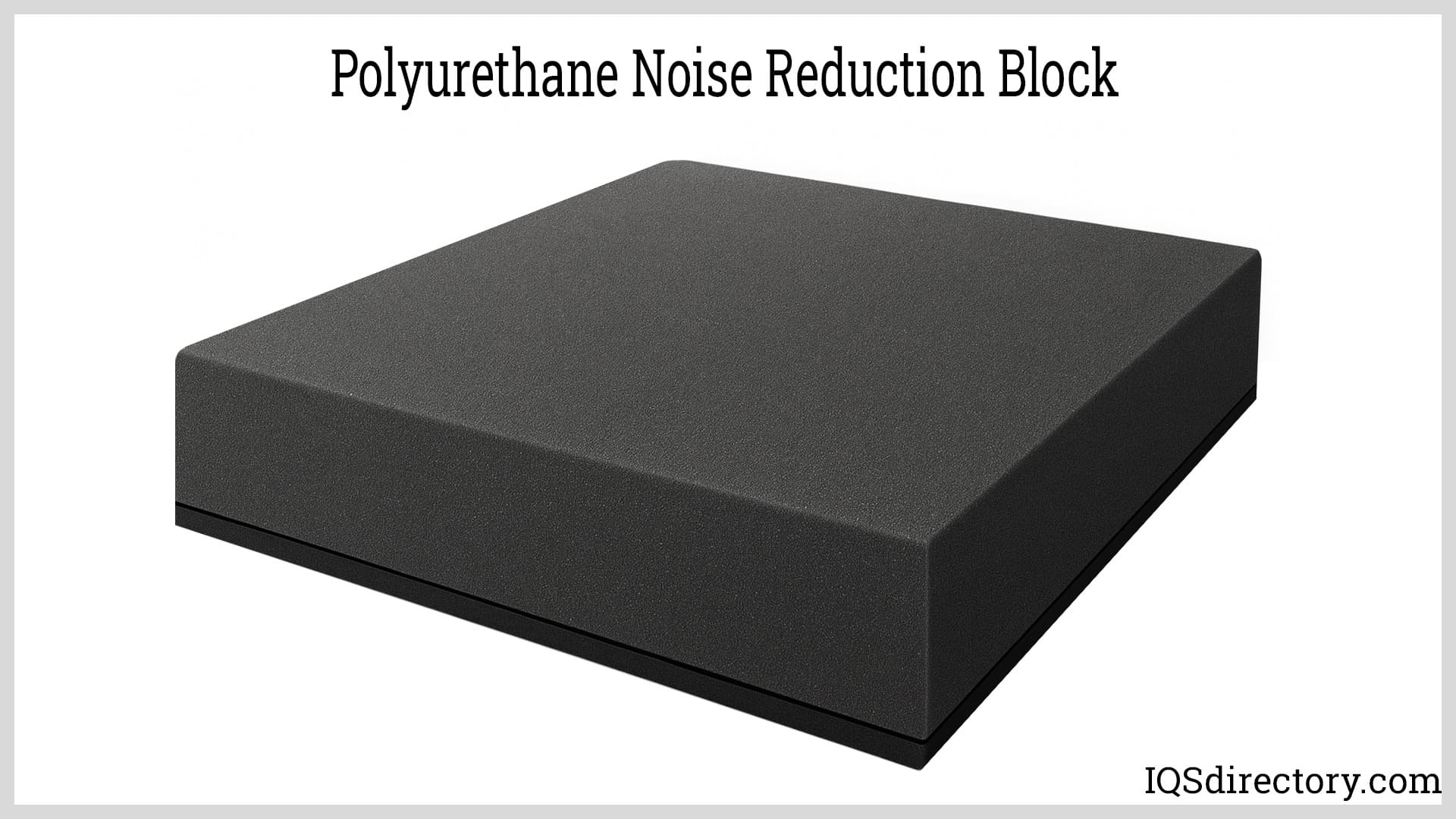
The vibration and noise reduction properties of polyurethane blocks has led to their wide use in the auto industry where noise cancelling has become a significant part of automobile design. The absorption of vibrations, suppression of sound, and the prevention of the transmission of sound has made polyurethane blocks a valuable part of applications that necessitate sound control. The blocks are the preferred material for comfortable quiet environments.
Machinability
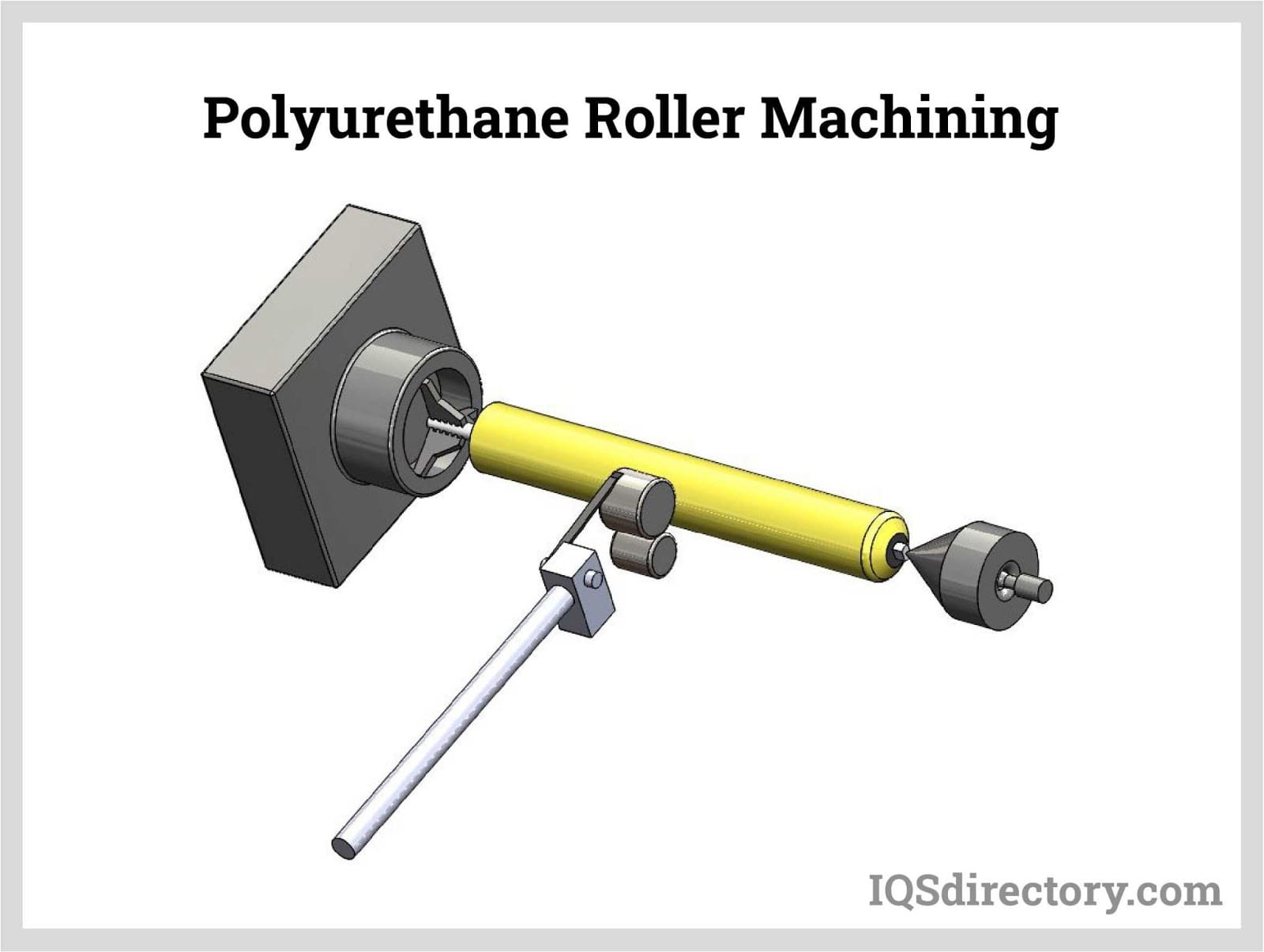
Polyurethane blocks have a shore hardness rating over 70 Shore A, which is a rating used for rubbers and gels, allowing them to be machined using metal working processes. Shore ratings that are lower than 70 Shore A are machined using knives, grinders, and sanders. A factor that is essential to machining polyurethane blocks is in reference to the materials elastic memory or dimensional recovery. During machining, precision is required in order to prevent polyurethane blocks from heating up, which can cause the material to shrink.
The machining process is necessary for polyurethane blocks to make them conform to the needs of an application. They are shaped, formed, and machined to meet the specification of an application. Polyurethane blocks are pliable and can be distorted, a factor that requires a proper grip on the blocks during machining. In essence, polyurethane blocks can be machined, but with care, precision, and close attention during processing.
Conclusion
The stability and resilience of polyurethane blocks have made them a critical material in the protection of sensitive instruments and components. The ability of polyurethane to withstand impact and return to its normal shape makes it an ideal protective material.
Polyurethane blocks, due to their strength and durability, are used to replace metal parts because of the lightweight and easy workability of polyurethane blocks.
The wide popularity of polyurethane blocks is due to its excellent thermal and noise insulating properties as well as their high strength to weight ratio and exceptional shock absorption characteristics.
The many positive properties of polyurethane blocks have made them an essential part of a wide range of industrial products, from automotive parts to industrial machinery.
Polyurethane blocks are capable of being adjusted and adapted to meet the specific requirements of any application. The range of hardnesses as well as their elasticity, high tear strength, and vibration damping capabilities make them the perfect industrial and manufacturing material.
Leading Manufacturers and Suppliers
Related Posts
Polyurethane Bushings
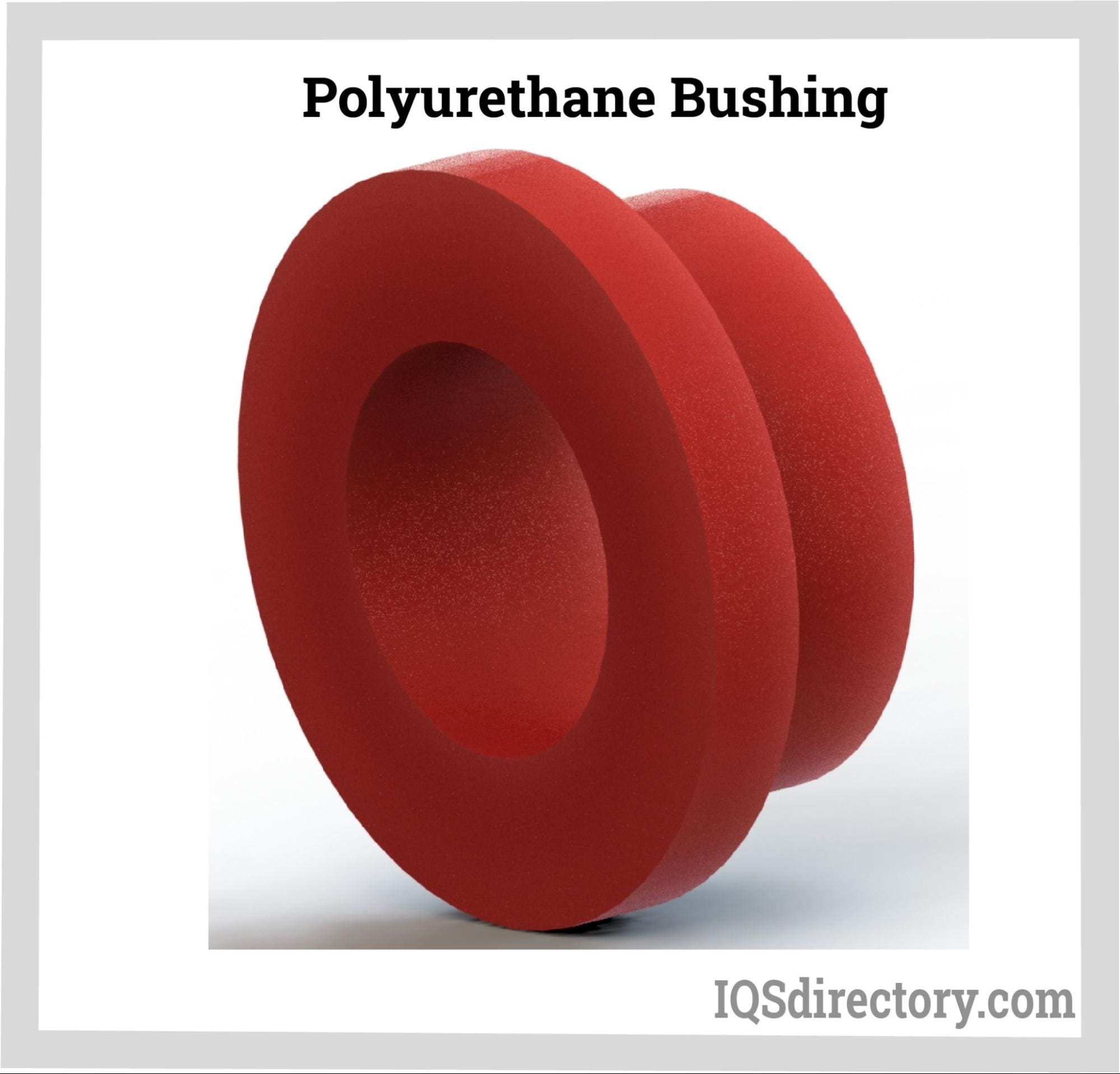
A polyurethane bushing is a friction reducing component that is placed between moving and stationary components as a replacement for lubricants. The use of polyurethane for the production of bushings is due to its resilience…
Polyurethane Molding
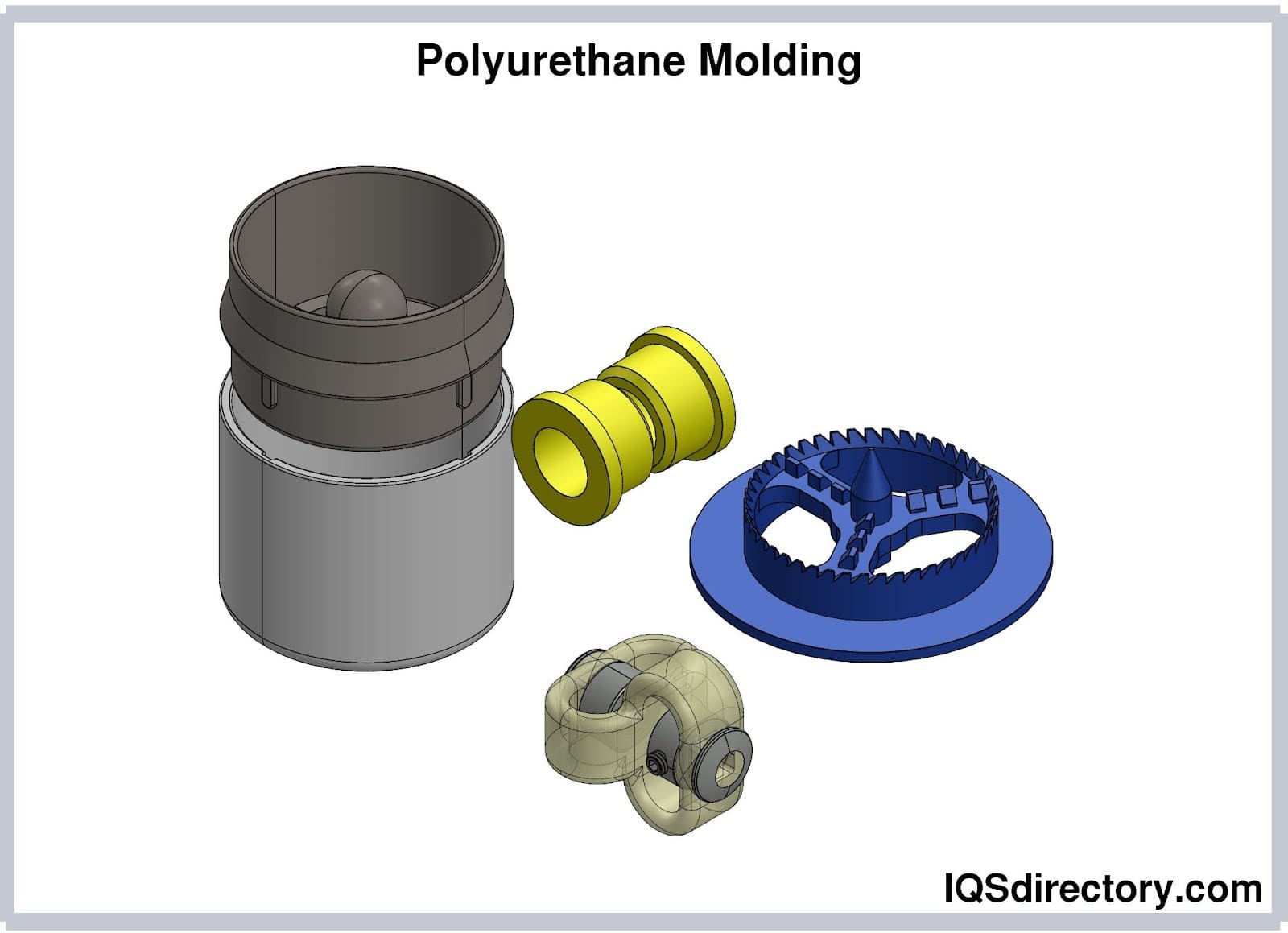
Polyurethane molding is the process of fabricating or manufacturing plastic parts by introducing a urethane polymer system into a tool or mold and allowing it to cure. Like any other type of plastic, the excellent processability...
Polyurethane Rollers
Polyurethane rollers are cylindrical rollers covered by a layer of elastomer material called polyurethane. Depending on the application, the inner roller core is prone to scratches, dents, corrosion, and other types of damage...
Urethane Casting
Urethane casting is the process of injecting polyurethane and additive resins into a soft mold usually made of silicone elastomer. The casting process is similar to injection molding; injection molding differs by using hard, metal molds...
Urethane Wheels
Urethane wheels are wheels made of molded urethane, also known as polyurethane. Urethane is an elastomer that comprises urethane carbamate linkages and is a portmanteau phrase for elastic polymer...
Blow Molding
Blow molding is a type of plastic forming process for creating hollow plastic products made from thermoplastic materials. The process involves heating and inflating a plastic tube known as a parison or preform. The parison is placed between two dies that contain the desired shape of the product...
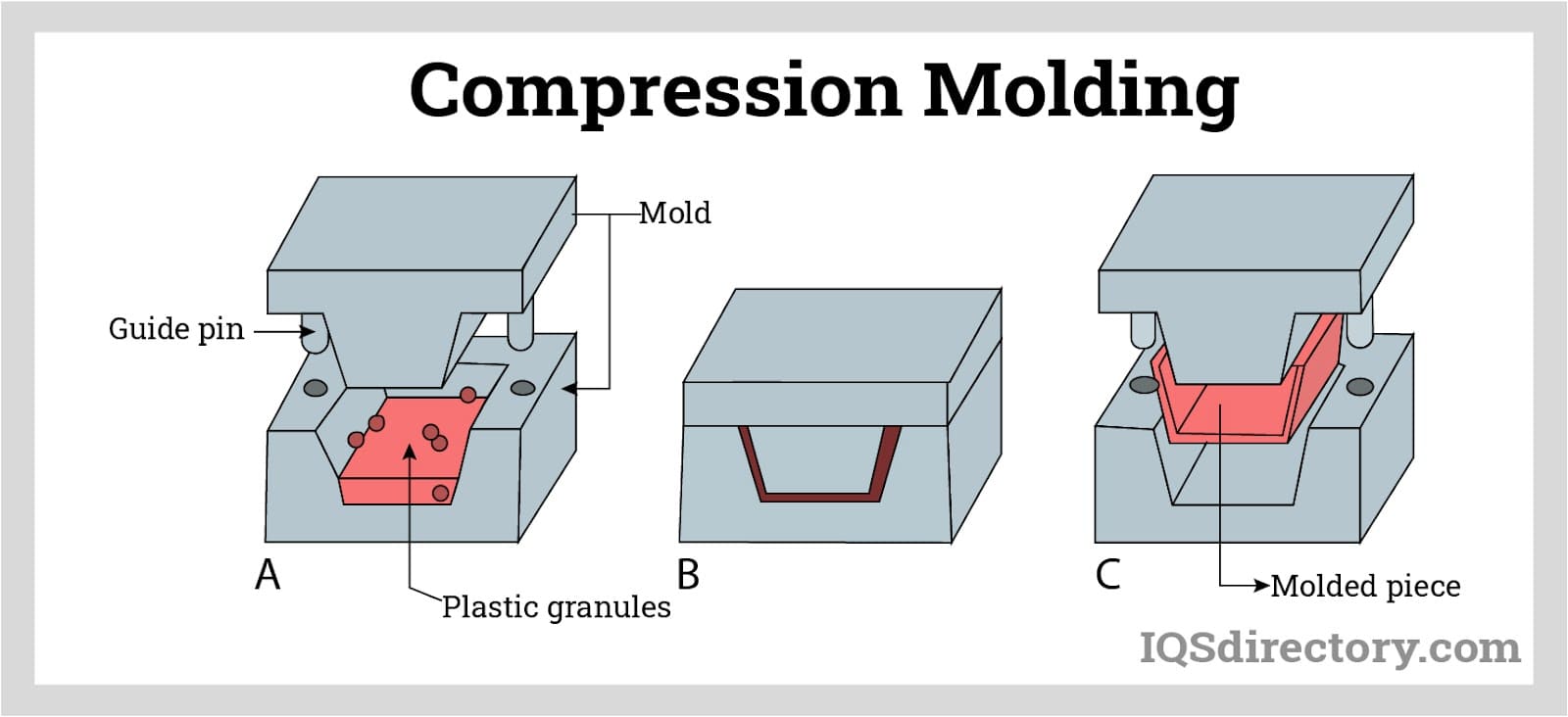
Compression Molding
Molding is a manufacturing process that uses a mold - the latter being a solid container used to give shape to a piece of material. It is a forming process. The form is transferred from the mold to the material by...
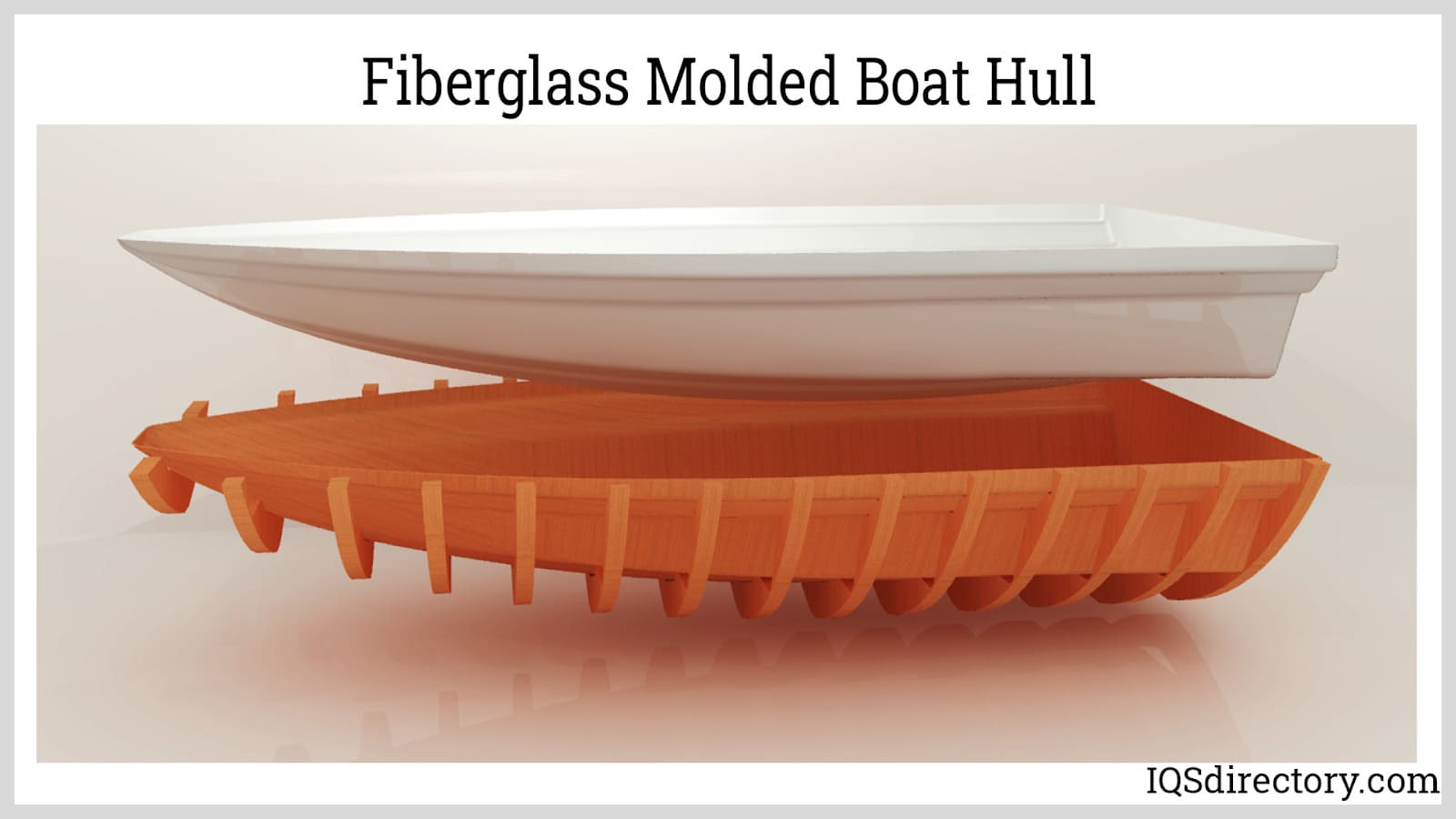
Fiberglass Molding
Fiberglass molding is a method for forming complex and intricate parts using fiberglass resin. Though there are several reasons for producing parts and components from fiberglass, the most pressing reasons are the...
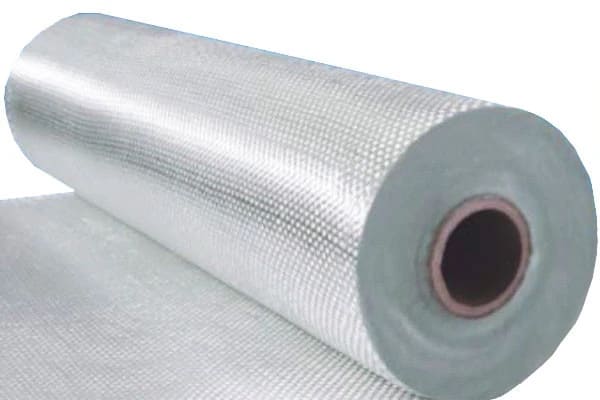
Fiberglass Sheets
Fiberglass is a plastic reinforced material where glass fiber is used as reinforcement, and the glass fiber is flattened into a sheet. It is also known as glass fiber reinforced plastic or glass reinforced plastic...
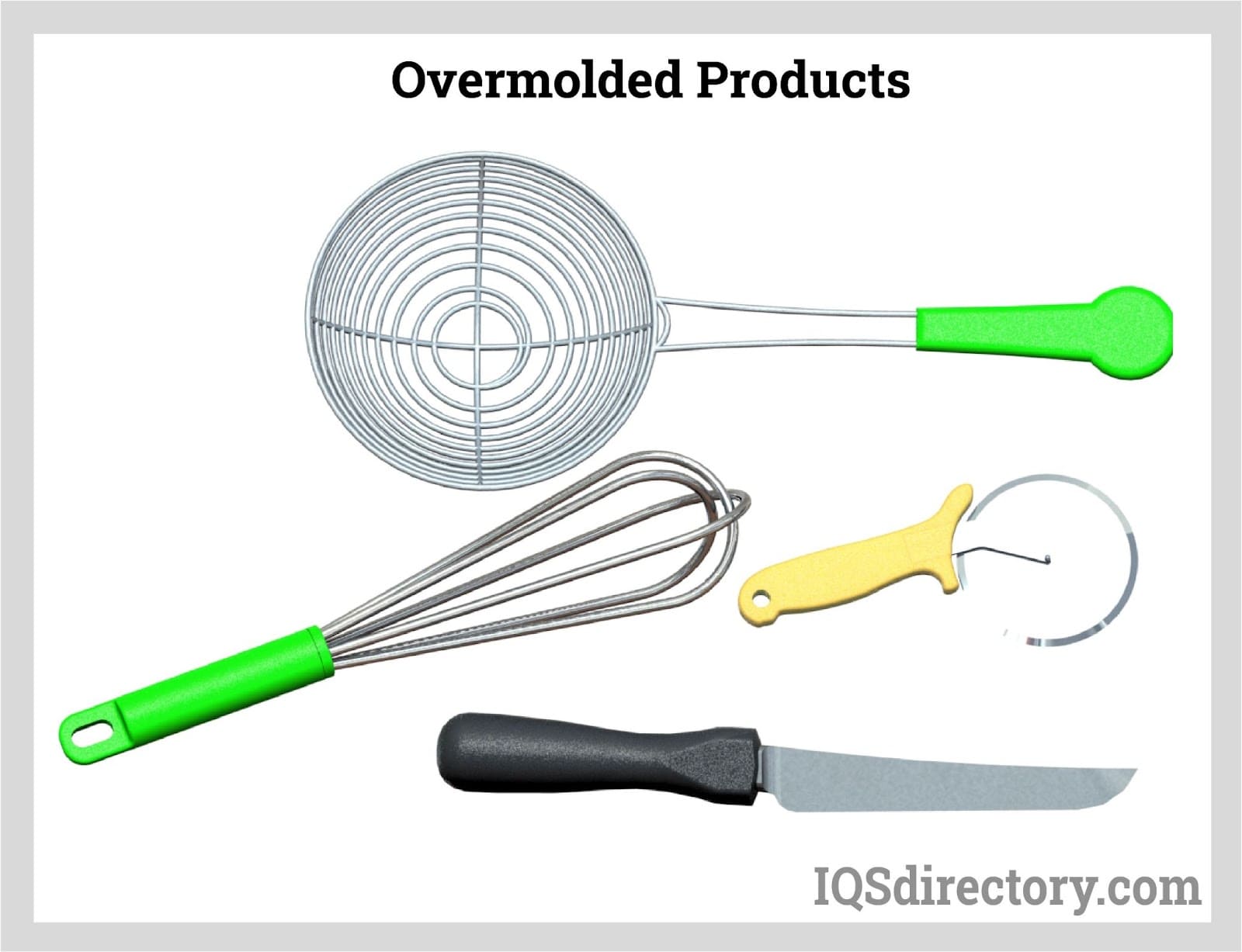
Overmolding
Many of the products used daily are made possible by producers and suppliers of rubber and plastic. These substances are robust, adaptable, and capable of practically any shape required for various industrial purposes. Several varieties are...
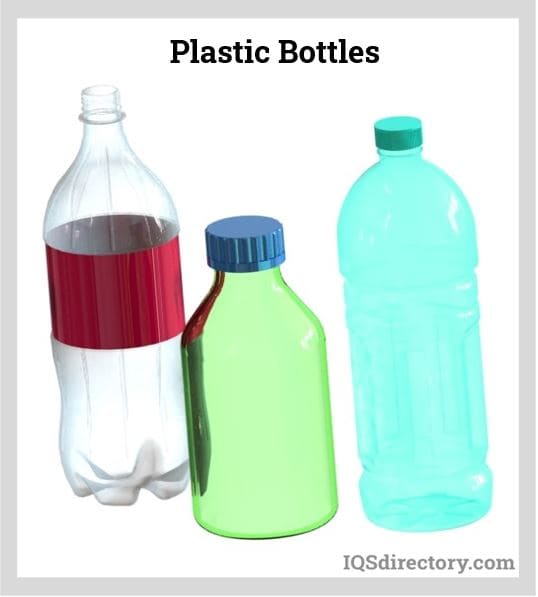
Plastic Bottles
Plastic bottles are bottles made of high or low-density plastic, such as polyethylene terephthalate (PET), polyethylene (PE), polypropylene (PP), polycarbonate (PC), or polyvinyl chloride (PVC). Each of the materials mentioned has...
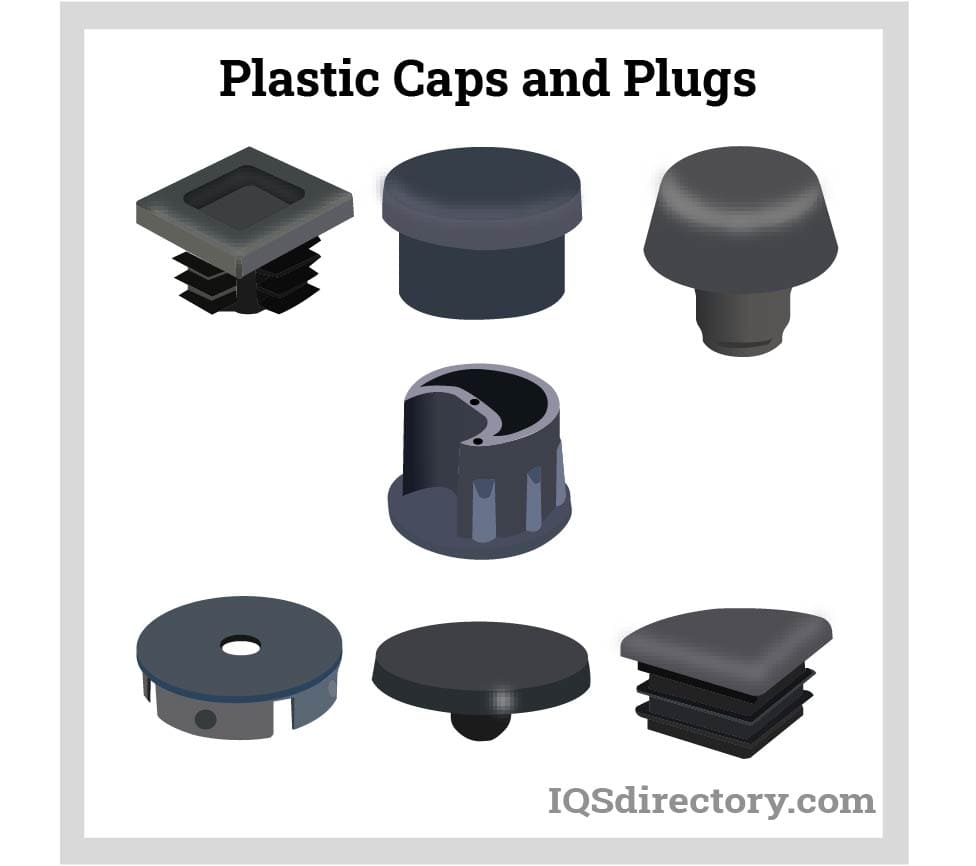
Plastic Caps and Plugs
Plastic caps and plugs are two distinct ways for sealing the ends, tops, and openings of tubes and containers. Caps are placed over the opening, and plugs are placed in the opening. Due to the many varieties of...
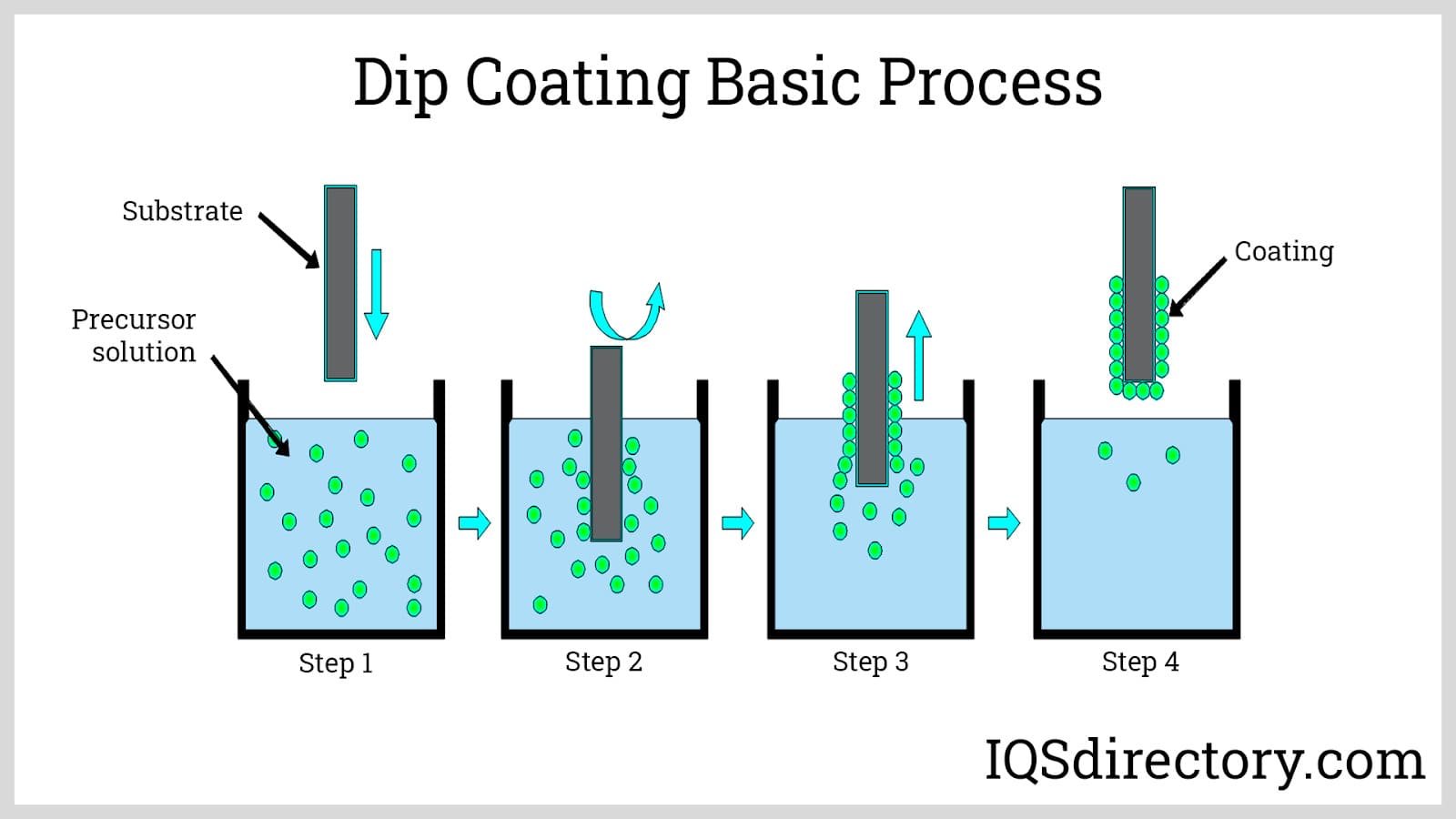
Plastic Coating
Plastic coating is the application of liquid polymers or plastic on the surface of a workpiece by dipping or immersion. The result is a thick plastic finish for protective and decorative purposes. This gives the material additional resistance against...
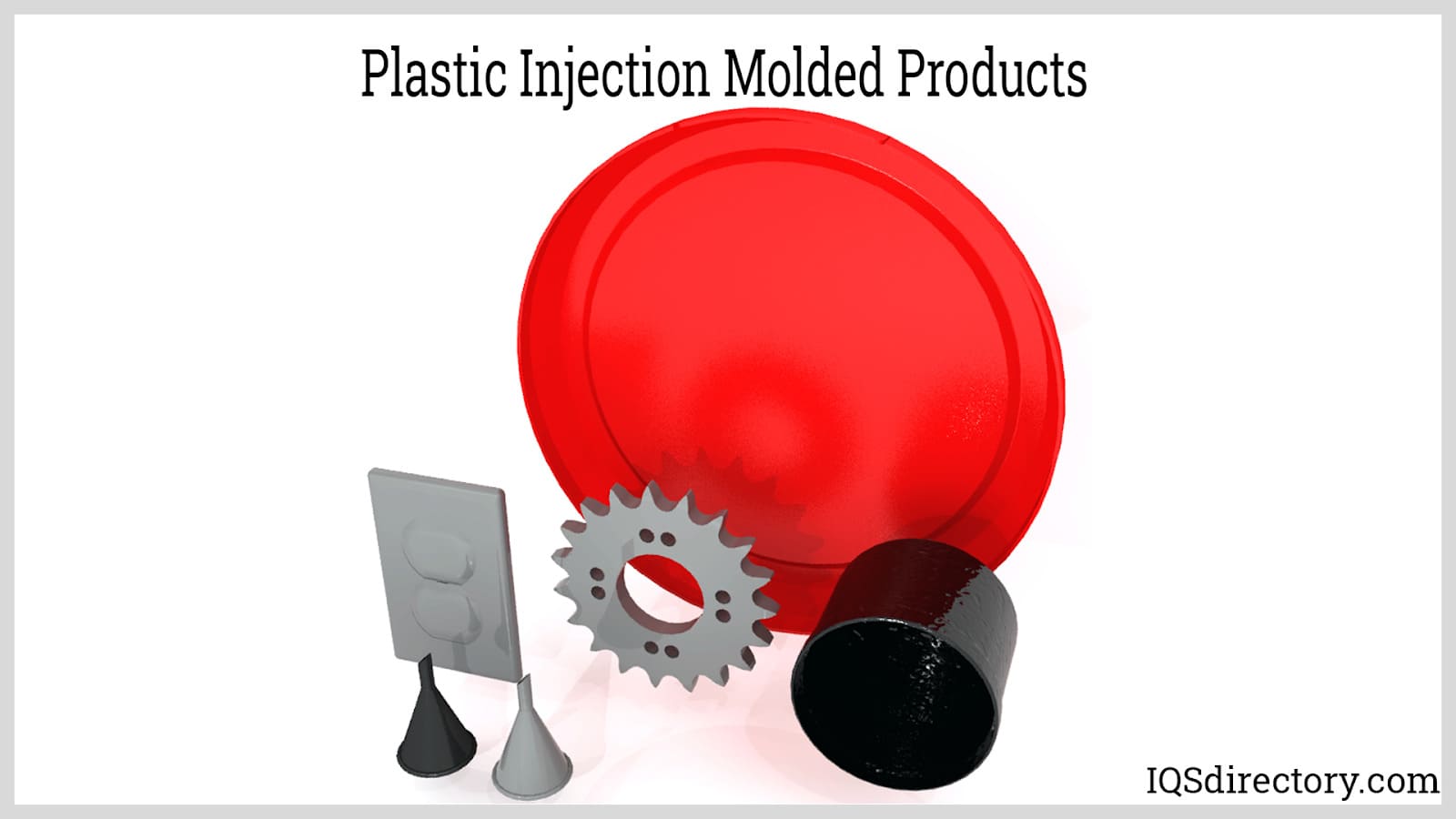
Plastic Injection Molding
Plastic injection molding, or commonly referred to as injection molding, is a manufacturing process used in the mass fabrication of plastic parts. It involves an injection of molten plastic material into the mold where it cools and...
Plastic Overmolding
Plastic overmolding has a long and interesting history, dating back to the early 1900s. The first overmolding process was developed by German chemist Leo Baekeland, who invented Bakelite, the first synthetic plastic. Baekeland used a...
Rotational Molding
Rotational molding, commonly referred to as "rotomolding", is a plastic casting technique used to produce hollow, seamless, and double-walled parts. It uses a hollow mold tool wherein the thermoplastic powdered resin is heated while being rotated and cooled to solidify...
Rubber Injection Molding
Rubber injection molding is when uncured rubber is transformed into a usable product by injecting raw rubber material into a mold cavity made of metal. The applied pressure produces a chemical reaction like...
Rubber Molding
Rubber molding is a process of transforming uncured rubber or an elastomer into a usable product by transferring, compressing, or injecting raw rubber material into a metal mold cavity...
Rubber Overmolding
There are several methods to perform rubber overmolding, and each method has its own unique advantages and disadvantages. The choice of method typically depends on the design and material requirements of the product being...
Silicone Rubber Molding
Silicone rubber molding is a method for shaping, forming, and fabricating silicone rubber parts and products using a heated mold. The process involves compressing or injecting silicone rubber into a mold...
Thermoplastic Molding
Thermoplastic molding is a manufacturing process that works to create fully functional parts by injecting plastic resin into a pre-made mold. Thermoplastic polymers are more widely used than thermosetting...
Grommet Edging
A grommet edging is a flexible rubber or plastic strip that covers rough and sharp surfaces found in openings and edges of panel walls to protect the passing electrical cables, wires, and other sensitive components...