Metal Fabrication
Metal fabrication is a broad manufacturing discipline that covers the cutting, forming, machining, joining, and finishing of metal into usable parts, assemblies, and structural components. Common metal fabrication methods include bending, welding, stamping, punching, laser cutting, shearing, rolling, and other precision forming processes used to turn raw material into custom metal products for industrial, commercial, and OEM applications.
Metal Fabrication FAQs
What does metal fabrication involve?
Metal fabrication involves cutting, shaping, welding, machining, assembling, and finishing metal to create finished parts, housings, frames, enclosures, and structural components. Common fabrication processes include stamping, bending, punching, forming, laser cutting, and precision welding to produce durable metal products for manufacturing, construction, transportation, HVAC, and commercial equipment.
How has metal fabrication evolved over time?
Metal fabrication has progressed from hand hammering, casting, and simple cutting techniques to highly automated production supported by CAD software, CNC controls, robotic welding, and laser processing. Modern fabrication shops can now produce complex custom metal parts with tight tolerances, repeatable quality, faster turnaround, and less material waste than earlier manual methods.
What are the benefits of using metal fabrication over plastic fabrication?
Metal fabrication offers higher strength, longer service life, greater temperature resistance, and better structural performance than many plastic alternatives. For demanding environments, fabricated metal parts often deliver better wear resistance, load-bearing capacity, and long-term durability, which makes them a strong choice for industrial machinery, structural systems, transportation equipment, and heavy-duty commercial products.
Which metals are most commonly used in fabrication?
Common fabrication materials include aluminum, carbon steel, mild steel, stainless steel, brass, bronze, copper, and titanium. Each metal offers a different mix of strength, corrosion resistance, conductivity, weight, and formability, allowing fabricators to match the material to the application, production volume, environment, and performance goals.
What industries depend on metal fabrication services?
Metal fabrication supports construction, automotive, aerospace, agriculture, electronics, food processing, HVAC, energy, material handling, and general manufacturing. Fabricated metal parts are used in equipment frames, brackets, ductwork, machine guards, control panels, structural assemblies, and custom production components across nearly every industrial sector.
What happens during the finishing stage of metal fabrication?
After forming and assembly, fabricated parts may go through deburring, sanding, polishing, annealing, coating, plating, or powder coating. These finishing processes improve appearance, edge quality, corrosion resistance, cleanability, and overall product durability while helping the part meet functional and cosmetic requirements.
What should I consider when selecting a metal fabricator?
When selecting a metal fabricator, review production capabilities, available equipment, tolerances, material experience, quality standards, lead times, and communication. Buyers often compare whether a shop can handle prototype work, short runs, or full production, and whether it can deliver consistent quality within budget and schedule targets.
The History of Metal Fabrication
The use of metal for tools, trade goods, decorative objects, and structural needs has been part of human progress for thousands of years. Archaeological findings point to early metalworking in the form of a copper pendant discovered in northern Iraq and dated to around 8700 BC. In the Great Lakes region between 5000 and 4000 BC, people also worked native copper with heat and hammering. These early fabrication methods were simple by modern standards, yet they established the foundations of shaping, cutting, and joining metal for practical use.
Ancient civilizations became familiar with seven well-known metals: iron, tin, lead, copper, mercury, silver, and gold. Through the Bronze Age and the Iron Age, craftspeople across the world learned how to use heat, force, and manual tooling to produce weapons, tools, jewelry, agricultural implements, and trade items. As metalworking knowledge spread, local techniques developed into more specialized practices for forging, bending, engraving, and forming.
In ancient Egypt, metalworkers demonstrated a high level of skill by producing weapons, ornamentation, ceremonial objects, and commercial goods. Over time, these methods were studied, copied, and refined by artisans, blacksmiths, and later industrial manufacturers. Many fabrication techniques still used in machine shops and sheet metal operations today trace their roots back to these early methods, even though modern equipment now delivers far more speed, precision, and consistency.
Today, metal fabrication combines traditional know-how with advanced production technology. Automated cutting systems, robotic welding, and computer-driven equipment allow manufacturers to create highly accurate parts without constant manual intervention. Modern design tools and CNC machining support repeatable fabrication for custom prototypes, short production runs, and high-volume manufacturing. CAD-based workflows also help engineers model complex parts before fabrication begins, which supports tighter tolerances, cleaner production planning, and more efficient material use.
Even with these advances, the industry continues to evolve as shops adopt newer equipment, software integration, and automated handling systems. Buyers researching metal fabrication often ask how technology affects pricing, lead times, and labor requirements. The answer usually depends on the project. In many cases, automation improves speed and repeatability, while experienced fabricators still provide the judgment needed for material selection, weld quality, forming strategy, and finishing decisions.
Metal fabrication offers advantages that make it a preferred choice for many industrial and commercial products. Fabricated metal parts provide strong mechanical performance, excellent heat resistance, and long service life in demanding environments. Compared with many plastic alternatives, metals typically handle impact, load, abrasion, and elevated temperatures more effectively. Fabrication is also highly versatile, allowing manufacturers to produce brackets, housings, frames, guards, enclosures, structural supports, ductwork, and custom assemblies in a wide range of sizes and geometries. For buyers comparing materials, metal fabrication often stands out when durability, appearance, precision, and long-term value matter most. It can also be cost-effective for repeat production, especially when processes are streamlined for volume, nesting efficiency, and repeatable tooling.
Choosing the right fabrication approach starts with a close review of the part’s intended use and performance demands. Manufacturers evaluate shape, size, wall thickness, tolerances, load requirements, production volume, corrosion exposure, and finish expectations before recommending a fabrication plan. Questions such as “What material should I use for a custom metal part?” or “Which fabrication method fits tight tolerances and repeat production?” often guide the design stage.
Because metal fabrication includes a wide range of forming, cutting, machining, and assembly methods, fabricators can tailor a product to nearly any specification. That flexibility covers far more than basic dimensions. Fabricated components may also be designed for smoother edges, better weld access, improved corrosion resistance, cleaner finishes, lower weight, or easier installation. When off-the-shelf materials do not fully match the application, manufacturers can work with suppliers to source specific grades, tempers, or alloys that better align with performance and fabrication requirements.
- Before Fabrication
- Before metal reaches the fabrication floor, it is usually converted into workable stock forms such as sheet, plate, bar, tubing, structural shapes, or pipe. Raw metal is rarely fabricated directly from an unprocessed state. Instead, it goes through primary manufacturing steps that prepare the material for downstream cutting, forming, machining, and assembly.
- This early stage of production often includes alloying, casting, rolling, extruding, forging, and similar forming methods. These processes help establish the base dimensions, metallurgical properties, and consistency needed for later fabrication work, including common applications such as sheet metal fabrication.
- During Fabrication
- Once metal is available in usable stock forms, fabricators shape it into finished products and subassemblies. Common operations include welding, machining, roll forming, shearing, press braking, laser cutting, punching, stamping, drilling, notching, and other precision fabrication techniques used to meet dimensional and performance targets.
- Some fabricated products move through several processes before completion. A part may be laser cut, bent on a press brake, welded into an assembly, and then finished for corrosion protection or cosmetic appearance. For example, pipe elbows may require both mandrel bending and swaging, while sheet metal enclosures may involve punching, forming, hardware insertion, and final assembly.
- Finishing the Fabrication Process
- After forming and assembly are complete, manufacturers may apply secondary processing or finishing to improve function and appearance. Deburring, grinding, sanding, annealing, polishing, painting, plating, and powder coating can all be used to improve corrosion resistance, surface quality, edge condition, and final presentation.
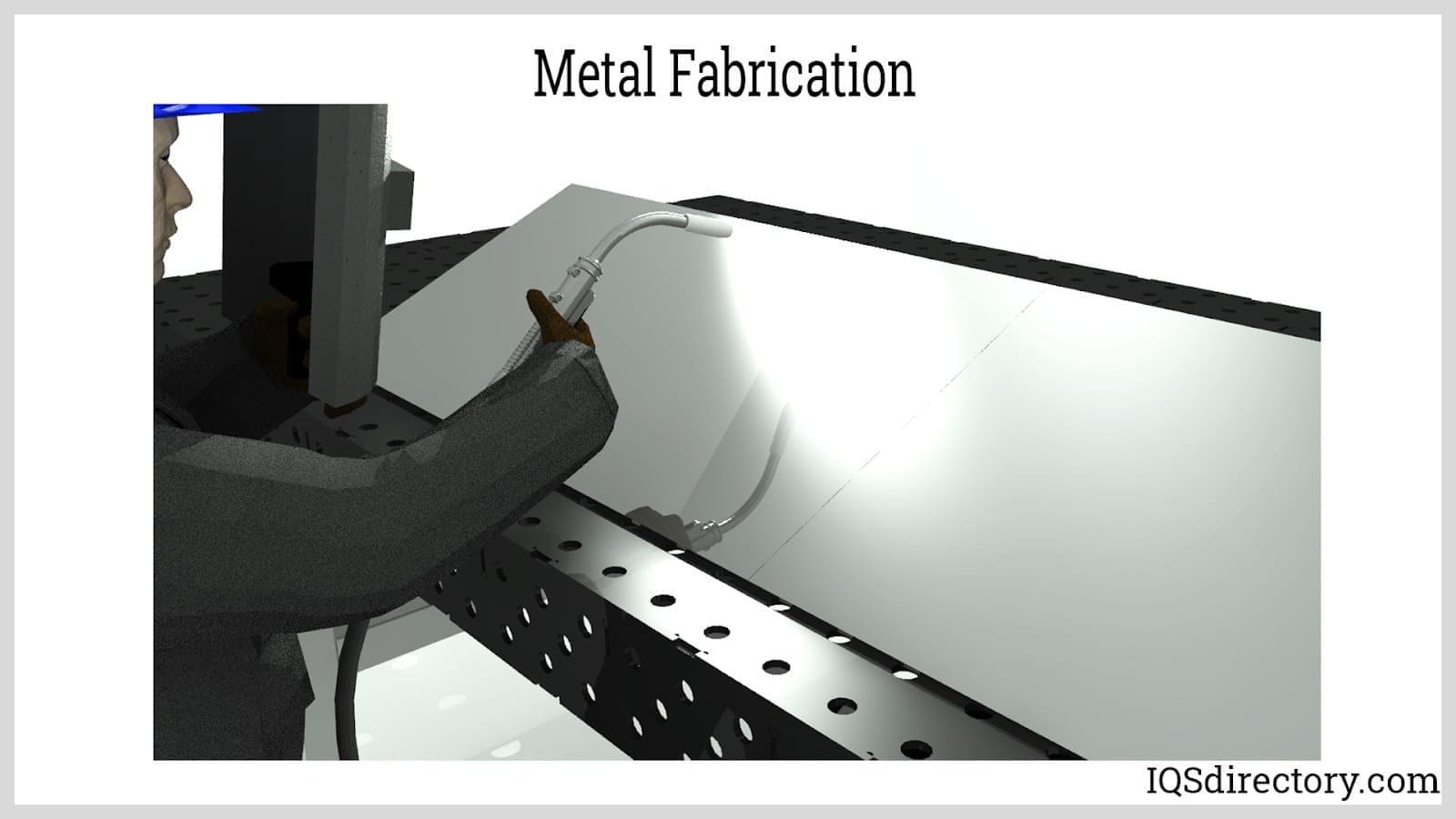 Metal fabrication often begins with sheet metal or plate that must be ductile enough to be cut, formed, and assembled into the required shape.
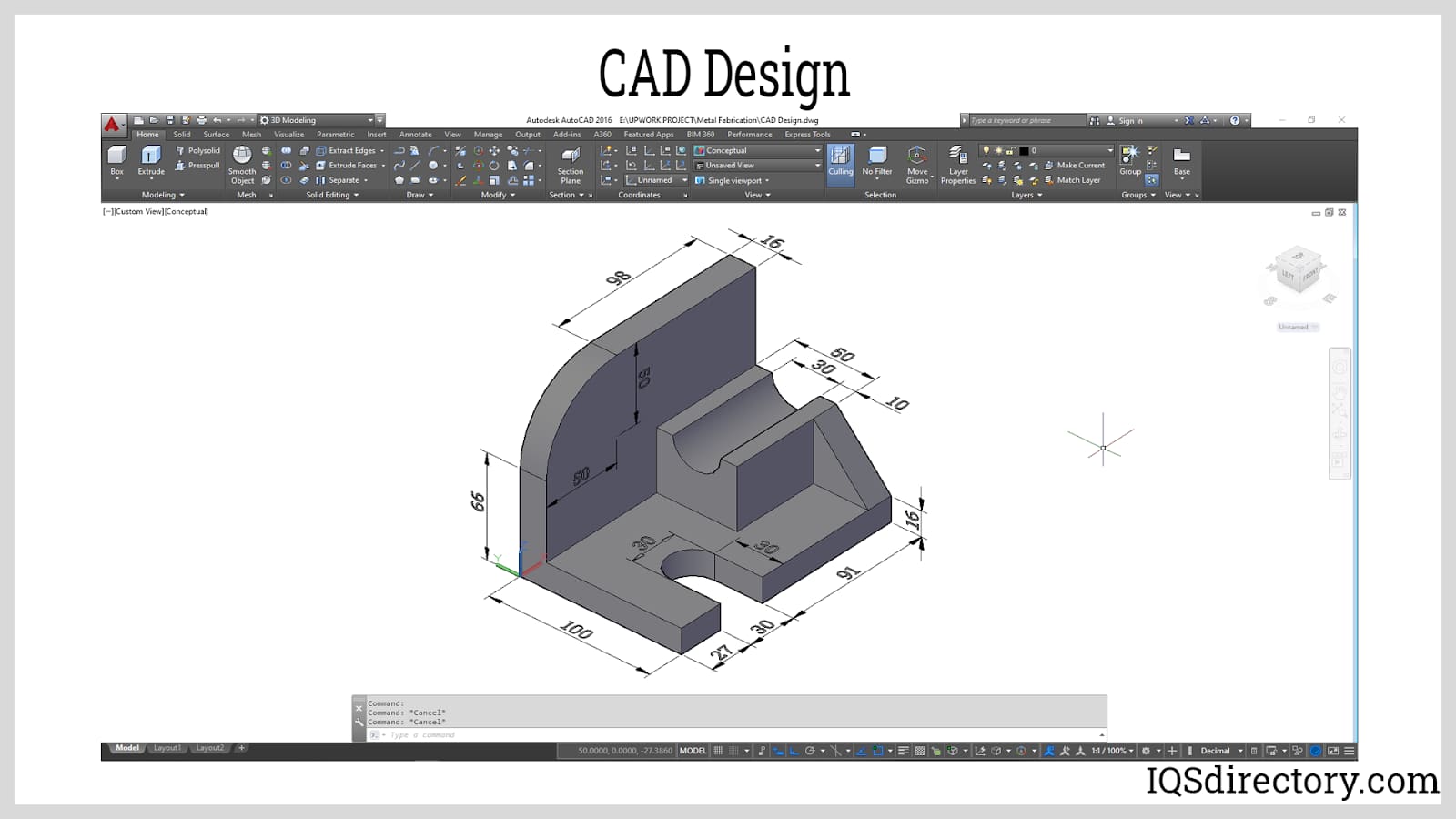 CAD drawings help define project requirements, improve manufacturability, and guide fabrication planning before production starts.
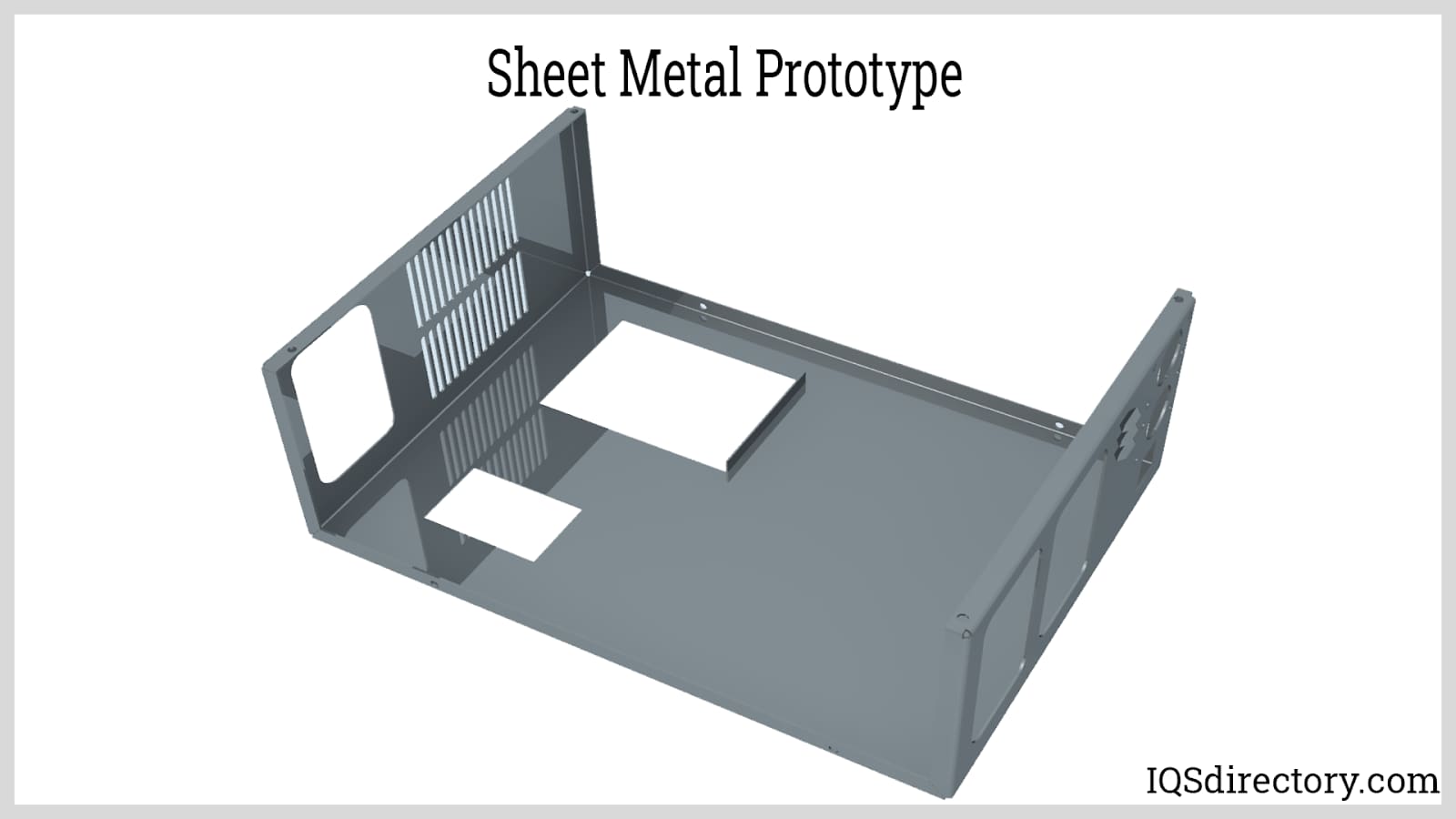 Prototyping allows manufacturers to test fit, function, and manufacturability before moving into repeat production.
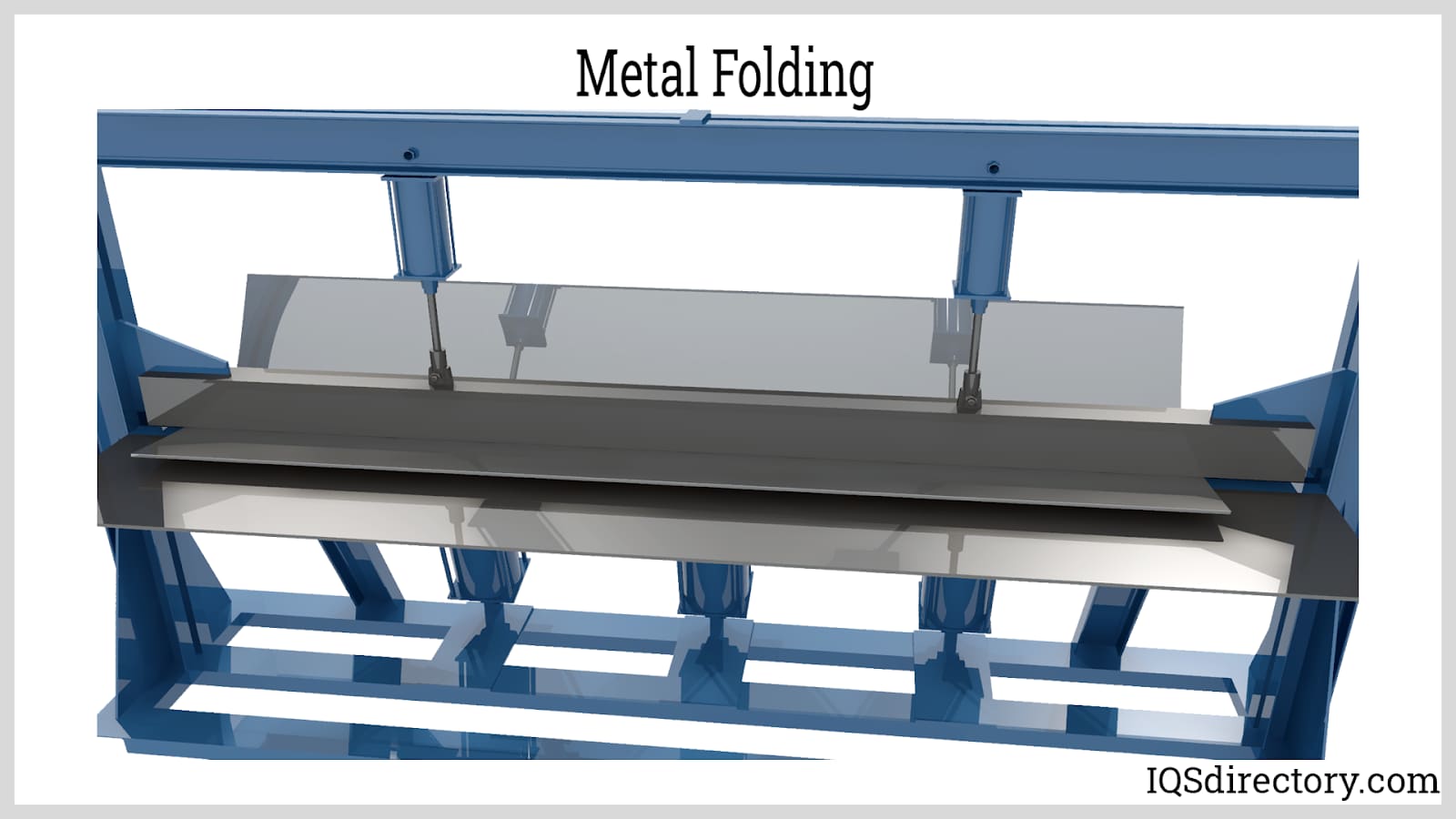 Folding and bending operations shape flat metal into brackets, panels, channels, enclosures, and other formed components.
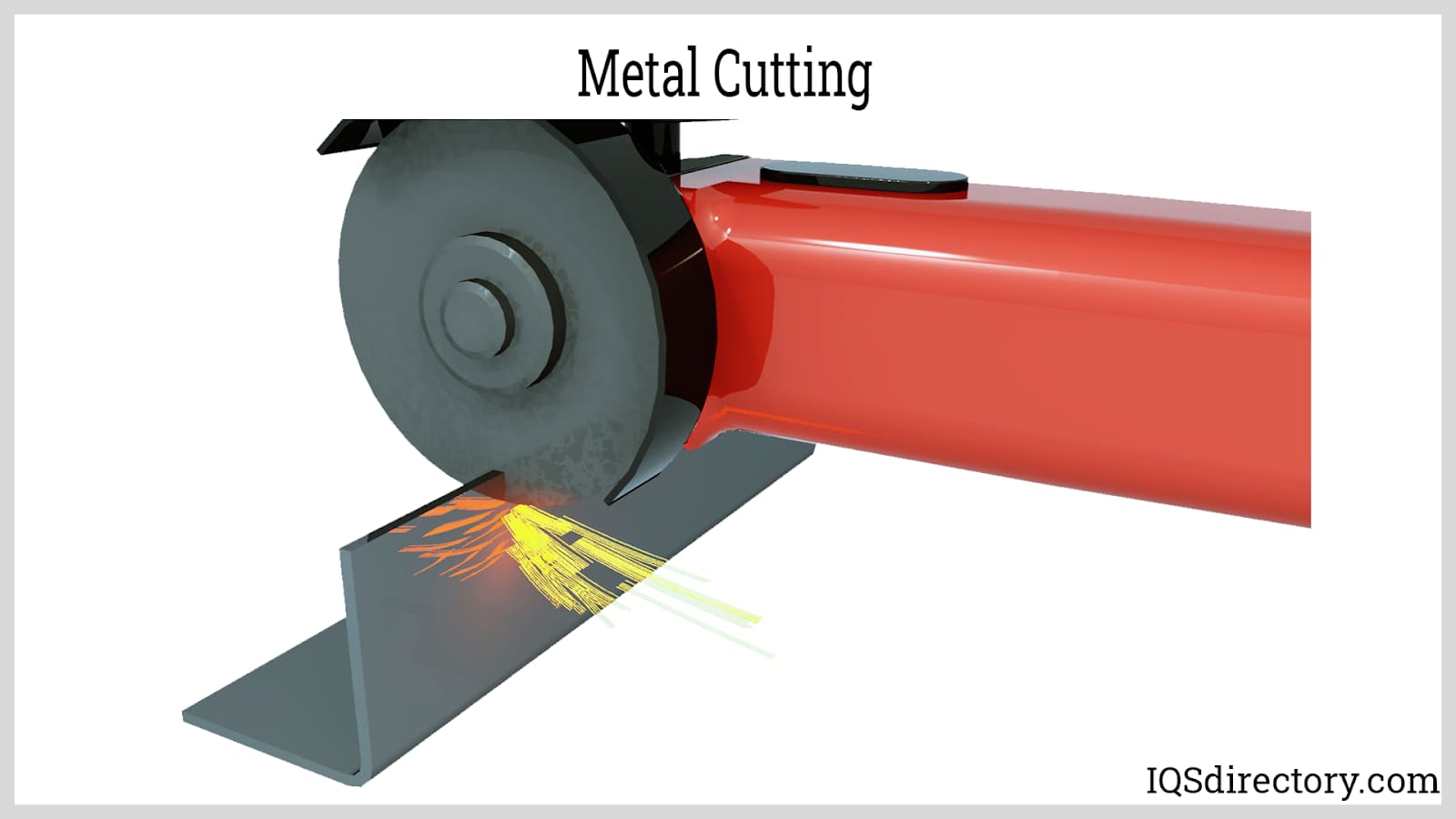 Cutting separates a workpiece into precise sections, an everyday step in custom metal part production and sheet metal fabrication.
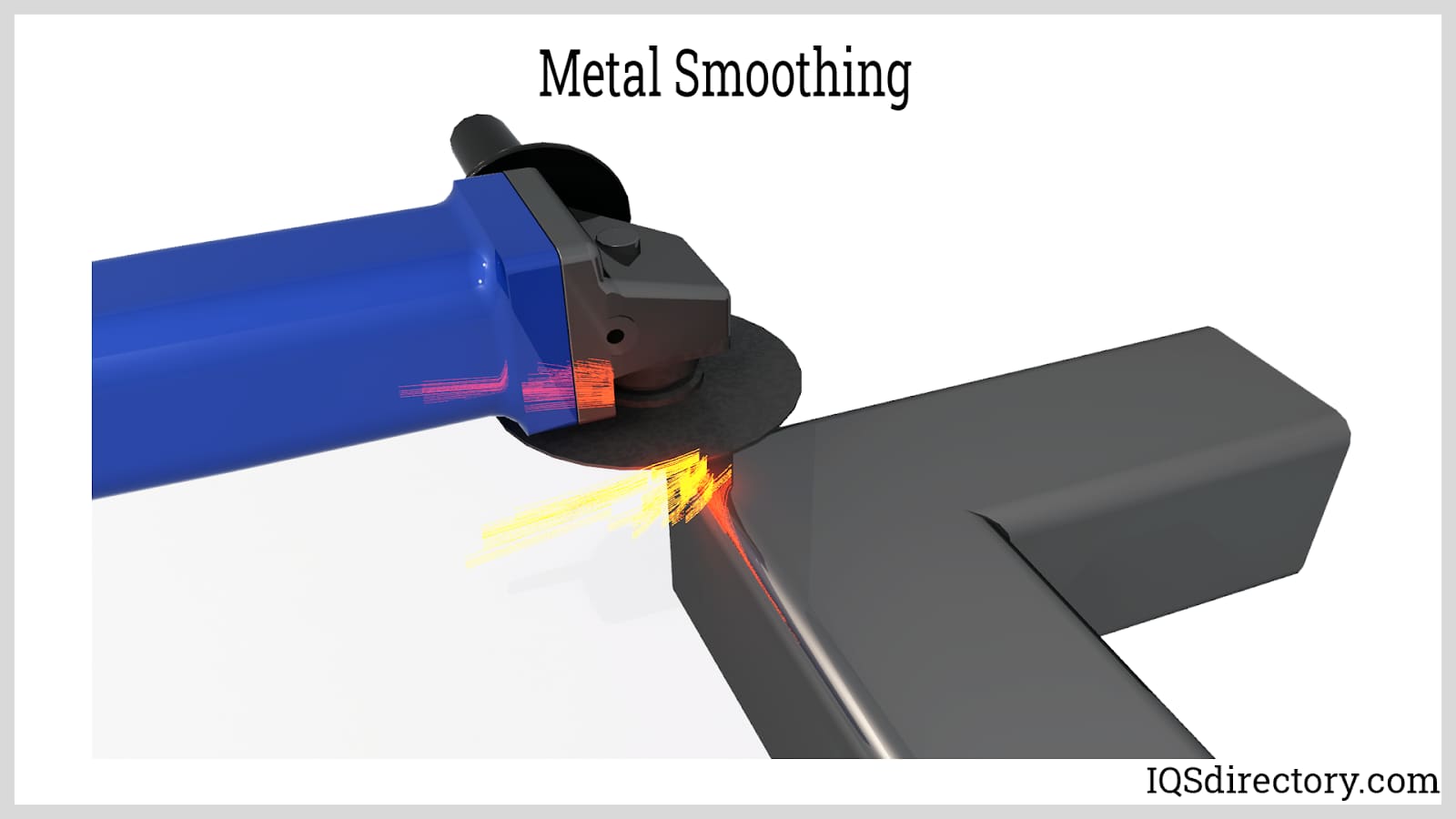 Metal smoothing and finishing refine edges and surfaces, helping the part meet quality, appearance, and coating requirements.
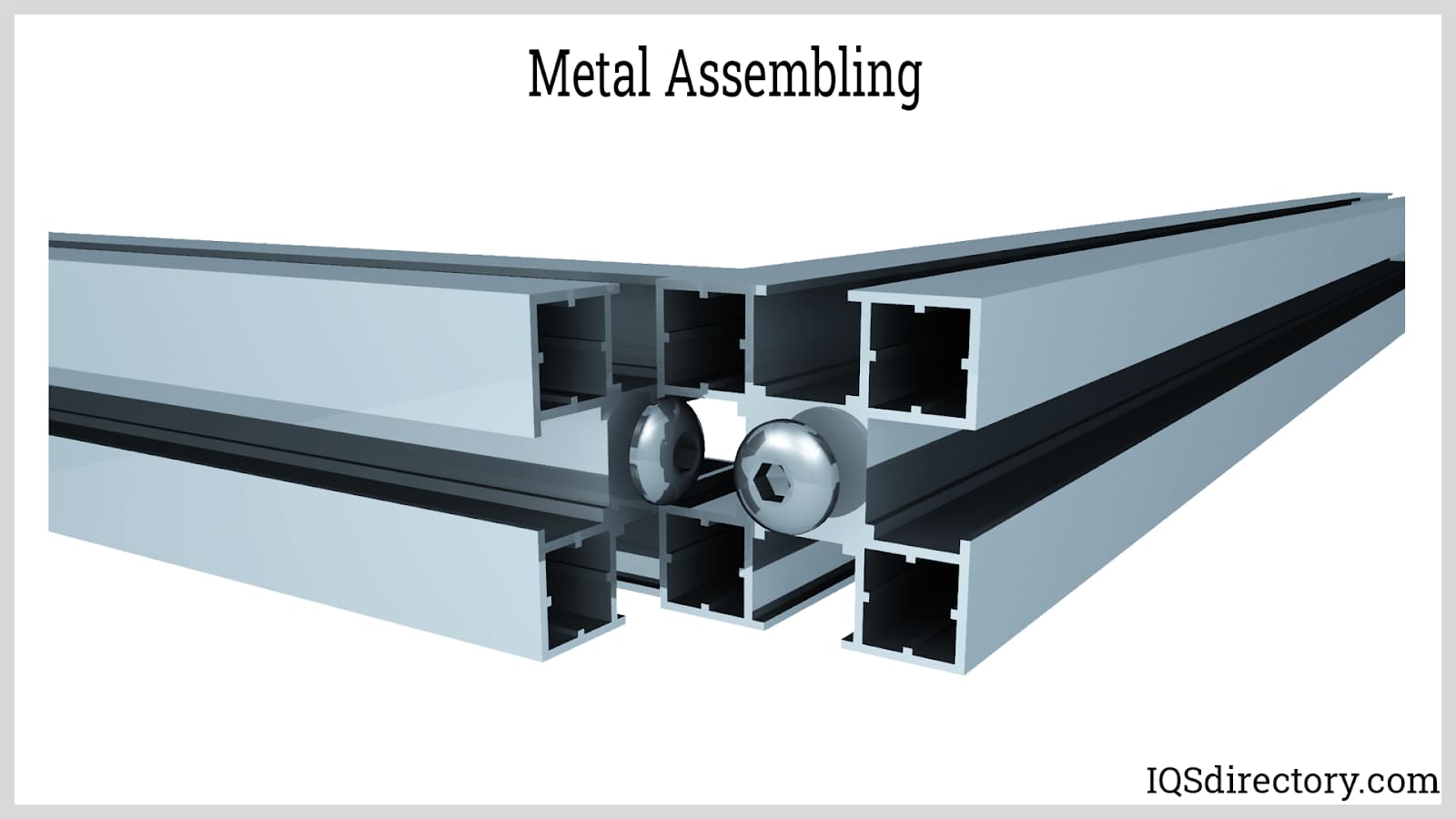 Final assembly may include welding, fastening, electrical connections, and inspection before the fabricated product is shipped.
- Aluminum Fabricators
- Produce aluminum components and assemblies for industrial machinery, transportation equipment, architectural products, and many other lightweight applications.
- Custom Metal Fabrication
- Includes made-to-order metal cutting, forming, welding, machining, and assembly services tailored to exact customer requirements, prints, and production goals.
- Fabricated Metal Products
- Refers to completed metal parts or assemblies produced through operations such as stamping, punching, welding, forming, machining, or finishing.
- Heavy Fabrication
- Involves the manufacture of large, thick, or complex fabricated metal products used in structural, industrial, energy, transportation, and heavy equipment applications.
- Laser Fabrication
- Uses a concentrated light beam to cut, mark, or weld metal with excellent precision, speed, and repeatability for detailed fabrication work.
- Metal Bending
- A forming process in which force is applied to plastically deform metal into a new angle, contour, channel, or profile.
- Metal Fabricating
- Describes the overall process of making or modifying a metal product through methods such as cutting, welding, bending, punching, and laser processing.
- Metal Forming
- Encompasses production methods used to shape metal into usable components, parts, and fabricated assemblies.
- Metal Welding
- The process of joining two or more metal pieces by heat, pressure, filler material, or a combination of those methods.
- Metalworking Process
- Any fabrication or manufacturing operation that cuts, shapes, joins, finishes, or otherwise transforms metal into a functional product.
- Robotic Welding
- Welding carried out by automated robotic systems to improve speed, repeatability, and consistency in production environments.
- Sheet Metal Fabricators
- Focus on producing custom parts from sheet metal, including enclosures, body panels, brackets, ductwork, aerospace components, and commercial products.
- Stainless Steel Fabrication
- Involves producing custom parts from stainless steel grades chosen for corrosion resistance, cleanability, strength, and visual appeal.
- Steel Fabricators
- Manufacture or modify steel products using processes such as steel cutting, bending, welding, machining, and assembly.
- Structural Steel Fabricators
- Produce steel beams, supports, frames, and assemblies used in buildings, infrastructure, platforms, and construction projects.
Nearly any metal or alloy can be fabricated when the material is matched properly to the project. Common choices include aluminum, carbon steel, mild steel, stainless steel, brass, bronze, copper, and titanium. Buyers often compare these metals based on strength, weight, corrosion resistance, conductivity, weldability, appearance, and overall cost.
- Aluminum Metal
- A naturally occurring, recyclable metal found in minerals. Aluminum is lightweight, ductile, durable, and resistant to corrosion and oxidation. Aluminum alloys are widely used in transportation, aerospace, electronics, enclosures, and commercial products. Source them from manufacturers on IQS Directory.
- Carbon Steel
- Carbon steel may refer broadly to non-stainless steel or more specifically to steel containing no more than 2.1% carbon with controlled levels of other elements. It offers strength and versatility, though increasing carbon content generally reduces ductility and weldability.
- Mild Steel
- Also called low-carbon or plain-carbon steel, mild steel is affordable, widely available, and easy to form, machine, and weld. Its balance of cost and workability makes it one of the most common materials in general metal fabrication.
- Stainless Steel
- Known for corrosion resistance, strength, cleanability, and long service life, stainless steel contains at least 10.5% chromium. Stainless steel fabricators often serve food processing, medical, pharmaceutical, commercial kitchen, and architectural applications.
- Structural Steel
- A category of steel used in construction for buildings, bridges, equipment supports, and other load-bearing structures. Fabricated structural steel components are often produced to regional standards that govern safety, strength, and dimensional consistency.
- Note: There are many steel types. For structural steel or other special projects, your manufacturer can coordinate with primary steel or sheet metal fabricators for custom fabrication.
- Brass Alloy
- Made primarily from copper and zinc, brass has a relatively low melting point, good formability, and a distinctive appearance. It is used in decorative parts, fittings, electrical components, and applications where corrosion resistance or antimicrobial properties are desirable. Brass metal formers can adjust alloy composition for different performance needs.
- Bronze Metal
- A copper-based alloy typically made with tin, bronze offers good corrosion resistance, wear resistance, durability, and useful thermal and electrical conductivity in many fabricated and machined parts.
- Copper Metal
- A naturally occurring metal known for high electrical and thermal conductivity, softness, ductility, and malleability. Copper is widely used in electrical, architectural, heat-transfer, and specialty fabrication applications.
- Titanium Metal
- A strong, lightweight transition metal valued for corrosion resistance and performance in severe environments. Titanium is often selected for aerospace, medical, marine, and high-performance industrial applications where strength-to-weight ratio matters.
Metal fabrication supports nearly every industry, from heavy manufacturing to consumer product production. Common application areas include construction, architecture, furniture, HVAC, appliances, electronics, packaging equipment, agriculture, transportation, aerospace, automotive, energy, and recreation. Buyers looking for custom metal fabrication services often need parts that can hold tight tolerances, withstand harsh service conditions, or integrate easily into larger assemblies and systems.
Both simple tools and advanced equipment rely on fabricated metal components. In commercial buildings, fabricated products include shelving, HVAC ductwork, grates, cabinets, frames, desks, and workstation accessories. In industrial settings, common examples include machine guards, storage racks, lighting housings, control enclosures, welded frames, structural supports, and production line components. Household items such as utensils, bed frames, cages, appliances, and storage products are also frequently made through fabrication processes.
Heavy fabrication and robotic welding are often used for larger assemblies such as building structures, transportation frameworks, and industrial equipment. Fabricators also produce bridge skeletons, structural supports, and precision-engraved electronic parts using laser-based methods. When a product requires unusual geometry, difficult materials, or low- to mid-volume production, custom metal fabrication provides a practical path to meeting those design and performance targets.
Manufacturers rely on both conventional tools and advanced automated equipment to deliver accurate, repeatable fabrication. Common machinery includes CNC machines, roll formers, laser cutters, turret punches, hydraulic press brakes, saws, machining centers, and welding systems. The right equipment depends on the part geometry, material, finish expectations, and production volume.
Many fabrication machines can be adapted for specific jobs through software changes, tooling updates, and process adjustments. Laser cutters, for example, can be reprogrammed quickly for new patterns or revised part nests, especially when linked with CNC control systems. Operators may also fine-tune speed, pressure, tonnage, feed rate, and tooling angles to improve cut quality, forming accuracy, and production efficiency.
If you are evaluating whether metal fabrication is the right manufacturing approach, start by considering the product’s function, target environment, required strength, desired finish, and available budget. Buyers often compare metal fabrication with plastic fabrication when reviewing weight, cost, corrosion exposure, chemical resistance, appearance, and product life. For some applications, plastic may offer advantages in chemical resistance or weight. For others, fabricated metal provides better wear resistance, rigidity, thermal performance, and long-term durability. Matching the process to the product goal leads to better results.
Once you decide to move forward with metal fabrication, the next step is selecting a supplier that can meet your technical and service requirements. We recommend reviewing our list of top providers at the top of this page. Visit their websites to compare services, certifications, industries served, materials, tolerances, and production capabilities. It is also smart to ask whether a shop handles prototypes, production runs, secondary finishing, inspection, and delivery scheduling. Beyond equipment, pay attention to communication, responsiveness, and how well the company understands your project scope. A strong fabrication partner should be able to support quality expectations, budget goals, and delivery timelines without unnecessary guesswork.
Below are several common variations and related processes in metal fabrication.
- Cutting Process
- Cutting removes excess material from a workpiece so the part reaches its specified shape, dimensions, and edge profile.
- Forming Process
- Forming reshapes metal by pressing, bending, stretching, or rolling it to the desired angle or contour, often with hydraulic brakes or specialized tooling.
- Roll Forming
- A continuous, high-volume bending process that shapes strip or sheet metal into channels, trim, panels, and other profiles using successive sets of rolls.
- Press Braking
- Press braking bends sheet or plate metal in lower or moderate volumes using a die and matching punch. The metal is placed between the tools, and the press forms a precise bend by forcing the material into the die opening.
- Welding Process
- Welding is one of the most widely used metal fabrication methods for joining parts in construction, manufacturing, repair, and maintenance. Different welding techniques are selected based on material type, thickness, production speed, and joint requirements.
- Common welding variations include TIG welding, arc welding, solid-state welding, resistance welding, and oxy-fuel welding.
- Alloy Steel
- Steel that contains one or more alloying elements—other than carbon and the usual amounts of manganese, silicon, sulfur, and phosphorus—to produce specific performance characteristics such as increased hardness, toughness, or corrosion resistance.
- Aluminum
- A nonferrous metal often used to make lightweight, strong, and corrosion-resistant alloys for fabricated parts and assemblies.
- Annealing
- A heat treatment process in which a cold-worked metal is heated and cooled in a controlled way to improve softness, ductility, and formability.
- Bending
- The process of reshaping metal by applying force so the material takes on a new angle, radius, or profile.
- Brazing
- A high-temperature joining method that bonds metal parts with a filler alloy that melts below the base metals’ melting points.
- Chemical Treatment
- Chemicals applied to metal surfaces to improve corrosion resistance, surface preparation, cleanliness, or coating adhesion.
- Computer Numeric Control CNC Machining
- An automated manufacturing process that precisely cuts, drills, mills, or shapes metal parts using software-controlled equipment and CAD/CAM data.
- Cold-Rolled Product
- A metal sheet or strip brought to final thickness at room temperature to improve dimensional control and surface finish.
- Conversion Coating
- A chemically produced surface film applied before painting or finishing to improve corrosion resistance and help coatings adhere better.
- Corrosion
- The gradual deterioration of metal caused by chemical reaction, oxidation, or environmental exposure.
- Cutting
- A process in which metal is separated, trimmed, or opened using a sharp edge, saw, punch, laser, or other cutting technology.
- Die Cutting
- Uses a shaped die and a mechanical or hydraulic press to cut or form metal blanks into repeatable shapes.
- Ductility
- The ability of a metal to deform under stress without cracking or breaking, a property that strongly affects formability.
- Forming
- A broad term for fabrication methods that shape metal into a required contour, profile, or geometry.
- Hot Rolled Sheet
- A metal sheet produced to final thickness through rolling at elevated temperatures in a hot-rolling mill.
- Leveling
- The flattening of rolled sheet or plate to reduce distortion and improve consistency before downstream fabrication.
- Powder Coating
- The application of dry powder to a metal surface followed by heating to create a smooth, durable, and uniform finish.
- Roll Forming
- A continuous process that shapes strip or sheet metal by passing it through multiple roll stations in sequence.
- Stainless Steel
- A family of corrosion-resistant steels containing at least 10% chromium and often alloyed with nickel, molybdenum, titanium, or niobium for enhanced properties.
- Tensile Strength
- Also called ultimate strength, this is the maximum pulling stress a material can withstand before failure.