Industrial Boilers
Industrial boilers serve as robust systems designed to generate steam by applying thermal energy to convert water into steam on a significant scale. These industrial steam boilers commonly support heating processes or provide power to various types of equipment across multiple sectors. High-pressure boilers produce substantial volumes of steam inside a strong, reliable chamber built to handle demanding conditions. Once sufficient steam accumulates, it releases through specialized valves and pressure channels directly to the intended machinery or processes. Any cooled water remaining after use returns to the boiler for recycling and reheating, promoting resource efficiency. To help prevent corrosion and maintain system integrity, operators often introduce fresh water to offset any losses that occur throughout the ongoing cycle of steam production and condensate return.
Businesses searching for reliable steam generation solutions frequently explore how industrial boilers function in real-world settings, what makes one type more suitable than another, and how to select the right model for specific operational demands. Understanding these aspects helps align equipment choices with production goals while supporting long-term performance and cost management.
Quick links to Industrial Boilers Information
Applications of Industrial Boilers
Industrial boilers stand out because they handle greater stress levels compared to commercial boilers or hot water boilers. These units often feature larger dimensions and incorporate steel construction reaching thicknesses of up to 35 mm, enabling them to manage pressures of 30 bar or higher with confidence. Such robust construction positions industrial steam boilers as ideal choices for operations requiring extensive heating capacity or consistent high-volume steam output.
Many sectors rely on industrial boilers for steam production to support diverse processes. Fields including agriculture, ceramics, electrical power generation, petroleum refineries, food and beverage manufacturing, paper and pulp production, general manufacturing, chemical processing, textiles, and pharmaceuticals all benefit from the reliable performance these systems deliver. Common uses encompass power generation through steam-driven turbines, heating industrial kilns for material processing, driving machinery in production lines, agricultural soil steaming to improve crop conditions, supporting cement production, and providing large-scale facility heating.
In certain industries like paper and pulp, operators utilize industrial boilers that run on byproducts or waste materials generated during daily operations, turning potential waste into a valuable energy source. This approach enhances overall resource utilization and can contribute to more sustainable plant operations. Food processing facilities, for example, employ steam from industrial boilers for cooking, sterilization, and drying tasks, ensuring products meet quality and safety standards. Refineries and chemical plants depend on high-pressure steam for distillation, reaction control, and heat transfer applications where precise temperature management proves valuable.
Manufacturers often ask how industrial boilers support specific production lines or whether a particular steam output capacity will meet peak demand periods. Exploring these use cases reveals that selecting the appropriate boiler size and design directly influences productivity, energy consumption, and operational flexibility. For instance, facilities with fluctuating load requirements may evaluate systems capable of quick response times, while those with steady demands focus on consistent efficiency across extended run hours.
Beyond core manufacturing, industrial boilers appear in applications such as district heating systems, large commercial laundries, hospital sterilization units, and even biomass-fueled power generation setups. The versatility of these systems allows businesses to tailor steam generation to match exact process needs, whether the goal involves space heating, process heating, or mechanical power support. As industries continue to seek ways to optimize energy use, many turn to advanced industrial boiler configurations that integrate well with existing infrastructure and deliver reliable performance under varying conditions.
Industrial Boiler Safety Considerations
Safety and operational efficiency in industrial boilers have advanced considerably since their early development. Industry organizations like ASME have established comprehensive standards covering design, fabrication, testing, and ongoing operation that responsible manufacturers continue to follow. Modern industrial steam boilers typically include pressure-sensitive gauges, relief valves, low-water cutoff devices, flame safeguards, and high-limit controls to help manage risks effectively.
These built-in features work together to reduce the potential for incidents while also supporting better overall performance by minimizing unnecessary heat loss and optimizing fuel consumption. Durable materials and thoughtful engineering further contribute to longevity and dependable operation across demanding industrial environments.
When evaluating options, many facility managers consider how well a particular industrial boiler aligns with their specific application and whether it comes from a manufacturer known for quality construction and adherence to recognized standards. Taking time to review safety provisions, control systems, and maintenance recommendations can help lower the likelihood of unplanned downtime and support smoother daily operations.
Additional best practices include regular inspections, proper water treatment to control scale and corrosion, trained operator programs, and scheduled maintenance routines. Facilities often implement monitoring systems that track key parameters in real time, allowing teams to address minor issues before they escalate. Compliance with local regulations and insurance requirements also plays a role in shaping safe boiler room practices.
Businesses frequently search for guidance on industrial boiler safety features, how to maintain compliance with evolving standards, or what steps improve long-term reliability. Addressing these topics helps operators create safer work environments while protecting valuable equipment investments.
Industrial Boiler Images, Diagrams and Visual Concepts
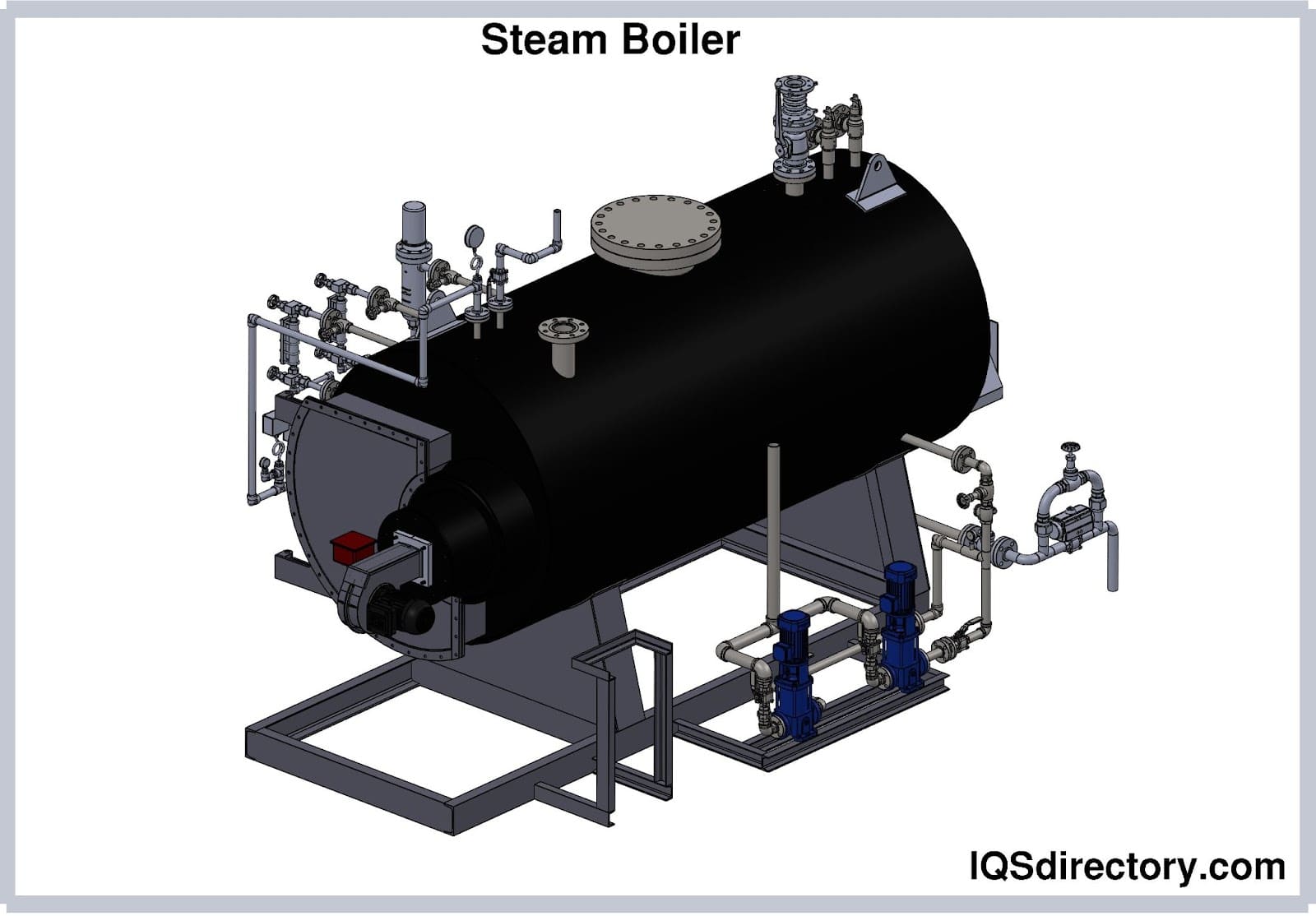 Steam boiler creates energy from boiling water and turning it into steam.
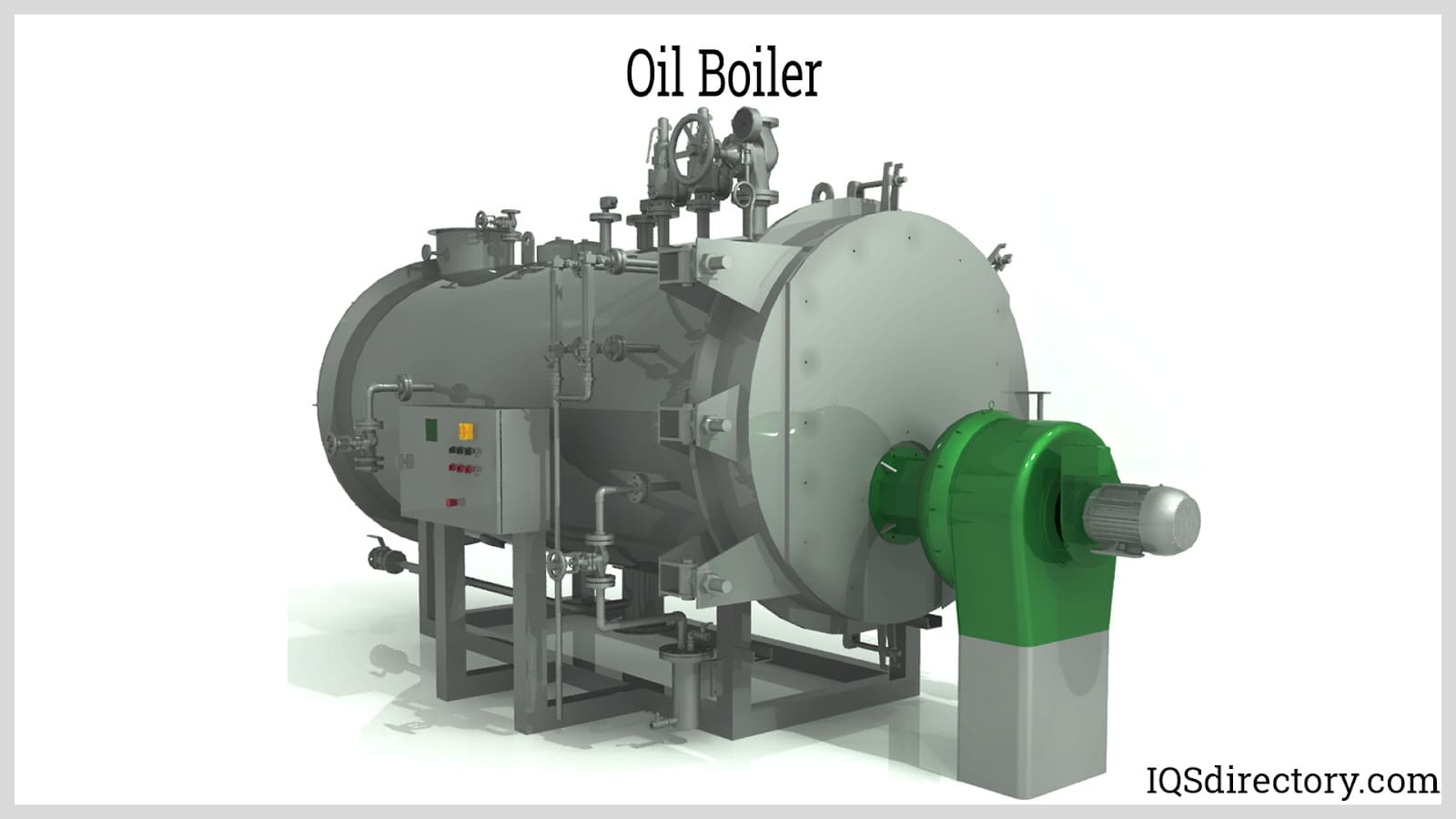 Oil boilers ignite oil in a combustion chamber and heats the heat exchanger that heats the water.
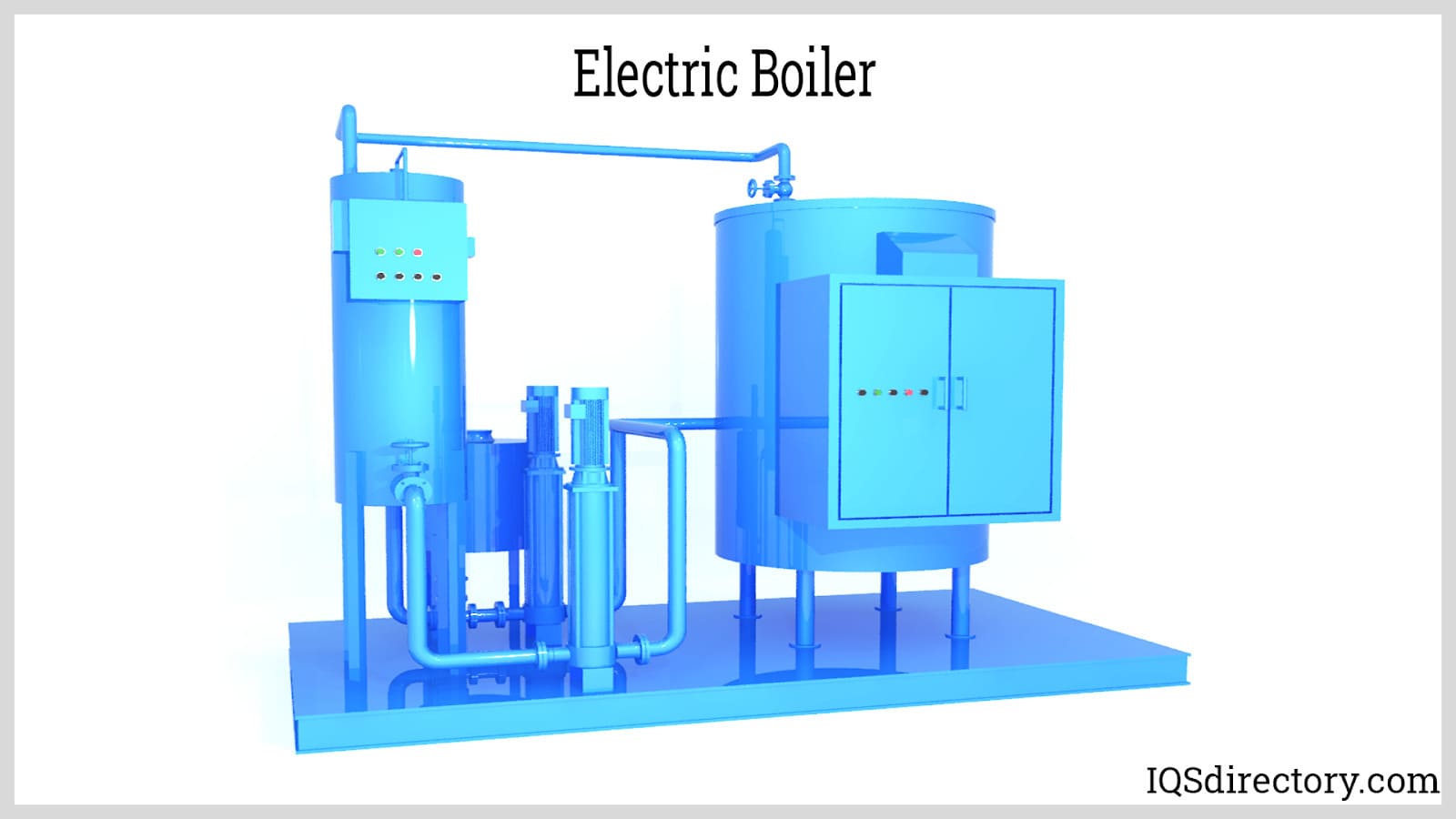 Electric boilers use electrical heating elements which heats water creating energy.
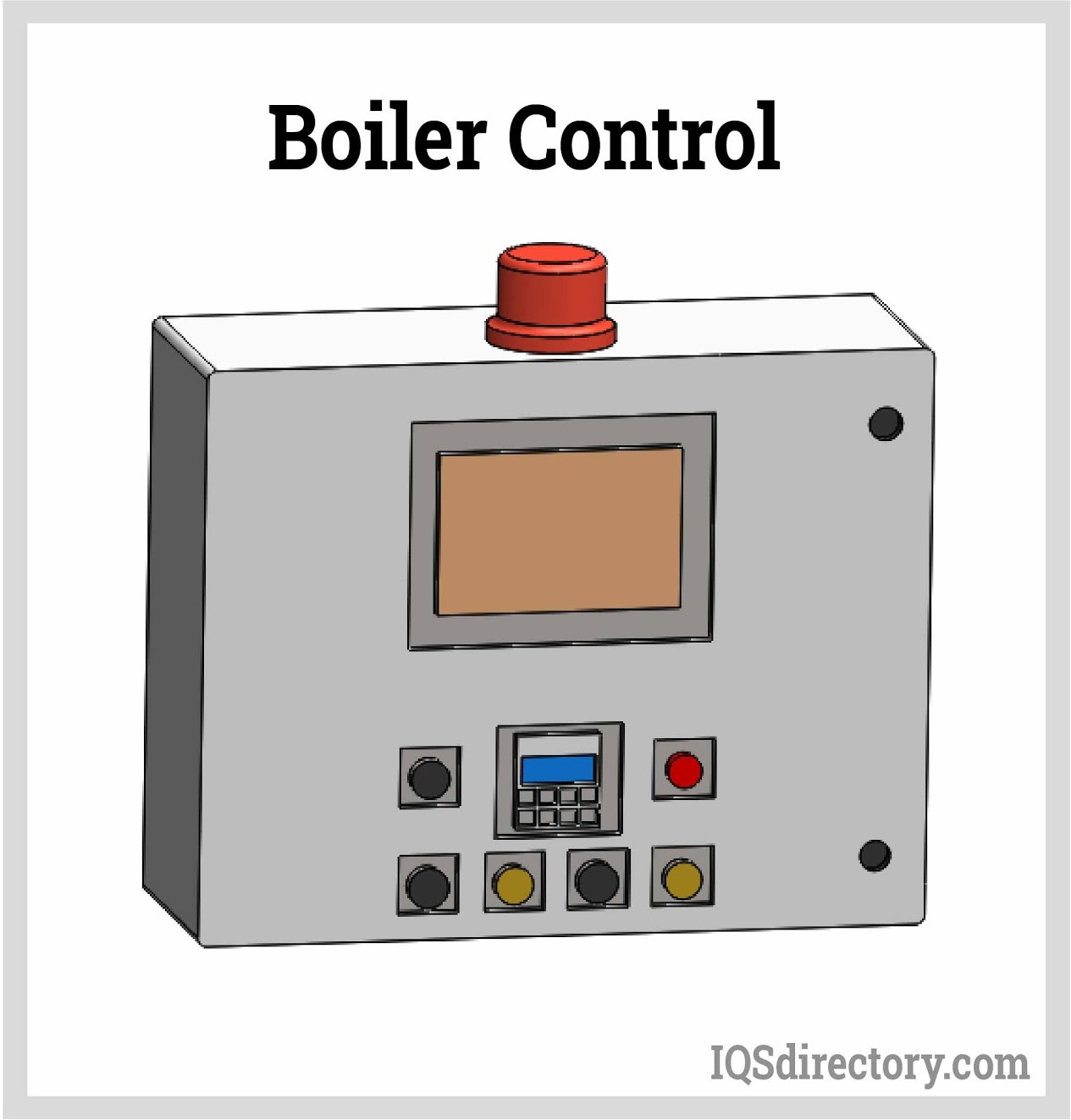 Boiler controllers monitor the operations of a boiler and check for abnormalities.
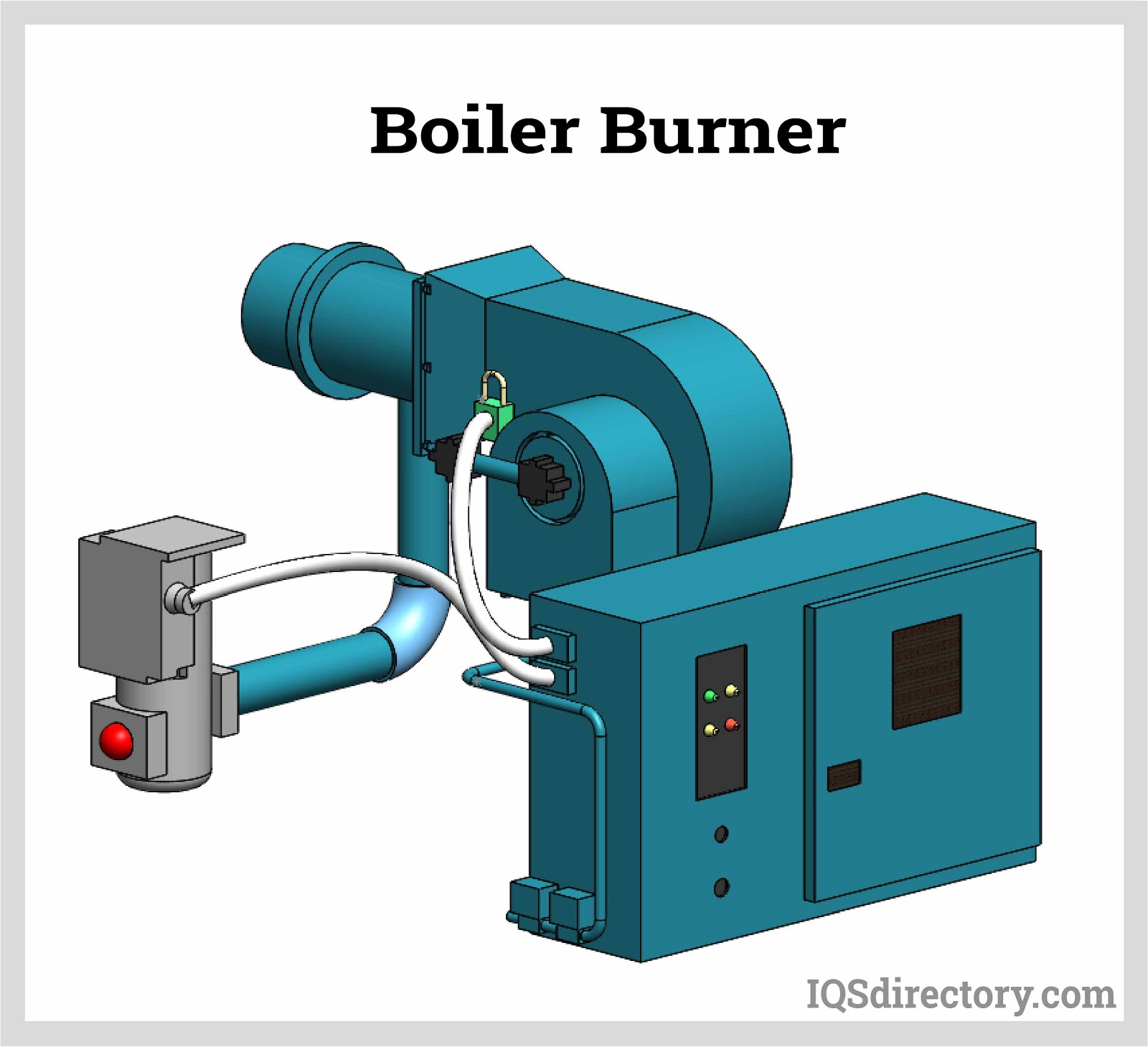 The burner, the heat source for the boiler that requires fuel to burn and is activated by the thermostat.
Visual representations like these help illustrate key components and operating principles of industrial boilers. Seeing the burner assembly, control panels, and overall layout can make it easier to understand how steam generation occurs and how different designs address specific performance needs.
Notable Types of Industrial Boilers
Industrial boilers receive classification according to several characteristics, including overall design, the fuel source employed to produce heat, and the combustion method utilized. When focusing on design, two primary categories emerge: fire tube boilers and water tube boilers.
Fire tube boilers feature a straightforward, user-friendly design that many operators appreciate for its simplicity. In these systems, hot combustion gases travel through tubes submerged within a water-filled vessel, transferring thermal energy from the gases to the surrounding water to generate steam. Fire tube models generally come with lower initial costs and prove relatively easy to operate and maintain. However, they tend to have larger physical footprints, more limited steam production capacities, and operate effectively within low to medium pressure ranges. Typical steam output for fire tube industrial boilers can reach rates up to 26,000 pounds per hour, making them suitable for many moderate-demand applications.
Water tube boilers, often referred to as high pressure boilers, operate with an inverted configuration. Water circulates through tubes that sit surrounded by a chamber of hot combustion gases. This arrangement allows water tube designs to achieve significantly higher steam production rates, commonly ranging from 10,000 to 1,000,000 pounds of steam per hour. The design supports greater efficiency and higher operating pressures, which benefits large-scale or high-demand processes. On the other hand, water tube boilers involve more complex manufacturing and usually carry higher upfront costs. Additionally, the water entering these systems often requires treatment to minimize tube fouling or scaling from contaminants. Many facilities pair water tube industrial boilers with dedicated water treatment systems to supply properly conditioned feedwater and sustain peak performance over time.
Beyond design differences, industrial boilers also group by fuel type. Common options include coal, oil, biomass such as wood chips or agricultural residues like rice husks, natural gas, and in some cases electricity. Hydronic or steam-fueled systems may require integration with another primary boiler type to function effectively. Each fuel category presents distinct considerations around availability, operating costs, emissions profiles, and handling requirements. Natural gas frequently appeals due to cleaner combustion and relatively stable pricing in many regions, while biomass options attract facilities seeking to utilize on-site waste streams or pursue lower carbon footprints.
Combustion technology provides another lens for categorization. Fluidized bed combustion systems mix fuel particles with sand or inert material in a suspended “bubbling” bed, promoting uniform temperature distribution and lower emission levels through better mixing and staged combustion. Stoker systems handle solid fuels like coal by distributing them evenly across a grate or feeding material progressively, allowing controlled burning and ash removal. Thermic fluid heaters represent another approach, circulating specialized petroleum-based or synthetic heat transfer fluids in a closed loop to deliver stable, high-temperature performance with strong thermal efficiency for processes that do not necessarily require direct steam.
Additional variations such as electric boilers, condensing designs, or waste heat recovery units expand the range of choices available to match unique site conditions or sustainability targets. Many buyers compare fire tube versus water tube performance when assessing efficiency, startup speed, load-following ability, and space constraints. Understanding these distinctions supports more informed decisions tailored to actual production requirements and long-term operational priorities.
Factors to Consider When Purchasing Industrial Boilers
When preparing to acquire an industrial boiler, decision-makers evaluate several key elements beyond basic combustion technology. Fuel selection stands out as a primary consideration, with available choices spanning coal, electricity, natural gas, oil, biomass, and hybrid configurations. The standard use of coal continues in some settings, though many modern systems incorporate pulverized coal for more complete and efficient burning of fine particles compared to larger lumps. Fluidized bed technology further broadens fuel flexibility, allowing effective use of biomass and various organic or agricultural waste materials.
Electric-powered industrial boilers often appear in smaller or specialized applications where clean operation and precise control matter. Gas-fired and oil-fired units remain popular across many industries because of favorable cost structures, widespread availability, and straightforward integration. Natural gas and propane, in particular, deliver good combustion efficiency and relatively lower emissions in well-maintained systems.
Efficiency ratings deserve close attention since they directly affect ongoing fuel expenses and overall energy consumption. Higher-efficiency models can deliver meaningful savings over years of continuous or intermittent operation, especially when paired with effective controls and regular maintenance. Buyers also review expected steam capacity or heat output to ensure the selected unit meets both average and peak demands without excessive oversizing that wastes resources during lighter load periods.
Physical size and installation footprint influence site planning, particularly in facilities with space limitations or complex existing layouts. Modular water tube designs sometimes offer advantages in tight quarters or where future expansion may occur. Maintenance requirements and accessibility of components play roles in long-term ownership costs, as easier service access can reduce labor time and downtime during routine inspections or repairs.
Water quality management and treatment needs vary by boiler type and should factor into the evaluation. Fire tube models generally tolerate variations in feedwater conditions more readily than water tube units, which often benefit from comprehensive treatment programs to protect internal surfaces. Environmental considerations, including emissions compliance with local regulations, increasingly shape selections as facilities aim to meet stricter standards for NOx, particulate matter, or greenhouse gases.
Many organizations develop questions during the research phase, such as: What steam pressure and temperature ranges best suit my processes? How quickly does the boiler reach operating conditions from a cold start? What are the projected lifecycle costs including fuel, water treatment, and maintenance? Does the system support variable load operation efficiently? Exploring these and similar topics helps align equipment capabilities with actual operational realities.
Other practical decision factors include the availability of qualified service and parts support from the manufacturer or local representatives, training resources for operators, and compatibility with existing control or monitoring systems. Some buyers calculate payback periods based on efficiency gains or fuel switching opportunities. Others prioritize systems with advanced automation features that improve safety monitoring, optimize combustion, and provide diagnostic data for proactive upkeep.
In summary, selecting an industrial boiler involves balancing initial investment against expected performance, operating expenses, safety attributes, and alignment with production objectives. Taking a comprehensive view that includes fuel options, design characteristics, efficiency metrics, and support considerations helps organizations identify solutions that deliver reliable steam generation while supporting broader business and sustainability goals.
Facility teams often continue their research by comparing specific models, reviewing case studies from similar industries, and consulting with experienced suppliers to refine specifications. This thorough approach increases the likelihood of a successful installation that meets expectations for output, reliability, and cost-effectiveness over many years of service.