Glass Cutting
Glass fabrication refers to the full range of processes used to convert raw glass into finished components, architectural panels, commercial products, and precision parts. These processes include glass cutting, edging, grinding, drilling, polishing, tempering, laminating, finishing, and other value-added services used to prepare glass for industrial, commercial, scientific, decorative, and OEM applications.
Glass cutting manufacturers, also known as glass fabricators, produce many types of cut glass and fabricated glass for industries that need transparency, chemical resistance, thermal performance, dimensional accuracy, and visual appeal. Their products are used as safety glazing, machine guards, windows, doors, laboratory components, sight glasses, optical elements, display panels, mirrors, enclosures, containers, and custom glass parts. Whether buyers are comparing tempered glass vs. laminated glass, searching for custom cut glass, or evaluating CNC glass fabrication services, glass remains one of the most versatile engineered materials available.
Glass Cutting FAQ
What is glass cutting in fabrication?
Glass cutting is the process of scoring, separating, sawing, machining, or shaping glass into specific sizes and profiles. Depending on thickness, tolerance, edge quality, and design complexity, it may be completed with hand tools, diamond saws, CNC equipment, laser systems, or water jet cutting.
What is the difference between tempered and laminated glass?
Tempered glass is heat-treated to improve strength and impact resistance, and it breaks into small blunt fragments. Laminated glass bonds multiple layers of glass with a plastic interlayer so the pieces remain attached after breakage, which is why it is often selected for safety glazing and automotive applications.
How is float glass manufactured?
Float glass is produced by pouring molten glass onto molten tin so it forms flat, parallel surfaces. The glass is then cooled, annealed, inspected, and cut into sheets for windows, mirrors, storefronts, display panels, and construction uses.
What tools are used for cutting thick glass?
Thick glass is commonly cut with diamond saws, CNC grinders, thermal cutting systems, and abrasive water jet equipment. These methods are chosen when projects call for clean edges, repeatable tolerances, shaped cutouts, or fabrication for structural and architectural glass.
What are common applications of quartz glass?
Quartz glass is used in fiber optics, semiconductor manufacturing, UV and high-temperature environments, laboratory equipment, analytical instruments, and other settings where purity, thermal stability, and optical performance matter.
What is the purpose of annealing in glassmaking?
Annealing is the controlled cooling of glass after forming. It relieves internal stress, improves stability, reduces the chance of cracking during cutting or machining, and prepares the material for downstream fabrication.
How does water jet cutting work for glass?
Water jet cutting uses a high-pressure stream of water, often combined with abrasive media, to cut glass along programmed paths. It is well suited for custom shapes, holes, intricate geometries, and fabricated parts that need accuracy without direct blade contact.
The History of Glass
Glassmaking has a long and fascinating history that helps explain why modern glass fabrication has become such a refined manufacturing discipline. Historical accounts attribute early glass production to ancient civilizations in Egypt and Mesopotamia, where silica-rich sands were heated into decorative beads, vessels, and small functional objects. Over time, artisans improved melting, forming, and cooling methods, and the invention of the glass blowpipe in Syria transformed the trade by making glass products faster and less expensive to produce. That progress laid the groundwork for modern flat glass production, specialty glass development, and the sophisticated glass cutting processes used today in construction, transportation, electronics, and laboratory manufacturing.
The evolution of glass did not stop with vessels and windows. In 1932, James Slayter accidentally invented fiberglass by directing compressed air into molten glass, creating wool-like fibers with strong insulation value. That discovery expanded the role of fabricated glass far beyond glazing and containers. Today, fiberglass is used in composites, tanks, boats, sporting goods, insulation systems, and industrial equipment, including storage tanks. For buyers researching custom glass fabrication, this history shows just how broad the material category has become, from decorative glass and safety glass to engineered products with thermal, optical, and chemical performance requirements.
Glass Cutting Images, Diagrams and Visual Concepts
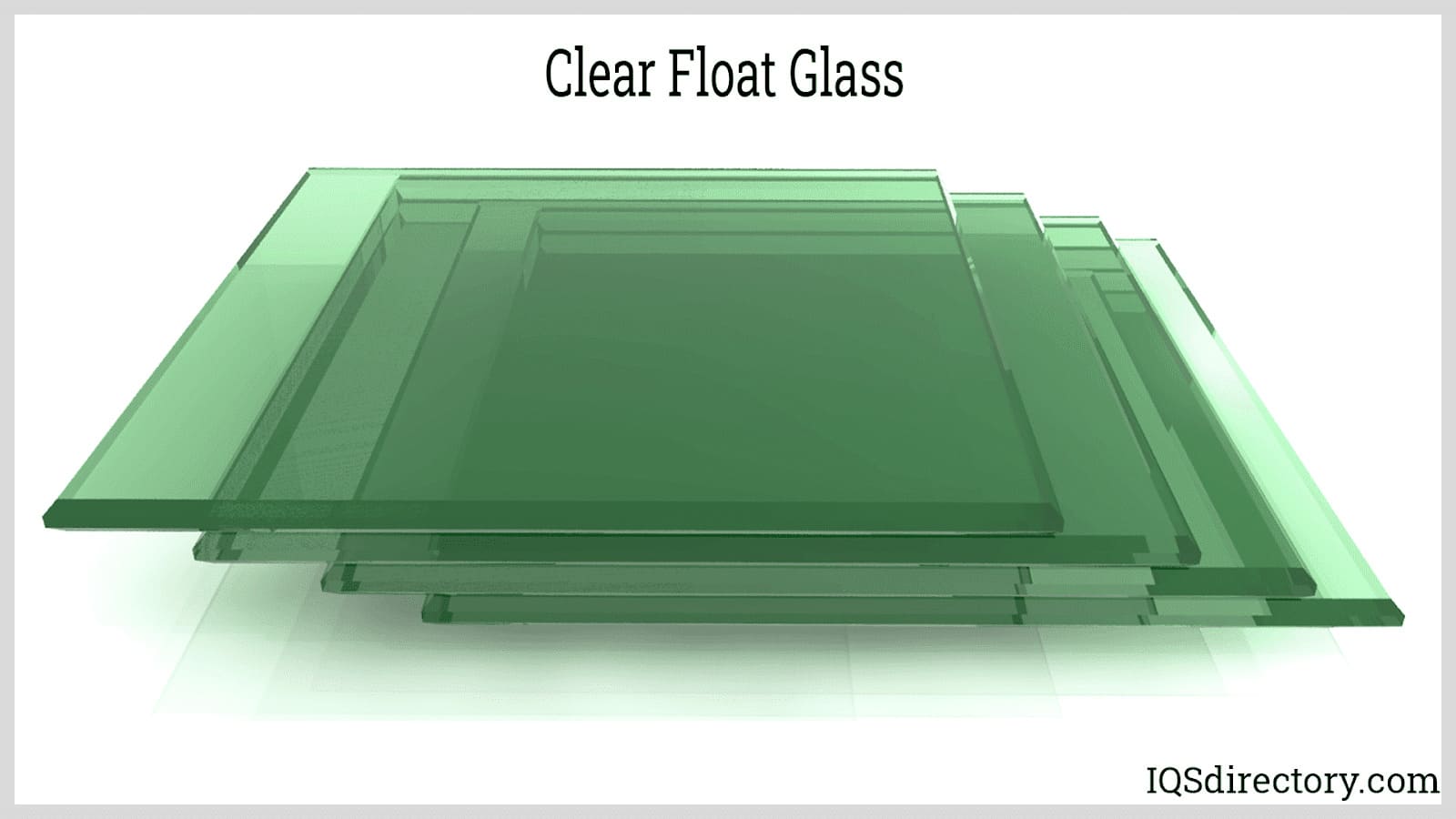 Float glass is the most common type of flat glass and is produced by floating molten glass on a bath of molten tin to create smooth, parallel surfaces for windows, mirrors, displays, and fabricated glass panels.
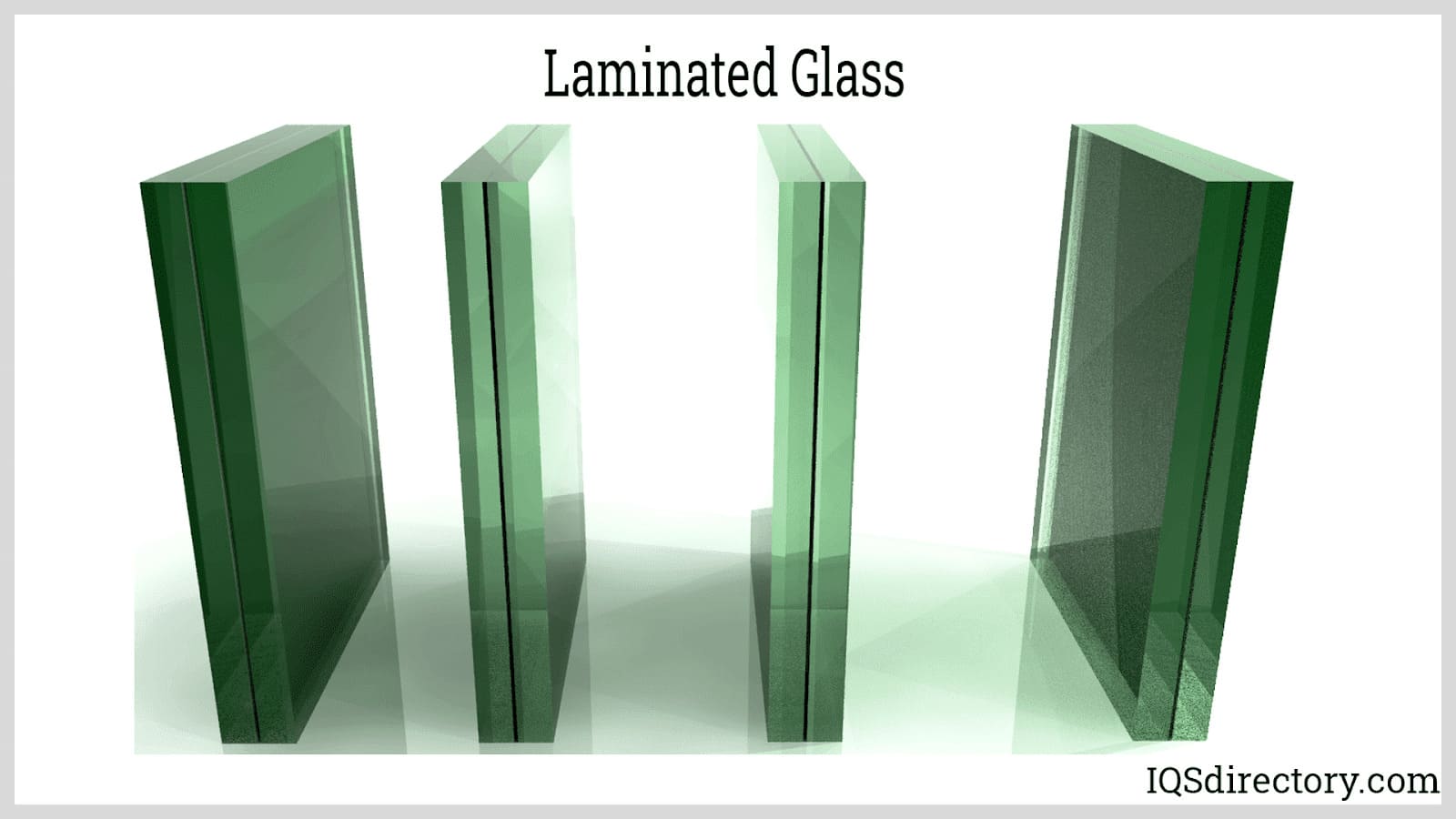 Laminated glass combines two or more lites with an inner polyvinyl butyral layer to improve safety, reduce fallout after breakage, and support applications such as windshields, storefronts, and protective glazing.
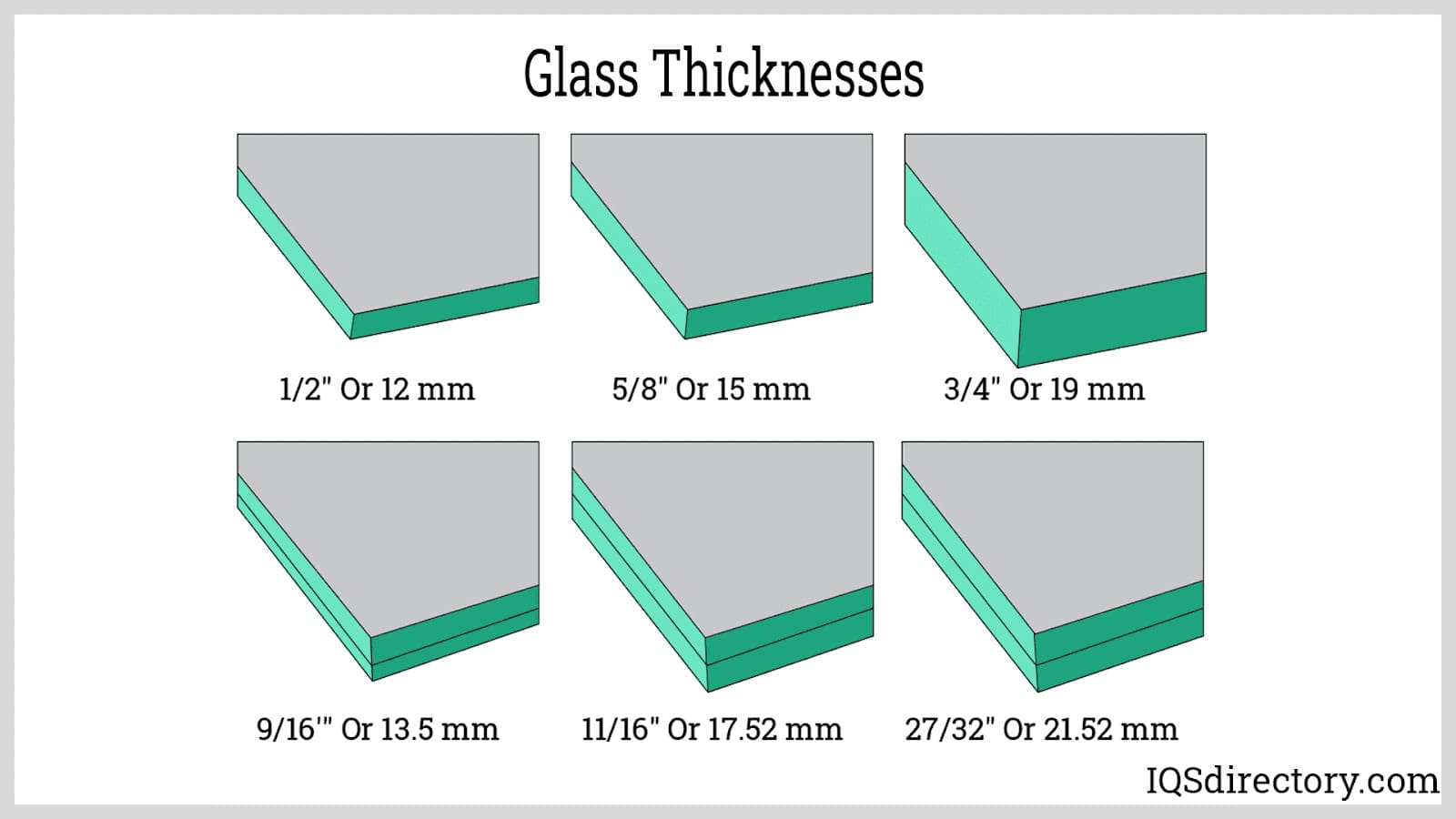 Glass thickness affects the cutting method, tooling, feed rate, and finishing work required. Thin glass may be score-and-break cut, while thicker stock often calls for diamond saws, CNC machining, or water jet cutting.
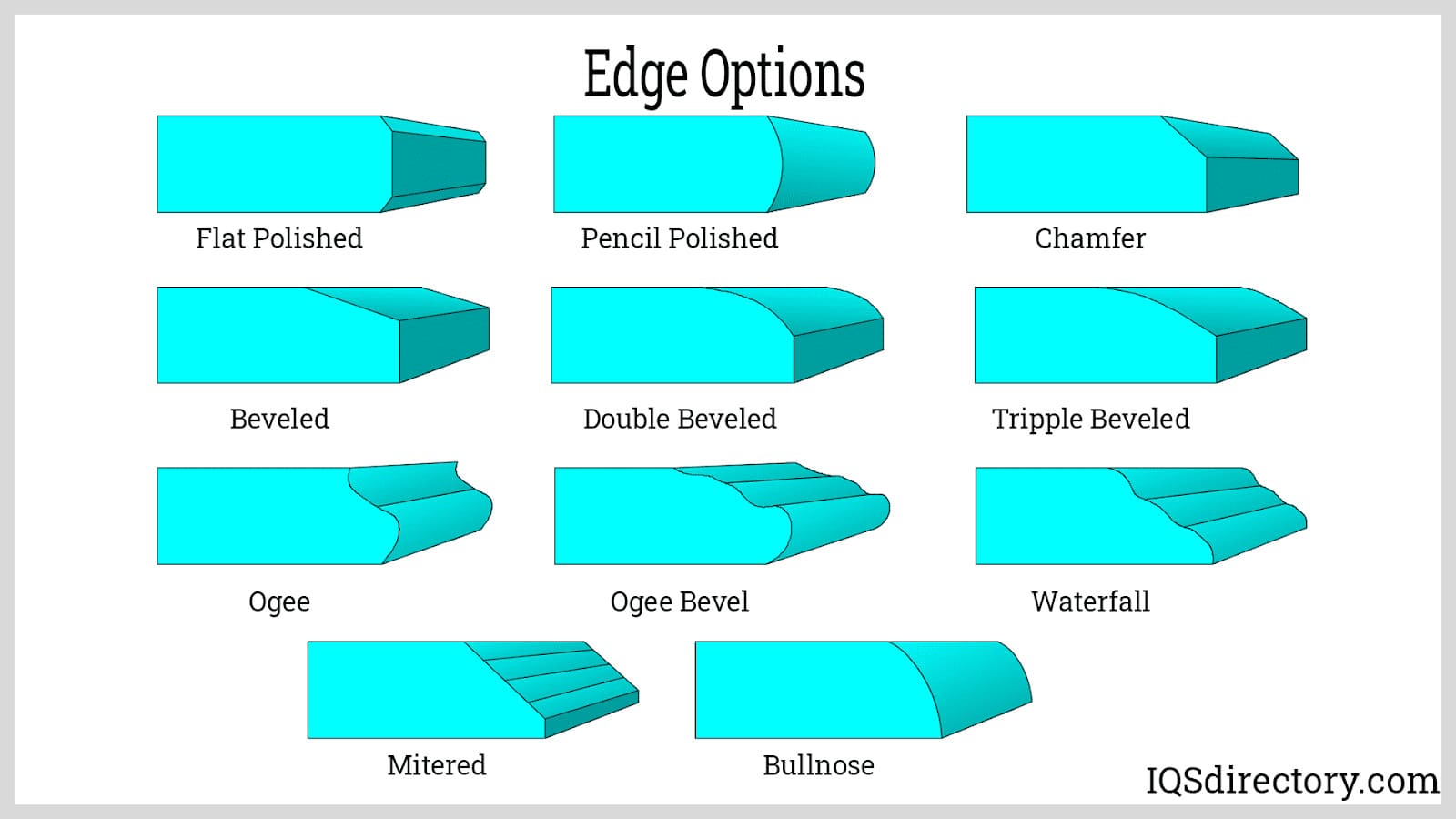 Edge treatments improve safety, appearance, handling, and end-use performance. Common finishing choices help reduce chipping, improve dimensional tolerance, and prepare fabricated glass for installation or assembly.
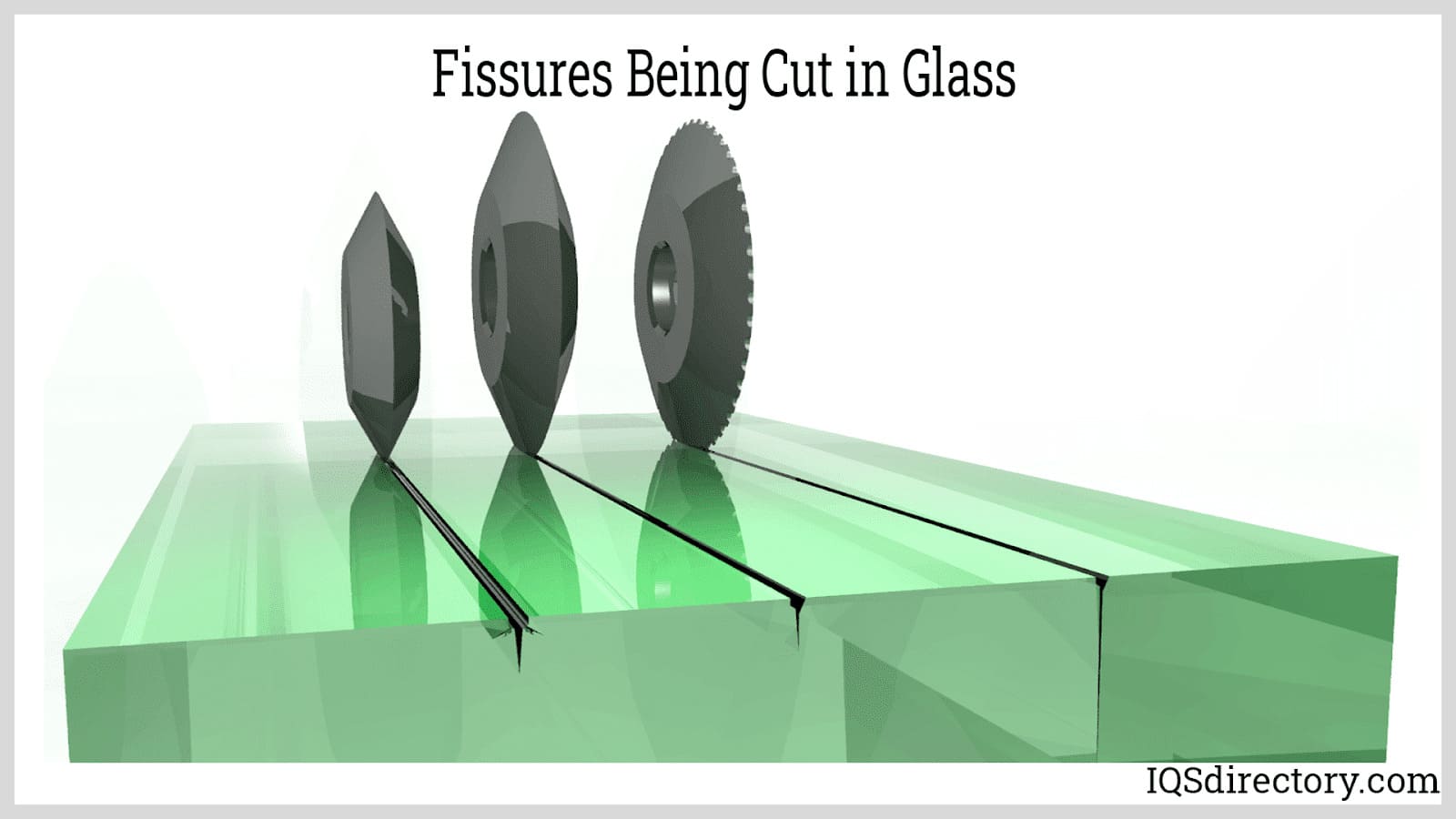 As the cutting wheel moves across the glass surface, it creates a controlled score line or fissure that guides the break and supports cleaner separation along the intended cut path.
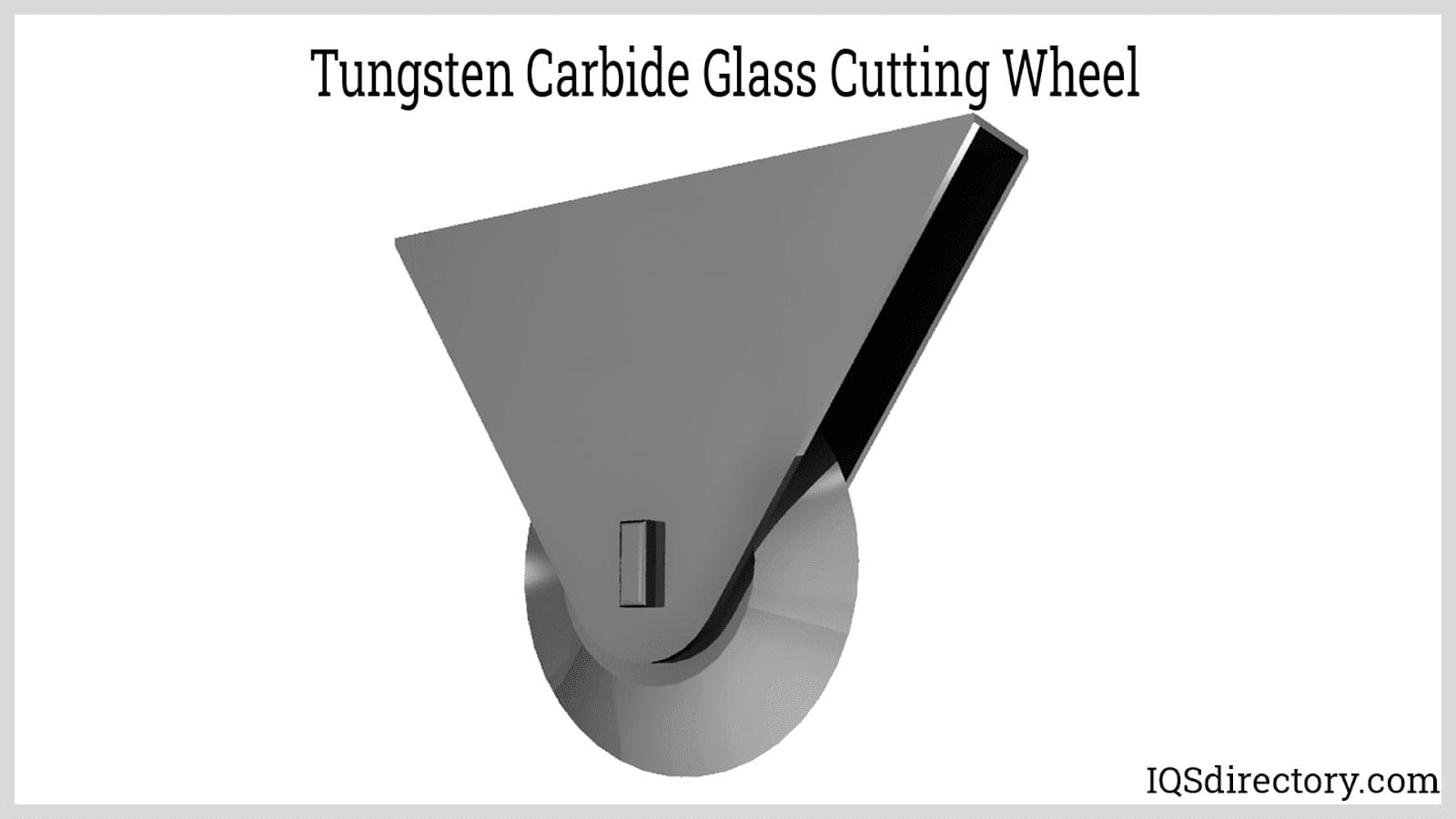 Every glass cutter relies on a properly selected cutting wheel to achieve consistent scoring, repeatable accuracy, and better edge quality during manual or semi-automated glass cutting operations.
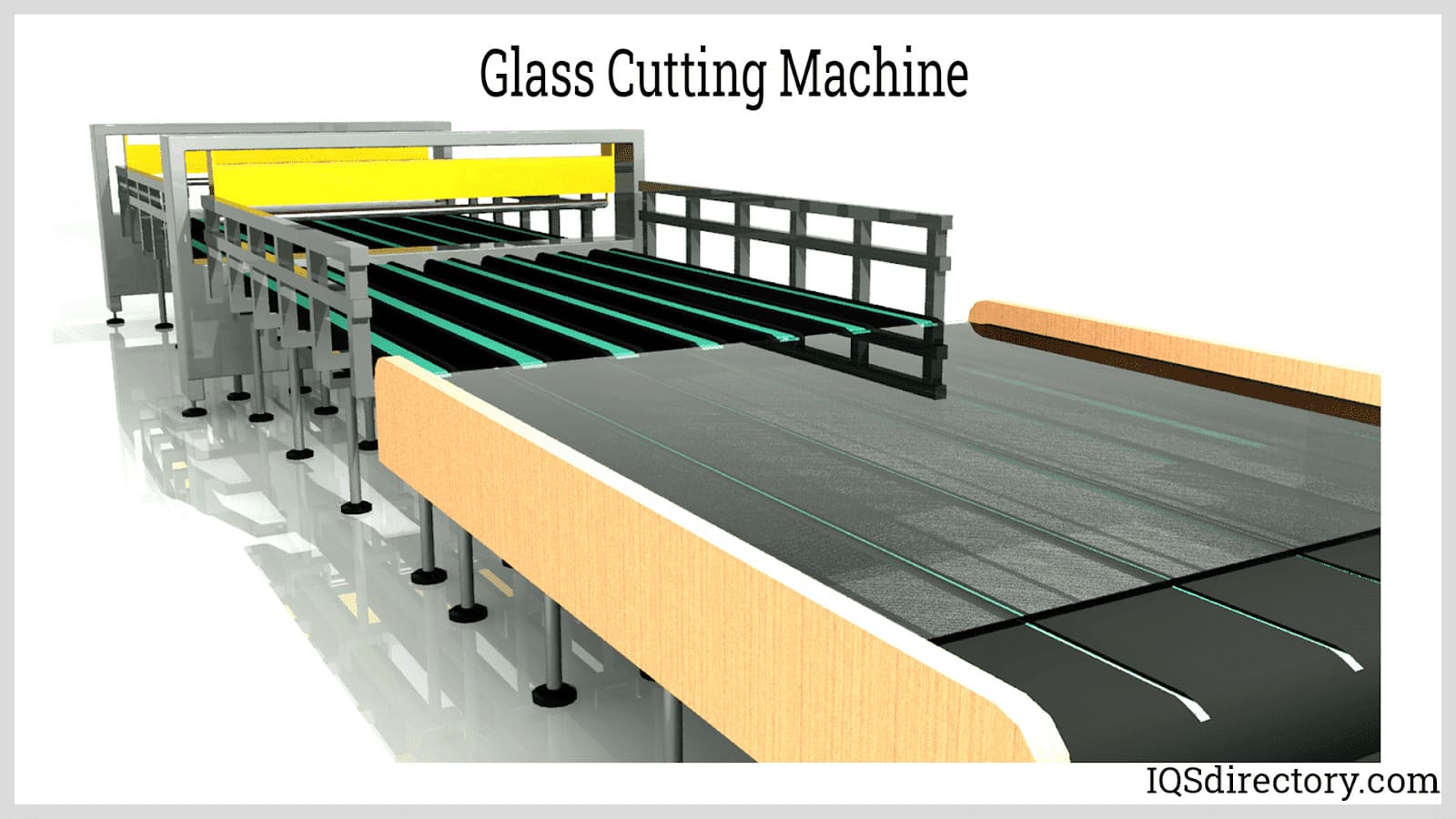 Glass cutting machines may include servo motors, CNC controls, programmable cutting heads, and specialized tooling for straight cuts, shapes, holes, notches, and production fabrication workflows.
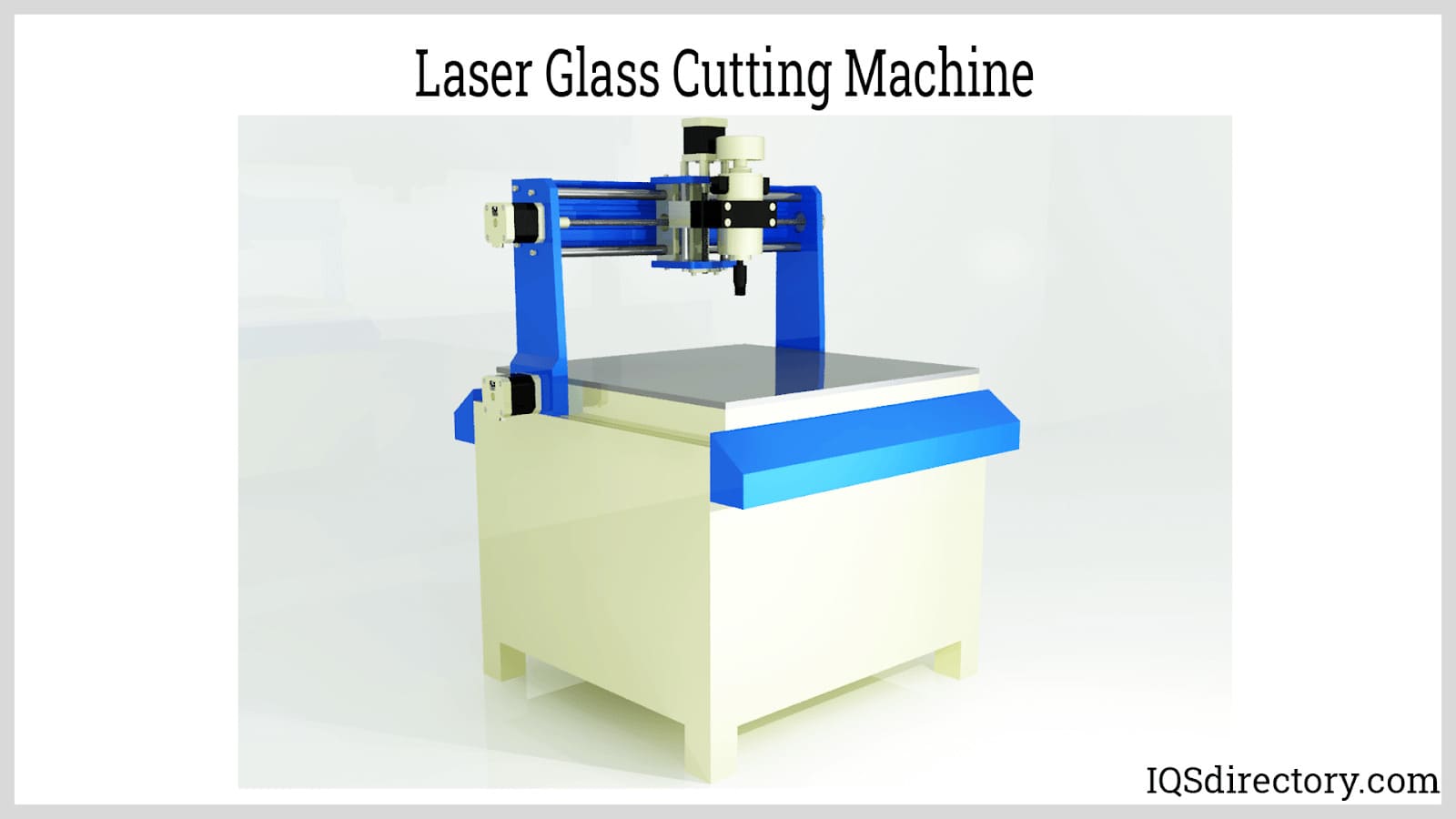 Laser glass cutting systems use CNC programming and tightly controlled energy input to process flat or curved glass where intricate geometry, clean lines, and repeatable part quality are priorities.
Glass Cutting Types
- Blown Glass
- Glass shaped by air pressure, typically created by blowing through a metal pipe, either by mouth or using compressed air. This method is commonly used for mass-produced items like bottles, through highly automated systems that inject air into the glass gob to shape the final product.
- Cut Glass
- Glass objects decorated with cut or ground facets, mainly for decorative purposes. This includes items like ornamental plates and various knick-knacks.
- Flat Glass
- A broad category of glass that includes wired, annealed, heat-strengthened, and tempered products. The main methods of production are rolled glass and float glass, with float glass remaining the leading process for flat, parallel sheet production used in architectural and commercial glazing.
- Glass Blowing
- The process of shaping glass by blowing air into it, either by hand for custom work or by machine for bottles, jars, and high-volume container production.
- Glass Cutting
- Glass cutting involves several methods, including score-and-break cutting, diamond saw cutting, thermal cutting, laser cutting, CNC machining, and water jet cutting, each selected according to thickness, tolerance, geometry, and finish requirements.
- Glass Rods
- Long, cylindrical pieces of glass used in fabrication, laboratory settings, lighting, and specialty forming applications.
- Glass Tube
- A cylindrical form made of glass material and often fabricated for instrumentation, process viewing, scientific equipment, and custom industrial assemblies.
- Heat Strengthened Glass
- Glass subjected to a heating and cooling cycle that makes it stronger than standard annealed float glass while retaining a different break pattern than fully tempered safety glass.
- Precision Optics
- High-quality glass designed for applications requiring superior clarity, repeatable optical properties, and tight tolerances, such as lenses, prisms, microscopes, scanners, and medical visual systems.
- Quartz Glass
- Made from melted silica, quartz glass withstands extreme temperature changes and is often transparent to ultraviolet radiation. It is used in fiber optics, analytical instruments, semiconductor technologies, and casting processes where thermal stability and purity are valuable.
- Sight Glass
- A type of optical glass, typically tubular or lens-shaped, used for observing liquids in industrial processes, checking line conditions, and monitoring levels inside tanks, vessels, and piping systems.
- Specialty Glasses
- Glass products made for specific purposes, such as bent glass, bullet-resistant glass, silk-screened glass, colored glass, coated glass, and other specialized industrial or commercial components.
- Tempered Glass
- A type of safety glass that is heat-treated to increase strength and impact resistance. When broken, it shatters into small pieces, making it a common choice for doors, windows, shower enclosures, partitions, and many commercial glazing systems.
- Textured Glass
- Glass with a patterned or uneven surface used for decorative appearance, daylighting, privacy, and architectural design flexibility.
- Wired Glass
- Glass embedded with a wire mesh that helps hold broken pieces together. Historically, it was chosen for certain fire-rated and impact-related uses, though modern project requirements often depend on updated code and performance standards.
When Glass Gets Stranded
In its purest form, glass is transparent across the visible spectrum, and when silica is drawn into strands thinner than a human hair it can be used to make optical fibers. These fibers are bundled into cables that transmit light signals by total internal reflection, making them a foundation of modern telecommunications. This is another example of how glass fabrication extends far beyond window glass. Buyers researching quartz glass, optical glass, or precision fabricated glass often discover that the same core material can serve in communication systems, industrial process equipment, cleanroom manufacturing, and high-performance instrumentation.
Coloring Glass
Metallic oxides are used to color glass and tune its visual and performance properties. Cobalt, nickel, and manganese create blue, violet, and purple tones, while sulfur, lead, cadmium, and uranium produce yellow shades. Chromium and copper compounds contribute green hues, and carbon oxides can create amber or brown glass. Tin compounds are used in white glass, and historic formulas even used gold to produce ruby red tones. For architects, designers, and product developers, colored glass can support branding, privacy, solar control, decorative appeal, and specialty visual requirements while still moving through many of the same cutting, edging, tempering, and laminating processes as clear glass.
Glass Blowing
Hand-blown glass manufacturing is typically reserved for art glass, custom pieces, and specialty fabrications where shape, craftsmanship, and low-volume flexibility matter more than production speed. In free blowing, bursts of air are introduced through a blowpipe into a gather of molten glass, creating a hollow form that can then be shaped into vessels, decorative pieces, scientific glassware, or other custom products. While this method is associated with artisan work, it still plays a role in the broader world of specialty glass fabrication.
Mechanized glass blowing uses advanced equipment to produce bottles, jars, and container glass at scale. The process begins in the batch house, where raw materials are stored, screened, dried, mixed, and charged into the furnace. Inside the melting system, the ingredients are heated into a homogenous molten mass that can be delivered in controlled portions for forming. For companies evaluating a glass manufacturer, this stage highlights the importance of process control, material consistency, furnace capacity, and production repeatability.
In the hot end, molten glass is formed into functional shapes. In the blow-and-blow method, gobs of molten glass enter a mold, where staged air pressure creates the container finish, hollows the form, and completes the overall geometry. In press-and-blow production, a plunger performs the first shaping steps before air completes the form. These high-volume forming methods are different from custom cut glass fabrication, yet both rely on controlled tolerances, downstream inspection, and careful handling to deliver usable finished products.
As containers exit the hot end, they are brought to final size, treated as needed to improve chemical resistance, and sent through annealing for controlled cooling. The cold end includes inspection, defect detection, and packaging. This sequence matters because even when the product is not sheet glass, the same general principles apply: material quality, controlled temperature change, surface integrity, and dimensional consistency all affect finished performance and downstream fabrication success.
Creating Float Glass
Float glass is the foundation for many windows, mirrors, doors, screens, storefront panels, and architectural glazing systems. In the float process, molten glass is poured onto a bath of molten tin, where it spreads into a smooth ribbon with flat, parallel surfaces. The ribbon then cools gradually, is inspected for defects, and may receive coatings that alter solar performance, reflectivity, emissivity, or other optical characteristics. For anyone searching how flat glass is made, this is the dominant production method behind the sheet glass used across residential, commercial, and industrial markets.
To reduce stress fractures during downstream fabrication, float glass is annealed before it is cut into stock sizes. Once cooled, the ribbon edges are trimmed and the sheets are cut to specification. This makes the material ready for secondary operations such as CNC glass cutting, drilling, edge polishing, hole placement, lamination, tempering, insulating unit assembly, and custom fabrication for project-specific dimensions.
Annealing also supports later strengthening and finishing processes. Tempered glass is heated and rapidly cooled to improve strength and create a safer break pattern, which is why it is widely used for doors, partitions, shower enclosures, appliance panels, and many construction applications. Spandrel glass, often used to conceal structural elements on building exteriors, may receive reflective or opaque treatments that help balance appearance, daylight control, and façade design goals.
Laminated glass is another safety-oriented product made by bonding a plastic interlayer between sheets of glass. Because the broken pieces stay adhered to the interlayer, laminated glass is often chosen for automotive windshields, overhead glazing, security applications, acoustical performance, and projects where impact retention matters. Buyers often compare laminated glass vs. tempered glass when evaluating safety, breakage behavior, and code-driven glazing requirements.
Glass Cutting
On a small scale, glass cutting is often performed with a handheld cutting wheel that scores the surface along the desired break line. Pressure applied to either side of the score creates a clean separation, and tools such as grozer pliers or grinders may be used to refine curves and smooth edges. Score-and-break cutting remains a practical method for sheet glass, smaller parts, and straightforward shapes where speed and simplicity are more important than complex geometry.
For tighter tolerances and thicker stock, diamond saw cutting is often preferred. Diamond-coated wheels and blades can produce accurate cuts with more control, making them useful for industrial glass, architectural panels, machine guards, laboratory components, and custom fabricated parts. This method is especially helpful when buyers need repeatability, reduced edge damage, and cleaner results before grinding or polishing.
CNC Machining
Complex glass cutting and shaping can be achieved using CNC machining. Computer-controlled glass fabrication equipment can be programmed for boring, drilling, grooving, slotting, pocketing, edging, grinding, polishing, engraving, and contour cutting, allowing manufacturers to replicate detailed designs with dependable precision. This is often the method of choice for custom cut glass, OEM components, precision instrument parts, architectural hardware prep, and glass products that must match strict dimensional requirements.
Thermal cutting, also called hot cutting, is another CNC-assisted method. By carefully controlling the heating and cooling of the glass along a designated line, fabricators can produce accurate separations while also improving edge condition on some laminated products. This approach can be useful when projects involve specialty shapes, bonded materials, or applications where conventional scoring is less effective.
Water jet cutting uses a high-pressure stream of water, sometimes with abrasive media, to cut and shape glass along programmed paths. Because the stream can follow intricate geometry, it is a strong option for custom parts, interior design features, industrial components, and decorative panels that require openings, curves, or complex layouts. Air jet systems using abrasive materials can provide similar shaping support in some applications. Buyers researching how to cut thick glass, how to cut intricate glass shapes, or how to machine custom glass parts often compare water jet, CNC, laser, and diamond saw methods to find the best fit.
When selecting a glass manufacturer, buyers should evaluate both project requirements and fabrication capabilities. Questions often include: Can the supplier cut thick glass? Do they provide polished edges, drilled holes, notches, tempering, lamination, or custom shapes? Can they meet volume, tolerance, lead time, and quality expectations? A strong commercial glass fabricator will have capable equipment, experienced operators, dependable material sourcing, and a clear understanding of the end use so the finished product performs as intended in service.
What Is Glass?
Glass is an inorganic, amorphous solid that remains rigid without forming a crystalline structure. It has been used throughout human history for tools, vessels, windows, optics, scientific equipment, art, and now a vast range of modern manufactured products. Depending on composition and processing, glass may offer heat resistance, chemical resistance, corrosion resistance, transparency, reflectivity, compressive strength, electrical behavior, and optical precision. It can be formed into flat sheets, containers, fibers, tubes, rods, lenses, and custom fabricated components, making it one of the most adaptable materials in manufacturing.
The properties that make glass easy to customize also make it highly valuable in industrial production. Made primarily from silica, glass can be recycled and reformulated for specific performance targets. Soda-lime glass is widely used for bottles, jars, and float glass. Adding boron creates borosilicate glass, which is known for thermal stability and is common in scientific and kitchen applications. Other formulations support semiconductor processing, media production, UV transmission, and optical performance. When lead is added to silica, manufacturers can produce optical glass for lenses, scopes, imaging systems, and precision visual equipment. This range of compositions is one reason buyers often search by both product type and performance property when sourcing fabricated glass.
Glass Cutting Terms
- Annealing
- A process in the manufacturing of float glass where the cooling of glass is controlled to prevent residual stresses. This process, done in a lehr, results in glass with a breaking strength of approximately 500psi.
- Annealing Lehr
- An apparatus in the float glass production line, located after the tin bath and before the cooling conveyor, that controls the heating and cooling processes. It relieves pressure from the flat glass to allow for normal cold-end processing.
- Anti-Walk Blocks
- Elastomer blocks used to prevent lateral movement of glass as it moves through the glazing channel, caused by forces such as seismic activity, thermal expansion, building movement, wind load, or other applicable factors.
- Autoclave
- A container used in the glass industry, where heat and extreme pressure create a bond between glass and PVB or urethane sheets, producing laminated glass.
- Bent Glass
- Glass that has been curved from a flat shape into the desired form during its molten state.
- Beveling
- The process of creating a bevel edge on finished cut glass.
- Bow/Warp
- An imperfection in flat glass where the surface bends, curves, or otherwise alters.
- Bubbles
- Imperfections in laminated glass where air or gas pockets form between the interlayer and the glass. A bubble is defined as any inclusion larger than 0.8 mm (1/32”) in diameter in float glass.
- Chemically Strengthened Glass
- Glass that has been strengthened through ion-exchange processes, creating a compressive pressure layer on the surface.
- Chipped Edge
- A flaw resulting from small pieces breaking off the edge of cut glass. This is particularly significant in heat-absorbing glass.
- Cullet
- Waste or broken glass, which can often be remelted and reused.
- Double Strength
- Float glass that is approximately 3 mm thick (1/8").
- Flare
- A protrusion along the edge of a piece of glass.
- Flat Glass
- A general term used to describe float glass, sheet glass, plate glass, and rolled glass.
- Float Glass
- Glass formed on a bath of molten tin. The surface in contact with the tin is known as the tin surface or tin side, and the top surface is referred to as the atmosphere surface or air side.
- Gob
- A portion of hot glass delivered by a feeder or gathered on a punty or pipe.
- Heat Absorbing Glass
- Glass specifically designed to absorb significant amounts of solar energy.
- Laminated Glass
- Glass consisting of two or more panes (lites) bonded with one or more interlayers, typically plastic. The glass lites can vary in color, thickness, or be mirrored or stenciled, with various interlayer materials used to achieve the desired effect.
- Lite
- An industry term for a pane of glass, spelled differently from "light" to avoid confusion.
- Moil
- The leftover glass remaining on a punty or blowpipe after the desired piece has been completed and cut off.
- Polished Wired Glass
- Wire glass that has been polished and ground on both sides.
- Punty
- A device used to hold glass during fire polishing or finishing.
- Quartz Glass
- Glass composed almost entirely of silica.
- Seam
- The mark left on a glass surface from the joining of matching mold parts.
- Temper
- The level of enduring stress present in annealed glass.