Please fill out the following form to submit a Request for Quote to any of the following companies listed on
Get Your Company Listed on this Power Page
Introduction
An explanation of ESD Cleanroom Benches and their uses with a list of distributors and manufacturers
You will learn:
What is an ESD Cleanroom Bench?
How ESD Cleanroom Benches are Made
Types of ESD Cleanroom Benches
Uses for ESD Cleanroom Benches
And much more ...
Chapter 1: What is an ESD Cleanroom Bench?
ESD cleanroom benches are a specialized type of workbench designed with a conductive or dissipative work surface that helps protect sensitive electronics against electrostatic discharge (ESD) and static buildup. Their purpose is to provide a heavy duty, static-safe workspace that meets the restrictive and demanding requirements of cleanroom environments, controlled manufacturing areas, and the International Organization for Standardization (ISO). For a workbench to be classified as an ESD cleanroom bench, it must pass ESD Association (ESDA) and International Electrotechnical Commission (IEC) standards that define procedures, materials, grounding methods, and testing protocols for protecting fragile electronic components.
In addition to the stipulations of the ESDA and IEC, ESD cleanroom benches are required to adhere to standards established for cleanroom equipment, which are based on particulate control, contamination prevention, and surface cleanliness that define a cleanroom’s classification. These requirements are especially important in semiconductor manufacturing, electronics assembly, laboratory environments, medical device production, and other precision applications where even microscopic dust, fibers, or electrostatic events can compromise product quality. In the United States, there are two sets of requirements regarding cleanroom equipment as well as established manufacturing practices, and buyers often compare ISO classification levels, material compatibility, and compliance documentation when evaluating cleanroom furniture.
The primary organization that delineates the specifications for cleanrooms is the International Organization for Standardization (ISO), which was founded in 1947 and provides thousands of requirements regarding cleanrooms and equipment. An older set of standards was legislated in the United States in 1963 as part of Federal Standards or Fed-Std 209A (FS 209A), which was the federal government's cleanroom standards. Of the two sets of regulations, ISO cleanroom standards are the most widely used, but many organizations still follow FS 209A when referencing legacy specifications, contamination control requirements, and cleanroom classification terminology. When selecting an ESD cleanroom bench, it is also important to consider durability, chemical resistance, easy-to-clean surfaces, ergonomic design, and proper integration with ESD mats, wrist straps, and grounding systems for a complete static control solution.
Chapter 2: ESD Cleanroom Bench Construction
ESD cleanroom workbenches provide several methods for protecting sensitive electronic equipment and cleanroom personnel. In most cases, ESD cleanroom benches are custom designed to meet the exacting specifications required by the ISO and FS 209A. In addition, cleanroom manufacturers have a set of practices that ensure the quality of their products in accordance with quality, structural requirements, and cleanliness.
For many who are not familiar with cleanrooms and electrostatic dissipation, placing so much emphasis on a workbench may seem to be overreach. As any technician and engineer can explain, using a standard workbench for handling electronics is an invitation to disaster. In the case of cleanrooms, a plain, ordinary workbench would not be permitted in order for a cleanroom to keep its classification. In addition, aside from contaminants, static discharges are one of the issues that affect the work of cleanrooms.
Static Electricity
An ESD cleanroom workbench is designed to channel static electricity away from sensitive materials. Static electricity or electrostatics is an accumulation of electric charge on a surface that can be positive or negative. It is caused by atoms on a surface that gain or lose electrons.
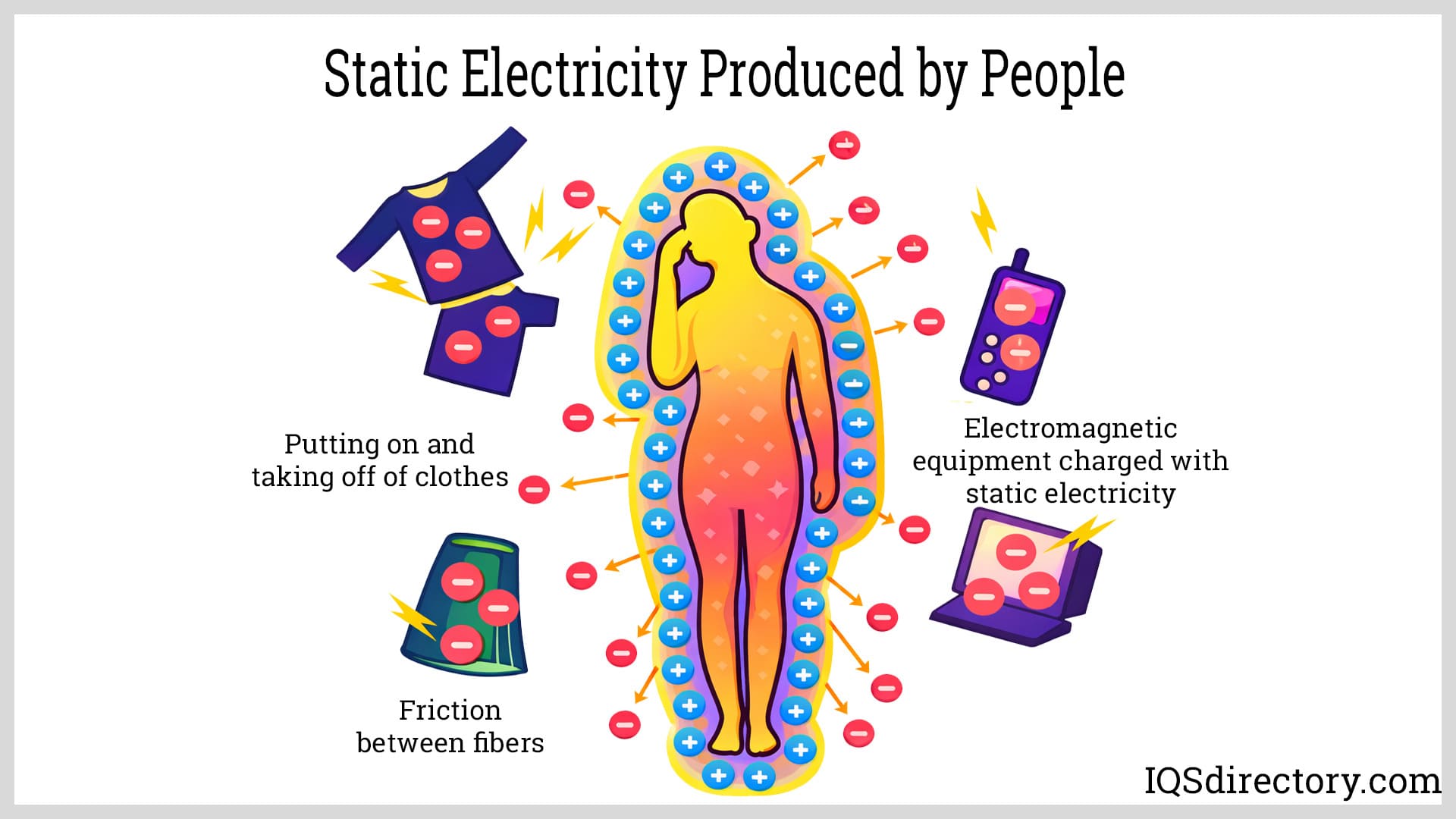
When surfaces rub against each other, the electrons transfer from one surface to another surface. The result of the contact between surfaces is one material having an excess of electrons, negative charges, while the other material has a deficit or positive charges. Static electricity is produced when the two materials make contact and are separated, a process known as triboelectricity where electrons are transferred between materials creating a charge imbalance.
There are several ways that static electricity is generated with the most common method being friction caused by items rubbing against each other. When a negatively charged balloon is rubbed against hair it gains electrons, the positively charged hair loses electrons. The list of methods for producing static electricity includes a wide range of common ways.
Friction
Friction is the simplest form of static electricity. It is the interaction between surfaces where charges are passed creating a charged object. Electrons are always paired and work hard to remain paired. When they are not paired, they remove an electron from paired ones. The result of this quest for balance is attraction, repulsion, and shock or sudden discharge when a conductor is touched. The ease and frequency of these incidents, while generally harmless, can be damaging to electronic devices.
Contact/Separation
When differing things collide and make contact, negative charges move from one side to another, which is known as contact charging. The contact part of contact/separation is in regard to materials rubbing against each other. The movement creates a negative charge.
Separation occurs when static electricity is generated when materials are pulled apart after having been in contact. The movement creates a negative charge between the materials. Contact/separation static is the most common form of static electricity. It occurs in every aspect of life and is a major reason for the use of ESD workbenches.
Induction
In industrial operations, induction is a form of static electricity that engineers prepare for in order to protect sensitive electronics. Induction occurs when a charged object influences the attributes of another object that is in close proximity without touching the object. This happens due to the movement of the electrons of an electric field. Referred to as electrostatic induction, the influenced object is neutral but has its internal charges separated or redistributed by the electrical field. Induction can be prevented by keeping components to ground or by having several grounding points, a feature that is common to ESD cleanroom workbenches.
Temperature
The relationship between static electricity and temperature is in regard to the amount of humidity in the air. It is one of the reasons that all cleanrooms have high efficiency air handling units to keep the air in the room at a constant temperature with 50% humidity. When humidity is high, there is a high concentration of water in the air, which minimizes the friction required to produce static electricity. Dry air with low humidity, allows for static charges to build up. The moisture in humid air allows excess electrons to dissipate. With dry cold air, the charges do not have a means of escape resulting in static discharge.
How an ESD Cleanroom Workbench is Made
The function of ESD Cleanroom Benches is to supply a path to ground static electricity to protect sensitive equipment. All materials and items, including personnel, around a cleanroom workbench have to be connected to a common ground point to dissipate random static electricity and allow it to drain away.
The construction of an ESD cleanroom workbench begins with dissipative material that controls charge flow. The work surface is normally composed of ESD laminates or coatings that maintain approved resistance levels for point to point and point to ground. The essential aspect of an ESD cleanroom workbench is its grounding points that link the workbench and equipment on the workbench to some form of grounding mechanism to create a zero potential environment.
Work Surface
There is a long list of materials that are known for their effectiveness in dissipating electrostatic discharge. They are designed to dissipate static charges or prevent the build up of static electricity.
Plastics – Plastics are polymers that have been injected with conductive materials, such as carbon black or metal fibers. They offer a balance between mechanical strength and electrical conductivity. Included in the group of plastics are polyether ketone (PEKK), anti-static resins, acrylonitrile butadiene styrene (ABS), and nylon carbon fibers. Aside from their use in the dissipation of electrostatic charges, plastics are resistant to chemicals and can be molded into any shape or form. For the manufacture of ESD cleanroom workbenches, the plastics are injected into the layers of a laminate that is pressed together under high pressure.
The core of the work surface is hardwood to which the laminate is applied. The standard depths of ESD cleanroom workbenches are 24 in, 30 in, and 36 in (69.96 cm, 76.2 cm, and 91.44 cm) The edge and corners of the surfaces are tightly sealed for extra protection.
Coatings – ESD coatings are powder coatings that have additives for conductivity and the dissipation of static charges. The coatings are applied as a powder and then cured to form a hard, solid, and durable finished surface. As with plastics, ESD coatings are designed to counteract the buildup of electric charges on the surface of an ESD cleanroom workbench. The application of the coatings includes electrostatic spraying. They prevent the accumulation of particulate matter, protect against microorganisms, are highly durable, and resistant to UV radiation.
Electrostatic coatings can be applied to wood, plastic, or metals and are useful where other forms of ESD protection may not be suitable. Coatings can be water based or solvent based with water-based coatings being used in regard to environmental concerns. Solvent based coatings are more durable and can withstand harsh, stressful conditions. Powdered coated workbench surfaces are commonly used in ISO class 6, 7, and 8 cleanrooms due to their smooth, sealed surface and resistance to particulate matter. Included in their durability is their resistance to chemicals, an important feature for special types of cleanrooms.
Lamination
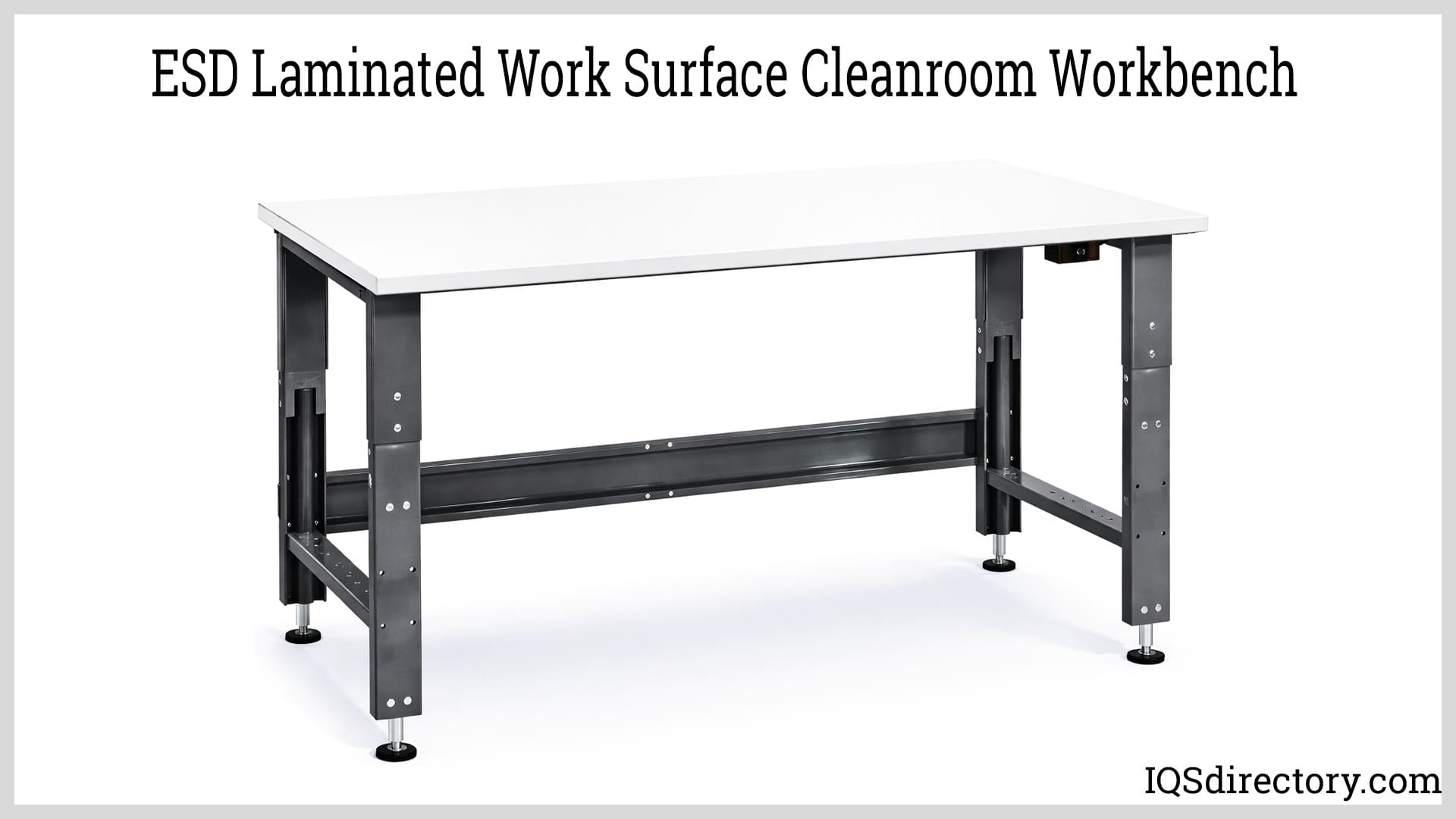
Most work surfaces for ESD cleanroom workbenches are laminated to provide a solid safe surface that provides exceptional electrostatic protection. Lamination allows for the inclusion of multiple levels that can be adjusted and oriented to fit the requirements of a cleanroom. Included in a laminated ESD work surface is high pressure laminate with a carbon layer for dissipating electrostatic energy.
The structure of a laminated ESD cleanroom workbench begins with a solid wood core or particle board that has grounded bolts attached and built in. In addition, grounding wires may be included in the core to be connected to a common ground point. Resin impregnated paper layers are placed over the core with the addition of one layer with conductive carbon particles. The layers are evenly stacked such that they securely fit together. Once each layer is properly placed, they are subjected to high pressure and intense heat, a process that is designed to bond the layers into a single unit.
The amount of necessary pressure is in the area of 2000 psi. Although powder coatings can be used, in most cases, laminated work surfaces are made up of plastic due to its durability and endurance. For ESD cleanroom workbenches, special emphasis is placed in sealing the layers to avoid cleanroom contamination.
An important aspect of the construction of a laminated ESD cleanroom workbench is the edges that have to be specially formed to avoid harm to equipment and personnel. In most cases, the edges are wrapped and rounded. The laminate layer surface has resistivity levels of 106 to 109 Ohms (Ω). Once the surface is completed, it is attached to a grounded frame.
Grounding
The grounding system is an essential part of an ESD cleanroom workbench, which is normally equipped with grounding points and grounding cables. Grounding provides paths for static electricity to discharge safely without harming equipment or workpieces. Proper grounding solves many of the issues related to the work in a cleanroom.
One of the major problems related to grounding in a cleanroom is in regard to personnel who carry static electricity. Wrist straps are worn by personnel working at a workbench to protect sensitive devices. They are only usable at the workbench. If personnel have to move about a cleanroom, they can wear conductive heel grounder footwear. Wrist straps are plugged into the grounded connection while footwear is connected through a conductive surface.
ESD protected areas (EPA) is an area that controls electrostatic discharge and avoids problems associated with ESDs. An EPA is a defined space around a workbench where surfaces, tools, personnel, and sensitive devices are maintained at the same electrical potential. This is achieved by using groundable materials.
Although the essence of the discussion is in relation to ESD cleanroom benches, there is a wide array of factors that influence the effectiveness of an ESD cleanroom bench that determine its effectiveness. The surface of an ESD cleanroom workbench grounds tools, devices, and containers placed on the workbench or being held by a grounded person.
ESD Workbench Structure
The main focus of the structure of an ESD cleanroom workbench is its grounding. The laminate work surface is normally attached to a heavy steel frame that is connected to a ground point. Connections for wrist strap connectors are a common part of the structure of an ESD cleanroom workbench, which allow personnel to be directly connected to the ground point. Wrist strap connectors are designed to dissipate any generated charges to ground and are not needed if the floor is grounded.
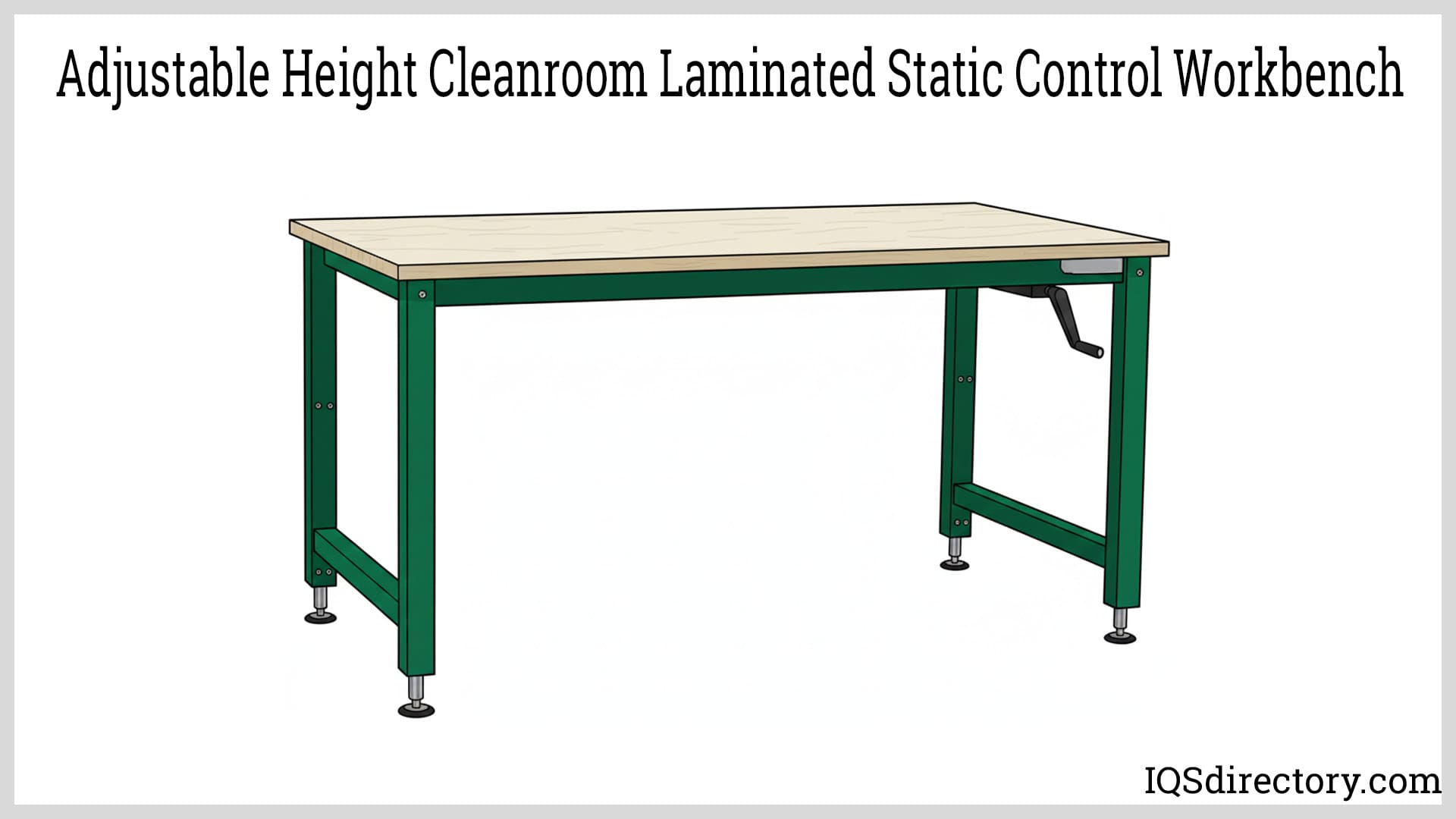
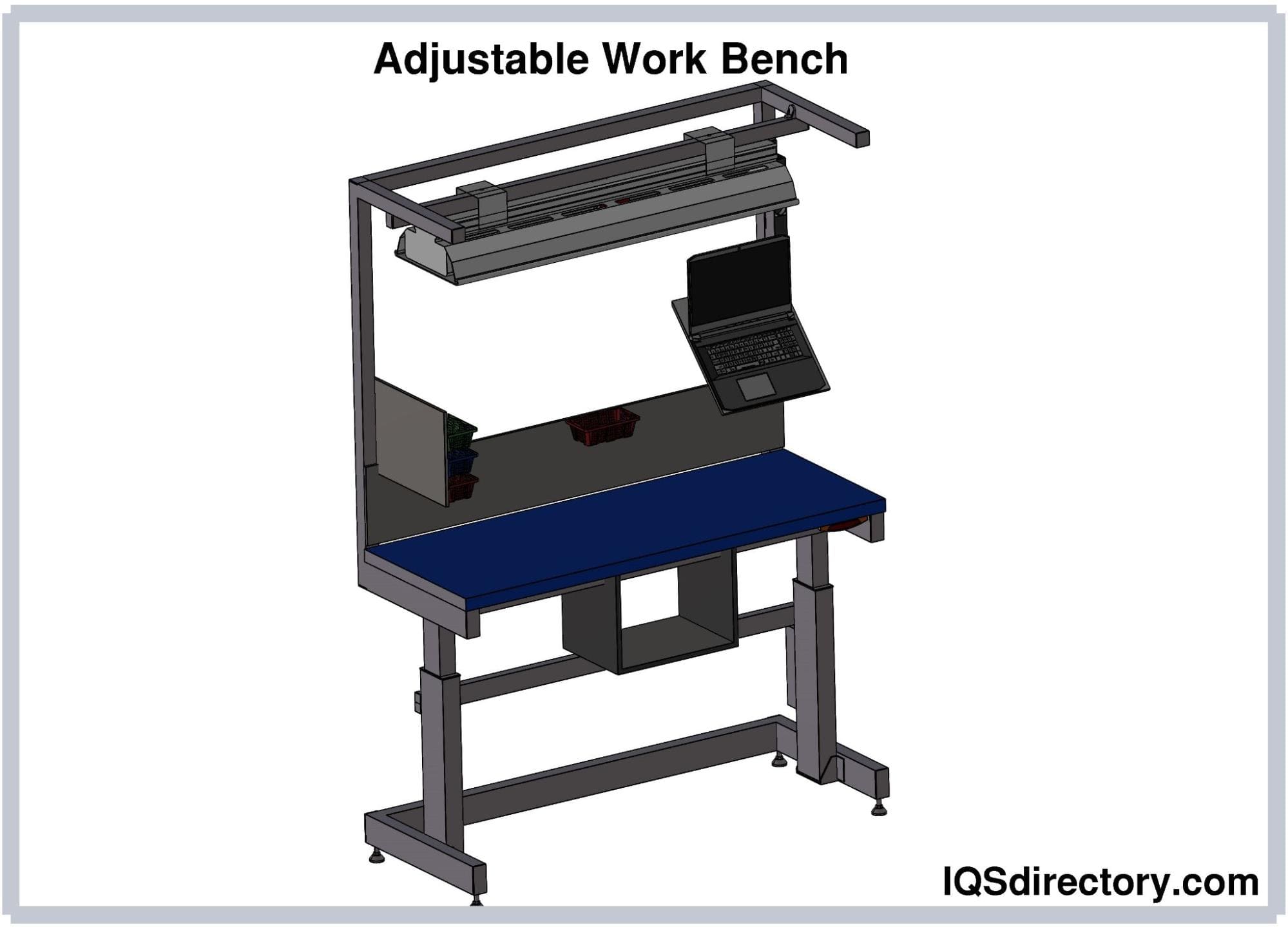
The metal frame of an ESD cleanroom workbench is made of coated heavy-duty steel designed to withstand the rigors of constant use. In some cases, it is height adjustable for ergonomics and can support a half ton or more of materials. Manufacturers allow clients to select the design of an ESD cleanroom frame to meet the requirements of the client’s cleanroom and purposes.
ESD cleanroom workbenches begin as a steel frame coated with a static resistant material that provides protection and ensures longevity. The structure is the base upon which accessories are added in accordance with the work to be performed. For cleanroom purposes, the frame has to be a smooth surface that is easy to clean in order to meet ISO requirements. The uniformity of the surface is essential to eliminate crevices or cracks that could collect particulate matter.
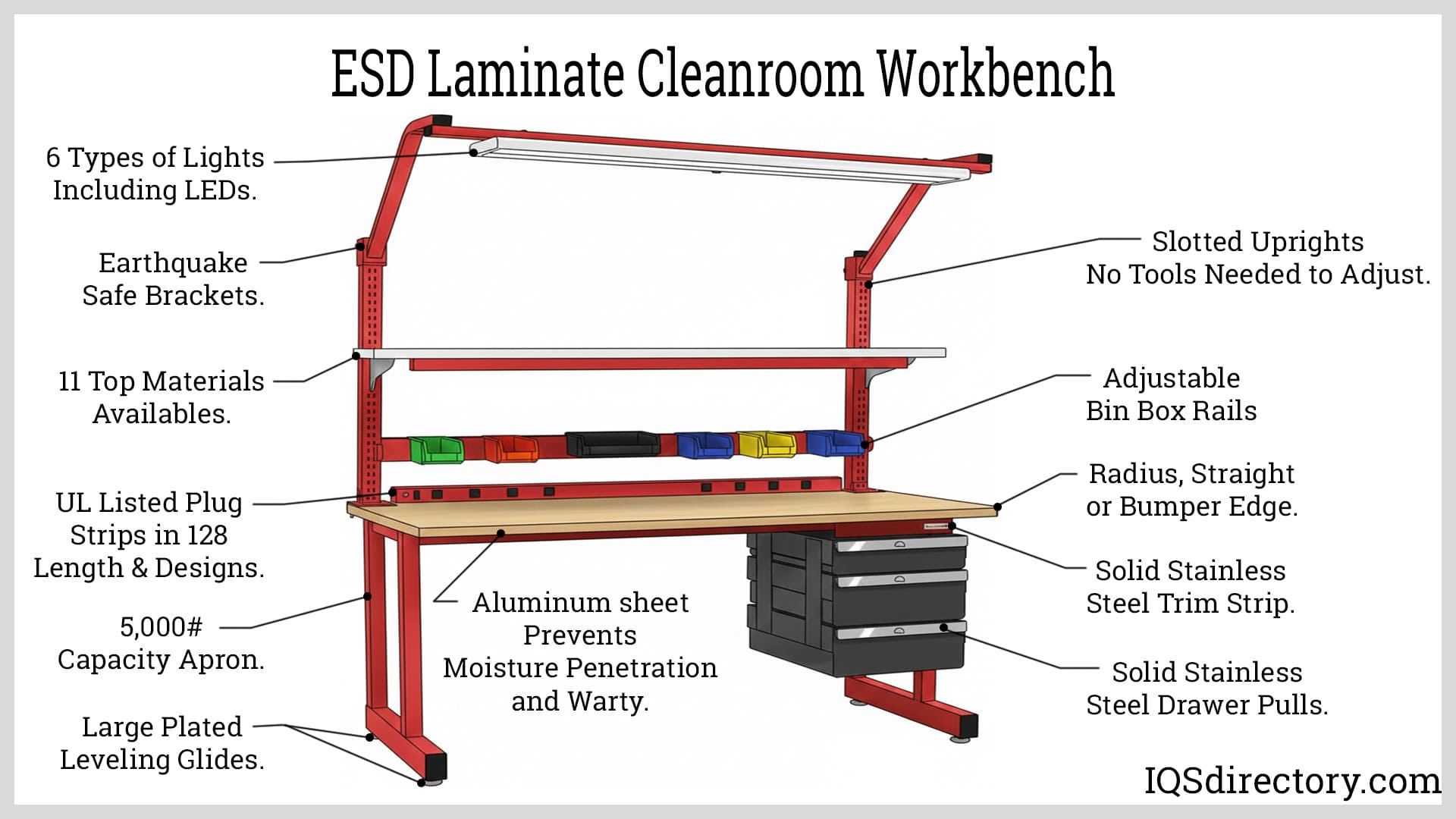
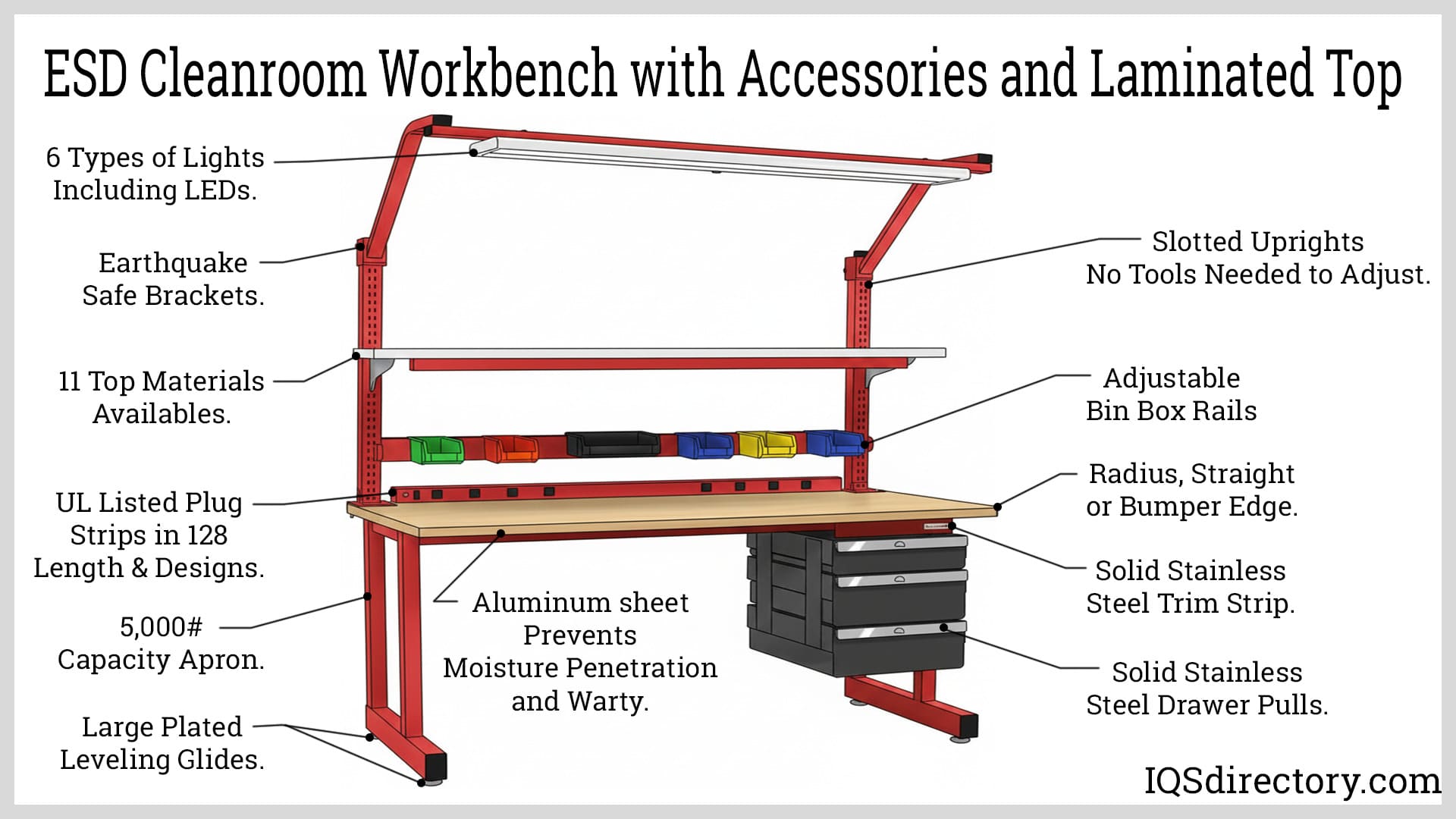
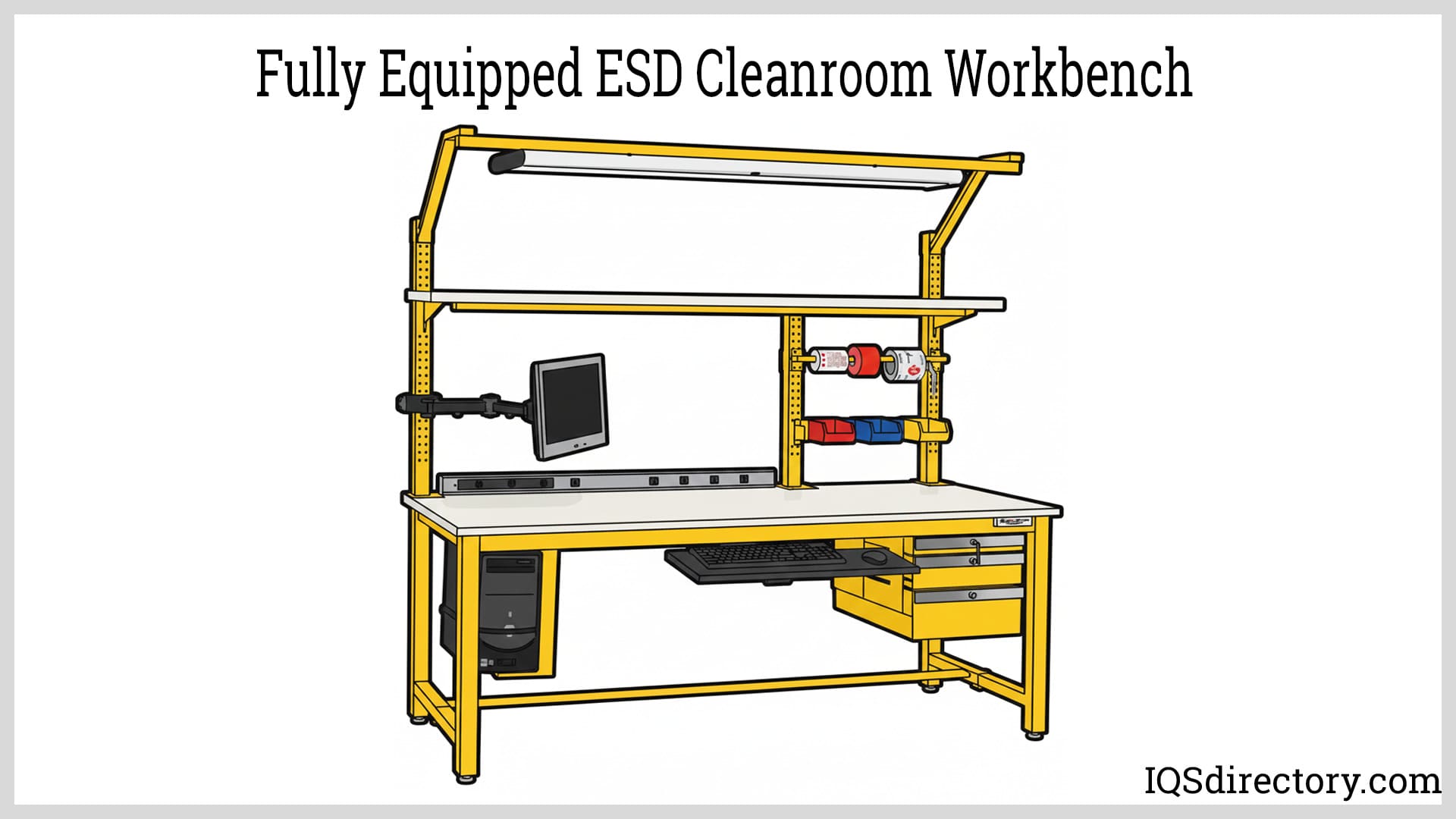
There is an endless number of accessories that can be added to ESD cleanroom workbenches. The main components are plug strips, computer monitors, drawers, and leg supports. It is very common to have shelving placed above the initial work surface for the placement of devices, tools, and equipment. Manufacturers allow their clients to select the design requirements for an ESD cleanroom workbench that meets the dynamics of the client’s operation.
A concern that has arisen in recent years is in regard to ergonomics, the designing of work spaces that meet the requirements of personnel and help avoid back strain, provide comfort, and reduce potential risk of injury, such as musculoskeletal disorders (MSDs). Cranks, electronics, and pumps are included in ESD cleanroom workbenches to set the height of the workbench at the highest comfort level. While all of this applies to the structure of the workbench, other factors, such as monitors, chairs, and shelving, are also included in ergonomics.
ESD Cleanroom Workbench Accessories
Although the structure and base of an ESD cleanroom workbench is essential. The nature of the work to be performed is in regard to the types of accessories. As any cleanroom manufacturer will say, there is an innumerable number of addons that can be placed on an ESD cleanroom workbench. Keyboards, monitor holders, different varieties of drawers, tool and part bins, lights, roll holder rods, and footrests are a small example of the design factors that are used to personalize an ESD cleanroom workbench.
All of the various types of ESD cleanroom workbenches have key basic components that are necessary to complete tasks, work, and applications. In essence, the inclusion of these accessories ensures the effective completion of cleanroom ESD electrical component work.
Work Surface - The work surface is the essential part of an ESD cleanroom workbench. Its static-dissipative surface is designed to channel static charges away from electronics that are being examined. The work surface is connected to a grounding point that neutralizes electrostatic charges.
Grounding Points – Second in the line of ESD cleanroom workbenches are their grounding points that are placed at key locations on and around the workbench and are connected to the work surface, wrist straps, and any tools. Grounding safely dissipates static electricity protecting sensitive and critical components. Proper grounding ensures the integrity of an ESD cleanroom workbench.
Wrist Straps - Wrist straps are worn by personnel to ensure the dissipation of any static charges their body might generate. Of all of the various sources of static discharges, the human body produces a wide range from clothing, walking, and electrons in the air. Connected to the workbench, wrist straps fit comfortably on the wrist and can be wireless or cordless to allow for freedom of movement.
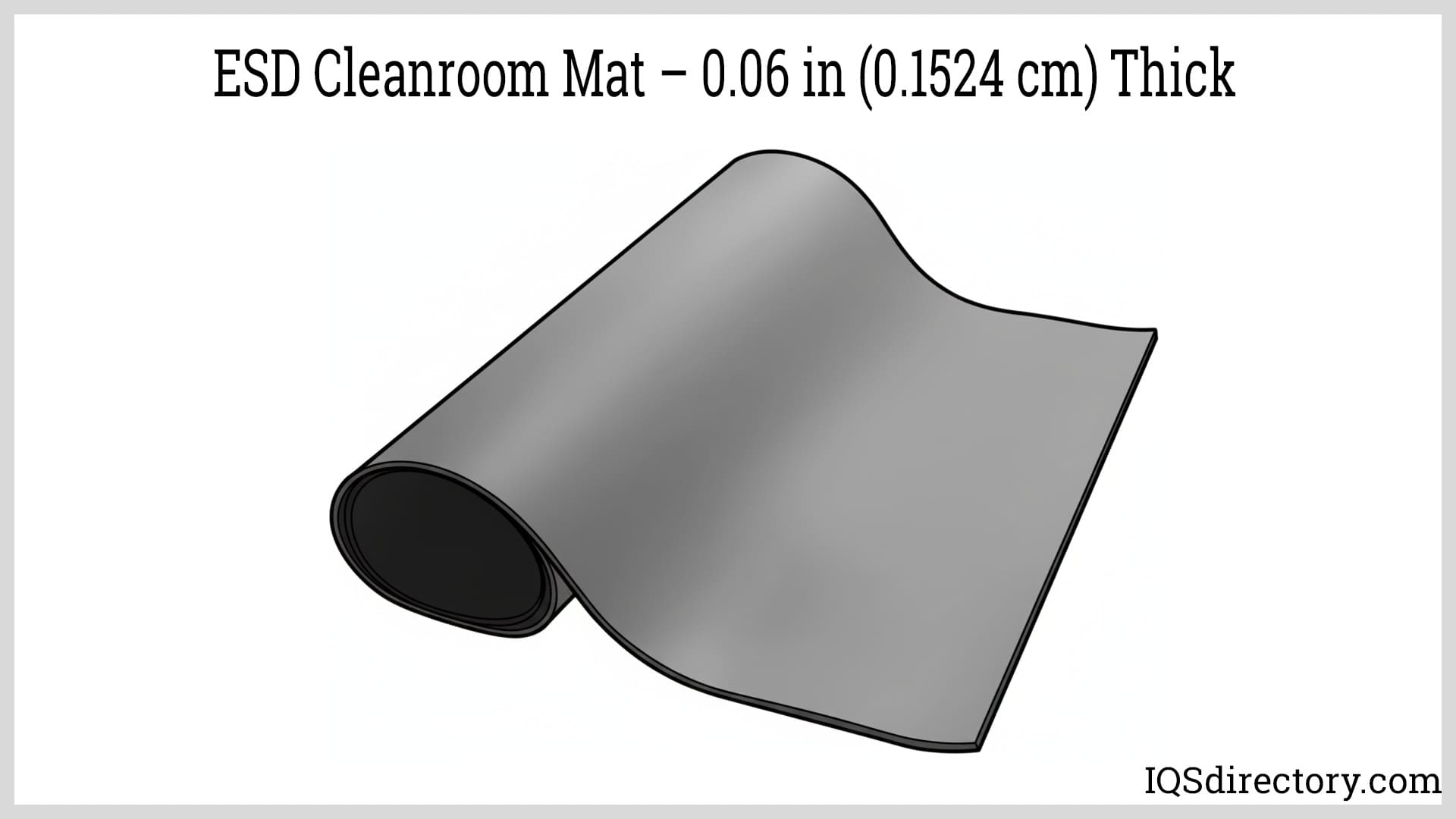
Mats – As an extra level of protection, ESD mats are placed on the floor around a workbench to ensure that any static charge generated by movement or foot traffic is dissipated before it reaches the work surface. In addition, and as part of the ergonomic effort, mats help reduce fatigue and provide a comfortable surface for personnel to stand on.
Tools and Equipment – As may be assumed, ESD tools are cleanroom approved and designed with static dissipative materials to avoid the accumulation of static charges. Although the tools are approved for cleanroom use, they are mostly very common tools and include screwdrivers, pliers, tweezers, and soldering irons.
Ionizers – An ionizer for an ESD cleanroom workbench generates positive and negative ions that flow over the workbench neutralizing static charges on non-groundable items, such as insulators. Although grounding is sufficient for most situations, it may not be capable of eliminating all static charges. The charged particles from an ionizer balances the environment preventing static buildup. Ionizers are essential for cleanrooms where maintaining static free conditions is a necessity.
Storage – Bins, racks, and cabinets are a necessary part of any workstation, regardless of ESD concerns. Obviously, for use in cleanrooms with an ESD workbench, these components have to meet certain standards for the protection of items being tested. As with other parts of an ESD cleanroom bench, bins, racks, shelves, and cabinets are made of conductive static dissipative materials and are grounded to grounding points on the workbench.
Leading Manufacturers and Suppliers
Chapter 3: Types of ESD Cleanroom Workbenches
Although there are differences between ESD cleanroom workbenches, there are aspects of each type that are basic to all types, which include grounding points, ESD work surface, and grounding wrist straps. These are common to all forms of ESD workbenches, especially those that are part of cleanroom equipment. The main considerations for ESD cleanroom workbenches are cleanliness and ESD dissipation. As would be expected, cleanliness is a necessity for any piece of cleanroom equipment and must adhere to IOS regulations to meet the proper classification.
Unlike other pieces of cleanroom equipment, ESD cleanroom workbenches have the extra burden of being ESD static safe. This characteristic adds to their costs and requires careful monitoring of the manufacture of the ESD cleanroom workbenches.
Basic EDS Cleanroom Workbenches
The least expensive of the different types of ESD cleanroom benches is the basic ESD cleanroom workbench that has just the essentials that are necessary for the protection of sensitive electronics. They are not work intensive workbenches but are necessary in cleanrooms where sensitive electronics are present. Basic ESD cleanroom benches include a secure ESD safe work surface, basic grounding points, and may include mats and wrist straps. Although they are infrequently used, they are a necessity for the protection of cleanroom devices. The simplicity of basic ESD cleanroom workbenches makes them easy to maintain.
Modular ESD Cleanroom Workbench
Modular ESD cleanroom workbenches are ideal for cleanrooms that deal with a wide variety of manufacturing issues. They make it possible to adjust, change, and set up the workbench to match the task that is being addressed. Modular ESD cleanroom workbenches have all of the basic features of a basic ESD workbench but with the ability to add and subtract features as the need arises. Tools, lighting, shelving, bins, and electronics can be easily manipulated to meet the demands of an application. This type of ESD cleanroom workbench is ideal for the examination of electronic assemblies that come in different sizes and configurations. The design of modular ESD cleanroom workbenches makes it easy to add, remove, adjust, and change the components of the workbench as demand and requirements evolve. This aspect of modular ESD cleanroom workbenches makes them ideal for dynamic work conditions.
High Volume ESD Cleanroom Workbenches
Modern manufacturing, especially in the area of electronics, is a fast paced, high-volume industry that requires meticulous examination of sensitive components in an uncontaminated environment. In order to meet the demand, cleanroom workbench manufactures produce robust solutions to meet the demand. High volume ESD cleanroom workbenches are fully equipped with all of the necessary devices to complete a full range of tests, assemblies, and repairs.
From the floor to the lighting, every part of a high volume ESD cleanroom workbench has been ergonomically designed for comfort, efficiency, and safety. Included are mats, chairs, racks, shelving, bins, and a complete grounding system for comprehensive static protection. The goal is to provide a work space where personnel can continuously handle static sensitive components without compromising the integrity of the cleanroom while providing high quality care and efficiency. This type of ESD cleanroom tends to be the general rule as the demand for electronics continues to steadily grow. Although these demands are pertinent to electronics, they are also true for the pharmaceutical industry where high-volume production has been an issue for several years.
Laminar ESD Cleanroom Workbenches
Laminar ESD cleanroom workbenches are a specialty form of cleanroom workbench. They are airflow workbenches that supply unidirectional airflow in a confined space. The laminar hood is an extra ESD cleanroom workbench accessory. Although cleanrooms have high efficiency particulate air (HEPA) filters, laminar workbenches have an additional set of HEPA filters that ensure a completely contaminate free, sterile workspace.
Especially vulnerable electronics require a higher level of cleanliness, which necessitates the use of HEPA filters in the confined space of the workbench. The basic structure of laminar ESD workbenches is the same as all other forms with the addition of the laminar hood. The workbenches have sealed edges to further restrict and contain any form of contamination.
Unlike other forms of ESD cleanroom workbenches, laminar ESD cleanroom workbenches are restricted in regard to the types of accessories they may have due the limited space. In essence, these specialty workbenches are simple work areas that allow for the use of tools and electronics. Shelving, bins, monitors, and other accessories are not used with the exception of mats and wrist straps. A benefit of laminar ESD cleanroom workbenches is the exceptional lighting, which assists in efficiency.
The four ESD cleanroom workbenches described above are a small sampling of the many ESD cleanroom workbenches that manufacturers offer. The wide variety of configurations, sizes, materials, and components provide an array of workbenches that can be customized and designed for any type of applications. Manufacturers work closely with their clients to define and engineer tools that are suitable for any level of cleanroom environment. It is the close attention to details and the necessity of meeting ISO standards that drives companies to produce products for every need.
Chapter 4: Cleanroom Static Prevention Systems
Grounding is a connection to ground or to a conductive body that is a part of a grounding system. An essential part of a grounding system is its ground fault current path that protects electrical components. The essence of a grounding system is the creation of a low impedance conductive path that is connected to an overcurrent protective device. The path is engineered to safely remove current that may enter the system.
The use of grounding systems is essential to construction, industry, and offices that contain multiple electronic devices. For cleanrooms, grounding systems take on a different appearance due to the nature of the work that is performed. Static dissipative cleanrooms have flooring, walls, and humidity controls designed to reduce static. A central part of all cleanrooms is HEPA filters designed to purify the air in a cleanroom at high velocity. Static is a result of the operation of HEPA filters and is released into the air and builds up on walls and equipment.
As a general rule, cleanrooms are equipped with several ionizers placed strategically in a cleanroom. These units control the static electricity from the HEPA filters, the movement of personnel, and the clothing of the workers. In addition, the humidity is kept at 50% to reduce static build up that would be caused by dry conditions. All of these aspects of a static prevention system work in conjunction with a cleanroom’s ESD workbenches.
Much of the focus regarding static electricity is on organizations that manufacture electronics, where ESD discharges can permanently damage products. Other areas of manufacturing that include cleanroom use and have concerns about static discharges are pharmaceuticals and medical devices. The essence of equipment produced for medical use depends on cleanliness and sterility. Cleanrooms for pharma and medical devices generally have an ISO-5 rating, which means that particulate matter that is 0.3 microns (µ) are removed. Due to static electricity, such small particles get stuck on objects, making them difficult to remove. Static prevention systems, their many forms, are designed for such efforts.
For cleanrooms, ESD workbenches include static dissipative dual layer mats, wrist straps, grounding point, and other devices. Dual layer mats offer extra protection with a dissipative top and conductive bottom. The use of dual layer mats is due to their durability volumetric conductive properties, which provides a stable path to grounding. Dual layer mats have a path to ground at approximately 35M Ohms, which helps control the level of resistance and the discharge path.
Anti-static workbenches, aside from adhering to the restrictive cleanliness rules, are the center of a complete system designed to suppress and control static discharges. Although the workbench, with its anti-static work surface, is at the heart of the system, other features are added to the system to ensure the protection of sensitive devices and personnel. A ground point, wrist straps, ESD mats, and grounding connections are fundamental parts of an ESD cleanroom workstation.
Chapter 5: Cleanroom ESD Requirements
Cleanrooms have exceptionally restrictive standards and are strictly controlled work environments. They have protocols regarding airborne particles, microbial contaminants, and ESD or electrostatic buildup. With all of the various control mechanisms, ESD levels of 10 V to 20 V have the capability of damaging sensitive and delicate electronic components and harm the precision of instruments without being noticed. Since humans can only detect ESD levels at 3000 V, damage to vital equipment goes undetected.
Comparison of ESD Levels and Events
ESD Event
Voltage Level
Result
Micro-ESD (Small-scale)
< 100 volts
Undetectable to humans but damages sensitive equipment.
Typical Human ESD
3,000 Volts to 10,000 Volts
Felt as a small shock when touching an ESD-prone material.
Industrial ESD Events
>10,000 Volts
Damages electronic components in factories or cleanrooms.
Large-Scale ESD
100 Million to 1 Billion Volts
Causes massive destruction including explosions.
As with all aspects of cleanrooms, there are ESD standards that have been developed to ensure compliance with industrial regulations. The ESD Association has published standards and regulations regarding the factors necessary for compliance. Included are guidelines for grounding, packaging, and testing methods.
ANSI/ESD S20.20 - The American National Standards Institute (ANSI) provides guidelines for ESD control program requirements.
IEC 61340-5-1 – The International Electrotechnical Commission (IEC) outlines ESD protection measures for manufacturing and handling sensitive devices.
MIL-STD-1686 – Military Standard (MIL-STD) 1686 lists ESD control methods for defense and aerospace applications for military use.
JEDEC JESD625 – The Joint Electron Device Engineering Council (JEDEC) describes ESD safe handling procedures for the semiconductor industry.
DIN EN 61340-5-1 - Deutsches Institut für Normung (DIN), the German institute for standardization, has created European standards that outline the requirements for managing electrostatic charges for cleanrooms.
NASA-STD-8739.7 – NASA has published ESD control requirements to be used in NASA environments.
When organizations are developing an ESD control program, they can access several organizations that provide lists of ESD standards. For compliance to the most recent ESD standards, manufacturers suggest clients contact or examine materials from these groups.
ESD Association (ESDA) – ESDA is an international organization that sets standards, guidelines, and best practices for controlling ESD in various industries and environments. It was established in 1982 and is the publisher of ANSI/ESD S20.20.
IPC Association (IPCA) – IPCA is a global trade organization that focuses on the electronics manufacturing industry, specifically OEM (Original Equipment Manufacturers), PCB (Printed Circuit Board), and EMS (Electronics Manufacturing Services), as well as wire and cable harness manufacturers and suppliers.
ESD Training Resources - ESDA and IPCA provide certification regarding the proper use of ESD tools and equipment, ESD fundamentals and prevention techniques, and compliance with ESD standards.
ESD Product Manufacturers provide information regarding ESD compliance and best practices. ESD Suppliers and Manufacturers include:
Gordon Brush Mfg. Co., Inc
TAKK Industries, Inc.
Amstat Industries, Inc.
ElectroStatics, Inc.
ACL Staticide
Aesops Inc.
AiRTX International
Alpha Innovation Inc.
Static Solutions, Inc.
ESD benches are a key component in the control and removal of static discharges. They serve as workstations, repair benches, and testing areas in the confines of a cleanroom environment. The structure, size, and configuration of an ESD workbench has a dynamic impact on the quality of the work performed on critical electronic components.
Conclusion
Static electricity is a major concern of cleanroom designers due to the harm it can cause to equipment and instruments. Several measures are taken to ensure that static electricity is dissipated and controlled.
ESD cleanroom workbenches are a necessary part of any cleanroom, especially ones with an IOS rating of 1 up to 5, which have the highest level of cleanliness. Manufacturers work diligently to remove any source of static electricity from a work area. Their efforts normally begin with ESD cleanroom workbenches.
The composition of an ESD cleanroom bench includes a coated steel frame, laminated work surface, ESD dissipative mats, wrist straps, and grounding points. Each of these factors are carefully placed in a system that is configured to prevent the damage of ESD discharge.
The many sources of ESD discharge requires a wide array of preventative measures that includes tools, shelves, draws, clothing, and an array of items and materials that emit static discharges. Although these factors are a natural part of everyday life, they have to be completely eliminated from cleanroom environments.
The protection of sensitive electronics is a necessity in cleanroom environments. Components can be severely damaged by static electricity, which requires companies to use every method available to ensure the quality of their products.
Leading Manufacturers and Suppliers
Related Posts
Adjustable Workbenches
An adjustable work bench is a tool that allows the user to adjust and regulate the height of the work surface to a more ergonomic and comfortable position for the safe and effortless performance of work…
Lab Workbenches
A lab bench is a specially designed bench or table that is able to assist in the performance of laboratory experiments and tasks, including the handling of reagents and test samples. Part of the design process for...
Portable Workbenches
A portable workbench is a flexible and mobile work surface that is designed to function in multiple environments for the purpose of preparing, constructing, or servicing a wide variety of industrial and commercial applications...
Workbenches
A workbench is a sturdy flat, smooth, molded surface that comes in a variety of sizes designed for specific tasks. They can be very complex for engineering design work, complicated machining, and intricate precision tooling or be a highly finished wood table for woodworking, metal work, and project design...
Metal Shelving
Metal shelving is storage space with compartments and partitions where tools, equipment, books and files are packed in or where some chemicals in laboratories are packed in. Metal shelving is an invention that offers storage solutions for a diversity of industries...
Mezzanines
A mezzanine is an intermediate floor installed in a building between the main floor and the ceiling that is partly open to the main floor. They have a low ceiling and project out over the main floor but do not completely cover it...
Mezzanine Floors
A mezzanine floor is a middle floor that is installed between the ceiling and the ground floor to provide extra space for storage, assembly operations, or office space. The normal design for a mezzanine floor is 25% of the flooring of a building or smaller...
Modular Buildings
Modular buildings are buildings made up of standardized sections, called "modules," manufactured in a controlled environment of a factory away from the building's future location. The common factory-made, standard modules include walls...
Pallet Racks
A pallet rack is an upright structure made of steel framing with beams and connectors that are bolted, welded, or clipped together to form a shelving unit to store inventory and equipment. In warehousing, pallet racks are...
Portable Offices
A portable office is a mobile workspace that can be easily assembled and placed to provide a quiet and convenient location for meetings, completing paperwork, or examining plans. They are built using...
Prefabricated Buildings
Prefabricated buildings, or prefabs, are buildings with components (walls, roof, and floor) that are manufactured in a factory or manufacturing plant. These components can be fully or partially assembled in a factory which is then transferred at the construction site...
Storage Racks
Storage rack, also known as racking, is a structure that stores items and materials and comprises at least two upright (vertical) frames, horizontal beams, and some sort of decking (bars, panels, meshes, or none)...
Warehouse Racking
Warehouse racking, also known as storage or pallet racking, is a material handling system suitable for mass storage of goods unitized on skids or pallets. It allows efficient utilization of space while providing easy access to stockpiled items for better inventory control...
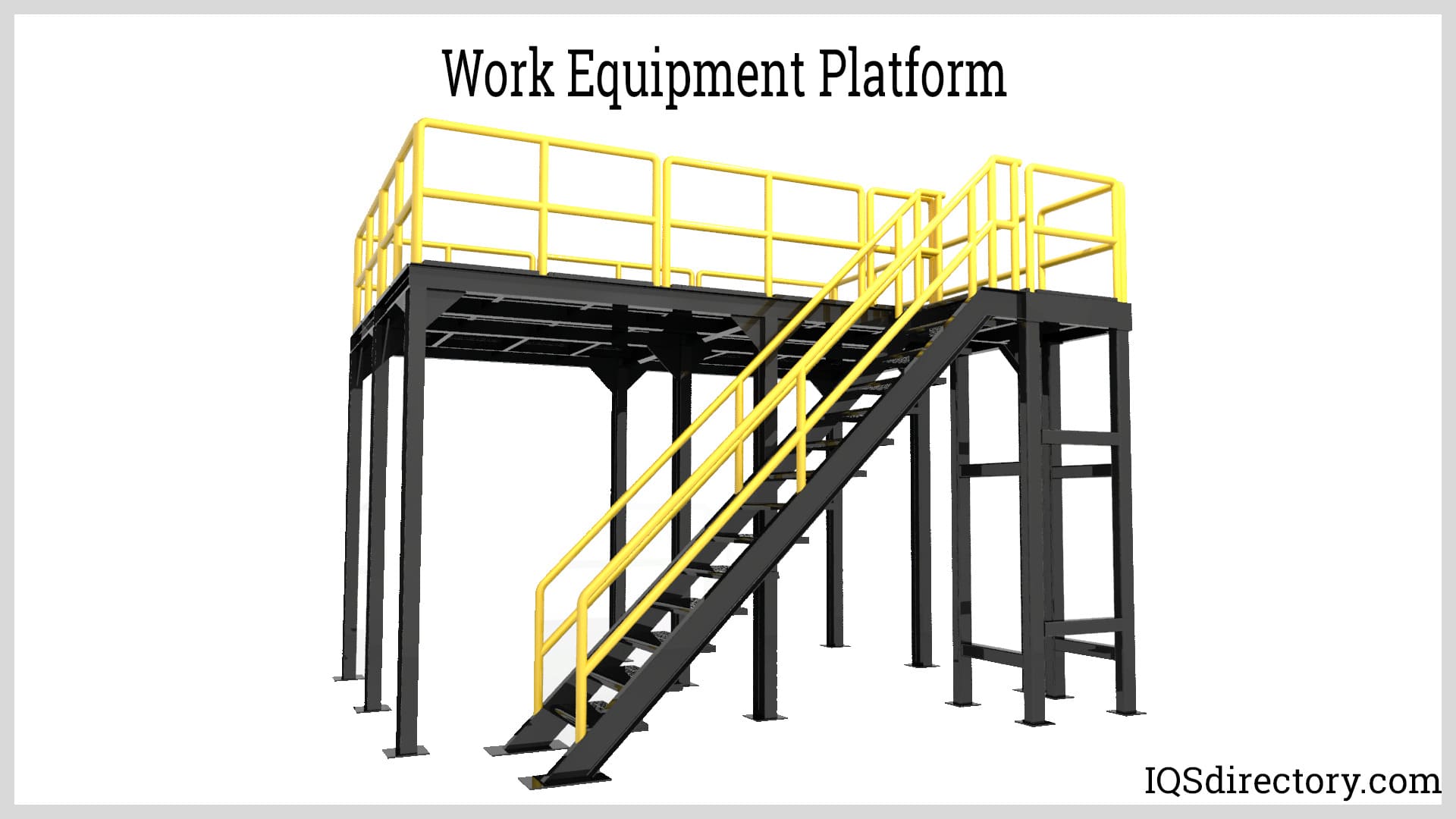
Work Equipment Platforms
A work equipment platform is an elevated platform or surface in a manufacturing or production site that provides easy access to equipment and machinery. The raised space of a work equipment platform...