Please fill out the following form to submit a Request for Quote to any of the following companies listed on
Get Your Company Listed on this Power Page
Introduction
This article contains all the information you need to know about Tube Bending. Read further and learn more about:
Below you will learn:
What is Tube Bending?
Terminologies used in Tube Bending
Mechanics of Tube Bending
Types of Tube Bending
And much more…
Chapter One – What is Tube Bending?
Tube bending is a metal forming process that curves tubing from its straight, original profile into controlled radii and angles without sacrificing fit, performance, or structural integrity. Straight tube works well in many assemblies, but bending is often required to accommodate tight packaging constraints, reduce the number of welded joints, improve flow paths, and achieve the exact geometry a design calls for. In precision fabrication, tube bending is less about “making it curved” and more about producing repeatable, dimensionally accurate parts that install easily and perform reliably in service. For buyers and engineers evaluating custom tube fabrication, the process is often selected to improve manufacturability, reduce assembly time, and meet strict application specifications.
Curved tubes are common anywhere designers need strength, smooth transitions, or efficient routing. They appear in musical instruments like trombones and horns, stair and safety handrails, furniture frames, grab handles, recreational equipment, and HVAC line sets. In industrial and transportation systems, bent tubing and fittings help redirect fluid and gas paths with fewer connections, which can reduce leak points and pressure losses in applications such as automotive exhaust, hydraulic and pneumatic lines, refrigeration circuits, process piping, and pipeline infrastructure. For many manufacturers, tube bending also supports cleaner aesthetics, improved ergonomics, and lighter assemblies by eliminating unnecessary brackets and couplings. It is also frequently used in OEM components, chassis assemblies, marine hardware, medical equipment, and structural frameworks where precision and repeatability are critical.
Two primary approaches are used to bend tubing: hot bending and cold bending. Hot bending uses elevated temperatures to reduce forming forces and enable larger diameters, thicker walls, or tighter radii on difficult materials, while cold bending is performed at or near room temperature for speed, consistency, and surface finish. Each approach includes multiple techniques, such as rotary draw bending for tight, precise radii, press bending for simpler forms, heat induction bending for large-radius pipe and heavy-wall tube, ring roll bending for arcs and coils, and specialized methods like sand packing or hot slab forming to support the tube wall when distortion must be minimized. Selecting the right method depends on material grade, wall thickness, bend radius, tolerance needs, and end-use requirements. Factors such as bendability, minimum bend radius, work hardening, and production volume also influence the best process choice for custom tube bending applications.
A wide range of metals can be tube bent into repeatable shapes, including aluminum, brass, mild steel, stainless steel, and
titanium. These materials can be formed into common configurations such as L bends, U bends, S bends, offset bends, and coils, each serving a specific routing or structural purpose. During bending, force is applied to reshape the tube while the material experiences tension on the outside of the bend and compression on the inside, which is why wall thinning, ovality, wrinkling, and springback must be controlled to meet functional and cosmetic requirements. Additional variables such as centerline radius, outside diameter, wall thickness, and mandrel support can significantly affect final quality, especially in thin-wall tubing and precision bent tube parts.
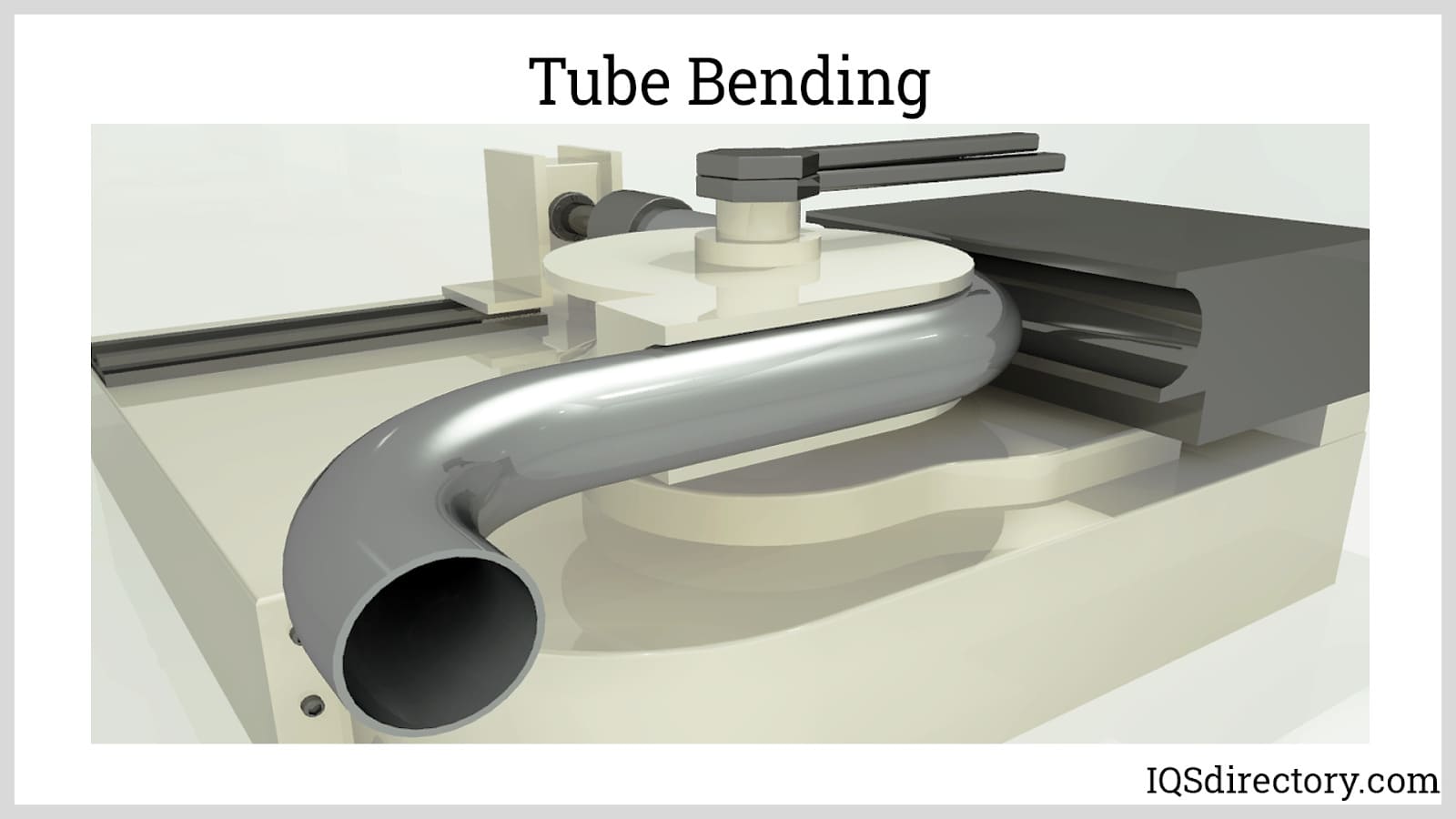
In a typical bending operation, the tube is clamped by a pressure die and clamp die while a bend die,
roller, or press applies the forming action. The process may be free form, where the radius is generated by controlled movement, or form bound, where the tube is drawn around a fixed-radius die. As the tooling moves, the tube experiences tensile and compressive forces, and results are influenced by material type, wall thickness, tooling geometry, bend speed, lubrication, and the overall bend design. Quality outcomes also depend on how well the process manages springback, surface marking, and cross-section distortion, especially for thin-wall tubing and tight bend radii. In many fabrication shops, tooling selection may also include a mandrel, wiper die, or boost pressure to improve roundness, reduce wrinkling, and maintain consistent tolerances across production runs.
Mechanical tube bending includes a variety of techniques used to turn straight tubing into finished components and assemblies for manufacturing, construction, transportation, and mechanical systems. In many production workflows, bending is paired with related fabrication steps such as cutting to length, end forming, slotting, deburring, welding, and notching, creating ready-to-install parts that meet fit-up requirements, maintain consistent geometry, and support long-term performance in the field. For customers comparing tube bending services, key purchase considerations often include material compatibility, tolerance control, repeatability, finish quality, lead time, and the ability to handle prototype runs as well as high-volume production.
Chapter Two – What are key terminologies in tube bending?
Understanding bend geometry is essential before selecting tooling, specifying tolerances, or choosing a tube bending method. The right terminology helps engineers and fabricators communicate exact requirements, avoid costly trial-and-error, and achieve repeatable results across prototypes and production runs. When evaluating custom metal tubing solutions, preparing drawings for manufacturing, or comparing tube bending service providers, these definitions make it easier to assess feasibility, control quality, and predict issues such as wrinkling, flattening, wall thinning, or springback. The following terms are widely used in precision tube bending and are especially relevant for CNC tube bending, mandrel bending, and high-tolerance applications in automotive, aerospace, HVAC, medical devices, and industrial equipment:
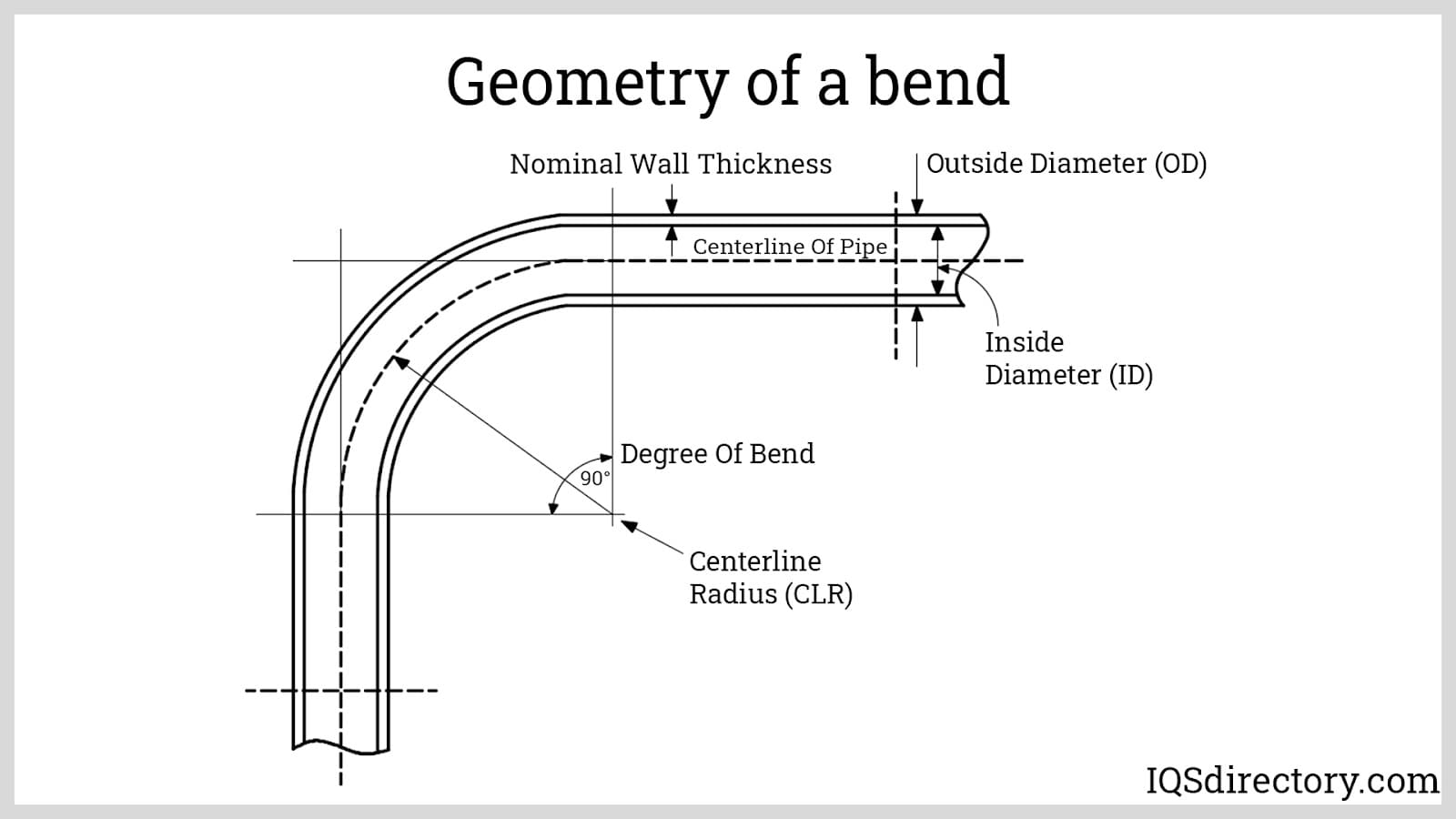
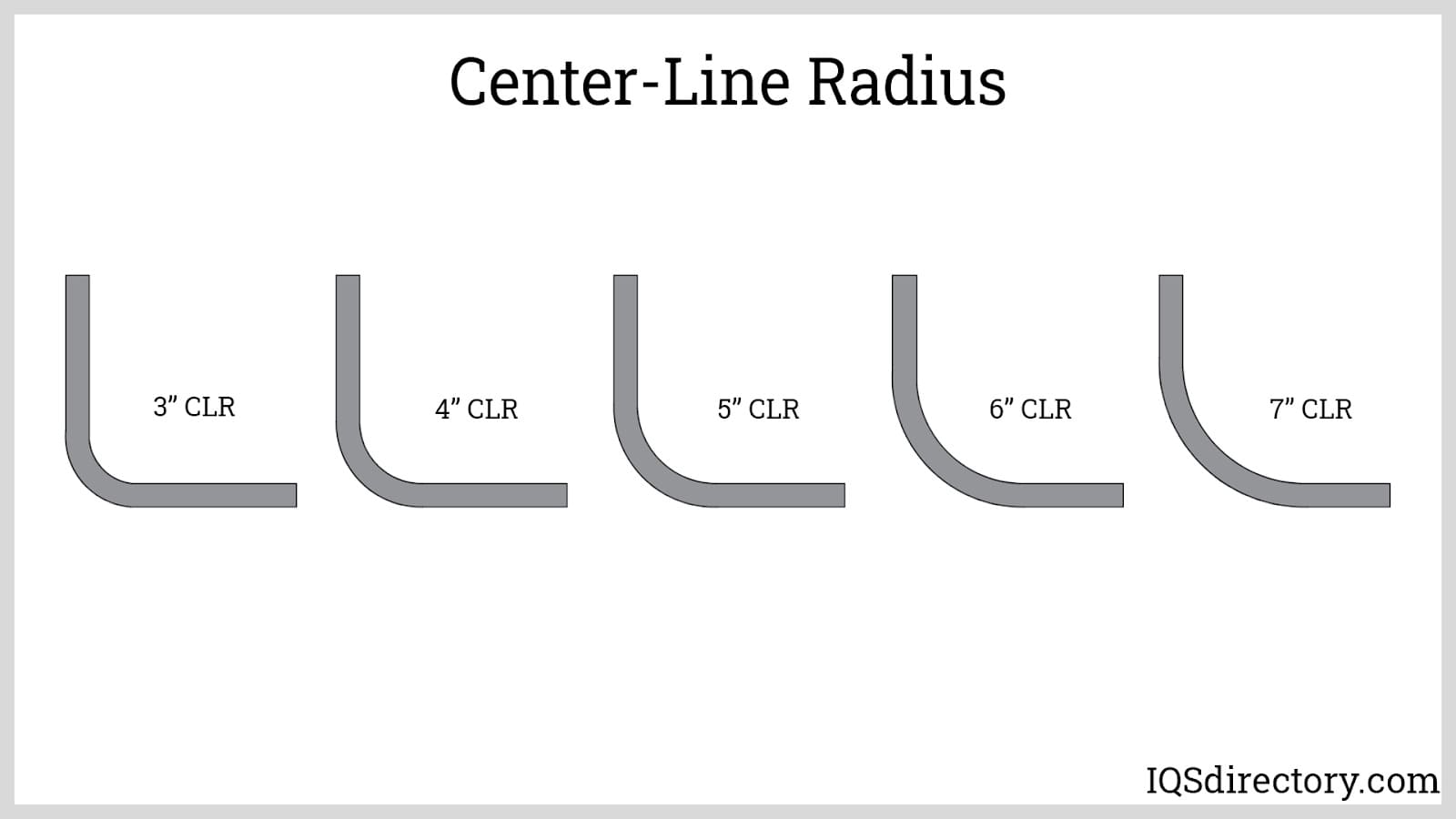
Center-Line Radius (CLR). The center-line radius is the distance from the center of curvature to the centerline (axis) of the tube. This value often corresponds to the bend die radius, depending on how the tooling supports and draws the tube. For tubing with the same OD, wall thickness, and material, a larger CLR creates a gentler bend and a longer arc length, while a smaller CLR creates a tighter bend that is more demanding on the tube wall. CLR is commonly called the bend radius, and it is a critical specification for high-precision tube bending in applications such as exhaust routing, hydraulic lines, structural frames, and heat exchanger coils where fit and flow are closely tied to bend accuracy.
Outside Diameter (OD). For hollow tubing, the outside diameter is the measurement across the outer edges of the tube’s cross-section, passing through the centerline. OD is the primary size reference for tubing and is used to select the correct bending die, pressure die, and clamp tooling. Accurate OD control also ensures proper compatibility with fittings, ferrules, clamps, and assembly fixtures, particularly in systems where repeatable fit-up and leak-free connections are required.
Inside Diameter (ID). The inside diameter is measured across the inner edges of the tube’s cross-section through the centerline. ID determines the internal flow area and is especially important when designing for pressure drop, fluid velocity, and capacity in process piping, HVAC lines, hydraulic circuits, and sanitary tubing systems. ID can change slightly after bending due to ovality, which is why it is often considered alongside wall thinning and bend quality requirements.
Wall Thickness. Wall thickness is the difference between the OD and ID divided by two, representing the thickness of the tube material. It is typically measured with calipers or specialized gauges to ensure accuracy. Wall thickness strongly influences minimum bend radius, tool selection, and the likelihood of wrinkling or tube collapse, particularly in tight-radius bends. It is also a primary factor in pressure ratings, fatigue resistance, and overall mechanical strength, which is why it is closely controlled in critical applications and quality assurance programs.
Degree of Bend. The degree of bend is the angle created by the bent tube, expressed in degrees, and it describes how far the tube is rotated from its original direction. Smaller bend angles create gentler directional changes, while larger angles create sharper direction changes. The angle complementary to the degree of bend is commonly referred to as the bend angle. Accurate bend angle verification is essential for tight-tolerance assemblies, where even small deviations can cause misalignment, poor fit-up, or stress on connections in aerospace, medical, and high-precision industrial components.
Other Essential Tube Bending Terms
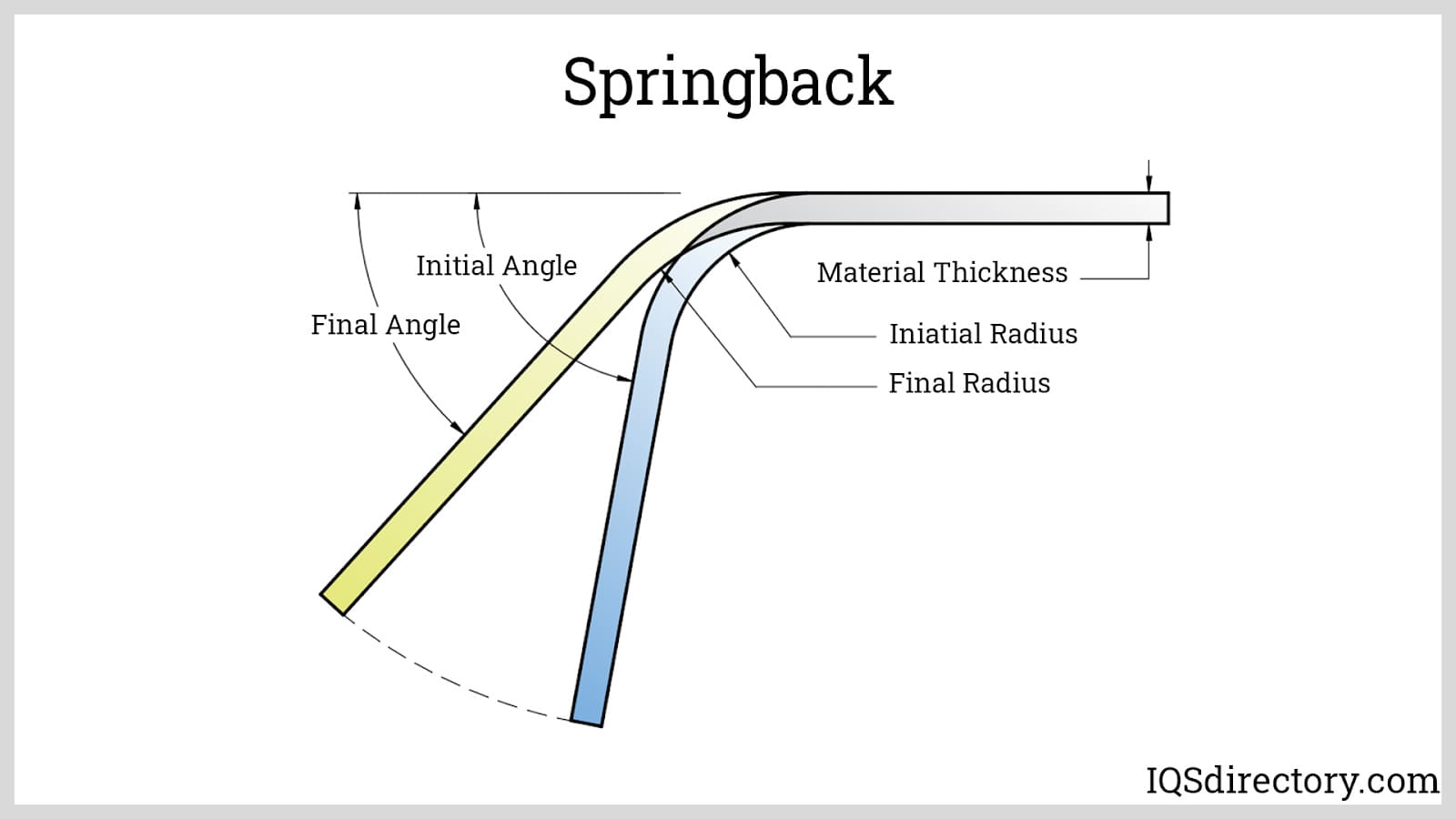
Springback. Springback is the tendency of tubing to relax slightly toward its original shape after the bending force is removed. The amount of springback depends on material, temper, wall thickness, bend radius, and tooling, and it is especially noticeable in stainless steel and aluminum due to their elastic behavior. Accounting for springback through overbending, compensation tables, or CNC programming is key to achieving the final specified bend angle and repeatability in production.
Mandrel. A mandrel is an internal support inserted into the tube during bending to prevent wrinkling, flattening, or kinking, especially in thin-wall tubing and tight CLR bends. Mandrel bending improves roundness and surface quality, enabling smooth, consistent radii for demanding applications such as automotive exhaust, marine railings, architectural tubing, and complex multi-bend assemblies.
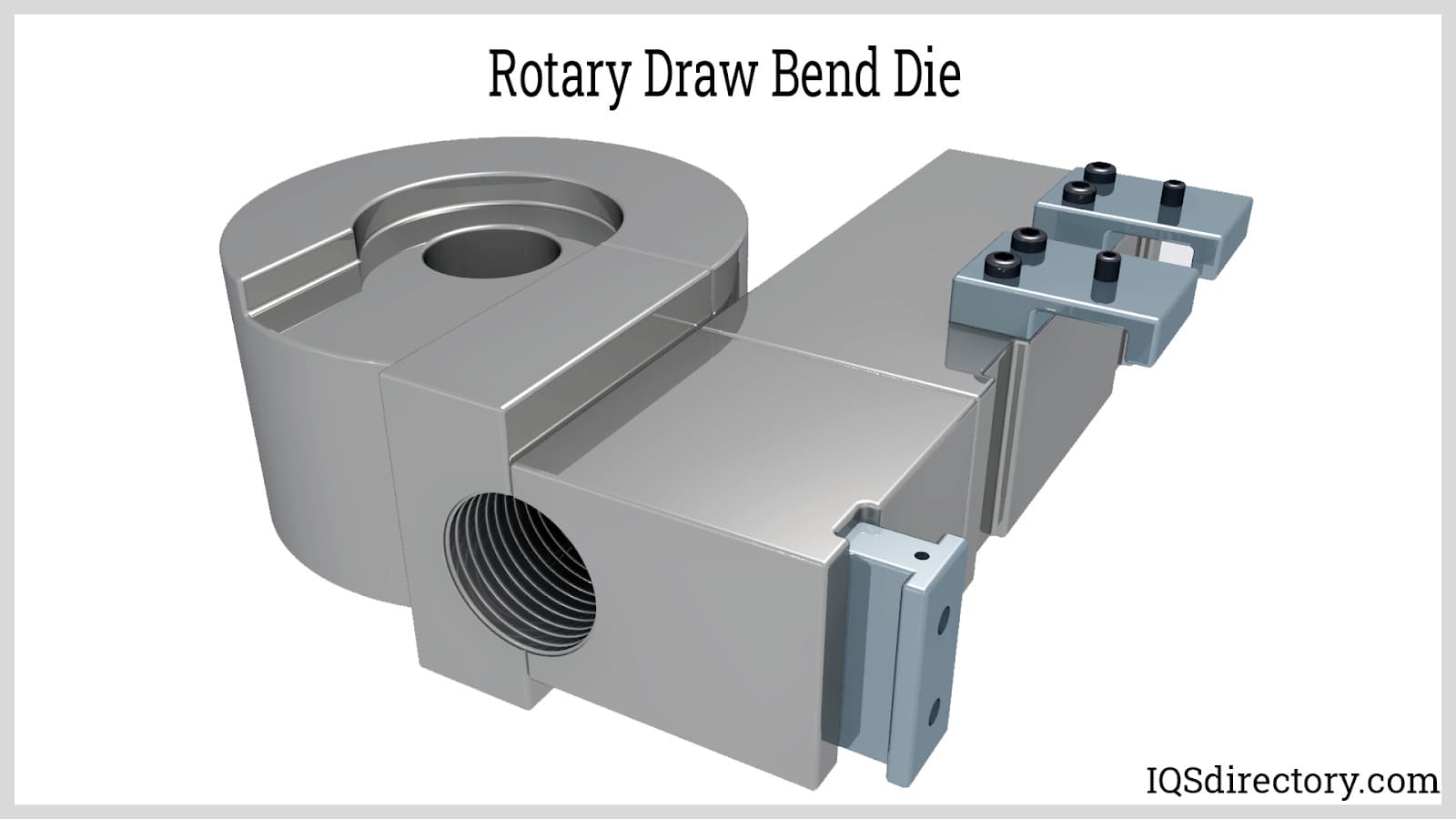
Bend Die (Form Die). The bend die is the tool that defines the bend radius and shapes the tube as it is drawn or pressed into position. Die design, groove geometry, surface finish, and material hardness influence marking, consistency, and throughput. In CNC tube bending operations, maintaining die condition and matching the die to OD and material are central to repeatable results.
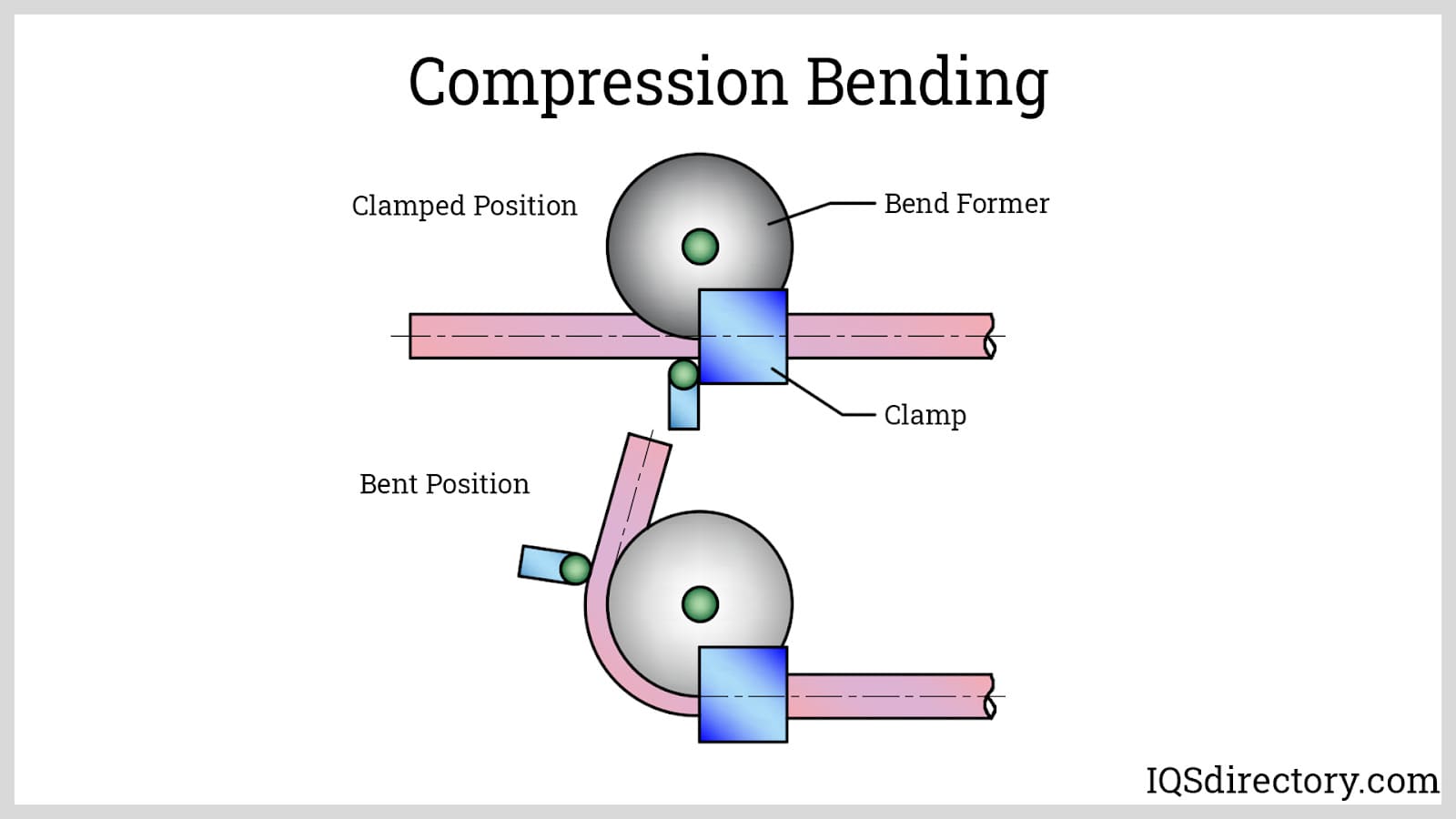
Compression Bending. Compression bending forms the tube around a stationary bend die using a rotating clamp. It is often used for simpler bends and higher-volume production where extreme precision is not required, such as conduit, handrails, and furniture tubing. While efficient, it can increase the likelihood of deformation on tighter radii compared to rotary draw and mandrel-assisted methods.
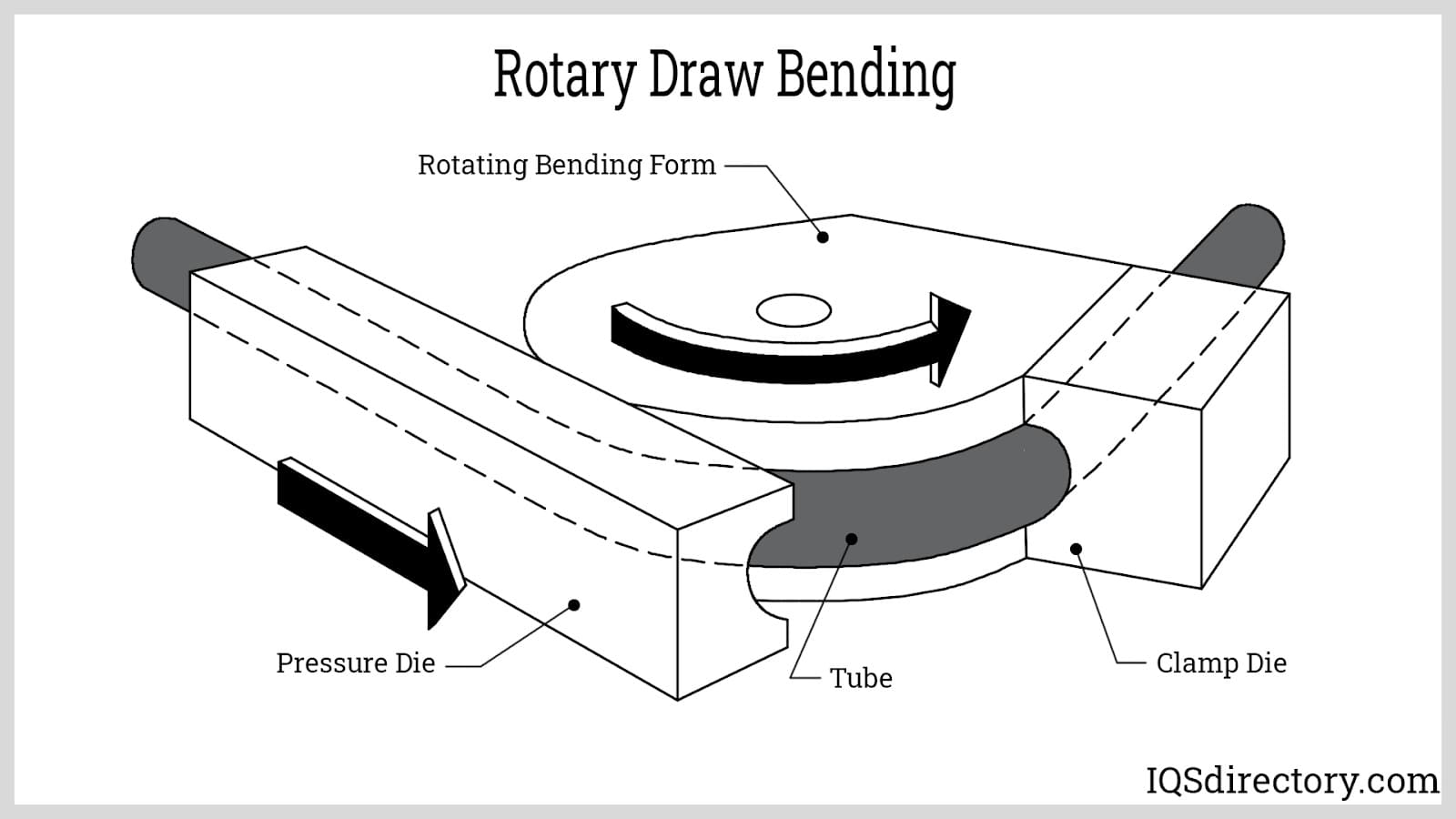
Rotary Draw Bending. Rotary draw bending produces accurate, tight-radius bends by drawing the tube around a rotating bend die while being supported by additional tooling such as a pressure die and, when needed, a mandrel and wiper die. This method is widely used for complex geometries and consistent wall control, making it a preferred process for roll cages, chassis components, heat exchangers, and high-spec industrial tubing assemblies.
Difference Between Tubes and Pipes
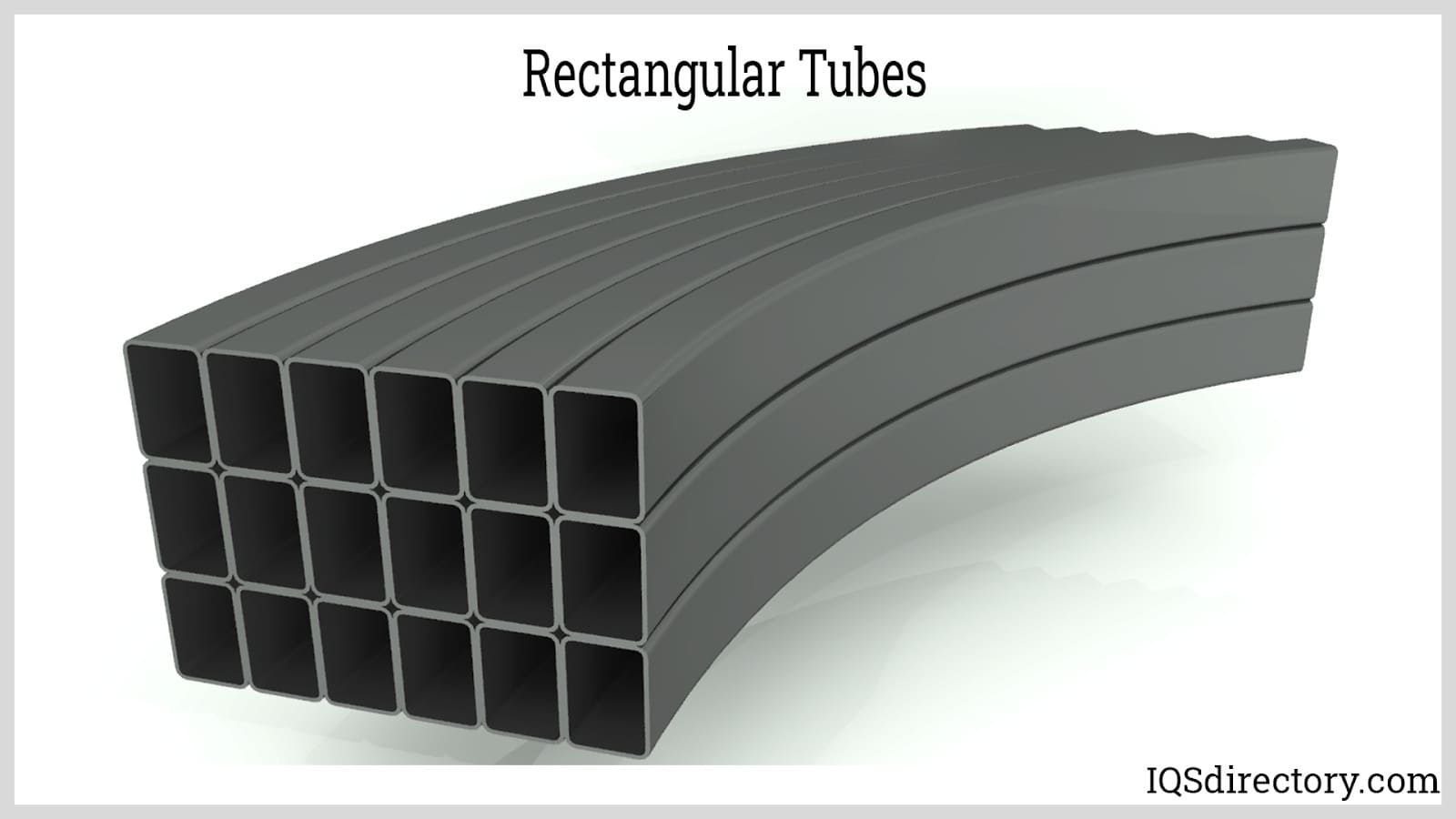
Although tubes and pipes can look similar and can be bent using related methods, they are defined and specified differently. “Tube” generally refers to hollow shapes in round, square, rectangular, or oval profiles used in mechanical, structural, and instrumentation applications. Tubing is typically specified by its outside diameter and wall thickness, and it is often manufactured to tighter dimensional tolerances, which is important for precision assemblies, frameworks, automation systems, and controlled fluid transport in industries such as aerospace, pharmaceuticals, and food processing.
Pipes are primarily used for transporting liquids and gases and are specified by Nominal Pipe Size (NPS) and schedule. NPS is a North American sizing standard, and the schedule number indicates wall thickness as a dimensionless designation that correlates with pressure and temperature capability. Tube sizes, by contrast, are defined by outside diameter and a measured wall thickness that may be expressed using Birmingham Wire Gauge (BWG) in some contexts. Understanding the difference is crucial when sourcing materials for oil and gas, plumbing, chemical processing, or any project that must meet code requirements, because fittings, pressure ratings, and compatibility standards can vary significantly between pipe and tube systems. If you are comparing tube bending services, knowing these sizing conventions helps ensure accurate quoting, correct tooling selection, and reliable fulfillment.
When evaluating tube bending service providers or material suppliers, ask about their ability to hold tight radii and angles, control wall thinning and ovality, prevent wrinkling, and work with specialized materials such as stainless steel, copper alloys, or titanium. Advanced capabilities such as CNC tube bending, mandrel bending, roll bending, and multi-radius bending can expand design freedom while maintaining repeatable quality, efficient production, and compliance with relevant industry standards.
Leading Manufacturers and Suppliers
Chapter Three – What are the mechanics behind tube bending?
During tube bending, a tube undergoes a series of critical physical changes, the nature and extent of which depend on the tube bending method utilized (such as rotary draw, mandrel bending, or compression bending) as well as on the mechanical properties of the tube material (e.g., stainless steel, aluminum, copper, or mild steel). Understanding these mechanics is essential for engineers, manufacturers, and fabricators seeking precision tube bending results in applications ranging from automotive exhaust systems to industrial fluid transfer and structural components.
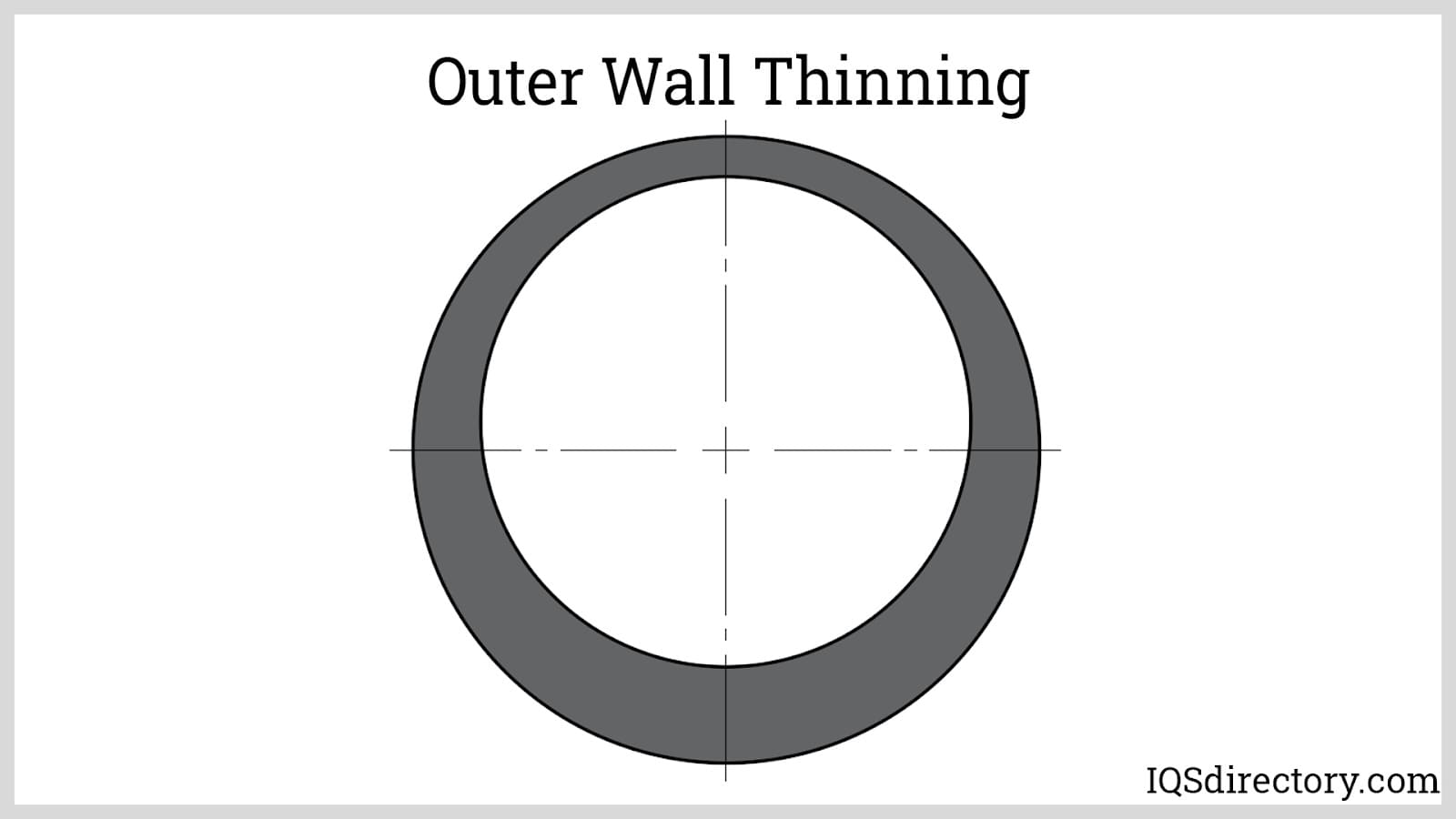
The outer side of the bend receives tensile forces, which results in the elongation and thinning of the wall. This stretching is more pronounced with tight radius bends and in thin-walled tubes, making material selection and wall thickness specification critical factors for preventing cracks or splits on the exterior radius.
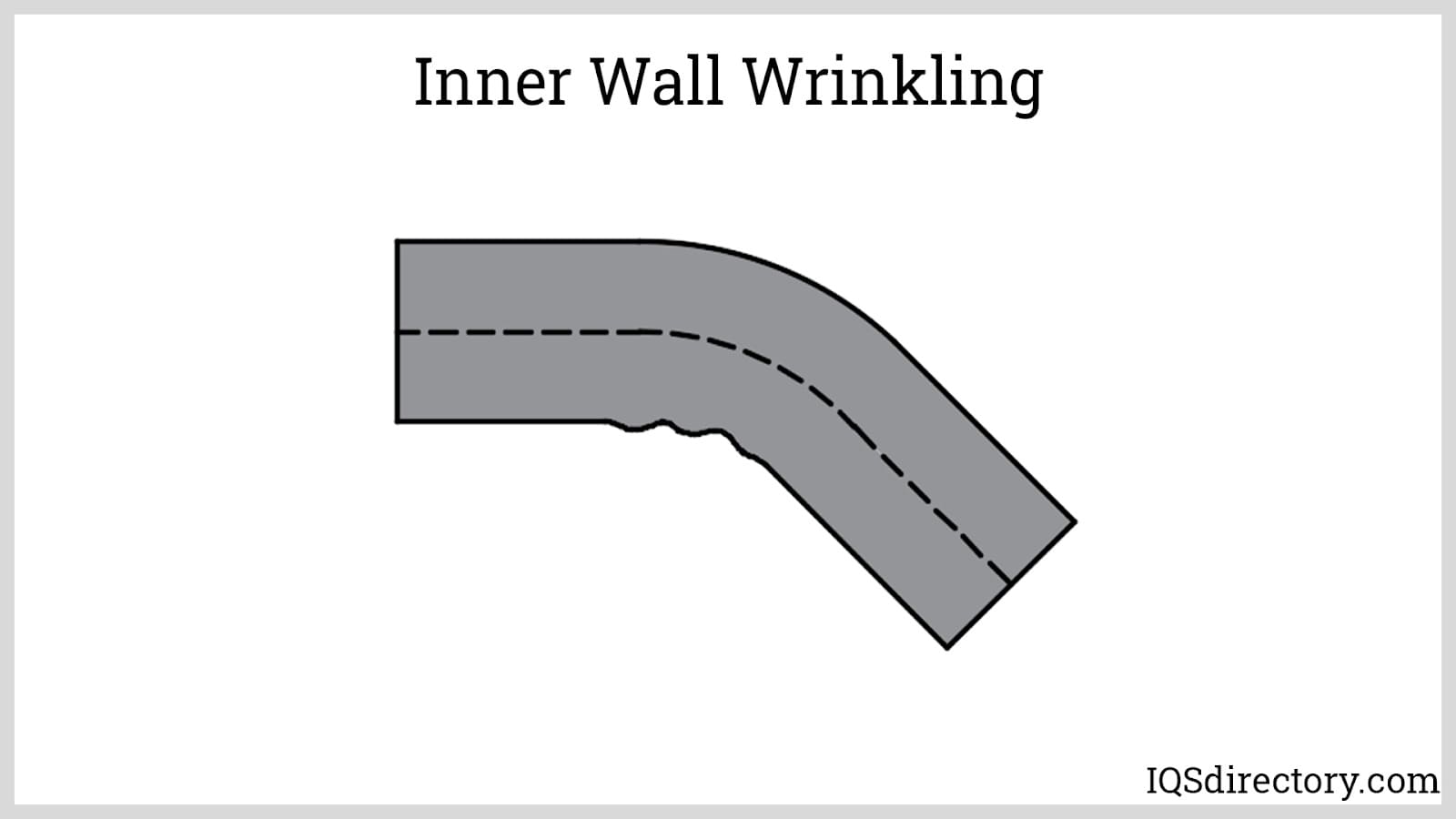
The inner side of the bend receives compressive forces, which results in the wrinkling and thickening of the wall. Excessive wrinkles are common bending defects and can compromise tube integrity, especially in fluid handling or high-pressure hydraulic tube systems. Controlling the compressive force is vital for ensuring the overall durability and aesthetic of the bent tube.
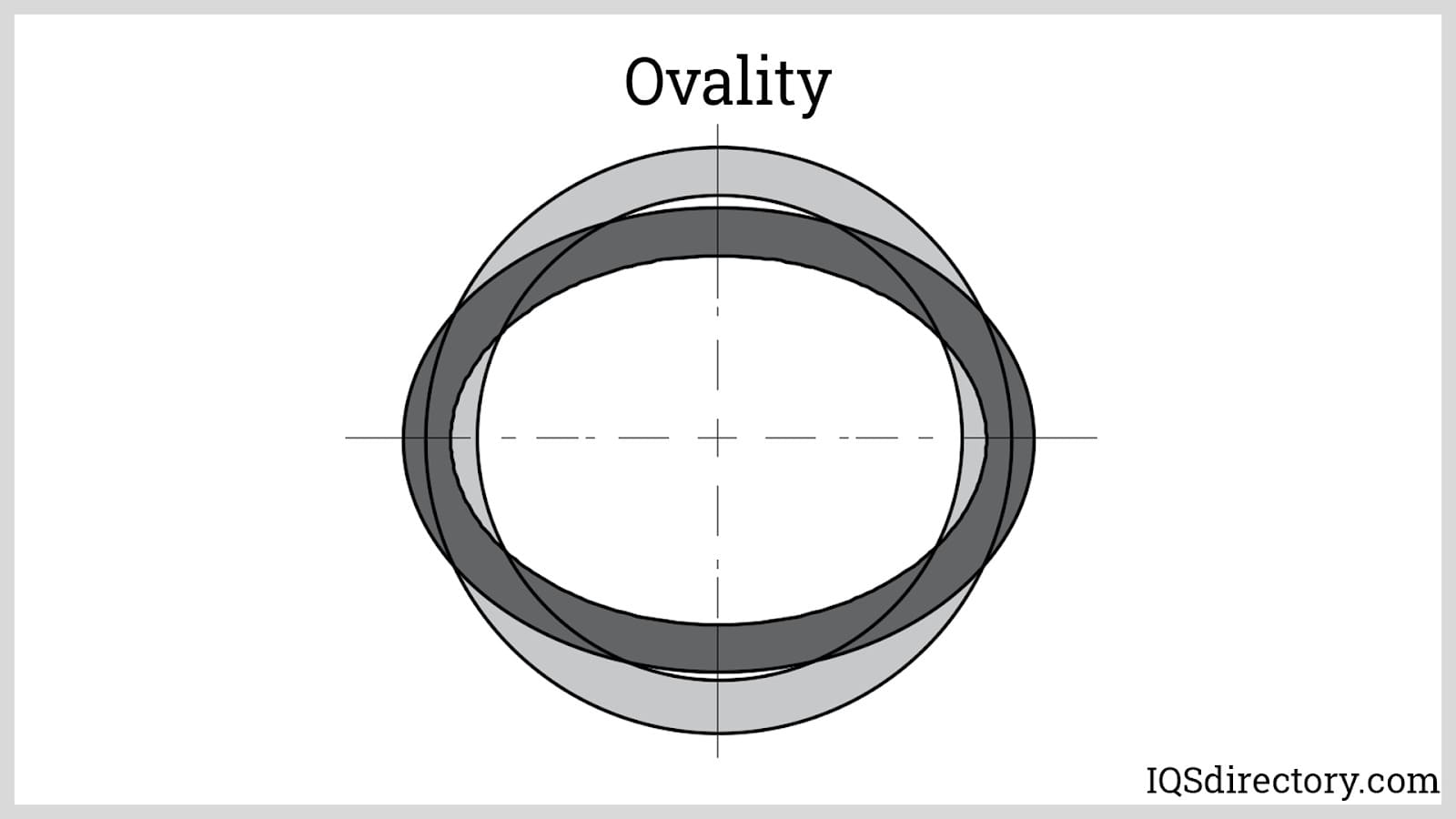
The tube’s cross-section experiences a phenomenon called ovality. Ovality is the distortion of the tube’s cross-section from the original round shape after bending. It results from unbalanced forces acting on the bend, especially when the tube interior is unsupported. Ovality may be tolerated in some applications, but industries with strict tolerances—such as aerospace, medical device manufacturing, or HVAC systems—require precise bend dimensions and seamless roundness, making ovality control a crucial requirement in precision tube bending.
Wall Factor. The wall factor represents the relative wall thickness of a tube, calculated as the ratio of the tube’s outside diameter (OD) to its wall thickness. This value helps determine whether a tube is classified as thick-walled or thin-walled, which directly affects tooling selection and bending strategy. Accurate wall factor evaluation is essential in structural engineering, heat exchanger fabrication, and precision instrumentation tubing.
The wall factor also helps assess bending difficulty. Tubes with lower wall factors are generally easier to bend, as they require less material deformation and present a lower risk of collapse or thinning. Higher wall factors demand advanced dies and mandrels to properly support the tube during bending. Selecting an appropriate wall factor is critical in custom tube bending projects where tight radii and dimensional accuracy are required.
D of the Bend. The term D of the bend describes the ratio of the center-line radius (CLR) to the tube’s outside diameter. This ratio indicates how difficult it is to form either tight or large-radius bends. Higher D values indicate easier bending with reduced deformation, while lower D values increase the likelihood of flattening or collapse. Ideally, an unsupported bend should combine a low wall factor with a high D of the bend.
When these conditions are not met, defects such as flat tone bends may occur due to insufficient wall support. Elongation, or the material’s ability to stretch before failure, also influences bending success. Materials with higher elongation—such as many stainless steel alloys—are better suited for tight-radius bending than lower-ductility materials like mild steel.
Springback.Springback is the tendency of a tube to partially return toward its original straight shape after bending, resulting in a final angle that is slightly less than intended. Fabricators compensate by overbending and applying a calculated springback allowance based on material data or test bends.
Springback occurs because bending creates uneven molecular density within the tube. The inner wall is compressed while the outer wall is stretched, and the higher tensile forces on the outer radius cause the tube to relax once the forming load is removed. Managing springback is essential for maintaining dimensional accuracy, especially in repeatable, high-volume production environments.
In tube fabrication, bend radius is typically referenced as the center line radius (CLR), measured along the tube’s centerline. CLR often exceeds the die radius, particularly when mandrel support is absent or when forming forces are reduced. As CLR increases, springback variability also increases, which can affect part-to-part consistency and alignment.
Springback causes the CLR to expand as the tube attempts to recover its original shape. For many bending dies, the final CLR is approximately 1.042 times the die radius. This relationship is useful when estimating bend geometry in applications where a full 180° bend is not possible.
Springback is influenced by factors such as material stiffness, tensile strength, wall thickness, tooling design, and the selected tube bending process. Harder materials and smaller CLR values generally produce greater springback. To compensate, fabricators apply a springback factor derived from testing and process calibration, which varies with material type, tube size, and tooling configuration.
Additional Considerations for Tube Bending Process Optimization
Bend Quality Control: Monitoring for surface defects, cracks, or excessive wrinkling is critical, particularly in high-specification industries such as aerospace and automotive manufacturing.
Tooling Selection: Proper selection of dies, wipers, and mandrels matched to the tube material and geometry reduces scrap rates and improves yield.
Tolerances and Repeatability: Consistent results require precise control of bending variables, accurate measurement, and CNC tube bending systems for automated production.
End-Use Application: Bend design should always account for the final application—whether HVAC, plumbing, medical instruments, roll cages, or exhaust systems—as performance requirements vary widely.
Mastering the mechanics of tube bending—by understanding stress distribution, ovality, springback, and tooling interaction—enables engineers and fabricators to meet demanding specifications and deliver high-performance bent tube components across a wide range of industrial applications.
Frequently Asked Questions
What is tube bending and why is it necessary?
Tube bending is a mechanical process that curves straight tubes, making them suitable for custom designs and applications in industries like HVAC, automotive, and furniture. Bending allows tubes to fit specific constraints or functional requirements that straight tubes cannot satisfy.
What are the most common tube bending methods?
The main tube bending methods are hot bending and cold bending. These include techniques like rotary bending, press bending, heat induction bending, ring roll bending, sand packing, and hot slab forming, each used for different applications based on material and design needs.
How does springback affect tube bending accuracy?
Springback is the tendency of a bent tube to partially revert toward its original shape, making the final angle less than intended. To compensate, fabricators overbend the tube and apply a calculated springback allowance for precision results.
What are key tube bending terms every engineer should know?
Essential terms include center-line radius (bend radius), outside diameter (OD), inside diameter (ID), wall thickness, degree of bend, springback, mandrel, bend die, compression bending, and rotary draw bending. Mastery of these terms supports effective communication and design precision.
What factors influence the quality of a bent tube?
Quality depends on tube material, wall thickness, tooling type, pressure, lubrication, bend design, and control of forces during bending. Proper selection ensures minimal deformation, eliminates defects, and meets strict tolerances in sensitive industries.
How are tube and pipe bending different?
Tubes are sized by outside diameter and often used for structural and precision applications. Pipes are sized by nominal pipe size and schedule number and are primarily for transporting fluids or gases. Bending techniques can differ due to these sizing conventions.
Chapter Four – What are the different types of tube bending?
Tube bending methods can be categorized into form-bound or freeform bending techniques. Form-bound bending relies on the shape of the die, as seen in methods like press bending and rotary draw bending. In contrast, freeform bending depends on the tube's movement through the tooling, such as in roll bending. Additionally, tube bending techniques are divided into cold and hot bending. Cold tube bending is performed at room temperature. Some of the most commonly used cold tube bending techniques include the following:
Press Bending
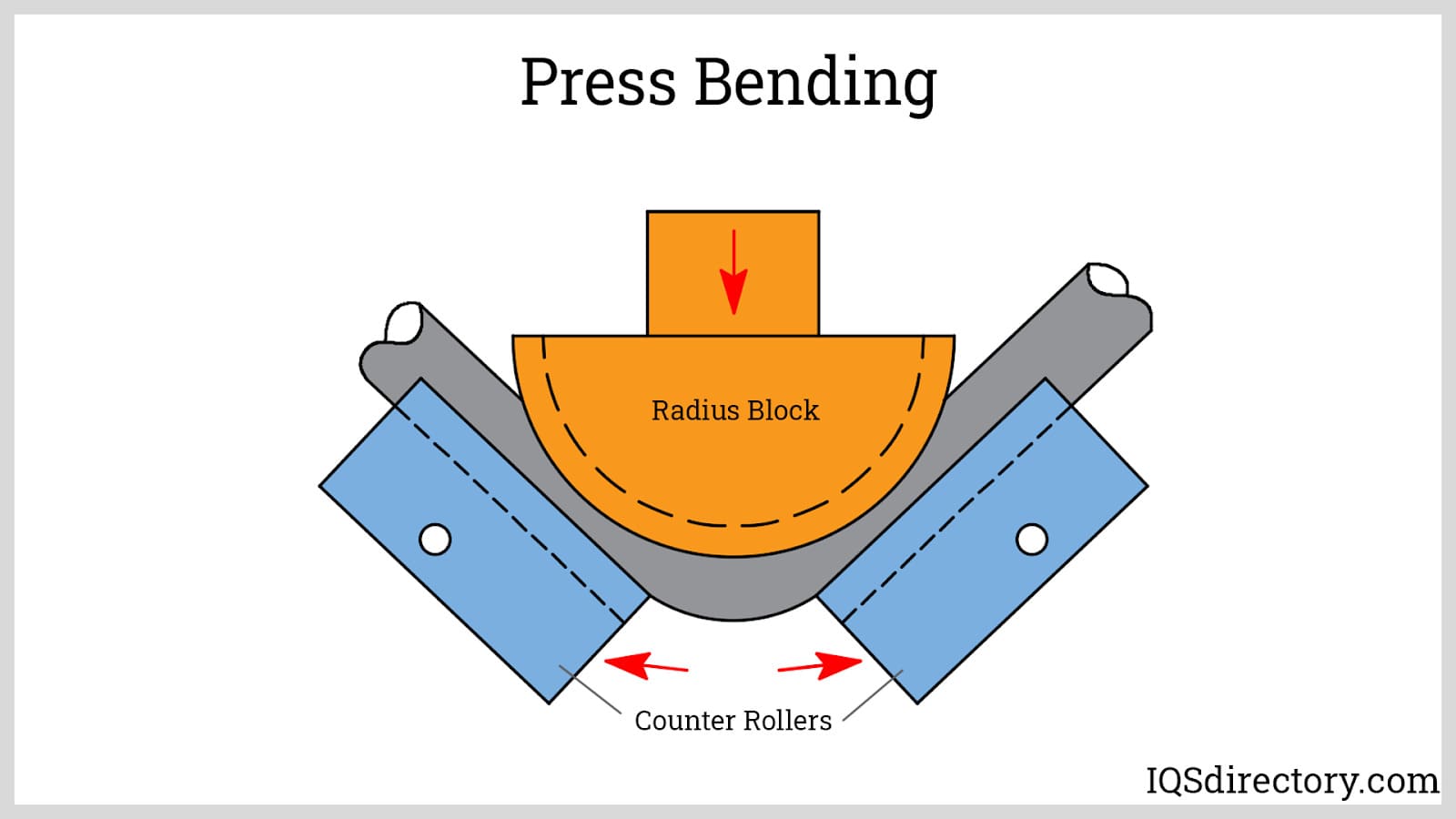
Press bending is one of the earliest industrial tube bending techniques. In this process, the tube is secured at two points while a ram (or bend die) is pressed against it to shape the bend. The shape and dimensions of the cylindrical ram determine the characteristics of the bend applied to the tube.
Press bending is a fast method suitable for symmetrical parts and does not require lubrication or cleaning. However, it struggles with creating smaller bend angles and lacks internal support for the tube, making it susceptible to deformation in both internal and external curves. This technique can often result in an oval cross-section, especially depending on the tube’s wall thickness. Due to its difficulty in controlling the bend precisely, press bending is typically used only when a uniform cross-section is not critical.
Rotary Draw Bending
Rotary draw bending is ideal for producing accurate bends with a consistent center line radius (CLR) and diameter, resulting in minimal ovalization. It is commonly used in applications such as pipe fittings, instrument tubing, handrails, and components for automotive and aerospace industries. This technique is also effective for hollow sections with various cross-sectional shapes, such as square or oval. Properly matched tooling ensures a smooth and visually appealing bend.
This method involves bending the tube using a set of interlocking dies, with internal support provided by a mandrel.
Bend dies are crucial components in rotary draw bending, used to shape and control the form of the tube during bending. They define the radius of the bend and come in a wide range of designs, from simple to highly complex, each tailored to meet specific application needs.
Tube bending dies are selected based on the specific bending requirements of the design. For instance, if the height of the bend exceeds its width, a pedestal and flange mount bend die is used, which provides a stable platform for better support during the bending process.
While the type of bend is crucial in selecting the appropriate bending die, the choice of metal also plays a significant role. Common metals used for tubing include steel, stainless steel, brass, copper, and aluminum. Engineers must choose tubing with adequate wall thickness to endure the stresses of the bending process and prevent potential issues.
The clamp die secures the tube by gripping its outside diameter and holding it against the bend die. Its main role is to stabilize the tube during the bending process. As the bend die rotates to create the bend, the clamp die rotates in alignment with the curvature and moves in and out to facilitate tube feeding. Proper clamping pressure is crucial: insufficient pressure can lead to tube slippage, while excessive pressure may cause wrinkling or collapse of the tube.
The wiper die is employed to prevent wrinkling on the inside radius of the tube when a mandrel alone is inadequate. Positioned behind the bend die with its tip at the tangent point, the wiper die helps manage the bending process. Because it experiences frictional forces during bending, the material of the wiper die must be compatible with the tubing material to avoid issues like galling over time. Steel wiper dies are suitable for bending tubes made of steel, aluminum, copper, and bronze, while aluminum bronze wiper dies are used for stainless steel, titanium, and Inconel tubes. To minimize friction, hard chrome-plated steel wiper dies are often used.
The pressure die is positioned tangentially to the bend die and has two main functions. Firstly, it exerts the necessary force to bend the tube and maintains consistent pressure at the point of contact. Secondly, it helps guide the straight tube around the bend, often with the assistance of a pressure die booster, which applies additional compressive force to counteract elongation of the tube’s outer wall.
The mandrel
provides internal support for tubing during bending to prevent collapsing, wrinkling, and ovalization. Mandrel material selection is critical, as different metals perform best with specific tubing materials. For example, aluminum bronze mandrels are commonly used for stainless steel tubing to achieve optimal results.
Plug mandrel. Used for thick-walled tubes and large CLR bending.
Formed end plug. A contoured variation of the plug mandrel that matches the bend radius to provide additional support.
Standard mandrel. The most commonly used mandrel type, consisting of one or more linked balls that flex during bending.
Thin wall mandrel. Used for thin-walled tubes with wall factors of 70 or more and tight radii.
Ultra-thin wall mandrel. Designed for extremely thin-walled tubes with wall factors of 200 or more and the tightest possible radii.
These mandrels are weaker by design and will fail if used on thicker-walled tubing.
Links. Connect mandrel balls to the shank and influence mandrel durability and lifespan.
Compression Bending
Compression bending is a cost-effective method with a simple setup but is limited to circular hollow sections. Because it does not support mandrel use, some flattening may occur. It is not suitable for small CLR bends and is commonly used for electrical conduits and symmetrical structural components.
Roll Bending
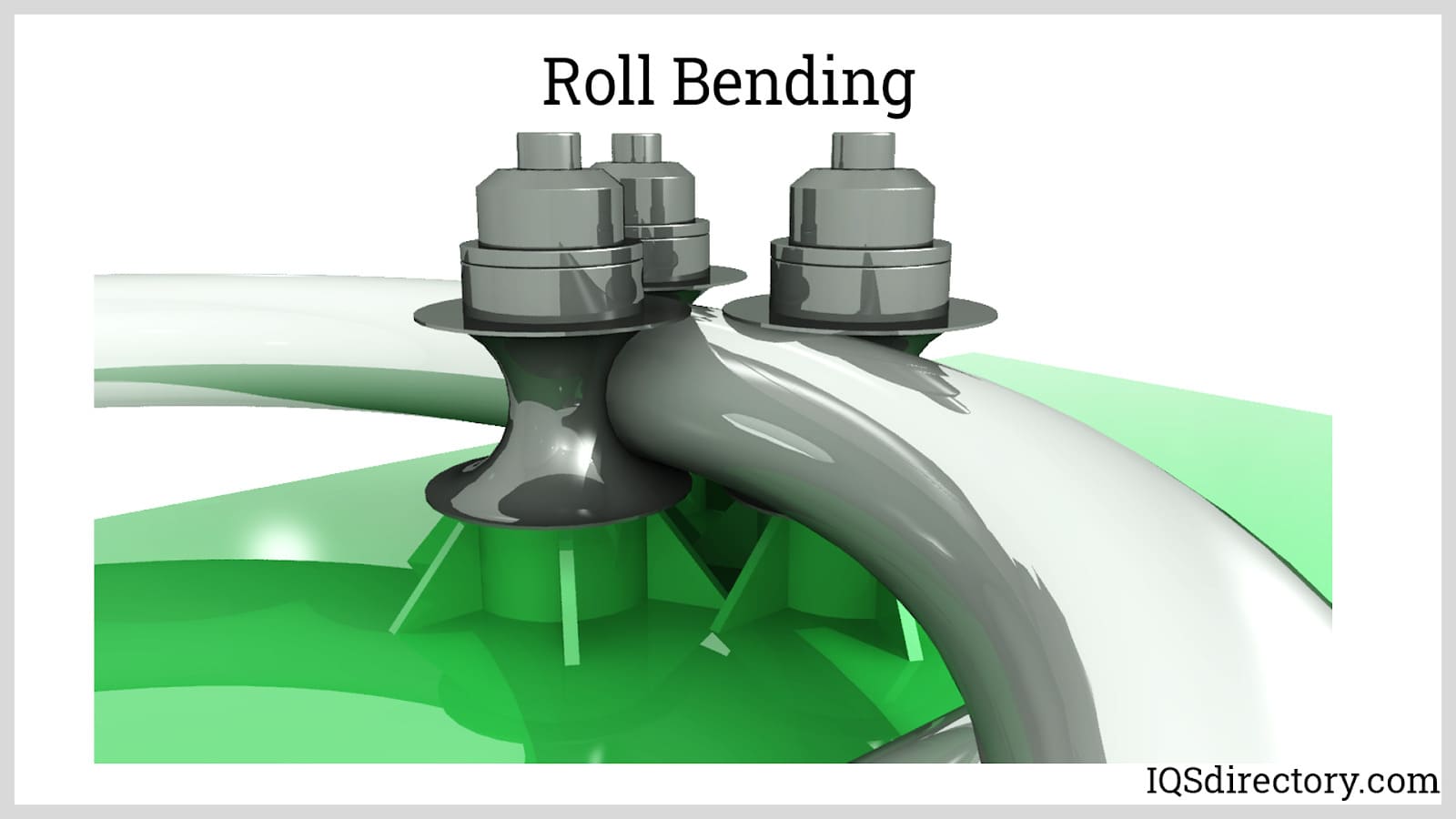
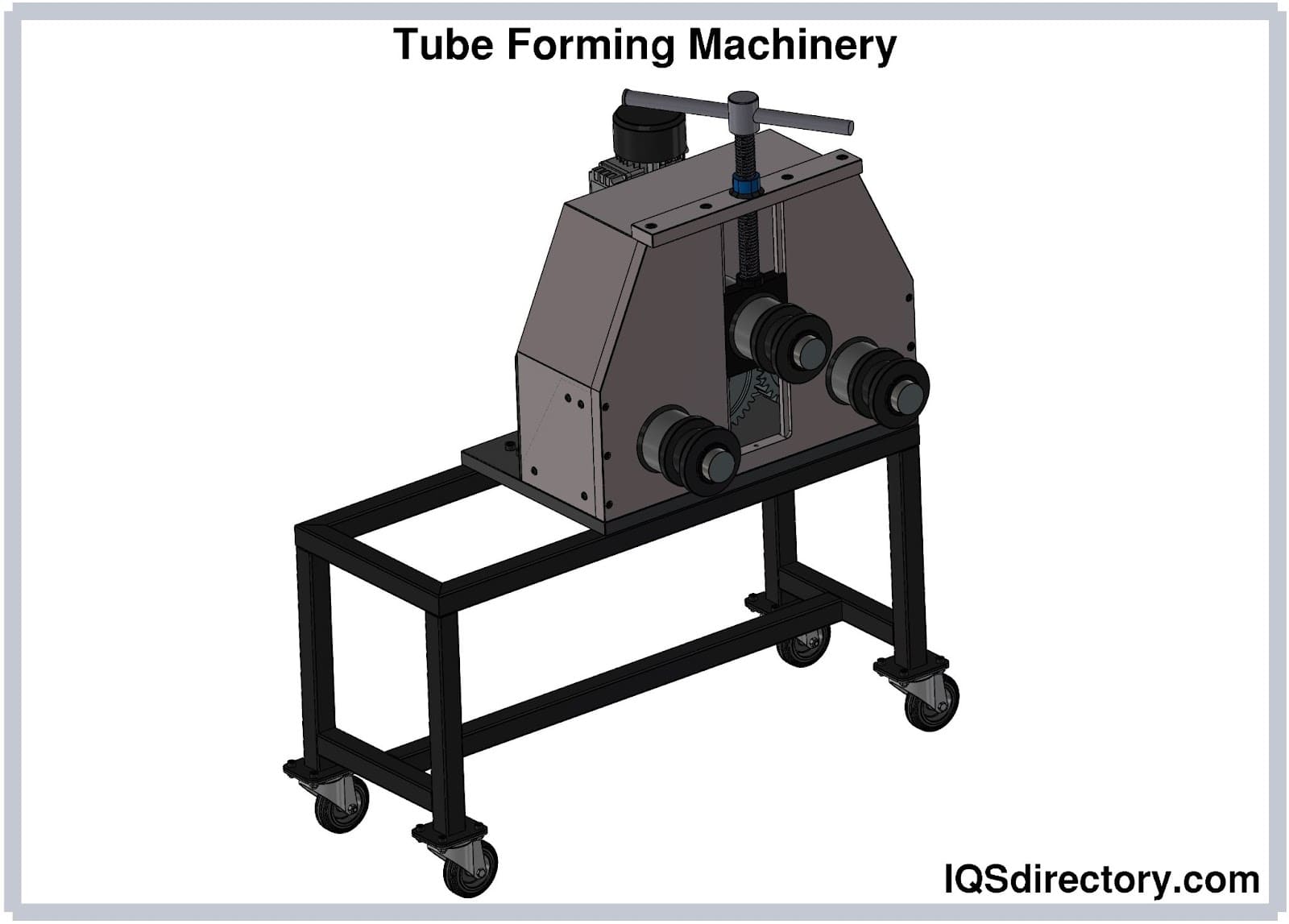
Roll bending produces large CLR bends using two stationary rollers and one adjustable roller. The tube is passed repeatedly through the rollers to gradually form the desired radius.
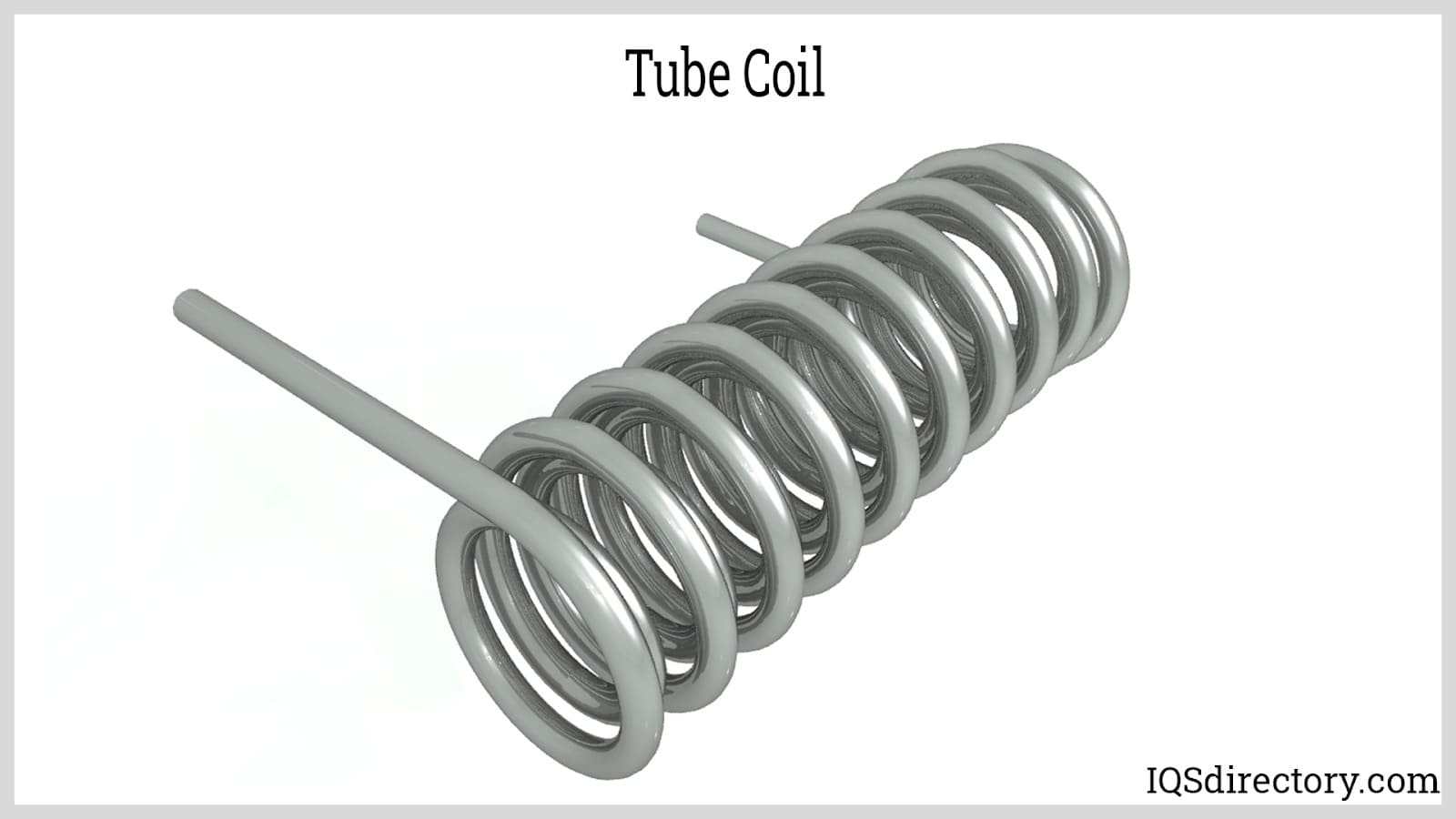
Roll bending is commonly used for structural components and spiral coils, where the tube is repositioned after each pass to form continuous curves.
Bending Springs
Bending springs are simple tools for manual bending of soft materials like PVC and copper tubing. A spring is inserted into the tube to support the inner wall during bending. While easy to use, this method offers limited precision.
Hot tube bending techniques use heat to enable plastic deformation and are commonly applied to polymeric materials such as PVC, CPVC, and ABS.
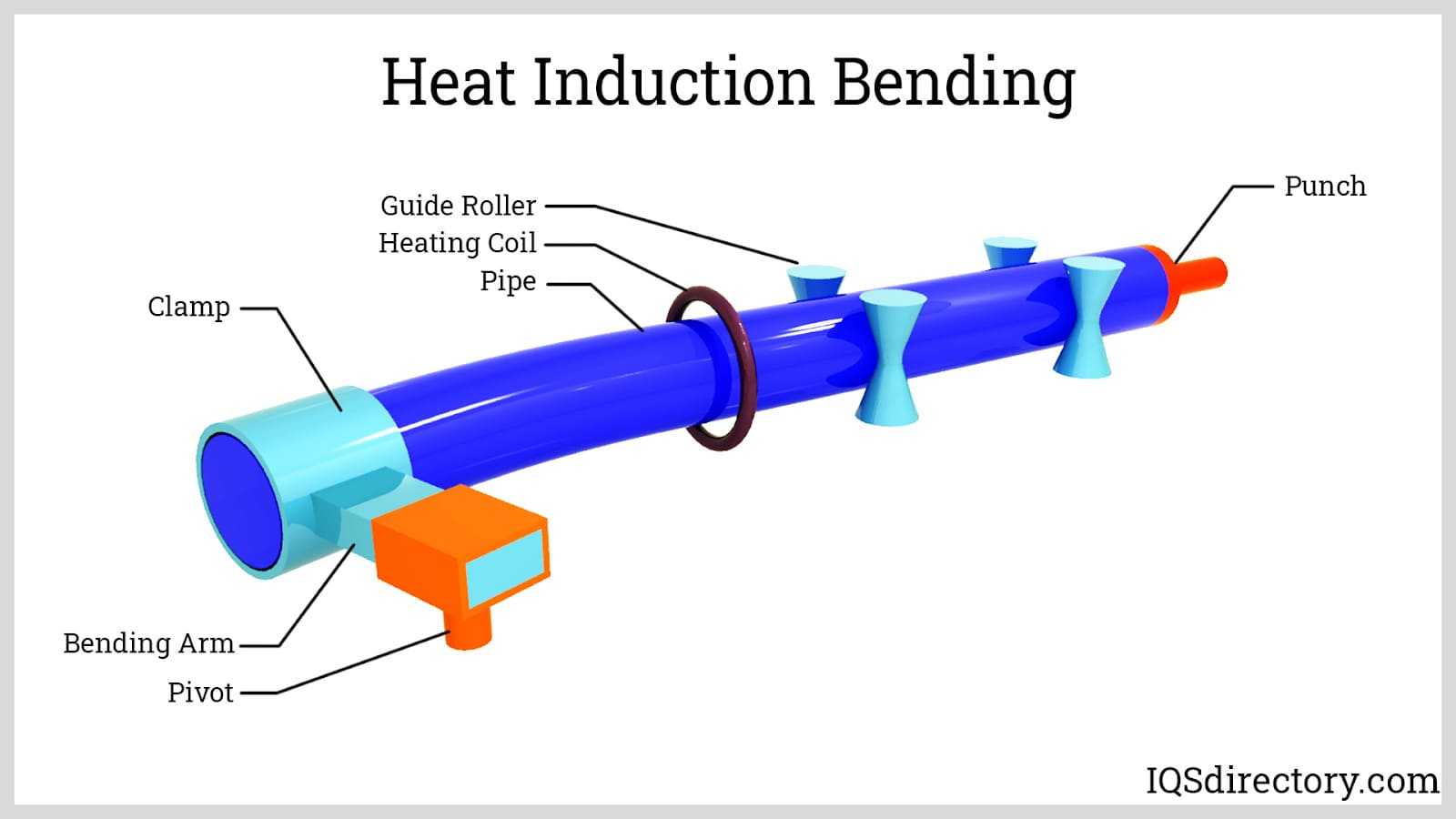
Heat Induction Bending
In heat induction bending, localized heating is applied through an induction coil at the tangent point of the bend while mechanical force shapes the tube. Working temperatures range from 430°C to 1,200°C depending on material. After bending, the tube is quenched with air or water.
This process allows a wide range of CLR values without mandrels or compression dies and is commonly used in energy, petrochemical, and mining industries despite higher operating costs.
Sand Packing Hot-Slab Bending
In sand packing hot-slab bending, tubes are filled with packed sand, sealed, heated above 870°C, and bent around pins. The sand maintains cross-sectional integrity during bending.
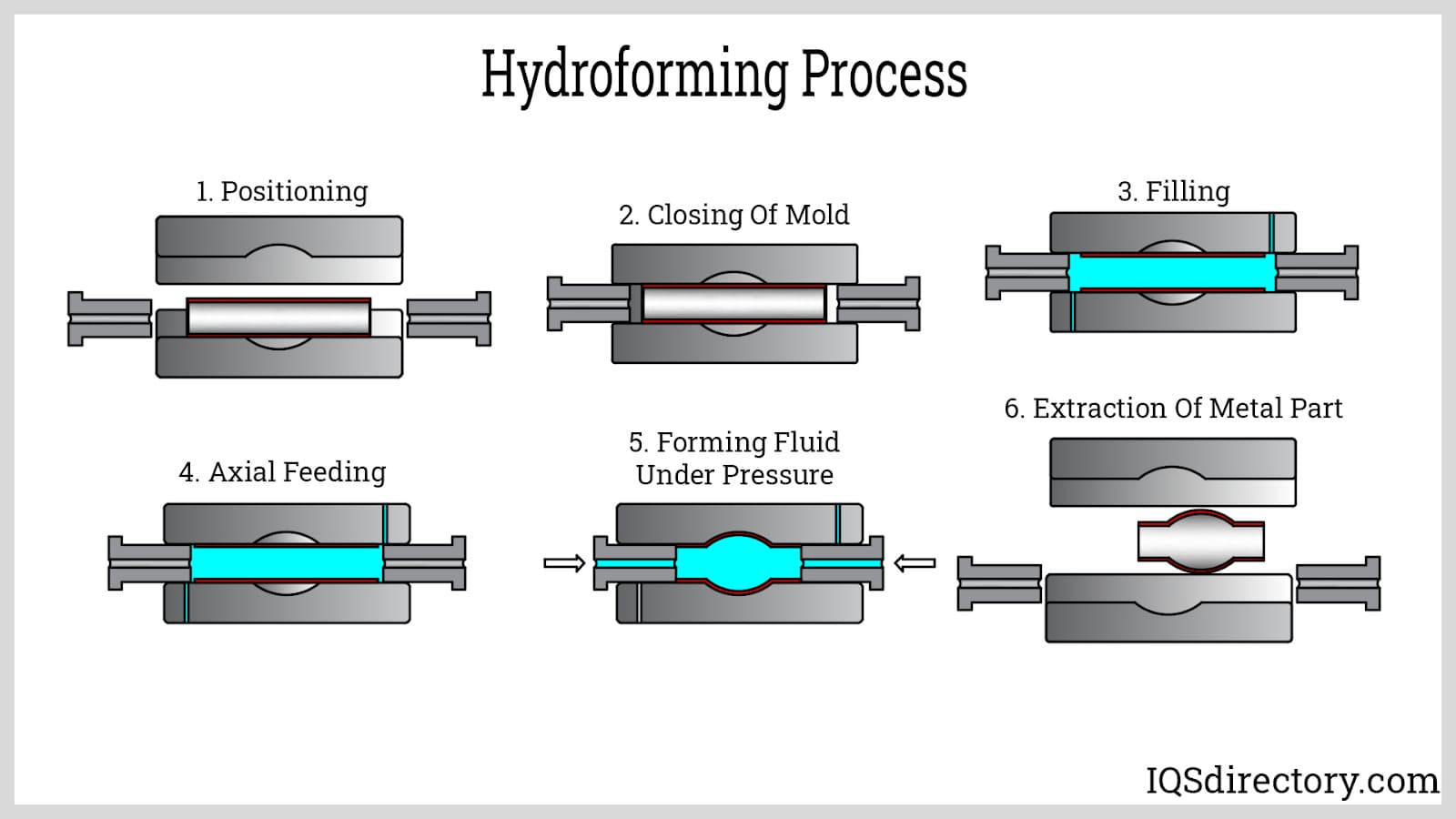
Hydroforming uses pressurized fluid inside tubing placed between dies to form complex shapes. The process produces high-quality components with minimal springback and excellent surface finish.
Lubrication
Proper application of
lubricant
reduces friction, tooling wear, and material damage. Lubricants are applied inside and outside the tube, on mandrels, wiper dies, and contact surfaces. Heavier-duty bends require higher lubricant concentration, and residue is cleaned after bending.
Conclusion
Tube bending is a controlled mechanical deformation process used to permanently alter the shape and geometry of metal tubing. The final bend quality and accuracy depend heavily on factors such as tooling selection, bend geometry, tube diameter, wall thickness, material properties, and proper lubrication throughout the bending operation.
During tube bending, the tubing material is subjected to a combination of tensile forces on the outer radius and compressive forces on the inner radius. Managing these opposing stresses is essential to prevent common defects such as cracking, wrinkling, wall thinning, or ovality.
Wall factor and D of the bend are critical parameters used to evaluate the difficulty of forming a bend. These measurements help determine whether additional tooling—such as mandrels, wiper dies, or boosters—is required to achieve precise, repeatable results.
Springback is the natural tendency of a tube to partially return to its original straight shape after bending. Accurately predicting and compensating for springback is essential for maintaining tight tolerances and consistent bend angles in precision tube bending applications.
Tube bending methods are broadly classified as form-bound or free-form, as well as cold or hot bending, depending on how the tube is shaped and whether heat is applied during the process.
Form-bound bending methods rely on the geometry of the bending die to define the final shape, while free-form bending techniques depend on controlled tube movement and tooling interaction to gradually create the desired radius.
Cold tube bending techniques—such as press bending, rotary draw bending, and compression bending—are performed at room temperature and are widely used for structural, automotive, and industrial tubing. Hot tube bending methods, including heat induction bending and sand packing hot-slab bending, apply heat to enhance plastic deformation and are typically used for larger diameters, thicker walls, or tighter bend requirements.
Leading Manufacturers and Suppliers
Related Posts
Tube Fabricating Machinery
Tube fabricating machinery refers to machinery that either bends, cuts, or forms tubes and pipes into various shapes and sizes permanently. These machines work tubes constructed from materials with high ductility and malleability such as...
Metal Channel
A wire brush is an abrasive tool that has stiff bristles made from a variety of rigid materials designed to clean and prepare metal surfaces. The filaments of wire brushes are small diameter pieces of inflexible material that...
Metal Fabrication
Precision sheet metal fabrication is a common manufacturing process where the structure of a metal workpiece is cut, bent, and assembled by machining. There are any number of operations that are performed in the creation of a finished sheet metal product...
Metal Moulding
Roll forming is a gradual process of bending a flat sheet of metal to obtain a longitudinal and uniform profile by processing it through a set of mated tool dies. The process is carried out until a uniform shape is obtained....
Roll Forming
Roll forming is a process that uses a set of precisely placed rollers to perform incremental bending to a continuously fed strip of metal. The rollers are mounted in sets on a consecutive stand with each roller...
Steel Channels
Steel channels are "C"-shaped hot-rolled carbon steel built with vertical web and inside radius corners on the top and bottom horizontal flanges. Steel channels consist of a wide web and two flanges, which can...
Steel Fabricating
Secondary manufacturing processes, or fabrication, work on products from primary processes to create a metal part or structure that is suitable for end-use. In these processes, semi-finished metal products are reshaped and joined...