Rubber-to-Metal Bonding
Rubber’s distinctive property to form strong, lasting bonds with a variety of metals increases its durability, performance, and long-term value in demanding service environments. Numerous industries, including automotive, electronics, medical manufacturing, heavy equipment, and industrial processing, rely on rubber-to-metal bonding to manufacture durable, integrated components that combine flexibility with structural support. This advanced bonding technique merges several parts into unified assemblies, delivering reliable metal adhesion, vibration isolation, sealing capability, shock absorption, and wear resistance for applications where loose or separate parts would fail more quickly.
In the molding process, rubber-to-metal bonding involves the mechanical and chemical fusion of rubber to a metal insert. This production method supports the manufacture of a wide spectrum of goods across industrial, commercial, transportation, and healthcare markets. Whether buyers are searching for bonded rubber mounts, rubber-coated rollers, sealing components, or custom molded parts, this process helps create consistent, repeatable products that stand up to heat, movement, moisture, oils, and repeated stress.
Rubber-to-Metal Bonding FAQs
What is rubber-to-metal bonding used for?
Rubber-to-metal bonding is used to create durable, integrated components for automotive systems, aerospace equipment, industrial machinery, medical tools, and material handling products. It improves strength, vibration control, sealing performance, and resistance to moisture, chemicals, and outdoor exposure, which is why it is widely used for engine mounts, gaskets, bushings, rollers, seals, and specialty molded assemblies. Companies often choose bonded rubber parts when they need a component that can reduce noise, absorb shock, protect metal surfaces, and maintain dependable performance over time.
How does the rubber-to-metal bonding process work?
The process fuses rubber to a metal insert using heat, pressure, surface preparation, and bonding agents designed for the selected elastomer and substrate. During molding, primers and adhesives help the rubber chemically adhere to the prepared metal surface, forming a single, unified assembly that resists stress, separation, and corrosion. The strongest results usually come from proper cleaning, controlled curing, accurate molding conditions, and close compatibility between the rubber compound, adhesive system, and metal insert.
What metals are commonly used in rubber-to-metal bonding?
Steel, aluminum, brass, copper, bronze, and selected plated alloys are frequently used metals in rubber-to-metal bonding. These materials offer excellent adhesion potential and can endure the temperatures, pressure, and manufacturing demands involved in bonding and curing. Material choice often depends on weight targets, corrosion resistance, mechanical load, cost, and the environment in which the finished bonded component will operate.
Which methods are used for bonding rubber to metal?
Common methods include vulcanizer curing, chemical curing, induction heating, and exhaust steam curing. Each method supports strong adhesion based on part size, insert geometry, production volume, and the performance goals of the finished part. Manufacturers may also use transfer molding, compression molding, or injection molding to create bonded assemblies for custom rubber products, rollers, seals, and anti-vibration components.
Why are water-based adhesives preferred for rubber-to-metal bonding?
Water-based adhesives are often preferred because they are environmentally friendly alternatives to solvent-based formulations and can support modern manufacturing standards with lower emissions. They still provide strong sealing capability and dependable adhesion when matched to the right rubber compound and metal substrate. For many manufacturers, water-based systems offer a practical balance of bond performance, plant safety, and process efficiency.
What are typical products made using rubber-to-metal bonding?
Typical products include engine mounts, industrial rollers, gaskets, bearings, reinforced tires, vibration isolators, seals, cable components, piping liners, and medical instrument handles. These bonded parts combine elasticity with structural strength, making them well suited for demanding applications that involve motion, pressure, abrasion, noise control, or repeated cycling. Buyers looking for custom bonded parts often choose this process when they need both cushioning and firm mechanical support in one assembly.
What factors influence the success of a rubber-to-metal bond?
Proper surface preparation, adhesive selection, curing temperature, molding pressure, and clean handling all influence bond quality and service life. Contamination, poor insert preparation, incompatible materials, or an incorrect mixture ratio in bonding agents can weaken adhesion and reduce long-term performance. For buyers comparing suppliers, it is smart to ask about testing, process control, compound selection, and how the manufacturer validates bond strength for the intended application.
Quick links to Rubber-to-Metal Bonding Information
Design of Bonding Processes
The ability of rubber to bond with a wide range of materials is central to its versatility in engineered bonding solutions. Metals like bronze and brass bond effectively with rubber, though the success of the finished assembly depends on the exact metal composition, surface condition, and part geometry. Environmental guidelines have led many manufacturers to shift from solvent-based adhesives to water-based options. These environmentally friendly adhesive systems can offer similar sealing capability and long service life while supporting cleaner production practices and dependable bond performance under varying temperatures, loads, and operating conditions.
Rubber can also be bonded to glass, fabrics, and many plastics, but metals remain the top choice for bonded parts because they add structural strength, dimensional stability, and dependable support for moving or load-bearing components. Metals such as steel, aluminum, copper, beryllium, and brass provide excellent adhesion when properly prepared and coated. The chosen metal must endure the high heat and pressure associated with bonding, curing, and molding. Both natural and synthetic rubbers—including silicone, neoprene, EPDM, and nitrile—are used in these processes, allowing manufacturers to tailor chemical resistance, flexibility, hardness, and weatherability to the intended application.
Examples of rubber-to-metal bonded products consist of components used for vibration control, sealing, impact management, fluid handling, and industrial production where rubber elasticity must work together with a rigid insert or frame:
- Silicon Bonding
- Often crafted into surgical instrument handles and other medical components that require comfort, grip, cleanliness, and repeatable performance.
- Rubber Lined Rollers
- Used in converting, printing, packaging, and material handling lines where traction, cushioning, and wear resistance are needed on a metal core.
- Engine Mounts
- Designed to reduce vibration, isolate noise, and support mechanical assemblies in automotive and industrial power systems.
- Gaskets
- Built to create a seal between mating surfaces while accommodating movement, compression, and exposure to oils, heat, or moisture.
- Reinforced Tires
- Combine rubber flexibility with internal structural reinforcement to support traction, durability, and controlled performance under load.
- Bearings
- Selected for applications where support, guided movement, vibration damping, and wear reduction must work together.
- Rubber Lined Tanks/Pipes
- Used to protect equipment surfaces from abrasion, corrosion, and chemical attack in processing and transfer systems.
- Conveyor Belts
- Rely on bonded materials and engineered surfaces to help move products smoothly through production and distribution environments.
- Electrical Cables and Plugs
- Benefit from insulation, sealing, and strain relief where rubber and metal components need to function as one assembly.
Producing metal-rubber composites involves applying rubber to metal with specialized adhesives and tightly controlled process steps. This method depends on three main components, and each one influences adhesion, durability, manufacturability, and the overall value of the bonded part.
- Rubber Materials
- Includes any type of styrene-butadiene, neoprene, EPDM, nitrile, or silicone rubber capable of filling molds without premature cross-linking and without rapid migration of rubber elements to the uncured surface. Material selection is often driven by temperature range, compression set, flexibility, chemical exposure, abrasion resistance, and whether the part will operate indoors, outdoors, or in contact with fuels and oils.
- Metal Substrate (Coating)
- The metal used in rubber-to-metal bonding, which may be aluminum, brass, steel, copper, or another alloy, is selected according to strength requirements, corrosion resistance, weight targets, and the demands of the final application. Surface finish, plating, blasting, and pretreatment all influence how well the adhesive system can anchor to the insert.
- Bonding Agents
- Typically composed of solvent or water-based formulations, these include a phenolic-style resin primer and a topcoat made from polymers and other compounds that are chosen to work with both the rubber compound and the metal surface. A properly selected bonding agent helps create a stable chemical bridge between the substrate and the elastomer during molding and cure.
- Steel has long been the predominant metal in rubber-to-metal bonding, but aluminum alloys and polyamides are increasingly popular because they can reduce weight and control cost while still offering strength, dimensional stability, and dependable performance. Buyers evaluating materials often compare load, environment, lifecycle expectations, and total part cost before choosing a bonded design.
Vulcanizer curing places a rubber-coated metal component in a steam vulcanizer, applying pressure to cure the bond and develop the desired physical properties in the elastomer. This approach produces strong adhesion and high density, enabling the finished product to withstand corrosive agents, repeated movement, and harsh industrial service.
Chemical curing uses a special agent on the lining’s surface, which permeates over time at room temperature. Heat can speed up this process and help achieve a faster turnaround for certain jobs. This method is mainly used for repairing tanks, relining large vessels, or handling applications where on-site curing offers better efficiency than shipping oversized equipment.
Induction heating is an accurate, energy-saving approach that heats targeted areas without significantly changing the metal’s properties, making it ideal for continuous production lines and repeat manufacturing. It can support process control, improved consistency, and faster cycle times when manufacturers need predictable results across larger production volumes.
Exhaust steam curing introduces live steam into a sealed vessel, ensuring the lining remains intact and firmly bonded. This is especially beneficial for large tanks that are difficult to transport and for heavy-duty linings where even heat distribution supports a more uniform cure. In many cases, the choice of method depends on part size, insert design, throughput goals, and whether the bonded rubber component must meet mechanical, thermal, or chemical performance targets.
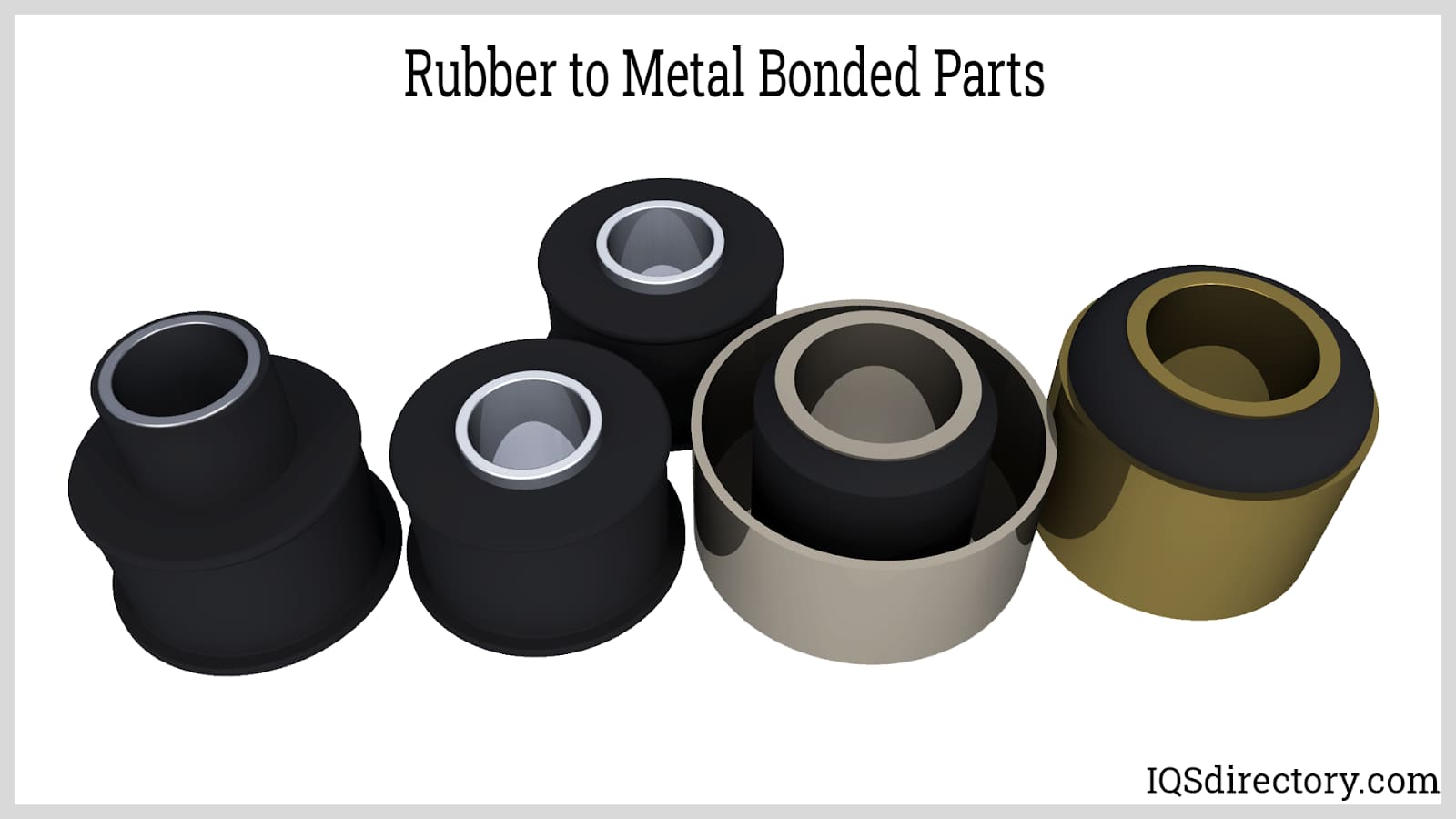 Rubber to metal bonding demonstrates a chemically prepared rubber part securely attached to a metal surface, creating a bonded assembly built for durability, vibration control, and long service life.
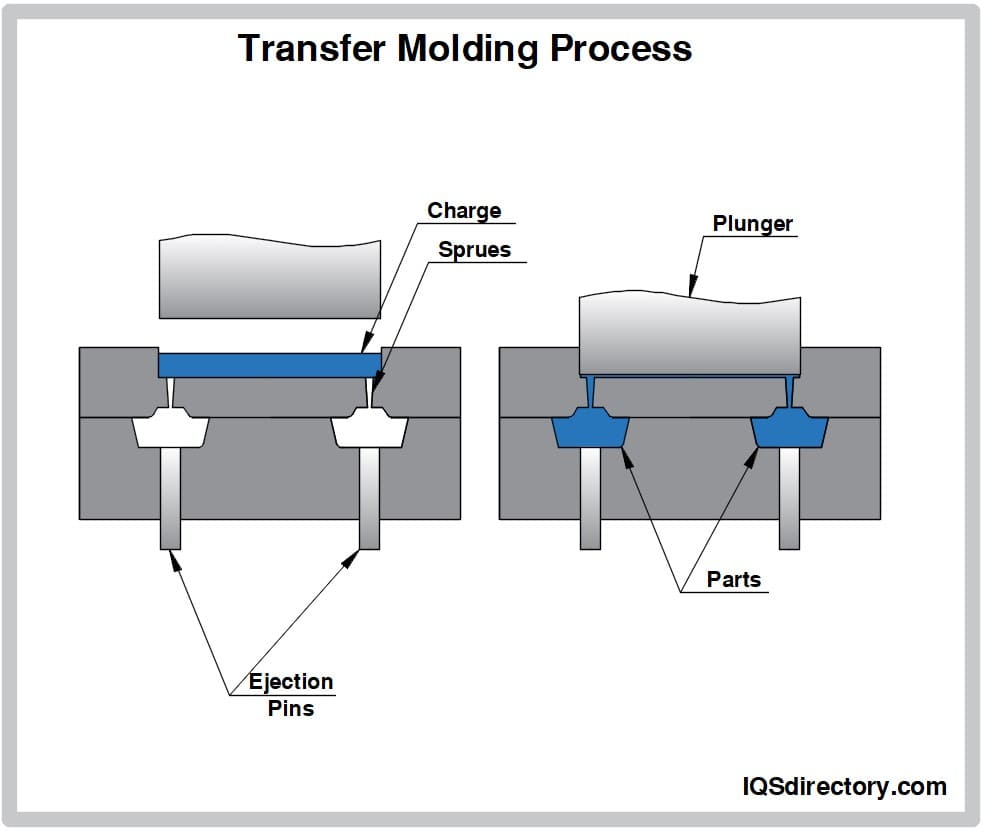 In transfer molding, metal inserts are positioned in a heated mold and solid rubber is pressed in, surrounding the metal for a tight bond that supports custom molded parts, mounts, seals, and industrial components.
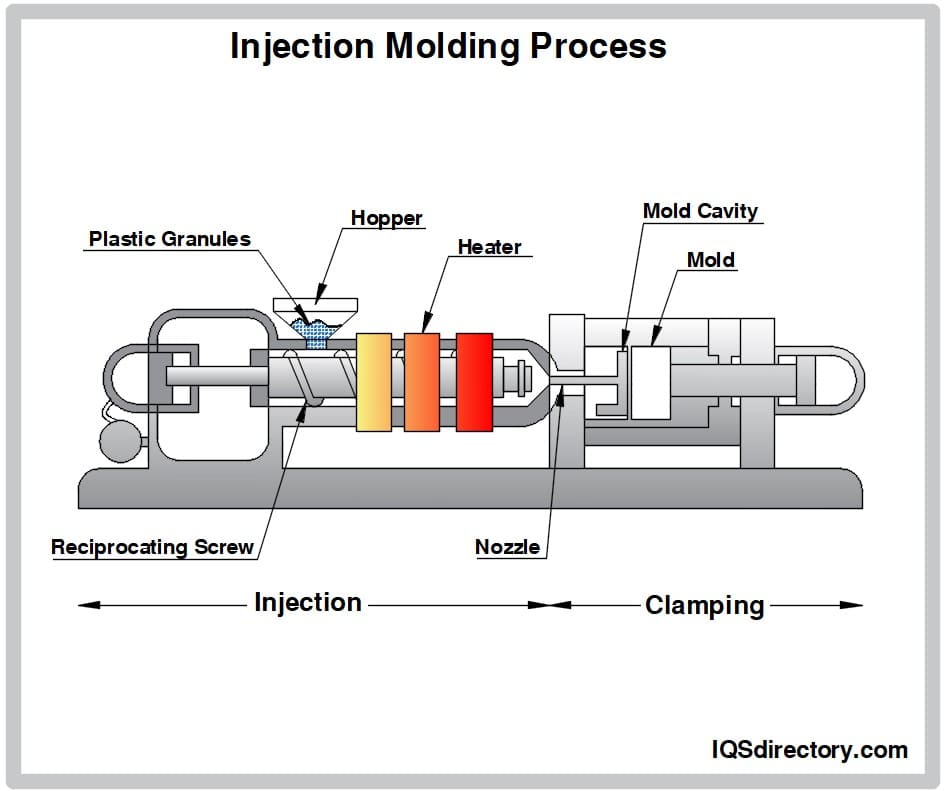 Injection molding is similar to transfer molding but injects liquid elastomer, which fills the mold and cures to form a bonded part with repeatable dimensions and efficient production characteristics.
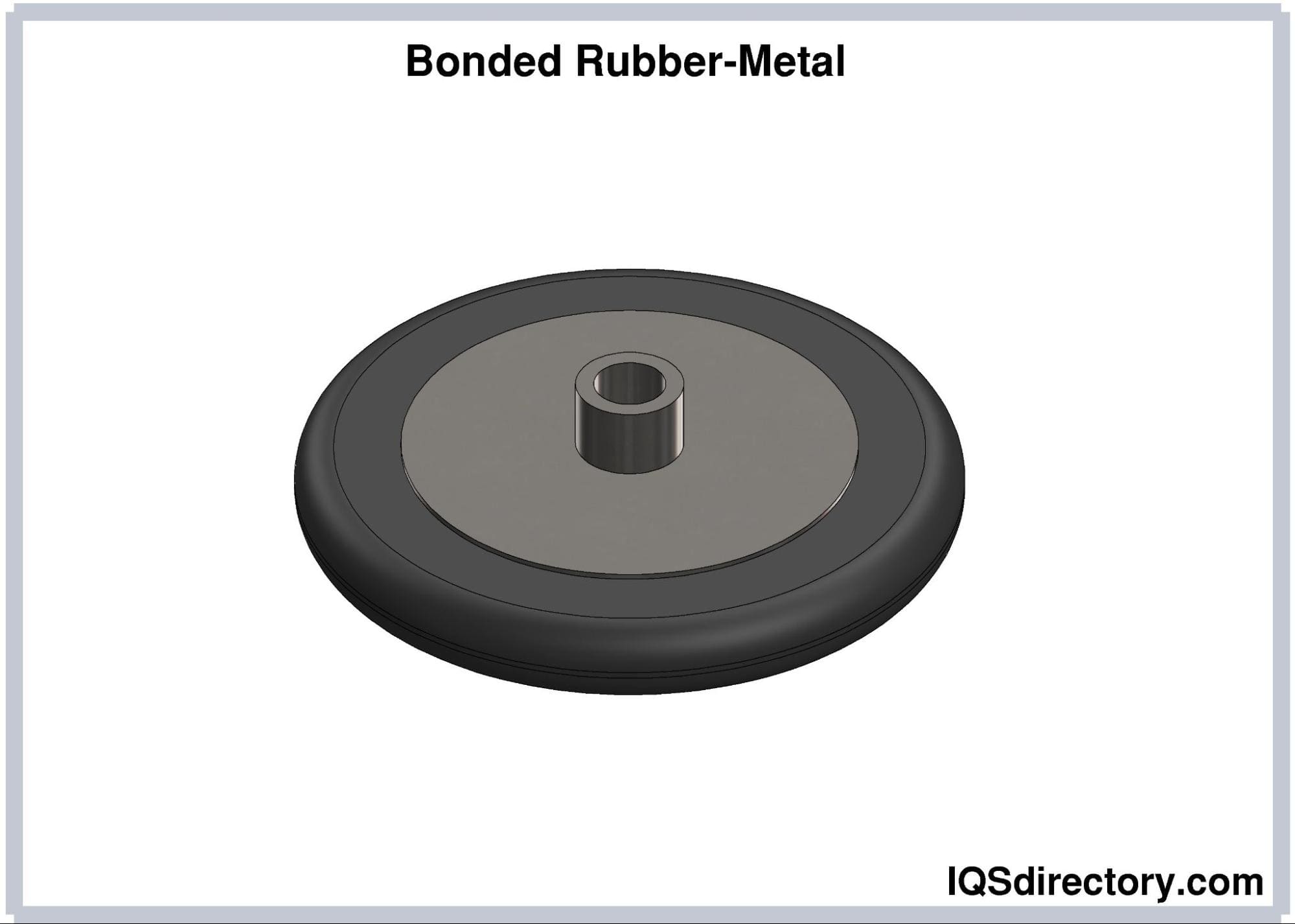 Bonded rubber forms a continuous, seamless surface and can be used for larger parts compared to poured rubber, making it useful for rollers, linings, vibration isolators, and protective coverings.
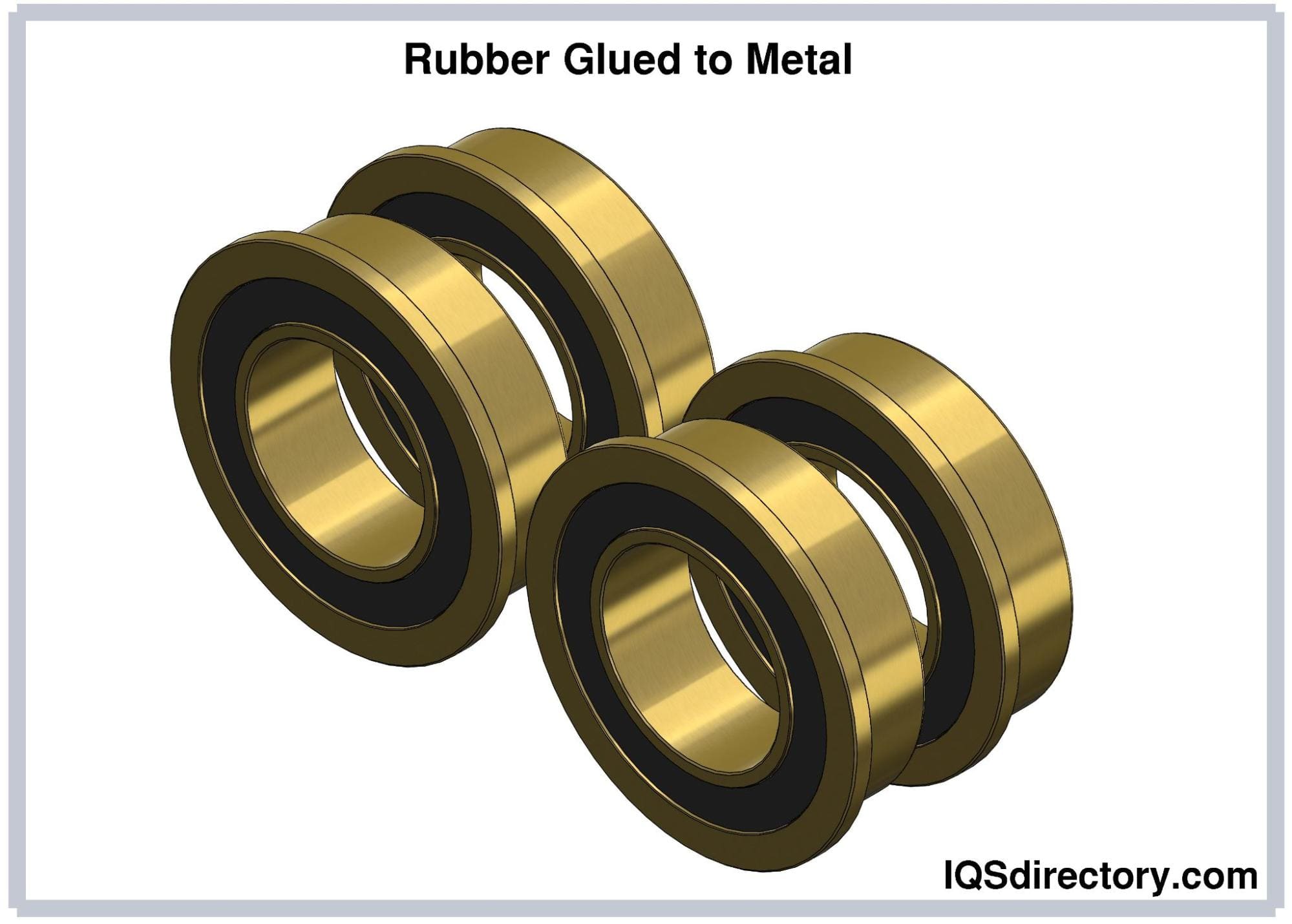 Adhesives containing polychloroprene rubber are commonly used for bonding rubber to metal surfaces when strong adhesion, process reliability, and lasting performance are required.
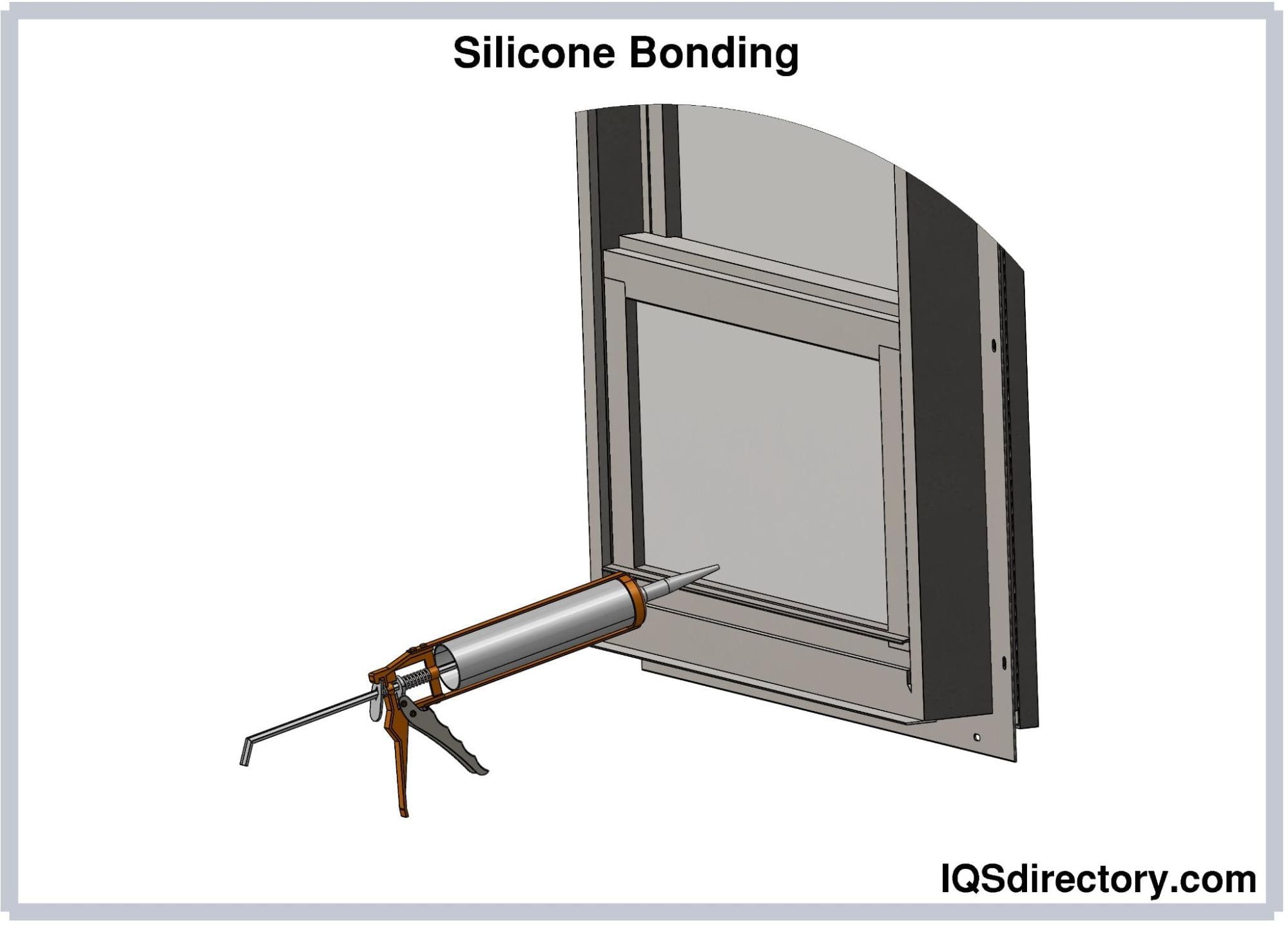 Silicone delivers superior flexibility and performance, and sometimes a primer is applied to achieve optimal bonding on applications that demand cleanliness, temperature resistance, and stable long-term use.
- Aluminum Bonding
- Aluminum is frequently used in rubber-to-metal bonding because of its strong mechanical properties, corrosion resistance, low cost, and lightweight nature. It is often selected when manufacturers want to lower component weight without giving up structural support.
- Bonded Metal
- Encompasses a range of metals or alloys bonded with rubber, resulting in products such as vehicle tires, industrial gaskets, anti-vibration assemblies, and medical-grade items that need both flexibility and support.
- Bonded Rubber
- Refers to synthetic or natural rubber heat-bonded to materials like metal, glass, or fabric to create products with enhanced strength, flexibility, sealing ability, and resistance to wear.
- Bonding Rubber to Metal
- The process of adhering or molding rubber onto sandblasted or treated metal surfaces, resulting in a secure and durable bond suitable for dynamic, static, and load-bearing applications.
- Glue Rubber to Metal
- Utilizes specialized adhesives for rubber-to-metal bonding and is widely used in automotive, medical, marine, industrial, and general manufacturing applications where vibration damping or sealing is needed.
- O-Rings
- Sealing rings made from rubber or silicone that cover metal, commonly used in rotating or sliding applications such as shock absorbers, hydraulic equipment, and differentials where reliable sealing matters.
- Piping
- Sometimes coated with rubber to enhance insulation, reduce abrasion, protect against corrosion, and absorb vibration in fluid transfer systems.
- Press Bonding
- A method that bonds rubber to metal using a mild adhesive, without the use of high heat or added chemicals, by pressing preformed rubber onto the metal in selected applications.
- Rubber Bonding
- This process joins rubber to various substrates, producing materials like rubber bonded to metal that offer elasticity, grip, insulation, and vibration damping for many industries.
- Rubber Grommets
- Components manufactured by rubber bonding, designed to act as protective eyelets for wires or lines while reducing abrasion and helping control vibration.
- Rubber Products
- Goods produced from natural or synthetic rubber materials, including molded, extruded, bonded, and specialty performance components.
- Rubber Rollers
- Employed in paper production and converting lines to remove water from pulp or move material, featuring a metal core surrounded by a rubber coating for traction, cushioning, and efficient operation.
- Seals for Shut Off
- Sealing products made using rubber bonding, commonly used as shut-off elements in hydraulic equipment and fluid control systems where leak prevention is a major concern.
- Silicon Bonding
- A bonding method using silicone, often applied in the manufacturing of medical surgical instrument handles and components that benefit from flexibility, comfort, and temperature resistance.
Rubber-to-metal bonding is widely used for manufacturing products in industries such as automotive, aerospace, construction, plumbing, electrical systems, industrial equipment, vibration absorbers, medical devices, agricultural equipment, fluid handling, and custom rubber roller production. It is a practical solution when designers need one part to deliver both mechanical support and elastomeric performance. Search intent around this topic often centers on durability, noise reduction, sealing reliability, and whether a bonded component will hold up under repeated motion, temperature swings, and exposure to oils or chemicals.
The automotive sector especially uses many rubber-metal bonded components, such as those connecting the steering wheel to the column, along with rubber-metal elements in pedals, bumpers, suspension systems, mounts, and under-hood assemblies. Similar bonded solutions appear in factory machinery, processing lines, pumps, compressors, and medical equipment where vibration damping, grip, insulation, and long-term performance all matter. Buyers comparing options often ask the same questions: which elastomer should be used, how will the part be tested, and can the bond stand up to the real conditions of the job?
Following consistent procedures from design through final testing helps ensure the bond meets all functional, environmental, and manufacturing requirements for the application. A successful rubber-to-metal part is not only about sticking two materials together; it depends on design review, material compatibility, process control, and post-molding handling that protect the bond from contamination or premature failure.
- Evaluate the part’s design and configuration for manufacturing suitability, insert retention, mold flow, and the stresses the finished component will experience in service.
- Select the appropriate rubber and bonding agent based on the intended use, including exposure to temperature, oils, weather, abrasion, pressure, and repeated movement.
- Assess the compatibility of the metal surface with the selected rubber so the finished part can meet both performance and production goals.
- Procuring the Insert
- The insert material is chosen collaboratively, and responsibility for procurement is assigned to either the manufacturer or molder according to specifications. Allowing the molder to procure the insert can shorten lead times and take advantage of established supplier networks for better quality control, more consistent surface preparation, and fewer bonding issues during production.
- Preparing the Part
- Optimal bonding relies on thorough preparation, which addresses the chemical interaction between rubber and metal, as well as the specific molding technique being used. Good preparation helps support stronger adhesion, more consistent cure results, and better long-term performance in the field. Key steps may include:
- Completely cleaning the substrate to remove contaminants such as oil, dust, oxidation, release agents, and handling residue that can interfere with adhesion.
- Using a degreasing system to eliminate impurities from inserts prior to bonding and promote a more uniform surface for primer application.
- Applying primers and bonding agents through suitable methods so coating coverage remains consistent across all bond areas and production batches.
- Masking areas of the insert that should not be bonded, which helps maintain dimensional accuracy and supports clean assembly after molding.
- Curing the primed insert to get it ready for the molding phase and stabilize the coating before rubber is introduced.
- Bonding Agents Used
- Bonding agents are applied in layers, typically starting with a gray primer followed by a black topcoat using a low-pressure spray, dip, or other controlled coating method. Each layer plays a role in adhesion and should be matched to the substrate and rubber compound.
- For parts exposed to less severe conditions, a single adhesive coat may be sufficient. The adhesive type is selected according to operating conditions, the molding process, and material compatibility so the finished assembly performs as expected.
- Adhesives are often diluted for easier application. Achieving the correct mixture ratio matters because improper viscosity can prevent the adhesive from curing and setting properly, which may reduce bond strength or shorten service life.
- Drying and Curing Phase
- After assembly, the substrate is thoroughly cleaned of any debris or oil. Plated inserts may be added for reinforcement, corrosion resistance, or fit requirements. The rubber is then allowed to cure and harden before the part is finalized and inspected.
- The molding process involves placing metal into the mold and injecting heated rubber. Additional steps may include deflashing, post-curing, cleaning, inspection, testing, and custom packaging to meet end-use or shipping requirements.
- Proper storage and handling of inserts and finished parts after molding help prevent contamination. Store completed components at room temperature, away from sunlight and welders that emit ozone, which can degrade rubber and affect long-term part quality.
With the broad use of rubber-to-metal bonded components, manufacturers frequently provide tailored solutions from the initial design phase through tooling, production, testing, and delivery. That makes supplier selection an important part of the buying process, especially for custom parts that must meet specific performance targets, environmental conditions, or dimensional tolerances.
When choosing a provider for rubber-to-metal bonding, look for companies that deliver cost-effective options while meeting production goals for turnaround, material quality, process consistency, and dependable finished parts. Buyers often compare rubber compounds, insert materials, adhesive systems, mold design support, prototyping ability, production capacity, and testing practices before making a decision. If you are evaluating suppliers, it also helps to ask whether the manufacturer has experience with your industry, whether it can support repeat orders, and how it addresses bond validation for demanding applications.
IQS Directory offers a comprehensive list of rubber-to-metal bonding companies. Use our directory to compare and select top providers that fit your rubber-to-metal bonding requirements, whether you are sourcing custom molded parts, bonded seals, industrial rollers, anti-vibration components, or metal-rubber assemblies for specialized production needs.