Rubber-to-Metal Bonding
Rubber has the ability to bond to metals of all kinds. Bonded rubber is stronger than in its original state. Manufacturers in many industries rely on rubber-to-metal bonding for their components. Rubber can be used to combine several parts into a single assembly plus it produces a very strong bond on metal.
The rubber-to-metal bonding process is a means by which rubber is mechanically bonded to a metal insert during the molding process. The products made by rubber metal bonding services are used in various areas of the industrial, commercial, and medical fields.
Quick links to Rubber-to-Metal Bonding Information
Design of Bonding Processes
Almost any material can be bonded to rubber, if it can withstand the heat and pressures of the rubber molding process. However, the results of bonding rubber to alloys, such as bronze and brass, greatly depend on the composition of the alloys. Environmental factors have also changed the bonding material. Originally, solvent-based adhesives were used, but today they have mostly been replaced by water-based adhesive, an environmentally friendly alternative that has been proven to provide the same sealing properties that are able to withstand the same conditions and last just as long.
Rubber bonding can take place with materials other than metal, although bonded metal is the most well-known, since all grades of steel, aluminum, copper, beryllium and brass adhere to bonded rubber. However, the metal must be able to handle the high heat and pressure involved in the bonding process. Glass, fabric and a variety of plastics are also utilized. The rubber material can be natural or synthetic, and includes silicon, neoprene and nitrile.
Products made from rubber-to-metal bonding include:
- Silicon Bonding
- Mostly used to make surgical instrument handles
- Rubber Lined Rollers
- Engine Mounts
- Gaskets
- Reinforced Tires
- Bearings
- Rubber Lined Tanks/Pipes
- Conveyor Belts
- Electrical Cables and Plugs
Producing metal and rubber products involves gluing rubber to metal by way of various adhesives. In the rubber metal bonding process there are three main components:
- Rubber Materials
- Rubber Material is any type of Styrene-butadiene silicone rubber can be used providing that the material can flow into the mold without developing a significant level of cross-linking, and the substances making up the rubber material will not bleed rapidly to the surface of the uncured stock.
- Metal Substrate (Coating)
- Metal bonding is specifically referencing the metallic substance, which can be aluminum, brass, copper, steel or many other metals that is utilized in the rubber and metal bonding process; different metals are used depending on what the application requires.
- Bonding Agents
- Bonding agents consist of solutions based on solvent or water, a primer coat based on phenolic-style resins, and a topcoat of polymers and other materials.
- The traditional metal used in rubber metal bonding services is steel in all its forms and grades. However, an increasing number of products have been made of aluminum alloys and polyamides because they are less expensive and lighter in weight without compromising quality or durability.
Vulcanizer curing is a rubber-to-metal bonding method in which a rubber lined metal article is placed in a live steam Vulcanizer and cured under pressure. The Vulcanizer method results in the highest rubber to metal adhesion and yields the highest density for corrosive media.
Chemical curing is a method in which an agent is applied to the surface of the lining and allowed to permeate the lining over several days at room temperature. The chemical curing process that can be accelerated by the application of heat, is commonly used on tank repairs or large field lined vessels.
Induction heating provides reliable, repeatable, non-contact and energy-efficient heating in a minimal amount of time to very small areas within precise production tolerances without disturbing individual metallurgical characteristics. The closed-loop control of induction heating produces repeatable, rapid and accurate heating cycles, making it ideal for in-line production processes.
Exhaust steam curing is a method in which the vessel is blanked off with blind flanges or tarped with live steam being bled into it. The exhaust steam method maintains the lining integrity and bond and is often used on field lined tanks that are too large to transport.
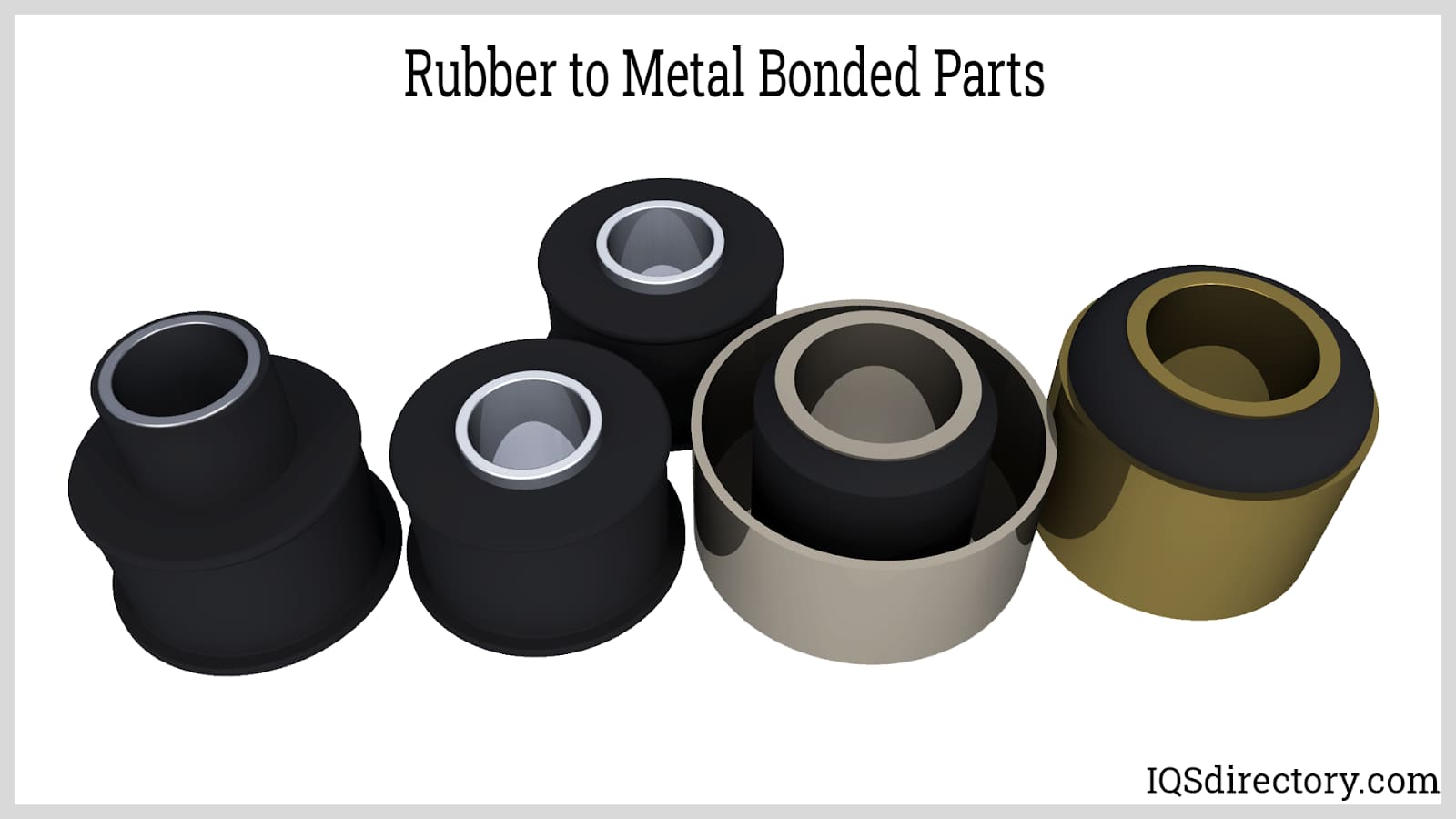 Rubber to metal bonding, when a rubber part is adhered to a metal part which is chemically prepared and then attached.
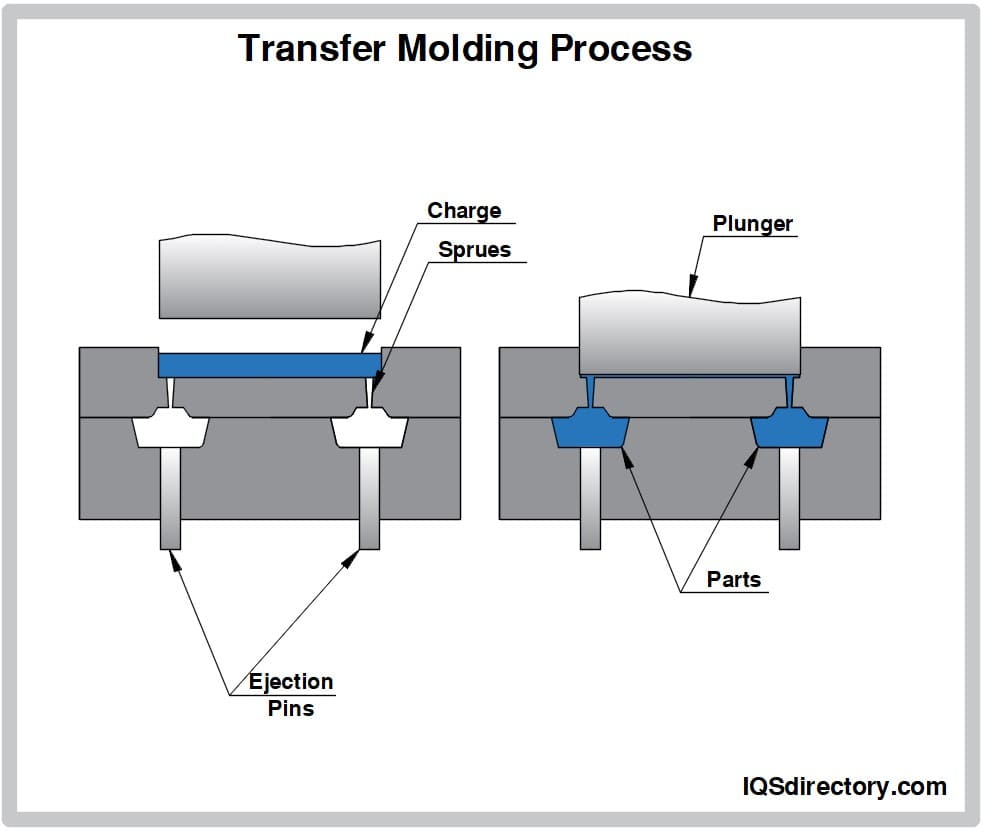 Transfer molding is where metal parts is inserted into a heated mold and the solid rubber is pushed into the mold by a heated plunger where it is filled around the metal.
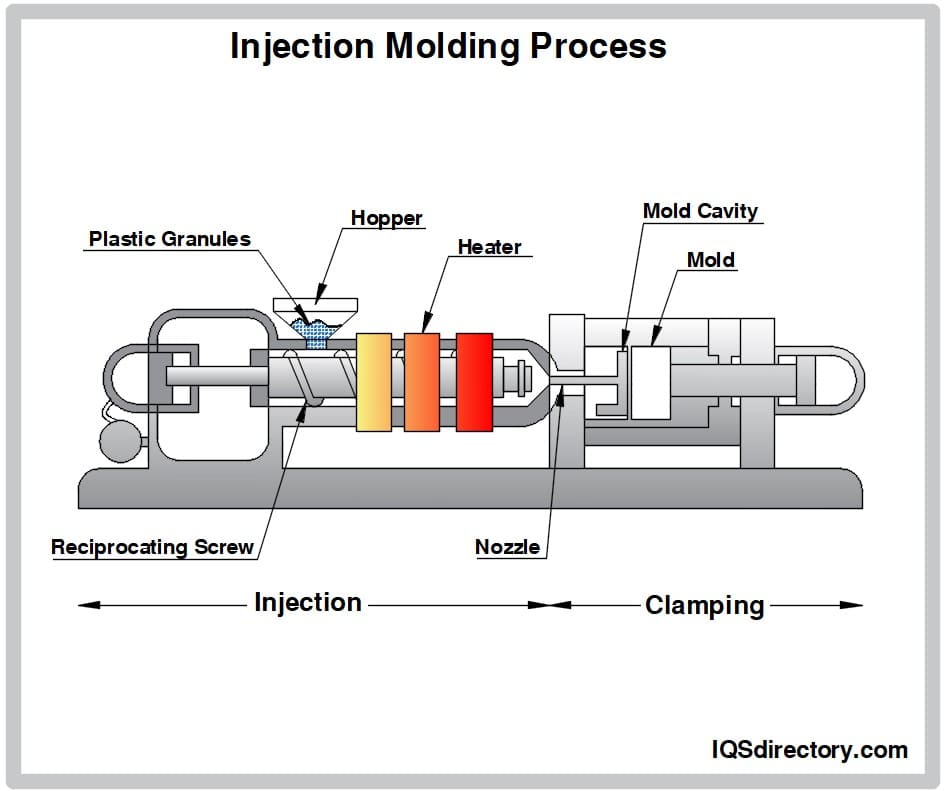 Injection molding uses the same process as tranfer molding but the liquid elastomer is injected unti lthe mold has been cured and vulcanized.
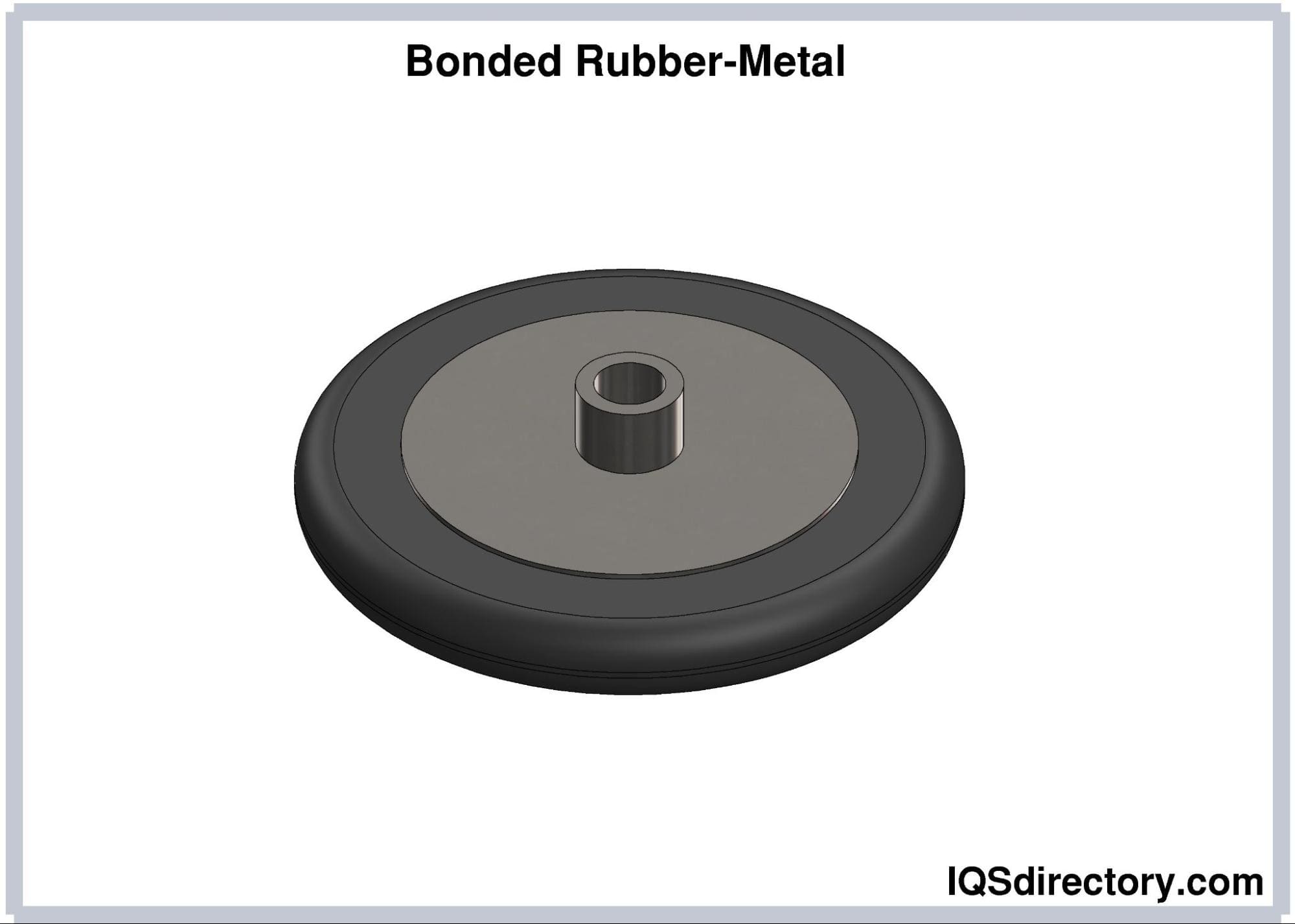 Bonded rubber has the same highly accessible one-piece surface, but uses larger pieces than poured rubber.
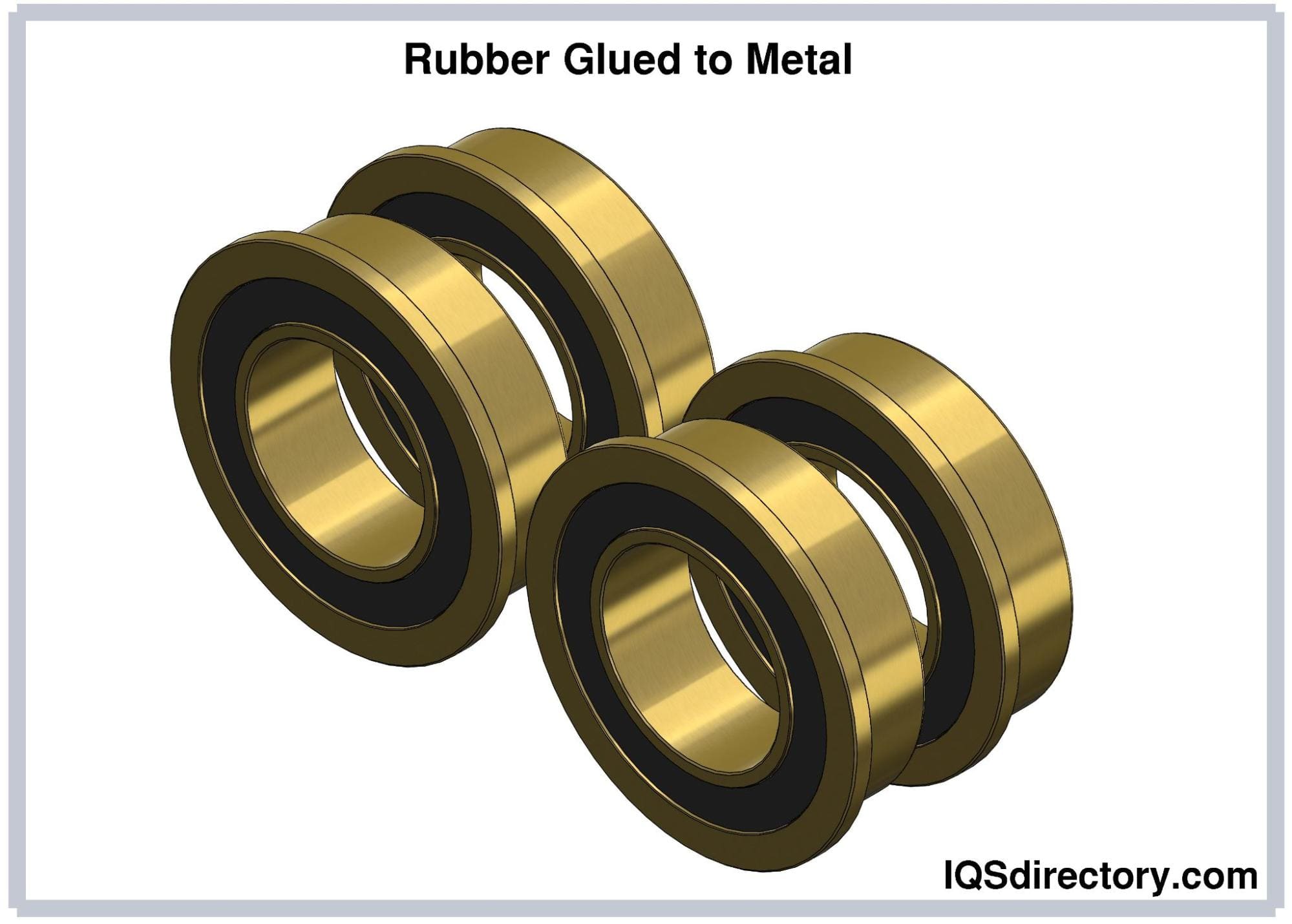 Adhesives suitable for bonding rubber and metal are based on the polychlor pores or chloroprene rubber.
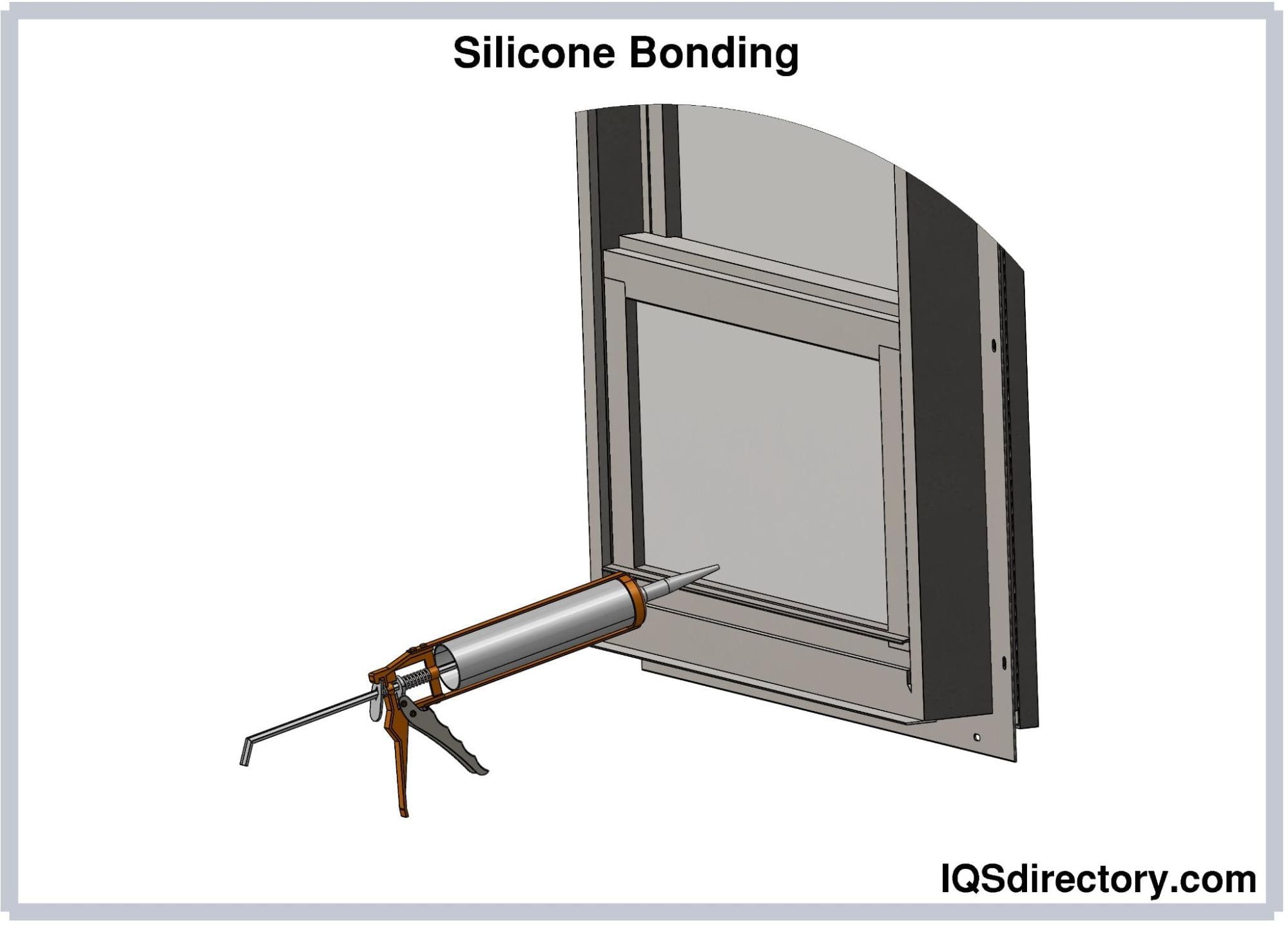 Silicone has high performance and flexibility however in some cases require a primer to bond the silicone to the surface.
- Aluminum Bonding
- A specific metallic material used in rubber and metal bonding; aluminum is a very popular choice because it is strong and corrosion resistant as well as being low in cost and very light weight.
- Bonded Metal
- May be a variety of different metallic substances or their alloys that are bonded with rubber to produce specific products such as vehicle tires, industrial parts such as gaskets or medical supplies.
- Bonded Rubber
- May be synthetic or natural rubber that is bonded by way of heat and an adhesive to metal, fabric or glass in order to create specialized products with specific characteristics such as strength and flexibility.
- Bonding Rubber to Metal
- A process that requires adhering or molding the rubber to sandblasted metal.
- Glue Rubber to Metal
- The adhesives used in the rubber to metal bonding process that creates a variety of products in multiple industries including the automotive industry and medical field.
- O-Rings
- Made of rubber or silicone and seal rotating or sliding shafts. They are often made with a rubber coating on metal, are used in applications such as shock absorbers and differentials.
- Piping
- Sometimes bonded with rubber when the pipeline is required to be more insulated and vibration absorbent.
- Press Bonding
- A non-heat or chemical way of bonding rubber to metal that involves the bonding of a preformed rubber piece onto a piece of metal via a predetermined groove or space and a mild adhesive agent.
- Rubber Bonding
- A manufacturing process that adheres rubber to various materials in order to give the material elastic qualities. Rubber bonded to metal gives the metal material elasticity and damping abilities.
- Rubber Grommets
- Common devices made by the bonding of rubber to metal. Rubber grommets are used in the screen press process, in the hoisting of a flag and other applications in which an eyelet is needed for passing a line through.
- Rubber Products
- Goods made from natural and synthetic rubber materials.
- Rubber Rollers
- Used to squeeze the water out of pulp in the manufacturing of paper. The roll has a metal core, but to perform efficiently, the core is lined with rubber.
- Seals for Shut Off
- Common types of products made with rubber bonding technology. They are often used as shut off pieces in hydraulic equipment.
- Silicon Bonding
- A rubber bonding process involving silicon specifically, which is particularly common in the medical field as surgical instruments.
Metal bonding is used to fabricate products for many different applications within the automotive, aerospace, construction, plumbing, electric, industrial machinery, vibration absorbers, and medical industries, as well as custom rubber roller manufacturers.
The motor vehicle industry uses a large number of bonded rubber to metal parts. The steering wheel is joined to the steering column by various rubber bonded parts. Foot pedals and bumpers are examples of common items that have rubber/metal characteristics.
By taking critical steps, beginning with part design and ending with testing, the rubber molder and the manufacturer can ensure the bond is strong enough for the application and its operating environment.
- Evaluate the part design and geometry for manufacturability.
- Determine the rubber and bonding agents based on the intended purpose.
- Determine how the metal surface will react to the rubber.
- Procuring the Insert
- Once all parties agree on the right material for the insert, either the manufacturer or the molder can procure the insert molding, based on the final specifications. By having the molder procure the insert, the manufacturer can save time and rely on the molding firm’s supplier relationships to ensure quality.
- Preparing the Part
- The molding firm’s ability to prepare the part for maximum bond strength is critical. The complex chemistry of metal and rubber interaction and the effects of the molding rubber process itself must be addressed by preparing the insert. Preparation includes any or all of the following steps:
- Before the substrate can be coated in adhesive, it must be cleaned well of all dust, grime and oils leftover from the fabrication process.
- The inserts (rubber) are first prepped for production using a degreasing system to rid the parts of any contaminants before the adhesive bond is applied.
- Applying heat-activated primer and bonding systems such as phenolic resin through dipping, spraying or by hand using artist brushes.
- Masking a section of the insert to cover everything except the specific area where rubber is to bond.
- Baking the primed insert to ensure it is dry and set up for molding.
- Bonding Agents Used
- The bonding agents are sprayed onto the surface in coats. The application of the bonding agents typically requires the spraying of a gray primer coat over a slightly wider area than the black topcoat, using a low pressure, high volume barrel spraying machine.
- If the part will not be exposed to high heat, humidity or pressure, sometimes a single coating of bonding adhesive will work. The specific type of adhesive material is determined by a couple of different factors; the operating conditions of the finished part and the rubber and metal chosen as the materials.
- Most bonding agents are diluted with a reagent grade of solvent, such as methanol, which makes the adhesive easier to spray or dip. It is critical that the correct mixing ratio of adhesive to methanol be developed to ensure that adhesive thickness and percent solids are sufficient to provide a strong bond. If the blend is too viscous, it can result in the adhesive not properly setting up due to a skin cure or being swept off of the insert due to the high-pressure rubber flowing into the cavity. A good molding firm will test to ensure proper percent solids and adhesive thickness on every production run.
- Drying and Curing Phase
- After the substrate has been fabricated, it must be cleaned of all dust, debris, grime and oil using a sand blaster, chemicals and degreasers.
- Sometimes, plated inserts are added for more strength. The rubber is left to cure, and when it has completely dried, the part is finished.
- Sometimes the mold itself is just slightly larger than the substrate, and the rubber forms a thin coating around the metal, while other products require complex rubber part designs that greatly differ from the substrate's dimensions.
- The rubber molding process is considered the most important and difficult step in the bonding process. The metal component is positioned within a mold, which is most likely injected with uncured rubber that is heated and almost molten.
- Compression Molding
- Pre-forming uncured rubber into a specified weight and shape that is put into a mold cavity. When the mold is closed, two plates put pressure on the elastomer, which then fills the cavity. The elastomer is maintained under pressure and heated until the rubber is cured, allowing the part to maintain its shape.
- Transfer Molding
- Begins with pre-formed uncured rubber that is placed into the transfer pot of a closed molding system. The ram/plunger then distributes the rubber into the cavities to be shaped into the part, which is then cured by the application of pressure and heat for a specified time period.
- After the rubber molding process is complete, typical secondary operations include deflashing to remove excess rubber, post-curing, cleaning and specialty packaging.
- Throughout the rubber molding process, it is important to practice proper handling and storage of parts, both after the preparation of the insert, when adhesives have been applied, and after the part has been molded, to avoid contamination. Rubber molded components and inserts should be kept dry, free of dust or dirt, and only handled by operators wearing gloves.
- Once the part is finished, it should be stored at room temperature and out of direct sunlight. In addition, the part should be kept away from welding operations, which give off ozone that can attack the rubber.
Because of the wide variety of parts used today consisting of bonded rubber to metal, most of the shops that specialize in the manufacturing of these parts are custom shops that work with customers from the design level through production.
Find the best rubber-to-metal bonded products for services that are cost efficient and will keep all of the production goals in mind including quick turnaround and high-quality rubber products when selecting a manufacturer.
IQS Directory implements a thorough list of rubber-to-metal bonding companies. Utilize our listing to examine and sort top rubber-to-metal bonding companies with previews of ads and detailed descriptions of each product. Any rubber-to-metal bonding company can design, engineer, and provide rubber-to-metal bonding to meet the company’s specific qualifications.
An easy connection to reach rubber-to-metal bonding companies through our fast request for quote form is provided on our website. The company information includes website links, company profile, locations, phone, product videos and product information. Customer reviews are available and product specific news articles. This source is right for you whether it's for bonded to metal rubber, bonded to metal products, and metal rubber glue bonding.
- Accelerators
- Chemicals which are added to rubbers to accelerate the rate of vulcanisation. Rubber without accelerators takes 20-30 times longer to cure.
- Activators
- Chemicals added to rubber to activate curing.
- Adhesion
- The propensity of rubber to bond to a contact surface.
- Adhesive
- Material that can be used to adhere or stick one surface to another.
- Bonding
- Joining of identical or different types of material by means of an adhesive, creating a positive-substance bond throughout the entire surface of the joint.
- Bond Strength
- Unit load, applied in tension, compression, flexure, peel, impact, cleavage or shear, required to break an adhesive assembly with failure occurring in or near the plane of the bond. Rubber Metal Bonding strength is measured in pounds per square inch (psi).
- Break-Out
- Force necessary to actuate sliding. A high break-out value indicates the development of adhesion.
- Coating
- A uniform layer of chemical primers or adhesives that are used to produce chemical bonding between rubber and a substrate.
- Cold Bond
- The adhesion of a vulcanized rubber material to a contact surface through the use of suitable contact cements.
- Contact Pressure
- Pressure applied to the assembly to achieve a bond in contact adhesives.
- Curing
- Also known as “vulcanization,” this is the permanent change that the rubber undergoes during molding.
- Elastomer
- Any material that when stretched more than twice its length is able to return to its original shape.
- Flex Cracking
- The tendency of some Rubber Metal Bonding materials to crack as a result of repeated bending or stressing at the same point.
- Natural Rubber
- Crude rubber obtained from organic sources, such as vegetables.
- Nitrile
- Also referred to as “Buna-N,” it is the most commonly used elastomer for O-rings, due to its wide temperature range, resistance to petroleum fluids and good physical properties.
- Polymer
- General term used to describe all rubbers and plastics involved in Rubber Metal Bonding. Polymer is also the chemical term that refers to all organic materials that are formed from chains of repeated chemical units.
- Primer
- Chemical material that improves the bond of the sealant to the substrate.
- Set
- Also called "permanent set," it is the degree to which a rubber does not fully recover to its original shape after it has been deformed for a long period of time.
- Substrate
- Any surface to which a coating or sealant is applied.
- Vulcanized Bond
- A bond formed between an elastomer to a primed surface through the use of heat and pressure. The elastomer is vulcanized at the same time as the bond.