Electric Coils
An electric coil, also known as an electromagnetic coil, is an electrical conductor—typically wire—formed into a coil or a similar shape. In most cases, these coils are wound around a core composed of a ferrous material such as iron, which enhances their magnetic properties.
This seemingly simple component serves an extensive range of applications, largely due to the fundamental relationship between magnetic fields and electric current within this coiled configuration. The ability of electric coils to generate, manipulate, and respond to magnetic fields makes them indispensable in various electrical and electromechanical systems.
One of the most common uses of electric coils is in heating units. In such applications, a coil may function as an electromagnetic heating element, generating heat through induction, or as a resistance-based heating element, where electrical current passing through the coil produces heat due to electrical resistance. Whether in industrial machinery, household appliances, or specialized heating systems, electric coils play a key role in efficient thermal energy conversion.
Electric coils, often referred to as electromagnetic coils or inductor coils, form the backbone of countless devices that rely on the principles of electromagnetism. From generating magnetic fields in motors and transformers to enabling precise control in solenoid valves, these components convert electrical energy into magnetic energy and vice versa. Businesses searching for reliable electric coil solutions frequently explore options like custom wound coils, induction heating coils, and high-performance electromagnetic coils to meet specific operational demands.
When evaluating electric coils for purchase, many decision-makers ask: What are the best electric coils for industrial heating applications? How do I select the right electromagnetic coil for my solenoid valve system? Understanding the differences between air core coils, bobbin wound coils, and toroid coils helps align choices with performance needs, budget considerations, and long-term reliability goals.
Electric Coils FAQ
What is an electric coil?
An electric coil is a wire conductor wound into a loop, often around an iron core, that generates or responds to magnetic fields. It is used in motors, transformers, heating units, and many electronic devices.
What are common applications of electric coils?
Electric coils are used in power generation, automotive ignition systems, MRI machines, home appliances, telecommunications, and circuit breakers. Their versatility makes them vital across nearly every industry using electricity.
Which materials are used to make electric coils?
Copper is the most common conductor due to high conductivity, while aluminum is used where lighter weight is preferred. Core materials usually include ferromagnetic metals like iron to enhance magnetic strength.
What types of electric coils are available?
Types include solenoid coils, ignition coils, choke coils, toroid coils, bobbin wound coils, encapsulated coils, and voice coils. Each is designed for specific functions such as power transfer, sound amplification, or interference suppression.
How do you maintain electric coils?
Regular inspections are recommended to check for wear, corrosion, or overheating. In high-stress environments, more frequent testing is required to ensure reliability and prevent system failures.
Why is professional installation important for coils?
Improper coil installation can cause inefficiencies, hazards, or malfunctions. Certified professionals follow safety regulations and best practices to ensure proper performance and system protection.
What factors influence coil performance?
Performance depends on wire turns, coil length, diameter, conductor material, and core design. Environmental conditions like moisture, vibration, and heat also affect durability and efficiency.
How do electromagnetic coils work in induction heating?
Electromagnetic coils generate alternating magnetic fields that induce eddy currents in conductive materials, producing heat without direct contact. This process supports efficient, contactless heating in industrial and consumer applications.
What are the benefits of using toroid coils versus solenoid coils?
Toroid coils offer reduced electromagnetic interference and compact design for power supplies, while solenoid coils excel in linear motion applications like valves and actuators. Selection depends on the specific requirements for magnetic field containment and mechanical output.
The History of Electric Coils
The history of electric coils is inseparable from the broader history of electromagnetic science itself. It was with a coil of wire and a magnet that Michael Faraday first demonstrated that electric current could be generated through magnetic forces, a discovery that laid the foundation for modern electrical engineering. Since that pivotal moment, the practical application of this principle has evolved in countless ways, with one of the earliest direct implementations being Gramme's electric generator in 1871.
As scientific understanding of electromagnetic forces has progressed, so too has the development of electromagnetic coils. Each new application has necessitated the creation, refinement, and continuous improvement of highly specialized coils. The inherent nature of electric coils, which allows them to influence and respond to electromagnetic fields, makes innovation in their design an ongoing process across numerous industries and technologies.
Exploring the evolution of electromagnetic coils reveals how foundational discoveries in induction and magnetism led to practical innovations like transformer coils and ignition coils used in vehicles today. Researchers and engineers often search for historical context when developing new custom electric coils or upgrading existing electromagnetic systems to improve efficiency and reduce energy consumption.
Today, manufacturers continue to build upon these principles, producing advanced inductor coils, choke coils, and voice coils that support modern technologies in renewable energy, medical imaging, and automation. Understanding this progression helps buyers evaluate which electric coil types best suit emerging applications such as wireless power transfer and high-frequency signal processing.
Applications of Electric Coils
Electric coils are an essential component of electrical engineering, appearing in an extensive range of industries and specific applications. Their significance stems from the fundamental relationship between electric currents and magnetic fields, which plays a key role in a vast number of electrical devices. To accommodate diverse applications, electric coils vary in wire gauge, length, coil diameter, and the materials around which they are wound. Each variation is designed to meet precise functional requirements, ensuring that electric coils can be customized to specific demands.
Beyond their role in conducting electricity, electric coils are also responsible for transmitting heat, sound, and mechanical energy. Their ability to influence electrical flow, produce movement, and regulate current makes them indispensable across industries. Fields such as electronics, automotive engineering, medicine, computing, appliances, and telecommunications all rely heavily on electric coils for operations. This technology is harnessed by companies specializing in solenoid valve manufacturers, electric motors, MRI machines, and countless other applications.
Electric coils are present in nearly every industry. Any sector utilizing electricity is likely to incorporate electric coils, whether as a distinct component of specialized equipment or as an embedded element within off-the-shelf hardware. Some industries with particularly specialized needs for coil winding and assembly manufacturing include:
- Power Generation
-
A fundamental component in electric generators and motors.
- Heavy Industry
- Found in high-powered motors, control devices, and specialized electromagnetic applications.
- Telecommunications
- Used in antennas, relays, and various signaling devices.
- Medicine
- Essential for electromagnetic imaging devices such as MRI machines, as well as specific applications like bio-filters.
- Computers
-
Incorporated into magnetic storage systems and other electronic components.
- Home Appliances
-
Employed in heating coils, induction ranges, and other household devices where electromagnetic induction is utilized to generate heat efficiently.
- Automotive
-
Found in motors, generators, ignition coils, solenoid coils, and starter relays.
- Power Control
- Integrated into circuit breakers, contactors, relay coil switches, and other power management devices.
Common buyer questions include: Where are electromagnetic coils used in renewable energy systems? How do induction coils improve efficiency in manufacturing processes? Electric coils support power generation through generator coils and field coils, enable precise motion control in automotive solenoid applications, and facilitate medical diagnostics via specialized magnetic coils in imaging equipment. In consumer products, heating coils deliver consistent warmth in appliances while voice coils drive clear audio output in speakers.
Additional use cases extend to choke coils that filter electrical noise in power supplies, transformer coils that step voltage up or down for safe distribution, and custom coils designed for unique industrial automation tasks. Evaluating these applications helps organizations determine the right coil specifications for improved system performance, energy savings, and reduced maintenance needs. Many teams researching electric coils also consider factors such as thermal management, vibration resistance, and compatibility with existing control systems when making purchasing decisions.
Materials and Design for Coils
Although an electric coil may appear to be a relatively simple component, designing one to meet the precise demands of a specific application requires a deep understanding of electrical engineering principles. The process of engineering an electric coil is best handled by a qualified professional, as the intricate relationship between primary and secondary circuits demands expertise beyond that of a layperson. Choosing the right secondary coil design to complement an existing primary circuit is a complex task that directly influences the performance and efficiency of the final system.
- Designing Electric Coils
- The basic construction of an electric coil can quickly become intricate as additional windings are introduced. A winding refers to a complete coil assembly, including its taps and structural components. While a single winding may suffice for some applications, others require multiple windings to enhance functionality. Electric transformers, for instance, consist of primary and secondary windings that facilitate the transfer of electrical energy between circuits through magnetic coupling, eliminating the need for moving parts.
- In some configurations, a tertiary winding—often referred to as a tickler coil—may be added to further refine the performance of an electromagnetic component. Beyond the number of windings, variations in coil taps also influence functionality. Coil taps, which are exposed conductive patches on the wire coil, differ in size, much like coil diameters. A larger coil diameter increases self-induction, potentially causing current to flow along the wire’s interior rather than its exterior, which can present operational challenges. Additionally, multi-layered electric coils may experience interlayer capacitance, an electrical phenomenon in which stored charges accumulate between layers. To mitigate these effects, a spiral-shaped coil is often the most practical choice for multi-layered designs.
- Conductor Materials
- At the core of every electric coil—whether a simple resistance-based heating elements or a sophisticated electromagnetic component—is the conducting material shaped into a coil. Copper is the most commonly used conductor due to its excellent electrical conductivity and thermal properties. However, aluminum serves as a popular alternative, especially in applications where weight reduction is a priority.
- Core Materials
- For electromagnetic coils, the choice of core material significantly impacts performance. Most commonly, ferromagnetic materials such as iron are used to enhance the magnetic field generated by the coil. The core itself can take various forms, including a solid metal structure, a bundle of wires, or specialized composite configurations designed to optimize electromagnetic efficiency.
- Type or Shape
- The intended application of an electric coil largely determines its overall form and structure. Specific uses require specific coil designs—for instance, a coil used in a DC-compatible stator differs significantly from one designed for an AC electric motor. Selecting the correct type of coil requires familiarity with available configurations and a clear understanding of application-specific requirements. Consulting engineers or working with a specialized coil-winding company ensures that the right design options are considered.
- Other Design Aspects
- Due to the precision involved in coil engineering, even the smallest design choices can significantly impact performance. The inductive properties of a coil depend on multiple factors, including:
- Number of Wraps
- The total turns of wire around the core influence inductance.
- Area of the Coil
- The cross-sectional dimensions affect resistance and efficiency.
- Length of the Coil
- Determines the overall electrical characteristics and magnetic field strength.
- Material of the Core
- Affects the ability to concentrate and maintain a magnetic field.
- Material of the Coil
- Impacts conductivity, durability, and efficiency.
- While all electric coils share fundamental construction principles, each coil design is tailored to meet specific environmental and operational requirements. Some coils must be protected from extreme conditions such as moisture, salt exposure, oil contamination, or mechanical vibrations, which can degrade conductivity over time. To safeguard fragile coils, manufacturers employ various protective techniques. Molded coils are encased in plastic coverings that provide a sealed protective layer, whereas encapsulated coils use polymer epoxy coatings to protect the wire itself. Toroid transformer coils, another common type, are wound around ferrite rings and wrapped in sealing tape to prevent environmental damage.
Among the most widely recognized electric coils are solenoid coils, commonly referred to simply as solenoids. These current-carrying coils are wound around an iron core and generate a magnetic field when an electric current flows through them. Often used as remote switches, solenoids play a vital role in numerous electromechanical systems.
Beyond these standard applications, electric coils appear in more specialized forms:
Garrett Coils – Used in metal detectors to sense metallic objects by generating electromagnetic fields.
Rogowski Coils – Designed to measure alternating current (AC) without a ferromagnetic core, making them ideal for high-frequency applications.
Oudin Coils – Disruptive charge coils that generate high-voltage electrical discharges, historically used in medical and experimental applications.
Braunbeck Coils – Employed in geomagnetic research to study variations in Earth’s magnetic field.
Design considerations for electric coils often center on achieving optimal inductance, minimizing losses, and ensuring compatibility with system voltage and frequency requirements. Teams frequently compare copper coils versus aluminum coils for conductivity and weight trade-offs, or assess ferromagnetic cores against air core designs for magnetic field strength and frequency response. These choices directly affect overall system efficiency, heat dissipation, and service life in demanding environments.
Buyers evaluating materials and design options may ask: What conductor material provides the best balance of performance and cost for my electromagnetic coil? How does core selection influence the efficiency of induction heating coils? Addressing such questions early in the selection process supports better outcomes when sourcing custom electric coils or standard inductor coils from experienced suppliers.
Electric Coil Types
- Air Core Coils (Self-Supported Coils)
- Air core coils, also known as self-supported coils, are electromagnetic coils wound without any solid core material. Instead of being wrapped around a ferromagnetic core, the wire is shaped and held in place through its own rigidity or structural supports. The absence of a core minimizes energy loss due to eddy currents and hysteresis, making air core coils ideal for applications requiring high-frequency operation, such as radio transmission and wireless power transfer.
- Bobbin Wound Coils
- Bobbin wound coils consist of electromagnetic wire wound around a plastic core, commonly referred to as a bobbin. These plastic cores are available in various sizes and configurations to accommodate specific applications. To enhance durability and performance, bobbin wound coils may be impregnated, molded, or wrapped in protective tape. They are frequently used in medical devices, automotive relays, and sensing equipment, where precision and insulation are important.
- Choke Coils
- Choke coils, sometimes called choking coils, are designed to block high-frequency alternating current (AC) while allowing low-frequency direct current (DC) to pass through. These low-resistance coils possess high inductance, making them essential in electrical circuits where interference suppression and current regulation are required. Choke coils play a key role in power supplies, radio frequency (RF) systems, and signal filtering applications.
- Custom Coils
- Custom coils are engineered to fulfill specialized requirements, whether for electrical current transformation or mechanical movement. These coils can be adapted in terms of winding patterns, core materials, and protective coatings to ensure optimal performance in unique industrial and technological settings.
- Electrical Coils
- Also known as electric coils, these components consist of conductive metallic wire wound around a ferromagnetic core. They serve as the foundation for countless electromagnetic devices, from motors and transformers to solenoids and sensors.
- Encapsulated Coils
- Encapsulated coils are enclosed in protective casings made from silicone rubber, polyester, or epoxy resin. The encapsulation process shields the coils from moisture, dust, vibration, and extreme temperatures, making them highly durable and reliable in harsh environments.
- High Voltage Coils
- High voltage coils are designed to operate at voltages exceeding standard safety thresholds. These coils are used in applications where electrical insulation and controlled voltage amplification are needed, such as in scientific research, power distribution, and industrial machinery.
- Ignition Coils
- Ignition coils are specialized electrical induction coils responsible for transforming low-voltage power into the high voltage necessary to generate sparks in internal combustion engines. By delivering a high-voltage pulse to the spark plugs, these coils ensure efficient fuel combustion in automotive and small engine applications.
- Impregnated Coils
- Impregnated coils undergo a process where they are dipped or co-extruded into an epoxy or insulating compound before being wound. This epoxy layer seals the conductive wire, providing enhanced protection against environmental factors such as moisture and dirt. While they offer a similar level of protection to molded coils, impregnated coils are often a more cost-effective alternative.
- Induction Coils
- Induction coils, sometimes used interchangeably with the term "electromagnetic coils," are designed to create an electromotive force when exposed to an electric current. These coils play a vital role in power generation, induction heating, and wireless energy transfer technologies.
- Magnetic Coils
- Magnetic coils, also called electromagnetic coils, operate on the principle of induction, where electric currents generate magnetic fields. These coils are fundamental to motors, relays, and magnetic field applications, ranging from MRI machines to industrial solenoids.
- Molded Coils
- Molded coils feature electromagnetic windings encased in thermoformed or injection-molded plastic enclosures. This sealed design offers excellent protection against dirt, weather, and mechanical vibrations, making molded coils well-suited for rugged industrial and automotive applications.
- Solenoid Coils
- Solenoid coils, commonly referred to as solenoids, are three-dimensional loops of wire wound around a metallic core. When an electric current passes through the coil, it generates a magnetic field that can be used to actuate mechanical movement. Solenoids are frequently used as remote switches in electromechanical devices, including valves, door locks, and automated systems.
- Tape Wrapped Coils
- Tape wrapped coils, typically bobbin wound, are insulated using protective sealing tape to shield them from dirt, moisture, and vibration. While not as resistant to environmental exposure as impregnated or molded coils, tape wrapped coils offer a more cost-effective manufacturing solution for applications where moderate protection is sufficient.
- Tesla Coil
- Tesla coils are high-voltage electrical devices capable of generating dramatic electric arcs and lightning effects. Invented by Nikola Tesla, these coils are used in scientific demonstrations, experimental physics, and even x-ray production. Their ability to produce extremely high-frequency alternating current makes them valuable in specialized research applications.
- Toroid Coils
- Toroid coils consist of copper wire wound around a ferrite or iron core in a donut-shaped ring. The toroidal shape enhances electromagnetic efficiency by reducing leakage inductance and improving energy transfer. Toroid coils are widely used in power supplies, audio equipment, and electromagnetic shielding applications.
- Transformer Coils
- Transformer coils, often impregnated or laminated, are used to modify the voltage of an incoming electric current while maintaining the same frequency. These coils are fundamental to electrical transformers, ensuring efficient voltage regulation for power distribution systems and electronic devices.
- Voice Coils
- Voice coils are specialized electric coils consisting of a winding, a collar, and a bobbin. These coils attach to the apex of a loudspeaker cone, where they facilitate sound amplification by converting electrical signals into mechanical vibrations. The rapid movement of the voice coil within a magnetic field enables the precise reproduction of sound waves in speakers and audio transducers.
Different electric coil types address varied performance needs. For example, air core coils support high-frequency operations with minimal losses, while bobbin wound coils provide structured support and ease of manufacturing. Encapsulated and molded coils add durability in challenging conditions, and toroid coils deliver compact, efficient designs for power electronics. When comparing options, many purchasers review specifications for inductance values, current ratings, and thermal tolerances to match the coil type to their exact application.
Common research queries include: What are the advantages of encapsulated coils in harsh environments? How do ignition coils differ from transformer coils in function? Exploring these distinctions supports informed decisions when sourcing electromagnetic coils, inductor coils, or custom wound solutions for motors, sensors, and control systems.
Installing a Coil
The installation of an electric coil is highly dependent on the specific conditions of the system and its intended application. Even among seemingly similar setups, the process and appropriate procedures can vary significantly, making a fundamental understanding of electrical systems essential for proper installation. Ensuring that the coil is installed correctly supports performance and safety, as improper installation can lead to inefficiencies, malfunctions, or potential hazards.
As with any electrical component, coil installation should, in most cases, be entrusted to a certified professional who possesses the necessary expertise to handle electrical systems safely. Proper installation requires adherence to all relevant national and local safety regulations, as well as the use of appropriate protective equipment. Following industry best practices helps prevent operational failures, electrical shorts, or damage to the coil and surrounding components.
Installation considerations often include proper alignment, secure mounting, adequate spacing for heat dissipation, and correct electrical connections to avoid shorts or overloads. Teams installing electromagnetic coils in industrial settings frequently verify polarity, insulation integrity, and compatibility with control circuits. Professional guidance ensures that solenoid coils, transformer coils, and other types integrate smoothly into existing equipment while meeting safety standards.
Proper Care for Electric Coils
To maintain the reliability and efficiency of an electric coil, regular checkups should be an integral part of system maintenance. Like any electrical component, electromagnetic coils must be inspected periodically to ensure they are functioning correctly and that no signs of wear or damage are present. If the system does not include built-in monitoring capabilities, manual testing should be performed at routine intervals to verify the coil’s performance and overall system integrity.
Under normal operating conditions, most electric coils experience minimal degradation over time. However, improper installation, inadequate system design, or exposure to extreme conditions can accelerate wear. In high-stress applications—such as those involving high currents, intense heat, or exposure to harsh environmental factors—coils should be inspected more frequently for potential damage or corrosion. Identifying and addressing issues early helps prevent system failures and ensures long-term operational efficiency.
Ongoing care for electric coils includes cleaning dust or debris from exposed surfaces, checking connections for tightness and corrosion, and monitoring temperature during operation. In environments with vibration or moisture, protective measures like additional sealing or regular resistance testing can extend service life. Many maintenance teams develop schedules tailored to specific coil types—whether induction heating coils in production lines or solenoid coils in automation equipment—to maximize uptime and performance.
Electric Coil Images, Diagrams and Visual Concepts
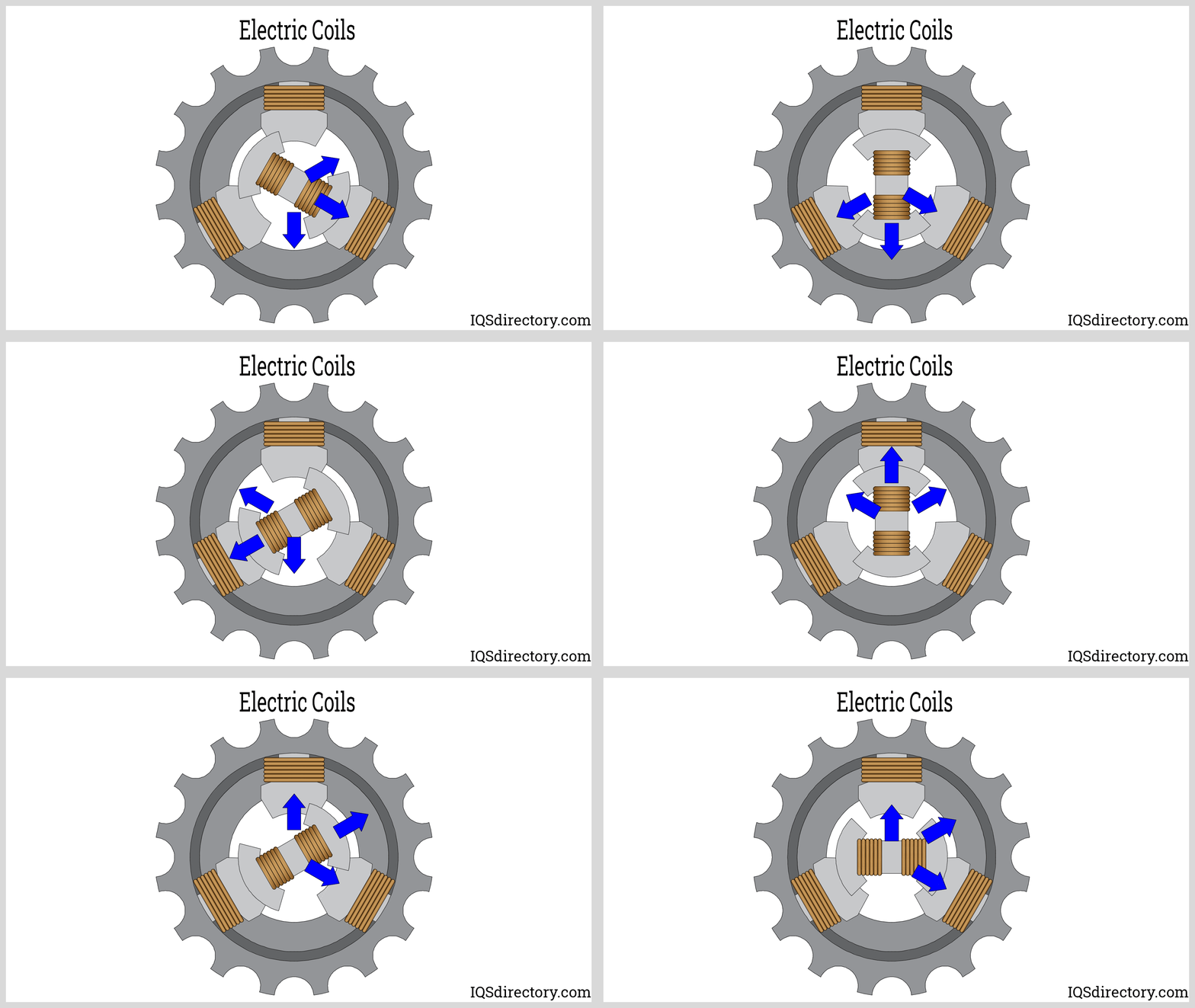 An electric coil, is an electrical conductor that contains a series of conductive wires wrapped around a ferromagnetic core that is cylindrical, toroidal, or disk-like.
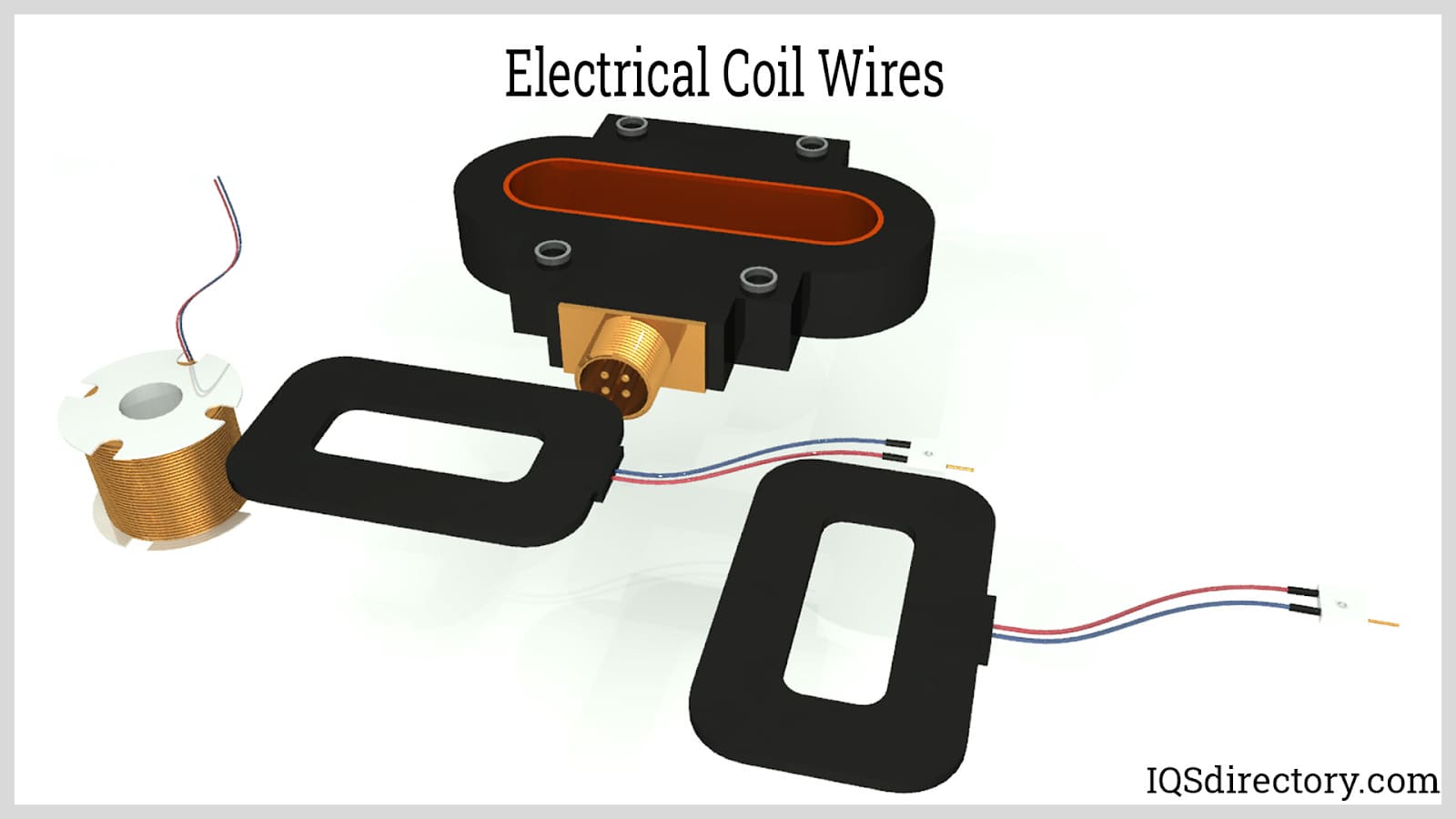 The shape and dimensions of the wire used in a coil are chosen to perform particular functions.
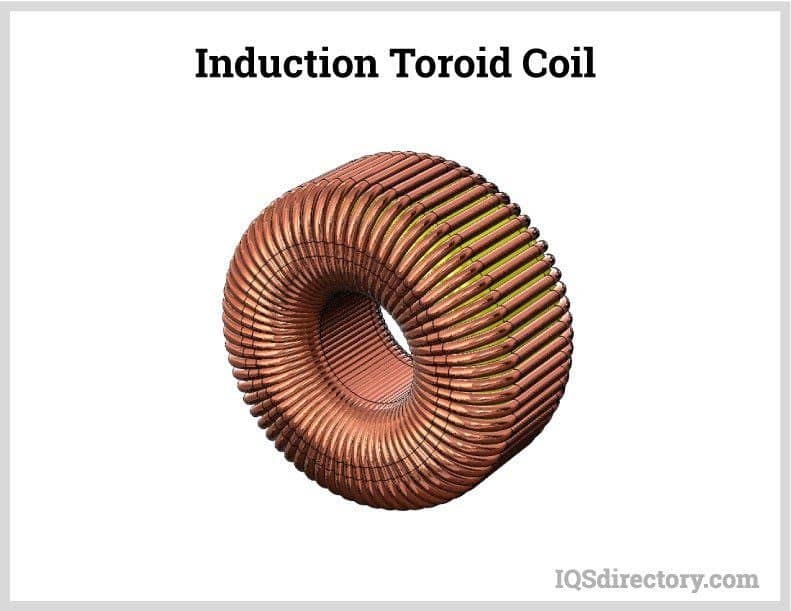 Toroidal winding involves winding a conducting wire around a circular ring evenly distributing the wire over the circumference. Toroid coils are used for low frequency electricity applications.
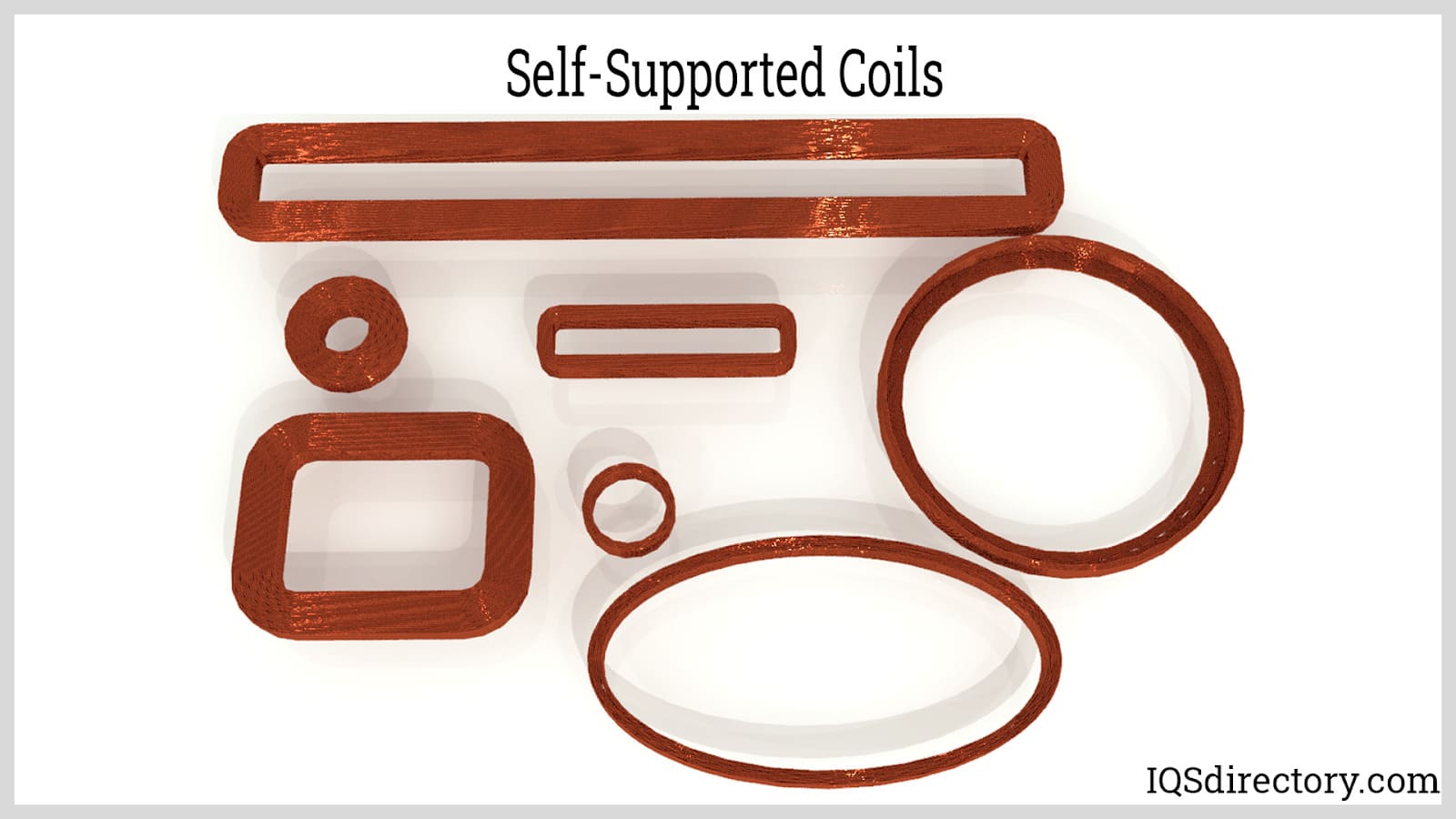 This form of coil is used when space is limited with no room for a bobbin or core. Since the coils can be placed closer to the metal in the circuit, this allows for greater magnetic capability.
Things to Consider When Choosing an Electric Coil
There are a few other factors in deciding on a design for your electric coil which you may want to consider before talking to a winding company. If you're unsure about any of these, feel free to ask any winding company you're speaking with for advice—or ask your electrical engineer.
- Environmental Factors
- There are countless environmental factors which may shape your choice of materials, design, etc. Many industrial applications place your coil in high-stress environments, which may result in sub-par performance, extra wear-and-tear, or sudden failure. Take the time to consider temperature, the presence of caustic substances, the potential for friction, and anything else that may be relevant.
- Personnel Needed
- Another factor to keep in mind when deciding what your electric coil needs is the people around it during operation and maintenance. Does it need to be insulated a certain way for safety due to high voltage? Does it need to be designed for easy upkeep, or will you have experienced people at hand? Think about who will be interacting with your coil most frequently; it might be important.
- Electric Coil Upkeep
- Do you need a design that can last a long time without anyone thinking about it, or will it be a component in a system that gets checked and maintained on a regular basis? While most electromagnetic coils are simple enough to be resilient in normal applications, it may shape your decision nonetheless.
- Coil Improvement
- Do you want a design you can forget about until it wears down and requires a replacement, or do you want something you can remove and replace with a superior component if you need to make adjustments later? Maximizing efficiency often involves a lot of tinkering with every component in the system, so think carefully about how much you want to invest in a particular electrical coil if you're not already confident in your target product.
- Optimizing Performance
- Because the operation of an electric coil is ultimately very simple, optimizing performance usually comes down to perfectly matching the coil design to the application. That means making sure everything matches, fits effectively, and flows cleanly without wasted heat, motion, etc. Depending on the specific application, improving performance may mean changing out the coil for a better design or it may mean changing out components to better match your coil. You'll have to decide based on what you're trying to do.
- Of course, to do any of this requires insight into how your system is performing, which makes analytical tools and software ideal for anyone trying to eke out every bit of performance. You may be able to spot a few surface-level problems without proper equipment, but for anything approaching peak performance you'll need modern equipment.
Decision factors for selecting electric coils often revolve around voltage ratings, current capacity, operating frequency, physical size constraints, and expected duty cycle. Buyers frequently weigh options between standard off-the-shelf coils and fully custom electromagnetic coils tailored to unique specifications. Considering these elements alongside budget and lead time supports choices that deliver reliable operation and value over the product lifecycle.
Choosing a Coil Manufacturer
Selecting the right electric coil manufacturer is not just about finding a reputable company—it’s about ensuring that the manufacturer aligns with your specific needs, both now and in the future. A well-matched manufacturing partner can help avoid inefficiencies, unnecessary costs, and operational disruptions. Several key factors should guide your decision, ensuring that the partnership supports your long-term success.
- Product Versatility
- If your business requires electric coils for different applications or ongoing projects, it’s essential to work with a manufacturer capable of adapting to your evolving needs. Switching manufacturers midstream due to their inability to scale or adjust to your requirements can be costly and disruptive. Consider not only your immediate coil specifications but also potential changes in production volume—whether an increase due to business growth or a decrease due to shifting market demands. A manufacturer should be able to accommodate these changes smoothly, ensuring consistent quality and reliability over time.
- Manufacturer Communication
- Clear and responsive communication is an important aspect of working with an electric coil manufacturer. If you find yourself making multiple calls during normal business hours without reaching a representative, it’s a red flag. A lack of responsiveness can lead to inefficiencies, unexpected downtime, and costly delays. Additionally, if you plan to maintain a long-term relationship with the manufacturer, it’s helpful to ensure that their logistical capabilities align with yours. If integrating your ordering and scheduling systems with theirs requires excessive investment in time or resources, it may not be a practical partnership.
- Transparency About Services
-
A reliable coil winding company should provide clear, straightforward answers to any questions with definitive answers. If a manufacturer avoids giving clear responses or refuses to discuss potential delays, it signals potential issues in accountability and reliability. Good communication is only valuable if it results in useful, actionable information. Any delays, unexpected costs, or service disruptions should be communicated in advance, not discovered on the final invoice. Transparency in pricing, timelines, and problem resolution supports a successful working relationship.
- Familiarity With Electric Coils
- An ideal coil manufacturer should have industry-specific knowledge and experience with your particular applications. Even minor variations in coil design can significantly impact performance, efficiency, and durability, making it beneficial to work with a manufacturer who understands your technical requirements and operational expectations. If a manufacturer is already familiar with your industry’s standards, they will be better equipped to meet your specifications without extensive back-and-forth adjustments.
- Manufacturer Support
- Beyond the quality of the coils themselves, the level of service provided by the manufacturer is just as important. Ordering, scheduling, receiving, and maintaining electric coils all contribute to the overall experience, and any deficiencies in these areas can lead to significant inefficiencies. If you struggle to reach a representative for an initial consultation or a follow-up question, it’s a sign that customer support may not be a priority for that manufacturer. A strong support system ensures that you receive timely assistance throughout the entire process, from placing an order to addressing post-installation concerns.
When choosing a coil manufacturer, many organizations review capabilities in custom coil winding, prototyping speed, quality certifications, and supply chain reliability. Questions such as: How experienced is the manufacturer with high-volume production of electromagnetic coils? What testing procedures ensure consistent performance of induction coils and solenoid coils? help identify partners equipped to deliver dependable solutions aligned with project timelines and technical specifications.
Electric Coil Accessories
Because electric coils are used in a vast range of applications, the potential accessories needed can vary widely. In many cases, a single wound coil may be integrated with hundreds or even thousands of additional components within a larger system. While industry- and application-specific accessories will depend on your unique needs, some standard accessories for electromagnetic coils are similar to those required for any electrical equipment. These may include storage bins for organization, safety equipment for handling and installation, and measuring devices to ensure optimal performance.
Ultimately, choosing the right electric coil manufacturer involves more than assessing their product catalog—it requires evaluating their adaptability, communication practices, industry expertise, and commitment to customer service. By considering these factors, you can establish a partnership that ensures reliable performance, streamlined operations, and long-term success.
Electric Coil Terms
- Bobbin
- A bobbin serves as the plastic core around which electric coils are often wound. Acting as a structural support, it ensures uniform winding and insulation, helping to maintain the integrity of the coil’s design while preventing electrical short circuits. Bobbins come in various sizes and materials, depending on the specific requirements of the coil application.
- Coil Winding
- Coil winding is the process of wrapping electromagnetic wire around a core or shaping it into a self-supporting “air” coil. This technique varies based on the application, with some coils featuring a single-layer winding and others composed of multiple layers for increased inductance and efficiency. Precision winding is often required for highly technical applications where accuracy in coil formation directly impacts performance.
- Conductor
- A conductor is any material that allows electric current to flow through the movement of free electrons. Most electric coils use copper as their primary conductor due to its excellent electrical conductivity and efficiency. However, aluminum and other conductive metals can also be utilized based on application needs.
- Electric Current
- Electric current is the continuous flow of electrically charged electrons or ions toward a positive pole, driven by the presence of an electric energy field. In electric coils, this movement of charge interacts with magnetic fields to produce electromagnetic effects, which can be harnessed for various functions such as induction heating, power transformation, and signal transmission.
- Electromagnetism
- Electromagnetism is the phenomenon of magnetism generated by an electric current. This principle is at the heart of electric coils, where current flowing through the coil produces a magnetic field. The strength and shape of this field depend on factors such as the number of coil turns, the core material, and the amount of current applied.
- Field Coils
- A field coil is a type of electromagnet designed to generate a magnetic field in an electromagnetic machine, such as a motor or generator. It consists of a coiled wire through which an electric current passes, creating the necessary magnetic force to drive electromechanical systems. Field coils play a key role in electrical power generation and motor operation by enabling controlled magnetic interactions.
- Henries
- Henries (H) is the standard unit of measurement for the inductance of an electromagnetic coil. Inductance quantifies the coil’s ability to resist changes in electric current by generating an opposing electromotive force. The inductance of single-layer coils can be calculated using the formula: µH = (R² x N²) / (9R + 10L), where µH = microhenries, R = the coil radius, N = the number of times the coil is wound and L = the length of the coil.
- Inductance
- Inductance refers to the electromotive force or strength of an electromagnetic coil (or circuit) generated in response to an electric current. It determines the coil’s ability to store energy in the form of a magnetic field and influences how the coil interacts with alternating currents and electromagnetic forces. Inductance is a key factor in designing coils for applications such as transformers, solenoids, and radio frequency devices.
- Transducer
- A transducer is an electrical device that converts energy from one form to another. In the context of electric coils, transducers are often used to transform electrical energy into mechanical motion, heat, or sound. Common examples include voice coils in speakers, induction coils in power transformers, and solenoids in electromechanical systems.
- Turns
- Turns represent the number of times an electromagnetic coil is wound around its core or, in the case of air-core coils, the number of full loops that form the coil. The number of turns directly affects the inductance and strength of the generated magnetic field, making it a key design consideration for coil applications ranging from power transmission to signal processing.