Screw Conveyors
Screw conveyor systems are bulk material handling systems designed to move, meter, and control the flow of powders, granules, pellets, flakes, semi-solids, and certain fluids from one stage of production to the next. In practical terms, they support efficient material transfer, dependable process flow, dust-controlled handling, and cleaner plant operations across manufacturing, food processing, chemicals, agriculture, minerals, and storage environments where steady bulk solids movement matters.
These conveyors are also referred to as auger conveyors, helix conveyors, worm conveyors, or flexible screw conveyors. Buyers often compare these systems when they need enclosed conveying, controlled feed rates, compact footprints, sanitary or abrasive-duty construction, and reliable movement of dry bulk materials in industrial settings. Search intent often centers on questions like how to choose a screw conveyor, what materials it can handle, and which design fits a specific process line.
Screw Conveyors FAQ
What is a screw conveyor used for?
A screw conveyor is used to transport bulk materials such as powders, granules, pellets, flakes, and semi-solids between stages of a process. It uses a rotating helical screw inside a trough or tube to move material horizontally, vertically, or on an incline, giving manufacturers steady flow control, enclosed handling, dependable throughput, and cleaner bulk solids transfer in industrial operations.
Who invented the screw conveyor?
The screw conveyor concept originated in the third century B.C. with Archimedes. His invention, known as Archimedes' screw, was designed to move water for irrigation and ship drainage. That original lifting method established the screw principle that later evolved into modern industrial screw conveyor systems for bulk solids handling, metering, mixing, and transfer.
What are the main types of screw conveyors?
Common types include horizontal, inclined, vertical, tubular, and shaftless screw conveyors. Each type serves a different material handling purpose, from moving bulk solids across flat production lines to elevating product vertically, feeding downstream equipment, or handling wet, stringy, or difficult materials.
What materials can screw conveyors handle?
Screw conveyors transport a wide range of materials, including grains, powders, sludge, ash, chips, pellets, and semi-dry bulk solids. They are widely used in food processing, agriculture, chemicals, construction, mining, wastewater treatment, and waste management where enclosed conveying, dust control, and dependable material movement are priorities.
How does a screw conveyor work?
Screw conveyors use a rotating helical blade, or auger, within a tube or trough to move materials. As the screw turns, it pushes product forward through the conveyor housing. This continuous motion delivers steady, controlled bulk material transport at a set flow rate, helping plants maintain repeatable processing, batching, feeding, and discharge performance.
What are the benefits of using screw conveyors?
Screw conveyors offer low cost, compact design, enclosed operation, and the ability to move many material types with minimal degradation when properly matched to the product. Portable models are useful where plants need flexible bulk handling, quick setup, and dependable transfer between bins, hoppers, mixers, packaging lines, or processing stations.
What is CEMA certification for screw conveyors?
CEMA certification helps confirm that a screw conveyor aligns with established industry standards for design and capacity. It addresses factors such as screw diameter, pitch, trough loading, and construction details, supporting reliable performance, predictable flow rates, and more consistent equipment selection in industrial material handling systems.
What factors should be considered when selecting a screw conveyor?
Key factors include material type, particle size, flowability, bulk density, moisture level, temperature, and application requirements. Manufacturers also assess conveyor orientation, load capacity, abrasion, corrosion, sanitary needs, available space, controls, and safety standards so the design matches the process.
The History of Screw Conveyors
In the third century B.C., the ancient mathematician and scientist Archimedes theorized the screw principle and designed the first screw conveyor system, known as Archimedes' screw. This early screw conveyor consisted of a hollow cylinder with a central shaft and a spiral fixed to the inner cylinder wall and the shaft. His contemporaries used this design primarily for irrigating farmland and removing water from ships, and that same mechanical concept later became the basis for modern bulk solids conveying, metering, and industrial material transfer.
The modern screw conveyor system evolved between the late 1800s and the mid-1900s. In the United States, it supported feed and grain production on farms and quickly became a dependable part of early feed mills. That agricultural role helped establish screw conveyors as practical equipment for conveying, batching, blending, and processing dry bulk materials at commercial scale, especially where enclosed transfer and repeatable throughput were needed.
As construction materials such as abrasion-resistant alloys and stainless steel improved, screw conveyors expanded into a much wider range of industries. Advances in production technology, including automation and robotic welding, improved manufacturing consistency, durability, and overall value. A more recent development is the shaftless screw conveyor, which removes the need for a center pipe and can perform well in applications that involve stringy or difficult waste streams. Companies looking to integrate this equipment into their operations can find expert suppliers on IQS Directory . These developments also widened buyer interest in sanitary conveyors, abrasive material handling systems, and custom screw conveyor assemblies built for specific discharge, feed, or elevation needs.
As bulk material handling technology continues to advance, screw conveyor design is likely to keep improving in areas such as wear life, sanitation, energy efficiency, maintenance access, and process control.
Benefits of Screw Conveyors
-
Low Cost
Portable screw conveyors are among the most affordable conveyor options available, which helps explain their widespread use. Overall cost depends on factors such as tube type, conveyor length, motor size, capacity, duty cycle, and custom features. Because they combine compact design with dependable material transfer, portable screw conveyors can be a practical choice for operations that want steady conveying performance, easier installation, and a smaller footprint than many larger material handling systems.
Material Support
These machines are designed to handle and transport a broad range of bulk materials. They can move powders, blends, granules, flakes, chips, and other process materials while supporting controlled feed, enclosed transfer, and more predictable throughput. IQS Directory provides access to companies that specialize in designing optimized screw conveyors for different industrial applications, material characteristics, discharge requirements, and plant layouts.
No Degradation
Modern flexible screw conveyors can minimize material degradation when they are matched correctly to the product being handled. For the best results, the conveyor should be selected according to the process, material characteristics, and required capacity. Proper equipment selection helps preserve product integrity, reduce waste, support smoother production performance, and maintain more consistent ingredient quality in applications such as food processing, additives, powders, and pellets.
Device Speed
The flow rate or speed of a portable screw conveyor depends on its capacity, screw design, and the type and volume of material being transported. These conveyors can be configured to deliver the specific throughput needed for feeding, dosing, batching, or continuous processing requirements, which is one reason engineers compare screw diameter, pitch, motor horsepower, and incline angle before buying.
How Conveyors Work
Screw conveyors operate based on the Archimedes’ screw principle, which states that a rotating screw or auger, when properly fitted into a tube or cylinder, can move material in a chosen direction. With each rotation, fresh material enters the tube, supporting a steady and measurable conveying cycle for bulk solids processing, controlled feeding, and repeatable discharge performance.
Using this principle, screw conveyors transport bulk material from one point to another by means of a rotating helical screw enclosed within a trough or tubular casing. Some screw conveyors are powered by an electric motor, while others operate without a conveyor drive, using energy from nearby machinery, such as a trailer’s power take-off shaft. In many plants, the same basic mechanism is used not only for transfer but also for metering, mixing, blending, and feeding downstream equipment. The material moves at a controlled flow rate, typically measured in cubic feet per hour, though in industrial bulk processing capacity may also be measured in pounds per hour or tons per hour. That controllable rate makes screw conveyors useful when operators need predictable feed, discharge, or blending performance.
Screw Conveyors Images, Diagrams and Visual Concepts
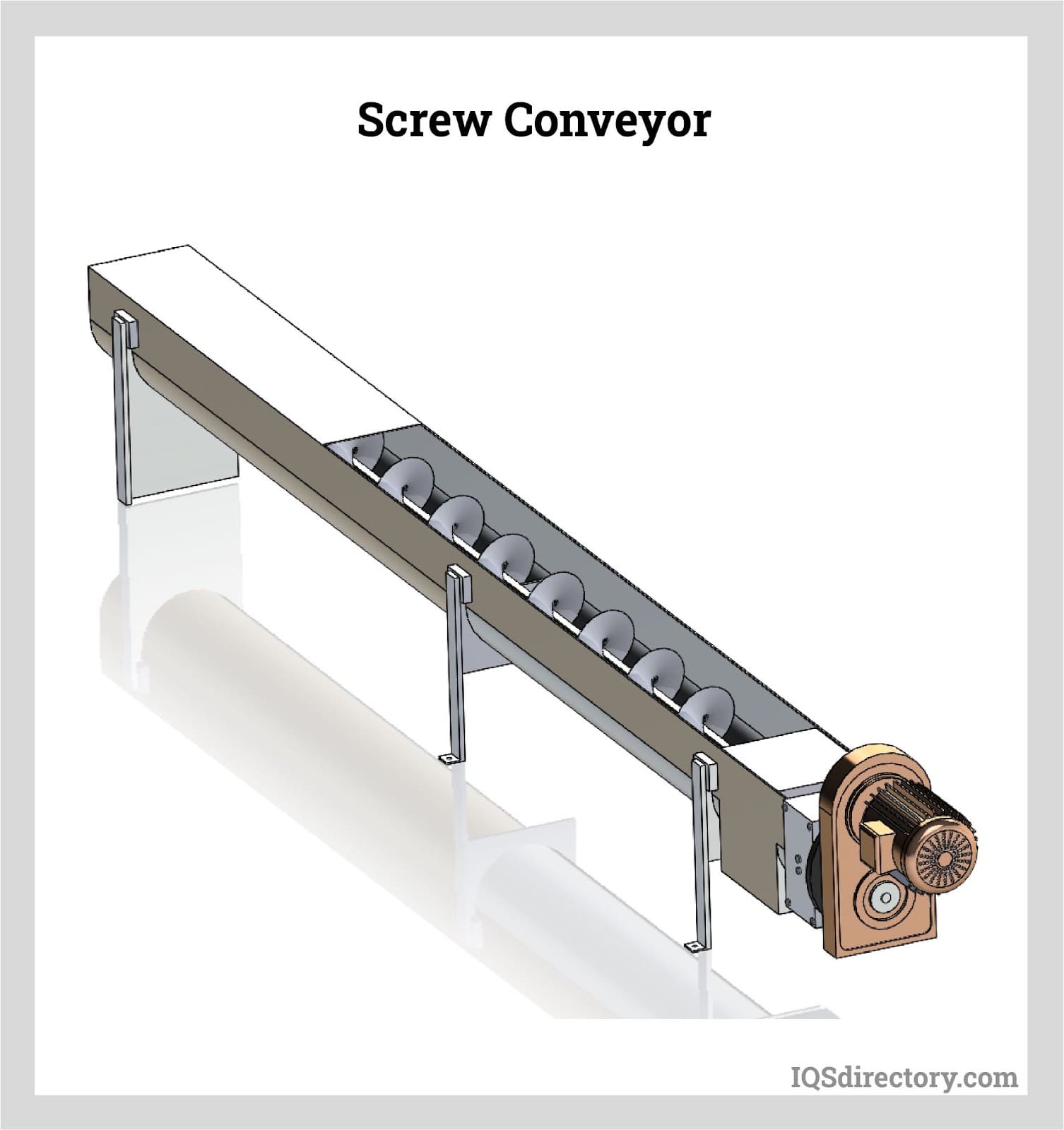 Screw conveyors are industrial equipment used to transport bulk quantities of granular solids , semi-solids, liquids, and non-flowing materials.
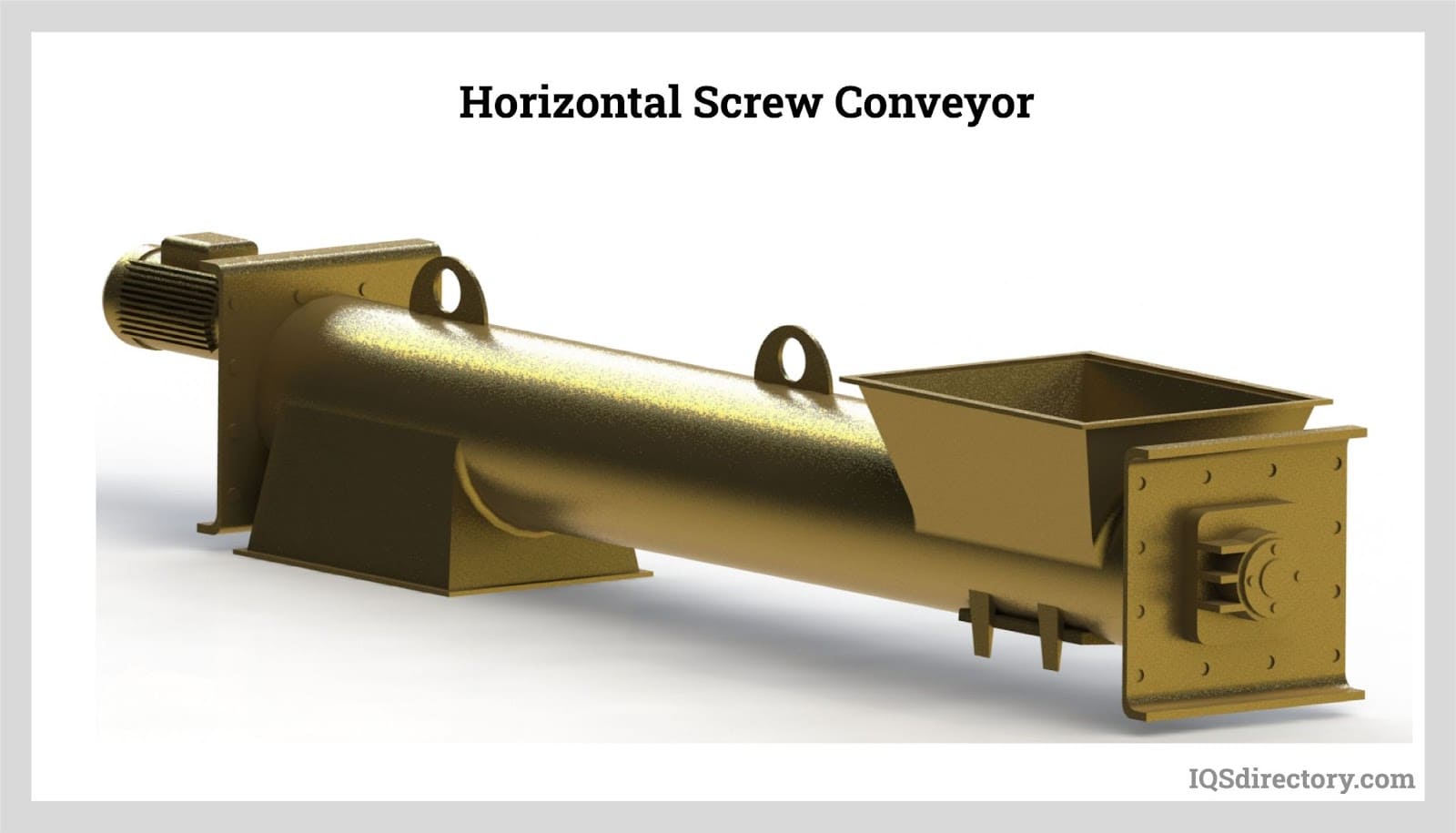 Horizontal screw conveyors are the simplest form of screw conveyors, which can handle a wide range of bulk material characteristics and effectively distributes bulk materials to multiple inlets and discharge points.
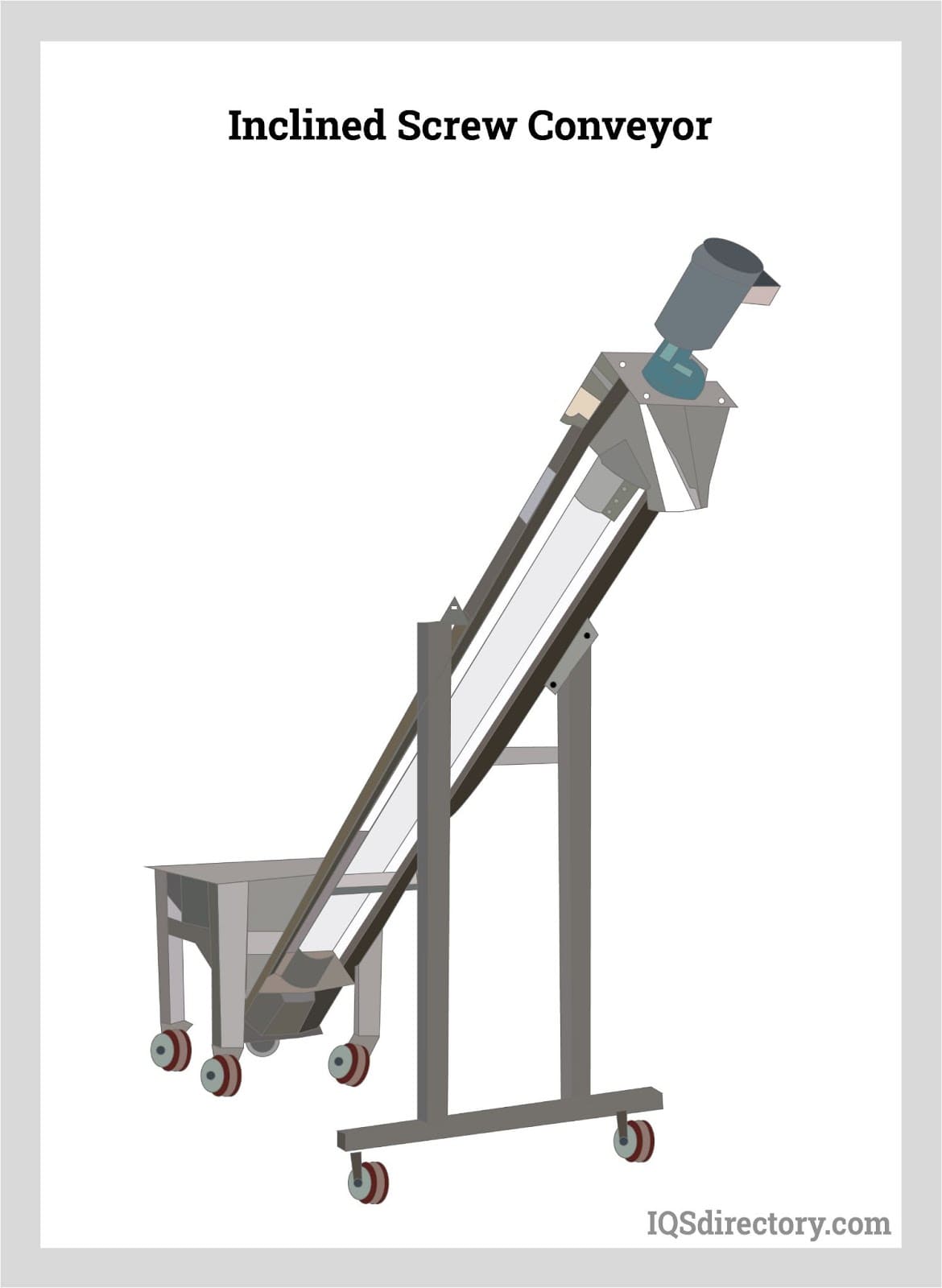 Inclined screw conveyors offer an inclined path that eliminates the need for additional equipment for transporting bulk materials to or from an elevated surface.
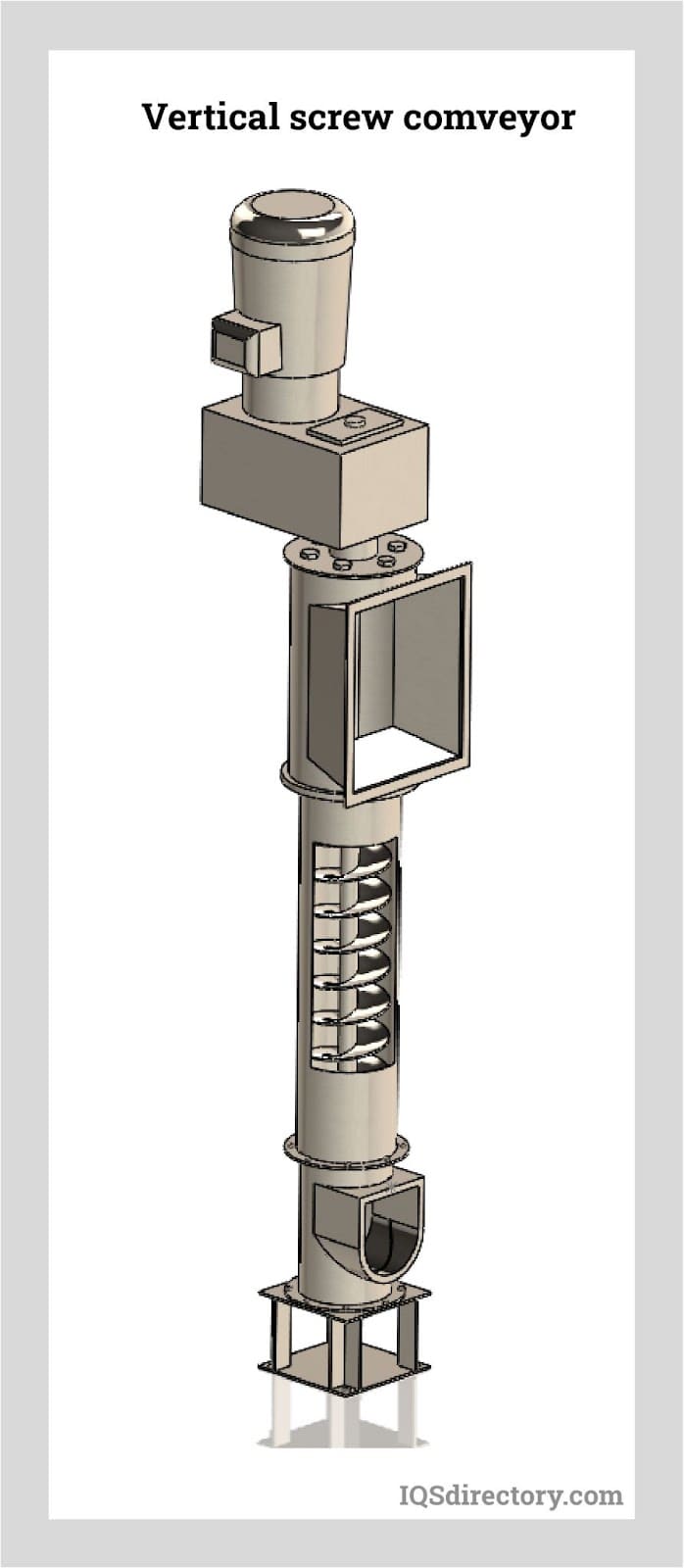 Vertical screw conveyors transport bulk materials on vertical paths with an angle of inclination greater than 45°.
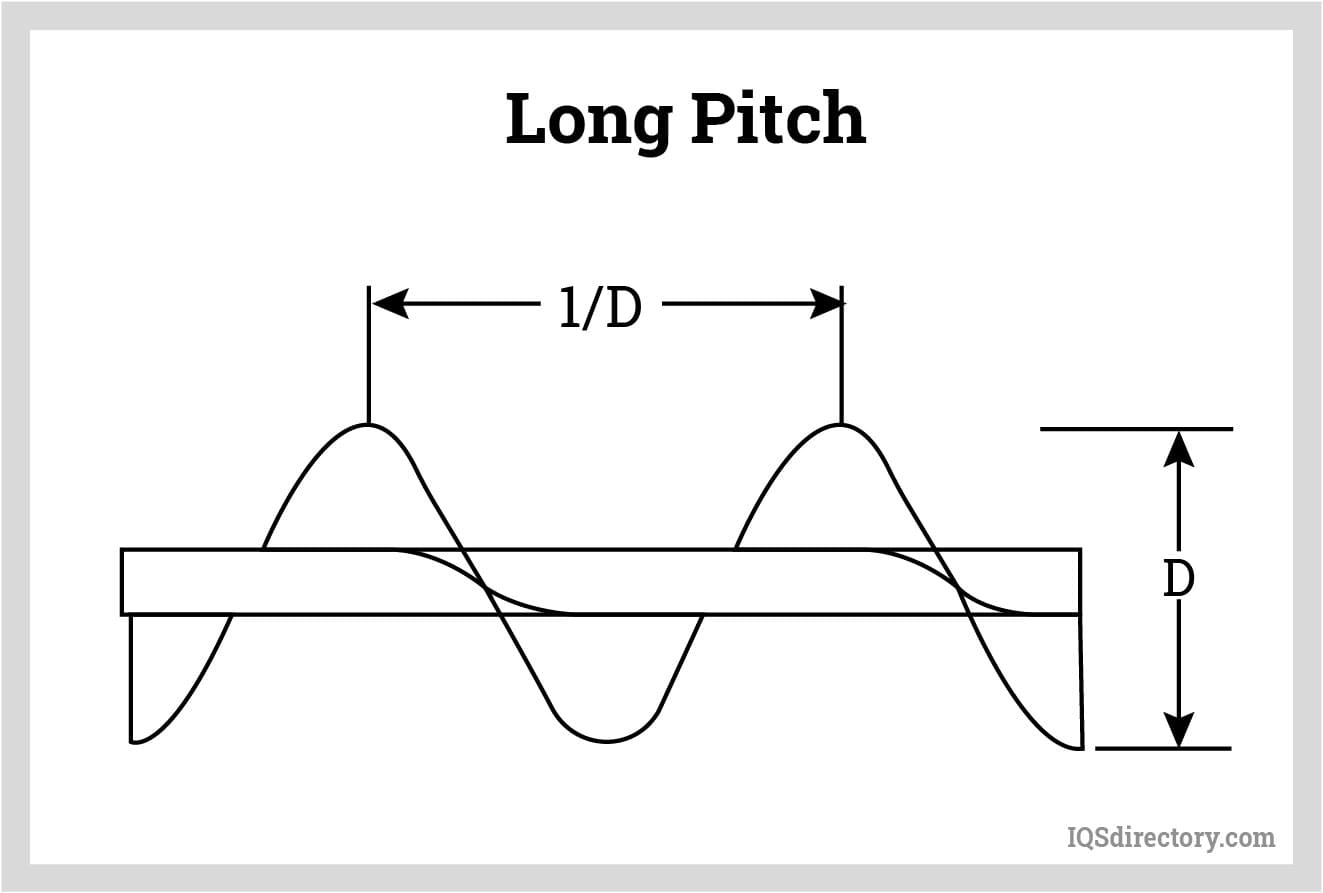 The pitch and the pattern of the conveyor screw affects the over all efficiency of the conveyor.
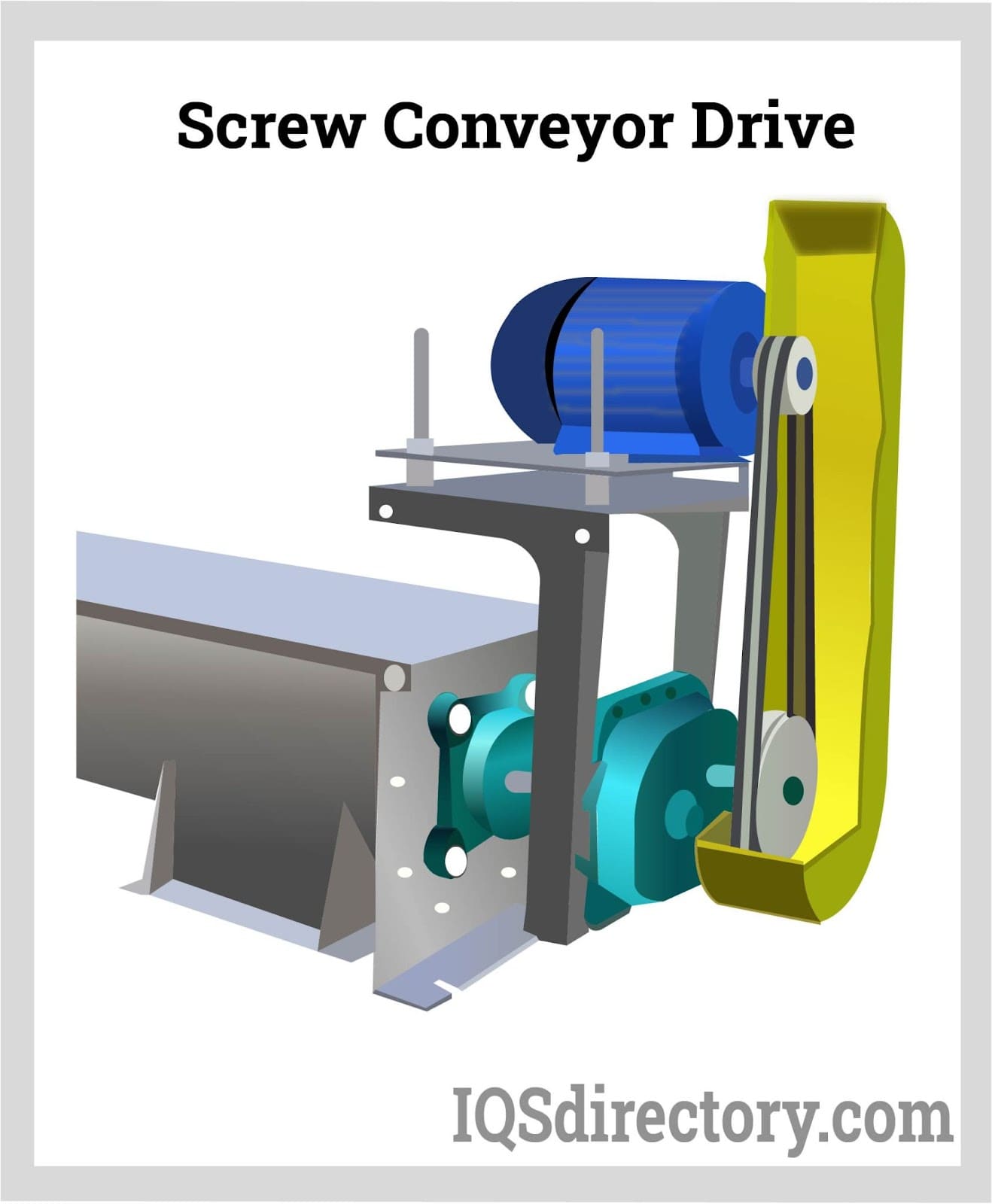 A motor that drives the assemblies for screw conveyors which can be powered by an electric motor.
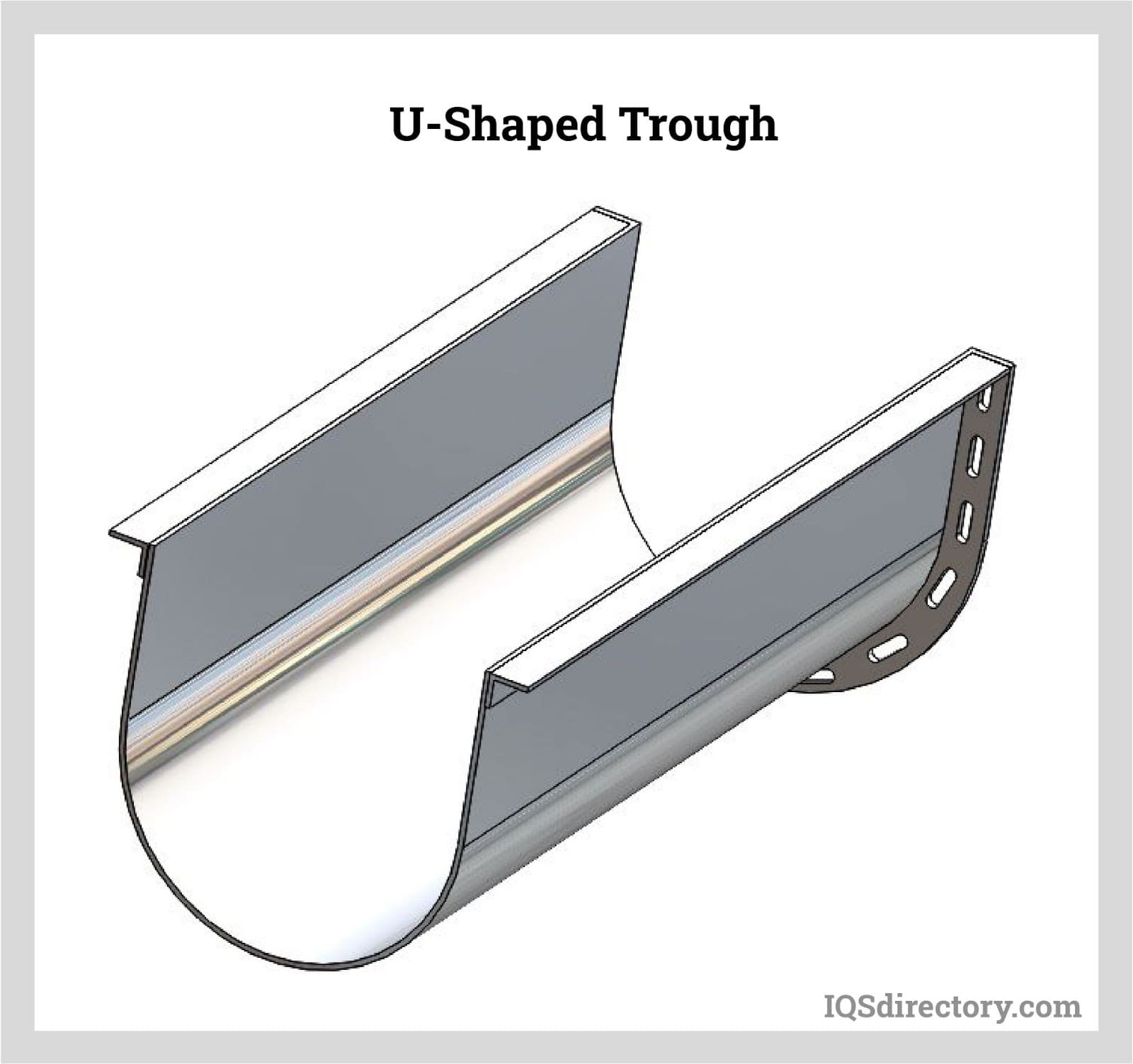 The trough supports the bulk material during transportation.
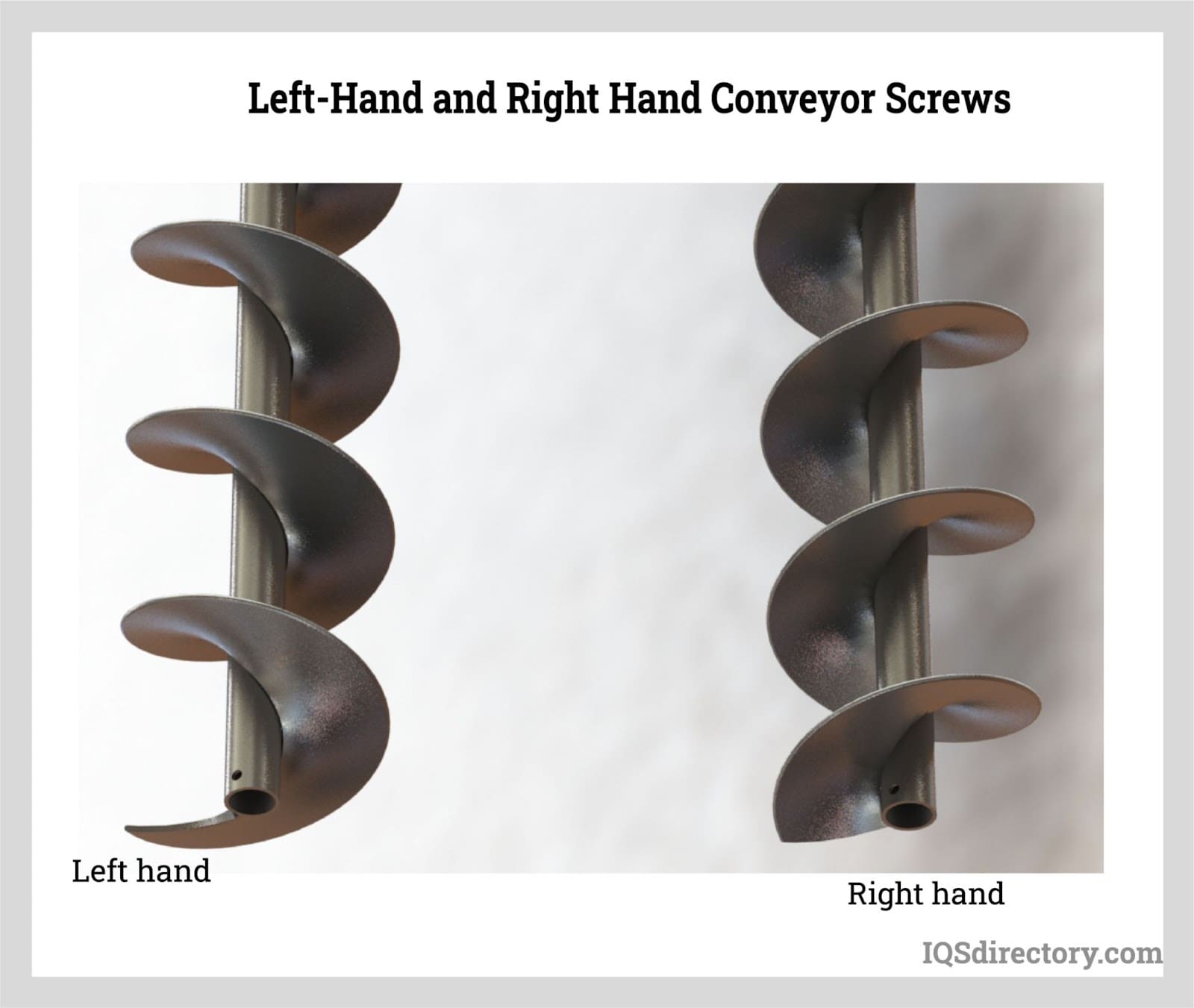 Screw conveyor handedness is determined by the end of the conveyor screw, turning clockwise are right-hand screw conveyors and counterclockwise are left-hand screw conveyors.
Types of Screw Conveyors
Screw conveyors are available in a variety of types, usually classified by their mechanism, application, and placement within a tube or trough. Choosing the right design depends on how the material behaves, how far it must travel, and whether the process calls for horizontal transfer, vertical lift, metering, or enclosed feeding. Buyers often begin by comparing material flowability, capacity targets, sanitation needs, incline angle, and the space available around hoppers, mixers, silos, or packaging equipment.
Tubular Screw Conveyor
A general term for any screw conveyor enclosed within a tube. Many screw conveyors, regardless of their conveying style, can also be classified as tubular screw conveyors. This enclosed design helps support dust control, cleaner operation, and dependable material containment.
Vertical Screw Conveyors
Designed for bulky material handling in manufacturing and agriculture, these conveyors optimize space by moving materials vertically, reducing the required floor area. Despite their compact design, they handle heavy loads efficiently and are often selected when a process needs elevation without a long horizontal run.
Horizontal Screw Conveyor
Designed for horizontal movement, these conveyors are widely used where plants need continuous bulk solids transfer along production lines, bins, hoppers, or process equipment. They are also used in chemical plants and process systems for heating, cooling, mixing, dewatering, drying, aeration, and compaction applications.
Stainless Steel Screw Conveyors
Utilizing an inclined, spiraling plane, these conveyors transport liquids, granules, and semi-solid materials. They are widely used in industries such as food processing, pulp and paper, wastewater treatment, chemicals, wineries, and brewing where corrosion resistance, washdown capability, and product cleanliness matter.
Screw Feeder Conveyor
A specialized version of the horizontal screw conveyor designed to operate at full capacity, unlike standard horizontal conveyors, which typically run below full trough loading. These are used for the continuous and consistent movement of materials between processes and are often chosen when metering accuracy and uniform feed are part of the process goal.
Portable Screw Conveyors
Designed for moving granulated and powdered materials, these conveyors can be set at custom angles between 45 and 90 degrees, making them highly adaptable for loading, unloading, and flexible plant service in different applications.
Inclined (Incline) Conveyor
Used when materials need to be transported at an angle, these conveyors require more space and power but provide an economical way to move bulk materials between facility floors, platforms, or process points. Some models are portable and mounted on stands, carts, or vehicles for mobility.
Bucket Elevator
A vertical or inclined conveyor that moves materials using one or more buckets. Used for conveying flowable bulk material up and down, bucket elevators function similarly to screw conveyors but have a different design.
Coreless Screw Conveyor
Also known as shaftless screw conveyors, these conveyors lack a central shaft, making them highly resistant to clogging and effective for capturing and transporting stringy, wet, or difficult materials that may wrap around conventional center shafts.
Sand Screw Conveyor
Primarily used for dewatering sand or granules, this type also helps remove fine particles from materials.
Grain Screw Conveyor
Common in agriculture, this conveyor, also known as an agricultural screw elevator, is used for lifting and loading grain into trucks.
Plastic Screw Conveyor
A lightweight bulk material transport system that moves raw materials using a rotating helical screw inside a trough or tubular casing.
Cement Screw Conveyor
A specialized screw conveyor designed explicitly for transporting cement efficiently and reliably.
Applications of Screw Conveyors
Industries use screw conveyors to reduce maintenance demands and production costs by moving materials efficiently along a linear path—down, across, or upward. In addition to transportation, screw conveyors can also mix, agitate, meter, or break down materials, which makes them useful in both simple transfer lines and more involved process systems. This range of use is why buyers often search for screw conveyor applications, industries that use auger conveyors, and the best conveyor style for powders, pellets, ash, sludge, or grain.
Because the screw mechanism cuts through materials during operation, it is not the best choice for sticky substances such as gels. Instead, screw conveyors are commonly used for dry to semi-dry bulk materials, including both free-flowing and non-free-flowing products, especially when plants want enclosed handling, reduced dust, and controlled discharge. Common conveyed materials include powders, sludge, dust, flakes, granules, boiler ash, seeds, food waste, wood chips, cereal, grain, fuels, process fluids, feed, and cement. More specific examples include carbon black, caffeine powder, gypsum, ferric sulfate, cocoa beans, flour, garlic powder, animal feed, Epsom salts, vitamins, fiberglass, whey, and lead oxide. This wide material range is one reason buyers often research screw conveyors for bulk material transfer, dust-controlled handling, and process efficiency.
Many industries rely on screw conveyors, including bulk handling, food and beverage, agriculture, chemical production, pharmaceuticals, construction, wood products, mining, minerals processing, oil and gas, pulp and paper production, rubber manufacturing, plastics production, stone cutting, glass manufacturing, concrete supply, environmental protection, and waste management. Whether the goal is sanitary conveying, abrasive material handling, dust-controlled transfer, or reliable plant feed, the technology adapts to a wide mix of industrial requirements and production environments.
Equipment Components
Screw conveyor systems typically consist of a spiral blade, also known as a helicoid flighting or flight, enclosed within a tubular casing or trough and mounted on a shaft. The spiral is coiled around the shaft and housed inside the tube. In most designs, the shaft and coil assembly, or shaft screw, is driven at one end and supported at the other. However, in the case of a "shaftless spiral," the screw is driven at one end and left free at the other. Common system components may also include an inlet, discharge opening, drive unit, bearings, covers, and support hardware selected for the process. Due to this coiled design, screw conveyors are sometimes referred to asspiral conveyors.
Rotating screws, also called augers, are commonly fabricated from spring steel, carbon steel, or stainless steel. The enclosing tubes are typically made of steel, though alternative materials such as plastic or thermoplastic resin may also be used depending on the application, sanitation requirements, corrosion resistance, and wear conditions. Material selection affects longevity, cleanability, and how well the conveyor performs in abrasive, corrosive, or washdown service.
Operating a Screw Conveyor
To use your screw conveyor, begin by installing it in the system where material transfer will occur, whether it is part of an exhaust drain, a wood chip machine, or another bulk material handling setup. Establish a proper feed system, since auger conveyors should be control-fed at the inlet. Many operators do this by integrating another conveyor or metering device, such as a screw feeder, tubular drag conveyor, chain conveyor, belt conveyor, or rotary valve. Proper inlet loading helps avoid surges, improve throughput consistency, and protect the conveyor from unnecessary wear.
Screw feeders are specifically designed to complement screw conveyors by providing precise control over material flow rate. These feeders can be programmed to volumetrically meter material at a controlled rate, regulating both the amount processed per minute and screw speed. That level of control is useful when applications require accurate batching, blending, ingredient dosing, or downstream equipment protection.
Notes on Safe Operation
Check the discharge port of the tube before and during operation to ensure it remains unblocked. If a blockage occurs, use proper corrective measures, such as an interlocked switch, level detector, or safety coupling, to resolve the issue. A clogged discharge port prevents the screw from moving material efficiently, which can reduce throughput, increase wear, interrupt normal system performance, and create inconsistent discharge conditions.
Ensure the casing size is appropriate for the material being conveyed. When processing bulkier or irregularly shaped materials such as wood chips, paper waste, foam granules, or hard flakes, improper casing dimensions can cause material accumulation, forcing the auger to work harder while delivering reduced conveying performance. Configuring the screw so it can apply force effectively helps prevent buildup, supports smoother material flow, and improves the fit between conveyor geometry and product behavior.
Avoid frequent or unnecessary overloading of the casing cross-section, particularly in systems with hanger bearings. Excessive feed surges can overfill the screw cross-sections and lower efficiency. Material also should not bypass an open or intermediate outlet, since that can affect product quality and process consistency. To reduce those issues, consider an expanded outlet port with an intermittent flight arrangement. If frequent flight stoppages occur, adjusting the flight offset may help by allowing material to fall from the screw blade into the intended space more effectively and by supporting smoother overall product flow.
Design and Customization for Conveyors
When designing screw conveyors, manufacturers consider factors such as safety requirements, material characteristics, including size, flowability, density, flammability, roughness, and corrosiveness, application load volume, duty cycle, cleaning requirements, and other operating needs. This design work helps match the conveyor to the real conditions of the process instead of relying on a one-size-fits-all approach, which is why custom sizing and application review matter during specification.
Using these considerations, they determine the appropriate materials, orientations, and optional features. For food processing applications, they may construct the trough and screw from food-grade UHMWPE. When handling explosive materials, they may select anti-static UHMWPE for both the trough and screw. For general applications, screw conveyor machines are typically made from steel. Depending on the system’s material flow direction, manufacturers design screw conveyors in one of three basic orientations: horizontal, vertical, or inclined. Optional controls, covers, hoppers, and discharge designs can then be added to match the rest of the system.
Screw conveyors are also highly customizable. While they are usually stationary, manufacturers can design portable models as well. Additional features may include a flexible discharge hose, wash-down section, mobile base unit, right-angle gear reducer, integral bag dump hopper, and control panel variations. Access and inspection ports may also be added near the outlet, making monitoring and maintenance easier and supporting more consistent long-term performance. That flexibility is useful when retrofitting a line or fitting a conveyor into an existing plant layout.
Safety and Compliance Standards for Conveyor Equipment
One of the most recognized safety and compliance references for a screw conveyor is CEMA certification, which many buyers review when comparing industrial screw conveyor manufacturers and equipment specifications.
Conveyor Equipment Manufacturers Association (CEMA)
CEMA sets the industry standards for screw conveyor sizing and capacity calculations. These calculations account for factors such as the outside diameter of the screw, the outside diameter of the pipe, the pitch of the screw, and the trough loading. Using accepted standards helps support more consistent equipment selection, expected throughput, and application fit. The final calculation determines the capacity in cubic feet per hour that the screw conveyor will move per revolution per minute.
Operators and buyers do not need to memorize these calculations. Most CEMA-approved screw conveyor manufacturers integrate these guidelines into their screw conveyor design software, helping them produce more accurate, efficient, and application-specific system configurations.
Things to Consider When Purchasing a Conveyor
Because there are so many types of screw conveyors available, finding the right one can feel overwhelming. The best way to improve the odds of getting the right system is by working with a reputable screw conveyor supplier—but how do you find one? The simplest way is to use a trusted directory. Since you’re here, you likely already knew that, and now you’re looking for the next step in evaluating manufacturers, options, and fit.
Start by reviewing the list of high-quality providers we’ve compiled at the top of this page. Explore their capabilities, services, and areas of expertise, then narrow your choices down to a top three or four. With your specifications and requirements in hand, reach out to each supplier individually. Communicate your exact needs, paying attention not just to whether they can fulfill your request but also to their lead times, pricing, delivery options, maintenance support, and customization range. The ideal manufacturer will provide the best combination of quality, reliability, and cost-effectiveness while ensuring your order arrives on time and within budget.
Screw Conveyors Terms
-
Conveyor Screw
The driving force of a screw conveyor, consisting of a spiral flight fused to a metal pipe that rotates within the conveyor trough.
Discharge End
The point of exit for conveyed materials.
Double Pitch Screw
Conveyor screw containing two flights.
Flight
The metal spiral ridges or threads on a screw.
Flow
A product’s direction of travel on a conveyor.
Frame
The structure that supports the various components of the conveyor.
Hanger
Screw conveyor mechanism that aids in the correct alignment of the conveyor screws.
Helicoid Flighting
Screw conveyor flight that consists of a continuous metal strip configured in a spiral shape.
Horsepower
A measure of the time rate of doing work.
Inlet Opening
The point of entry for conveyed materials.
Liner
A barrier placed between a conveyor screw and a screw conveyor component, such as a trough, to reduce friction between the screw and trough.
Long Pitch Screw
Conveyor screw in which the pitch is greater than the diameter of the screw.
Motor
The machine on the conveyor that converts electrical energy into mechanical energy.
Multiple Ribbon Screw
Conveyor screw containing more than one ribbon flight along the length of the screw.
Paddle Screw
Conveyor screw containing blades attached at different angles, depending on the industrial application, used for mixing, blending, or similar applications.
Pitch
Distance between conveyor screw flights.
Ribbon Screws
Conveyor screws that contain sectional flighting and are used to prevent sticky conveyor materials from accumulating inside screw conveyor pipes.
Sectional Flighting
A screw conveyor flight consisting of individual bends or sections, fused together into spiral form. Sectional flighting is created by inserting a ring in a hydraulic press. It is a durable yet sometimes expensive type of flighting that is useful in tough applications, such as those in the construction and mining industries.
Shaft
The portion of the screw that provides support onto the flight to which it is fused.
Short Pitch Screw
Conveyor screw in which the diameter is greater than the pitch. Short pitches are used on inclined screw conveyors with slopes measuring 20° or greater.
Total Load
The total amount of material being conveyed at any particular moment in time.
Trough
A duct inside of which the screw is inserted and through which the materials are conveyed.
Variable Pitch Screws
Conveyor screws in which the pitch increases along the length of the screw.