Industrial Scales
Industrial scales are weighing devices that are capable of weighing heavy loads with high accuracy in industrial settings. Any scale used in industry can be considered an industrial scale, but the term “industrial” usually implies large scale size and capacity. In practice, industrial scales are used wherever companies need dependable weight data for production, shipping, receiving, quality control, batching, inventory tracking, or legal-for-trade transactions. Some are built for bulk materials and pallets, while others are designed for highly precise process weighing, laboratory support, or formulation work. Whether the job involves truckloads of raw materials or fractions of a gram in a controlled environment, industrial weighing equipment helps businesses improve consistency, reduce product giveaway, verify load amounts, and keep daily operations moving with more confidence.
Industrial Scales FAQs
What are industrial scales used for?
Industrial scales are used to weigh products, pallets, containers, vehicles, ingredients, and bulk materials in commercial and manufacturing environments. They support shipping, receiving, batching, inventory control, process monitoring, quality assurance, and legal-for-trade transactions.
What types of industries use industrial scales?
Industrial scales are used in shipping and receiving, trucking, automotive, marine, agriculture, pharmaceuticals, laboratories, food processing, warehousing, recycling, and manufacturing. Different industries choose different capacities and accuracy levels depending on their load size and weighing requirements.
How do industrial scales measure weight?
Industrial scales measure weight using methods such as balance beams, springs, hydraulics, and load cells with strain gauges. Many modern digital scales rely on load cells that convert mechanical force into an electrical signal that can be displayed as a weight reading.
What materials are industrial scales made from?
Industrial scales are commonly made from stainless steel, steel, brass, cast iron, and concrete. Material selection affects scale durability, corrosion resistance, washdown performance, structural strength, and overall weight capacity.
What is the difference between a floor scale and a platform scale?
A floor scale is a type of industrial platform scale designed for weighing pallets, carts, drums, and heavy loads at ground level. Platform scale is a broader term that can include floor-mounted, bench-top, portable, and custom weighing platforms used in different industrial settings.
Why are load cells important in industrial weighing?
Load cells are a major part of modern industrial scales because they provide accurate electronic weight measurement. They sense force applied to the scale and convert that force into a signal that can be processed by an indicator or digital control system.
What should buyers consider when choosing an industrial scale?
Buyers should consider capacity, readability, accuracy, platform size, installation method, environment, washdown needs, portability, calibration requirements, and expected load conditions. The right scale should match both the weight range and the daily operating conditions of the application.
Quick links to Industrial Scales Information
Industrial Scale Applications
Industrial scales are important to the day-to-day business of many industries, including shipping and receiving, trucking, automotive, marine and agriculture, all of which can involve measuring large loads such as cargo containers, pallets, drums, livestock, feed, raw materials, and heavy machinery. Accurate industrial weighing supports freight verification, inventory accountability, batching, order fulfillment, and process control. In warehouse settings, floor scales and pallet scales help teams verify incoming and outgoing product weights before goods move deeper into the supply chain. In trucking and logistics, larger systems may be used to monitor axle loads, containers, and shipment weights so operations stay compliant and efficient. Some industrial processes, however, entail extremely precise measurements of lighter materials rather than high volumes. Medical, pharmaceutical and laboratory industries, for example, require scales that can detect the weight even of gaseous materials. In those environments, repeatability, readability, and digital data handling can matter just as much as capacity. Food processing, chemical manufacturing, plastics, and packaging lines also depend on industrial weighing systems for ingredient control, formulation accuracy, filling verification, and quality assurance. When users search for industrial platform scales, pallet scales, weighing systems for shipping, or high-accuracy industrial balances, they are usually trying to solve one of these very practical production or logistics challenges.
Materials in Industrial Scales
Industrial scales in these work environments may be small in size but have industrial computational capabilities, offering precise measurements of masses amounting to a fraction of a milligram. When selecting an industrial scale for a specific application, weight and accuracy requirements must be carefully considered. The material used to construct the scale should also be carefully considered as it will have an impact on the maximum weight capacity as well as durability and longevity of a unit. Stainless steel, steel, brass, cast iron and concrete are common materials used for industrial scales. Stainless steel is often preferred for washdown, food processing, pharmaceutical, and corrosive environments because it resists rust and cleans more easily. Carbon steel can be a strong, economical choice for general warehouse and manufacturing use where exposure is less aggressive. Cast iron and concrete may appear in larger installations where mass, stability, and load support are especially important. Beyond frame construction, buyers may also consider platform thickness, load cell housing materials, protective coatings, and environmental sealing. In dusty plants, wet locations, outdoor yards, and chemical handling areas, scale construction can make a major difference in long-term performance. Choosing the right material is not just about durability. It also affects sanitation, maintenance frequency, impact resistance, and how well a weighing system holds calibration under repeated daily use.
Industrial Scale Images, Diagrams and Visual Concepts
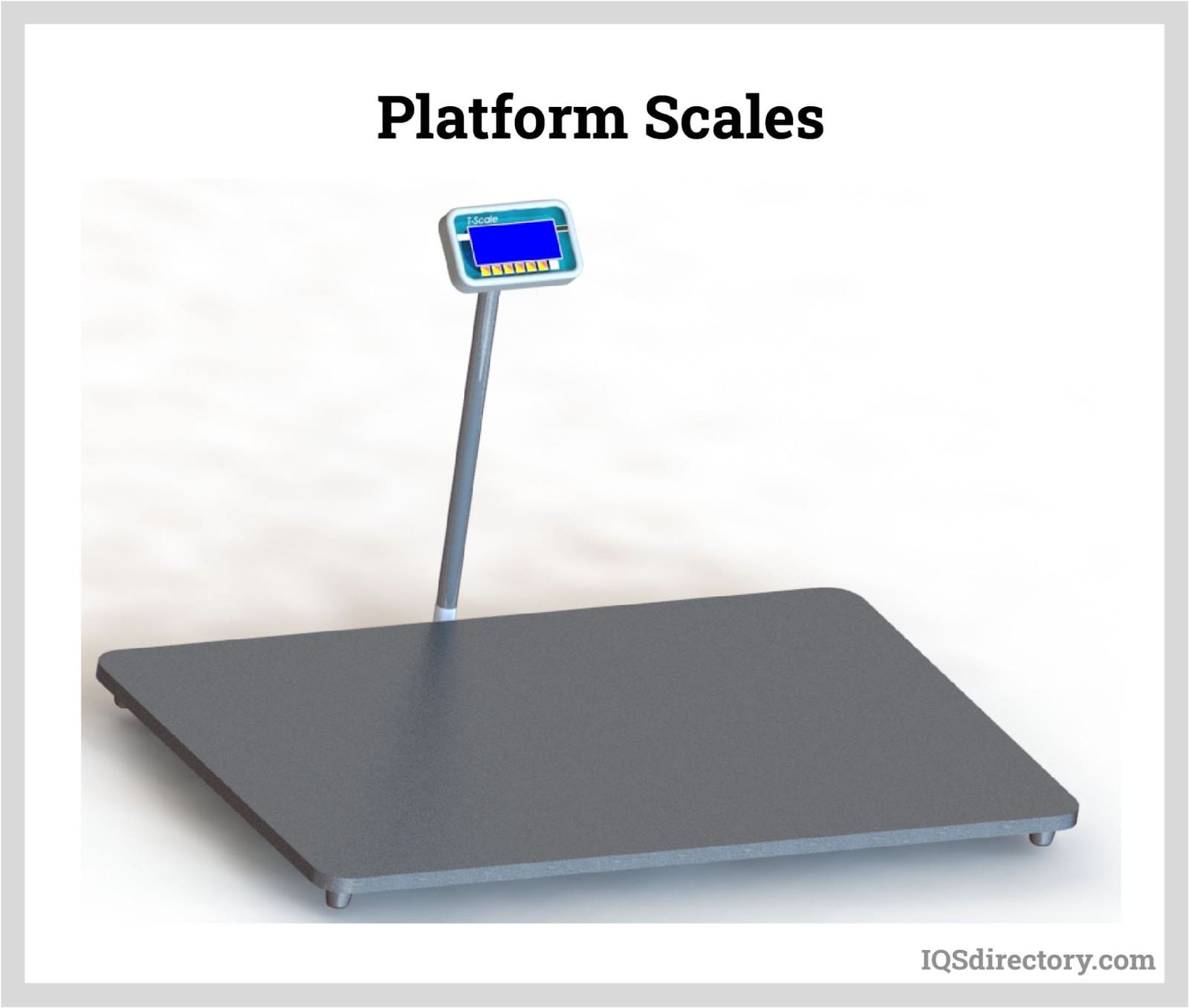 Industrial Scales consists of one or two metal plates to hold items to be weighed.
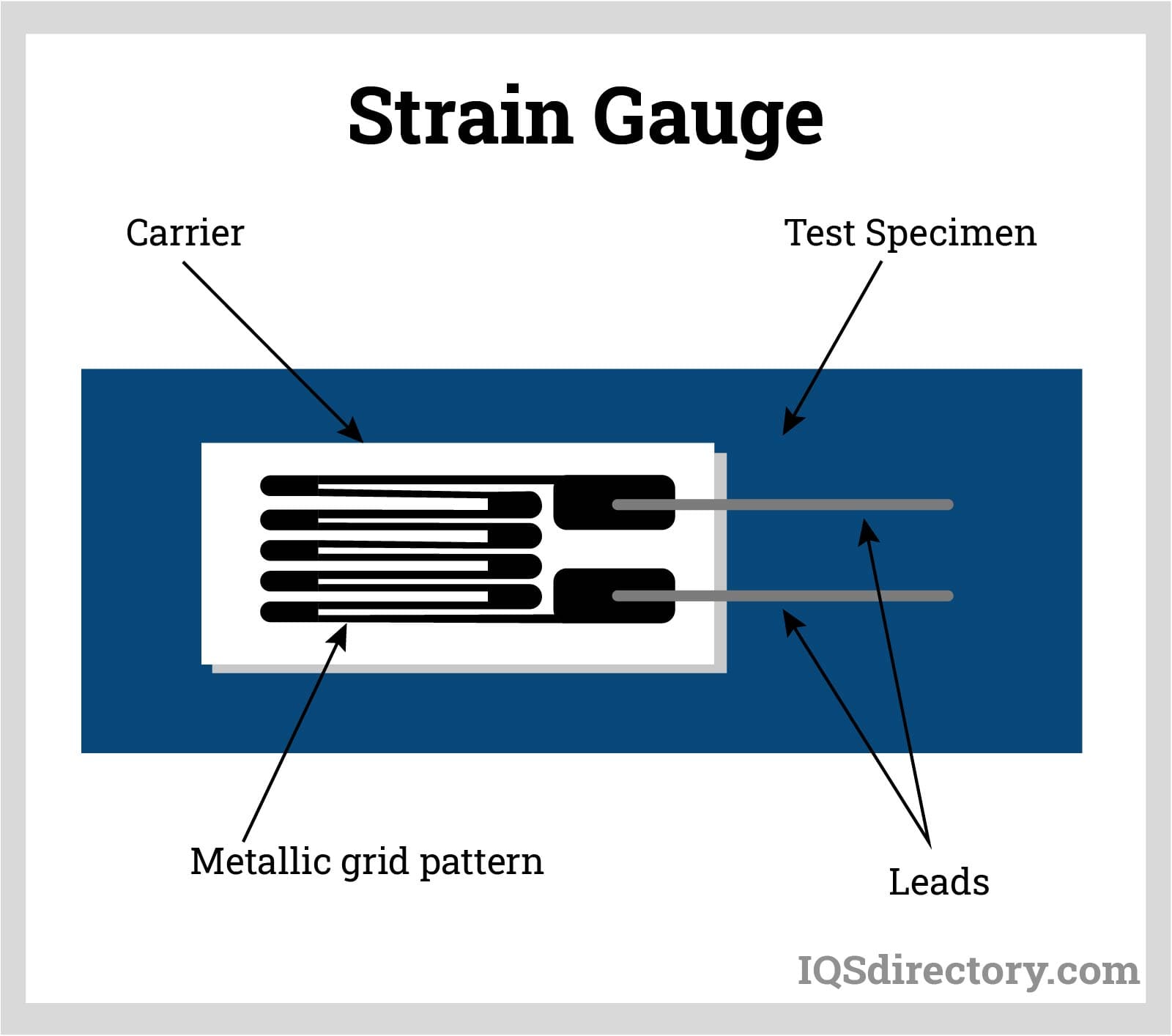 Strain gauge assemblies are inside the load cell housing and act as an electronic sensor, which measures the change in voltage and is then converted into a measurable weight readings.
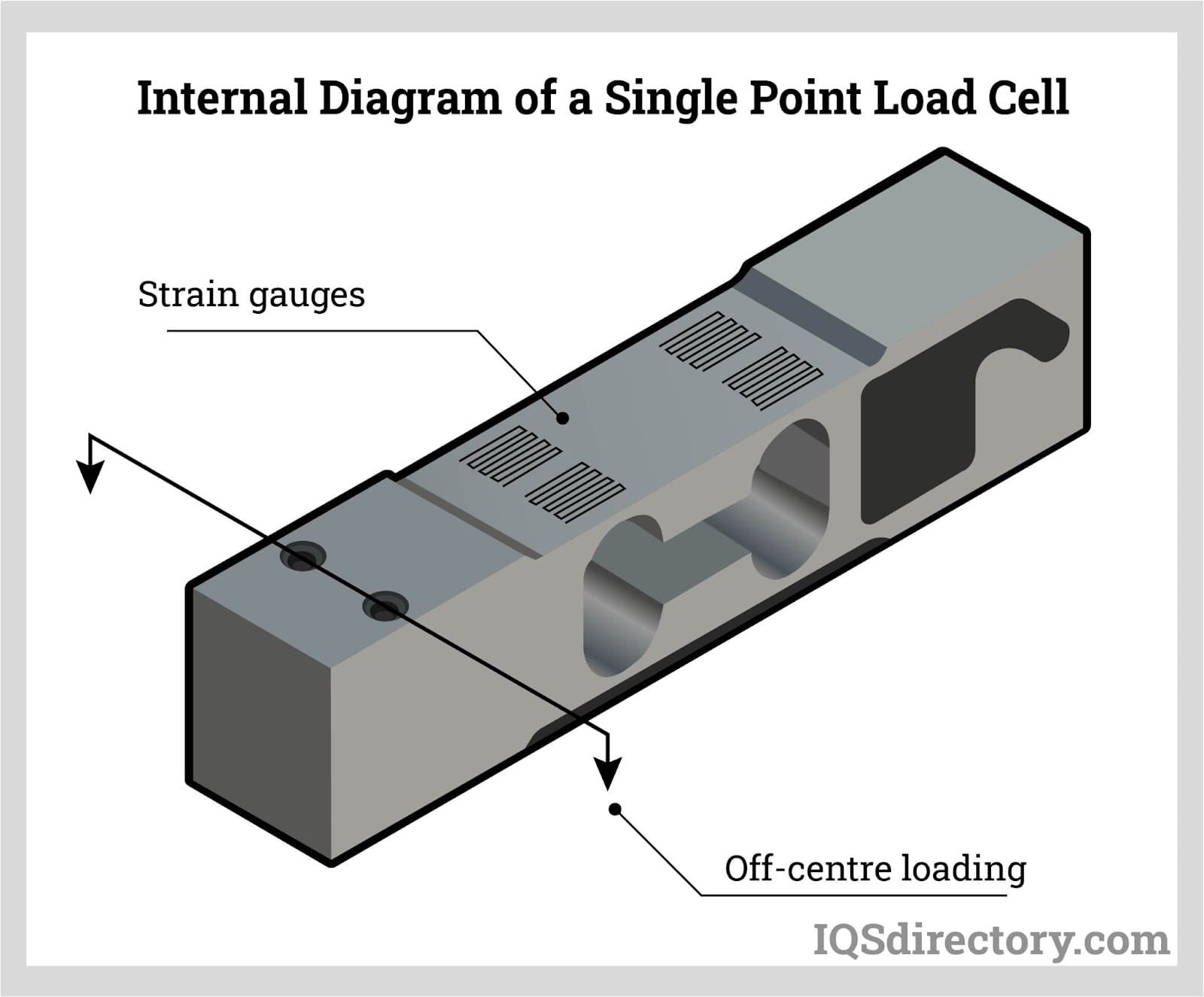 Single point load cells have an aperture cut out of the body, that controls the thickness of the metal.
 Flexure lever scales have a S beam load cell able to withstand shock loading and used in weighing conditions with the potential of heavy, sudden impact on a scale.
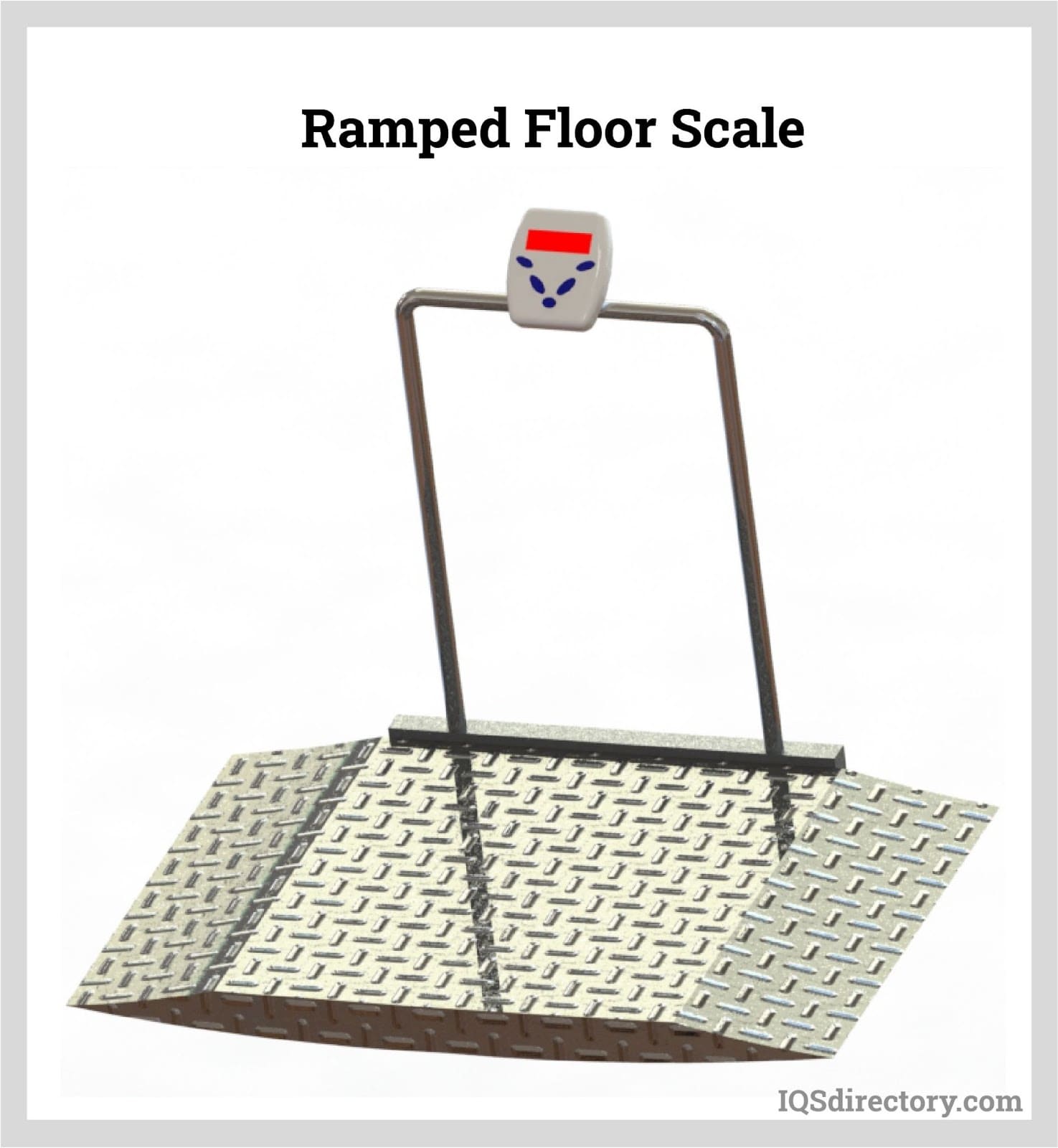 A basic floor scale that has an incline to load and unload items on the scale.
 Low profile floor scale, a type of floor scale that is closer to the ground with an incline at around 1 to 2 inches
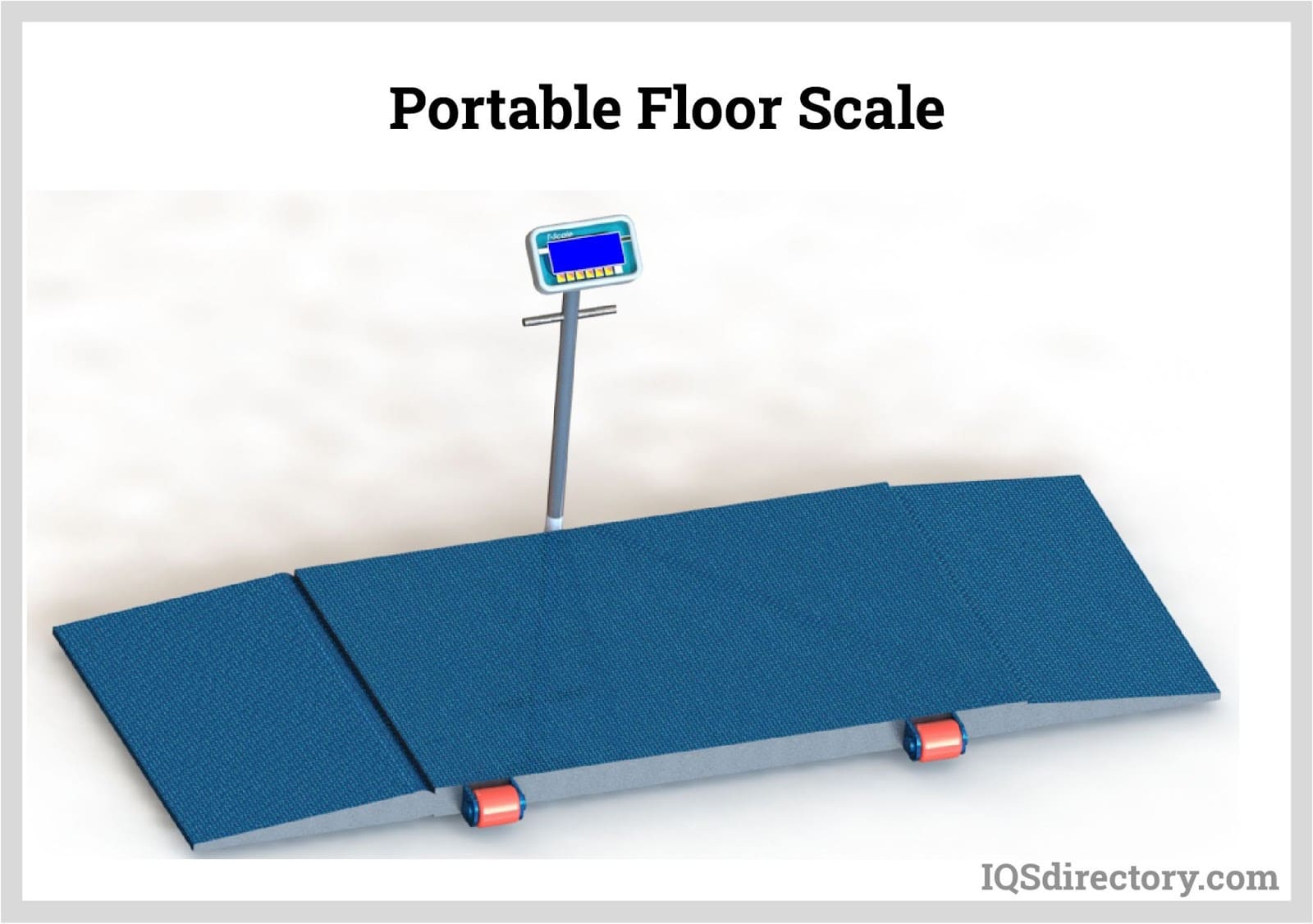 Portable floor scales have increased mobility and are more economical in installation.
Types of Industrial Scales
Along with the aforementioned concerns, the method of weighing should also be taken into account when selecting a scale. Balance, springs, hydraulics and strain gauges are the four most prevalent weighing techniques. Balance scales are actually dual platform scales with two pans or surfaces, one located at each end of a beam. Weights of known size are placed on one side until it equals or balances the unknown weight of the object on the other pan. Though still popular in specific contexts, balances are used mostly in laboratory or research based industries where highly comparative measurements are needed. Spring scales are broader in use and can be hanging scales, bench scales or floor scales. A spring is attached to a hook or pan. When a weight is attached, the spring is compressed or stretched, depending upon the application. The necessary force needed to move the spring is predetermined and set to a gauge that indicates the weight of the object or load it encounters. Hydraulic industrial scales function in a similar fashion, though the compression of fluids by an attached piston is calibrated in place of the spring. The final type, strain gauges are increasingly popular as they most readily supply digital or electronic measurements. The weight places strain on a coil or conductive foil located beneath the weighing platform. The deformation of this material alters the electrical resistance and is converted into an electrical signal. Modern industrial weighing systems often rely on load cells using strain gauge technology because they integrate well with digital indicators, printers, batching controls, PLCs, and data collection software. Common industrial scale formats include platform scales, floor scales, bench scales, pallet scales, crane scales, hopper scales, counting scales, and custom in-motion or process weighing systems. Each type is capable of accurate measurements, but the upkeep, calibration routine, installation style, and longevity of each model should be considered with regard to frequency of use, environment, shock loading, and the weight it will encounter on a regular basis.