Ball Bearings
Ball bearings are an essential machinery component used in a wide range of
applications. Their main function is to reduce friction between two moving
parts and facilitate smooth rotation, making them an integral part of modern
industry. The history of ball bearings dates back to the ancient Egyptians,
who used them in their wooden roller bearings. Philip Vaughan developed the
first modern ball bearing in 1794, and by the 19th century, ball bearings
had become an essential part of machinery, particularly during the
industrial revolution.
Overall, ball bearings have been instrumental in improving the efficiency,
performance, and lifespan of machinery and equipment in various industries.
Their ability to reduce friction, increase efficiency, and facilitate smooth
rotation has led to significant advancements in applications ranging from
automotive and aerospace to medical equipment and household appliances. They
are essential components that help reduce the wear and tear of moving parts,
increase efficiency, and extend the life of equipment.
Types of Ball Bearings and their Specific Use
There are several different types of ball bearings, each with its specific
use. The most common types of ball bearings are:
Deep groove ball bearings: These are the most commonly used type of ball
bearings and are ideal for high-speed and high-precision applications.

Angular contact ball bearings: These are designed to handle both radial and
axial loads and are commonly used in applications such as machine tools,
automotive transmissions, and pumps.
Self-aligning ball bearings: These bearings are designed to compensate for
misalignment between the shaft and housing and are commonly used in
applications such as electric motors and agricultural machinery.
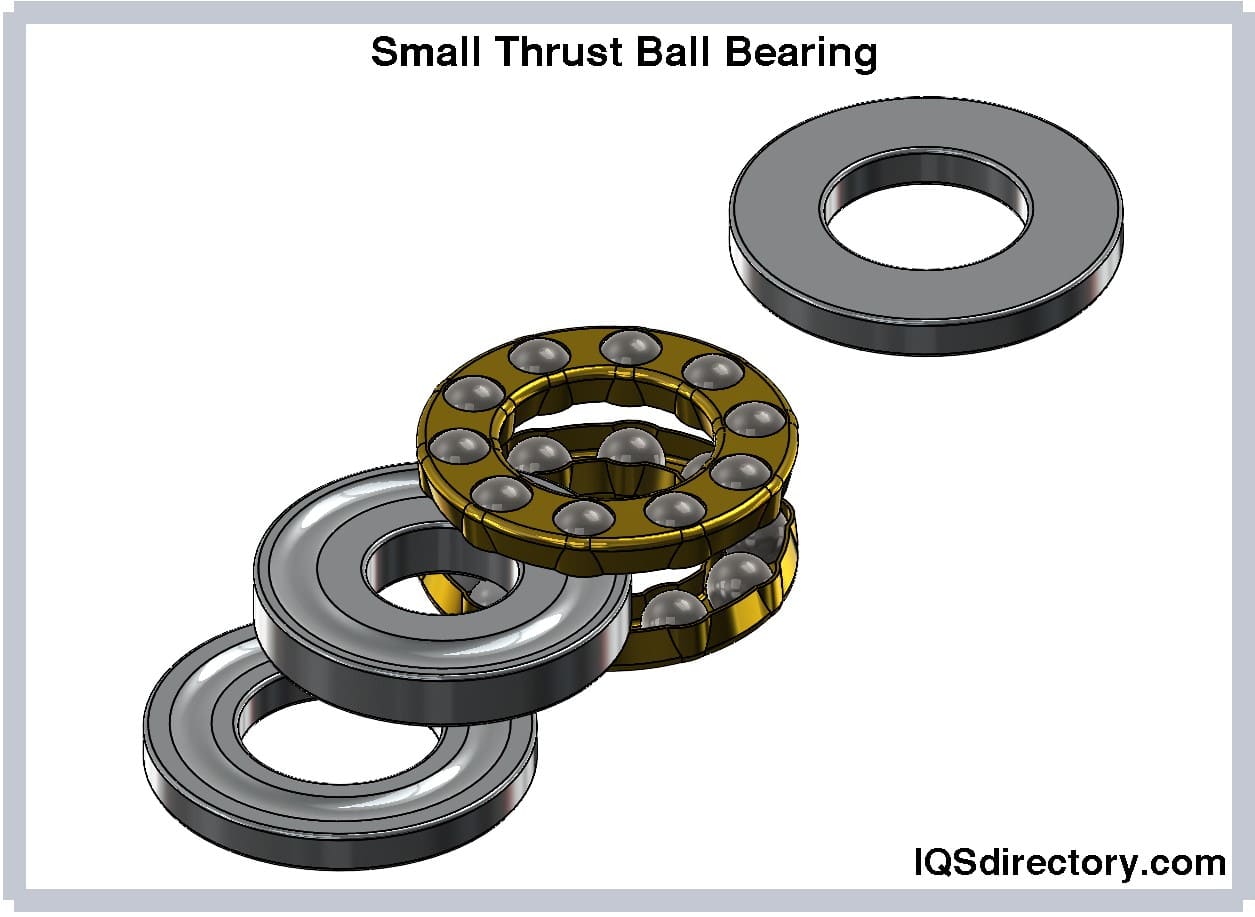
Thrust ball bearings: These bearings are designed to handle axial loads only
and are commonly used in applications such as machine tools and automotive
transmissions.
Benefits of Ball Bearings
The benefits of ball bearings include reducing friction and wear between two
moving parts, facilitating smooth rotation, and increasing efficiency. They
are also durable and long-lasting, making them ideal for heavy machinery and
equipment use. Here are some of the main benefits:
Reduced Friction: Ball bearings help reduce friction between moving parts,
which reduces wear and tear on the equipment and increases efficiency.
Increased Efficiency: Ball bearings facilitate the smooth rotation of
machinery and equipment, which increases efficiency and reduces energy
consumption.
Longer Life: Ball bearings are durable and long-lasting, which increases the
lifespan of machinery and equipment and reduces the need for frequent
maintenance.
Increased Speed: Ball bearings can handle high-speed rotation, which makes
them ideal for use in applications that require a high-speed and
high-precision operation.
Reduced Noise: Ball bearings can help reduce noise and vibration during
operation, making them ideal for use in applications where noise levels must
be minimized.
Improved Accuracy: Ball bearings help ensure that machinery and equipment
operate with precision, which is essential in applications such as medical
equipment, aerospace, and defense.
Limitations of Ball Bearings
Ball bearings have limitations and potential drawbacks that should be
considered when selecting them for use in a particular application.
-
They can be prone to failure if not installed correctly or exposed to
harsh environments.
-
They can also be subject to corrosion and wear over time, reducing their
effectiveness.
-
They can generate noise and vibration during operation, although this can
be mitigated through careful design and installation.
Applications of Ball Bearings
Ball bearings have applications in many industries due to their ability to
reduce friction and wear between two moving parts, facilitate smooth
rotation, and increase efficiency. For example, ball bearings are used in
electric motors, pumps, conveyor belts, and many more applications. Here are
some examples of how ball bearings are used in different industries:
Aerospace Industry: Ball bearings are used in various aerospace
applications, including aircraft engines, landing gear, and control systems.
They are essential in reducing friction and wear on moving parts, ensuring
the aircraft operates efficiently and safely.
Automotive Industry: Ball bearings are used in various automotive
applications, including wheel bearings, transmission bearings, and engine
bearings. They are essential in reducing friction between moving parts and
ensuring the vehicle operates smoothly and efficiently.
Medical Equipment Industry: Ball bearings are used in various medical
equipment applications, including surgical tools, diagnostic equipment, and
imaging systems. They are essential in reducing friction between moving
parts and ensuring the equipment operates smoothly and accurately.
Industrial Equipment Industry: Ball bearings are used in various industrial
equipment applications, including conveyor systems, pumps, and electric
motors. They are essential in reducing friction between moving parts and
ensuring the equipment operates efficiently and effectively.
Household Appliance Industry: Ball bearings are used in various household
appliance applications, including washing machines, dryers, and
refrigerators. They are essential in reducing friction between moving parts
and ensuring that the appliance operates smoothly and efficiently.
Agriculture Industry: Ball bearings are used in various agricultural
equipment applications, including tractors, harvesters, and irrigation
systems. They are essential in reducing friction between moving parts and
ensuring the equipment operates efficiently and effectively.

Factors Determining Ball Bearing Choice
Understanding the different types of ball bearings and their specific uses
can help ensure that the right bearing is selected for a particular
application. The type of ball bearing used in a particular application
depends on the specific requirements of that application. For example, deep
groove ball bearings are ideal for high-speed and high-precision
applications. In contrast, self-aligning ball bearings are ideal for
applications with misalignment between the shaft and housing. Several
factors could determine the choice of a specific ball bearing for a
particular application. Some of the most important factors are:
Load Capacity: The load capacity of a ball bearing is the maximum weight or
force it can support. Choosing a ball bearing with the appropriate load
capacity for the application is essential to ensure it can handle the
required load.
Speed: The maximum speed that a ball bearing can handle is an important
consideration for applications that require high-speed rotation. Choosing a
ball bearing that can handle the required speed without generating excessive
heat or wear is important.
Precision: The precision of a ball bearing refers to how accurately it can
rotate without any wobbling or vibration. High-precision ball bearings are
necessary for applications that require precise positioning or measurement.
Temperature: The temperature range of the application is an important
consideration for choosing the right ball bearing. Extreme temperatures can
cause the bearing to expand or contract, leading to failure. Therefore, it
is important to choose a ball bearing that can handle the temperature range
of the application.
Lubrication: Proper lubrication is critical for ball bearing performance and
longevity. The type and amount of lubrication required will depend on the
application.
Environmental Factors: Environmental factors such as humidity, dust, and
debris can affect the performance and lifespan of a ball bearing. It is
important to choose a ball bearing that can handle the environmental
conditions of the application.
Cost: A ball bearing's cost can vary significantly depending on the
application and the required performance. Balancing the cost with the
required performance is important to ensure the best value.
Choosing the right ball bearing for a specific application requires careful
consideration of several factors, including load capacity, speed, precision,
temperature, lubrication, environmental factors, and cost. Selecting the
appropriate ball bearing can improve the performance and lifespan of the
equipment, increase efficiency, and reduce maintenance costs.
Choosing the Correct Ball Bearings Manufacturer
To make sure you have the most beneficial outcome when purchasing Ball
Bearings from a Ball Bearings Supplier, it is important to compare at least
4 Suppliers using our list of Ball Bearings manufacturers. Each Ball
Bearings Manufacturer has a business profile page that highlights their
areas of experience and capabilities and a contact form to directly
communicate with the manufacturer for more information or request a quote.
Review each Ball Bearings company website using our proprietary website
previewer to get an idea of what each company specializes in, and then use
our simple RFQ form to contact multiple Ball Bearings companies with the
same quote.