Find alloy suppliers including alloy distributors, custom alloy, metal alloy and more. From copper alloy, steel alloy, aluminum alloy to titanium alloy you will find the alloy you need. Use the time-saving Request for Quote tool to submit your inquiry to all the alloy suppliers and manufacturers you select.
As a metal supplier, we like to think of ourselves as unique. If the steel alloys, aluminum alloys, magnesium alloys, nickel alloys, titanium alloys, super alloys or molybdenum, tantalum or tungsten alloys we stock aren't what you need-how about Designer Alloys™? Curious? Contact us.
Want a quick, professional response to your specialty metal needs? Contact Industrial Alloy Supply. As a stocking distributor, we offer stainless, aluminum, galvanized, copper and brass in sheets, plates, bars, shapes, tubing, pipe, expanded metal and angle rings. Request a quote online today!
Alloy-Source is an online supplier of metals, welding products, and alloys. We can provide a network of alloy suppliers to our customers. Through us, you can find aluminum alloy, nickel alloy, titanium alloy and many other metal alloys. Hard-to-find alloys are our specialty!
We supply high temperature alloys for commercial and aerospace uses. These metallic raw materials include super alloys, nickel alloys, titanium alloys, aluminum alloys, inconel, aircraft stainless steel and other types. These products are offered in various forms: flat bar, round, square, etc.
Our award-winning company looks forward to being your vacuum melted alloy steel supplier. Aerospace, chemical, electronics, high-tech and military industries are some of our customers seeking super alloys, tungsten alloys and others in the different forms we offer: bar, forgings, plate and sheet.
An alloy is a compound of two or more elements, at least
one of which is a metal. A binary alloy has two components, a ternary alloy
has three and a quaternary alloy has four. The result of these combinations
is a metallic substance that has significant differences from its components.
Alloy supply is often stronger, more durable and has more desirable properties
than those of their individual components, such as increased hardness or malleability.
This is why alloys are more often used in industrial applications. The alloy
usually takes characteristics of the elements it is made from, physical properties
like reactivity, density and electrical and thermal conductivity. On the other
hand, the alloy’s engineering properties such as tensile and shear strength,
can be very different from the original materials.
When specific qualities of metals are needed for applications such as rockets
and aircrafts, alloys can be made and provided by alloy suppliers to match
predetermined sets of characteristics. In these cases, lightweight alloys with
strong heat-resistance are created. There are also alloys with particular nuclear
absorption qualities for use in nuclear reactors; there are alloys used as
superconductors in very low temperature applications, and there are alloys
which are designed to resist the corrosive effects of boiling salt water and
are used in desalination plants. Most metals can be used in the forming of
alloys, and there are many different alloys, including stainless steel, pewter,
brass, bronze and more. Aluminum is often mixed with copper, magnesium or zinc
to form alloys used in building products, rigid and flexible packaging and
transportation. Alloy supply of all types is used in various industries: water
extraction, treatment and distribution, construction, agriculture, construction
and architecture, pharmaceuticals, consumer products, and manufacturing industries
including oil, petroleum and chemicals. In most of the applications in which
alloy metals are used, there are no acceptable or economic alternatives to
alloys.
Types of alloy supply include intermetallics and superalloys. Intermetallics
are alloys of two or more metals which form a new compound. These are sometimes
used because they have more magnetic, superconducting and chemical properties,
and they can combine ceramic and metallic properties when resistance to high
temperatures and hardness is more important than the toughness and ease of
processing that is more often desired. Superalloys are used mostly for their
high temperature creep resistance, but they also have mechanical strength,
good surface stability and both corrosion and oxidation resistance. Because
of these qualities, alloy suppliers use them in applications such as aircraft
and industrial gas turbines, military electric motors, chemical processing
vessels and heat exchanger tubing.
In the past, most alloys have been formed by melting down the materials and
then mixing them together. However, powder metallurgy is becoming a more popular
method of creating alloys. This process mixes dry powders, squeezes them together
under high pressure and heats them to temperatures just below their melting
points, resulting in a solid, homogeneous alloy. Ion implantation is another
technique by which to form alloys and uses beams of ions of carbon, nitrogen
and other elements, and fires the beams into selected metals in a vacuum chamber
that produces a strong, thin layer of alloy on the metal surface. Alloy suppliers
also recycle, and in fact, alloy scrap is marketed as a valuable commodity
and is essential to the economic production of alloys.
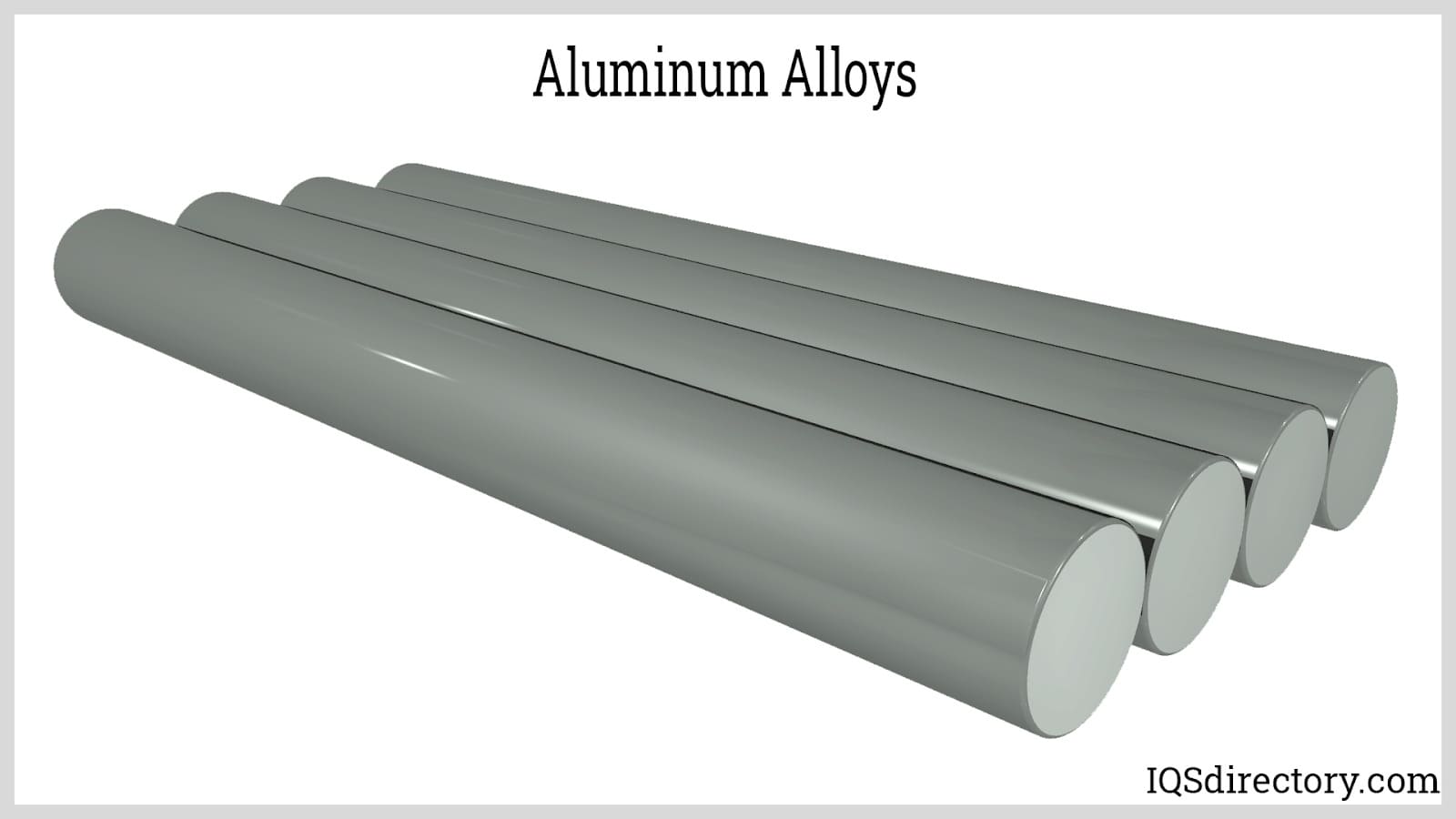
Aluminum alloy is a metallic material made from a combination of aluminum and another element, aluminum being the main component.
Binary alloys are
made up of two components.
Brass is an alloy formed from copper and zinc.
Bronze is an alloy formed from copper, zinc and sometimes tin, which
produces a deep reddish-brown color.
Casting alloys are
alloys used to form objects in molds, and they are more easily molded
than other alloys.
Copper alloy is a combination of copper and another element, in which copper is the chief component.
Custom alloys can be engineered to have specific properties that meet requirements for a specific application.
Ferrous alloys are all alloys that are based on
iron.
Hastelloy is a trademark alloy from Hayes International, Inc. and is
made up of nickel mixed with one of several options: cobalt, iron,
copper, titanium, aluminum, etc. Hastelloys are considered to be superalloys
and are used in highly corrosive and erosion prone environments.
Iconel is an alloy made from nickel and chromium and is often used
in the nuclear engineering, industrial furnace and rocket engine industries
because of its resistance to high temperatures and corrosion.
Intermetallics are alloys of two or more metals in a certain proportion,
forming a new chemical compound.
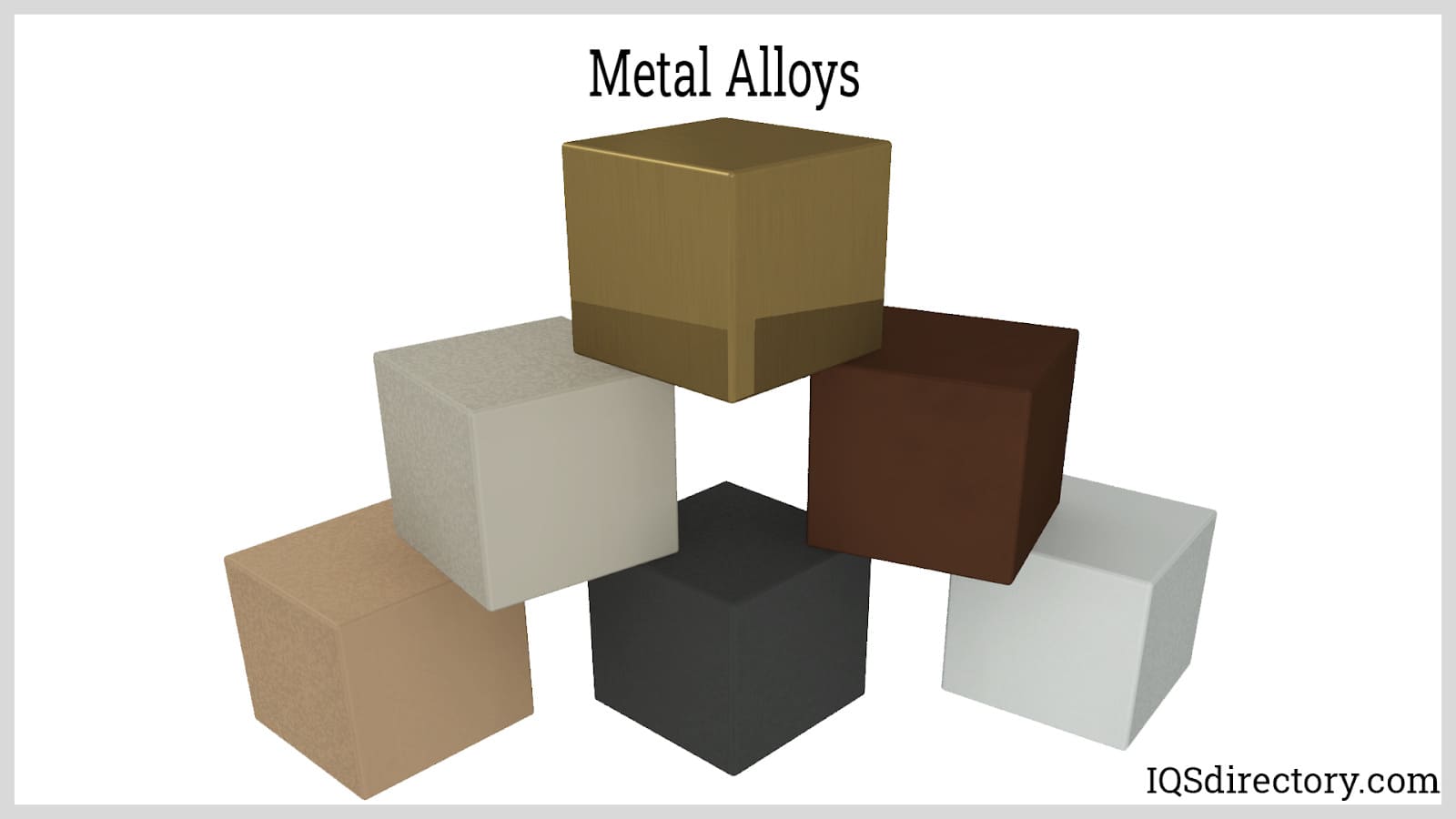
Metal alloy is an amalgamation of two or more elements, one of which must be a metal.
Monel is a trademarked alloy made up of nickel and copper with some
manganese and iron; it is primarily known as a rust-resistant and corrosion
resistant material.
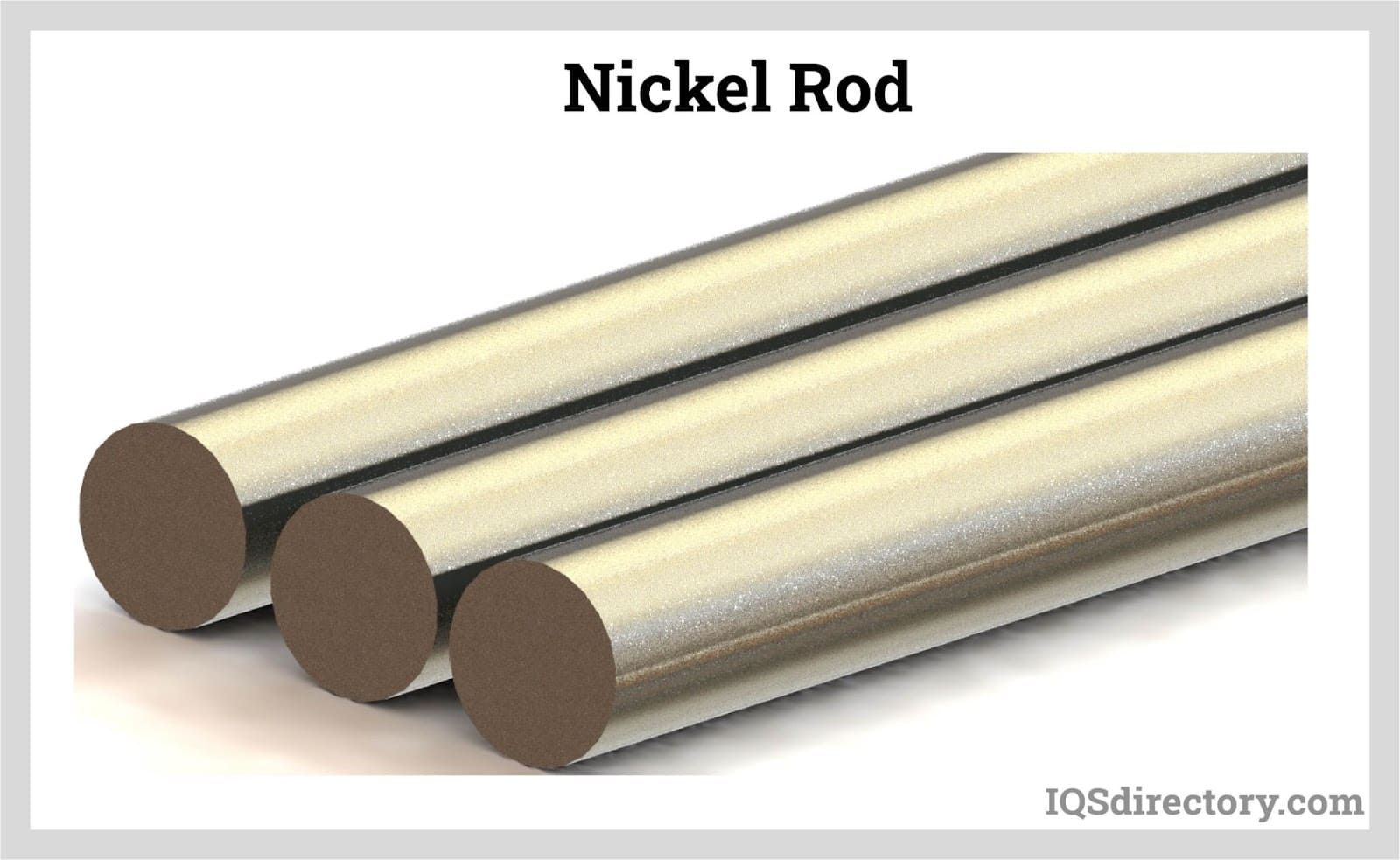
Nickel alloy is a metallic material predominantly comprised of nickel.
Non-Ferrous alloys are
a mix of two or more non-ferrous metals, not containing iron.
Quarternary alloys are
alloys made up of four different components.
Steel alloys are
most commonly made up of nickel, chromium, silicon, manganese, tungsten,
molybdenum and vanadium, and are used for their
increased hardness, strength and chemical resistance.
Superalloys, or high-performance alloys, can withstand extreme temperatures
that would destroy metals like steel and aluminum. A superalloy will
have excellent mechanical strength, surface stability and corrosion
resistance.
Ternary alloys are
alloys made up of three different components.
Titanium alloy is a metal alloy in which titanium remains the main component.
Alloy Supplier Terms
Alloy - A substance
that has metallic properties and is composed of two or more elements,
at least one of which is a metal.
Alloying element - An element added
to a metal that effects changes in structure
and properties.
Ion implantation - A process using
beams of ions of carbon, nitrogen and other elements which are fired
into metals in a vacuum chamber in order to produce a thin layer of
alloy on the metal surface.
Malleable - A process used to change
the shape or form of metals and alloys.
Metallurgy - The study of the physical
and chemical behavior of metallic elements, their intermetallic compounds
and their alloy mixtures.
Powder metallurgy - The process
by which alloys are mixed in powder form and heated into a solid, homogeneous
alloy.