Eyelets
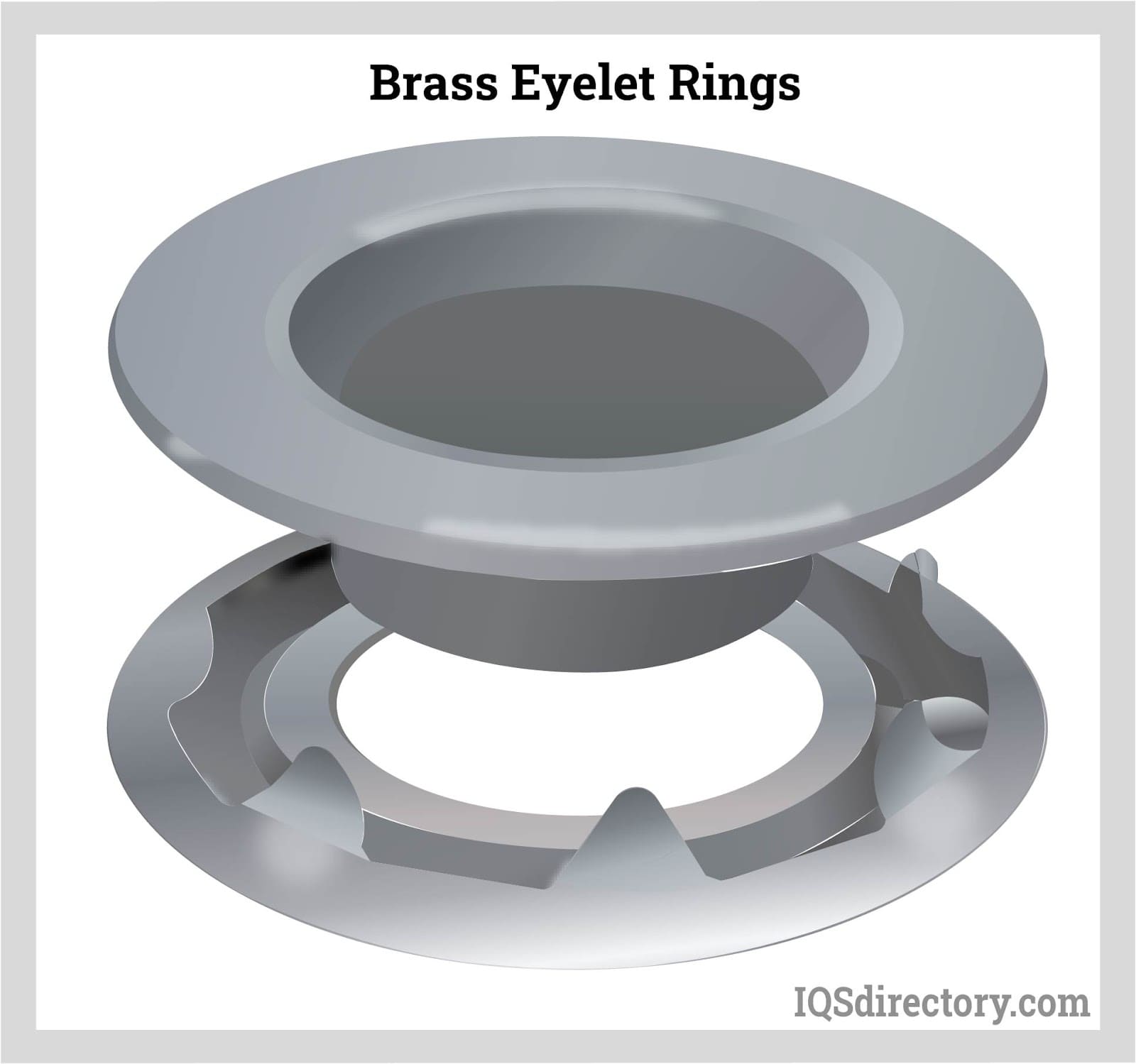
An eyelet is a metal or plastic ring used to reinforce holes punched in thin fabrics...
Looking to find and compare die stamping suppliers? See our Metal Stamping Companies directory to request free quotes. This guide focuses on technical processes, press configurations, and tooling operations.
This guide provides technical insights into die stamping techniques, tooling operations, press options, and material requirements. Here is what you will learn:
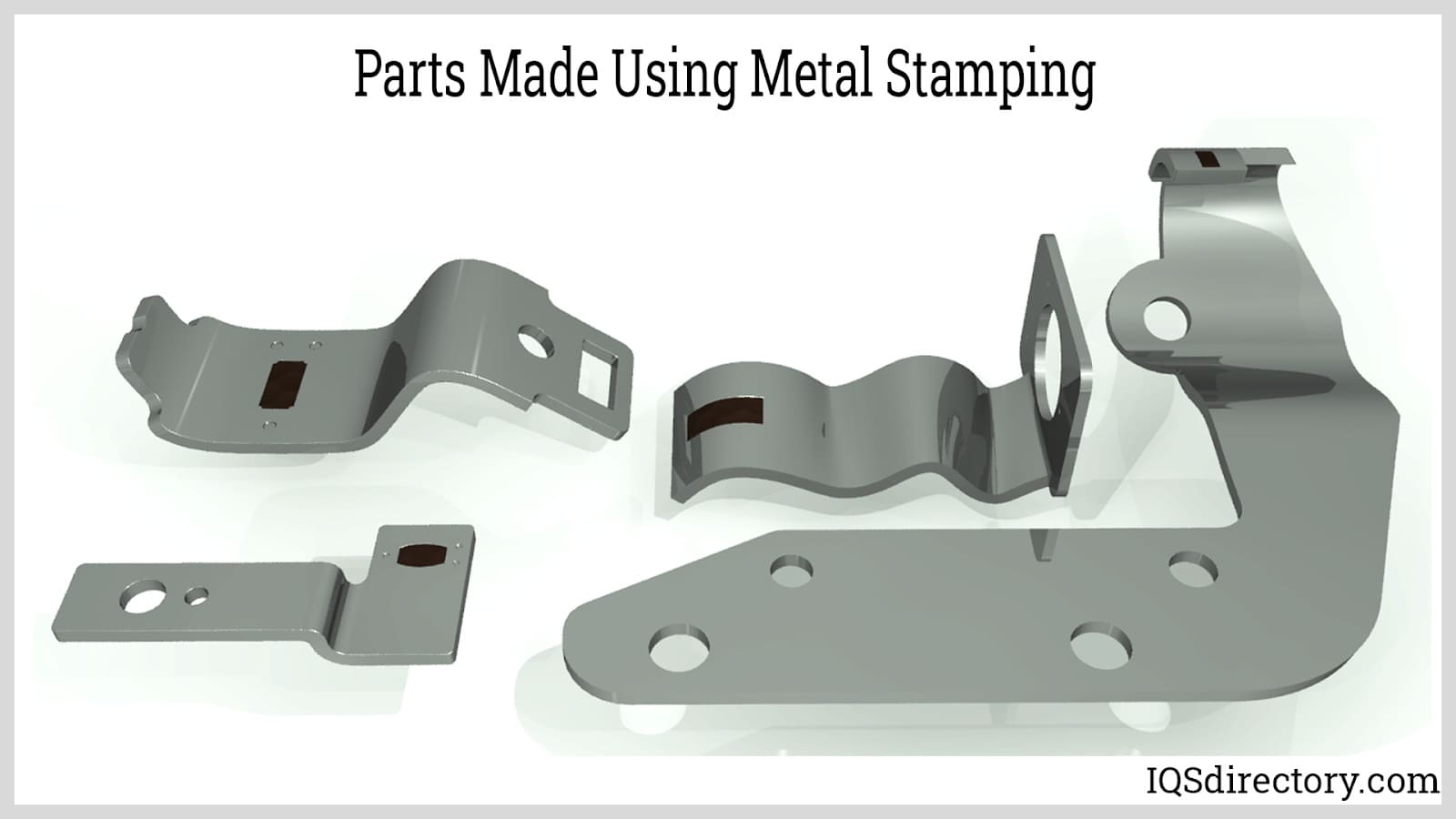
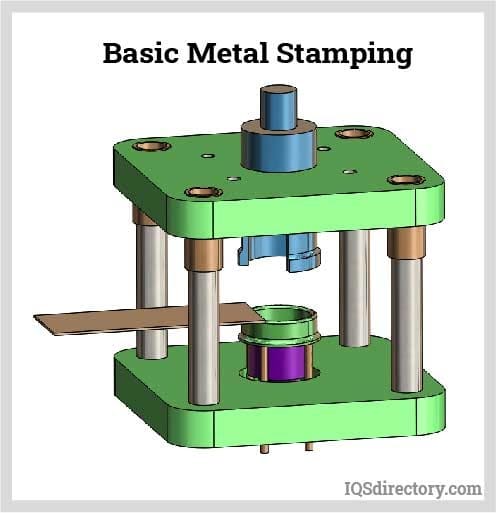
Die stamping, a cold forming technique, starts with a strip of metal, often called a blank or tool steel, and uses precision tooling to shape it into a finished or semi-finished part. Using one or more dies, this metal stamping process cuts, bends, and forms the material to create a specific design or profile. The force applied alters the blank's structure and geometry, allowing it to be bent or sculpted into complex shapes with consistent repeatability. This method can produce metal parts of various sizes, from minuscule components to large industrial parts, depending on the application requirements and production volume.
Also known as pressing, die stamping includes diverse methods such as blanking, punching, piercing, coining, embossing, bending, and forming, among other operations. Precision in die design, tooling setup, and press selection is crucial to ensure each punch achieves high-quality results, tight tolerances, and reliable part consistency. For manufacturers evaluating metal fabrication solutions, die stamping is often chosen for its cost efficiency, high-speed output, and suitability for both high-volume production runs and custom metal parts.
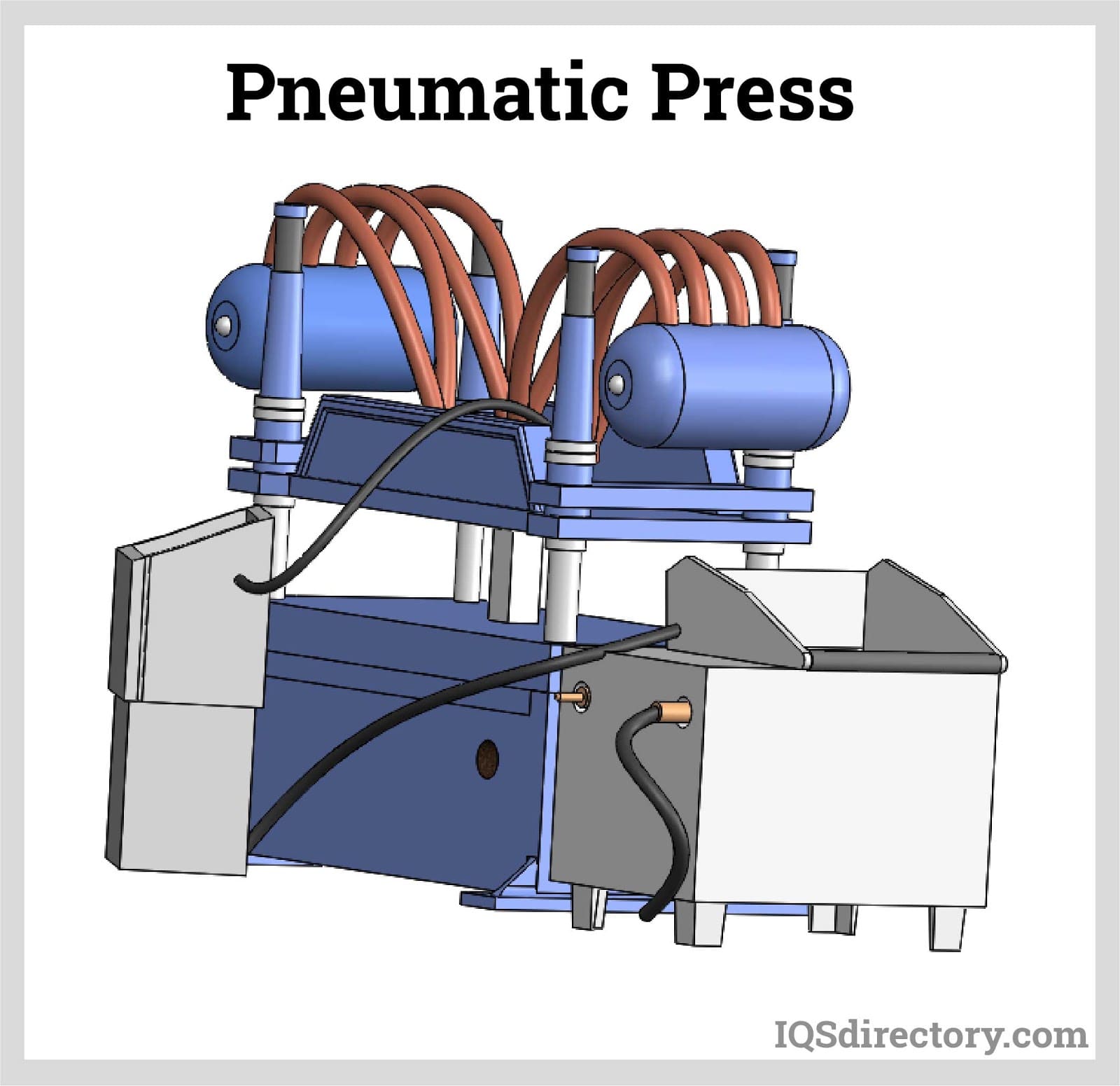
Dies used in die stamping are specialized tools crafted to create specific designs, ranging from simple, everyday items to detailed components in electronics, automotive assemblies, appliances, and industrial equipment. They can function as single-use tools or operate as part of a sequence of stages to perform multiple functions, making them essential in progressive die stamping, transfer stamping, and line stamping applications.
(These three processes will be further detailed in Chapter 3: Production Methods).
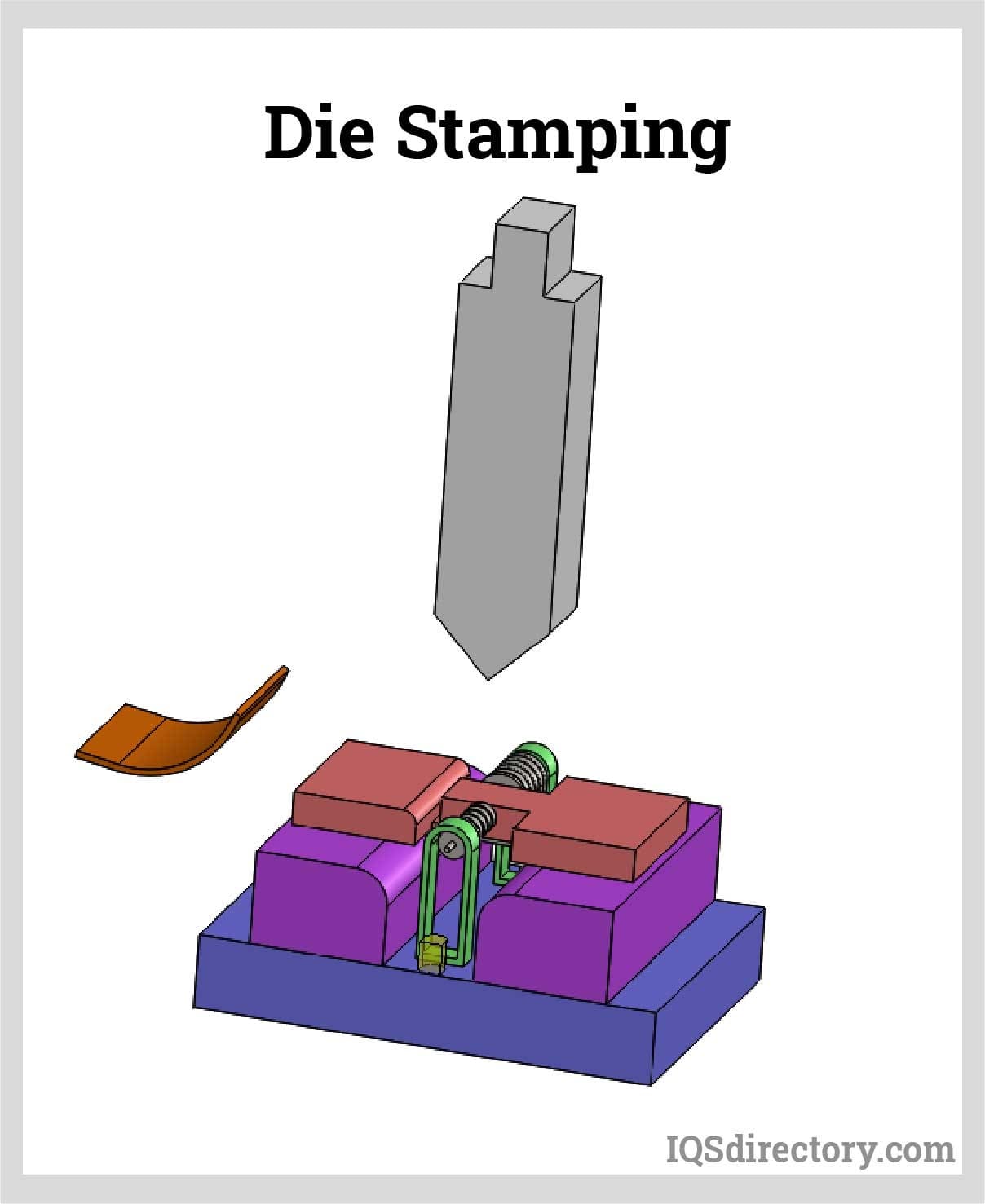
Stamping dies are essential tools in the metal stamping process, serving two primary functions: cutting and forming. Some advanced stamping dies are designed as combination dies, capable of performing both actions in a single stroke. These die stamping operations allow manufacturers to separate sheet metal or shape it into intricate geometries through controlled plastic deformation. Understanding die stamping operations is critical for those seeking reliable, cost-effective solutions in metal fabrication, automotive manufacturing, appliance production, electronics, and many other industrial applications.
Forming dies manipulate and compress sheet metals into precise shapes, functioning much like stencils to create consistent, repeatable results. These forming operations are vital for industries requiring high-volume production and tight tolerances, such as aerospace, medical devices, and automotive manufacturing.
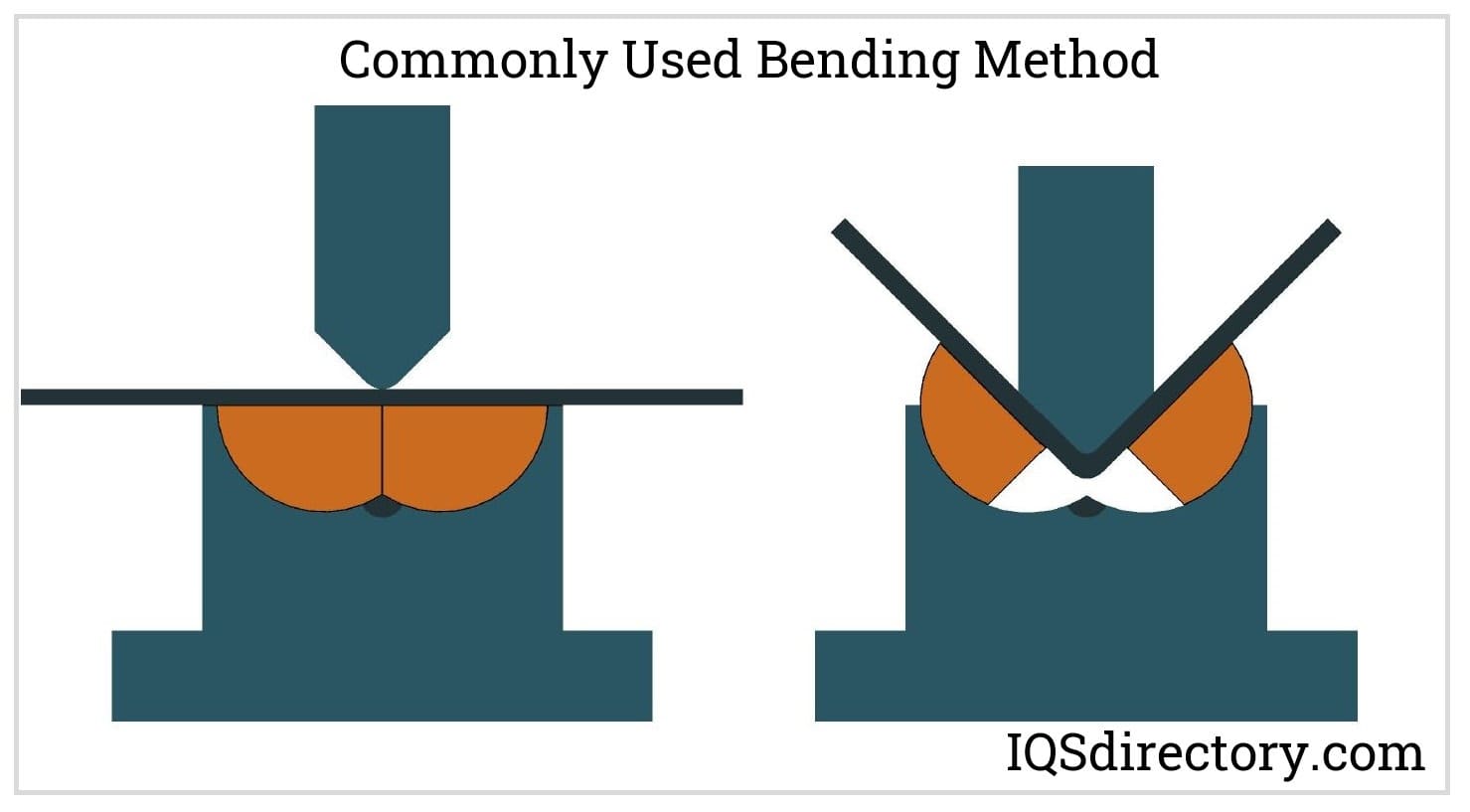
Bending forms basic and complex geometries—such as L, U, or V profiles—by applying controlled force that plastically deforms the workpiece along a single axis, without exceeding the metal's tensile strength. The bending process is a foundation of metalworking and is commonly used in fabricating brackets, enclosures, and automotive components. Automated CNC press brakes and precision dies ensure repeatable bending angles and part accuracy for a wide range of materials, including stainless steel, aluminum, and copper alloys.
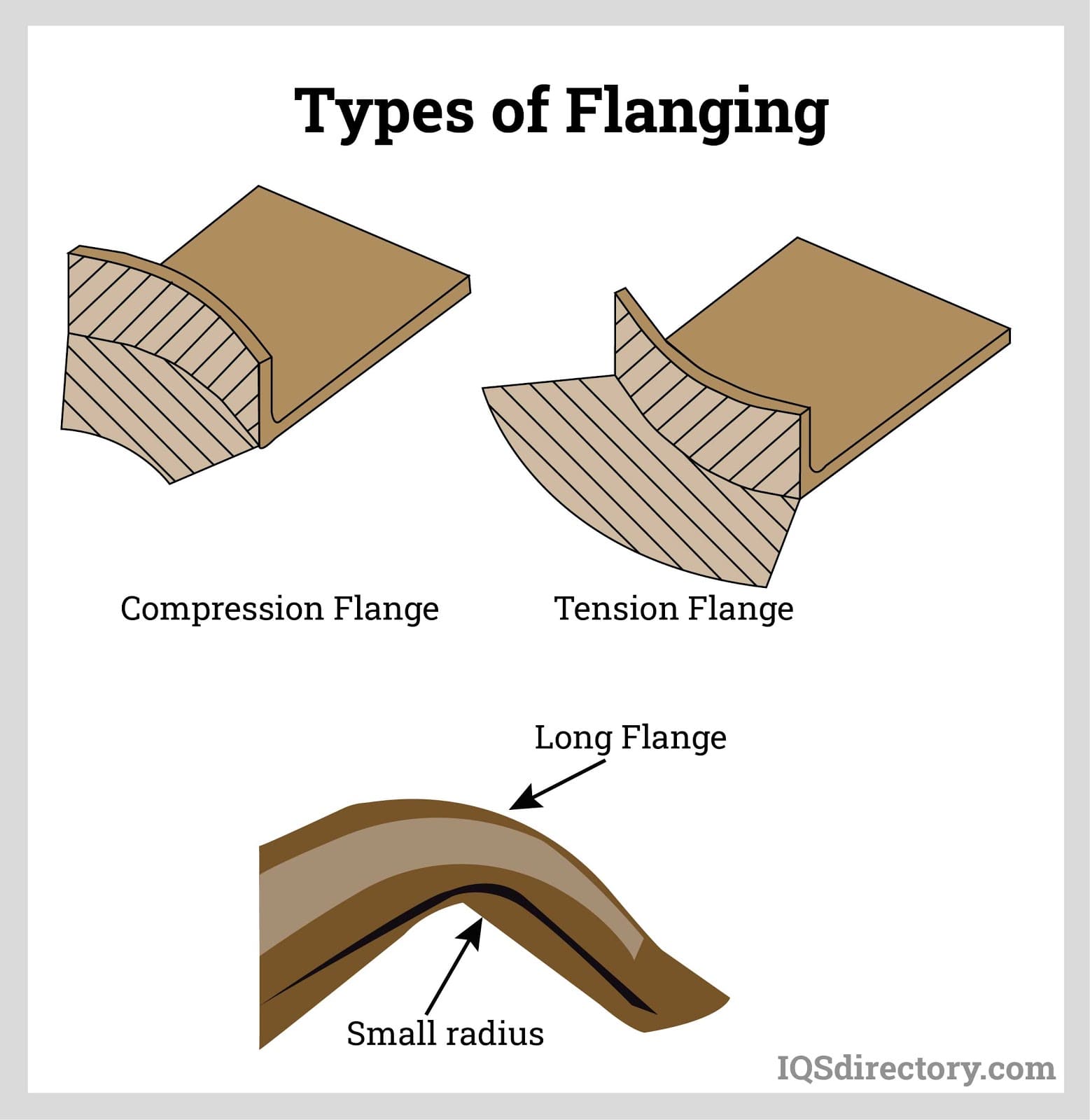
Flanging involves bending the edge of a workpiece along a curved axis. The process features two primary types: stretching and shrinking. Tension and compression forces shape the metal, depending on the length of the flange or tab. Flanging operations are ideal for producing curves, corners, or reinforcing features—often found in the automotive, aerospace, and appliance industries. The method's efficiency and accuracy are well-suited for mass production, with modern stamping presses enabling high-volume output while maintaining dimensional integrity.
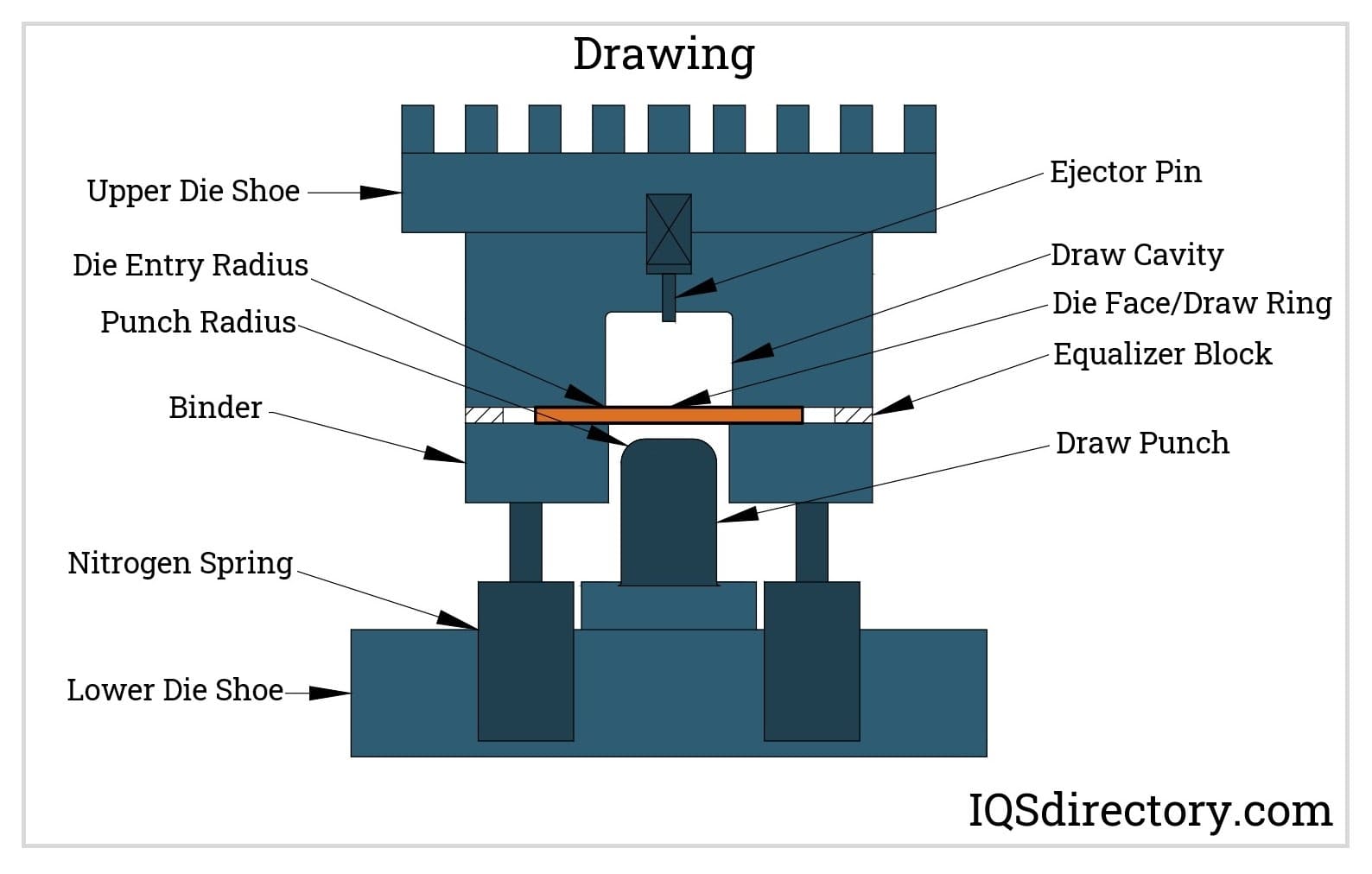
Drawing is a precision metal forming process that forces the workpiece material to flow radially while retaining nearly the same surface area. The drawn shape adopts the contour of a die, allowing the transformation of flat sheet metal into cylindrical, box-like, or complex hollow components. Drawing preserves material thickness and provides high strength-to-weight ratios, making it indispensable for manufacturing deep-drawn parts such as beverage cans, sinks, and automotive housings.
One advanced drawing method is deep drawing, where the depth of the draw exceeds the diameter of the part, allowing formation of deep, seamless products. Deep drawing is suitable for a broad spectrum of industries due to its ability to produce precision, leak-proof, and cost-effective components.
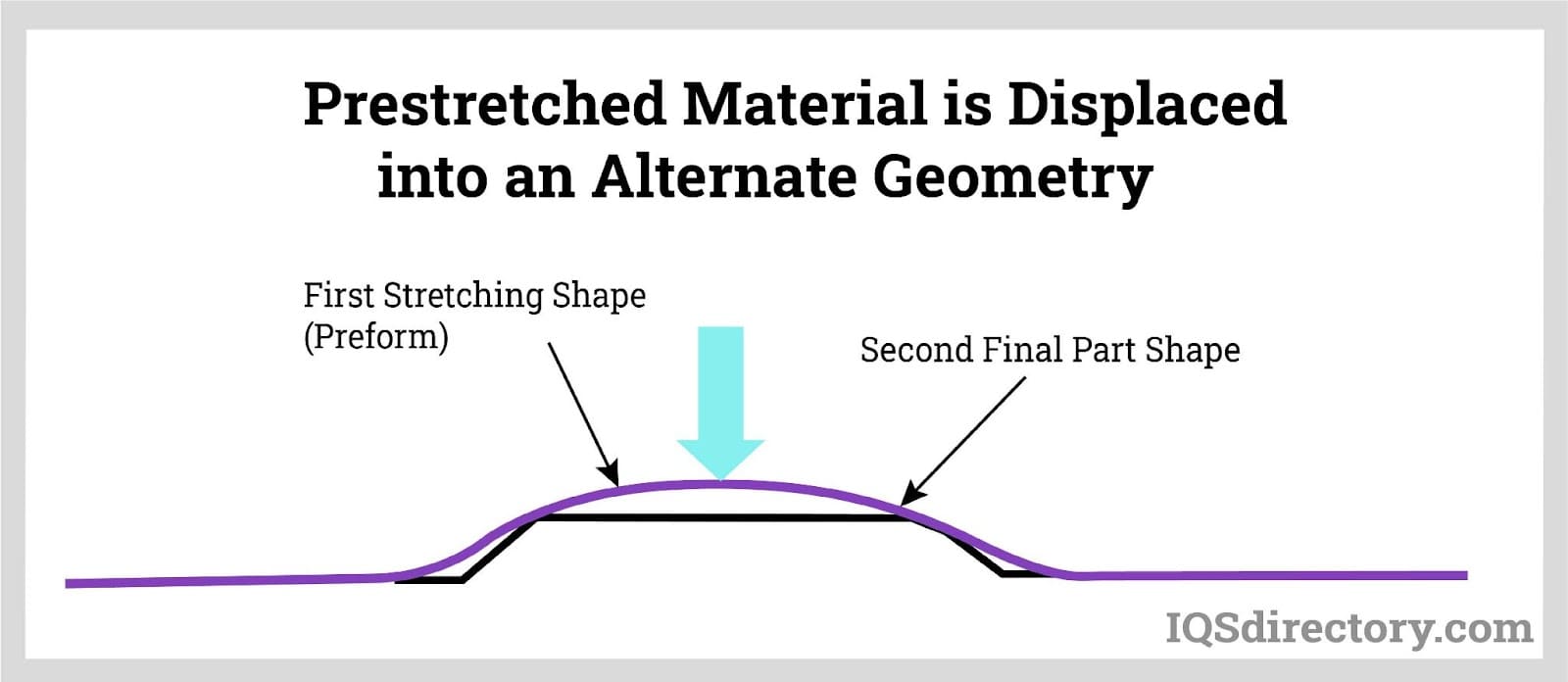
Stretch forming, or stretching, relies on tension and thinning to increase the surface area of the metal workpiece. This process creates a smooth surface ideal for painting, coatings, and aesthetically driven products. High-pressure dies tightly grip and stretch the metal, resulting in parts resistant to dents and warping. Stretch forming is commonly used for aerospace skins, automobile panels, appliance housings, and architectural components where surface appearance and uniformity are crucial.
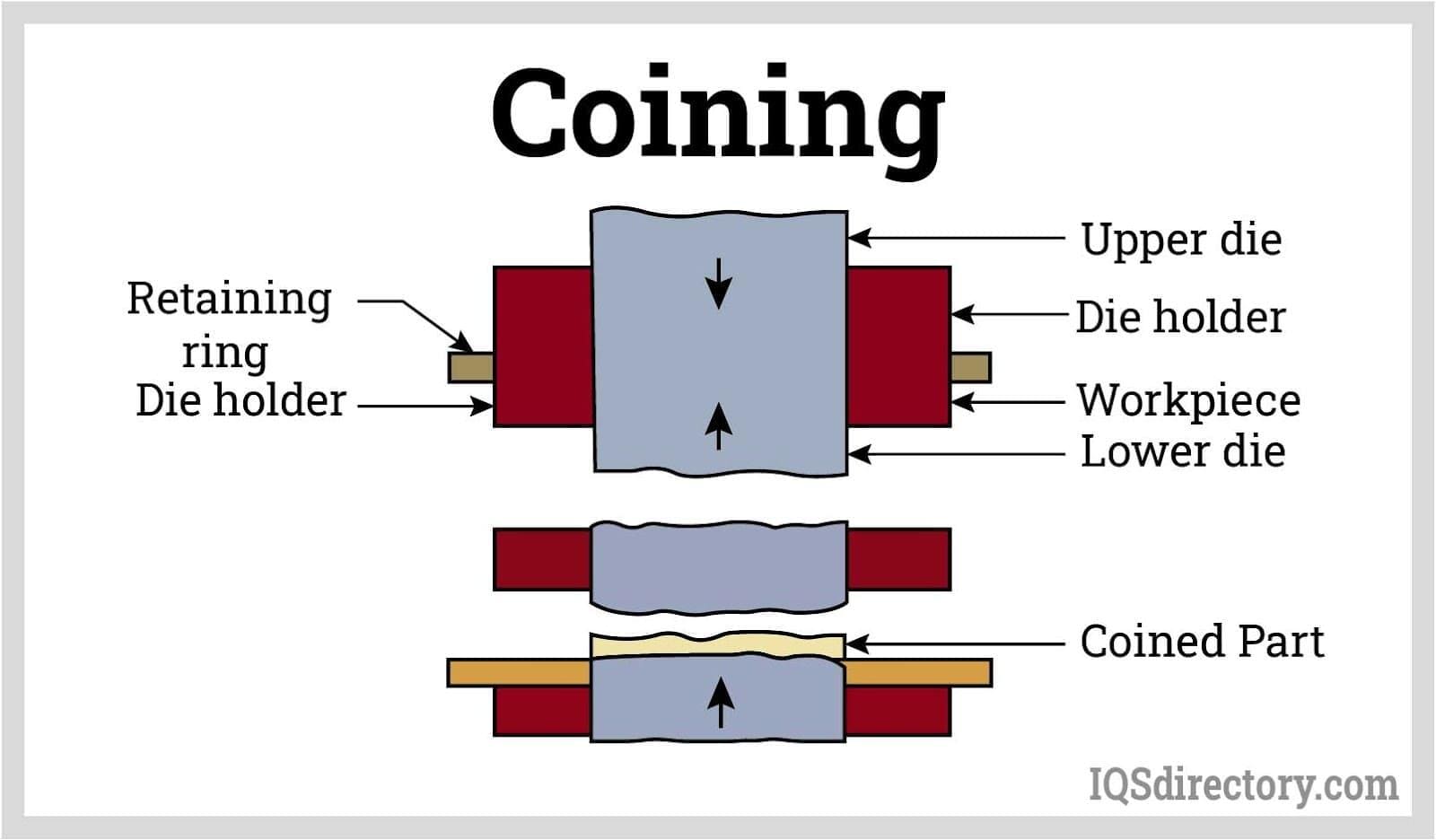
Coining uses intense pressure to permanently deform the metal and imprint patterns or features onto the workpiece's surface, reducing its thickness as desired. This high-precision process enables the creation of intricate details, making it ideal for producing currency, medallions, precision gears, electrical contacts, and decorative hardware. Coining delivers sharp edge definition and outstanding repeatability, important for industries demanding close tolerances and high consistency.
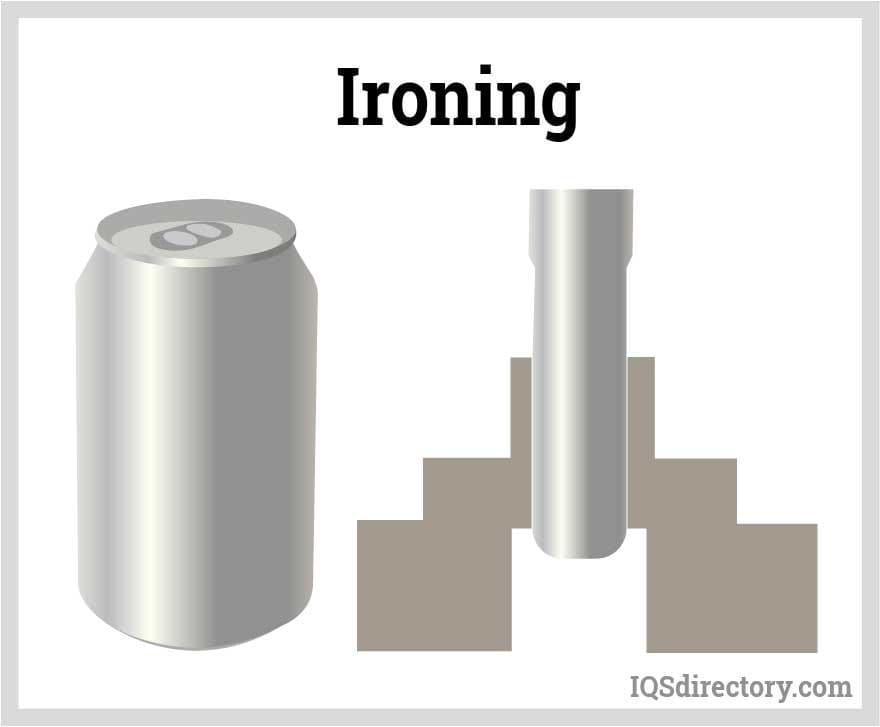
Ironing is similar to coining but is specifically utilized to reduce and standardize wall thickness in cylindrical metal parts, such as cans and battery sleeves. By squeezing the part beyond its original thickness—commonly to 30%—ironing ensures uniform, thin walls and increases the vessel's overall length. Manufacturers use ironing in combination with deep drawing for producing lightweight, robust, and seamless containers in high-speed production environments.
Below is a detailed explanation of cutting dies—essential tools for separating metal in die stamping operations. Cutting, also known as shearing, involves applying force until the metal material fails along a specified line, producing high-precision blanks or profiles.
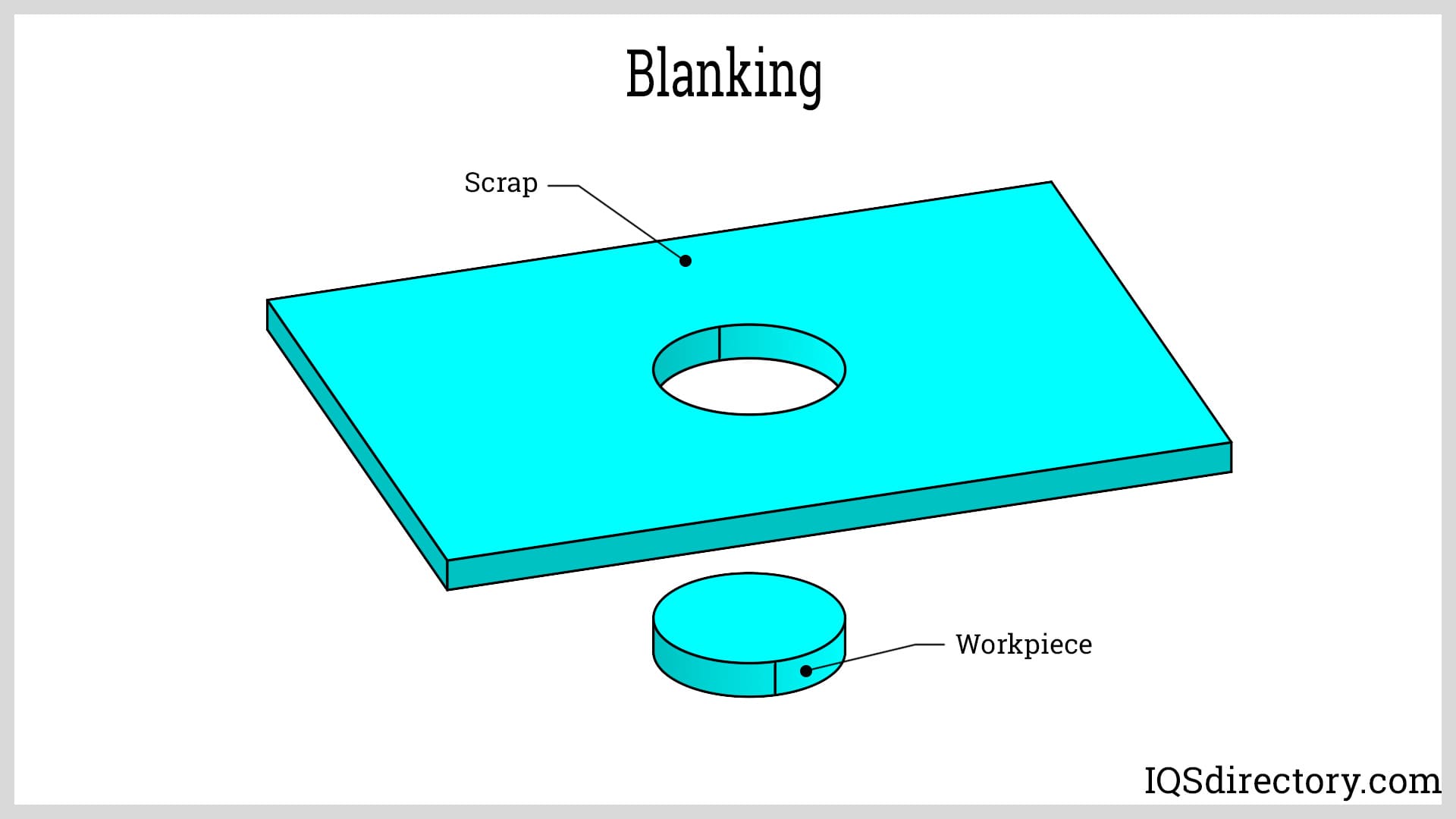
Blanking removes a portion of a sheet metal strip along a chosen contour to create discrete parts, known as blanks. The cut-out blank is the intended workpiece, which is further processed or assembled. The remaining strip material is typically scrap, though it can sometimes be recycled, optimizing material usage and lowering overall production costs. Blanking operations are key in industries such as automotive, appliance, and electronics manufacturing—anywhere repeatable part geometry is required for assembly lines or further operations like forming and welding.
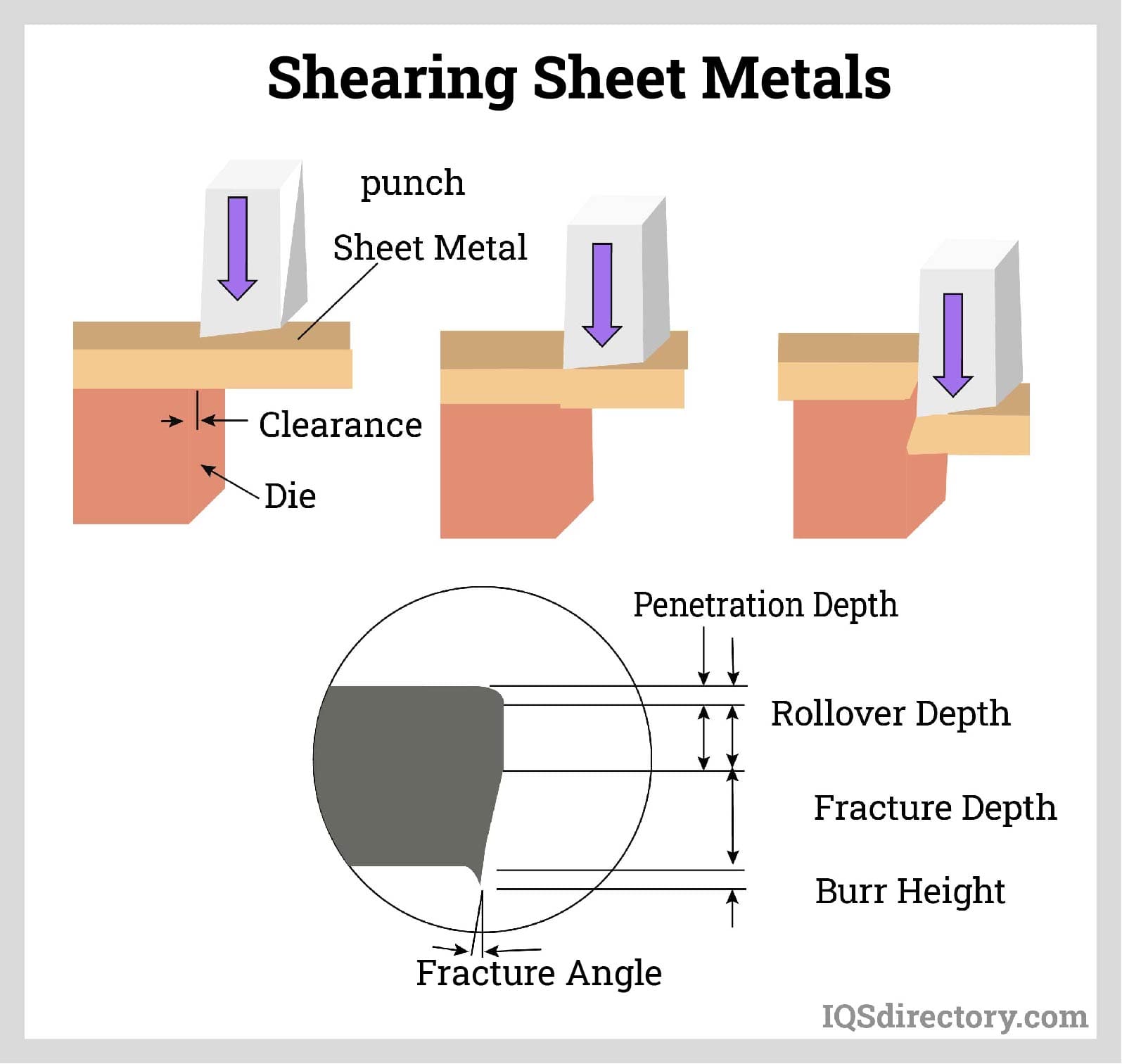
Shearing creates straight, linear cuts in sheet metal and is widely used for producing rectangular, square, or uniquely-shaped blanks. The shearing process accommodates both parallel and angled cuts, ensuring part accuracy and minimal waste. Routine applications range from cutting plate steel for structural projects to producing custom electrical enclosures for cabinets and panels. Advanced shearing equipment allows for high-speed, automated cutting, vital for maintaining high throughput in stamping operations.
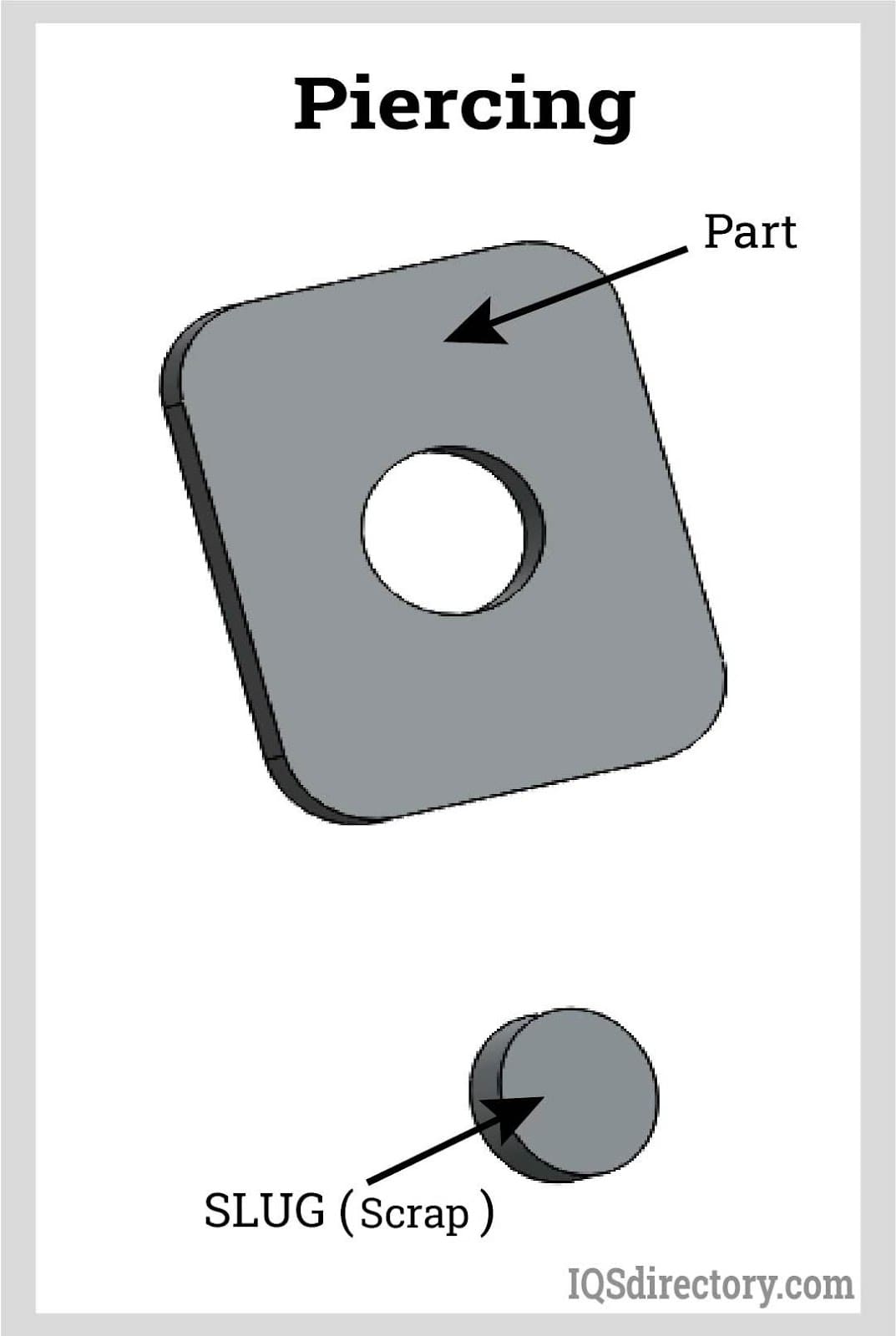
Piercing creates holes or specific internal features in a workpiece using a punch and die set. Unlike blanking—where the cut-out becomes the usable part—in piercing, the punched-out section is scrap while the parent material is retained. The precise sizing and placement of holes or cutouts allow for component assembly, fastener installation, or electrical routing in final products. Piercing operations are crucial in the fabrication of panels, mounting brackets, and electronic housings, where customization and tight tolerances are required.
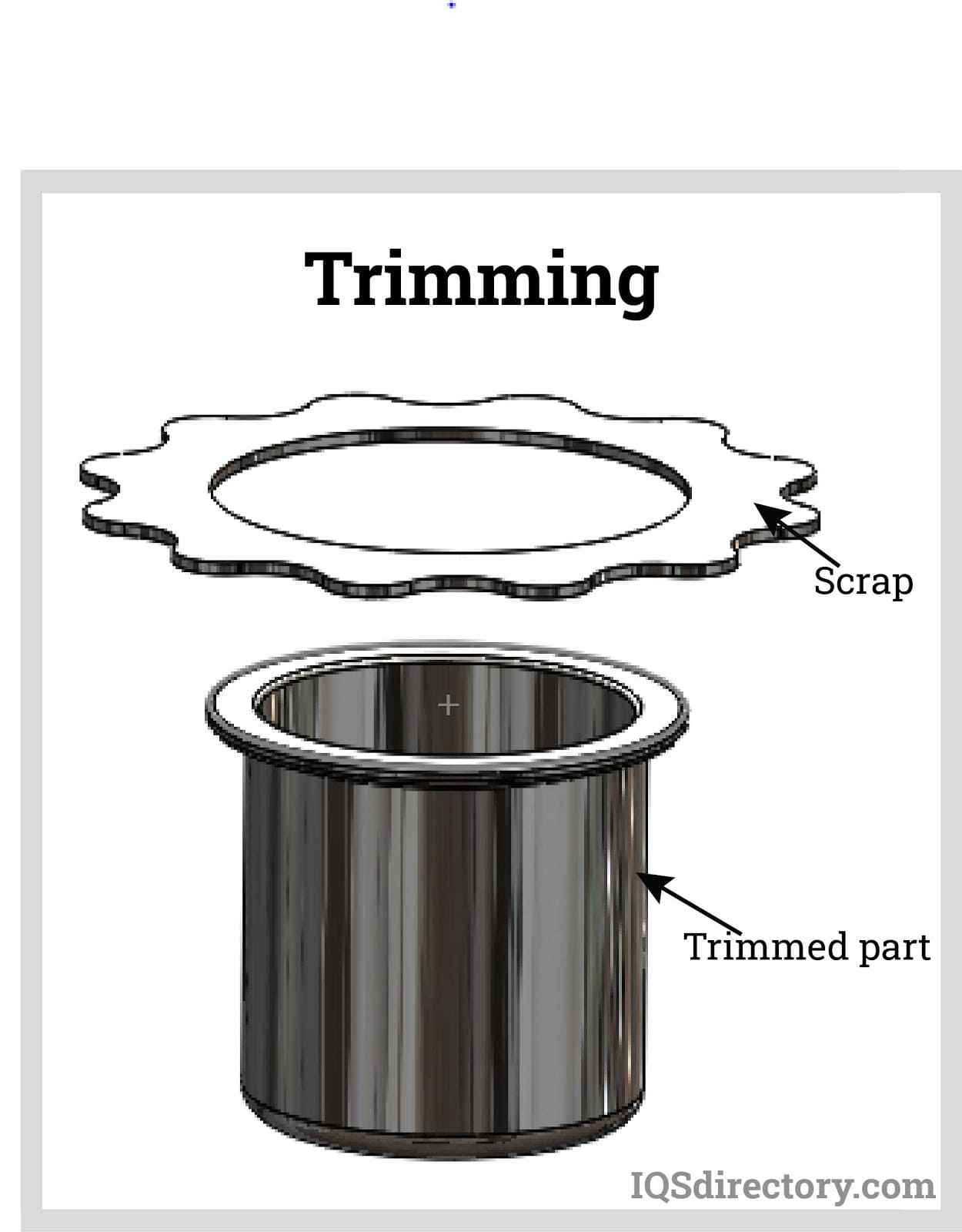
Trimming is the final cutting step in die stamping, used to remove excess flash or material from the perimeter of a formed part. Trimming ensures that each component achieves its specified profile and clean edge, ready for downstream processes like welding, painting, coating, or assembly. This operation is often automated in mass production lines, improving consistency and minimizing manual labor. Industries such as transportation, HVAC, and home appliances rely on trimming for parts with precise dimensional accuracy and high-quality edges.
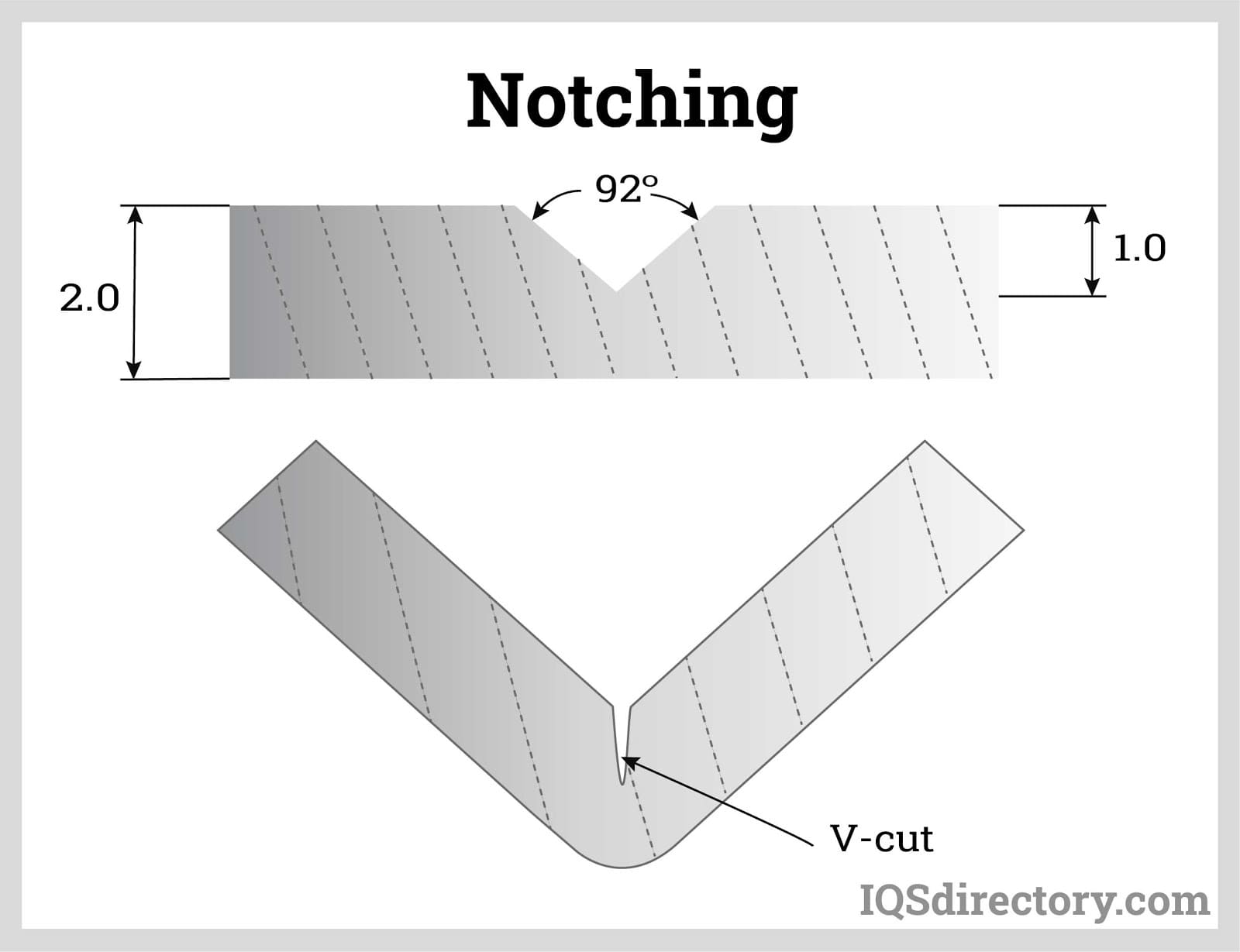
Notching is a targeted cutting technique performed on the outside or along the edge of the workpiece, preparing it for further bending or forming operations. Creating notches allows easier cornering, simplifies assembly, or facilitates shaping during secondary processes. Notching is common in the production of metal frames, structural supports, cabinet enclosures, and components requiring precise fitment in their final configuration.
When selecting a die stamping method, critical factors such as production cost, cycle time, material utilization, and required geometric tolerances all play a vital role. Choosing the right production process impacts not only the quality and consistency of formed metal parts but also overall manufacturing efficiency and profitability. Below, we provide an in-depth overview of the four most common die stamping production types used in the sheet metal fabrication industry: line, transfer, progressive, and compound die stamping.
| Production Method | Operations per Cycle | Production Volume | Relative Tooling Cost | Best For |
|---|---|---|---|---|
| Line Stamping | Single operation per station | Low volume / Prototyping | Low | Large structural components, low-run custom parts |
| Transfer Stamping | Sequential (via mechanical transfer) | Medium to High volume | Moderate to High | Large panels, deep-drawn shells, appliance housings |
| Progressive Stamping | Sequential (on continuous coil strip) | High to Mass volume (up to 1,500 pcs/hr) | High | Small-to-medium complex parts, brackets, terminals |
| Compound Stamping | Multiple cutting steps in 1 single stroke | High volume (1,000+ pcs/hr) | Moderate | Flat precise parts, washers, gaskets, electrical contacts |
Line dies are employed primarily for low-volume part production or for manufacturing very large parts that cannot fit on a single press. In this metal stamping process, the workpiece is transferred from one station to the next, with each workstation completing a unique forming or cutting operation. This method provides flexibility for parts with complex geometries and diverse features. Combination dies used in line production can execute multiple forming or blanking operations in a single pressing stroke, helping to reduce handling time for certain applications.
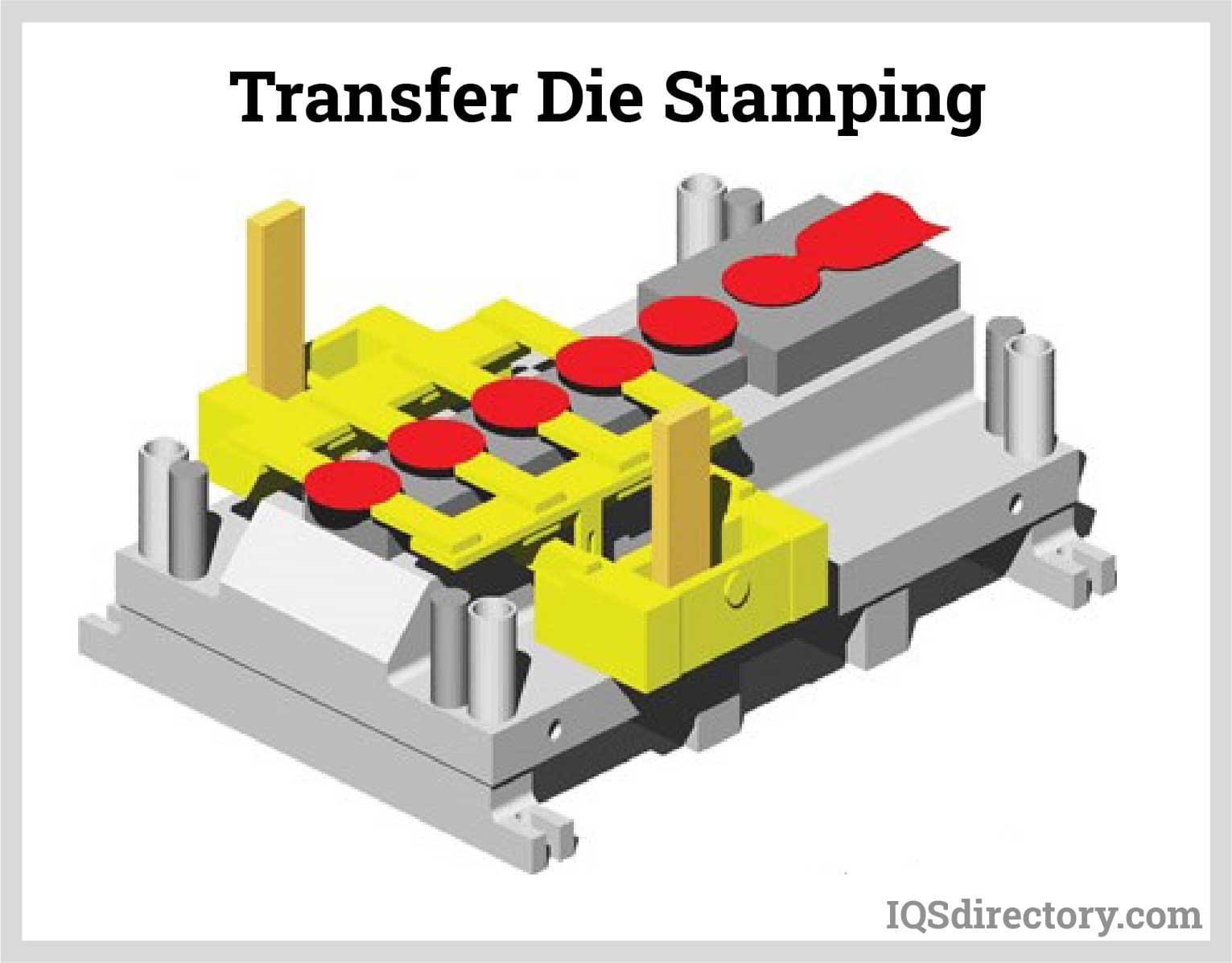
Transfer dies operate in a fashion similar to line dies, but take automation to the next level by synchronizing multiple die stations together. In transfer die stamping, pre-cut blanks or partially formed metal sheets are evenly spaced — a characteristic known as "pitch" — on a press bed. These parts are then automatically transferred between stations along side-by-side rails or moved manually, with each die completing a specific shaping or forming function. Automated transfer systems are ideal for manufacturing large parts with complex features, helping maximize efficiency for medium and high-volume production. After each press cycle, the workpiece is securely gripped and advanced to the next station, ensuring process consistency.
Progressive die stamping is acclaimed for its high automation, productivity, and consistency in producing complex, precision metal parts at scale. In a progressive die set, a continuous strip of metal is fed through a series of stamping stations. Each die in the sequence performs specific operations such as punching, coining, bending, or blanking. The stress applied is distributed evenly over several operations, resulting in precise tolerances and excellent part repeatability. The even spacing of operations is called the progression. Progressive dies are widely used in high-volume production of automotive and electronic components, hardware, and consumer products due to their speed and low per-part cost.

Compound die stamping is a precision metalworking process where strips of material — often steel or other metals — are fed through a compound die set that performs simultaneous cutting or punching operations in a single press stroke. This approach enables quick, efficient production of flat and intricately shaped components, offering exceptionally tight dimensional repeatability for applications like washers, gaskets, and electrical contacts. A knock-out mechanism ejects each completed part as the remainder of the strip moves forward for the next cycle.
Regardless of the sheet metal stamping process used, proper lubrication is essential to maximize tool life, enhance part quality, and maintain efficient press operation. Lubricants reduce friction between the die and metal workpiece, prevent galling, surface scratching, and overheating, and help provide a hydrodynamic film that improves material flow during forming and punching sequences.
The main industrial lubricant application methods during die stamping are drip, spray, and roller coating, each optimizing coverage based on part geometry and material thickness. For more information on sourcing metal forming lubricants, visit lubricants.
Die stamping is a cold forming process that shapes, cuts, or forms metal by pressing it with dies. This technique produces parts ranging from small electronic components to large industrial items, using methods like blanking, punching, and coining for precision results.
Major die stamping operations include forming (bending, flanging, drawing, stretching, coining, ironing) and cutting (shearing, blanking, trimming, notching, piercing). Each process helps produce accurate, repeatable metal parts for various industries.
Line die stamping is ideal for low volume or large parts, transfer dies suit automated multi-stage forming, and progressive dies handle high-speed, high-volume production. Each method balances cost, flexibility, and production speed differently.
Lubrication reduces friction and wear between dies and metal, preventing defects, overheating, and tool damage. Properly applied lubricants ensure better surface finishes, improve material flow, and increase tool life in metal stamping operations.
Die stamping is essential in industries such as automotive, aerospace, electronics, appliance manufacturing, medical devices, and architectural components, providing precision parts at scale for diverse applications.
Die stamping enables fast, efficient production of consistent, high-quality metal parts with precise tolerances, minimal waste, and low per-part costs, making it ideal for high-volume manufacturing needs.
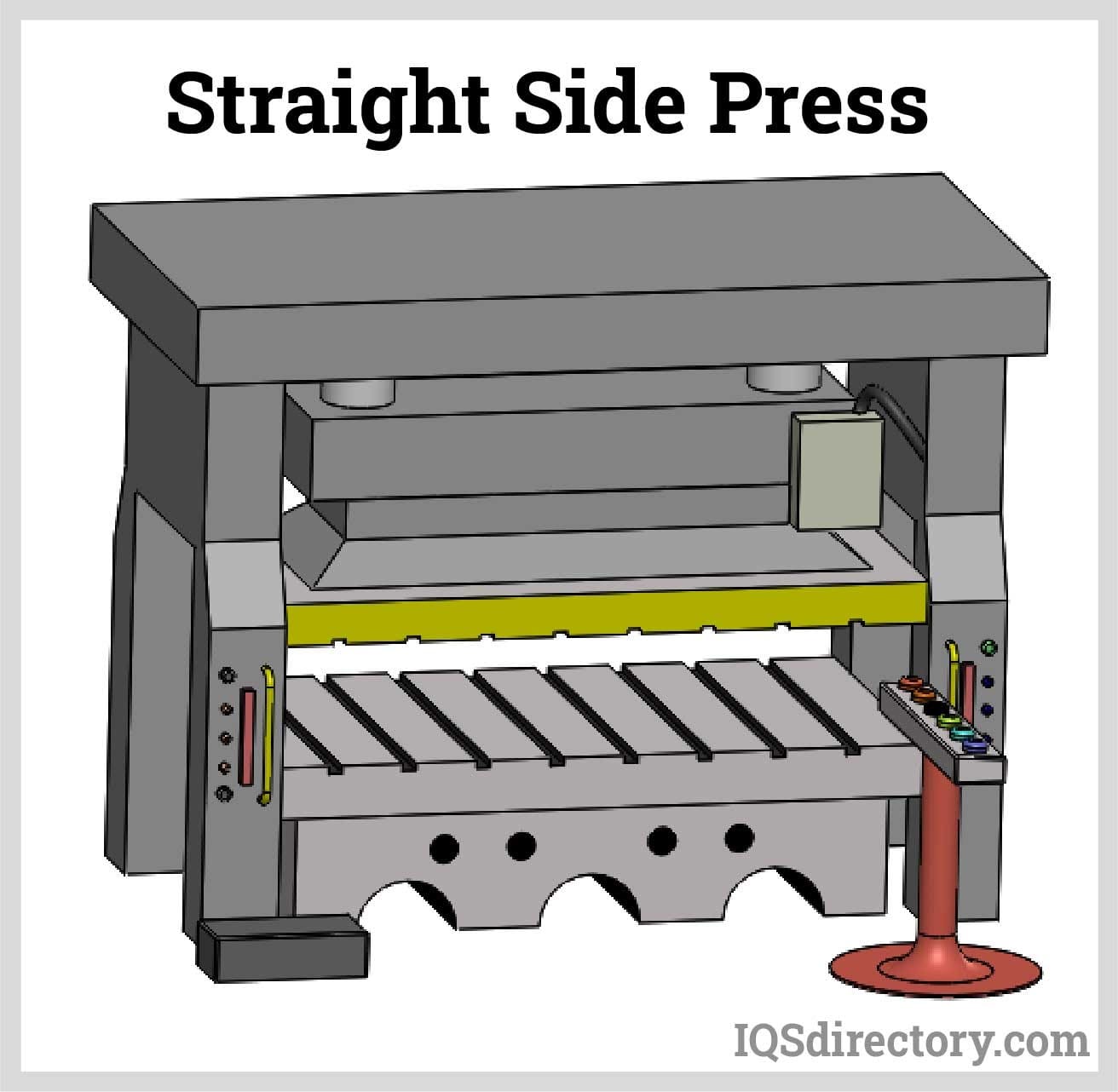
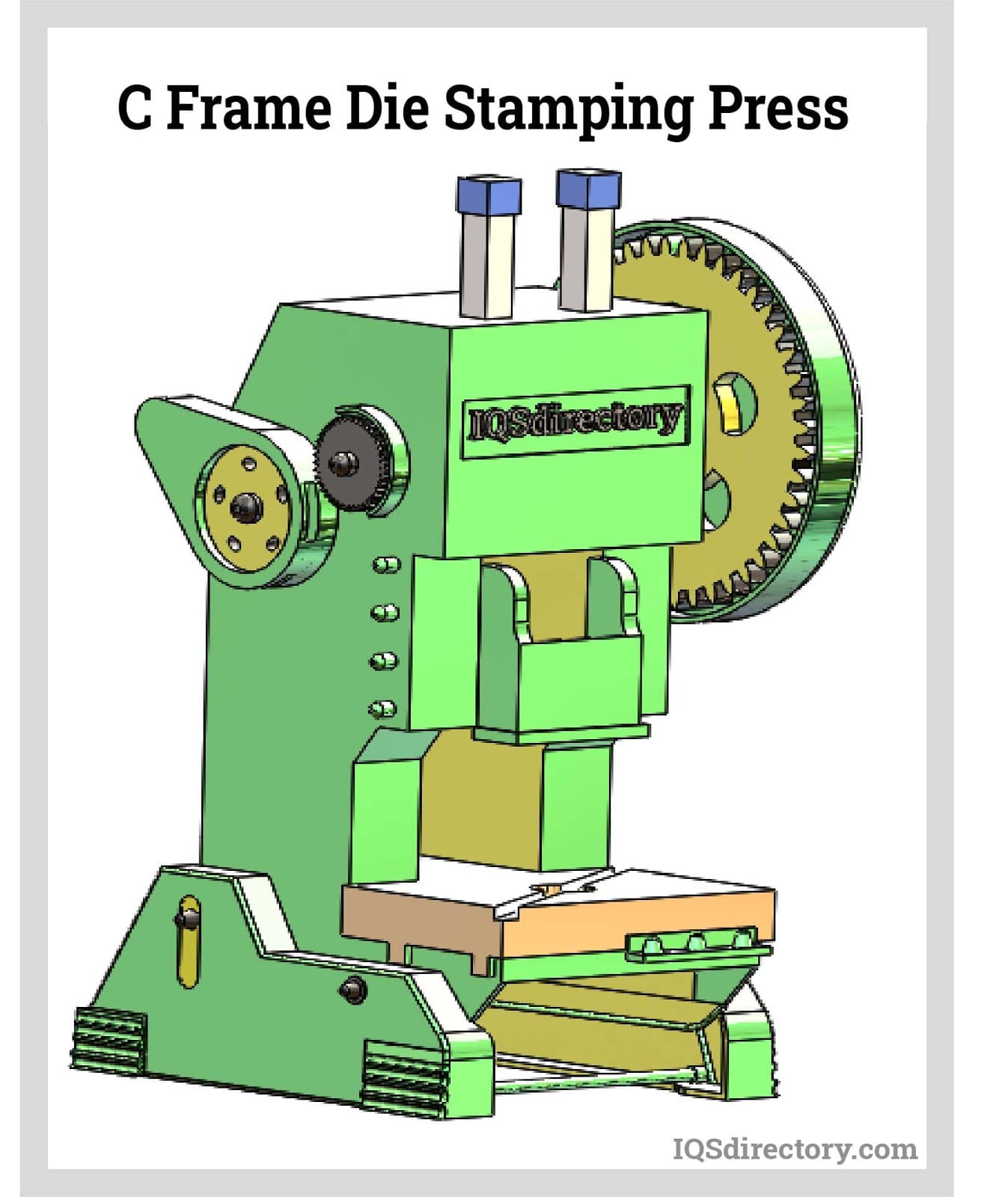
There are four main types of die stamping presses: mechanical, hydraulic, servo, and pneumatic, named according to the force-generating mechanism they employ. Each type is categorized into C-frame and straight side varieties, where C-frame presses feature three open sides, while straight side presses have two. The ram or slide, where the upper die is mounted to apply force, can have single or double connectors.
| Press Type | Drive Mechanism | Stroke Control | Key Advantages |
|---|---|---|---|
| Mechanical Press | Flywheel + Crankshaft | Fixed stroke; peak force at Bottom Dead Center | High speed (up to 1,500 SPM), highly repeatable mass production |
| Hydraulic Press | Pressurized fluid cylinders | Fully adjustable stroke speed and position | Uniform maximum tonnage throughout the entire stroke; ideal for deep draws |
| Servo Press | High-torque servomotors | Fully programmable speed, stroke, and dwell time | Unmatched precision, in-die dwell capability, reduced die wear |
| Pneumatic Press | Compressed air pressure | Fast single-action strokes | Low maintenance, rapid velocity, economical setup for smaller parts |
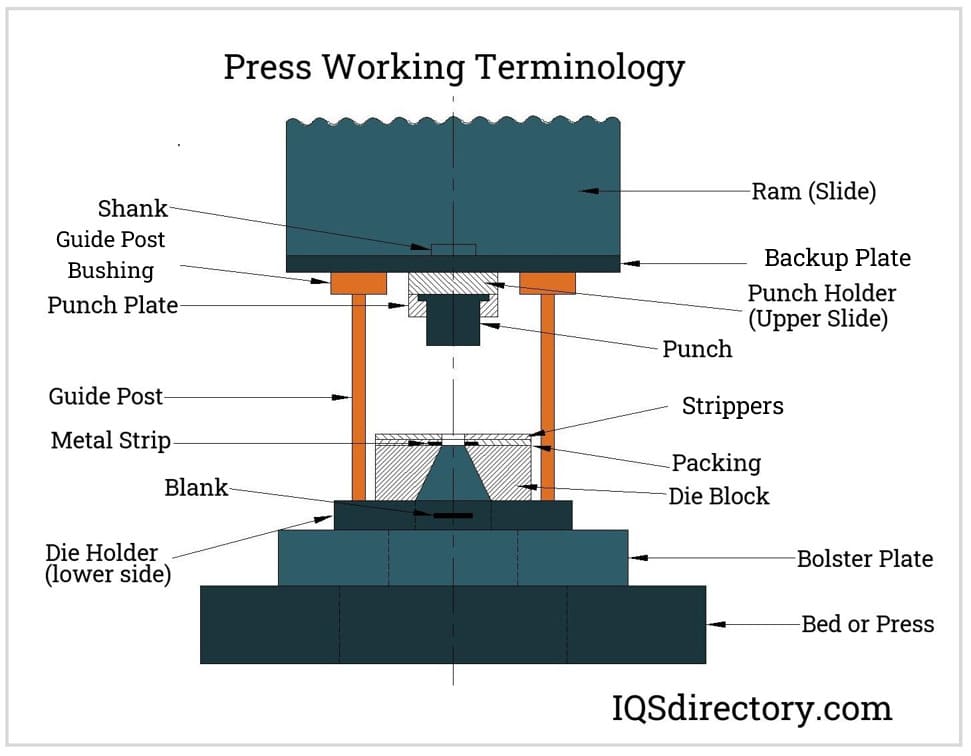
A pneumatic press utilizes air pressure to drive the downward stroke of the ram, while springs facilitate its upward movement. When activated by the controller, air fills the cylinder, expanding to generate pressure.
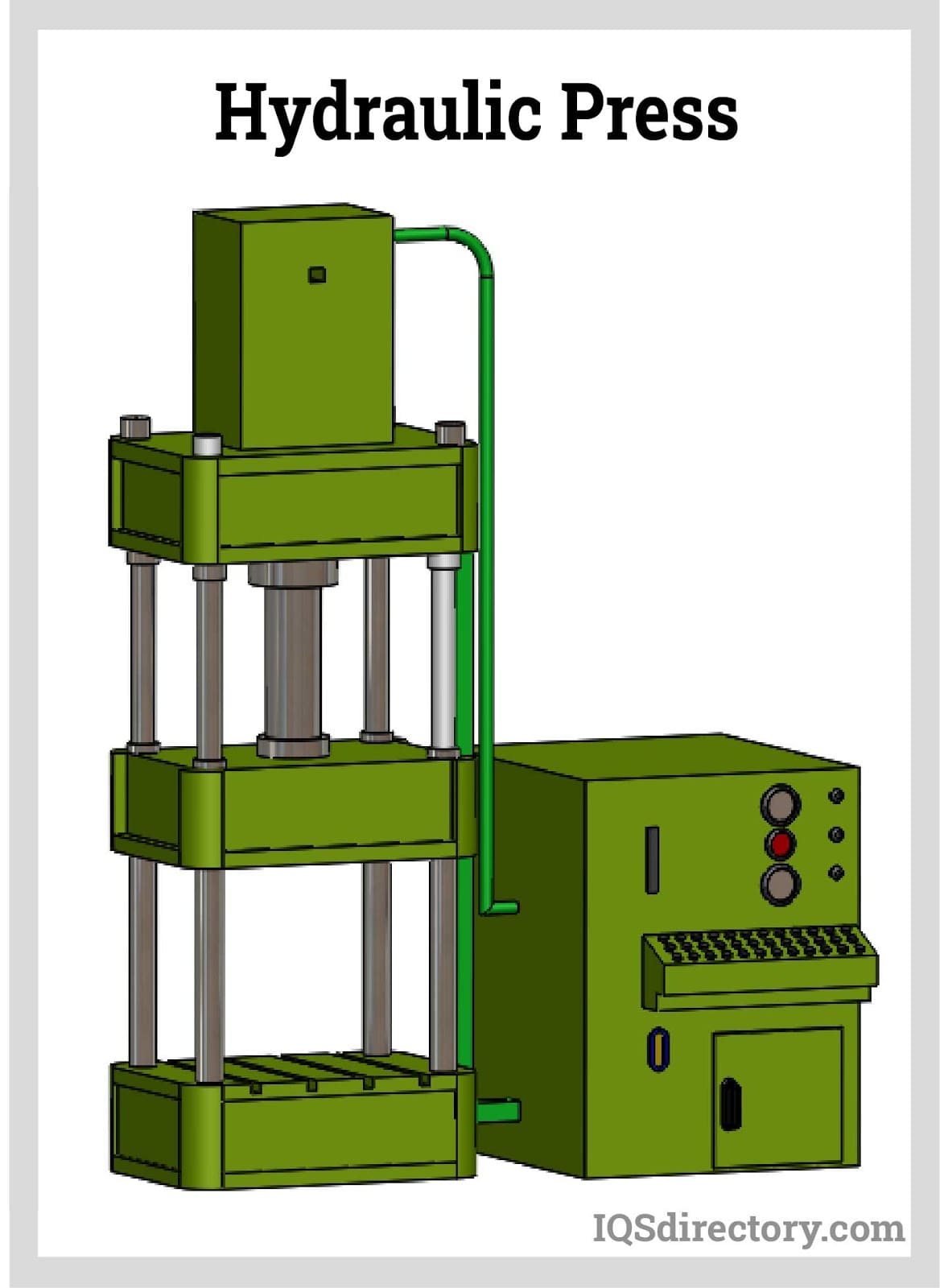
Hydraulic presses provide force using static pressure over a finite area. They use pressurized incompressible fluid in cylinders to drive the ram. They are essential for deep draws, metal forming, and heavy bending.
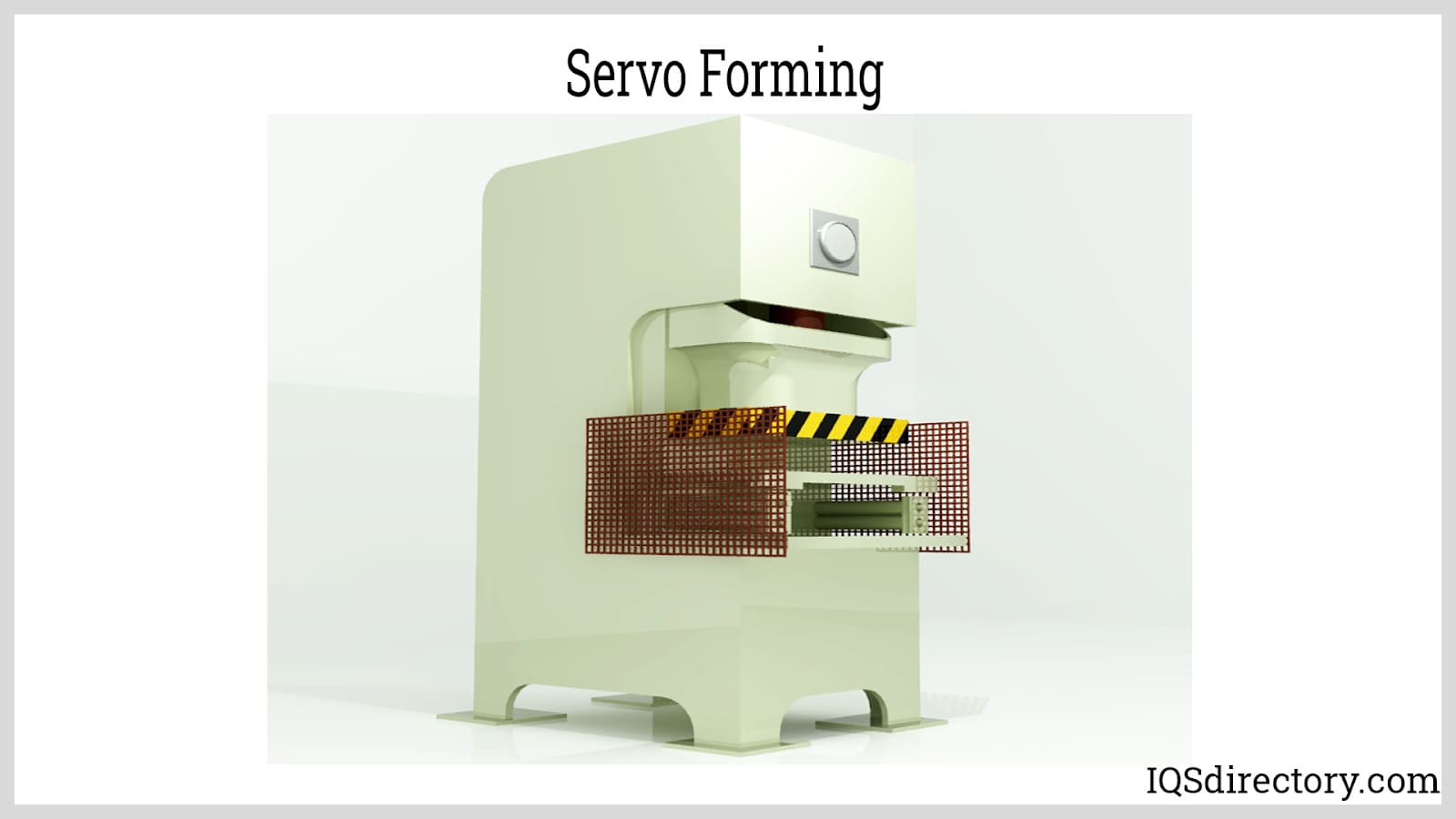
Servo presses enable operators to program the dwell time at the bottom of each stroke, ensuring the workpiece settles perfectly before forming. This capability extends die lifespan and prevents material tearing in high-strength metals.
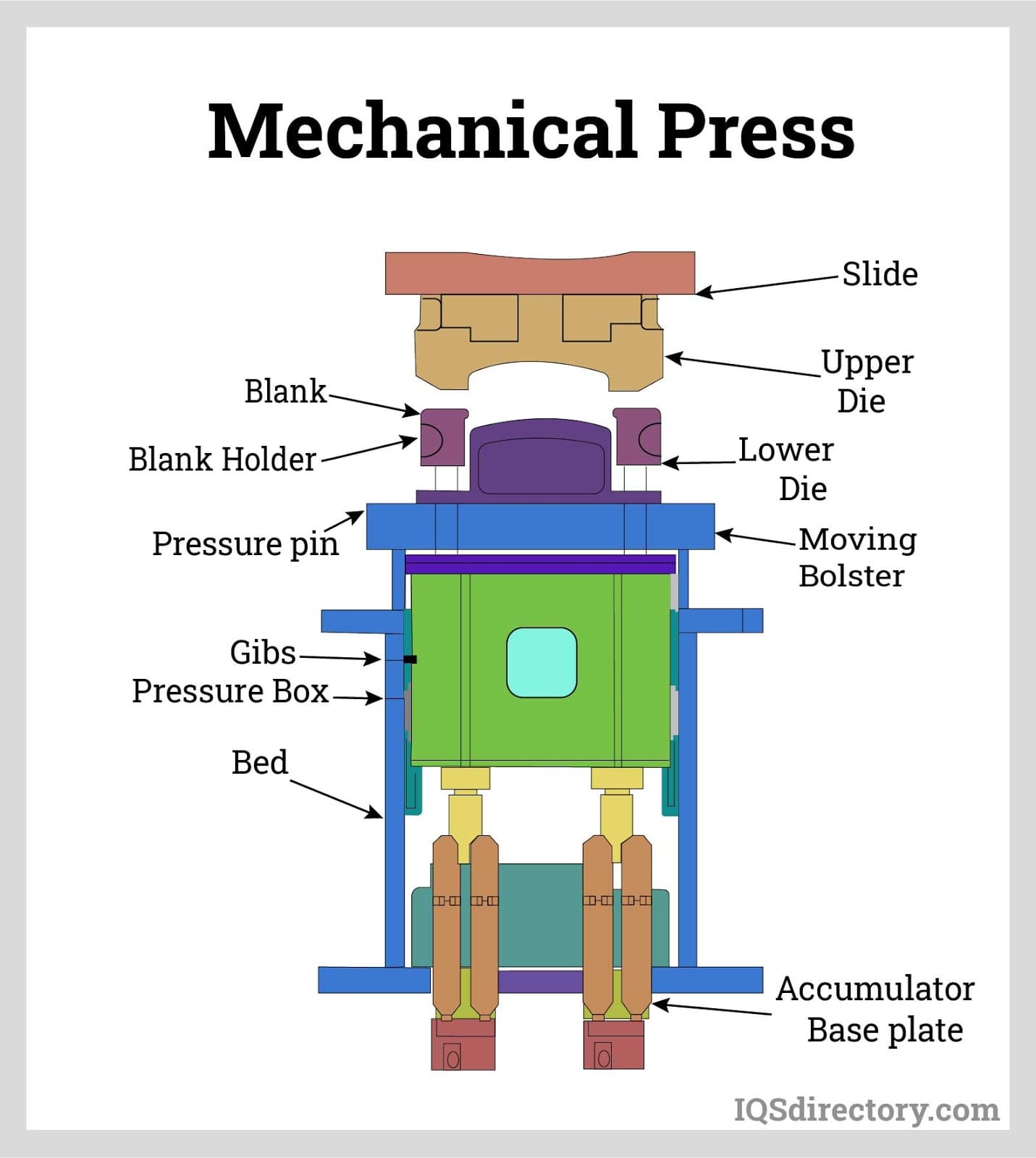
All mechanical presses produce force by stored energy from a flywheel. Punches can operate at stroke speeds up to 1,500 SPM, delivering exceptional performance in high-volume blanking and forming.
There is a wide range of die stamping machines available across North America. Top lines include:
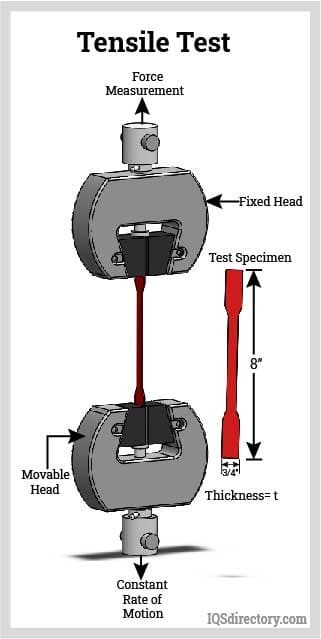
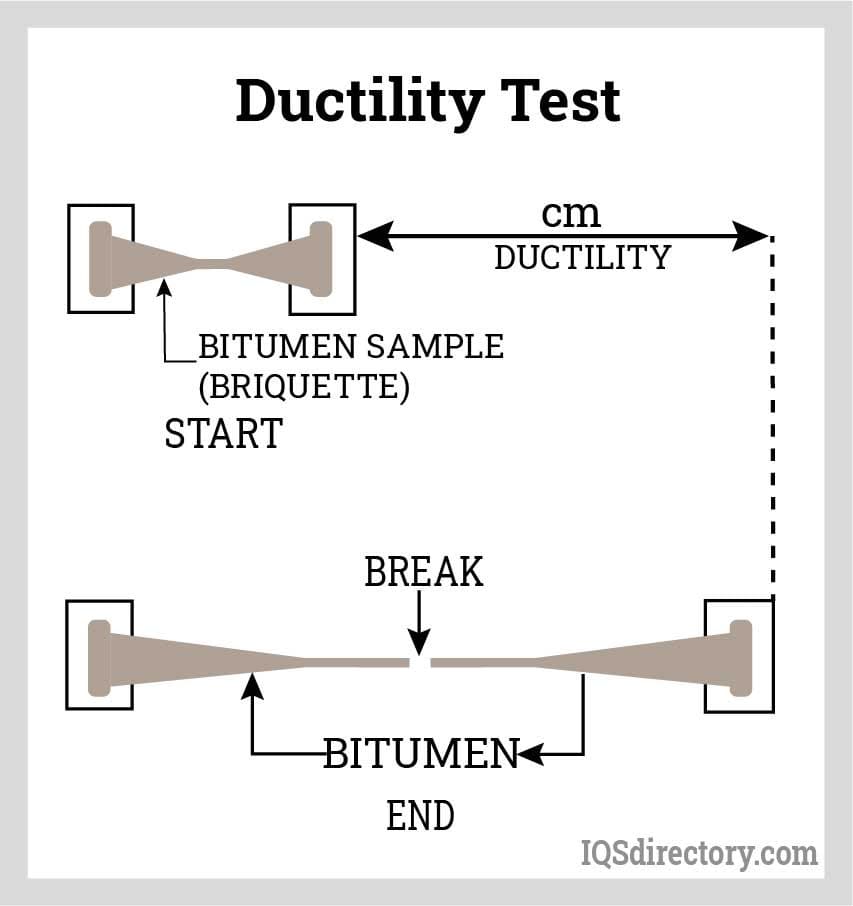
Key criteria for choosing stamping materials include ductility (formability without fracture) and tensile strength (resistance to breaking under tension). Tensile testing and ductility testing provide engineers with data to prevent material tearing during forming.
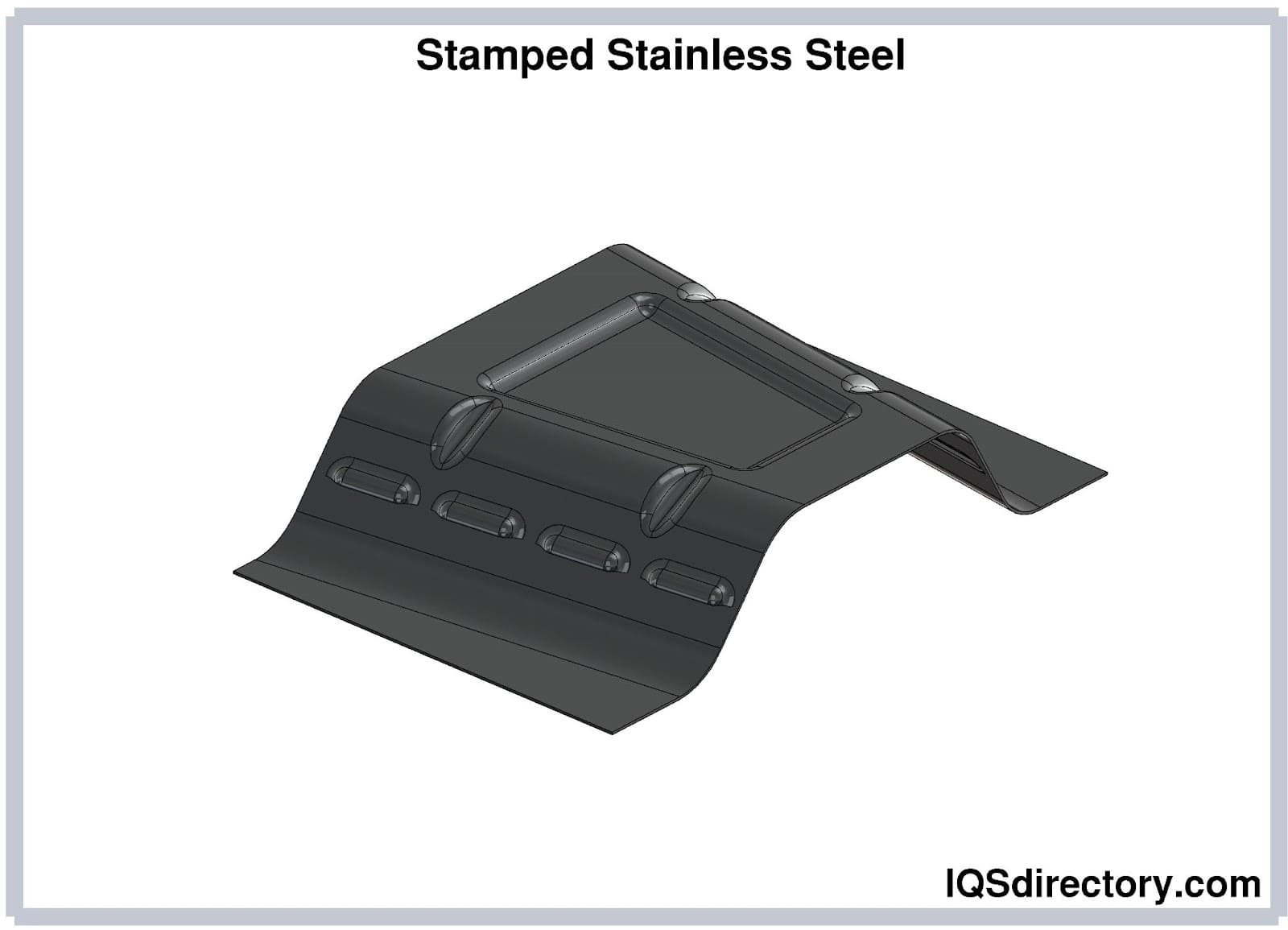
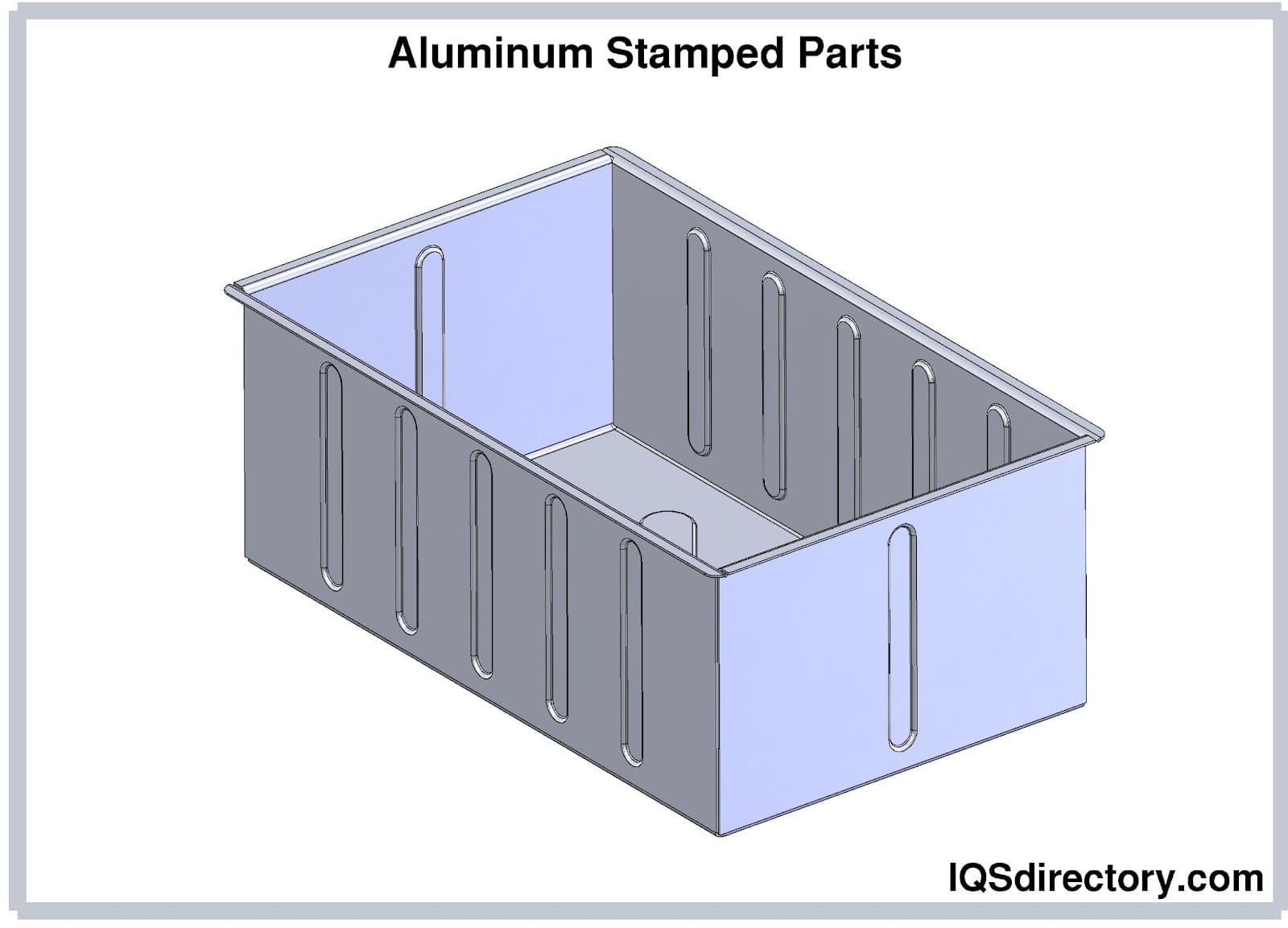
Die stamping uses both ferrous (iron-containing, magnetic) and nonferrous metals:
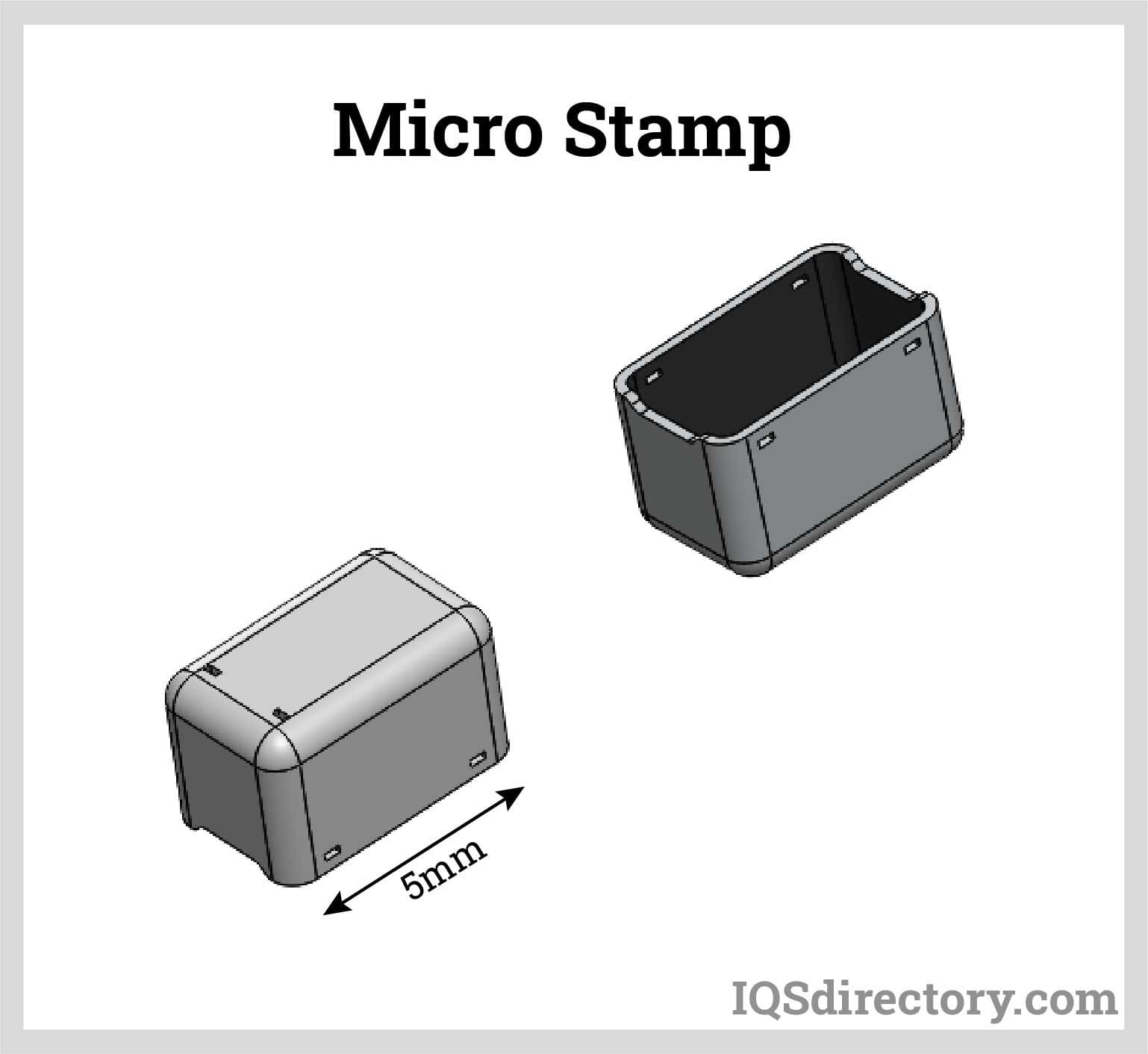
Microstamping produces miniature parts measured in fractions of a millimeter with micron-level tolerances (+/- .0005"). Applications include medical retractors, micro-USB breakout boards, electronics contacts, and specialized aerospace fasteners.
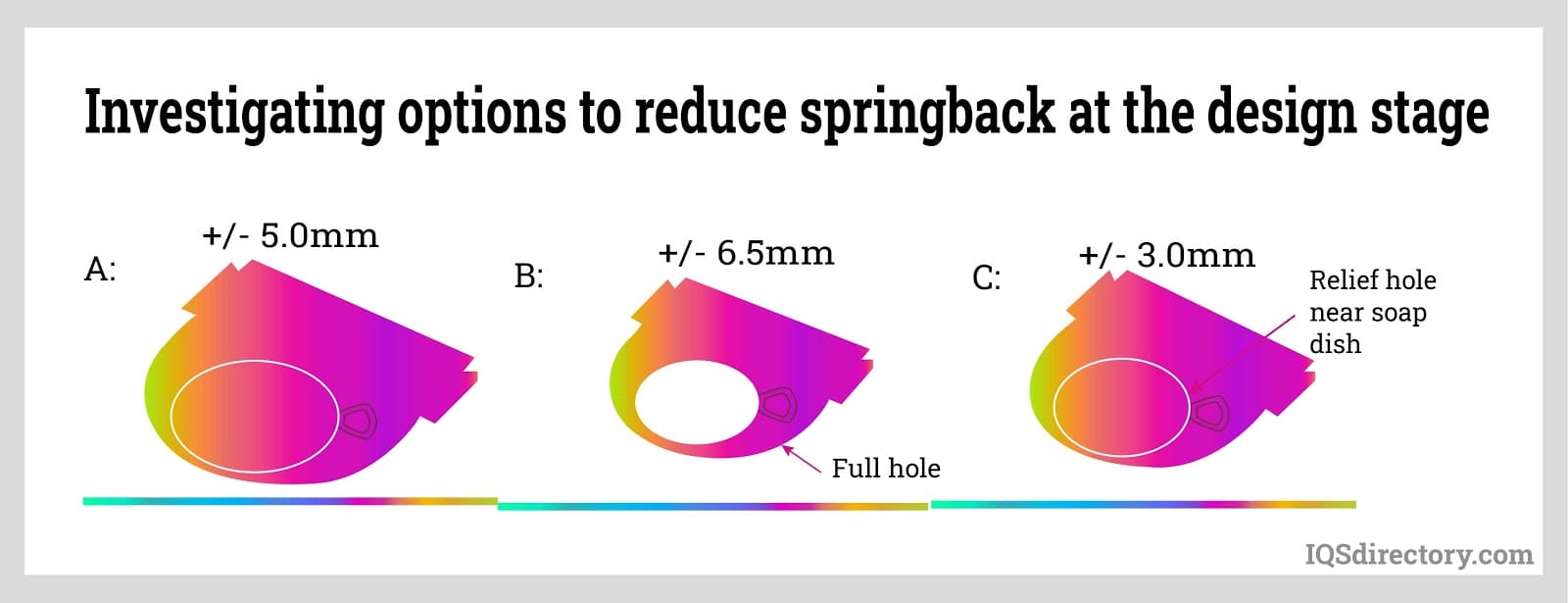
Simulation software like AutoForm allows engineers to model forming stages virtually. Simulation predicts defects such as necking, splitting, cracking, and springback before physical tooling is cut, saving cost and development time.
An eyelet is a metal or plastic ring used to reinforce holes punched in thin fabrics...
Metal stamping is a cold-working process that converts sheets of metal into predefined shapes...
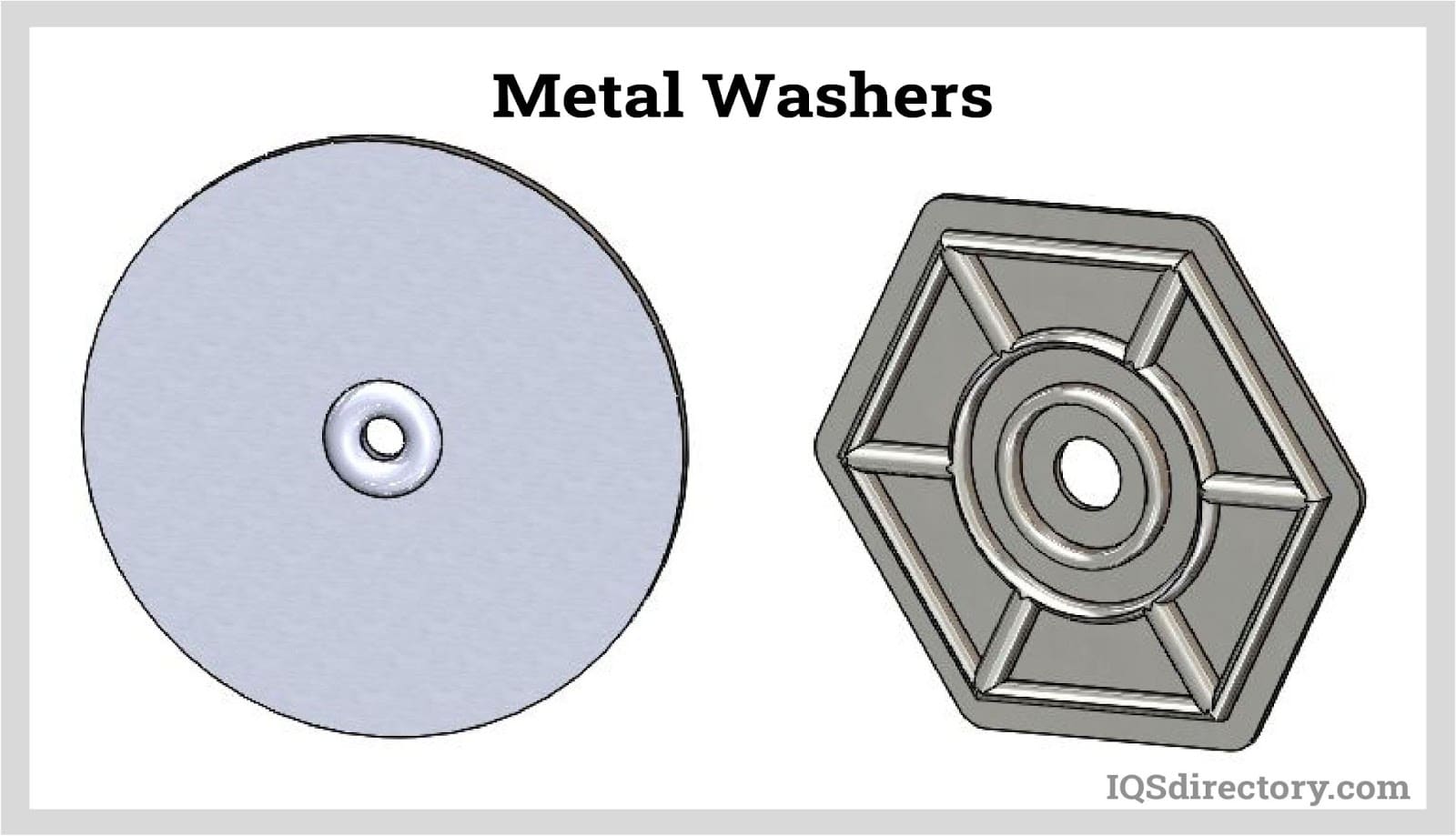
A metal washer is a flat piece of metal used as a spacer or load distributor...