Please fill out the following form to submit a Request for Quote to any of the following companies listed on
Get Your Company Listed on this Power Page
Introduction
The many uses for high precision optics and their manufacture with a list of prominent producers.
You will learn:
What are High Precision Optics?
How Lens are Made
Uses for Precision Optics
The Rapid Growth of the Precision Optics Industry
And much more ...
Chapter 1: What are Precision Optics?
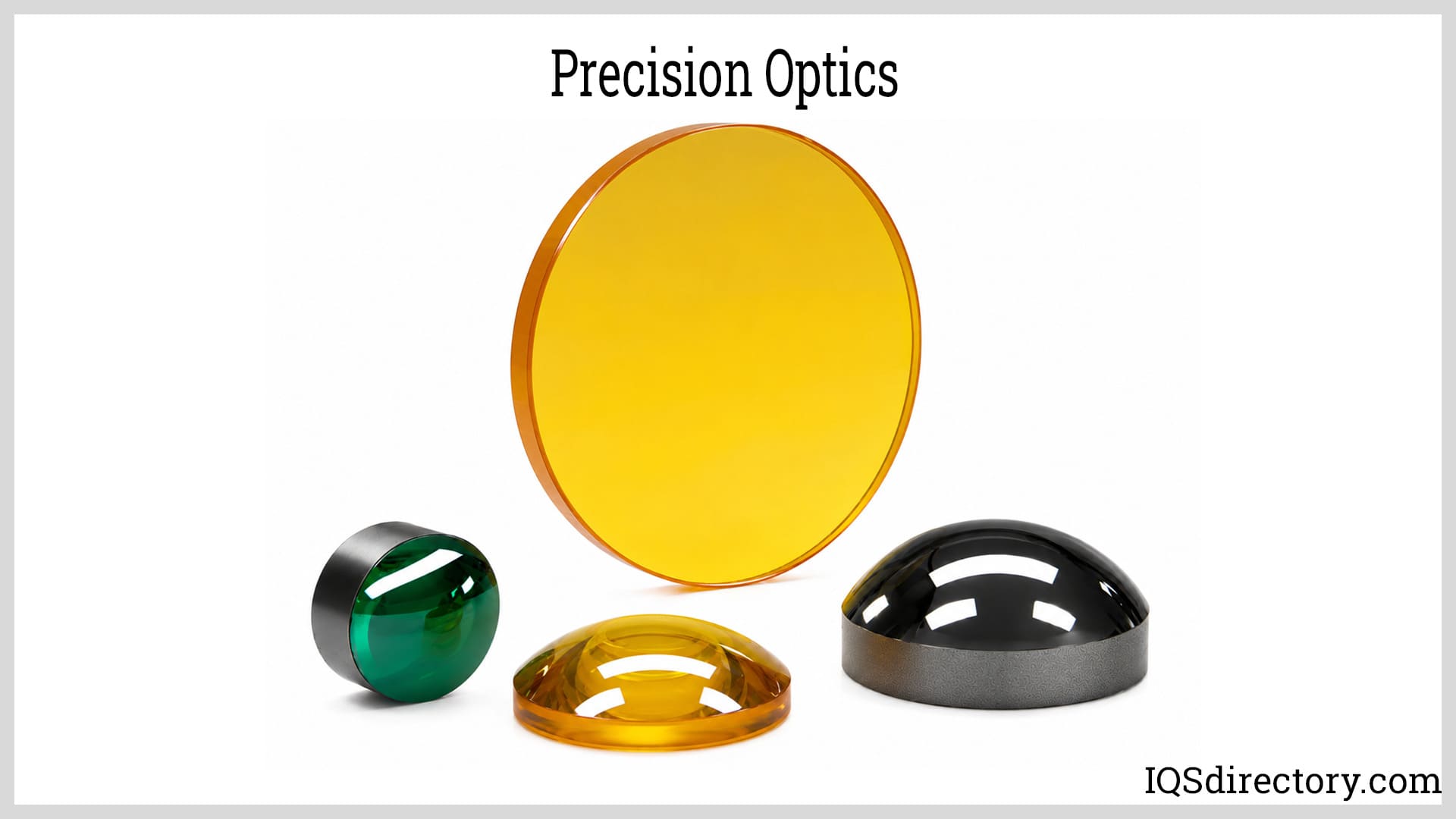
High precision optics are optical components produced under highly controlled conditions, which are engineered, monitored, and calculated to the most precise dimensions. The production of high precision optics includes exceptionally high standards regarding surface quality, accuracy of shape, and precision dimensional tolerances. Unlike other forms of manufacturing, the production of precision optics requires strict control and unequaled dedication to accuracy. The performance of instruments in medical science, the aerospace industry, and research requires optical tools that have nanometer accuracy for high yield rates in semiconductor lithography, machine vision, and quality of product inspection.
The term precision optics is a generic representation of a wide range of optical devices and includes simple devices with a single lens and highly complex combinations of optical components that include optomechanical assemblies and electro optic assemblies that include circuit boards and sensors. In modern manufacturing, due to the rapid rise of the requirements of precision, optical devices are playing a major role in the development, manufacture, and quality of 21st century products.
Chapter 2: Precision Optics Specifications
The specifications for optics are used during the design and manufacturing phases of component and system assemblies. These factors determine the acceptable limits and specify the resources to be used. The lack of adherence to optical specifications can result in the waste of resources and unnecessary expenditures. Optical specifications assist in the understanding of the manufacturing, surface finishes, and material specifications for lenses, mirrors, and windows as well as the requirements for filters, polarizers, prisms, beamsplitters, gratings, and fiber optics.
Diameter Tolerance
Diameter tolerance is the acceptable range of values for the diameter of precision optics. It varies in accordance with the fabricating process and has little effect on the performance of a product but is important in regard to the mounting of optics.
Center Thickness Tolerance
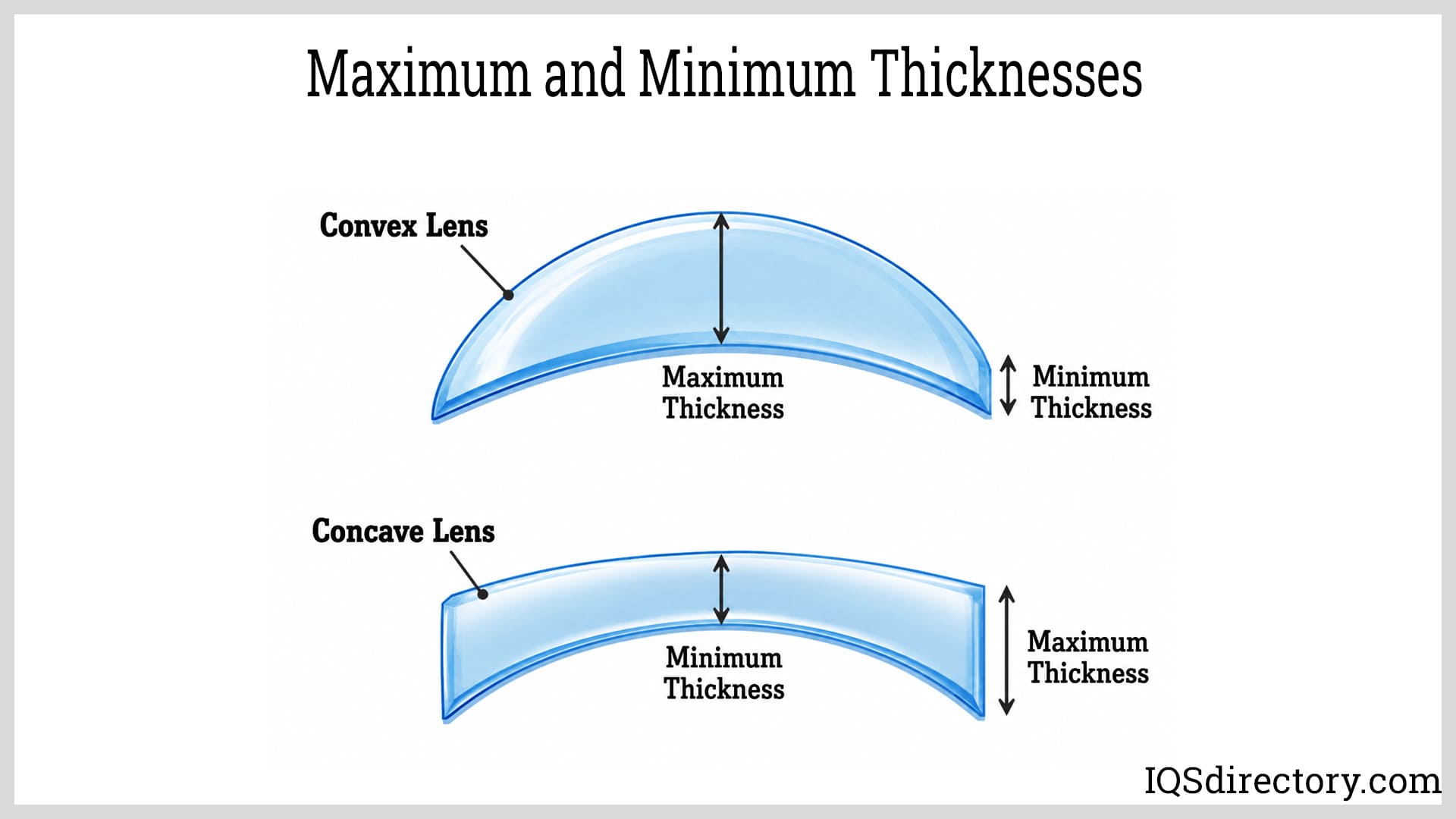
Center thickness applies to lenses and is the material thickness measured at the center of a lens. It is measured across the mechanical axis, which is the axis between the outer edges of a lens. Variations in the thickness affects the performance while the radius curvature determines the optical path length of rays that pass through a lens. Center thickness tolerances are +/-0.20 mm for typical quality, +/-0.050 mm for precision quality, and +/-0.010 mm for high quality. Variations in thickness also differ in accordance with the type of lens, which can be convex or concave.
Larger thicknesses provide more heat dissipation and resistance to stress but increases the weight and dispersion of a lens. In addition, the physical properties of lens materials limits thickness with soft lens being less resistant to stress and abrasions.
Radius of Curvature
Radius curvature, the distance between a component’s vertex and the center of its curvature, can be positive, zero, or negative, a factor that depends on the shape of the surface. The curvature determines the optical path lengths of rays that pass through a lens or mirror. It is critical in determining the power of the surface of optics.
Centration
Centration determines beam deviation, which is necessary to calculate wedge angle. The amount of centration is the displacement of the mechanical axis from the optical axis. Centration is tested by applying pressure that situates the center curvature.
Parallelism
Parallelism is required for determining how components, such as windows and polarizers, have parallel surfaces, which are necessary for optimum performance. Proper parallelism minimizes distortions that can degrade images and light quality.
Leading Manufacturers and Suppliers
Chapter 3: Functions of High Precision Optics
The wide range of precision optics, which vary by industry, function, and application, are broadly categorized in several different ways. The first of these groupings is function, which includes lenses, mirrors, prisms, filters, beamsplitters, waveplates, and windows. As with all industries, high precision optics are further classified in accordance with the materials used to produce them with glass, crystals, and polymers being the main types. The final method is in regard to the industrial use of optics that include lasers, microscopes, photolithography, satellite imaging and missile guidance systems.
Lenses
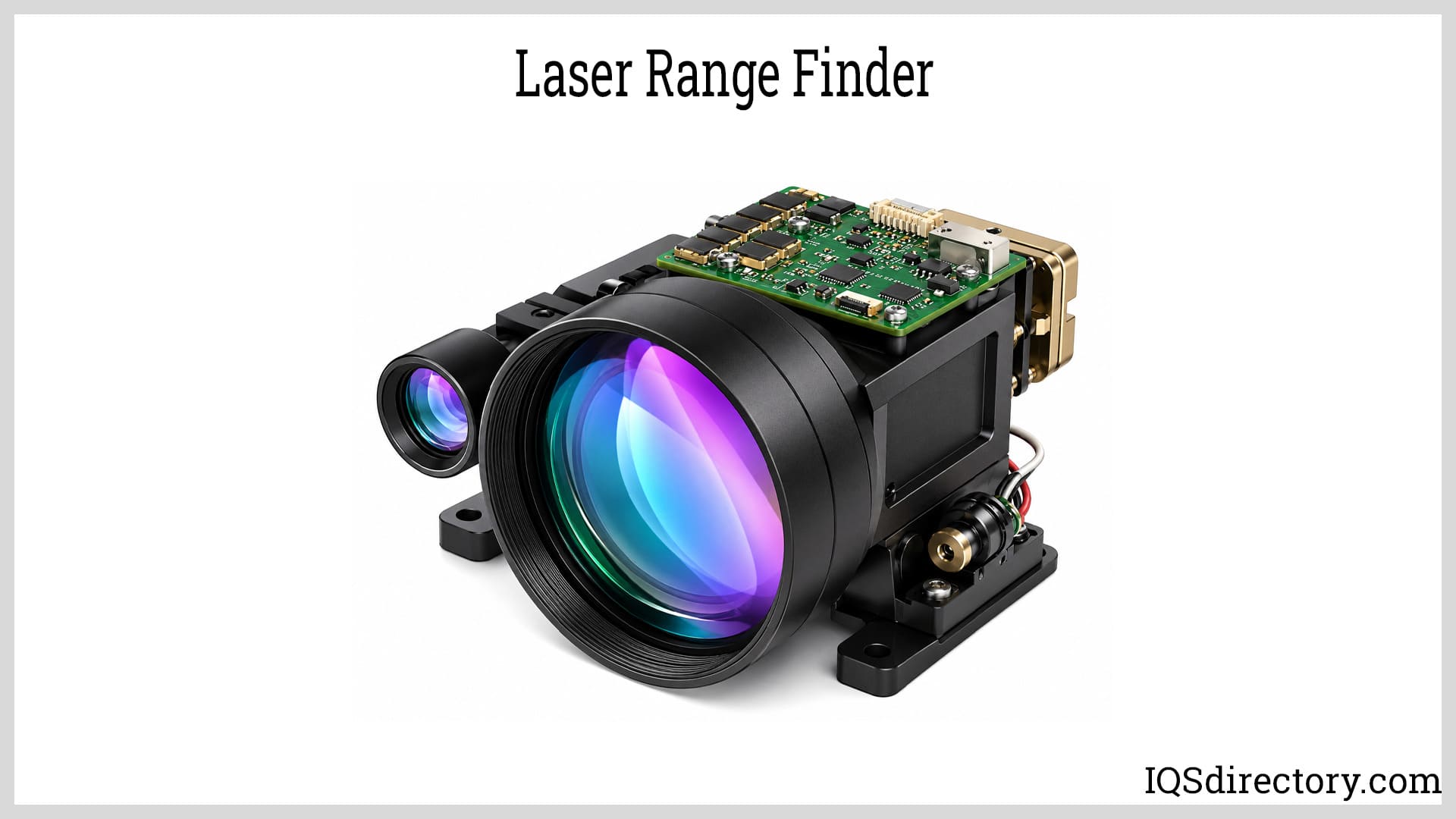
Of the different forms of optics, lenses are the most common. The single lens version is found in glasses. Although this form of optics is very common, their use for glasses is a small portion of their more important functions, such as imaging, machine vision, and laser ranging.
Windows
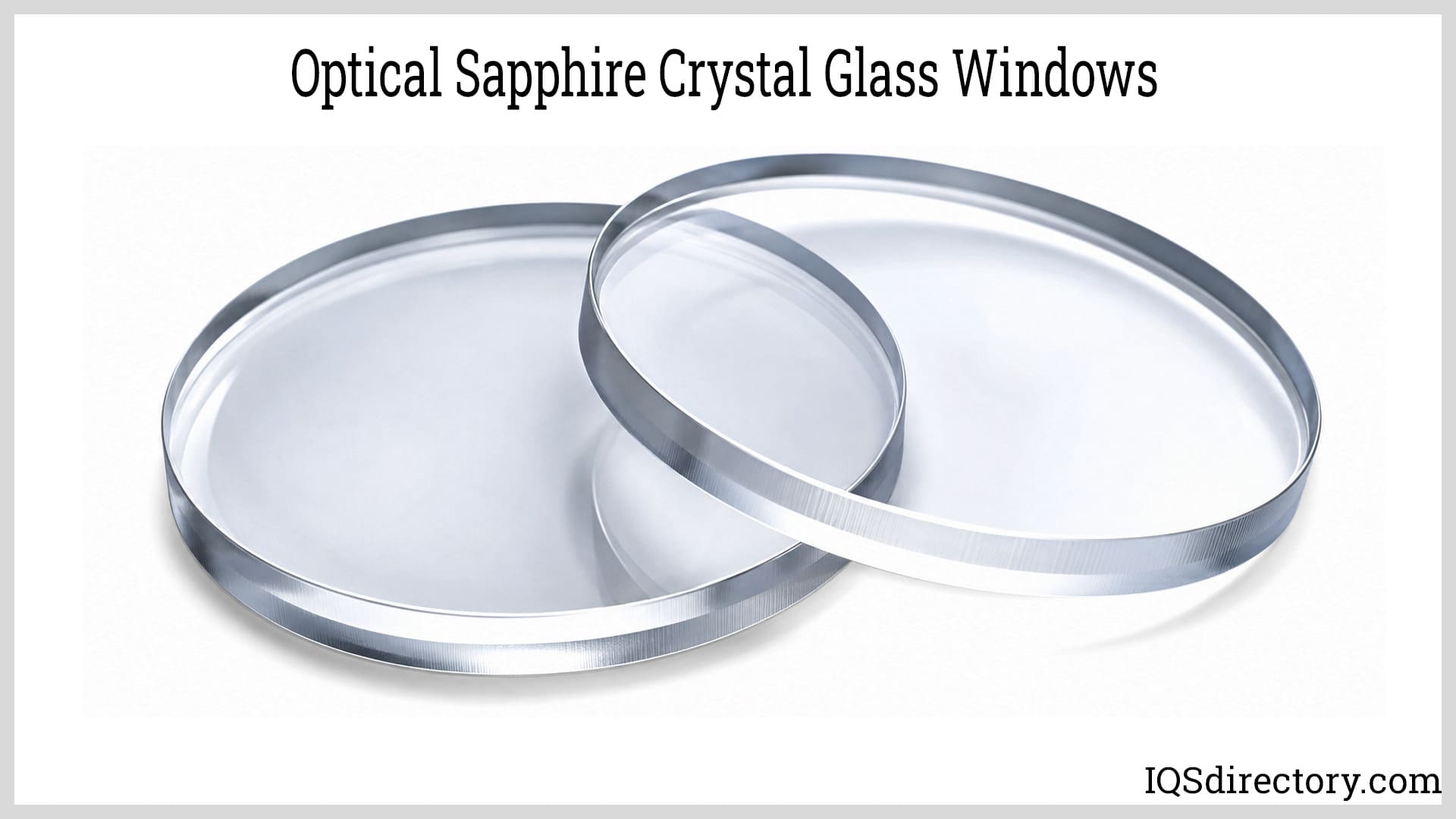
Optical windows are flat, transparent plates used to maximize transmissions in a wavelength range, while minimizing reflections and absorption. Windows are used to protect optical systems and sensors from hazardous conditions. The use of windows in a component system requires careful consideration in regard to transmission, refractive index, and window hardness as well as index of refraction, Abbe number, density, and coefficient of thermal expansion. Windows are made from a long list of materials that includes sapphire, silicon, lithium fluoride, and Gorilla® glass.
Prisms
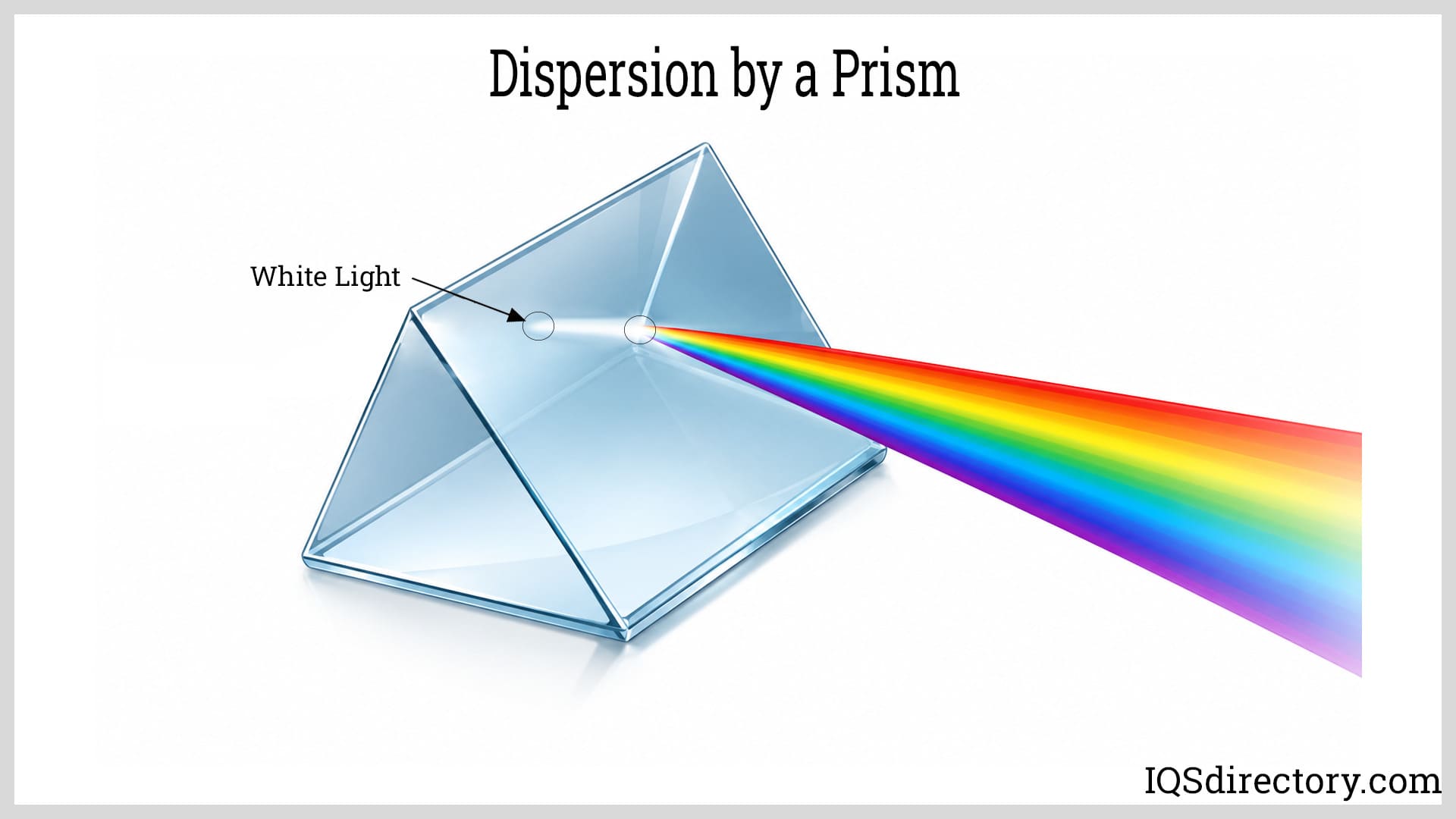
Prisms are ground, polished, and shaped to achieve different geometrical forms. The different number of surfaces, angles, and positions determine the type of prism and its function. The most common use for prisms is diverting and dispersing beams of white light into its various colors. Prisms are used to bend light, folding it into smaller spaces, changing the orientation of an image, and splitting or combining beams.
Filters
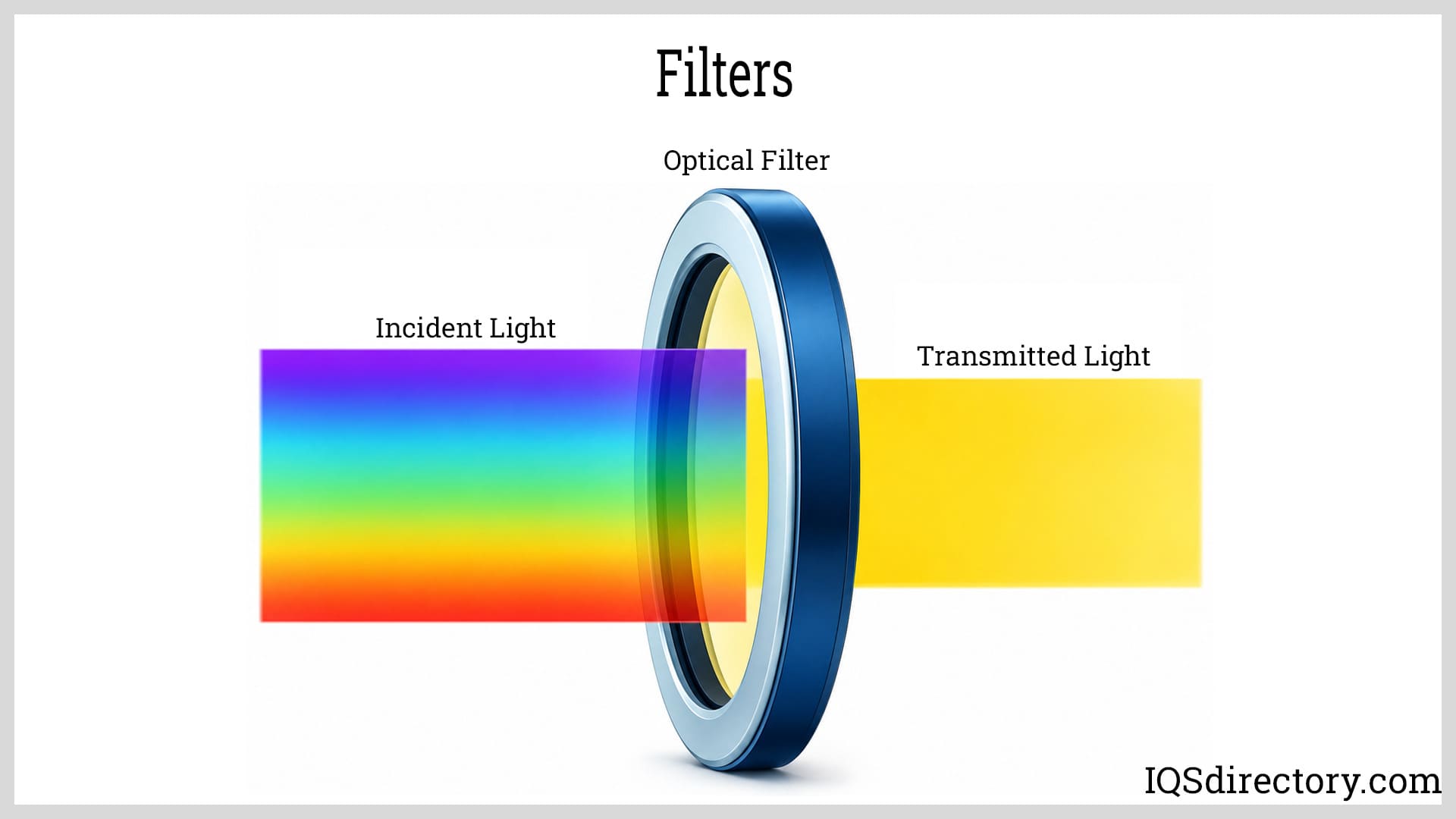
Optical filters are used to transmit small portions of an optical spectrum while filtering out other portions. They are used in microscopes, spectroscopes, chemical analysis, and optical machine scanners. As with all high precision optics, filters are minutely engineered down to the smallest detail in order to successfully perform their function. The main categories of optical filters are absorptive and dichroic, which differ in regard to how they filter. Absorptive filters absorb and retain filtered light while dichroic filters reflect unwanted wavelengths while transmitting the wanted portions.
Optical filters are necessary for controlling light and isolating signals, enhancing colors, and protecting instruments. The several forms of optic filters, which are differentiated by the forms of light that they allow to pass.
Chapter 4: Materials Used to Produce High Precision Optics
Although there is a wide range of materials used to produce high precision optics, the most common are glass, crystals, and polymers. Each of the three forms has their advantages and disadvantages, which are used to determine the right material for an application. Of the three choices, optical glass is the most commonly used due to its cost, adaptability, and workability. The properties that are considered for the selection of optics materials are their refractive index, dispersion, transmission range, absorption coefficient, mechanical properties, thermal properties, and chemical properties.
Optical Glass
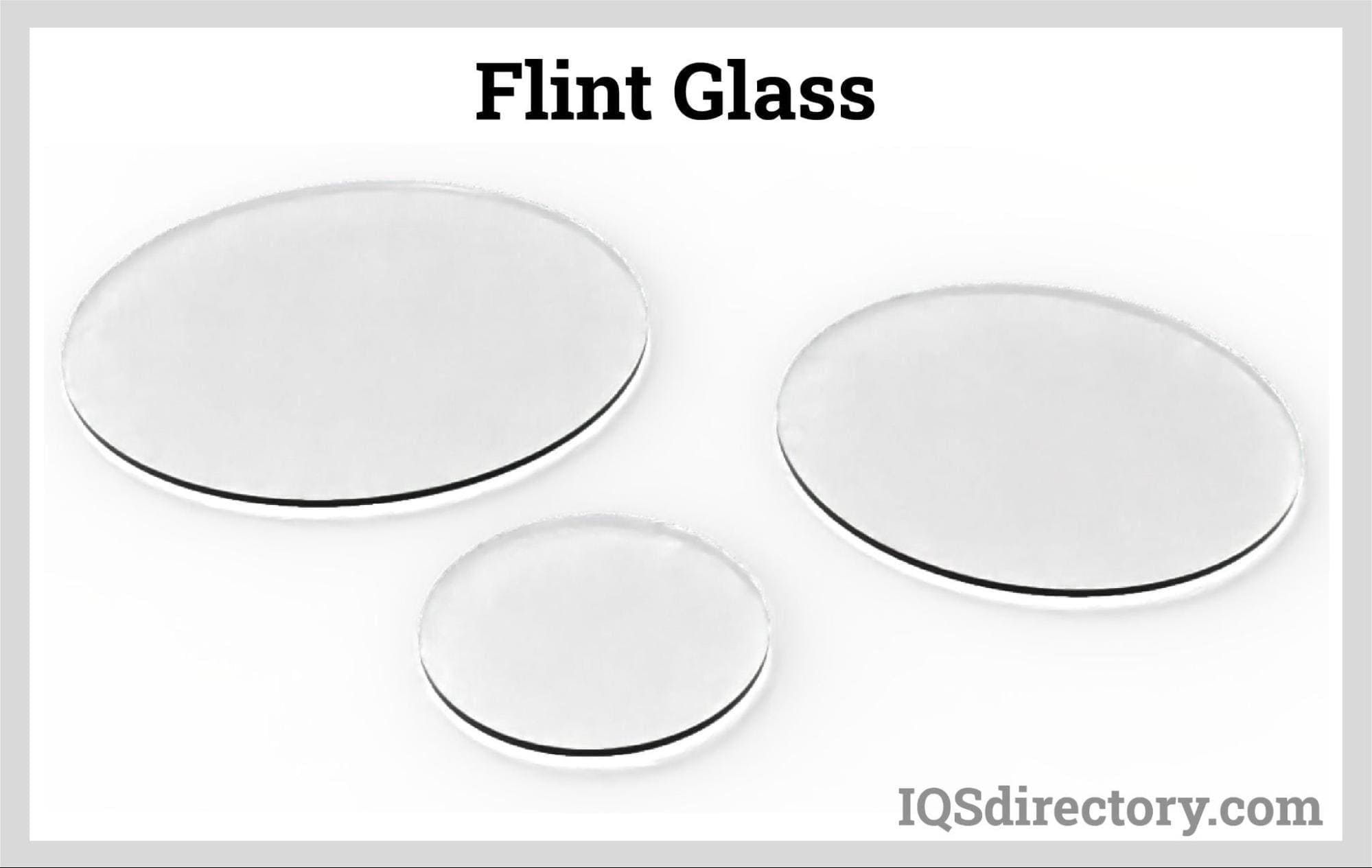
Optical glass is produced in a continuous melting process with the two most common forms being flint glass and crown glass, which differ in accordance with their refraction index but have the same Abbe value of 60. The Abbe number indicates the clarity of a lens. The higher a lens Abbe number, the lower is a lens’ dispersion and clearer its vision. Flint glass is denser than crown glass due to the inclusion of metal oxides in its manufacture. Crown glass is less dense due to the inclusion of alkali metals that causes it to exhibit low chromatic dispersion.
Advantages of Optical Glass
High Transmission - Optical glasses transmit well in the visible and near infrared parts of the spectrum.
Good Homogeneity - Optical glass has a consistent refractive index.
Relatively Low Cost - Optical glass is less expensive.
Ease of Manufacturing – Optical glass can easily be ground, polished, and coated.
Disadvantages of Optical Glass
Limited Transmission Range - Optical glass does not transmit well in the ultraviolet or far infrared.
Can Be Damaged Thermal Shock – Some varieties of optical glass break when the temperature changes.
Lower Refractive Index Range – The refractive range indices of optical glass is lower than some crystals.
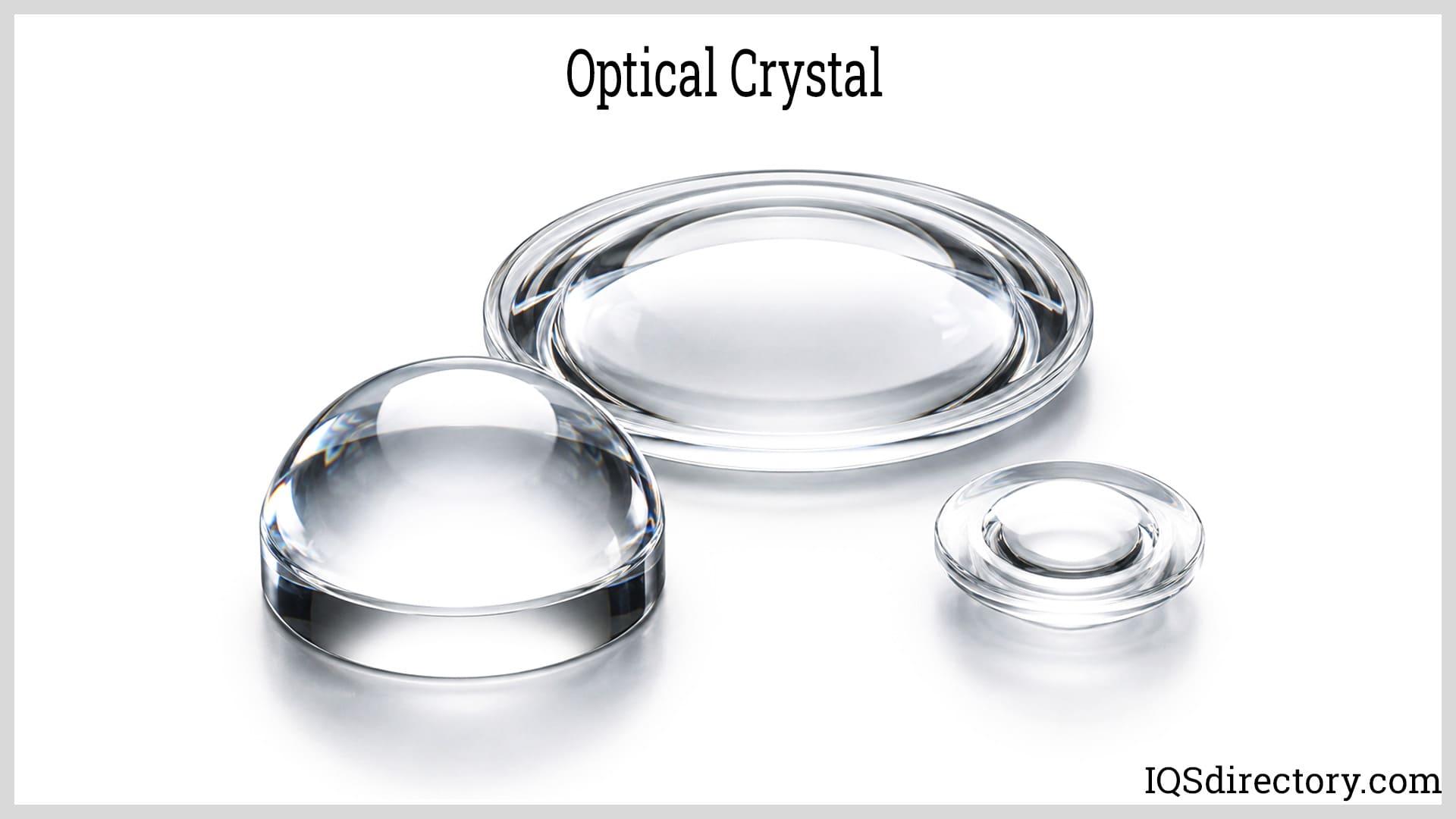
Optical Crystal
Optical crystal has better optical traits, such as high transmission in the ultraviolet and infrared, a high refractive index, and birefringence, a property that takes a single beam of light and splits it into separate rays. The main reason for the use of optical crystals is due to the ability of the material to deliver outstanding clarity and exceptional visual accuracy. Optical crystals are lightweight and highly durable, which gives them a longevity.
Advantages of Optical Crystal
Extended Transmission Range – Optical crystals transmit where optical glass doesn’t.
High Refractive Index – Their high refractive indices make it possible to produce small, powerful lenses.
Birefringence – Optical crystals can change the polarization of light.
Nonlinear Optical Properties – Optical crystals have nonlinear effects making it possible to change frequencies.
Disadvantages of Optical Crystal
High Cost compared to optical glass
Challenging Manufacturing – They are difficult to grow and process.
Brittleness – Optical crystals can break and crack easily.
Deliquescence/Hygroscopicity – Since optical crystals dissolve in water or absorb moisture from the air, their use in certain environments is restricted.
Leading Manufacturers and Suppliers
Related Posts
Glass Cutting
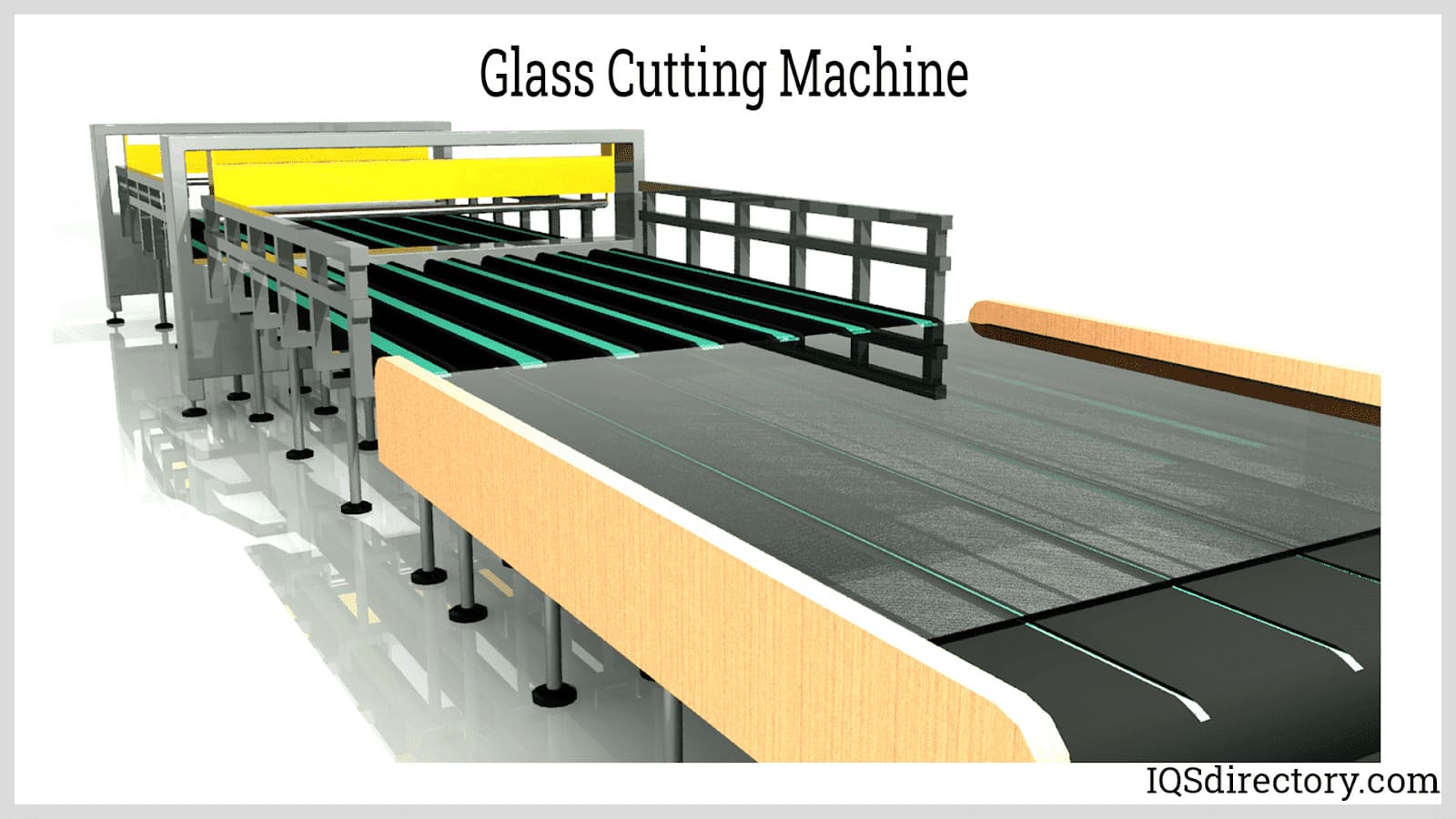
Glass cutting is a method of weakening the structure of glass along a score line that can be broken by applying controlled force; this separates the glass into two sections along the score line or fissure. Regardless of the application, the cutting of glass is...
Quartz Glass
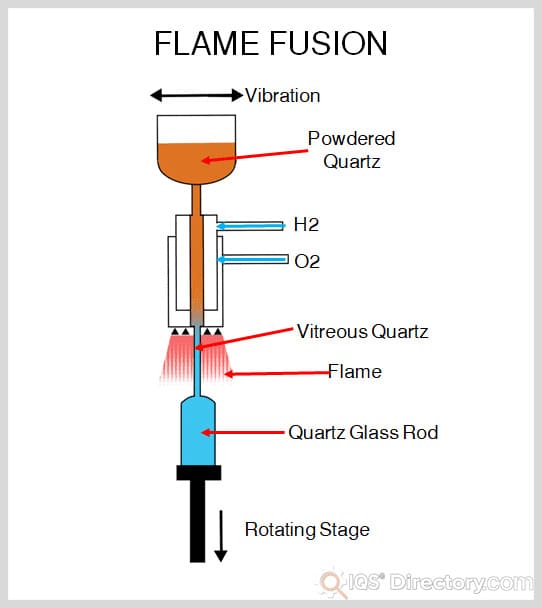
Quartz is one of the most abundant and widely distributed minerals in nature. Quartz is the only stable polymorph of crystalline silica on the Earth‘s surface. It is found in all forms of rocks: igneous, metamorphic and sedimentary. It becomes concentrated in...
Acid Etching
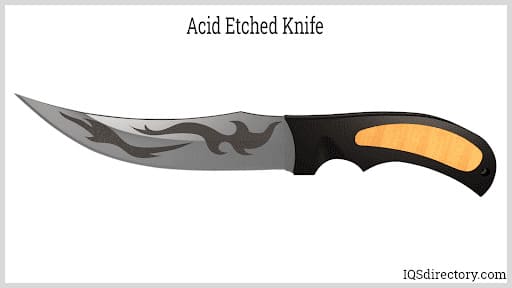
Acid etching, also known as chemical etching or photo etching, is the process of cutting a hard surface like metal by means of a specially formulated acid for the process of etching in order to allow for the creation of a design onto the metal...
Alumina Ceramics
Alumina ceramic is an industrial ceramic that has high hardness, is long wearing, and can only be formed by diamond grinding. It is manufactured from bauxite and can be shaped using injection molding, die pressing, isostatic pressing, slip casting, and extrusion...
Ceramic Insulators
A ceramic insulator is a non-conductive insulator made from red, brown, or white porous clay that provides a bridge between electronic components and has high dielectric strength and constant and low electrical loss. They are easy to maintain and...
Ceramic Machining
Ceramic machining refers to the manufacture of ceramic materials into finished usable products. Machining involves the continual removal of material from the workpiece, in this case, ceramic material...
Chemical Milling
Chemical milling is a subtractive machining process that removes material from a workpiece to achieve a desired shape. Unlike aggressive milling methods that depend on sharp tools to produce a design, chemical...
Graphite Crucibles
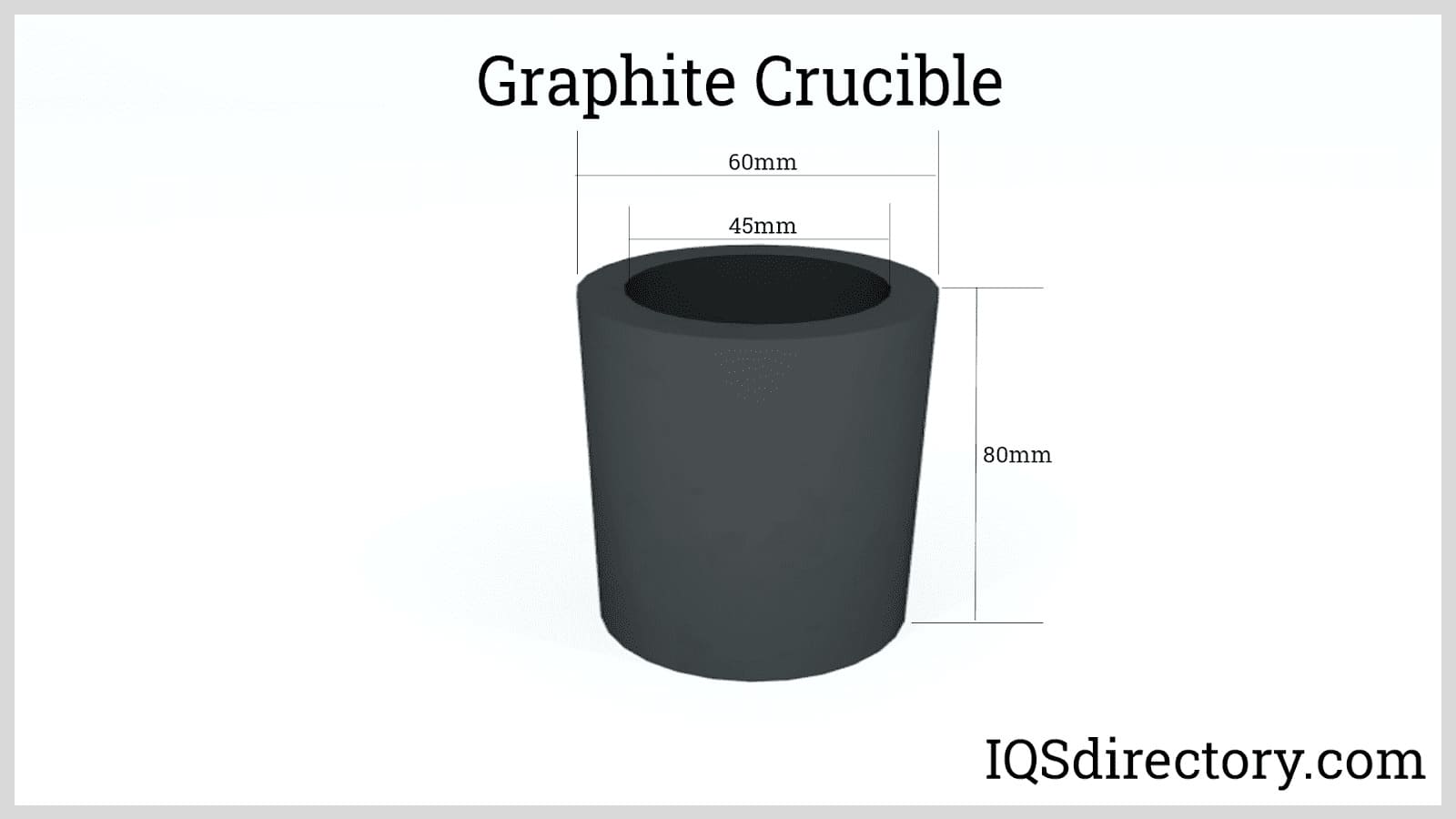
A graphite crucible is a container used for melting and casting non-ferrous, non-iron metals such as gold, silver, aluminum, and brass. The main reason graphite crucibles are popular as a manufacturing tool is their thermal conductivity...
Graphite Machining
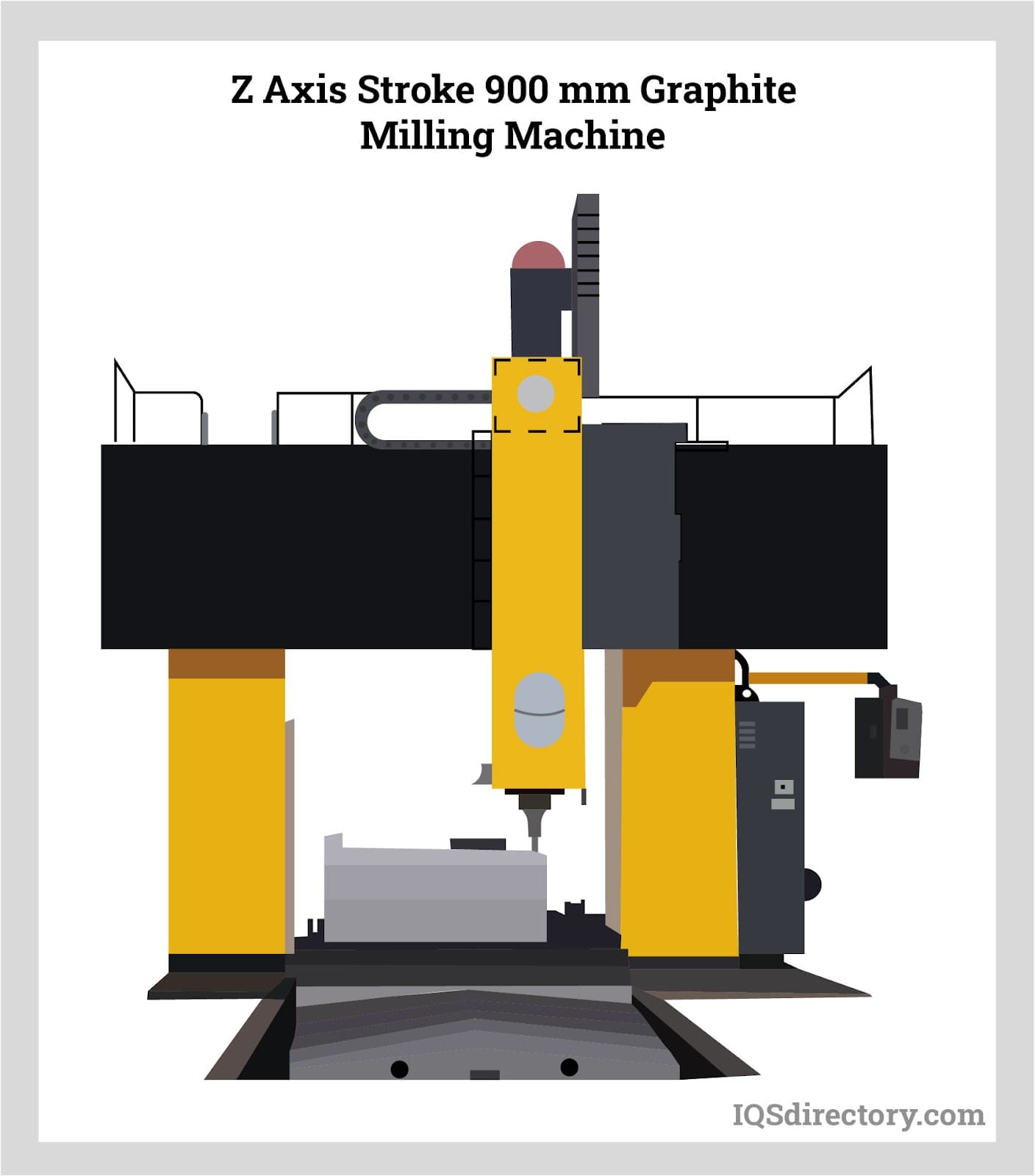
Graphite machining is a method for shaping, forming, configuring, and cutting graphite material to produce a wide selection of parts and components for industrial applications. The success of graphite machining is dependent on the types of tools used...
Graphite Rods
Rods are thin, straight rods made of plastic, metal, ceramic, or organic substance. They are relatively simple to construct and can serve a variety of functions depending on their composition and size...
Metal Etching
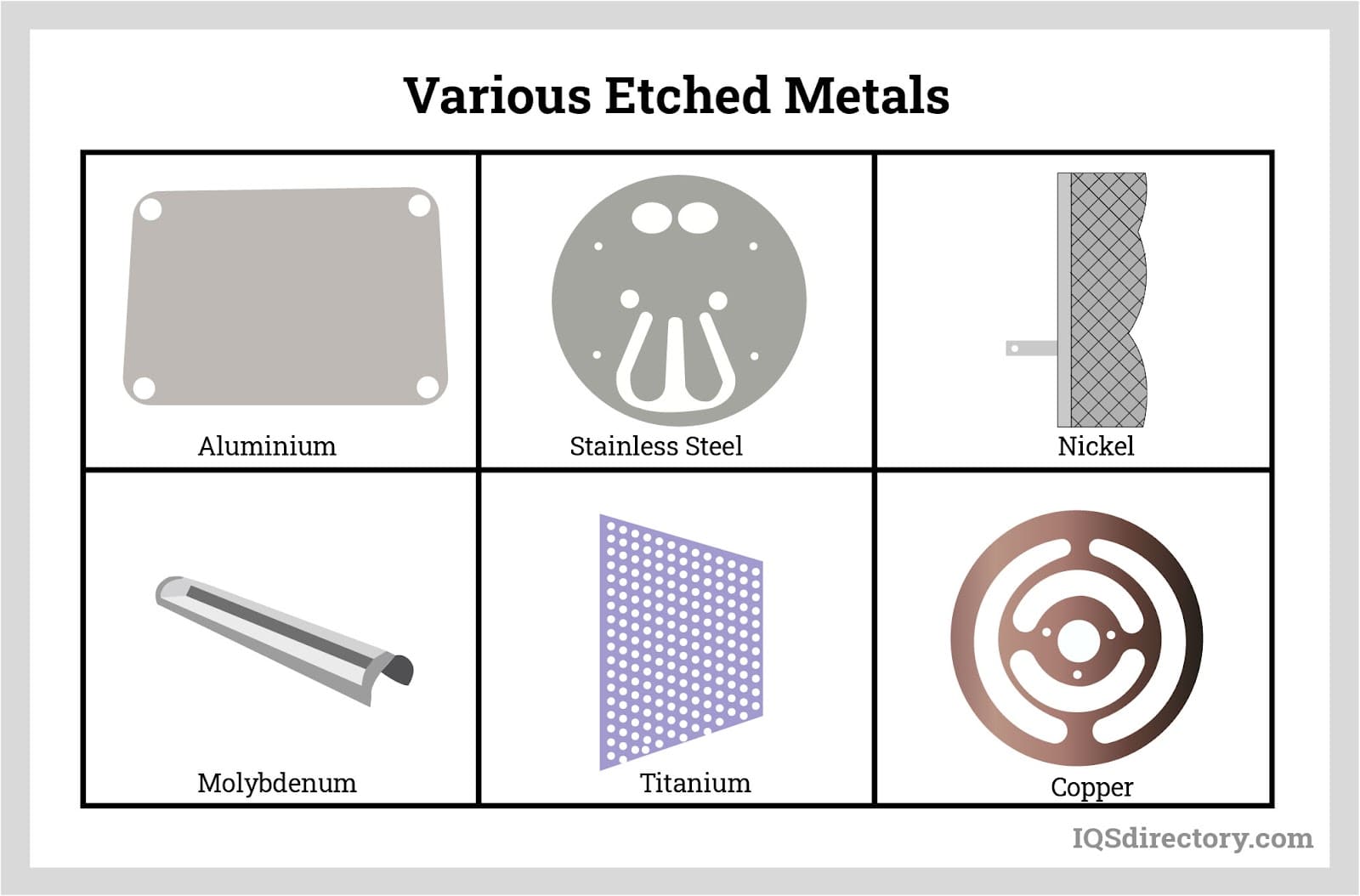
Metal etching is a metal removal process that uses various methods to configure complex, intricate, and highly accurate components and shapes. Its flexibility allows for instantaneous changes during processing...
Photochemical Etching
Photochemical etching, also known as photochemical machining or metal etching, is a non-traditional, subtractive machining process in which photographic and chemical techniques are used to shape the metal workpiece...
Zirconia Ceramic and ZTA
Zirconia Ceramics, or zirconium dioxide ceramics, are exceptionally strong technical ceramic materials with excellent hardness, toughness, and corrosion resistance without the brittleness common to other ceramic materials...