Plastic Materials
“Plastics” refers to a broad group of materials and products created by processing polymer resins. These large molecules, called macromolecules, are made up of repeating smaller units known as monomers linked by covalent bonds. This structure creates a wide variety of plastic materials with different chemical and mechanical properties, including types such as acrylics and polystyrene products. Plastics are valued for tensile strength, chemical and wear resistance, dimensional stability, machinability, thermal and impact resistance, optical clarity, moisture performance, and electrical insulation, making them useful for industrial, commercial, and consumer applications.
Plastic Materials FAQs
What are plastics made from?
Plastics are made from polymer resins composed of macromolecules built from repeating monomer units. These polymers can be synthetic or natural and are processed into plastic materials with properties such as strength, flexibility, impact resistance, chemical resistance, and heat resistance.
How did the plastics industry begin?
The plastics industry began in the 1800s with inventions like Parkesine, the first synthetic plastic, and Bakelite in 1907, the first fully synthetic, commercially successful material. These breakthroughs transformed manufacturing across Europe and the U.S.
What is the difference between thermoplastics and thermosetting plastics?
Thermoplastics can be melted and reshaped multiple times, while thermosetting plastics permanently harden after curing. Thermoplastics support recycling and repeat forming, while thermosets are often selected for rigid, stable parts that need dependable performance after curing.
Which manufacturing processes are used to form plastics?
Plastics are shaped using methods like injection molding, extrusion, thermoforming, casting, and rotational molding. These manufacturing processes apply heat and pressure to melt, mold, and cool resins into products such as films, sheets, pipes, containers, and precision components.
What are some common types of plastics and their uses?
Common plastics include polyethylene for containers, PVC for building materials, polypropylene for packaging, and polycarbonate for transparent components. Each material offers a different balance of flexibility, durability, clarity, weight, and cost, serving industries from automotive to healthcare.
How is plastic recycling improving sustainability?
Recycling thermoplastics allows them to be melted and reused, reducing waste and resource consumption. New bioplastics made from renewable sources like sugarcane ethanol are also being developed to improve environmental performance across manufacturing sectors.
What should buyers consider when choosing plastic materials?
Buyers should assess thermal resistance, flexibility, durability, environmental impact, and chemical compatibility. It also helps to confirm quality standards, available stock forms, fabrication options, budget, and delivery requirements before choosing a supplier.
Why do manufacturers prefer sourcing plastics locally?
Local sourcing reduces costs, avoids import delays, and supports better communication with suppliers. It can also simplify compliance with regional regulations, improve turnaround time, and strengthen supply chain reliability within U.S. manufacturing networks.
The History of Plastics
Early Use of Plastics
Plastics have a history that extends thousands of years. Early forms of plastic-like materials were sourced from natural, organic polymers such as proteins found in eggs and blood. As early as 1600 BC, Mesoamerican civilizations used natural rubber to create objects like figurines, bands, and balls. In the Middle Ages, treated cattle horn using casein from milk proteins was another early example of a workable plastic material.
Plastics in the 1800s
The era of synthetic plastics began in the 1800s. Charles Goodyear’s discovery of vulcanization was a major breakthrough, showing that natural rubber could be thermoset. The first synthetic plastic, nitrocellulose or Parkesine, was moldable, elastic, transparent, and capable of being colored. In 1868, John Wesley Hyatt developed celluloid as a substitute for ivory. Later work with formaldehyde resins led to Bakelite in 1907, the first fully synthetic, commercially successful plastic.
Plastics in the 1900s
In 1908, Jacques E. Brandenberger invented cellophane, a clear, flexible film first designed for waterproofing fabric. Although it was not used for that original purpose, cellophane became a popular packaging material. After World War I, advances in chemistry accelerated plastic development. During World War II, plastics such as polystyrene, PVC, polyethylene, and PET were mass-produced, and the 1950s brought expanded polystyrene and commercial polypropylene into broader use.
After the 1950s, the plastics industry continued to diversify with more precise manufacturing methods and more specialized resins. More recently, attention has turned toward sustainable polymers because of environmental concerns tied to non-biodegradable plastics. Bioplastics made from sugarcane-derived ethanol are being developed, and recycling thermoplastics remains an important strategy for reuse. Companies working on sustainable thermoplastics can be found through IQS Directory’s listings.
The Benefits of Plastic
While recycling remains important, plastics provide many advantages. Their versatility allows for easy shaping, coloring, and texturing to meet exact needs, and they can be engineered for a wide range of properties. Plastics are lightweight, strong, cost-effective, and easy to process, which is why they remain popular across manufacturing and fabrication.
Plastic Production Process
Raw Material Production
The creation of plastics involves many production techniques. Methods such as suspension, emulsion or dispersion, mechanical mixing, solution, and bulk processes are used to produce resins, powders, gels, and liquids. Thermosetting plastics are generally processed once, while thermoplastics are often provided in pre-formed solid shapes for easier handling, machining, fabrication, or direct use.
Plastic manufacturers may also incorporate additives like heat stabilizers, lubricants, fillers, and plasticizers to customize materials for specific applications. These additives can affect color, strength, density, temperature performance, durability, weatherability, and resistance to different operating conditions.
Thermoplastics vs. Thermosetting Plastics
Plastics, whether derived from synthetic, natural, or organic sources, are divided into two main types: thermoplastics and thermosetting plastics. Understanding the difference is useful when selecting materials for molding, fabrication, machining, or long-term service. Thermoplastics can be melted and reshaped repeatedly, while thermosets cure into a fixed form and cannot be remolded after curing.
Manufacturing Processes
Common plastic shapes such as sheets, pipes, profiles, and rods are typically produced using plastic injection molding or extrusion. Films are made through blown film extrusion, where the material is stretched to precise dimensions. Other manufacturing techniques include foam extrusion, rotational molding, machining, vacuum and pressure forming, thermoforming, casting, pultrusion, welding, and grinding.
Plastic Images, Diagrams and Visual Concepts
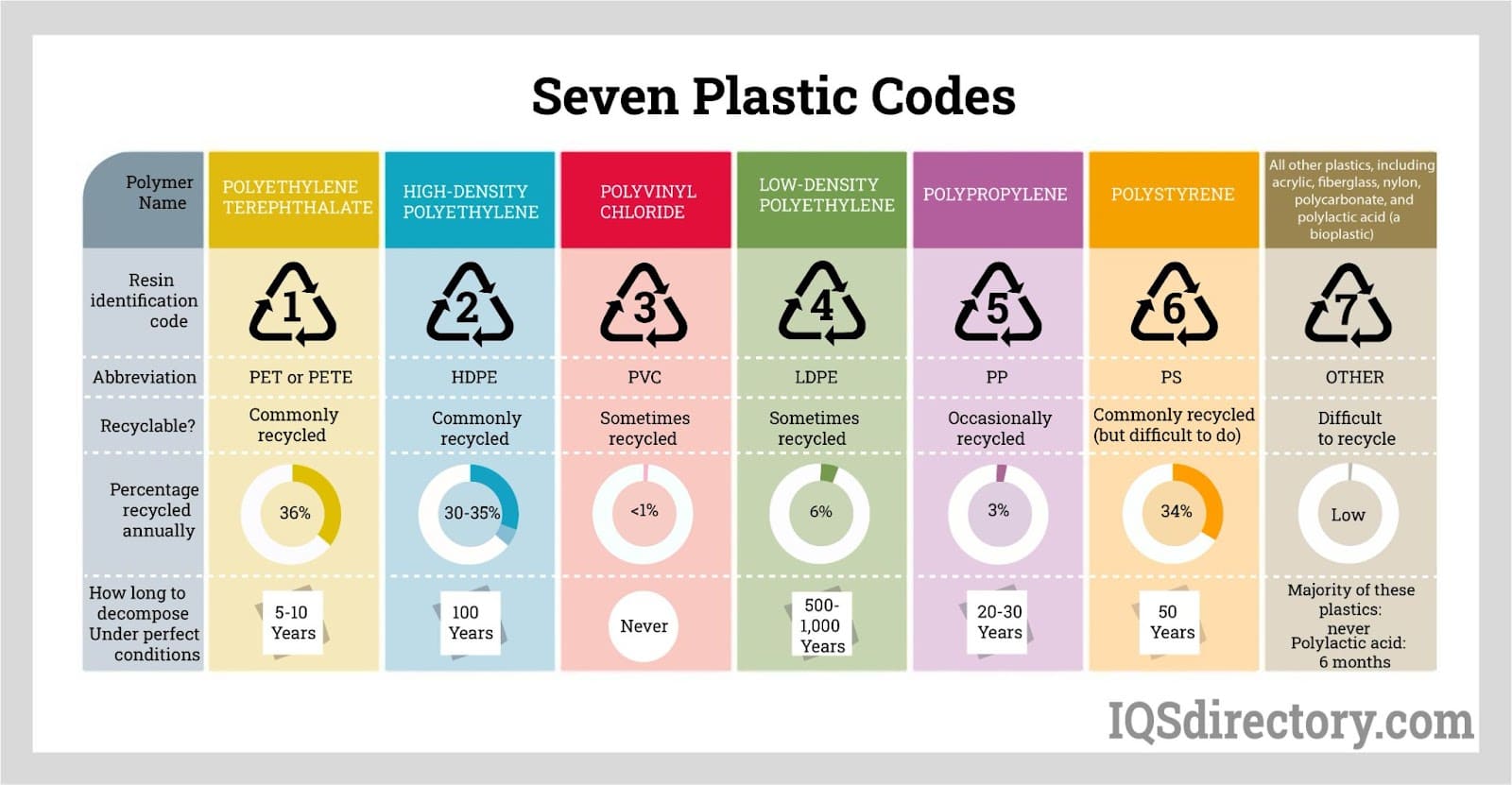
The seven main types of plastics classified for manufacturing and recycling.

Molten plastic at high temperature, ready for molding or processing.
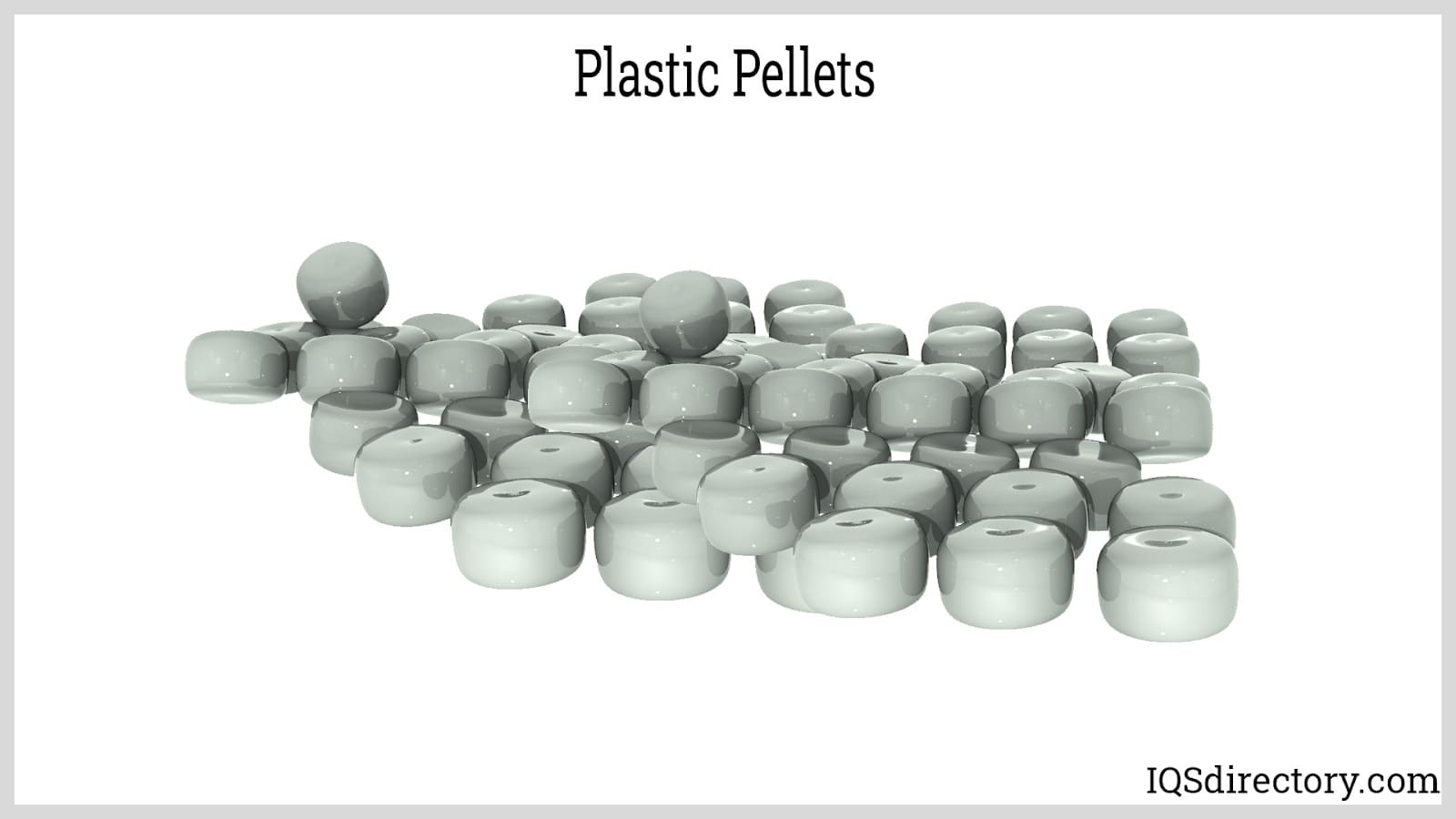
Plastic pellets in raw form, used in manufacturing to produce finished goods.
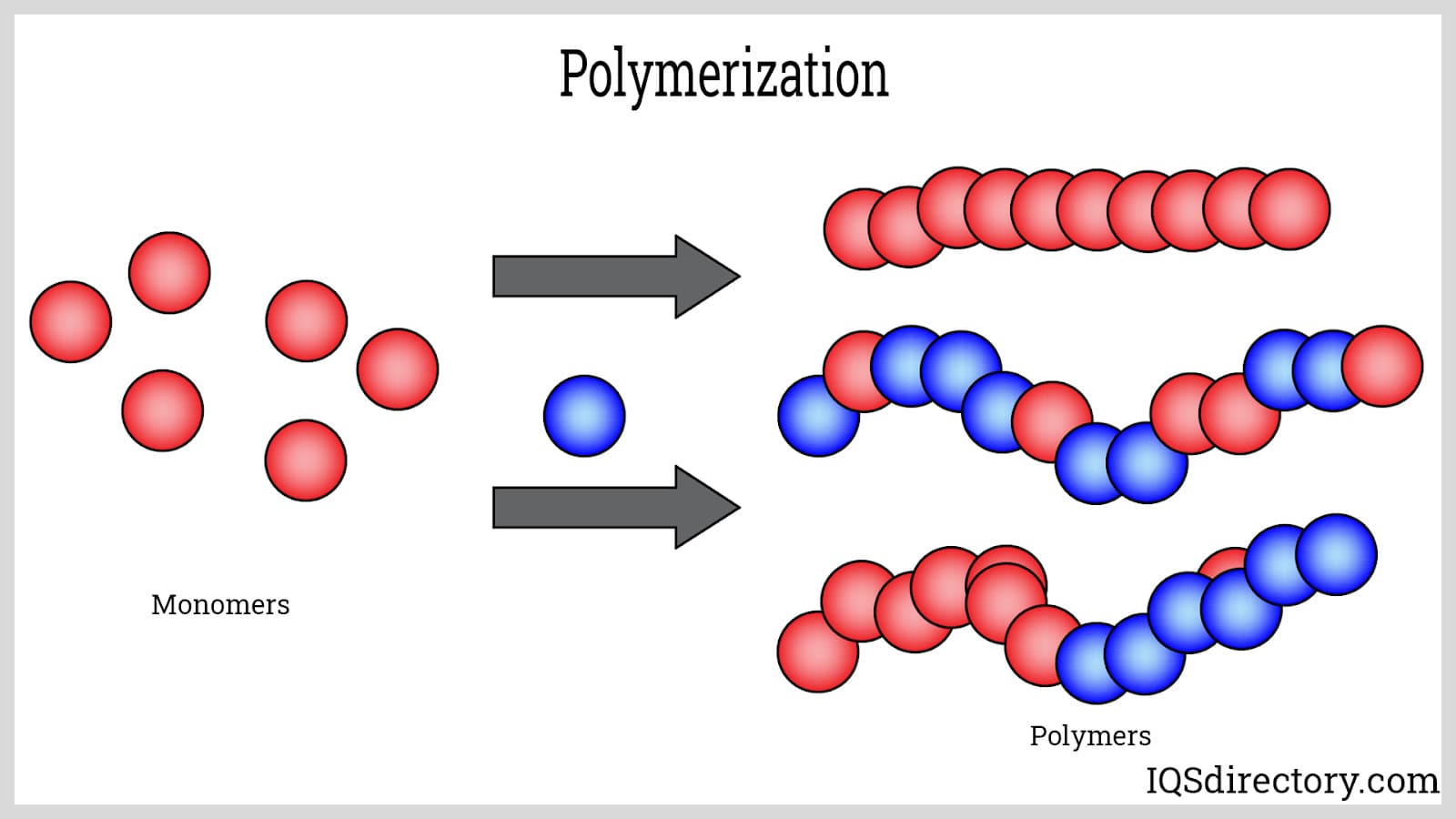
Polymerization bonds monomers together to create polymer chains for plastic production.
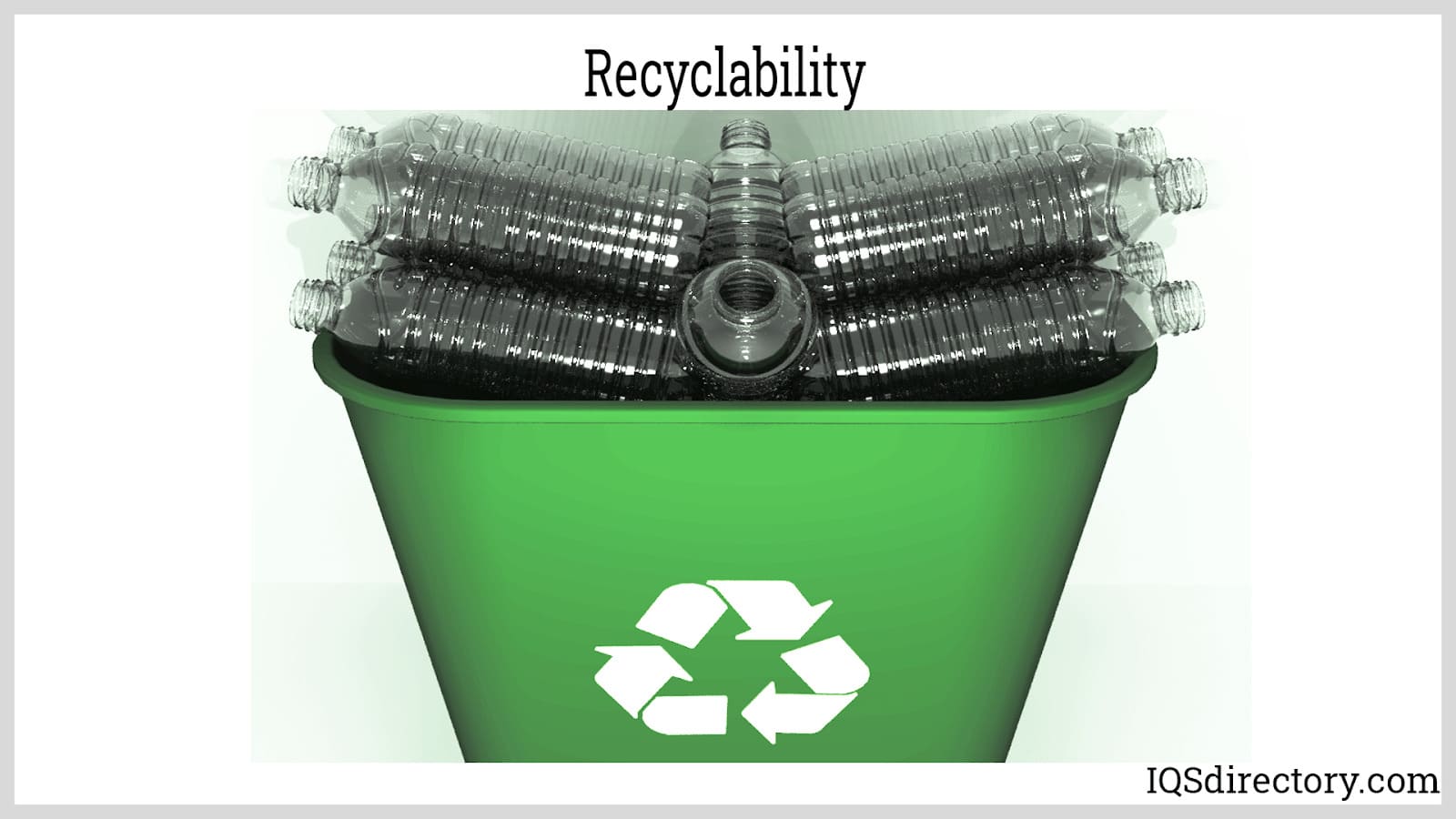
Plastics that can be recycled are melted and reshaped into new products, supporting sustainability efforts.

Thermoplastics are known for durability, chemical resistance, and repeatable processing performance.
Types of Plastic Produced
The plastics industry produces a wide variety of materials, including polyethylene, polystyrene, high-density polyethylene (HDPE), low-density polyethylene (LDPE), polyoxymethylene, polyvinyl chloride (PVC), and others used in packaging, fabrication, machining, and industrial production.
Polyethylene
Polyethylene is a widely used plastic found in products such as artificial joints, shampoo bottles, milk cartons, containers, and liners.
Polystyrene
Polystyrene, often known by the trade name Styrofoam™, is widely used for insulation, packaging, and molded protective products.
High-Density Polyethylene (HDPE)
HDPE is a petroleum-based thermoplastic valued for strength, light weight, and solvent resistance. It is used in bottle caps, swimming pool parts, automotive fuel tanks, food containers, and other durable products.
Low-Density Polyethylene (LDPE)
LDPE, the first mass-produced polyethylene, continues to be used for chemical resistance, flexibility, and toughness. It is commonly seen in containers, snap-on lids, plastic wrap, and packaging materials.
Polyoxymethylene
Polyoxymethylene, also called acetal or Delrin, is often used as a substitute for metal in automotive and construction applications because of its strength, dimensional stability, and machinability.
Polyvinyl Chloride (PVC)
Polyvinyl chloride (PVC or vinyl) is available in rigid and flexible forms and is one of the world’s most widely produced polymers. It is used in building materials, packaging, cards, plumbing, insulation, inflatable products, and more.
ABS (Acrylonitrile-Butadiene-Styrene)
ABS resins offer high strength, impact resistance, and resistance to many chemicals and stains. They are created from the polymerization of acrylonitrile, styrene, and butadiene.
Acrylic
Acrylic plastics are manufactured from transparent thermoplastic resins and are often chosen for applications that need optical clarity and weather resistance.
Fluoroplastic
Fluoroplastics, such as Teflon, resist heat, moisture, abrasion, and many aggressive chemicals, making them suitable for valves, gaskets, and bearings.
Phenolic Plastic
Phenolic plastics, in the same group as polyester and vinyl ester, are made from phenol and formaldehyde. They are strong and known for good fire safety performance.
Polycarbonate
Polycarbonate is prized for excellent light transmission and dimensional stability, making it a leading transparent thermoplastic for electronic housings, machine guards, and aircraft windows.
Polypropylene (PP)
Polypropylene offers flexibility at low temperatures, low moisture absorption, and strong chemical resistance. It is commonly used in packaging, banners, and a variety of commercial products.
Polyurethane
Polyurethane is a tough plastic with high abrasion resistance and flexibility, used to make bumpers, gears, gaskets, roller covers, and other wear-related components.
Applications of Plastics
Plastics are used in a broad spectrum of industries and sectors, including industrial, commercial, and residential settings. Sectors such as chemical and food processing, water treatment, oil and gas, healthcare, pharmaceuticals, aerospace, automotive, construction, electronics, and more depend on plastic components and solutions.
Plastic Products Produced
Plastics are available in a variety of stock forms such as plastic rods, plastic sheets, and plastic films. These materials can be further processed through fabrication or machining to create countless products, including tubing, packaging, containers, plates, gears, insulators, medical instruments, toys, shielding, wraps, panels, bottles, and pipes.
Things to Consider When Purchasing Plastic
When purchasing plastics or plastic products, evaluate the unique properties of each type. Important considerations include thermal resistance, flexibility, environmental impact, durability, sterility, corrosion resistance, and compliance with quality and performance standards.
After selecting the right type or specifications, contact a reputable plastic supplier or manufacturer. At the top of this page, you’ll find a list of trusted plastic companies. Review their profiles or visit their websites for more details. Narrow your choices, then discuss your project requirements, design, budget, timeline, delivery needs, and part specifications with the companies you shortlist. After comparing communication and service, select the supplier that best fits your needs.
Global Plastics Market
The global plastics market is highly competitive and rapidly growing. While sourcing plastics internationally, such as from China, can reduce costs, consider these points before moving production overseas:
Plastic Sustainability
Growing environmental awareness has increased the demand for sustainable plastic production and use. When working with international manufacturers, confirm their commitment to eco-friendly practices, recycled content, and modern processing technologies.
Clarity of Costs
Buying plastics globally involves complex logistics, including warehousing, currency exchange, customs, freight, and longer transit timelines. Make sure you understand all related costs before committing.
Regulations and Tariffs
Stay informed about new regulations that affect your materials or products, and ensure your international suppliers comply with standards recognized in your region. Be aware of applicable tariffs, import fees, and documentation requirements.
Possible Miscommunication
Working with overseas companies may introduce communication challenges, such as language barriers, time zone differences, and cultural misunderstandings. Even with clear communication, errors can occur, leading to mistakes and delays. Returning or exchanging products internationally can also be complex and time-consuming.
Overall, the risks and difficulties of international sourcing often outweigh the benefits. Building trust and maintaining strong supplier relationships is more challenging across borders. Therefore, many buyers prefer working with one of the regional companies listed above.
Plastic Terms
Additive
A material incorporated into a resin to enhance or impart specific properties.
Aging
The process of chemical and physical changes that occur in a material over time due to environmental exposure, which may degrade or improve its properties.
Alloys
Mixtures of polymers or copolymers blended with other elastomers or polymers.
Binder
A resin or substance that binds particles together, providing mechanical strength and ensuring the solidification, uniformity, or adhesion of a coating.
Clarity
The degree to which a plastic material is free from cloudiness or haze.
Composite
A structural plastic material made from a combination of different components.
Compressive Strength
The ability of a plastic to resist forces that would crush or compress it.
Copolymer
A polymer formed when two or more different monomers chemically react to create a compound.
Cure
The process by which polymers are chemically transformed to achieve greater stability and usability, often through heat, radiation, or chemical additives.
Cure Cycle
The duration and specific conditions under which a thermosetting material is cured.
Discoloration
A change in the original color of a plastic caused by exposure to light, chemicals, or environmental conditions.
Forming
The process of reshaping an existing piece of plastic into a new configuration.
Hygroscopic
The tendency of certain plastics to absorb moisture from the environment.
Masterbatch
A concentrated mixture of additives, pigments, or fillers within a base polymer.
Opaque
Plastic materials that do not allow light to pass through.
Plasticizer
A high-boiling liquid or low-melting solid added to hard plastics to increase flexibility by reducing intermolecular forces. Plasticizers vary in their ability to soften and modify plastics.
Plastisol
A mixture of resins and plasticizers that can be converted into continuous films through heat treatment.
Polymer
A natural or synthetic compound with high molecular weight, made up of long chains of repeating units, such as polyethylene or elastomers.
Reinforced Plastics
Plastics strengthened by incorporating high-strength fillers to improve mechanical properties.
Resin
An organic material, usually solid or semi-solid, with high molecular weight, that flows under stress and softens or melts at certain temperatures.
Surfactants
Chemicals that help mix or emulsify incompatible substances by altering surface properties and improving the flow and wetting of liquids.
Thermosets
Plastics or resins that, once cured, become insoluble and infusible and cannot be softened by reheating.
Virgin Material
Plastic material, such as pellets, granules, floc, or liquid, that has not been processed except for initial manufacturing steps.