Expanded Metals
Expanded metals are created by taking plate or sheet metal and perforating it with a series of slits along parallel lines. The metal is then pulled or stretched into a mesh, often expanding to as much as ten times its original width. The degree of expansion depends on the length of the cuts, the width of the metal between the cuts, and how much stretching is applied. This process results in a lightweight and cost-effective alternative to solid plates or sheets, while maintaining the integrity of the material, ensuring it won't unravel. Because the sheet remains a single connected piece rather than being woven or assembled from separate wires, expanded metal delivers a strong balance of durability, airflow, visibility, and material efficiency. For manufacturers, builders, fabricators, and buyers comparing sheet metal options, expanded metal is often selected when they need a rigid mesh that can reduce weight, lower waste, and still provide dependable structural performance for industrial, architectural, commercial, and security-related uses.
The perforation lines may be arranged in a staggered pattern to maximize the open area once stretched, or they may be evenly spaced. While the most common metal mesh pattern is diamond-shaped holes, other patterns can be created as well. The measurements of the mesh are typically based on Long Way Diamond (LWD) and Short Way Diamond (SWD) specifications. The size and shape of the openings will vary based on the specific requirements of the intended application. That flexibility is one reason expanded metal is used across so many industries. Buyers may look for expanded metal sheet, expanded metal mesh, flattened expanded metal, raised expanded metal, security mesh, catwalk mesh, or decorative expanded metal depending on whether the priority is traction, screening, filtration, airflow, privacy, load support, corrosion resistance, or appearance.
Expanded Metals FAQ
What is expanded metal and how is it made?
Expanded metal is produced by slitting and stretching sheet metal into a mesh pattern. The process uses an expansion press to cut parallel slits and then stretch the sheet, forming diamond-shaped openings while keeping the material as one solid piece for added strength.
What are LWD and SWD in expanded metal?
LWD stands for Long Way of Diamond, and SWD stands for Short Way of Diamond. These measurements define the diamond-shaped openings' length and width, determining the mesh’s strength, rigidity, and airflow characteristics.
How does expanded metal differ from perforated metal?
Expanded metal is slit and stretched to form openings without removing material, while perforated metal has holes punched out. Expanded metal is lighter and stronger per weight, offering greater flexibility and better material efficiency.
What are common uses for expanded metals?
Expanded metals are used in walkways, fencing, grating, vents, filters, and architectural screens. They provide strength, airflow, and light transmission while reducing weight, making them ideal for construction and industrial applications across the U.S.
Which materials are used to produce expanded metal?
Expanded metal can be made from aluminum, steel, stainless steel, copper, titanium, and other alloys. The chosen material depends on factors like corrosion resistance, strength, and visual appearance required for the application.
What are the advantages of using expanded metal?
Expanded metal is cost-effective, lightweight, and durable. It enhances airflow, light, and drainage, provides reinforcement, and requires minimal maintenance. Its solid structure resists unraveling, ensuring long-term strength and reliability.
How is expanded metal finished for specific applications?
After expansion, metal sheets can be flattened, cold-rolled, coated, or anodized for smoother surfaces and corrosion resistance. These finishes make them suitable for architectural, industrial, or outdoor applications.
Expanded metal was invented in 1884 by John French Golding in Hartlepool, UK. Initially developed as metal grating for sorting coal in mining, it replaced earlier sorting methods that used woven wires or strips of metal. Golding's expanded metal screens, made from a single sheet, were more durable and maintained uniform open areas over time. That early advantage still explains much of the product’s appeal today: one sheet becomes a rigid, open framework without separate joints, loose wires, or punched-out waste. From the beginning, expanded metal offered a practical mix of screening performance, strength, and long service life in demanding industrial environments.
In 1889, Golding partnered with W.B. Close, Mathew Gray, Christopher Furness, and Robert Irving Jr. to establish the British Metal Expansion Company, which held exclusive rights to expanded metal manufacturing across Europe. By 1894, the company was renamed the Expanded Metal Company Limited, based in London. These developments helped move expanded metal from a useful mining product into a broader commercial material with value in construction, transportation, and industrial processing. As fabrication knowledge grew, so did the range of opening sizes, patterns, and sheet formats available to different industries.
In the 1890s, American industrialist Eli Hendrick created a metal punching machine, leading to the development of the modern perforating punch. This innovation made the production of expanded metal more efficient, benefiting mining operations and also boosting the construction industry, as the mesh proved to be an excellent material for plaster and stucco wall lathing. As builders looked for lighter reinforcement materials and contractors needed durable sheet products with open area, expanded metal found a home in everything from wall systems to protective covers and grating.
The first U.S. patent for expanded metal was granted in 1910 to Charles H. Schrammel, whose improvements included angling the mesh dividers to give the surface a gripping texture and devising a method for rolling up the metal sheets, making them easier to handle. Those improvements helped make expanded metal more practical for jobsite use, shipping, installation, and anti-slip applications. Today, grip-oriented raised mesh remains an important choice for catwalks, mezzanines, stair treads, maintenance platforms, and industrial flooring.
Although demand for expanded metals grew over the years, its applications expanded rather than the product itself, with only minor changes. In the early 20th century, expanded metal was widely used in construction, but its popularity decreased as plastics and other modern materials emerged. Even so, expanded metal never disappeared, because few competing materials could match its combination of strength, open area, low waste, and single-piece construction. That staying power helped it remain relevant in industrial, filtration, architectural, and safety markets.
In the early 2000s, digital perforation technology was introduced, though the basic process of creating expanded metal remains similar to its original form. Modern production brings tighter tolerances, automated controls, better surface finishing options, and greater consistency across high-volume runs. For buyers, that means more control over LWD, SWD, strand width, thickness, finish, and application-specific performance.
Between 2005 and 2015, an architectural revival brought decorative expanded metal products, such as gates, window coverings, and building facades, back into fashion. Designers increasingly turned to expanded metal for sunscreens, façade panels, privacy screening, interior features, and contemporary enclosures because it delivers texture, light diffusion, airflow, and an industrial appearance without sacrificing durability. That revival continues to support demand for both functional and decorative expanded metal products.
Expanded metals are an economical solution, as they allow for the creation of a larger surface area from a solid sheet of material, using less metal to achieve the desired result. This process eliminates waste, making it highly efficient. Just as sewing patterns are designed for optimal use of fabric, the patterns for expanded metal products can be designed for maximum material utilization. That material efficiency often helps lower both raw material costs and product weight, which can be valuable in construction, industrial equipment, enclosures, transportation applications, and fabricated components where every pound and every square foot matter.
Due to its continuous structure, expanded metal is highly effective at conducting electricity, heat, and magnetic flux. Its solid form also provides reinforcement for materials like concrete and glass, offering strength while keeping the weight minimal. With its high tensile strength, expanded metal is often preferred over woven metals and welded joints for many applications. Because there are no separate welded intersections to fail and no loose wires to shift, expanded metal can also be a dependable option for security barriers, machine guards, shelving, filtration supports, and protective panels.
The perforated nature of expanded metal allows light and air to pass through freely while offering protection against the sun, as well as shielding from falling or flying debris and providing privacy by blocking sightlines. This combination of open area and strength helps explain why expanded metal is often used in vents, screens, partitions, protective cages, façade cladding, and walkway products where airflow, drainage, and visibility control all matter at once.
Maintenance for expanded metals is minimal. As a single, solid unit with no moving parts, it requires no special care other than occasional washing and, if necessary, scrubbing with an appropriate brush and cleaner. With suitable coatings, galvanizing, anodizing, or corrosion-resistant alloys, expanded metal can also perform well in outdoor, wet, chemical, or high-traffic settings while keeping maintenance demands relatively low over time.
Solid metal sheets or plates of varying thickness are fed into an expansion press that simultaneously slits the metal along thin lines. Mechanical knives facilitate the cuts, ensuring uniform slits for consistent openings. A stretcher bar then pushes the metal outward, forming voids in the perforated metal, which are connected by unbroken lines known as bonds and strands. Expansion presses can be either manually operated or automated CNC systems. This manufacturing method is one of the biggest reasons expanded metal remains attractive to fabricators: it creates open mesh without producing the punched-out scrap associated with many perforated sheet processes, while also retaining a one-piece structure that resists unraveling.
Once the sheet has been perforated and stretched, it may be sent for sizing or cold-rolled to achieve a flat and smooth finish. The flattening press, consisting of parallel cylinders, squeezes the plate as it rolls between them. After the desired smoothness is achieved, the sheet is cut to size, and additional treatments like PVC coating, paint, anodizing, or other veneers may be applied. The metal may also undergo annealing or be treated for corrosion resistance at this stage. These finishing steps help manufacturers tailor expanded metal for architectural, industrial, outdoor, and decorative environments where surface finish, appearance, corrosion performance, or handling characteristics are important.
The pattern and size of the holes depend on the intended application of the metal product. For example, walkways are often made from carbon steel, with diamond-shaped openings in the grating. The cuts may be two inches long, resulting in openings with one-inch LWD by half-inch SWD once the stretching process is complete. For metal fences, larger apertures can be created by making longer cuts along finer lines. Variations of the diamond pattern can be achieved by using alternate slit lengths or widths or by employing differently shaped knife blades. That design flexibility allows manufacturers to match the mesh to load-bearing demands, visibility targets, drainage needs, filtration performance, screening requirements, and architectural aesthetics.
Standard expanded metals can be made from various thicknesses of metal plates or sheets, with a range of opening sizes. The SWD bonds and LWD strands that separate the apertures are set at a uniform angle, increasing rigidity while maximizing flow. Since the metal remains a single piece, it provides significantly higher tensile strength compared to woven wire of equal weight. This balance of rigidity and open area makes standard expanded metal useful for general fabrication, guards, platforms, panels, and support surfaces.
Cold rollingthe expanded sheets further smooths the surface, extending the length of the material by as much as five percent. Flattened expanded metal is often preferred where a smoother appearance, easier handling, or more level contact surface is needed, such as architectural infill panels, machine guards, decorative features, and certain shelving or enclosure applications.
It’s important to note that perforated metals, unlike expanded metals, are solid metal sheets with specific hole designs punched out, without any stretching involved. While their uses are similar, expanded metal sheets are lighter, inch for inch, and offer greater flexibility. Buyers comparing expanded metal versus perforated metal often look at weight, open area, rigidity, appearance, waste, cost, and application performance before choosing one over the other.
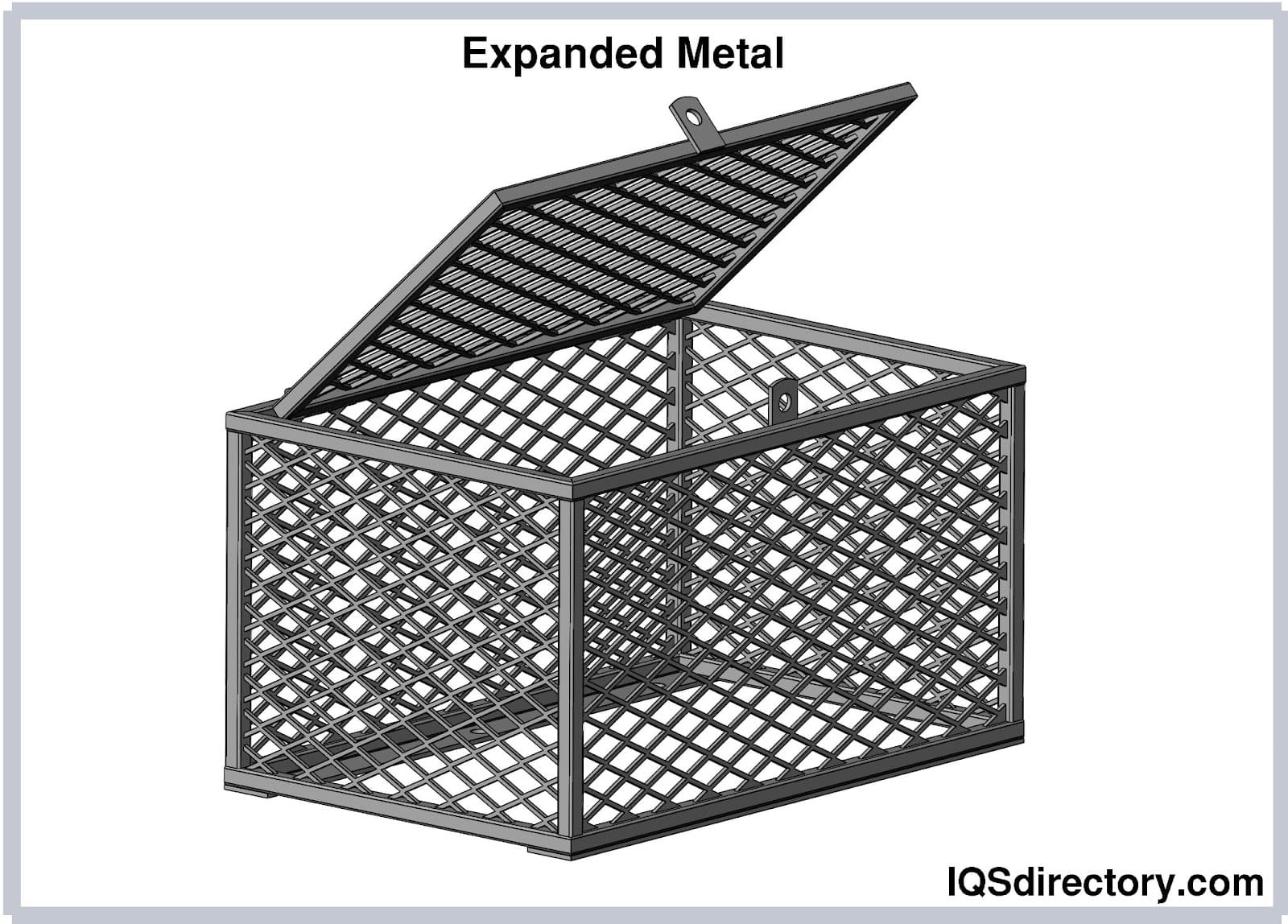 Expanded metal is a sheet metal mesh, made by stretching slitted sheets of malleable metal.
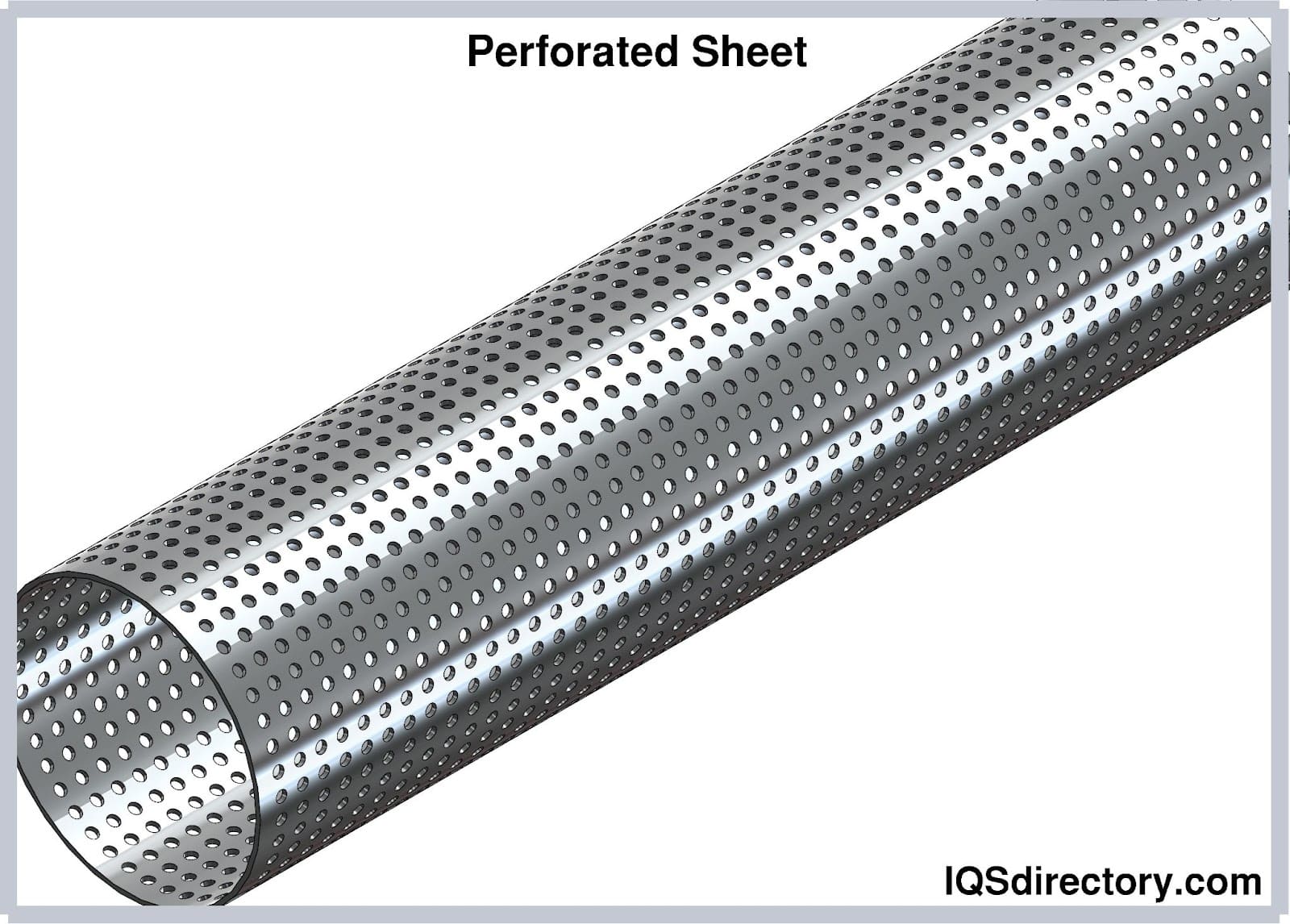 Perforation Sheet is a metal sheet punched with holes.
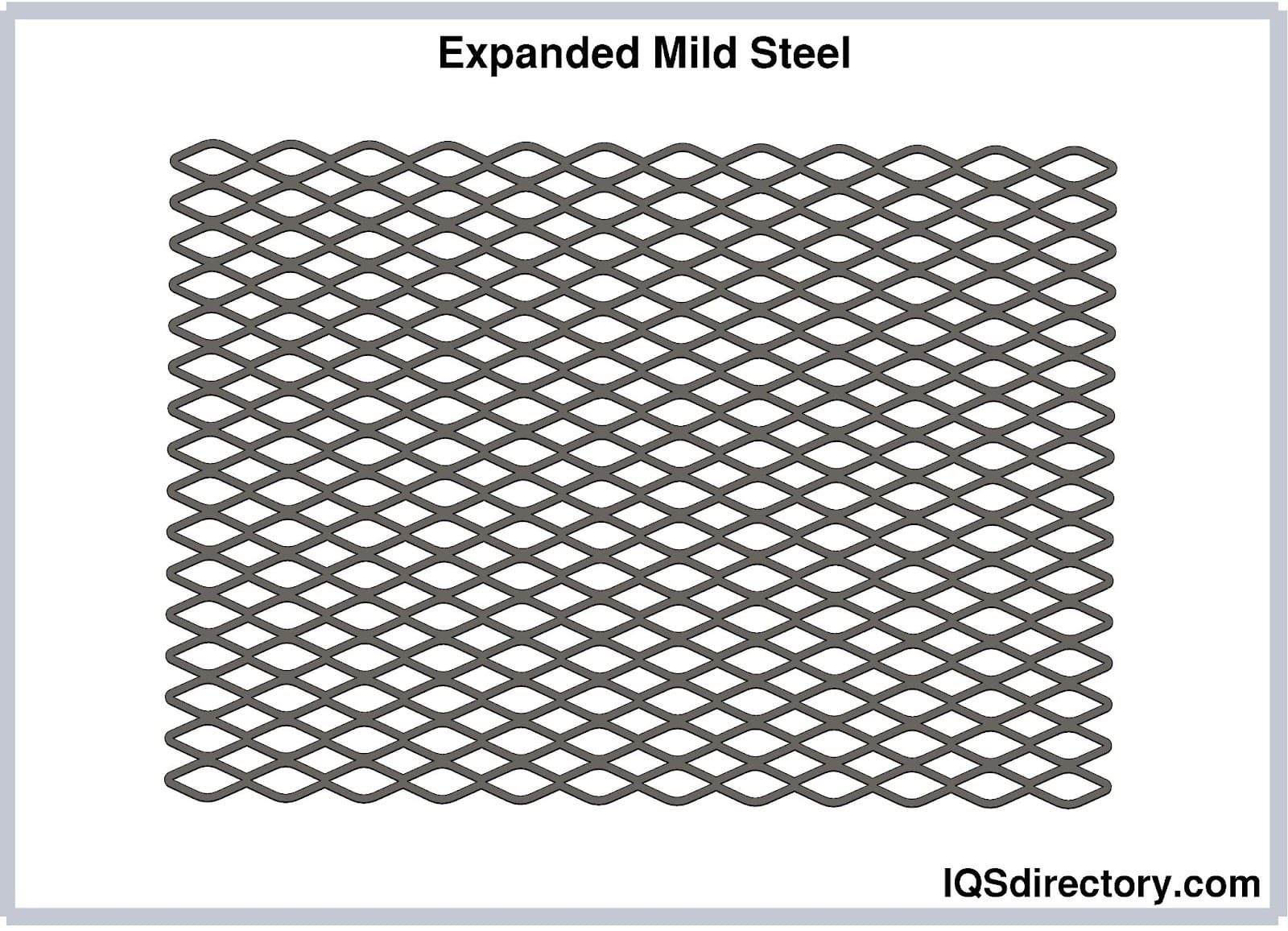 Malleable metals can be expanded, however many are not viably for industrial scale. Steel is the most common with it high strength and is cost-effective.
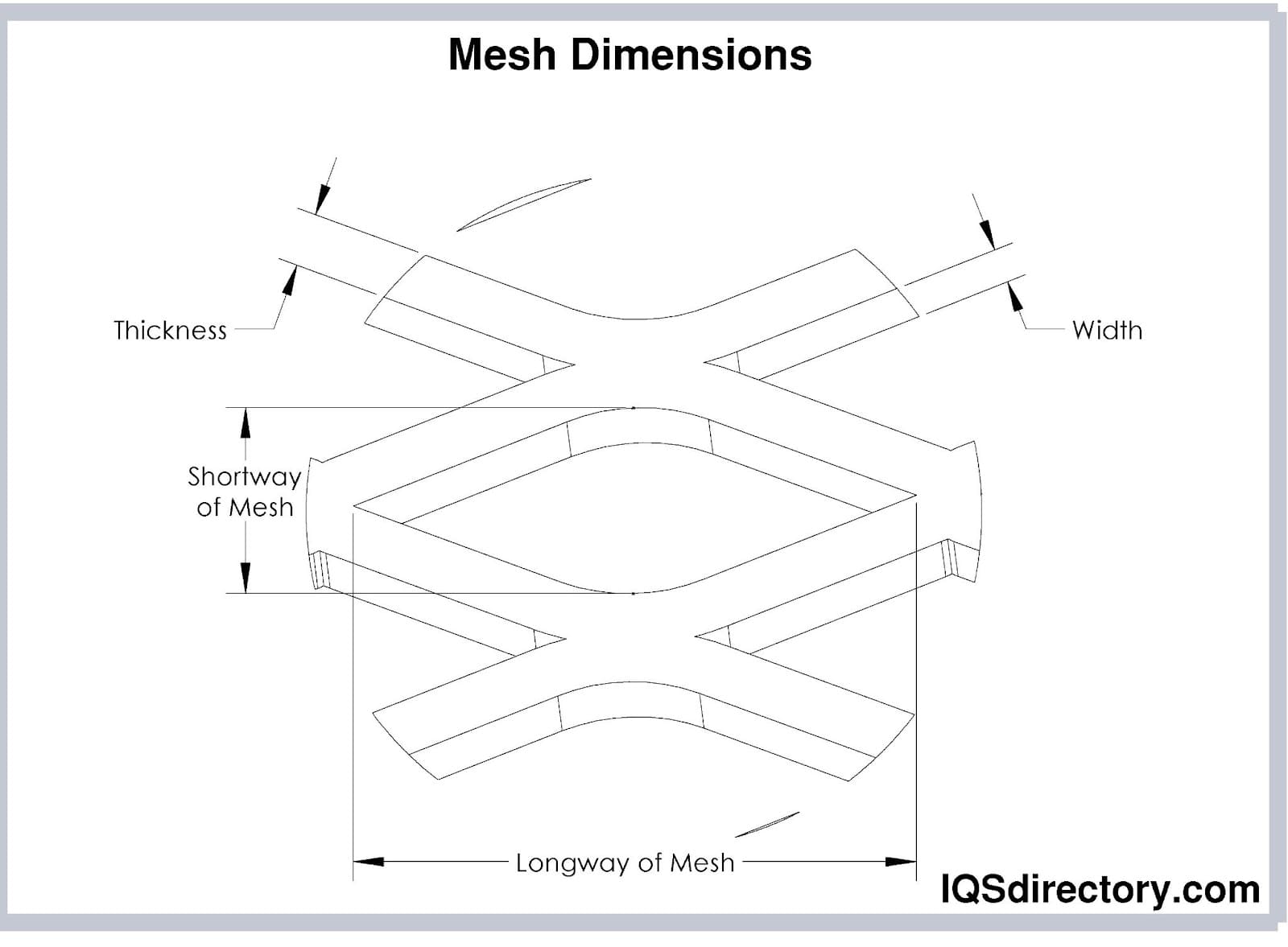 Dimensions of the mesh must include the total area, thickness, and the size of the cut for the mesh.
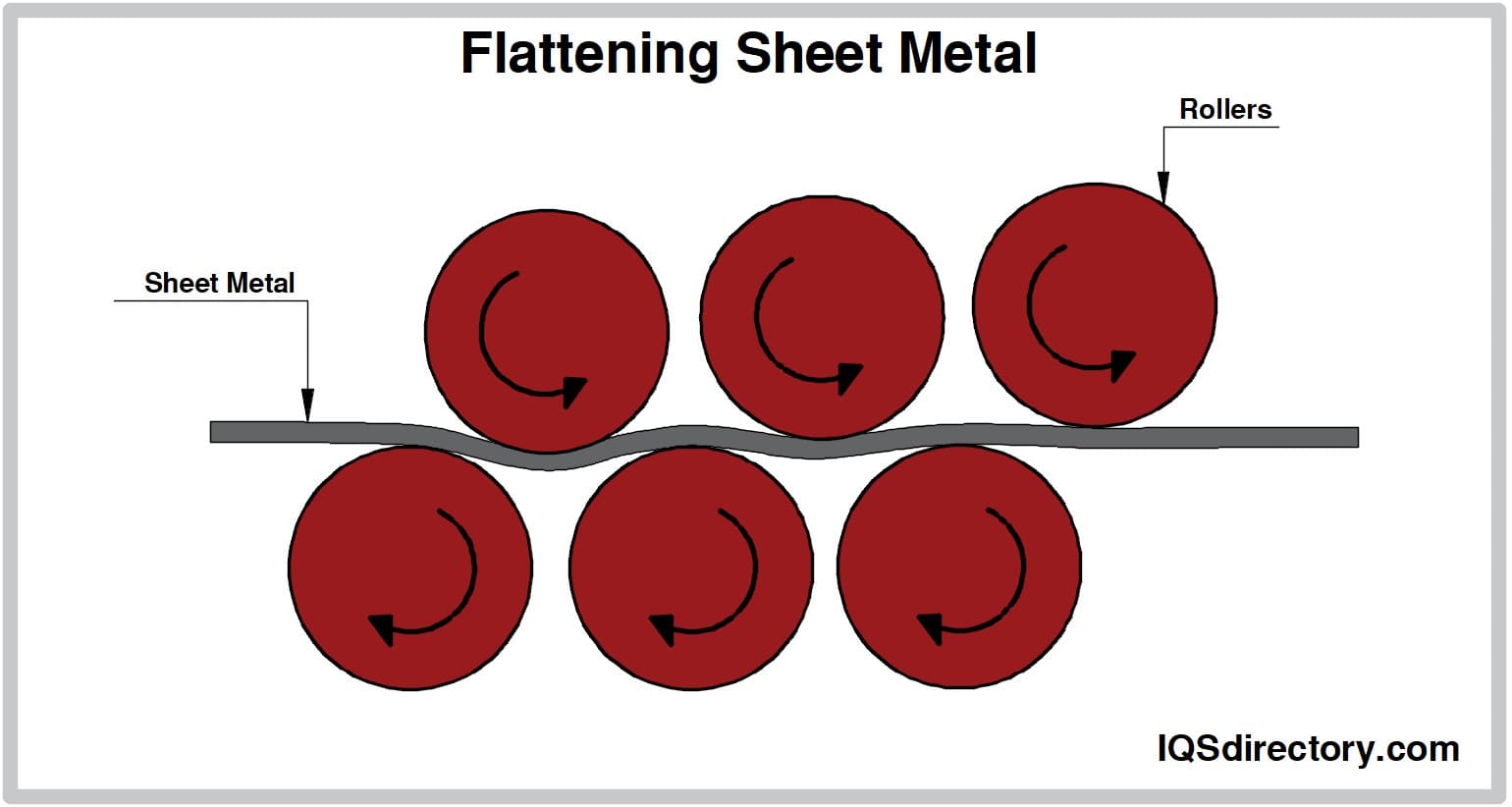 This process gives the expanded metal a flat surface finish, where such is desirable, which leaves a ridged surface or a rippled finish on the expanded metal.
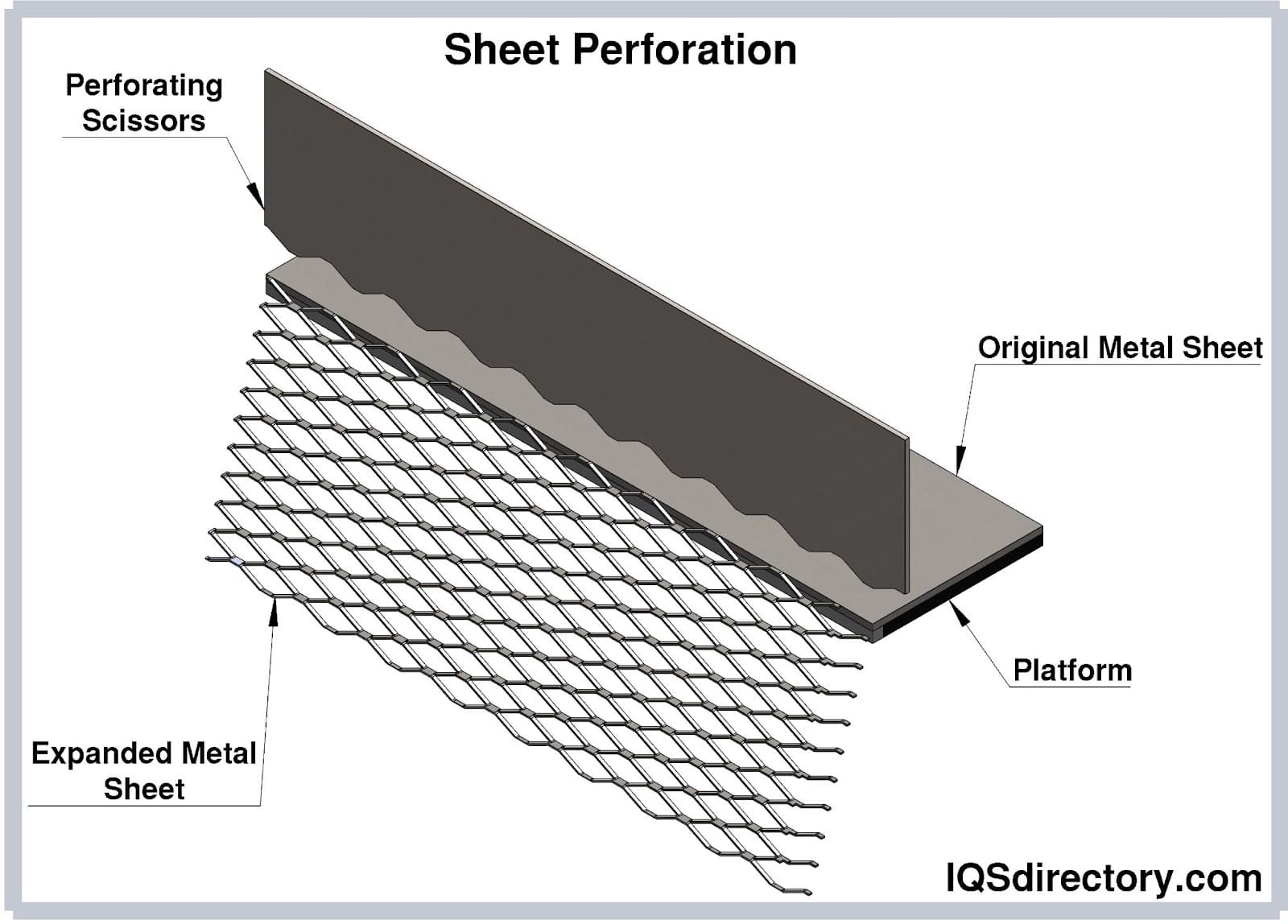 The thickness of the strands influences the percentage of open spaces on the metal sheet.
-
Copper Expanded Metal
A sheet or plate made of copper or its alloys, such as brass or bronze, which is simultaneously slit and stretched to create an open framework of solid construction. Copper expanded metal is often chosen for conductivity, decorative appearance, weathering characteristics, and specialized shielding or screening applications.
Expanded Aluminum
Created when aluminum sheets or plates undergo a machining process where they are cut and stretched simultaneously, resulting in an open grid structure of the silvery-white metal. Expanded aluminum is popular where corrosion resistance, lighter weight, and good visual appeal are valued for screens, panels, walkways, and architectural work.
Decorative Expanded Metal
Available in various mesh patterns beyond the standard diamond shape, and can also be produced using more decorative metals like copper or silver. Decorative expanded metal is commonly specified for facades, privacy screens, partitions, ceiling features, gates, and interior design elements where texture and light control matter.
Expanded Metal Fence
A type of fencing made from expanded metal, offering strength, safety, durability, and aesthetic appeal not commonly found in other fencing types. It is often used where physical security, visibility, airflow, and impact resistance all need to work together.
Expanded Metal Mesh Grating
Used for walkways and platforms designed for pedestrian foot traffic. This style is often chosen for catwalks, maintenance routes, mezzanines, bridges, and equipment access points where drainage, traction, and open area are helpful.
Expanded Metal Mesh
Used when smaller openings are required, such as in filters. It can also be useful in guards, screens, vents, speaker covers, and light-control panels where fine openings improve containment or appearance.
Expanded Metal Products
Include all items made from or with components of metallic elements or alloys that undergo a machining process known as expansion, which simultaneously cuts and stretches the material. This category covers everything from industrial grating and screening to guards, decorative panels, shelving, and fabricated assemblies.
Expanded Metal Screens
Composed of a surface of light gauge sheet metal that has been slit and stretched to create a uniform pattern of small openings. Expanded metal screens are commonly used for guards, vents, enclosures, machine protection, and architectural screening.
Expanded Metal Sheets
A framework of interlinked bars forming a uniform pattern of open spaces, created through the simultaneous cutting and stretching of alloyed metal plates. These sheets are widely used as raw material for fabrication shops, OEM components, barriers, grates, and custom cut panels.
Expanded Steel
Available in various strengths and used in applications ranging from walkways and fencing to corner netting for plaster and drywall. Expanded steel is often chosen when high strength, durability, and cost efficiency are the top priorities.
Flattened Expanded Metal
Cold-rolled after expansion to create a smooth, flat, and level sheet. The metal’s thickness is reduced by up to ten percent during this process. Flattened sheets are often preferred when a lower profile or more refined surface is needed for design, handling, or fabrication reasons.
Mini Mesh Expanded Metal
Features very small openings compared to other types of expanded metal or mesh. Mini mesh is often useful for fine filtration, shielding, speaker covers, air movement panels, and detailed decorative or technical applications.
Stainless Steel Expanded Metal
A highly corrosion-resistant sheet, mesh, or grate, solidly constructed for use in environments involving volatile chemicals or requiring hygienic cleaning. It is commonly specified for food processing, chemical handling, washdown areas, and corrosive outdoor environments.
Titanium Expanded Metal
A framework of interlinked bars with uniformly patterned open spaces, made from titanium, a material known for its exceptional strength and durability. Titanium expanded metal is useful in high-performance applications where strength-to-weight ratio and corrosion resistance are major decision factors.
Unflattened Expanded Metal
Comes directly from the press with a raised pattern. The strands and bonds are set at a uniform angle to the sheet's plane. Raised expanded metal is often preferred for anti-slip traction in industrial flooring and access applications.
Expanded metals serve a wide range of purposes, including filtering light, air, water, materials, sound, and even the view. They are commonly used for decking, fencing, screening, lath, and decorative applications. Expanded metal can be crafted from various materials, such as aluminum, steel, mild steel, carbon steel, stainless steel, copper, or even plastics. Additionally, different finishes can be applied based on the desired design. This wide material range helps buyers choose products based on corrosion resistance, conductivity, strength, appearance, cleanability, cost, and fabrication needs.
Expanded metal offers a versatile and cost-effective fabrication option for numerous projects and can be found in many everyday applications. Common uses include fences, vents, grating, and filters. PVC-coated mesh is often used in public spaces for picnic tables, playground equipment, seating, barriers, and partitions. As architectural screening, it maintains airflow and light penetration while providing visual interest or camouflage through variations in the mesh pattern, surface shape, and finish. In commercial and industrial settings, expanded metal is also useful for machine guards, safety barriers, partitions, cabinet inserts, protective screens, equipment enclosures, and storage systems that need open visibility without giving up strength.
Historically, expanded metal has been used as metal lath for plaster and stucco underlayment. Engineers have also recognized its benefits in commercial construction, where it serves as a lightweight outer skin. This approach reduces energy costs, lowers exterior maintenance, and allows for the creation of aesthetically appealing, multi-dimensional exteriors. Decorative cladding, sunshades, façade wraps, parking structure screens, and privacy panels remain popular modern applications because expanded metal can combine visual impact with ventilation and durability.
Expanded metal products also provide excellent non-skid, aerated, drained, or raised flooring, making them ideal for decking on walkways and bridges. It is commonly found on catwalks and stair treads for maintenance access to buildings like grain silos , wind, water, and radio towers. Raised mesh is especially useful when facilities need traction, drainage, and debris pass-through in one surface.
In industrial settings, expanded metals are used to build cages, shelves, lockers, cabinets, storage units, and safety barriers. These products are known for being strong, lightweight, durable, fireproof, transparent, and easy to maintain. For operations managers and fabricators, that combination can make expanded metal attractive for both permanent installations and custom shop-built structures.
Heavy-duty metal grates or fences offer greater strength than wire mesh barriers and can be custom fabricated to fit various configurations, providing enhanced safety and security. Metal grating is also used in sorting mixed materials, such as ore, or filtering debris, as seen in storm drains. This makes expanded metal useful not just as a structural mesh, but also as a practical screening medium in municipal, mining, processing, and environmental applications.
Artists use expanded metals to create airy, lightweight sculptures or as a base for projects involving papier-mâché, plaster, clay, metal, or wax. The flexibility of the mesh saves material, reduces waste, and often cuts down on time and costs. Creative and display-oriented uses continue to grow because expanded metal can be both functional and visually distinctive.
Expanded copper, being electrically conductive, is ideal for forming Faraday cages to protect against lightning and shield from Radio Frequency Interference (RFI). It is used in spark arrestors for chimney caps and can also deter garden pests, as slugs and snails dislike its texture. Rodents cannot chew through it, and birds struggle to peck large holes in the material. These niche applications show how expanded metal can solve both industrial and everyday screening problems.
Micro-mesh expanded foils are made from lighter gauge metal sheets with tiny slits, resulting in small openings suitable for filtration systems . These foils are flattened into thin, polished sheets that can be used for air or liquid filtration, acoustic screening panels, speaker covers, and soundproofing. They also provide ventilation while maintaining visual privacy. These micro-mesh foils are typically made from stainless steel, brass, or aluminum. Their small opening sizes make them useful where a balance of airflow and fine containment is needed.
Micro-mesh foils made from premium metals like titanium, niobium, zirconium, and platinum are used in applications such as fuel cells, hydrogen and oxygen generation, and batteries. These foils are extremely thin, with material thicknesses as small as 0.001 microns. In those advanced applications, expanded metal can support high-performance electrochemical and filtration roles that go far beyond traditional fencing or grating uses.
Most hardware stores, hobby and craft stores, and some department stores offer a limited selection of standardized expanded products. These might be sufficient for simple tasks, such as blocking a hole to prevent mice from entering or creating a cage around a prized plant. However, for larger projects that require structural integrity, scientific precision, or high security, it's best to consult a specialized manufacturer. Expanded metal selection can change significantly depending on load requirements, opening size, strand width, material thickness, corrosion exposure, finish, and whether the application is decorative, industrial, architectural, or safety-related.
Many applications require adherence to specific standards, such as ASTM, ANSI, or FDA regulations. It's important to understand any relevant regulations that apply to the intended use of the material. A skilled manufacturer with an experienced design team can assist in determining the best materials for the job and provide informed recommendations. Buyers comparing options often ask about flattened versus raised mesh, indoor versus outdoor service, corrosion resistance, finish options, and how much open area is needed for airflow, drainage, filtration, or visibility.
The design team will help select the appropriate metal, plate or sheet thickness, hole size, and configuration to ensure maximum effectiveness and efficiency for the project. They will take the time to understand the client's needs and project scope, ensuring timely delivery of high-quality products at a reasonable cost. Additionally, they will stand behind their products and services, ensuring customer satisfaction throughout the entire process. For demanding jobs, custom fabrication, cut-to-size panels, finishing treatments, framing options, and application-specific engineering support can make a major difference in final performance and long-term value.