Water Jet Cutting
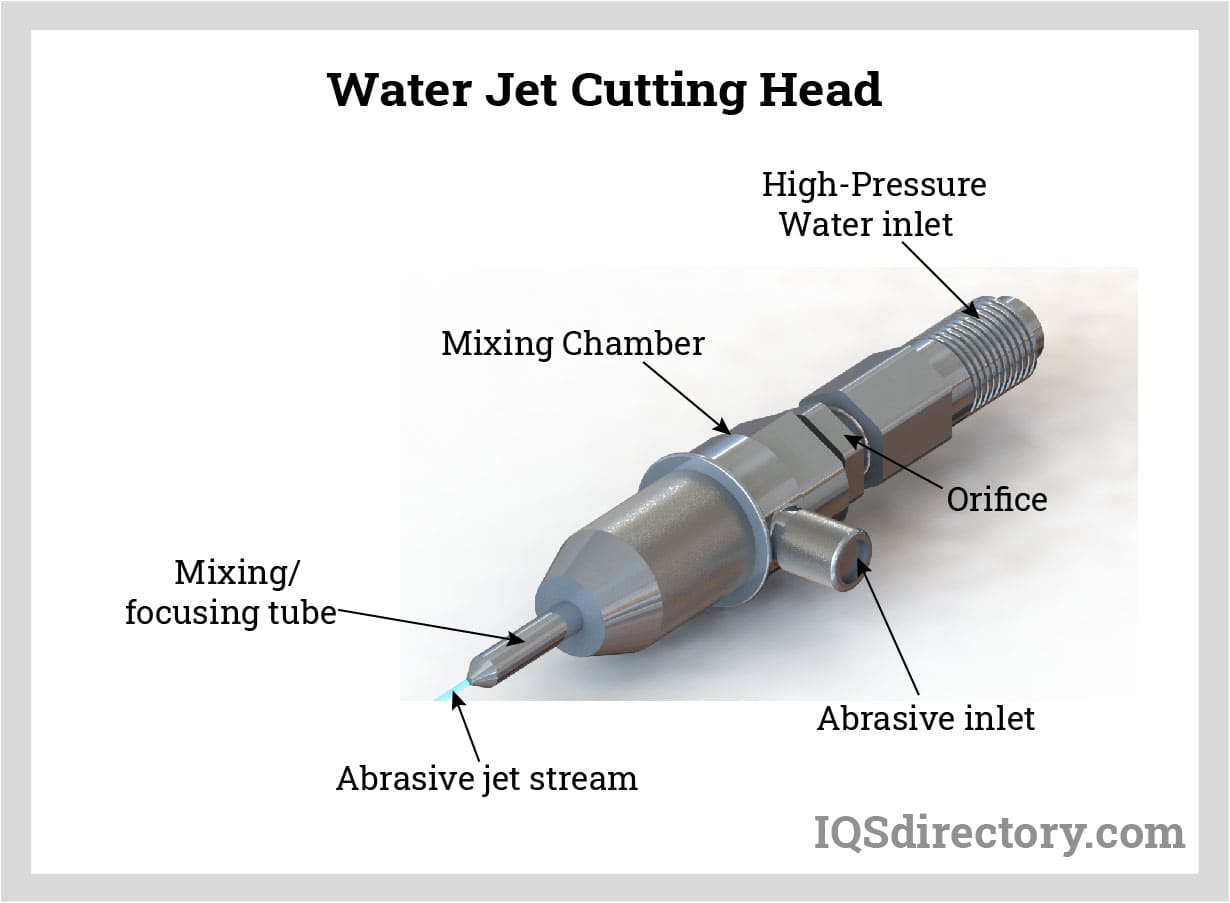
Water jet cutting uses ultra-high pressure water streams to slice tough materials accurately...
Looking to find and compare laser cutting service providers? See our Laser Cutting Services Directory to request free quotes from top manufacturers. This page covers technical specifications and process details.
This article contains comprehensive information about laser cutting and laser drilling. Read further to learn more about:
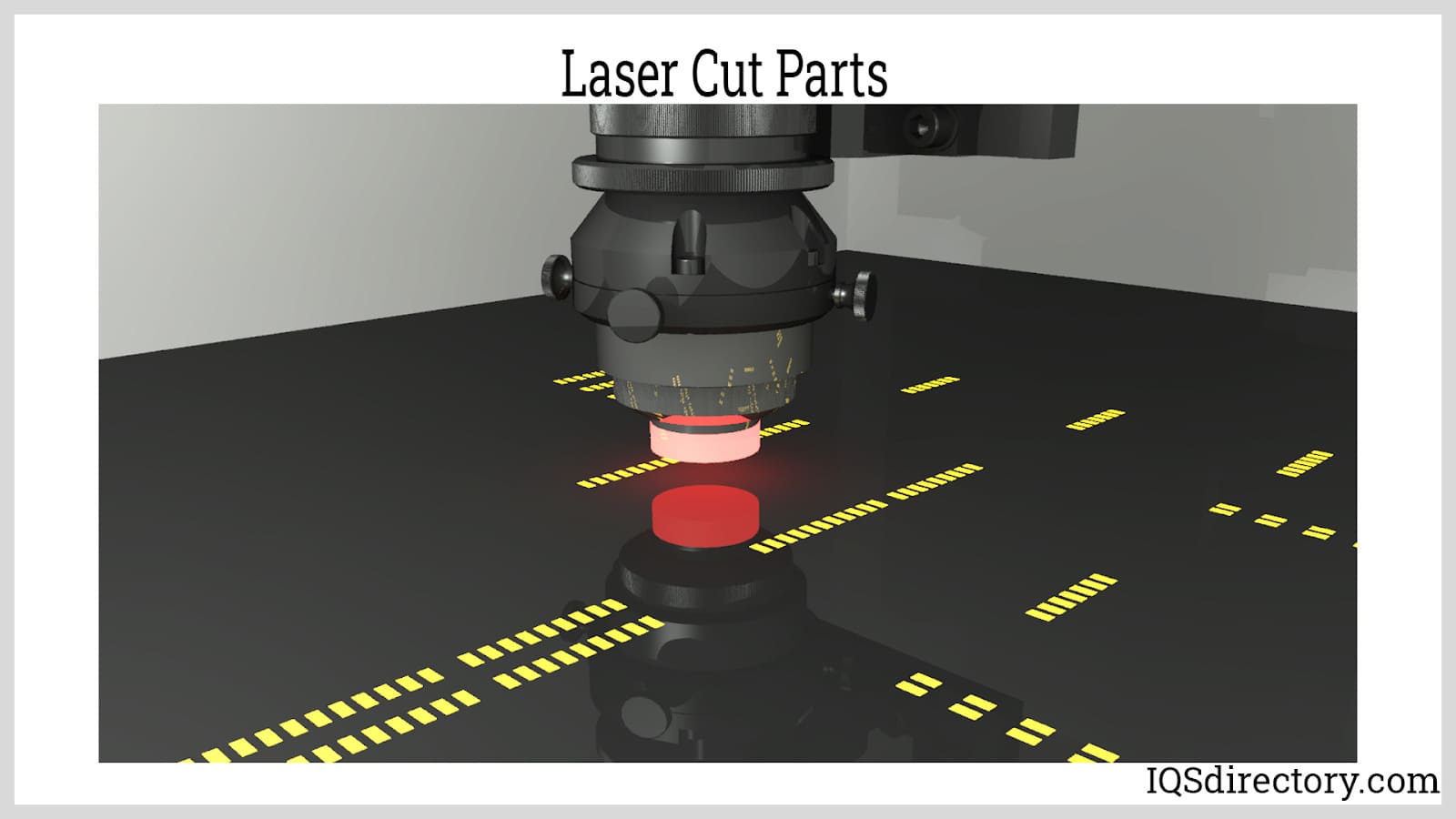
Laser cutting is an advanced manufacturing process that uses a highly concentrated, coherent beam of light to slice materials with exceptional precision. This subtractive fabrication method is widely used for cutting metal, sheet metal, paper, wood, acrylic, plastics, and other engineered materials. Depending on the application, laser cutting works by removing material through vaporization, melting, chemical ablation, or controlled crack propagation, making it a versatile solution for both prototyping and production. By employing laser optics powered by Computer Numerical Control (CNC), the technology can produce intricate parts, clean edges, and holes as small as 5 microns (µ). One of the standout advantages of this process is the lack of residual stresses on the workpiece, helping preserve part integrity and making laser cutting suitable for delicate, brittle, and high-precision components.
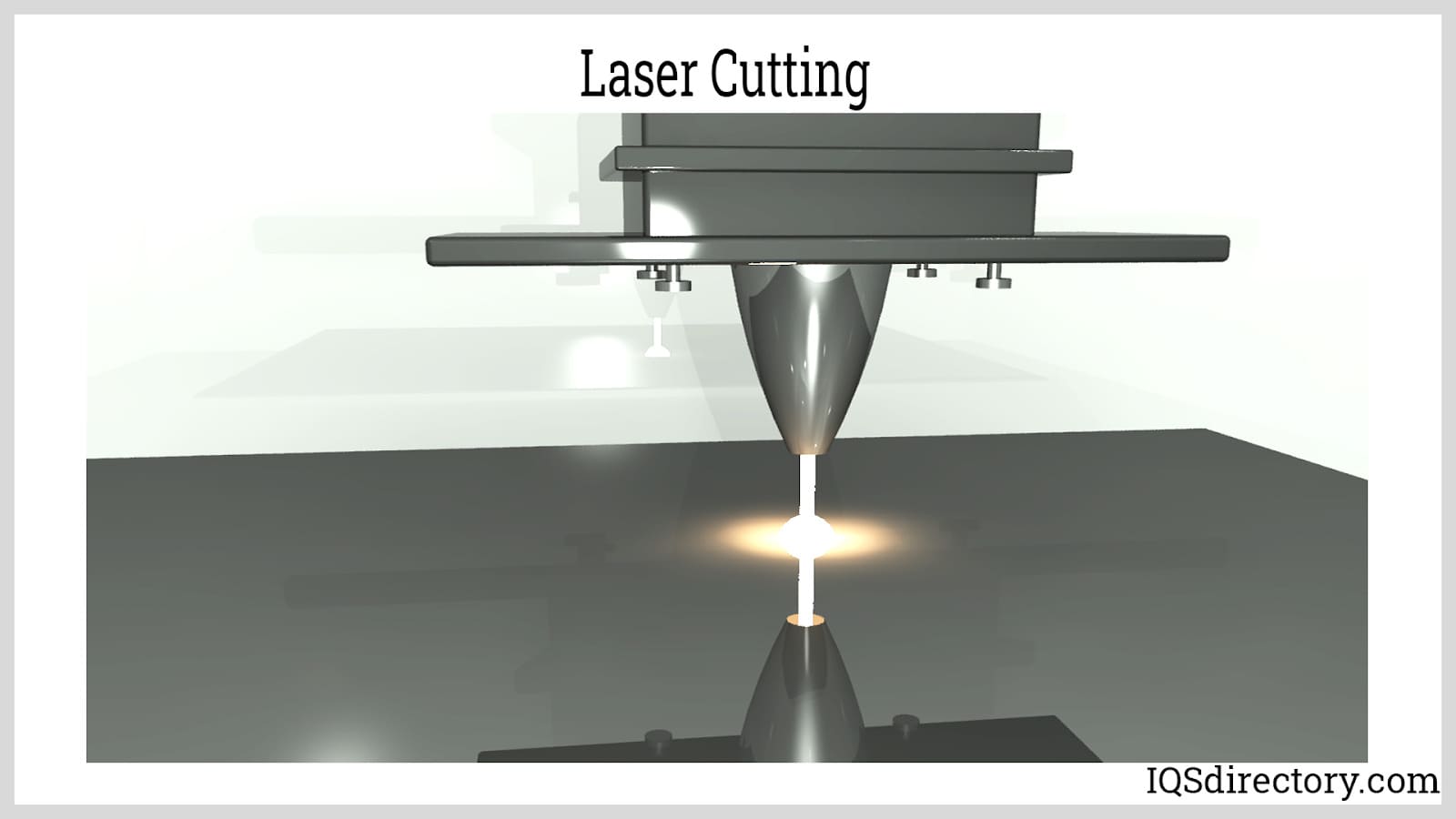
Various techniques are employed in laser drilling and laser cutting, including single-shot, percussion, trepanning, and helical methods. While single-shot and percussion drilling excel in rapid hole production and high-throughput fabrication, trepanning and helical techniques are renowned for their accuracy, tighter tolerances, and the superior edge quality they generate. These methods are often evaluated based on cut quality, kerf width, heat-affected zone, repeatability, and the ability to maintain dimensional consistency across complex designs.
Characterized as a non-contact method, laser cutting allows for processing without direct physical interaction with the material, which reduces tool wear, minimizes contamination, and supports cleaner finishes. This process is especially effective for crafting high-strength or brittle items, such as diamond tools and refractory ceramics, as well as aerospace components, medical devices, electronics, and custom industrial parts. First introduced in 1965, laser cutting initially served for drilling diamond dies and later expanded to cutting robust alloys and metals, like titanium, particularly in aerospace applications. Today, the versatility of laser cutting is evident as it is widely applied across fabrication, manufacturing, and precision engineering for a diverse range of materials, including polymers, semiconductors, gems, and metallic alloys.
Laser stands for "light amplification by stimulated emission of radiation." In modern manufacturing, laser technology plays a pivotal role in precision cutting, metal fabrication, and rapid prototyping. In addition to metal cutting, lasers are employed for wide-ranging industrial applications—including joining, heat treating, quality control inspection, engraving, and freeform manufacturing. Unlike other laser machining processes, laser cutting demands higher power densities but involves shorter interaction times, resulting in clean, accurate cuts for materials like stainless steel, aluminum, plastics, and composites.
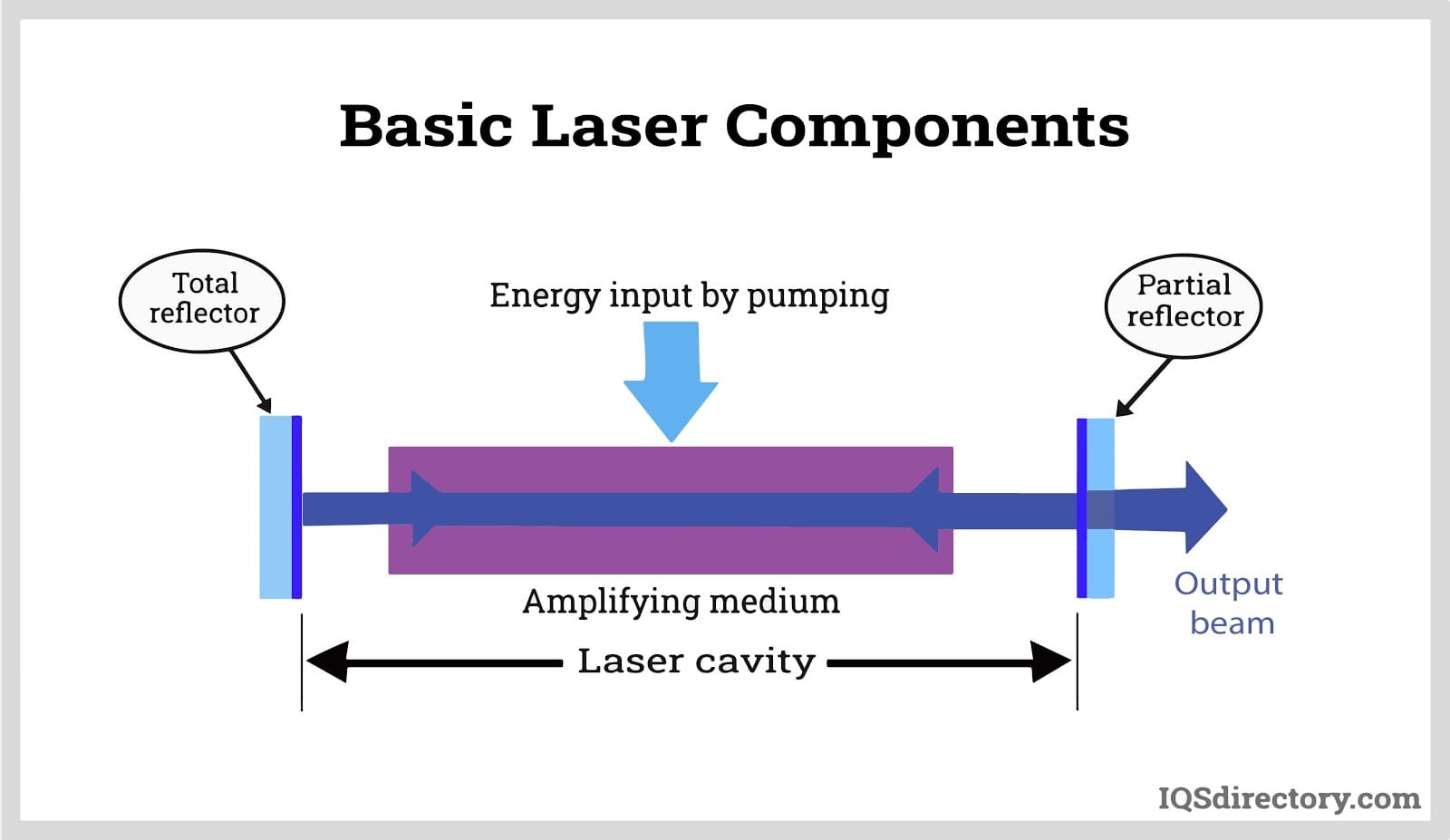
Lasers are produced by a high-intensity light source inside a reflective cavity, which houses a laser rod responsible for generating radiation. The light source stimulates the atoms in the laser rod, causing them to absorb specific wavelengths of light. Light is made up of photons, which energize the atoms in the laser rod. These energized atoms then emit two additional photons—each matching the wavelength, direction, and phase of the original photon—in a process known as stimulated emission. This creates a cascade of photon production as new photons stimulate further energized atoms, resulting in a highly concentrated, coherent light source ideal for precision laser cutting applications.
The photons travel between parallel mirrors located at either end of the laser rod, remaining confined within the rod. One mirror is partially transmissive, allowing some of the light to escape the cavity. This escaping stream of coherent, monochromatic light forms the laser beam used for cutting various materials. Additional mirrors or fiber optics direct this light into a focusing lens, which narrows the beam to a fine point for high-precision material processing. This focused energy provides the power and accuracy necessary for clean cuts, micro-machining, and high-speed industrial manufacturing.
The three main types of lasers used in industrial laser cutting services are CO₂ lasers, Nd-YAG (Neodymium Yttrium-Aluminum-Garnet) lasers, and fiber-optic lasers. Each laser type utilizes unique lasing media and operational principles to achieve optimal performance across a wide range of materials and thicknesses.
| Laser Type | Medium | Wavelength | Best For | Key Advantages |
|---|---|---|---|---|
| Fiber Laser | Solid-state (Silica glass doped with rare earth) | 780 nm – 2200 nm | Sheet metals, brass, copper, stainless steel | High energy efficiency, low maintenance, high cutting speeds |
| CO₂ Laser | Gas mixture (CO₂, Nitrogen, Helium) | 9.6 µm – 10.6 µm | Non-metals (wood, acrylic, plastics), thick structural metals | Excellent surface finish on thick stock, versatile non-metal processing |
| Crystal (Nd-YAG) | Solid-state (YAG crystal doped with Nd) | 1064 nm | Micro-machining, heavy drilling, precise metal engraving | High intensity peak bursts, suitable for thick/hard materials |
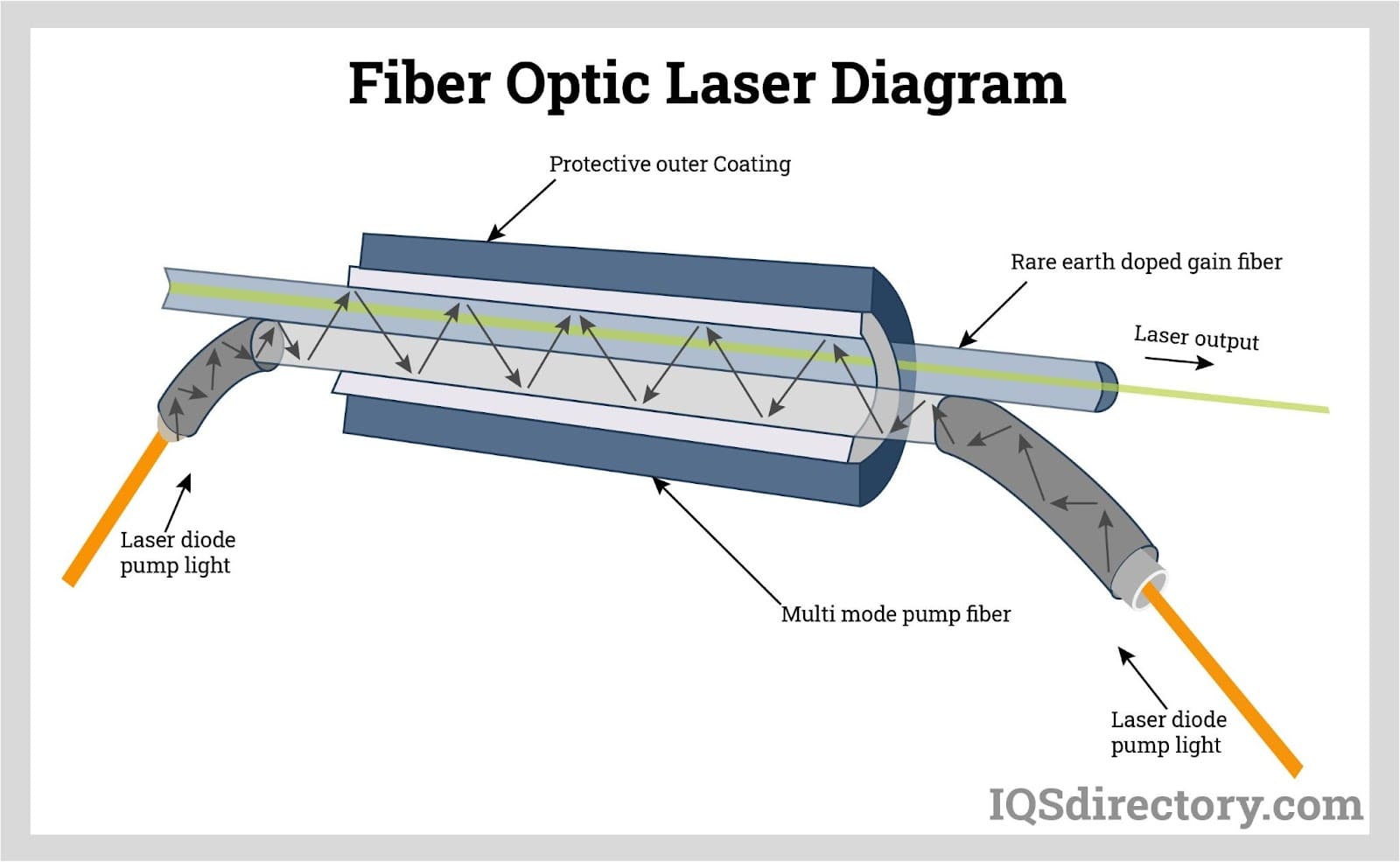
Fiber-optic lasers are the latest and most popular laser types due to their ability to generate multiple wavelengths for greater versatility and precision. These fiber lasers utilize an optical fiber cable made of silica glass doped with rare earth elements to guide and amplify the light beam. The result is a laser beam that is both straighter and smaller in diameter, offering exceptional accuracy for detailed metal cutting, etching, and high-speed automated manufacturing.
Fiber lasers vary according to their laser source mixture, including ytterbium-doped, thulium-doped, and erbium-doped compositions. The selection of doping element is based on application requirements, as each produces a unique wavelength range ideal for specific materials—such as copper, brass, aluminum, and other metals. For example, erbium generates light in the 1528 nm to 1620 nm range, ideal for telecommunications, while ytterbium produces industrial laser light at wavelengths of 1030 nm, 1064 nm, and 1080 nm, frequently used in sheet metal and heavy manufacturing.
Fiber-optic lasers are available in two primary modes: single-mode and multi-mode. Single-mode lasers have a core diameter from 8 µm to 9 µm, producing a tightly focused beam with superior energy density—ideal for micro-machining, electronics manufacturing, and medical device fabrication. Multi-mode lasers feature core diameters between 50 µm and 100 µm, delivering higher total power for thicker or less precise cuts. Among these, single-mode fiber lasers are more efficient, producing a higher quality beam and enabling highly intricate designs.
Classified as solid-state lasers, fiber-optic lasers utilize a silica glass core doped with rare earth elements as their power source, setting them apart from gas lasers like CO₂ lasers, which utilize a gas medium. This innovation enables fiber laser systems to deliver wavelengths from 780 nm to 2200 nm, providing remarkable flexibility for cutting thin sheets, engraving, and marking. In contrast, CO₂ lasers typically operate in the 9600 nm to 10,600 nm wavelength range and excel at cutting organic materials like wood, acrylic, and certain plastics. This functional diversity makes fiber-optic lasers a top choice for sheet metal processing, automotive manufacturing, and electronics assembly.
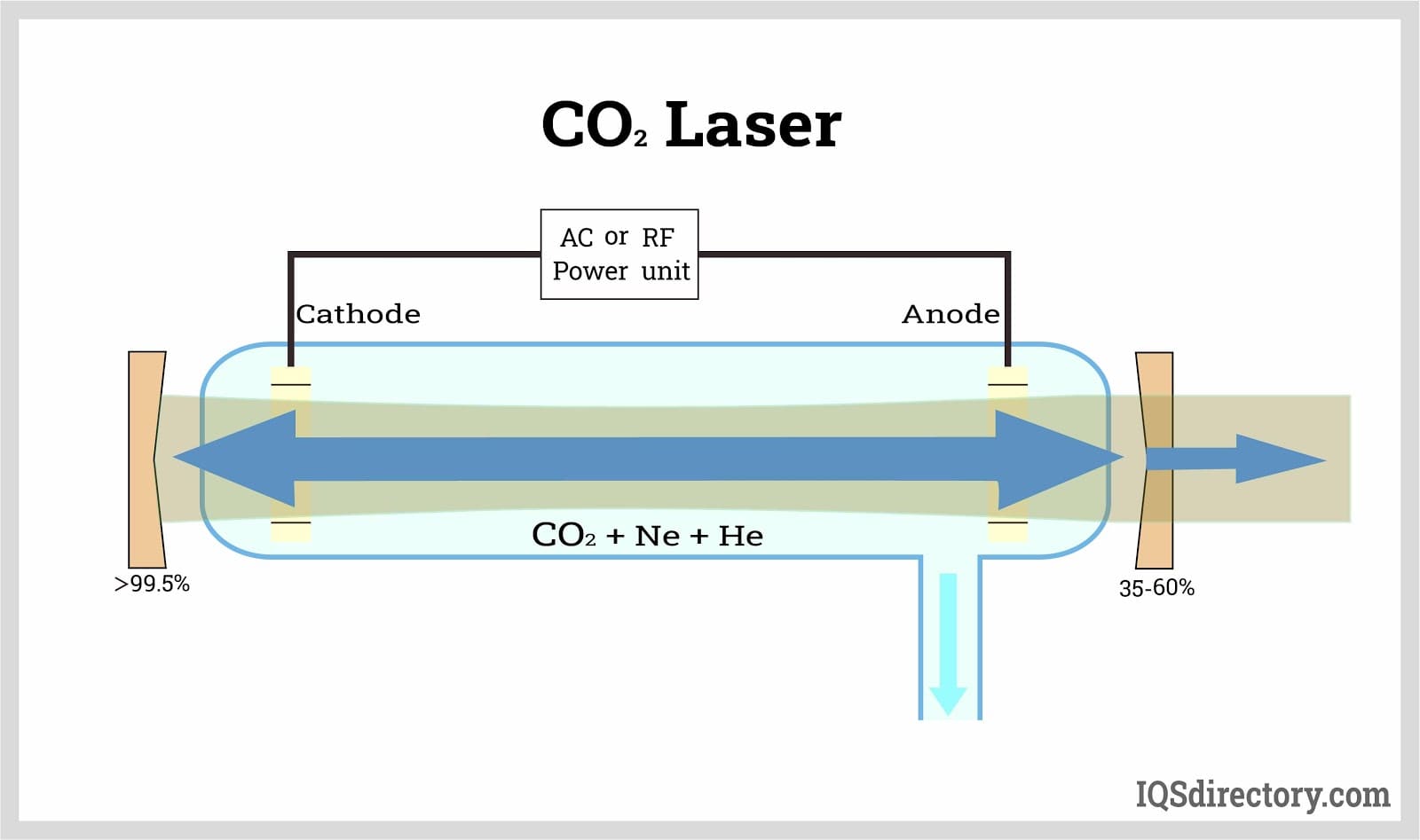
CO₂ lasers remain a cornerstone of laser cutting technology for both general manufacturing and industrial fabrication. These gas lasers use a discharge lasing medium composed of 10–20% carbon dioxide, 10–20% nitrogen, and trace amounts of hydrogen, xenon, and helium. CO₂ lasers differentiate themselves from solid-state lasers by relying on electrical discharge—rather than light pumping—to energize the gas molecules. When an electrical current passes through the lasing medium, nitrogen molecules are excited and transfer their vibrational energy to CO₂ molecules, bringing them to a metastable state. The excited CO₂ molecules then emit powerful infrared light at wavelengths of 10.6 µm or 9.6 µm, ideal for deep material penetration and high-speed industrial cutting.
The resonating mirror system reflects and amplifies these photons, with one mirror designed to allow the exit of the concentrated infrared laser beam, which is then focused for cutting, engraving, or etching. After their energy is released, CO₂ molecules are returned to ground state by transferring residual energy to the helium atoms, which are then cooled by advanced laser cooling systems. CO₂ lasers boast an efficiency of around 30%, higher than many alternative laser types, and are widely used for processing organic materials, thick non-metals, and in large-format laser cutting machines.
Crystal-based lasers, such as ruby and Nd-YAG lasers, belong to the family of solid-state lasers and offer unique advantages in precision cutting and micro-fabrication. Nd-YAG lasers are particularly valued for their capability to produce high-powered bursts of energy, making them indispensable in welding, drilling, medical surgeries, and precision manufacturing. The Nd-YAG laser utilizes a synthetic YAG (Y₃Al₅O₁₂) crystal doped with 1% ionized neodymium (Nd³⁺), where Nd ions substitute for Y ions. The laser rod measures about 4 inches (10 cm) in length and 2.4 to 3.5 inches (6 to 9 cm) in diameter. Both ends are polished and coated for maximum reflectivity, serving as the resonator system required for efficient photon amplification.
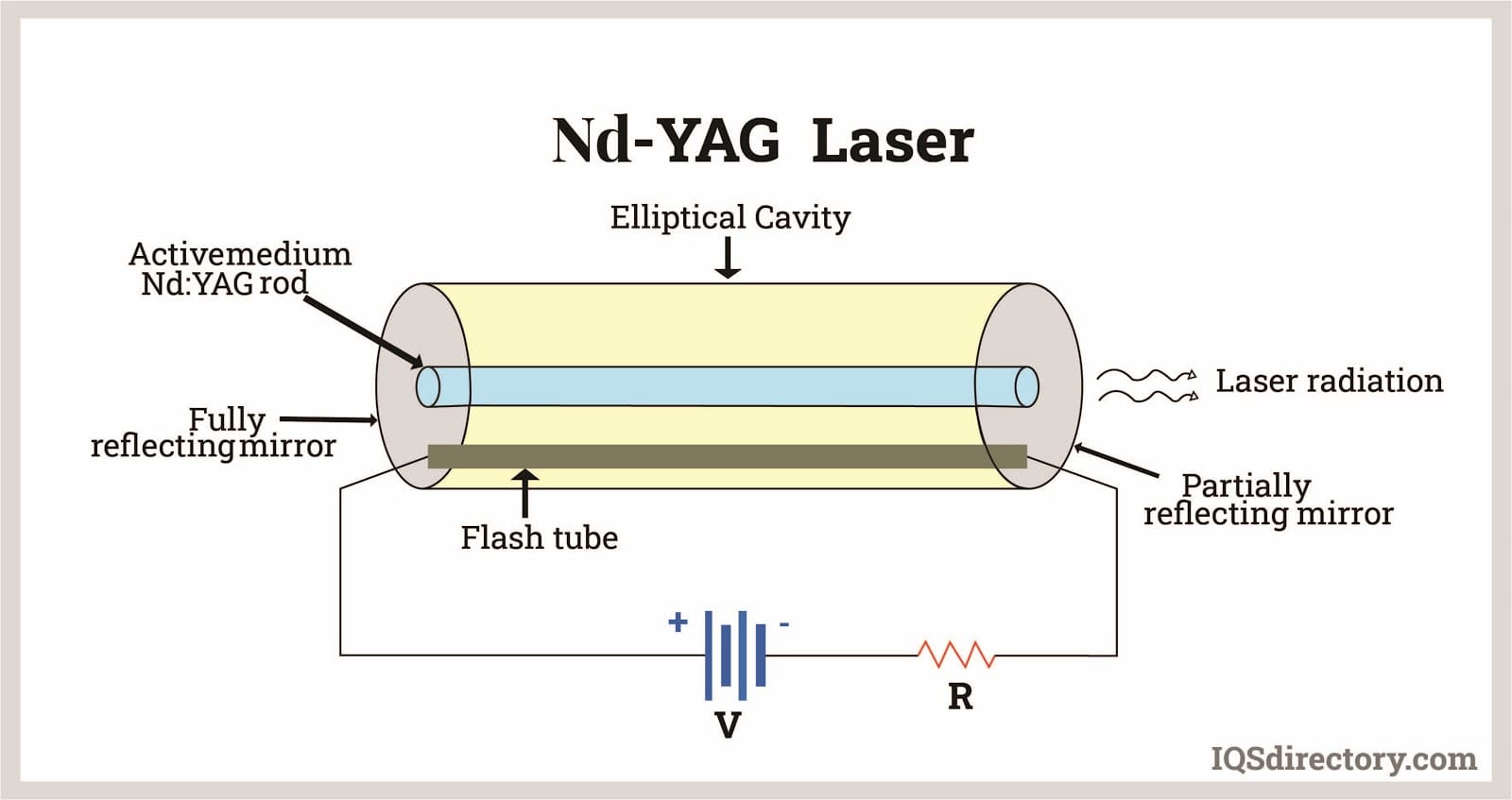
Pumping in Nd-YAG lasers is commonly achieved with krypton flashlamps or laser diodes, which excite the Nd ions to high energy states. These ions then transition to a metastable state before releasing energy as concentrated infrared light (wavelength 1064 nm) during their return to ground state. This process makes Nd-YAG lasers suitable for detailed machining, deep engraving, and even micro-welding of metals and non-metallic substrates.
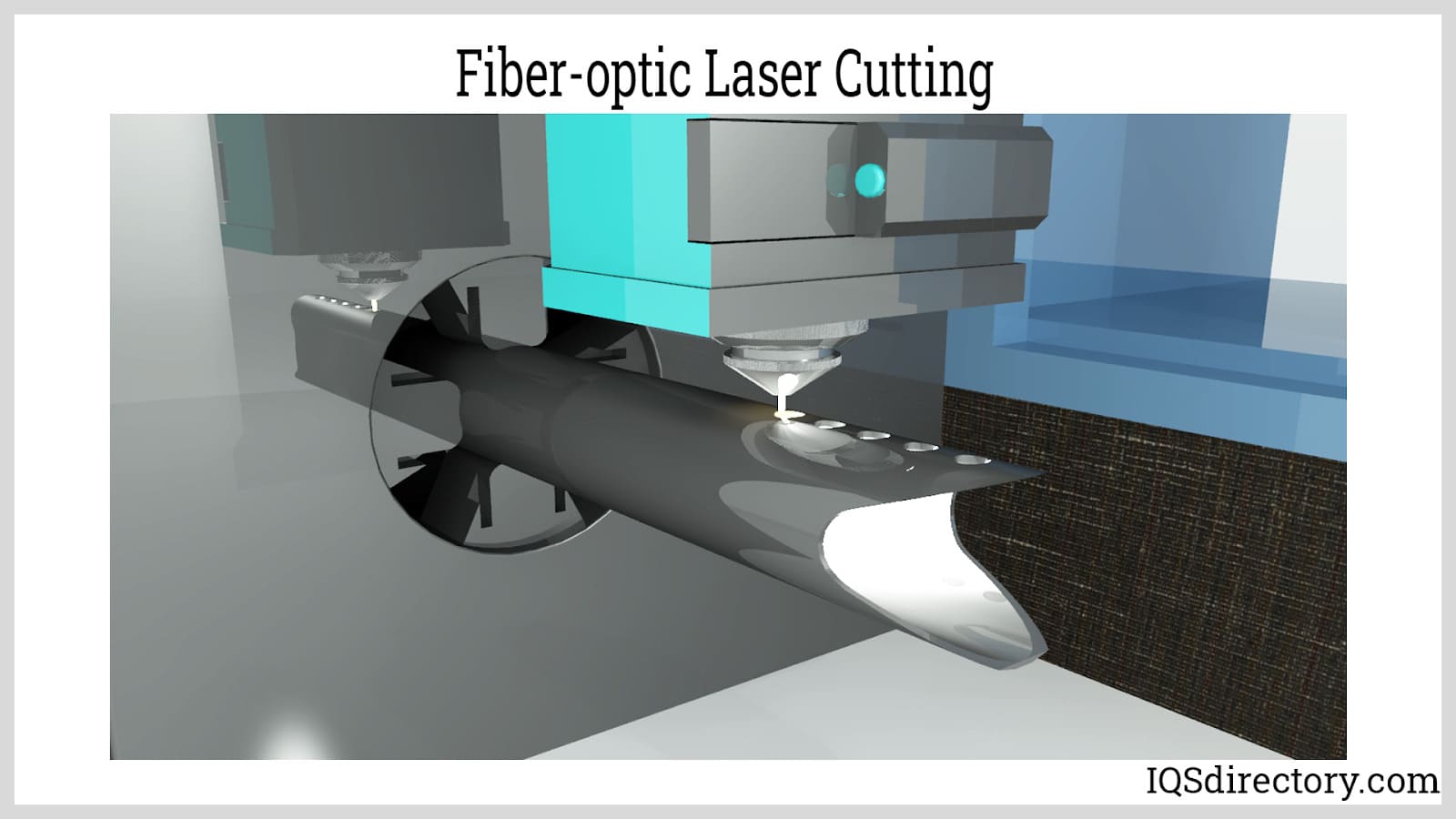
Light traveling through a fiber-optic cable remains exceptionally contained, minimizing energy loss and enabling consistent power delivery. This robust energy transmission enhances cutting stability and productivity, reducing maintenance and increasing uptime in advanced sheet metal laser cutting operations. Fiber-optic laser systems typically require less alignment and maintenance compared to traditional CO₂ or crystal laser machines, making them an excellent choice for automated, high-throughput manufacturing environments.
Furthermore, with their flexibility and energy efficiency, fiber-optic laser cutters are rapidly becoming the preferred option for precision job shops and manufacturers seeking lower operating costs, faster turnaround, and the capacity to process reflective and sensitive materials without surface damage.
Laser cutting utilizes assist gases—such as compressed air, nitrogen, oxygen, or argon—which are injected through the nozzle to significantly enhance the cutting process. These assisting gases can facilitate an exothermic reaction, releasing additional thermal energy that accelerates material separation. Oxygen cuts, for example, generate extra heat that enables faster piercing of thick steel, while nitrogen is preferred for producing oxide-free, high-quality edges on stainless steel, aluminum, and other reactive metals. Assist gases also improve heat transfer, blow away molten material, prevent re-solidification on the cut edge, and maintain cut quality. Selecting the correct assist gas is crucial in precise laser machining, as it affects cut speed, kerf width, and surface finish for applications from aerospace to automotive parts fabrication.
With an optimized combination of laser source, wavelength, assist gas, and operating parameters, industrial laser cutting delivers high precision, fast turnaround, and exceptional edge quality—making it the method of choice for high-tech manufacturing, custom fabrication, and rapid prototyping industries.
The previous chapter explored the various types of lasers based on their beam formation—including different lasing pumps and laser media—laying the foundation for understanding specialized manufacturing techniques. In this section, we turn our focus to the primary laser cutting methods. These advanced fabrication techniques are central to precision machining in industries such as metal fabrication, electronics, automotive, aerospace, and medical device manufacturing. Understanding these methods is crucial for optimizing material processing, achieving high cut quality, and selecting the best laser cutting service for your application. There are four primary methods of laser cutting: sublimating, melting, reacting (reactive), and thermal stress fracturing. We will also discuss Stealth Dicing, a specialized laser wafer dicing technique.
Sublimation is a phase change process where a material transitions directly from a solid to a gaseous state without passing through the liquid phase, similar to how dry ice vaporizes without becoming liquid. In laser cutting, this advanced process is driven by a high-energy laser beam—often from a CO2 or fiber laser—that rapidly heats the workpiece, causing immediate vaporization of the target material with minimal melting. Vaporization laser cutting is especially valued for achieving minimal heat-affected zones and intricate, burr-free cuts in sensitive applications.
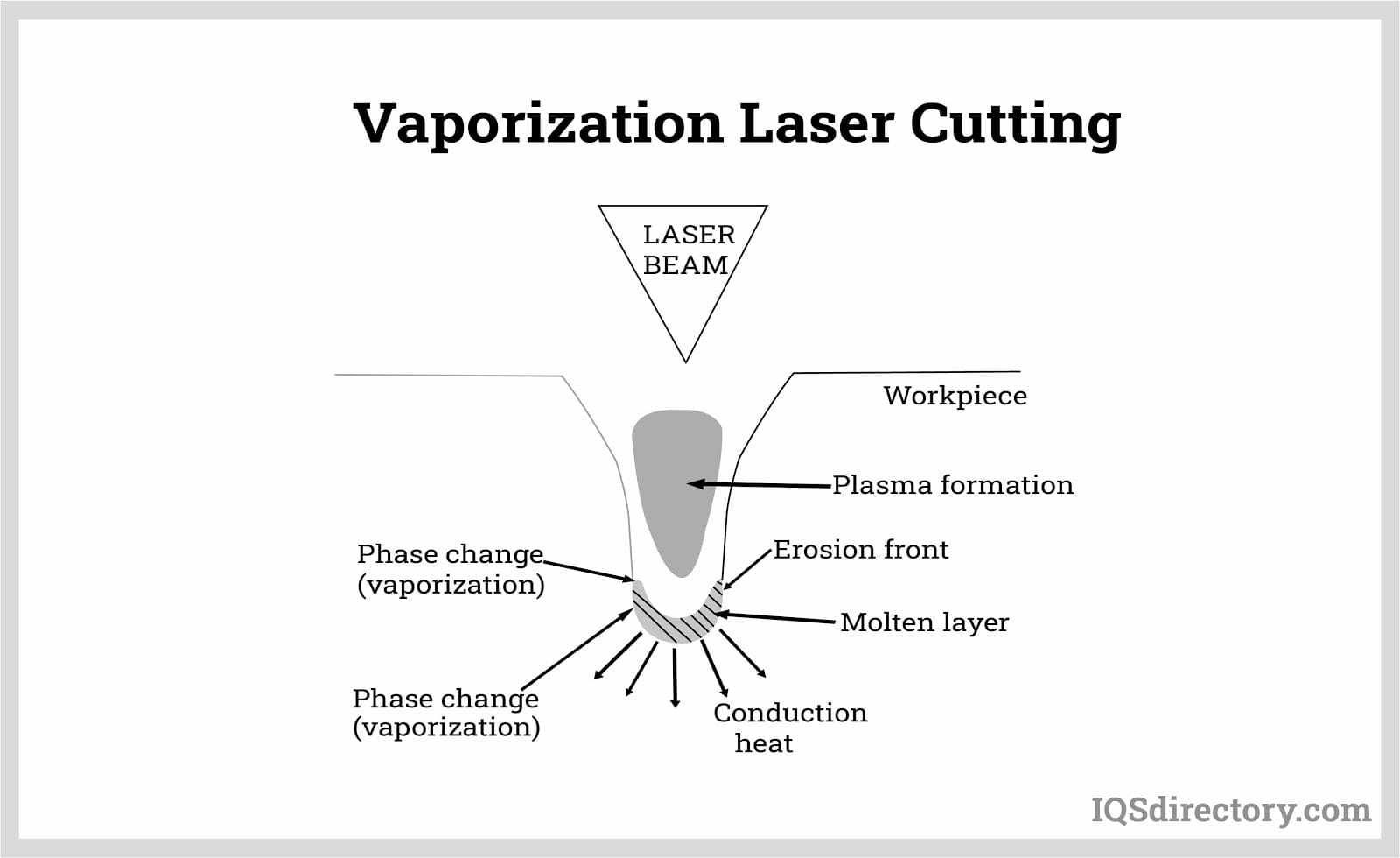
The process begins by forming an initial keyhole or kerf in the material. The localized focus of the laser increases absorptivity, enabling even faster vaporization. This produces a high-pressure jet of vapor, which ejects debris and further deepens the cut. The result is precise, narrow kerfs—critical for applications demanding tight tolerances.
This method is particularly effective for cutting materials with low vaporization energy, such as plastics, textiles, wood, paper, foam, and thin films. Industrial users often choose vaporization cutting for non-metal materials where edge quality, fine detailing, and minimal post-processing are essential.
Unlike sublimation, the laser melting process—also referred to as fusion cutting—requires significantly less energy, roughly one-tenth of what's needed for vaporizing materials. Here, the laser beam heats the substrate until it melts, after which a high-velocity jet of assist gas (such as nitrogen, helium, or argon) blows the molten material from the kerf. These inert gases ensure that the process remains free of chemical reactions, producing oxide-free, clean cuts with tight tolerances and minimal dross.
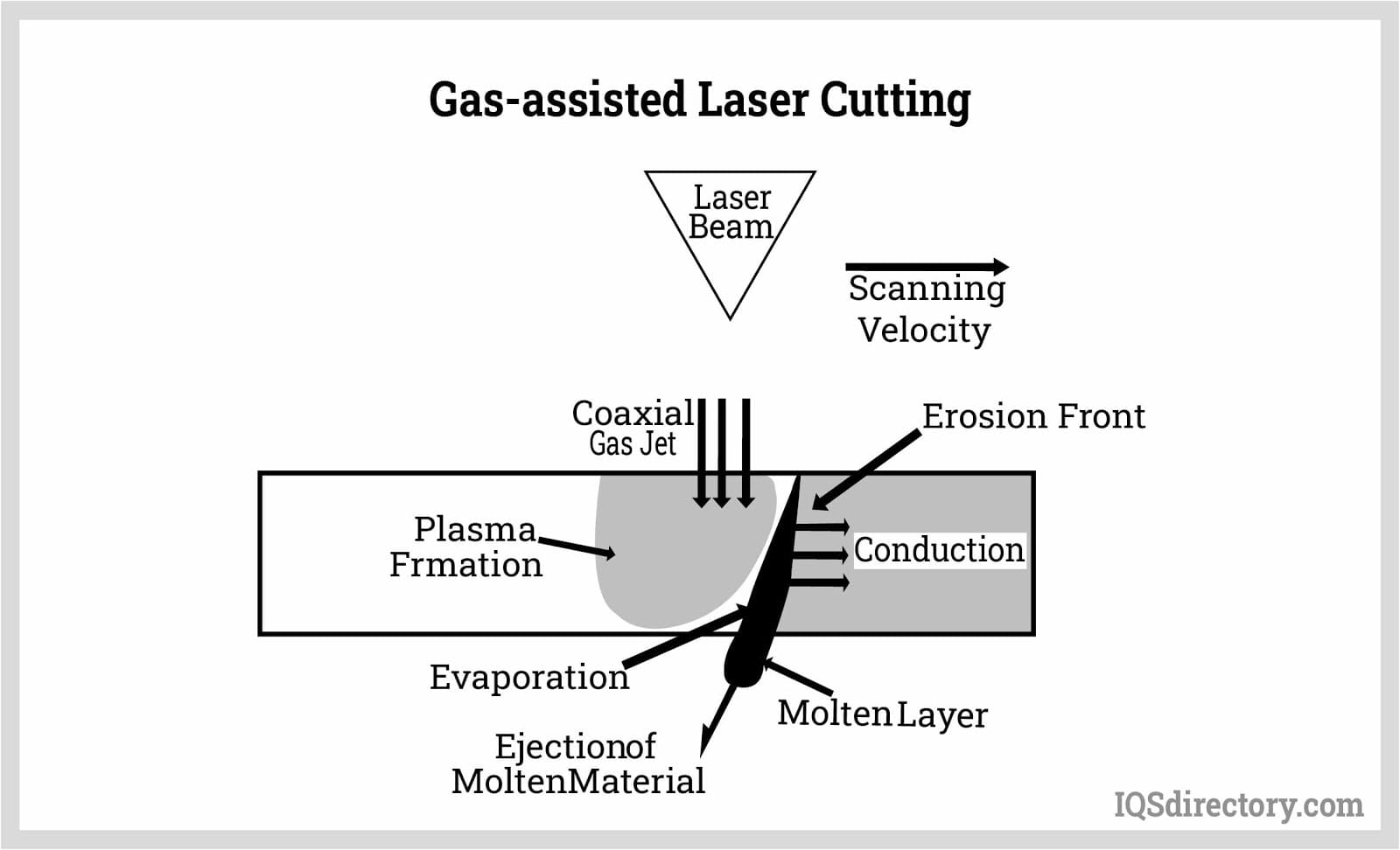
Fusion cutting is ideally suited for non-oxidizing or active metals, including stainless steel, titanium, and aluminum alloys commonly used in aerospace, medical, and electronic enclosures. This method maximizes cutting speed, reduces heat input, and prevents discoloration or warping, making it a top choice for laser CNC machining services seeking high-volume production efficiency and superior part finish.
Advantages: Minimal thermal distortion, excellent edge quality, and the ability to process reflective or thin metals.
Reactive laser cutting, also known as flame cutting or oxygen-assisted cutting, employs a reactive (typically oxygen) gas to amplify the cutting process. The process starts with the laser melting the material. Simultaneously, a stream of pure oxygen is directed through a coaxial nozzle onto the cut zone, where it reacts with the molten metal in an exothermic reaction. The heat generated by this chemical reaction provides about 60% of the total energy required for the cut, significantly boosting cutting speed and efficiency for thicker materials.
Although reactive cutting is energy-efficient and enables higher processing speeds compared to inert gas cutting, it often leaves behind a layer of metal oxide slag or dross on the cut edges. Proper post-cutting processes, such as deburring or surface finishing, are sometimes necessary to achieve optimal part quality.
This technique is widely used for cutting thick carbon steels, titanium steels, and metals that are easily oxidized— industries such as heavy equipment manufacturing and structural fabrication benefit significantly from its speed and cost-effectiveness when laser cutting metal plate and sheet.
Thermal stress fracture, also called controlled crack propagation or laser scribing, utilizes a laser to initiate a keyhole—about one-third of the material's thickness—creating intense, localized heating. The rapid temperature gradients induce compressive and tensile stresses that, upon cooling (sometimes aided by coolants), cause the material to fracture cleanly along the laser's path. This process requires precise control of laser parameters such as power, scanning speed, and pulse duration for optimal results.
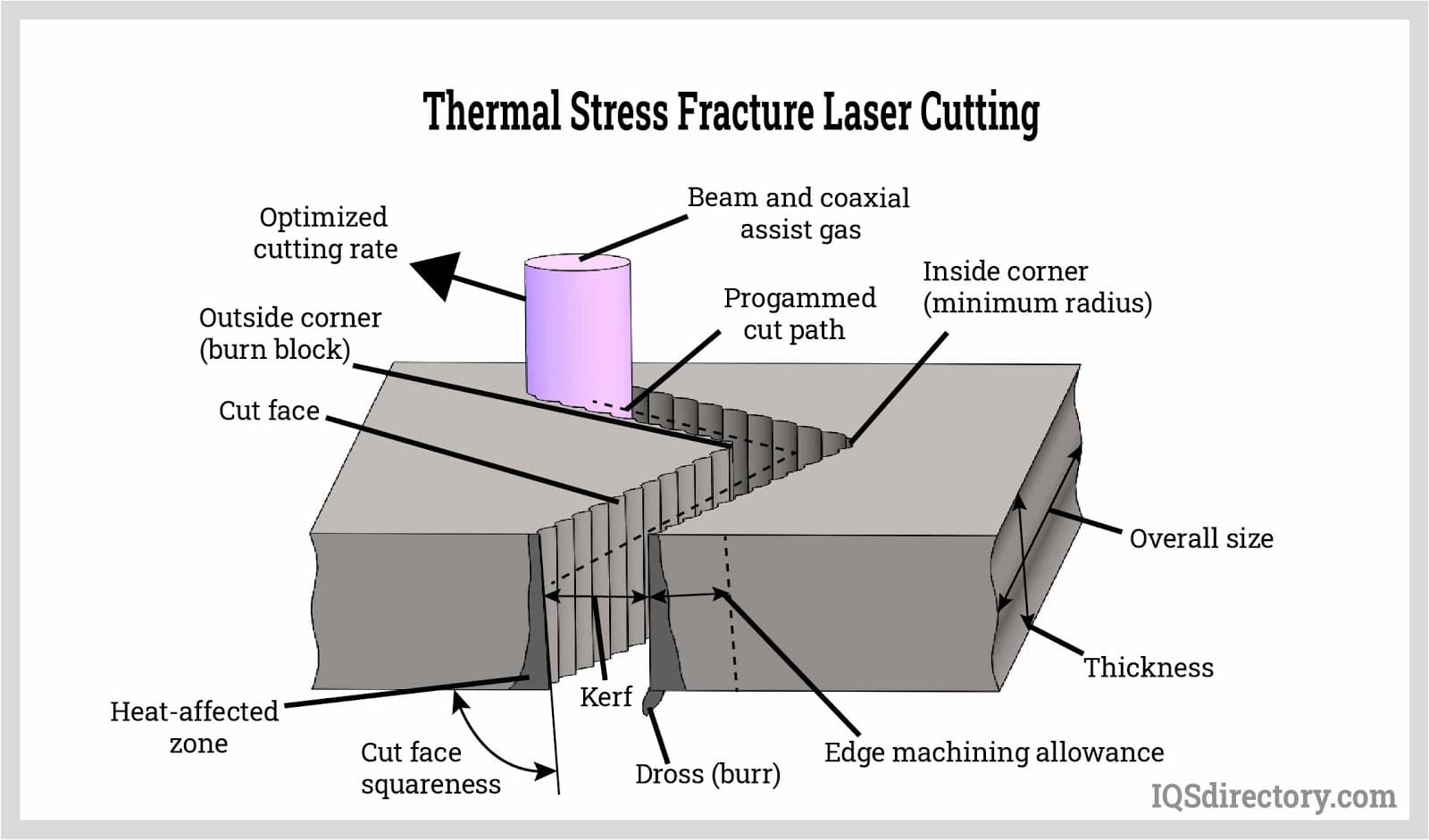
Thermal stress fracture cutting is mostly used with brittle and hard materials, such as glass, ceramics, and certain composite substrates. CO2 lasers are particularly effective, thanks to their infrared wavelength of 10.6 µm, which is well-absorbed by nonmetals. This method is ideal for industries requiring precise cutting of wafers, tabletops, optical components, and microelectronics substrates.
Stealth Dicing is a specialized laser wafer cutting technology, originally introduced by Hamamatsu Photonics, and is frequently used in the microelectronics and MEMS (Micro-Electro-Mechanical Systems) industries. This advanced process forms the initial kerf or scribe line inside the material using a focused, short-pulsed laser beam—commonly a diode-pumped solid-state (DPSS) or UV laser. Stealth Dicing is a dry cutting method, meaning the process produces minimal debris and avoids the molten edges and contamination typical of traditional saw dicing.

Laser cutting is a non-contact process that uses a high-intensity, focused light beam to slice materials. By controlling melting, vaporization, or chemical reactions, it produces precise, stress-free cuts in metals, polymers, wood, and more.
Laser cutting is suitable for metals, plastics, wood, acrylics, ceramics, composites, thin films, diamond tools, semiconductors, and even brittle materials like glass or refractory ceramics.
The primary lasers used are CO₂ lasers, fiber-optic lasers, and Nd-YAG lasers. Each type offers unique advantages based on material, thickness, and desired precision in applications ranging from metal fabrication to medical devices.
Assist gases—such as oxygen, nitrogen, or argon—increase cutting speed, improve edge quality, remove molten materials, and control chemical reactions. Choosing the right assist gas affects cut speed, kerf width, and surface finish.
Core methods include sublimating (vaporizing), melting (fusion cutting), reactive (flame) cutting, thermal stress fracture, and Stealth Dicing. Applications range from aerospace fabrication and microelectronics to rapid prototyping and medical device manufacturing.
Yes. Laser cutting delivers clean edges, minimal distortion, and micron-level precision, making it ideal for aerospace components, semiconductor wafers, and electronics fabrication that demand strict tolerances and high repeatability.
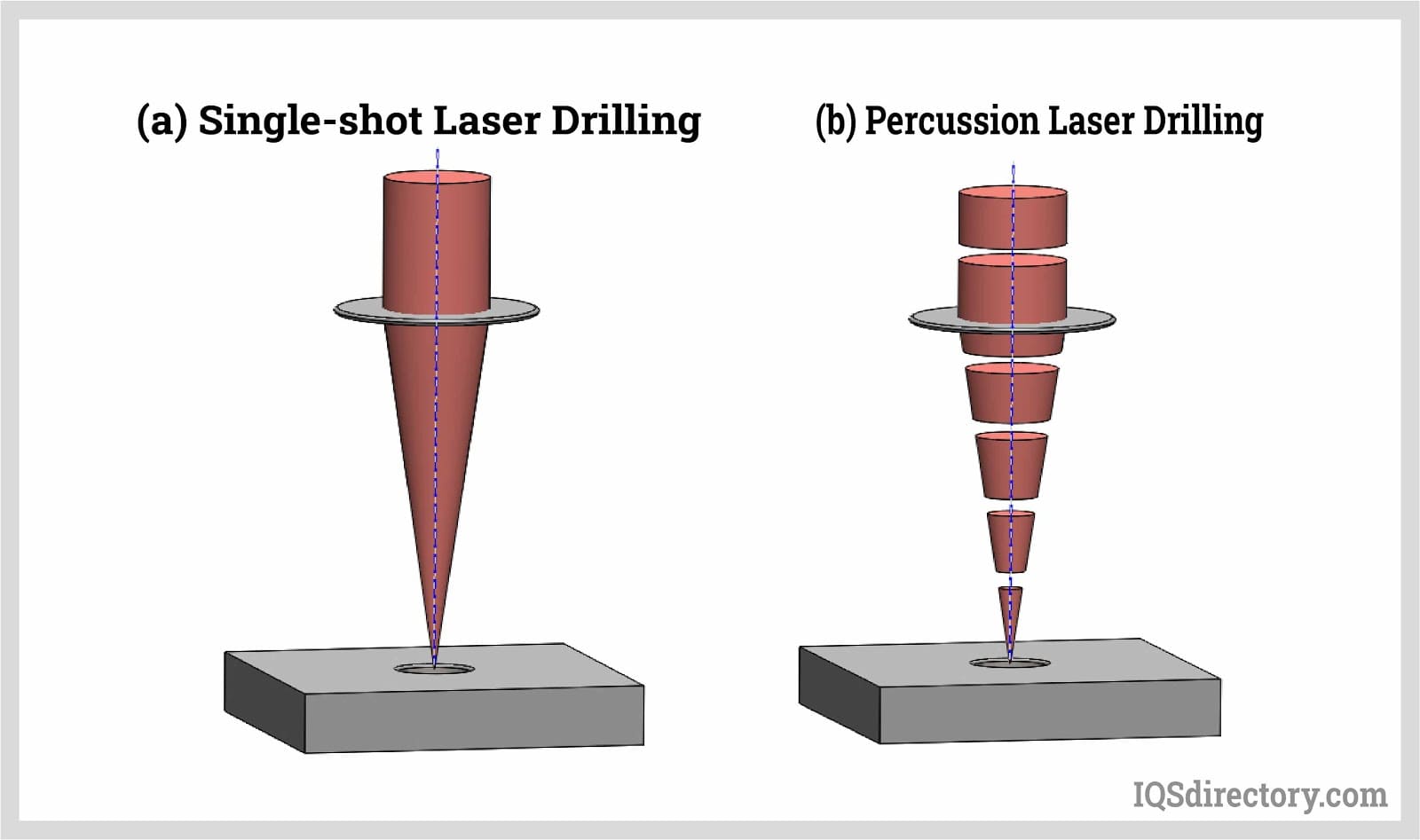
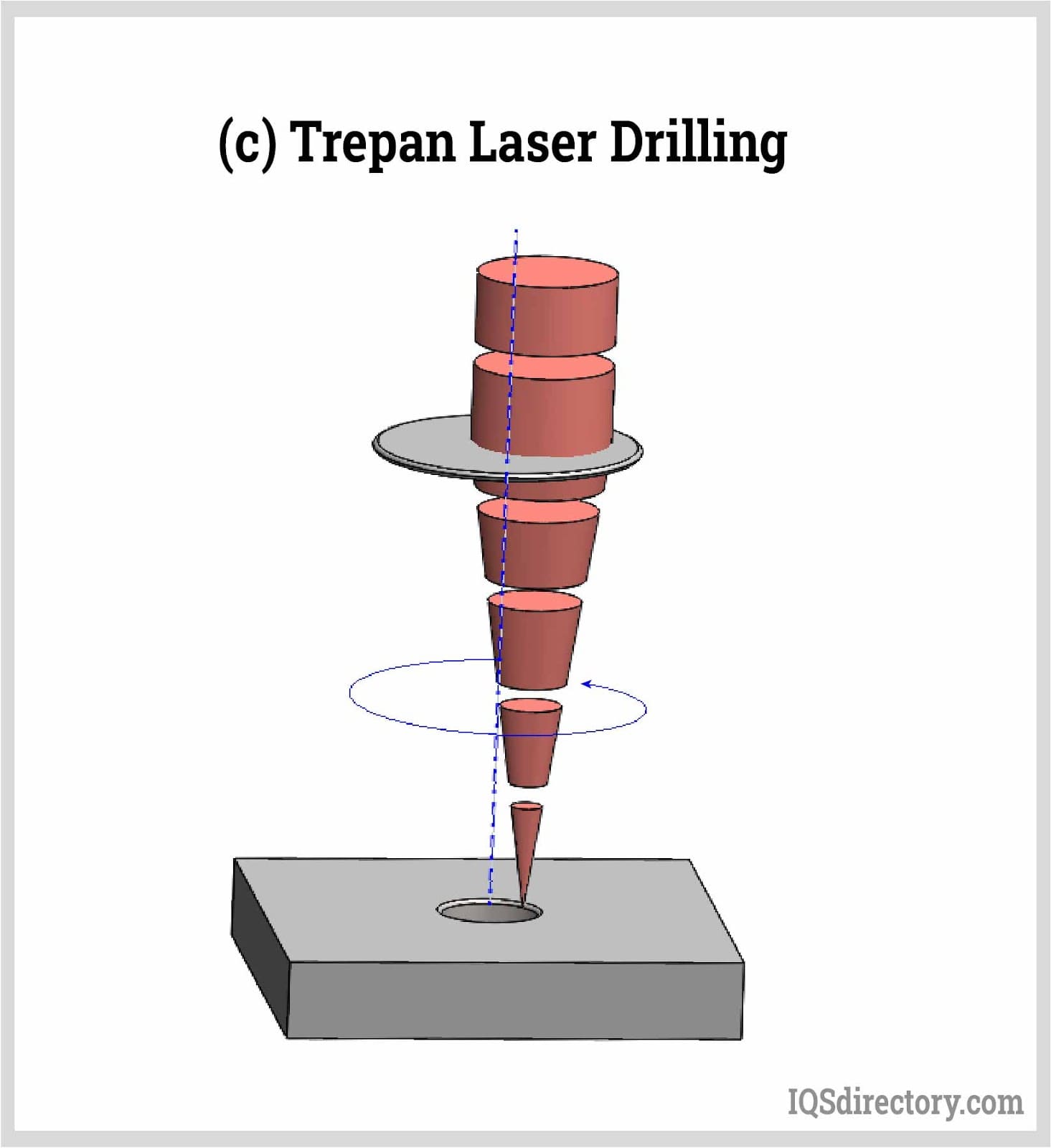
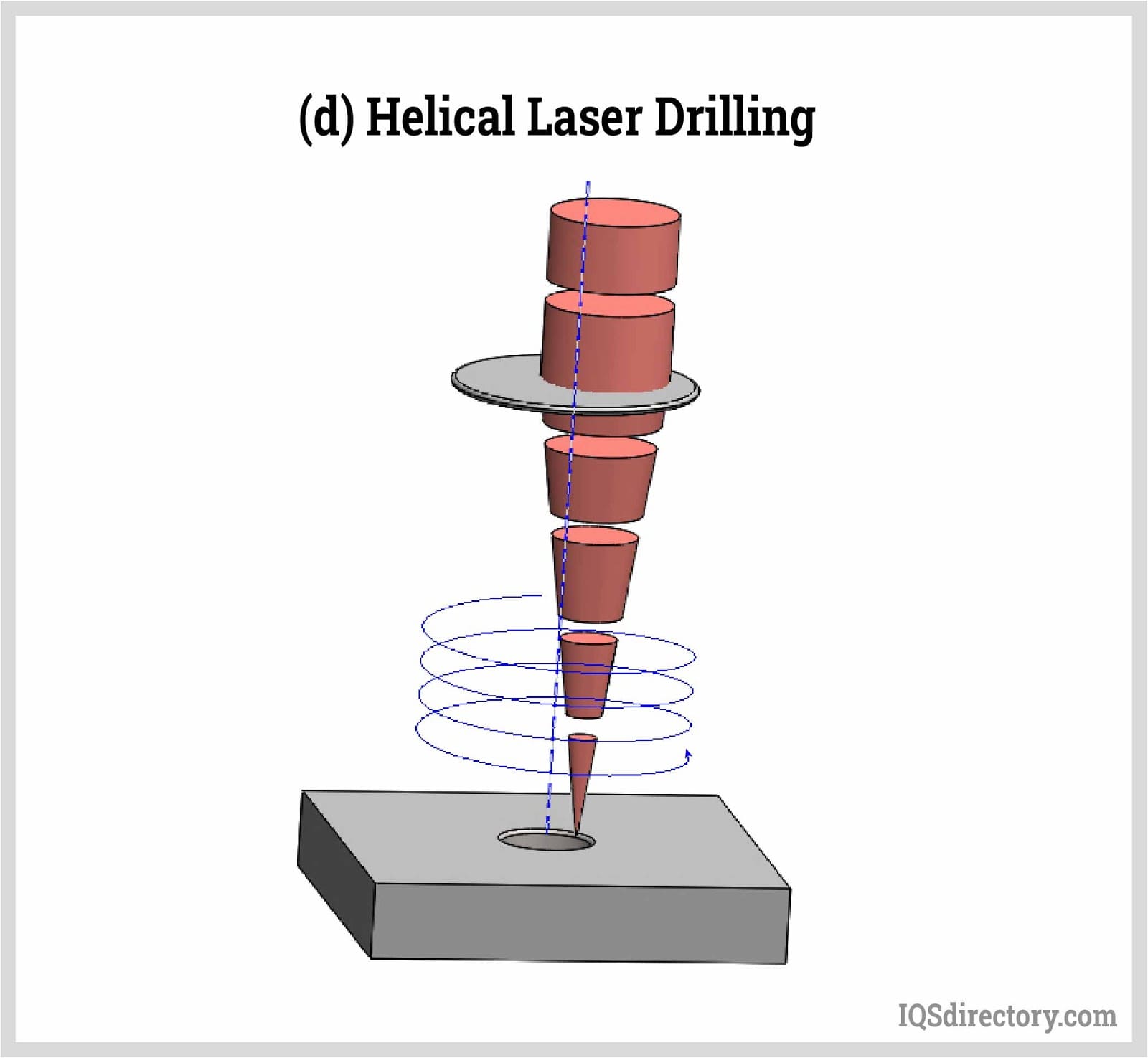
Various techniques can be used to create a hole with a laser, classified based on the movement of the laser beam relative to the workpiece. Each method offers its own set of advantages and disadvantages.
In this type of laser drilling, a single laser pulse with high energy is used to create a hole. This single beam laser focuses on a single location until the material melts layer by layer. The melting process is done efficiently and in a short amount of time, which makes this process desirable to produce multiple holes quickly.
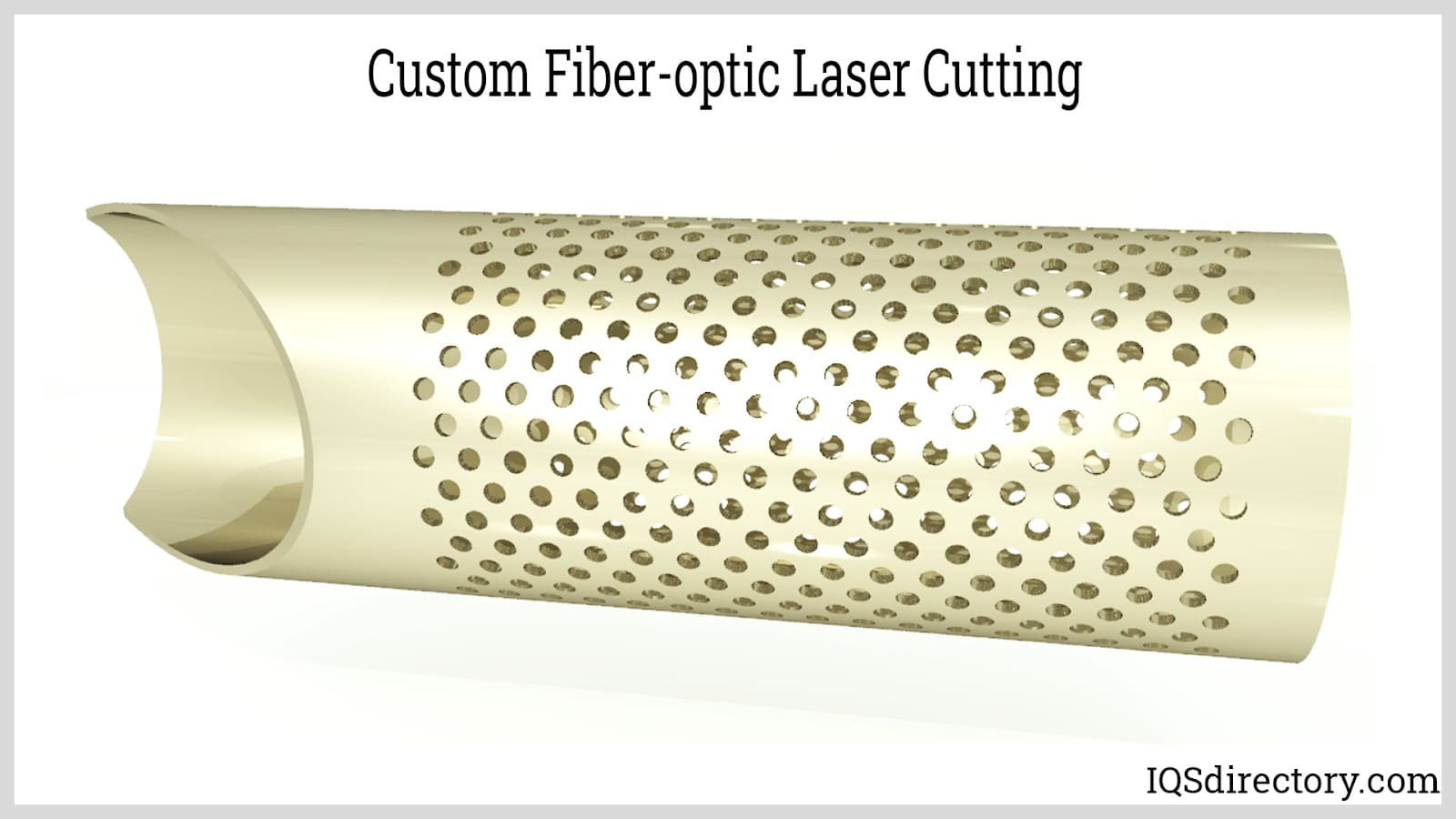
In percussion drilling, the diameter of the laser beam matches the diameter of the hole being created. Unlike single-shot drilling, which uses a single laser pulse, percussion drilling employs successive low-energy pulses to remove material. This process involves 4 to 20 pulses, depending on the material's depth and the laser beam's properties, to fully penetrate the material.
In trepan laser drilling, the laser beam spot size is much smaller than the diameter of the hole being created. The process begins by making an initial hole, after which the laser beam moves around the perimeter of the hole to gradually expand it to the desired size.
Similar to trepan drilling, this method employs a moving laser beam to drill through a material, but it does not require an initial hole. Instead, the laser beam rotates relative to the workpiece, mimicking the action of a conventional drill bit.
Today’s laser cutting technology uses computer-controlled equipment to make precise and efficient cuts quickly, replacing early manual positioning systems.
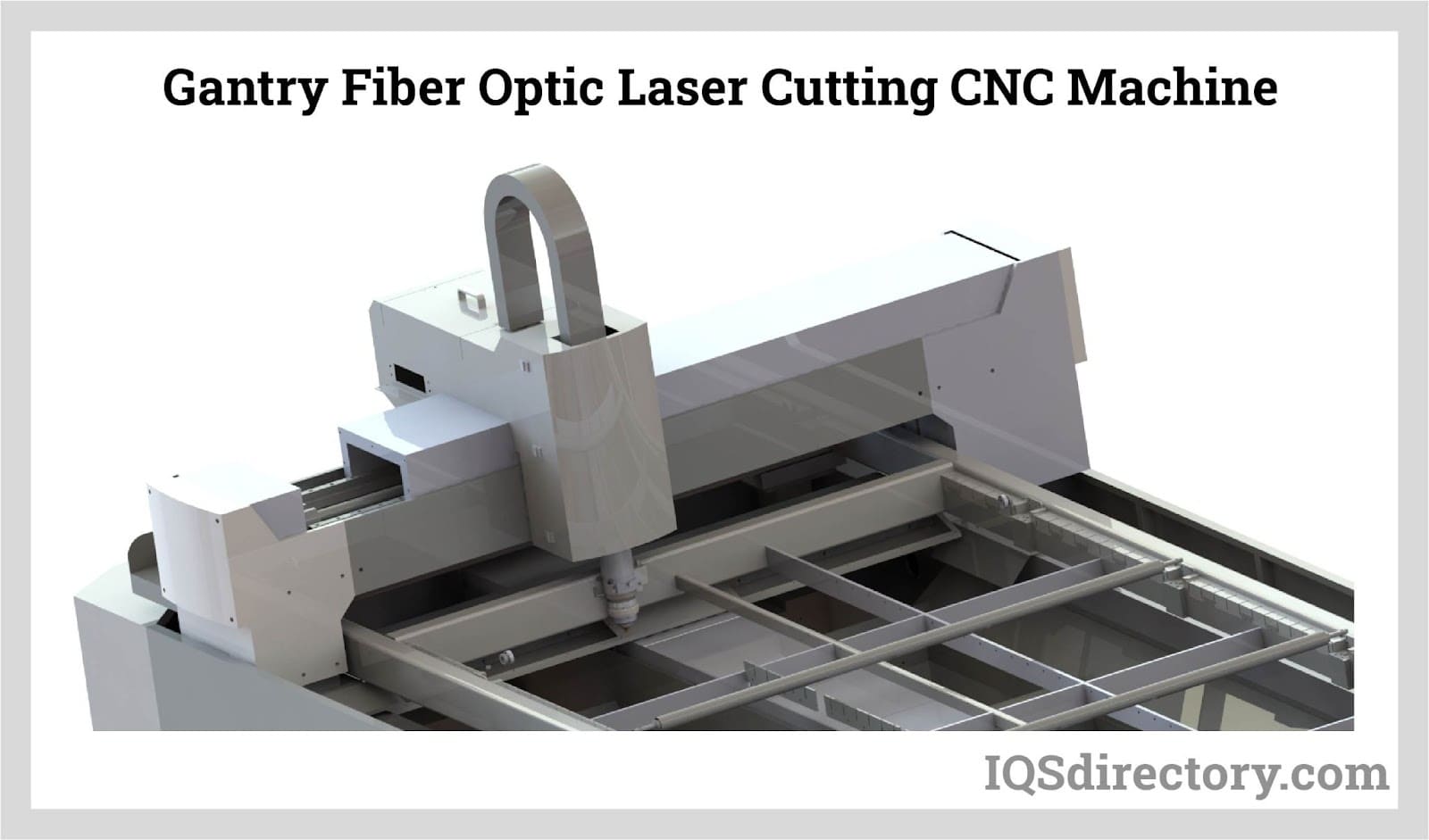
The main types of gantry laser cutting machines are typically made of aluminum and feature a long horizontal bed with a gantry positioned above it. These machines can be programmed to perform multiple cuts in a single pass, using either fiber optic or CO₂ lasers.
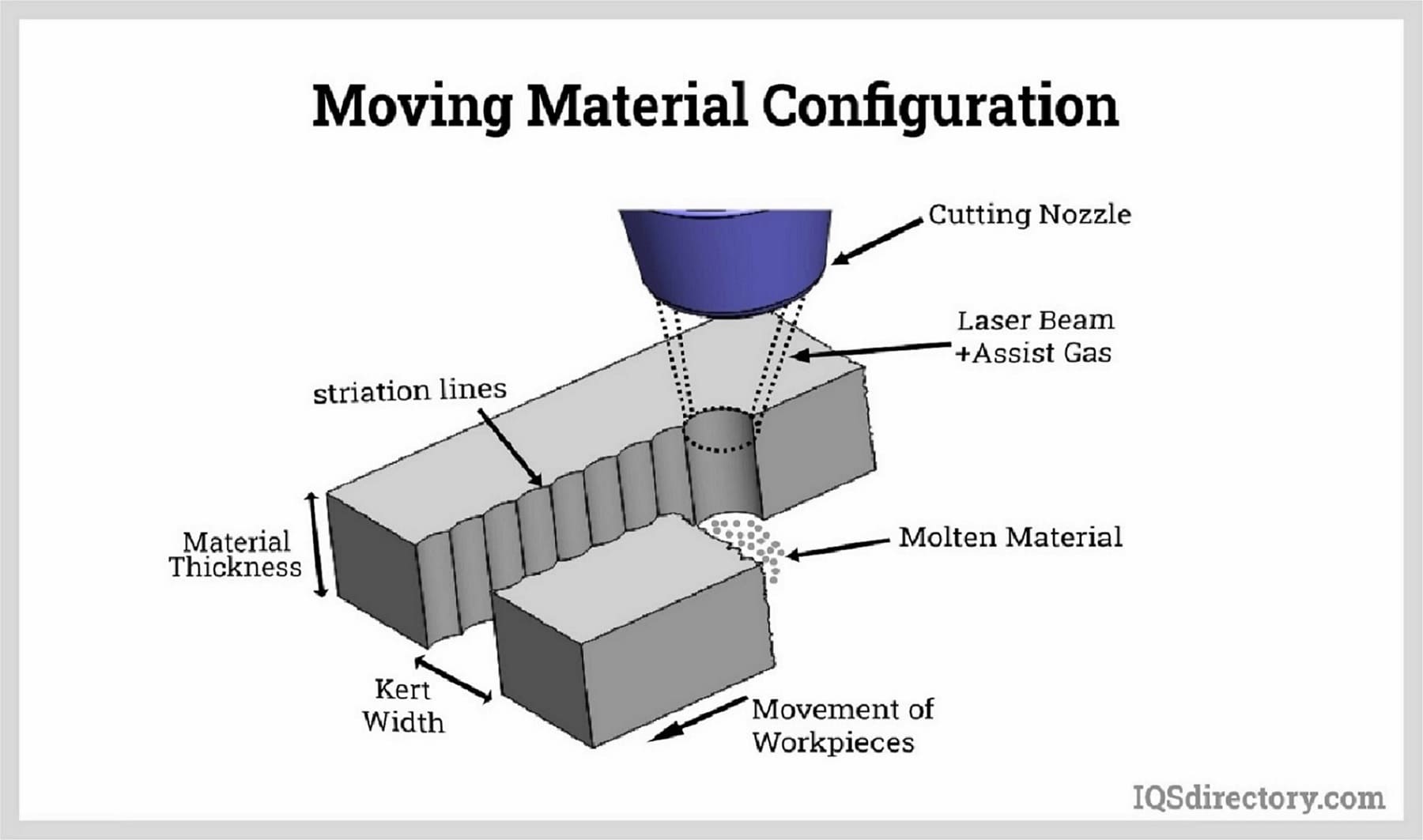
In this configuration, the laser cutter stays in a fixed position while the material surface moves. This eliminates the need for laser movement, resulting in a simpler optics system compared to other setups.
This setup contrasts with the moving material configuration by using a stationary material and a movable laser cutter. As the laser moves continuously, the beam length must be adjusted regularly to compensate for beam divergence.
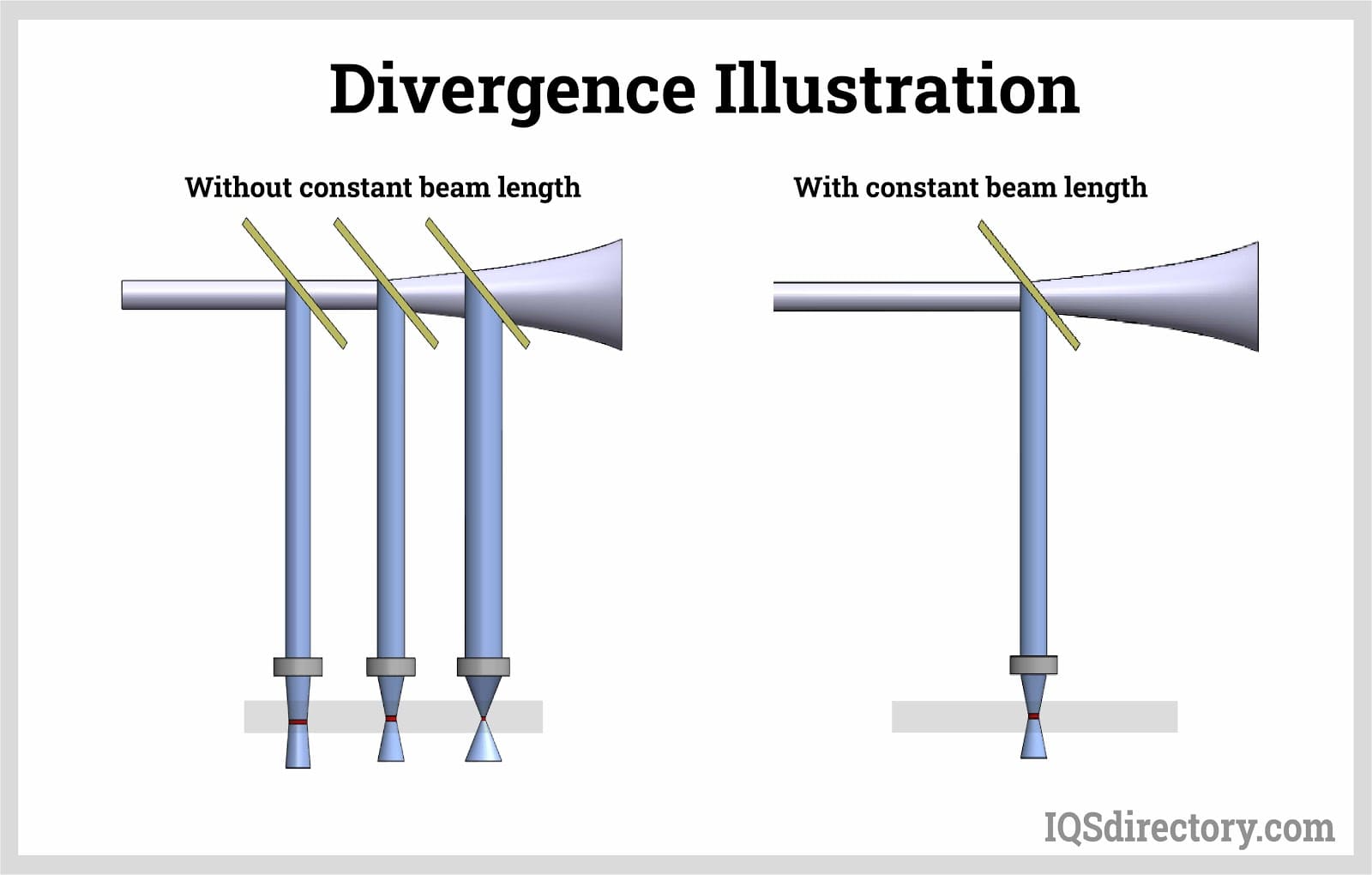
In a hybrid system, the material moves along one axis while the optics move along another, maintaining a consistent beam path to reduce power losses.
CNC laser cutting employs a high-powered laser beam to mark, cut, shape, engrave, and form materials with precision. Types include CO₂, Fiber, and Crystal CNC units.
5-axis laser cutting allows the workpiece to tilt and rotate on the table, enabling access to 3D components and curved surfaces.
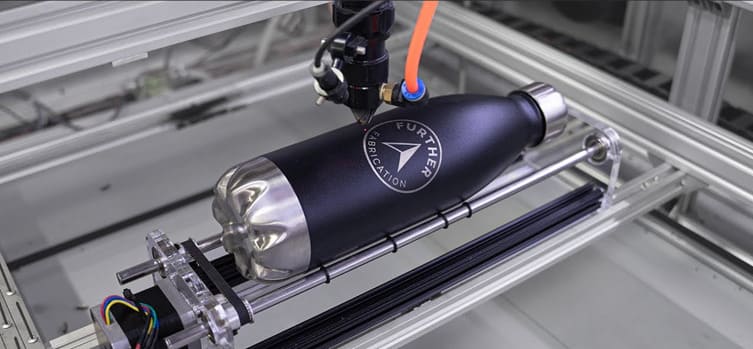
A rotary laser cutter features a motorized attachment that enables 360-degree cuts and engravings on pipes, tubes, and cylindrical components.
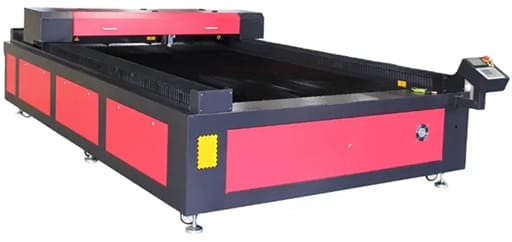
Small format cutting handles features smaller than 0.1 mm, while flatbed large format machines cover workspace areas up to 3.2 m by 8 m for heavy industrial stock.
Galvo laser cutters use high-speed motorized galvanometer mirrors to deflect the laser beam rapidly across the target area.
Leading machine lines across North America include:
Laser marking provides non-contact surface alteration without inks. Techniques include surface removal, engraving, thermal bonding, annealing, carbonizing, foaming, and staining.
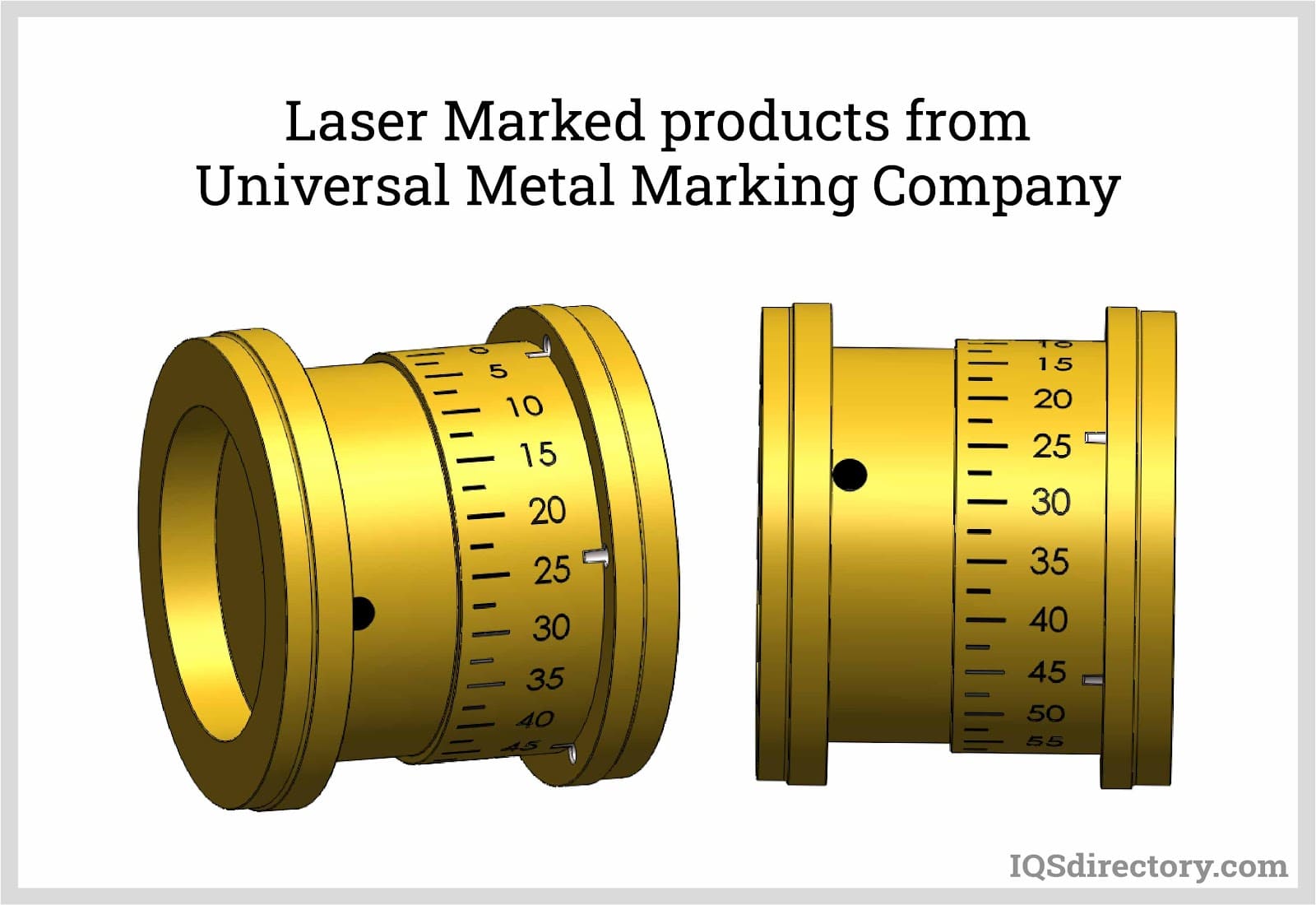
Key advantages include non-contact operation, micron-level accuracy, high aspect ratio drilling, minimal burr formation, and fast production speeds. Key limitations include initial equipment investment costs and thickness constraints on heavy metal plates.
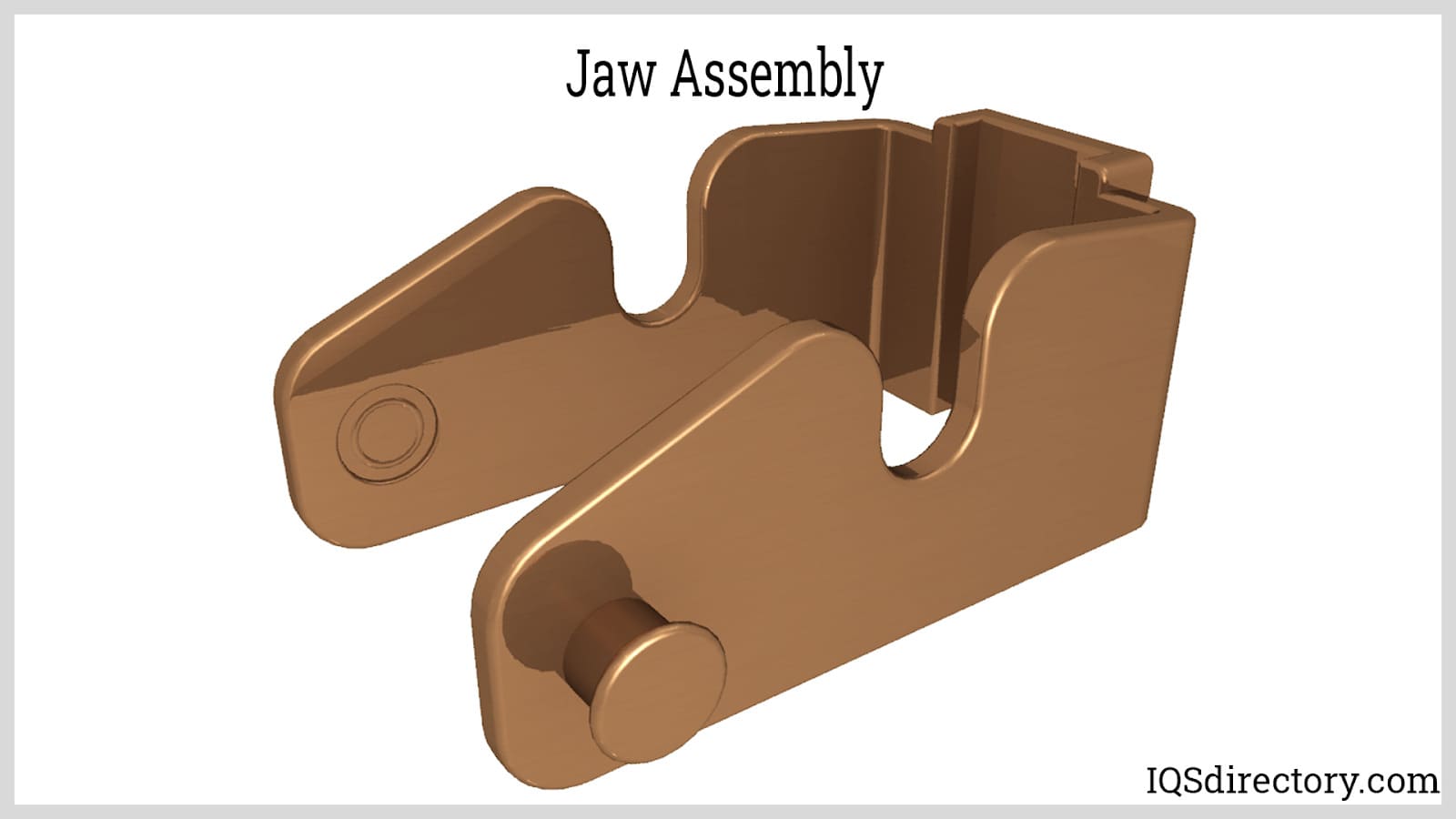
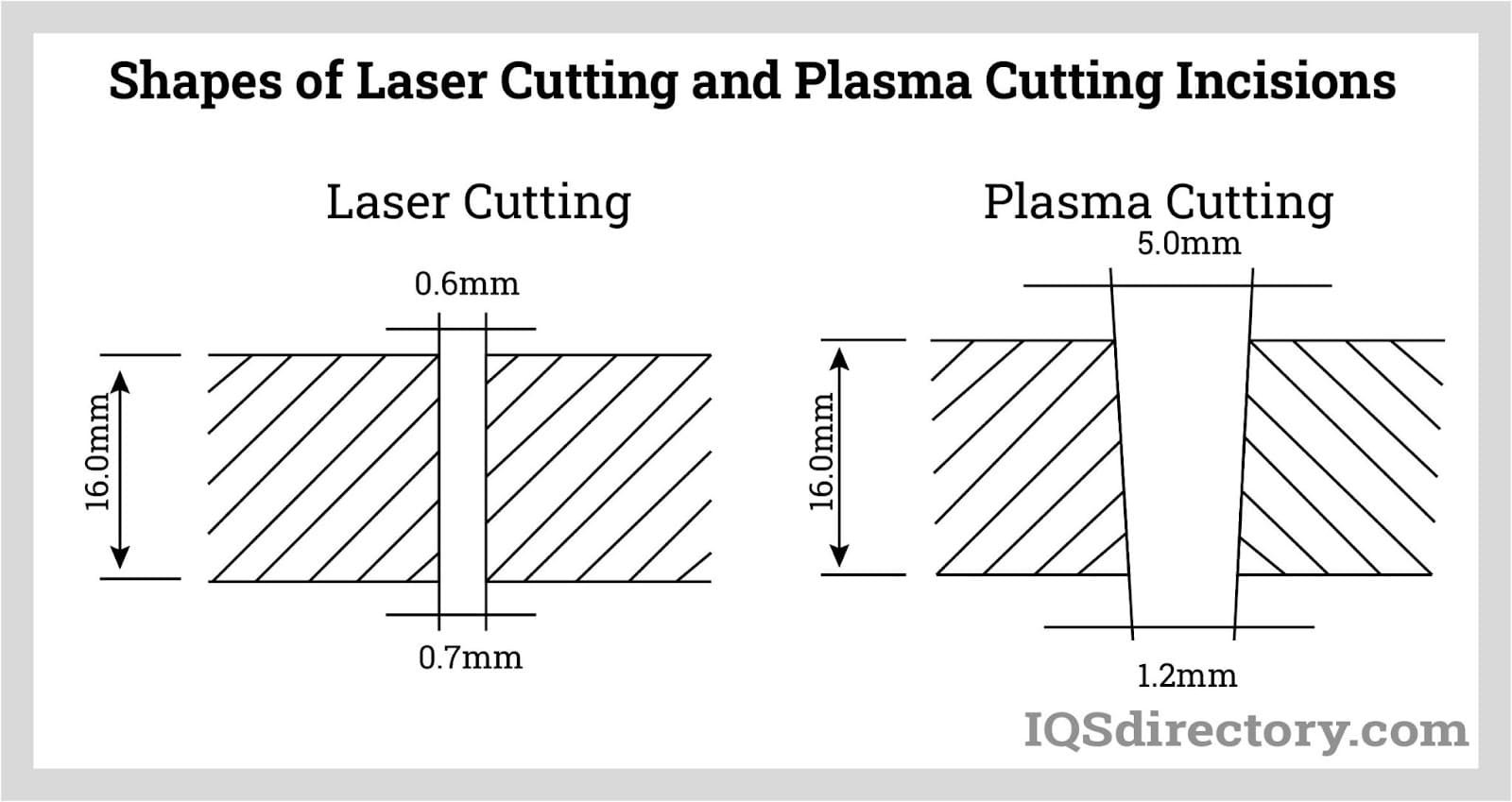
While plasma relies on ionized gas to cut conductive metals, laser cutting uses a concentrated beam of coherent light. Lasers offer superior precision and narrower kerf widths, whereas plasma handles thicker conductive materials at lower equipment costs.
Water jet cutting uses ultra-high pressure water streams to slice tough materials accurately...
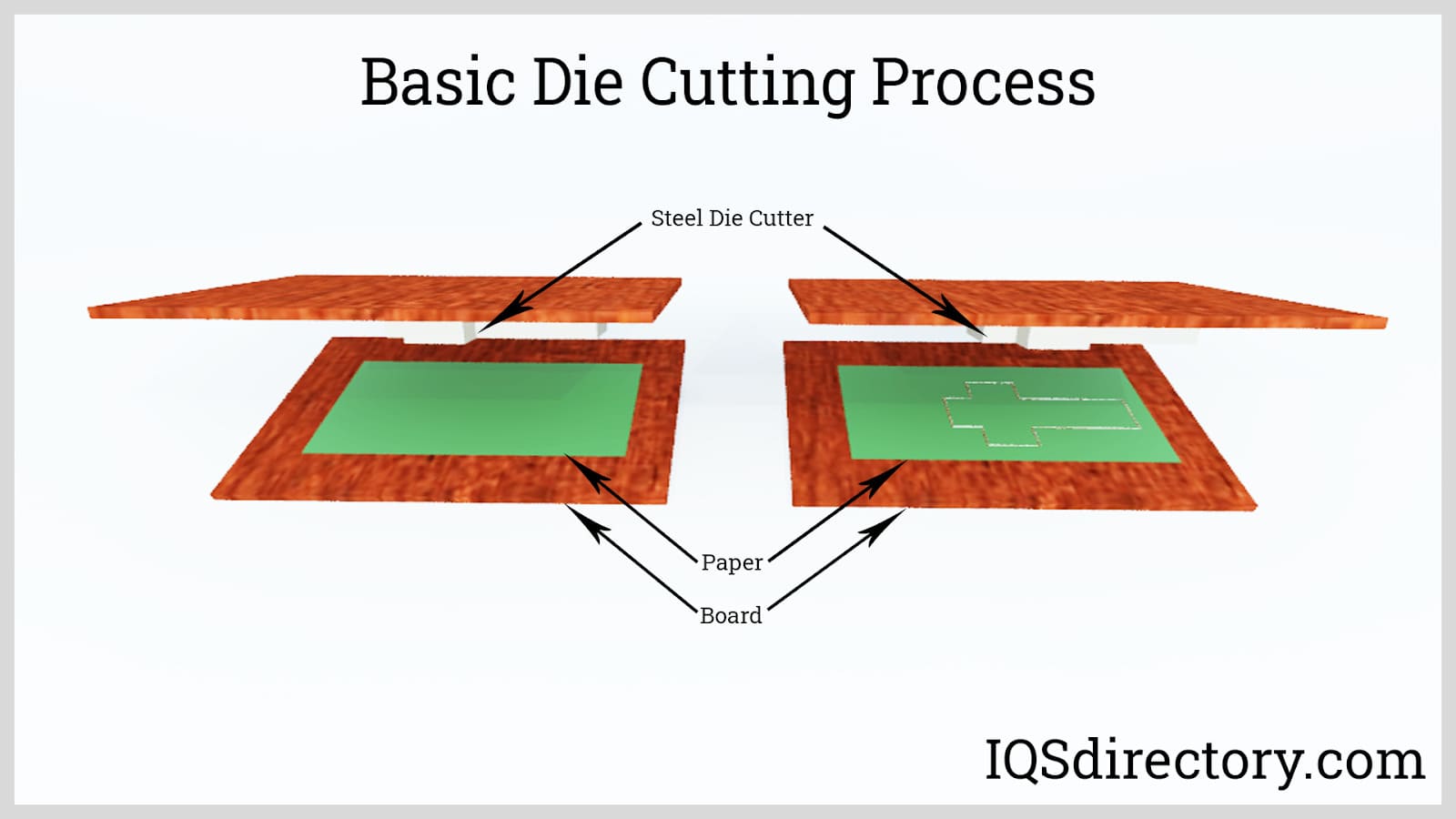
Die cutting is the mass fabrication of cut shapes using custom tooling mounted in a press...
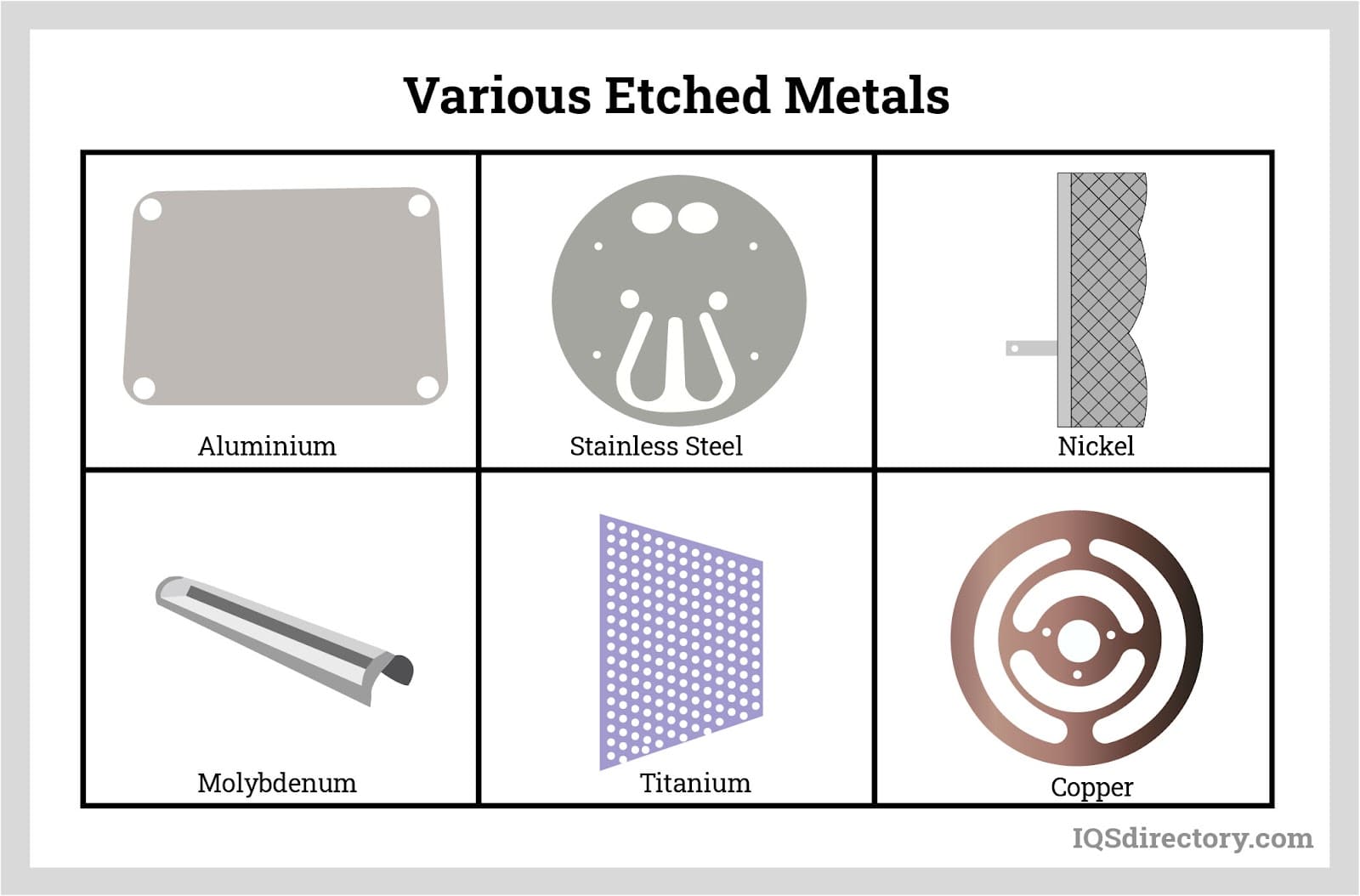
Metal etching uses chemical or photographic techniques to remove material and produce detailed metal parts...