Leak Detectors
Leak detectors are devices engineered to detect and pinpoint the presence of leaks in liquid or gas systems, as well as to assess the volume and composition of the escaping substance. These instruments operate by employing methods such as acoustic signals, visual cues, flame ionization, tracer gas analysis, electronic sensing, or ultrasonic waves. They respond to fluctuations in pressure, sound, concentration, or flow rate, and they help identify the location of any surplus gas or fluid within a system. In industrial settings, commercial facilities, laboratories, and residential environments, leak detection helps protect people, equipment, products, and property from damage caused by escaping gas, refrigerant, water, chemicals, or process fluids. Buyers often search for answers to practical questions such as how to detect a gas leak, what type of leak detector works best for refrigeration, or whether a portable or permanent leak detection system is the better fit for their operation.
Leak Detectors FAQ
What is the main purpose of a leak detector?
A leak detector identifies the presence, location, and type of leaks in gas or liquid systems. It measures changes in pressure, flow rate, or sound to pinpoint escaping substances and prevent safety hazards or system failures.
How have leak detectors evolved over time?
Leak detection began with flame lamps and canaries in the 1800s, evolved to catalytic sensors in the early 1900s, and now includes compact digital devices that detect multiple gases with high accuracy in industrial and residential environments.
What gases are commonly detected by leak detectors?
Leak detectors commonly identify refrigerants like Freon, natural gas, methane, chlorine, oxygen, sulfur dioxide, hydrogen sulfide, and radon. Each gas requires specific detection methods for safety and environmental compliance.
What are the main types of leak detectors used today?
Modern systems include electronic, ultrasonic, flame ionization, and gas leak detectors. Each type uses distinct technologies—from sound wave analysis to mass spectrometry—to locate and measure leaks in different materials and environments.
Where are water leak detectors typically installed?
Water leak detectors are installed near floors or around sensitive infrastructure such as data centers, archives, or financial facilities, where even minor leaks can cause extensive damage to equipment or stored materials.
Which industries rely most on leak detection systems?
Leak detectors are critical in industries like HVAC, automotive, medical, and scientific research. They ensure system integrity in pipelines, refrigeration units, laboratory equipment, and manufacturing systems where leaks pose safety or performance risks.
What standards govern leak detection for gas pipelines?
Pipeline leak detection systems follow API Recommended Practices 1175 and 1155, which define performance, sensitivity, reliability, and operator training standards to ensure accurate detection and regulatory compliance across the U.S.
The History of Leak Detectors
-
Leak Detectors in the 1800s
Concerns about gas leaks began to rise during the Industrial Revolution, as the harmful effects of certain gases on human health became better understood. However, early detection methods were quite rudimentary. One of the first notable gas detectors of the industrial era was the flame safety lamp, also known as Davey’s lamp. Invented in 1815 by Sir Humphry Davy, this device helped coal miners detect methane—then called "firedamp"—underground. The lamp used an oil flame enclosed within a glass sleeve and a mesh flame arrestor. The height of the flame served as a warning system: a steady flame meant fresh air, a rising flame signaled methane, and a lowering flame indicated diminishing oxygen. In some regions, this method remains in use even today. Although primitive by modern standards, it marked an early attempt to connect a visible signal with a dangerous leak-related condition.
In the 19th and early 20th centuries, miners also used canaries as living leak detectors. Since canaries are highly sensitive to gases like methane, carbon dioxide, and carbon monoxide, their singing was a reassuring sound. If a canary went silent or collapsed, it was an urgent sign to evacuate. Though effective, this method was eventually replaced by technological advances. That shift reflected a broader industrial push toward safer, repeatable, instrument-based monitoring that could deliver faster warning and more dependable leak identification.
Leak Detectors in the 1900s
The development of more humane and precise leak detection began in the early 20th century. Between 1926 and 1927, Dr. Oliver Johnson, working for what would become Chevron (then Standard Oil Company), invented the catalytic combustion sensor, also known as the LEL sensor. His first prototype was dubbed "Model A," followed by "Model B," an electric vapor indicator aimed at preventing fuel tank explosions by detecting combustible air mixtures. This advance helped move gas monitoring away from improvised visual methods and toward measured electronic response.
In 1928, Johnson partnered with Phil Williams to found Johnson-Williams Instruments, or J-W Instruments, in Palo Alto, California. This venture became Silicon Valley’s first electronics company and a pioneer in gas detection technology. Over the years, they developed many tools, including portable oxygen detectors and multifunction gas detection units. These innovations helped shape the market for portable leak detectors, gas analyzers, and field-ready safety devices used across many industries.
By the 1980s and 1990s, electronic carbon monoxide detectors became standard household safety devices. Prior to this, people relied on chemically treated paper that would turn brown when exposed to the gas. Since then, advancements have led to a wide variety of digital detectors capable of identifying numerous gases in diverse settings—from healthcare and automotive applications to industrial environments. What began as a mining safety measure eventually developed into a full family of instruments used for preventive maintenance, environmental monitoring, refrigeration service, process quality control, and emergency response.
Today’s leak detectors are not only more accurate and sensitive, but they’re also increasingly compact, affordable, and versatile. As technology continues to evolve, engineers are pushing detection limits, reducing false alarms, and adapting these tools to more materials, more environments, and more specialized operating conditions than ever before.
The Benefits of Leak Detectors
Leak detectors often serve as literal lifesavers, offering an added layer of protection in both residential and industrial settings. That is their biggest advantage. Beyond that, they come with a range of practical benefits. Most models include built-in alarms that instantly notify users of a leak, allowing for a swift response and evacuation if needed. They are also known for strong accuracy, helping identify leaks before they grow into larger problems. Maintenance is usually straightforward and often involves calibration, sensor replacement, or cable replacement depending on the design. Their flexibility also allows for customization to detect a single gas or multiple gases simultaneously, making them adaptable across a wide range of applications. For facility managers and maintenance teams, leak detection can also reduce downtime, protect product quality, prevent environmental release, and lower repair costs by catching problems early rather than after damage spreads.
How Leak Detectors Work
Most leak detectors are portable, hand-held instruments designed to monitor for specific conditions. Their mobility is especially useful when dealing with intricate and confined piping networks that transport gases or liquids. In many cases, the effectiveness of leak detection depends heavily on the operator's skill and scanning technique. However, certain systems—such as those designed to detect water leaks or provide continuous gas monitoring—are capable of functioning autonomously, monitoring changes in the environment and signaling alerts without requiring manual operation. Depending on the sensing method, a detector may monitor sound frequencies, changes in pressure, the presence of a tracer gas, shifts in infrared absorption, or chemical interactions at the sensor. The goal is always the same: confirm that material has escaped where it should not and help narrow down where the leak is occurring.
Design of Leak Detectors
Manufacturers take a number of design factors into account when developing leak detectors, such as the types of gases to be identified, whether the system will be permanent or portable, the desired level of sensitivity, the acceptable response time, and how robust the unit needs to be for its intended environment. A detector designed for field HVAC service, for example, may prioritize portability and fast leak location, while a detector used in a fixed industrial installation may focus more on continuous monitoring, remote alarm output, and resistance to dust, moisture, vibration, or chemical exposure.
Gases Detected
Common targets for leak detection include refrigerants like Freon, natural gas and methane, chlorine, oxygen, sulfur dioxide, chlorine dioxide, hydrogen sulfide, and radon. Each of these gases poses specific risks, making accurate detection a major part of safe operation. Some threaten worker health, some create fire or explosion hazards, and others can damage product quality, equipment performance, or environmental compliance if released.
Environments for Detection
Designs are also tailored to match the environment in which the detector will be used. For homes, detectors are generally built to catch leaks of refrigerant gases and natural gas. Refrigerants, such as those used in cooling appliances, can be harmful to both health and the environment if they escape. Freon in particular, found in older systems, contributes to ozone depletion and may create health issues when inhaled. Natural gas, largely composed of methane, is highly flammable and potentially explosive, especially in enclosed spaces. In industrial contexts like automotive manufacturing or furnace systems, detectors often focus on identifying vacuum leaks using helium gas, which is highly effective for this purpose. Semiconductor and laboratory environments may emphasize trace contamination and vacuum integrity, while data centers and facility management teams may focus more on water leak detection beneath floors, near piping, or around cooling infrastructure.
Permanent Detector Designs
In settings with continuous gas flow, such as residential heating systems fueled by natural gas, permanent leak detectors are especially useful. Other detectors, such as those used for periodic checks, may be portable. These often include visual or audible alarms and vary in sensitivity. Some systems are designed to detect even trace levels of methane that could ignite, while others incorporate odorants like mercaptan to help users identify leaks by smell. Fixed systems are often chosen when nonstop monitoring, integration with controls, and alarm reporting are part of the operating requirement.
Leak Detector Customization
Manufacturers can customize detectors to meet specific needs by altering the detection compounds and calibrating for particular temperature and pressure ranges. They can enhance visibility on reflective surfaces like stainless steel or aluminum, improve performance on vertical surfaces, and ensure compatibility with environmentally sensitive locations. For example, in homes located on uranium-rich land, radon detection may be added. Detector systems can also be configured for fully automated or semi-automated use, depending on the operational setting. Other customization points may include housing material, data output, alarm thresholds, cable length, mounting style, and multi-gas sensing capability. For more detailed options and capabilities, consulting directly with your supplier is usually the best route.
Leak Detector Images, Diagrams and Visual Concepts
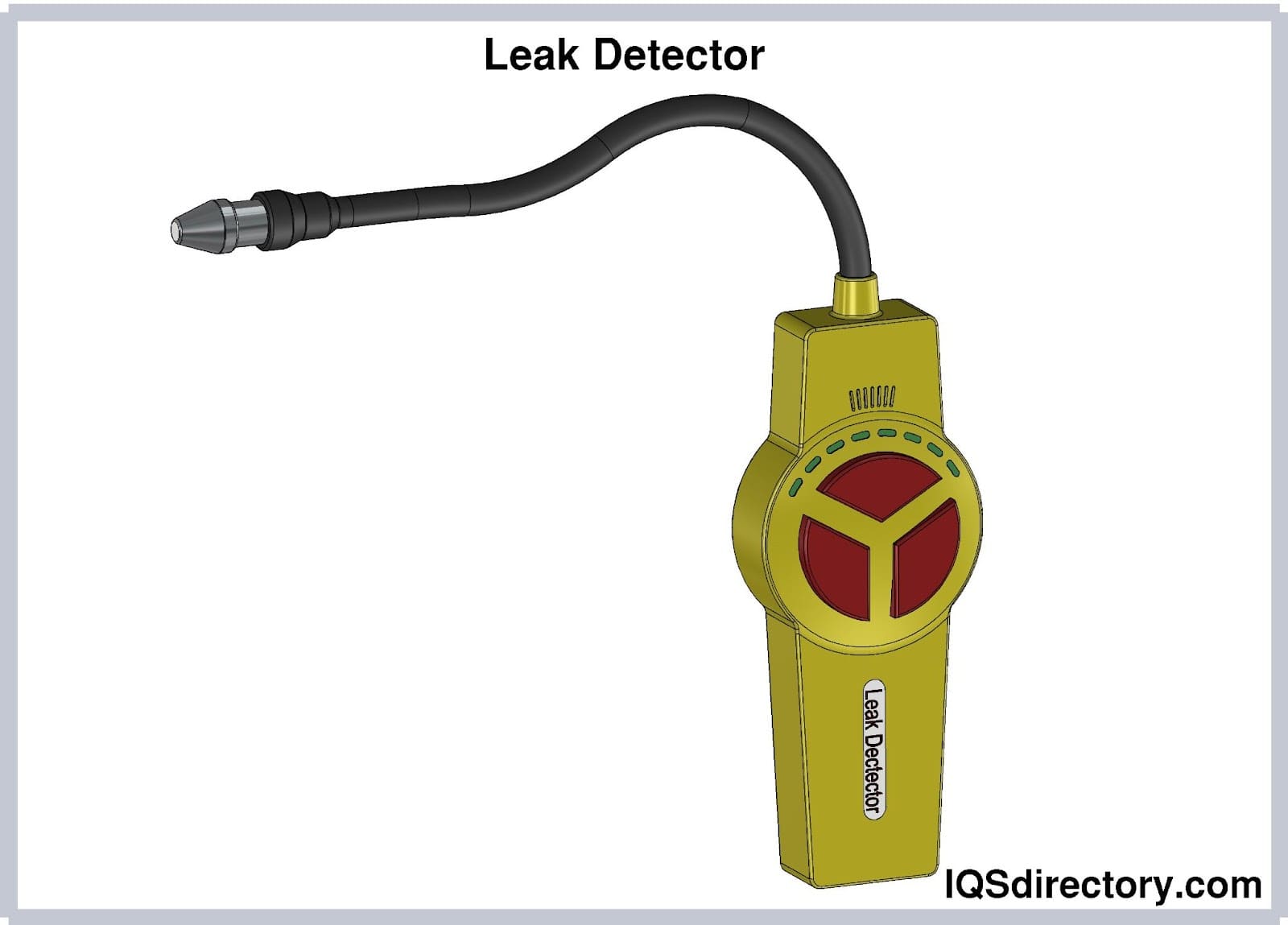 Leak detectors, a sensor used to monitor a system that contains liquids, gasses, or other substances to ensure the contained materials do not escape the system.
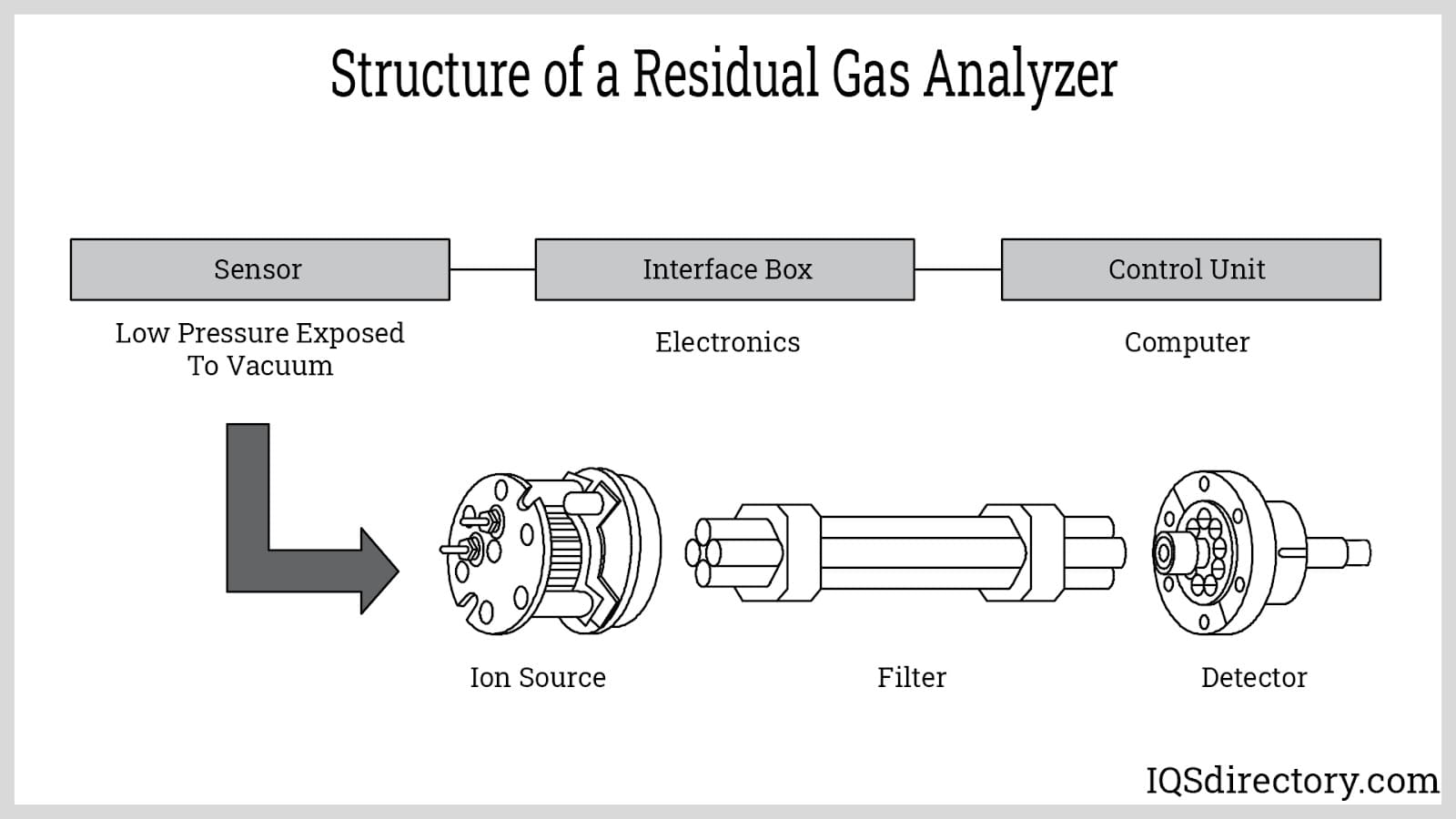 Residual gas analyzer, a small mass spectrometer designed for environmental analysis, process control, and monitoring vacuums for contamination.
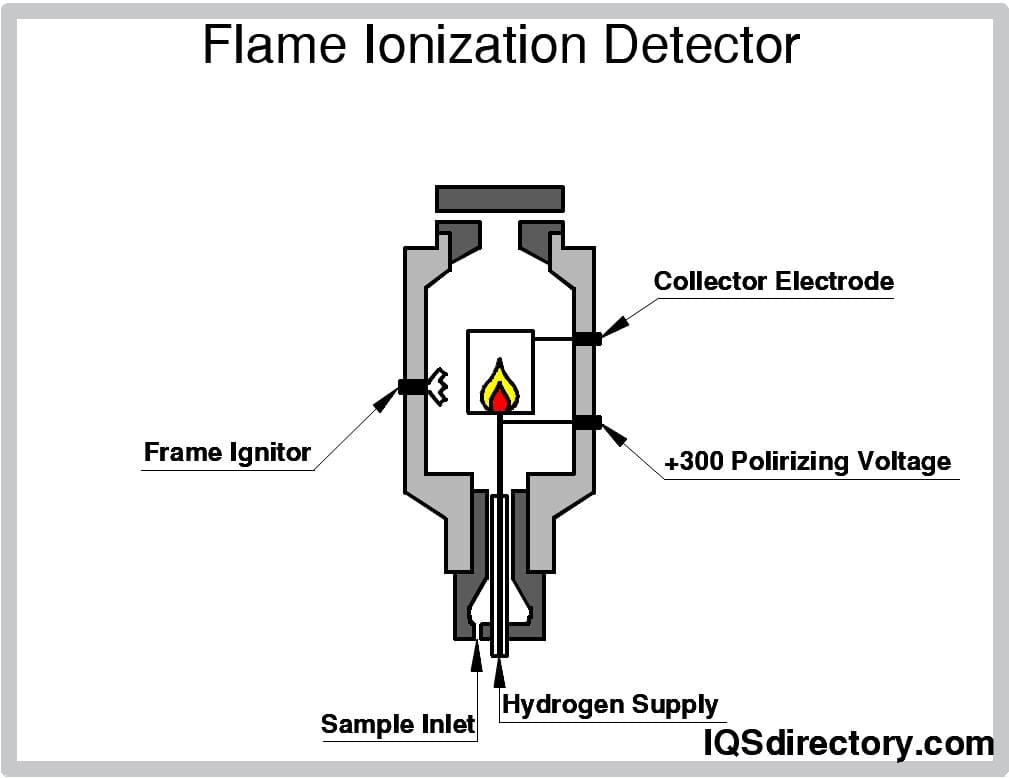 Flame ionization detector, an extremely sensitive detecting device that measures the concentrations of vapors.
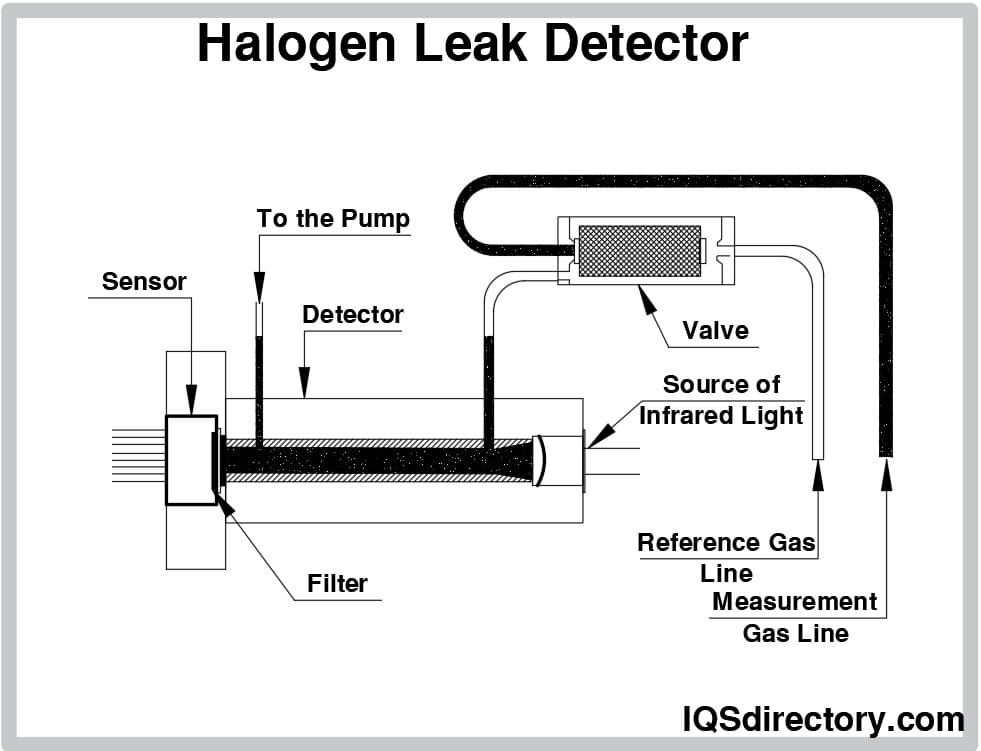 Halogen leak detectors determines the location of halogen gasses outside of the system.
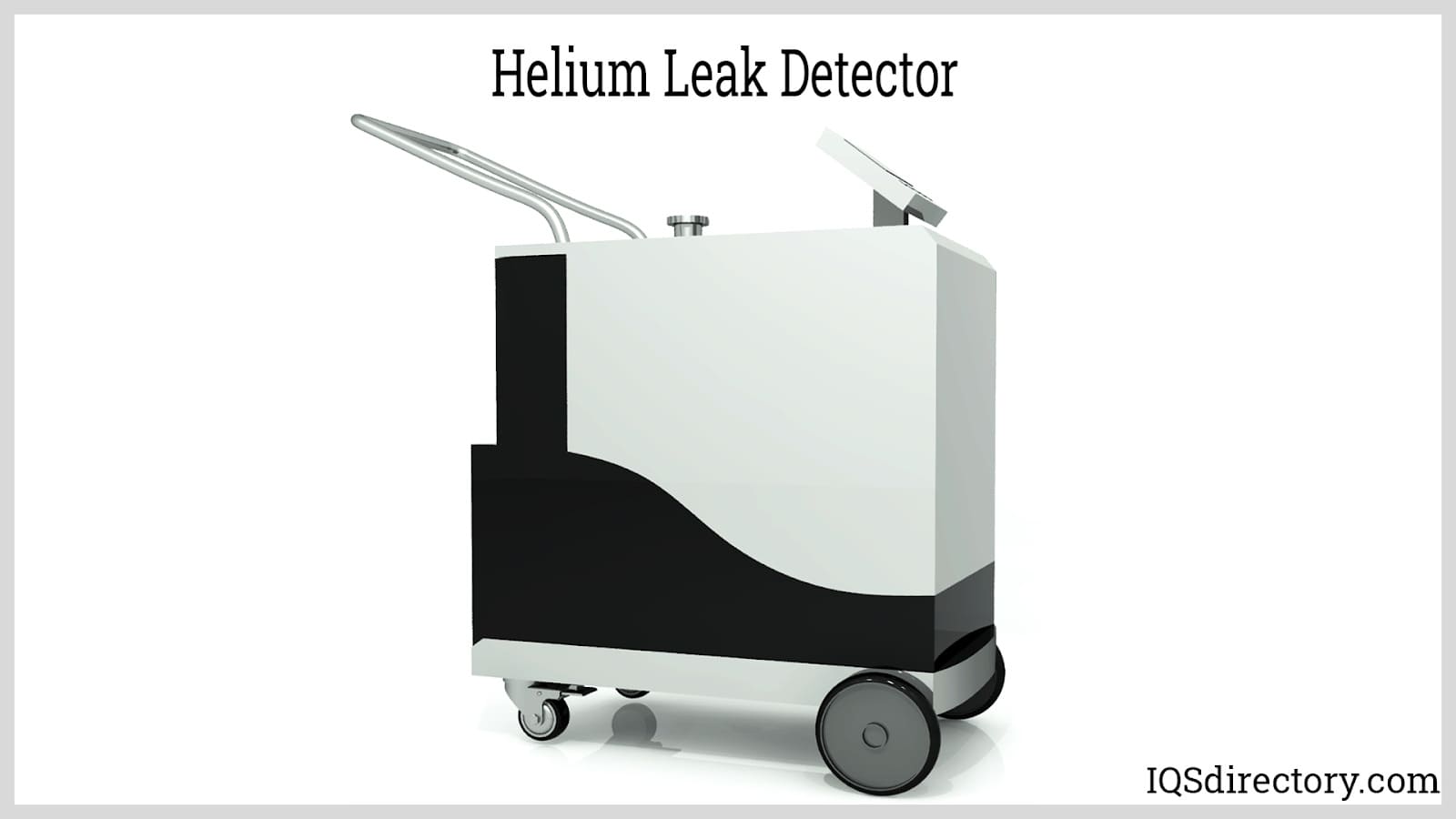 Helium leak detectors helium as a residual gas when testing a closed system.
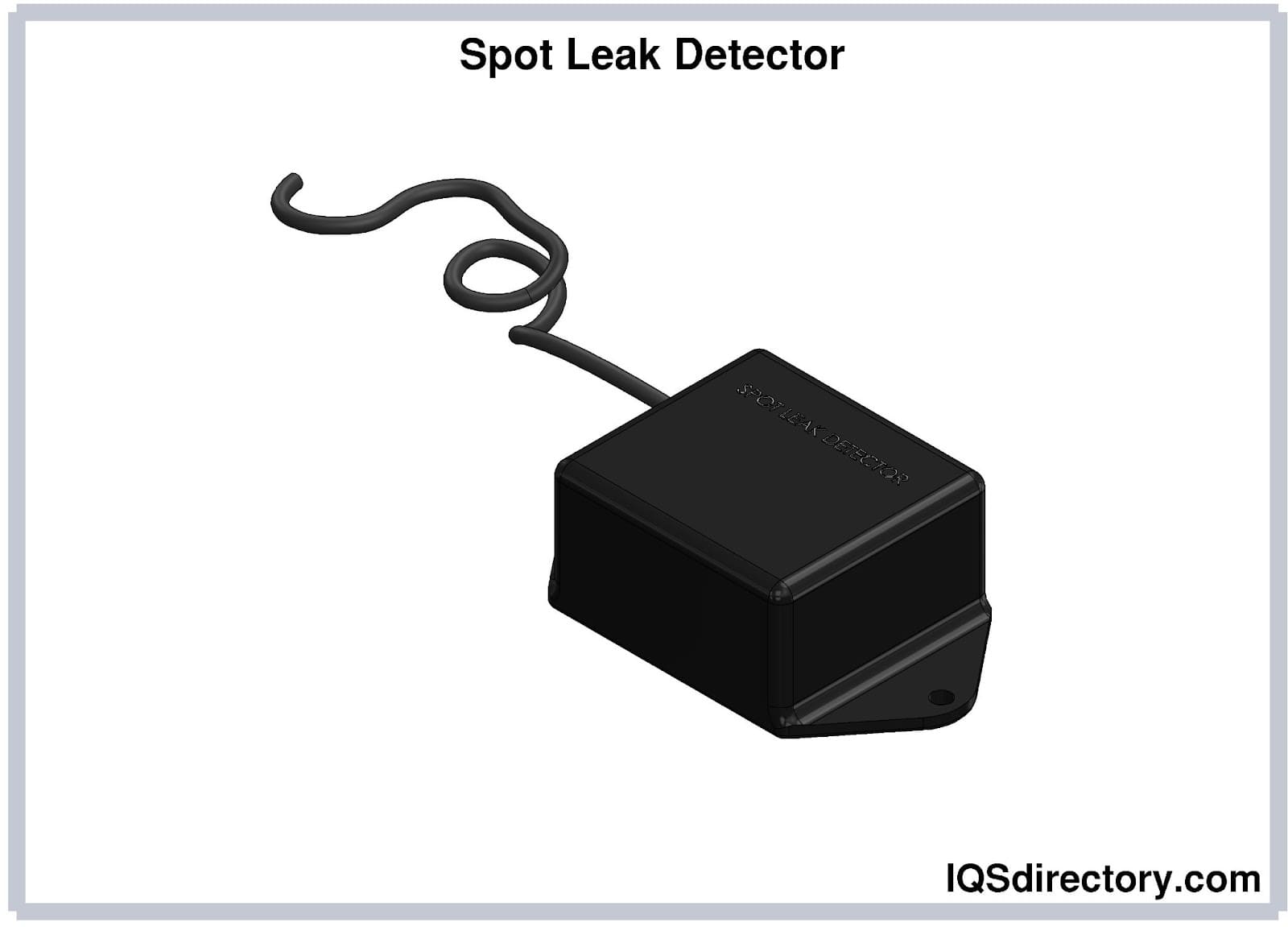 Spot leak detectors monitor leaks in a confined spaces and are used to detect liquid leaks.
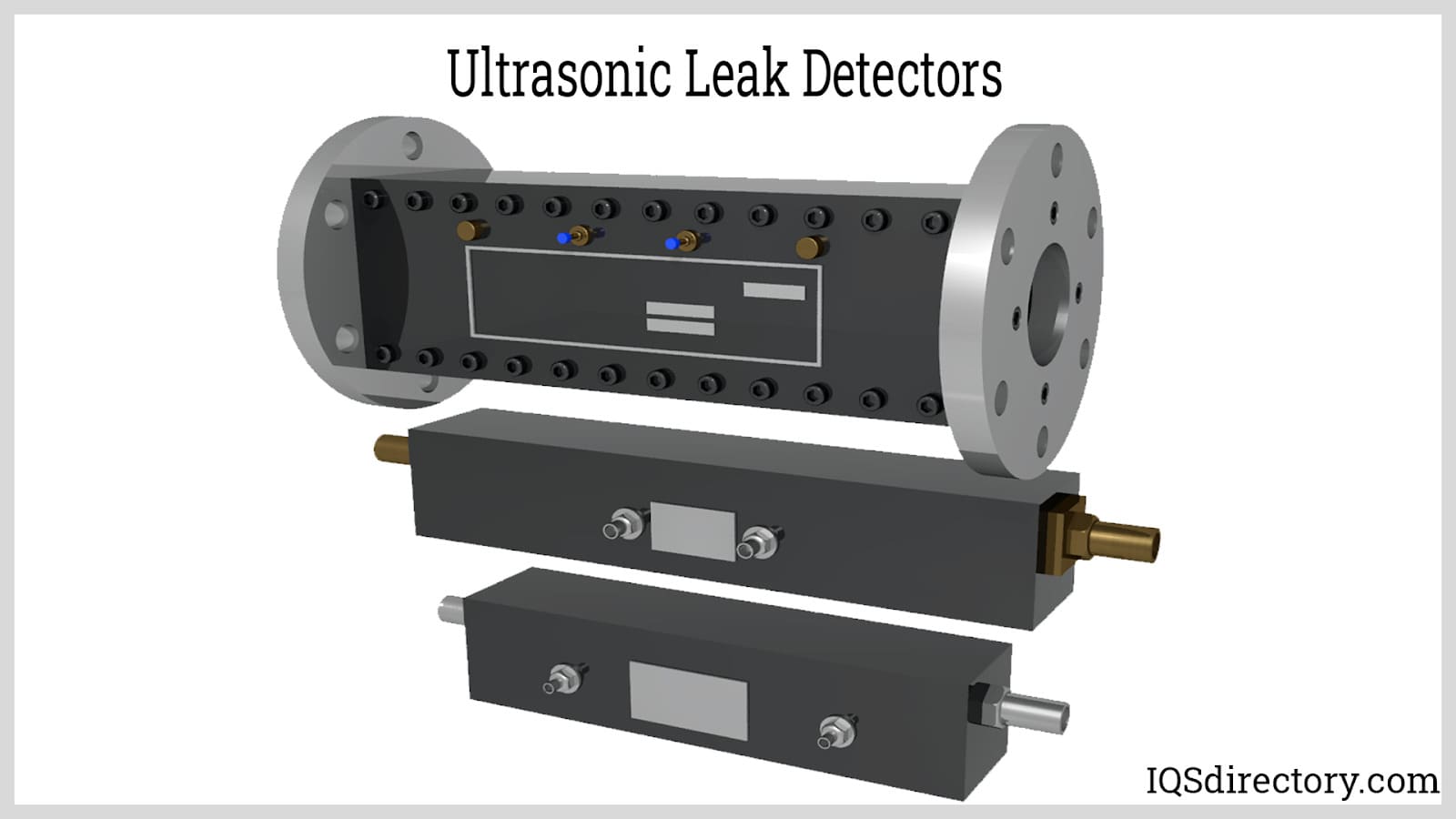 Ultrasonic leak detector uses sound to check for leaks since leaks produce high frequency sound
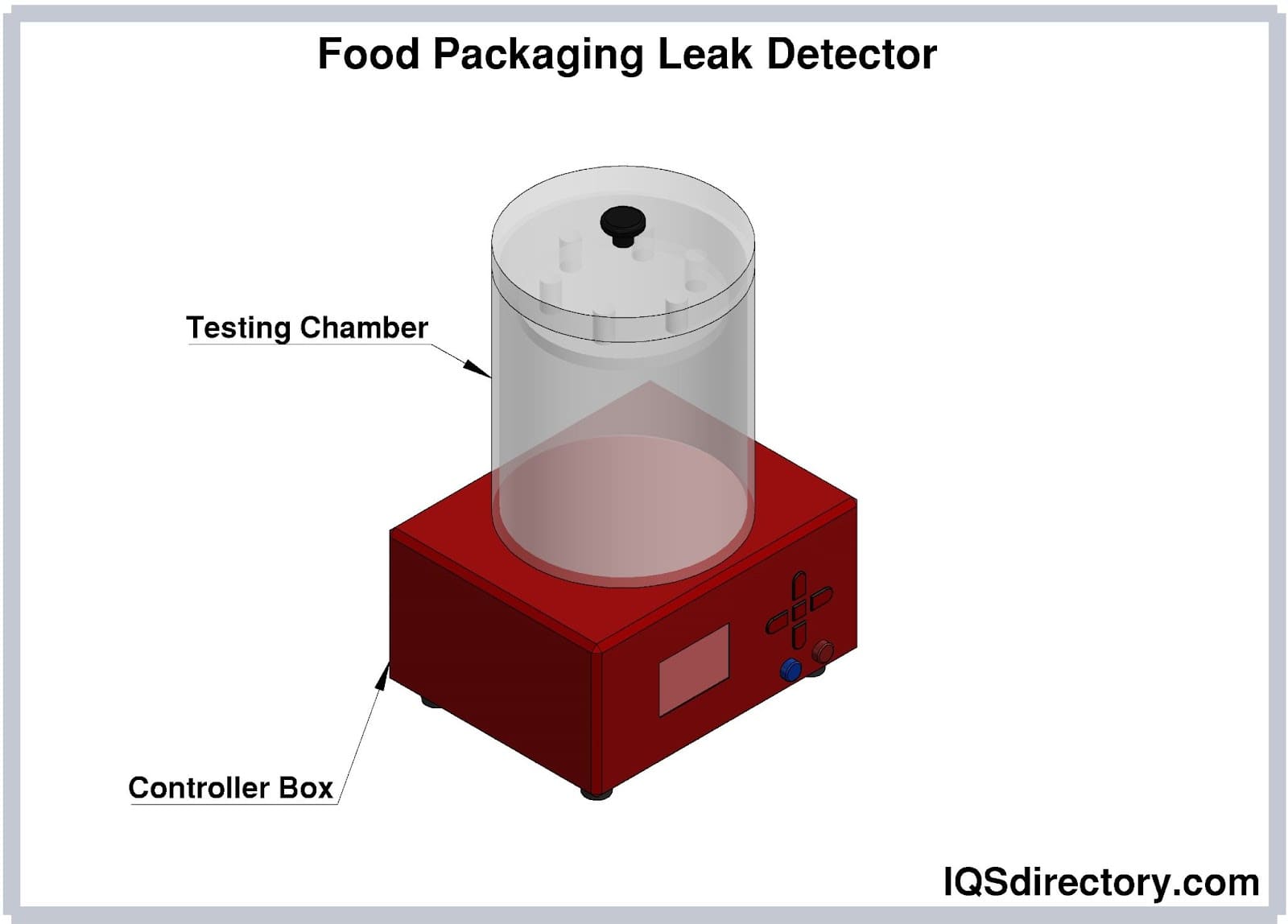 Checks for leaks in food packaging which can cause problems for food production.
Leak Detector Types
Leak detection relies on several primary types of equipment, each designed to detect specific conditions and materials. Among the most widely used are electronic leak detectors, ultrasonic leak detectors, flame ionization detectors, water leak detectors, gas analyzers, vacuum leak detectors, and gas detectors such as the helium leak detector. Selecting between them usually depends on the media involved, the size of the leak, the sensitivity required, the type of facility, and whether the goal is routine inspection, compliance monitoring, troubleshooting, or production testing.
Water Leak Detectors
Separate from gas systems, water leak detectors are designed to identify the presence of water or moisture within a structure or system. These detectors are less commonly used than gas-based systems, primarily because their application is more specialized. They are typically installed at floor level or around the perimeter of sensitive environments such as data centers, trading floors, archives, and banking infrastructure, where even a small water leak can have major consequences. They are also used beneath raised floors, near HVAC condensate lines, around storage tanks, and in mechanical rooms where unnoticed seepage can damage equipment or building materials.
Electronic Leak Detectors
These offer one of the quickest methods for identifying gas leaks. They typically operate using either a heated diode sensor or a corona discharge sensor. Heated diode models are often preferred for their resistance to false positives, while corona discharge types can be triggered by nearby dust, solvents, or humidity. They are commonly used in HVAC service, refrigeration troubleshooting, and maintenance routines where technicians need fast, portable leak detection with clear feedback.
Ultrasonic Leak Detectors
A newer addition to the industry, ultrasonic detectors are ideal for identifying larger gas leaks or compressed air losses. They work by picking up the high-frequency sounds produced by escaping gas and converting them into lower-frequency noises that can be heard through headphones. This conversion enables human operators to pinpoint the leak by sound. Because they do not always depend on direct contact with the leaking gas, they can be helpful in noisy industrial settings or in applications where the leak source is difficult to access visually.
Flame Ionization Leak Detectors
These detectors work specifically with halogen refrigerants. Known as halide torch detectors, they operate on the principle of flame ionization—changing the flame color from blue to green when a halogen-based refrigerant is present. They are most commonly used for detecting chlorinated refrigerant leaks. Though many facilities now prefer modern electronic methods, flame ionization remains a recognized part of leak detection history and refrigerant service terminology.
Gas Leak Detectors
These are tailored to identify particular gases such as natural gas, refrigerants, or halogens. Many rely on tracer gases like helium or hydrogen to help locate the leak. After the tracer is introduced into a system, the detector measures how much escapes, usually through a mass spectrometer or dedicated sensing device, offering precise data about leak rate and presence. These systems are often selected when extremely small leaks must be confirmed in sealed components or vacuum assemblies.
Note: Any detection system used to find refrigerant leaks—whether electronic, flame ionization, or gas-based—is considered a refrigerant leak detector.
Gas Analyzers
While not designed to locate the exact source of a leak, gas analyzers can confirm the presence and composition of gases. These include exhaust analyzers, infrared analyzers, and residual gas analyzers. Exhaust analyzers are common in automotive diagnostics, infrared analyzers detect CO₂ levels, and residual analyzers are used heavily in semiconductor environments for contamination control. They are often used alongside dedicated leak detectors when both composition data and leak confirmation are needed.
Halogen Leak Detectors
These are used to pinpoint halogenated refrigerant leaks. Depending on the detection method—pumping or flame—environmental contaminants can cause false positives. However, ongoing improvements in sensitivity and discrimination have made these detectors increasingly reliable in both industrial and commercial settings. They remain closely associated with refrigeration service and refrigerant system maintenance.
Vacuum Leak Detectors
Designed for sealed systems, vacuum leak detectors use compressed air, pressure monitoring, or tracer-gas methods to identify leaks that would compromise system integrity. These detectors are especially valued in industries like aerospace, refrigeration, medical instrumentation, laboratory equipment, and automotive manufacturing, where they verify the integrity of hermetic seals and other pressure-sensitive components. When users search for vacuum leak testing equipment or helium leak testing for sealed systems, this is often the class of equipment they are trying to evaluate.
Leak Detector Applications
Customers depend on leak detectors to both identify existing leaks and prevent future ones. This capability is important across the industrial sector, where even minor leaks can disrupt operations, compromise safety, and pose serious health hazards depending on the material involved. Whether the issue is a gas leak, refrigerant escape, vacuum loss, or liquid seepage, dependable detection systems help maintain a safer and more functional work environment. They are also used during assembly, testing, commissioning, maintenance, troubleshooting, and compliance programs where containment and repeatable system performance are a priority.
Leaks that go unfixed represent a significant source of financial loss in both residential and industrial settings. Escaping liquids or gases can damage nearby equipment, and over time, unattended leaks become more serious health or performance risks. In workspaces or homes, water leaks can lead to mold, which often triggers allergic reactions in those exposed. In refrigeration, leak detection plays a major role, especially in identifying older units that may still contain banned or tightly regulated substances like chlorofluorocarbons. As a result, a specific range of detectors has been developed just for refrigeration systems. Leak detection is also highly relevant in compressed air systems, process piping, packaging lines, cleanrooms, and utility infrastructure where hidden losses can quietly erode efficiency and increase operating costs.
Numerous industries rely on precise leak detection, including medicine, scientific research, HVAC, packaging, utilities, and automotive manufacturing. In healthcare, detectors are used on pumps, fluid transfer devices, storage containers, and other medical tools where precision and containment are vital. Research and automotive professionals utilize detectors to inspect calibrated vessels, water pumps, cylinder heads, hydraulic systems, test fixtures, and vacuum assemblies—anywhere that a leak could interfere with performance, safety, or data integrity. Food packaging operations also use leak detection to verify seal integrity and help maintain shelf life, sanitation, and product consistency.
Leak Detection Equipment Components
Different leak detection systems (LDS) are built with varying equipment components depending on their design and intended application. However, most systems include a few fundamental elements: alarms to alert personnel of leaks, sensors to detect those leaks, and displays to present system readings. The type of sensor used in a given system can differ significantly. Internally based systems rely on field instrumentation such as pressure or fluid sensors to identify leaks from within the system itself. In contrast, externally based systems monitor for leaks from the outside using tools like infrared radiometers, thermal imaging cameras, fiber optic cables, vapor sensors, or acoustic microphones. More advanced systems may also include controllers, relay outputs, remote reporting capability, data logging, or integration with plant automation systems so alarms and trends can be monitored from a central location.
Standards and Specifications for Leak Detectors
If your leak detection system (LDS) is intended for use with a petroleum or natural gas pipeline, it is wise to ensure compliance with API (American Petroleum Institute) Recommended Practice 1175. This standard provides pipeline operators with a risk-based framework for managing LDS programs. It emphasizes the importance of fostering a strong leak detection culture, developing an effective detection strategy, selecting the most appropriate system for the application, and monitoring overall program performance. It also outlines procedures and training protocols for Control Center operations, clearly defining the responsibilities of Control Center personnel. Additionally, API RP 1175 offers guidance on proper testing for both equipment and alarms. Following these guidelines helps strengthen an LDS program and supports alignment with federal requirements that can apply to pipeline systems.
API RP 1155 lays out the core performance expectations for LDS systems:
Sensitivity Standards
An effective LDS must minimize fluid loss by identifying small leaks and doing so rapidly. Timely detection helps limit environmental, operational, and safety impacts.
Reliability Specifications
The system must be dependable. It should consistently identify real leak events while minimizing false alarms that could undermine confidence in its performance.
Leak Detector Accuracy
If the LDS includes functions for measuring leak flow or pinpointing leak location, it must do so with a high degree of precision to support timely and effective response.
Detector Robustness
The LDS must remain functional even when conditions are less than ideal. For instance, if a transducer malfunctions, the system should detect the issue and continue operating—perhaps with temporarily reduced sensitivity—until the component is repaired or replaced.
Things to Consider When Purchasing Leak Detectors
Leak testing systems are used across homes, vehicles, laboratories, and industrial settings. To ensure the leak detection system you choose is safe, dependable, and precise, it helps to work with a reputable manufacturer or supplier. At the top of this page, you’ll find a curated list of trusted companies. While all of them offer strong options, selecting the right one for your needs usually takes some research. Start by exploring their websites to learn more about their offerings. From there, choose a few that align with your goals and reach out to discuss your specific requirements. Ask practical questions about customization options, certification standards, target gases, leak rate sensitivity, pricing, delivery timelines, and available support services. You may also want to ask whether the unit is better suited for portable use, fixed installation, periodic inspection, or continuous monitoring. After gathering this information, compare your conversations to identify the supplier that not only provides high-performing systems but also understands your application and communicates clearly about performance expectations. Once you have that match, you can move forward with greater confidence.
Leak Detector Terms
-
Adsorption
The condensation of gas or vapor onto a surface. This can influence how certain gases behave during leak testing and sampling.
Aerosol
A suspension of tiny solid or liquid particles dispersed in the air.
Analyzer
An instrument used to identify and measure the components present in a mixture, both qualitatively and quantitatively.
Blocking
A condition that causes leak detectors to fail, often due to a lack of oxygen in the environment or interference with the sensing process.
Calibration
The process of adjusting an instrument to ensure it responds accurately to known standards. Routine calibration is a major part of dependable leak detection performance.
Combustion
The rapid chemical reaction of a substance with oxygen that releases heat and light.
Explosive/Flammable Range
The concentration range of a vapor or gas in air that can ignite or explode, defined by its upper and lower flammable limits.
Gas
A physical state of matter with low density that expands to fill any enclosed space.
Interference
A substance other than the target gas that causes a false signal or reading on a detector.
Leak Tight
A condition in which leakage occurs at a rate deemed acceptable for a specific component or system.
Non-destructive Testing (NDT)
The assessment of a material or object using methods that do not impair its future usability. Leak testing is often one part of a broader NDT program.
Permeation Leak
Leakage that occurs through a material's surface without a visible hole or distinct path.
Quantitative
A measurement that reflects the total amount of leakage from a system or component.
Sensor
A component that translates the presence of a gas or vapor into an electrical signal; it is central to the function of gas monitors and may also detect moisture or other variables.
Toxic Gas or Vapor
Any airborne substance that poses a health risk or is potentially fatal when inhaled or absorbed.
Tracer Gas
A gas introduced into a system to help identify leaks; it aids specific detectors in locating escaping substances. Helium and hydrogen are common examples in precision leak testing.
Vapor
A material in its gaseous state when below its boiling point.
Zero Gas
Clean, uncontaminated air used to confirm no residual gases are present near the sensor during calibration, ensuring accurate adjustments.