Heating Elements
Heating elements play an integral role in daily life and industrial operations alike. Whether we are adjusting the thermostat, taking a hot shower, styling our hair with a blow dryer or curling iron, brewing coffee or tea, making breakfast, or toasting bread, we are relying on electric heat. These components are often hidden inside appliances, process equipment, and HVAC systems, yet they power many of the heating applications buyers compare when searching for reliable thermal performance, fast warm-up time, and long service life.
Electric heating elements are devices that convert electrical energy into heat. That heat is then used to warm air, liquids, surfaces, and process materials across residential, commercial, and industrial settings. These elements are made from materials that can endure repeated high and low temperature cycles without deteriorating or melting. They rely on radiation, conduction, or convection to transfer heat to surrounding solids, liquids, or gases. In a hair dryer, for example, the heating element transfers heat through moving air by convection. In a toaster, the element uses radiant heat to evaporate moisture from the bread and brown the surface evenly. When buyers evaluate heating technology, they often compare watt density, temperature range, corrosion resistance, element material, and how well the design fits the intended application.
Heating Elements – Frequently Asked Questions
What materials are commonly used to make heating elements?
Common materials include NiChrome, PTC ceramic, silicon carbide, molybdenum disilicide, quartz, stainless steel, and mineral insulation. Each material offers a different balance of heat resistance, maximum temperature, oxidation resistance, and durability for residential, commercial, and industrial heating applications.
How do electric heating elements generate heat?
Electric heating elements convert electrical energy into heat through resistance. As current passes through a material with high resistivity, it produces heat, which is then transferred by conduction, convection, or radiation depending on the equipment design and the material being heated.
What are the main types of heating elements used in industry?
Industrial settings commonly use cartridge, tubular, immersion, quartz, ceramic, silicon-carbide, and infrared heating elements. These types convert electrical energy to heat for processes involving air, liquids, and solids in sectors such as glass, steel, ceramics, food processing, and electronics manufacturing.
Why is NiChrome popular for heating element manufacturing?
NiChrome, an alloy of nickel and chromium, is flexible, oxidation-resistant, and capable of handling high operating temperatures. Its durability, shape retention, and predictable resistance make it a popular choice for heating elements in toasters, hair dryers, dryers, ovens, and many industrial heaters.
What industries rely most on heating element technology?
Heating elements are widely used in the food, glass, steel, ceramics, electronics, medical, and general manufacturing sectors. They are found in ovens, furnaces, kilns, curing systems, water heating systems, and temperature-controlled equipment used for production and process heating.
How can heating elements be customized for specific applications?
Heating elements can be customized in shape, size, watt density, sheath material, and element material. Options include coiled, ribbon, tubular, flexible etched foil, ceramic, and molybdenum-based designs for applications ranging from electric kettles and ovens to aerospace, medical, and precision process equipment.
What standards ensure heating element safety and performance?
Heating elements are commonly evaluated for compliance with UL 197, UL 499, UL 1030, and UL 1996, depending on the appliance or heating system. The National Electrical Code (NFPA 70) also guides installation practices adopted by many states for electrical heating systems.
When should a heating element be replaced instead of repaired?
For small appliances such as toasters, hair dryers, and portable heaters, replacing the entire unit is often more economical. In larger systems such as water heaters, ovens, and furnaces, replacing the heating element can extend equipment life, restore efficiency, and reduce downtime.
How Heating Elements Work
For a material to be suitable for use in a heating element, it must be able to resist the flow of electricity when current is applied. This resistance causes electrical energy to be converted into heat energy through Joule heating. The amount of heat generated depends on how much the material resists the electrical current, along with the element geometry, cross-sectional area, and operating load. The resistivity of a heating element is determined by the resistance per unit length and cross-sectional area, and it is measured in Ohms per meter. These Ohms values are then used to calculate the kilowatt (kW) load of the element. Specific calculations are employed to determine the resistivity of various element types, including round wires, tape elements, and coiled or spiral designs. For engineers, buyers, and maintenance teams, understanding these performance factors helps narrow down the right heating element for fast response, stable temperature control, and long-term operating reliability.
Applications That Use Heating Elements
Heating elements are widely used across residential, commercial, and industrial sectors. In the home, they can be found in appliances such as electric water heaters, oven, furnace, radiators, and clothes dryers, as well as many other household devices. In commercial settings, heating elements are used in food warmers, fryers, steam tables, espresso machines, saunas, and steam cleaners. Industrial applications include medical devices, pipe heaters, oil diffusion pumps, liquid immersion heaters, gas heating systems, kilns, and curing processes. Industries such as food production, glass, steel, ceramic and electronics manufacturing are significant users of heating element technology. Search-driven buyers often look for heating elements by process, environment, and media type, such as air heating, liquid heating, surface heating, rapid infrared heating, or high-temperature furnace heating, because the correct match affects efficiency, heat transfer, safety, and maintenance intervals.
The History of Heating Elements
Thomas Edison is often associated with the early development of heating technology because the carbon filament in the incandescent light bulb generated light by reaching very high temperatures. However, dedicated heating elements designed specifically to generate usable heat came later. In the late 19th century, scientists James Prescott Joule and Julius Robert Mayer helped establish the connection between heat and work through the first law of thermodynamics. That foundational understanding led inventors and manufacturers to explore practical electric heating applications in appliances, industrial systems, and temperature-controlled equipment.
In 1868, British painter Benjamin Waddy Maughan invented the first gas water heater, known as a geyser. Unfortunately, it was not suitable for residential use because it lacked proper ventilation for the vapors produced during operation. It took another 21 years before Norwegian-American engineer Edwin Ruud developed the electric water heater, opening the door for broader household and commercial use of electrically generated heat.
The invention of the first practical electric heater is credited to Albert Marsh, who discovered chromel, now widely known as NiChrome, an alloy of nickel and chrome, in 1905. This material ran much hotter than earlier alternatives and was patented in 1906. Marsh’s discovery was quickly applied to electric heaters and consumer appliances. In 1909, General Electric launched its first successful toaster using Marsh’s invention. Around the same time, tea kettles began to be electrified. Initially, they were heated using coiled elements, but they were eventually designed with integrated electric heating elements that improved convenience and heating consistency.
In 1891, American inventor Edward G. Acheson created silicon carbide while attempting to make artificial diamonds. Instead, he produced one of the hardest synthetic materials, which also functions as a semiconductor. Silicon carbide has since been used in heating elements for high-temperature applications where material stability matters. By the 21st century, heating elements had expanded to include a wide variety of materials, configurations, and use cases, supporting everything from home appliances to industrial furnaces, curing ovens, and precision thermal processing systems.
Heating Element Images, Diagrams and Visual Concepts
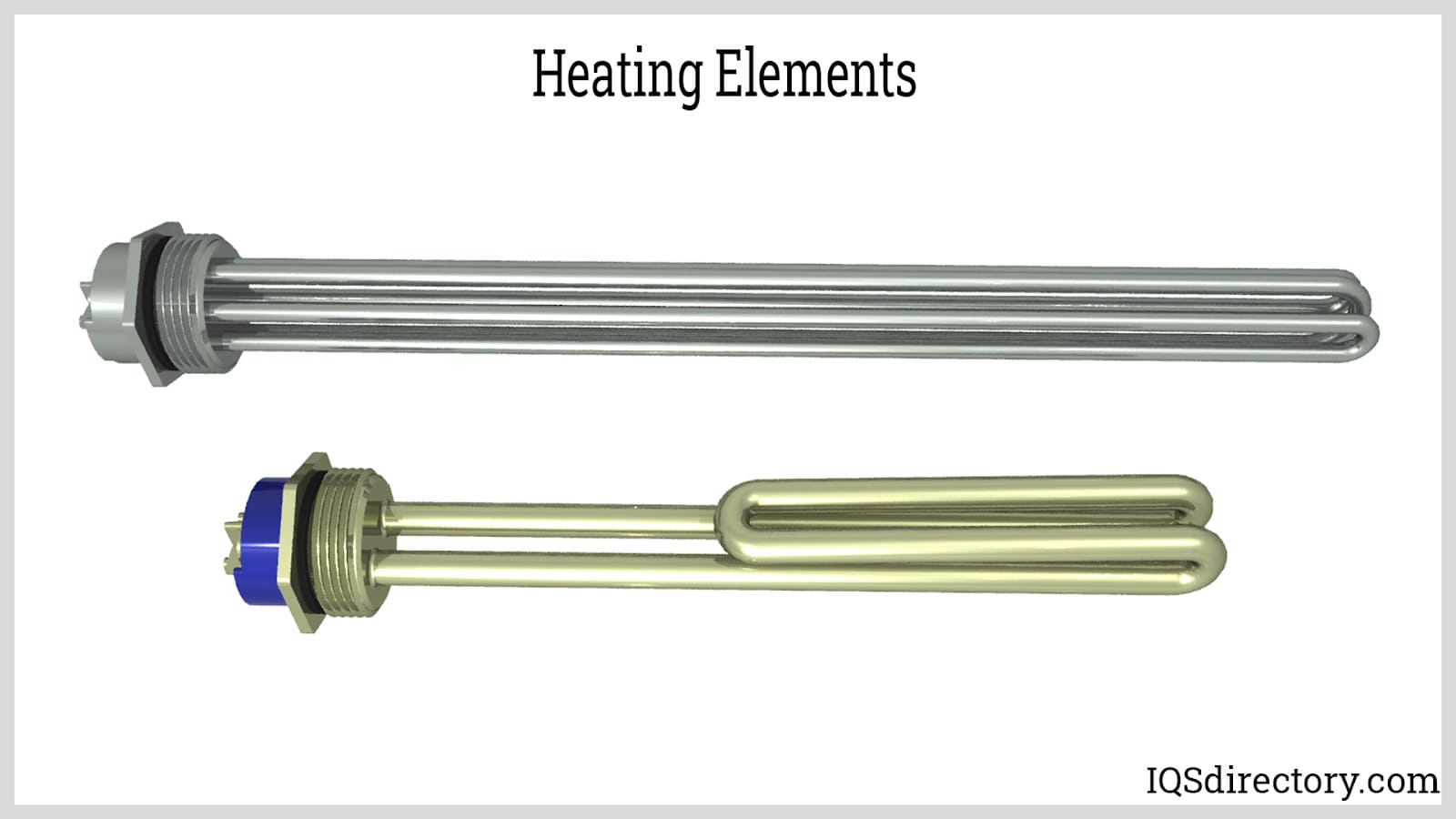 Heating elements are materials or devices that directly convert electrical energy into heat or thermal energy through Joule heating, making them a core component in many electric heaters, process heaters, and thermal systems.
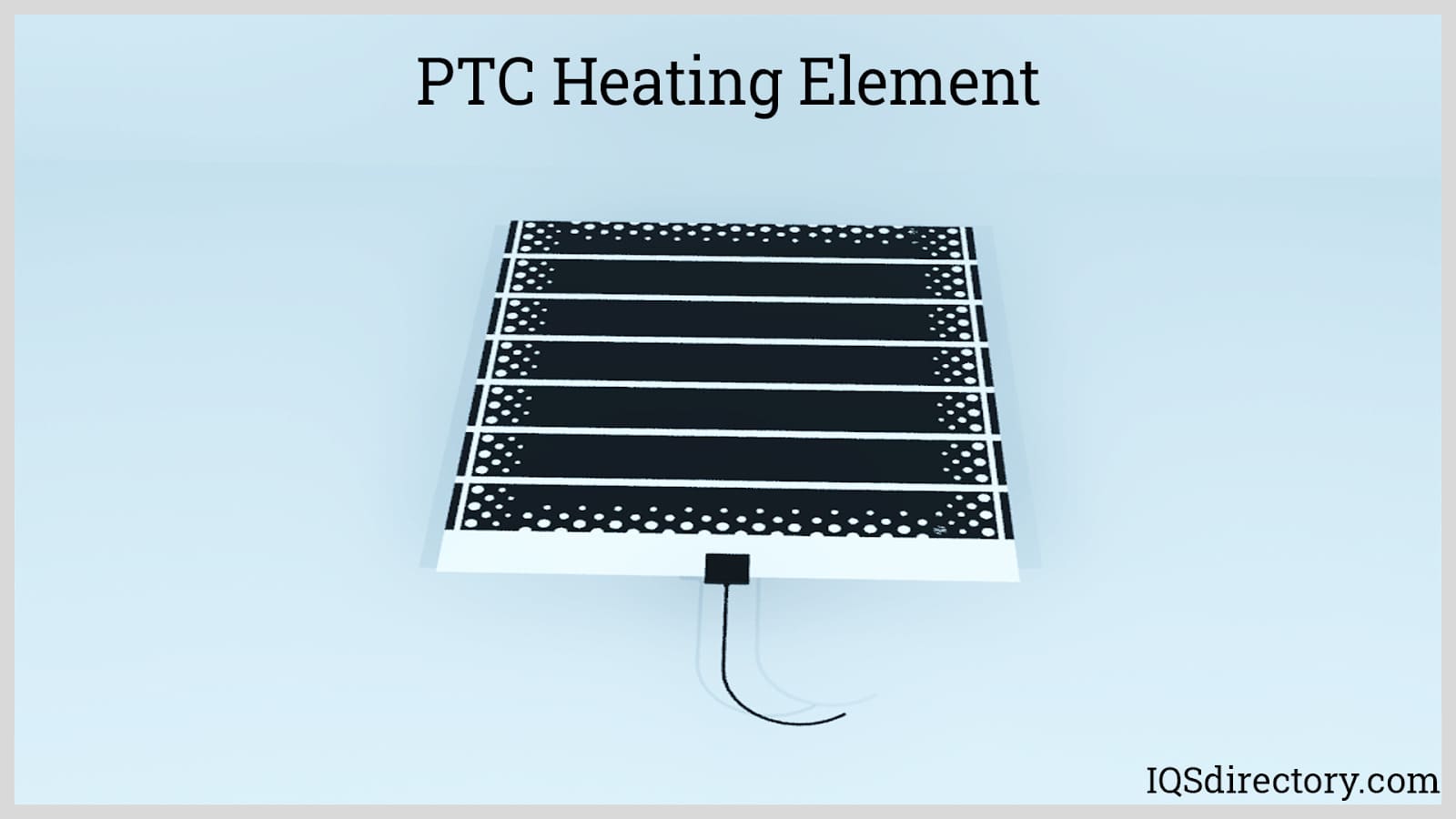 PTC heaters have a unique property in which the heater maintains or limits current flow by increasing electrical resistance as temperature rises, helping support safer, self-regulating heat output in many portable and specialty applications.
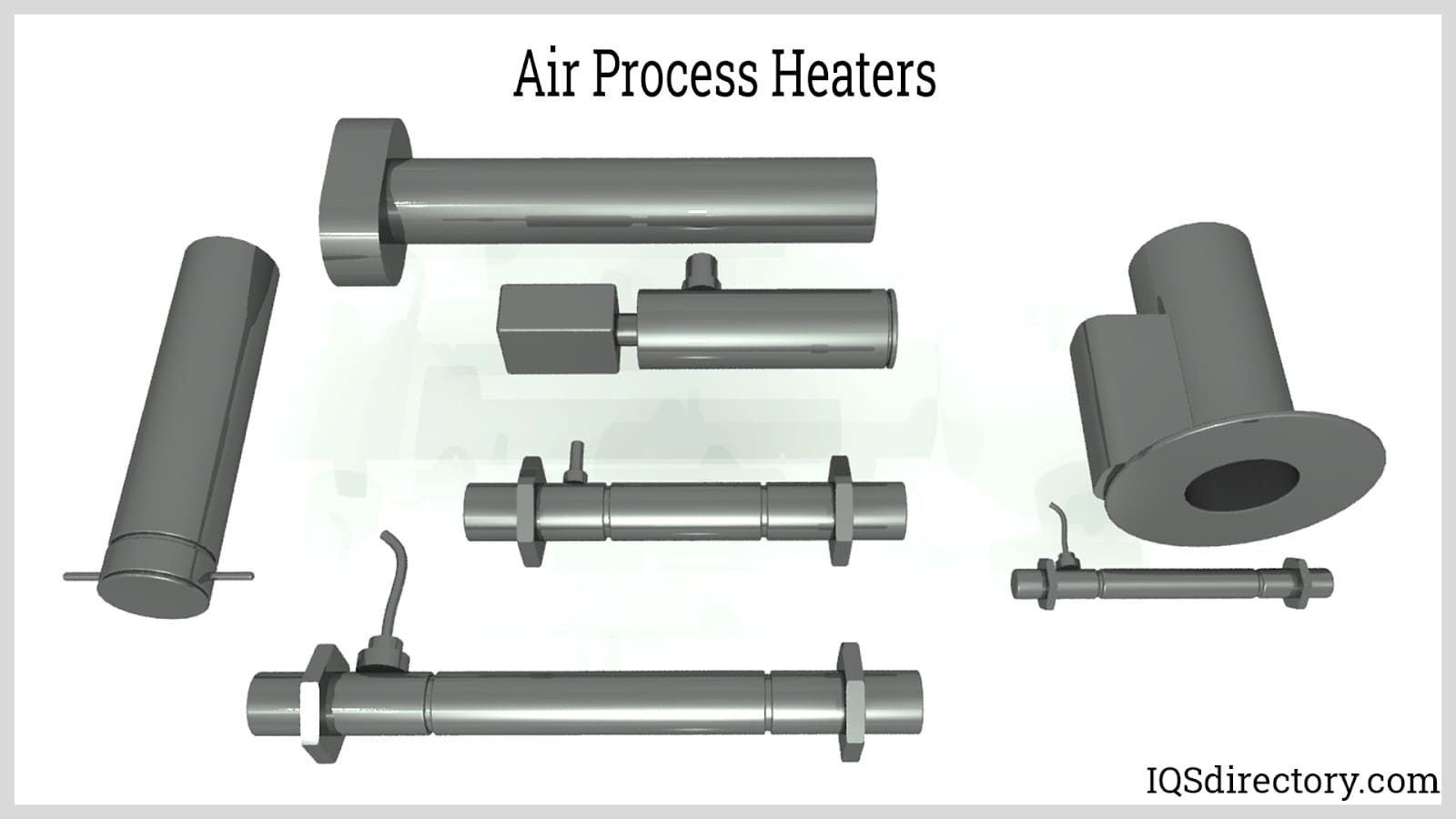 This type of heater warms flowing air, typically by directing air over a heated tube or pipe, and is commonly used in duct heating, drying, process air handling, and controlled industrial airflow applications.
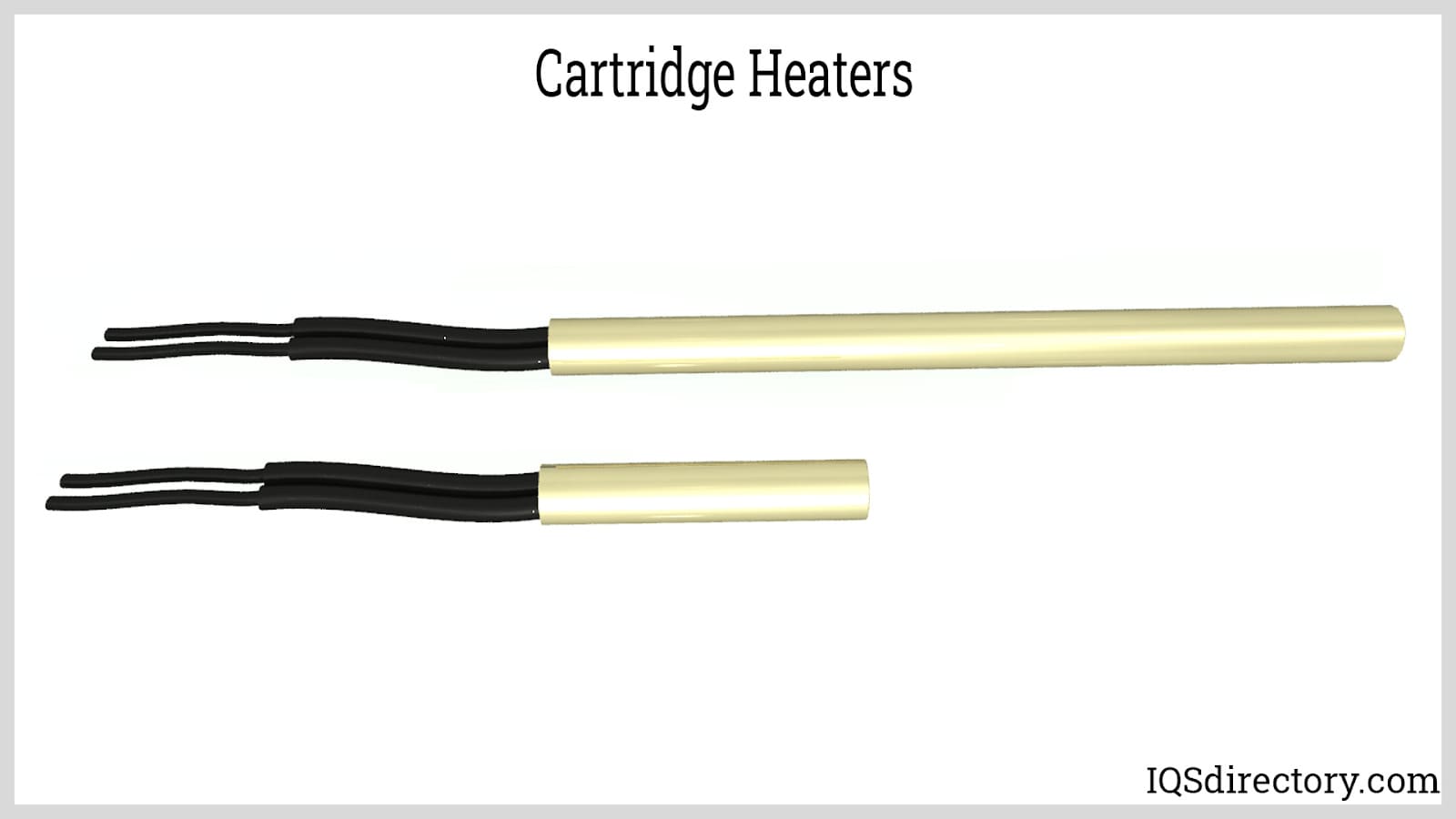 Cartridge heaters are tube-shaped heaters with resistance wire coiled around a ceramic core, providing concentrated, localized heat for dies, platens, molds, packaging equipment, and other precision heating applications.
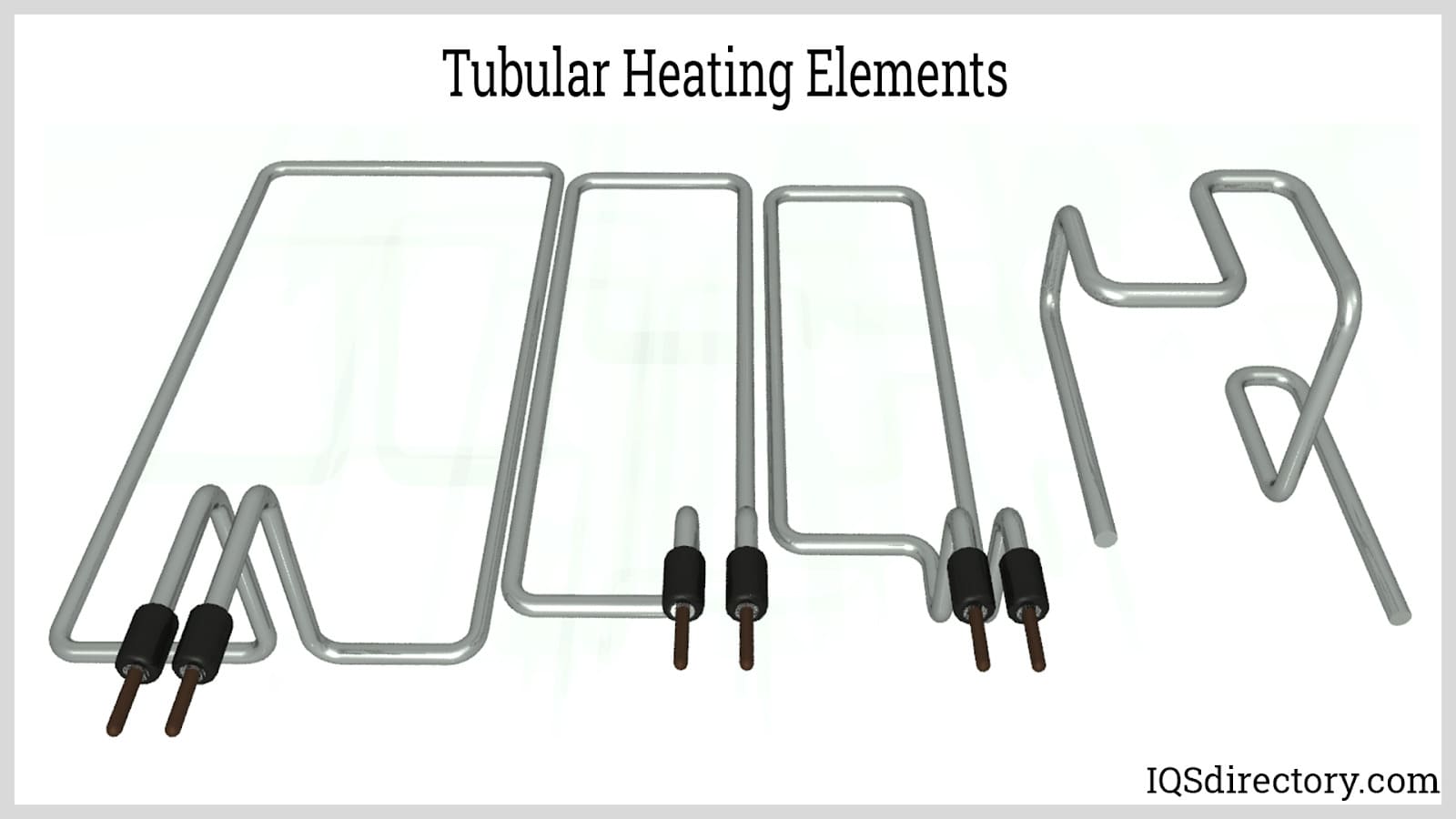 Tubular heaters are similar to cartridge heaters, but the lead terminals are positioned differently and the elements can often be formed to fit specific equipment layouts, making them versatile for ovens, air heaters, and immersion use.
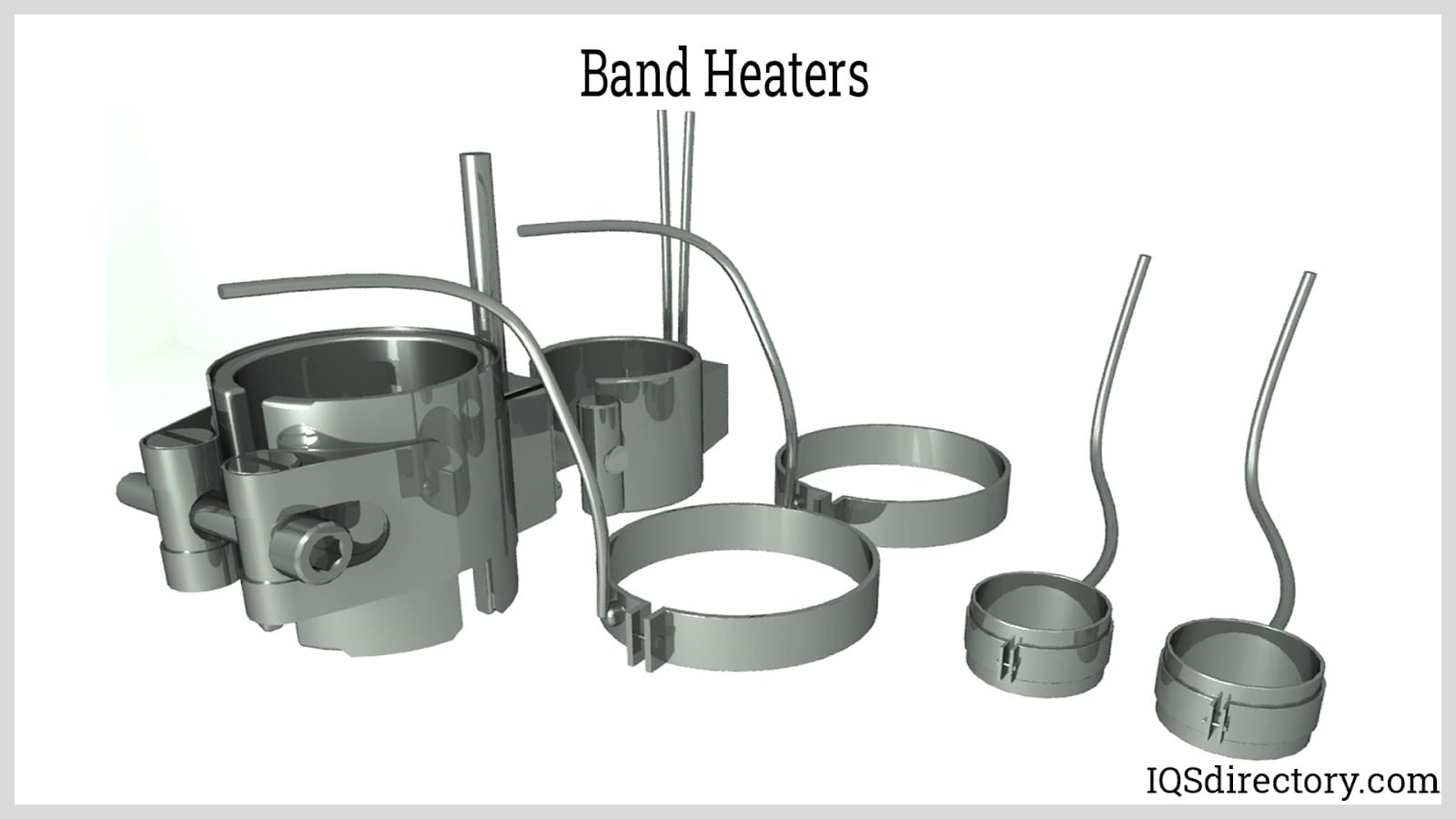 Band heaters wrap around cylindrical metal surfaces and can indirectly heat the materials inside a vessel or barrel, which is why they are widely used in plastics processing, extrusion, and container heating applications.
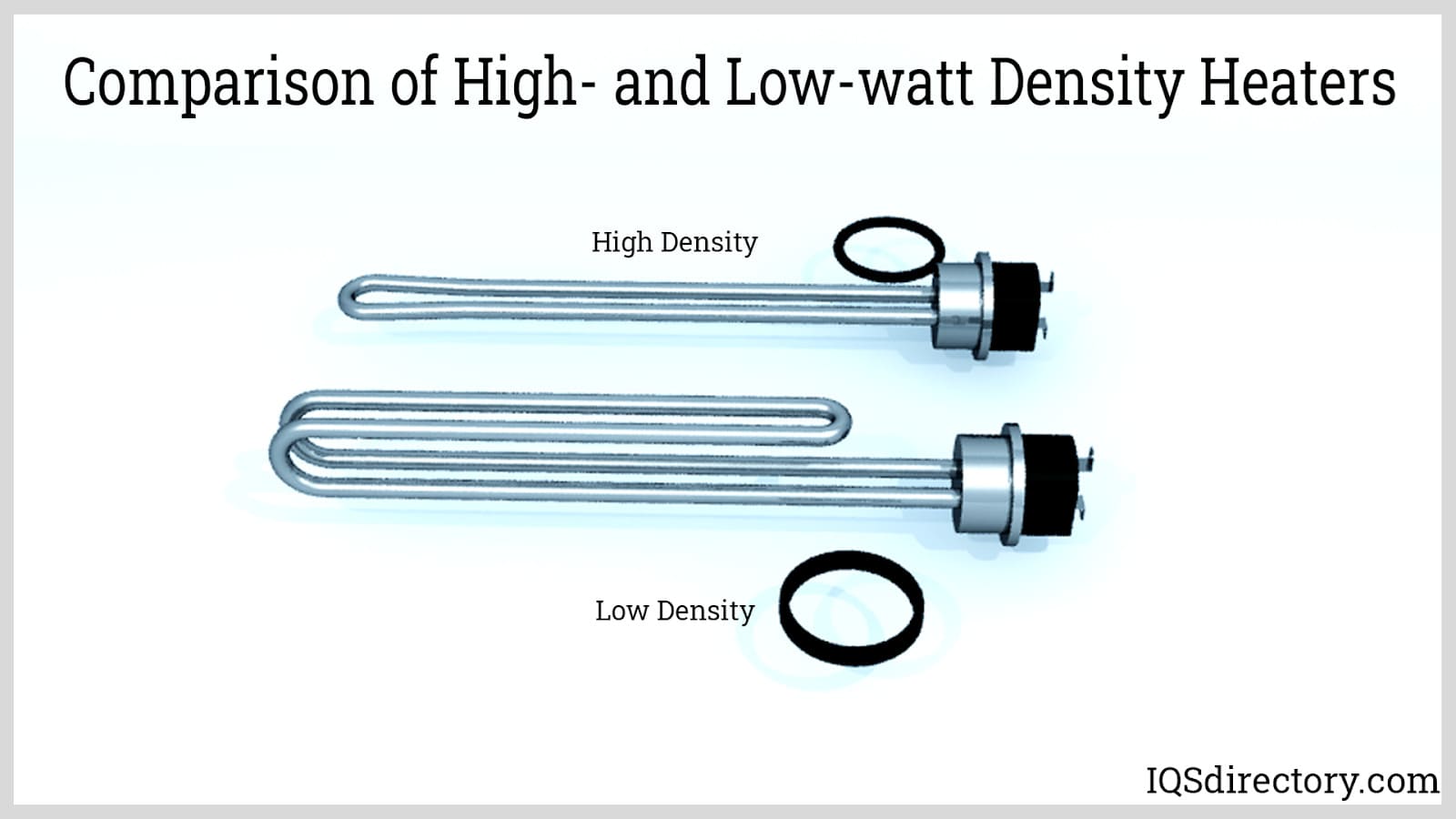 The proper watt density must be selected for each application to balance heat-up speed, operating temperature, and service life, especially when heating sensitive materials, viscous fluids, or demanding industrial loads.
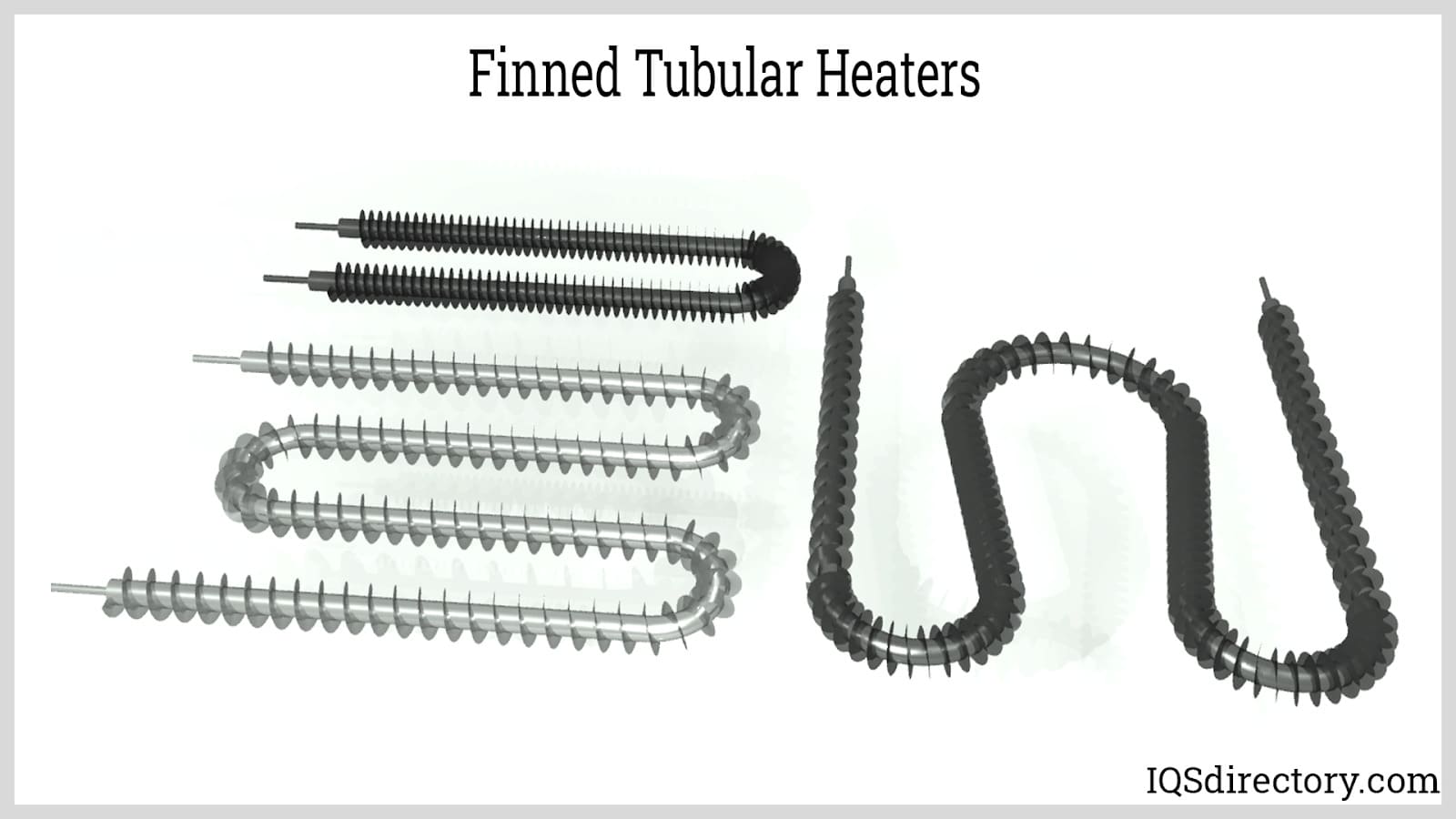 Finned surfaces and long wire coils are common features of air heaters, since moving or stagnant air is usually heated more efficiently when greater surface area is available for controlled heat transfer.
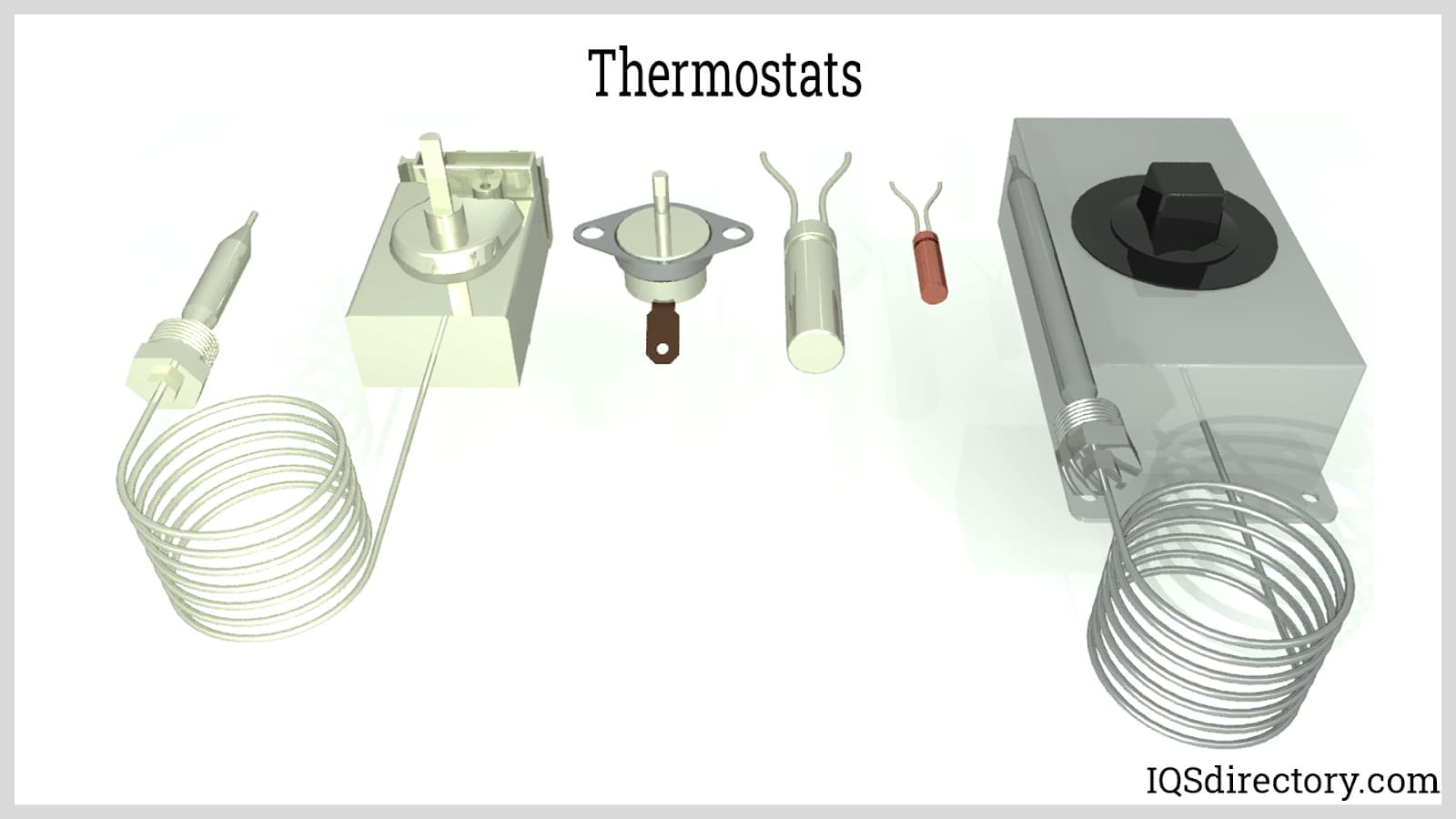 Conventional heaters often use a temperature sensor and a thermostat to adjust temperature when needed, helping maintain steadier performance, safety, and energy efficiency during operation.
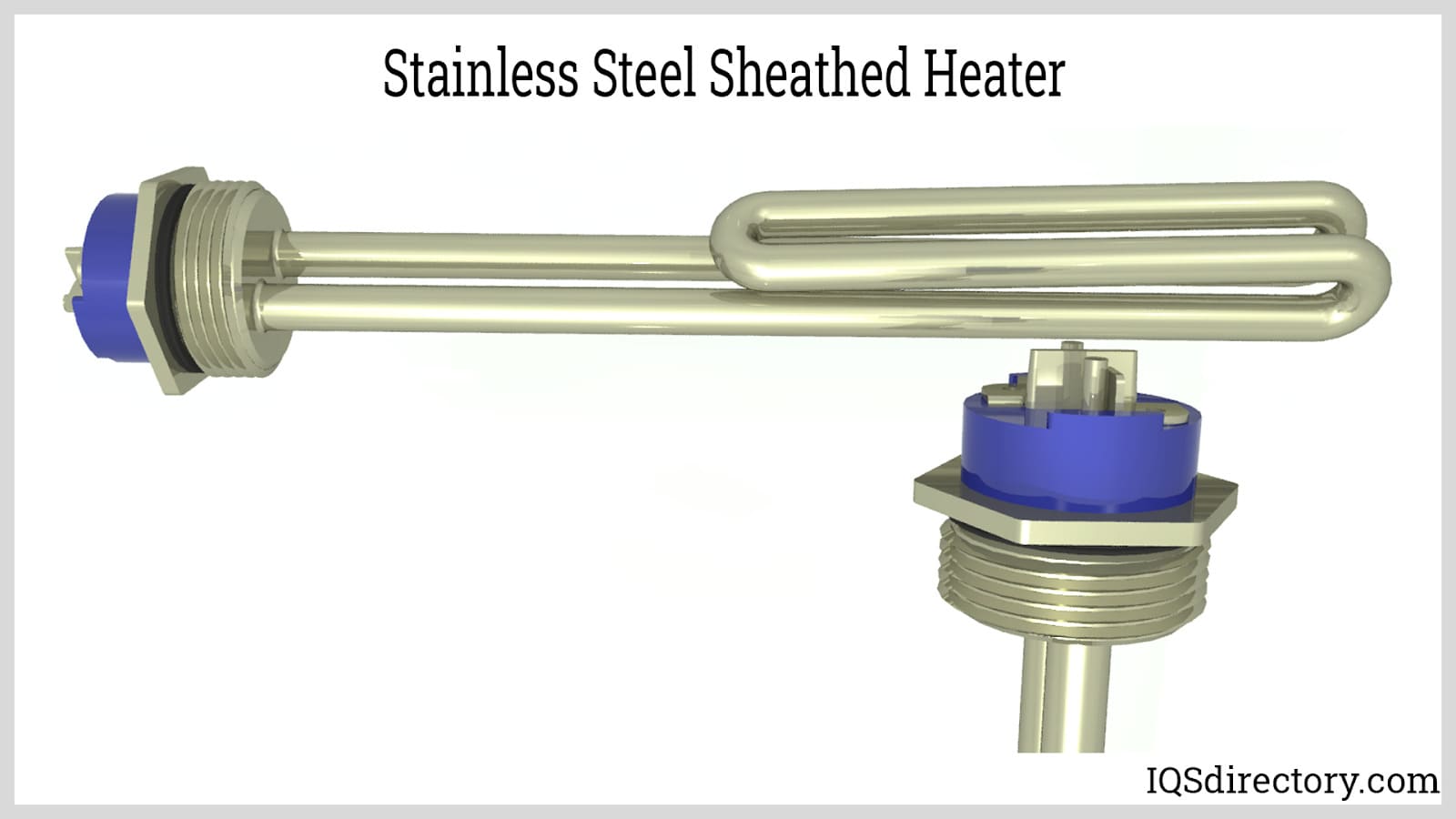 To help resist corrosion, a sheath material such as stainless steel, brass, copper, or another alloy is often used where the heating element will be exposed to moisture, chemicals, or demanding process conditions.
Heating Element Types
- Cable Heating Elements
- These are made of wire wound around a fiberglass core and insulated with PVC or silicone rubber. Cable heating elements are often chosen for freeze protection, pipe tracing, floor warming, and other applications where flexible installation and distributed heat are preferred.
- Cartridge Heating Elements
- These devices provide localized heating for a variety of applications. Typically inserted into a substance or positioned to heat a specific area, cartridge heaters are composed of seven primary components: heating coil, insulation, sealing, sheath, watt density, lead wire type, and termination. Buyers often use them when they need compact, high-output heat in molds, dies, platens, and tooling.
- Ceramic Heating Elements
- Used in both low and high-temperature ovens and furnaces, these elements come in shapes such as rectangular, square, flat, cylindrical, or partial cylinder. Ceramic designs are often selected for durability, thermal stability, and even heat distribution.
- Coil Heating Elements
- Commonly found in many products, these elements provide heat to a general area. Coil heating elements are shaped according to their specific application and can be free radiating or enclosed, which makes them useful in appliances, room heaters, and light industrial equipment.
- Dryer Heating Elements
- Metallic components that generate heat in products such as clothes dryers and hair dryers. They are designed for repeated heating cycles and consistent airflow-based heat transfer.
- Electric Heating Elements
- These are the components inside devices that use electricity to generate heat. The term includes a broad range of element styles for residential appliances, commercial equipment, and industrial process heating systems.
- Flexible Heating Elements
- Extremely thin elements that can be bonded to different shapes and compounds, providing heating directly where it is needed. Flexible heaters are often used when space is limited or when uniform surface heating is required on irregular parts.
- Heater Elements
- The central component within all electric heaters, used for both solid-to-gas or liquid heating and solid-to-solid heating. Performance depends on the element material, watt density, operating environment, and mounting method.
- Heating Coils
- Designed to have a large surface area without occupying much space, these coils efficiently distribute heat. They are widely used where fast response and broad exposure to air or nearby surfaces are needed.
- Immersion Heater Elements
- These allow electric heaters to be submerged in the liquid or gaseous materials they are intended to heat. They are common in water heating, chemical processing, tanks, and other direct-contact heating applications.
- Industrial Heating Elements
- They convert electrical energy into heat, which is then transferred to air, liquids, or solids via convection or conduction. Industrial heating elements are selected for process stability, duty cycle, temperature capability, and compatibility with plant operating conditions.
- Infrared Heating Elements
- Used in infrared heaters, these elements heat a surface that, in turn, distributes the heat. They are utilized in many different applications where quick response, surface heating, and non-contact heat transfer are beneficial.
- Mica Elements
- Often encapsulated in steel sheaths, mica elements have ribbon or wire wound on mica sheets or tubes and are insulated with mica. They are frequently used in band heaters, strip heaters, and applications that require compact heat in a controlled footprint.
- Plug or Rack Type Heating
- Commonly used in convection furnaces and ovens with open coil heaters, plug or rack types typically consist of multiple heating elements assembled in a rack or plug configuration. This design supports easy replacement and broad heat coverage in larger systems.
- Quartz Heating Elements
- These elements are typically used in infrared heaters to provide rapid heating. They are often selected for clean, responsive heating in drying, curing, and forming applications.
- Silicon-Carbide Heating Elements
- Used in high-temperature applications requiring higher watts, these elements are typically long, tube-like structures. They are well suited for demanding furnace and materials-processing environments where shape retention at elevated temperature matters.
- Tubular Heating Elements
- Widely used and sometimes equipped with a protective casing, these elements can be formed to fit specific applications. Their flexibility makes them common in ovens, immersion heaters, duct heaters, and air process systems.
Materials Used to Manufacture Heating Elements
- Manufacturing With NiChrome
- NiChrome, an alloy consisting of 80% Nickel and 20% Chromium, is commonly used for heating elements because of its flexibility and ease of forming. With a melting point of 2550 degrees Fahrenheit and strong resistance to oxidation, NiChrome remains a popular choice for consumer and industrial heating products. It is commonly found in appliances such as toasters, hair dryers, and clothes dryers. NiChrome heating elements can be designed to reach temperatures as high as 1300 degrees Fahrenheit, which makes them attractive for applications that need dependable resistance heating and consistent performance over repeated cycles.
- PTC Ceramic
- Portable ceramic space heaters, commonly found in homes and offices, often use a Positive Temperature Coefficient (PTC) ceramic element to generate heat. Instead of wire, these elements use ceramic chips or stones made from a barium titanate or lead titanate composite. PTC ceramic heating elements are safer and have a longer lifespan, operating at a temperature of 518 degrees Fahrenheit compared to the 900 degrees Fahrenheit of many traditional metallic elements. Their self-regulating behavior can also help reduce overheating risk in portable heating products.
- Silicon Carbide
- Silicon carbide (SiC) elements can operate at higher temperatures and watt loads than metallic elements. SiC elements can reach temperatures up to 1625 degrees Celsius (2927 degrees Fahrenheit). Because of the hardness of SiC, these elements maintain their shape even at maximum temperatures, allowing them to be integrated into equipment designs without the extra structural support often needed by other element materials. This makes them well suited for furnaces and aggressive high-heat process environments.
- Molybdenum Disilicide
- Molybdenum disilicide (MoSiO2), also known as MolyD, is used for heating elements that can reach temperatures up to 1850 degrees Celsius (3362 degrees Fahrenheit). These elements are commonly found in electric furnaces within industries such as electronics, steel, ceramics, and glass, where very high operating temperatures and dependable material stability are required.
- Quartz in Heating Elements
- Quartz is an excellent material for heating elements because it aids heat transmission while absorbing minimal heat itself. Quartz elements heat up rapidly and are used in infrared heaters. Industrial applications of quartz heating elements include paint drying, film curing, thermoforming and adhesive sealing, as well as other fast-response infrared processes where clean, controllable heat is preferred.
- Stainless Steel
- Stainless steel is commonly used in water immersion applications such as kettles and beer brewing equipment. It is resistant to rust, even when exposed to water for extended periods. Electric brewers that use materials other than stainless steel for their elements typically require a magnesium anode to help prevent rusting at the element base. Stainless steel sheathing is also valued where sanitation, corrosion resistance, and washdown durability matter.
- Mineral Insulation
- Mineral insulation, such as Fiberglass, magnesium oxide, and mica, is used to coat heating elements based on the requirements of the application. One major benefit of mineral insulation is its ability to oxidize in a way that helps protect the element from further damage over time while also supporting electrical insulation and heat containment.
Customizing Heating Elements
Heating elements can be tailored to suit specific applications, and they can be made from materials such as nickel, iron, molybdenum, and ceramic. The configuration of these elements can vary, with options including wire, tape (ribbon), coil, chips, or stones. The size and shape of the heating element depend on the intended use. For instance, the elements in electric stovetops and kettles are typically coiled, while industrial immersion heaters are often bent into a hairpin shape. Tubular elements are commonly used in electric ovens, grills, diffusion equipment, water immersion heaters, and kettles. Mica-wound elements are found in band heaters and toasters, while spiral heating elements are used in convectors and fan heaters. Flexible heating elements are ideal for specialized equipment in fields such as medical, aviation, and automotive industries. Made from etched foil, these flexible elements can be used in applications like LCD displays, optical equipment, PC boards for computers, and devices designed to prevent outdoor equipment from freezing. When customers search for custom heating elements, they often compare form factor, watt density, operating temperature, lead configuration, sheath material, and the media being heated to determine the best fit.
Heating Element Maintenance
Heating elements typically fail before the surrounding equipment, and in some cases, it may be more cost-effective to replace the entire appliance or equipment rather than just the heating element. This is often the case with small appliances like hair dryers, toasters, and space heaters. However, in other situations, it is more desirable to replace the element to extend the life of the equipment, such as with water heaters, furnaces and ovens. The wiring diagram provided with the equipment can guide the process of removing the old element and installing and rewiring the new one. In some cases, the electrical box may need to be opened to connect the heating cables to other wires and the power source. Buyers and maintenance teams often compare repair-versus-replace costs based on downtime, labor, equipment age, and the availability of replacement parts.
In addition to the heating elements themselves, certain accessories support safe and effective operation. For example, water heater elements require a silicone o-ring to ensure a proper seal. Electric furnaces often use braided wires, clips, and bolts. Various other components like electrical boxes, power cords, extensions, and adapters may be needed for different applications. Matching accessories to the heater design helps support reliable installation, temperature control, and longer service life.
Standards and Specifications for Heating Elements
UL (Underwriters Laboratories) compliance is required for heating element manufacturers seeking recognized safety approval for many applications. The UL 197, UL 499, and UL 1030 standards apply to commercial electric cooking and electric heating appliances. For electric sheathed heating elements to gain approval, their design specifications must align with these standards. Additionally, electric duct heaters must adhere to UL 1996 to be compliant. For manufacturers and purchasers alike, standards help define product safety, testing expectations, and acceptable performance benchmarks.
The National Electrical Code (NFPA 70) outlines standards for the installation of electric wiring, including heating elements. Although it is not a federal law, many states have adopted these guidelines for electrical installations, making code awareness an important part of equipment selection, installation planning, and long-term facility safety.
Things to Consider Before Selecting a Manufacturer
Choosing the right heating element manufacturer depends largely on the specific customizations and intended use of the heating elements. For instance, toasters require small, exposed NiChrome tape or ribbons, radiators use long bars, some space heaters rely on PTC ceramic elements, and diffusion pump heaters need specialized processes. In many buying journeys, the search begins with application needs such as temperature range, warm-up time, operating environment, element geometry, and expected service life.
When selecting a manufacturer, it is important to confirm that they can meet your needs while adhering to industry standards and regulations. The manufacturer must have expertise in matching the right type of element to each application. Using the wrong heating element can lead to product damage, fires, short circuits, poor efficiency, and equipment failure. Buyers comparing suppliers often look for application knowledge, design support, material options, lead times, and quality control practices.
Several factors need to be considered before choosing a manufacturer. Do they design products for residential, commercial, or industrial use? Are they compliant with UL standards? Can they produce heating elements for specific temperature ranges and materials? Are they familiar with industry standards for different applications? What maintenance services do they offer? Do they provide warranties on purchased elements and parts? What is their reputation in the industry for response times when replacement elements are needed? These questions should be answered before proceeding. Choosing the right manufacturer and maintenance schedule can improve product safety, reduce downtime, and extend service life. For a list of top heating element manufacturers, you can visit the top of this page.
Heating Element Terms
- Alloy
- A mixture of two or more metals, or a metal and a non-metal, that are fused together while molten.
- Annealing
- The process of heating and cooling a solid, typically steel or glass, to soften it and reduce brittleness through controlled furnace cooling.
- Brazing
- A method of joining metals using heat and a filler metal to form a strong bond, typically using a silver alloy as the filler material.
- BTU
- British Thermal Unit; the amount of heat required to change the temperature of one pound of water by one degree Fahrenheit.
- Carburizing
- A process in which a metal is combined with carbon.
- Celsius
- The metric temperature scale where water freezes at 0°C and boils at 100°C.
- Ceramic
- A nonmetallic product made from minerals, such as clay, that is fired at high temperatures; examples include porcelain and brick.
- Coil
- A heating element that is shaped into a coil and serves as a source of heat.
- Condenser Coil
- In a heat pump system, the coil that absorbs heat from the outdoor air.
- Ductwork
- Pipes or conduits through which air is delivered, typically made of metal, fiberboard, or flexible materials.
- DX
- Direct expansion; a system where heat is transferred through the direct expansion of refrigerant.
- Fahrenheit
- A temperature scale where water freezes at 32°F and boils at 212°F.
- Firebrick
- A brick designed to withstand high temperatures, often used for lining furnaces or fireplaces.
- Grounded Element
- An element that has broken and is touching a metal surface, such as the metal housing intended to hold the element.
- Heating Element
- The component of a heater that conducts and generates heat.
- Infrared
- Invisible heat waves with wavelengths longer than red visible light and shorter than microwaves.
- Kilowatts
- A unit of energy equal to 1000 watts.
- Mica
- A shiny, transparent mineral made of flat chemical crystals, commonly used as an electrical insulator.
- Plenum Chamber
- A space or duct used for distributing air evenly during cooling, heating, or humidifying processes.
- Surface Load
- Calculated by dividing the total bearing load by the bearing’s projected area, often expressed as inner diameter multiplied by width.
- Therm
- A unit of heat measurement equal to 100,000 BTUs.
- Thermocouple
- A device used to measure the difference in potential created at the junction of two different metal wires.
- Thermostat
- A device used to control temperature by regulating heating or cooling.
- Watts
- The unit of power, equivalent to the power produced by a current of one ampere across a potential difference of one volt, or 1/746 horsepower.