Work Benches
Workbenches and workstations are both built to support efficient, organized work. Buyers often search these terms interchangeably when comparing industrial furniture, ergonomic work areas, and production support equipment, but there is a useful distinction that can help narrow the right solution for a facility, lab, warehouse, packaging area, or assembly environment.
"Workstation" usually refers to a complete work area, including furniture, shelving, storage, and accessories that support workflow, comfort, and organization. In many industries, a workstation is selected not just for surface space, but for how well it supports productivity, tool access, storage capacity, safety, and repeatable task performance. Examples include:
- Assembly tables and chairs
- Storage benches and racks
- Laminar flow benches
- Cleanroom workbenches
- Office tables
"Workbench" is more specific and usually describes the work surface itself. When buyers compare industrial workbenches, lab benches, steel work tables, or adjustable benches, they are often evaluating load capacity, surface material, ergonomics, mobility, cleanability, storage options, and task suitability. Common examples include:
- Assembly tables
- Storage tables
- Lab work tables
In practice, both terms are widely used to describe productive work areas. Whether a buyer is searching for a heavy-duty workbench, ergonomic workstation, modular industrial workstation, or portable work table, the best choice depends on application, workflow, operator comfort, available space, and the level of customization required.
Work Bench FAQ
What’s the difference between a workbench and a workstation?
A workbench usually refers to the work surface used for a specific task, while a workstation describes the broader work area that may include shelving, storage, accessories, seating, and integrated equipment. In industrial, laboratory, packaging, and office settings, the choice often comes down to whether you need a single task surface or a more complete workflow station.
How have workbenches evolved over time?
Workbenches have evolved from basic tables used for manual tasks into highly engineered industrial work surfaces and ergonomic workstations. Modern models may include adjustable height systems, lighting, power integration, storage modules, ESD protection, and cleanroom-compatible features that improve comfort, safety, and throughput.
What materials are used to build industrial workbenches?
Industrial workbenches are commonly built from stainless steel, heavy-gauge steel, laminate, ESD laminate, maple, plywood, and other application-specific materials. Stainless steel is often chosen for sanitary or laboratory environments, while steel frames and durable tops are popular for manufacturing, packaging, repair, and assembly operations.
Which industries use workbenches the most?
Workbenches are widely used in manufacturing, assembly, laboratories, cleanrooms, packaging departments, warehouses, distribution centers, offices, and technical environments. They help support repetitive tasks, equipment setup, product handling, inspection, sorting, shipping, and other operations that benefit from organized, ergonomic work areas.
What features make a workbench ergonomic?
Ergonomic workbenches often include adjustable height, accessible shelving, integrated lighting, footrests, anti-fatigue support, improved reach zones, and accessories that help workers maintain a neutral posture. These features can reduce repetitive strain, improve comfort during long shifts, and support more consistent performance.
Are there standards that workbenches must meet?
Yes. Workbenches may need to comply with OSHA requirements and, depending on the environment and application, may also align with ANSI and ISO expectations. Buyers should also review any facility-specific, industry-specific, or process-specific requirements related to safety, static control, cleanliness, weight capacity, or operator use.
How can office workstations improve productivity?
Office workstations can improve productivity by supporting comfort, organization, and focus. Better lighting, temperature control, layout planning, ergonomic furniture, and efficient equipment placement can help employees stay engaged, reduce fatigue, and maintain stronger day-to-day performance over longer periods.
What accessories can enhance a workbench setup?
Common workbench accessories include drawers, cabinets, casters, shelving, power outlets, lighting, privacy panels, locks, footrests, and equipment supports. The right accessory package depends on the task being performed, the tools involved, and whether the goal is better storage, cleaner workflow, safer operation, or faster task completion.
The History of Work Benches
Workbenches have supported hands-on work for centuries, evolving from simple task tables into specialized industrial workstations and ergonomic production benches. Early examples, including those used in ancient Rome, were basic, low-profile tables that supported seated manual work. Over time, design improved as craftsmen and manufacturers refined bench layout, holding methods, stability, and working height to suit more demanding applications.
The 20th and 21st centuries brought a stronger focus on ergonomics, adjustability, worker safety, and process efficiency. Today’s workbenches frequently include integrated lighting, power access, storage, ESD features, and height-adjustable components that support manufacturing, laboratory work, technical operations, electronics assembly, and other modern industrial uses.
Designing Work Benches
Workbenches are designed around the surface where work is actually performed, but smart design goes well beyond the tabletop. Manufacturers consider the task, the user, the load requirements, whether operators are seated or standing, what tools will be used, and how material should move through the work area. Durability matters in every case, so many producers rely on full or partial welding, with laser welding used where precision and repeatability are priorities. In other applications, modular construction offers flexibility and faster on-site assembly.
Heavy-duty workbench models are often made from stainless steel or heavy-gauge steel, though many designs pair steel frames with specialty work surfaces. Depending on the use case, tops may be made from plastic laminate, ESD laminate, high-pressure laminate, maple, plywood, particle board, or steel. Buyers comparing workbench materials often ask which top is best for chemicals, abrasion, static control, sanitation, or impact resistance. The answer depends on the process. Stainless steel is common in labs and hygienic spaces, while durable laminate and steel surfaces are widely used in industrial and technical work areas.
Another major design priority is operator performance. Ergonomic workstations may include shelves, reels, lighting, monitor mounts, parts bins, and laminar flow systems that improve organization and reduce wasted motion. In assembly, packaging, inspection, and technical environments, these details can make a measurable difference in comfort, throughput, and consistency.
Because there are so many customization options, workbenches can be configured for cleanrooms, laboratories, packaging lines, repair stations, technical rooms, and general industrial production. Adjustable height, mobility, storage, power access, and cleanability are often the deciding factors when buyers compare one bench or workstation to another.
Work Bench Applications
Workbenches are used anywhere organized task execution matters. They support assembly, inspection, packaging, sorting, testing, repair, shipping, and laboratory work by creating orderly, repeatable work zones. Common users include office employees, call center staff, factory workers, cleanroom personnel, assembly line operators, technicians, machinists, distribution staff, and air traffic controllers. What many of these users share is the need for a dependable workspace that improves access, reduces clutter, and supports better workflow.
Note: In this industrial context, workbench applications focus on manufacturing, laboratory, packaging, logistics, and technical use rather than hobbyist or home woodworking projects.
Work Bench Features
While a workbench may appear simple, its features greatly influence usability, safety, and efficiency. Buyers often compare options by asking: Do I need a fixed-height bench or an adjustable one? Should the station stay in place or move between departments? How much storage is needed? What kind of electrical or lighting access should be built in? For example:
- Some workbenches have fixed heights, while others are height adjustable, either manually or via hand cranks.
- Certain models are stationary, while others are mobile, equipped with wheels for easy relocation.
Even when they resemble simple tables, workbenches can be highly specialized. Storage, power integration, ESD protection, shelf systems, privacy panels, equipment mounts, and application-specific surfaces allow one platform to serve very different industrial, technical, laboratory, and office purposes.
Work Bench Installation
Workbenches, including modular workstations, are usually shipped with installation instructions that explain assembly, leveling, accessory placement, and safe use. If questions come up during setup, consult the manufacturer so the finished station performs as intended and aligns with the application requirements of your facility.
Standards and Specifications of Workbenches
All workbenches, whether heavy-duty or modular, should be reviewed for OSHA alignment, while ANSI and ISO considerations may also apply depending on the design, use environment, and industry. Before buying, many facilities also review load ratings, stability, ESD requirements, chemical resistance, cleanability, and other process-specific performance details.
Ways to Increase Productivity
Many managers notice that even capable employees can underperform when the workstation layout works against them. Lighting, furniture quality, surface height, access to tools, clutter, and environmental comfort all influence focus and output. A well-designed workstation does more than look organized; it can help reduce wasted movement, support better posture, improve morale, and create a more dependable daily workflow.
Redesigning or upgrading workstations is one way to support stronger long-term performance. Short-term motivation ideas may help for a day, but layout, ergonomics, and the physical work environment often have a longer-lasting effect on comfort and productivity. Companies evaluating new workbench systems often ask how furniture design can improve employee output; in many cases, the answer begins with better fit, better access, and better environmental support.
Here are a few actionable ideas to enhance motivation and employee performance:
1. Leverage Natural Lighting
Natural light can improve mood, energy, and alertness. If direct sunlight is limited, outdoor breaks or lighting systems designed to mimic daylight may help create a more comfortable and productive workspace.
2. Maintain Optimal Office Temperature
Comfortable temperature and good ventilation support concentration. Regular HVAC maintenance and thoughtful monitoring can help reduce distraction and keep employees more comfortable throughout the day.
3. Integrate Music Thoughtfully
Background music can support focus in some workplaces, though the effect depends on the task and the audience. Well-chosen music may help create an energized atmosphere without becoming a distraction.
4. Apply Feng Shui or Vastu Principles
Some organizations use design philosophies such as Feng Shui or Vastu to guide layout, flow, and overall workplace atmosphere. When combined with ergonomic planning, these ideas may contribute to a more pleasant and engaging work environment.
When these strategies are paired with well-designed workstations, companies can create work areas that better support comfort, consistency, and employee satisfaction.
A Note on Choosing Your Manufacturer or Supplier
Choosing a manufacturer or supplier can be difficult because product configurations, materials, accessories, and service levels vary widely. A strong supplier should listen carefully, understand your process, and help match the workbench to your budget, timeline, workflow, and performance goals. Many buyers compare load capacity, customization, lead time, support, and experience with similar applications before making a final decision. A supplier with dependable service and a practical understanding of your needs is often the best long-term fit.
Accessories for Work Benches
Workbench manufacturers offer many accessories that improve organization, storage, safety, and day-to-day efficiency. Popular options include drawer units, cabinets, casters, adjustable shelves, power outlets, task lights, electrical components, privacy screens, locks, footrests, and software or monitoring support where technical workstations are involved. The best accessory package depends on the process, the operator, and the equipment being used, so it helps to discuss every requirement with the supplier before finalizing a configuration.
Work Bench Images, Diagrams and Visual Concepts
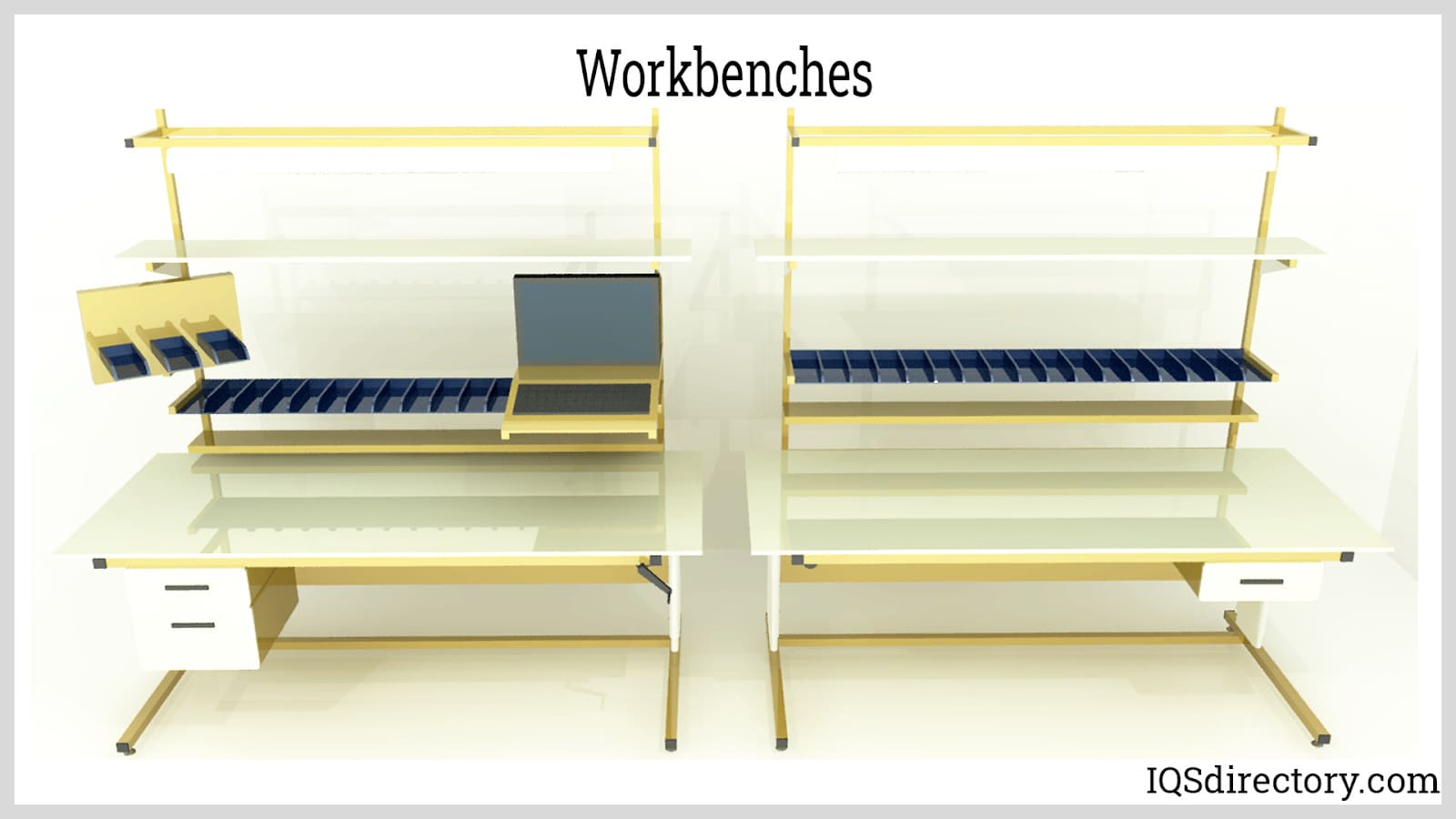
A sturdy, flat, smooth molded surface is the foundation of many workbench designs, with size, layout, and construction varying according to industrial, laboratory, packaging, and technical applications.
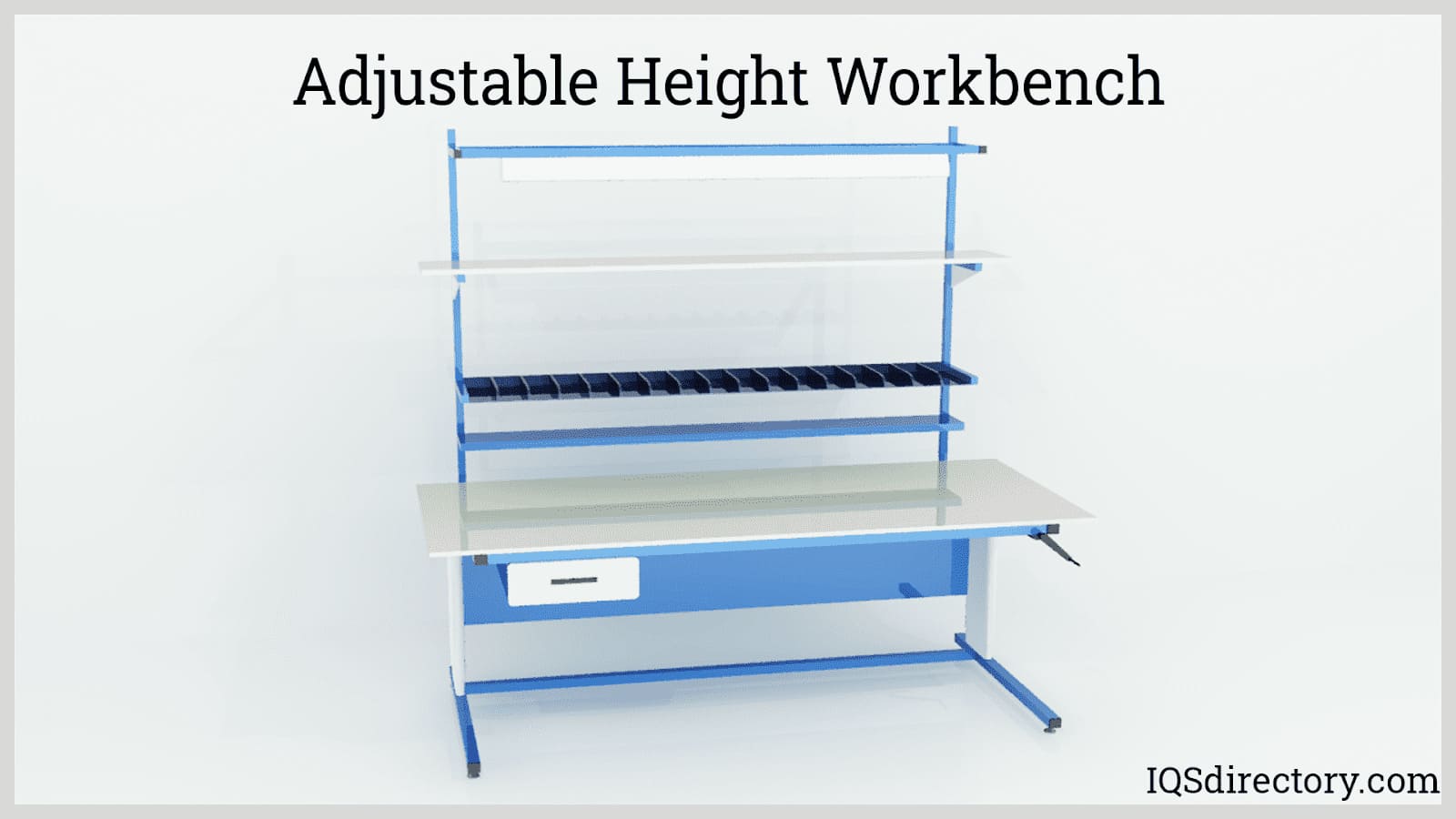
An adjustable work bench allows the operator to raise or lower the surface to improve ergonomics, support seated or standing work, and better match the task being performed.
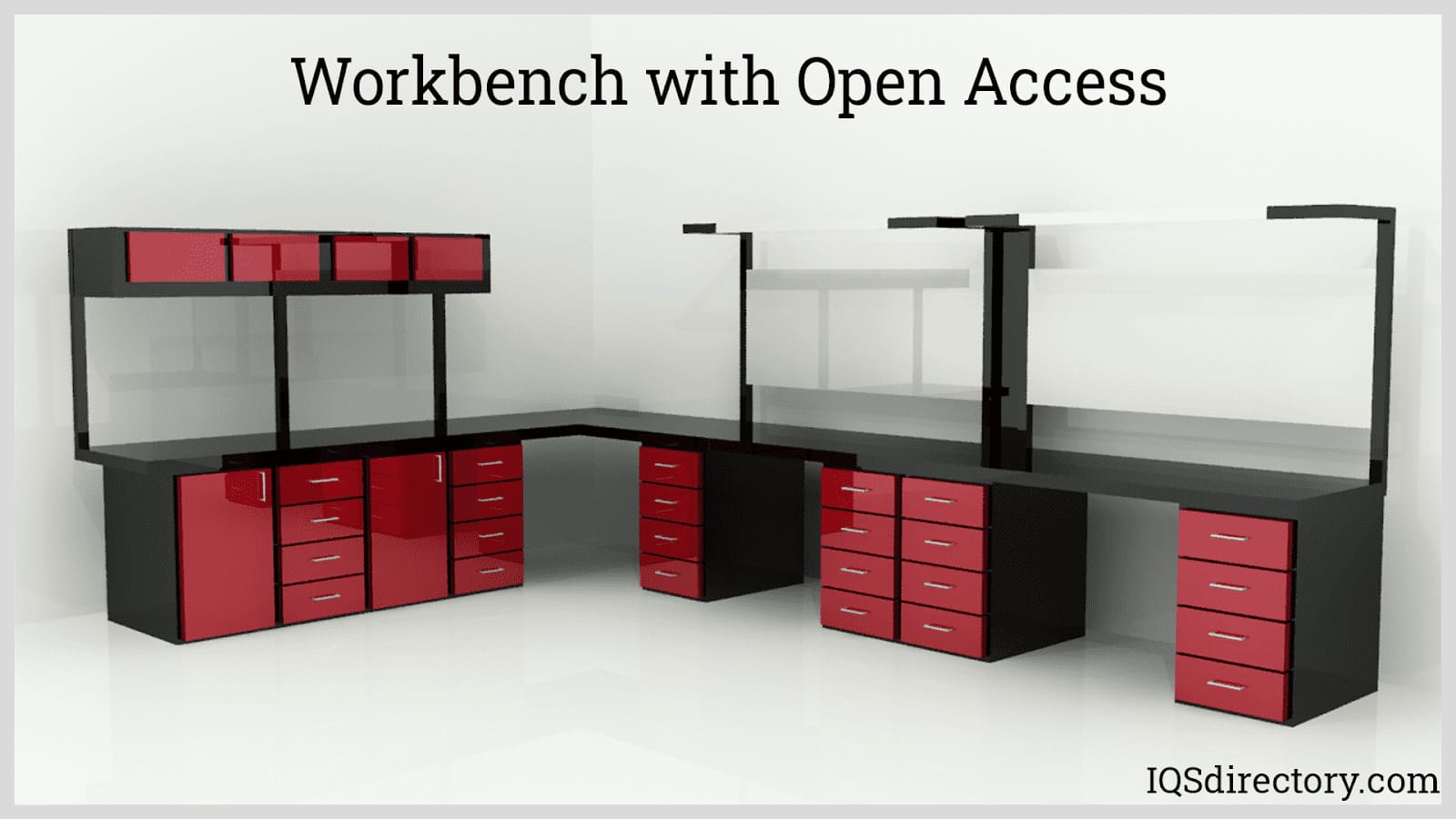
Open access design can improve efficiency by giving workers better reach, simpler movement, and clearer access to tools, materials, and equipment during repetitive tasks.
Electrical availability supports the operation of tools, testers, monitoring equipment, computers, and other powered components used at modern technical and industrial workstations.
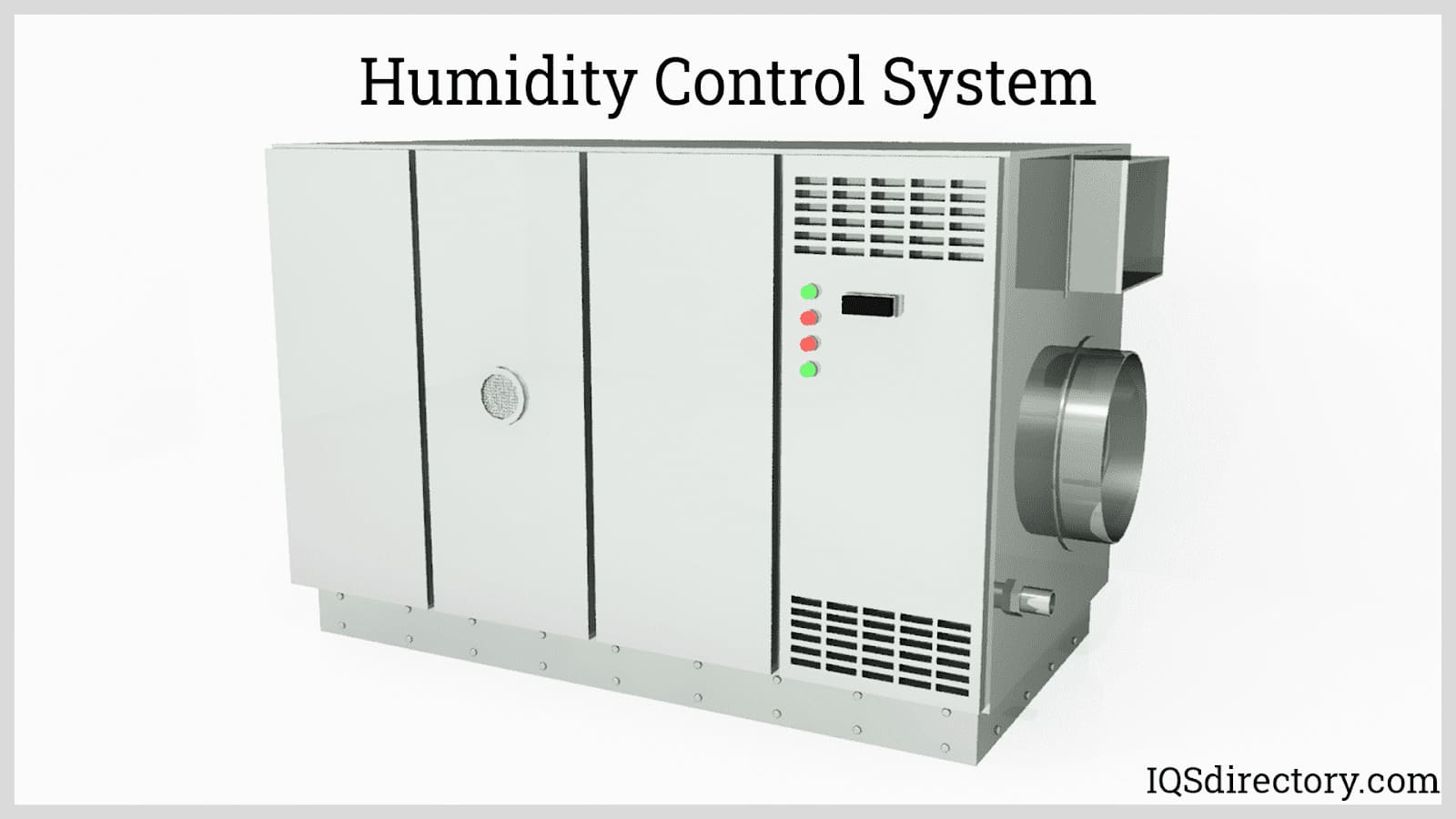
Humidity and moisture control may be necessary when the workbench is used for components, electronics, laboratory work, or materials that are sensitive to environmental conditions.

Laminate is a versatile surface option that is smooth, easy to clean, nonconductive, and resistant to oil, stains, and many diluted chemicals, making it a practical choice for many workbench applications.

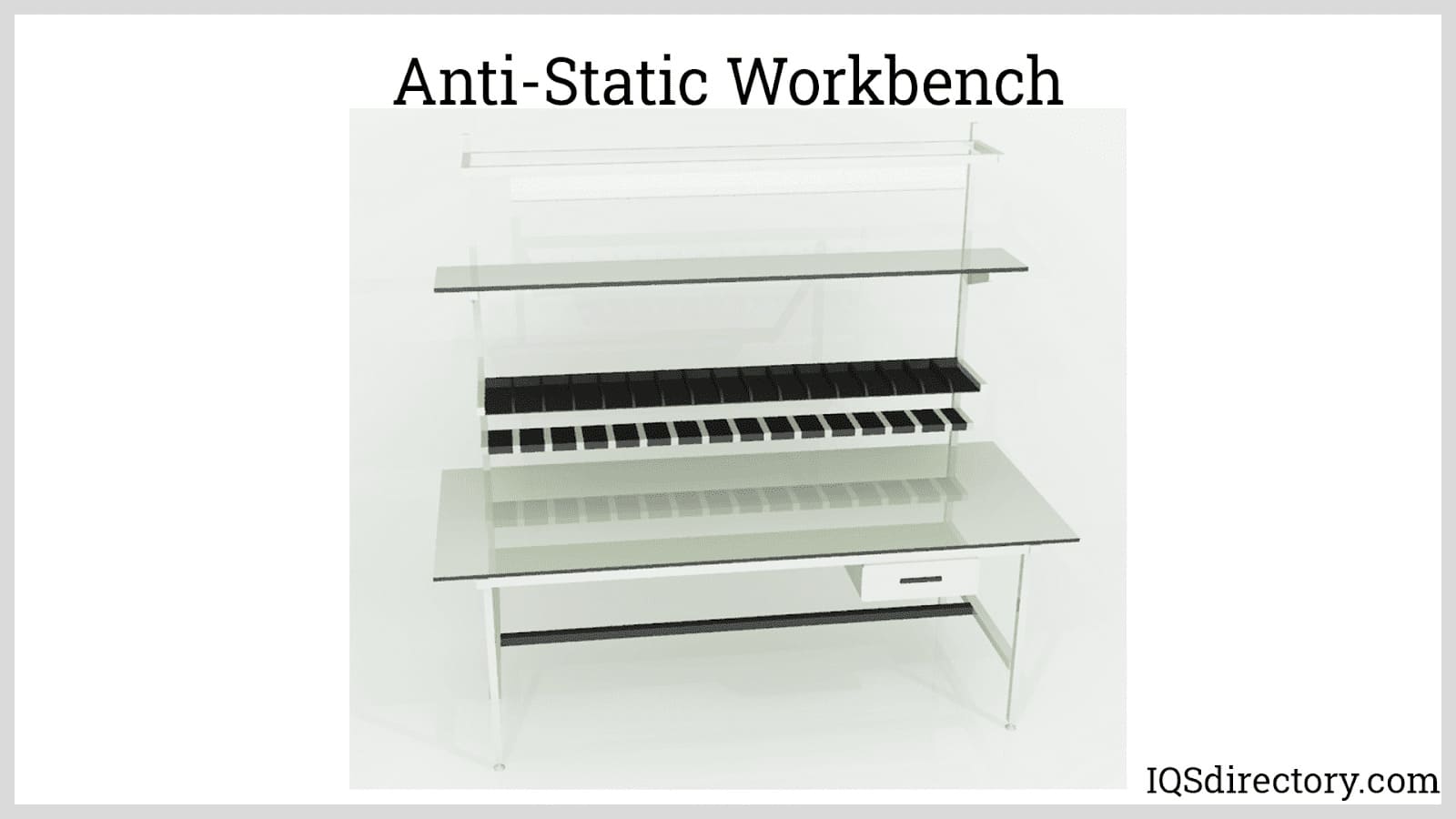
ESD laminate tops are designed for durability, abrasion resistance, humidity resistance, and static control in electronics, technical assembly, and other environments where ESD compliance matters.
Work Bench Types
Adjustable Workbench
Adjustable workbenches are designed for flexibility. Height, seating, drawer units, cabinets, keyboard platforms, and related components can often be modified to improve fit, comfort, and workflow for different users and changing tasks.
Cantilever Workbench
Cantilever workbenches use a rigid rear steel panel and front beam for strong structural support. These benches are often chosen for heavy-duty applications in warehouses, storage areas, and material handling environments where strength and stability are top priorities.
Command Operating Centers
Command operating centers are commonly used in IT, monitoring, and control environments where computers, displays, keyboards, and other electronics must be organized for visibility, access, and smooth day-to-day operation.
Computer Workbenches
Computer workbenches support both industrial and personal computing tasks by combining surface space with furnishings and accessories that improve ergonomics, cable management, equipment access, and organization.
CPU Holders
CPU holders keep central processing units elevated and accessible, helping protect them from dust and impact while improving reach and preserving valuable floor or desktop space.
Ergonomic Workstations
Ergonomic workstations use adjustable furniture and well-planned layouts to reduce repetitive strain, wrist stress, and musculoskeletal discomfort. They are designed to help workers maintain better posture and adapt the workspace to the task.
Industrial Workbenches
Industrial workbenches are rugged task tables used for production, repair, assembly, inspection, and other demanding environments. Shelves, drawers, and adjustable features make them popular where durability and organization are equally important.
Industrial Workstations
Industrial workstations are adaptable setups used for shipping, packaging, sorting, mail handling, technical operations, and other process-driven tasks. Accessories such as shelves, drawers, and side tables help create a more organized and productive work area.
Lab Furniture
Lab furniture includes tables, storage units, and supporting pieces used to build efficient laboratory work areas with appropriate surfaces, organization, and process support.
Lab Workbenches
Lab workbenches, also called lab benches, provide surface space for experiments, equipment setup, sample handling, and technician workflows in scientific and testing environments.
Metal Workbenches
Metal workbenches are durable, rugged solutions used across industrial, commercial, and even some residential applications where long service life and structural strength are needed.
Mobile Workbench/Mobile Workstation
Mobile workbenches, also known as portable workbenches or mobile workstations, are built to move where the work is needed, making them useful in changing production, maintenance, and support environments.
Modular Workstation
Modular workstations use configurable shelves, bins, tables, and support components that can be rearranged to match changing processes, improve layout efficiency, and support growth over time.
Packing and Packaging Tables
Packing and packaging tables are designed for product preparation, boxing, labeling, and shipping. Their ergonomic layouts and accessories help improve workflow, reduce reach issues, and support safer handling.
Portable Workbenches
Portable workbenches are non-stationary, task-oriented surfaces used in industrial, commercial, and other settings where flexibility and mobility matter.
Shipping Tables
Shipping tables are widely used in distribution centers and fulfillment areas, where adjustable, ergonomic surfaces support packaging, labeling, paperwork, and outbound shipping tasks.
Steel Workbenches
Steel workbenches are built from strong steel alloys and are valued for durability, long service life, and suitability across industrial, commercial, and technical applications.
Technical Furniture
Technical furniture is made to support larger amounts of electronic or computer equipment and is typically sturdier and more specialized than standard office furniture.
Tool Benches
Tool benches provide large work surfaces and built-in storage such as drawers, shelves, and cabinets to keep tools, parts, and materials secure and within reach.
Work Stations
Spaces designed for specific tasks, often combining work surfaces, storage, and equipment support to improve workflow, safety, and organization.
Workshop Benches
Workshop benches support equipment setup, finishing work, repairs, and tool-heavy activities in a variety of settings. They are available in many styles and sizes to suit different processes.
Workstation Furniture
Workstation furniture includes seating, tables, cabinets, and related furnishings used to improve organization, safety, access, and productivity across many types of work environments.
Work Bench Terms
Anthropometry
The study of body dimensions, such as height, reach, and size, used in workstation design and ergonomic planning.
Anti-Fatigue Mats
Cushioned mats used to reduce foot and leg strain during long periods of standing at a workstation.
Biomechanics
The study of movement and how physical activity affects muscles, joints, and the rest of the body.
Bursitis
Inflammation of the bursa, which can be associated with overuse and repetitive motion.
Carpal Tunnel
The passage in the wrist through which tendons and the median nerve travel to the hand.
Carpal Tunnel Syndrome
A repetitive strain injury that may cause numbness, tingling, burning, and pain in the wrist and hand.
CPU Holder
A sliding or swiveling bracket that holds a computer CPU to save space and improve access to ports and controls.
DeQuervain’s Tenosynovitis (DeQuervain’s Disease)
An RSI involving inflammation of tendons on the thumb side of the wrist, often linked to repeated motion.
Engineering Controls
Physical changes to equipment or workplaces designed to reduce exposure to risk factors and improve safety.
Epicondylitis
Tendon irritation in the elbow caused by joint overuse, often associated with repetitive work.
Extension
The straightening or stretching of a joint during movement or work activity.
Median Nerve
A major nerve that runs from the arm into the forearm and hand, helping control sensation and movement.
Musculoskeletal System
The body system made up of bones, muscles, tendons, ligaments, cartilage, and related structures.
Nerve
Fibers that carry signals throughout the body, enabling sensation, coordination, and movement.
Neutral Position
A balanced body posture that minimizes strain and helps reduce injury risk during repetitive work.
Pacing
The regulation of work speed through production targets, workflow demands, incentives, or other operational factors.
Redesign
The process of adapting equipment or work patterns to better match worker needs and reduce strain.
Repetitive Strain Injury (RSI)
Also called cumulative trauma disorder, RSI refers to problems caused by repeated overuse or poor use of specific muscle groups.
Static Loading (Static Exertion)
Holding a fixed position during work for extended periods, which may contribute to strain and fatigue.
Tendon
Tissue that connects muscles to bones and transfers force during movement.
Tendonitis
Inflammation of a tendon, often associated with repeated stress or overuse.
Tenosynovitis
Inflammation of the sheath surrounding a tendon.
Trigger Finger
A condition in which finger tendons become inflamed, causing the finger to catch or lock during movement.
More Work Benches Information
Workbench Manufacturers