Wire Mesh
Wire mesh, also known as wire cloth or wire screening, is an engineered metal product formed from interlaced, welded, knitted, or sintered wires. Its controlled openings, consistent aperture size, mesh count range, and broad material options make it a dependable choice for industrial filtration, particle separation, machine guarding, reinforcement, airflow control, EMI shielding, security screening, and architectural applications. Buyers often compare wire diameter, open area, alloy, corrosion resistance, and fabrication options when selecting mesh for demanding operating environments.
Wire Mesh FAQs
What is wire mesh used for in industrial applications?
Wire mesh is used for filtration, screening, separation, guarding, reinforcement, and containment in industries such as construction, mining, food processing, agriculture, automotive manufacturing, bulk material handling, and OEM equipment production. Because it offers repeatable opening sizes, dependable airflow or fluid flow, and a strong strength-to-weight ratio, it performs well in screens, strainers, baskets, partitions, machine guards, dryer trays, enclosures, and process filtration systems where consistent results matter.
How is woven wire mesh different from welded wire mesh?
Woven wire mesh is made by interlacing warp and weft wires, which gives it flexibility, tighter tolerances for many screening and filtration jobs, and a wide range of mesh counts and weave patterns. Welded wire mesh joins intersecting wires at each cross point, creating a more rigid panel often chosen for fencing, safety barriers, partitions, reinforcement, racks, and heavy-duty industrial layouts where panel stability and shape retention are priorities.
What materials are most commonly used to make wire mesh?
Common wire mesh materials include stainless steel, galvanized steel, carbon steel, copper, aluminum, and selected nickel alloys. Stainless steel is valued for corrosion resistance, sanitary performance, and cleanability, galvanized steel adds service life in outdoor or humid settings, carbon steel supports economical general-purpose fabrication, copper supports electrical and EMI-related uses, and aluminum delivers lightweight corrosion-resistant performance for screening, venting, and marine-oriented applications.
What is mesh count and why is it important?
Mesh count refers to the number of openings per linear inch in a woven wire mesh. It helps determine filtration fineness, open area, flow rate, particle retention, and how a screen behaves under process conditions. Higher mesh counts are commonly used for fine filtration and precision separation, while lower mesh counts provide larger openings for bulk solids, ventilation, guarding, and high-flow screening applications where throughput matters as much as selectivity.
How does galvanization improve wire mesh durability?
Galvanization adds a zinc coating that helps protect wire mesh from oxidation, rust, and premature wear in outdoor, wet, or washdown conditions. For buyers comparing plain steel to galvanized wire mesh, the coating often extends service life, lowers maintenance demands, and makes the mesh better suited for fencing, enclosures, agricultural uses, utility protection, and general industrial exposure where uncoated steel may degrade faster.
What are the main weaving styles used in wire mesh production?
Common weaving styles include plain weave, twill weave, plain Dutch weave, Dutch twill weave, and several pre-crimped patterns such as lock crimp and flat top. Each style affects wire stability, open area, filtration accuracy, load handling, and surface profile, so the best choice depends on whether the application prioritizes fine separation, durability, flow, wear resistance, structural support, or easier material handling.
Why is wire mesh preferred over perforated metal in some applications?
Wire mesh is often preferred when an application needs tighter control over aperture size, stronger screening performance, better airflow, or lighter overall weight than a comparable perforated sheet. Woven and welded mesh also offer flexibility across mesh counts, wire diameters, alloys, and fabrication methods, which makes them useful for filtration, sieving, shielding, guarding, custom baskets, protective covers, and fabricated industrial components.
The History of Wire Mesh
The origins of wire cloth trace back to ancient Egypt, where artisans formed precious metals into decorative woven patterns for jewelry, ceremonial objects, and ornamental work. In those early uses, woven metal was prized more for appearance and craftsmanship than industrial output, yet the practice of arranging wire into controlled openings laid the foundation for modern wire mesh, wire cloth, and precision screening materials used in manufacturing today.
By the 5th century, wire cloth took on a more practical role in warfare as skilled metalworkers produced chain mail from linked metal rings and woven wire-like structures. Unlike rigid armor plates, these assemblies offered flexibility, movement, and coverage, showing that metal mesh concepts could combine durability with adaptability. As demand grew, production knowledge became more valuable and helped move wire working toward broader technical use.
As chain mail spread throughout the Western world, it helped advance the wider wire working and wire drawing trades. Craftsmen expanded from armor into utility products such as hooks, chains, window coverings, cages, traps, and formed wire components. That progression steadily pushed woven and fabricated wire products from decorative and military niches into commercial, agricultural, and early industrial use, setting the stage for modern screening and filtration applications.
The Industrial Revolution marked a turning point for wire mesh manufacturing. Mechanized wire drawing and steam-powered looms improved production speed, dimensional consistency, and repeatability, making wire cloth more available for screening, guarding, papermaking, mining, and marine uses. As manufacturing capability expanded, buyers could source more uniform mesh openings and more predictable performance for separation, ventilation, and safety-related jobs.
The 20th century brought another major expansion in wire mesh applications, especially during wartime and periods of rapid industrial growth. Manufacturers used wire mesh and wire cloth in military vehicles, gas mask components, protective assemblies, and equipment requiring airflow, filtration, or shielding. The same qualities that mattered in wartime—strength, controlled openings, and material versatility—also supported wider commercial adoption in process industries and factory equipment.
Today, wire mesh continues to evolve across construction, food processing, chemical processing, agriculture, architecture, mining, energy, and OEM manufacturing. Buyers can select from woven wire mesh, welded wire mesh, filter cloth, hardware cloth, and specialty alloys to match requirements for corrosion resistance, sanitary performance, open area, conductivity, wear life, and fabrication needs. What began as a decorative craft now serves as a high-value industrial material with broad design flexibility and dependable process performance.
Benefits of Wire Mesh
Wire mesh is valued for strength, repeatable aperture size, and broad design flexibility, making it a dependable material for filtration equipment, screening systems, guarding, reinforcement, separation, and product handling involving fluids, gases, powders, and bulk solids. It can be produced in fine meshes for precision filtration or in heavier configurations for structural support while remaining cost-effective, customizable, and well suited to fabricated industrial components, baskets, trays, guards, and enclosures. What should buyers compare first? Mesh count, open area, wire diameter, alloy, and finishing requirements usually shape performance and service life.
Mesh Process Details
Wire mesh products are typically produced through weaving or welding, though manufacturers may also knit or sinter wire when the application calls for added depth, rigidity, multilayer filtration, or improved media retention. Woven and welded products cover most general industrial needs, while sintered wire mesh is often chosen for demanding and powder-handling applications where dimensional stability, pore control, and strength across multiple layers are priorities. Buyers researching how wire mesh is made often compare weave accuracy, weld consistency, finishing, and fabrication support before specifying a material.
- Weaving Wire
- Modern looms weave wire mesh in a right-angled pattern using controlled wire tension, repeatable spacing, and selected weave styles to achieve the target mesh count and opening size. In a plain weave, each weft wire alternates over and under each warp wire, while a twilled weave passes over and under two wires for added flexibility with heavier wire diameters. Crimping helps lock wires in place, improves stability, and supports consistent screening and filtration performance across the finished roll.
- Welding Wire Mesh
- For applications requiring enhanced rigidity and strength, manufacturers use electric resistance welding to join wires at each intersection point. This method produces a stable grid that holds its shape during fabrication, cutting, forming, and installation. Welded wire mesh is commonly selected for machine guards, partitions, fencing panels, reinforcement, racks, and structural layouts where panel integrity matters more than the flexibility associated with woven wire cloth.
- Finishing Wire Mesh
- Wire mesh undergoes various finishing treatments to improve durability, appearance, and long-term service life. Galvanization is a common option because it helps protect the surface from rust and environmental exposure, especially in outdoor, humid, or washdown settings. Depending on the alloy and end use, manufacturers may also specify cleaning, passivation, coating, trimming, edging, flattening, or custom fabrication steps to prepare the mesh for production use.
Designing Wire Mesh
Manufacturers design wire mesh with the intended application in mind because weave pattern, wire diameter, alloy, open area, aperture size, and mesh count all influence performance. Buyers evaluating industrial wire mesh often compare strength, flexibility, flow characteristics, particle retention, corrosion resistance, cleanability, and fabrication needs before settling on a specification. Whether the goal is inclusion, exclusion, shielding, guarding, reinforcement, or product support, the design details shape how efficiently the mesh performs in service and how long it lasts under real operating conditions.
While custom weaving and welding are common, manufacturers also rely on established wire mesh patterns that make product selection easier for common screening, straining, and filtering requirements. Pre-crimped wire mesh styles are often chosen for larger openings, heavier wires, and applications that need added dimensional stability, while fine woven styles support tighter tolerances, finer separation, and more controlled filtration. Buyers asking which wire mesh pattern fits a process best usually review material flow, load demands, particle size, and cleaning needs alongside the weave itself.
- Double Weave – Each vertical (warp) wire alternates over and under two horizontal (weft) wires, creating a structured, reinforced pattern.
- Lock Crimp – Deep crimps in the wire interlock at each intersection, ensuring a secure fit with a standard plain weave pattern.
- Flat Top – A smooth-surfaced weave where the weft wires are heavily crimped to lock them in place, while the warp wires remain uncrimped.
- Intermediate Crimp – Used when more open area is needed, this weave adds extra crimps for enhanced stability in larger-spaced meshes.
Non-crimped wire mesh can be woven in the following styles, each offering a different balance of open area, wire support, flow rate, and filtration precision for industrial screening, straining, and process applications:
- Plain Weave – The simplest weave, alternating each warp and weft wire over and under one another. Commonly found in window and door screens.
- Twill Weave – Each warp wire passes over and under two weft wires, creating a staggered, reinforced structure suitable for thicker wire diameters.
- Plain Dutch Weave – Similar to plain weave but with tightly spaced weft wires. Typically, the warp wire has a larger diameter. The reverse Dutch variation features a smaller-diameter warp wire.
- Dutch Twill Weave – A hybrid of Dutch and twill weaves, featuring a double-layer structure with densely packed weft wires. This design eliminates openings, making it ideal for filtering non-particulate fluids.
Wire mesh can be further customized through crimping, specialty weave selection, wire diameter changes, alloy selection, edge treatments, and protective coatings such as PVC. These variables allow manufacturers to tailor mesh performance for corrosion resistance, abrasion resistance, electrical conductivity, airflow, washability, insulation, product contact requirements, and long-term durability in specific operating environments.
Wire Mesh Images, Diagrams and Visual Concepts
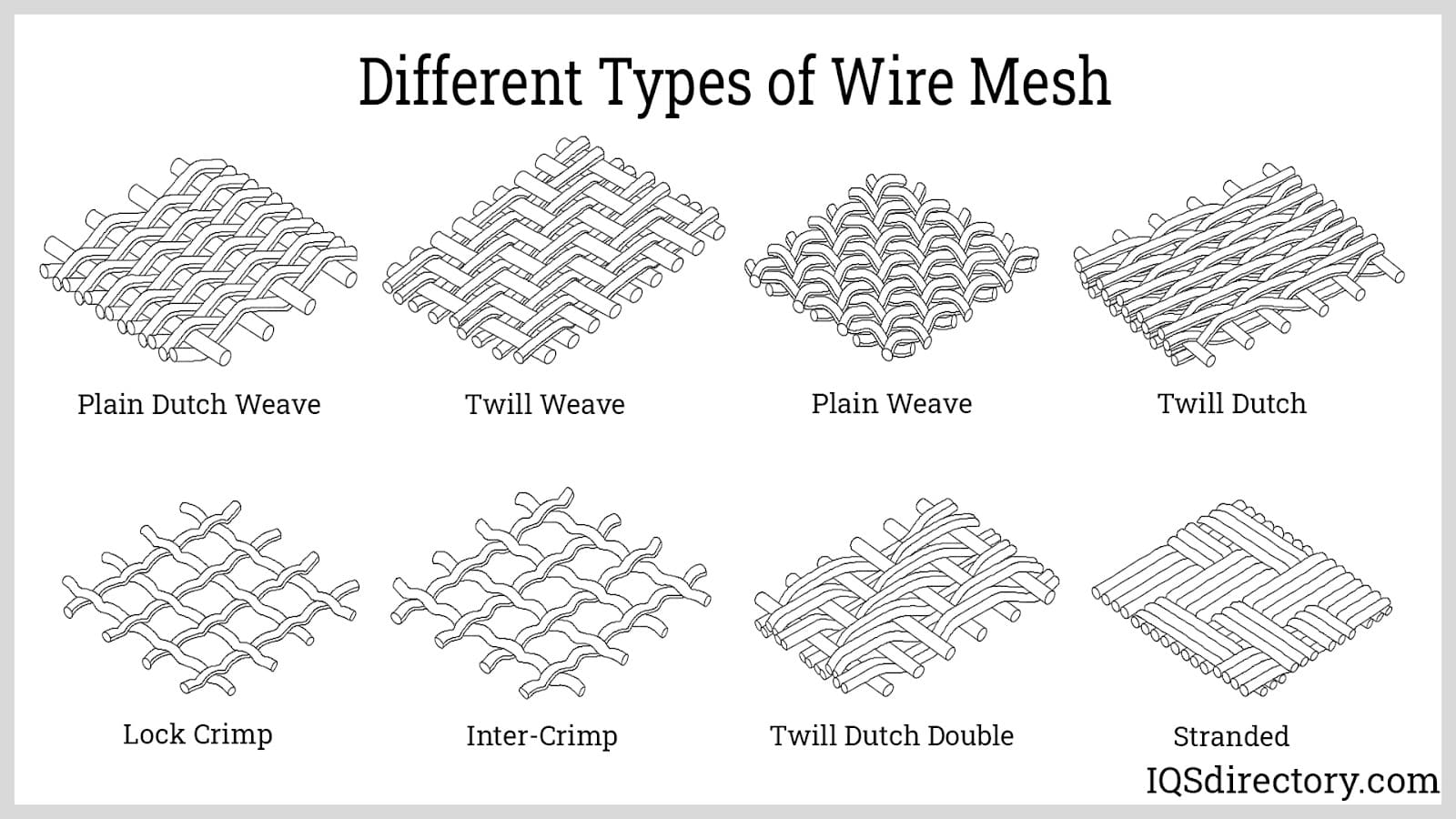 Wire mesh is available in a wide range of shapes, opening sizes, wire diameters, alloys, and configurations to support filtration, screening, guarding, reinforcement, and architectural applications.
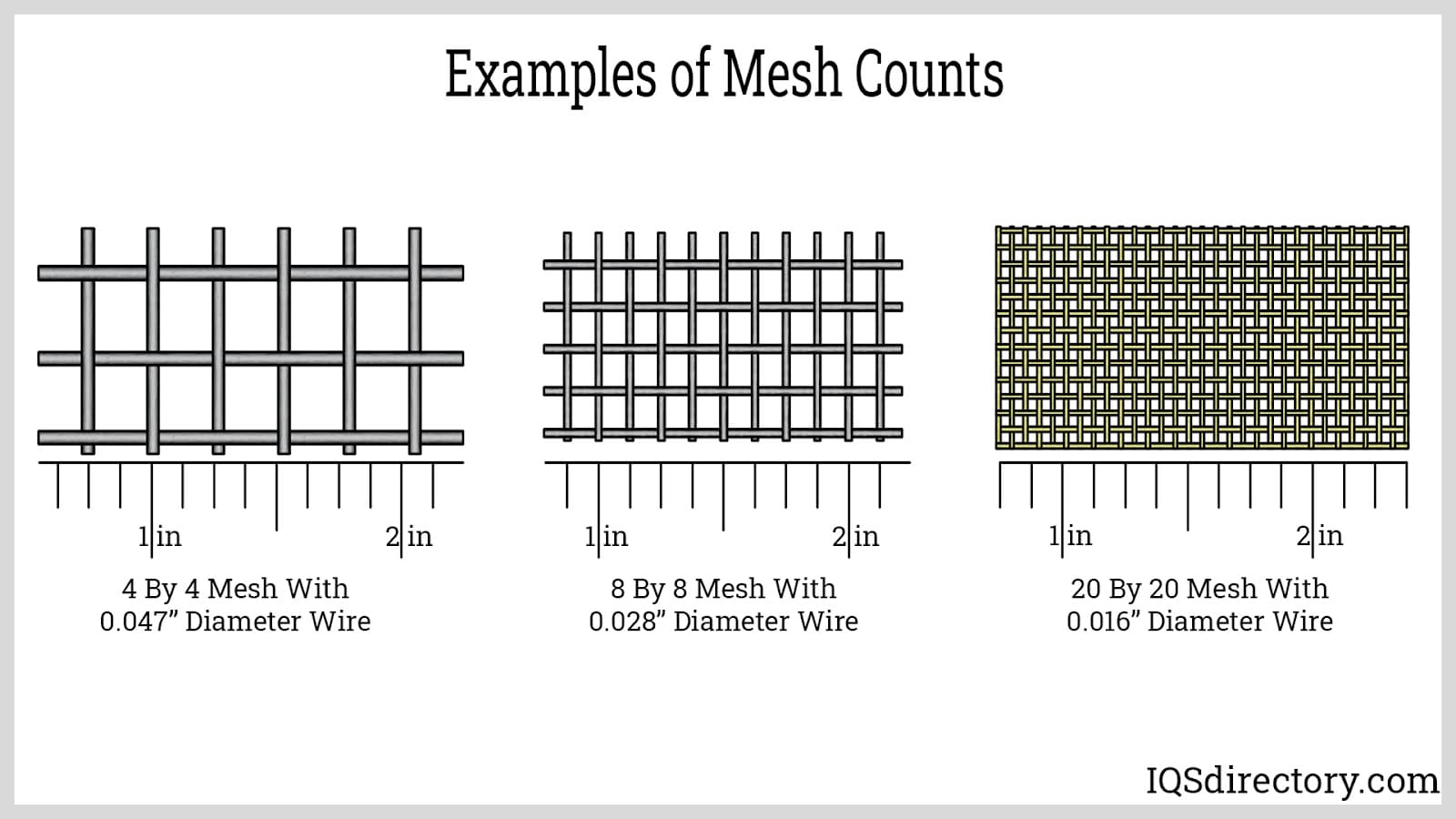 Mesh count refers to the number of openings per linear inch in woven wire mesh and is one of the main specifications used to evaluate filtration fineness, particle separation, and open area.
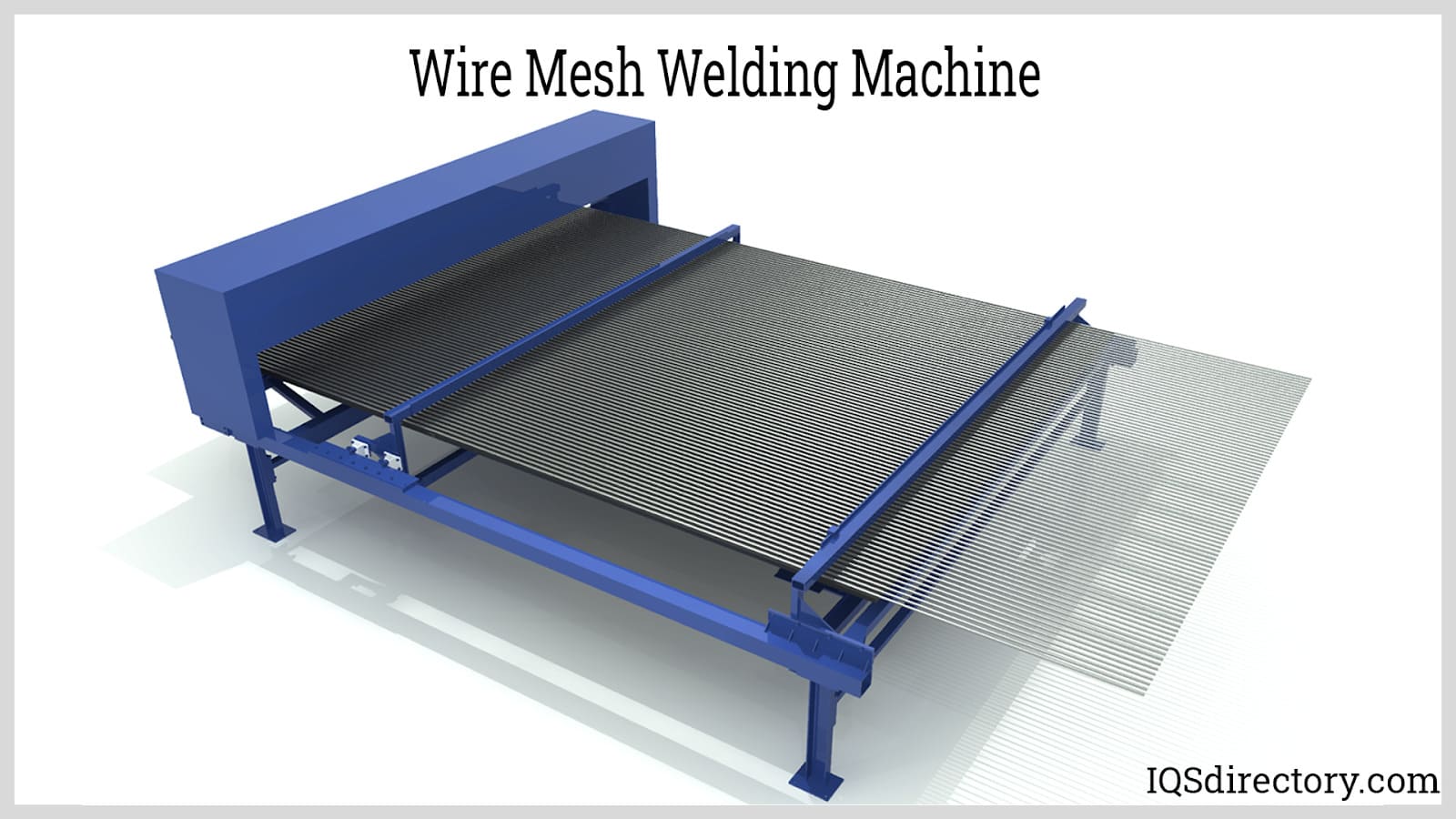 Welded wire mesh is produced by joining intersecting wires at horizontal and vertical points to create a rigid, repeatable grid for panels, guards, partitions, and reinforcement.
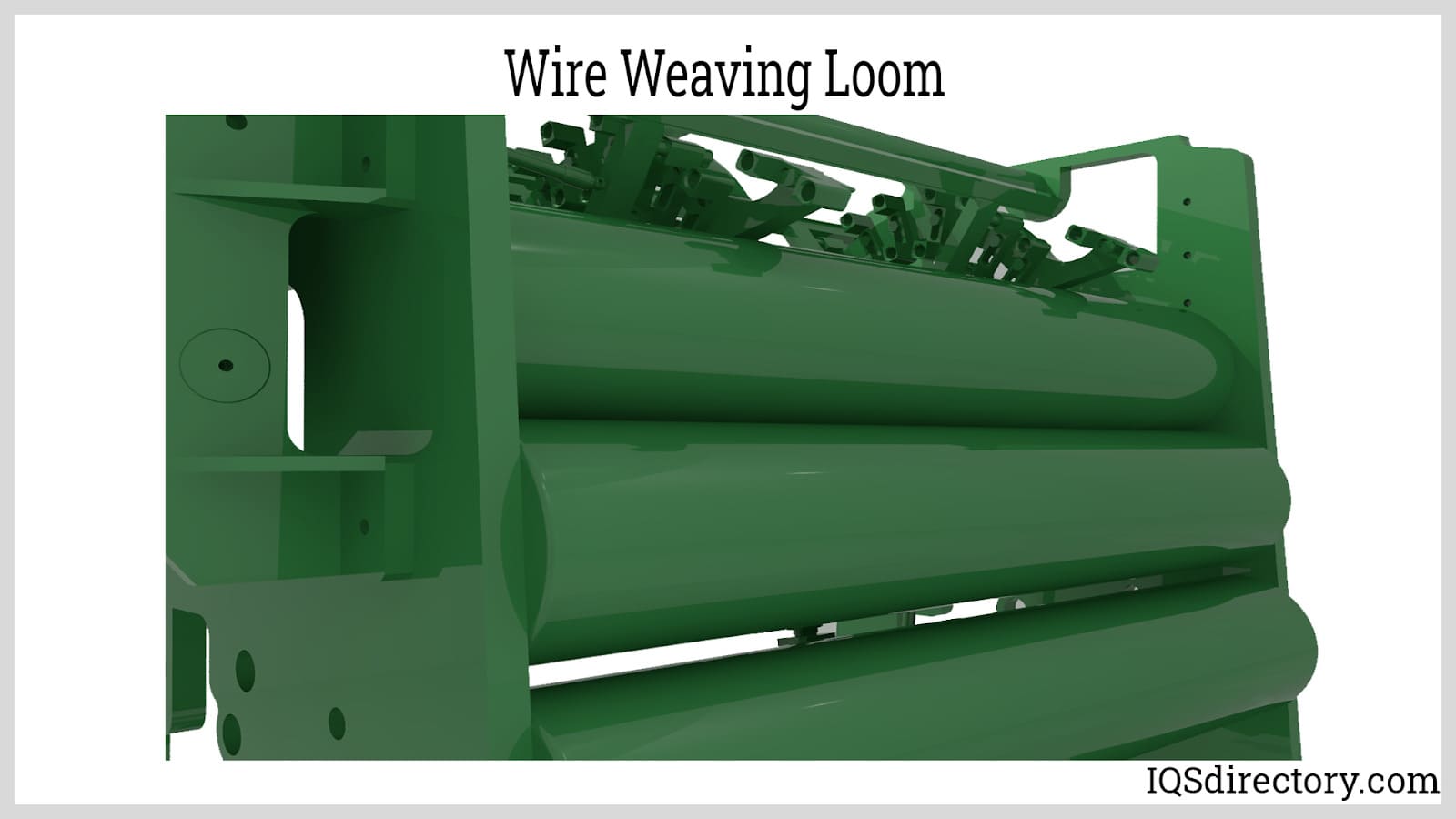 Wire weaving looms produce standard and custom mesh patterns by controlling wire spacing, weave style, and roll dimensions to meet application-specific requirements.
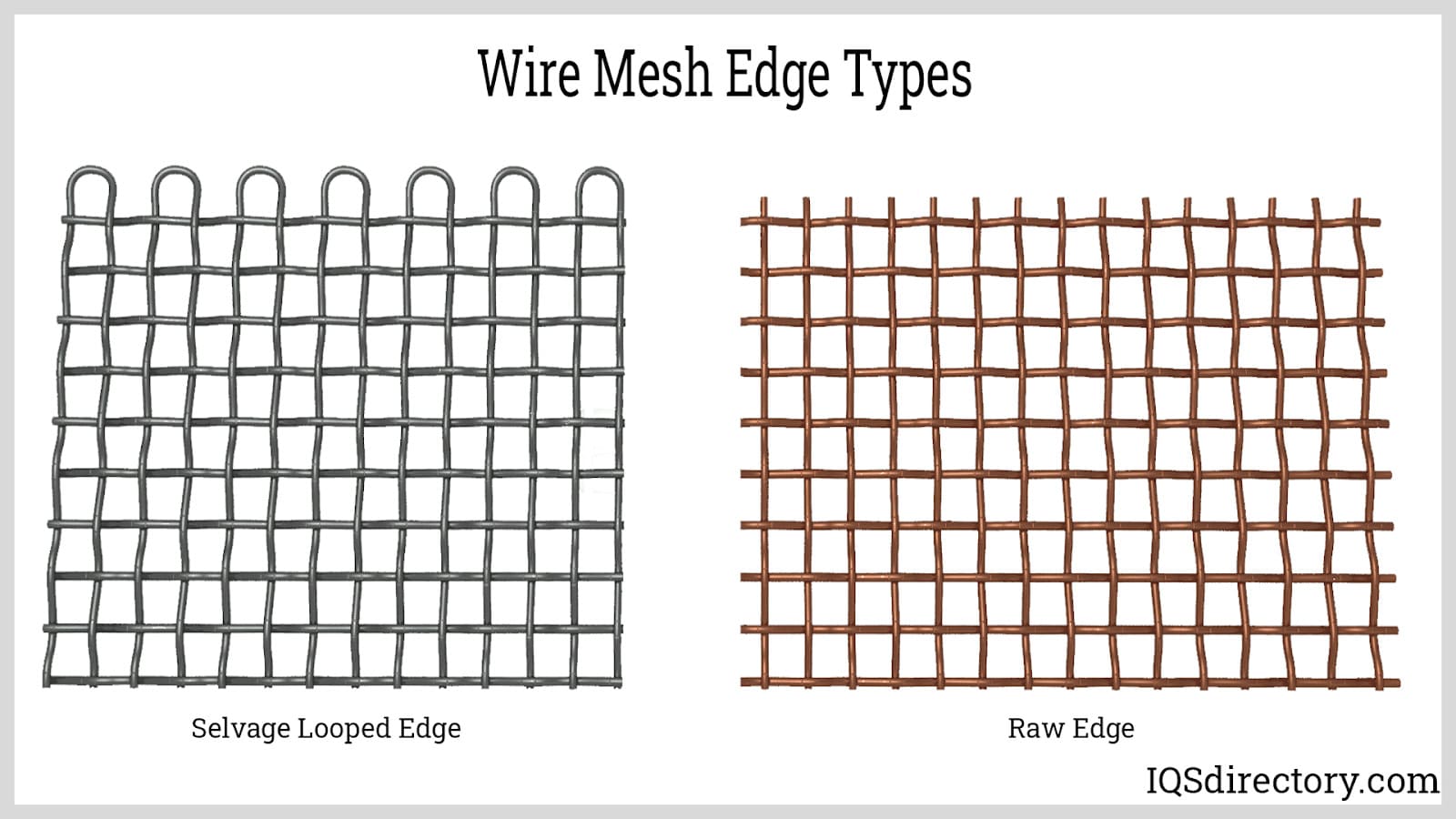 When wire cloth is woven, the edge or selvage helps keep the roll intact and reduces unraveling during handling, slitting, and fabrication.
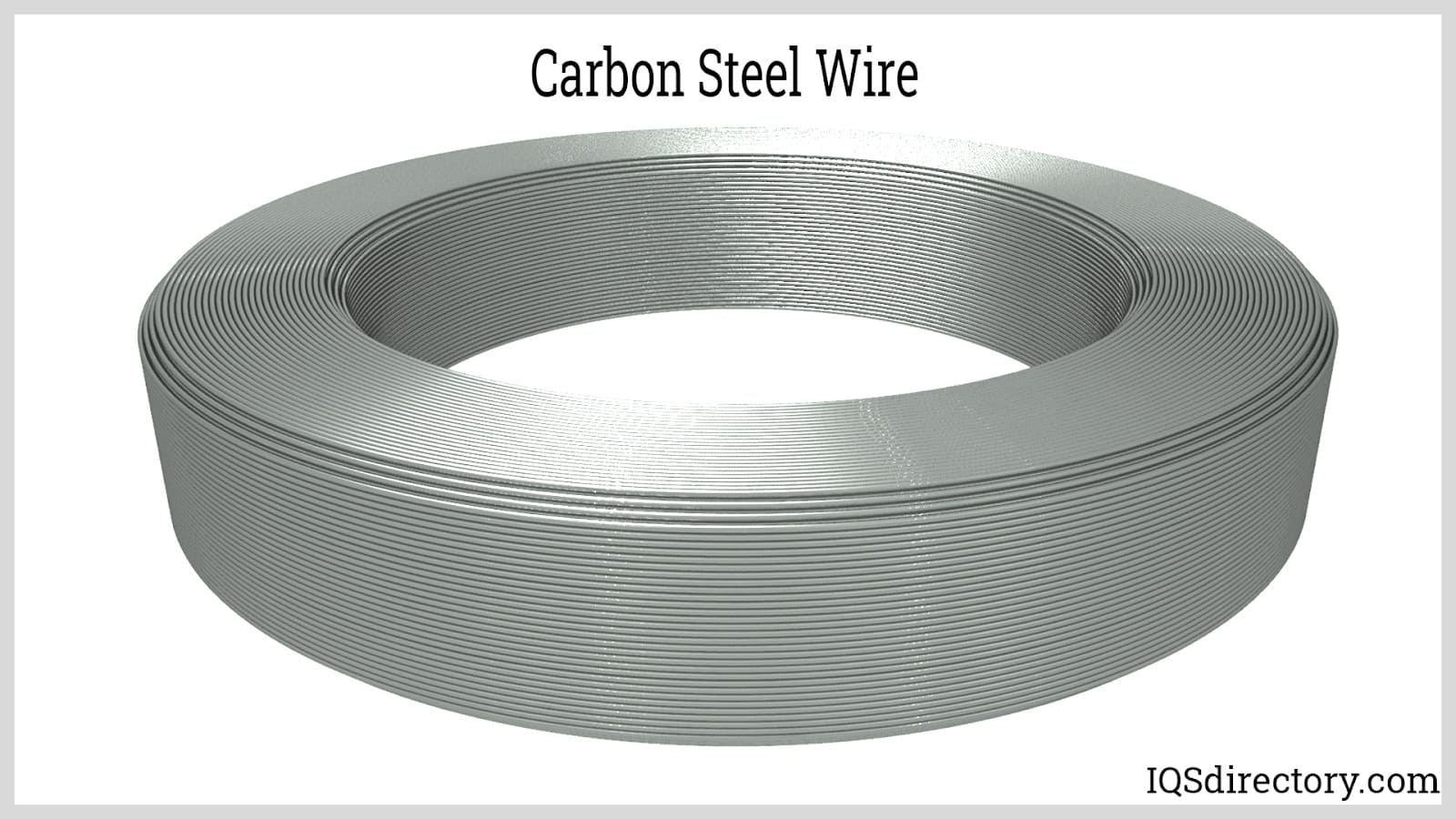 Carbon steel wire is widely used for cost-effective industrial mesh where strength, durability, and general-purpose fabrication matter more than maximum corrosion resistance.
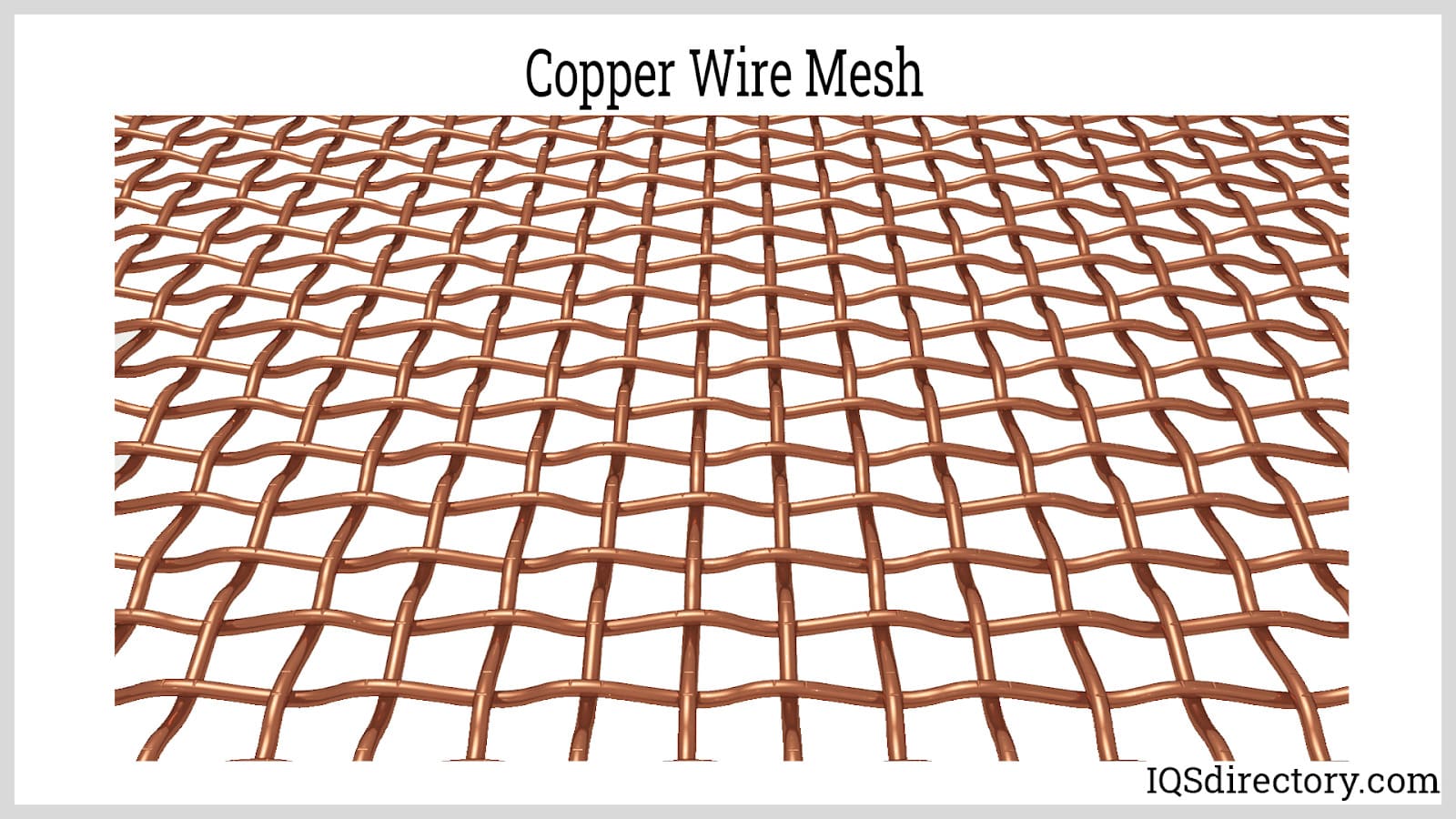 Copper wire mesh combines excellent electrical conductivity, thermal conductivity, and formability for shielding, screening, and specialty industrial applications.
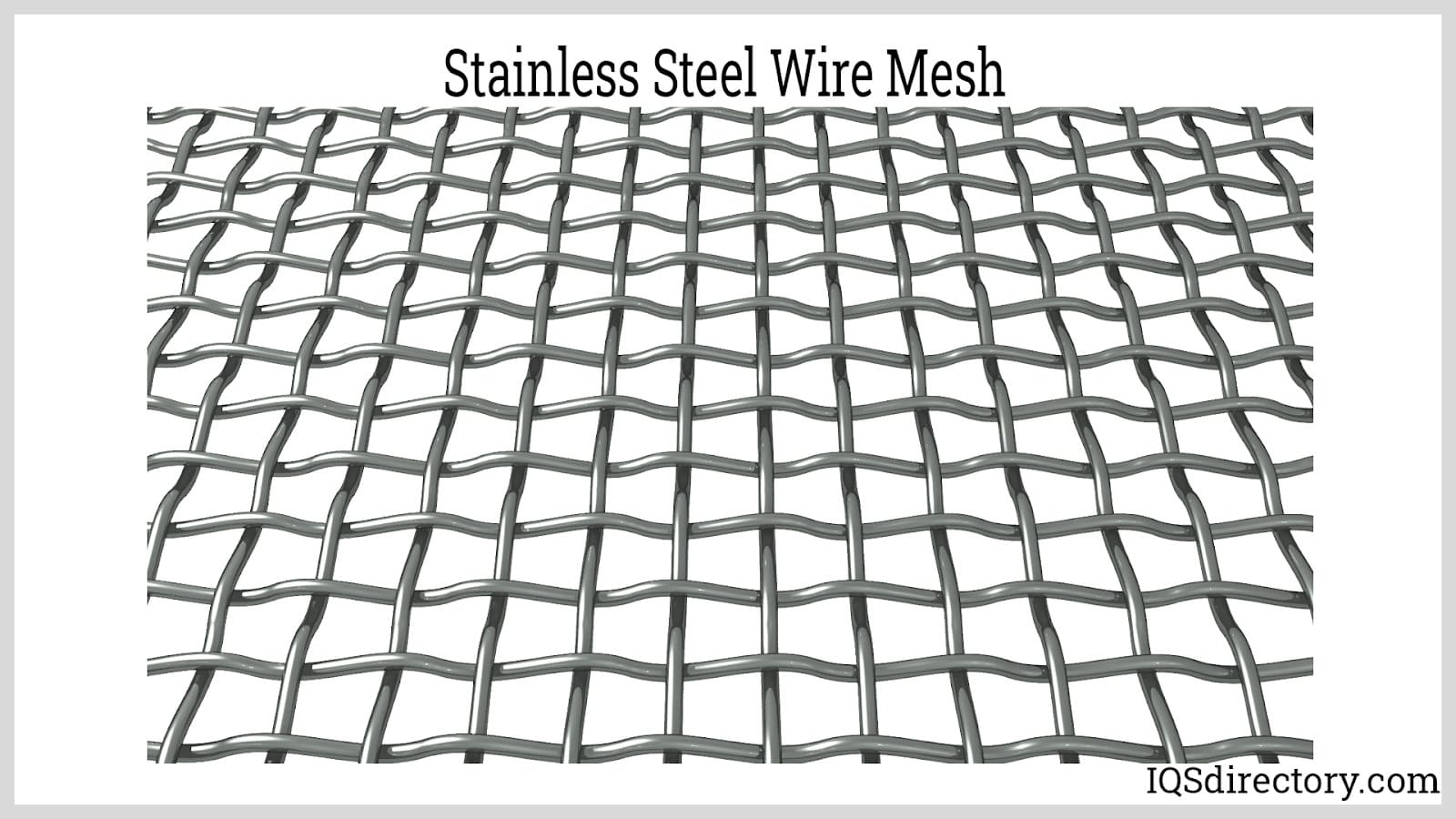 Stainless steel wire mesh is valued for dependable strength, corrosion resistance, sanitary performance, and long service life in demanding environments.
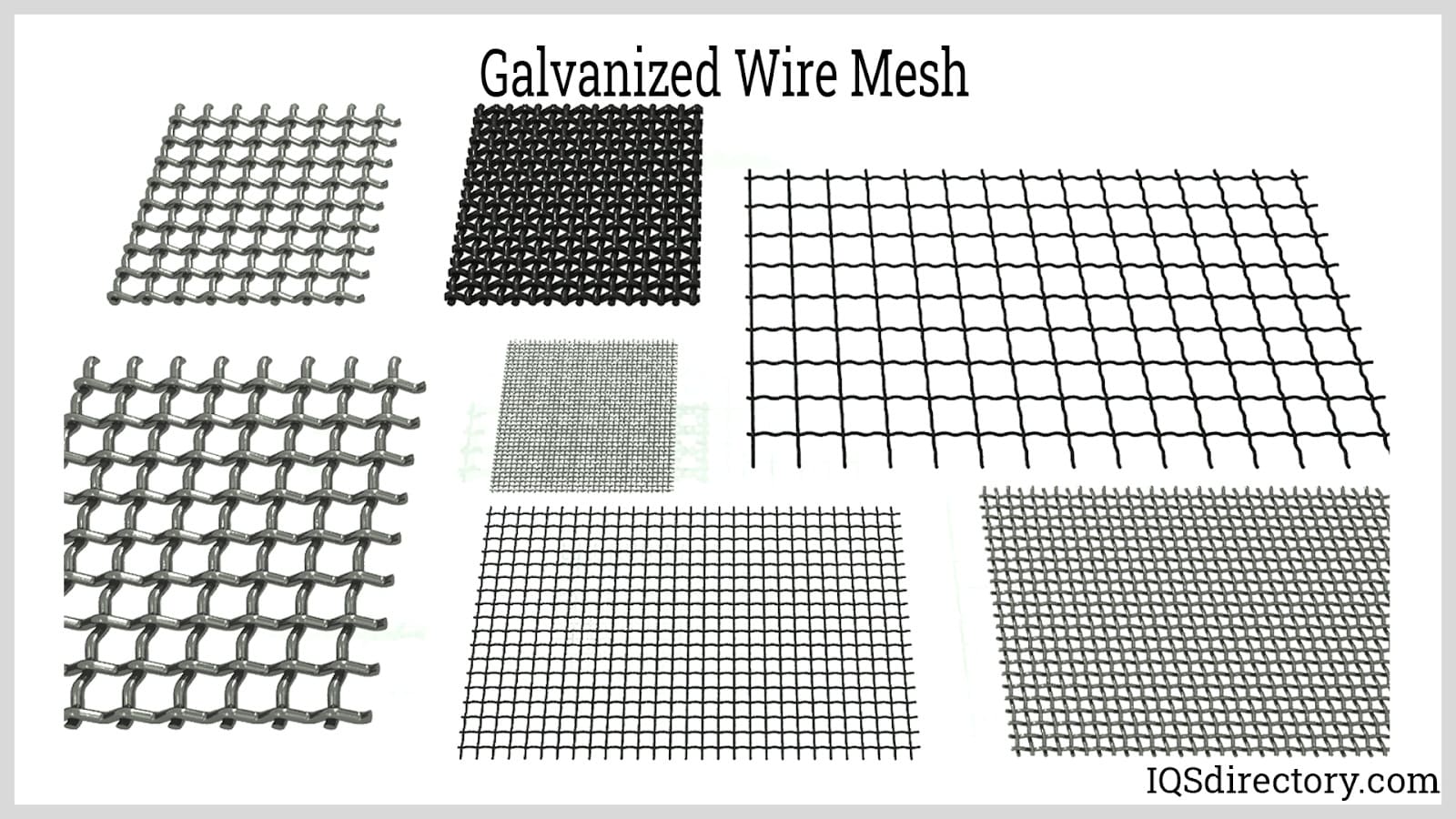 Galvanized wire mesh uses a zinc coating to improve corrosion resistance and extend service life in outdoor, agricultural, and general industrial conditions.
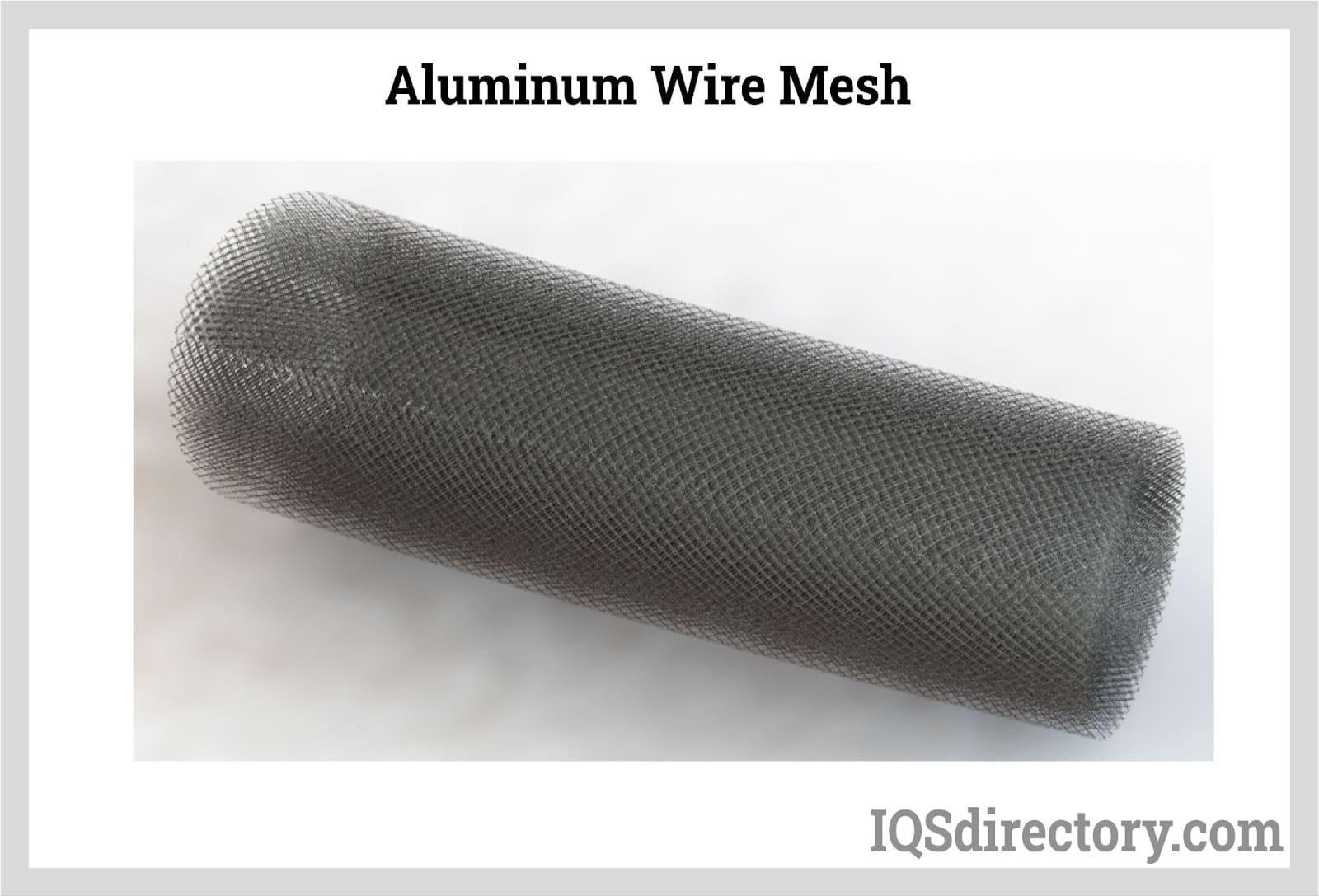 Aluminum wire mesh offers lightweight strength, corrosion resistance, and easy handling for screening, venting, and fabricated components where lower weight is a priority.
Wire Mesh Types
- Backing Cloth
- Backing cloth is wire cloth or mesh designed to reinforce and support the surface of screens, adding structural stability in vibrating screens, screening decks, and other process equipment where wear and support matter.
- Bolting Cloth
- Bolting cloth consists of stainless steel mesh woven in a plain construction using fine-diameter wires. This design achieves a high percentage of open area, making it useful for precision screening, flour sifting, laboratory work, and fine filtration where uniform openings are needed.
- Cloth Baskets
- These baskets are crafted from wire cloth shaped within sturdy frames of rod, flat stock, or angle material. For handling small parts, cloth baskets often feature a heavier outer screen layer, enhancing protection and durability.
- Copper Screens
- Copper screens serve diverse purposes, including electromagnetic shielding, Faraday cage construction, insect screening, papermaking, and specialty conductive assemblies. Known for ductility and conductivity, copper mesh bends easily and retains its shape with minimal springback.
- Filter Cloth
- Filter cloth is engineered for filtration and straining tasks using selected wire diameters and weave patterns in plain or twill constructions. It is often specified for liquid filtration, slurry separation, hydraulic strainers, chemical processing, and applications where particle retention and flow control must be balanced.
- Galvanized Wire Mesh
-
Galvanized wire mesh comprises interlocking metal wires coated with zinc, providing improved corrosion resistance and longevity.
- Hardware Cloth
- Hardware cloth refers to welded, galvanized wire mesh widely used for protective barriers, fencing, and various construction projects.
- Metal Screening
- Metal screening describes versatile mesh materials used for screening, partitioning, guarding, venting, and barrier applications across commercial and industrial settings.
- Screen Cloth
- Screen cloth is a specialized wire mesh intended primarily for filtration and straining processes, offering precise, consistent performance.
- Sieves
- Sieves consist of mesh baskets designed specifically for separating, sifting, and straining solid particles from liquids or fine materials.
- Square Mesh Cloth
- This cloth is woven with uniform wire diameters and identical mesh counts in both directions, providing consistent filtration characteristics.
- Stainless Steel Screens
- Stainless steel screens are widely used in food processing, plumbing, water treatment, and sanitary applications that require corrosion resistance, cleanability, and dependable sifting or screening performance.
- Stainless Steel Screen Cloth
- Widely utilized for its excellent strength and corrosion resistance, stainless steel screen cloth features uniform square mesh openings, suitable for various filtration and protection applications.
- Steel Mesh
- Steel mesh crafted from standard steel offers toughness, temperature resistance, and cost-effectiveness. Uncoated standard steel mesh, however, should be kept from frequent or prolonged exposure to moisture, while stainless steel mesh provides superior water resistance.
- Strainers
- Strainers are woven wire cloth products used to prevent clogging by filtering, draining, straining, and sifting liquids and solids across process piping, food production, chemical handling, and equipment protection applications.
- Test Sieves
- Test sieves encompass diverse styles such as half-height, microplate, wet-washing, extra-depth, air-jet, and grain sieves. Precision-engineered, these sieves feature sealed frames, reinforced rims, and evenly tensioned mesh for reliable laboratory and testing procedures.
- Welded Wire Mesh
- Produced by welding intersecting metal wires at perpendicular angles, welded wire mesh delivers exceptional strength and rigidity, making it indispensable in fencing, construction, and engineering fields.
- Wire Screens
- Wire screens are finely woven meshes with square-weave patterns, creating open yet protective barriers suitable for numerous applications requiring visibility and security
- Woven Wire Mesh
- Woven wire mesh is made by interlacing perpendicular wires together, offering flexibility, strength, and versatility across filtering, screening, shielding, and protective applications. It is commonly chosen when buyers need tighter tolerances, a wide mesh count range, and easier forming than a rigid welded panel.
Wire Mesh Applications
Wire mesh manufacturing serves diverse purposes across many industries, supporting separation, filtration, screening, containment, guarding, reinforcement, and shielding tasks. Because it can be engineered around exact opening sizes, wire diameters, and alloy requirements, manufacturers use it in quarry screens, food processing filters, HVAC screens, machine guards, battery and electronics shielding, agricultural enclosures, architectural infill panels, and custom fabricated OEM assemblies. When buyers search for wire mesh applications, they are often looking for the balance between flow, durability, visibility, corrosion resistance, and cost.
Beyond these broad industrial uses, wire cloth also supports specialized applications such as EMI and RFI shielding, plastic extrusion support, optical and laboratory processes, conveyor and transportation assemblies, flame control, thermal diffusion, and light management. Its value comes from combining a controlled grid structure with material options that can be matched to temperature, chemical exposure, abrasion, conductivity, or sanitary demands.
Numerous industries rely on wire mesh solutions, including food and beverage processing, pharmaceutical manufacturing, petrochemical processing, pulp and paper production, agriculture, mining, HVAC, appliance manufacturing, battery production, automotive production, and general industrial fabrication. In each market, wire mesh helps buyers solve practical problems involving sifting, screening, product separation, equipment protection, airflow, washdown durability, and repeatable process control.
Manufacturers begin with versatile base products such as woven wire mesh, welded wire mesh, fine wire cloth, square mesh, heavy industrial mesh, wire forms, and diamond mesh. From there, fabricators turn those starting materials into finished products such as strainers, filter elements, baskets, enclosures, machine guards, partitions, window screens, architectural panels, sifters, poultry netting, industrial sieves, catalytic converter supports, and floor grating for both OEM and replacement applications.
Materials Used in Wire Mesh
The most common metals and alloys used for making wire cloth include options selected for corrosion resistance, strength, conductivity, weight, and application-specific performance requirements:
- Low-Carbon Steel
- Often referred to as plain steel, low-carbon steel exhibits moderate resistance to corrosion and abrasion. Wire mesh constructed from low-carbon steel is generally viewed as lower quality for environments with high moisture. Nonetheless, its notable impact resistance and tensile strength make it suitable for a wide range of general applications, including metal mesh and hardware cloth. Galvanizing the steel significantly enhances its strength and durability.
- High-Carbon Steel
-
Naturally more resistant to abrasion and corrosion, high-carbon steel typically eliminates the need for galvanization. It is frequently employed in manufacturing vibrating filter screens designed for rigorous sorting and sifting of abrasive materials such as stone, gravel, and coal.
- Stainless Steel
- For applications demanding superior quality, stainless steel wire mesh stands out due to its exceptional resistance to corrosion. Depending on specific application requirements, stainless steel mesh can be processed to either possess or lack magnetic properties. Furthermore, the inclusion of metals like titanium, chromium, nickel, and molybdenum allows manufacturers to create customized stainless steel meshes with enhanced characteristics, such as improved heat and moisture resistance or increased shock absorbency.
- Copper
- Copper is the preferred material when wire mesh applications require excellent thermal and electrical conductivity. Its inherent resistance to salty and corrosive environments further enhances its suitability for chemically challenging conditions. Despite these advantages, copper's softness results in limited tensile strength and poor abrasion resistance. To address these limitations, copper wire mesh often incorporates zinc alloys; however, this alloying reduces the copper mesh's conductivity.
- Aluminum
- Aluminum wire mesh is selected for applications where lightweight construction is a priority. With its natural resistance to corrosion and impressive strength-to-weight ratio, aluminum mesh is particularly well-suited for marine environments. Typically, aluminum alloys such as 5056 are chosen over pure aluminum to achieve enhanced durability and performance.
- Nickel
- Pure nickel is seldom utilized for wire screens or wire forms due to its relatively weak corrosion resistance, which leads to oxide layer formation on its surface over time. Consequently, manufacturers favor nickel alloys such as Monel, Hastelloy B, Hastelloy C, and Carpenter 20 CB-3 for applications requiring robust corrosion-resistant wire mesh.
Machinery Used For Wire Mesh Creation
Manufacturers produce wire mesh on automated looms and wire processing systems designed for accurate wire placement, consistent tension control, and repeatable mesh geometry. These machines can be configured around mesh counts, opening sizes, wire diameters, loom width, crankshaft speed, motor power, and production volume, allowing suppliers to deliver standard and custom wire cloth with dependable dimensional consistency. For buyers, that consistency supports more predictable filtration, screening efficiency, fit-up, and fabrication results.
Variations to Wire Mesh
Wire mesh differs from perforated metal in both manufacturing method and performance profile. Wire mesh is created by weaving or welding individual wires into a grid, while perforated metal is formed by punching, stamping, or laser cutting openings into sheet metal. That difference affects flexibility, weight, airflow, open area, edge behavior, fabrication options, and the degree of control available for filtration and screening applications. Buyers comparing wire mesh vs. perforated metal often focus on weight, open area, strength, particle retention, and how easily the material can be cut, formed, or framed.
Things to Consider When Purchasing Wire Mesh
Finding the right wire mesh product starts with a supplier that understands your application, performance targets, and fabrication needs. Compare qualified manufacturers, explain the product use clearly, and ask about alloy availability, mesh counts, wire diameters, open area, lead times, fabrication services, finishing options, and quality control practices. Buyers also benefit from discussing load conditions, corrosion exposure, sanitary requirements, temperature range, and whether the product will be used for filtration, guarding, reinforcement, screening, EMI shielding, or custom OEM components before placing an order. If you are trying to compare wire mesh suppliers, ask how they verify aperture consistency, material traceability, and finished part tolerances.
Wire Mesh Terms
- Aperture
- The measured space between adjacent parallel wires, specified in millimeters.
- Bands
- Materials made of steel, galvanized steel, or stainless steel, utilized to reinforce and stabilize the edges of the screen.
- Bend Test
- A procedure where wire is repeatedly bent around a defined diameter and angle for a set number of cycles, assessing the wire’s ductility, integrity, and toughness.
- Blinding
- The obstruction of wire mesh apertures caused by the entrapment of particles from process materials.
- Bubble Point Test
- A testing method for determining average aperture size. Air pressure required for bubbles to penetrate mesh covered with a testing liquid is measured, considering factors like surface tension, liquid density, temperature, and immersion depth.
- Calender
- Also termed “rolled,” this process involves passing wire cloth through two rollers to decrease thickness, flatten wire intersections, and create a smooth surface.
- Coin
- Stamping wire cloth to compact, shape, or seal it, thus preventing the mesh from unraveling.
- Count
- A measurement specific to mesh wire cloth, indicating the number of openings per linear inch, measured from the center of one wire to the next.
- Crimp
- Intentional corrugations in wire designed to securely hold intersecting wires perpendicular to one another.
- Double Crimp
- A weaving preparation where wires are crimped before weaving, resulting in both shute and warp wires being crimped at each intersection.
- Feather Edges
- Straight, non-crimped wire ends protruding uniformly around the perimeter of a screen cloth section, remaining on the same plane.
- Gauge
- The original diameter of the wire before the weaving process.
- Heated Deck
- A screening surface heated via screen cloth acting as a heating element, commonly fabricated from stainless steel.
- Intermediate Crimp
- A crimping pattern where both shute and warp wires intersect at every alternate crimp.
- Market Grades
- The most frequently used industrial wire cloth specifications designed for general-purpose applications, typically available for immediate shipping from suppliers.
- Mesh Count
- A numeric expression of openings between intersecting wires per linear inch, indicative of weave size and, thus, filtering capability.
- Offal
- Surplus wire screen material removed from standard rolls during cutting, slitting, or fabrication.
- Open Area
- The percentage ratio of open spaces to the total surface area of a wire screen.
- Selvage
- A finished edge created along the length of wire mesh rolls to prevent wires from unraveling.
- Shute Wires
- Also known as “weft,” “shot,” “shoot,” or “fill” wires, these wires run horizontally across woven cloth and are maneuvered back and forth via the shuttle during weaving.
- Warp Wires
- Lengthwise wires across wire cloth, initially positioned during the weaving preparation known as “warping the loom” at specified intervals.