Sheet Metal Fabrication
Sheet metal fabrication is a flexible metalworking and manufacturing process that transforms thin, flat sheets of metal into finished components, assemblies, and end-use products through forming, cutting, joining, and finishing. Manufacturers rely on sheet metal fabrication for both standard and custom parts because it supports tight tolerances, repeatable production, and a wide range of materials. Common fabrication methods include stretching, drawing, bending, flanging, punching, shearing, and spinning to achieve the desired final component, whether the goal is a simple bracket, an enclosure, ductwork, or a complex precision assembly.
Sheet Metal Fabrication FAQs
What is sheet metal fabrication?
Sheet metal fabrication is the process of cutting, forming, bending, joining, and finishing flat metal sheets to create usable parts or complete products. Fabricators use methods such as punching, welding, laser cutting, stamping, and brake forming to produce durable, dimensionally accurate components for commercial and industrial applications.
Which materials are commonly used in sheet metal fabrication?
Fabricators commonly work with aluminum and stainless steel because they offer a strong combination of corrosion resistance, formability, and strength. Other frequently used materials include mild steel, galvanized steel, copper, brass, bronze, and titanium, with material selection depending on part performance, environment, finish requirements, and budget.
How has sheet metal fabrication evolved over time?
Sheet metal fabrication has evolved from manual hammering and hand tools to advanced CNC and CAD-driven production systems. Innovations such as rolling mills, hydraulic presses, laser cutting machines, press brakes, robotic handling, and automated inspection have improved production speed, design flexibility, and part consistency across low- and high-volume manufacturing.
What are the main steps in the sheet metal fabrication process?
The process typically includes material selection, design and engineering, cutting, forming, optional heat treatment, assembly, and finishing. Each stage supports final part accuracy, surface quality, durability, and fit, helping manufacturers produce custom sheet metal parts that meet performance, dimensional, and application-specific requirements.
Why is CNC machining important in sheet metal fabrication?
CNC technology improves precision, repeatability, and process control in sheet metal fabrication. By automating cutting, drilling, punching, and forming operations, CNC systems help reduce waste, shorten setup time, support complex geometries, and maintain consistent part quality for prototype work as well as larger production runs.
What industries rely on sheet metal fabrication?
Sheet metal fabrication serves many sectors, including aerospace, automotive, food processing, medical equipment, electronics, construction, HVAC, agriculture, communications, and general industrial manufacturing. Businesses depend on fabricated metal parts for structural supports, machine guards, housings, panels, cabinets, ducting, and custom equipment components.
What are the advantages of using sheet metal fabrication?
Sheet metal fabrication offers accuracy, strength, material efficiency, scalability, and design versatility. It supports custom manufacturing, repeat production, and durable finished products while helping control labor costs and scrap. For buyers comparing fabrication options, it is often a practical choice for both lightweight and heavy-duty metal components.
The History of Sheet Metal Fabrication
- Early History of Sheet Metal Fabrication
- Metal fabrication dates back to ancient times, beginning after the discovery of copper. The oldest known metal artifact is a pendant from northern Iraq, created around 8700 BC. Prehistoric peoples in the Great Lakes Region were also early metalworkers, using hammers and heat to shape copper between 5000 BC and 4000 BC, laying the groundwork for later forming and fabrication practices.
- As different metals like gold and iron were discovered, metalworking methods became more advanced. Ancient Egyptians, for example, were renowned for their skills, producing everything from jewelry to tools and weapons using a growing range of metalworking techniques. These early developments helped establish the connection between metal shaping, functional design, and reliable production.
- During antiquity, techniques such as engraving, cutting, stamping, and bending were developed. Today, these processes are still used, but with advanced technology for greater efficiency and precision. Modern fabricators still rely on the same basic principles: control the material, shape it accurately, and produce a finished part that performs as intended.
- Sheet Metal Fabrication Beyond the 1400s
- In 1485, Leonardo da Vinci designed the first rolling mill. The first two rolling mills were built in 1501: one reused metal sheets as strips, while the other fabricated gold sheets for coin production. The rolling mill envisioned by da Vinci was not built until 1590, using cylinders to flatten metal and making sheet production more practical for broader manufacturing use.
- By the 1600s, major developments included the first lead and tin plate factory in 1615 and the first English cold roll mill in 1682. These advances supported more uniform material thickness and greater consistency, both of which are still major concerns in present-day sheet metal processing and fabrication.
- The Industrial Revolution, starting around 1760, introduced mass sheet metal fabrication. Innovations like press brakes and the assembly line expanded capabilities. In 1770, Joseph Bramah invented the hydraulic press, which remains important in precision sheet metal fabrication because it made controlled force and repeatable shaping far more achievable.
- By the 19th century, aluminum had been discovered and Henry Bessemer patented a process to convert iron into steel. Steel and stainless steel became widely used fabrication materials, and advances in metal alloys continued to expand strength, corrosion resistance, machinability, and performance options for fabricators and buyers alike.
- Modern Sheet Metal Fabrication
- Modern sheet metal fabrication uses advanced technology such as CNC (computer numerical control) machines and CAD (computer-aided design) software. Equipment like faster drills, stronger press brakes, laser cutters, and automated handling systems enhances precision and repeatability. Improved machinery allows for consistent bending and shaping, preserves material integrity, and supports custom sheet metal fabrication for everything from prototypes to production parts.
Sheet metal fabrication, whether performed manually or with automated equipment, offers a wide range of advantages. It provides high precision, reduces material waste, supports efficient labor use, and enables the creation of durable, high-quality products with consistent dimensions. It is also highly versatile, making it suitable for small custom jobs, engineered assemblies, and large production runs. For companies comparing fabrication services, common decision points include tolerances, surface finish, lead times, tooling, material selection, and whether the supplier can scale from prototype development to repeat manufacturing without sacrificing quality.
The most frequently used sheet metal materials are aluminum sheet metal and stainless steel sheet metal. Other commonly fabricated metals include copper, titanium, mild steel, structural steel, brass, and bronze. The right material depends on required strength, corrosion resistance, conductivity, weight, appearance, and how the finished component will be formed, welded, or finished.
Aluminum is widely chosen for sheet metal fabrication due to its light weight, corrosion resistance, and favorable tensile and compressive strength. It is often selected for enclosures, transportation components, architectural parts, and products where low weight and good formability matter.
Stainless steel sheet metal is highly valued in manufacturing thanks to its corrosion resistance, strength, durability, and clean appearance. Its easy-to-clean surface makes it ideal for use in harsh environments, food processing applications, medical equipment, and fabricated parts that must perform reliably in wet, sanitary, or demanding operating conditions.
- Sheet Metal Fabricating
- The fabrication process begins with sheet metal fabricating. Suppliers melt the raw metal into long, malleable slabs, which are then fed into powerful rollers to compress them into wide, flat sheets. This stage helps establish the base thickness, surface condition, and consistency needed for downstream forming and cutting operations.
- Sheet Metal Shipping
- Suppliers cut the sheet metal to specified sizes and ship or deliver it to the next facility, where it will be further designed and fabricated into the desired product. Material condition, protective packaging, and traceability can all matter here, especially when fabricators are working with high-value alloys, cosmetic finishes, or tight production schedules.
- Sheet Metal Design
- Fabricators develop a detailed product design plan, considering every aspect of the part, including dimensions, bend radii, hole placement, tolerances, assembly needs, and material behavior. This design becomes the basis for manufacturing the finished component and helps reduce errors before cutting and forming begin.
- Part Forming
- During forming, manufacturers draw, cut, punch, stretch, weld, perforate, spin, roll, stamp, bend, iron, shear, saw, drill, blank, deburr, sand, and work sheet metal to achieve the final shape. The chosen method depends on part geometry, production volume, material thickness, edge quality requirements, and the performance demands of the final application.
- Heat Treating
- Many metalworking steps require heating to alter the metal’s hardness and internal structure. Processes such as heat treating, including annealing, quenching, and tempering, are used to harden or soften sheet metal as needed so that it can be formed properly and meet final strength requirements.
- Optional Assembly
- If a product consists of multiple components, manufacturers assemble the final product before shipping to customers or distributors. Depending on the design, this can include welding, fastening, hardware insertion, finishing, inspection, and packaging for installation or direct use in a larger system.
During the design stage, sheet metal fabricators address more than just dimensions, material, and shape. They consider factors such as part size, required strength, quantity, tolerance expectations, assembly needs, edge condition, finish requirements, and any secondary operations. Their goal is to ensure the final product is safe, effective, manufacturable, and aligned with industry standards while identifying possible stress points, deformation risks, or production inefficiencies early. To reduce costs or support sustainability goals, manufacturers may also use recycled or previously fabricated sheet metal when the application allows. Buyers often ask how to choose a sheet metal fabricator, how to compare custom fabrication capabilities, or how to reduce fabrication costs without lowering part quality, and the design phase plays a large part in those outcomes. Contact your supplier for further details.
Machinery Used in Fabrication
Sheet metal fabrication relies on a wide array of equipment, including punch and die systems, press brakes, drills, automated production lines, CNC machining technology, and more. Equipment selection affects accuracy, repeatability, throughput, and how efficiently a fabricator can handle custom jobs versus long production runs.
Punch and die systems operate by securing flat sheets of metal and then deforming them with a descending punch. These systems often work alongside press brakes or other specialized presses, allowing for various shapes, holes, embosses, and bends. Press brakes are primarily used to bend sheet metal and can be paired with a range of punch and die tools to produce repeatable formed components.
Modern drills used in fabrication are often supported by laser or CNC-guided technology, enabling both drilling and precise cutting. Laser cutting equipment allows manufacturers to achieve clean edges, narrow kerf widths, and accurate cuts at specific depths and angles, which is helpful when producing precision sheet metal parts with tight tolerances.
Robotic automated lines are common in large-scale facilities. Robots handle and position sheet metal workpieces as they are formed, cut, and finished throughout the fabrication process, improving consistency, worker safety, and production speed while reducing variability in repetitive operations.
CNC machinery, utilizing advanced software, enables manufacturers to produce highly accurate and consistent parts through automated control. For customers evaluating suppliers, CNC capability often signals better repeatability, better documentation, faster setup changes, and smoother movement from prototype fabrication to full production.
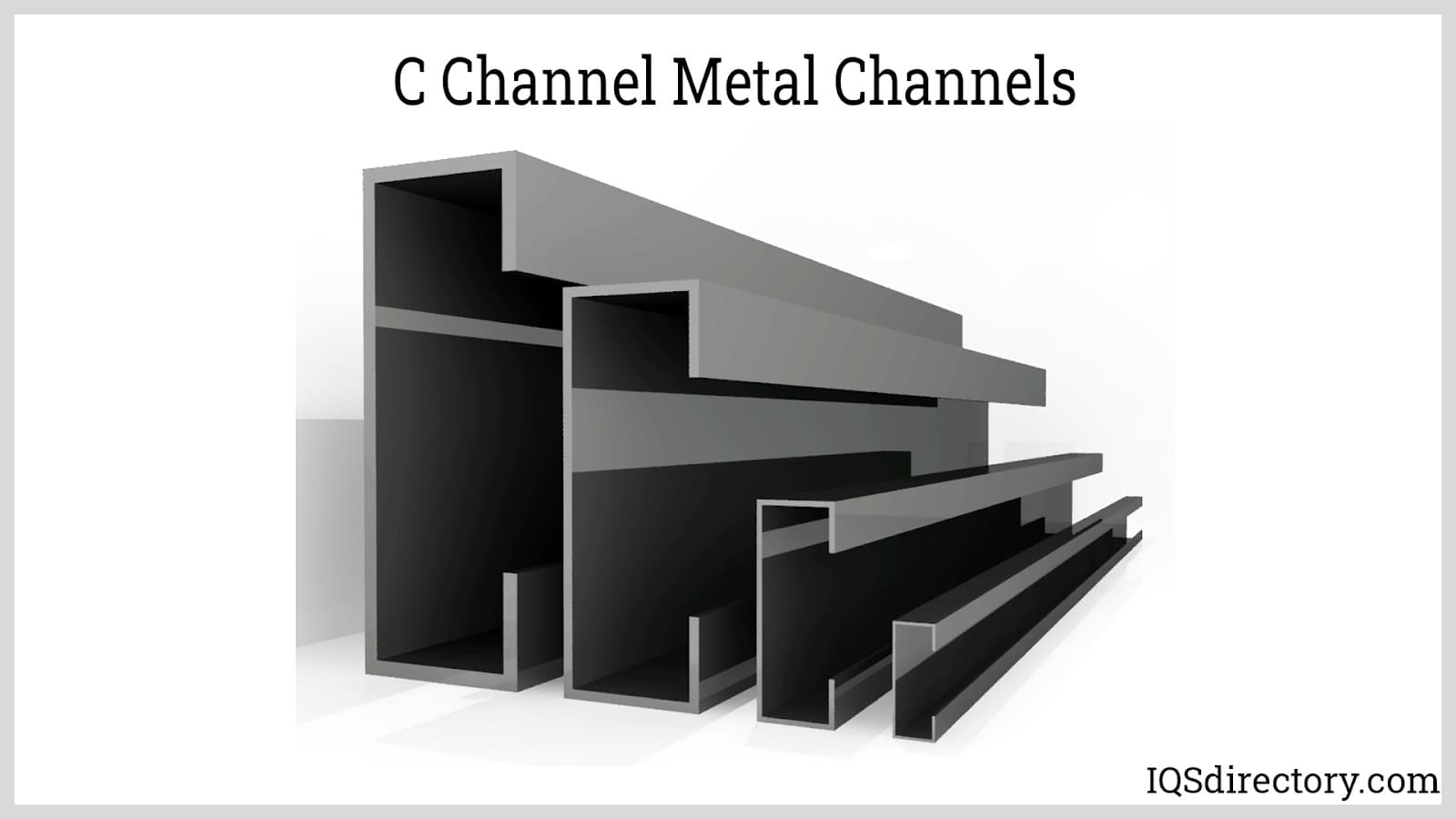 Sheet metal fabrication shapes and forms metal sheets by cutting, bending, punching, and welding them into different configurations for channels, frames, supports, and custom fabricated components.
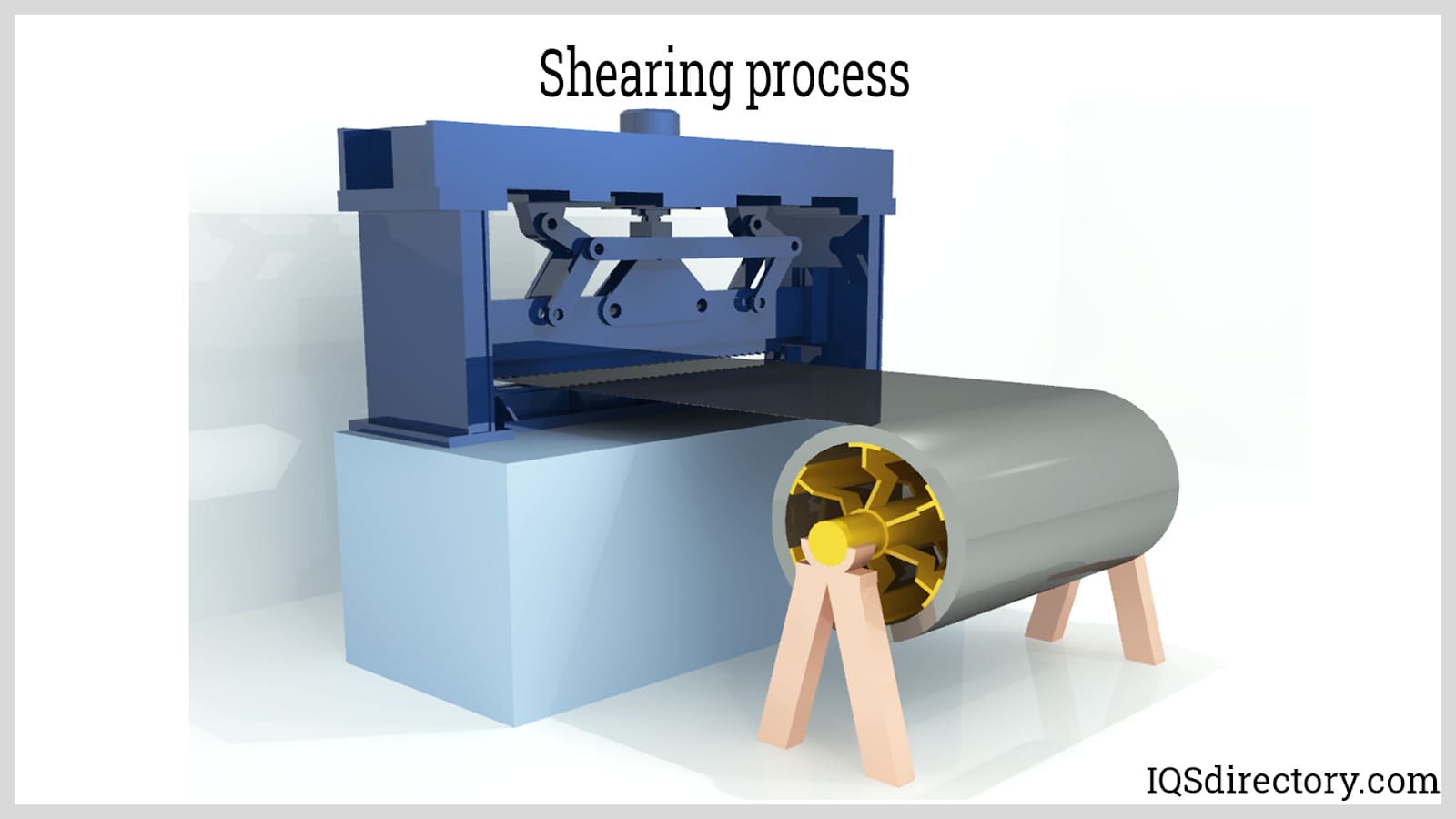 Shear cutting uses upper and lower blades to cut in straight lines, making it a practical process for trimming sheet stock quickly and efficiently.
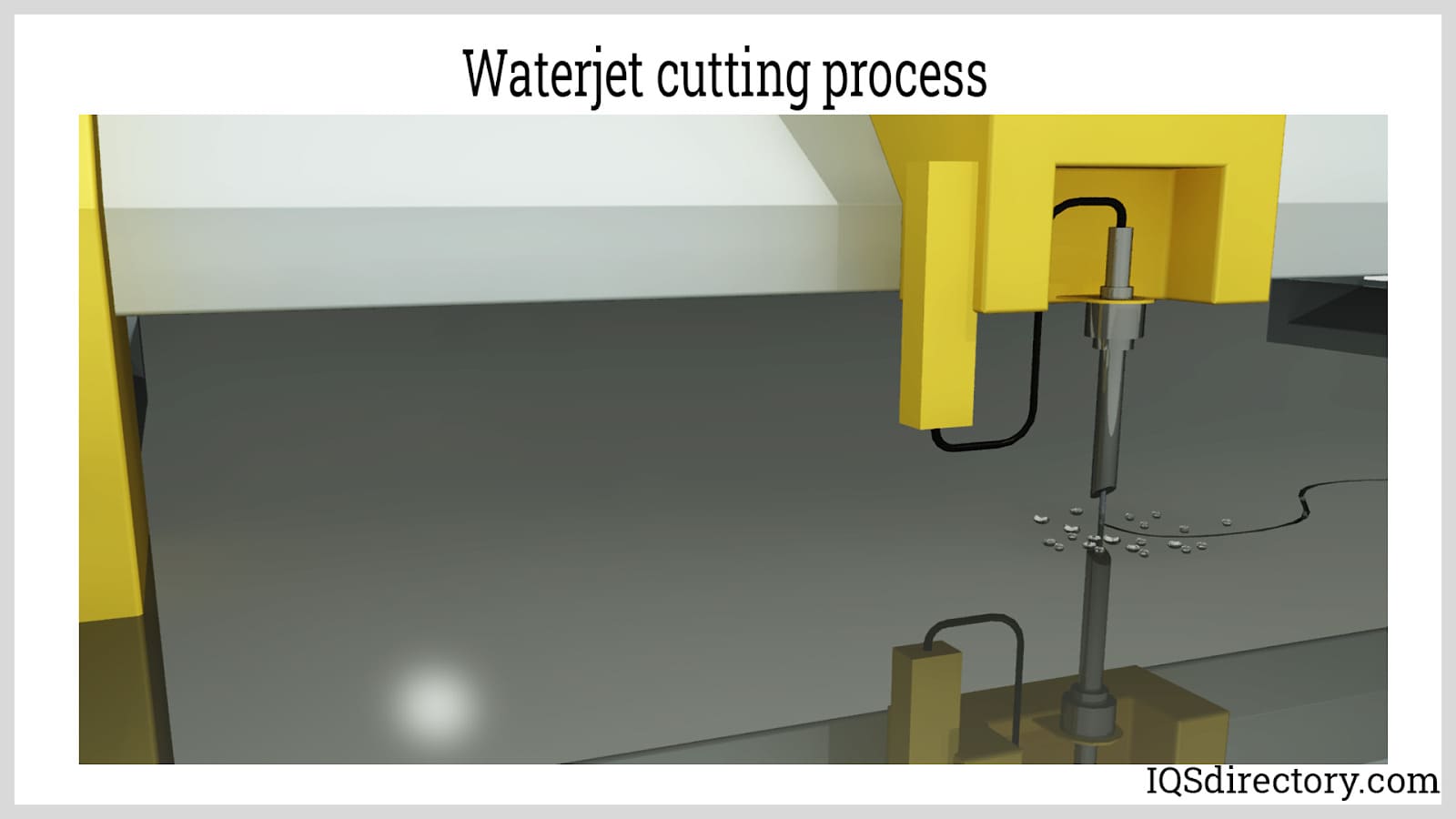 A high-pressure water jet, combined with abrasive material, cuts sheet metal by eroding it at high speed while helping control heat-affected zones on sensitive materials.
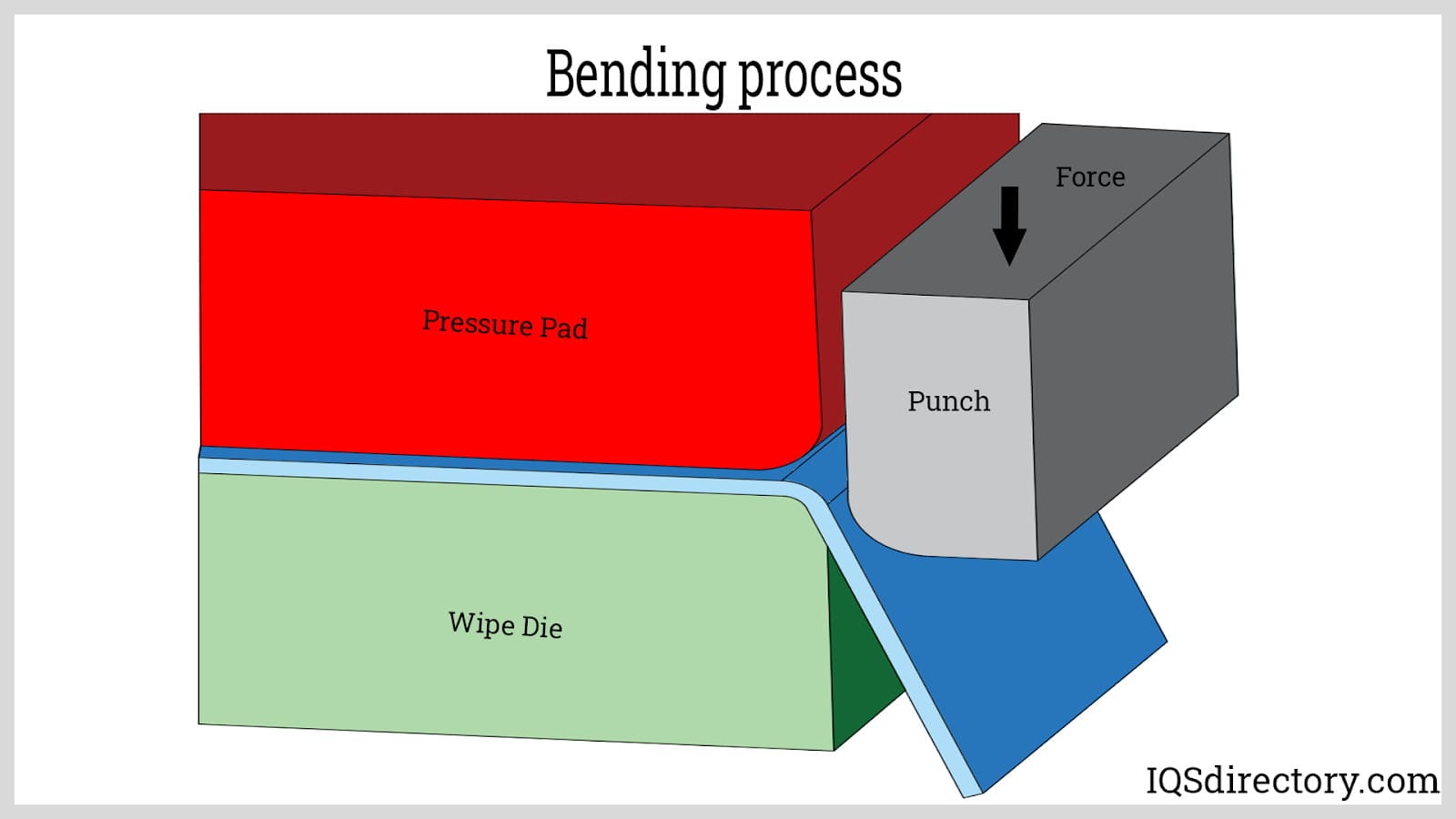 Machines like press brakes are used to bend sheet metal into angles ranging from 0 to 120 degrees, supporting brackets, panels, enclosures, and formed structural parts.
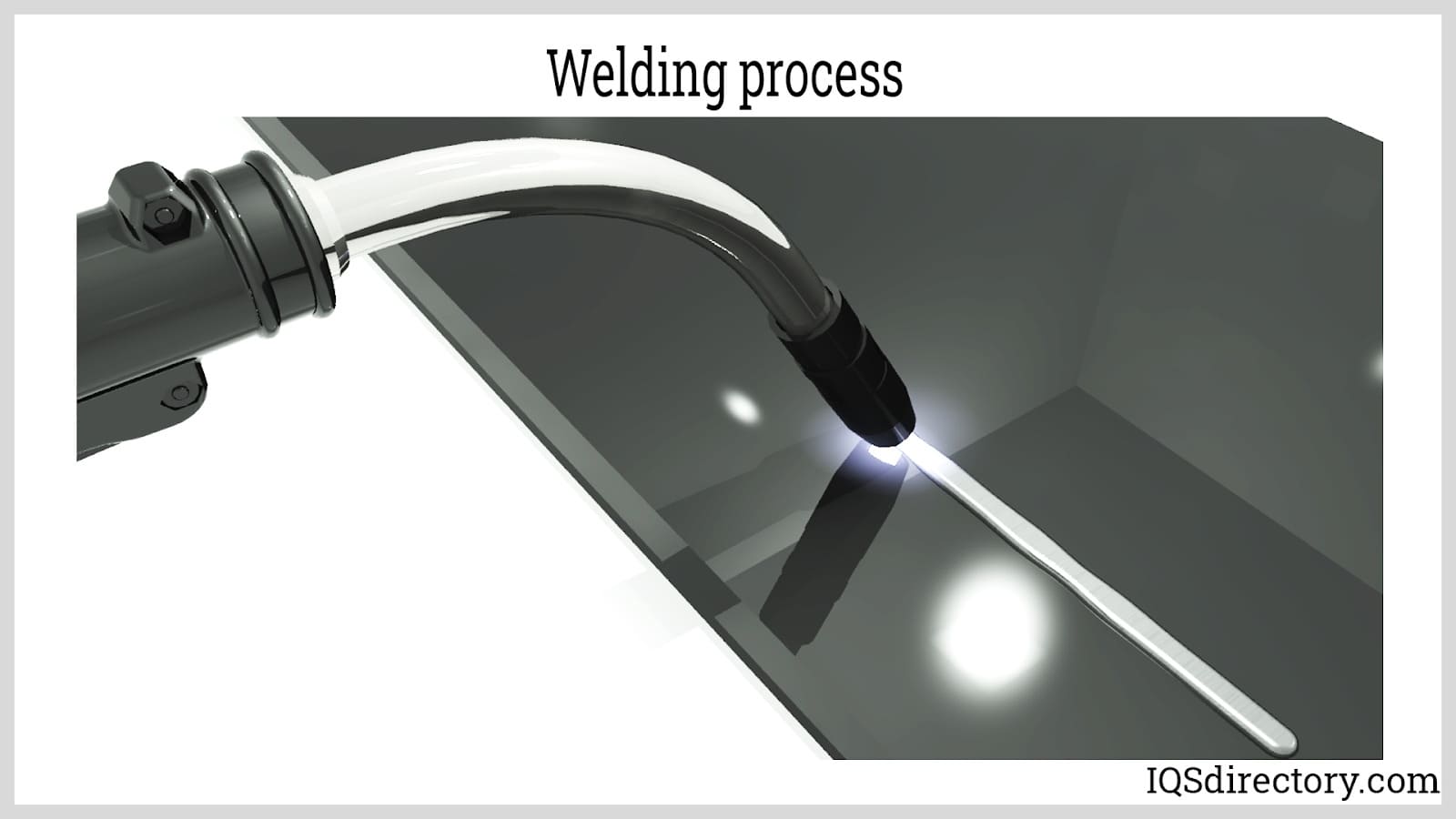 Welding fuses two metal pieces by melting them together to create a secure joint that can support both structural integrity and finished assembly performance.
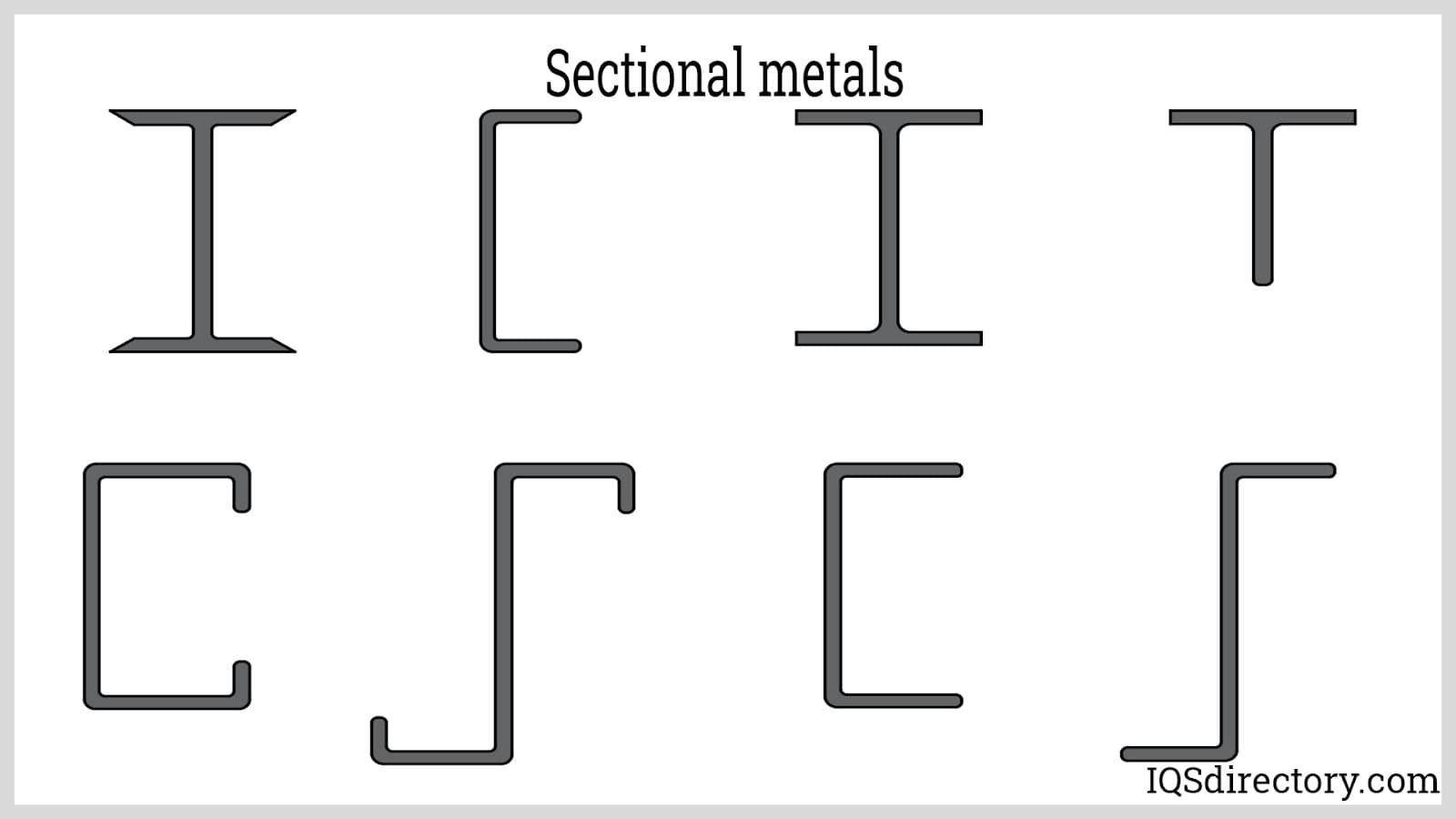 Various shapes are produced during the fabrication process to meet specific requirements for strength, fit, appearance, and end-use function.
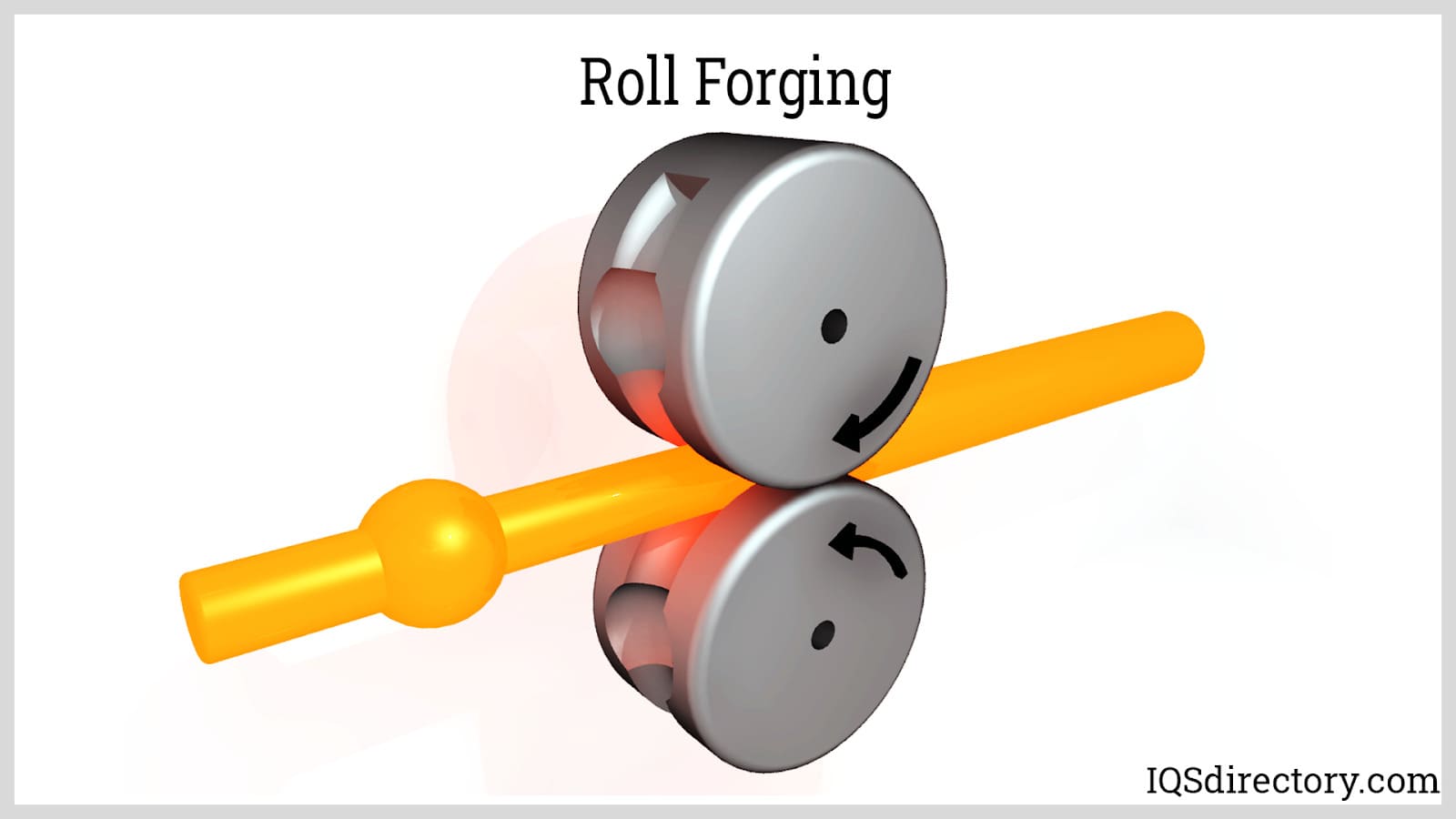 Rolling machines shape steel into rolls, resulting in a more finished and uniform product that can be processed into fabricated parts and assemblies.
Nearly every sector, from residential and commercial to industrial, relies on precision sheet metal fabrication. Key industries that use sheet metal fabrication include military, food processing and storage, communications, automotive, computers, medical, electronics, aerospace, pharmaceutical, construction, agriculture, and energy. Because sheet metal can be cut, formed, joined, and finished in so many ways, it supports both simple commodity products and complex engineered assemblies.
Manufacturers use precision sheet metal fabrication to produce a wide variety of products. Common examples are HVAC components like grating and ductwork, stairwell railings, structural supports such as airplane frames and bridge skeletons, lighting hoods, cutlery, scissors, fencing, cages, shelving, and fabricated metal furniture such as metal cabinets for storage. Buyers often search for custom sheet metal parts, precision metal enclosures, fabricated stainless steel components, or production-ready aluminum parts, and all of those needs fall within the broad capabilities of sheet metal fabrication.
If you need custom sheet metal parts or products, it’s important to work with a manufacturer that understands your specifications and can deliver quality results. Review the companies listed above, browse their profiles, or visit their websites directly to learn more about their services and capabilities. The best choice will be a company that listens to your needs, evaluates drawings carefully, communicates about tolerances and lead times, and delivers custom products within your budget. It also helps to compare material options, finishing services, production capacity, tooling experience, inspection practices, and whether the fabricator can support prototyping, short runs, and ongoing production as your requirements change.
Variations and Similar Services for Fabrication
- Annealing
- A heating and cooling process used to soften metal. Annealing changes the physical and mechanical characteristics of metal in order to create a specific microstructure and improve formability for later fabrication operations.
- Cutting
- Cutting can be performed using drills, lasers, blades, saws, or waterjet systems. Manufacturers use cutting when they need to remove excess material, separate parts from sheet stock, or create precise features and openings.
- Cold Forming Process
- Cold forming processes include operations that occur at room temperature, such as bending, cold rolling, and drawing. These methods are often used to increase strength and hardness while shaping the metal into a required geometry.
- Sheet Metal Bending
- A manufacturing process that involves bending metal material along a linear axis on a neutral plane. Typically, fabricators bend strip metal or flat sheets. After the stress is removed, and because metal flow occurs within the range of plasticity, the bent portion remains permanently set. Bending typically produces a V-shape, C-shape or channel shape in the metal, though standard die sets are capable of creating many other forms.
- Cold Rolling
- The process of shaping sheet metal through rollers by compression and squeezing. The degree of strain influences hardness, surface finish, and other characteristics of the completed material.
- Drawing Process
- A process of forming sheet metal into a cup-like shape by forcing the material into a die with a punch, which stretches the metal into form. The shape of the drawn part can be rectangular, circular, or another profile depending on the cross section and tooling.
- Forging
- The process of forming a hot or cold metal into a different shape by hammering or pressing in order to improve geometry and, in many cases, strength characteristics.
- Hot Forming Process
- Hot forming processes include those that use elevated temperature to lower a metal’s resistance to shape change, such as hot rolling and hot stretching. These methods can make difficult materials easier to form.
- Mechanical Working
- Any process that puts pressure on metal with hammers, rolls, or presses to alter the shape or physical characteristics of the metal material.
- Piercing
- The process of punching or shearing holes and slots in sheet material. Piercing is similar to blanking, except that the resulting piece from piercing is scrap and the resulting piece from blanking is useful.
- Press Forming
- Any sheet metal forming process that uses a mechanical or hydraulic press to shape flat stock into a desired contour or feature.
- Punching
- A process that involves die shearing in sheet metal so that the removed material becomes scrap while the surrounding sheet retains the useful form.
- Roll Forming
- A metal forming method for creating long parts with a variety of cross sections. This process forms sheet metal by passing it through a series of powered contoured rolls for continuous shaping.
- Shearing
- A process involving the separation of material by a blade that forces the material past another opposing blade, producing straight cuts with relatively high efficiency.
- Slitting
- The cold forming process of cutting a sheet of metal into smaller widths or pieces to meet downstream specifications and processing needs.
- Stamping
- The procedure of impressing three dimensional designs, lettering, or surface definitions through pressurized tools such as presses or dies.
- Sheet Metal Work
- Includes the various processes involved in heating, shaping, cutting, and finishing metal sheets. In general, sheet metal is created by compressing metal materials between rollers before later fabrication operations are performed.
- Stretching
- The process by which sheet metal is clamped around the edges and stretched to make various products, especially when broad, smooth contours are needed.
- Welding
- A procedure for permanently bonding two or more metal components by melting both materials. Common methods for sheet metal include spot welding, TIG welding, oxy fuel welding, solid-state welding, seam welding, resistance welding, and arc welding.
- Adhesive
- A substance that bonds the inner and outer panels of metal.
- Age Hardening
- Heating a metal to a uniform temperature and then cooling it under controlled conditions to increase hardness and strength.
- Alloying Element
- A metallic element that is added to another metal to produce an alloy in order to improve properties such as hardness, strength, machinability, or corrosion resistance.
- Bend Test
- A test that is used to determine the ductility and malleability of various metals.
- Blank
- A piece of sheet metal that has been cut for further press operation.
- Bloom
- A semi-finished piece of metal that needs further processing.
- Brazing
- The process of joining solid metals together by using a fusible filler metal with a melting point below that of the base metal.
- Burr
- A leftover ridge on the edge of metal caused by cutting operations, such as trimming, slitting, and shearing.
- Cavitation
- The rapid formation and depletion of air bubbles within a metal during the solid/liquid interface. Cavitation can cause permanent damage to the material.
- Cladding
- The application of a thin coat of stainless steel to another metal in order to increase corrosion resistance.
- Corrosion
- The gradual deterioration of metals caused by harsh chemical and environmental conditions.
- Corrosion Rate
- The speed at which corrosion occurs on a particular substance.
- Creep
- The slow strain on metals, caused by stress, that occurs over time.
- Cup
- A sheet metal part that is cylindrical or shell-shaped with one end closed.
- Deburring
- The process of smoothing the rough-cut edges of metal.
- Descaling
- A process that involves removing the oxide layer, which forms on metal after hot forming processes.
- Ductility
- The amount of deformation a metal can withstand before failure.
- Embrittlement
- The loss of malleability in a metal after a physical change or due to chemical treatment.
- Fatigue
- The state of a metal after repeated stress, leading to an eventual fracture.
- Finish Form
- Forming a panel metal shape into a completed product.
- Flange
- A projection from the edge or rim of a metal part, typically narrow and of uniform width for fastening.
- Grinding
- Removing parts of the metal by using abrasives.
- Oxidation
- Corrosion of a metal due to oxygen.
- Pitting
- Localized corrosion on a metal surface.
- Plastic Deformation
- The application of stresses, which strain a metal material past its elastic boundary, resulting in a permanent distortion.
- Plasticity
- The capability of metal to undergo permanent deformation without breakage.
- Strip
- A very thin, flat-rolled metal product.
- Yield Strength
- The stress point beyond which a metal undergoes permanent flow or deformation.