Ropes
Ropes are a form of woven or twisted cordage used for lifting, hauling, securing, suspending, towing, climbing, rigging, and mooring in marine, industrial, commercial, and recreational settings. In standard rope construction, fibers are twisted into yarn, yarn is formed into strands, and the strands are then twisted or braided into finished rope. In many rope designs, the fibers turn in one direction while the strands turn in the other, creating friction and balance that help improve tensile strength, handling, durability, knot holding, and long-term performance.
Rope FAQs
What are the main materials used to make ropes?
Ropes are produced from natural fibers such as cotton, manila, hemp, and sisal, or from synthetic materials like nylon, polyester, polypropylene, Kevlar, and HMDPE. Synthetic rope is often chosen for higher strength, lower water absorption, UV resistance, and longer outdoor service life.
What is the difference between twisted and braided rope?
Twisted ropes are made by winding strands together into a traditional spiral construction that offers reliable knot holding and familiar handling. Braided ropes interlace fibers into a smoother, more flexible structure that resists rotation under load and often performs better in abrasion-heavy applications.
Which type of rope is best for marine or boating use?
Polypropylene and polyester are common choices for marine and boating work. Polypropylene floats and resists water absorption, while polyester offers strong UV, weather, and abrasion resistance for dock lines, sailing, and general outdoor marine use.
How should ropes be maintained for long-term use?
Inspect rope regularly for cuts, flattening, glazing, fraying, or chemical damage. Clean it when needed, keep it dry, coil it properly, and store it away from direct sunlight, moisture buildup, and harsh chemicals to help extend usable life and maintain handling performance.
What is the difference between rope and twine?
Twine is a smaller cordage product made by twisting two or more strands together and is often used for bundling, packaging, gardening, and household tasks. Rope is thicker, stronger, and built for more demanding jobs such as lifting, towing, securing, rigging, and marine use.
Why is Kevlar rope used in heavy-duty applications?
Kevlar rope is selected for its high strength-to-weight ratio, heat resistance, dimensional stability, and low stretch. Those properties make it a strong option for industrial, safety, aerospace, and high-load applications where performance and reduced weight are both priorities.
How is rope strength measured?
Rope strength is commonly measured by tensile strength, or the amount of force the rope can withstand before failure. Buyers should also review working load limit, safety factor, rope diameter, construction type, and environmental exposure before selecting rope for a specific application.
History of Ropes
The history of rope reaches back thousands of years, with early evidence of twisted fibers and knotting dating to roughly 15,000 to 17,000 years ago. Ancient civilizations, including the Egyptians, helped refine rope-making with tools and methods that supported fishing, transportation, shelter building, hunting, trapping, lifting, and early marine work. Those first ropes were handmade from plant fibers and animal materials. Modern rope manufacturing now uses specialized machinery and engineered fibers to deliver more consistent diameter, stronger tensile properties, lighter weight, better abrasion resistance, and improved resistance to moisture, rot, chemicals, and weathering. Even so, natural fiber ropes such as coir, cotton, manila, and sisal still remain useful where texture, grip, appearance, or biodegradability matter.
Applications of Ropes
- Purpose
- Rope is built to pull, lift, tie down, secure, suspend, anchor, and control loads, but it does not provide compressive strength, so it is not intended for pushing. From construction and warehousing to boating, agriculture, rescue work, theater rigging, landscaping, shipping, and recreation, rope remains one of the most adaptable tools for load handling and general utility.
- Product Use
- Because ropes are exposed to different loads, weather, surfaces, and operating conditions, there is no single rope that fits every job. Buyers often compare rope material, rope diameter, stretch, grip, abrasion resistance, water resistance, UV resistance, knot performance, splicing options, and working load limit when narrowing down the right choice for lifting, mooring, towing, climbing, securing cargo, or general industrial use.
- Manufacturers also produce rope for specialized applications. Twine is a smaller cordage product often made from natural fibers such as cotton or linen and is used in kitchens, butcher shops, packaging, gardening, and bundling tasks. Twine is also found in sporting equipment such as hockey and basketball nets. Elastic cords contain a multi-strand rubber core that can stretch significantly and are covered with braided synthetic or cotton fibers for strength and protection. Marine rope is designed for docks, boats, and watercraft where salt, splash, and sun exposure are part of daily use. With the right material choice and upkeep routine, rope continues to deliver dependable performance across industrial and consumer applications.
Rope Design
Rope manufacturing begins by twisting or braiding fibers and filaments into yarn. The two main rope construction methods are twisted rope and braided rope. In twisted construction, three or more strands are laid together in one direction while the yarn within those strands is turned in the opposite direction. This balanced design helps the rope stay intact, resist unraveling, and maintain dependable handling. Rope ends are often fused, whipped, or otherwise finished after production to help prevent fraying. Twisted rope has been used for generations, while braided constructions have become more popular for applications that need smoother handling and lower rotation under load.
Braid rope remains stable under tension and usually will not spin or untwist the way some laid constructions can. Braided ropes are commonly produced as hollow diamond braid, diamond braid with a core, solid braid, and double braid. Hollow diamond braid has no core and can be lightweight and easy to splice. Diamond braid with a core adds internal support for improved strength and shape retention. Solid braid uses a lock-stitch style construction that helps prevent unraveling when cut. Solid braid and many core-filled braids are not designed for traditional splicing. Double braid, with a braided core inside a braided cover, is often chosen when high strength, flexibility, and abrasion resistance are all priorities.
A rope’s diameter is influenced by yarn thickness, the number of yarns per strand, and the number of strands or braids in the finished construction. These factors affect not only size but also grip, flexibility, elongation, and load performance. For natural fiber ropes, fibers are commonly lubricated, cleaned, straightened, separated, and combed before twisting. Synthetic fibers move through similar preparation steps, though they are often easier to align and process with tight tolerances. When long synthetic filaments are used, several may be grouped together through doubling or throwing. The finished yarn is wound onto bobbins and may be dyed to produce colored strands and finished ropes for identification, branding, safety visibility, or application-specific needs.
Rope Images, Diagrams and Visual Concepts
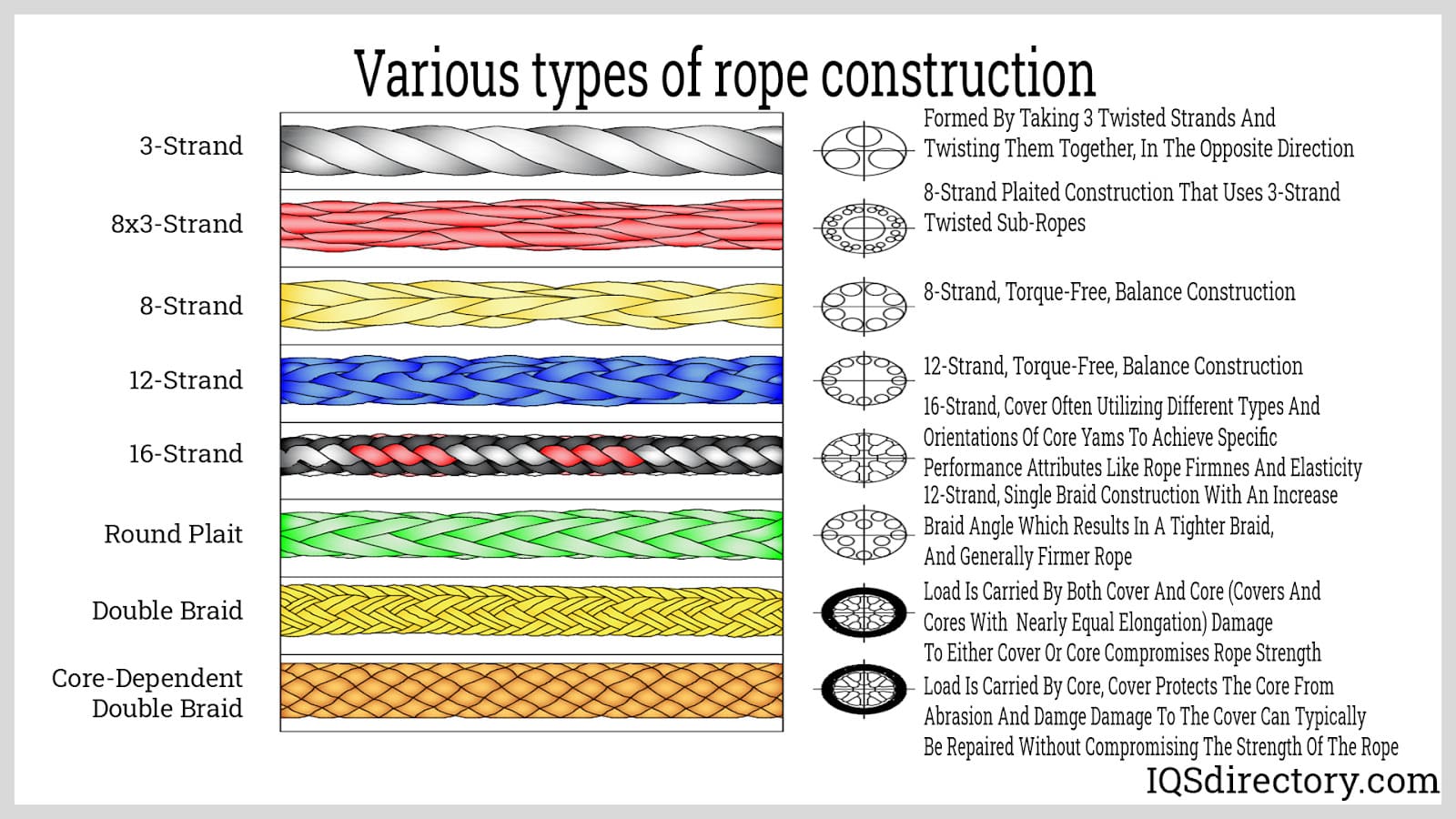 Different rope construction types show how twisted, braided, and core-filled designs are built for different handling, strength, and application needs.
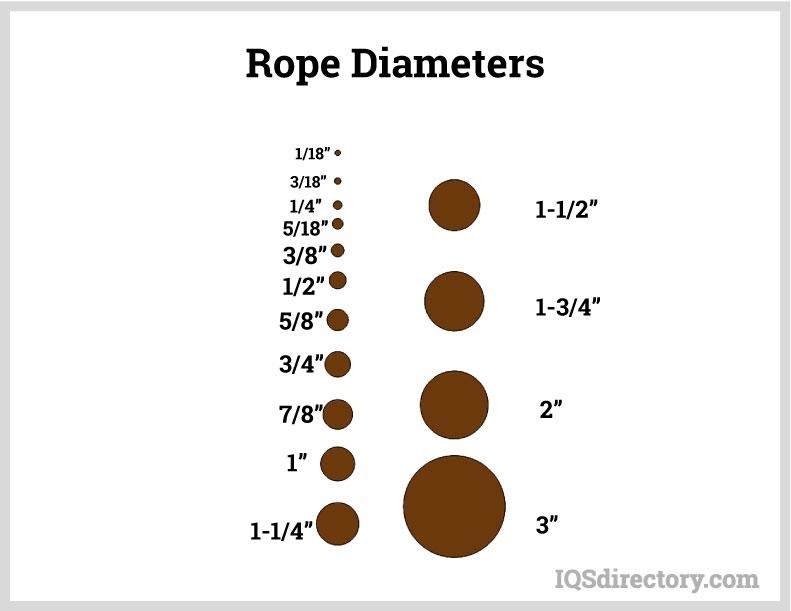 Rope diameter affects grip, flexibility, working feel, and how comfortably a rope can be handled in lifting, rigging, and general utility work.
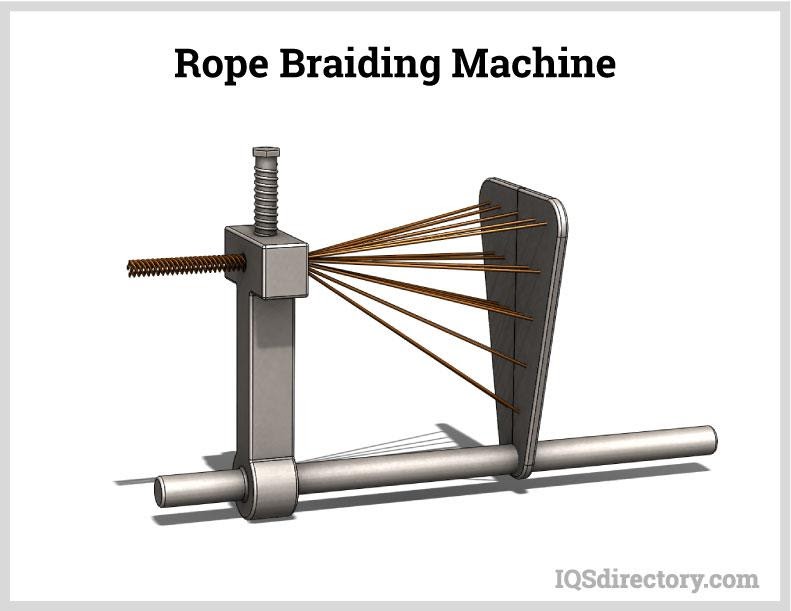 In rope manufacturing, strands move through equipment that braids or twists them into a uniform finished product before winding onto a bobbin.
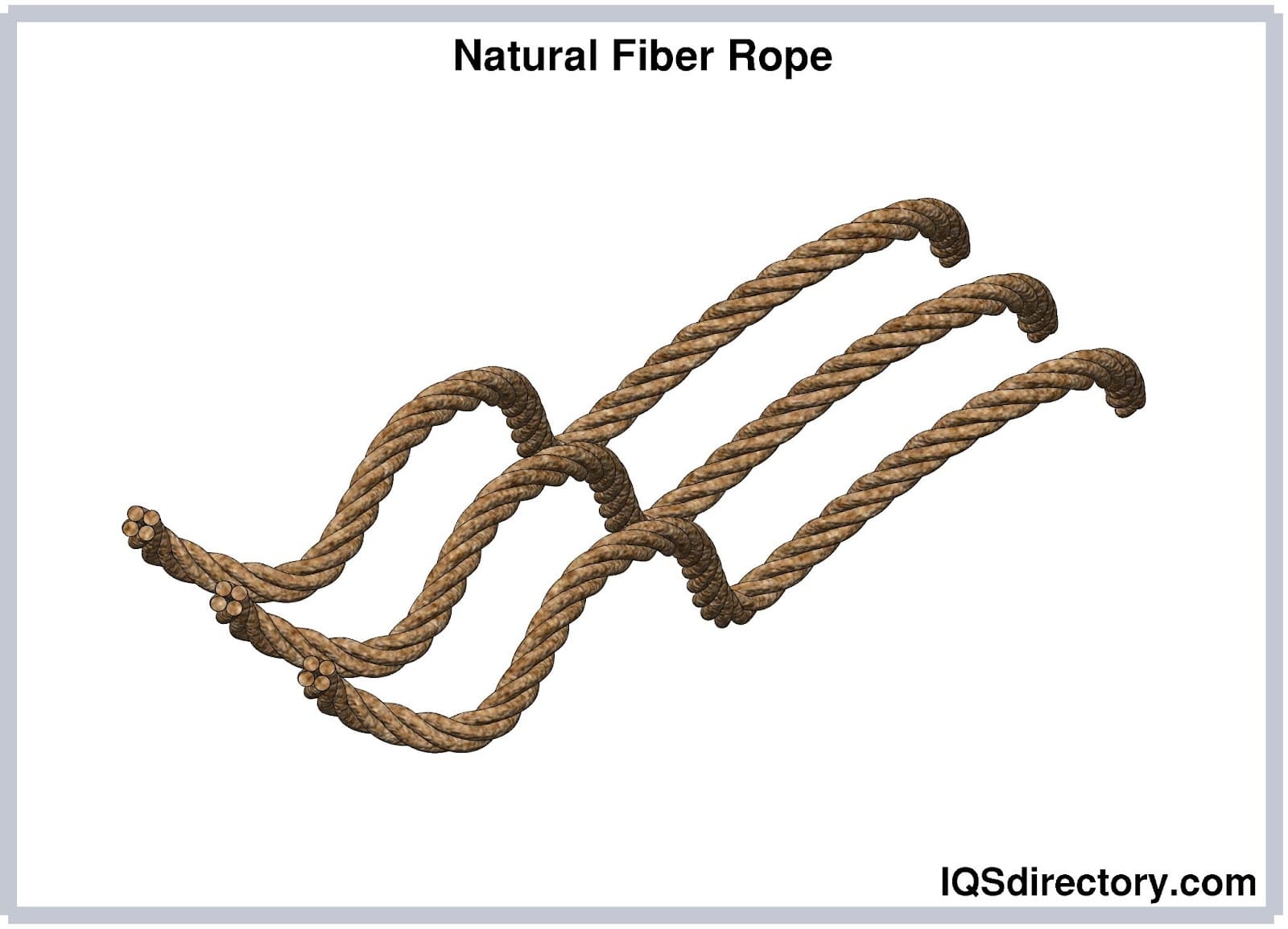 Natural fiber rope is made from renewable materials such as cotton, hemp, sisal, or manila and is often chosen for grip, appearance, and biodegradable use cases.
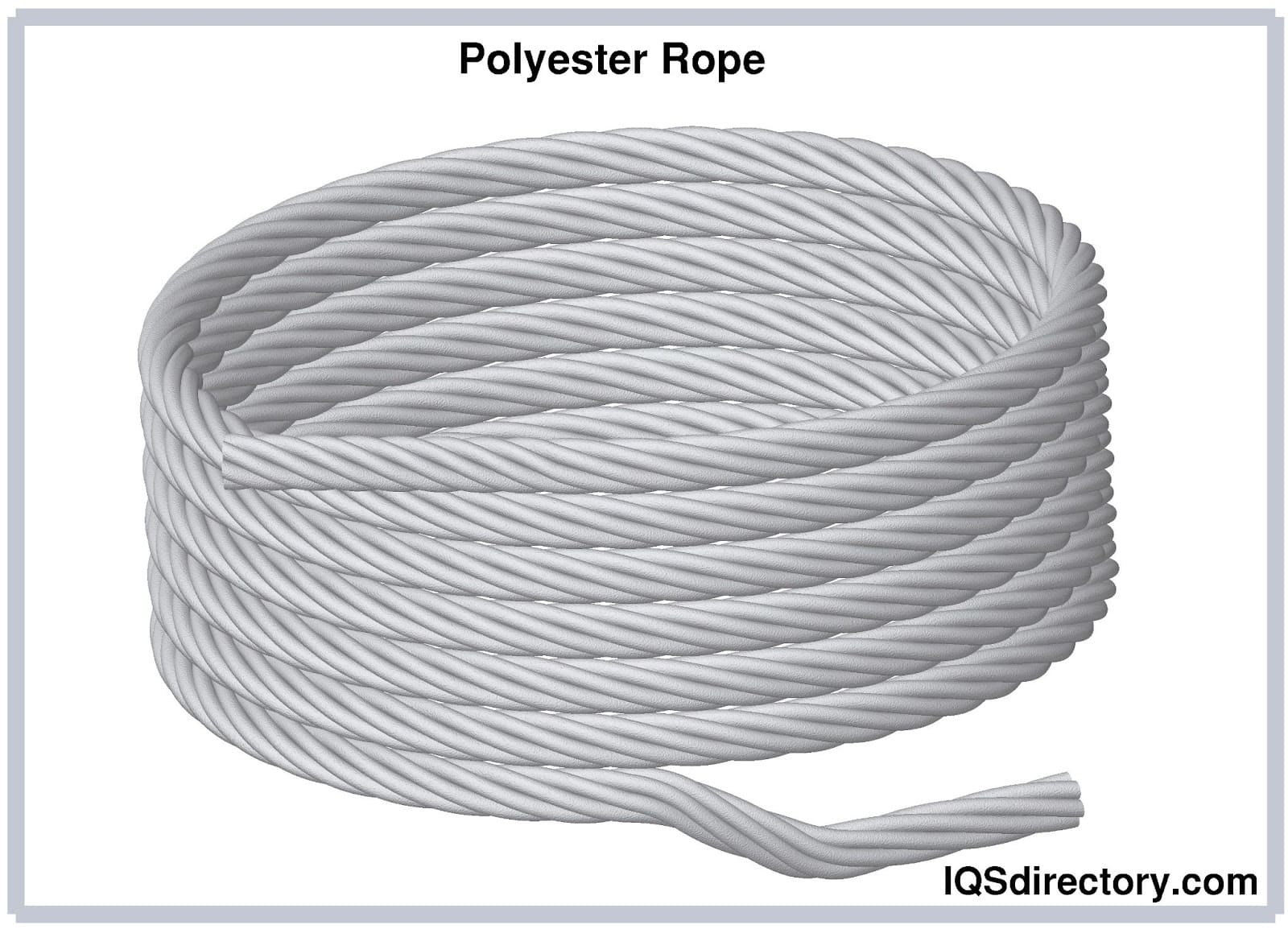 Polyester rope is widely used where UV resistance, weather resistance, low stretch, and dependable outdoor durability are desired.
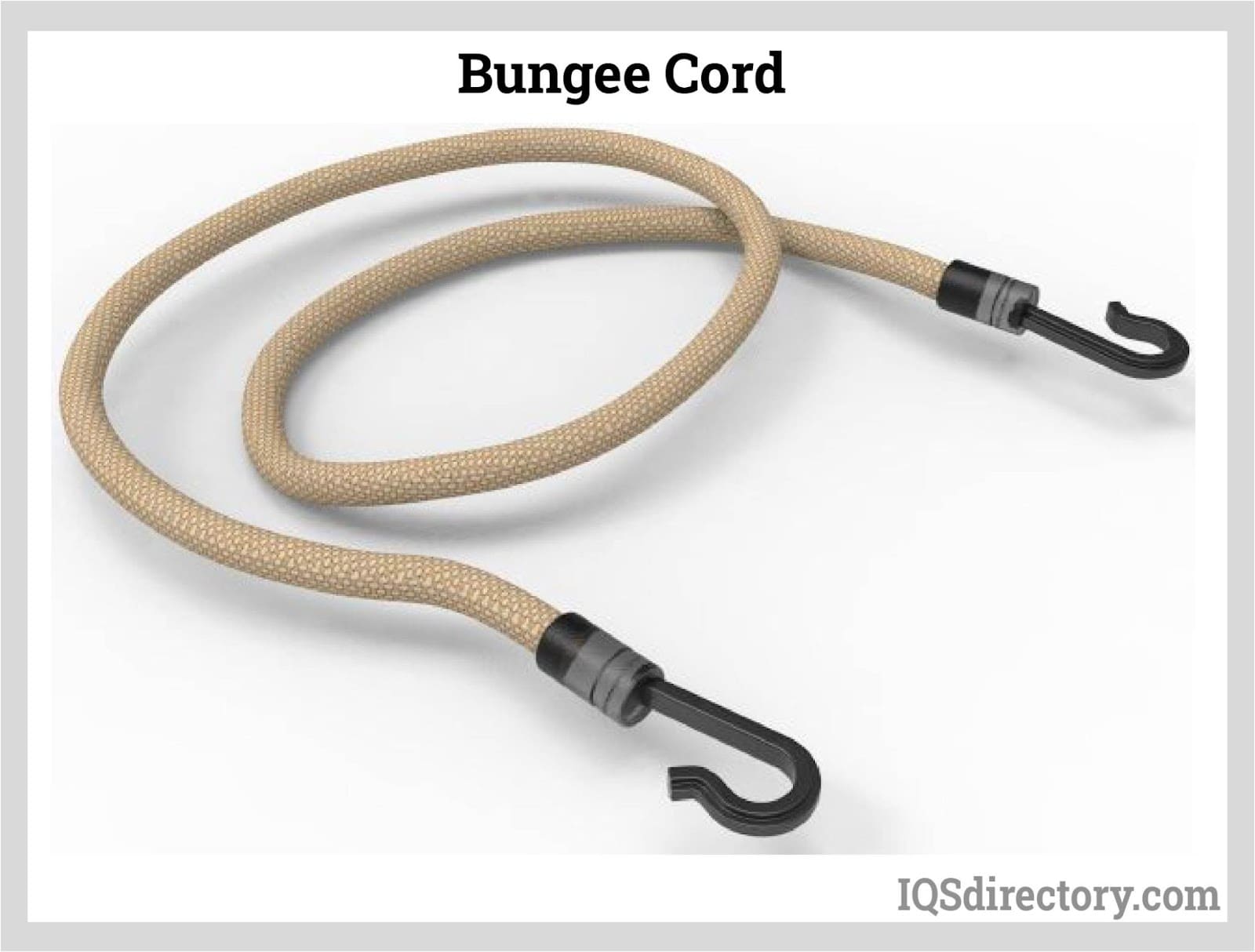 Bungee cords use elastic strands inside a woven cover to provide stretch, tension control, and quick cargo-securing performance.
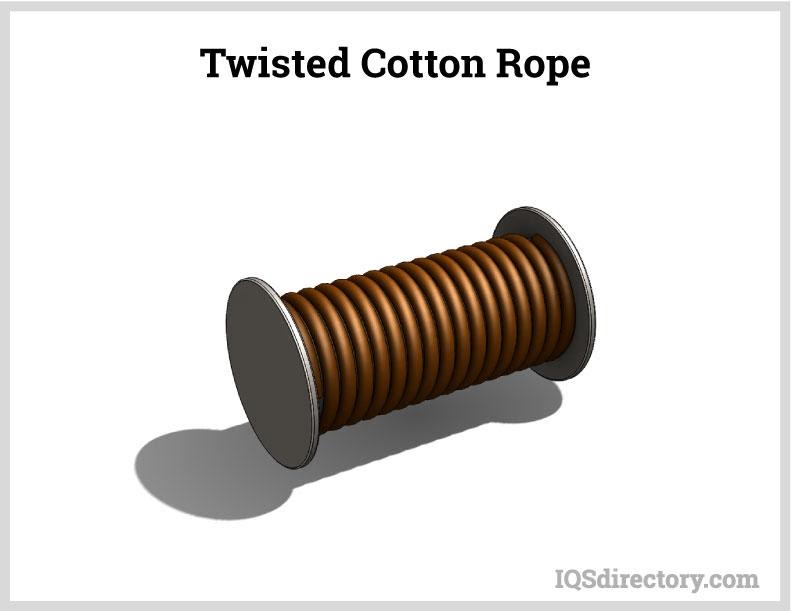 Twisted cotton rope is soft, flexible, and easy to handle, making it useful for decorative, packaging, utility, and light-duty tying applications.
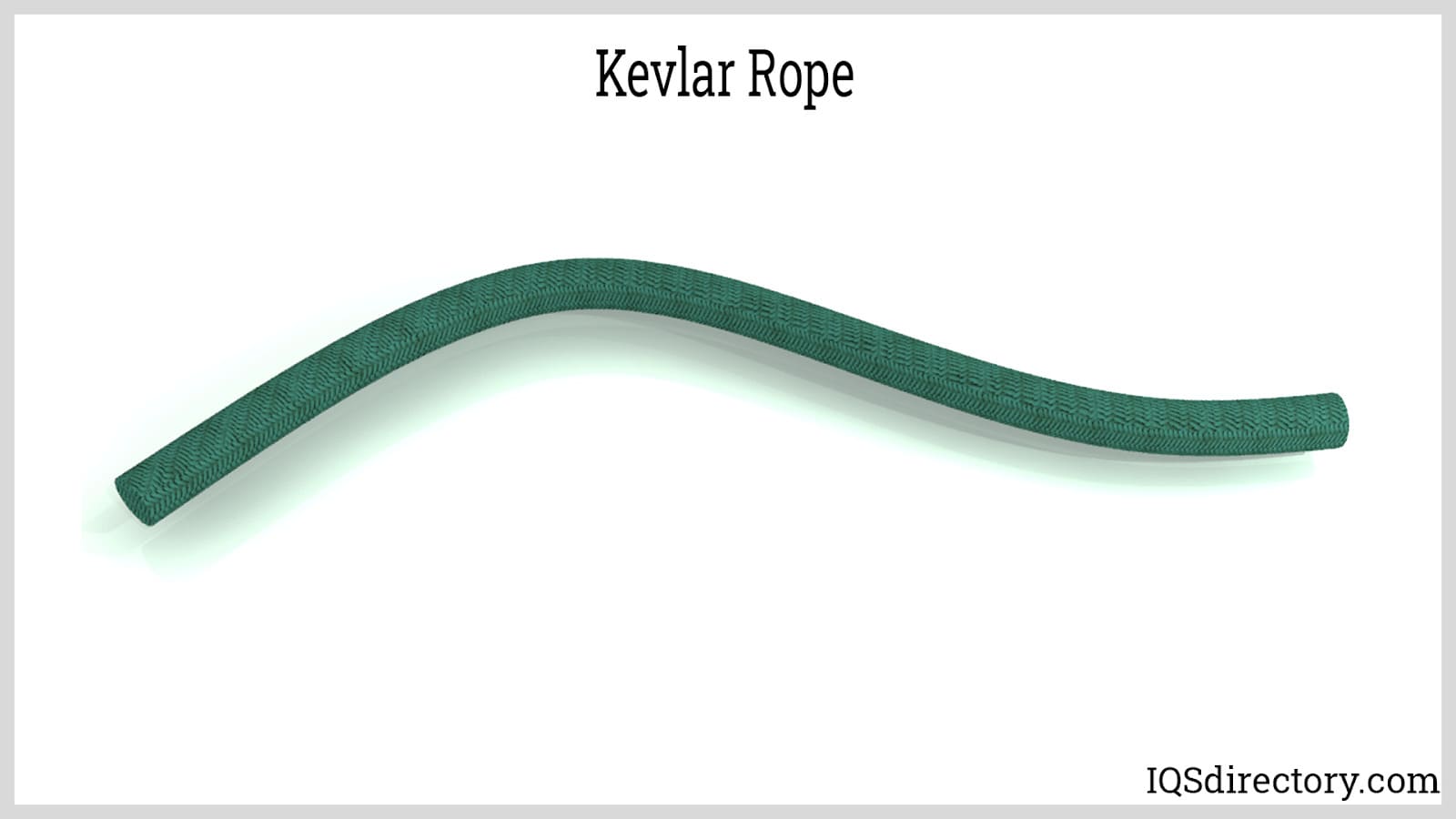 Kevlar rope offers very high strength, thermal stability, and low stretch for demanding industrial, safety, and technical rope applications.
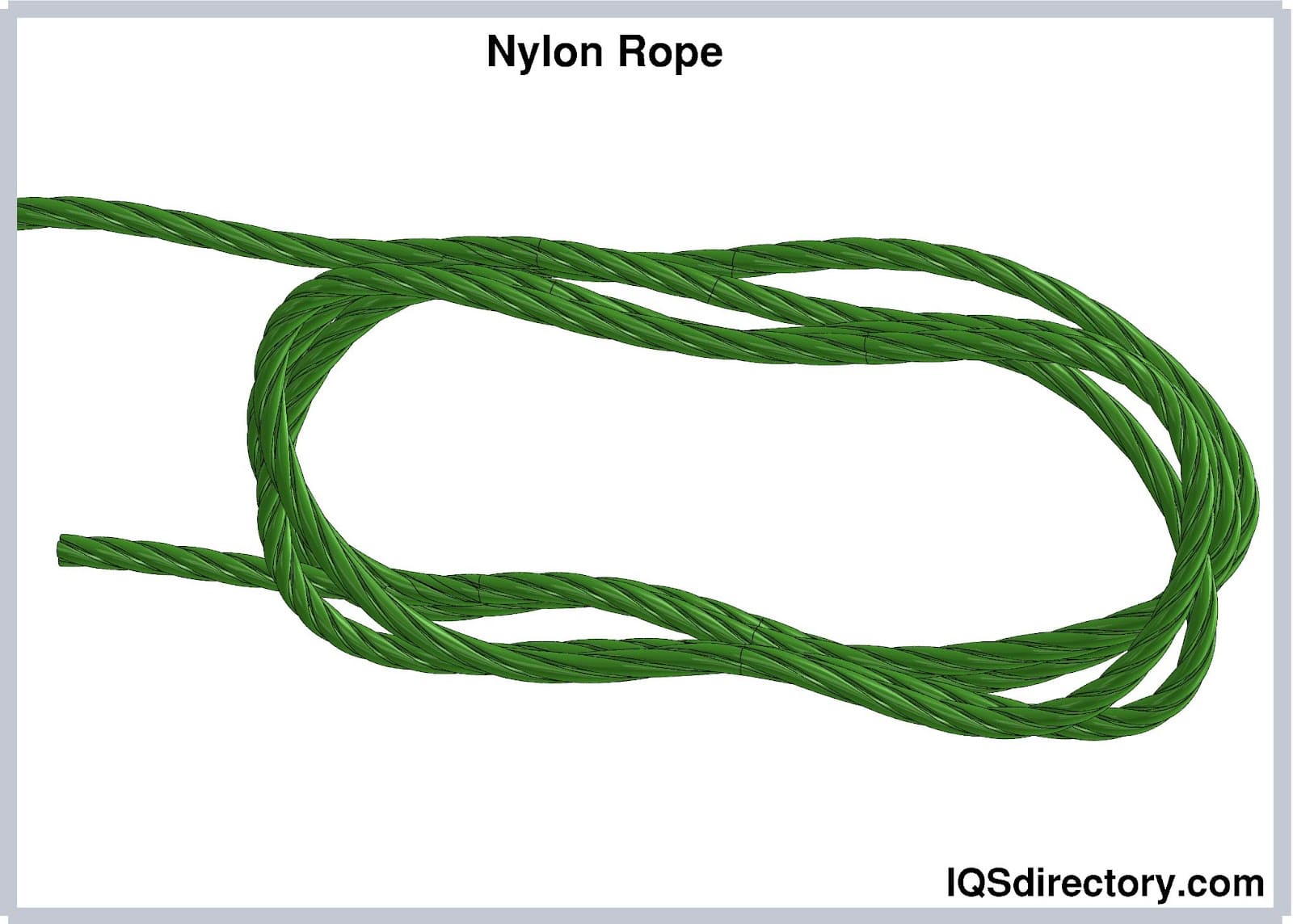 Nylon rope is known for strength, shock absorption, and abrasion resistance, which makes it popular for towing, mooring, and general utility use.
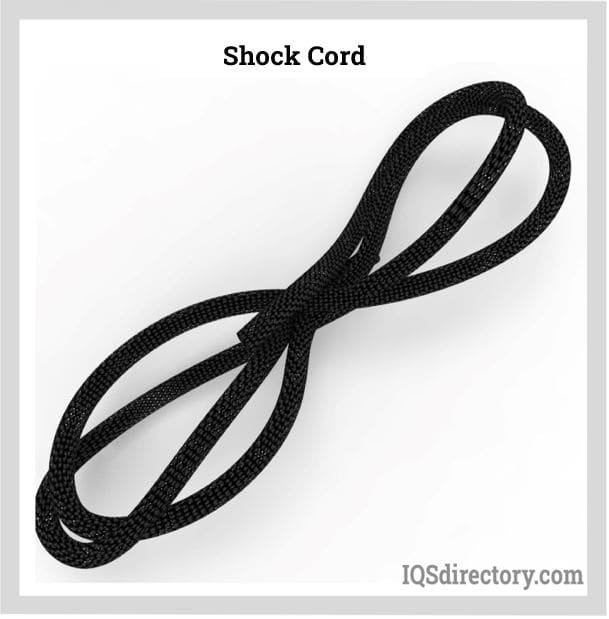 Shock cord combines a premium rubber core with a woven cover to deliver flexibility, resilience, and secure tension in repeated-use applications.
Types of Ropes
Rope is generally defined as an assembly of fibers, yarns, or strands combined into a thicker, stronger cord for load handling and securing tasks. Some ropes are selected for strength and low stretch, some for flexibility and knot performance, and others for decorative, marine, electrical, agricultural, or industrial use. Rope suppliers offer a wide range of products for residential, commercial, and industrial buyers who need dependable performance in different environments and duty levels. The following sections outline common rope types used across everyday and specialized applications.
- Twisted Ropes
- Composed of three main strands twisted together, twisted ropes have a traditional spiral appearance and are also called laid ropes. They are often made from polypropylene or natural fibers and are popular when buyers want value, water resistance, visibility, and dependable knot holding. High-visibility twisted rope is often used in barrier marking, general utility, and rescue-related environments.
- Braided Ropes
- Made by interlacing high-quality fibers into a stable construction. Hollow braided ropes can flatten into a tube-like form, while double braided rope, often produced with nylon or polyester, is selected when strength, abrasion resistance, and smooth handling are top priorities. Braided rope also tends to feel more comfortable in the hand for repeated use.
- Guyline Ropes
- Used to adjust line length or tension in tents, tarps, awnings, and other setups. Many guyline ropes use reflective tracers so they remain easier to see in low-light conditions, which makes them popular for camping, outdoor events, and temporary shelters.
- Bungee Ropes
- Used to secure loads or hold components in place with stretch and rebound. Available in different diameters and elasticity levels, bungee ropes are also called elastic cords or bungee cords and typically feature a multi-strand rubber core under a braided cover. Buyers usually compare elasticity, outer jacket durability, hook style, and overall quality before purchase.
- Twine
- A thinner cordage product created by twisting two or more threads or yarns into a small but durable cord suitable for packaging, gardening, tagging, bundling, and light-duty tying work.
- Wire Rope
- Constructed from multiple strands of metal wire twisted into a helix, wire rope is used for heavier lifting, hoisting, pulling, and rigging. The term generally refers to diameters larger than 3/8 inch, while smaller sizes may be called cable or cords. Wire rope capacity varies widely based on diameter, construction, and material grade, so buyers should always match the product to the application and safety requirements.
Additional rope types include parachute cord, baling twine, mooring rope, hoist rope, static rope, and tow ropes.
Materials Used in the Production of Rope
Ropes are used in homes, job sites, warehouses, boats, farms, gyms, utilities, and manufacturing environments, so material choice has a major effect on performance. Buyers comparing nylon rope, polypropylene rope, polyester rope, braided rope, bungee rope, sisal rope, or specialty high-strength rope usually start with the conditions the rope will face, including moisture, UV exposure, friction, chemicals, heat, stretch requirements, and desired service life.
The following are some of the main materials used to produce various rope types:
- Polypropylene
- A lightweight, cost-effective synthetic material with a density lower than water, which allows it to float. Polypropylene rope is popular in marine, dock, pool, and outdoor utility applications because it resists water and many weather conditions. It is usually less strong than nylon or polyester rope, and extended UV exposure can reduce lifespan over time.
- Nylon
- One of the most widely used synthetic rope materials, nylon offers high strength, shock absorption, abrasion resistance, and good resistance to many outdoor conditions. Because it stretches under load and then recovers well, it is often chosen for towing, anchor lines, mooring, and jobs where dynamic loading is expected.
- Cotton
- Soft, flexible, and easy to grip, cotton rope is often selected for decorative, theatrical, packaging, exercise, and light-duty utility applications. It is usually not as strong or weather resistant as most synthetic ropes, but it remains popular where feel and appearance matter.
- Manila
- A durable natural fiber rope made from the abaca plant. Manila rope is valued for grip, sunlight resistance, low stretch, and heat tolerance, and it has long been used in construction, shipping, landscaping, and general outdoor work.
- Sisal
- A sturdy natural fiber rope similar to manila rope, though generally not as strong. Sisal holds knots well and is often used in gardening, bundling, cat scratching posts, and general utility applications where a firm natural-fiber feel is preferred.
- Polyester
- A synthetic polymer used to make rope with strong UV resistance, water resistance, abrasion performance, and dimensional stability. Polyester rope is widely chosen for boating, rigging, and outdoor service because it delivers near-nylon strength with less stretch, making it useful when buyers want steadier handling under load.
- High Molecular Density Polyethylene (HMDPE)
- HMDPE rope is very strong, lightweight, flexible, and stable, making it suitable for heavy-duty industrial, chemical, and mechanical applications. Buyers often consider this material when they need high strength with lower weight than traditional alternatives.
- Vectran
- Vectran rope is used in demanding applications that require reliable strength, low stretch, and good abrasion resistance. This naphthalene-based liquid crystal polymer can outperform many conventional rope materials in dimensional stability, though limited UV resistance can affect outdoor suitability unless the rope is properly protected.
- Kevlar
- Kevlar rope is made from DuPont’s Kevlar synthetic polymer fiber and offers very high strength relative to its weight. It is often chosen for high-load industrial, safety, and technical applications where heat resistance and low elongation are also important buying factors.
Things To Consider When Purchasing Ropes
When selecting rope, working load is one of the first details to review, but buyers should also look at breaking strength, safety factor, rope construction, diameter, stretch, flexibility, grip, and splice compatibility. Environmental exposure matters just as much. Rough surfaces can increase abrasion, UV rays can weaken some fibers, chemicals can damage both natural and synthetic materials, and repeated wet-dry cycles can affect long-term performance. Synthetic ropes such as nylon, polyester, polypropylene, polyethylene, Kevlar, and co-polymer blends often offer higher strength-to-weight ratios than natural fiber ropes, but the best choice depends on the application. When comparing rope manufacturers, many buyers also evaluate product testing, quality control, certifications, documentation, inventory range, and application guidance before making a purchasing decision.
Maintenance Tips From Rope Suppliers
Routine maintenance can extend rope life, improve handling, and reduce the chance of failure in the field. Rope suppliers and rope manufacturers often recommend setting up a regular inspection schedule based on how often the rope is used, the loads it carries, and the environment it sees. Nylon rope, polypropylene rope, braided rope, climbing rope, and natural fiber rope all benefit from consistent care and proper storage.
- Damages
- Inspect ropes before each use and look for cuts, melted fibers, hard spots, flattening, pulled strands, discoloration, glazing, or frayed surfaces. The inspection standard should match the job, because a rope used for lifting, fall protection, towing, or marine service demands closer review than one used for light-duty tying.
- For minor damage near rope ends: Some do-it-yourself repairs may help remove a small damaged section before it spreads further.
- If the damage is at either end, cutting away the worn portion may restore a safe, slightly shorter rope for suitable applications.
- Use a sharp knife or scissors when making a clean cut so the rope end is easier to finish properly.
- Seal the cut end with controlled heat when appropriate for the rope material to help prevent strand separation and unraveling.
- Molten wax may also be used in some cases, though it is not appropriate for every rope material or every service condition.
- Ropes cut in the middle generally should not return to demanding service. In some situations they may be repurposed for lighter utility work, but only after evaluating the material, the application, and the reduced performance of the shortened piece.
- Upkeep
- Guidelines for climbing rope maintenance: Without proper care, climbing ropes can wear out far sooner than expected. Follow these upkeep practices to improve longevity and handling:
- Use a rope bag, ideally supplied by your rope manufacturer, to protect rope during storage and transport.
- To prevent tangling, coil the rope neatly in loops that match the construction and intended use.
- Tie or secure both rope ends together so the line stays organized and is easier to deploy the next time.
- Avoid storing ropes or rope bags in damp areas. Even water-resistant rope should be kept as clean and dry as possible between uses.
- Protect ropes from prolonged direct sunlight, because UV exposure can gradually weaken many rope materials and reduce overall service life.
Rope Terms
- Abrasion Resistance
- A rope’s ability to withstand internal and external wear caused by rubbing, surface contact, and repeated movement.
- Acceleration Stress
- Extra stress placed on rope when load speed increases or a moving load changes force rapidly.
- Bend
- A knot used to join two ends together from one rope or from two separate ropes.
- Bight
- A loop or curved section formed in any part of a rope without using the free end.
- Bitter End
- When splicing or tying knots, the end opposite the working end that is currently being used.
- Blend
- A rope’s composition when it is made from a mix of different synthetic fibers.
- Bonding
- A liquid coating or treatment applied to rope to reduce water absorption and improve abrasion resistance.
- Capstan
- A rotating cylinder used to wind, tension, or pull rope in marine and industrial systems.
- Cordage
- A general term that refers to rope, line, twine, or string products with relatively small widths.
- Creep
- The gradual increase in a synthetic rope’s length over time when exposed to load, heat, or long-term stress.
- Dock Rope
- Rope primarily used to secure a boat or other marine vehicle to a dock or mooring point.
- Elastic Recovery
- The degree to which a rope returns to its original shape and length after being stretched.
- Elongation
- A rope’s extension in the direction of the load when tension is applied.
- End
- The working end of the rope that is actively being used.
- Fiber
- Natural or synthetic material that can be spun, twisted, or extruded into yarn.
- Flexibility
- A rope’s ease of bending, handling, and working under normal operating conditions.
- Hand
- The feel of a rope when handled, often used to describe softness, firmness, and grip.
- Heavy Duty Rope
- Rope designed for demanding lifting, landscaping, construction, rigging, towing, utility, and recreational applications.
- Nylon Cord
- A braided nylon product valued for strength, flexibility, and resistance to wear.
- Rigging
- The ropes, lines, and related hardware used on sailboats and in load-handling systems to transfer force and control movement.
- Sliver
- A continuous strand of overlapping, parallel natural fibers prepared for twisting into yarn.
- Safety Rope
- Rope connected to a harness or safety system and intended to support a person during a slip, fall, or controlled descent.
- Splice
- The joining of two ropes or rope sections by interweaving strands or braids.
- Strand
- Yarn that has been twisted together. Multiple strands are then twisted or braided to make rope.
- Strength
- A measure of a rope’s ability to carry load and perform work without failure.
- Tensile Strength
- The amount of load a rope can withstand in tension before it breaks.
- Towing Rope
- Rope used to pull vehicles, equipment, or loads during towing or recovery operations.
- U.V. Resistance
- A rope’s ability to resist weakening and surface damage caused by ultraviolet exposure.
- Water Repellency
- A rope’s ability to resist absorbing water and swelling during wet service.
- Winch Rope
- A specialized rope used with manual, electric, or gas-powered winches for pulling and recovery tasks.
- Yarn
- Fibers that are twisted, spun, or grouped together as an intermediate step in rope construction.