Plastic Fabrication
Plastic fabrication refers to the process manufacturers use to create plastic products. Key plastic fabrication methods include thermoforming processes such as extrusion and molding, along with mechanical processes like plastic machining and stamping. It also involves joining methods such as welding. The terms “plastic fabrication,” “plastic machining,” and “plastic manufacturing” are often used interchangeably within the industry.
Plastic Fabrication FAQs
What is plastic fabrication?
Plastic fabrication is the process of shaping, joining, and finishing plastic materials into usable products. Common methods include molding, extrusion, machining, stamping, and welding, allowing manufacturers to create durable and cost-effective components for a wide range of applications.
How did plastic fabrication evolve over time?
Plastic fabrication began with natural polymers like rubber and casein, then advanced with the invention of synthetic materials such as Parkesine and celluloid in the 1800s. By the 1900s, industrial processes like extrusion and molding revolutionized mass production, leading to modern thermoplastics and sustainable bioplastic research.
What are the main benefits of plastic fabrication?
Plastic fabrication offers low production costs, design flexibility, and durability. Plastics resist moisture, chemicals, and impact, making them ideal for automotive, packaging, and consumer products. They also provide vibration dampening and corrosion resistance compared to metals.
Which materials are commonly used in plastic fabrication?
Common materials include nylon, polyester, polystyrene, PVC, polyethylene, acrylic, and engineering plastics like PEEK and polycarbonate. Each material offers distinct properties such as flexibility, heat resistance, and chemical stability, chosen based on application requirements.
What processes are used to form plastic parts?
Plastic parts are formed through extrusion, injection molding, blow molding, vacuum forming, and compression molding. These processes shape melted resin into precise products, followed by secondary operations like cutting, drilling, or welding for finishing.
How is CNC machining used in plastic fabrication?
CNC machining uses computer-controlled systems to shape plastic parts with precision and consistency. This automated process minimizes human error, speeds up production, and enables complex designs for industries like electronics and automotive manufacturing.
What industries rely on plastic fabrication?
Industries such as construction, automotive, electronics, medical, packaging, and agriculture depend on plastic fabrication. Its versatility allows manufacturers to create products that withstand heat, moisture, and impact for both consumer and industrial use.
The History of Plastic Fabrication
Early Plastic Fabrication
The origins of plastic fabrication date back thousands of years, beginning with the use of organic polymers from natural sources like blood and eggs. Ancient civilizations in South and Central America, such as those in present-day Costa Rica and Mexico, were making objects from natural rubber as early as 1600 BC. During the Middle Ages, casein from milk became popular for making early plastics, laying the groundwork for modern materials.
Plastic Fabrication in the 1800s
In the 1800s, the development of rubber processing equipment by inventors like Thomas Hancock, who created the rubber masticator in 1820, and Edwin Chaffee, with his two-roll mixing machine in 1836, paved the way for advancements in plastic fabrication. Charles Goodyear’s discovery of vulcanization—the process of heating rubber with sulfur to create a durable plastic—was patented in 1844. These inventions set the stage for synthetic plastics.
Alexander Parkes invented Parkesine (nitrocellulose) in 1856, debuting it at the 1862 Great International Exhibition in London. Parkesine is widely regarded as the first synthetic plastic and was made by chemically treating cellulose. It was moldable, transparent, and could be colored. In 1868, John Wesley Hyatt developed celluloid from cellulose dissolved in alcoholized camphor, aiming to replace ivory in pool balls and later used for combs and other items.
Plastic Fabrication in the 1900s
By the early 20th century, industrial plastic fabrication had progressed to producing electrical insulation and food wrapping materials. Cellophane, invented in 1908, was quickly adopted for candy packaging by companies like Whitman’s.
Plastic fabrication expanded rapidly during World War I and II, supporting the production of items such as food containers, vehicle parts, acrylic bomber noses, and fighter plane canopies. Thermoplastic extrusion, perfected by Ashley Gershoff in 1935, and the invention of twin screw extruders by Roberto Colombo, greatly enhanced manufacturing capabilities, even though these innovations originated in Germany and Italy.
Mid-1900s advances brought new plastics like polyvinyl chloride (PVC), polyethylene, polyethylene terephthalate (PET), polystyrene (PS), and expanded polystyrene (EPS), which led to products such as insulation, packaging, and disposable cups. The introduction of polypropylene in 1957 further broadened plastic applications in packaging and components.
Today, plastic fabrication is integral to manufacturing worldwide. CNC machining technology enables manufacturers to produce plastic products with high precision, speed, and consistency. However, environmental concerns over plastic waste have driven a focus on sustainable practices and the development of biodegradable bioplastics. Until bioplastics are widely adopted, recycling remains essential for reducing environmental impact.
Benefits of Plastic Fabrication
Plastic products and components offer significant advantages. Plastic products are cost-effective and straightforward to manufacture, making plastic fabrication more affordable than metal fabrication. Plastic materials are durable, shatter-resistant, long-lasting, and able to withstand temperature fluctuations, moisture, chemicals, and impacts. Additionally, they provide vibration dampening, which benefits industries such as automotive, thanks to their durability and resistance to breaking.
Plastic Fabrication Process
The plastic fabrication process typically includes product forming, finishing, packaging, and shipping.
During forming, raw plastic resins—such as powders, flakes, or granules—are heated and pressed into desired shapes. Common forming techniques include extrusion, injection molding, blow molding, and vacuum forming.
After forming, products often undergo secondary fabrication processes. These may include punching, stamping, engraving, etching, bending, cutting, drilling, tapping, or assembly operations like cutting, gluing, and plastic welding. Plastic fabricators offer a wide range of options to meet the unique requirements of each part. After fabrication, products are packaged and shipped to customers.
Plastic Fabrication Design
In designing plastic products and selecting custom fabrication methods, manufacturers evaluate factors such as size requirements, operating temperature ranges, tensile strength, hardness or softness (temper), and color specifications.
Manufacturers can produce specialized custom plastic components or use standard sizes and pre-engineered designs. Many suppliers offer a variety of quality molds and dimensions for customers to choose from. For more details on custom capabilities, visit the manufacturer’s website or request a quote.
Plastic Fabrication Materials
Nylon, polyester, polystyrene, engineering plastics, polyvinyl chloride, polyethylene, and acrylic plastics are just a few of the many materials used in industrial plastic fabrication.
Nylon Material
Nylon is a thermoplastic valued for its silky texture and is well-known for its use in stockings, commonly called “nylons.” It is also used in a wide range of applications due to its resistance to sunlight, weathering, color fading, high temperatures, abrasion, mold, mildew, insects, and rot. Nylon is moldable, highly durable, and has excellent elongation properties.
Polyester plastics
Polyester plastics are versatile polymers primarily used in textile manufacturing. Industrial polyester is also found in reinforcements, seat belts, conveyor belts, insulation, cushioning, coated fabrics, bottles, filters, films, and even canoes. Polyester parts are known for their heat and stain resistance, durability, and ability to be finished with a high-gloss polish.
Polystyrene
Polystyrene is an affordable polymer available in foam and solid forms. It is easy to extrude and hardens into a rigid material, though it has a low melting point and offers limited resistance to moisture and oxygen. Despite environmental concerns, polystyrene remains popular for fabricating packaging like clamshells, lids, bottles, disposable cutlery, packing peanuts, and models.
Engineering Plastics
Engineering plastics are distinguished by their superior strength and durability compared to standard plastics, making them suitable for demanding engineering applications. Examples include polyetheretherketone (PEEK) and polycarbonate (PC).
Polyvinyl Chloride
Polyvinyl chloride, known as vinyl or PVC, is one of the most widely used plastics worldwide and is available in flexible and rigid forms. PVC provides high hardness, elasticity, moderate insulation, flame retardancy, and strong chemical resistance (except to most solvents). It is used in construction, piping, signage, insulation, furniture, flooring, clothing, and wire rope applications.
Polyethylene
Polyethylene is the most widely used plastic globally, offering high ductility, impact resistance, low friction, chemical resistance, and good insulation. Its main disadvantages are relatively low rigidity and strength. Polyethylene is primarily used for packaging and related fabrication needs.
Acrylic Plastics
Acrylic plastics are thermoplastics or thermosets derived from methacrylic acid or acrylic acid. They are used in paints, sheets, films, and adhesives. Acrylics are transparent, UV resistant, weatherproof, colorfast, stable, chemical resistant, and durable. Manufacturers use acrylic fabrication for glass-like products such as headlights, taillights, windows, signboards, LCD screens, smartphone displays, bathtub liners, and aquariums.
Plastic Fabrication Images, Diagrams and Visual Concepts
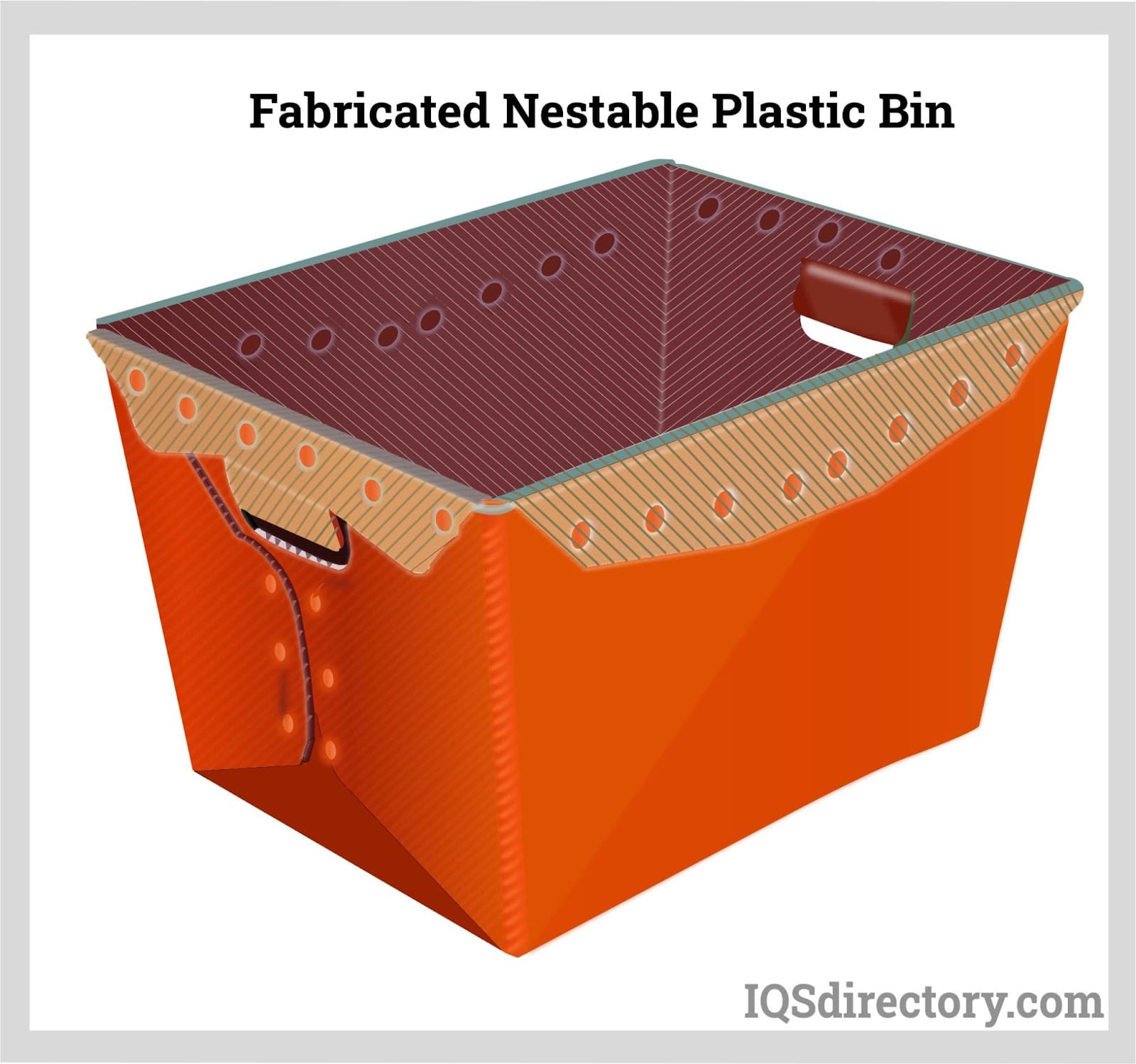 Plastic fabrication involves designing, manufacturing, and assembling products made from plastic materials or composite plastics.
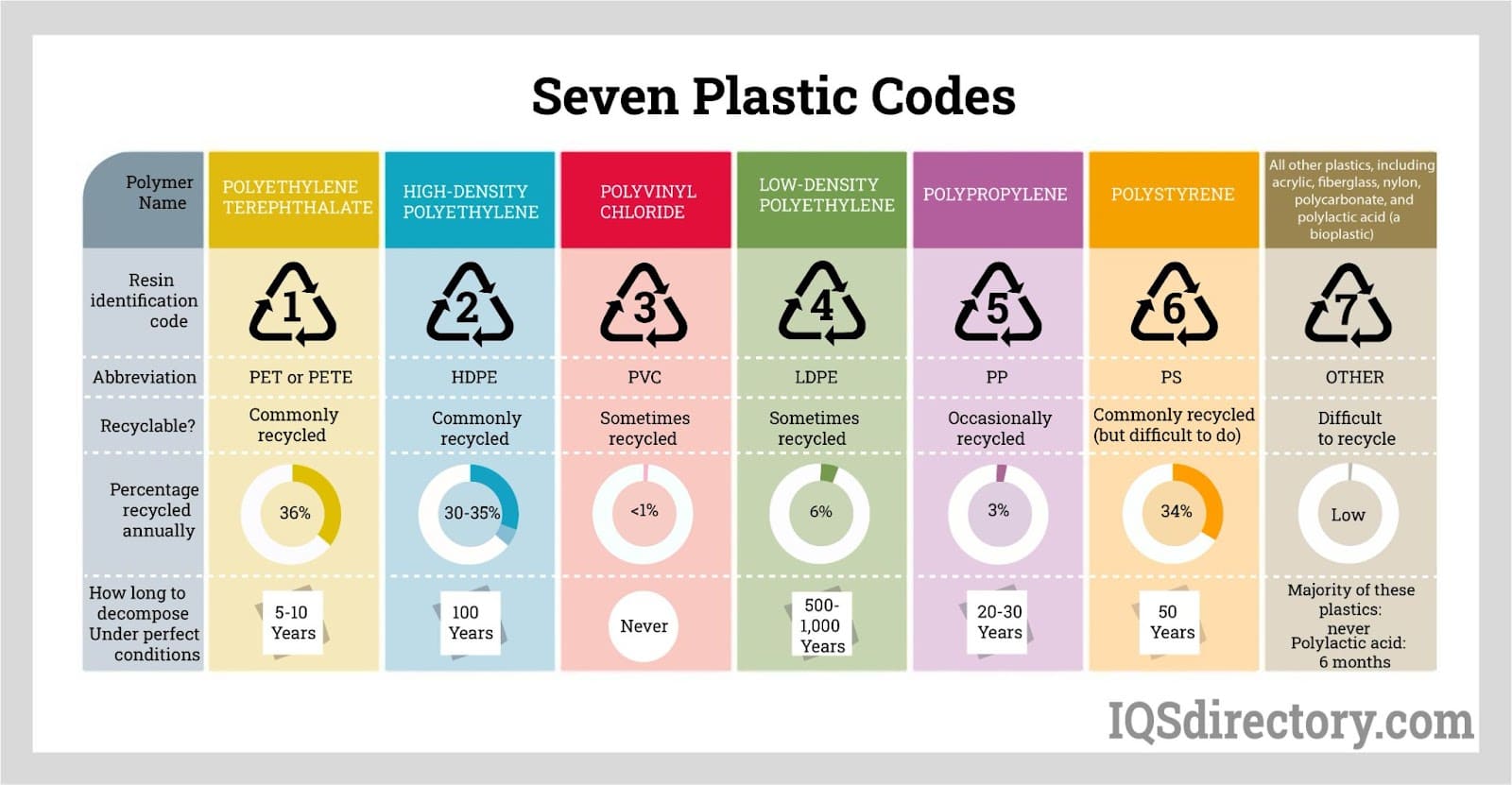 Thermosets and thermoplastics are classified into seven main types based on their molecular structures.
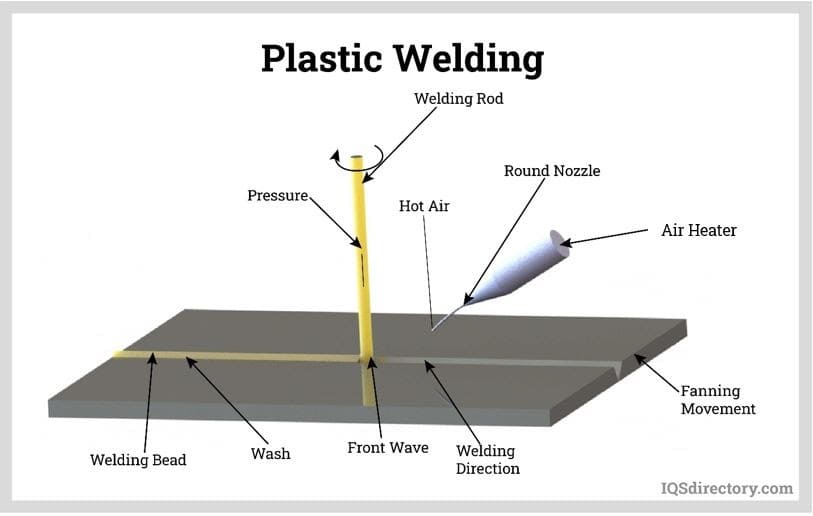 Plastic welding is a process where two or more workpieces are melted and joined together by forming a molecular bond.
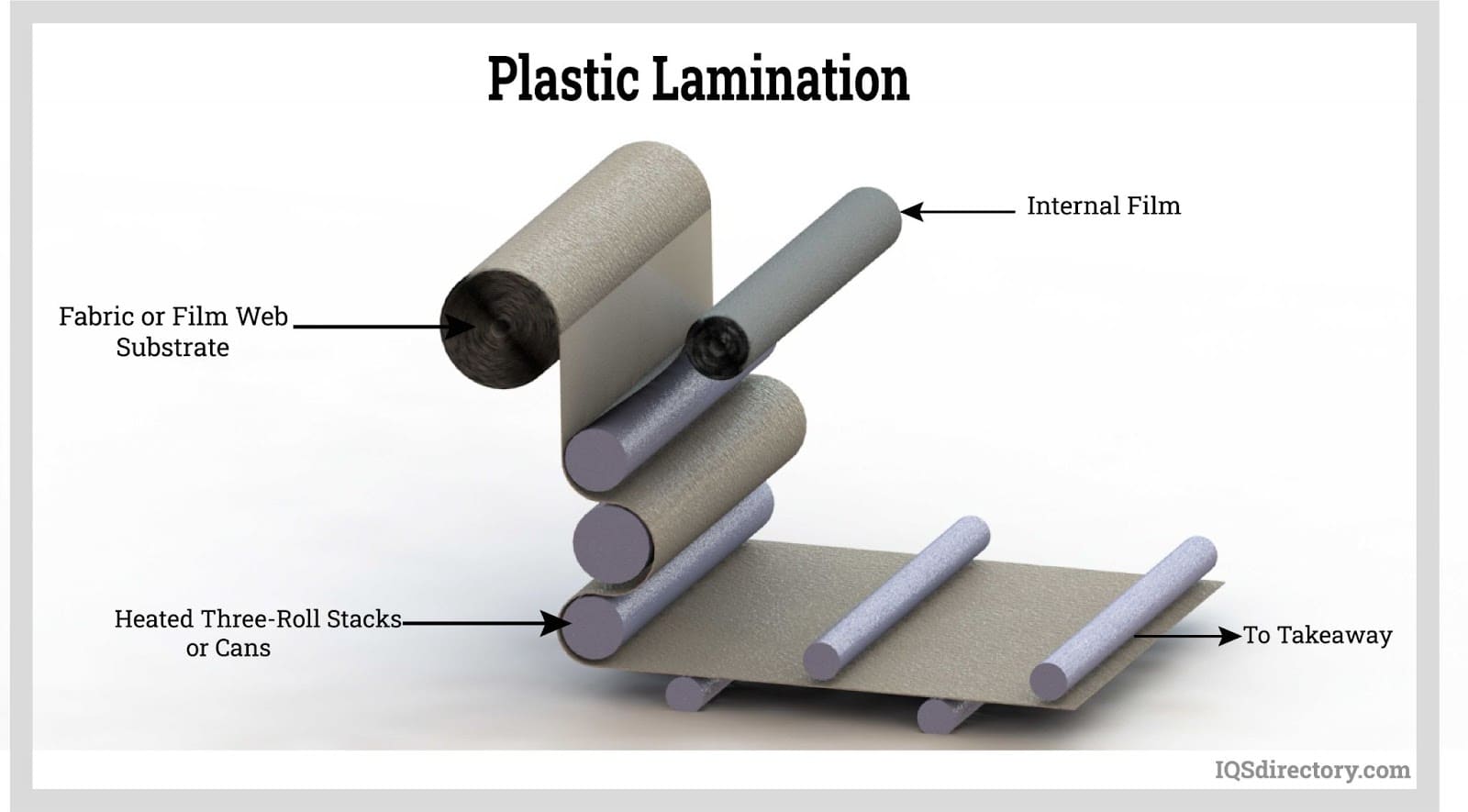 Plastic lamination bonds multiple layers of plastic to create a protective barrier on the surface of another material.
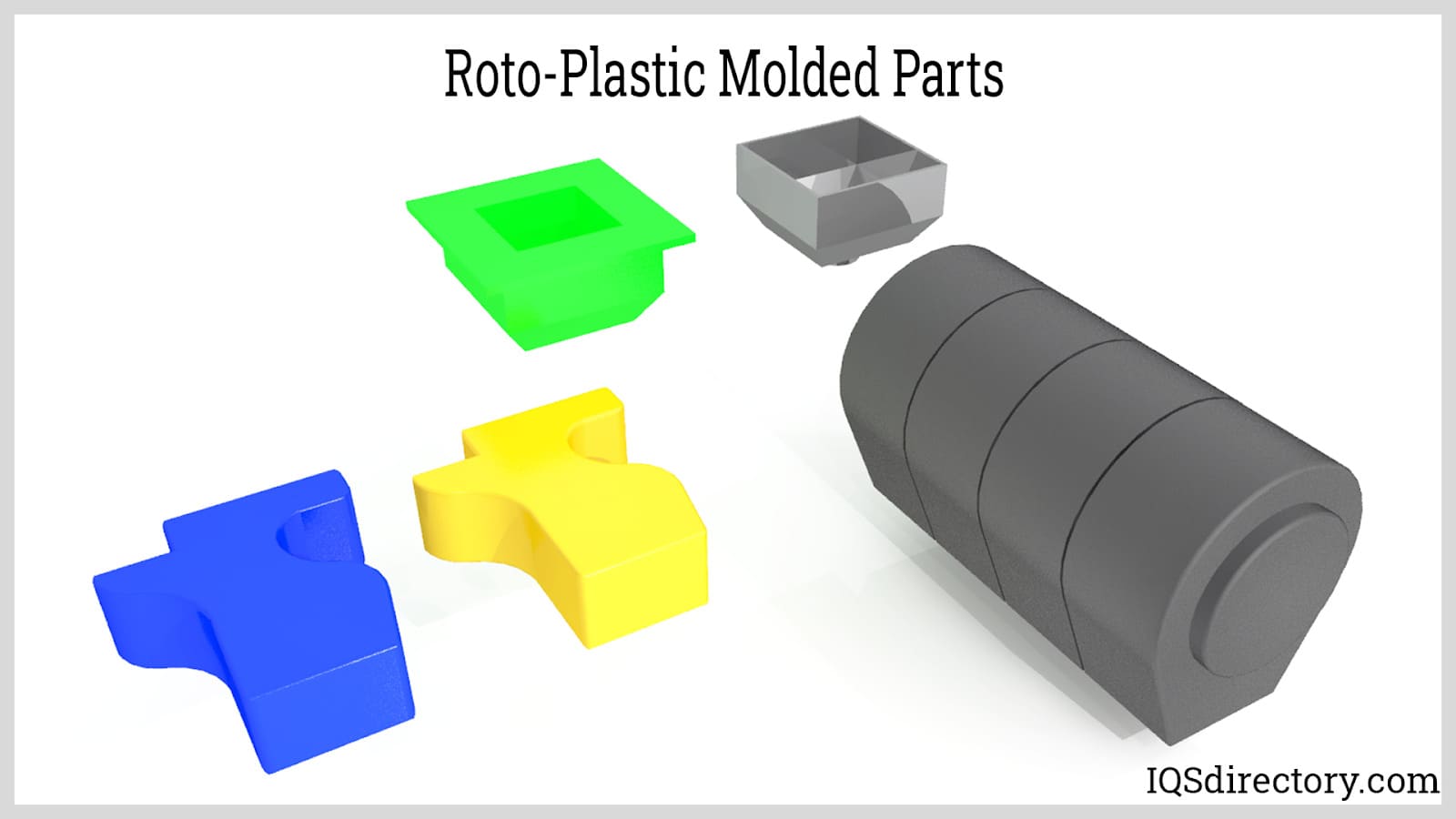 Plastic molding involves melting plastic and pouring it into a mold, where it cools and hardens into shape.
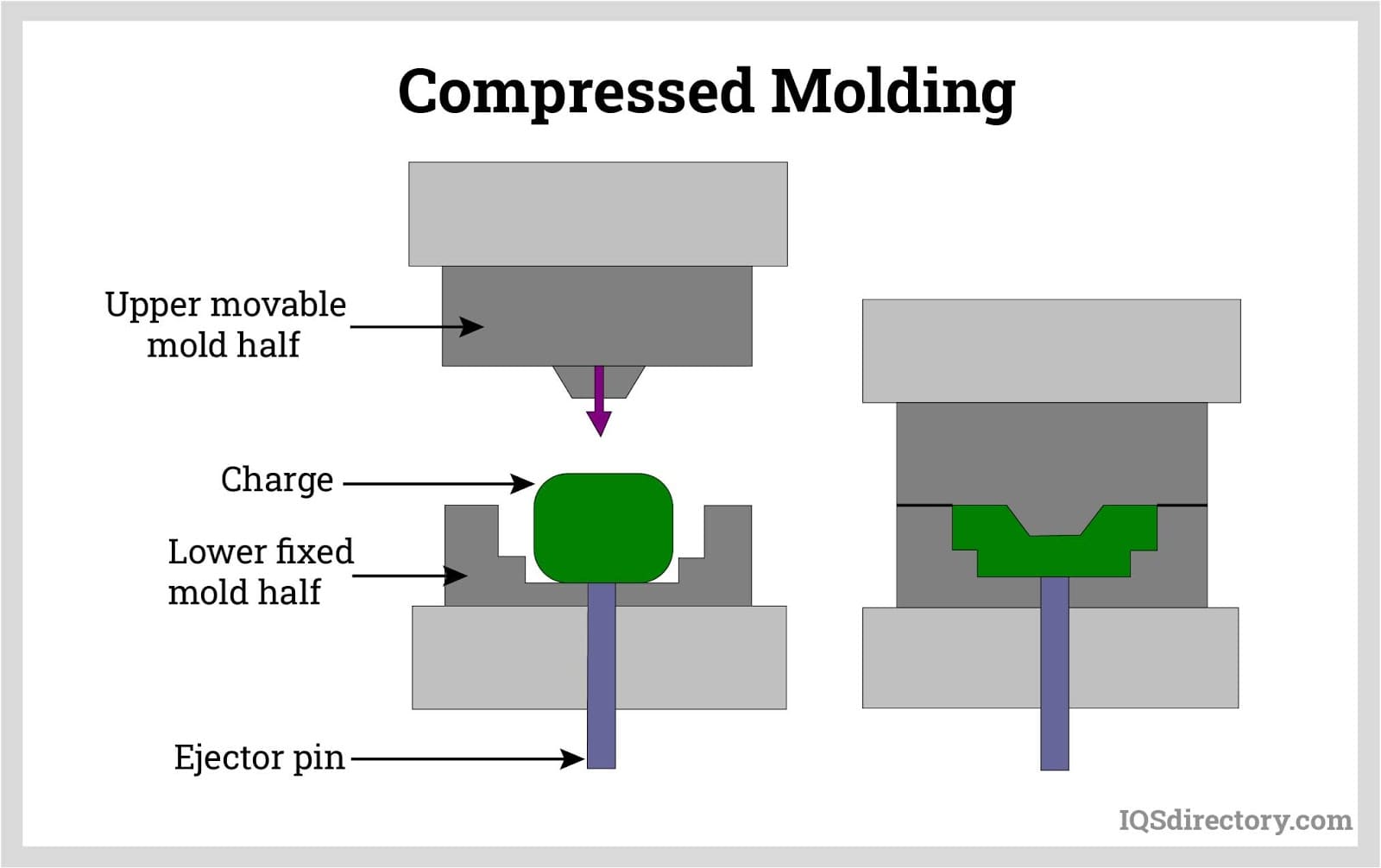 Compression molding heats and compresses plastic to form the required shape, then cures it to maintain structure and prevent deformation.
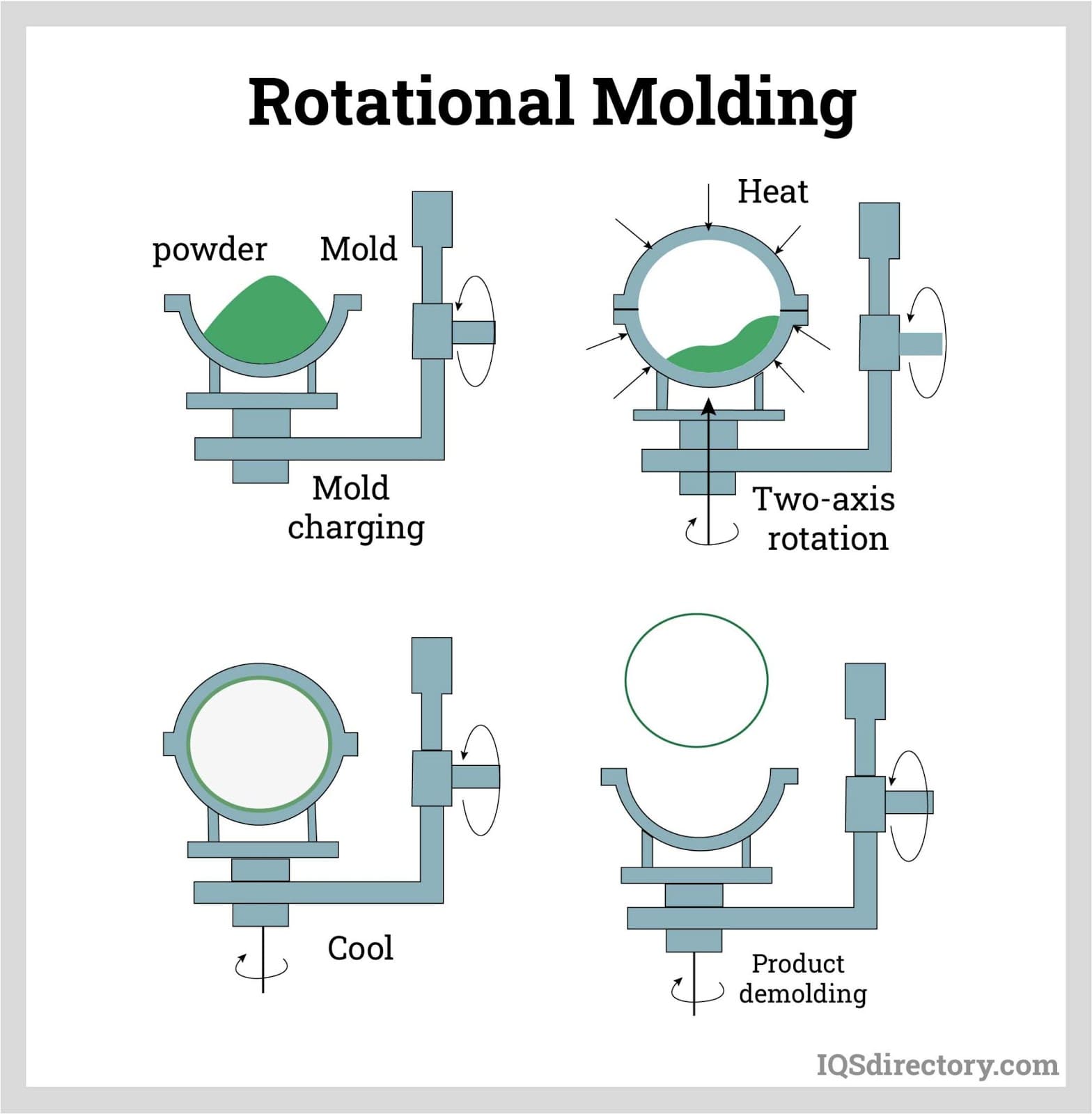 Rotational molding uses rotation to distribute heated plastic along the inside of a mold, forming the desired part.
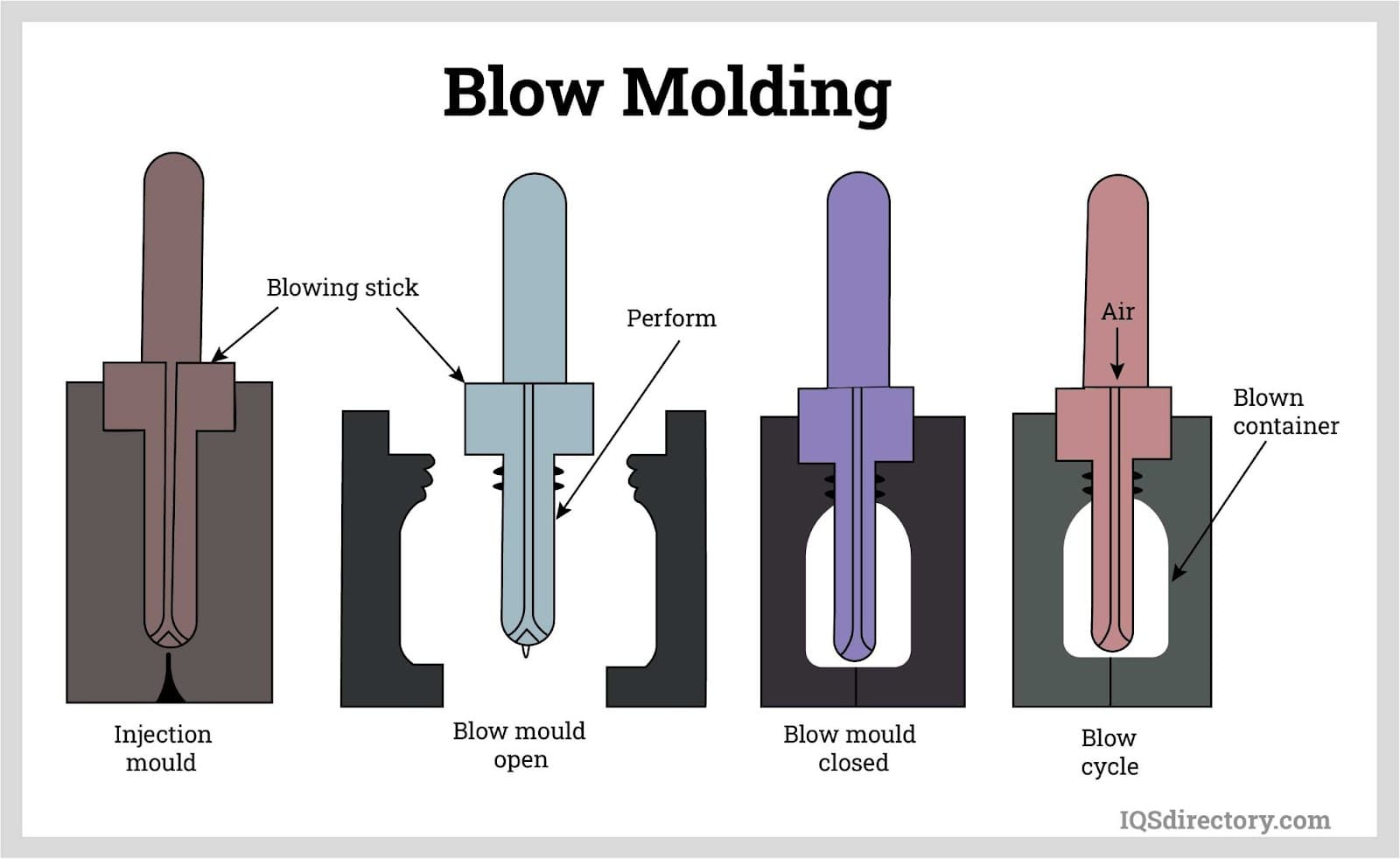 Blow molding shapes plastic by blowing air into a heated tube, inflating it into the required form.
Machinery Used in Plastic Fabrication
Plastic fabrication processes can be completed manually by skilled technicians or automatically using computer-controlled machinery. Most advanced plastic fabrication uses computer numerically controlled (CNC) software to automate production. Automated equipment greatly reduces human error, increases speed and efficiency, and allows the mass production of highly precise and complex plastic components.
Plastic assembly is the stage of fabrication where parts are bonded or connected, sometimes after being cut to precise shapes and sizes. Assembly methods include welding and the use of adhesives for secure bonding.
Plastic CNC machining uses computer-controlled systems to shape plastic parts, ensuring high precision and consistent quality throughout the manufacturing process.
Plastic Fabrication Applications
Plastic fabricators supply all types of plastic components for consumer and industrial use. Everything from standard items like plastic washers to custom parts for electronics must be made by a fabricator. Plastic is also ideal for outdoor applications because it withstands temperature extremes and, unlike many metals, resists oxidation from water exposure.
Industries using plastic fabrication include chemical processing, construction, cosmetics, electronics, sign manufacturing, pharmaceuticals, medical, consumer goods, toys, packaging, shipping, automotive, agriculture, architecture, food and beverage processing, restaurants, engineering, and lighting.
Plastic Fabrication Products Produced
Plastic manufacturing operations produce machined plastics, engineering plastics, custom plastics, and a wide variety of other plastic products.
Common plastic components for industrial applications include machine parts and hardware such as washers, adapters, bearings, bushings, guide rings, insulators, shims, spacers, o-rings, wear rings, hardware like screws, nuts and bolts, plastic tanks, containers, display racks, toys, enclosures, carts, carrying cases, powder coatings, fiberglass sheets, and signs.
In addition to fabrication services and custom products, the plastics industry offers various commercial and consumer shaping tools such as plastic cutters, which are metal blades designed to cut plastic efficiently.
Things to Consider When Choosing Plastic Fabrication
Experienced plastic fabricators understand the unique requirements of different industries. For instance, plastics used in medical and food sectors must be non-toxic, contaminant-resistant, watertight, and able to handle exposure to chemicals, oils, and bodily fluids. To select the best plastic manufacturer, review the companies listed on this page. Each offers distinct capabilities to meet your needs. Before contacting suppliers, prepare a list of your specifications and budget to ensure productive discussions and accurate quotes.
Plastic Fabrication Terms
- Acrylic
- A manufactured plastic material that provides transparency, color-fastness and weather resistance. You can find this material type on IQS Directory.
- Additive
- Substances that modify the characteristics of polymer resins. The different types of additives include viscosity modifiers, pigments, fillers and reagents.
- Binder
- A substance, such as a resin, that binds materials together. Binders provide mechanical strength solidification and adhesion to surface coatings or guarantee consistency.
- Bond Strength
- The quantity of adhesion that connects bonded surfaces.
- Brightener
- An additive that enhances plastic coatings to make them brighter or smoother used in the plastic fabrication process.
- Catalyst
- A material that alters the pace of a chemical reaction so that it does not undergo any permanent changes in its own structure. This term also refers to a substance that significantly increases the curing of a compound when introduced in small amounts, contrasted with the quantity of primary reactants.
- Colorants and Pigments
- Additives that alter the color of plastic. Colorants and pigments include resin color premix or a powder.
- Color Stability
- The capability of a surface coating to resist deterioration normally caused by environmental conditions.
- Compounding
- The necessary procedure for blending the polymer with all the required substances to make a final plastic fabricated product.
- Composite
- A plastic structural substance that is a blending of materials, usually a thermoplastic resin or thermoset and a reinforcing element. Composite also refers to a strengthening fiber within a polymer resin; in either case, the collective result is greater than the isolated elements.
- Compressive Strength
- The capacity of any material to withstand any crushing forces.
- Continuous Service Temperature
- The maximum temperature in which a material is able to function reliably for multiple applications and extensive periods of time. Manufacturers do not consistently define the long term period.
- Coupling Agent
- A material that functions as an interface to create a chemical bridge between the resin and mineral fiber or fiberglass. Coupling agents enhance bonding.
- Cure
- The process of altering properties of polymers into a state of greater stability and usability. Curing is achieved through radiation, heat or reaction with chemical additives.
- Delamination
- The process of disconnecting the layers of a composite.
- Flexural Strength and Yield
- The calculation of a plastic material's ability to resist fracturing in the event of bending.
- Flow Line
- Also called a "weld line," it is a score on molded plastic that occurs from the contact of two flow fronts in the molding process.
- Forming
- The procedure in which an existing shape of a plastic is changed to another preferred one.
- Hardener
- A substance or substance blend that, when added to a material, enhances or controls the curing reaction by participating in it.
- Heat Stabilizers
- Additives that enhance the capability of a material to resist any negative effects of exposure to heat. Heat stabilizers are utilized to enhance the overall service temperature of the material.
- Impact Modifiers
- Additives utilized to increase capability of a material to resist the force of an impact.
- Laminate
- The process of putting a sequence of layers of polymer and reinforcement into a mold. The resulting product is called a laminant.
- Layer
- A single layer of laminate or lay up.
- Lay Up
- A process in which layers of polymer resin and other reinforcements are applied to a mold to produce a part.
- Light, UV Stabilizers and Absorbers
- Additives that enhance the capability of a material to resist the harmful effects of UV and light exposure, consequently enhancing the life of the material.
- Molded Part
- Plastic parts produced by primary processing. Molded parts often do not need a finishing operation.
- Polymer
- A chain molecule that is typically found in plastics and made up of long molecular chains created from monomers, which occur as repetitive building blocks.
- Reinforced Plastic
- Material of plastic with increased mechanical properties, resulting from the embedding of high-strength fillers in the composition.
- Sandwich Construction
- A composite of two laminate layers with a structural core material between them. Sandwich construction produces stiff, lightweight structures.
- Sheet
- Continuous phase plastic that is formed in such a way that the thickness is extremely low in proportion to the length and width. Specifically, a sheet is more than 0.25 mm.
- Stress Crack
- An internal or external crack that results from tensile stresses lower than the short-time mechanical strength.
- Tackifiers
- Additives that increase the bonding capability or adhesiveness of a material.
- Tensile Yield Strength
- The highest stress a material can resist when exposed to a stretching load before yielding.
- Tensile Break Strength
- The highest stress a material can resist when exposed to a stretching load before breaking.
- Thermoplastic
- A category of plastics that are able to be softened or hardened through heat and cold. These materials, which include PVC, nylon, polystyrene and polycarbonates, undergo a change that is primarily physical as opposed to chemical. You can find thermoplastic materials here.
- Warpage
- An inconsistent alteration in internal stresses, which causes deformation or distortion of the material.