Membrane Switches
A membrane switch is a tactile interface that connects users to electronic devices through a thin, engineered control surface. According to ASTM, a membrane switch is a momentary switch where at least one contact is on or attached to a flexible substrate. Devices like touch pads and keyboards for phones, computers, remote controls, medical equipment, control panels, and microwave ovens use membrane switches to enable dependable electronic functionality while maintaining a compact, sealed, easy-to-clean design.
Membrane Switches FAQ
What is a membrane switch?
A membrane switch is a momentary tactile interface with at least one contact on a flexible substrate. It connects users to devices like keyboards, microwaves, and remote controls by completing circuits when pressed, often through layers that include a graphic overlay, spacer, and printed circuit.
When were membrane switches first introduced?
Membrane switches were introduced in the early 1980s using polycarbonate materials. Later advancements with polyester improved durability, tactile feedback, flexibility, and resistance to environmental conditions, helping membrane switch technology expand into industrial, medical, and commercial applications.
What are the advantages of membrane switches in industrial applications?
Membrane switches reduce costs, integrate multiple device controls, and offer reliable performance in demanding environments. They allow operators to manage manufacturing, packaging, or shipping processes from a central location with clear tactile feedback, a low-profile design, and resistance to dust, moisture, and repeated use.
How are membrane switches constructed?
They consist of layered materials bonded with adhesive. The top graphic overlay defines key patterns, while conductive inks or circuits on PET or polyimide complete the switch function when pressed. Depending on the application, the assembly may also include spacers, dome retainers, shielding, and backlighting components.
Where are membrane switches commonly used?
Membrane switches are found in consumer electronics, medical devices, industrial machinery, aerospace dashboards, and military equipment. They’re also widely used in food processing, kiosks, transportation systems, fitness equipment, appliances, and other products that need a durable human-machine interface.
What modern advances have improved membrane switch technology?
Recent advances include capacitive touch interfaces on glass, integrated LED backlighting, optical fiber lighting, ESD shielding, and durable polyester domes. These upgrades improve durability, cleanliness, appearance, and user experience while supporting more advanced control panel designs.
The History of Membrane Switch Technology
The development of keyboard technology began with the typewriter in the early 1800s. Remington's Sholes and Glidden typewriter was the first commercial model, though it was not immediately popular. Even so, it helped establish the idea that users needed a dependable physical interface between human input and machine output, a concept that still shapes modern membrane keypad design.
Between 1830 and 1870, numerous typewriter designs were patented, but only a few reached commercial production. Those early systems were large, mechanical, and often difficult to use, yet they laid the groundwork for later interface engineering by showing how key layout, actuation force, and user comfort could affect productivity.
By 1910, typewriters had a standard layout with full sets of alphabet, number, and punctuation keys. These machines typically featured heavy cast iron bodies and mechanical steel keys that were stiff and prone to jamming, making typing slow and error-prone. The need for more responsive, lower-profile input systems would continue to grow as offices, factories, and communication systems became more dependent on fast data entry.
In 1961, IBM released the Selectric typewriter, the first electric typewriter marketed commercially. Its major innovation was the type ball, which replaced individual keys. The interchangeable balls allowed users to switch fonts easily during typing, greatly improving speed and efficiency. Enhanced versions became the standard for the next 20 years and showed how interface design could directly improve usability.
The rise of computers created a demand for better keyboard performance. Mechanical switches did not provide sufficient reliability or speed for increased data input and often caused accidental or failed activations, limiting their use in industrial applications. As electronics became smaller and more specialized, manufacturers needed a switch technology that could be integrated into thinner, sealed, application-specific control panels.
Early computers did not include keyboards and were operated with punch cards or electromagnetic teletype devices. The first keyboards were adapted from typewriters. Over time, however, the market moved toward purpose-built electronic interfaces, opening the door for flexible printed circuits, custom overlays, and membrane switch assemblies designed around function rather than tradition.
The first membrane switches, introduced in the early 1980s, used polycarbonate materials and resistive technology that responded to pressure, but offered weak tactile feedback. While polycarbonate was inexpensive and accessible, it was brittle and vulnerable to damage from regular use. Even so, these early designs proved that flat, sealed user interfaces could save space and reduce mechanical complexity.
In the mid-1980s, polyester materials improved membrane switch technology. Polyester could be mounted directly onto custom circuit boards, making switches more compact and durable. These upgrades provided better tactile feedback and resistance to environmental elements. For many OEMs, this was the point when membrane switches became a practical option for product design, equipment controls, and operator panels.
IBM launched the Model M keyboard in 1984, featuring a buckling spring mechanism that delivered distinct tactile and audible feedback, improving accuracy and performance. While not a membrane switch itself, it influenced user expectations for key response and highlighted how feedback affects user confidence, speed, and comfort.
By the late 1980s, domed key designs further enhanced tactile response and longevity. Rubber keypad domes were lighter, quieter, and less expensive to produce than their metal counterparts. Metal dome arrays, on the other hand, offered a sharper snap feel and long cycle life, helping designers choose the right balance of performance, sound, and cost.
During this era, lighting was incorporated into keyboard designs. Initial LED lights created bright spots without diffusers, while electroluminescent (EL) films and fiber optic lighting allowed for backlit keys, colored illumination, and the ability to light up individual keys or entire panels. That evolution continues today in modern membrane switch panels used in medical, industrial, transportation, and consumer products.
Advantages and Benefits of Membrane Switches
The need for streamlined control of mechanical functions led to the development of membrane switch technology. Membrane keypads can enable a single operator to manage manufacturing, packaging, or shipping processes from one location, and integrate multiple devices through electronic connections. In many applications, that means fewer separate components, cleaner panel layouts, and more intuitive control of equipment.
Membrane switches have gained popularity due to easy manufacturing and lower material costs compared to mechanical switches and complex interfaces. When properly produced and maintained, membrane switches offer long-lasting performance, increasing their overall cost efficiency. Buyers often compare membrane switch assemblies based on durability, actuation feel, overlay quality, backlighting options, environmental sealing, and customization potential.
Key tactile feedback is essential in membrane switch design. Operators require a clear sensation of button activation without excessive effort. Appropriate dome selection under the graphic overlay ensures optimal tactile feedback. For applications where noise reduction or a smooth touch surface is preferred, non-tactile and capacitive options can also be effective. Whether a company is evaluating custom membrane switches for medical controls, industrial automation, consumer products, or HMI panels, the right design can improve workflow, reduce user error, and support a better overall experience.
Switch Fabrication Process
Membrane switches consist of multiple layers bonded together using pressure-sensitive adhesive. The top layer, known as the graphic overlay, is usually made from silicone, providing flexibility and easy cleaning. This layer defines the visual key pattern for the interface and often serves as the first point of interaction between the user and the product.
Graphic overlays may be printed or embossed, often using screen printing with symbols or text on silicone sheets, or applying patterns to acetate film through photochemical methods. These overlays are engineered to resist heat, impact, and corrosion. They may also be designed for chemical resistance, UV stability, and repeated cleaning cycles in commercial, medical, or food-processing settings.
A screen-printed circuit board is attached to the overlay using an adhesive layer. The circuit features copper polyimide flex circuits or silver-based conductive inks printed onto polyethylene terephthalate (PET) or indium tin oxide (ITO) sheets. The adhesive spacer acts as an insulative barrier between the circuit and overlay. Depending on the design, printed electronics, shielding layers, and tail connections can be integrated for easier installation and stronger electrical performance.
A separation layer allows for an additional circuit layer, which is connected to the base layer or tail filler with another insulative adhesive. This layered structure helps engineers design compact interfaces that still provide dependable switch actuation, circuit protection, and compatibility with electronic assemblies.
When a membrane switch key or control area is pressed, an electrical circuit is completed, activating the specific function indicated by the button graphic. That simple action is what makes membrane switch panels so useful across industries: they combine visual communication, tactile or touch activation, and circuit control in one efficient package.
Custom membrane switch control panels can be backlit or designed to work in any lighting conditions by integrating lighting into the separation layer. Several lighting methods are available for this purpose. For buyers comparing control panel solutions, illumination is often a major factor because visibility affects usability, safety, and branding.
LED backlighting uses small, energy-efficient LED bulbs to light individual keys. While they generate minimal heat and are easy to manufacture, they can produce bright spots in overlays if not properly diffused. Even so, LEDs remain a popular choice for membrane keypads because they offer a long service life and flexible design possibilities.
Optical fibers can be woven into a fabric to diffuse light from a single source, such as an LED. This approach is ideal for illuminating sections of the keypad or the entire membrane switch panel, including applications that require underwater operation. It can also help create a more even visual appearance across a large control surface.
Electroluminescent lamps (EL) are low-cost phosphor lights commonly used for backlighting in inexpensive electronics. EL lighting is available in colors like blue, blue/green, yellow/green, white, and orange, depending on the phosphor used, though their lifespan is relatively short. Still, for some product designs, EL lighting remains an effective way to achieve a slim illuminated interface.
Membrane Switch Images, Diagrams and Visual Concepts
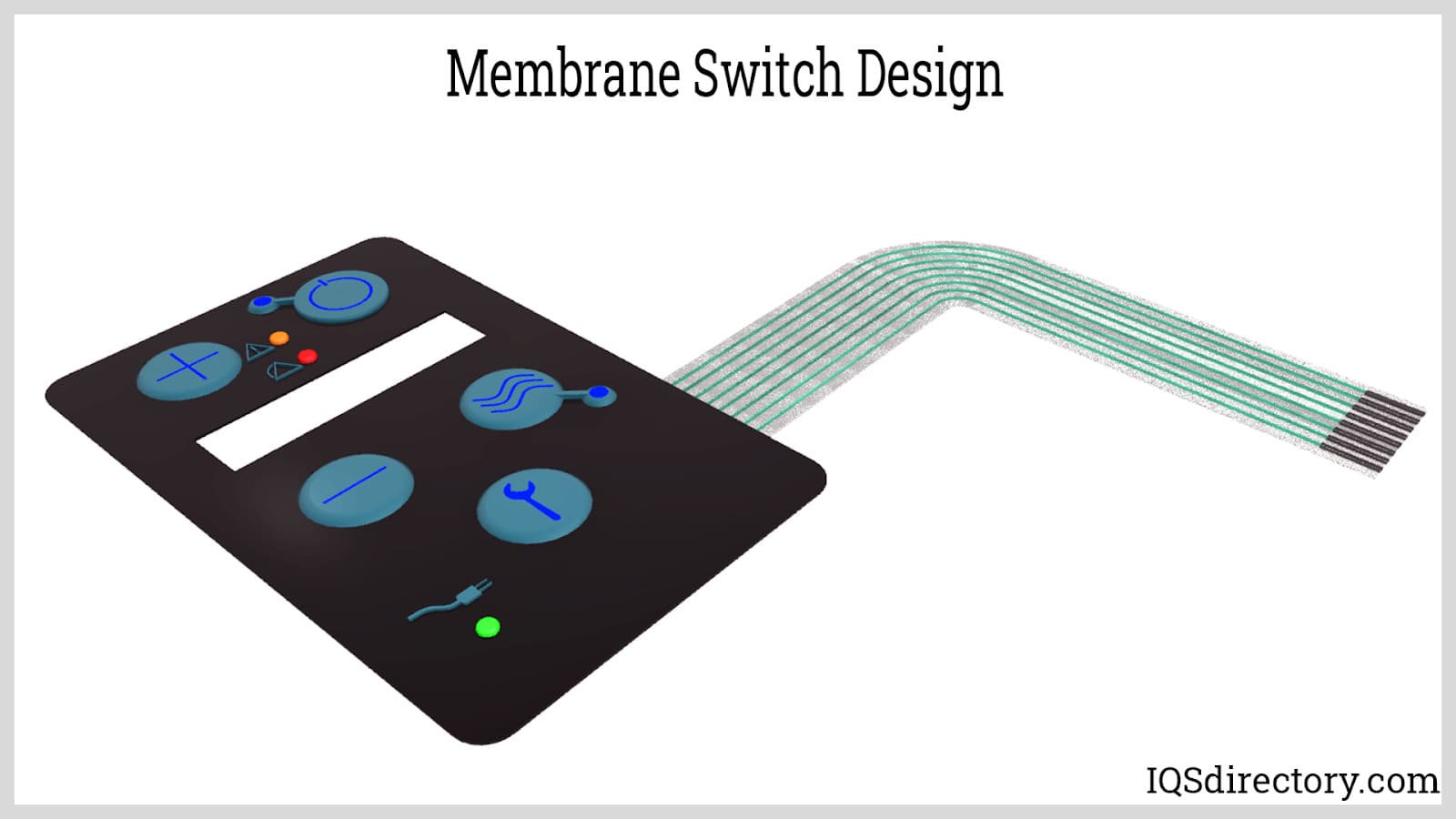 Membrane switches are interfaces made from multiple layers of plastic films or flexible materials to create user input devices.
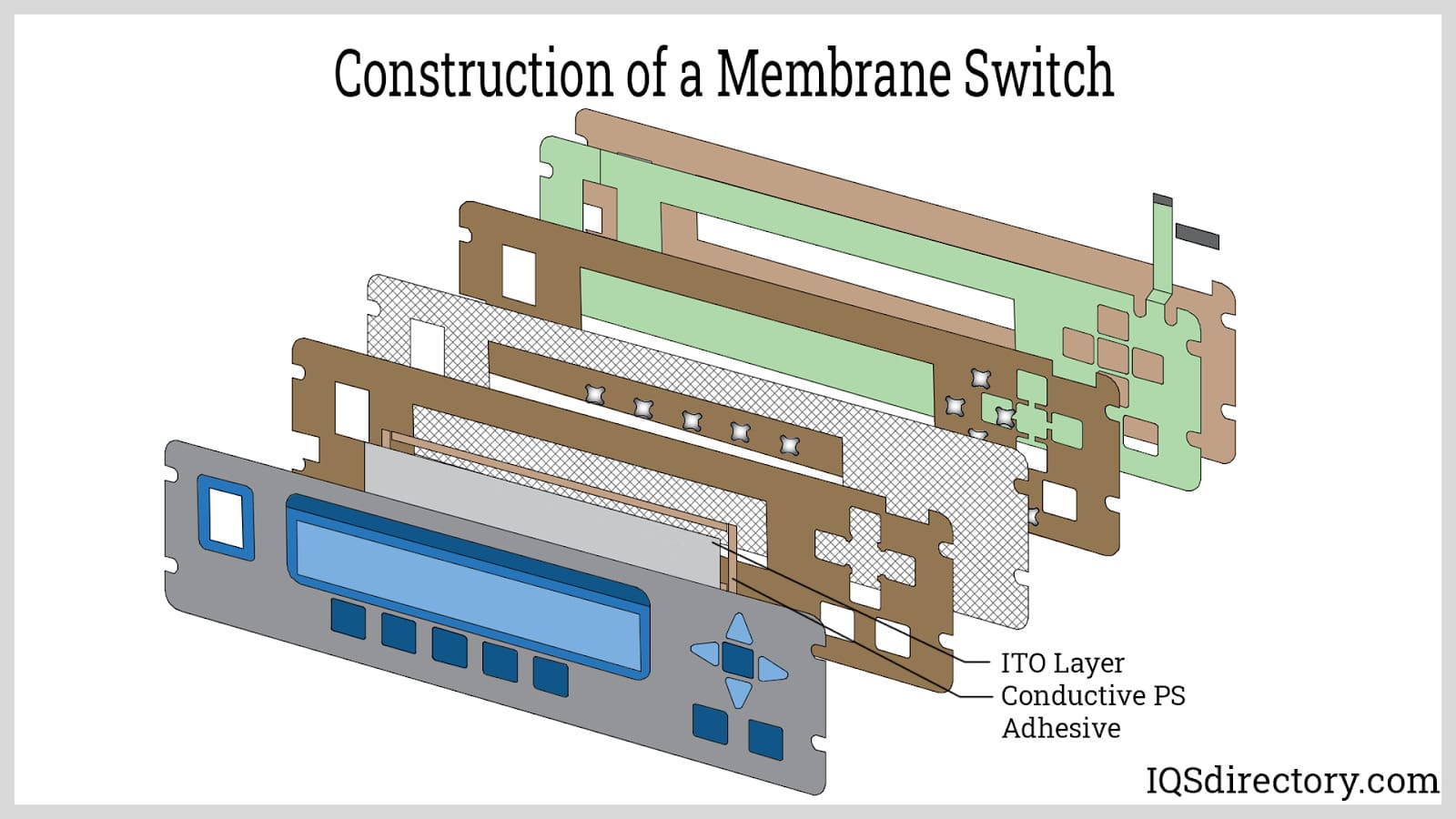 These switches are built from several components layered and bonded using pressure-sensitive adhesives or heat-sealed films.
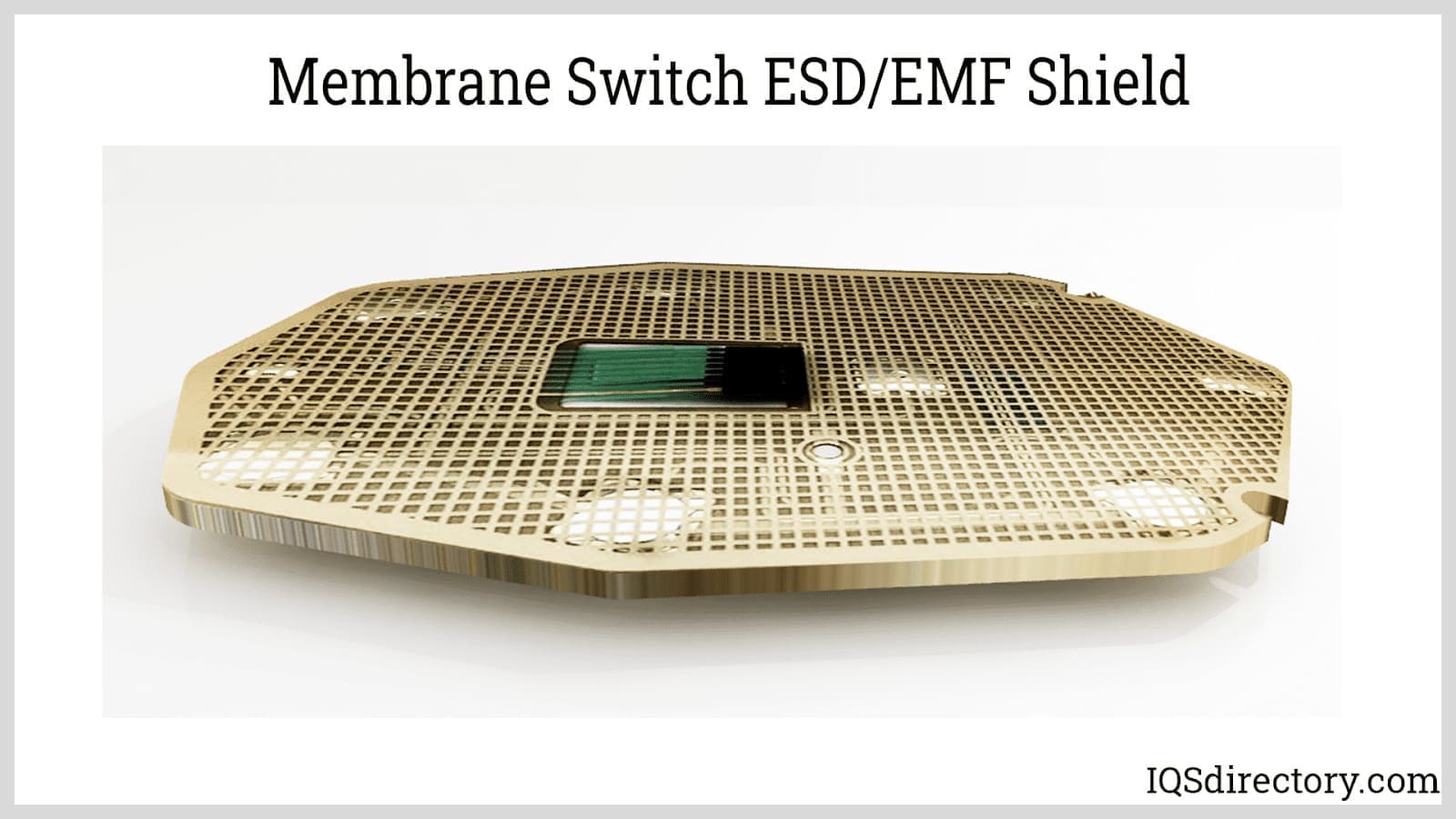 Membrane switches work at low voltages, but exposure to electrostatic discharge (ESD) or electromagnetic frequencies (EMF) can cause short circuits.
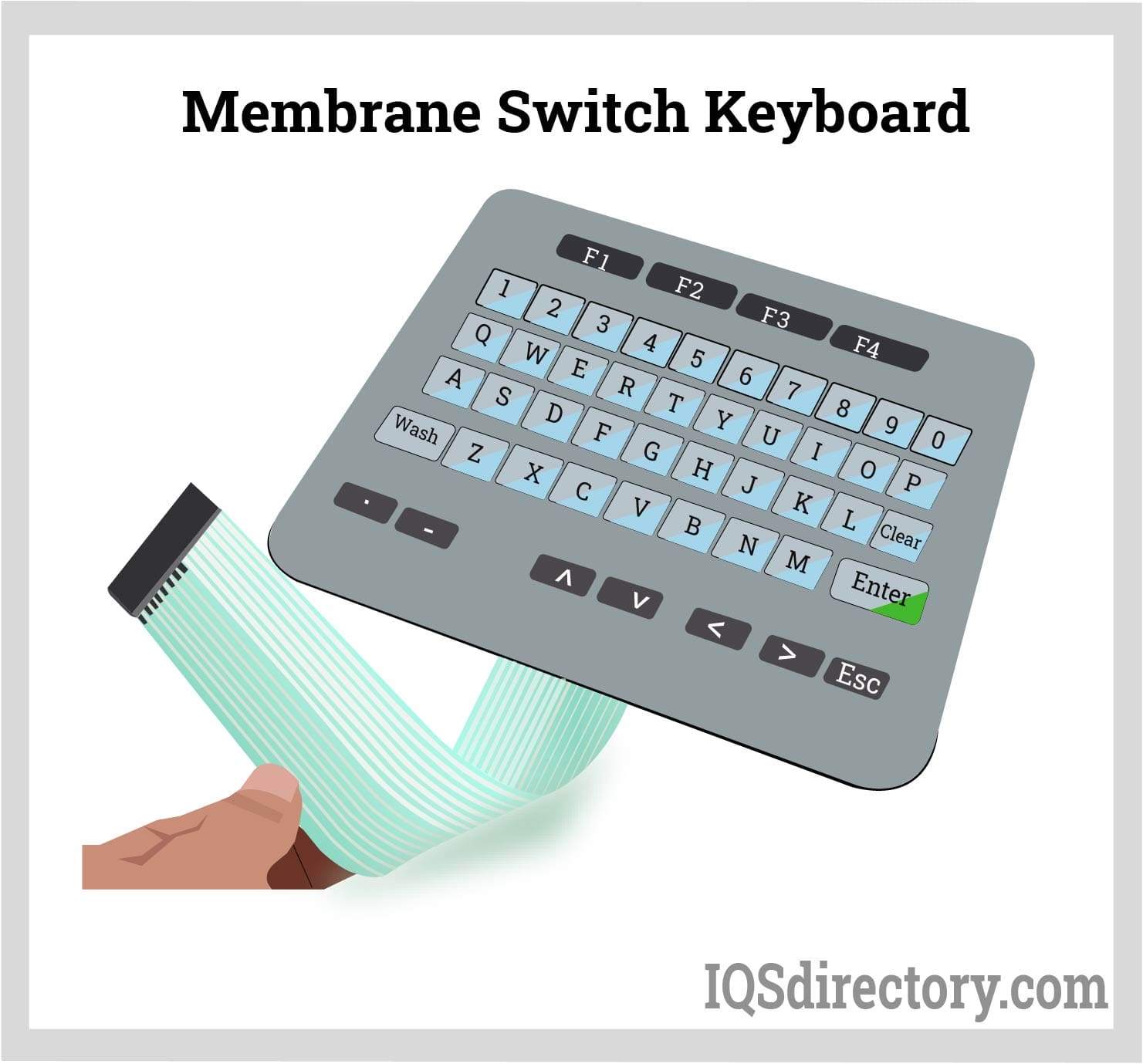 A membrane keyboard uses thin, flexible layers to form keys that activate electronic signals in devices and systems.
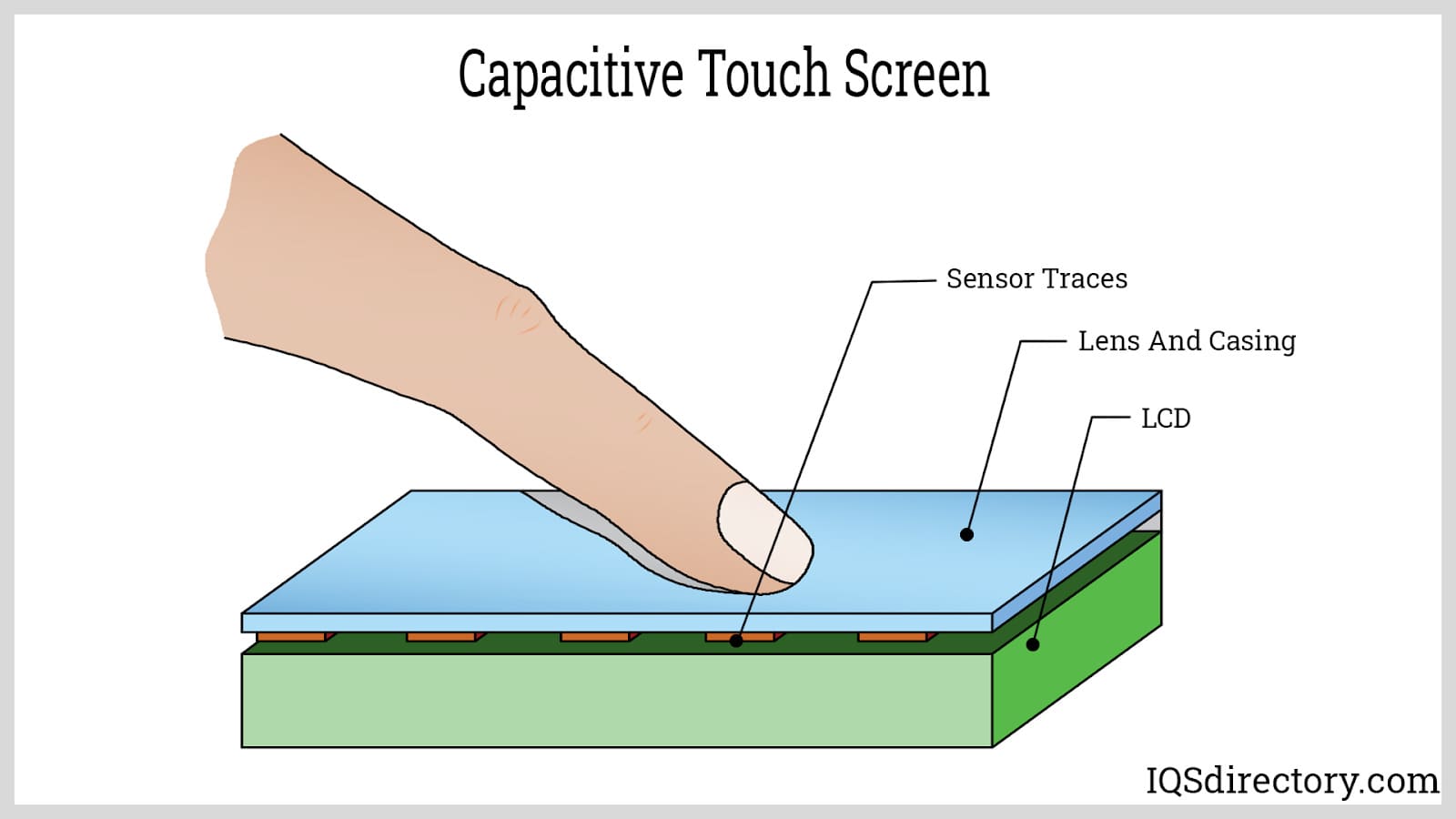 A display screen that enables user interaction through finger pressure.
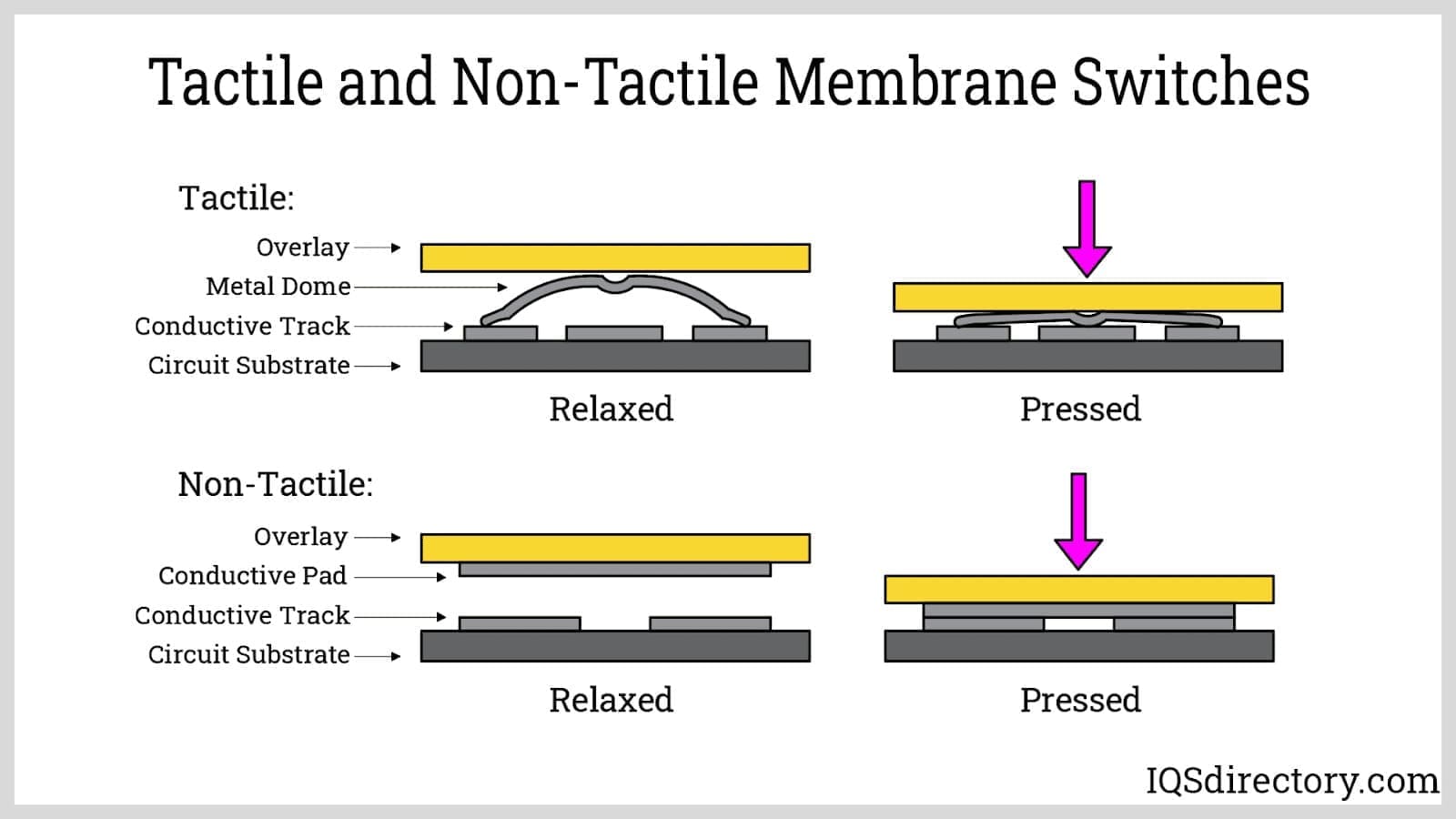 The distinction between tactile and non-tactile switches.
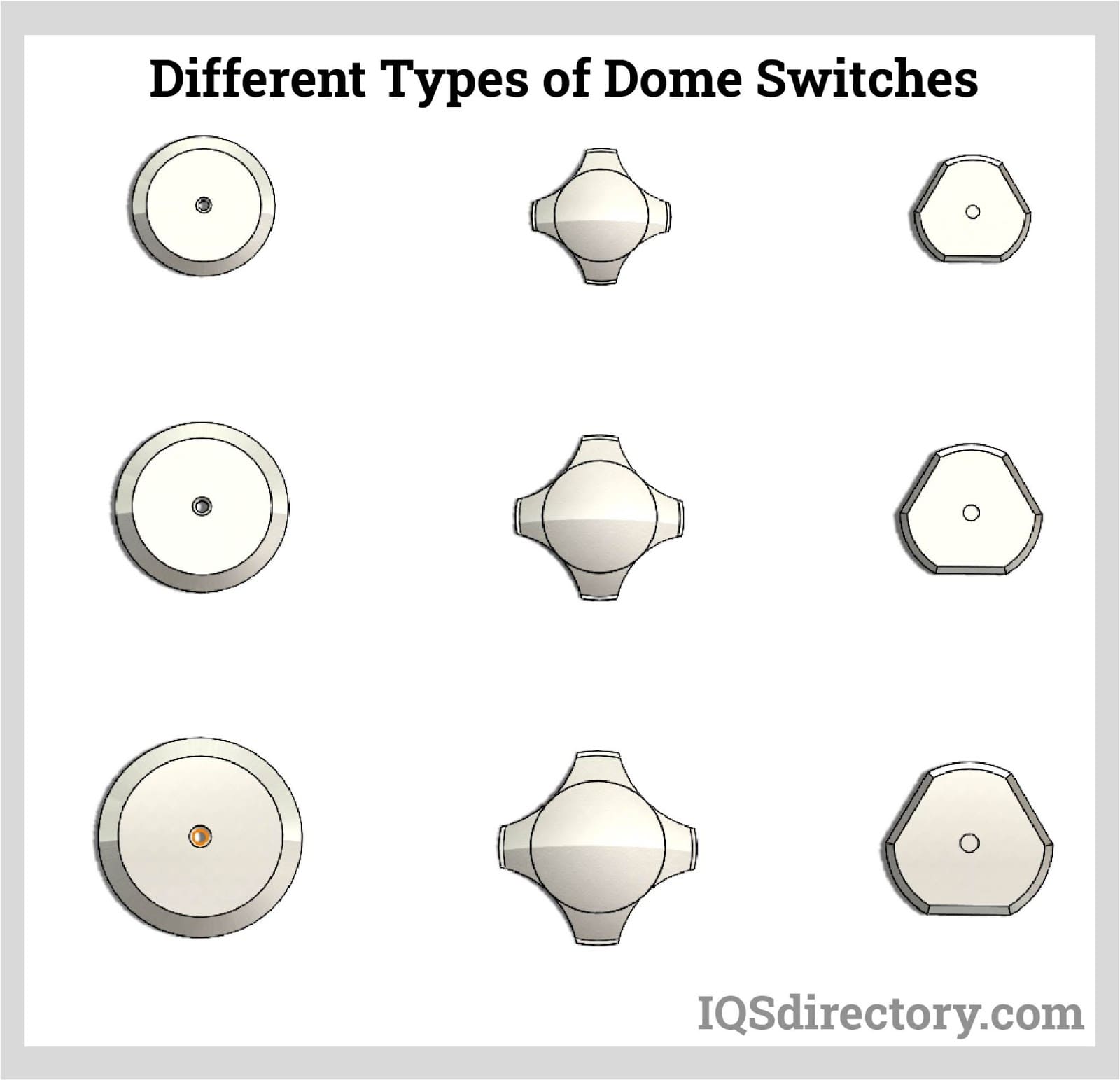 Dome switch membrane keyboards combine the features of membrane switch panels with mechanical keyboard switches.
Membrane Switch Types
- Custom Keypads
- Custom membrane switches are user-interface solutions tailored for specialized electronic devices, industrial controls, branded products, and equipment with unique layout, size, or performance requirements.
- Flexible Circuits
- Flexible circuits transmit electrical signals between control systems and processors, featuring a bendable design unlike rigid, brittle circuit boards and helping designers save space inside compact electronic assemblies.
- Graphic Overlays
- Panels that cover control interfaces, marking button locations and functions while also improving appearance, readability, and protection against wear.
- HMI Systems
- Also called Human Machine Interfaces, these devices enable interaction between people and machines through integrated controls, displays, and switch panels.
- Keyboard Switches
- Interfaces that allow users to send commands to electronic equipment and are often compared by feel, durability, and response time.
- Membrane Keyboards
- Flat key surfaces with printed icons and outlines instead of moving keys, commonly used where low profile, easy cleaning, and quiet operation are preferred.
- Membrane Keypads
- Flat keypads activated by finger pressure rather than traditional moving buttons, making them suitable for appliances, kiosks, instruments, and control panels.
- Membrane Switch Panels
- User interfaces featuring multiple control switches for transmitting user commands to electronic devices, machines, and electronic systems.
- Metal Domes
- Provide tactile feedback and complete the circuit. A dome switch offers a distinct feel when pressed. Metal domes are typically made from nickel, silver, or gold-plated stainless steel or aluminum, ensuring long-term reliability. Rubber domes are quieter and less expensive but have a lower tactile response and shorter lifespan than metal domes.
- Non-tactile Switches
- Membrane switches that do not feature a snap action when pressed and are often chosen for smooth-touch applications or quieter operation.
- Polyester Dome Switches
- Manufactured by embossing domes into the polyester layer, resulting in a durable tactile element with more movement than metal domes and reducing the number of layers needed.
- Proximity Switches
- Switches that open or close a circuit when they contact or come near an object, detecting items in close proximity. The four main types include infrared, acoustic, capacitive, and inductive.
- Rubber Keypads
- User-interface solutions that transmit commands to electronic devices, identified by their rubber keys instead of plastic keys and often selected for comfort and affordability.
- Scissor Switch
- Utilizes a scissor-like mechanism between the circuit and dome, reducing dome travel distance and increasing keyboard durability in compact keyboard designs.
- Tactile Switches
- Designed to provide a positive snap-action feedback. This can be achieved with polyester domes in the overlay or circuit layer or with stainless steel domes within the switch assembly.
- Touch Screens
- Input devices consisting of pressure-sensitive display screens for computers and other electronics, often used when a visual interface and user input must share the same surface.
Where Membrane Switches are Used
Membrane switches are utilized in laboratory instruments, aircraft dashboards, and consumer appliances such as coffeemakers, ovens, thermostats, TVs, audio/video systems, and lighting controls. Gaming devices of all types use membrane switches. Automated kiosks like vending machines, ATMs, and self-checkouts depend on this technology because it combines durability, simple cleaning, and efficient interface design.
Industrial manufacturers use switch panels to manage equipment and entire operations efficiently. Touch controls support the operation of major infrastructure such as dams, power plants, communications networks, navigation, and all forms of transportation. Heavy machinery like cranes, mining equipment, and metal processing plants employ membrane switches for remote and safe control of hazardous tasks. In environments where dust, vibration, oil, or moisture are common, sealed membrane switch assemblies can provide dependable performance.
Throughout food production and distribution, membrane switches control equipment from farming to processing, transport, retail, and cooking. Systems such as farm machinery, bottling lines, conveyors, inventory tools, checkout stations, and ovens all operate via membrane switch keypads. Their wipe-clean surfaces and compact design make them well suited for facilities where sanitation, repeatable operation, and fast operator training matter.
The Department of Defense and aerospace sectors use membrane switches extensively in devices from calculators to rockets. Military vehicles and aircraft rely on them as well. Medical devices must meet strict FDA guidelines, requiring manufacturers to use high-quality stainless steel domes for reliable function and tactile response. Some medical devices use color-coded leads to connect electrodes, with colored wires matching the control panel's graphic overlay. In healthcare, diagnostics, and portable equipment, membrane switch technology is often chosen because it supports compact layouts, easy cleaning, and consistent user input.
Modern Advances in Membrane Switch Technology
Recent innovations in membrane switch technology include capacitive touch switches, which use separate conductive electrodes to create an electric field behind glass surfaces. Touching the glass alters the field voltage, triggering the activation of designated switches. This has expanded design possibilities for sleek electronic interfaces in medical devices, commercial equipment, and premium consumer products.
Capacitive touch screens provide a seamless electronic interface through a single, integrated surface. These screens serve as control centers for various switches within advanced electronics. Functions can be changed with touch commands, while the display remains static. Glass touch screens are easy to clean and resist dirt, chemicals, and acids. Capacitive switches have no moving parts, providing lasting durability. As buyers compare interface options, they often look for design flexibility, sealed construction, visual appeal, and dependable long-term operation, all areas where modern membrane switch and touch interface technology can perform well.
Switch Manufacturers
Reliable manufacturers offer design teams specializing in custom membrane switches tailored to specific applications. They assess operational needs and create efficient switches with suitable graphic overlays for each use case. That process may include selecting the right materials, choosing tactile or non-tactile feedback, planning circuit layouts, and matching the assembly to the operating environment.
Graphic overlays should display clear key patterns relevant to the equipment and be easy for operators to interpret. Membrane switches can be designed with a slim profile, micro-motion operation, rubber keypad overlays, flexible circuit layers, or integrated metal dome arrays. Depending on the project, buyers may also request backlighting, shielding, windows for displays, connector integration, or custom embossing for improved usability.
Manufacturers and designers should guide you to equipment that delivers optimal performance, provide maintenance guidelines, and remain knowledgeable about industry standards to ensure compliance with material and design requirements. When comparing suppliers, many buyers search for membrane switch manufacturers that can support prototyping, custom engineering, production consistency, and long-term application support.
Membrane Switch Terms
- Abrasion Resistance
- The capability of a membrane switch to resist surface wear and abrasion.
- Actuation
- The process of operating or engaging a switch mechanism.
- Actuation Force
- The amount of pressure needed to collapse the dome on a polyester, rubber, or metal keypad.
- Adhesion
- The molecular attraction that bonds one material to another, determined by the surface energy of each material.
- Backing/Rear Adhesive
- An adhesive layer applied to the back of a membrane switch for mounting purposes.
- Breakdown Voltage
- The lowest voltage at which insulation between conductors fails.
- Carbon Graphite Inks
- Inks made from carbon black suspensions, often used over silver circuits to reduce silver migration and lower costs when high conductivity is not essential.
- Conductivity
- A material’s property that enables the flow of electrons.
- Cross-Over
- A conductor intersection separated by a dielectric insulator.
- Dead Front
- A feature in graphic overlays where a button is only visible when illuminated from behind.
- Dielectric
- An insulating or non-conductive material used in circuits.
- Dielectric Inks
- Inks used to print protective barriers on conductive patterns, isolating selected regions and providing insulation for crossovers and tails in membrane switches.
- Dome Retainer
- An adhesive layer designed to hold metal domes in place within the key switch.
- El Lamp
- A thin device that lights large areas, commonly used for backlighting LCD membrane switches and control panels.
- Embedded LED
- The integration of surface-mount LEDs into a membrane switch assembly.
- Emboss
- A method of creating raised features on key surfaces through mechanical or thermal forming, which can also allow LED mounting inside the switch.
- Gloss Level
- The measured shine of a substrate, typically expressed as a percentage.
- Graphic Keypad
- Control keypads that use graphical icons to indicate button functions for navigating machines or processes, often including arrows or process symbols.
- Internally Vented
- Design in which switch openings are connected to protect against moisture and contaminants.
- Key Height
- The vertical distance from the top of a key to the keypad base.
- Light Emitting Diode (LED)
- LEDs are integrated in membrane switch layers to illuminate buttons.
- Moisture Resistance
- The ability of a material to prevent water absorption from the environment or direct contact.
- Overlay
- The outermost layer of a membrane switch or control panel.
- Over-Travel
- The additional movement of a rubber keyboard or metal dome after making circuit contact.
- Pillow Emboss
- Creating a raised surface on the graphic overlay above the keypad area of membrane switches.
- Pinout
- The diagram that shows the circuit output configuration for membrane switches.
- Pressure-Sensitive
- Adhesives that bond materials when pressure is applied, without heat or solvents.
- Rail Emboss
- Forms a raised ridge around the key area for tactile separation.
- Screen Printing
- A printing process using a mesh screen and stencil to selectively apply ink, commonly used in creating graphic overlays and membrane circuits.
- Silver Inks
- Resins with finely milled silver particles used to print conductive patterns on both flexible and rigid substrates, commonly for membrane switches.
- Spacer
- An adhesive layer in membrane switches that separates circuit layers, creating openings for keyswitches and allowing conductors to connect when pressed.