Locks
The word "lock" describes a broad variety of security devices designed to fasten and protect areas or objects from unauthorized access. From traditional door locks and deadbolts to advanced smart locks, keyless entry systems, and biometric access control solutions, these mechanisms play a vital role in safeguarding homes, businesses, vehicles, and valuable assets across residential, commercial, and industrial settings.
Frequently Asked Questions About Locks
What are the main types of locks used today?
The three main lock types are mechanical locks, electronic locks, and biometric locks. Mechanical locks rely on physical keys or combinations, electronic locks use keypads, cards, or smart technology for access control, and biometric locks operate through fingerprint recognition, facial recognition, voice patterns, or retina scans for advanced security in high-risk environments.
How were the first locks developed?
The earliest locks date back to ancient Assyria and Egypt around 4000 BC. These early wooden pin locks used simple bolts and keys, evolving into metal warded locks and more complex mechanisms during the Roman and Industrial periods. Understanding this evolution helps buyers appreciate the reliability of modern pin tumbler locks, cylinder locks, and smart door locks available today.
What materials are most locks made from?
Locks are commonly made from brass, zinc, titanium, steel, or stainless steel. Internal parts are often die-cast or machined for precision, while outer casings use durable alloys like nickel or chrome for strength and corrosion resistance. Selecting the right material impacts durability, weather resistance, and long-term performance in outdoor or high-traffic applications.
How do electronic locks differ from mechanical ones?
Electronic locks use chips, actuators, and keypads or cards for access, offering programmable security features, audit trails, and easy key replacement. Mechanical locks rely solely on physical keys or tumblers, providing durable, non-electric operation suitable for general residential and commercial door lock needs where reliability without power is preferred.
What are the main standards for lock quality and safety?
Lock standards are set by Underwriters Laboratories (UL) and the American National Standards Institute (ANSI/BHMA). These organizations certify locks for safety, durability, and performance, ensuring products meet consistent grading benchmarks that help buyers evaluate deadbolts, mortise locks, and high-security lock systems for their specific security requirements.
Where are biometric locks commonly used?
Biometric locks are typically used in government facilities, research labs, data centers, and high-security workplaces. They provide advanced protection by verifying identity through fingerprints, facial recognition, voice patterns, or retinal scans, eliminating risks associated with lost keys or compromised access codes in sensitive environments.
What are some common applications for locks?
Locks secure homes, offices, vehicles, storage units, industrial facilities, and public buildings. They prevent theft, protect valuables, and enhance safety in both residential and commercial environments across the U.S. and beyond. From cabinet locks and padlocks to commercial door hardware and vending machine locks, these devices address diverse security needs.
The History of Locks
Exploring the history of locks reveals how security solutions have evolved from simple wooden mechanisms to sophisticated smart lock systems and biometric access control technologies used in modern buildings. This rich background helps buyers understand why certain lock designs remain popular while new innovations continue to emerge for enhanced home security and commercial protection.
- Early Locking Mechanisms
- Locks have existed for thousands of years. The oldest known lock and key artifacts were discovered in the ruins of Nineveh, ancient Assyria’s capital. These early locks featured a pin mechanism, which was later developed further in ancient Egypt around 4000 BC and also in Iraq. The earliest pin tumbler lock was found at the Palace of Khorsabad in Iraq. The Egyptian wooden pin lock had a post attached to the door, a sliding horizontal bolt, and a key. The bolt contained vertical holes for pins; inserting the correct key lifted the pins, allowing the bolt to move and unlock the door.
- Locks were highly valued by wealthy Romans, who secured their valuables in locked boxes at home. They often wore their keys as rings for both convenience and as a display of status. This early emphasis on personal security laid the foundation for today’s wide range of residential door locks, deadbolts, and keyless entry systems that homeowners research when improving property protection.
- The warded lock, made entirely of metal, appeared around 870–900. Some claim English craftsmen invented it, while others attribute it to Theodorus of Samos in the 6th century BC. Regardless of its origins, the warded lock remains one of the most familiar lock and key types in the Western world and continues to influence basic mechanical lock designs found in many budget-friendly security applications.
- Modern Locks
- Modern lock designs emerged during the Industrial Revolution, as new manufacturing methods allowed for more precise and complex lock and key systems. This period saw the creation and standardization of many lock types. Innovations included the lever tumbler lock (improved by Robert Barron in 1778 and further by Jeremiah Chubb in 1818), the Chubb detector lock (1818), the first burglar-resistant safe (1835 by the Chubb brothers), the double acting pin tumbler lock (1805 by Abraham O. Stansbury), and the modern double acting pin tumbler lock (1848 by Linus Yale, Sr.), among others.
- Jeremiah Chubb, his brother Charles, and Joseph Bramah were among the most significant inventors of the 18th and 19th centuries. In 1818, Jeremiah Chubb created his lock for a British government contest to design a lock that only its own key could open and that indicated tampering. Chubb won the prize and later founded a lock company with his brother. Joseph Bramah, starting in the late 1700s, invented a lock with a notched cylindrical key, so precise that in 1790 he offered a challenge to anyone who could pick it at his London shop. His lock remained unpicked for 67 years, until Alfred Charles Hobbs succeeded at the Great Exhibition of 1851 after 51 hours spread over 16 days.
- Many locks invented during the Industrial Revolution are still used today, either unchanged or improved. Others have evolved with advances in electronic and biometric technology while still using the same fundamental locking principles. This progression supports today’s market for high-security locks, smart door locks, and integrated access control systems that combine mechanical reliability with digital convenience for both homeowners and facility managers.
Design of Locks
When researching lock design and manufacturing, buyers often look for details on how precision engineering contributes to security performance, durability, and ease of use. Understanding these elements helps when comparing options for residential door hardware, commercial security systems, or specialized industrial locking solutions.
- Production Process
- Pin tumbler lock and key sets are manufactured through several steps. First, the key is made by cutting unique grooves into metal blanks, which can be replicated using grinding and milling machines or punch equipment. Next, the lock’s internal mechanisms, including small pins that must precisely match the key’s ridges, are produced using precision tools. Other parts, such as cams and guard plates, are typically shaped by die-casting and secondary machining processes. These steps ensure consistent quality across mechanical locks, cylinder locks, and deadbolt assemblies used in everyday security applications.
- Electronic locks incorporate traditional components like pins, tumblers, and bolts, but also include computer chips that automatically lock doors after closing. The bolt, which may be pivoted, rotated, or slid, is protected by a movable or fixed element. An internal actuator motor is connected to the bolt or cylinder, enabling remote or programmed operation. Keys for these locks are often produced using a CNC machine. This combination of mechanical and electronic elements makes them suitable for hotels, offices, and multi-user facilities seeking convenient yet secure access control.
- For lever tumbler locks, manufacturers create the main locking bolt from a strong metal rod and machine it to the desired profile. All lock production processes may involve blanking, forming, drawing, pressing, cutting, and molding. Buyers evaluating lock manufacturers frequently consider these production capabilities when selecting suppliers capable of delivering custom or high-volume orders for specific security needs.
- Material Process
- Mechanical locks and key assemblies are constructed from robust metals. Internals are often made from die-cast zinc or brass, while deadbolts are typically crafted from titanium or strong steel. Cams are usually formed from steel or stainless steel. Lock outer casings can be made from durable metals or alloys, such as nickel, brass, steel, stainless steel, or chrome. Material choice directly affects resistance to corrosion, wear, and forced entry attempts, making it a key decision factor for outdoor locks, marine applications, or high-traffic commercial entrances.
- Lock Customization
- Locks can be operated by key, keycard, combination, or keyless entry methods. When choosing a lock configuration, manufacturers consider factors like your security level, desired convenience, access speed, number of users, and frequency of use. This flexibility allows tailoring solutions for everything from simple residential padlocks to sophisticated biometric systems in corporate or government settings.
- For high-security applications, manufacturers recommend more durable locks, often including biometric systems requiring fingerprints or retinal scans. For less demanding or portable uses, simpler locks may suffice. Electronic locks are ideal for shared access, since their keys are easier to manage and replace. By evaluating these needs, manufacturers can design a lock system tailored for your specific application, whether for home security upgrades, office building retrofits, or industrial facility protection.
Lock Images, Diagrams and Visual Concepts
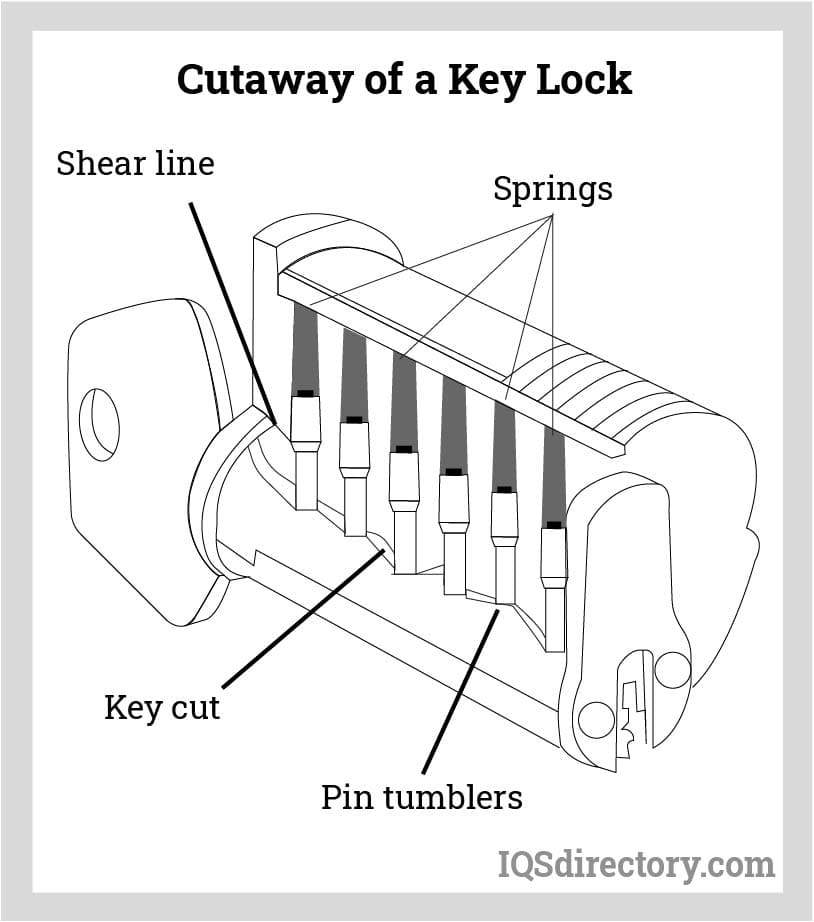 Standard tumbler key locks contain pins that align with the key's notches. When the correct key is inserted, the pins align, allowing the lock to turn and open.
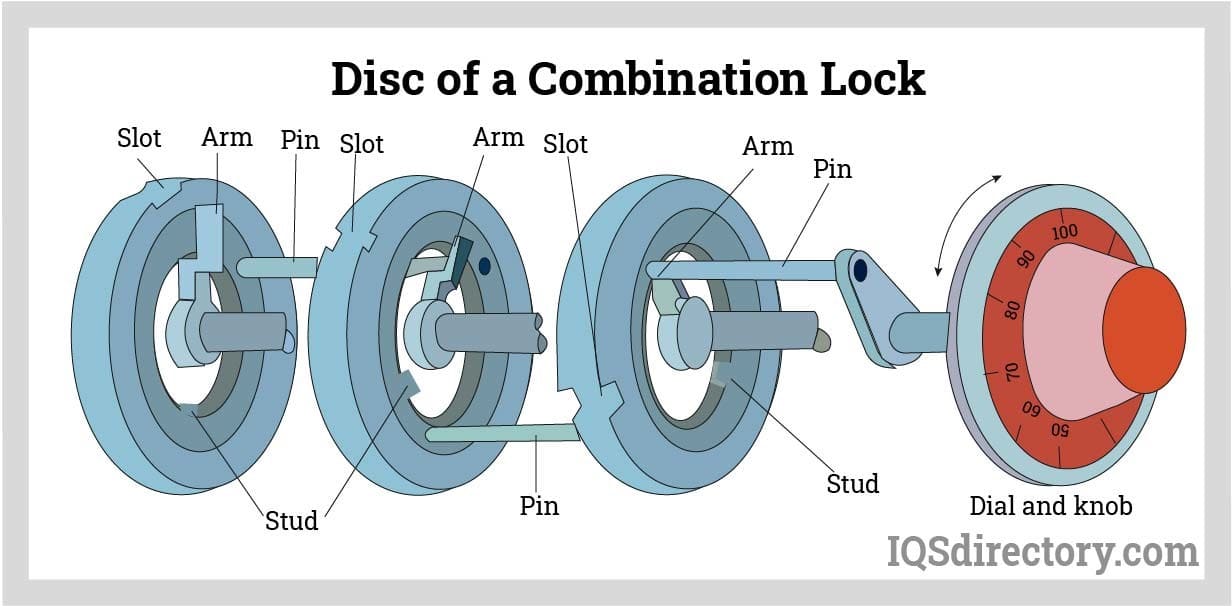 Combination locks operate by aligning a series of discs in a specific order to unlock the mechanism.
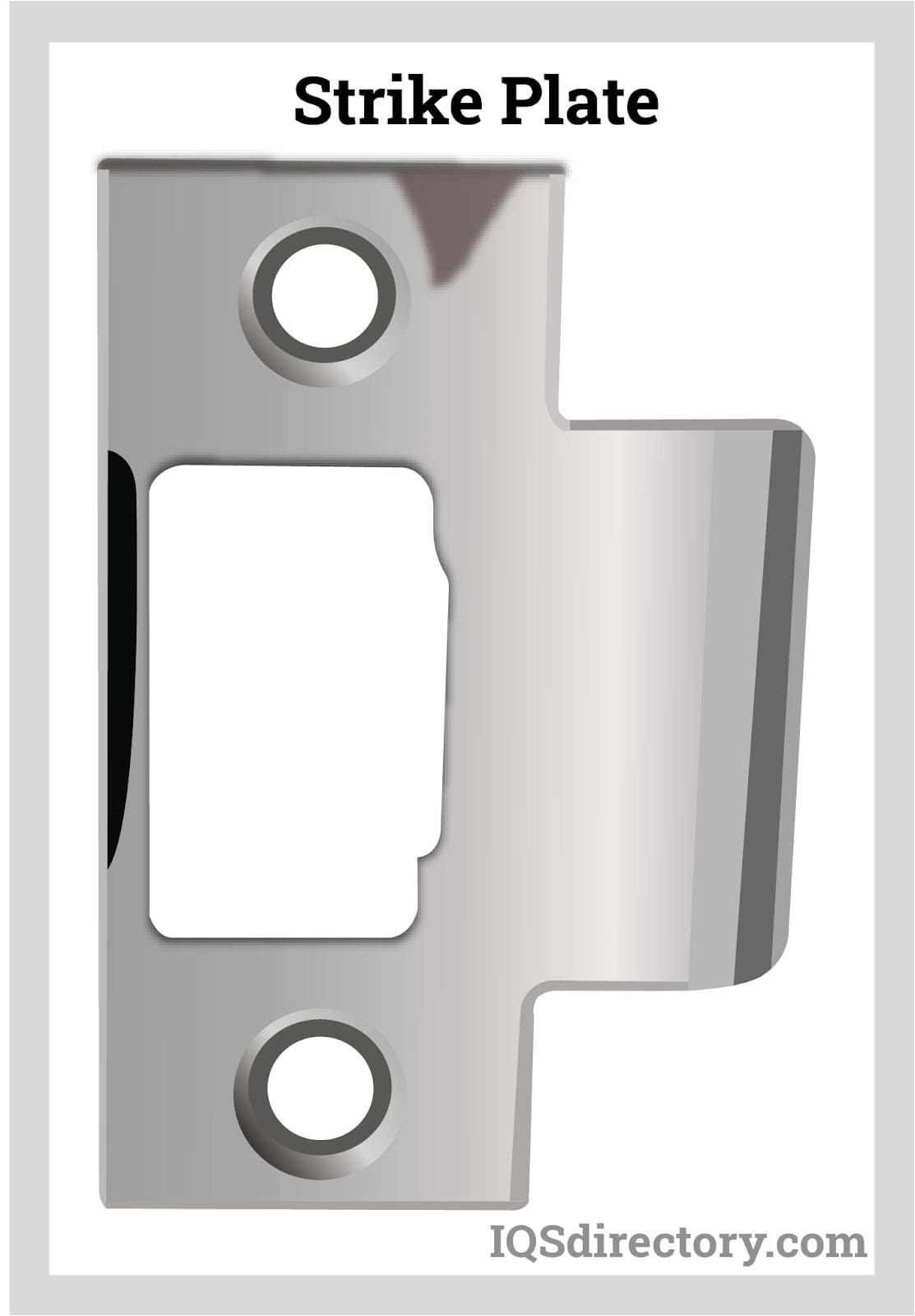 The strike plate is the metal plate where the plunger or bolt enters and secures into the door frame.
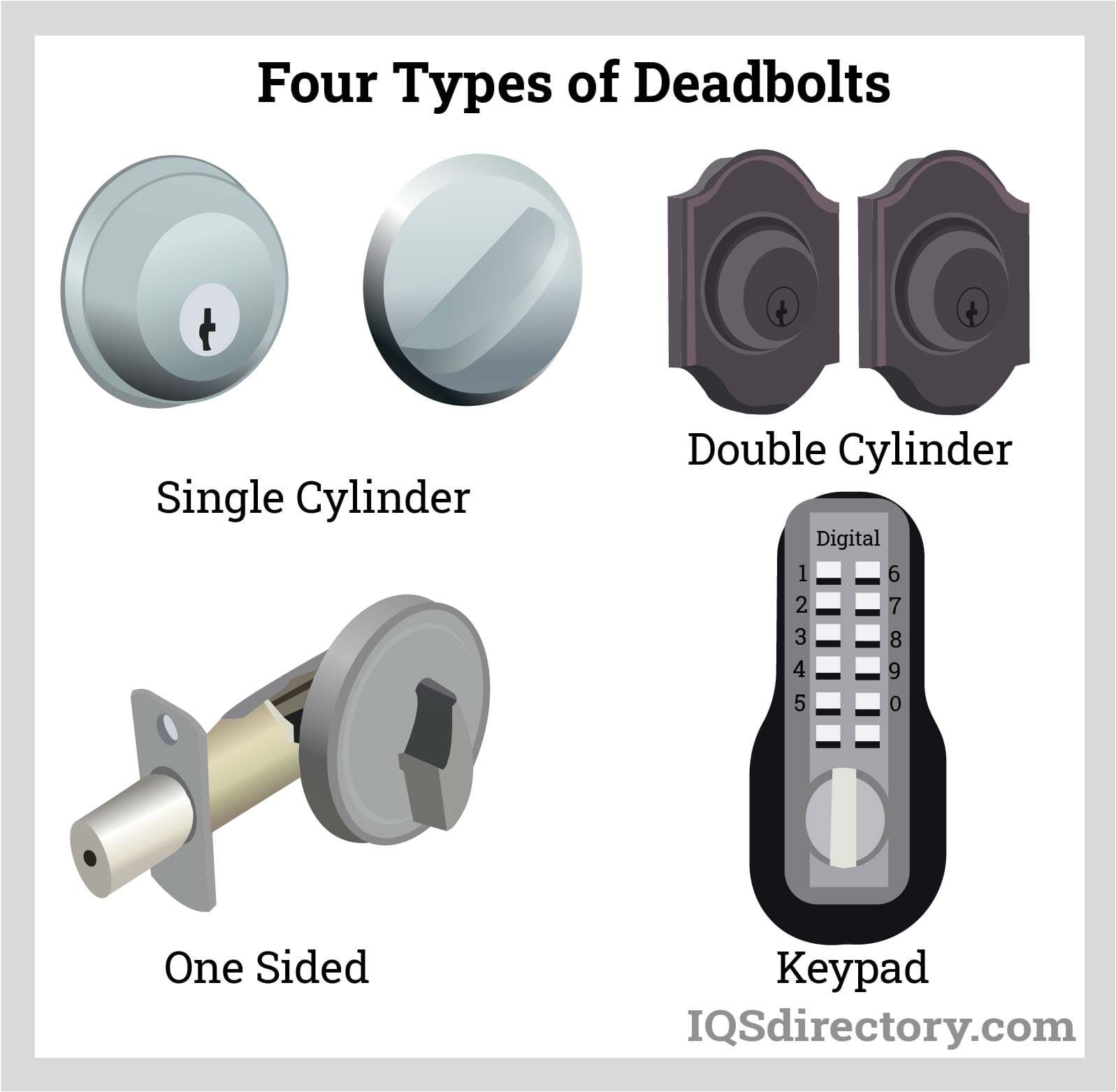 The four main types of deadbolts—single cylinder, double cylinder, one-sided, and keypad—offer enhanced durability and security compared to other locks.
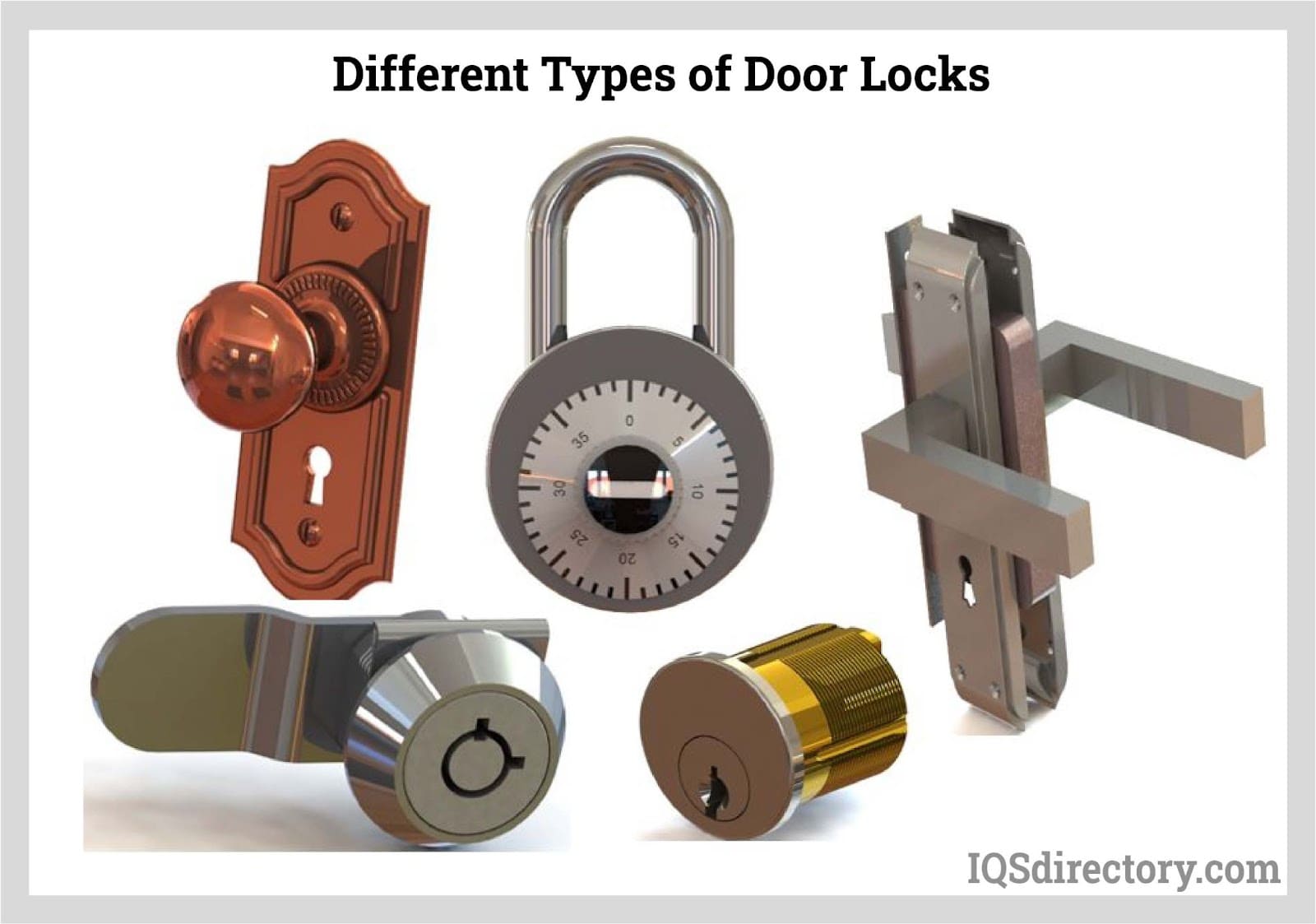 Door locks are devices or mechanisms designed to restrict or prevent unauthorized entry or access.
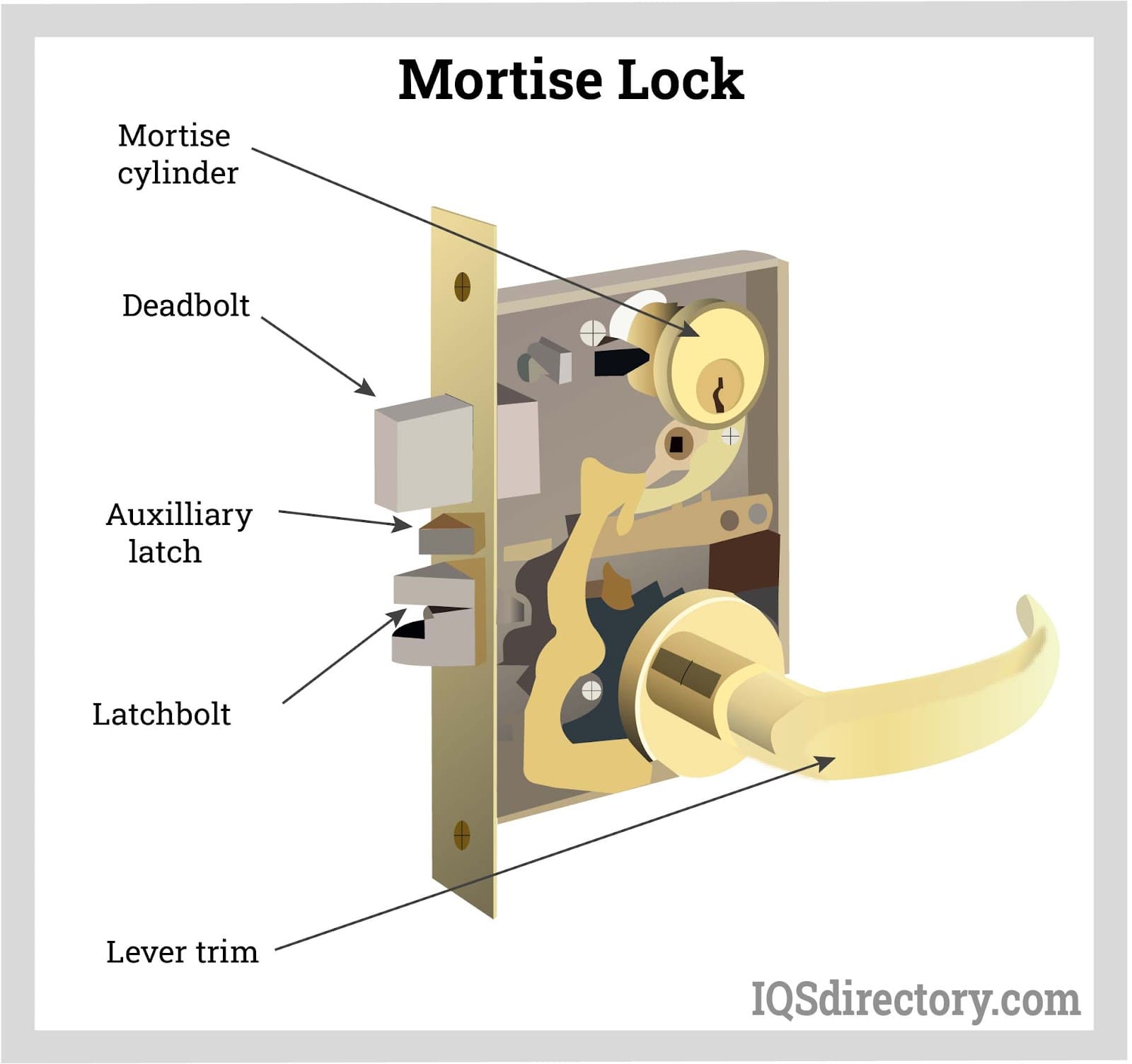 Mortise locks require cutting a pocket into the door, making them highly durable and suitable for frequent use.
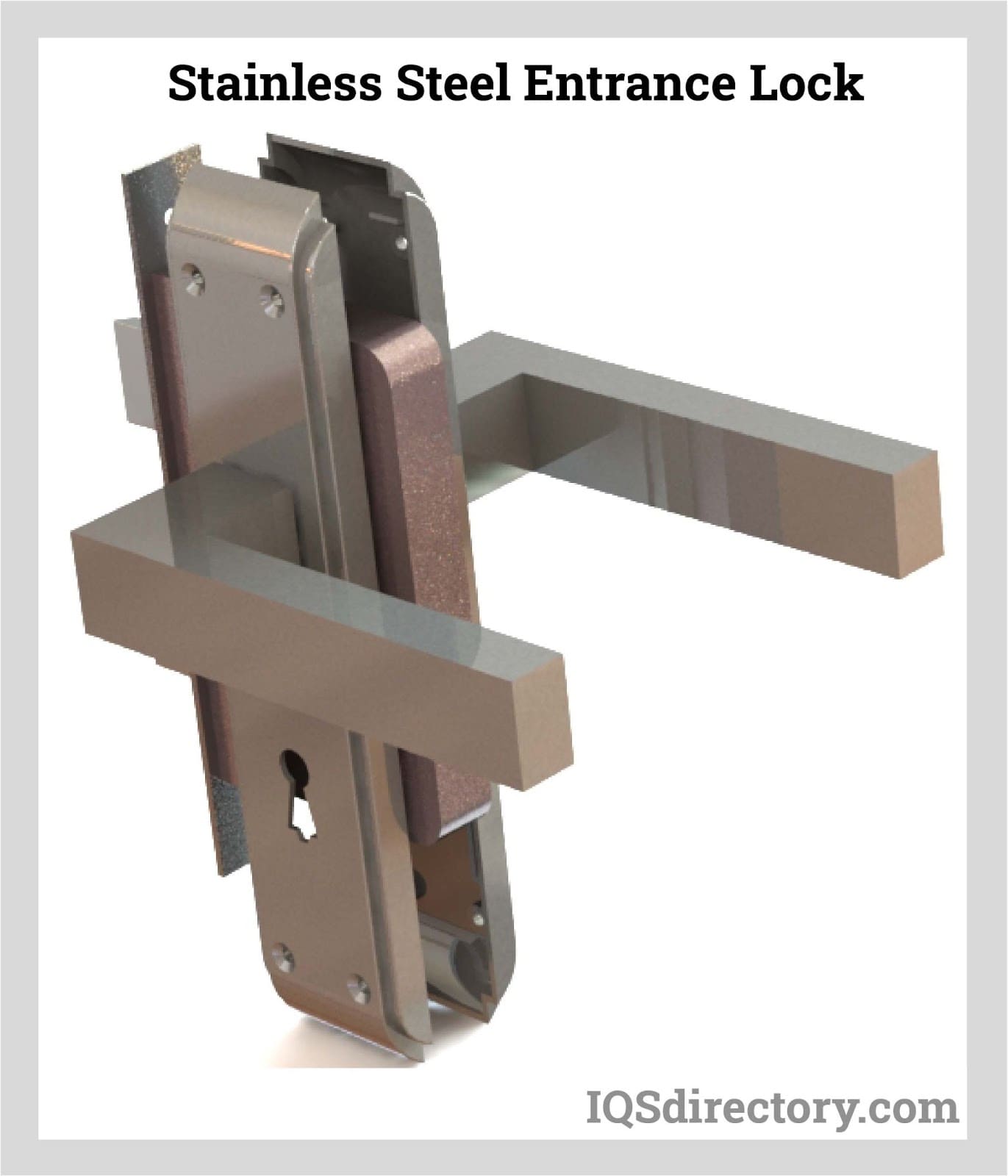 Locks made of steel or stainless steel are popular for their strength, reliability, and ability to withstand heavy and continuous usage.
Types of Locks
The three main categories of locks are mechanical locks, electronic locks, and biometric locks. Each category serves different security needs, from basic residential protection to advanced commercial and industrial access control. When comparing lock types, buyers often consider factors such as ease of installation, level of security, power requirements, and integration with existing smart home or building management systems.
- Mechanical Locks
- Mechanical locks are made of metal and are operated by a key or combination. They include padlocks, mortise locks, and cylinder locks, which are commonly installed on doors in homes, offices, and commercial buildings, as well as on interior doors and offices. These traditional options remain popular due to their reliability and independence from electrical power sources.
- Mortise Lock
- Mortise locks offer greater resistance to picking or forced entry but are generally more expensive and harder to install. These are typically used for exterior doors where higher security is desired in both residential and commercial properties.
- Cylinder Lock
- Cylinder locks are easy to replace and cost-effective, but they provide only basic security. They are widely chosen for interior applications or as secondary locking points where convenience and affordability matter most.
- Combination Lock
- Combination locks, the first keyless locks, use disk tumblers that must be aligned to release the spindle. Most feature a dial that turns to specific numbers in both directions. Suitable for doors, vehicles, cabinets, padlocks, strong rooms, and safes, these locks require a correct combination to open and appeal to users seeking key-free operation in lower-risk settings.
- Padlock
- Padlocks have a U-shaped design and are often used with combination locks. They consist of a bar, hinge, and chain; to lock, the bar passes through a chain link and secures into place. Portable and versatile, padlocks serve countless outdoor, storage, and temporary security applications.
- Tumbler Lock
- Tumbler locks have metal pieces that fall into place to block the bolt. The serrated key raises these tumblers to the correct height, enabling the bolt to move and the lock to open. This classic design forms the basis for many everyday door locks and deadbolts.
- Warded Lock
- Warded locks are among the oldest lock designs. They use a notched key that slides the bolt, and the notches must match the wards inside to open the lock properly. While simpler, they continue to appear in basic security products.
- Cable Lock
- Cable locks are designed for visible security of large outdoor items like bicycles and trailers, providing a flexible yet sturdy deterrent against theft in public or storage environments.
- Electronic Locks
- Electronic locks are keyless and provide medium to high security. Common in hotels and high-security workplaces, they allow access codes to be changed easily. Main types include magnetic key locks and keypad locks. Their programmability makes them attractive for facilities needing frequent access code updates or audit capabilities.
- Magnetic Key Lock
- Magnetic key locks are modern systems often used on dorm rooms, hotel doors, and secure workspaces. A plastic magnetized card is inserted into a slot, where magnets repel spring-loaded pins, unlocking the door temporarily in a way similar to tumbler locks. This technology balances convenience with reliable performance.
- Keypad Lock
- Keypad locks require users to enter a code or password on a keypad to unlock the door. They eliminate the need for physical keys and support multiple user codes, making them suitable for shared spaces, rental properties, and offices.
- Biometric Lock
- Biometric locks are advanced, high-security solutions used by government agencies and facilities requiring maximum protection. These locks open via fingerprint, voice, or retina scans, eliminating risks of key or code theft and ensuring only authorized personnel gain access. Growing interest in biometric door locks reflects increasing demand for touchless and highly secure entry methods.
- OEM Locks
- OEM locks include products such as cam locks, vending machine locks, padlocks, cabinet locks, electronic locks, parking meter locks, and more, specifically designed for original equipment manufacturing purposes. These specialized components help equipment makers integrate reliable security directly into their products.
- Door Lock
- Door locks are the most widely used lock type and are primarily mechanical, though other mechanisms are also used. Their main purpose is to prevent unauthorized entry into buildings, rooms, or other structures. When shopping for door locks, buyers compare features like rekeyability, finish options, and compatibility with smart home technology.
- Vending Machine Lock
- Vending machine locks are specialized to prevent unauthorized access to products and cash inside vending machines, allowing only technicians and service staff entry. Durable construction and tamper resistance are key considerations for this application.
Lock Applications
Locks are used to control access and secure a wide range of environments and items, including homes, commercial properties, vehicles, furniture, cabinets, gates, storage units, industrial sites, windows, drawers, jewelry boxes, and luggage. Buyers researching lock applications often seek solutions that match their specific environment—whether protecting a family home with reliable deadbolts and smart locks, securing an office building with electronic access control, or safeguarding valuable equipment in an industrial facility with heavy-duty padlocks and specialized locking systems.
Customers rely on locks to prevent theft, deter vandalism, enhance public or staff safety, and protect against unauthorized entry or tampering. In residential settings, common use cases include front door security, garage protection, and interior cabinet locks for child safety or privacy. Commercial applications range from office suite access control and employee time tracking via electronic systems to retail display case security. Industrial buyers frequently need robust solutions for machinery enclosures, tool storage, and perimeter gates where durability under harsh conditions is important. Understanding these varied applications helps decision-makers evaluate which lock types and features best align with their security goals and daily operational requirements.
When considering lock applications, many users ask questions such as: What type of lock works best for outdoor gates exposed to weather? How can I upgrade my home security with keyless entry without replacing all doors? Which solutions provide audit trails for compliance in regulated industries? Exploring these scenarios alongside product specifications leads to more informed purchasing decisions and better long-term security outcomes.
Lock Installation
The installation process for a lock depends on the specific lock type and the surface where it will be mounted. For detailed instructions, consult your lock supplier or manufacturer. Proper installation significantly affects security performance and ease of use. Homeowners often handle basic cylinder lock or deadbolt replacements themselves, while commercial projects involving mortise locks, electronic hardware, or integrated access control systems typically require professional installation to ensure compliance with building codes and optimal functionality.
Factors influencing installation complexity include door material (wood, metal, or fiberglass), preparation needs (such as mortising for certain models), wiring requirements for electronic or smart locks, and alignment with existing strike plates. Buyers evaluating options frequently consider how easily a chosen lock can be retrofitted into current doors or whether new hardware will require additional modifications. Taking time to review installation guides and compatibility details helps avoid common issues and ensures the selected security solution performs as expected from day one.
Standards & Specifications for Locks
The two most prominent organizations for lock standards are Underwriters Laboratories (UL) and the American National Standards Institute (ANSI). UL is an independent safety certification organization that helps manufacturers ensure products are safe and reliable through services like inspection, training, marketing claim verification, auditing, and certification. ANSI/BHMA (Builders Hardware Manufacturers Association) is a non-profit group that sets hardware grading standards, allowing products to be classified by grade based on quality, durability, and performance benchmarks.
These standards help buyers compare locks objectively when making purchasing decisions. For example, higher ANSI grades indicate better resistance to operational wear, forced entry, and environmental factors. When researching deadbolts, mortise locks, or commercial door hardware, checking for relevant UL or ANSI certifications provides confidence that the product meets recognized safety and performance levels suitable for the intended application. Many suppliers highlight these ratings in product literature to assist customers in matching specifications to their security priorities.
Choose the Right Lock Manufacturer
The lock industry serves almost every sector worldwide, making the selection process challenging. To choose the best provider, seek a reputable lock manufacturer. Start by reviewing the list at the top of this page, then visit their websites to explore products and services. Narrow your options to three or four, and contact each with your questions and specifications. Compare their products, services, prices, lead times, and customer support. Select the manufacturer most dedicated to delivering a high-quality product at a fair price.
Decision factors often include manufacturing capabilities, material quality, customization options, warranty coverage, and technical support availability. Buyers looking for residential door locks may prioritize finish options and ease of rekeying, while commercial or industrial purchasers focus on scalability, compliance certifications, and integration with existing security infrastructure. Taking a structured approach to vendor evaluation helps ensure the chosen lock manufacturer can reliably meet both current and future security needs across multiple locations or product lines.
Accessories for Locks
Common lock accessories include chain door guards, plated knobs, security bars, latch strikes, FOBs, internet control components, Wi-Fi adapters, and latch shields. For details or specialized needs, consult your lock or door lock manufacturer. These accessories can enhance the functionality and security of base lock systems. For instance, Wi-Fi adapters enable remote monitoring and control of smart locks through mobile apps, while reinforced strike plates improve resistance to kick-in attacks on exterior doors. Selecting compatible accessories ensures the complete security setup performs cohesively and addresses any specific vulnerabilities in the installation environment.
Lock Terms
- Automatic Deadlocking
- Enables a door or gate to automatically deadlock after closing.
- Deadbolt
- The component of a lock that moves from the locked to the unlocked position when the key is turned.
- Detainer
- A mechanism used instead of a lever to allow for more key variations.
- Differs
- The total number of unique key combinations possible for a particular lock.
- Dual Control
- A lock that provides both electronic and mechanical methods for unlocking.
- Escutcheon
- The protective or decorative plate surrounding a keyhole.
- Lever
- A part inside the lock that moves out of the way for the correct key but blocks incorrect keys from unlocking the mechanism.
- Snib
- A knob or button used to hold a deadbolt in a locked or unlocked position.
- Throw
- The length or distance a bolt moves between locked and unlocked positions.
- Tumbler
- An internal lock component that, when properly moved by a key, releases the bolt and allows unlocking.
- Ward
- The ridge inside a lock that prevents a key from turning unless it matches; also refers to the part of a key cut to fit the ridge.