Laser Cutting
Laser cutting is a high-precision, low-distortion thermal cutting process used to cut sheet metal, plate metal, plastics, wood, textiles, acrylics, and other engineered materials with a tightly focused beam. In metal fabrication, the process is widely used for stainless steel, carbon steel, aluminum, brass, and specialty alloys, which is why equipment built for this work is often referred to as a metal laser. Manufacturers rely on laser cutting for tight tolerances, repeatable part geometry, smooth cut edges, and efficient production in both prototype and high-volume settings.
The term "laser" is derived from the acronym Light Amplification by Stimulated Emission of Radiation and refers to a focused beam of light containing a significant concentration of electromagnetic radiation. Unlike conventional light sources, this highly concentrated radiation maintains a specific wavelength without dispersing. The laser beam is intensely concentrated and densely packed with usable energy, allowing it to cut, engrave, drill, etch, mark, or machine materials with remarkable consistency. The emission device that generates the beam can be programmed for different material types, thicknesses, edge-quality targets, production speeds, and finish requirements. That level of control is one reason buyers often search for terms such as precision laser cutting, custom laser cutting services, CNC laser cutting, or metal laser cutting when comparing fabrication methods for demanding applications.
Laser Cutting FAQs
What materials can be cut using laser cutting technology?
Laser cutting can process metals, plastics, textiles, wood, acrylics, composites, and many thin-sheet materials used in industrial production. CO₂ and fiber lasers can handle everything from light-gauge sheet stock to thicker steel sections, making laser cutting services attractive for aerospace parts, automotive components, electronics housings, enclosures, brackets, panels, signs, and custom fabricated products.
How does CO₂ laser cutting differ from fiber laser cutting?
CO₂ lasers use gas mixtures to generate beams that perform well on non-metals, plastics, wood, acrylic, and selected mild steel jobs, while fiber lasers use rare-earth-doped optical fibers for stronger electrical efficiency, faster cutting speeds, and excellent precision on reflective metals such as stainless steel, aluminum, brass, copper, and titanium. The better choice depends on material type, thickness, surface finish goals, and throughput needs.
What are the main advantages of laser cutting in manufacturing?
Laser cutting offers excellent accuracy, fast turnaround, low distortion, and clean edge quality with very little secondary finishing. It supports tight tolerances, flexible design revisions, nested sheet optimization, and short lead times, making it a strong fit for prototyping, contract manufacturing, custom fabrication, and repeat production across many industries.
Is laser cutting safe for operators?
Yes. Modern laser cutting systems are CNC-controlled and designed with guarding, interlocks, ventilation, and process controls that reduce manual exposure during operation. When operators follow plant safety procedures, wear proper protective equipment, maintain extraction systems, and handle flammable materials correctly, industrial laser cutting remains a safe and dependable manufacturing process.
What types of lasers are used for metal fabrication?
Fiber, solid-state, and CO₂ lasers are commonly used in metal fabrication. Fiber and solid-state systems are valued for precision, speed, and power efficiency on many metals, while CO₂ systems are still chosen for smooth edge finish on selected materials and mixed-material production environments.
What industries depend on laser cutting services?
Laser cutting supports aerospace, automotive, defense, electronics, medical device manufacturing, architectural metalwork, HVAC, industrial equipment, consumer products, and signage. Its precision and adaptability make it useful for intricate parts, micro-components, brackets, enclosures, panels, tubes, decorative pieces, and durable industrial products that must meet repeatable dimensional requirements.
How does nitrogen cutting prevent oxidation?
Nitrogen cutting uses inert assist gas to shield molten edges and limit oxidation during metal processing. The result is a cleaner, brighter edge that is often preferred when parts will be painted, powder coated, welded, assembled for food processing equipment, used in chemical service, or sold into decorative and sign manufacturing applications.
What factors affect laser cutting precision and quality?
Precision depends on lens cleanliness, nozzle alignment, focal settings, assist gas flow, machine stability, nesting strategy, feed rate, and CNC programming quality. Proper calibration, clean optics, controlled heat input, and careful material setup help produce sharp edges, narrow kerf widths, consistent dimensional accuracy, and dependable repeatability from run to run.
The History of Laser Cutting
Although laser technology is relatively modern, its roots trace back to the early 1900s, when Albert Einstein laid the theoretical foundation for stimulated emission. However, the first functioning laser was not built until 1960, when Theodore H. Maiman successfully created it. Just five years later, in 1965, laser cutting was introduced on an industrial scale. Developed at the Western Electric Engineering Research Center, the first laser cutting system was used to drill holes into diamond dies. By 1967, engineers in Great Britain had taken the next step, developing the first laser-assisted oxygen jet cutting systems, which were used for cutting and fabricating sheet metal.
The 1970s marked a period of rapid advancements in laser cutting technology. Early in the decade, the process was adapted for specialized applications, such as aerospace titanium cutting, enabling precision machining for high-performance industries. Around the same time, CO₂ lasers were introduced for cutting non-metal materials like textiles. However, at that stage, CO₂ lasers lacked the power necessary to cut through metal efficiently.
Since then, laser cutting has advanced through better beam quality, stronger power efficiency, lower operating costs, expanded wavelength options, and more accurate motion control. Modern laser systems are now central to fabrication, micromachining, medical production, aerospace manufacturing, electronics, and precision part making. As controls, software, optics, and automation continue to improve, laser cutting will keep expanding into faster, cleaner, and more material-specific applications.
The Benefits of Laser Cutting
Laser cutting offers numerous advantages over conventional methods such as thermal machining, mechanical machining, arc welding, electrical discharge machining (EDM), and flame cutting. These advantages make it a preferred choice for precision cutting, custom fabrication, production efficiency, and repeatable quality in modern manufacturing environments.
- Laser Cutting Quality
- One of the defining characteristics of laser cutting is its beam control and motion stability, which support precise cuts, narrow kerf widths, and strong edge quality. Compared with many conventional cutting methods, laser-cut parts show minimal edge deformation, limited burr formation, and clean geometry that often reduces grinding, deburring, and downstream finishing time.
- Accuracy of Laser Cutting
- While waterjet cutting may be chosen for selected materials or thicker sections, laser cutting stands out when buyers need tighter tolerances, detailed internal features, small holes, fast processing, and repeatable precision on thinner and medium-gauge materials. That makes it a strong option for parts that demand intricate detailing, accurate fit-up, and consistent production quality.
- Laser Cutting Turnaround Time
- Compared to many conventional tool-based cutting methods, laser cutting delivers fast processing times and efficient part changeovers. Complex profiles can be produced quickly, and digital design files can be revised without retooling, which is especially useful for prototype development, short production runs, custom orders, and buyers evaluating multiple design options.
- Laser Safety
- Laser cutting systems are safe when operated with the right machine guarding, ventilation, eyewear, maintenance procedures, and material-handling practices. Because most systems are CNC controlled, direct human interaction during the cut cycle is limited. Even so, shops must manage fumes, reflectivity, combustible materials, optics maintenance, and operator training to keep performance and workplace safety aligned.
- Cutting Versatility
- Laser cutting technology offers strong versatility across materials, thickness ranges, part sizes, and production volumes. Laser cutting services can optimize sheet layout, reduce scrap, improve yield, and support both simple blanks and complex geometries. This flexibility makes the process attractive in aerospace, automotive, industrial equipment, electronics, consumer products, medical devices, and architectural fabrication.
- Ease of Maintenance
- Laser cutting and engraving systems can be maintained efficiently when shops keep optics clean, align nozzles properly, monitor assist gas quality, and use dependable ventilation and filtration. A clean operating environment helps limit fume buildup, supports better cut consistency, protects equipment life, and reduces unplanned downtime in production settings.
- Energy Efficiency
- Laser cutting machines, including laser engravers and laser drilling systems, are designed for energy efficiency. They consume relatively low amounts of power compared to other industrial cutting methods, leading to cost savings on electricity bills. This energy-efficient nature, combined with their precision and speed, makes laser cutting a sustainable and economical choice for modern manufacturing and fabrication processes.
Laser Cutting Design
When developing a custom laser-cut product, manufacturers evaluate tolerances, material thickness, alloy type, edge-quality expectations, hole size, bend allowances, heat input, part geometry, and the most suitable laser cutting system for the job. Lens condition, nozzle alignment, fixturing, assist gas choice, and programming strategy all influence whether the finished part meets design, assembly, and performance requirements.
- Cutter Cleaning
- A major part of maintaining laser cutting accuracy is keeping the lens, protective window, and cutting path clean. Before production begins, laser cutting providers inspect optics for debris, contamination, and wear so beam delivery remains stable. Clean optics support reliable beam focus, better edge finish, fewer defects, and more predictable cut quality throughout a job.
- Nozzle Position
- To confirm that the nozzle is correctly aligned, laser cutting service providers perform a calibration test using a thin tape and a low-intensity laser beam. By examining the location of the hole created by the beam, they determine whether the nozzle is properly centered. This essential step ensures that the laser drilling machine is precisely aligned and ready for operation, minimizing errors during the cutting process.
- Manufacturers offer an extensive range of custom laser cutting services, adjusting various parameters to meet specific design needs. By fine-tuning key elements of the laser system—including cutting speed, assist gas flow, CNC programming inputs, and heat-affected zone management—they achieve the required tolerances and part thicknesses. This meticulous control allows for highly precise, efficient, and customized laser cutting solutions tailored to a variety of applications.
Laser Cutting Images, Diagrams and Visual Concepts
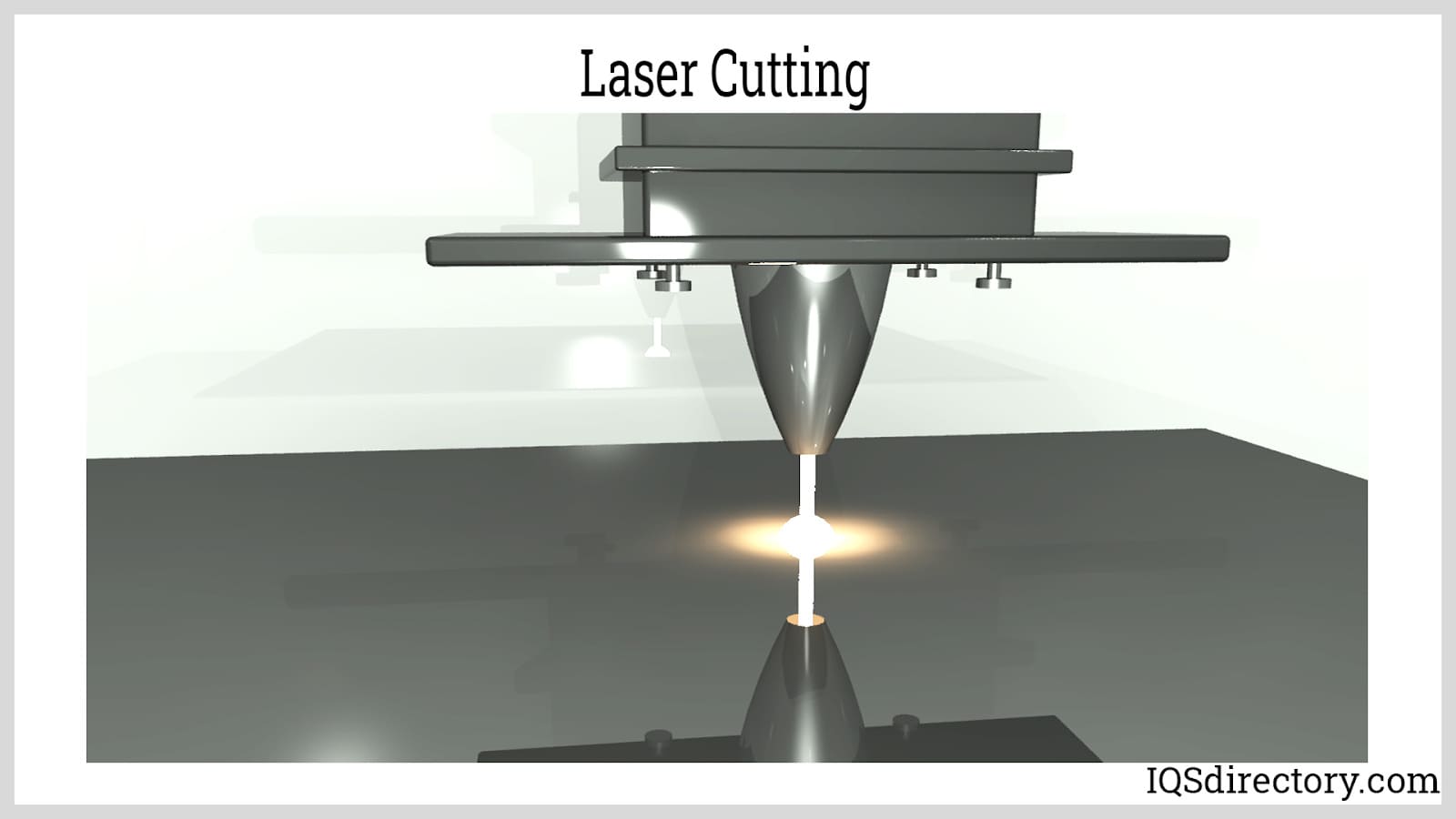 Laser cutting is material-cutting that uses an intensely focused laser to cut metals, paper, wood, and acrylics.
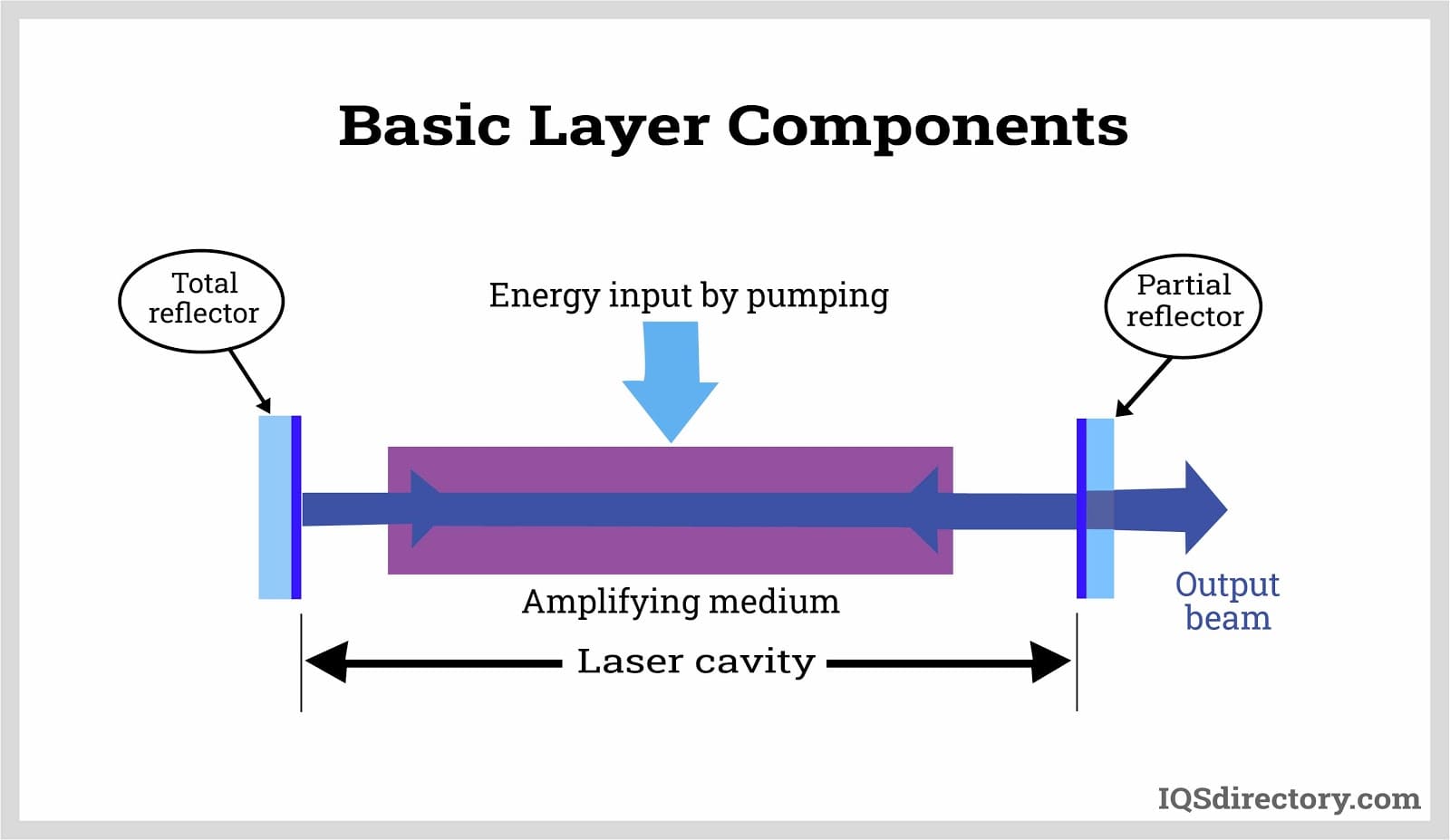 Lasers are generated by a high-intensity light source inside a reflective laser cavity, which contains a laser rod to generate radiation.
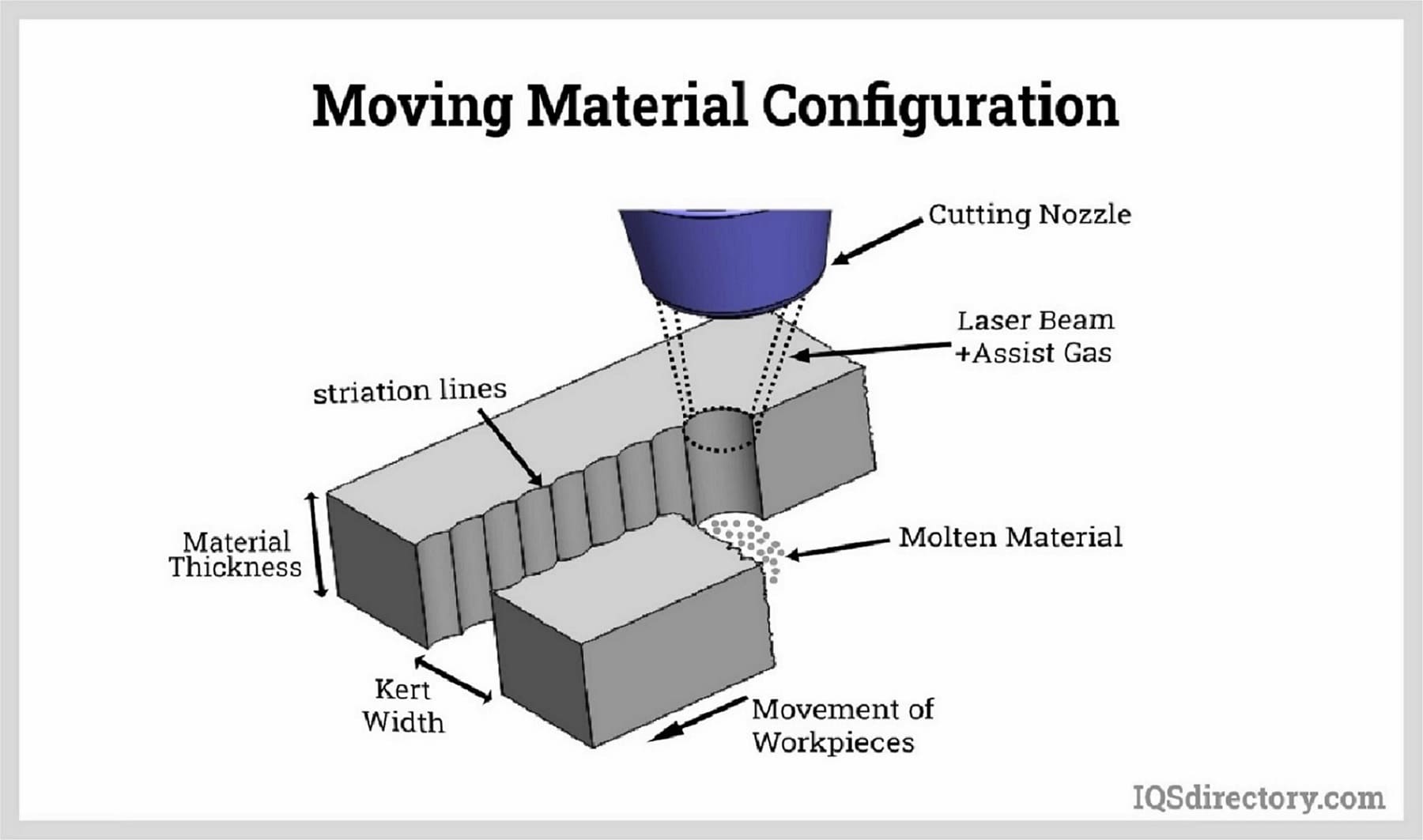 The laser cutter is stationary while the material surface moves.
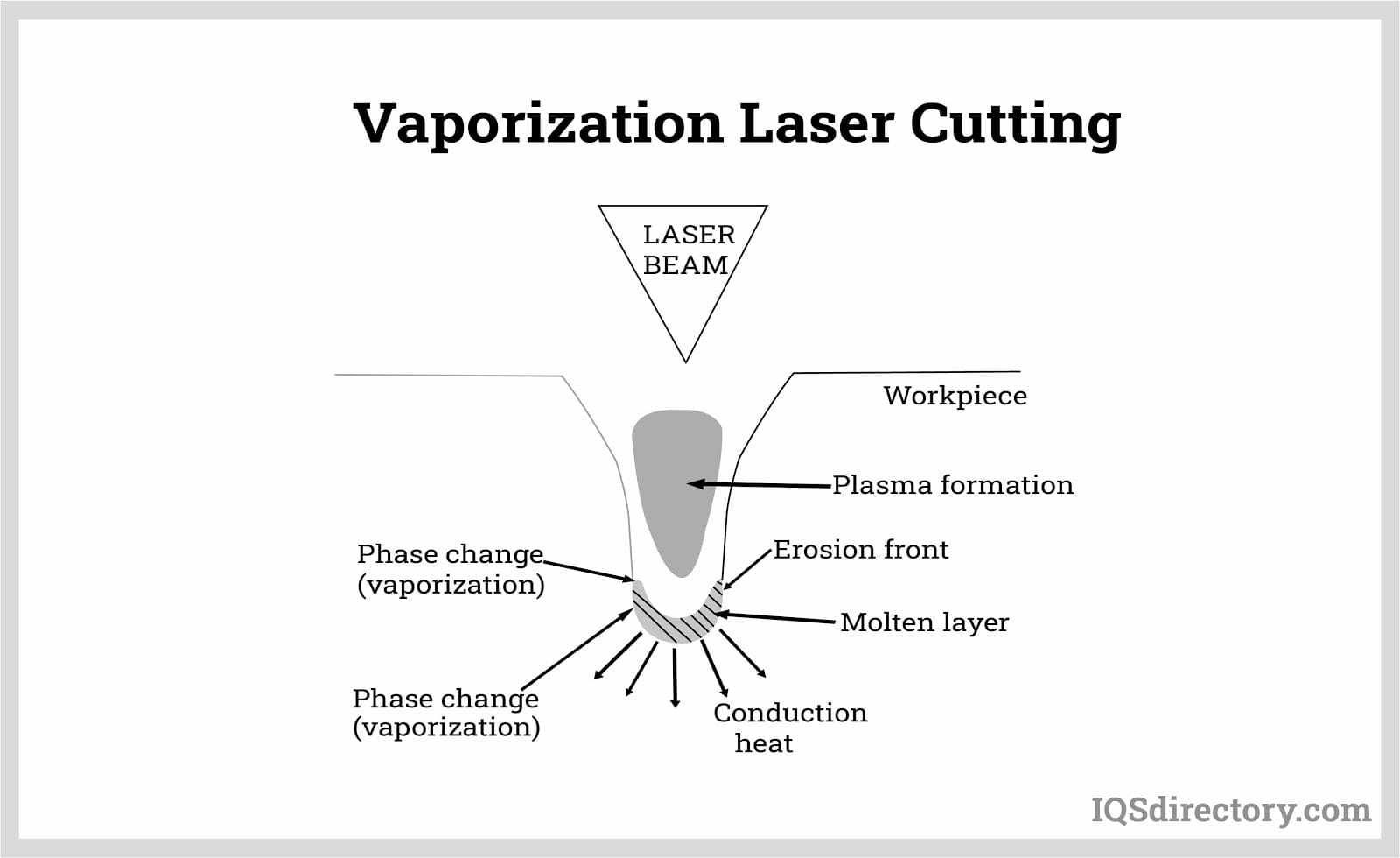 Vaporizing laser cutting changes the state of the material to a gaseous state.
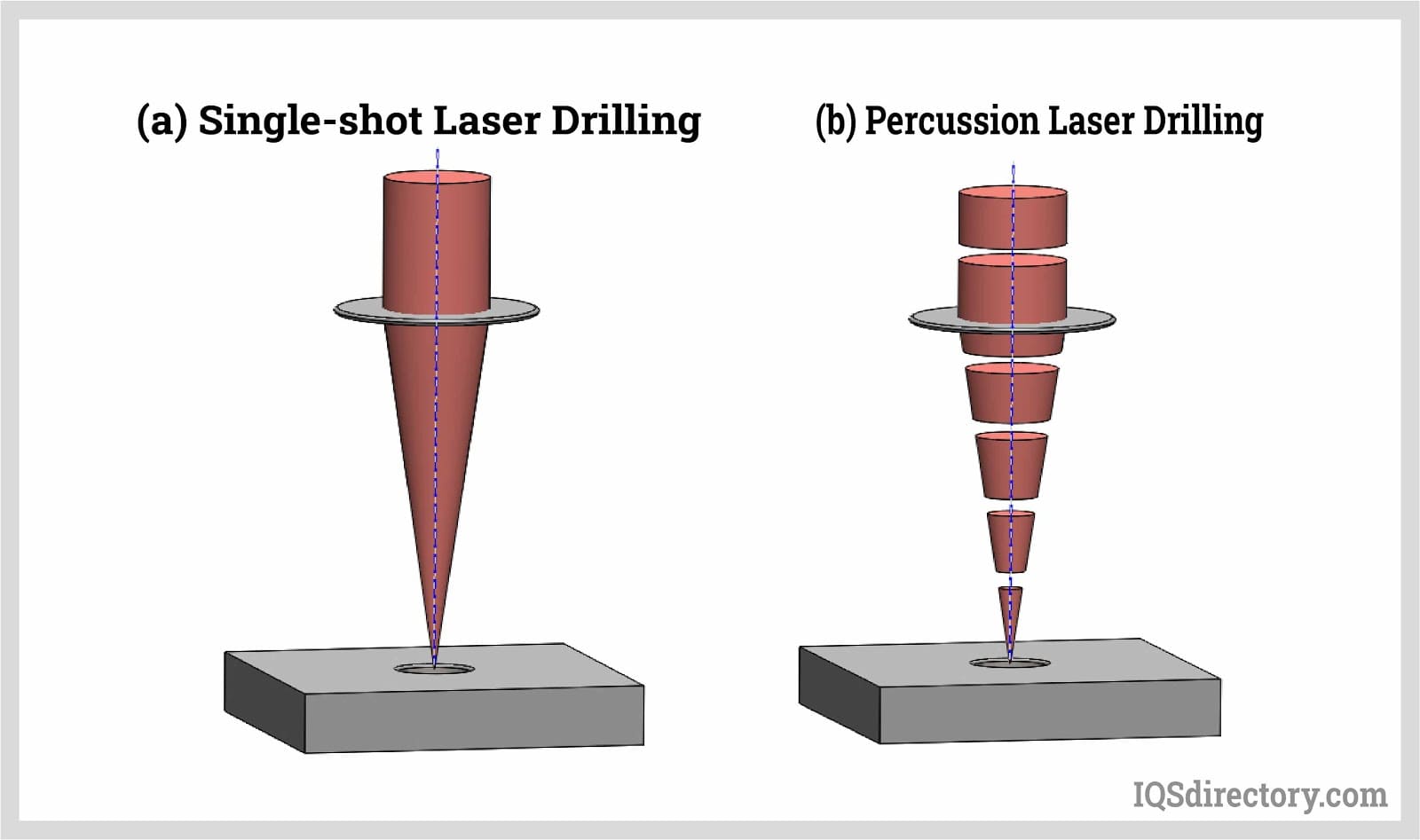 Percussion drilling allows the laser beam diameter to be the same as the hole diameter.
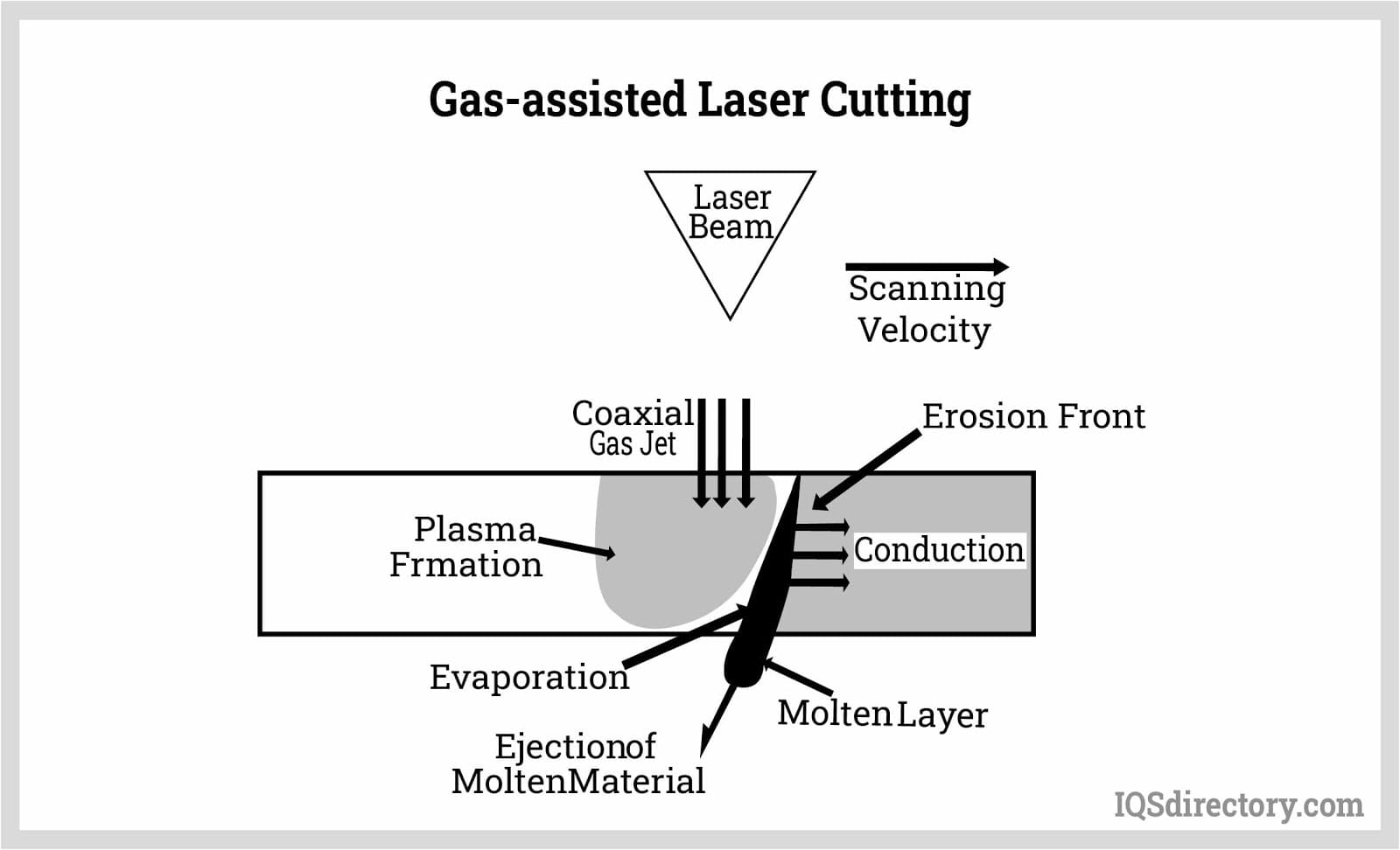 Using a jet of gas with the laser beam expels the material from the cut.
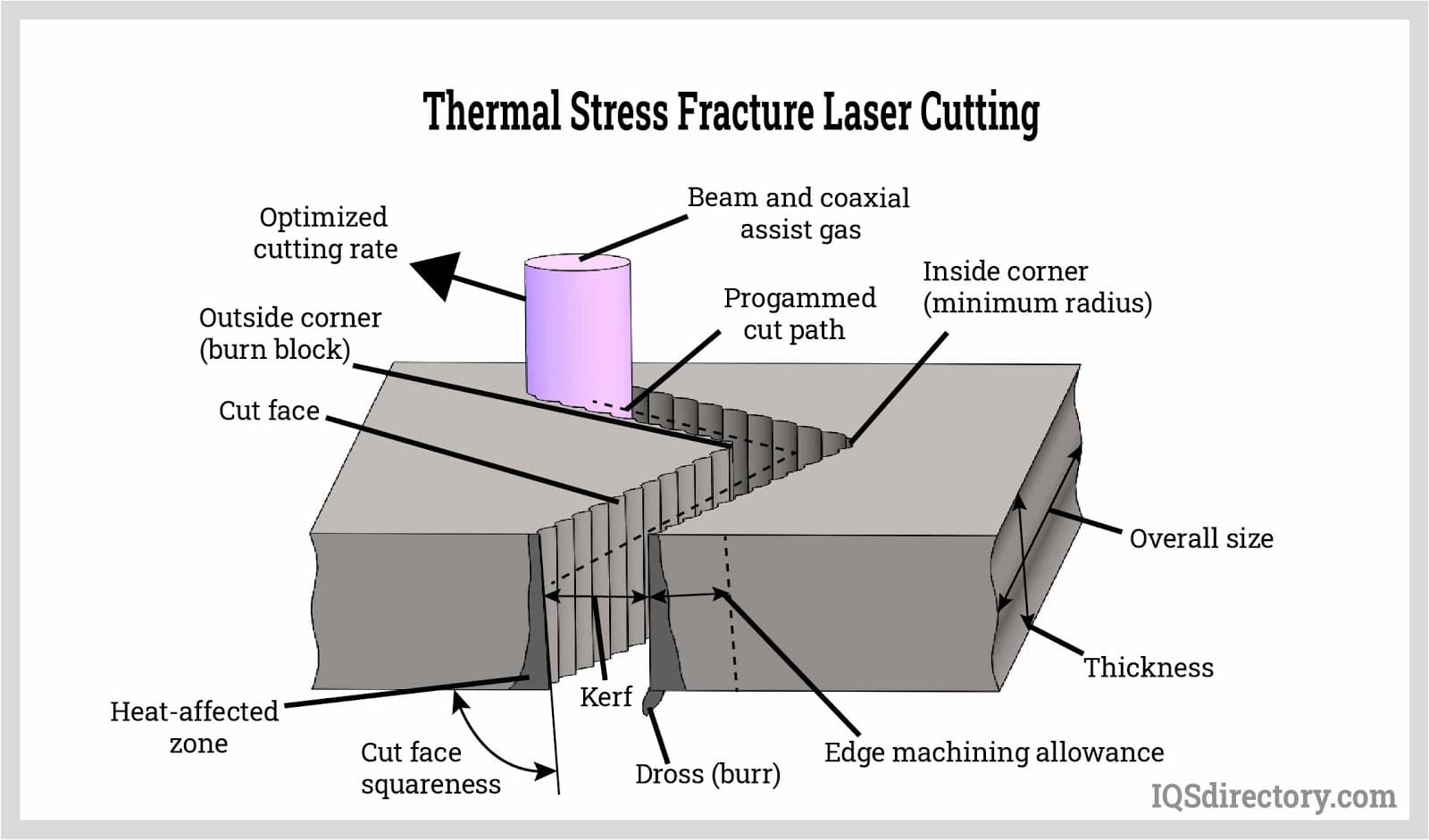 A process that involves introducing a small kerf at about one-third the thickness of the material using a laser.
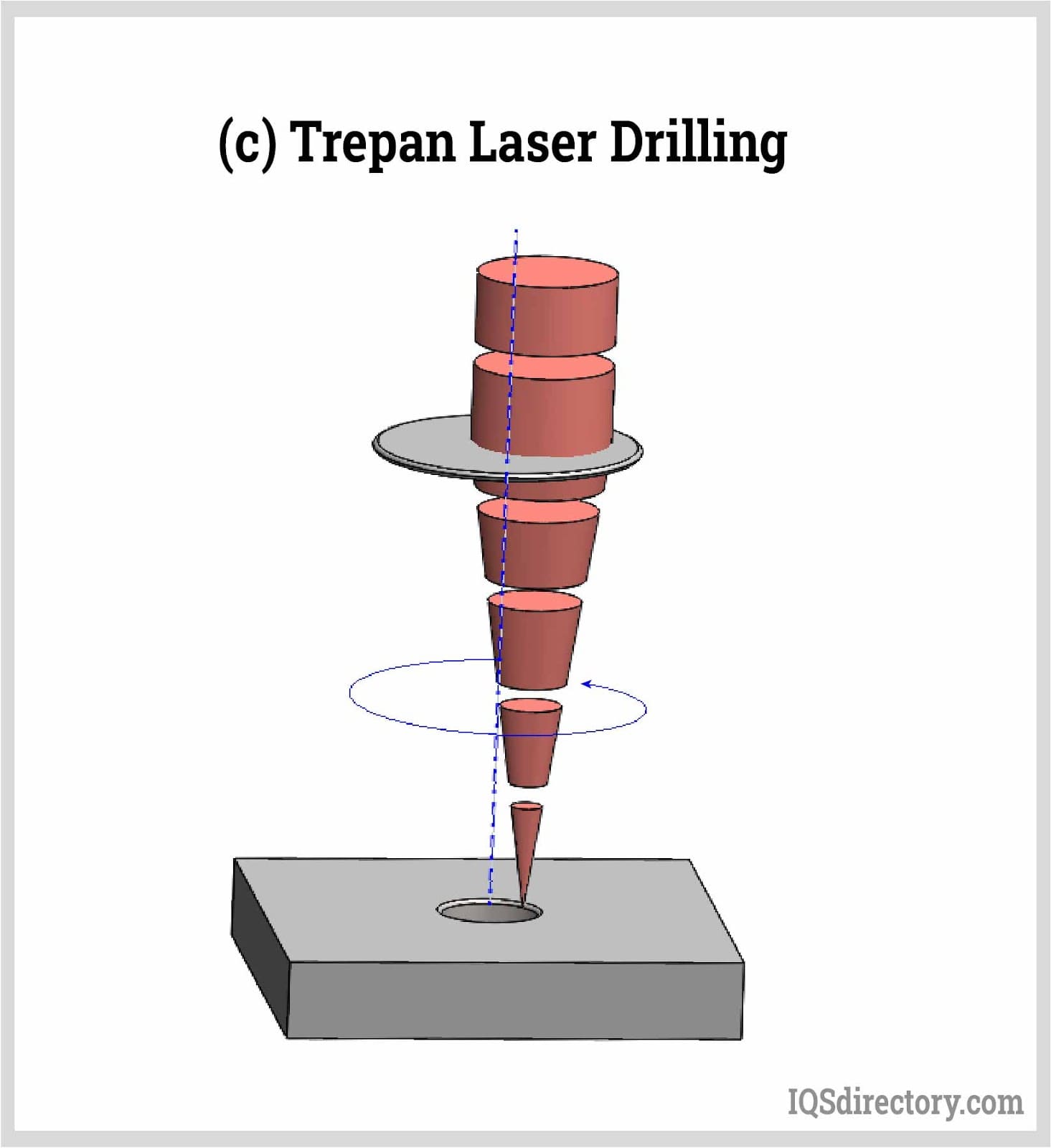 Trepan laser drilling, the laser spot size is significantly smaller than the hole size then traverses around the hole, expanding the drilled hole to the desired diameter.
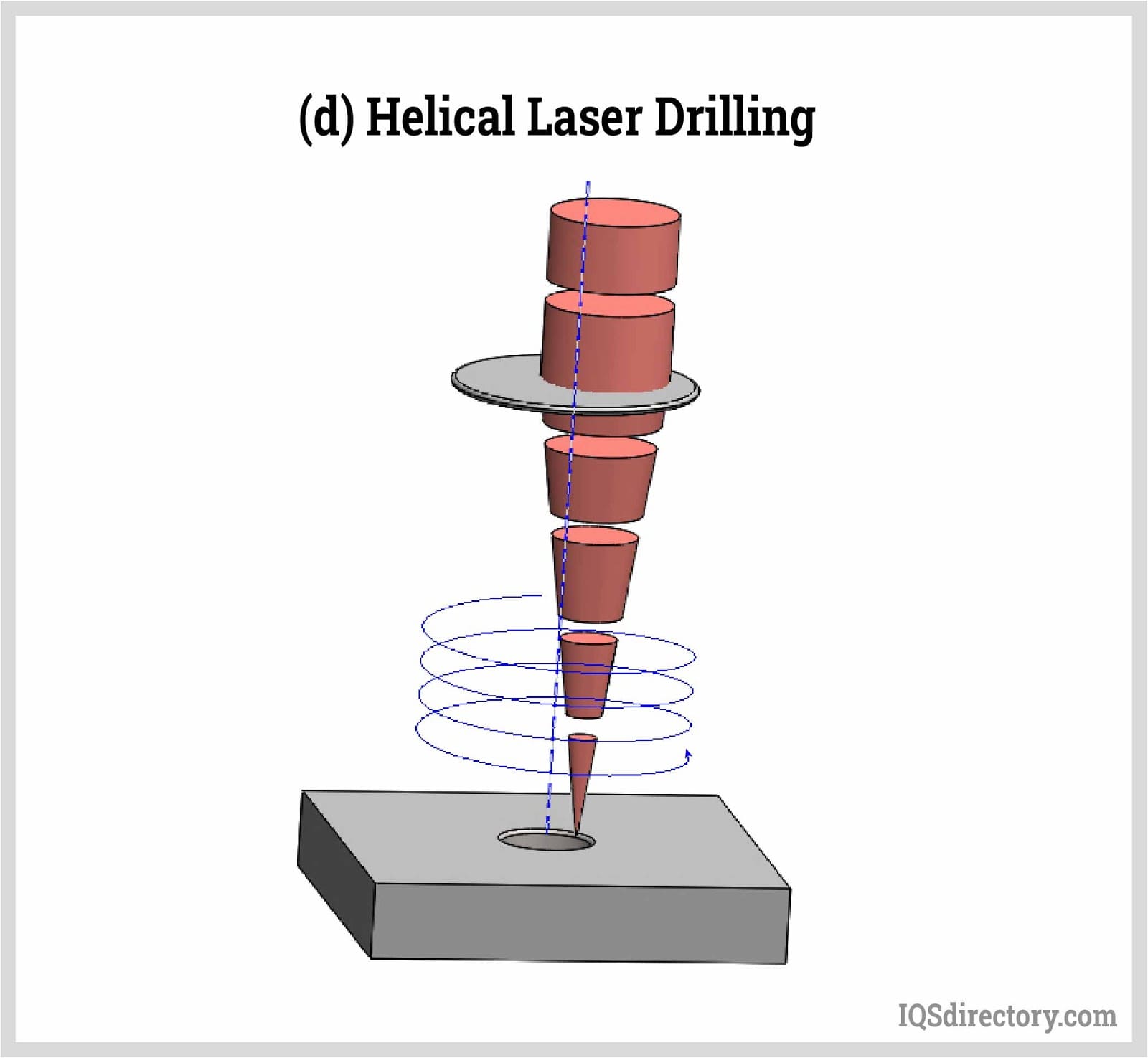 Helical laser uses a moving laser that rotates relative to the workpiece like a conventional drill bit.
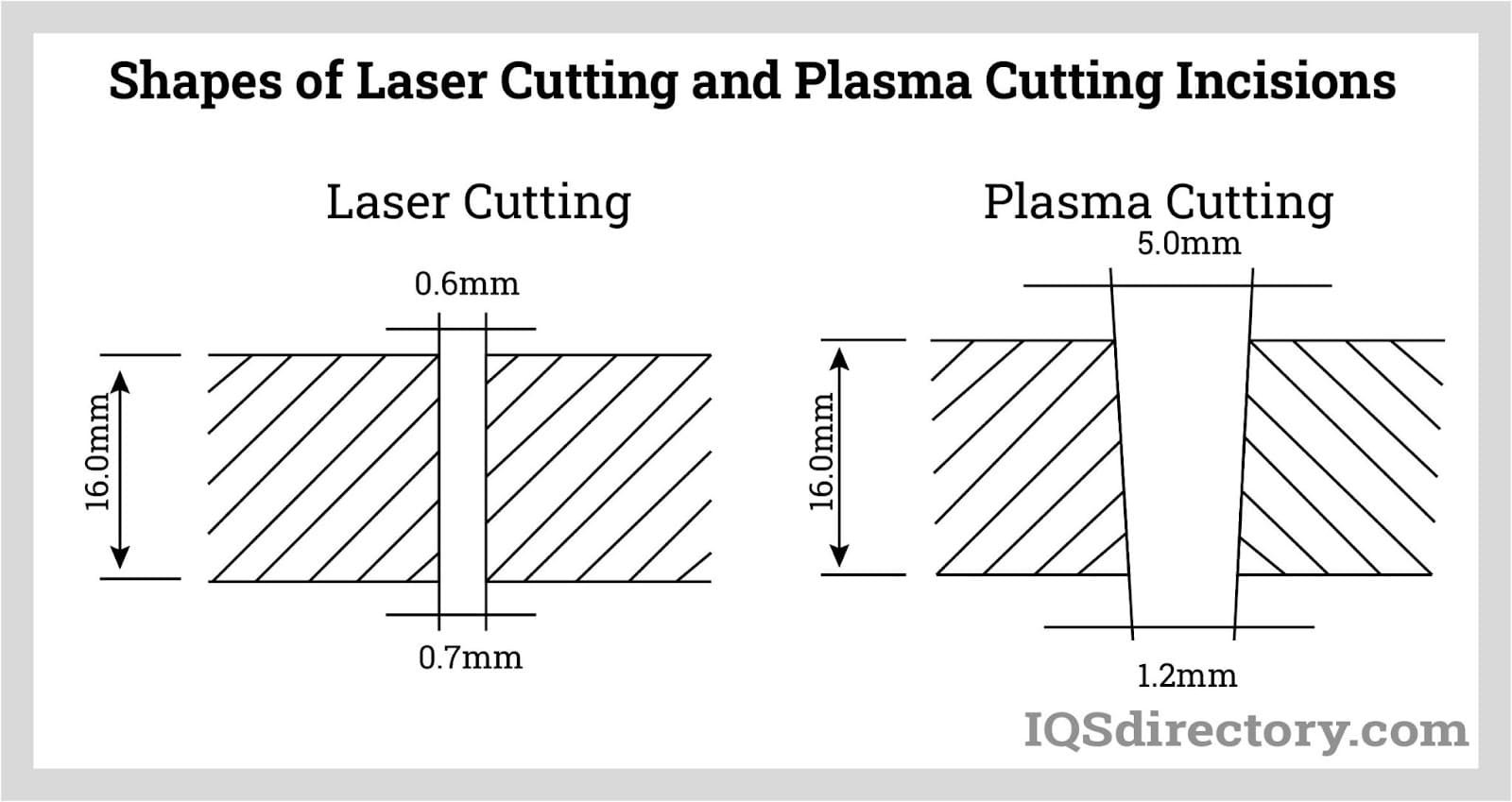 The difference between the two processes is the fuel to power the cutting process with plasma cutting using a plasma gas, while laser cutting involves a beam of light.
Laser Cutting Types
- CNC Laser Cutting
- This process uses an intense laser beam and CNC motion control to cut part shapes from sheet material with high precision. Minimal heat distortion helps parts remain flatter, which supports better fit, cleaner assembly, and dependable structural performance after cutting.
- CO2 Laser Cutting
-
A laser cutting method that employs carbon dioxide as the primary lasing medium, CO₂ lasers function by using a gas mixture—including helium, nitrogen, and predominantly CO₂—to generate a powerful beam. These lasers produce a cut quality comparable to milled edges on mild steels and can operate in either continuous wave (CW) mode or pulses, depending on the material and application.
- Custom Laser Cutting
- A highly specialized form of laser cutting, this process involves CNC machining programs that are custom-programmed to create unique designs tailored to the buyer’s exact specifications. Every aspect of the cut is meticulously controlled to ensure the final product matches the intended design.
- Evaporative Laser Cutting
- This method involves the direct vaporization of target materials, typically those with low vaporization temperatures and low thermal conductivity. It effectively removes material without causing excessive heat buildup, making it ideal for precision applications.
- Excimer Laser Cutting
- Utilizing noble gas compounds as the lasing medium, excimer lasers generate light in the ultraviolet to near-ultraviolet spectra. Their short wavelengths allow for highly detailed and precise cutting, making them well-suited for intricate microfabrication tasks.
- Gas Laser Cutting
- A technique in which gas acts as the activating agent for the laser beam. The choice of gas influences the cutting speed, edge quality, and overall efficiency of the process.
- Nitrogen Cutting
- Also known as inert gas cutting, this method covers cut edges with melted and resolidified metal composed of the same material mixture. Because of its ability to prevent oxidation, nitrogen cutting is particularly useful for applications in food processing, chemical plants, and sign production, where corrosion resistance is essential.
- Laser Cutters
- These highly specialized machines perform all laser-based cutting, drilling, and engraving processes. They are designed to precisely cut metals and other materials, ensuring superior edge quality and intricate detailing in manufactured parts.
- Laser Drilling
- A process in which a laser beam is used to create precise holes in materials. This method is widely employed in aerospace, electronics, and medical applications where micro-perforation and high-precision drilling are required.
- Laser Engraving
- By using lasers to etch designs or text onto a surface, laser engraving enables permanent markings on a variety of materials, from metal and plastic to wood and glass. It is commonly used for branding, identification, and decorative purposes.
- Laser Etching
- A variation of laser engraving, laser etching marks the surface of a material without cutting all the way through. This is achieved by using a reduced power setting to create subtle yet durable markings.
- Laser Machining
- An umbrella term for material removal processes utilizing laser beams, laser machining includes cutting, drilling, grooving, marking, and scribing. This technology offers exceptional precision and is used for intricate shaping and fabrication across multiple industries.
- Laser Marking
- This process creates permanent marks on materials at extremely high speeds, sometimes within milliseconds per character. It is programmable, highly flexible, and environmentally clean, making it ideal for product labeling and traceability applications.
- Laser Metal Cutting
- One of the most widely used laser applications, this process involves cutting metals—the most common material in machining and manufacturing. The precision and efficiency of laser metal cutting make it indispensable in industries such as automotive, aerospace, and construction.
- Laser Micromachining
- A specialized process designed to achieve extreme detail and high precision, laser micromachining is used for manufacturing tiny components that require close tolerances, such as microelectronics and medical devices.
- Laser Welding
- This technique uses a concentrated laser beam to join two or more metal pieces by melting the contact areas and allowing them to resolidify. Laser welding is known for producing strong, high-quality joints with minimal heat-affected zones.
- Liquid Laser Cutting
- In this process, large organic dye molecules serve as the active lasing medium. Liquid laser cutting is used in applications requiring tunable wavelengths and high-energy beam generation.
- Melt Shearing
- Also referred to as “fusion cutting,” this laser process melts the material at the cut zone, while a high-speed gas jet blows the molten material away. This results in a high-quality cut edge that features microscopic ripples, often seen in applications requiring clean and smooth cuts.
- Moving Optics Laser Cutting
- A technique in which mirrors reflect the laser beam toward the cutting head while keeping the workpiece stationary. This setup is ideal for applications where material movement is impractical or where extremely precise control of the cutting path is required.
- Multi-Axis Laser Cutting
- Unlike conventional single-axis laser cutting, multi-axis laser cutting allows for three-dimensional cuts. While this technology provides greater versatility for complex shapes, it also involves higher costs, longer setup times, and additional safety considerations.
- Oxygen Assist Cutting
- A process where oxygen serves as the primary cutting agent, while the laser beam sustains the reaction. This method is particularly useful for cutting thick steel plates, as the oxygen actively reacts with the metal to accelerate the cutting process.
- Pulsed Laser Cutting
- Instead of using a continuous beam, pulsed laser cutting employs short bursts or a sequence of pulses to concentrate power at specific intervals. This approach enables higher peak power delivery, which is especially effective for cutting materials with high thermal resistance.
- SemiConductor Laser Cutting
- A process that utilizes semiconductor materials as the active lasing medium. Semiconductor lasers are compact, energy-efficient, and widely used in electronics, fiber optics, and medical device manufacturing.
- Solid State Laser Cutting
- In this technique, the lasing medium is in a solid state rather than a gas or liquid. Solid-state lasers, such as Nd:YAG (neodymium-doped yttrium aluminum garnet) lasers, are known for their high efficiency and are commonly used for precision cutting in industrial and medical applications.
Laser Cutting Process
The laser cutting process is controlled using laser optics and a computerized or computer-controlled system that directs the beam onto the material being cut. CNC laser systems rely on CAD designs, which input all necessary machining details into a program that fully automates the cutting process. These advanced systems require minimal human intervention, with technicians primarily overseeing production and maintaining the machines.
During cutting, either the beam, the workpiece, or both move to generate the required pattern. The focused beam melts, vaporizes, or fractures material in a localized zone depending on the process type and material properties. Mirrors or fiber optics guide the laser through a lens for tight beam focus, while the source itself is energized within the laser system so a controlled stream of coherent light can be delivered precisely where cutting must occur.
Assist gases such as nitrogen, oxygen, and carbon dioxide are often used during laser cutting to improve cut stability, support edge condition, manage oxidation, and prepare freshly cut surfaces for painting, coating, or later fabrication steps. In tube laser cutting and sheet processing alike, gas selection plays a major role in cut speed and finish quality. A well-known example of this approach is CO2 laser cutting, which remains one of the most powerful and widely used laser cutting methods.
For large-scale and high-precision applications, manufacturers integrate motion control, process monitoring, automation, and speed management with laser emission systems to maintain consistency and safe operation. These advances have made laser cutting one of the most dependable, efficient, and accurate fabrication technologies used in modern industry.
Laser Cutting Applications
Laser cutting is a value-added fabrication service that enables precise cutting, slicing, melting, vaporizing, drilling, and shaping across a broad range of materials. Many industrial manufacturing processes rely on laser cutting to produce accurate parts efficiently, especially when dimensional control, clean edges, low distortion, and repeatability matter. For buyers comparing fabrication methods, laser cutting often stands out when complex components, tight tolerances, and strong finish quality are required.
Industries that depend on laser cutting include microtechnology, electronics, medical device manufacturing, automotive production, aerospace engineering, defense work, communications, plumbing, HVAC systems, appliance manufacturing, and industrial machinery. The ability to fabricate small, intricate, repeatable parts makes laser cutting valuable wherever reliability, durability, accurate fit, and production efficiency directly affect product performance.
Products Produced Through Laser Cutting
Laser cutting technology is widely used to manufacture a broad range of products and components. These include catheters, hypo-tubes, gas flow orifices, filtering devices, nozzles, solar cells, precision brackets, housings, control panels, and gaskets. The aerospace industry relies on laser-cut parts and circuit-related components, while electronics and mobile device manufacturers use the process for intricate housings and internal features. Laser cutting is also used for microchips, transducers, water piping systems, refrigeration components, gaskets, shims, vent patterns, and many military and communication devices. Its precision, scalability, and material flexibility make it a foundational process in modern manufacturing.
Machinery Used in Laser Cutting
Achieving the high-quality results associated with precision laser cutting requires specialized machinery matched to the material, thickness, throughput target, and finish requirements of the application. Different laser types offer different operating advantages, so buyers often compare power efficiency, maintenance demands, cut speed, edge finish, and compatibility with reflective or thicker materials. Among the most commonly used machines are fiber lasers, high-power lasers, and metal lasers.
- Fiber Laser
- Fiber lasers operate through optical fibers treated with rare earth elements such as thulium, holmium, erbium, or ytterbium. Because they have fewer moving parts and strong electrical efficiency, they typically reduce maintenance needs and operating costs while supporting fast, precise cutting on many metals. Their long service life makes them a popular choice for industrial laser cutting applications.
- High-Power Laser
- High-power lasers are used for cutting through stronger and thicker materials such as mild steel, carbon steel, stainless steel, and titanium. This classification applies to several laser types, including fiber lasers and solid-state lasers, which generate intense power levels necessary for processing dense and heat-resistant metals.
- Metal Laser
- Designed specifically for cutting metal materials, metal lasers provide optimal performance when working with materials such as mild steel, stainless steel, titanium, and other specialized metals used in industrial applications. These lasers ensure clean, precise cuts that meet the high standards required in metal fabrication.
Things to Consider When Choosing Laser Cutting
Despite its many advantages, laser cutting has some limitations, most of which are related to the thermal effects of hot cutting. The intense heat generated during the process can lead to thermal expansion and warping, particularly in narrow sections of a workpiece. Oxygen, often used as an assist gas, can introduce stress into the cut edges of certain materials, potentially causing distortion and oxidation. This issue is particularly noticeable in materials with dense hole patterns.
Additionally, laser cutting requires significant amounts of energy, which can make operational costs higher than some alternative cutting methods. Metals such as aluminum and copper alloys present further challenges due to their high reflectivity and excellent heat conduction properties, which reduce laser efficiency. Furthermore, laser cutting is not suitable for processing materials such as crystal, glass, or other non-metals that do not respond well to laser interaction.
Despite these drawbacks, laser cutting remains an outstanding choice for precision cutting and industrial fabrication. If you are considering laser cutting for your application, it is essential to work with a reputable service provider to ensure you receive the highest quality results. Not all laser cutting services are equal, so carefully evaluate different manufacturers to find one that meets your specific needs. Browse their websites, review their capabilities, and contact them directly to discuss your project specifications. By asking questions and voicing any concerns, you can make an informed decision and select the provider that offers the best combination of expertise, customer service, and product quality.
Laser Cutting Variations and Similar Processes
In addition to laser cutting, several related processes are widely used for marking, laser engraving, drilling, and shaping materials. Other common laser marking techniques include laser engraving, laser drilling, and waterjet cutting. Many manufacturers that specialize in laser-cut products also provide custom laser cutting services, which are particularly useful for intricate or highly detailed designs that cannot be effectively cut by hand.
- Laser Engraving
- Also referred to as laser etching, this process utilizes laser technology to create permanent marks on a surface. Unlike traditional engraving methods, which rely on mechanical tools, laser engraving achieves precision by using a focused laser beam to etch the material. The most efficient way to perform laser engraving is with a dedicated laser engraver, a CNC-controlled machine that operates based on CAD-generated inputs. Human operators oversee the process, adjusting the speed, beam spread, and intensity to achieve the desired results.
- A key distinction between a laser cutter and a laser engraver lies in how they interact with materials. While a laser cutter melts or burns through the surface to create precise cuts, a laser engraver instead fractures or vaporizes the material, leaving behind a permanent imprint without completely penetrating the workpiece. This makes laser engraving an ideal method for creating serial numbers, branding, decorative designs, and other fine details on metal, glass, wood, and plastic surfaces.
- Laser Drilling
- For applications requiring precise holes with tight tolerances, manufacturers turn to laser drilling. As the name implies, this technique employs a high-powered laser beam to create holes in a material, ensuring clean edges and minimal distortion. Laser drilling is commonly used in aerospace, electronics, and medical industries, where accuracy is paramount.
- Because it does not require direct contact with the material, laser drilling is advantageous for delicate components that might be damaged by mechanical drilling methods. The process is particularly effective for creating micro-holes in metals, ceramics, and composites, allowing for enhanced performance in specialized applications.
- Waterjet Cutting
- Waterjet cutting is a non-thermal process that uses highly pressurized streams of water to cut and shape materials. Unlike laser cutting, which relies on intense heat, waterjet cutting removes material through pure force, making it an excellent option for materials sensitive to high temperatures.
- One of the main advantages of waterjet cutting is its ability to save energy and resources compared to laser-based methods. Additionally, because it does not generate heat, it eliminates the risk of thermal distortion or warping, making it suitable for heat-sensitive materials. However, waterjet cutting has its limitations. While it is effective for many materials, it cannot be used to cut extremely hard substances like diamonds. Similarly, brittle materials such as certain glass compositions may be prone to breakage under the high-pressure water streams.
- Despite these constraints, waterjet cutting remains a valuable alternative to laser cutting, offering a clean and precise cutting method for a wide range of applications, from industrial manufacturing to artistic design.
Laser Cutting Terms
- Ablation
- The removal of material using an industrial laser through evaporation, vaporization, or melting.
- Alloy Steels
- Steel alloys composed primarily of iron, excluding the additional metals required to produce stainless steel.
- Articulated Arm
- A system made up of hollow tubes and mirrors used to deliver the beam in a CO₂ laser.
- Assist Gas
- A gas that facilitates the cutting process by blowing melted material through the cut zone. Oxygen is typically used for cutting ferrous metals, while inert gases help produce oxide-free cut edges.
- Attenuation
- The reduction in power or energy of radiation as the laser beam passes through a scattering or absorbing medium.
- Beam
- A concentrated group of rays that may be convergent, divergent, or parallel.
- Beam Diameter
- The width of a circular laser beam at a specific point, where its intensity decreases to a fraction of its peak value.
- Beam Divergence
- The rate at which a laser beam spreads, measured in milliradians. One radian equals approximately 3.4 minutes of arc, or nearly 1 mil.
- Computer Numerical Control (CNC)
- A computerized system that directs the movement of the machine. CNC technology controls motion tables or positions the workpiece beneath the focused laser beam.
- Coated Steels
- Carbon or mild steel that has been treated with coatings such as zinc plating, mill scale, paint, rust, or identification markings. These coatings typically result in reduced cutting speeds and increased dross accumulation on the bottom edges of the cut.
- Collimation
- The ability of a laser beam to maintain a narrow, low-divergence profile over a distance.
- Collimator
- An optical device made up of two lenses, spaced apart by the sum of their focal lengths, used to adjust the beam diameter to meet specific delivery requirements.
- Continuous Wave (CW)
- A laser operating mode in which the beam is continuously emitted, as opposed to pulsed operation.
- Copper/Copper Alloys
- Metals that exhibit high reflectivity to laser light and possess excellent thermal conductivity. These properties reduce cutting efficiency by lowering the maximum thickness that can be effectively processed.
- Crystal
- A solid crystalline material with a structured atomic arrangement used as a lasing medium.
- Cut Initiation
- Also known as "piercing," this process uses the laser in pulsed mode to drill an entry hole in the material, often with air or oxygen as the assist gas.
- Cutting Bed Size
- The dimensions of the work area in a laser cutting machine, determining the maximum material size that can be processed. Standard sizes include 4' x 8', with some machines featuring beds as large as 5' x 10'.
- Cut Width
- The width of a laser-cut slot, determined by factors such as material properties, lens focal length, and the type of assist gas used. Typical laser cut widths range between 0.1 mm and 0.4 mm.
- Cycle Time
- The total time required to complete a laser cutting process from start to finish.
- Depth Of Field (DOF)
- The range in which the focused laser beam remains effective, influenced by the focal length of the lens, the laser wavelength, and the diameter of the unfocused beam. A shorter focal length results in a smaller depth of field.
- Drift
- Unintended fluctuations in laser output, including variations in amplitude or frequency.
- Dross
- Solidified material that accumulates on the lower edge of a laser cut. Factors such as surface rust, poor-quality steel, and incorrect process parameters contribute to dross formation. Higher oxygen pressure and pulsed laser cutting can help reduce dross buildup.
- Duty Cycle
- The percentage of time the laser beam is actively cutting, drilling, welding, or heat-treating compared to the total cycle time.
- Enclosed Laser Device
- A laser system housed within a protective enclosure to prevent hazardous optical radiation from escaping.
- Feed Rate
- The speed at which the cutting head moves relative to the workpiece.
- Focal Point
- The location where a focused laser beam has maximum energy concentration. The focal point is determined by identifying where the beam reaches its smallest diameter and where refracted light rays converge.
- Gas Jet Assist
- A coaxial assist gas used to achieve the high power levels necessary for cutting specific metals, typically involving nitrogen, oxygen, or argon.
- Gas Jet
- A device that directs gas into the cutting zone to remove molten material and enhance cutting performance. In some cases, the gas reacts chemically with the workpiece to generate heat and increase cutting speed.
- Heat Affected Zone (HAZ)
- The area adjacent to the cut zone that undergoes changes in material properties due to heat conduction from the cutting process.
- Hologram
- An interference pattern recorded on a plate or film that can store large amounts of data and generate three-dimensional images.
- Kerf
- The notch or groove produced by a laser cutter. The width of the kerf depends on factors such as material thickness, material properties, lens focal length, and the type of cutting gas used.
- Laser Cutting Grade Steels
- Steels specifically manufactured for laser cutting applications. These materials maintain the strength of standard steels but have lower impurity levels, such as reduced sulfur and silicon content, allowing for faster and thicker cuts.
- Laser Resonator
- Also known as a "laser cavity," this component consists of optical mirrors, a pumping system, and an active lasing medium. Laser resonators can be classified as stable or unstable, depending on whether the oscillating beam converges into or spreads outward from the cavity.
- Laser Product
- A legal classification referring to a laser, laser system, or any product that incorporates a laser as an integral component.
- Lens
- An optical element that focuses or reflects light rays to a specific point. Variations in laser beam diameter influence the lens's depth of focus and power density.
- Melting Point
- The temperature at which a material transitions from solid to liquid. Materials with higher melting points require slower laser cutting speeds due to the increased energy required to melt them.
- Mode Locking
- A technique used to generate extremely short laser pulses by synchronizing the phase differences of multiple modes or frequencies within the laser cavity.
- Neodymium Solid-State Glass (Nd:Glass) Lasers
- Lasers that produce high-power, short pulses for specialized industrial applications.
- Neodymium:Yttrium-Aluminum Garnet Solid-State Lasers (Nd:YAG Lasers)
- Lasers similar to Nd:Glass types but offering superior beam transmission via fiber optics. Nd:YAG lasers are preferred for applications requiring fine detail work and outperform CO₂ lasers when processing highly reflective materials.
- Nozzle
- A component of the gas jet system in laser cutting that narrows the assist gas flow and directs it into a controlled column.
- Power Density
- The intensity of laser output per unit area, measured in watts per square centimeter (W/cm²).
- Pulse
- A single, short burst of laser energy, distinct from a continuous beam. Pulsed lasers can achieve higher peak power levels than continuous wave lasers.
- Pulse Frequency
- The rate at which laser pulses are emitted, measured in pulses per second.
- Reflectivity
- A material’s ability to reflect laser light. High-reflectivity materials, such as aluminum and copper alloys, are more challenging to cut and require adjustments to work speeds and laser parameters.
- Substrate
- A base material sheet that may or may not contain a pre-existing interconnection pattern.
- Ultrashort Pulsed Laser
- A laser capable of emitting pulses with durations shorter than one nanosecond.
- Vaporization
- The phase transition of a material from solid or liquid to vapor. Laser cutting works by vaporizing metal or other materials to create precise cuts.