Hydraulic Seals
A hydraulic seal is a soft, non-metallic sealing element used to control fluid retention in hydraulic and pneumatic equipment. These fluid power seals are commonly engineered from durable elastomer and polymer compounds, including rubber, PTFE, polyurethane, and other materials chosen for pressure, temperature, speed, and media compatibility.
Within a single hydraulic system, multiple hydraulic seals are often used—each designed to control leakage across different pressure zones and moving interfaces. A typical cylinder assembly may combine hydraulic cylinder seals , lip seals, piston seals, wear rings, scrapers, and rod wipers to support pressure retention, contamination control, and long service life. Together, these sealing elements are often supplied as a seal kit for OEM replacement or maintenance work.
Hydraulic Seals FAQs
What is the main purpose of a hydraulic seal?
A hydraulic seal creates a tight sealing interface that helps retain hydraulic fluid, limit external contamination, and support stable system pressure. In cylinders, pumps, and fluid power assemblies, this improves efficiency, reduces leakage, and supports dependable equipment operation.
What materials are hydraulic seals made from?
Hydraulic seals are commonly produced from nitrile, polyurethane, PTFE, silicone, fluoroelastomers, and other engineered elastomers. Some designs also incorporate metal reinforcement, such as stainless steel or bronze, when the application calls for added strength, dimensional stability, or high-pressure support.
What are the main types of hydraulic seals?
The main hydraulic seal categories are static seals and dynamic seals. Static seals seal fixed joints, while dynamic seals—such as rod seals, piston seals, and shaft seals—hold pressure and manage fluid containment where reciprocating or rotary motion is present.
Where are hydraulic seals commonly used?
Hydraulic seals are widely used in hydraulic cylinders, pumps, valves, lifts, presses, mobile equipment, and pneumatic systems. They appear in agriculture, construction, manufacturing, transportation, aerospace, and other industries where fluid power must be contained under pressure.
How do dynamic hydraulic seals differ from static ones?
Dynamic hydraulic seals work between moving surfaces, usually on rods, shafts, or pistons, where they retain pressure during motion and help block dirt or moisture. Static seals work at stationary interfaces, sealing fixed joints and housings where no relative movement occurs.
What factors should be considered when selecting a hydraulic seal?
Seal selection depends on operating pressure, temperature, speed, fluid chemistry, surface finish, hardware design, and contamination exposure. Buyers also review seal material, profile geometry, expected service life, and whether the application involves reciprocating, rotary, or static sealing.
How often should hydraulic seals be inspected or replaced?
Hydraulic seals should be checked during routine maintenance for leakage, hardening, swelling, scoring, extrusion, or wear. Replacement is usually recommended when performance drops or visible damage appears so the hydraulic system can keep pressure and avoid unplanned downtime.
Why is proper seal storage important?
Proper storage protects hydraulic seals from deformation, dust, UV exposure, ozone, heat, and chemical contamination. Keeping seals clean and temperature controlled until installation helps preserve elasticity, fit, and sealing performance.
The History of Hydraulic Seals
The development of hydraulic seals closely follows the evolution of hydraulic power systems. While early sealing relied on natural materials, modern hydraulic sealing technology advanced rapidly as polymer science made it possible to produce more consistent, wear-resistant, and chemically stable sealing compounds.
Early hydraulic equipment, including systems associated with Joseph Bramah during the Industrial Revolution, depended on leather seals to contain fluid and transmit force. Those early designs established the basic sealing functions now carried out by modern elastomer, PTFE, and polyurethane components.
A major milestone arrived in 1896 when J.O. Lundberg of Sweden introduced the standard O-ring. From there, progress in synthetic rubber, plastics, machining tolerances, and fluid power engineering—especially through the twentieth century—greatly improved hydraulic seal design, service life, and application range.
Benefits of Hydraulic Seals
In almost every hydraulic application, seals are a core part of system performance. Without properly specified hydraulic seals, fluid bypass, contamination, pressure loss, and rapid wear would make most cylinders, valves, pumps, and actuators inefficient and difficult to maintain.
Modern polymeric seals offer a cost-effective and replaceable way to control fluid movement, reduce leakage, and separate pressure zones. They also help limit contamination, manage friction, and support longer equipment life in hydraulic machinery where uptime and consistent force output matter.
Design of Hydraulic Seals
Hydraulic seals are manufactured using many of the same processes used for other polymer-based machine components. Common production methods include extrusion, injection molding, transfer molding, and compression or pressure molding, with the chosen method based on seal profile, material behavior, dimensional tolerance, and production volume.
Hydraulic Seal Materials
Seals are often made from materials such as nitrile, silicone, natural rubber, butyl, styrene butadiene, polyurethane, and PTFE, although leather, felt, and metal-backed constructions are still used for select environments. Elastomeric seals are commonly extruded or molded, while PTFE seals are usually formed from powdered resin and sintered because PTFE does not melt in a conventional way. Seals bonded to metal washers—often stainless steel, aluminum, brass, bronze, or carbon steel—use bonding agents to create a durable, leak-resistant interface for high-pressure service. These metal elements may be plated or treated to resist corrosion and add mechanical support. In practice, hydraulic seal materials are chosen around fluid compatibility, temperature range, pressure load, motion type, and expected wear.
Design Considerations
The engineering of hydraulic seals requires attention to a wide range of variables, including:
- Pressure and load conditions
- System dynamics and operating speeds
- Temperature extremes
- Expected service life
- Compatibility with fluid media
- Mating surface materials
- Seal geometry
- Environmental exposure
These factors shape not only material selection but also lip design, seal squeeze, backup requirements, and manufacturing method. Because operating conditions vary widely, buyers often work with manufacturers that understand the exact cylinder geometry, fluid media, pressure cycle, and maintenance target for the application.
A single hydraulic system may use several seal profiles, each with its own geometry, hardness, friction behavior, and stress pattern even when all of them operate in the same assembly. That is why custom seal selection and application-specific design review are so valuable when long life and stable pressure retention are the goal.
Hydraulic Seals Images, Diagrams and Visual Concepts
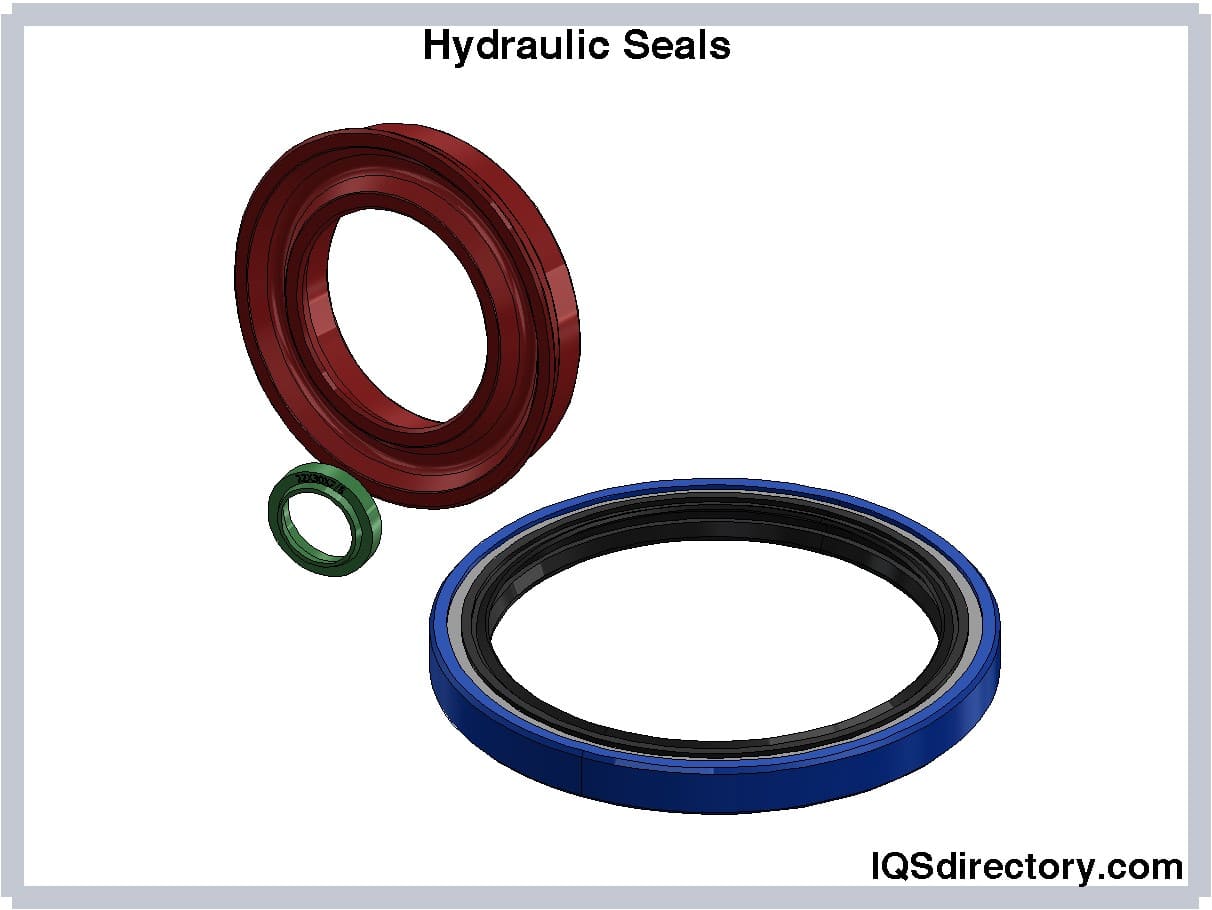 Hydraulic seals fill sealing gaps between hydraulic cylinder components to help retain pressure and control fluid leakage.
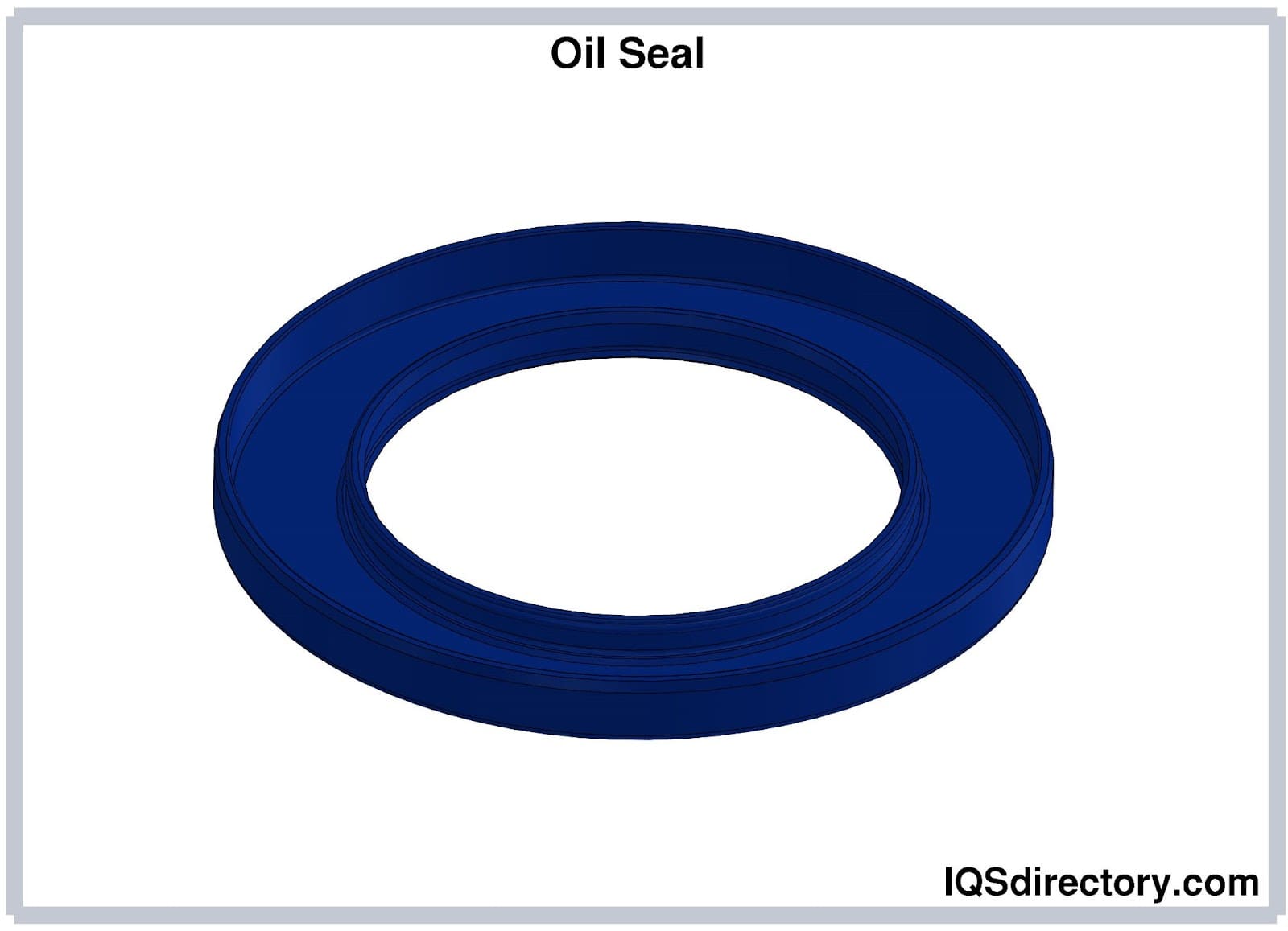 Oil seals close the gap between stationary and moving components so lubricants stay in place and outside contaminants stay out.
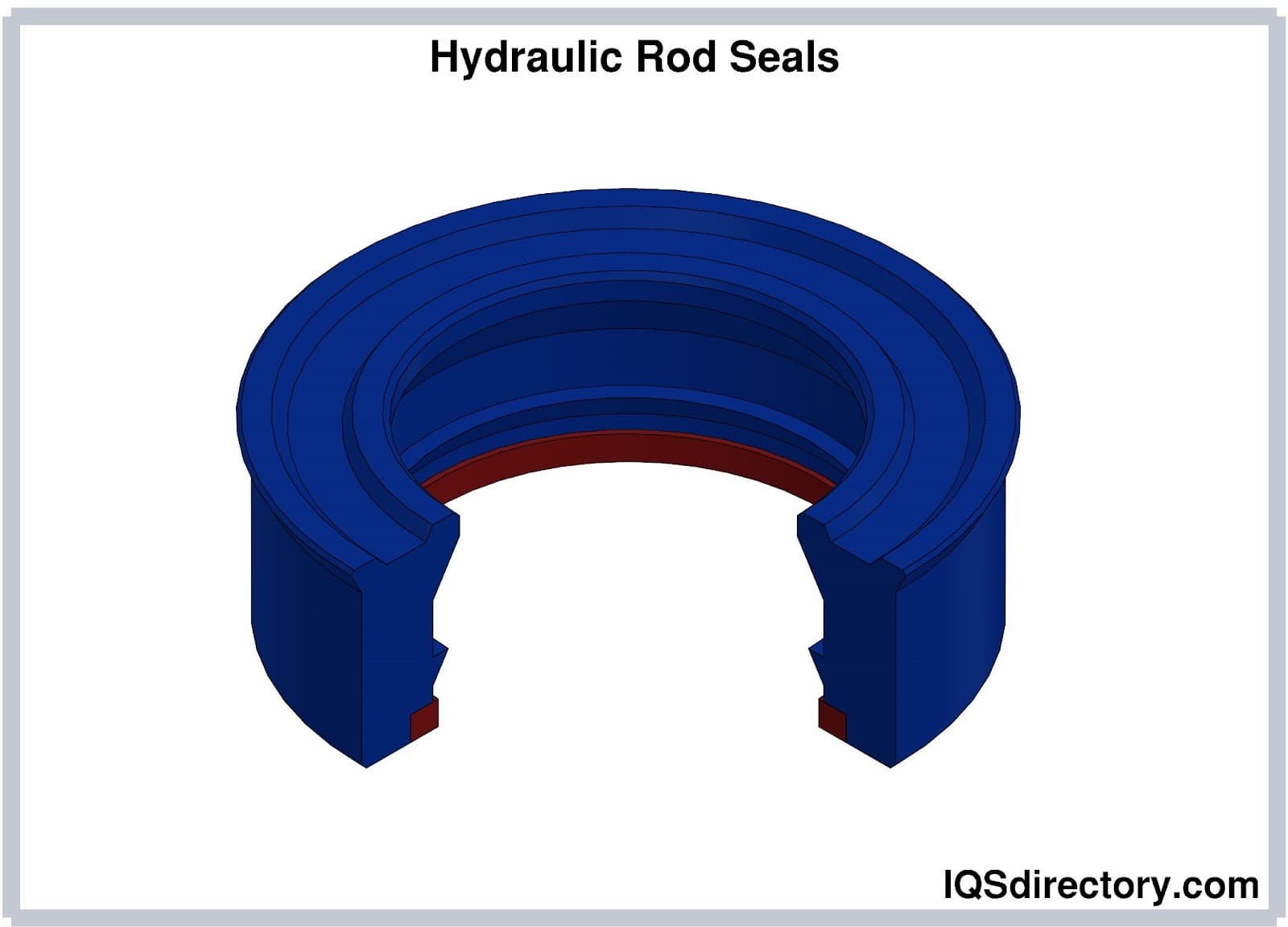 Hydraulic rod seals help prevent fluid leakage from inside the cylinder while supporting clean reciprocating motion.
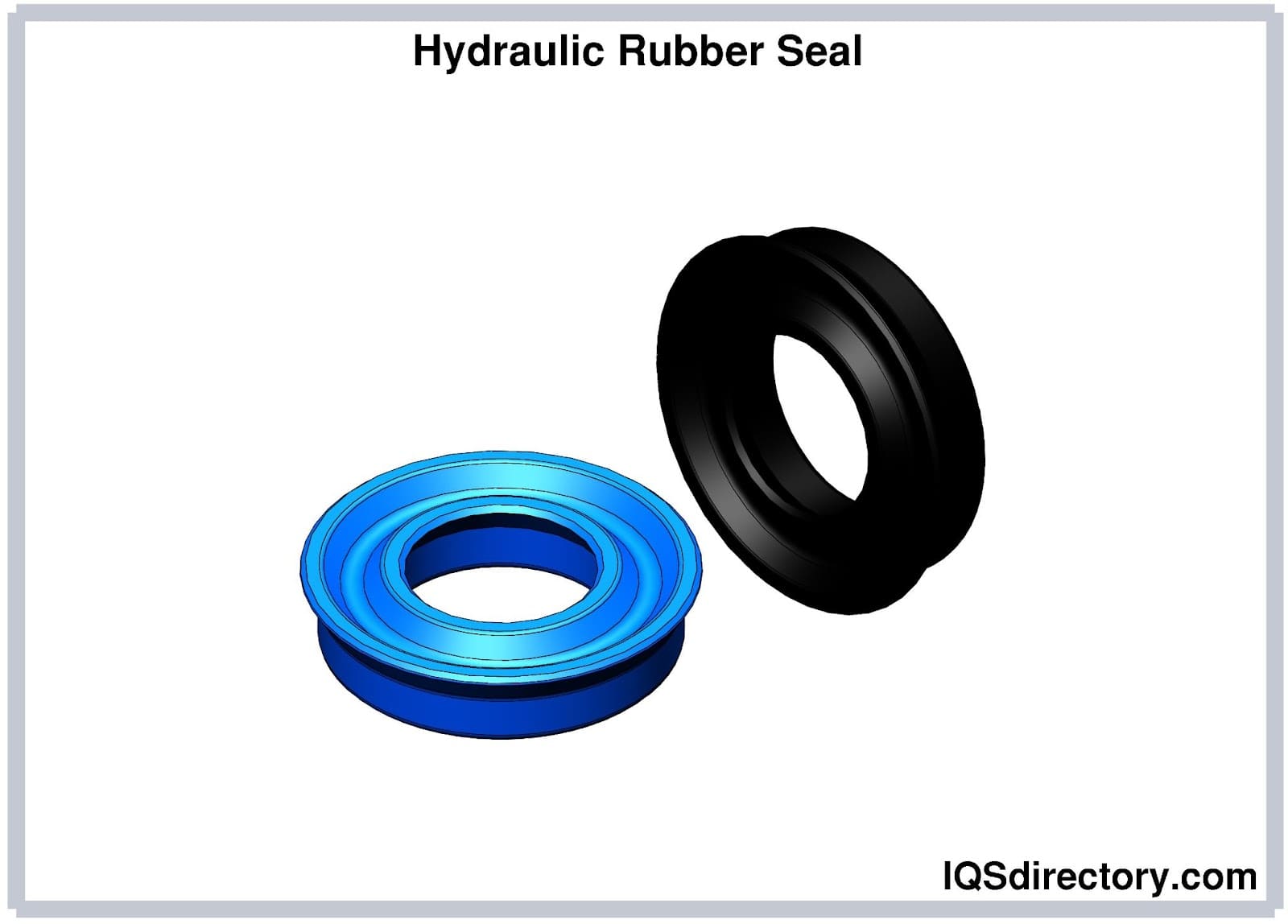 Hydraulic rubber seals can help damp vibration, support easier installation, and provide dependable sealing in many fluid power systems.
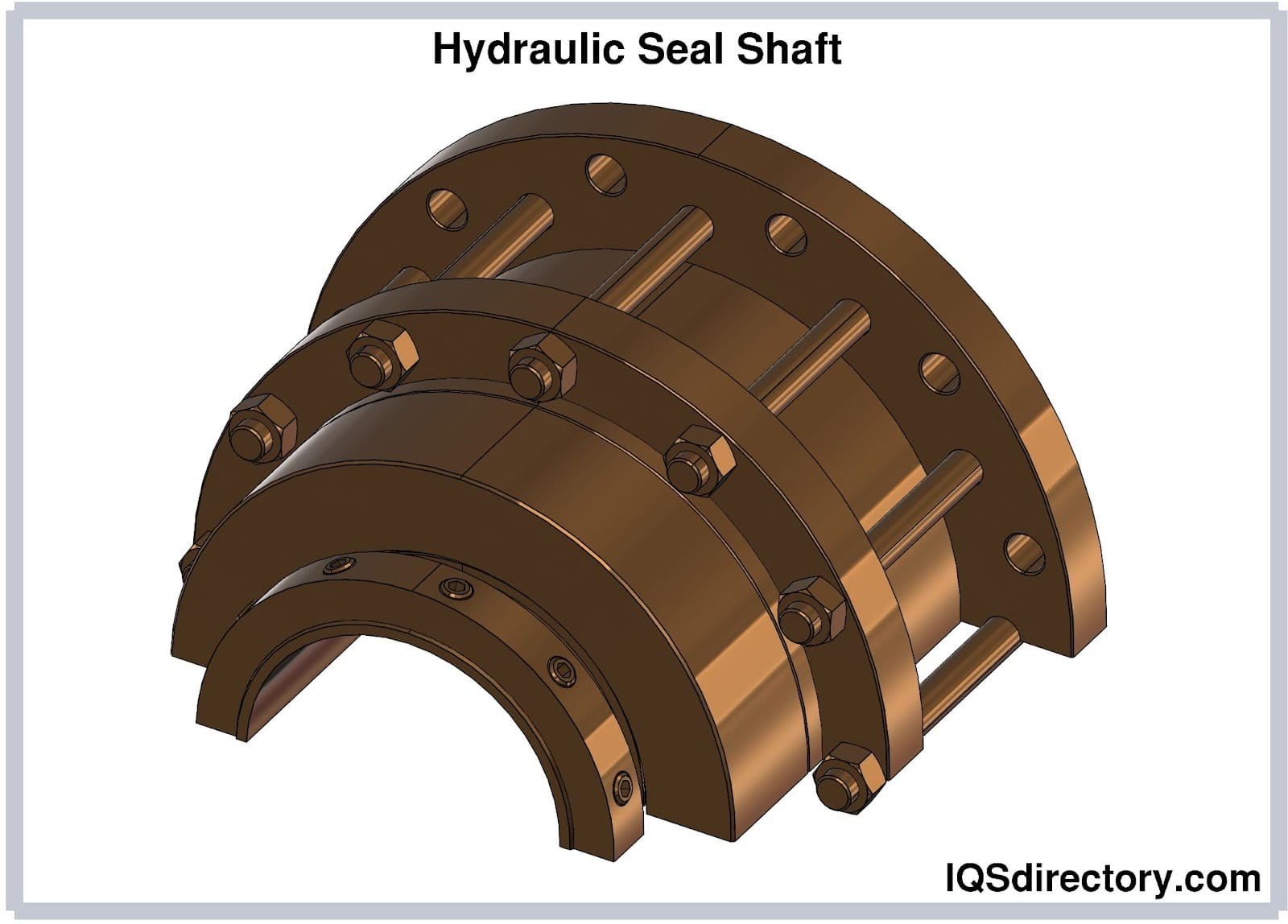 Rubber hydraulic seals are flexible, durable, and resistant to cracking in many demanding operating conditions.
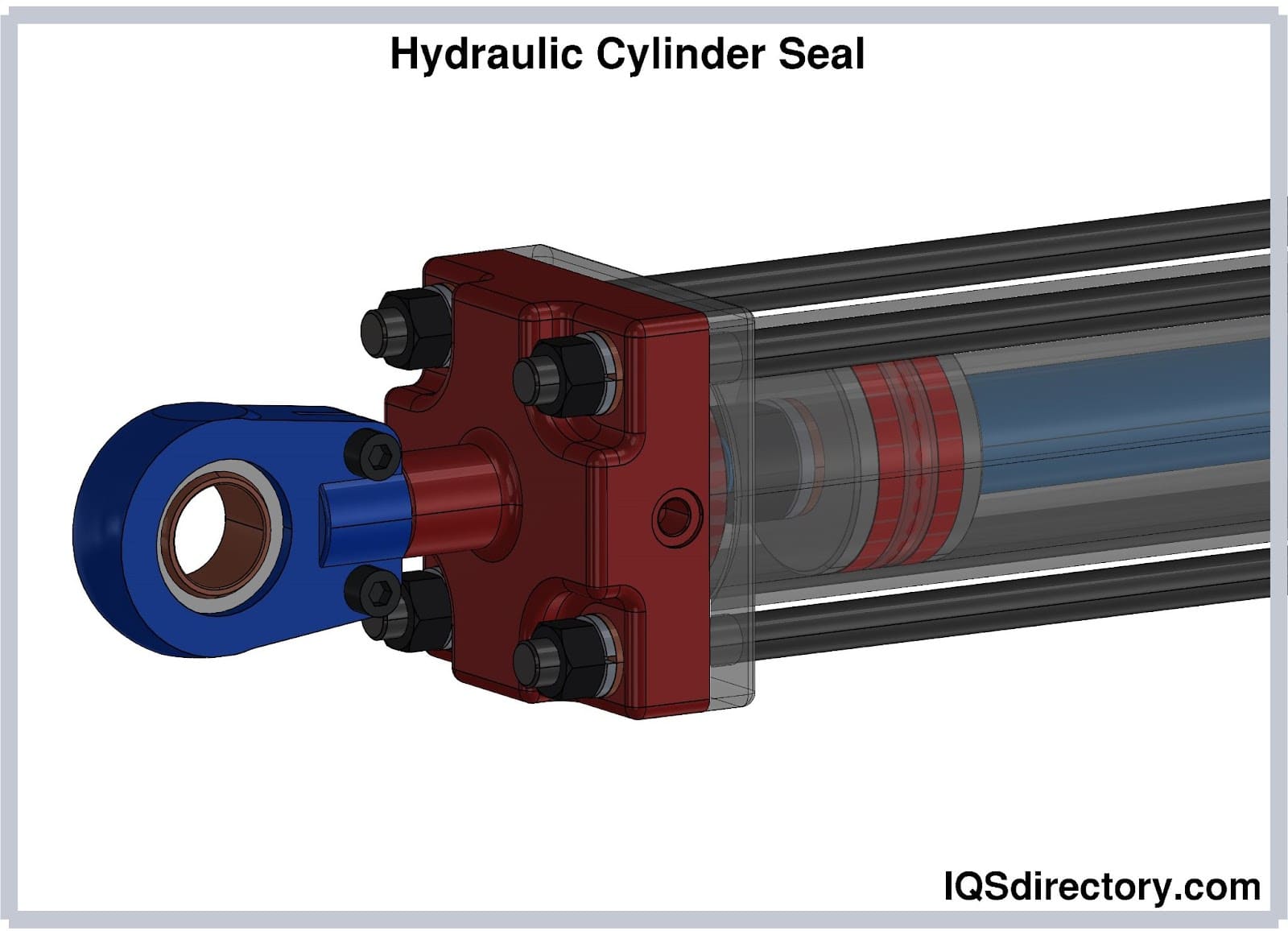 Hydraulic cylinder seals close openings between cylinder components so hydraulic fluid stays contained and system pressure remains stable during operation.
Types of Hydraulic Seals
Hydraulic Seal Types
Hydraulic seals generally fall into two broad groups: static seals and dynamic seals. Static seals work much like gaskets, sealing fluid in fixed joints and stationary housings. Dynamic seals operate around moving rods, shafts, or pistons and must manage pressure, friction, lubrication, and contamination during motion.
Sealing Positions and Directions
Seals can also be classified by position and function, including axial seals, rod (internal) seals, piston seals, and external or symmetric seals. In cylinders and other fluid power assemblies with axial movement, sealing direction matters because some profiles are built for one-way pressure and others are designed for bidirectional sealing.
Dynamic Hydraulic Seals
Often described as shaft or reciprocating seals, dynamic hydraulic seals include rod seals and piston seals used in cylinders. Their job is to keep pressurized fluid inside the actuator while blocking air, dirt, moisture, and other contaminants from entering during repeated linear motion.
Lip Seals
These versatile seals are manufactured from a range of elastomers, plastics, and rubbers. Lip seals, also known asrotary seals, are widely used where rotating or reciprocating motion demands reliable sealing, controlled friction, and dependable exclusion of contaminants.
Rubber and Teflon Seals
Rubber and PTFE-based seals are popular because they offer strong resistance to chemicals, moisture, temperature swings, and wear. When buyers compare hydraulic seal materials, these options are often reviewed for low friction, long service life, and compatibility with hydraulic oil and process media.
Bonded Seals
Bonded seals combine an elastomer sealing element with a metal washer to create a compact solution for high-pressure static sealing. They are often chosen for threaded connections, ports, and fittings where leakage prevention and dimensional stability are both important.
Oil Seals
Because many hydraulic systems use oil-based media, oil seals remain a widely used sealing choice. Materials such as PTFE, polyacrylate, silicone, and fluoroelastomers help these seals resist lubricants, heat, and contamination while supporting longer service intervals when inspection and maintenance are performed on schedule.
Rod Seals and Axial Seals
Rod seals are usually radial components pressed into a housing bore, while axial seals manage sealing across an axial interface. Seal selection often includes bore size, rod or shaft diameter, cross section, fluid type, surface finish, pressure, temperature, speed, and vacuum exposure.
Other Common Seal Types
Balanced Seals: Seals designed to reduce the effect of hydraulic pressure within the seal cavity and improve overall sealing stability.
Bellow Seals: Use a formed or welded bellows to provide secondary sealing and spring loading in specialized applications.
Bidirectional Pressure Seals: Seal evenly in response to pressure from both directions. They are also known as double balanced or reversible balanced seals.
Isolators: Bearing-seal style components often used instead of standard oil seals when greater reliability and contamination exclusion are needed.
Mechanical Seals: Control fluid leakage around rotating shafts under demanding pressure, temperature, and shaft-speed conditions. They are commonly used in pumps, mixers, agitators, and cryogenic service.
O-Ring Seals: Circular sealing rings with a solid or hollow cross section used in static and some dynamic sealing applications.
Shaft Seals: Components used to keep contaminants away from hydraulic shafts while helping retain pressure and fluid inside the system.
Teflon Seals: Seals made from PTFE or coated with PTFE to provide low friction, chemical resistance, and good performance across a wide temperature range.
Stainless Steel Seals: Metal-backed or metal-reinforced seals often plated or treated for added strength, corrosion resistance, and long-term durability.
Hydraulic Seals Applications
Trying to achieve the same level of fluid containment without hydraulic seals is often impractical. It would require extremely precise machining, tight tolerances, and frequent maintenance, yet wear would still shorten service life. Hydraulic seals offer a more consistent, replaceable, and economical way to manage leakage, pressure retention, and contamination control.
Hydraulic and pneumatic systems rely on the repeated movement of rotating or reciprocating shafts and cylinders, so seal performance has a direct effect on uptime. These seals are widely used in components such as rams, presses, mixers, braking systems, valves, conveyors, cleanrooms, and test equipment. Hydraulic cylinders are one of the most common sealing environments. They use pressurized water or oil to move heavy loads, and seals located at the piston, cylinder head, and rod interface keep fluid from bypassing the piston or escaping the housing. Seals also help manage lubrication and friction between moving metal parts, while rod wipers and wear rings support contamination exclusion when the rod retracts.
Hydraulic seals are used across nearly every industry that depends on fluid power. In most machines that must separate, contain, or direct pressurized fluid during reciprocating motion, a hydraulic sealing system is part of the design. Common end-use sectors include:
Agriculture
Agriculture Common in hydraulic systems for tractors, harvesters, sprayers, balers, and other farm equipment that works in dusty outdoor conditions.
Aerospace
Aerospace Used in landing gear, flight-control systems, cargo doors, ground support equipment, and other hydraulic assemblies where reliable pressure control matters.
Automotive
Found in brakes, power steering units, hydraulic pumps, motors, lifts, suspension-related systems, and sealing points throughout mobile equipment.
Construction
Construction Used in excavators, cranes, bulldozers, loaders, jackhammers, and other heavy equipment exposed to dirt, impact, and changing temperatures.
Entertainment
Entertainment Often used in hydraulic systems that move amusement rides, stage platforms, and mechanical attractions with repeated motion cycles.
Fitness
Fitness Used in hydraulic resistance equipment and exercise machines that rely on controlled fluid compression for smooth motion.
Heavy Industry
Heavy Industry Used in mining, drilling, oil and gas, marine, steel, and other heavy-duty processes where pressure, abrasion, and contamination are ongoing concerns.
Manufacturing
Manufacturing Common in automated machinery, forming presses, packaging lines, robotics support systems, and material-handling equipment.
Printing
Printing Help printing presses and related machinery maintain pressure control, alignment, and repeatable motion during operation.
Wherever hydraulic power is used, hydraulic seals support efficiency, service life, pressure retention, and cleaner equipment performance.
Installation of Hydraulic Seals
Hydraulic seal installation varies widely by seal profile, hardware design, and application. Because rod seals, piston seals, wipers, backup rings, and static seals each install differently, the best starting point is always the manufacturer’s guidance for the specific seal or cylinder assembly.
Across most installations, however, a few best practices remain consistent. Inspect every seal before assembly, confirm size and material, protect sealing lips from cuts during insertion, lubricate when recommended, and keep each seal in its original packaging until just before use. These steps help reduce damage during installation and support better sealing performance once the system is running.
Hydraulic Seal Standards and Specifications
Hydraulic seals may need to meet international, national, industry, or customer-specific standards depending on the application. Buyers often review dimensional requirements, material compatibility, pressure ratings, temperature limits, safety expectations, and environmental conditions before approving a seal for service.
In many standard applications, experienced manufacturers already understand the compliance landscape and can help match seals to the appropriate requirements. That support is especially useful when a project involves regulated industries, custom hardware, or demanding operating conditions.
Things to Consider When Purchasing Hydraulic Seals
-
Seal Environment
Seal Environment The operating environment matters as much as the application itself. Temperature swings, dust, water, chemicals, UV exposure, and pressure cycling all influence seal life and material choice.
Maintenance Requirements
Maintenance Requirements Different hydraulic seal options come with different maintenance intervals and replacement expectations, so lifecycle demands should be part of the buying decision.
Upgrades or Expansion
Upgrades or Expansion Future production changes, equipment upgrades, or higher output targets may affect which hydraulic seal solution makes the most sense today.
Seal Consistency
Seal Consistency Long-term dimensional stability, repeatable performance, and dependable pressure retention are all worth reviewing when comparing seal options.
Order Size
Order Size Some sealing solutions scale better than others, which makes current demand and future order volume an important part of selection and sourcing.
Choosing a Good Hydraulic Seal Manufacturer
Transparent Manufacturing
Transparent Manufacturing A dependable hydraulic seal manufacturer should be clear about materials, processes, tolerances, testing, and production capabilities. That kind of visibility makes it easier to compare suppliers and set expectations.
Guarantees and Warranties
Guarantees and Warranties Strong manufacturers support their products with guarantees or warranties that show confidence in quality, consistency, and delivery.
Good Referrals
Good Referrals Positive feedback from customers in similar industries can help confirm a supplier’s track record, responsiveness, and real-world product performance.
Certifications and Compliance
Certifications and Compliance Manufacturers should meet applicable standards and maintain the documentation needed for the markets and applications they serve.
Experience in the Industry
Experience in the Industry Experience matters because it often reflects stronger process control, broader material knowledge, and a better understanding of how seals perform in demanding field conditions.
Choosing the Right Hydraulic Seal Manufacturer
Seal Familiarity
Seal Familiarity Work with a manufacturer that knows your seal type—whether piston, rod, rotary shaft, or custom profile. Familiarity with similar applications usually leads to better material guidance, troubleshooting, and long-term support.
Hydraulic Seal Scale
Hydraulic Seal Scale Volume compatibility matters. A supplier built for very large orders may not prioritize small runs, while a small-batch shop may struggle to scale with growth. Consider current needs and future expansion when comparing manufacturers.
Compatible Logistics
Compatible Logistics A manufacturer whose packaging, lead times, shipping methods, and inventory support align with your workflow can reduce supply chain friction and help avoid stockouts.
Versatility of Seals
Versatility of Seals If your sealing needs may change, a flexible manufacturer can add value by supporting design updates, alternate materials, and varied operating environments.
Manufacturer Communication
Manufacturer Communication Responsive, consistent communication helps projects move faster. Choose a manufacturer whose communication style, technical support, and follow-up process fit the way your team works.
Proper Care for Hydraulic Seals
-
Regular Checkups
Regular Checkups Hydraulic seals should stay high on the maintenance list so wear, leakage, extrusion, or hardening can be caught before they lead to larger equipment problems.
Proper Storage
Proper Storage Seals that are not in use should be stored carefully to prevent deformation, contamination, ozone damage, or temperature-related material changes before installation.
Accurate Selection
Accurate Selection Choosing the right hydraulic seal from the start improves system performance, reduces wear, and lowers the chance of early failure. Good material and profile matching support longer service life.
Observation and Analysis
Observation and Analysis Monitoring leakage, friction, temperature, cycle count, and overall system behavior can show whether a seal is performing well or whether a different profile or material should be considered.
Preventative Maintenance
Preventative Maintenance For many hydraulic applications, scheduled inspection and replacement intervals help extend seal life, reduce downtime, and keep fluid power systems operating efficiently.
Hydraulic Seals Accessories
It can be difficult to define universal accessories for hydraulic seals because seal designs vary widely by industry, hardware, and motion type. In general, buyers may look at storage containers, installation tools, lubricants, sizing references, and related cylinder components, but accessory needs are usually determined by the broader hydraulic system rather than by the seal alone.
Hydraulic Seal Terms
-
Abrasion
The surface loss of a material caused by friction.
Abrasion Resistance
A material’s resistance to the surface loss caused by frictional forces.
Adhesion
A state in which two surfaces are bonded together through interfacial forces.
Axial Movement
Motion along an axis or parallel to the center line of a shaft.
Bellows
A component made from corrugated plastic or rubber around a shaft that has the ability to stretch.
Bill of Material
A list of all materials needed to manufacture a certain product.
Bloom
A change of appearance in rubber, resulting from a solid or liquid material moving towards the surface. Bloom resembles surface dust.
Brittleness
The tendency of a material to crack under deformation.
Conductive
A material's property of being able to conduct/transmit electricity.
Cross Section
The view of an o-ring when cut at a right angle to the axis, which shows its interior construction.
Excluders
Used in a hydraulic or pneumatic cylinder to exclude or scrape the rod clean.
Flow
A material's ability to move in a mold during the molding process.
Friction
The resistance to motion when two surfaces are in contact.
Oxidation
Occurs when a material's surface reacts with oxygen, usually causing a change in the appearance or texture of the surface.
Plug
A conical rubber component pressed into a hole or tube to finalize a seal.
Porosity
The measure of small holes in a material.
Resilience
A material's ability of returning to its original state after deformation.
Shrinkage
The tendency of a material to contract while cooling.
Spacer
A ring with flat sides to provide specific dimensional spacing between two components.
Viscosity
The resistance of a material to flow under stress.
Washers
Round, flat rings used as spacers, gaskets or slip devices under the head of a bolt.