Electronic Enclosures
Electrical enclosures are protective housings built to shield electronic and electrical components, including conduits, connections, switches, controls, terminals, circuit boards, PLC assemblies, and wiring terminations, from moisture, dust, impact, contamination, accidental contact, tampering, and unauthorized access. In industrial plants, OEM equipment, commercial facilities, infrastructure systems, and residential installations, these housings help improve safety, operating reliability, enclosure lifespan, and maintenance efficiency. Buyers often compare electronic enclosure materials, NEMA ratings, EMI shielding performance, sealing methods, thermal management, and mounting styles to match each enclosure to its application, service environment, and long-term performance needs.
Electronic Enclosures FAQ
What are electronic enclosures used for?
Electronic enclosures are protective housings used to shield electrical and electronic components such as conduits, switches, terminals, controls, and wiring connections from moisture, dust, debris, impact, and unauthorized access. They help support safe, reliable operation in industrial, commercial, and residential settings while extending equipment life, reducing service issues, and improving protection for sensitive electronics.
How did electronic enclosures evolve over time?
Electronic enclosures began as simple wooden boxes used to cover live electrical components. As electricity use expanded, metal and flame-retardant materials replaced wood to reduce fire risk and improve durability. Modern electronic enclosures are now manufactured from metals, engineered plastics, fiberglass, and composite materials that support better sealing, thermal performance, corrosion resistance, EMI shielding, and safer equipment protection.
What materials are commonly used for electronic enclosures?
Common enclosure materials include stainless steel, aluminum, fiberglass, polycarbonate, ABS plastic, and composite materials. Each option is selected based on required strength, corrosion resistance, impact protection, heat dissipation, electrical insulation, EMI shielding needs, and suitability for indoor, outdoor, washdown, corrosive, or heavy-duty industrial environments.
What does a NEMA rating mean for an electronic enclosure?
A NEMA rating identifies how well an enclosure protects enclosed equipment from environmental conditions such as dust, water, corrosion, and accidental contact. For example, Type 1 is commonly used for general indoor applications, while Type 4X is chosen for outdoor service and demanding industrial areas that require water resistance and corrosion protection.
What industries rely on electronic enclosures?
Electronic enclosures are widely used in manufacturing, medical equipment, automotive systems, telecommunications, utilities, transportation, food processing, agriculture, renewable energy, data environments, and commercial buildings. Any setting that depends on protected wiring, controls, instrumentation, drives, or sensitive circuitry can benefit from a properly selected enclosure.
What should be considered when choosing an electronic enclosure?
Key considerations include the application, size, material, mounting style, NEMA rating, ingress protection needs, and exposure to dust, water, chemicals, or outdoor conditions. Buyers also review heat dissipation, washdown resistance, cable entry, access points, security, EMI shielding, maintenance access, and space for future component changes to support dependable long-term operation.
What are EMI enclosures and why are they important?
EMI enclosures are designed to reduce electromagnetic interference that can disrupt, degrade, or damage sensitive electronics. They use conductive metals, coatings, gaskets, or shielding features to help block unwanted signals and radiation, supporting stable performance for controls, instruments, communication equipment, and other electronic devices.
The History of Electronic Enclosures
Electronic enclosures developed from the need to protect early switches, often called cut-outs. These assemblies used copper bars and an insulated "T" handle for manual operation and were mounted on slate, wood, or mica with exposed live parts that remained visible and accessible. Switchboards followed a similar pattern, using open copper busbars and unguarded energized components on vertical boards. As electrical systems spread into commercial and residential spaces, the hazards of exposed parts became more apparent, leading manufacturers to place them inside wooden cut-out boxes to reduce direct contact and improve safety.
For a period, wooden enclosures offered a workable level of protection. When electricity entered homes and small businesses, live components were often installed inside wooden cabinets and boxes. As usage increased and more taps and circuits were added, overheating, loose connections, and fire risk became harder to ignore. Manufacturers responded by replacing wood with flame-retardant metal enclosures that offered better durability, stronger fire resistance, and more dependable protection for wiring, controls, switches, and distribution components.
Since then, electronic enclosures have advanced alongside improvements in materials, manufacturing, and electronics design. While early enclosures were commonly fabricated from sheet metal such as stainless steel, modern housings are also produced from aluminum, thermoplastics, fiberglass, and composite materials. As electronics have become smaller, denser, and more powerful, enclosure design has expanded to address thermal management, corrosion resistance, gasket sealing, EMI shielding, washdown protection, access control, and maintenance-friendly service features for OEMs, panel builders, and plant teams.
Enclosure Benefits
Electronic enclosures protect both people and equipment by limiting exposure to live electrical parts and by helping sensitive systems resist failures caused by water, dust, dirt, oil, chemicals, corrosion, vibration, and electromagnetic interference (EMI). For engineers, OEMs, maintenance teams, and purchasing professionals comparing enclosure options, that can mean safer operation, less unplanned downtime, lower replacement costs, better asset protection, and more consistent performance from controls, drives, terminals, and circuit assemblies.
Manufacturers offer a wide range of enclosure materials, sizes, ratings, and mounting configurations, making it easier to match the housing to the application instead of forcing the application to fit a generic box. That flexibility matters when comparing indoor versus outdoor service, corrosion resistance, washdown performance, cleanability, thermal management, cable entry, door access, lockable hardware, and total installed cost. Buyers often ask: what enclosure works best for outdoor controls, food processing equipment, or corrosive washdown areas? The answer usually depends on rating, material, and real operating conditions.
A well-matched enclosure can also improve organization inside the cabinet by supporting cleaner wiring layouts, panel mounting, airflow planning, labeling, and faster access for troubleshooting. Whether the goal is to protect PLCs, terminal blocks, drives, HMIs, network components, instrumentation, or control panels, the right electronic enclosure helps support uptime, compliance, serviceability, and longer equipment life while making future upgrades easier to manage.
Electronic Enclosure Design and Customization
When designing electronic enclosures, manufacturers must evaluate material, size, shape, mounting method, sealing, heat management, access, and overall configuration so the finished housing performs reliably in its intended setting. Design decisions often begin with a practical question: what does the enclosure need to protect, and what will it face in the field over time?
- Material Design
- Manufacturers must carefully choose materials that provide the required protection, durability, and performance for electronic enclosures. Common enclosure materials include stainless steel sheet, aluminum sheet, fiberglass, Kevlar, high-strength polymer plastics, and composite materials. Material selection is guided by the need to protect internal electronics, resist environmental intrusion, and provide the right balance of strength, weight, machinability, and service life.
- Key material considerations include resistance to vandalism, weather, corrosion, impact, and temperature swings. Additional factors such as thermal insulation or heat dissipation, compliance with environmental demands, enclosure appearance, fabrication requirements, and cost also play a role. Durability depends heavily on installation conditions. For example, a plastic enclosure may perform very well indoors, while a fabricated sheet metal enclosure may be the better fit for heavy outdoor service, harsh industrial exposure, or locations where stronger physical protection is needed.
- Size and Shape
- Electronic enclosures vary greatly in size, from very compact housings used for sensors, push buttons, and handheld electronics to large walk-in or room-sized enclosures used for equipment banks and process systems. While many enclosures are rectangular and box-like, they may also feature sloped tops, rounded edges, shallow-profile designs, or circular forms. Size and shape are dictated by the application, required component layout, wiring space, access needs, mounting location, and whether future expansion must be considered during design.
- Features and Customization
- Manufacturers can customize enclosures with a wide range of features tailored to specific applications. For added security, they may integrate locking hardware and controlled-access doors. To manage temperature, enclosures can be fitted with ventilation fans. Other custom enclosures include lids, removable panels, operator cutouts, cable access points, vents, windows, gland plates, internal mounting panels, and recessed areas for labels, displays, or keypads.
- Enclosures can also be sized precisely to fit unique spaces, retrofits, and OEM assemblies. While many standard housings snap together, manufacturers can provide stronger and more impermeable seals through lap-joint or tongue-and-groove construction, helping the enclosure perform better in wet, dusty, corrosive, or washdown service. Custom fabrication also allows buyers to match hole patterns, mounting provisions, and internal layout to their specific equipment package.
Electronic Enclosures Images, Diagrams and Visual Concepts
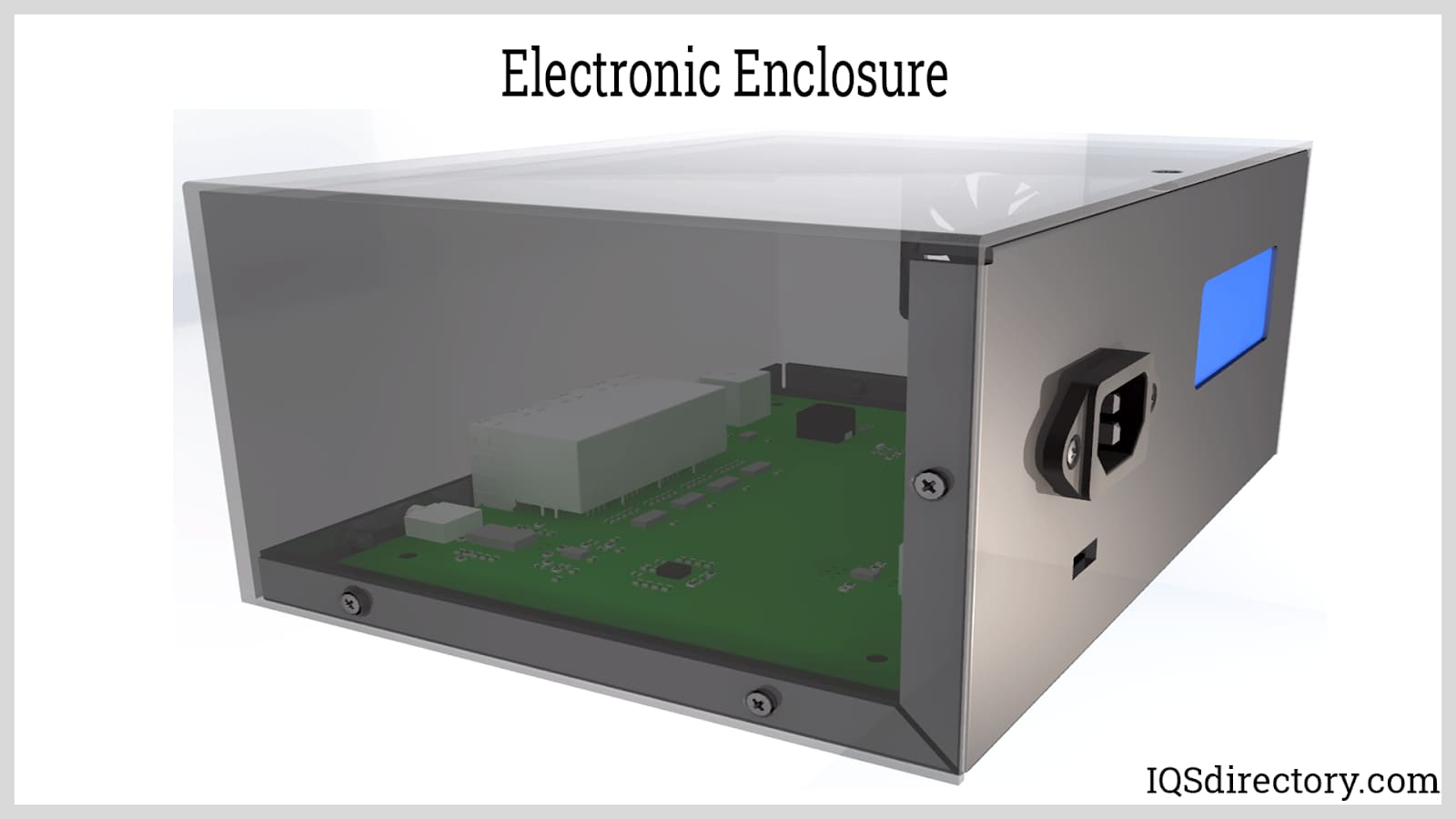 Electronic enclosures are box-like protective structures designed to contain and shield electronic components, wiring, and controls from damage, contamination, and environmental exposure.
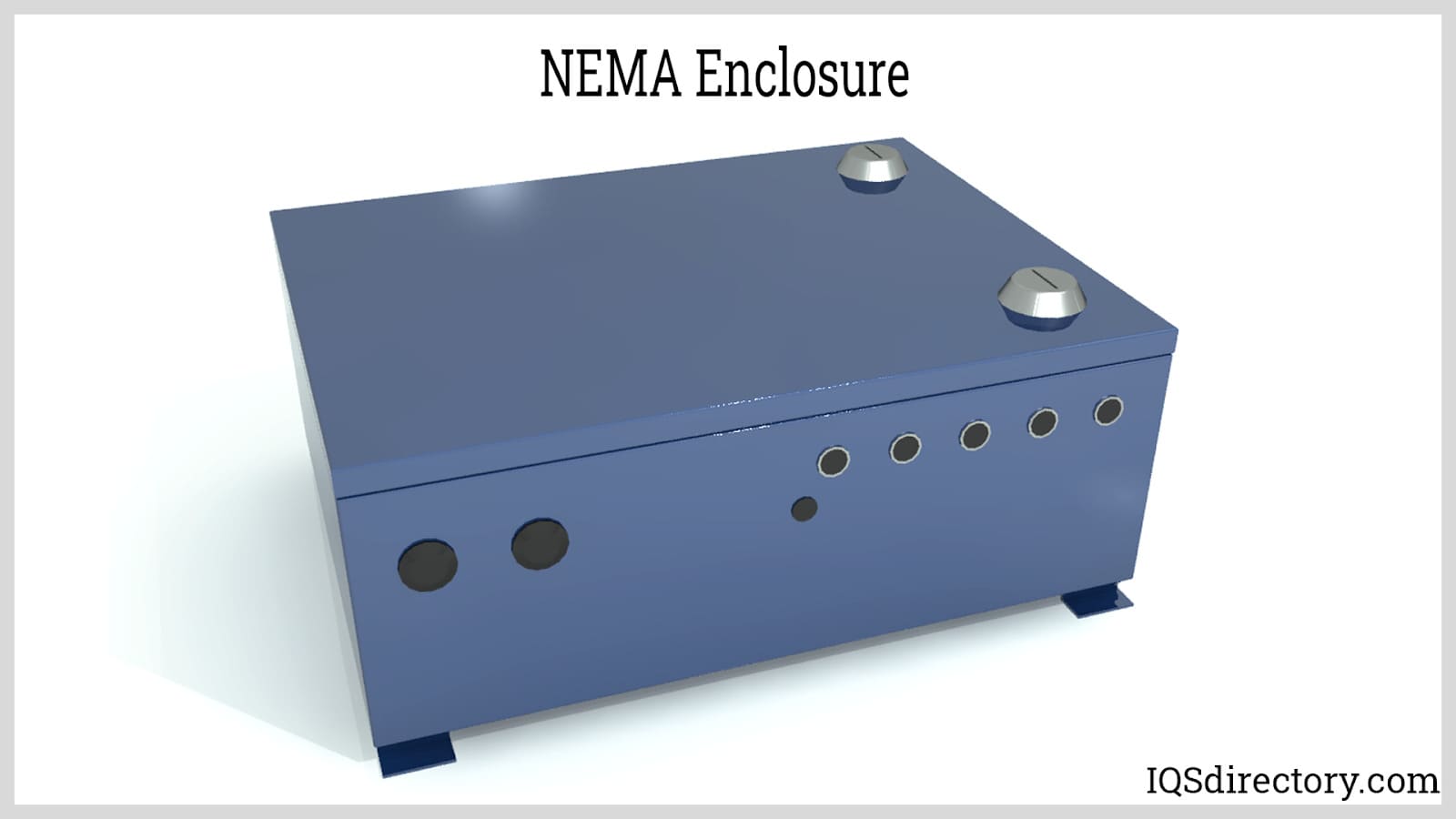 NEMA enclosures are designed to protect electrical components from surrounding conditions based on the enclosure’s rating, application, and expected level of exposure.
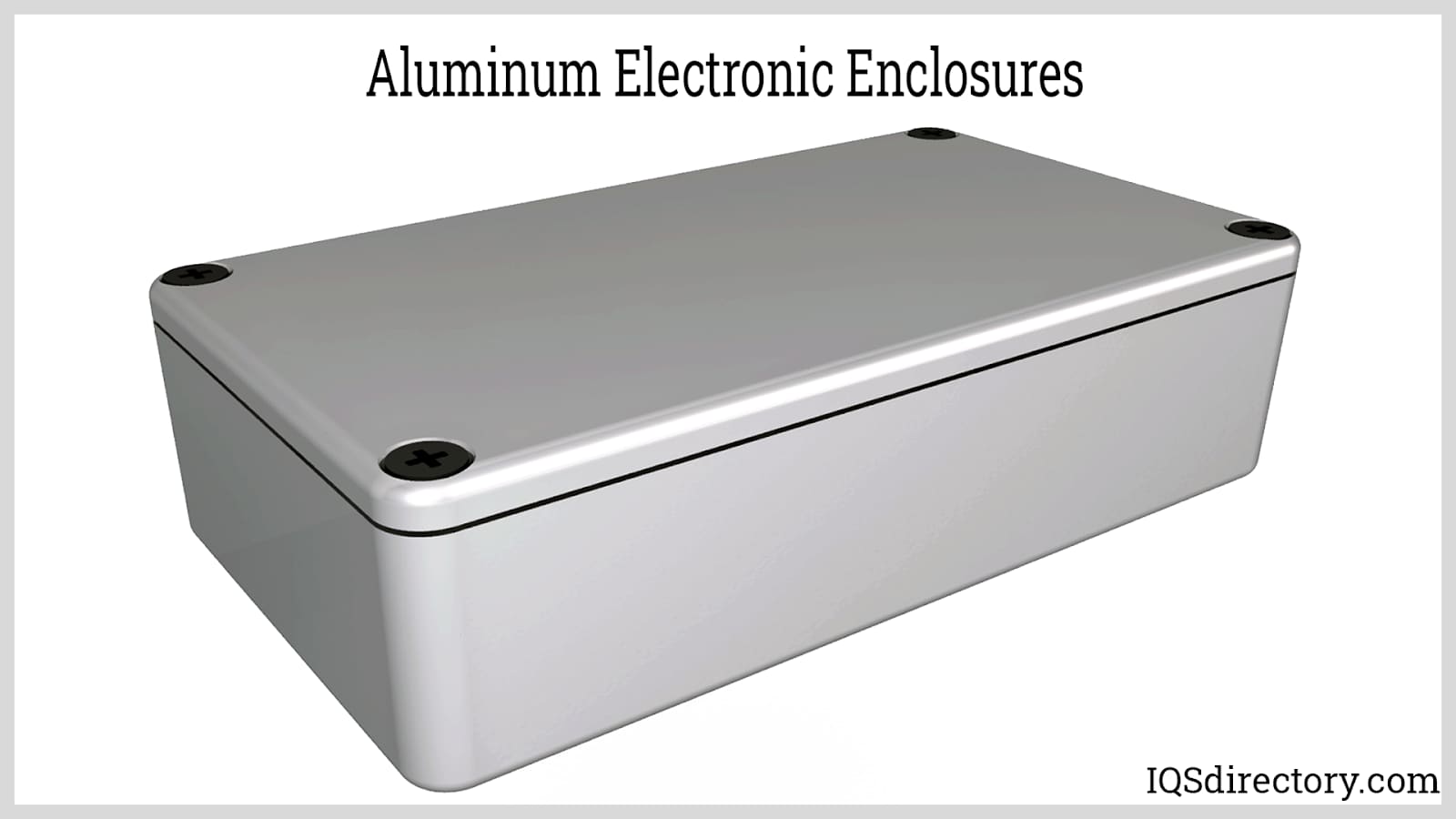 Aluminum electronic enclosures provide lightweight protection for sensitive components while supporting easy machining, heat transfer, and dependable structural performance.
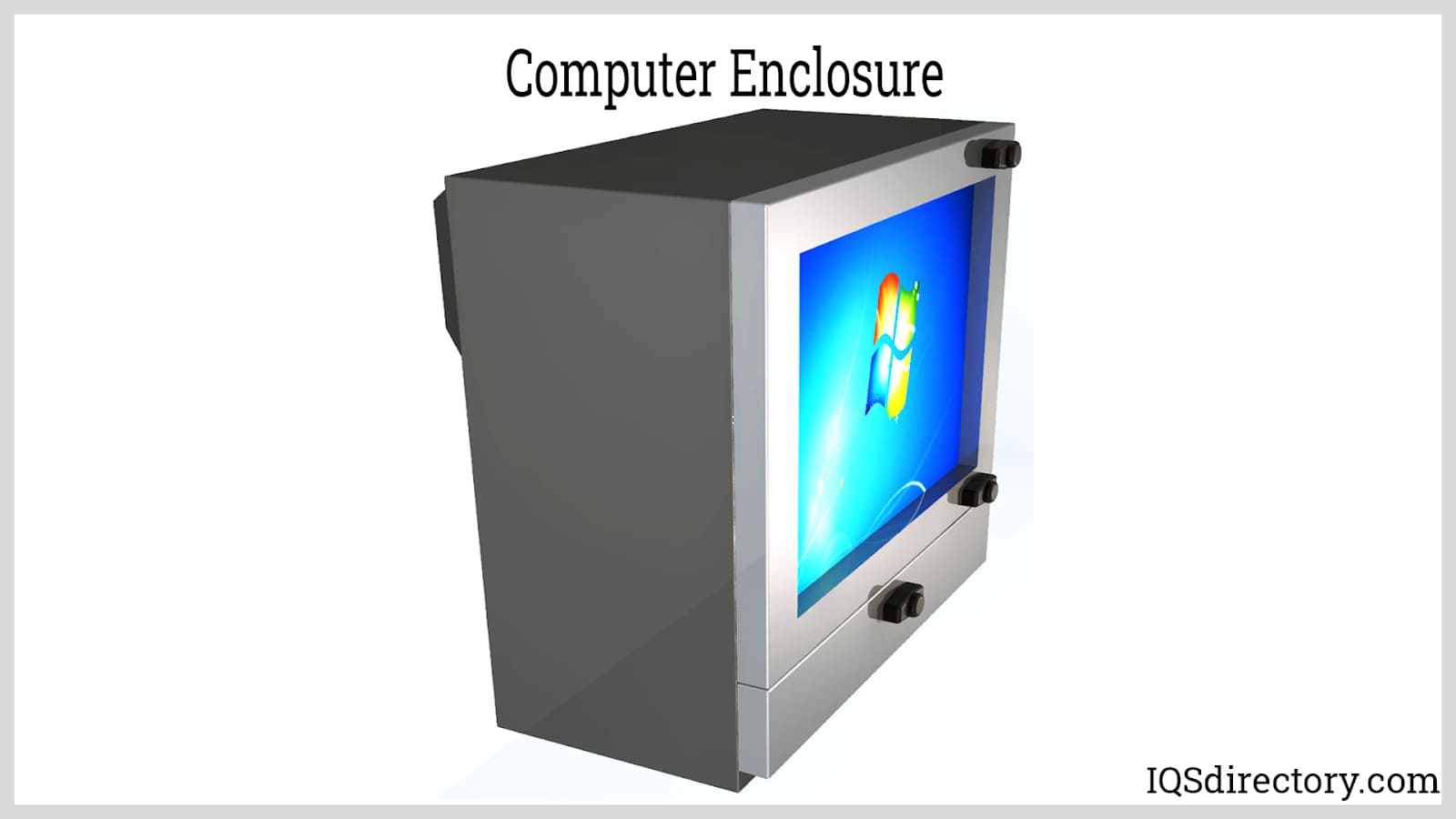 Computer enclosures are protective housings designed to secure hardware components, support cable organization, and help manage heat, access, and equipment protection.
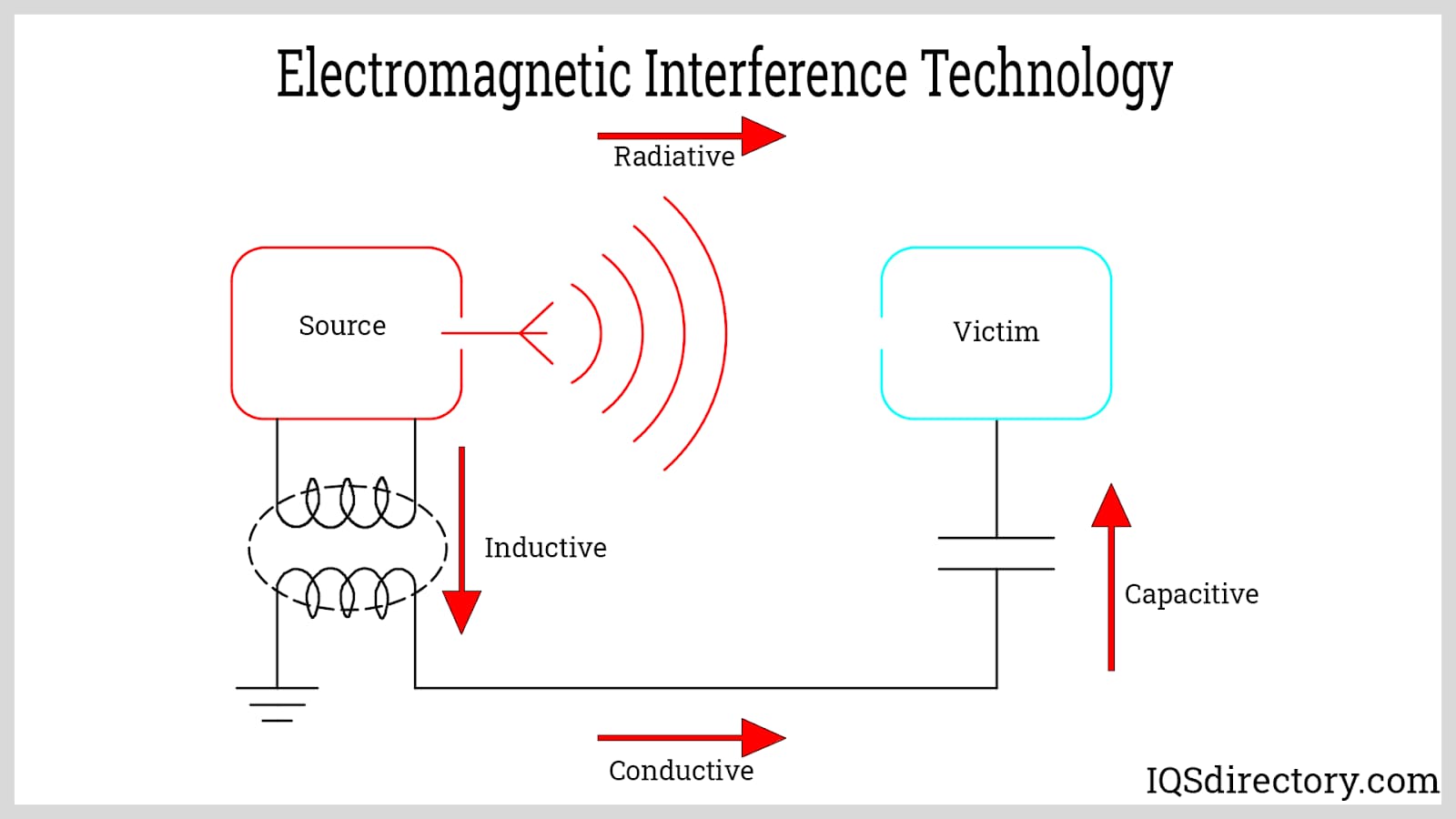 This diagram illustrates common paths through which electromagnetic emissions can spread in electrical and electronic devices, reinforcing the value of EMI shielding in enclosure design.
Types of Electronic Enclosures
- Aluminum Enclosure
- Aluminum offers strong thermal and electrical conductivity and is often used in die-cast or fabricated housings. This material balances durability with lighter weight and easy machinability, making it a popular choice for instrument cases, control housings, and many general-purpose equipment enclosures. While aluminum is often favored for indoor use or more controlled environments, it can also perform well outdoors when finished properly and matched to the service conditions.
- Stainless Steel Enclosure
- Highly durable and corrosion resistant, stainless steel enclosures are well suited for sanitary processing, washdown service, food and beverage equipment, pharmaceutical areas, and other demanding industrial settings. Their strength, long service life, and resistance to moisture, chemicals, and physical abuse make them a preferred option for heavy-duty enclosure applications where cleanliness and durability matter.
- Computer Enclosure
- Computer enclosures are designed to house servers, workstations, control hardware, and related components. They are commonly made from aluminum or steel and may be engineered to support airflow, cable routing, access panels, and equipment mounting. When sensitive electronics must be protected from signal disruption, conductive coatings and shielding features can be applied to help reduce electromagnetic interference.
- Polycarbonate Enclosure
- Polycarbonate enclosures are valued for their light weight, impact resistance, and electrical insulation. These molded plastic housings are often used for smaller, detailed, or weather-resistant applications where visibility, corrosion resistance, and non-metallic performance are priorities. They can be a strong option for outdoor controls, telecom equipment, and compact electronic packages.
- ABS Enclosure
- Constructed from acrylonitrile butadiene styrene (ABS), these enclosures are widely used for handheld devices, compact controls, and light-duty electronics. ABS is known for good impact resistance, shock absorption, electrical insulation, and cost-effective fabrication, making it a practical solution when lightweight durability and molded precision are important.
- Mounted Enclosure
- Mounted enclosures are designed for secure installation on walls, machines, frames, or other fixed structures using screws, bolts, or dedicated mounting features. Their stability, accessibility, and straightforward installation make them a practical choice for controls, disconnects, instrumentation, and many permanent equipment installations.
- NEMA Enclosure
- Certified by the National Electrical Manufacturers Association, NEMA enclosures are rated to indicate how they perform in specific environments. Ratings such as Type 1, 3R, 4, 4X, and 12 help buyers compare suitability for indoor use, outdoor exposure, washdown areas, dusty production floors, corrosive atmospheres, and other conditions that influence enclosure performance and equipment protection.
- Fiberglass Enclosure
- Fiberglass enclosures offer strong resistance to heat, impact, chemicals, corrosion, and many outdoor exposures. They also provide excellent electrical insulation and can perform well in saltwater, continuously wet, or chemically aggressive environments. For utilities, wastewater, marine, and outdoor control systems, fiberglass is often selected for its long-term durability and non-metallic construction.
- Rack Mount Enclosure
- Rack mount enclosures are designed to hold multiple equipment modules, typically in standard 19-inch rack systems. These housings use projecting edges or brackets for secure attachment to steel or aluminum frames and are commonly used for servers, networking hardware, communication devices, control electronics, and professional audio equipment. Many rack mount enclosures also include lockable doors, venting options, reinforced panels, and cable management features for added security and organization.
- EMI Enclosures
- EMI enclosures are engineered to help protect electronic devices from electromagnetic interference that can disrupt circuits, signals, and sensitive equipment performance. These housings use conductive materials, coatings, shielding gaskets, and design features that help contain emissions and block outside interference, making them useful for communications gear, instrumentation, control systems, and precision electronics.
Electronic Enclosure Applications
Because of their delicate circuitry, electronic products such as wiring, controls, boards, terminals, communication components, power supplies, instrumentation, and automation devices must be protected from dirt, water, oil, washdown exposure, vibration, impact, and accidental contact. To support dependable operation, electronic enclosures have become standard across industrial plants, manufacturing lines, utility sites, data environments, transportation systems, machine builds, and commercial facilities.
Encasing electronic components helps block the intrusion of solids and, depending on the design, liquids, humidity, corrosive atmospheres, ultraviolet exposure, and airborne contaminants. Beyond shielding against pollutants and moisture, many enclosures also help protect internal equipment from electromagnetic interference (EMI), radio frequency interference, incidental mechanical damage, and service conditions that could disrupt controls, signals, and sensitive electronics.
Often referred to as "electrical cabinets" or "electronic instrument enclosures," these protective housings are widely used in medical equipment, communications infrastructure, automotive systems, food processing, agriculture, water treatment, renewable energy, and public infrastructure. Their applications extend to almost any electronic component package, which is why they are common in public spaces, private buildings, OEM assemblies, process control systems, and field-installed electrical equipment.
Search-style buying questions often begin with fit, rating, and environment: Which enclosure is best for outdoor controls? What enclosure material resists washdown chemicals? How do stainless steel, aluminum, fiberglass, and polycarbonate compare for your application? Should you choose a wall-mount, rack mount, or custom electronic enclosure? Those questions usually lead back to the same priorities—protection level, service access, material performance, enclosure size, and long-term durability.
Standards and Specifications for Electric Enclosures
Ensure that your electronic enclosure is NEMA certified, as this helps verify that it meets recognized safety and performance standards. NEMA certification gives manufacturers, engineers, OEMs, distributors, and maintenance teams a practical way to compare enclosure options and choose housings that provide the right level of protection for the electronics inside under known operating conditions.
Selecting the proper NEMA rating matters because different types provide different levels of protection. Type 1 enclosures are designed for general indoor use and mainly help prevent accidental contact with internal components. Type 4X enclosures can be used indoors or outdoors and offer protection against corrosion, windblown dust, rain, sleet, snow, splashing or hose-directed water, and external ice formation. Type 12 enclosures are intended for industrial indoor use and help protect equipment from lint, dust, dirt, fibers, dripping or seeping liquids, and non-corrosive fluids. These housings are built without knockouts or open entry points, except for oil- and dust-tight gasketed mechanisms that support better sealing.
When comparing enclosure specifications, buyers often review not only NEMA type but also gasket design, door seal performance, mounting style, material thickness, latch design, and whether the enclosure will be exposed to washdown, chemical splash, sun, salt, vibration, or extreme temperatures. Matching the rating to the real operating environment helps avoid under-protecting equipment or overspending on a housing with features the application does not require.
Things to Consider When Choosing an Enclosure
When choosing an electronic enclosure, several factors should be weighed, including application, size, construction materials, mounting options, security features, service access, and NEMA rating. Buyers also ask whether the enclosure will be installed indoors or outdoors, whether it must resist chemicals or corrosion, whether it needs EMI shielding, whether windows or operator interfaces are needed, and whether the design should leave room for future expansion or component changes.
Additional considerations include liquid water control, heat flow, strength and rigidity, water vapor movement, ventilation, and air circulation to make sure the enclosure provides the right level of protection in its intended environment. In many applications, maintenance access, cable management, gland plate layout, gasket integrity, door hardware, mounting footprint, and installation speed also shape the best enclosure choice for the job.
To ensure durability and functionality, an enclosure should help protect against impact shock, static interference, heat buildup, dirt, dust, moisture, and electromagnetic fields. It is also wise to evaluate ease of installation, panel space, interior layout, door swing, latch type, grounding provisions, and how quickly technicians can inspect or service the contents once the enclosure is in place.
- Impact Shielding
- Modern electronic equipment is far more compact than earlier systems, which often makes it more vulnerable to physical shock and vibration. A well-designed enclosure should provide impact shielding that helps protect internal components from bumps, vibration, and mechanical stress that could reduce performance, damage circuit assemblies, or shorten service life.
- Static Shielding
- Some electrical components are highly sensitive to static electricity, which can lead to malfunctions or permanent damage. Static shielding helps prevent outside static currents from interfering with enclosed devices and may also help reduce the risk of unwanted charge buildup, discharge events, and other electrical disturbances that affect reliable operation.
- Heat Shielding
- As electrical current moves through components, heat is generated, and many electronic systems are sensitive to temperature changes. An effective enclosure should address thermal management to reduce overheating. Some designs use heat sinks, vents, filtered fans, or other cooling features to move heat away from the electronics. Whether passive or active cooling is used, managing heat inside the enclosure supports better equipment performance and service life.
- Dirt and Waterproofing
- Electrical components need dependable protection from dirt and moisture to operate reliably over time. Before purchasing an enclosure, review the actual environmental conditions the housing will face. Some enclosures are designed to resist airborne dust and windblown dirt, while others are built for frequent washdown, wet areas, or outdoor service where rain, splashing water, and ice can be a concern. Proper sealing helps preserve electronics, reduce maintenance, and limit contamination-related failures.
- Magnetic Shielding
- Electromagnetic pulses and interference can disrupt sensitive electronic systems, especially in applications that depend on signal stability and precision. Magnetic shielding helps limit the effects of electromagnetic radiation and related disturbances, supporting more dependable performance for electronics, communication devices, instruments, and control equipment.
Electronic Enclosures Terms
- Attenuation
- A decrease in signal strength that may occur naturally during transmission or be intentionally introduced with a device to regulate signal levels.
- Bounding Surface
- The outer layer of an electrical enclosure that forms the protective barrier around the internal components.
- Instrument Cabinet
- A term often used interchangeably with "enclosure" or "rack," referring to a structure that houses electrical, electronic, or process equipment.
- Cable Glands
- Sealing components installed where cables pass through the enclosure wall to help prevent the entry of water, dust, and other contaminants.
- EMI (Electromagnetic Interference) Emission
- The unintended release of electromagnetic energy from electrical or electronic sources that may interfere with nearby systems or devices.
- Flame Retardancy
- The ability of a material to resist ignition, sparking, sputtering, or dripping when exposed to open flame. Not all enclosure materials offer the same flame-retardant performance.
- Gear Tray
- Also called a mounting plate or mounting pan, this internal shelf or plate allows equipment to be securely installed inside an enclosure and may be adjustable in some designs.
- Gland Plate
- A removable section of an enclosure, usually located at the bottom, that makes it easier to install cable glands and manage secure cable entry.
- Permeability
- The degree to which a material can be magnetized, which affects its behavior and usefulness in electromagnetic shielding applications.
- Plinth
- A structural base used to support floor-mounted enclosures and raise the housing off the surface below.
- Shielded Cables
- Cables wrapped in protective layers such as foil or braid to help prevent electromagnetic interference from affecting the signal inside or escaping to surrounding equipment.
- Rated Current
- The input current level specified by a manufacturer for safe and proper equipment operation.
- Shielding Vents
- Vents used for HVAC or general airflow in shielded enclosures, cabinets, or rooms, sometimes combining ventilation, filtration, and electromagnetic shielding.
- Shielded Windows
- Transparent shielding applied to glass using conductive films, wire mesh, or metalized textiles to help block electromagnetic interference.
- Shielding Gasket
- A material placed across seams or openings in an electronic enclosure to help maintain effective electromagnetic shielding and sealing performance.
- Type 1
- A NEMA-rated enclosure for indoor, non-hazardous locations that mainly provides protection against limited falling dirt and accidental contact with enclosed parts.
- Type 3R
- A NEMA-rated enclosure intended for outdoor, non-hazardous locations that offers protection against falling rain and external ice formation.
- Type 4
- A NEMA-rated enclosure suitable for indoor or outdoor use in non-hazardous environments, offering protection against splashing or hose-directed water, windblown dust, rain, and damage from external ice formation.
- Type 12
- A NEMA-rated enclosure intended for indoor, non-hazardous environments that helps protect against falling dirt, circulating dust, and dripping non-corrosive liquids.