Dynamometers
Dynamometers come in many categories, with specialized devices engineered to match the operating demands of the equipment being tested. From miniature medical components and robotics to heavy-duty industrial drives, generators, agricultural machinery, and marine propulsion systems, each application calls for accurate measurement of force, torque, speed, and power under controlled conditions.
In the medical field, dynamometers support testing and verification for a wide range of equipment where repeatable force and flow measurement matter. They are used to evaluate the movement of fluids and gases, verify output consistency, and help confirm that diagnostic and therapeutic devices perform as intended during product development, calibration, and quality assurance.
In sports performance and physical therapy, athletes, trainers, and rehabilitation specialists use dynamometers to assess grip, leg, back, and arm strength with measurable consistency. These readings help track recovery progress, compare baseline and follow-up performance, guide treatment decisions, reduce injury risk, and support stronger conditioning programs based on real data rather than guesswork.
Dynamometer systems are perhaps best known for their role in mechanical applications, where they are used to measure bolt tightness, engine torque, and horsepower output for tuning, verification, and efficiency improvement. Whether the goal is automotive testing, powertrain development, industrial machinery setup, or routine calibration, dynamometers give engineers the performance data needed to compare systems, diagnose issues, validate upgrades, and improve reliability.
Frequently Asked Questions About Dynamometers
What is a dynamometer used for?
A dynamometer measures power, torque, or force produced or absorbed by an engine, motor, or machine. It helps engineers evaluate efficiency, performance, and load capacity across industrial, automotive, medical, agricultural, and research applications.
What are the main types of dynamometers?
The main types include power absorption, power transmission, and motoring dynamometers. These can use hydraulic, eddy current, inertia, brake-based, or AC systems to measure or absorb mechanical power under controlled test conditions.
How does a chassis dynamometer work?
A chassis dynamometer measures an engine’s torque at the vehicle’s wheels. The vehicle runs on rollers, and sensors record force, speed, and torque to assess real-world performance, drivability, and emissions without removing the engine from the vehicle.
What is the difference between horsepower and torque?
Torque measures rotational force, while horsepower represents the rate at which work is done over time. Dynamometers use both values together to show how a motor, engine, or machine performs across different operating speeds and load ranges.
Why are dynamometers important in engine testing?
Dynamometers allow controlled testing of engines by simulating load and measuring torque, speed, and power. This supports tuning, thermal monitoring, cooling evaluation, output validation, and side-by-side comparison before installation in vehicles or machinery.
What is an eddy current dynamometer?
An eddy current dynamometer uses electromagnetic fields to generate resistance. As the rotor spins inside a magnetic stator, eddy currents produce measurable torque. It offers smooth load control, accurate readings, and repeatable testing, though it generally requires external cooling.
How are dynamometers used in agriculture or industry?
In agriculture and manufacturing, PTO and hydraulic dynamometers measure torque and power output from tractors, engines, pumps, and equipment. These tests help verify that machinery performs efficiently under realistic field and production loads.
The History of Dynamometers
In 1712, Thomas Newcomen designed the atmospheric engine, the first commercially successful coal-fired steam engine. About fifty years later, Scottish inventor and mechanical engineer James Watt transformed fuel economy by recognizing how much energy the atmospheric engine wasted through repeated heating and cooling cycles. His separate-condenser steam engine allowed steam to condense without cooling the cylinder or piston, which greatly improved efficiency, usable power, and the commercial value of steam-driven equipment.
Even with that breakthrough, many farmers and industrial buyers still thought in terms of horsepower because horses remained the familiar benchmark for labor. Watt needed a practical way to communicate what his engine could do, so he compared engine output to the work of horses and showed that one steam engine could replace multiple animals at a lower operating cost. That simple comparison helped establish horsepower as a widely understood unit of power.
One horsepower is defined as the power required to lift 33,000 pounds one foot in one minute, or 550 foot-pounds per second. Foot-pounds are also used to measure torque, which refers to the rotational force around an axis or pivot. Torque, also called moment of force, is calculated as force × distance from the axis. For example, applying 100 pounds of force to a two-foot wrench generates 200 pound-feet (lb-ft) of torque. That relationship explains why lever length matters and why torque measurement remains so valuable in engines, fasteners, transmissions, pumps, and rotating equipment.
With a shared system of measurement in place, industries needed devices that could measure real output under controlled conditions. Those devices became known as dynamometers, derived from the Latin "dynamo-" for force, energy, or power and "-meter" for measuring instrument. The invention of engine dynamometer testing gave engineers a standardized way to capture torque, speed, and power data so they could improve output, fuel use, reliability, and equipment design. As vehicles and industrial systems became more advanced, dynamometers evolved with them and became a standard part of performance testing and diagnostics.
In 1828, Gaspard de Prony invented the Prony brake, a simple device used to measure braking power. The Prony brake consisted of a frame, torque arm, flywheel, wooden block, belt, and brake shoes. The belt was wrapped around an engine’s output shaft and tightened using spring-loaded bolts to increase friction. By adjusting the center of gravity, a weight at the end of the torque arm increased tension on the belt until rotation stopped. The force required to stop rotation determined the braking power, making the device straightforward, practical, and influential in early power measurement. Because dry friction converted energy into heat, the Prony brake also needed cooling to maintain stable readings.
In 1877, William Froude developed the water brake dynamometer to measure naval engine power for the British Admiralty. It entered commercial production in 1881 and remains in use today with modern enhancements. The water brake uses a fluid coupling system, consisting of a stationary stator and a rotating rotor. The stator is housed within an absorption unit, while the rotor is connected to the prime mover, usually the engine crankshaft, so power can be absorbed and measured in a repeatable test environment.
The absorption unit is filled with water or hydraulic fluid, and as the rotor spins, curved vanes push the fluid against the stator’s vanes, creating a measurable torque reaction. The Power Absorption Unit (PAU) absorbs energy from the prime mover and converts it into heat, which is then dissipated by water or air cooling. This approach made high-load testing more practical for heavy engines and helped expand dynamometer use in marine, industrial, and large-engine applications.
Modern dynamometers use constant force control to provide a fixed torque load while the prime mover operates at specified test levels. In constant speed control, a speed regulator in the dynamometer applies variable braking force so the prime mover can maintain a steady RPM. This flexibility allows engineers to compare operating points, create performance curves, verify repeatability, and isolate changes caused by tuning, mechanical wear, or environmental conditions. A common expression for power calculation is:
Rotational Speed × Torque × Constant = Power Output
There are two primary types of dynamometers:
- Power Absorption Dynamometer (Engine Dynamometer) – Measures power at the engine’s crankshaft or flywheel by absorbing force directly from the prime mover. This format is widely used when technicians want tightly controlled test conditions, direct engine output readings, and detailed data for product development or diagnostics.
- Power Transmission Dynamometer (Chassis Dynamometer) – Simulates vehicle operation by transmitting the load, allowing performance measurements in a controlled environment. Chassis dynos can assess power, driveline losses, emissions, vibration, electromagnetic compatibility, and general operating behavior using torque transducers, sensors, and measurement software.
Even in the 1920s, draft horses were widely used on farms. Professor E. V. Collins developed a draft horse dynamometer to measure pulling power in different soil conditions. His device featured vertical tracks and adjustable weights called stone boats that simulated varying plowing resistance. Horse teams were harnessed to increasingly heavier stone boats and tested on their ability to pull them down the track, giving farmers a more practical way to compare animal performance under real field conditions.
Through continuous advancements, dynamometers remain widely used across manufacturing, transportation, agriculture, healthcare, motorsports, and research. They help optimize mechanical performance, improve efficiency, support safer operation, and drive better decisions in power measurement, testing, maintenance, and design validation.
Advantages of Dynamometers
Dynamometers play a central role in industrial and mechanical engineering, serving as measurement tools for force, torque, and power produced or absorbed by an engine, motor, drivetrain, or machine. Engineers use these systems to evaluate efficiency, compare operating conditions, verify product claims, optimize mechanical systems, and keep manufacturing and maintenance processes running with more confidence and better data.
There are multiple types of dynamometers, each built around different operating principles and performance goals. Common examples include hydraulic dynamometers, chassis dynamometers, eddy current dynamometers, Prony brake dynamometers, rope brake dynamometers, inertia dynos, PTO dynamometers, and AC dynamometer systems. That variety allows buyers to match the test method to the machine size, speed range, torque band, cooling needs, and reporting detail required for the job.
Some dynamometers are used to determine the power required by an application to operate efficiently, while others measure the torque or braking force needed to slow or stop an engine. In many systems, an absorption unit equipped with a rotor controls and measures the forces at play. The engine or application being tested is attached to the rotor, allowing the machine to turn at a programmed speed so engineers can analyze response, output stability, and performance under changing loads.
Dynamometers can be categorized into three primary types:
- Motoring Dynamometers – These dynamometers assess and regulate the torque or power consumption of a machine. They are often used to evaluate electric motors and engines under a range of load conditions, making them useful for efficiency mapping, friction studies, and endurance testing.
- Absorbing Dynamometers – Also known as driven or active dynamometers, these devices absorb power and use their components to measure the amount of energy dissipated. They are widely used for engine load testing, brake evaluation, heat rejection studies, and resistance measurement in controlled environments.
- Universal Dynamometers – These combine the functionality of both motoring and absorbing dynamometers, making them versatile for applications that require both power consumption testing and energy absorption measurement across multiple operating modes.
With their ability to measure and regulate power, force, and torque, dynamometers remain a cornerstone of efficient, safe, and repeatable testing for industrial and mechanical systems. For buyers comparing equipment, the value usually comes down to accuracy, operating range, control method, cooling capacity, software integration, footprint, and long-term service support.
Dynamometers Images, Diagrams and Visual Concepts
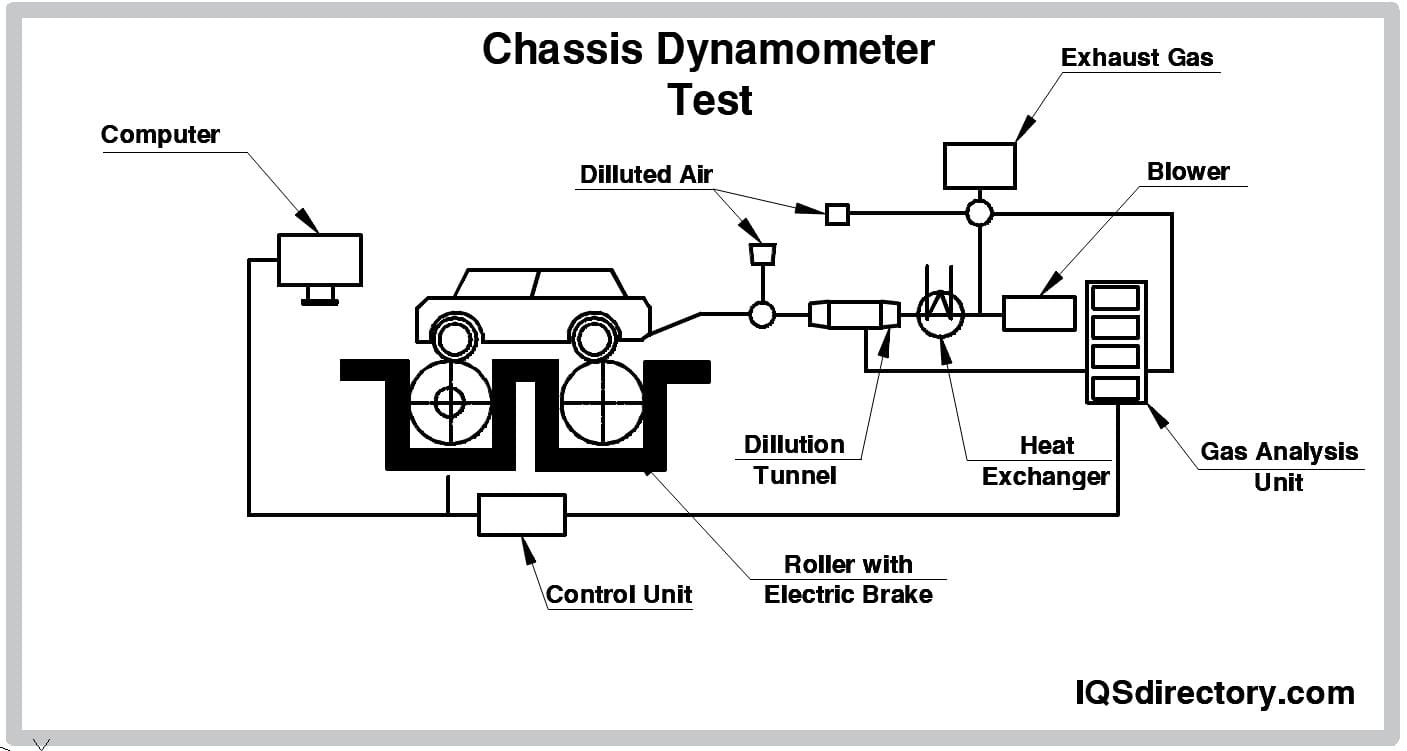 Motor testing using a chassis dynamometer to measure wheel torque, speed, and power output under controlled load conditions.
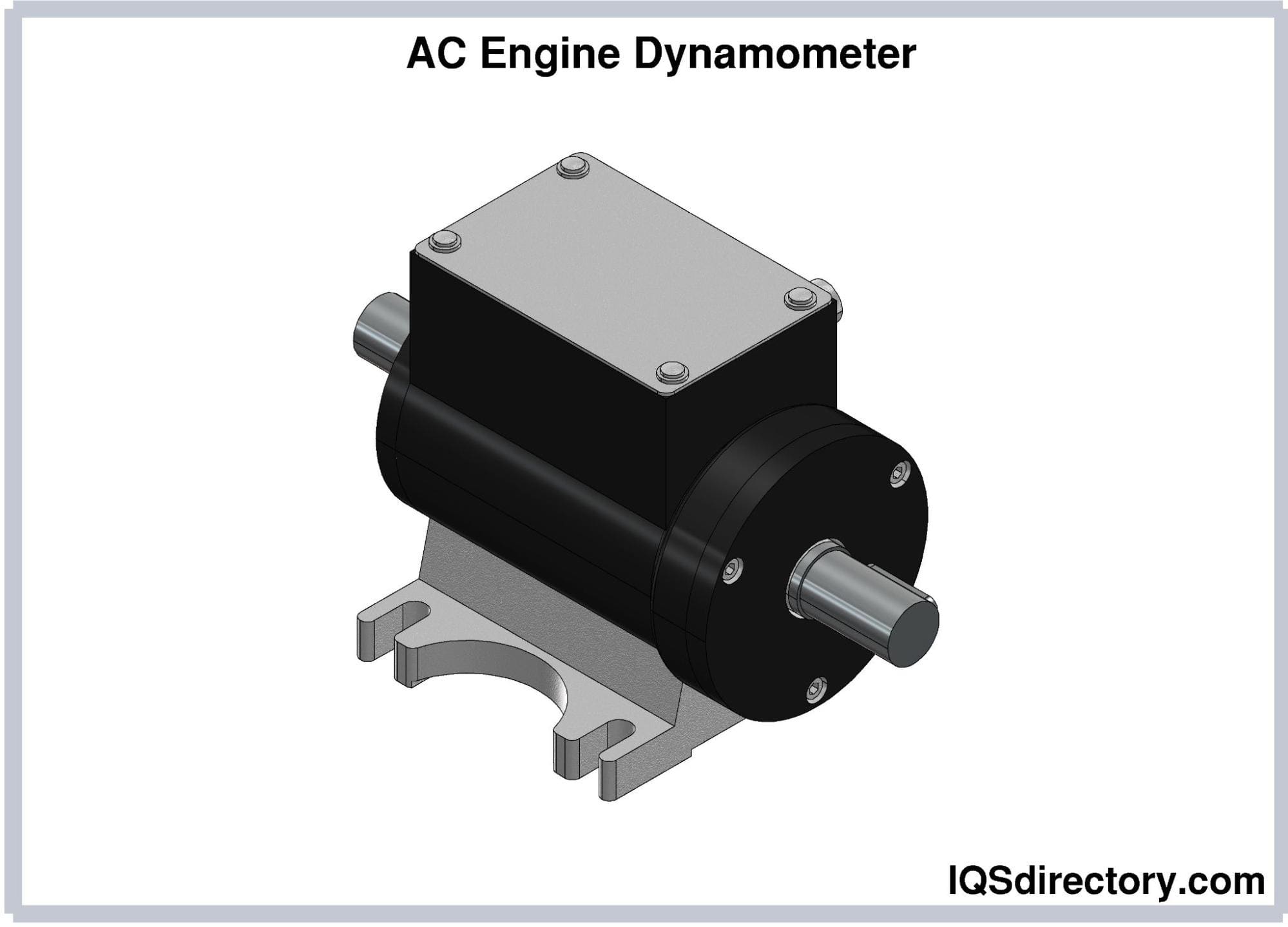 An AC dynamometer used to measure torque, force, speed, and power required to operate the drive of a machine or motor while also supporting advanced control and data collection.
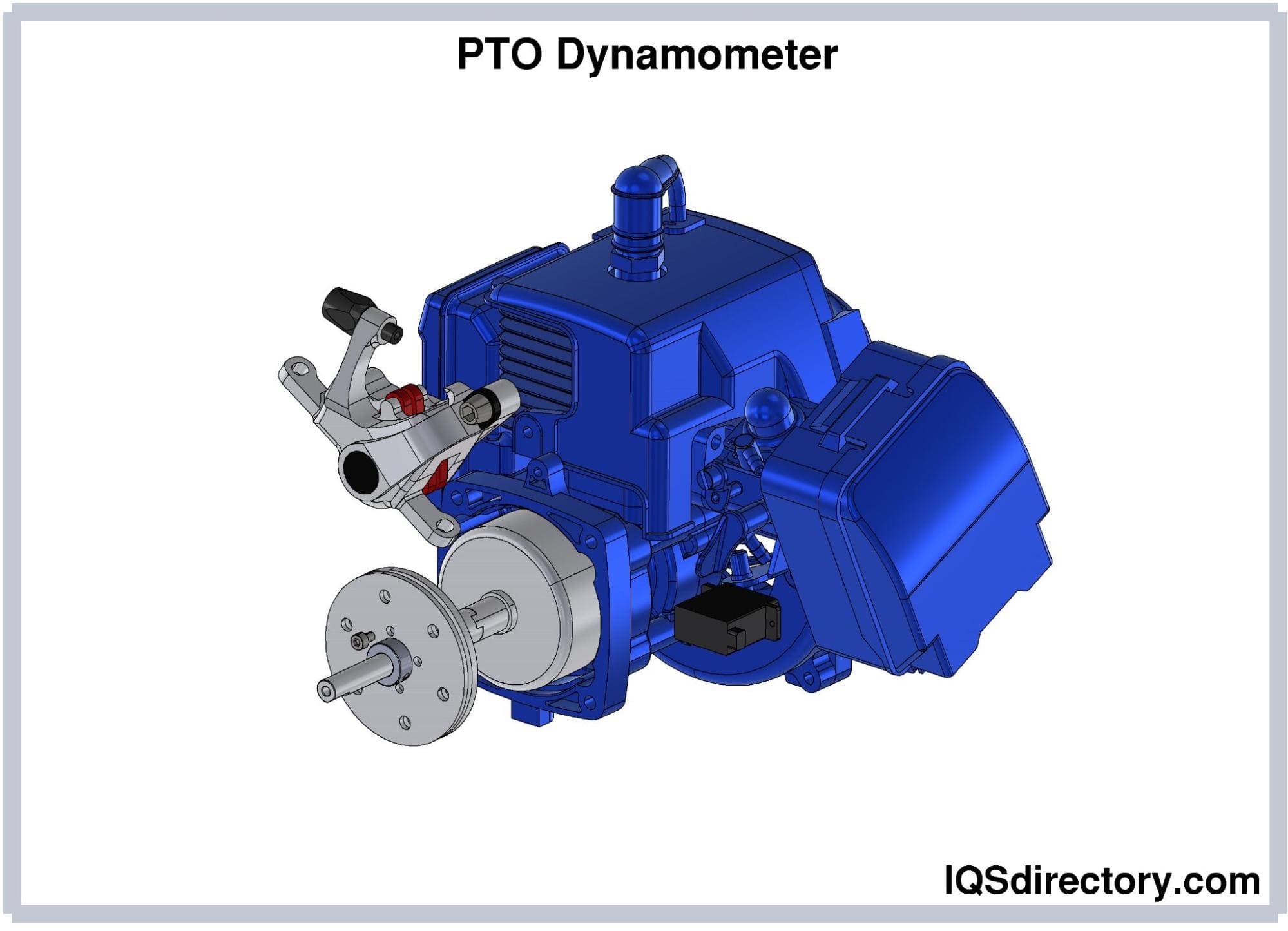 PTO testing is a series of tests performed by a dynamometer connected to an engine’s output shaft to measure speed, torque, power, and fuel consumption for agricultural and industrial equipment.
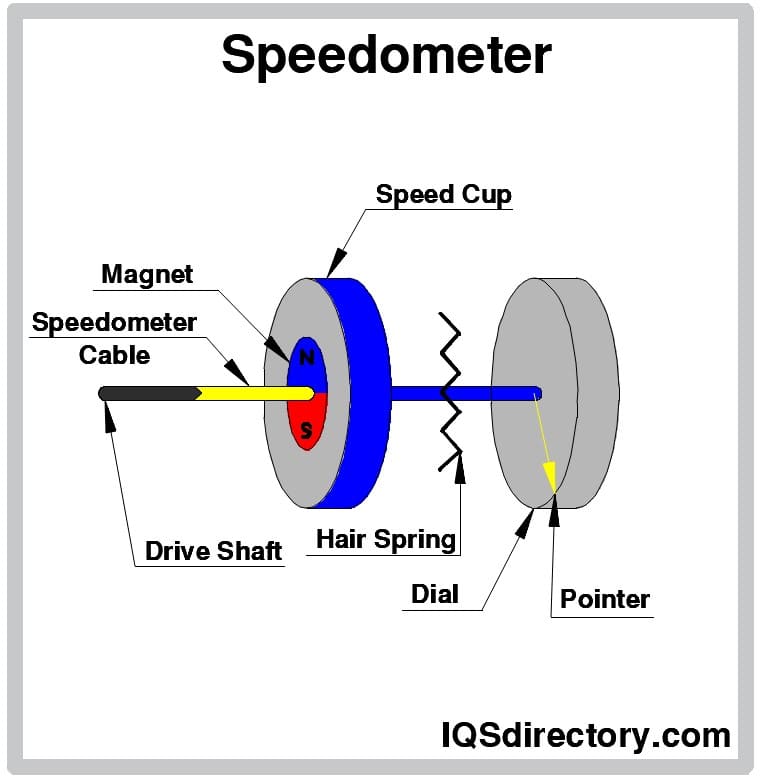 A speedometer, a form of dynamometer that uses electromagnetism to provide speed-related operating data for vehicles and rotating systems.
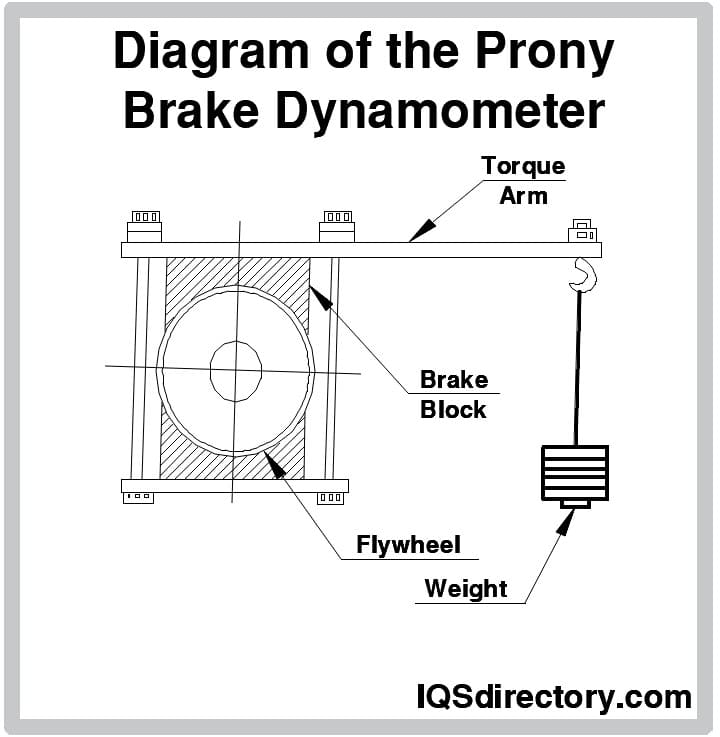 A Prony brake dynamometer is one of the simplest forms of dynamometer, using brake blocks pressed against a rotating wheel attached to the motor to measure braking power.
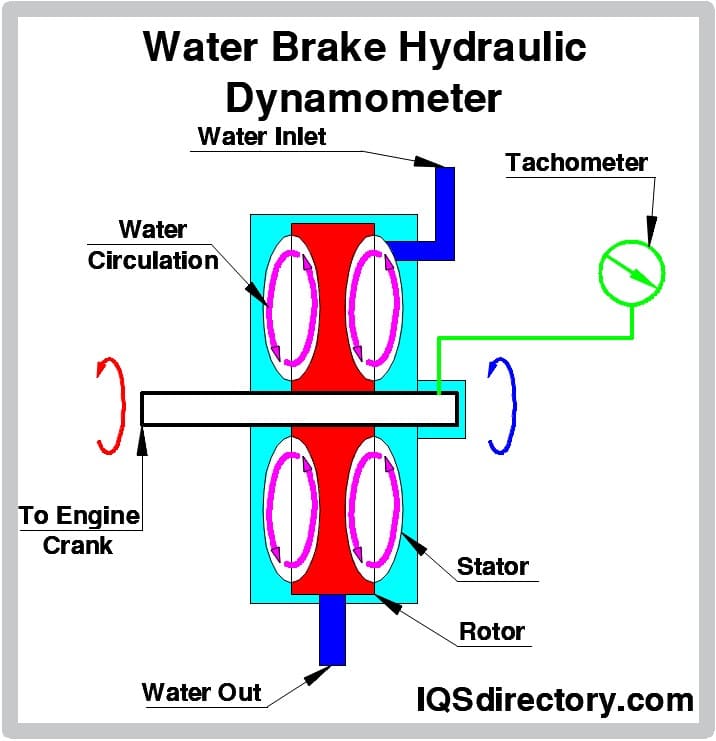 Water brake dynamometers are designed for high-torque, low-speed diesel engines used in mining, marine, power generation, and naval applications.
Types of Dynamometers
Transmission Dynos
- Towing Dynamometers
- Act on a similar principle by creating a constant load on the vehicle towing the dyno. This allows technicians to calculate appropriate load levels for the vehicles in question and compare how towing performance changes under repeatable conditions.
- Chassis Dynamometer
- Motor testing uses a test cell consisting of a one- or two-roller bed onto which the vehicle being tested is placed. The rollers provide the driving force to the wheels of the vehicle rather than using the torque of the motor as the prime mover. Computers are connected to the mechanical operations of both vehicle and test equipment, allowing for tightly controlled, accurate dynamometer testing of a motor without removing it from the vehicle. Tractive forces between axles may be distributed evenly or not, depending on the information required through testing. Speed may be controlled by the varied application of force to the wheels, measuring static power at constant velocity.
- Chassis dynamometers measure an engine's torque output at the wheels of an automobile. The vehicle is placed on rollers, on which the tires turn, and the result is then measured. Some chassis dynamometers also work by attaching directly to the wheel hub and measuring its rotation. Chassis dynamometers may be fixed or portable units, making them useful for repair facilities, tuning shops, emissions work, and OEM development programs.
- Road Load Simulation Dynamometer
- Simulates road conditions such as inertia and grade. Initial base readings are taken with the vehicle traveling on a simulated flat road without wind from any direction and the gear set in neutral. Braking times at varied intervals are recorded and entered into the workstation computer along with vehicle inertia. Specified alternate conditions are then applied. Because a simulated road cannot fully account for aerodynamics, air drag is calculated into the engine dyno through increased brake force at the wheels of the test vehicle. Simulated changes in gradient are accomplished the same way, allowing the software to calculate more realistic operating results and recommendations for improving efficiency.
- Dynos can be configured to match the needs of the user. From small mechanic shops to large industrial facilities, from torque specifications to exhaust flow analysis, dynamometer test equipment systems can be custom-designed to fit a space or a space can be designed to fit the dyno. A good dynamometer company will consider the purpose of the testing, the availability of shop space, data logging needs, cooling requirements, and the economic advantage to the customer in order to design a workplace and system that functions safely and efficiently. It should also provide the proper machinery, training, and technical support to help the client get the most value from the equipment.
Power Absorption Dynos
- Hydraulic Dynamometers
- Similar to water brake dynamometers in principle, hydraulic dynos use an impeller enclosed inside a casing filled with hydraulic fluid and coupled to the prime mover. Centrifugal forces move with the impeller as friction is generated through resistance against a torque arm attached to a balance weight. The friction is measured by a spring balance, while flow through the impeller is controlled with sluice gates. Heat created through the friction is dissipated by the continuous flow of the fluid, making these systems well suited for high-load testing.
- Eddy Current Dynamometers
- Determine the torque of an engine by creating eddy currents when a conductor moves through a changing magnetic field, producing a measurable braking load without direct mechanical contact.
- Eddy current dynamometers, developed in the 1930s, are a type of absorption dyno that consist of an electrically conductive, rotating core inside a magnetic field. They use electromagnets attached to the stator and a copper or steel rotor attached to the output shaft to place a load on an engine through the conduction of electricity. Rotation of the rotor creates eddy currents, due to magnetic flux in the stator, which can be measured by a moment arm. The resulting eddy currents are smooth and can be controlled to match the torque of the driving force. Eddy current dynos provide smooth operation with good control and accurate readings across a wide range of engine sizes, though they must be externally cooled because heat builds during testing.
- Power Take Off Dynamometers
- Are used in industrial and agricultural sectors. They use an external drive, usually located in a truck or a tractor, to provide power to the attached machine. The PTO dynamometer uses eddy current loading to measure torque and operating performance. PTO dynamometers are diagnostic systems used to test the performance of power take-off components in engines, tractors, and connected equipment where field-ready reliability and repeatable load testing matter.
- Power Dynamometers
- Similar to an eddy current dyno, a power dynamometer uses fine magnetic powder in the air gap between the rotor and the electromagnets on the stator to generate controlled resistance. This design supports smooth load application and can be useful where technicians need responsive torque control across changing speeds.
- Inertia Dyno
- Uses an electric motor to turn a flywheel mass approximately equal to one-fourth the weight of the test vehicle. Once the flywheel achieves RPM equivalent to a specified vehicle speed, braking forces are applied and measured. Inertia dynamometers are widely used in commercial and racing automotive testing because they provide practical, real-world style results. The inertia of the roller drums is measured to calculate torque, revealing how quickly an engine can accelerate a known rotational inertia from one RPM to another.
- AC Dynamometer
- Driven by an electric motor using alternating current rather than direct current. The AC control unit uses a transducer called a load cell to provide an electrical signal to a variable frequency drive at a magnitude proportional to the force being tested. The drive can be configured into a universal dynamometer which absorbs the power of the engine but can also drive the engine for measuring friction and pumping losses. These systems are usually more complex and more expensive than other dynamometers, but regenerative control units may be used to recover and return electricity to the utility provider.
- Rope Brake Dynamometer
- Also measures braking power. Turns of rope are wound around a cylinder or rotating drum attached to the prime mover. One end of the rope is attached to a spring balance and the other end is attached to a loading device, which can be as simple as a hanging weight. Rope brake dynamometers are inexpensive and easy to understand, but they are less accurate because the rope’s coefficient of friction changes as heat builds when tension is applied.
Other Dynamometer Types
- Brake Dynamometers
- Measure horsepower at the engine's output shaft by applying variable load on the engine and evaluating its ability to maintain speed as braking force is applied. They are commonly used for comparative performance testing and controlled load studies.
- Brake Testers
- Used to test the effectiveness of a vehicle's braking system. As pressure is applied to the brakes, the force produced is measured, recorded, and displayed by the testing system so operators can verify performance and identify service needs.
- Dynos
- Machines that measure the torque of an engine, motor, or rotating assembly and convert those readings into usable performance data.
- Engine Dynamometers
- Another sub-type of torque testing machine, these units are connected directly to the engine rather than the wheel chassis. Research and development departments, workshops, and auto manufacturing plants use this style of testing because the engine can be evaluated without being installed inside a vehicle.
- Hydraulic Dynamometers
- Machines that measure the power of an engine by using a liquid-filled cell to increase load and absorb energy during testing.
- Motor Testers
- Measure the performance of motors to confirm that they are efficient and safe. The equipment is often automatic, performing a sequence of steps to determine whether the demonstrated capabilities of the motor meet the required specification.
- Portable Dynamometers
- Used to measure force, torque, or power. They are also used to determine how much torque or power can be used to operate a driven machine such as a pump, mixer, or compact field device where a full-size test cell is not practical.
- Repair Grade Dynamometers
- Chassis devices used to simulate actual road driving conditions on a motor vehicle. Repair grade dynamometers consist of rollers, power absorbers, and inertia simulation, either mechanical or electrical, so technicians can diagnose drivetrain and performance issues in a shop environment.
- Torque Testers
- Function in much the same way as dynamometers, but are designed to test the torque of smaller mechanical devices other than engines. Devices such as precision screwdrivers, power tools, and calibrated wrenches need torque verification to support quality control, safety, and consistent assembly results.
Dynamometer Accuracy
When precision in torque measurement matters, dynamometers remain one of the strongest tools available. Whether you need to measure force, torque, or power output and input, these systems can provide highly reliable data when they are matched to the application and installed correctly. To get the best possible assessment, operators should pay close attention to mounting, calibration, sensor condition, environmental temperature, cooling, and data acquisition setup, since each of those factors influences final test accuracy.
Testing with Dynamometers
To test the performance of an engine, test engineers need to thoroughly understand the dynamometer’s operating instructions and control strategy. A dynamometer controller is an electronic unit that enables engineers to regulate the load pressure on an engine with repeatable precision. By gaining control over the control panel, operators can measure engine speed, load, response, and power behavior. The control panel can typically be configured for either Speed Control or Load Control, depending on the objective of the test.
For engine testing, various procedures can be carried out using a quality dynamometer or torque tester. When testing engine performance, the test is often performed with a wide-open throttle while the dynamometer operates in Speed Control mode. During the initial stage of the test, the speed is set at a lower level to measure engine speed and torque. The speed can then be increased in steps, and the performance measurement is noted after each change. This process is repeated until the desired speed has been reached, creating a useful power curve that supports tuning, comparison, and troubleshooting.
During power or force measurement testing, adequate cooling must be provided to the engine and the test area. This practice reduces problems caused by overheating and helps maintain more stable readings throughout the run. Cool air can be supplied by fans and other cooling mechanisms, and some large industrial processes may need airflow equivalent to 25 mph or more. To avoid hazards or inaccurate assessments, operators should also monitor temperature during the test and review how heat affects repeatability, load response, and final output.
Selecting the Proper Dynamometer
Dynamometers come in different types, each tailored to specific applications and motor requirements. Their design and functionality vary depending on the process they support. Some models are compact and handheld, making them useful for engineers, medical professionals, field technicians, and construction specialists, while larger units are built for industrial applications, test labs, and production environments. When comparing systems, buyers often look at torque range, speed range, control method, portability, cooling, software integration, reporting depth, and available service support. Modern dynamometers also tend to feature digital interfaces that provide precise, easy-to-review measurements of force and torque.
Dynamometer Terms
- Ambient
- The temperature of the surrounding environment, a factor that can influence cooling effectiveness, air density, and repeatability during testing.
- Base Line
- A reference vibration or performance reading taken when equipment is operating optimally and used for future testing, comparison, and condition monitoring.
- Breakdown Torque
- Also called maximum torque or pull-out torque, it is the highest amount of torque an AC motor can generate when running at rated voltage and frequency before a sudden drop in speed occurs.
- Chassis
- The structural framework of a vehicle, including the engine, suspension, wheels, and steering components, but excluding the outer body panels.
- Code Letter
- A designation found on AC motor nameplates indicating the locked-rotor kilovolt amperes per horsepower at a specified frequency and voltage.
- Dynamometer
- A device used to measure power output, torque, force, or absorbed energy produced by an internal combustion engine, electric motor, drivetrain, or other machine.
- Dynometer
- An alternate spelling for dynamometer that is sometimes used in informal searches or industry shorthand.
- Full Load Speed
- The rotational speed, measured in RPM, of an engine or generator when running at its full torque capacity.
- Full Load Torque
- The torque required to produce the rated horsepower of an engine or generator at its full-load operating speed.
- Horsepower (HP)
- A unit of measurement for work rate, where one horsepower equals approximately 550 foot-pounds per second or 746 watts.
- Inertia
- The tendency of an object in motion to maintain its velocity unless acted upon by an external force, a property that directly affects acceleration testing.
- Locked Rotor Torque
- The minimum torque an engine can generate when starting from a standstill, measured at all angular positions of the rotor while receiving rated voltage and frequency.
- Output
- The total power generated, commonly calculated as the product of available torque and rated RPM.
- Rotor
- The rotating component within a motor, engine, or dynamometer assembly.
- R.P.M. (Revolutions Per Minute)
- A unit used to measure rotational speed and one of the main values used to determine power and torque output.
- Throttle
- The mechanism that controls acceleration by regulating airflow into the engine and influencing output during testing.
- Torque
- A measurement of rotational force, typically expressed in foot-pounds or newton-meters depending on the application and reporting standard.
- Transmission
-
A system of gears that transfers power from an engine to a vehicle’s drivetrain and influences how output reaches the wheels.
- Trending
- The process of tracking changes in measurement data over multiple intervals to identify performance variations, degradation patterns, or operating improvements.
- Velocity
- The rate at which an object changes position over time and a related factor in motion, acceleration, and simulated road-load testing.
- Wide Open Throttle (WOT)
- The position of the accelerator pedal that allows maximum airflow into the engine's intake manifold, enabling full power output during a performance pull.