Copper
Copper is a naturally occurring metal used across manufacturing, construction, power distribution, electronics, transportation, HVAC, and infrastructure because it combines high electrical conductivity, strong thermal performance, corrosion resistance, ductility, and long service life. Buyers researching copper suppliers, copper manufacturers, and copper products often compare conductivity, machinability, formability, and total lifecycle value, and copper continues to stand out for applications that require dependable current transfer, efficient heat exchange, durable fabricated parts, and an attractive finished appearance.
As a native metal, copper can occur in a directly usable metallic state, which helped make it one of the earliest engineered materials in human history. On the periodic table, copper is identified by the symbol Cu and atomic number 29, but in modern industry it is better known as a versatile base metal used for copper wire, bus bars, tubing, sheet, strip, plate, pipe, coil, bar, and precision copper alloys supplied to OEMs, contractors, fabricators, utilities, and industrial buyers looking for reliable performance in electrical, plumbing, architectural, and thermal-management applications.
Frequently Asked Questions About Copper
What makes copper one of the most widely used industrial metals?
Copper is one of the most widely used industrial metals because it combines excellent electrical conductivity, thermal conductivity, malleability, ductility, and corrosion resistance in one practical engineering material. It is easy to fabricate, easy to recycle, and available in many forms, making it useful for electrical systems, building products, HVAC equipment, transportation components, heat exchangers, grounding hardware, and general manufacturing where dependable performance and long-term value matter.
How has copper been used throughout history?
Copper has been used for thousands of years, beginning with early tools, ornaments, and household objects made from native copper. Over time, civilizations refined smelting, casting, and alloying methods that expanded copper into coins, weapons, architecture, cookware, marine hardware, and eventually modern electrical, telecommunications, and industrial applications. Today, that long history supports buyer confidence because copper has remained relevant through every stage of material and manufacturing development.
What are the main advantages of using copper and its alloys?
Copper and its alloys offer a strong mix of conductivity, corrosion resistance, durability, workability, recyclability, and cost efficiency. Depending on the alloy selected, buyers can also gain improved strength, wear resistance, marine performance, spring properties, machinability, or pressure-handling capability for electrical components, industrial machinery, architectural products, fluid-handling systems, and precision fabricated parts.
How is copper processed and manufactured into usable products?
Copper is commonly produced from powder, ingot, billet, or other preforms that are cast, drawn, rolled, forged, or extruded into usable shapes. Secondary operations such as annealing, machining, stamping, bending, polishing, coating, and finishing help tailor the material to electrical, plumbing, HVAC, architectural, and fabricated component applications. This manufacturing flexibility is one reason copper remains so widely specified across both standard catalog parts and custom-engineered products.
What are the most common copper alloys and their applications?
Common copper alloys include brass, bronze, cupronickel, beryllium copper, phosphor bronze, and aluminum bronze. Each alloy family is selected for specific performance goals, such as corrosion resistance, strength, conductivity, marine durability, wear resistance, or spring performance in demanding industrial environments. For buyers comparing copper alloy options, the right selection usually comes down to balancing conductivity, machinability, environmental exposure, and mechanical load.
Why is copper recycling important for modern manufacturing?
Copper recycling matters because it conserves raw materials, reduces waste, and supports a more efficient manufacturing supply chain without sacrificing quality. Recycled copper retains valuable performance characteristics, which makes it highly useful in electrical, plumbing, construction, transportation, and general industrial applications. For companies focused on material recovery and sustainability goals, copper offers strong value because it can re-enter production while maintaining functional performance.
What are the benefits of buying copper from U.S. suppliers?
Buying copper from U.S. suppliers can support faster delivery, easier communication, dependable documentation, and stronger quality control. Domestic sourcing can also simplify custom fabrication, reduce logistics complexity, and help buyers secure copper products that meet demanding performance standards for manufacturing, power distribution, telecommunications, building systems, and specification-driven industrial work.
The History of Copper
- Historical Uses
- Copper is one of the oldest known metals used by humans, with historians and archaeologists suggesting that only gold and meteoric iron were utilized before it. Its use dates back to the Copper Age, and some of the earliest copper artifacts, such as a pendant from northern Iraq, are believed to be around 9000 BC. Between 6000 and 3000 BC, Native Americans in Michigan and Wisconsin cold-worked copper to craft weapons, tools, and decorative objects. In the ancient world, the Greeks and Romans extensively used copper and its alloys, such as bronze, for temple roofs, coins, jewelry, sculpture embellishments, weapons, and armor. Copper was equally significant in early civilizations across India, Israel, Turkey, Iran, and Egypt. The Egyptians, in particular, demonstrated ingenuity in their use of copper, fashioning cookware, dishes, agricultural tools, saws, chisels, knives, mirrors, and razors. They even incorporated copper compounds into cosmetics.
- As civilizations advanced, people began extracting copper from ore. One of the oldest known copper mines, the Great Copper Mountain in Sweden, operated from the 10th century until 1992 and supplied two-thirds of Europe’s copper through the 17th century. During this period, copper was widely used in weaponry and sculpture making. In the 18th century, shipbuilders began using copper sheathing and plating to protect underwater hulls from corrosion. By 1876, the first modern electroplating plant, the Norddeutsche Affinerie, opened in Hamburg, marking another milestone in copper processing.
- From the late 1800s through the 1990s, global copper mining surged, particularly in the United States. However, as environmental concerns grew, many high-pollution mines were shut down. Despite this, copper remains indispensable across industries today, with applications spanning jewelry, biofouling prevention, and high-tech fields. The metal has become increasingly crucial in computer manufacturing, electronics, and telecommunications. Traditional telephone lines, composed of twisted copper wire pairs, are now being repurposed for high-speed communications as a cost-effective alternative to fiber optics. Additionally, copper is replacing aluminum in computer chips due to its superior conductivity, allowing for reduced conductor channel lengths and widths, leading to faster processing speeds. As electric vehicles gain prominence, copper continues to play a significant role in their development.
- Material Use Evolution
- Archaeologists believe copper’s progression in material use followed a distinct sequence: first, cold working of native copper, followed by annealing, smelting, and finally, lost-wax casting.
- The invention of copper smelting occurred at different times across the globe. Evidence suggests that China developed smelting techniques before 2800 BC, Central America adopted them around 600 AD, and West Africa between the 9th and 10th centuries AD. Investment casting, or lost-wax casting, emerged between 4500 and 4000 BC in Southeast Asia. Additionally, scientific analysis of the famous frozen mummy, Ötzi the Iceman—who lived between 3300 and 3200 BC—revealed high levels of arsenic in his hair, suggesting he was involved in copper smelting. Carbon dating further confirms that humans were mining copper in Cheshire, UK, as early as 2280 BC.
- Approximately 4000 years after the advent of smelting, humans began alloying copper. During the Bronze Age, civilizations such as the Egyptians, Sumerians, and Vincas combined copper with tin, arsenic, and other metals to create bronze, a harder and more durable material. Later, the Greeks and Romans refined copper metallurgy further by developing brass, a copper-zinc alloy that became widely utilized.
- Copper’s technological evolution continued into the Industrial Revolution. In 1830, German scientist Gottfried Osann accidentally discovered powder metallurgy while attempting to determine copper’s atomic mass. This breakthrough enabled the use of powdered metals to create new materials and products, significantly expanding copper’s applications. In 1949, the Finnish company Outokumpu introduced flash smelting, a more energy-efficient method of extracting copper using chemical reactions that convert raw materials into copper matte, iron oxides, and sulfur dioxide.
- Today, powder copper is frequently sintered to construct heat pipes and has been developed into numerous specialized alloys for diverse applications. Purity standards for copper have reached unprecedented levels; for instance, electrical copper wiring—second only to silver in conductivity—must be at least 99.98% pure to meet industrial standards. With ongoing advancements in engineering and manufacturing, the future promises even more innovative applications for this versatile metal.
Advantages of Copper
There are many reasons to value copper and its alloys, especially when buyers need a material that supports sustainability goals without giving up performance. Copper is naturally abundant, highly recyclable, and widely recovered from industrial scrap streams, which helps manufacturers control costs, reduce waste, and maintain consistent material quality. Recycled copper also retains the mechanical and conductive properties that make virgin copper so desirable in demanding electrical, HVAC, plumbing, heat-transfer, and fabricated metal applications.
Beyond its environmental advantages, copper is a cost-effective engineering material with an unusually strong balance of durability, workability, and service life. It is readily available in many mill forms, performs reliably in indoor and outdoor environments, and often lasts for decades with limited maintenance. For procurement teams comparing copper versus aluminum, steel, or other conductive materials, copper frequently earns consideration because it reduces replacement frequency, supports efficient fabrication, and delivers dependable performance in both standard and custom applications.
Copper’s non-sparking nature adds value in hazardous service environments where combustible gases, vapors, dust, or process chemicals may be present. This property makes selected copper alloys attractive for oil and gas sites, chemical processing areas, marine environments, mining operations, and other applications where ignition risk must be minimized. When conductivity, corrosion resistance, and operational safety must work together, copper remains a trusted material choice for engineers, OEMs, and maintenance teams.
Additionally, copper is exceptionally easy to alloy and manufacture into application-specific forms, allowing suppliers to tailor hardness, strength, wear resistance, corrosion behavior, machinability, and conductivity to the job at hand. If pure copper does not provide the exact mechanical profile required, copper-based alloys such as brass, bronze, cupronickel, beryllium copper, and specialty high-copper materials can be selected to meet performance targets in electrical components, fluid handling systems, architectural products, marine hardware, and industrial equipment.
Production Process of Copper
The first step in copper manufacturing is preform fabrication, which may involve copper powder, ingots, billets, or other feedstock prepared for downstream processing. These starting forms allow manufacturers to produce copper components in a wide range of sizes, tolerances, and tempers, supporting everything from electrical contacts and heat exchangers to tubing, bar stock, sheet metal, and custom fabricated parts for OEM, MRO, and replacement applications.
Once the preforms are ready, manufacturers use a range of forming and refining operations to shape copper into finished products. Common methods include drawing and cold drawing, casting, hot and cold rolling, forging, and extrusion, with each process selected according to the required geometry, wall thickness, grain structure, temper, and end-use performance. Buyers often evaluate these capabilities when sourcing copper products for electrical conductivity, corrosion resistance, close tolerances, surface finish, or secondary fabrication.
Copper mills frequently employ cold drawing for wire and rod production because the process supports dimensional accuracy, surface consistency, and strong conductive performance. Foundries cast parts from scrap copper and ingots to improve material utilization, while brass mills process both copper and copper alloys through rolling, drawing, forging, and extrusion to create durable semi-finished and finished products. Because pure copper is relatively soft, alloy development plays a major role when applications call for higher strength, wear resistance, spring properties, or structural stability.
After a brass or copper shape has been formed, secondary operations can further refine its appearance, tolerances, temper, and service performance. These processes include annealing, bending, stamping, welding, etching, engraving, polishing, deburring, and clear protective coatings. For buyers comparing suppliers, these value-added services often matter just as much as raw material availability because they affect lead times, finished-part quality, assembly readiness, repeatability, and the supplier’s ability to deliver custom copper components to print.
- Alloys
- Copper boasts over 400 alloys, each formulated with varying copper content and unique characteristics suited to specific applications. These alloys can be broadly categorized into seven main groups: copper, high copper alloys, brasses, bronzes, copper-nickels, copper–nickel–zinc (nickel silver), leaded copper, and special alloys.
- Among the most well-known copper alloys are brass—a combination of copper and zinc—and bronze, which consists primarily of copper and tin. Both alloys retain a significant copper content while exhibiting enhanced mechanical and corrosion-resistant properties.
- Other widely used copper alloys include aluminum bronzes, silicon bronzes, phosphor bronze, cupronickel (copper-nickel), and copper-silver, each offering distinct advantages in strength, conductivity, or resistance to environmental conditions.
- Additional specialized copper alloys include beryllium copper, copper-steel alloys, and copper-stainless steel alloys, which are designed for high-performance applications requiring exceptional strength, conductivity, or corrosion resistance. The vast diversity of copper alloys ensures its continued relevance across a broad spectrum of industries.
Copper Images, Diagrams and Visual Concepts
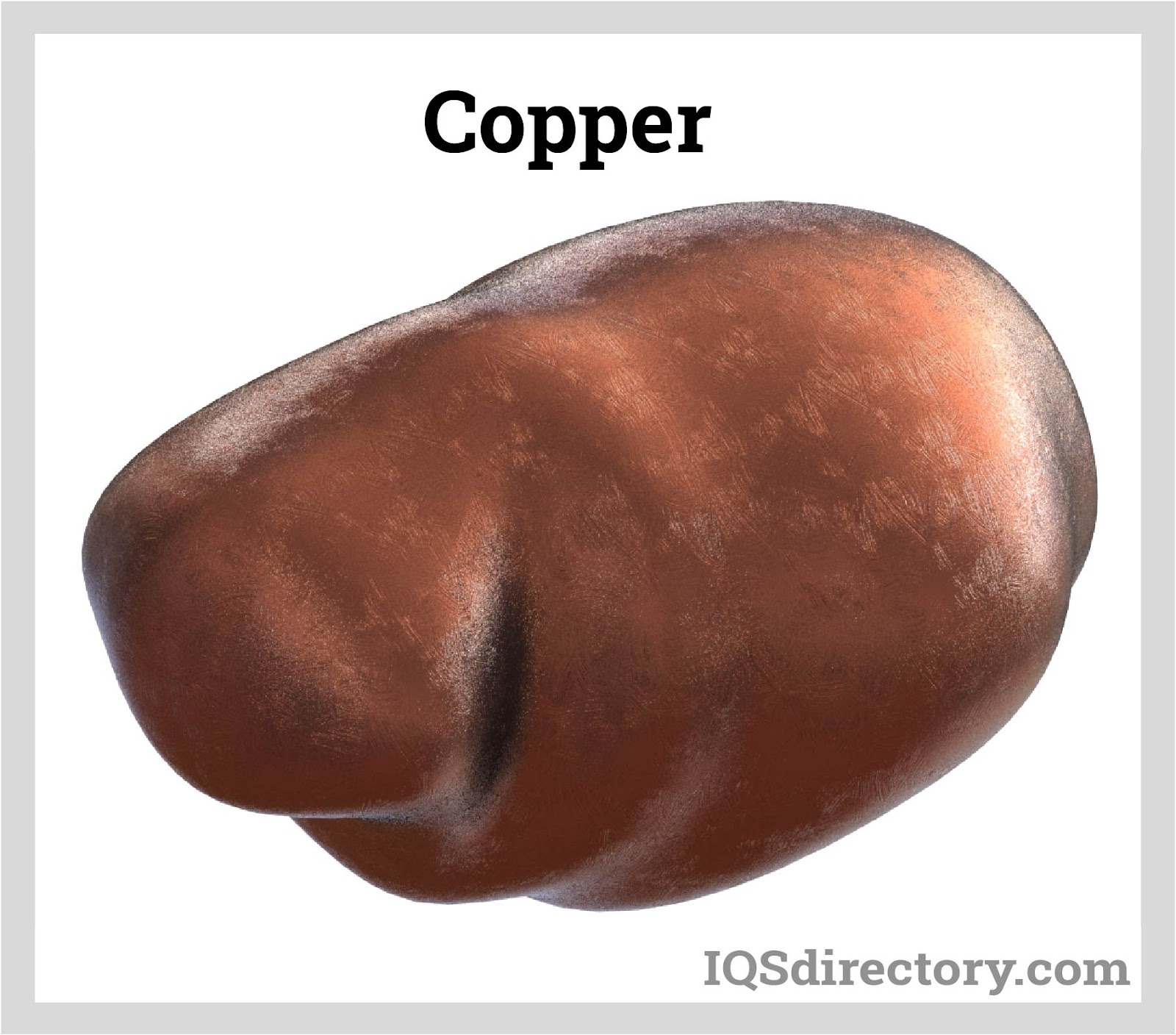 Copper in it raw state before processing.
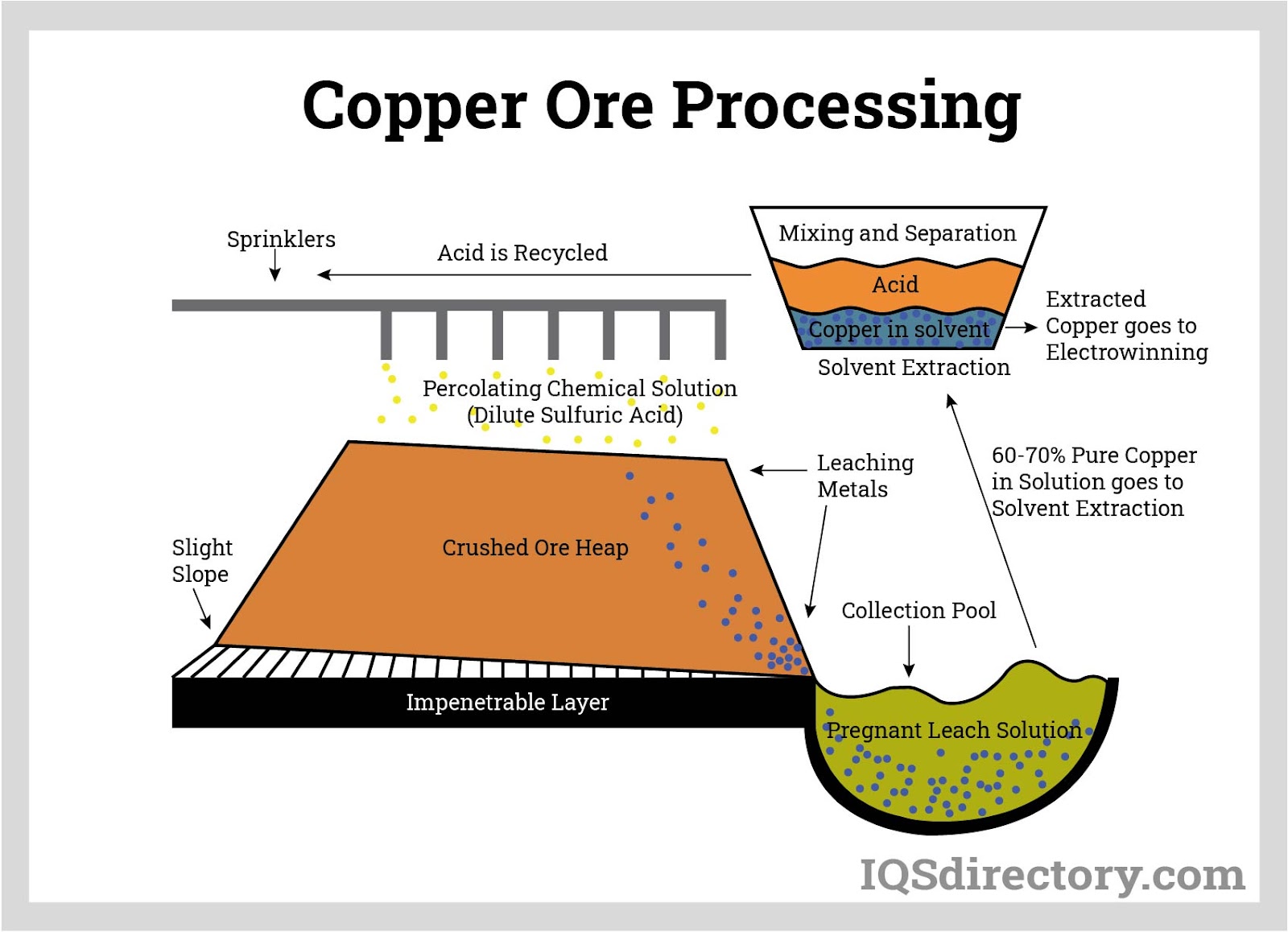 The process that turns raw copper ore into usable material by crushing into a fine sand, then sits in chemicals to particulate water-repellent, air is passed through the mixture which the copper floats to the surface, and the copper froth is thickened and smelted into refined copper.
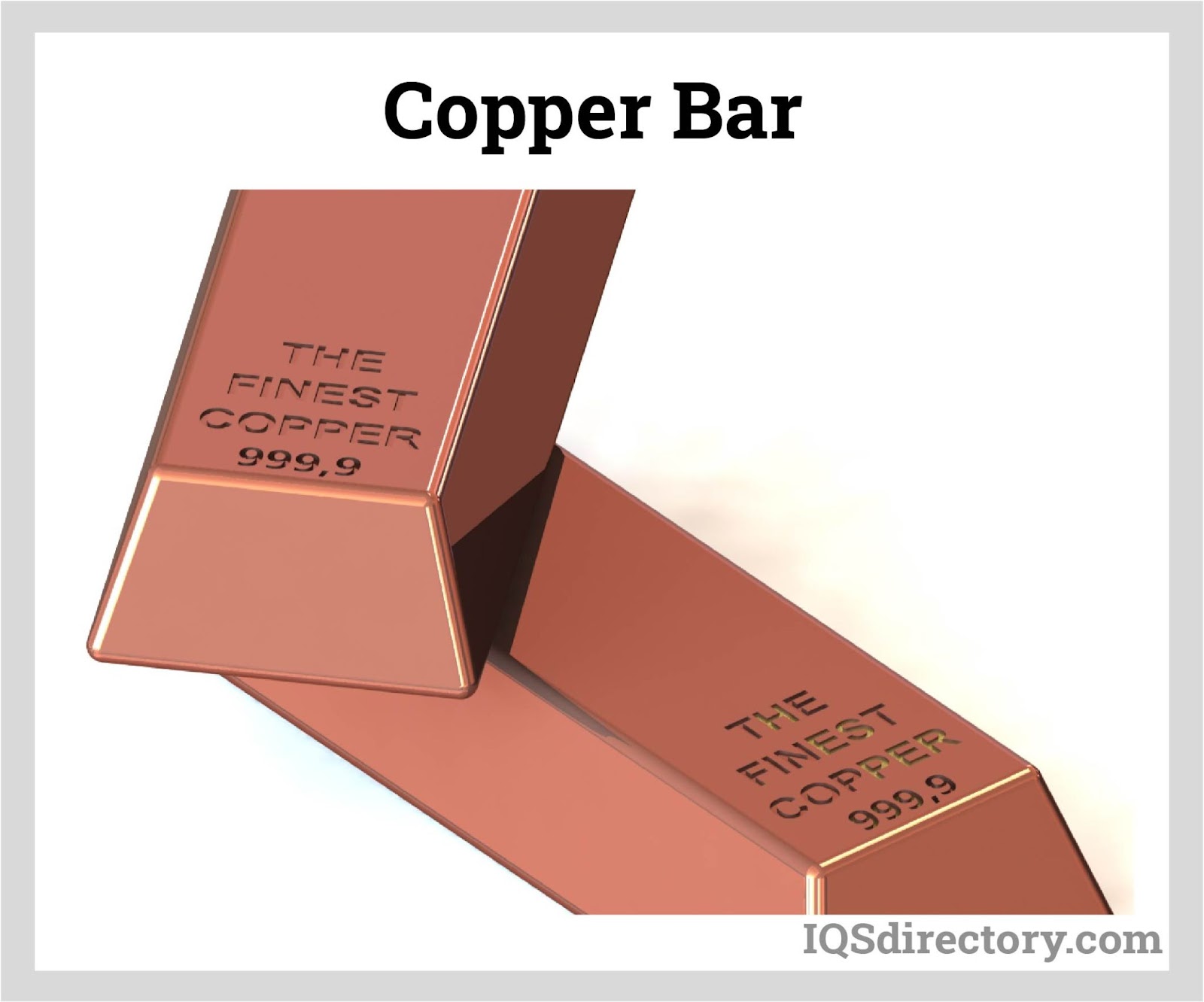 Copper after processing has been completed.
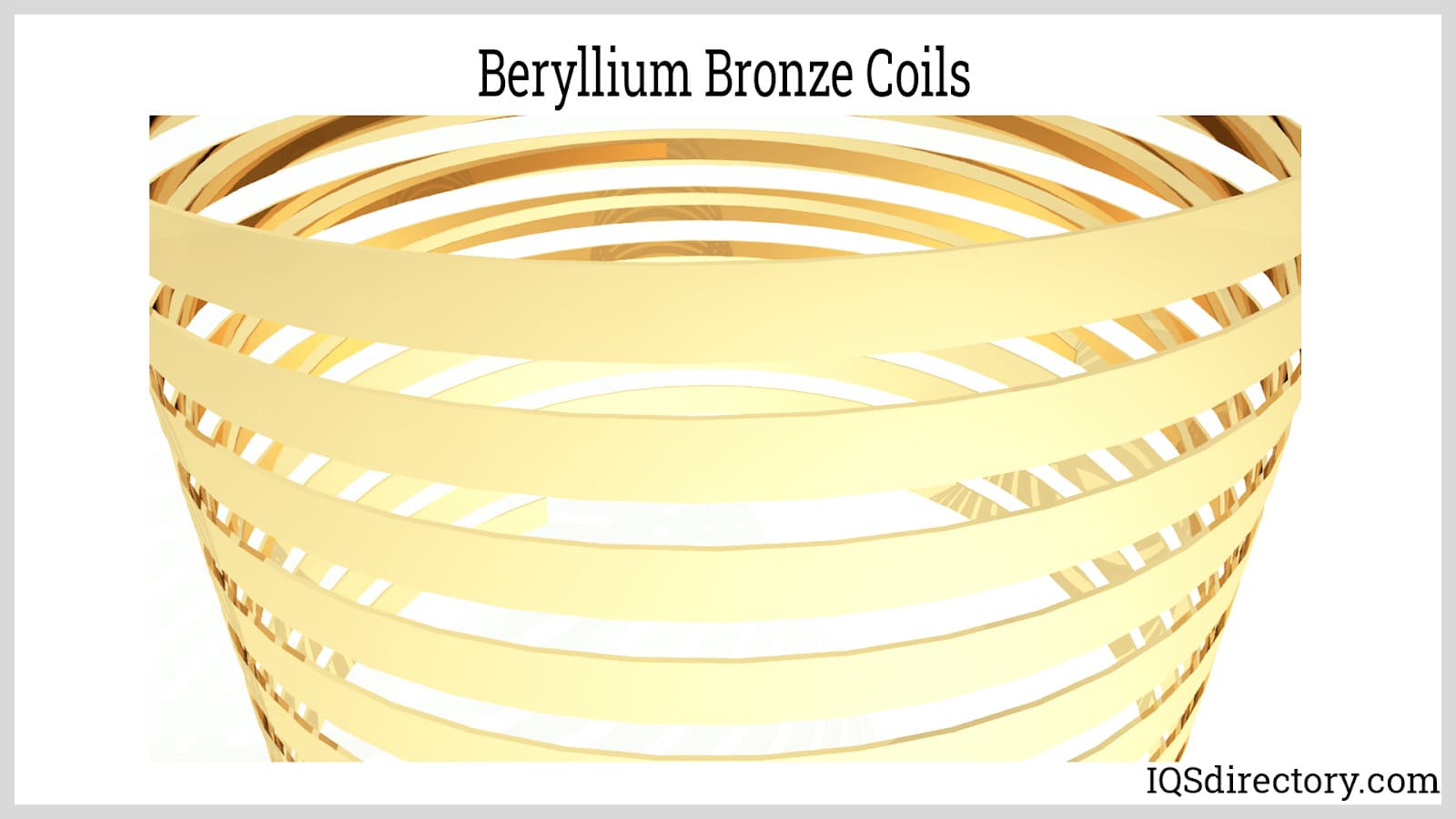 Beryllium copper, a combination of 0.5% to 3% beryllium and copper which creates a high strength, non-magnetic, and non-sparking alloy.
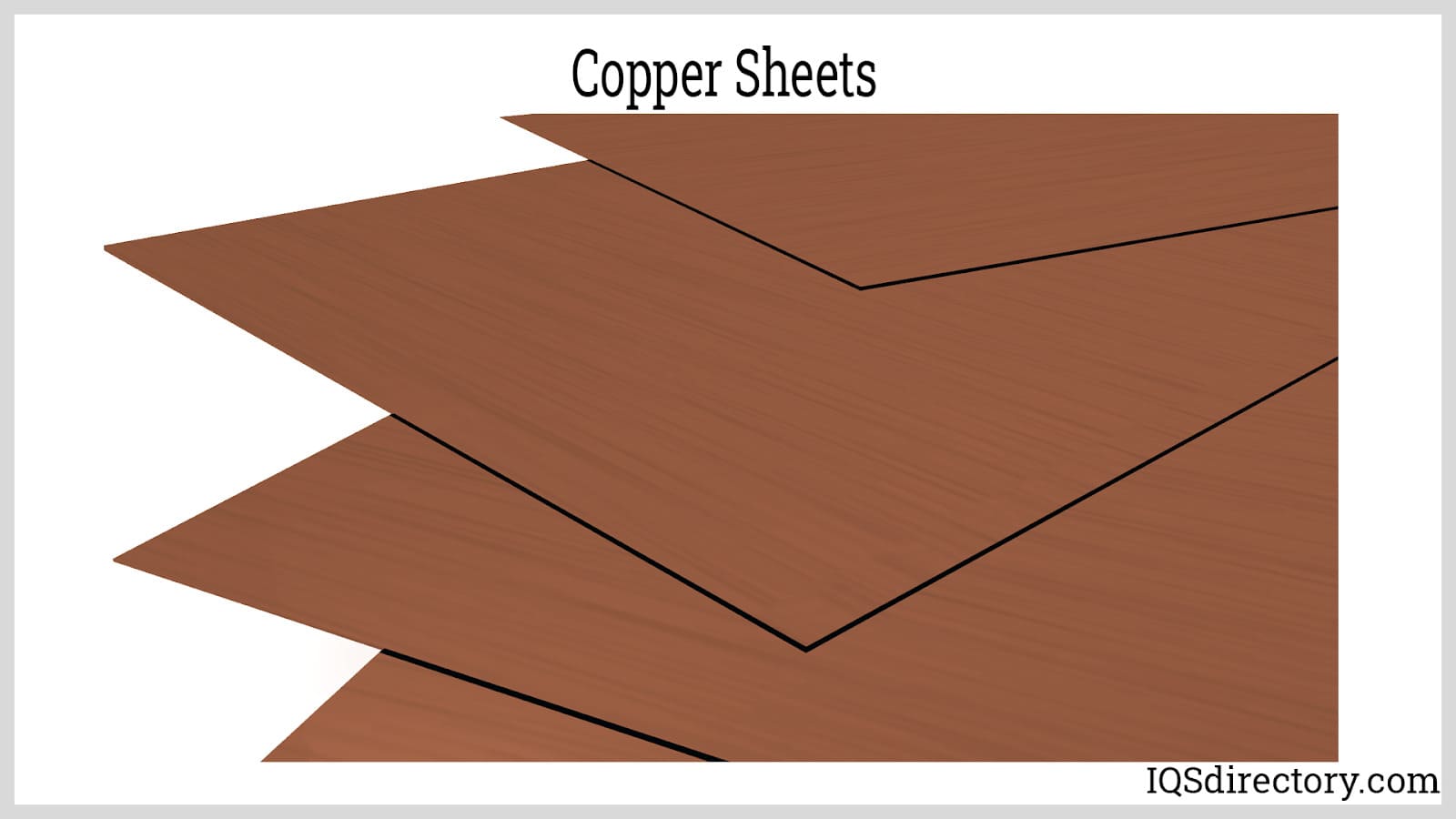 The copper sheet are a highly malleable and workable metal with electrical, thermal conductivity, and corrosion resistance.
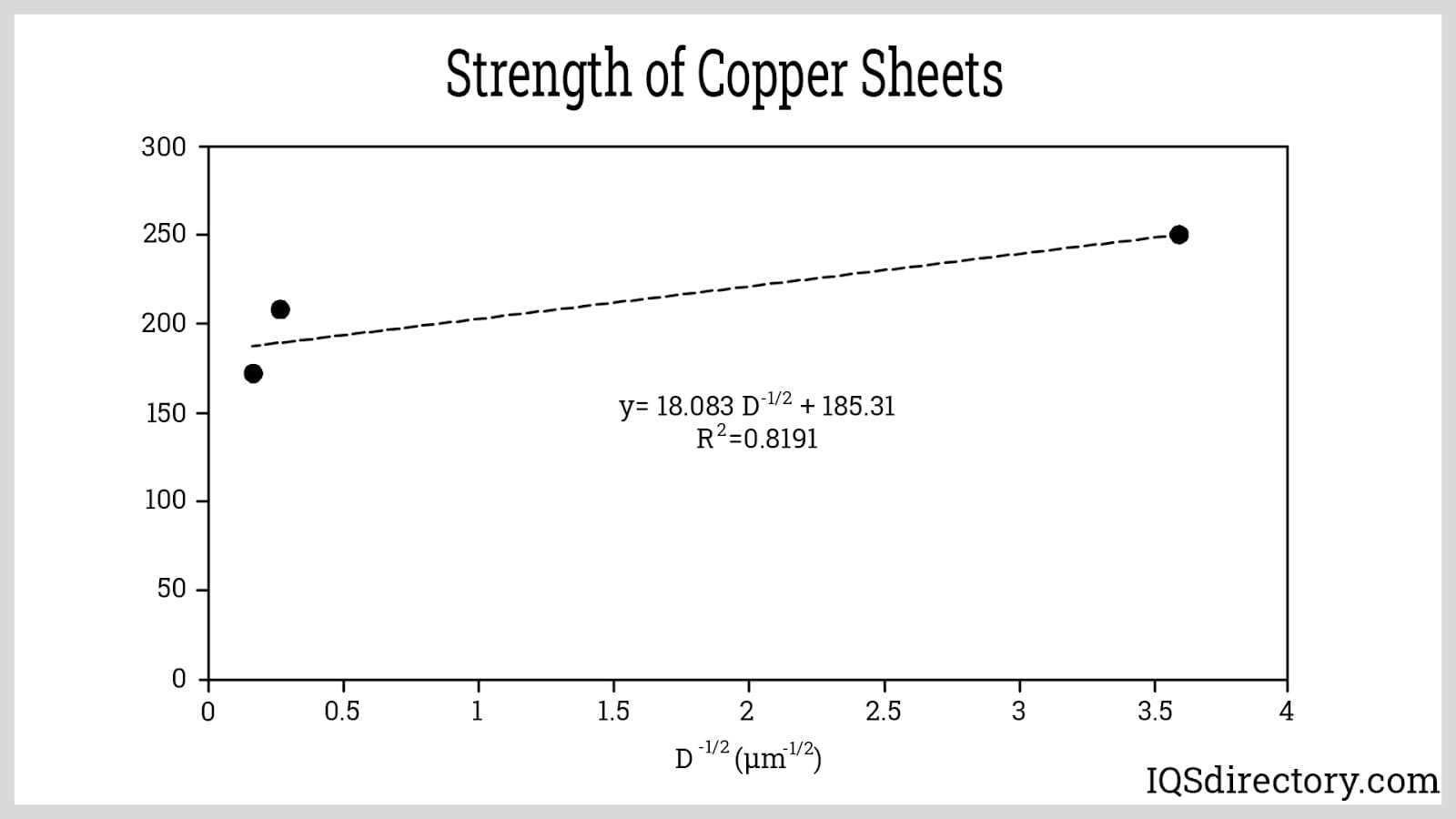 The strength of copper sheets can increase based on what other elements or alloys added to the material.
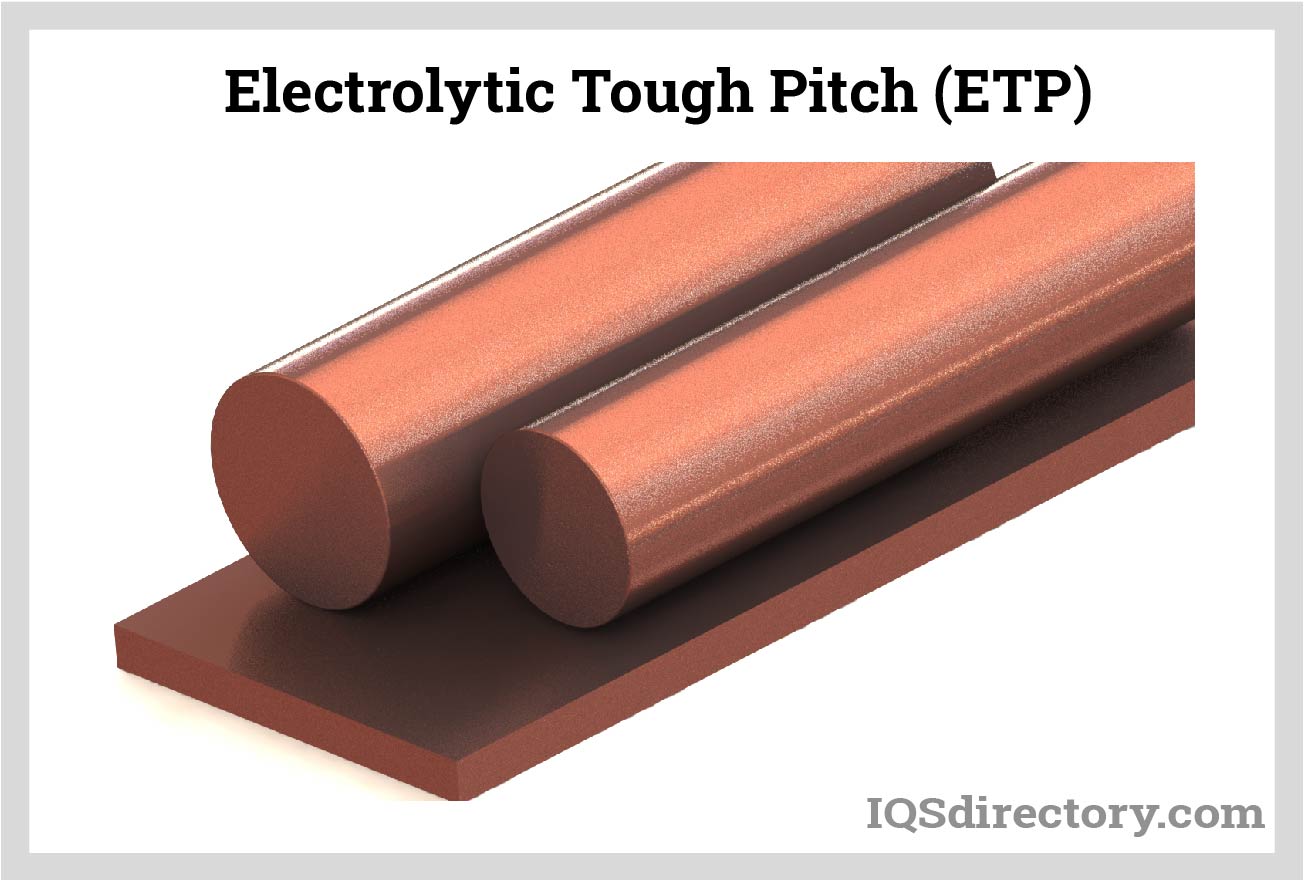 ETP copper has a minimum conductivity value of 100% IACS which makes it useful for electrical applications and those requiring low resistance levels.
Copper Types
- Beryllium Copper
- The strongest and most durable copper alloy, containing between 0.5% and 3% beryllium, an alkaline earth metal primarily used as a hardening agent. This alloy offers exceptional strength, conductivity, and corrosion resistance, making it ideal for demanding applications.
- Brass Bars
- Solid, straight, and uniform preforms, billets, and blanks supplied to metalworking facilities for machining, forging, or extrusion processes.
- Brass Plates
- Flat, thin, rectangular or square pieces of brass, a copper-zinc alloy, used in various industrial and decorative applications.
- Brass Rods
- Solid, straight brass preforms used as billets and blanks in machining and manufacturing processes, offering strength, corrosion resistance, and versatility.
- Brass
- A metal alloy composed primarily of copper and zinc, known for its durability, corrosion resistance, and attractive golden appearance, widely used in decorative and functional applications.
- Bronze
- An alloy of copper and tin, renowned for its strength, resistance to corrosion, and historical significance in tools, sculpture, and marine applications.
- Copper Bars
- Straight, solid copper products that can be extruded into various cross-sectional shapes, including circular, square, triangular, and custom geometries, used in electrical and industrial applications.
- Copper Billets
- Large, solid pieces of pure copper that are cut into smaller sections for extrusion, forging, or machining into copper tubing, rods, or bars.
- Copper Coil
- A thermally and electrically conductive component used in various systems and machinery. Typically made from copper wire or tubing, it is bent and wound into a spiral shape to enhance heat transfer and conductivity in electrical, HVAC, and industrial applications.
- Copper Pipe
- A highly conductive metal pipe with excellent electrical and thermal conductivity, widely used in plumbing, heating, and cooling systems.
- Copper Sheet
- A flat product formed through the rolling process, used in roofing, electrical shielding, and decorative applications due to its malleability and corrosion resistance.
- Copper Strip
- A long, narrow sheet of copper with a length many times its width, utilized in electrical components, automotive applications, and industrial processes requiring thin, flexible copper materials.
- Copper Suppliers
- Manufacturers and distributors of preformed copper and copper alloy billets, blanks, and finished parts, catering to various industries, including construction, electrical, and plumbing.
- Copper Tubes
- Hollow copper products with excellent corrosion resistance and heat transfer properties, widely used in HVAC, plumbing, and industrial applications where durability and efficiency are critical.
Properties of Copper
This reddish-orange transition metal is valued for its ductility, malleability, and ability to conduct heat and electricity with impressive efficiency. In pure form, copper is relatively soft, which helps manufacturers machine, bend, stamp, roll, and form it into complex shapes. It is also nonmagnetic and naturally corrosion resistant in many environments. By adjusting temper or introducing alloying elements, manufacturers can raise hardness, strength, spring properties, wear resistance, and pressure capability while preserving many of copper’s most desirable processing and performance traits.
Applications of Copper
Copper serves a broad range of industries because it performs well wherever electricity, heat, fluid movement, durability, or antimicrobial performance matter. Manufacturers use copper in commercial products, industrial equipment, building systems, electrical networks, thermal-management assemblies, grounding systems, renewable-energy components, and decorative architectural features. Search demand often centers on phrases such as copper for electrical applications, copper for plumbing, copper for HVAC, copper for roofing, and copper for heat transfer, all of which reflect the metal’s broad practical value.
Copper and its alloys play a major role in automotive, architectural, construction, electronics, food processing, marine, aerospace, wiring, power generation, lighting, and telecommunications markets. Their mix of conductivity, corrosion resistance, fabricability, and visual appeal makes them suitable for both high-performance components and finished consumer-facing products. Whether a project calls for copper sheet, copper coil, copper tubing, copper bar, bronze parts, brass hardware, or custom copper fabrication, the material family offers solutions for both production efficiency and end-use reliability.
Products Produced With Copper
Copper suppliers specialize in producing semi-finished forms such as billets, blanks, strip, coil, sheet, rod, and plate that support downstream fabrication into finished parts and assemblies. Copper strip and sheet are often supplied in rolls or cut lengths for stamping, forming, shielding, roofing, and electrical work, while copper tubes move into plumbing, refrigeration, heat-transfer, and process piping systems. Brass rod, brass plate, and brass bar provide thicker, more rigid feedstock for machining, extrusion, and component production across industrial and commercial markets.
These preforms are fabricated into an extensive range of products, including piping systems, propellers, hardware, kitchenware, springs, wires, adapters, terminals, electrical connectors, lighting components, valves, coins, offshore drilling equipment, microchips, roofing materials, heat exchangers, switchgear parts, and architectural details. This range is one reason copper continues to rank highly in buyer research: it can move from raw stock to finished product across many sectors without losing the conductive and corrosion-resistant properties that make it so valuable for both performance and lifecycle cost.
How to Choose the Right Copper Manufacturer
So, you’re ready to purchase a copper product, but with copper available worldwide, where do you begin? Buyers often start by asking practical questions: What form of copper is needed? Do you need pure copper or a copper alloy? Are conductivity, corrosion resistance, machinability, strength, or forming performance the top priority? Defining the application first makes it much easier to compare suppliers, fabrication methods, grades, tempers, and pricing with confidence.
Navigating the market can feel overwhelming, which is why supplier comparison matters. As you review manufacturers, look closely at the product forms they offer, the industries they serve, and whether they support custom fabrication, value-added finishing, or specification-driven production. A strong supplier fit often comes down to details such as minimum order quantities, in-house processing, turnaround times, quality documentation, inventory depth, and geographic location. Buyers searching for copper manufacturers near me, copper distributors, or custom copper fabrication often use these criteria to narrow the field.
Once you have a shortlist, contact each supplier with detailed requirements covering dimensions, alloy grade, temper, tolerances, finish, quantity, delivery schedule, and end-use conditions. Ask about lead times, pricing structure, available mill forms, fabrication capabilities, and how they manage quality control for repeat orders. Responsive service also matters; the right supplier should help align the material choice with the application rather than simply quote a price. Comparing communication, technical support, documentation, and fulfillment reliability can help you move forward with confidence.
Overseas Copper Market
Copper is an abundant and cost-effective material that is widely available in the United States, yet global sourcing remains a major part of the market. Many American companies import copper ore, refined copper, or fabricated copper products to balance price, availability, and production capacity. For buyers, this means copper procurement may involve evaluating domestic mills, international suppliers, and regional distributors while weighing lead time, quality standards, shipping cost, material traceability, and consistency from order to order.
As the global copper market has expanded, major economies such as the United States and the United Kingdom have adopted strict standards, testing practices, and trade policies covering purity, quality, and compliance. These requirements help ensure that imported copper products meet the expectations of electrical, industrial, construction, and manufacturing applications. For organizations purchasing copper for regulated or performance-sensitive uses, documentation, alloy certification, dimensional accuracy, and process consistency are often just as important as price.
Despite heavy reliance on imports in some segments, purchasing copper from American companies can offer meaningful advantages. Domestic suppliers may provide shorter lead times, easier communication, stronger quality oversight, and better support for custom fabrication or repeat production. For buyers evaluating total cost rather than just material price, U.S. sourcing can simplify logistics, improve scheduling reliability, and make it easier to resolve technical questions before an order moves into production.
Copper Terms
- Aging
- A variety of surface treatments applied to copper to create an "aged" or "antique" appearance, enhancing its aesthetic appeal for decorative and architectural applications.
- Bending
- A mechanical process in which rollers, bending shoes, or mandrels are used to shape metal tubes, rods, or other forms into curved sections, ensuring precision and structural integrity.
- Brake Forming
- A specialized bending technique used to shape sheets, strips, or plates of metal by pressing them against a die, creating precise angular bends.
- Brass
- A copper alloy primarily composed of zinc, known for its durability, corrosion resistance, and distinctive golden hue.
- Brazing
- A metal joining process in which a non-ferrous filler material is melted to bond metal pipes or tubes, creating strong, leak-resistant connections.
- Bronze
- A copper alloy primarily containing tin, valued for its strength, resistance to corrosion, and historical significance in toolmaking, sculpture, and marine applications.
- Castings
- Metal components produced by pouring molten metal into a mold, allowing it to cool and solidify into a predefined shape, commonly used in industrial and artistic applications.
- Cleat
- A small copper strip used as a fastening element for securing sheet copper components, particularly in roofing and architectural installations.
- Cold Forging
- A metalworking process in which metal is hammered or pressed into shape at room temperature, enhancing its strength and dimensional accuracy.
- Deoxidized Copper
- Copper that has been treated with a deoxidizer, such as phosphorus, to reduce oxygen content, improving its weldability and corrosion resistance.
- Extrusion
- A manufacturing process in which heated metal is forced through a die to create continuous shapes with uniform cross-sections, commonly used for producing tubes, rods, and profiles.
- Flashing
- Thin copper sheet material used in construction to prevent or redirect water penetration, providing a durable, weather-resistant barrier in roofing and siding applications.
- High Conductivity Copper
- A standard grade of copper used in electrical applications, capable of delivering 100% electrical conductivity, making it ideal for wiring, busbars, and power transmission.
- Hydroforming
- A metal shaping technique that uses hydraulic pressure to mold sheet metal between a male die and a rubber piece, allowing for precise and complex geometries.
- Laminating
- A bonding process in which metal sheets or strips are adhered to substrates such as aluminum, plywood, or steel using adhesives, resulting in high-strength composite materials.
- Mechanical Treatments
- Surface finishing techniques such as grinding, polishing, and buffing, used to enhance the appearance and functionality of metal surfaces.
- Patina
- The natural protective layer that forms on copper surfaces over time due to atmospheric corrosion, creating a distinctive green or brown finish often sought for architectural applications.
- Roll Forming
- A continuous metal forming process in which sheet or strip metal is passed through rollers to achieve a specific shape, commonly used in manufacturing structural components.
- Scrap
- Excess or leftover metal from cutting and fabrication processes, typically collected for recycling to minimize waste and reduce material costs.
- Soldering
- A joining process that uses a melted filler metal to create watertight seals, commonly applied in roofing, gutters, and plumbing systems.
- Spinning
- A metal forming technique in which a hand tool shapes a rotating metal workpiece, often used for creating symmetrical, cylindrical, or conical parts.
- Stamping
- A fabrication method in which metal sheets or strips are shaped using a die in a press or hammer, enabling the production of precise, high-volume parts.