Ceramic Manufacturing
Ceramic manufacturing is the process of producing ceramic materials and precision ceramic components for industrial, commercial, and engineered applications. These products begin with clay, alumina, zirconia, silicon carbide, and other nonmetallic raw materials that are blended, formed, fired, and finished to deliver controlled strength, heat resistance, wear resistance, corrosion resistance, and electrical insulation. From machine parts and refractory linings to medical implants and electronic insulators, modern ceramic manufacturing supports buyers looking for durable, high-performance materials that can operate where metals, plastics, and conventional composites may wear out, oxidize, or lose stability.
Frequently Asked Questions About Ceramic Manufacturing
What are the main types of industrial ceramics?
Industrial ceramics are commonly grouped into structural ceramics, refractories, whitewares, and technical ceramics. Each category serves different performance needs, from construction products and kiln components to advanced ceramic parts used in aerospace, electronics, and defense.
Which industries rely most on ceramic manufacturing?
Ceramic manufacturing supports aerospace, automotive, defense, medical, electronics, energy, food processing, chemical processing, water treatment, and construction. These sectors depend on ceramics for thermal stability, dielectric strength, hardness, and long service life in abrasive or high-temperature environments.
What is the process of making industrial ceramics?
Industrial ceramics are typically made through milling, batching, mixing, forming, drying, and sintering, followed by finishing operations such as grinding, machining, polishing, or coating. Each step helps control density, shape, dimensional accuracy, and end-use performance.
How are technical ceramics different from traditional ceramics?
Technical ceramics, often called advanced ceramics or engineering ceramics, are formulated for demanding applications that require tight tolerances and predictable material performance. Compared with traditional ceramics, they deliver better wear resistance, thermal resistance, electrical insulation, chemical resistance, and mechanical reliability.
What advantages do ceramics offer over metals and polymers?
Ceramics can offer higher hardness, better heat resistance, improved corrosion resistance, lower thermal expansion, and longer operating life than many metals and polymers. In the right application, ceramic components reduce maintenance, improve uptime, and stay stable in environments that damage softer materials.
What role do ceramics play in medical and defense applications?
Medical and defense sectors use ceramics for very different but equally demanding reasons. Bioceramics support dental, orthopedic, and implant applications because of their compatibility and durability, while defense systems use ceramic armor, thermal barriers, and aerospace parts for impact management and heat protection.
Why is choosing the right ceramic manufacturer important?
The right ceramic manufacturer helps match material selection, forming methods, firing conditions, tolerances, and finishing requirements to the application. That matters when buyers are comparing ceramic suppliers for custom parts, production capacity, repeatability, lead times, and long-term performance.
Applications of Industrial Ceramics
Many people associate ceramics with decorative pottery, tile, and tableware, but industrial ceramics serve a far broader manufacturing role. Ceramic components are used to protect equipment, insulate electrical systems, manage heat, resist chemicals, reduce wear, and extend operating life in systems that face friction, pressure, or repeated thermal cycling. Buyers often search for ceramic parts when they need a nonmetallic material that can deliver dimensional stability, low maintenance, and dependable performance in a harsh production environment.
Industries that rely on ceramic products include aerospace, automotive, military and defense, medicine and healthcare, power generation, refractory operations, general manufacturing, food processing, chemical processing, electronics, environmental systems, and construction. In these markets, ceramics are selected for heat resistance, dielectric strength, abrasion resistance, corrosion resistance, low thermal conductivity, and long service life. Whether a buyer is researching custom ceramic parts, engineered ceramic materials, ceramic insulators, or wear-resistant ceramic components, the value of industrial ceramics usually comes down to reliability under demanding conditions.
Ceramic Manufacturing Products
Ceramic products are commonly organized into four broad categories: structural ceramics, refractories, whitewares, and technical ceramics, also called engineering ceramics or advanced ceramics. This product range gives manufacturers and specifiers options for everything from building materials and kiln hardware to high-purity ceramic parts designed for electrical, thermal, medical, and motion-control applications.
Structural ceramics include bricks, tiles, and load-bearing products used in buildings and infrastructure. Refractory ceramics include kiln furniture, linings, crucibles, and components built for furnaces and high-heat process equipment. Whitewares cover porcelain, sanitary products, and related finished goods. Technical ceramics represent the performance-driven end of the market, where alumina, zirconia, silicon nitride, silicon carbide, boron carbide, and similar materials are used for aerospace parts, medical devices, semiconductor equipment, armor systems, sealing surfaces, pump components, bearings, and precision insulators.
A specialized branch of the market is electrical ceramics, which includes products such as ceramic insulators, capacitors, magnets, and superconducting or dielectric materials used in electronics, power transmission, and control systems. These ceramics are valued when designers need dielectric strength, thermal stability, and material consistency in environments where electrical reliability matters.
Additional products created through ceramic manufacturing include electric motor components, ceramic magnet elements, ceramic balls, and ceramic rods. Ceramic bearings, blades, tubes, spacers, seals, armor plates, coatings, membranes, prosthetic parts, and thermal barriers appear across wind energy, aerospace propulsion, medical implants, filtration systems, and chemical processing equipment. For many buyers, the appeal of ceramic products is that they solve application problems tied to heat, friction, corrosion, conductivity control, or component life.
History of Ceramic Manufacturing
Ceramics have supported human needs for thousands of years, evolving from clay vessels and fired pottery into advanced industrial materials used in transportation, electronics, medicine, defense, and energy systems. While traditional ceramics grew out of ancient craft and daily use, industrial ceramic manufacturing developed as chemistry, engineering, and controlled firing methods opened the door to more specialized products.
By the 1700s, ceramic engineering began to influence industrial production more directly. Early breakthroughs in smelting, materials processing, and large-scale ceramic fabrication helped move ceramics from handcrafted goods into repeatable factory output. Over time, improved kilns, better raw material control, and more consistent formulations made it possible to produce ceramics for mechanical, electrical, and structural functions instead of decorative use alone.
The 19th and 20th centuries expanded the field dramatically. Discoveries in electroceramics, high-purity oxide production, and synthetic compounds such as aluminum oxide and silicon carbide, made modern technical ceramics possible. Those advances helped manufacturers create harder, cleaner, and more application-specific ceramic materials for furnace parts, electrical systems, cutting surfaces, armor, and wear components.
Throughout the first half of the 20th century, chemists and engineers refined formulations, firing profiles, and manufacturing methods so ceramics could meet tighter industrial requirements. Those improvements supported military development, heavy industry, and the growth of precision manufacturing, where ceramic parts were increasingly chosen for toughness, heat tolerance, and reliability.
Today, ceramic manufacturing sits at the intersection of materials science and production engineering. Advanced ceramics now appear in medical implants, semiconductor systems, electric vehicles, energy infrastructure, and transportation technologies that depend on low wear, high purity, and thermal stability. As buyers continue to compare ceramics with metals and engineered polymers, the industry keeps expanding into applications that reward long life and high-performance material behavior.
Process of Industrial Ceramic Manufacturing
Industrial ceramic manufacturing follows a controlled, multi-stage workflow designed to deliver repeatable material properties and part geometry. While methods vary by ceramic type and end use, most production programs include milling, batching, mixing, forming, drying, sintering, and secondary finishing. Buyers evaluating ceramic suppliers often ask about these steps because each one affects density, porosity, strength, tolerance control, and finished-part performance.
Milling
Milling reduces raw materials to a controlled particle size and helps create a more uniform ceramic body. Proper particle reduction supports packing density, green strength, and consistent firing behavior, which is why milling is a foundational step in manufacturing high-quality ceramic components.
Batching
Batching is the precise measuring and combining of powders, binders, liquids, and additives according to a defined formulation. Accuracy here helps maintain repeatability from lot to lot, which matters in applications that demand tight specifications and dependable performance.
Mixing
During mixing, the ceramic batch is blended into a uniform body or slurry so the material behaves consistently during forming and firing. Water and process additives may be introduced to improve flow, workability, dispersion, and shaping performance.
Forming
Once the material is prepared, manufacturers shape it into near-net forms using methods that match the size, geometry, wall thickness, and production volume of the part. Common options include slip casting, pressing, extrusion, and injection molding, with each method offering different advantages for output, complexity, and dimensional control.
- Slip casting is commonly used for intricate shapes, thin-walled parts, and repeatable production runs.
- Pressing techniques such as hot pressing and hot isostatic pressing are used when density and strength are major design priorities.
- Extrusion and injection molding are effective for tubes, rods, pipes, and other parts that benefit from efficient production and repeatable dimensions.
Drying
Drying removes moisture from formed ceramic bodies so they can hold shape and move to firing without distortion. Controlled drying reduces cracking, warping, and defects that can lower yield or dimensional accuracy.
Sintering
Sintering is the high-temperature firing stage in which dried ceramic bodies, or greenware, densify and develop their final microstructure. This stage has a major effect on hardness, porosity, strength, thermal behavior, and chemical resistance, making it one of the most important parts of ceramic processing.
After sintering, ceramic parts may undergo secondary processes such as glazing, polishing, grinding, cutting, lapping, or machining to improve finish, tolerance, fit, or application performance. This is often the stage buyers focus on when asking about precision ceramic machining or custom ceramic component finishing.
Ceramic Manufacturing Design and Engineering
Ceramic design and engineering begin with material selection. Different ceramic compositions offer different combinations of hardness, corrosion resistance, translucency, dielectric behavior, thermal insulation, thermal conductivity, wear life, weight, and fracture performance. The right choice depends on the environment, loading conditions, tolerances, operating temperature, and whether the part must insulate, conduct, resist abrasion, or survive thermal shock.
Oxide ceramics such as silica, alumina, and zirconia are often selected for corrosion resistance, stability, and insulating properties. Non-oxide ceramics such as silicon nitride and silicon carbide are valued for thermal performance, low wear, and mechanical strength. Materials like boron carbide and aluminum oxide are also used in armor systems because they combine hardness with low weight compared with many metal alternatives.
The manufacturing process relies on precision equipment, including sintering ovens, silicone or metal molds, rubber extrusion equipment, injection molding systems, CNC finishing tools, and CAD programs used to guide part geometry and process planning. Ceramic production systems can be tailored to production volume, complexity, part shape, cost targets, and finishing needs, which is why buyers often compare ceramic manufacturers by engineering support as much as by raw production capacity.
Benefits of Using Industrial Ceramics
Ceramics are often chosen because they last. In many applications, ceramic components deliver longer service life than alternative materials, which can lower downtime, reduce replacement frequency, and improve the total value of a part over time. That long-term performance is one reason buyers frequently evaluate ceramics for wear parts, insulating parts, and high-heat components.
Ceramic parts can combine a high melting point, oxidation resistance, hardness, low thermal expansion, and low weight. Some grades compete with metals on corrosion performance, while others provide electrical insulation, chemical stability, or lightweight strength. In practice, ceramics can be engineered to support applications where metals may corrode and polymers may soften, creep, or wear too quickly. aluminum and other lightweight materials are often part of the comparison when engineers weigh ceramic options for performance-sensitive designs.
In demanding environments, advanced ceramics may outperform metals by resisting wear, corrosive attack, and heat-related degradation. Some ceramic formulations also support electrical and electronic functions that make them useful in sensors, insulators, control systems, and specialty conductive applications. Aerospace, defense, and high-temperature processing all rely on ceramics because these materials can keep performing when thermal loads and hostile conditions would damage many conventional materials.
Ceramics also support environmental and process-efficiency goals. Ceramic membranes, catalyst supports, filters, insulators, and refractory systems can improve energy use, reduce maintenance, support water treatment, and help control contaminants in industrial operations. For buyers researching sustainable manufacturing materials or long-life process components, ceramics often deserve a closer look.
Choosing the Right Ceramic Manufacturer
Because ceramic products vary so widely in composition, purity, geometry, and end use, choosing the right manufacturing partner can shape the success of the final application. A strong ceramic supplier should be able to recommend suitable materials, meet tolerance and finishing requirements, support production schedules, and deliver consistent quality across prototypes, custom runs, and larger-volume programs.
When comparing ceramic manufacturers, buyers often look at engineering support, custom fabrication capabilities, forming methods, available materials, lead times, quality systems, and post-firing machining options. Reviewing supplier capabilities, requesting quotes, and discussing the application in detail can help narrow the field and improve the odds of finding a manufacturer that understands both the technical and commercial side of the project.
Ceramic Properties
General Characteristics of Structural Materials:
| Characteristic |
Ceramics |
Metals |
Polymers |
| Density |
Low to High |
Low to High |
Low |
| Hardness |
High |
Medium |
Low |
| Tensile Strength |
Low to Medium |
High |
Low |
| Compressive Strength |
High |
Medium to High |
Low to Medium |
| Young’s Modulus |
Medium to High |
Low to High |
Low |
| Melting Point |
High |
Low to High |
Low |
| Dimensional Stability |
High |
Low to Medium |
Low |
| Thermal Expansion |
Low to Medium |
Medium to High |
High |
| Thermal Conductivity |
Medium |
Medium to High |
Low |
| Thermal Shock |
Low |
Medium to High |
High |
| Electrical Resistance |
High |
Low |
High |
| Chemical Resistance |
High |
Low to Medium |
Medium |
| Oxidation Resistance |
Medium to High |
Low |
Low |
| Machinability |
Medium |
Low |
Medium |
Ceramic Manufacturing Images, Diagrams and Visual Concepts
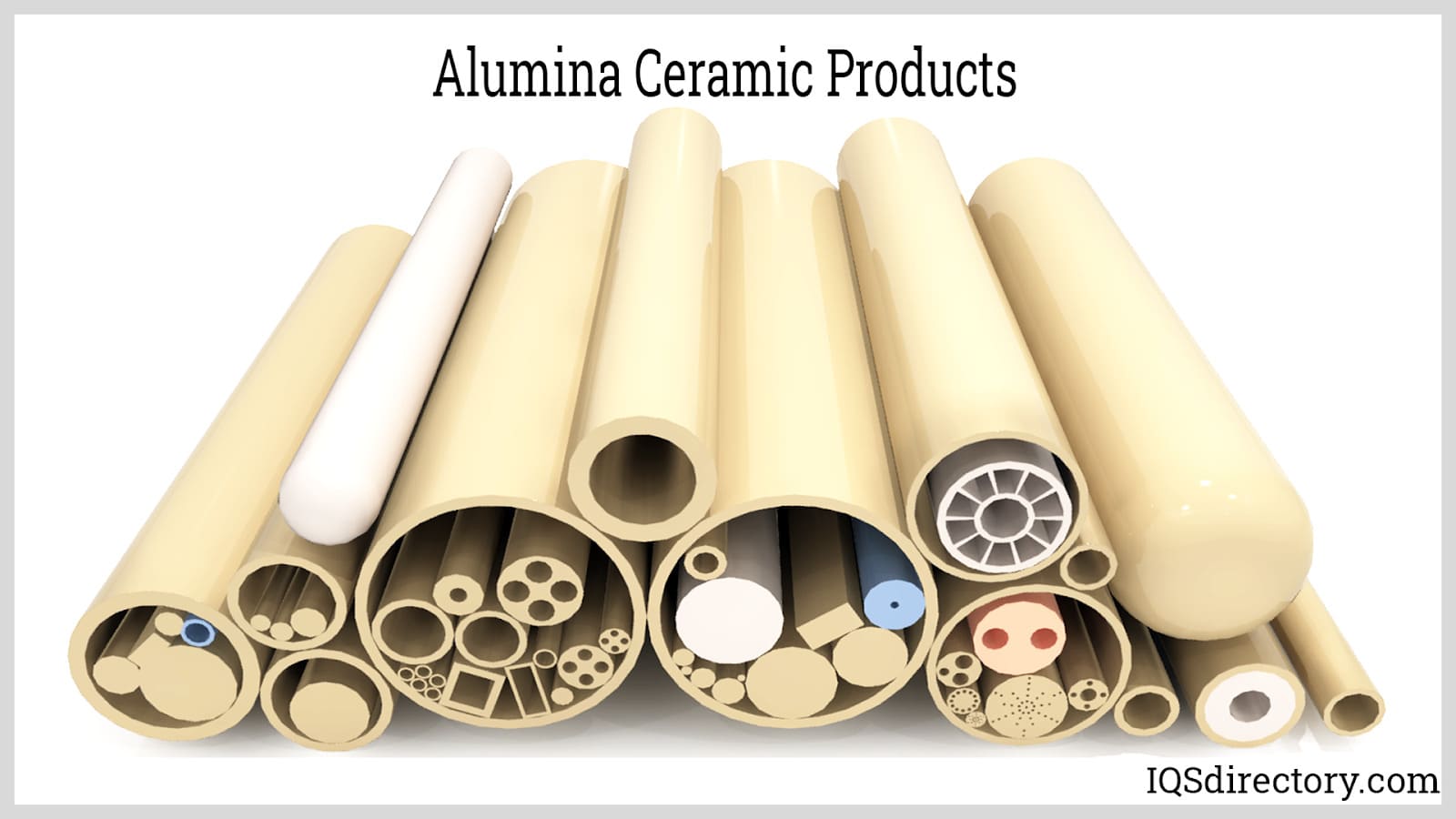
Alumina ceramic products are widely used where wear resistance, corrosion resistance, and dependable industrial performance are needed.
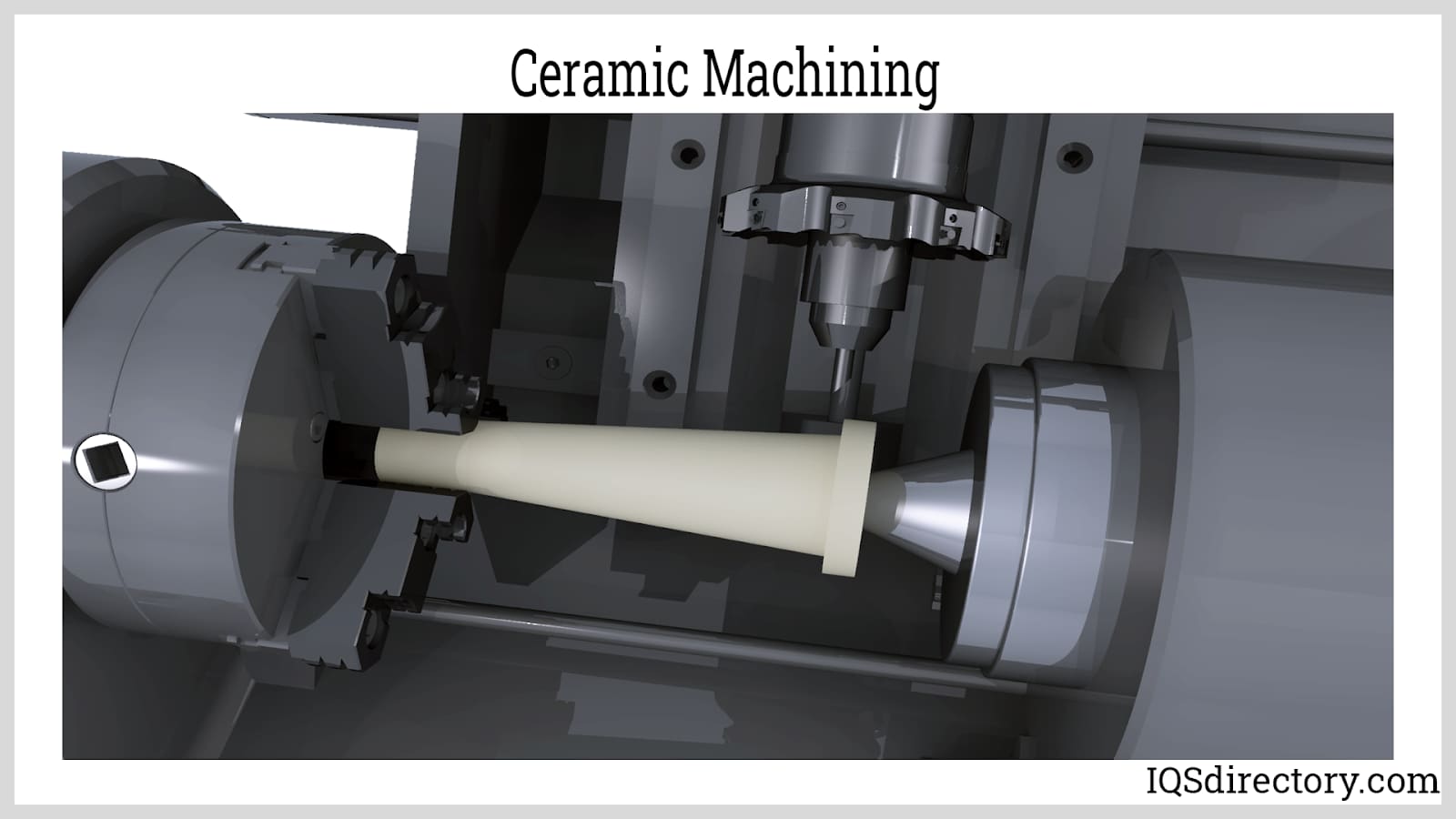
Ceramic machining turns fired or partially fired materials into finished components with the dimensions and surface quality required for production use.
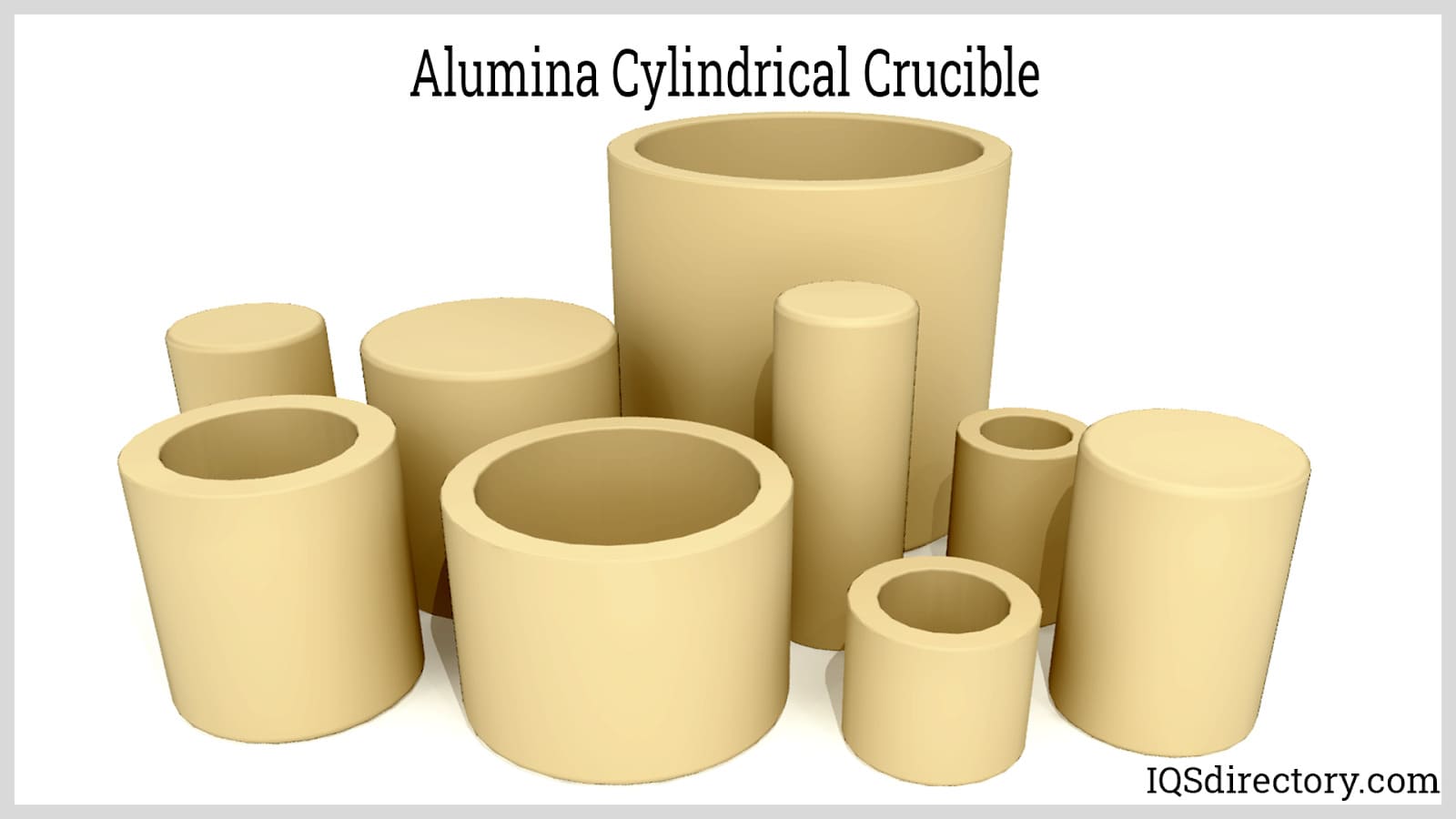
Alumina crucibles are chosen for high-temperature work because they combine durability, chemical resistance, and thermal stability.
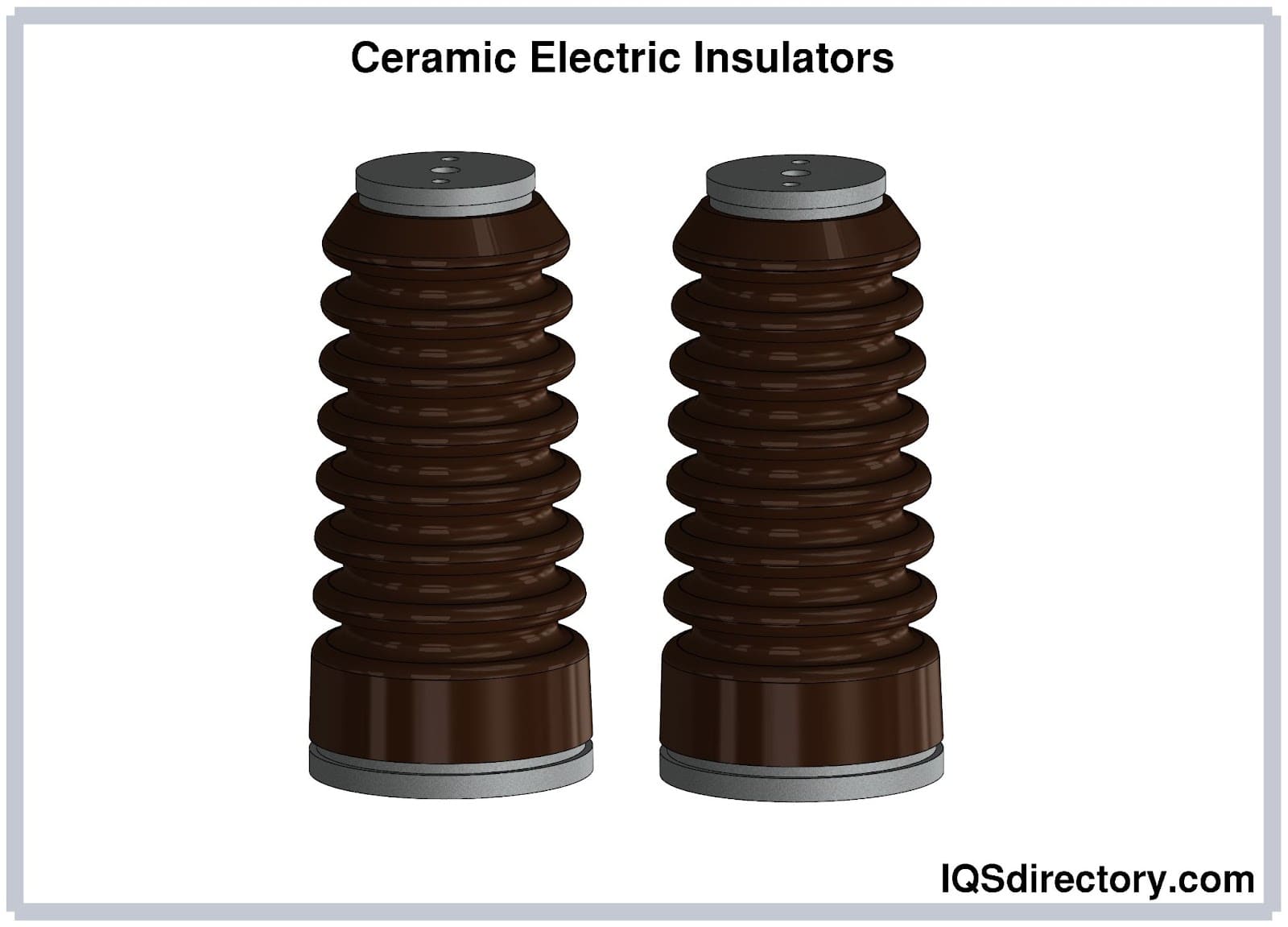
Ceramic insulators provide dielectric strength and reliable separation between conductive elements in electrical and power applications.
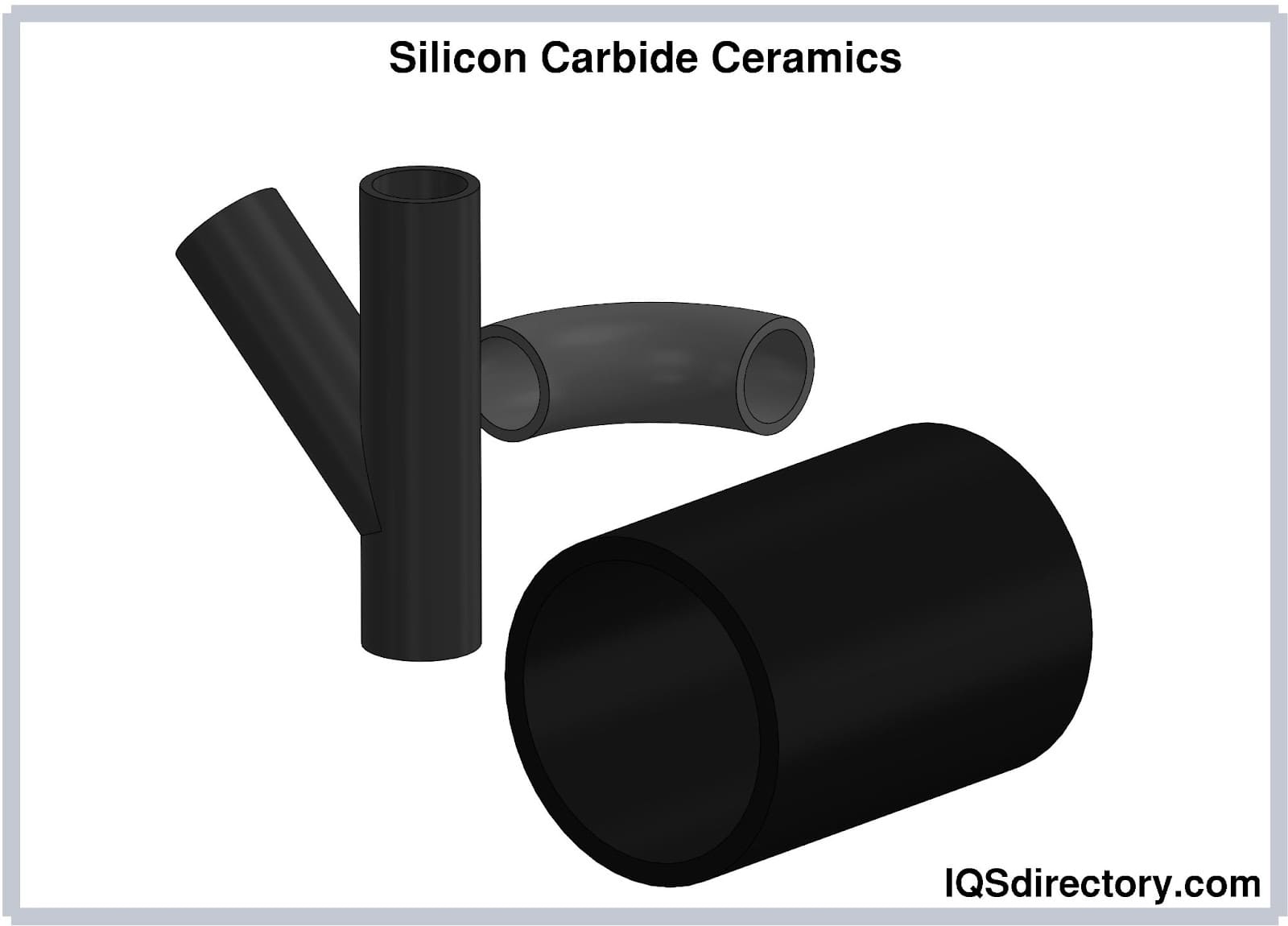
Silicon carbide ceramics are known for hardness, thermal performance, and use in demanding cutting, wear, and power-system applications.
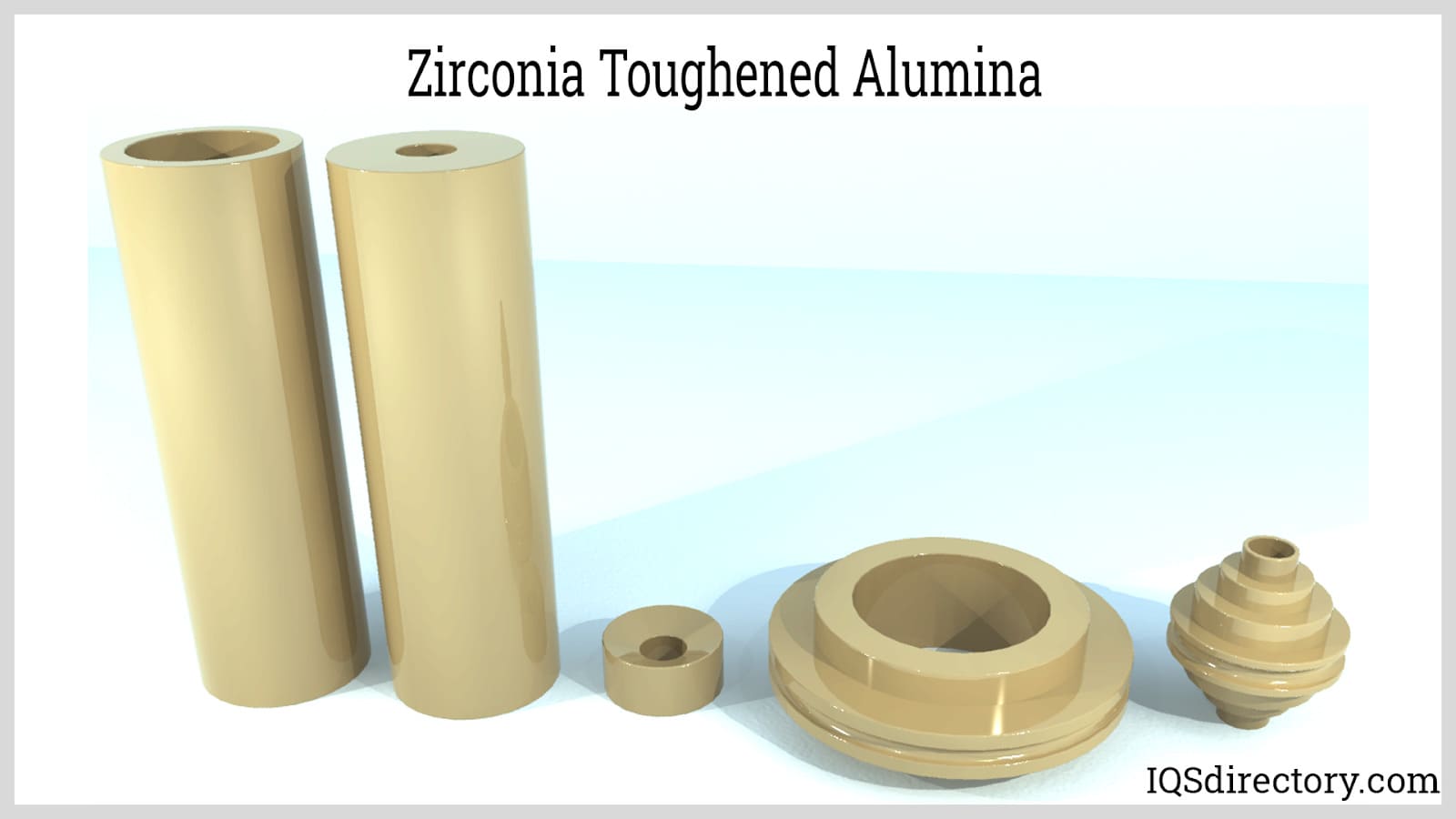
Zirconia toughened alumina combines strength, durability, and fracture resistance for parts that need longer wear life.
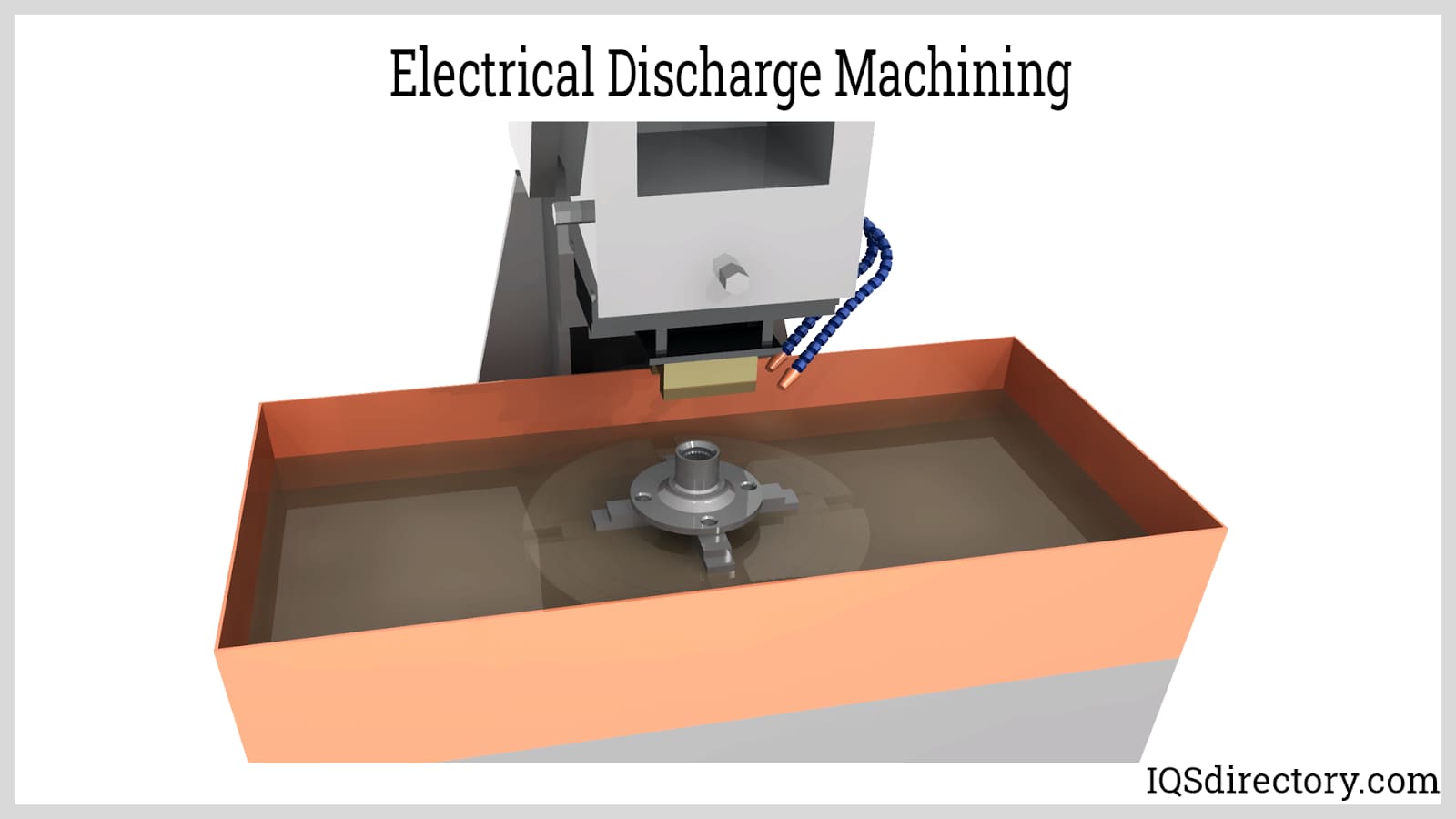
Electrical discharge machining can be used for selected ceramic-related applications when the material and resistivity profile support the process.
Ceramic Manufacturing Types
Alumina Ceramic
Also called aluminum oxide, alumina is a durable, economical ceramic used for wear, insulation, and high-temperature service.
Alumina Crucibles
Alumina crucibles handle very high temperatures and are widely used in laboratories, furnaces, and process heating environments.
Ceramic Armor
Ceramic armor uses hard, lightweight materials to absorb and spread ballistic impact in defense applications.
Ceramic Balls
Ceramic balls are precision rolling elements used in bearings, valves, pumps, and motion-control systems.
Ceramic Bearings
Ceramic bearings support high speed, low friction, and corrosion-resistant performance in demanding machinery.
Ceramic Bushings
Ceramic bushings provide insulation, wear resistance, and dimensional stability in electrical and mechanical assemblies.
Ceramic Coatings
Ceramic coatings add surface protection against heat, abrasion, corrosion, and premature wear.
Ceramic Composites
Ceramic composites blend materials to improve toughness, thermal behavior, or application-specific performance.
Ceramic Crucibles
Ceramic crucibles are kiln-fired containers used where process heat and chemical resistance are both important.
Ceramic Grinding
Ceramic grinding is a precision finishing process used to shape parts and improve surface accuracy.
Ceramic Insulators
Ceramic insulators separate conductive elements and help prevent unwanted electrical discharge.
Ceramic Machining
Ceramic machining produces precision parts with tighter tolerances after forming and firing.
Ceramic Manufacturers
Ceramic manufacturers produce materials and components for industrial, commercial, electrical, medical, and defense markets.
Ceramic Rods
Ceramic rods are solid forms used where strength, heat resistance, or insulation is needed.
Ceramic Spacers
Ceramic spacers maintain separation and stability in electrical, thermal, and structural assemblies.
Ceramic Tubes
Ceramic tubes are hollow parts used for heating, insulation, structural support, and fluid or wire routing.
Ceramic Washers
Ceramic washers resist abrasion, heat, and corrosion in applications that challenge metal fastener components.
Clay Ceramics
Clay ceramics include earthenware, stoneware, porcelain, and related fired products.
Electroceramics
Electroceramics are ceramics engineered for electrical, dielectric, magnetic, or piezoelectric functions.
Engineering Ceramics
Engineering ceramics are advanced materials used when performance matters more than decorative finish.
Fine Ceramics
Fine ceramics are high-purity materials made for controlled electrical, thermal, or mechanical performance.
Machinable Ceramics
Machinable ceramics can be cut and shaped more easily than many traditional fired ceramics.
Piezoelectric Ceramics
Piezoelectric ceramics generate electrical response under mechanical stress and are used in sensors and controls.
Porcelain
Porcelain is a dense, fired ceramic valued for smooth finish, strength, and electrical insulation.
Refractory Ceramics
Refractory ceramics are designed to withstand prolonged exposure to very high temperatures.
Silicon Carbide Ceramics
Silicon carbide ceramics provide hardness, thermal conductivity, and wear performance in extreme conditions.
Silicon Nitride Ceramics
Silicon nitride ceramics are used for strength, fracture resistance, and thermal reliability in dynamic parts.
Steatite Ceramics
Steatite ceramics are magnesium-silicate materials known for insulation and dependable electrical performance.
Zirconia Ceramics
Zirconia ceramics offer strength, wear resistance, and toughness for medical, automotive, and precision components.
Ceramic Manufacturing Terms
Adsorption
The attachment of one material to the surface of another.
Amorphous
A material structure that lacks a regular crystal pattern.
Attribute
A defining characteristic of a material or product.
Bisque
Clay that has been fired once but not yet glazed.
Bloating
Swelling caused by trapped gas during firing.
Blunging
Mechanical mixing of clay slurry for consistency.
Ceramic Change
The irreversible transformation from clay body to ceramic material.
Coefficient of Thermal Expansion
A measure of how much a material expands or contracts with temperature change.
Deflocculation
The thinning of slurry to improve flow and casting behavior.
Devitrification
Crystallization that occurs as a ceramic melt cools.
Densification
The reduction of porosity as a ceramic becomes more compact during firing.
Dielectric Strength
The maximum electric field an insulating material can withstand without failure.
Firing
Heating a ceramic body to develop its final properties.
Frit
A fused ceramic or glass material later ground for use in bodies or glazes.
Glass Phase
The noncrystalline portion of a fired ceramic structure.
Greenware
A formed ceramic body before final firing.
Hot Isostatic Pressing
A pressure-assisted thermal process used to improve ceramic density.
Kiln
A high-temperature furnace used for drying or firing ceramics.
Porosity
The amount of void space present within a ceramic body.
Refractory
A material designed to withstand very high temperatures without breaking down.
Slip
A fluid clay mixture used in casting and coating processes.
Sintering
The firing step that bonds particles and builds final strength.
Thermal Conductivity
A material’s ability to transfer heat.
Thermal Shock
Stress and cracking risk caused by sudden temperature change.
Vitrification
The stage during firing when clay forms a dense, glass-like ceramic structure.
More Ceramic Manufacturing Information