Butterfly Valves
Butterfly valves are quarter-turn flow control devices used to regulate, isolate, and throttle the movement of liquids, gases, air, and slurries within industrial pipelines. They provide dependable shut-off and efficient flow modulation by using a circular disc mounted on a shaft, which is connected to a lever handle or wheel for manual operation or automation. In process piping, water systems, chemical lines, and HVAC applications, this compact valve design is often chosen when buyers need fast cycling, low installed weight, and straightforward maintenance. When the actuator is turned, the disc rotates to a vertical position, blocking the flow path, while an open position aligns the disc with the pipe to allow media to pass through with minimal restriction. That combination of quick operation, compact geometry, and broad material options helps explain why butterfly valves remain a widely specified solution for industrial flow control.
Butterfly Valves FAQs
What is a butterfly valve and how does it control flow?
A butterfly valve controls the flow of liquids, gases, air, or slurries by rotating a disc inside the pipe. When the actuator turns the disc perpendicular to flow, it closes the passage; when the disc is parallel or nearly parallel to flow, media can pass through with low resistance, allowing shut-off or throttling in one compact assembly.
Why are butterfly valves popular in industrial applications?
Butterfly valves are popular in industrial applications because they combine compact size, lighter weight, lower material cost, and fast quarter-turn operation. They are often selected for water treatment, chemical processing, HVAC, food handling, and general manufacturing systems where reliable shut-off, repeatable throttling, and easier installation matter during equipment selection.
What materials are commonly used to make butterfly valves?
Butterfly valves are commonly manufactured from stainless steel, cast or ductile iron, and thermoplastics. Stainless steel is often chosen for corrosion resistance and cleaner service, cast iron supports rugged heavy-duty duty cycles, and plastic designs are used when lower weight, lower cost, or compatibility with selected non-metallic service conditions is preferred.
How does a butterfly valve differ from a gate valve?
Unlike gate valves, which rely on linear motion, butterfly valves rotate a disc on a central axis for faster quarter-turn operation. They usually take up less face-to-face space, weigh less, and can be easier to automate, which makes them attractive for systems where layout, response time, and maintenance access all affect the buying decision.
What are the main types of butterfly valves available?
Common types include wafer, lug, flanged, high-performance, double offset, triple offset, pneumatic, and electric butterfly valves. Each configuration supports different operating goals, such as compact installation, line-end service, tighter shut-off, elevated temperature performance, pressure handling, or automated control in plant and utility systems.
Where are butterfly valves most commonly used?
They are widely used in waterworks, wastewater treatment, HVAC, chemical processing, petroleum handling, irrigation, food production, and general manufacturing. Butterfly valves regulate air, water, gases, slurries, and selected corrosive media in pipelines and are valued for their fast shut-off, low-profile design, and adaptability across a wide range of industrial services.
What should be considered when choosing a butterfly valve?
Key selection factors include valve material, seat material, size, pressure class, temperature range, actuator style, shut-off requirements, and the characteristics of the flowing media. Engineers and buyers should match the valve design to pipeline conditions, corrosion exposure, cleaning requirements, and automation goals to support efficient, dependable flow control over the service life of the system.
History of Butterfly Valves
Butterfly valves have been used for generations and have advanced steadily as process industries demanded more dependable shut-off, better throttling performance, and broader compatibility with changing pipeline systems. Over time, improvements in disc geometry, shaft design, sealing methods, and actuation gave engineers more precise control over flow rate, pressure management, and automated valve response in demanding service conditions.
As butterfly valve technology matured, manufacturers refined manual gear operators, electric actuators, and pneumatic actuators so that larger valves could cycle more smoothly and seal more consistently. Better machining, improved elastomer and metal seat materials, stronger body castings, and more accurate assembly methods all helped move butterfly valves from simple shut-off devices toward highly versatile flow control products used in utility, processing, and OEM applications.
Benefits and Advantages of Butterfly Valves
Butterfly valves offer a practical balance of performance, size, and economy when compared with many other flow control devices. They are effective for shut-off and throttling in a wide range of systems, and modern seat designs can support tight sealing in many applications. In highly sanitary or highly specialized process environments, however, buyers still need to review cleanability, seat design, dead space, and material compatibility before specifying a valve for the line.
One major advantage of butterfly valves is ease of operation. A 90° turn can move the valve from fully open to fully closed, which supports fast shut-off, responsive adjustment, and easier operator training. Larger valves are often paired with gear operators, handwheels, or powered actuators so users can manage higher torque loads while still maintaining controlled movement and dependable seating.
From a cost standpoint, butterfly valves are often attractive because their compact bodies and quarter-turn mechanism generally require less material than bulkier valve styles. Wafer butterfly valves are especially economical for many pipeline layouts because they fit between flanges with a simple, space-saving profile. Lug-style designs add mounting flexibility and service convenience by allowing bolting through the body so one side of a system can sometimes be isolated more easily during maintenance.
Butterfly valves also require less installation space. Their compact face-to-face design helps engineers fit shut-off or throttling capability into tighter mechanical rooms, skid packages, utility corridors, and retrofit piping systems where larger valve geometries can become a layout problem.
Another advantage is that butterfly valves often require less routine maintenance than more complex valve assemblies, especially when the valve has been matched correctly to media, pressure, cycling frequency, and sealing requirements.
Butterfly Valve Design
Butterfly Valve Design
The design of a butterfly valve plays a major role in how effectively it controls flow inside a piping system. This valve style uses a circular disc as the shut-off element, and its quarter-turn action allows operators to isolate or modulate the movement of liquids, gases, air, and slurries with speed and repeatability. Disc profile, stem arrangement, seat design, and body style all influence torque, sealing, pressure drop, and long-term performance.
How a Butterfly Valve Works
Typically, butterfly valves pivot on an axis that is perpendicular to the flow direction inside the valve body. Mounted on a spindle or shaft, the disc can be positioned closed, fully open, or partially open to manage shut-off and throttling duties. That flexibility is one reason specifiers use butterfly valves in systems that need both on-off control and adjustable flow regulation without changing to a different valve family.
Suppliers stock a wide range of closure types, pressure classes, body configurations, and actuator options to match flow control requirements and piping specifications. Butterfly valves are produced in many diameters for low-flow and high-flow service, and compact assemblies are especially useful where available space is limited. Advances in fabrication, CNC machining, coating systems, and quality control help deliver smoother sealing surfaces, more accurate dimensions, and better repeatability during installation and operation.
Materials Used in Butterfly Valves
To meet potable water, industrial processing, and utility requirements, the materials used in butterfly valves must be selected carefully for sanitation, corrosion resistance, abrasion resistance, pressure capability, and media compatibility. That flexibility allows butterfly valves to serve a broad mix of industries and gives buyers room to balance performance, maintenance, and budget during specification. Manufacturers typically use three main materials in constructing these valves:
- Plastic: Plastic butterfly valves are less common in heavy-duty industrial duty, but they can be useful when a lightweight, lower-cost, corrosion-conscious option is needed. The body and disc are formed from thermoplastic materials, often in simple configurations that work well for selected chemical service, water handling, or utility lines when pressure and temperature demands stay within the material limits.
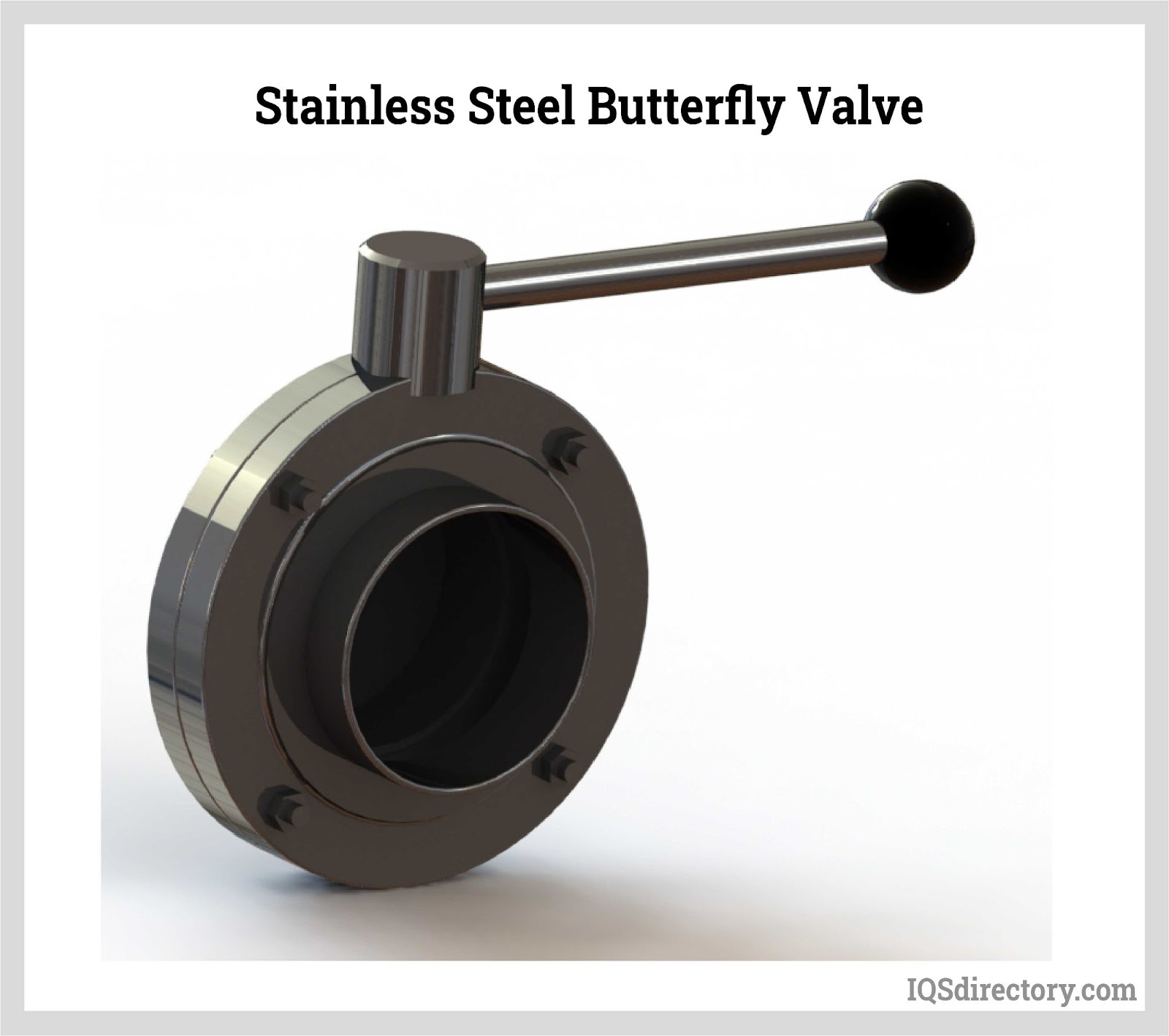
- Stainless Steel: Known for corrosion and oxidation resistance, stainless steel is a widely specified butterfly valve material in food processing, beverage production, water service, pharmaceutical support systems, and general industrial environments. It offers a long service life, a cleaner surface, and easier maintenance, which is why buyers often choose it when sanitation, appearance, and chemical resistance all matter.
- Cast Iron (Ductile Iron): Used in heavy-duty applications, cast or ductile iron butterfly valves provide strength, durability, and value for demanding service conditions. They are frequently selected for waterworks, utility piping, and industrial lines where rugged construction and dependable mechanical performance are more important than lightweight design.
Butterfly Valve Components
The basic layout of butterfly valves has remained recognizable over time, but improvements in materials, machining, coatings, and fabrication have significantly improved sealing, service life, and operating consistency. The main components of a butterfly valve work together to support shut-off performance, low torque operation, and reliable installation:
- Body: The body of a butterfly valve usually fits between two pipe flanges and forms the main pressure-containing structure. Common body styles include wafer and lug designs, each chosen based on piping layout, service access, and installation preferences.
- Disk: The disc serves as the primary control element, much like the ball in a ball valve or the gate in a gate valve. Disc geometry and position affect shut-off performance, flow characteristics, pressure drop, and the torque required for operation.
- Stem: The stem may be a one-piece or two-piece design depending on the application, torque demands, and product construction. It transfers motion from the handle, gearbox, or actuator to the disc and must remain aligned for smooth cycling.
- Seat: The seat provides the seal between the disc edge and valve body. Seat materials may include elastomers, polymers, or metal depending on the service, and the seat may be pressed in, locked in place, bonded, or otherwise retained to support shut-off integrity and media compatibility.
Size of Butterfly Valves
The size range available for butterfly valves is one reason they are used so broadly in modern piping systems. Manufacturers rely on alloy selection, pressure-temperature data, and CNC machining to produce discs, seats, stems, and bodies with accurate tolerances and dependable fit. Because butterfly valves are available in both standard and custom sizes, engineers can match valve capacity to flow demand, pressure drop goals, and installation constraints across many different industries.
Butterfly Valve Images, Diagrams and Visual Concepts
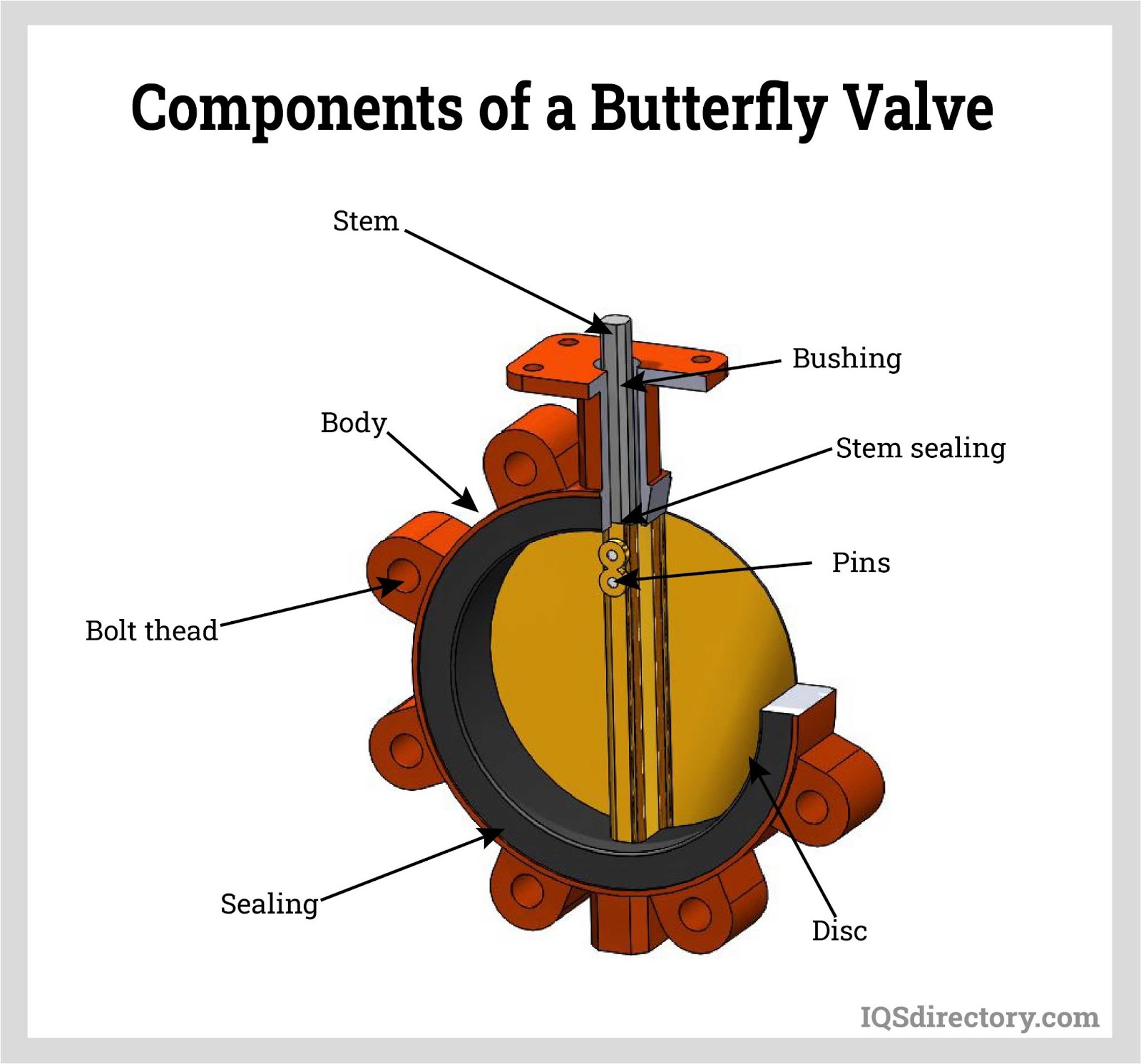 The main components of a butterfly valve.
 Double-flanged butterfly valves have a pair of flanges built on each side of the valve body.
 Metal butterfly valves have high toughness and withstand intense pressure.
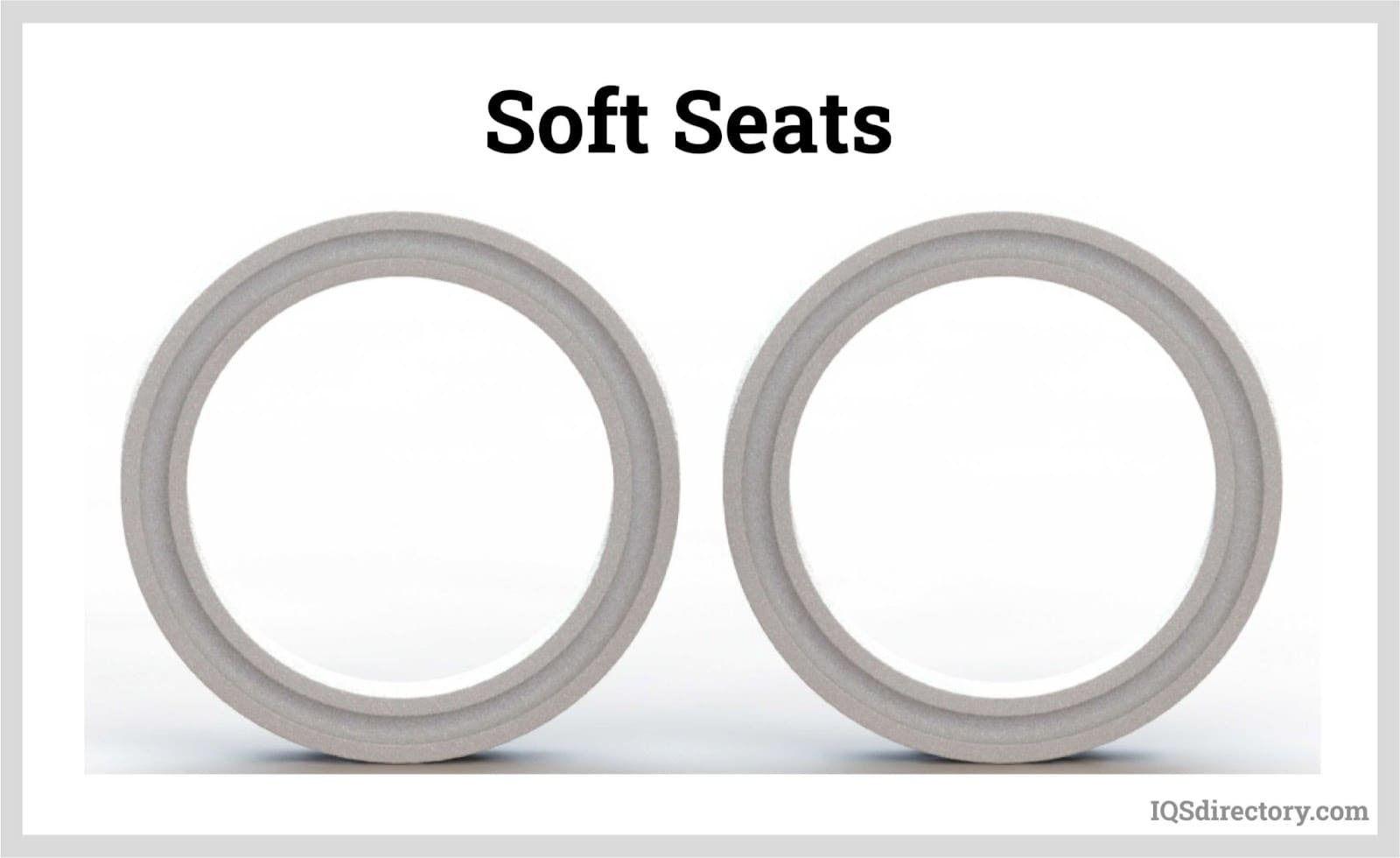 Softs seats are made from plastic or elastomeric materials with a low coefficient of friction and have self-lubricating properties.
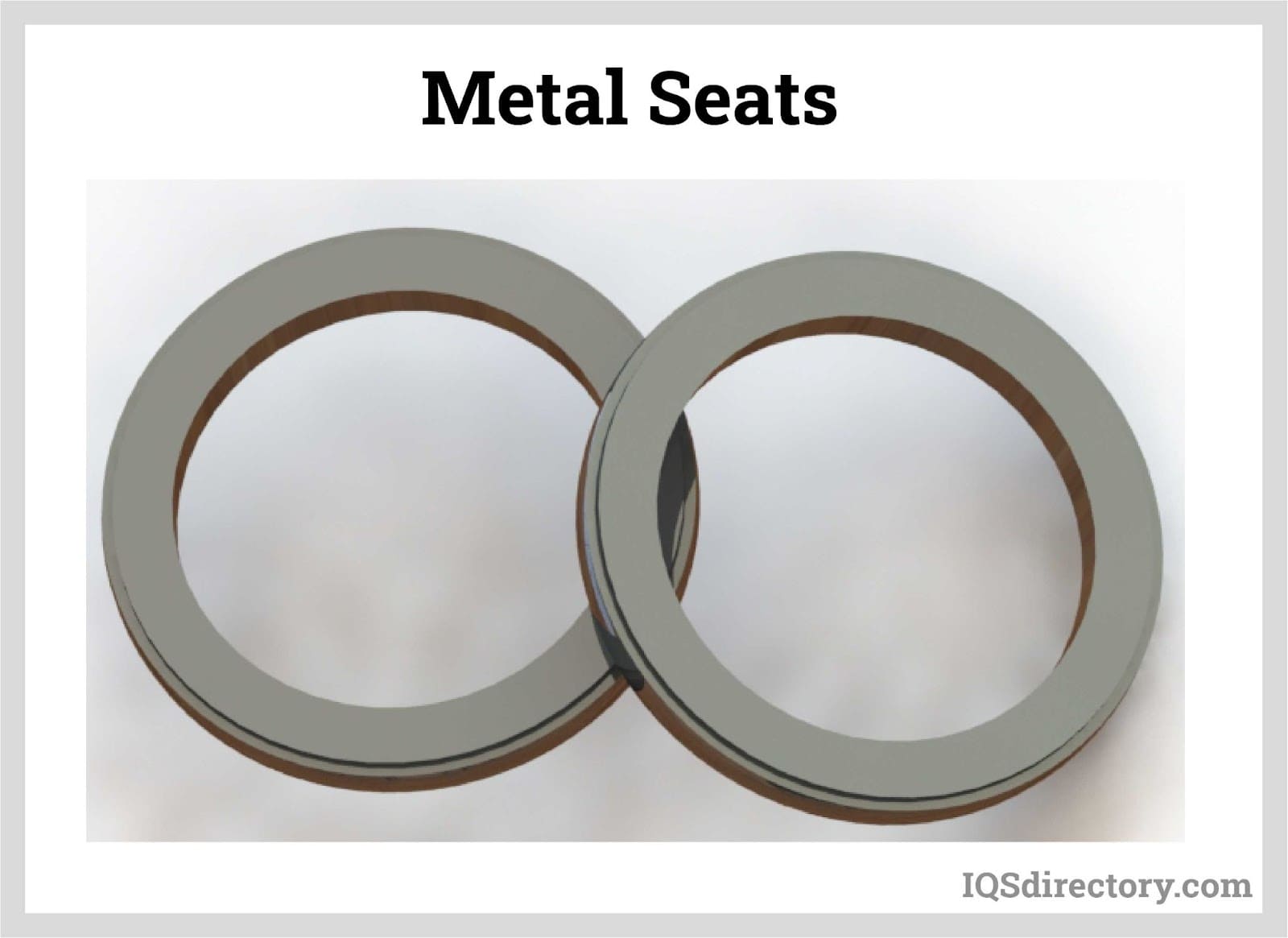 Metal seats can withstand and retain their strength at high temperatures.
Butterfly Valve Types
-
Aluminum Butterfly Valves
Made from various grades of aluminum, these butterfly valves are valued for lightweight construction and good strength-to-weight performance. They can be useful where lowering assembly weight matters, though buyers should still review corrosion exposure and surface protection when comparing aluminum to stainless steel or coated iron alternatives.
Awwa Butterfly Valves
Designed to meet standards associated with the American Water Works Association, these valves are used in potable water and municipal service applications where utility buyers need dependable shut-off, suitable coatings, and water system compatibility.
Cast Iron Butterfly Valves
Ideal for heavy-duty service, cast iron butterfly valves are known for strength, durability, and value in harsh or utility-oriented environments where a rugged body and long operating life are priorities.
Electric Butterfly Valves
These valves use an electric actuator to open, close, or position the disc, reducing the need for manual levers or crank wheels. Electric butterfly valves are often chosen for automated process lines, remote operation, and control systems that benefit from repeatable motion and integration with plant controls.
Flanged Butterfly Valves
Featuring raised outer rims, flanged butterfly valves are designed for straightforward installation between pipes and for stronger alignment in many piping systems. This configuration can improve serviceability and is often considered when system operators want a more robust mounting arrangement.
High Performance Butterfly Valves
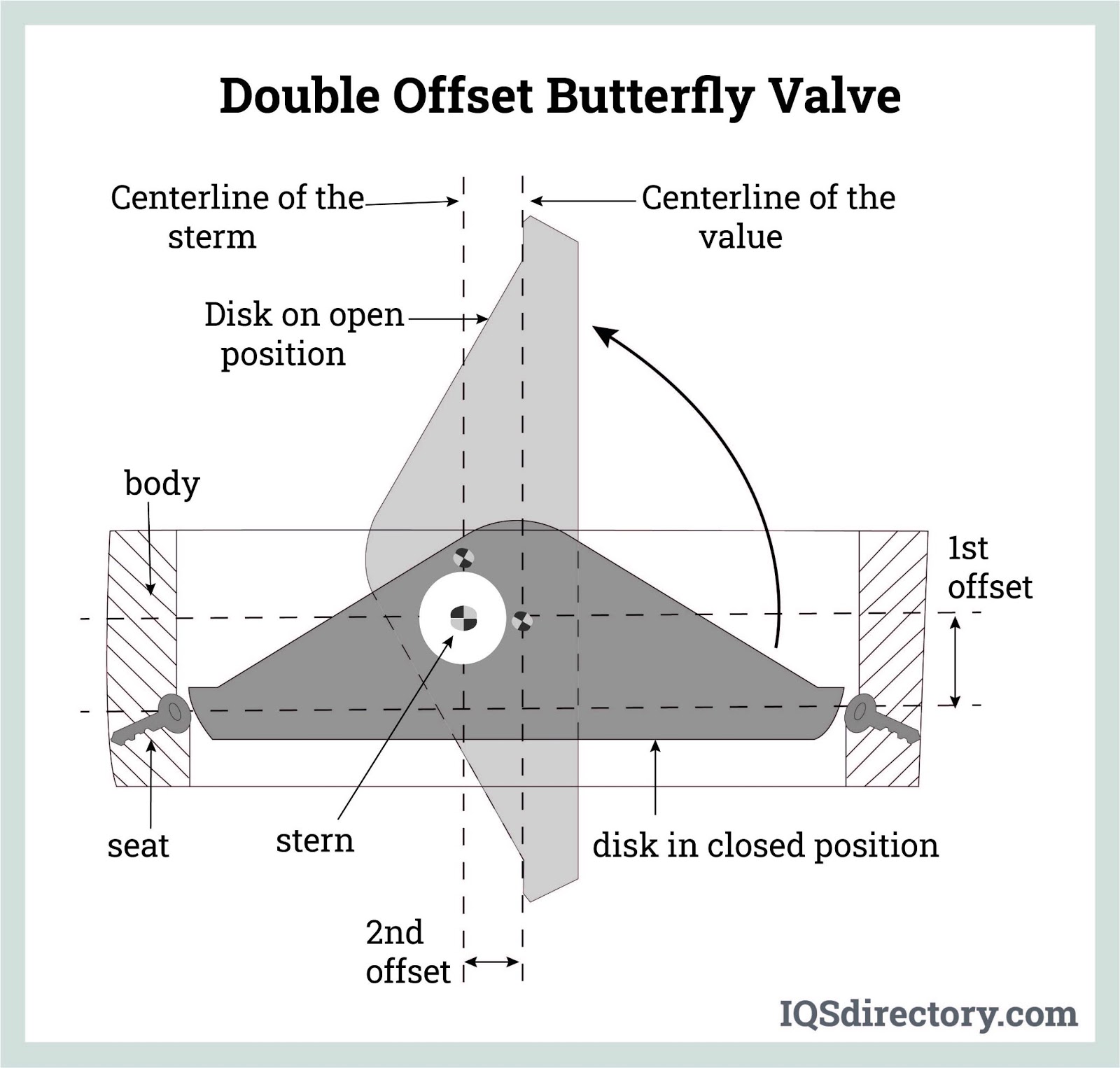
Often built as double-offset or similarly upgraded designs, high-performance butterfly valves are intended for elevated temperatures, higher pressures, and more demanding shut-off requirements than standard resilient-seated models.
Lug Butterfly Valves
Lug butterfly valves have threaded metal inserts in the bolt holes, allowing the use of separate bolting patterns without relying on nuts through the full assembly. Installed between flanges, they are often chosen when one side of the system may need to be disconnected for service while the opposite side remains in place.
Plastic Butterfly Valves
Plastic butterfly valves are generally more affordable and can offer good corrosion resistance in selected services. They do, however, tend to have lower maximum pressure and temperature capability than many metal valve designs, so operating conditions should be reviewed carefully before purchase.
Pneumatic Butterfly Valves
These valves are used to isolate or regulate pipes carrying compressed or pressurized air and are also common in automated air handling and pneumatic control systems where quick response and compact construction are beneficial.
Stainless Steel Butterfly Valves
One of the most widely specified types, stainless steel butterfly valves are valued for strength, corrosion resistance, and cleaner performance in sanitary, washdown, or chemically sensitive environments.
Triple Offset Butterfly Valves
These valves are mounted eccentrically in three places, a geometry that supports tighter sealing, reduced seat wear, and stronger performance in demanding shut-off and higher-temperature applications.
Wafer Butterfly Valves
Installed between two flanges, wafer butterfly valves are secured with bolts, nuts, or studs and provide a simple, compact, and widely used solution for many general industrial, water, and utility applications.
Installing Butterfly Valves
Installing butterfly valves can offer practical advantages over gate valves in many piping systems, especially when buyers are focused on compact design, easier handling, faster operation, and lower installed cost:
- Butterfly valves are lighter and require less space, which helps during shipping, handling, and installation in compact mechanical systems.
- Compared to gate valves, butterfly valves usually have smaller overall dimensions, making them easier to place in tight equipment layouts and retrofit line upgrades.
- Butterfly valves open and close quickly, typically with only a quarter turn, which supports faster isolation and more responsive operation.
- Their shorter shaft arrangement can improve accessibility and make surrounding piping or equipment easier to work around during installation and service.
- Butterfly valves are often more cost-effective because they use less material, weigh less, and can reduce handling and support requirements.
Applications for Butterfly Valves
Butterfly valves are used across a wide variety of environments because they can shut off or regulate the flow of many different media inside pipelines. They are suitable for gases such as air, liquids such as water, petroleum, and chemicals, and mixed media such as slurries where compact throttling or isolation is needed.
Specific applications include chemical transport, underground piping systems, high-pressure water lines, utility service, irrigation systems, and selected OEM equipment. Industries that use butterfly valves include pipe fabrication, automotive production, municipal waterworks, food processing, HVAC, industrial manufacturing, and many process plants that depend on reliable quarter-turn flow control.
These valves are commonly used in food transport and chemical plants where dependable control of product flow is necessary. They also appear in HVAC, petroleum recovery, and industries dealing with high-pressure water. Butterfly valves serve a wide range of purposes, including:
- Air, cooling water, gases, and fire protection systems
- Slurry and similar services
- Vacuum service
- High-temperature and high-pressure water and steam services
- Compressed air or gas applications
Valve Standards and Specifications
Valves, including butterfly valves, are used in a wide range of applications across industrial, commercial, and residential sectors. To ensure proper functionality, compatibility, and safety, several major regulatory organizations oversee the design, manufacturing, and usage of these valves.
The key standard organizations include:
- American Petroleum Institute
- American Society of Mechanical Engineers
- American National Standards Institute
- ASTM International
- Manufacturers Standardization Society
These organizations are headquartered in the United States but have international influence and are recognized globally.
For engineers designing or using valves for global applications, it is important to review the standards and documents provided by national standard organizations, such as:
- International Organization for Standardization (ISO)
- European Committee for Standardization (CEN)
- ANSI Valve Standards (United States)
- BSI Valve Standards (United Kingdom)
- CSA Valve Standards (Canada)
- DIN Valve Standards (Germany)
- EEMUA Valve Standards (United Kingdom)
- JSA Valve Standards (Japan)
Things to Consider When Purchasing a Butterfly Valve
Most industrial companies that use butterfly valves are in manufacturing, chemicals, water-based industries, or any field involving piping systems. Depending on the size and shape of the pipe where the butterfly valve will be installed, manufacturers may need to create custom-designed butterfly valves. These manufacturers must take into account the material properties and fabrication techniques for each valve component.
When dealing with high or low-pressure environments, specific types of butterfly valves are required, just as different piping connections may require particular designs. It's important to find butterfly valve companies that can design, engineer, and manufacture valves tailored to your exact specifications. Whatever the piping needs, there is a butterfly valve to meet them.
Browse our website to explore and discover top butterfly valve manufacturers with detailed product descriptions and roll-over ads. Connect with these companies through our easy and efficient request-for-quote form. We provide company profiles, website links, locations, phone numbers, product videos, and more. You can also read reviews and stay updated with the latest product articles.
Whether you're searching for manufacturers of stainless steel butterfly valves, high-performance butterfly valves, or triple offset butterfly valves, IQS is your premier resource.
Butterfly Valves Terms
-
Actuator
The component of a valve that converts electrical, fluid, or thermal energy into mechanical energy to open or close the valve.
Aeration
The process of mixing air with a high oxygen content into a liquid. In carburetor butterfly valves, aeration occurs when oxygen is mixed with fuel.
Back Pressure
The force exerted on the upstream side of a butterfly valve or valve seat.
Bearing
A support used in conjunction with butterfly valves to hold the revolving shaft in its proper position.
Blind Flange
A solid plate-like fitting used to seal the end of a flanged pipe.
Bonnet
The part of a valve that connects the valve body to the actuator. The bonnet may also include the stem packing.
Breakaway (Unseating) Torque
The force required to rotate the closure element of a butterfly or rotary valve.
Flange
The rim at the end of a fitting, pipe, or valve that allows for bolting onto another pipe or fitting.
Flow Meter
A device used to measure and display the flow rate of a material.
Flow Rate
The weight, mass, or volume of a gas, liquid, or solid passing through a medium per unit of time.
Gate Valve
A type of valve similar to a butterfly valve, but not used for throttling applications, as it is either fully open or fully closed.
Inlet
The area of a valve through which fluid enters.
Leakage
The amount of fluid that passes through a valve when it is in the off position. Leakage is typically measured in volume per time.
Outlet
The opening in a valve through which fluid exits.
Pounds per Square Inch (PSI)
A unit of measurement for the pressure of a liquid, solid, or gas in a valve system.
Recovery
The amount of pressure reduced in a flow stream due to the design of the control valve. Recovery is also described as the ratio of maximum downstream pressure to upstream pressure.
Seating Torque
The turning force needed to close a valve.
Slip on Flange
A flange that slides over the end of a pipe and is then welded in place.
Throttling
The regulation of flow or current through a valve.
Trim
The inner parts of a valve that come into contact with the flow stream.
Valve Body
The main part of the valve that contains passages for the flowing material.
Variable Speed
A term describing an actuator’s ability to provide a slower operating time across its full range of operation.
Vena Contracta
The area of a valve where the flow stream is slowest, typically located downstream of the physical constriction.